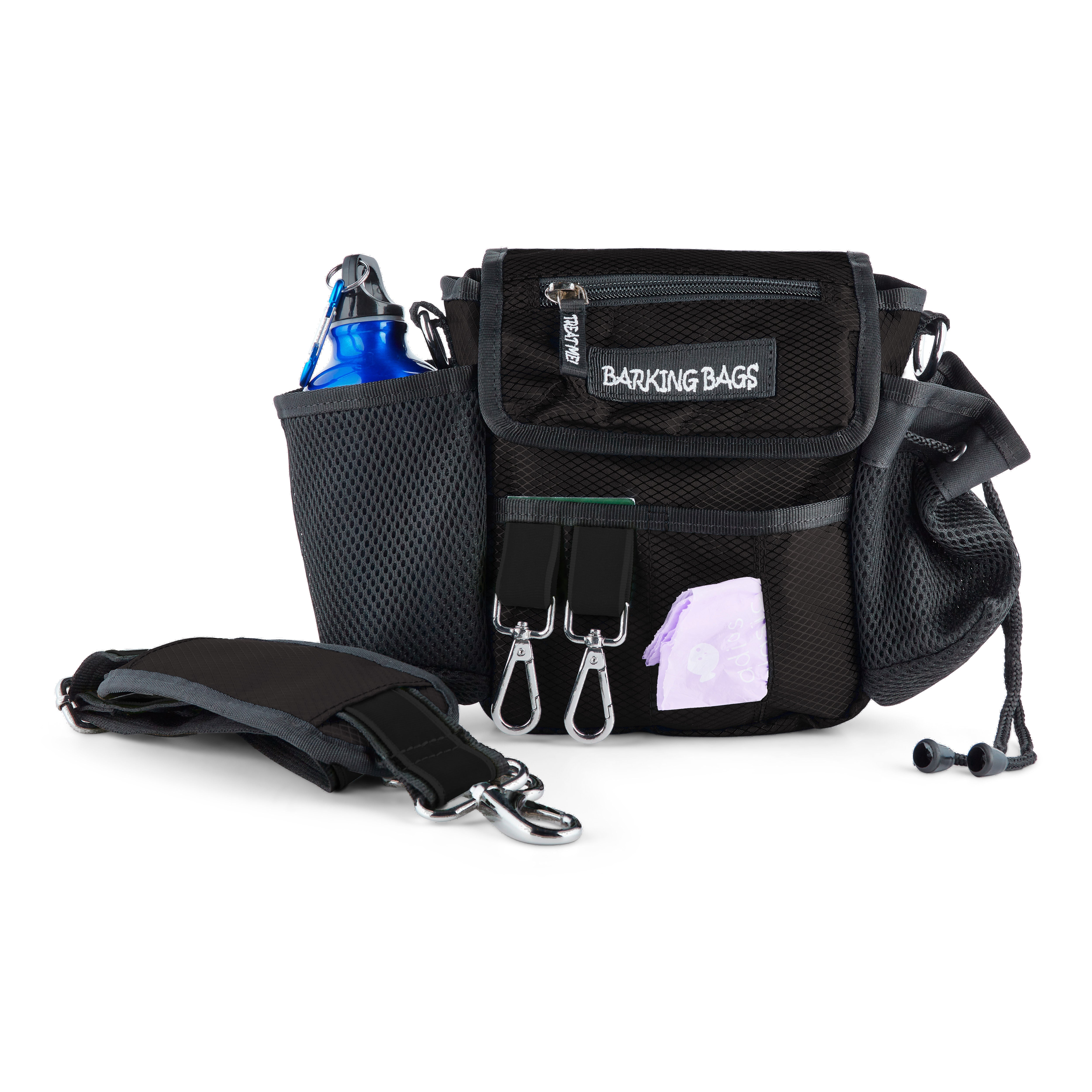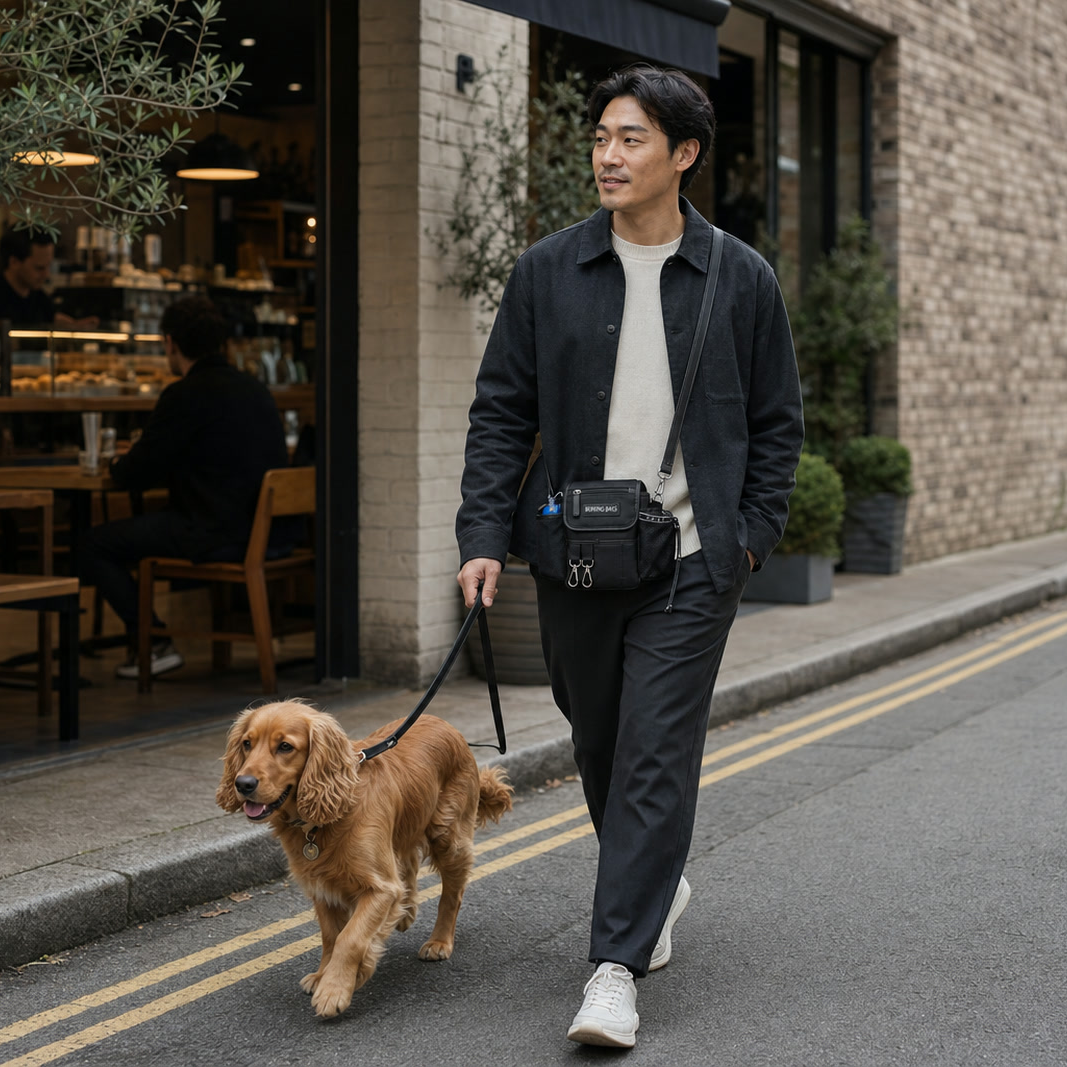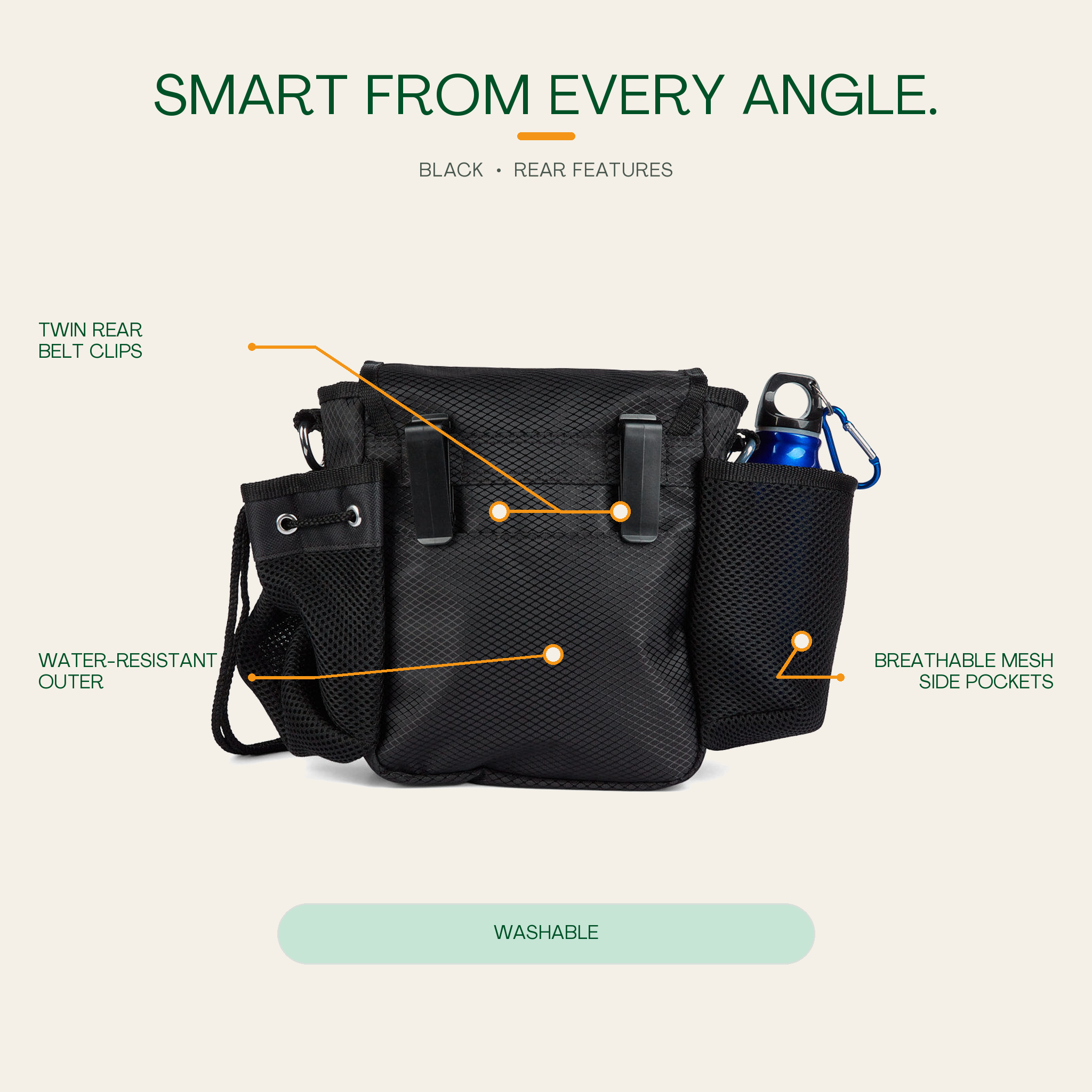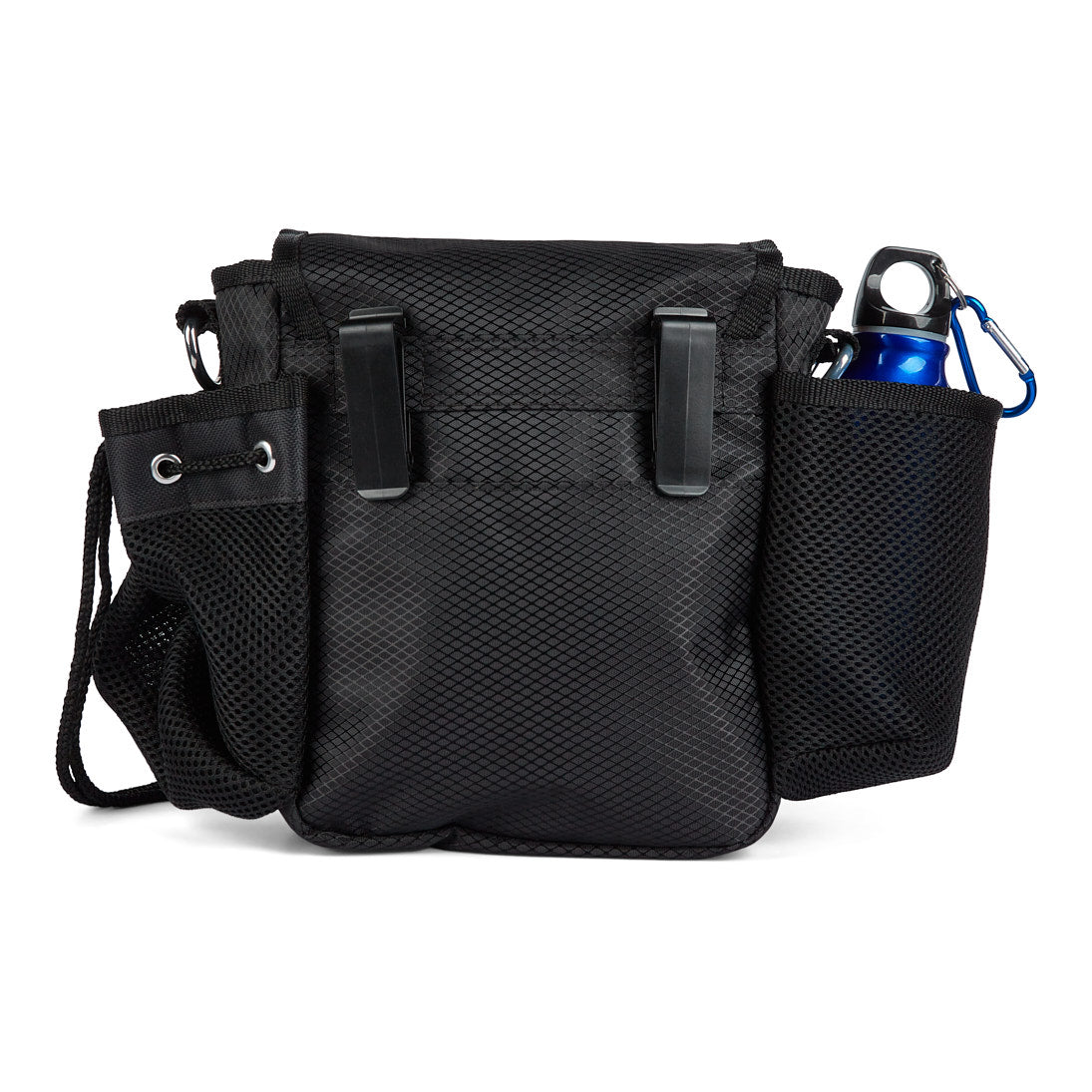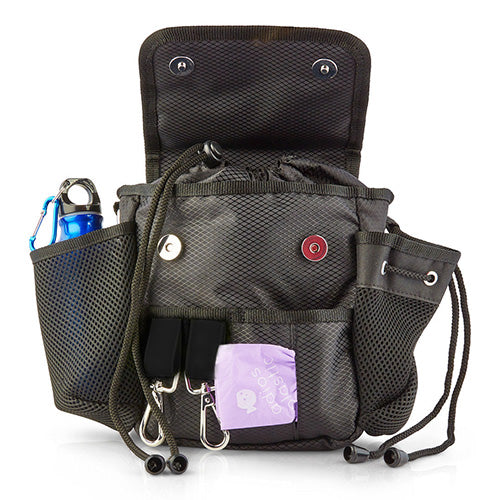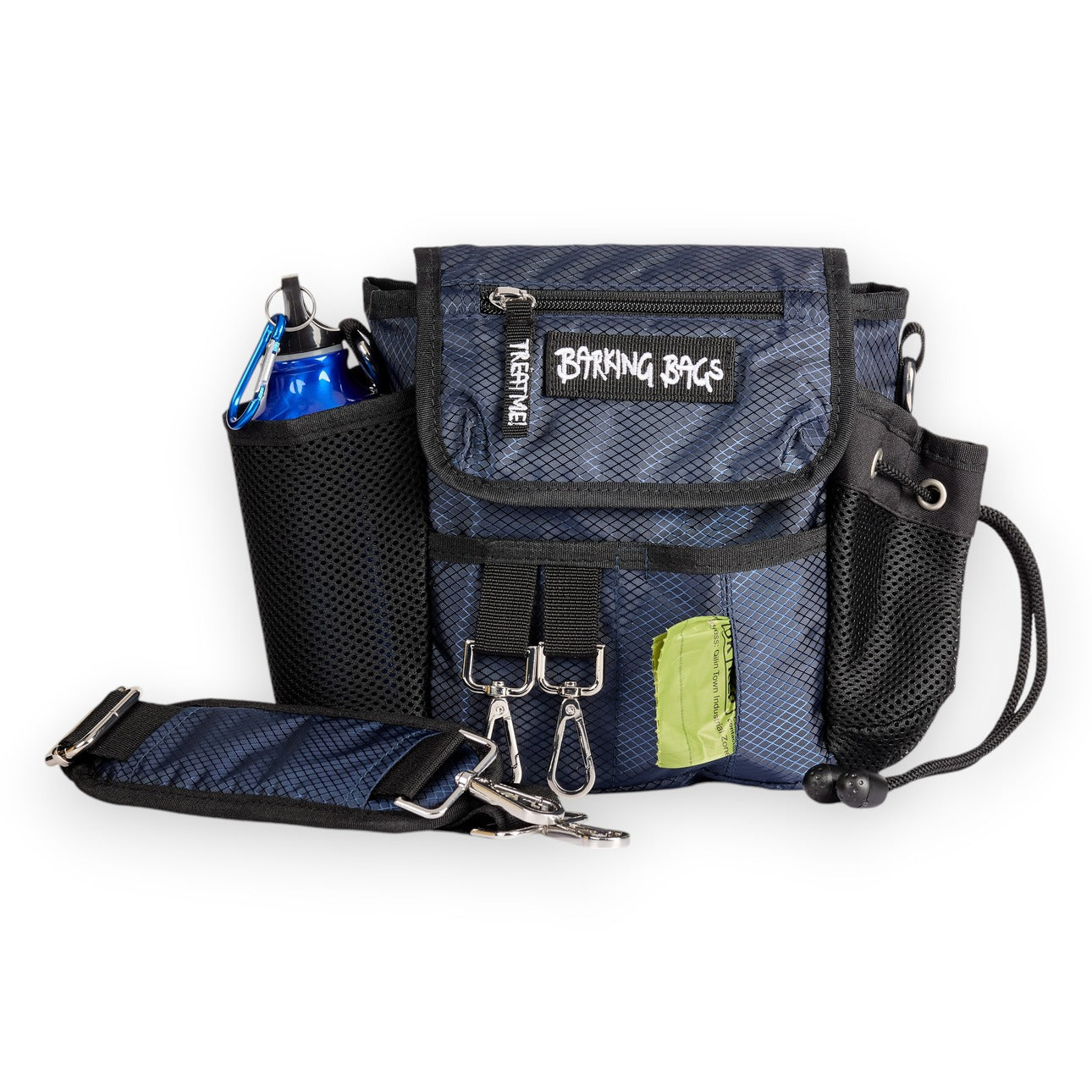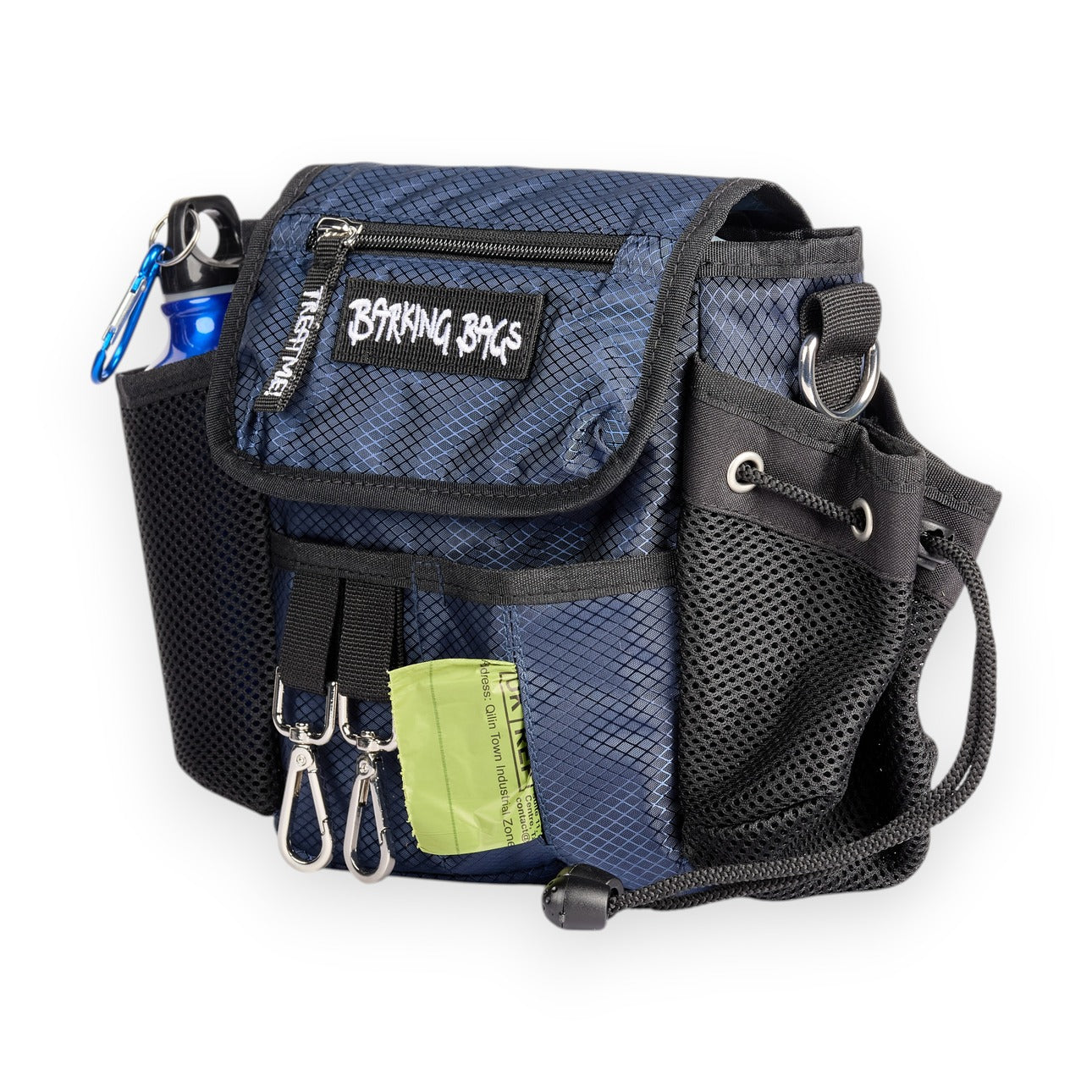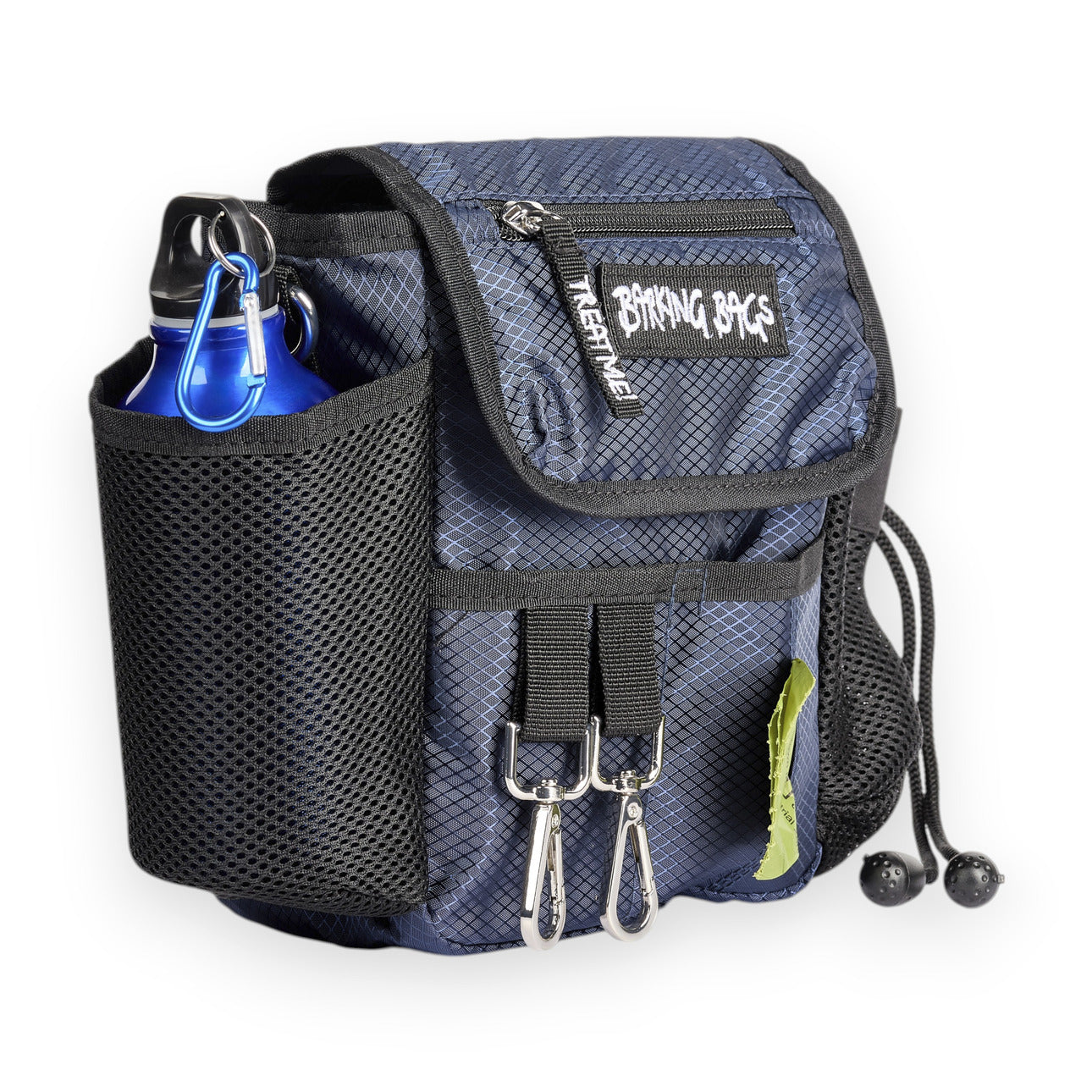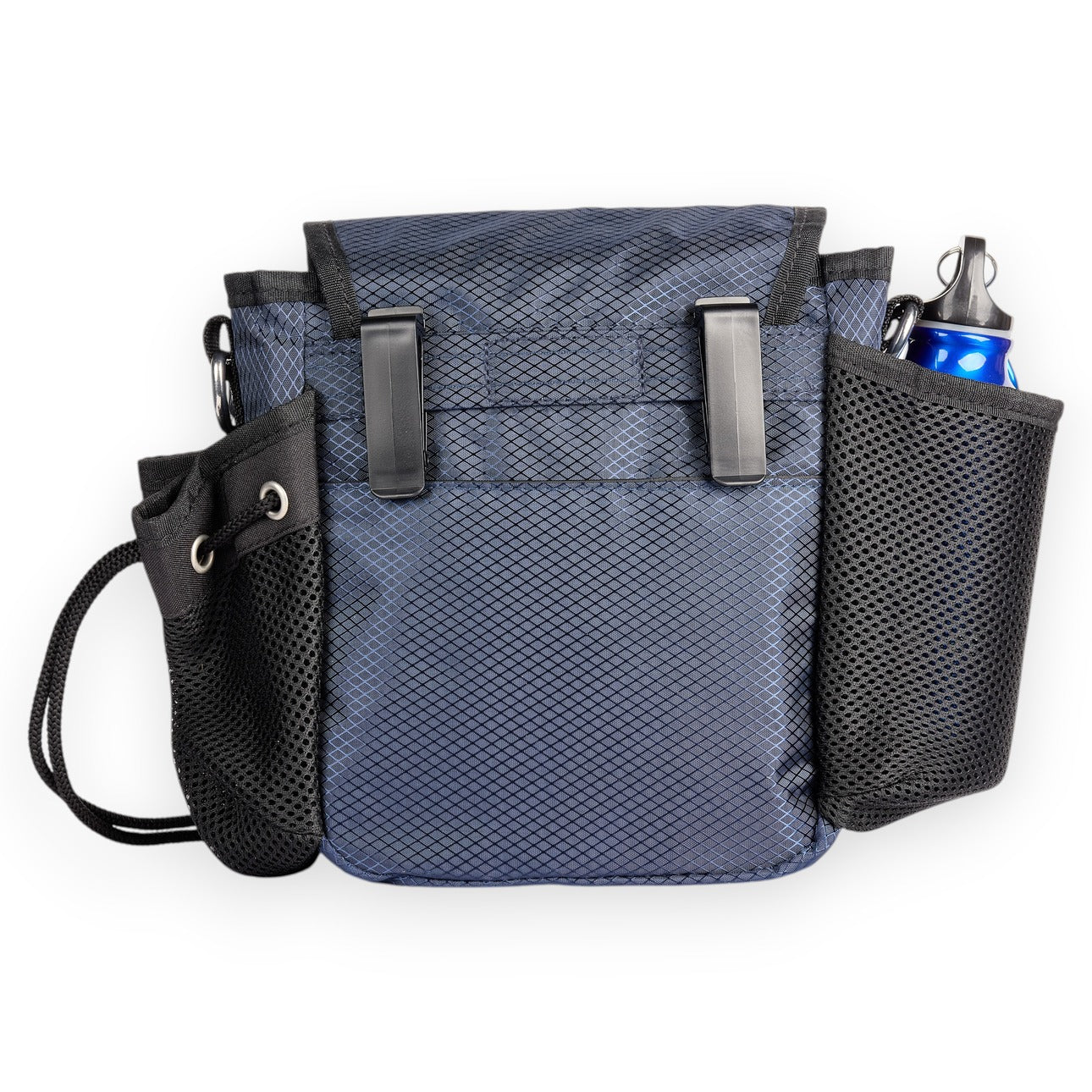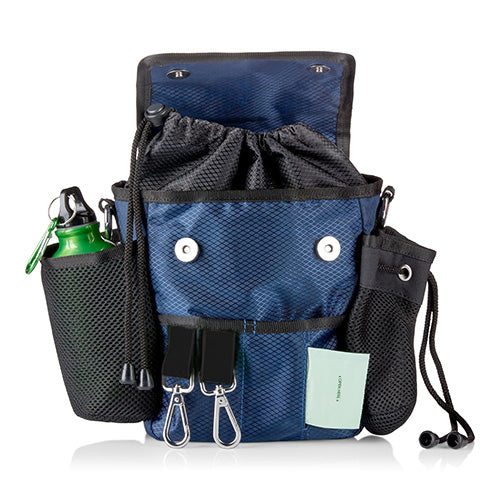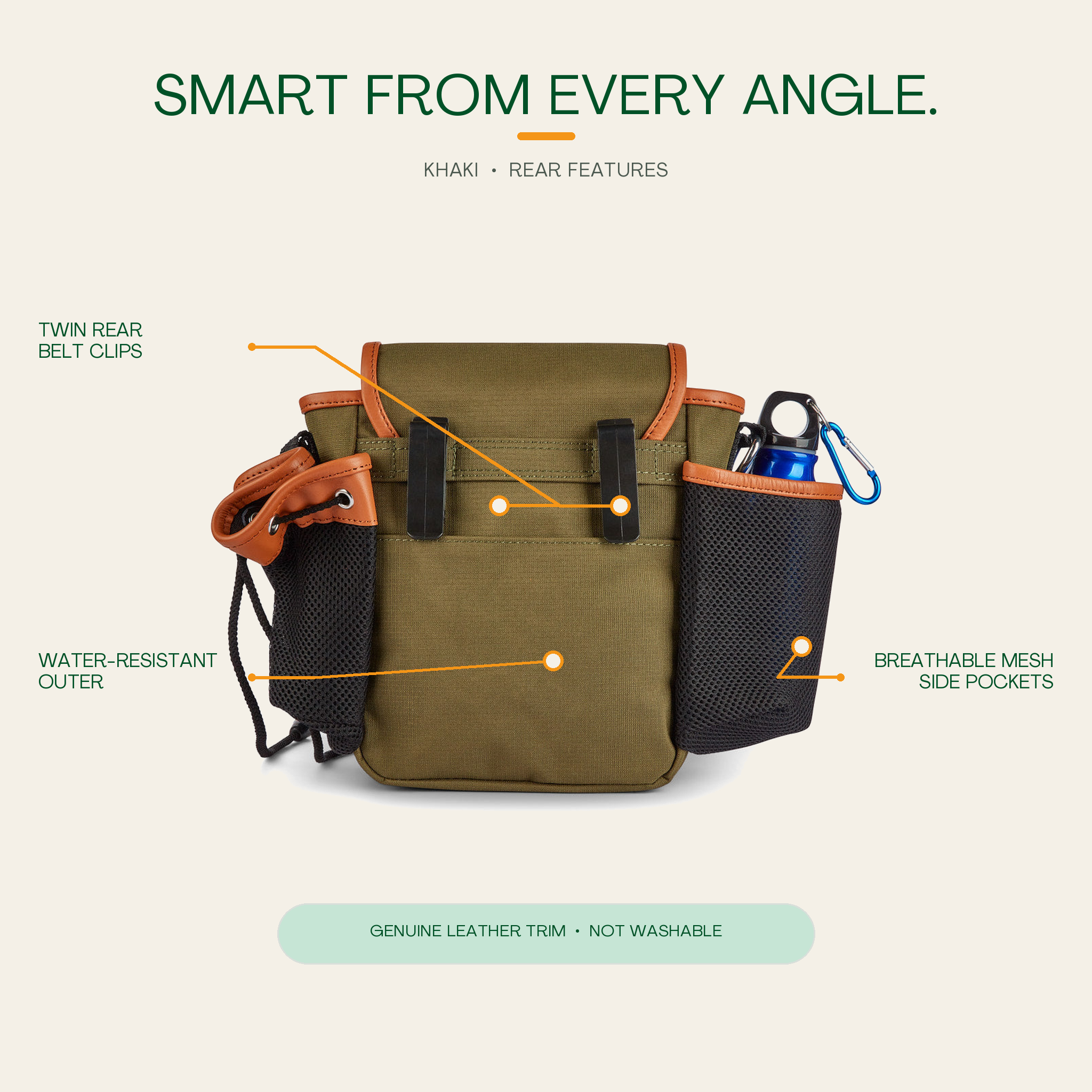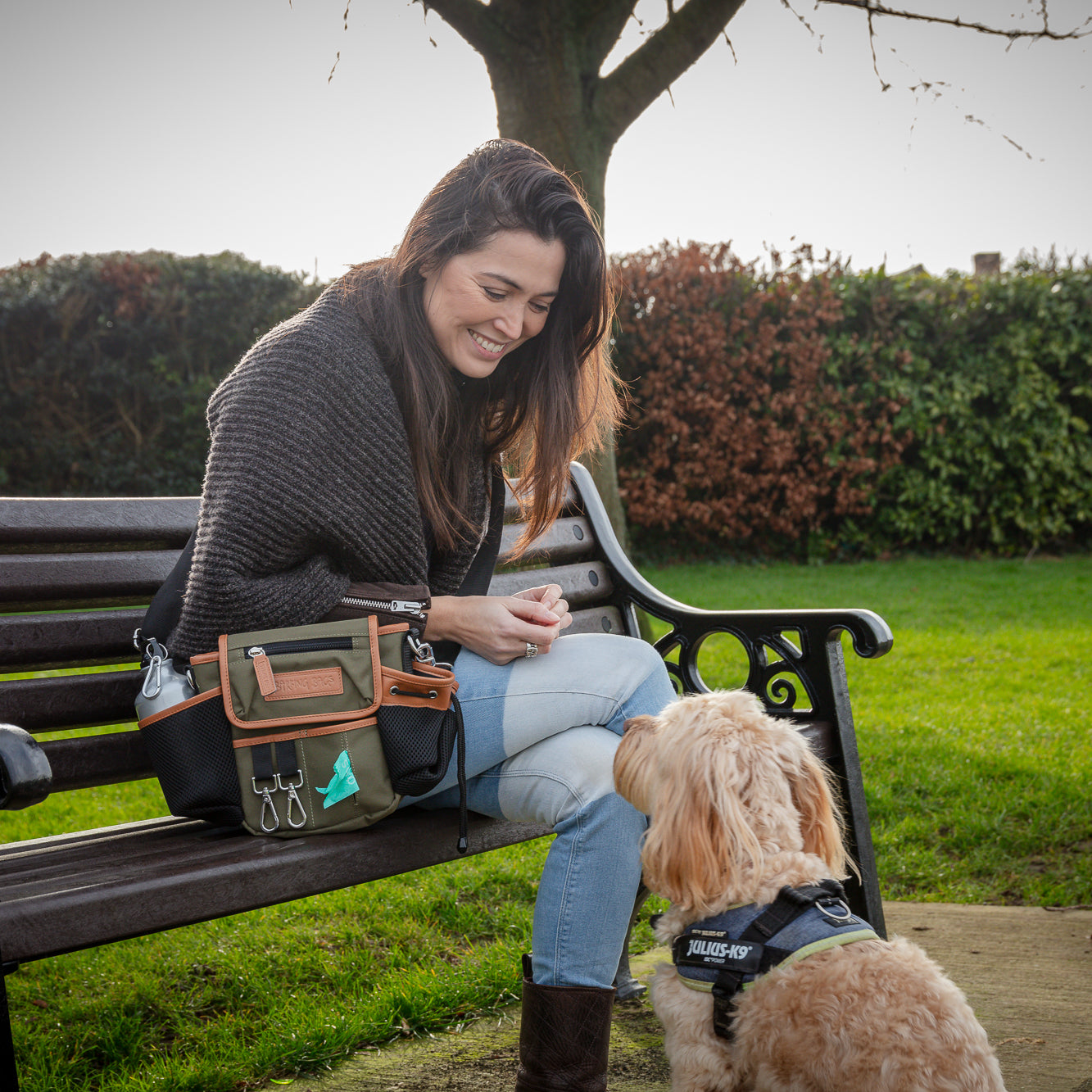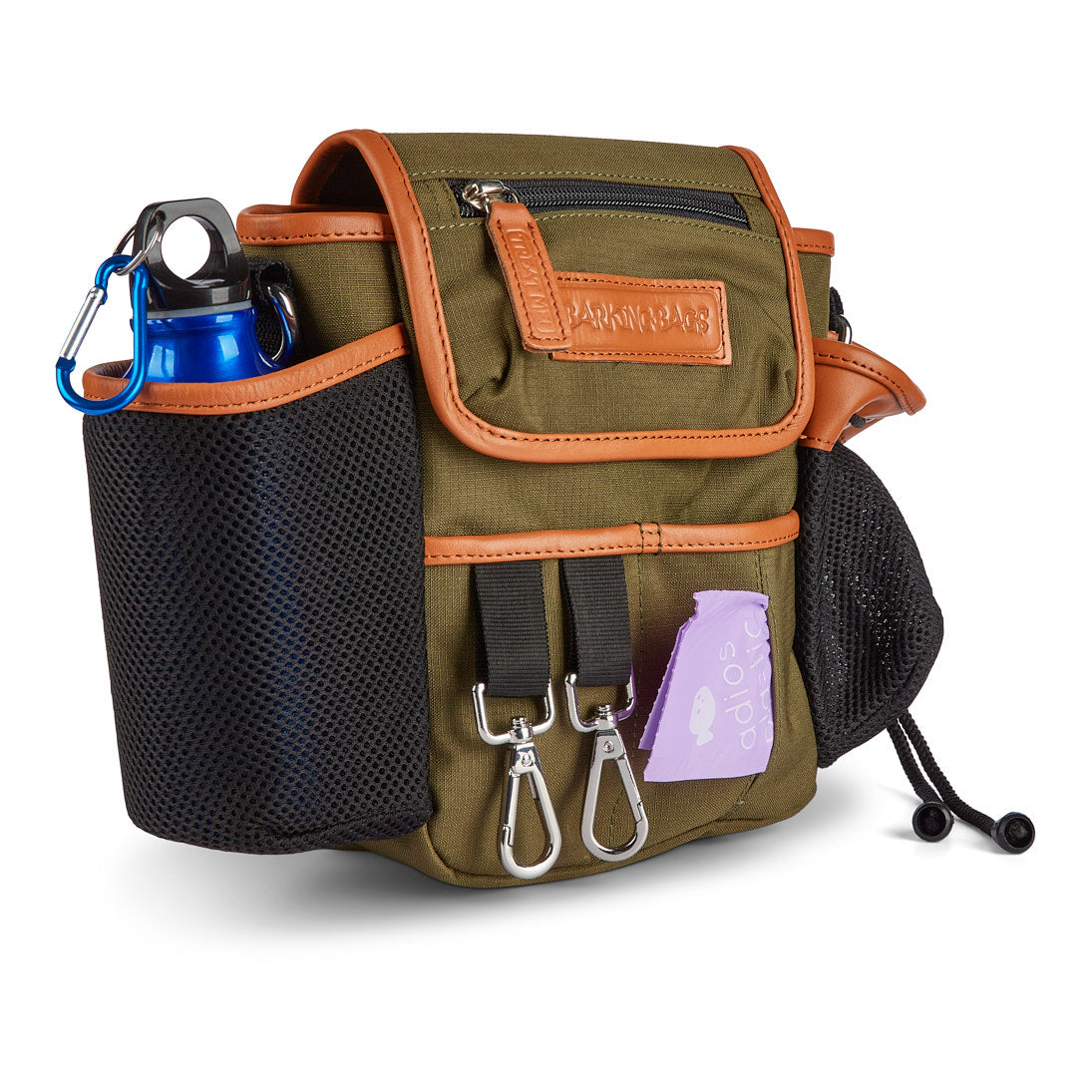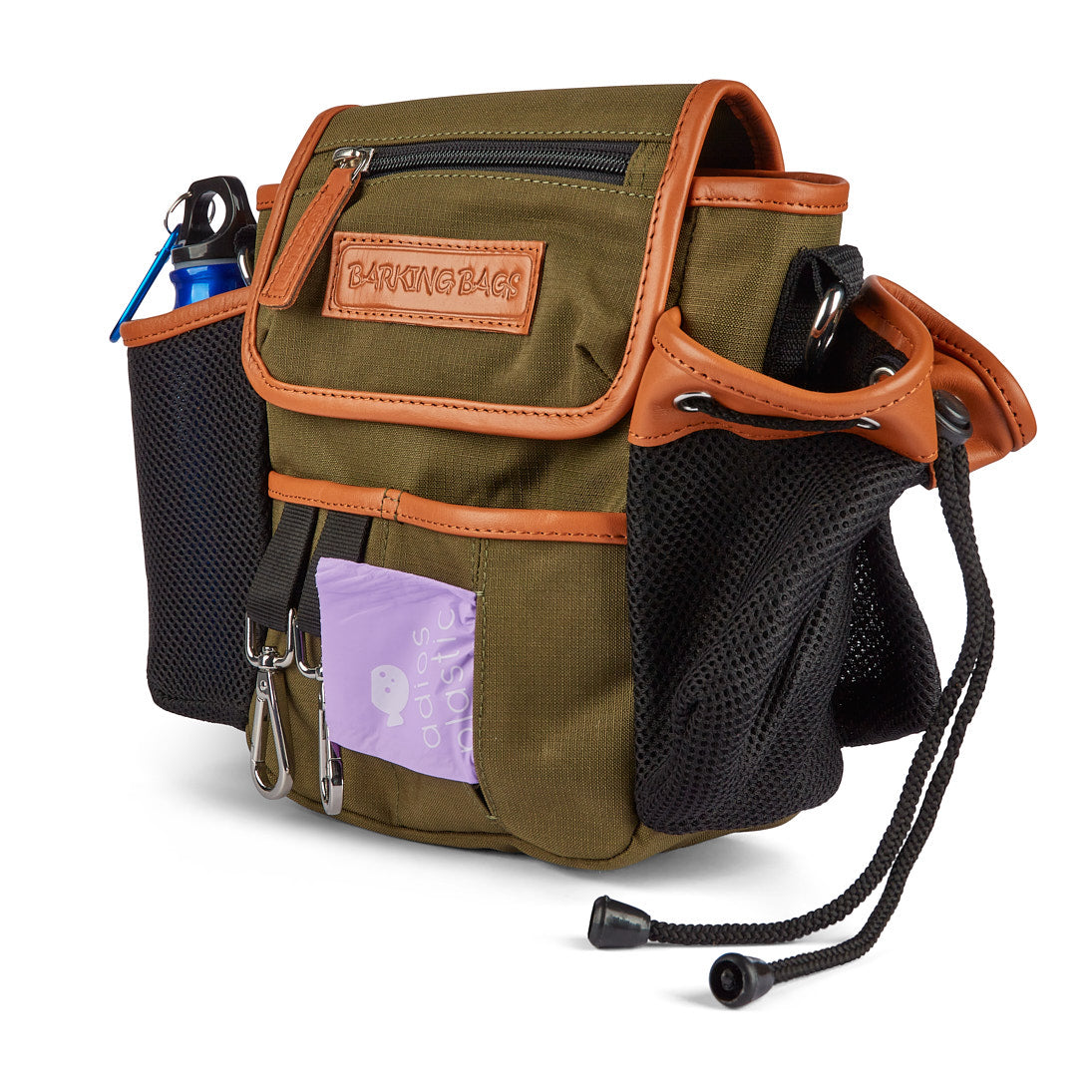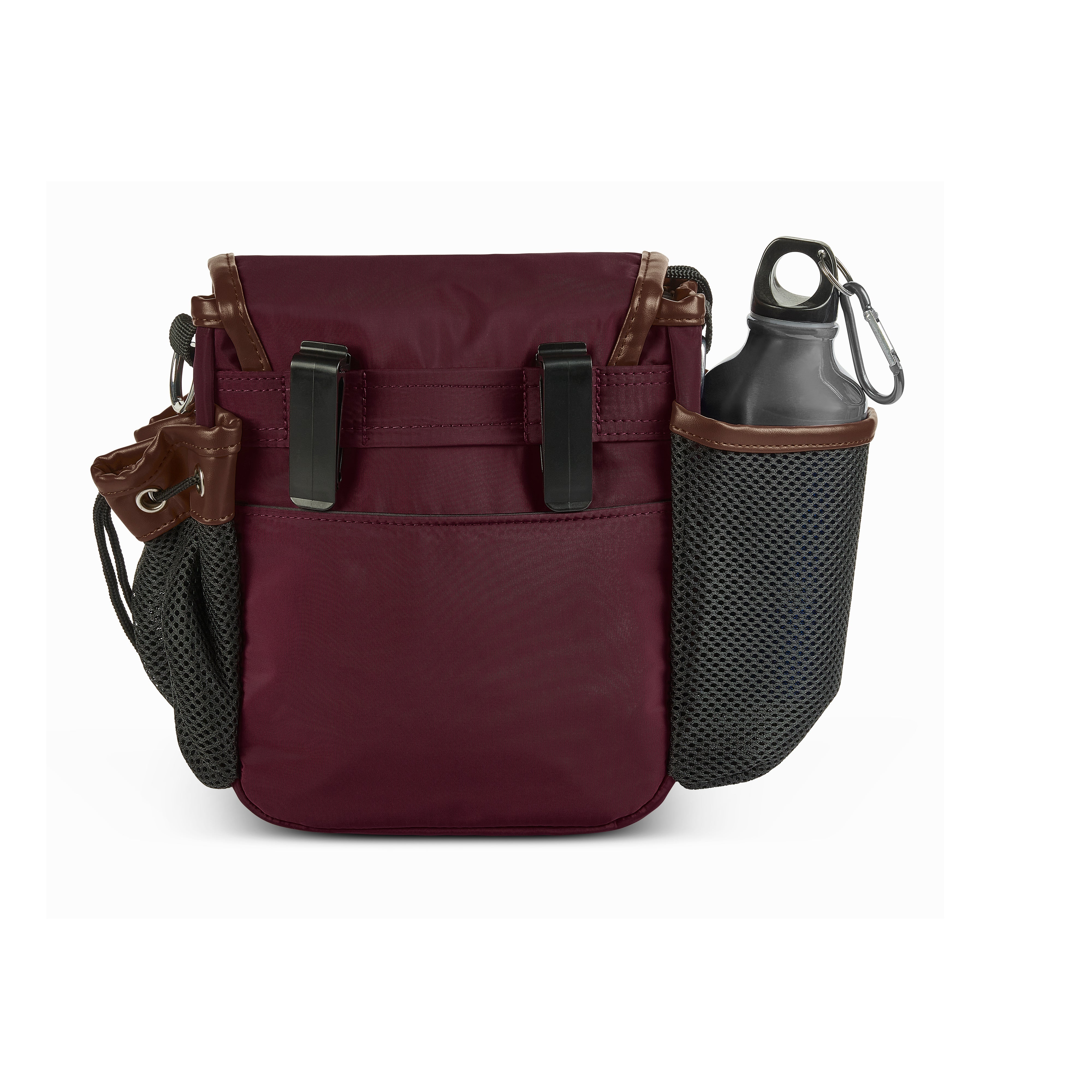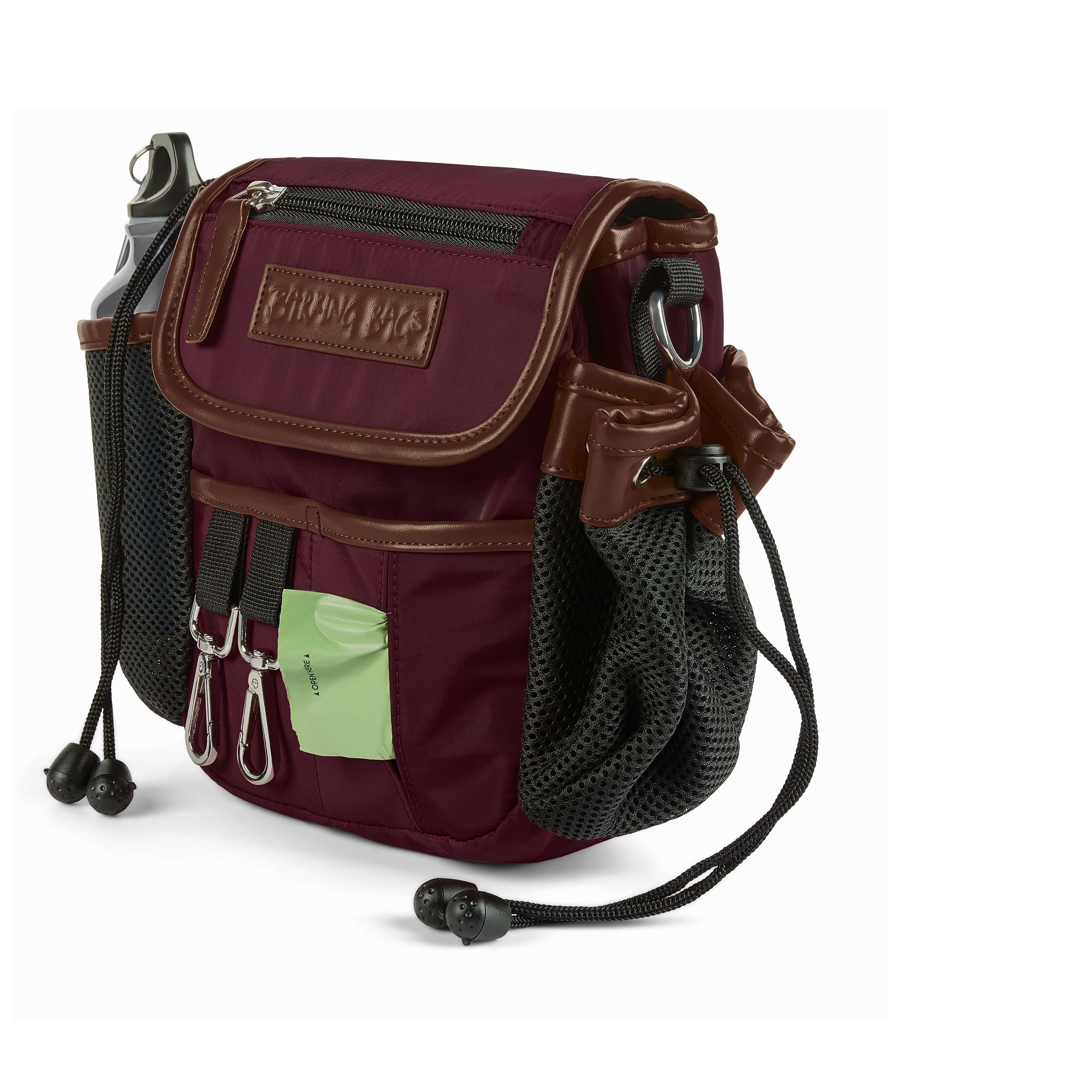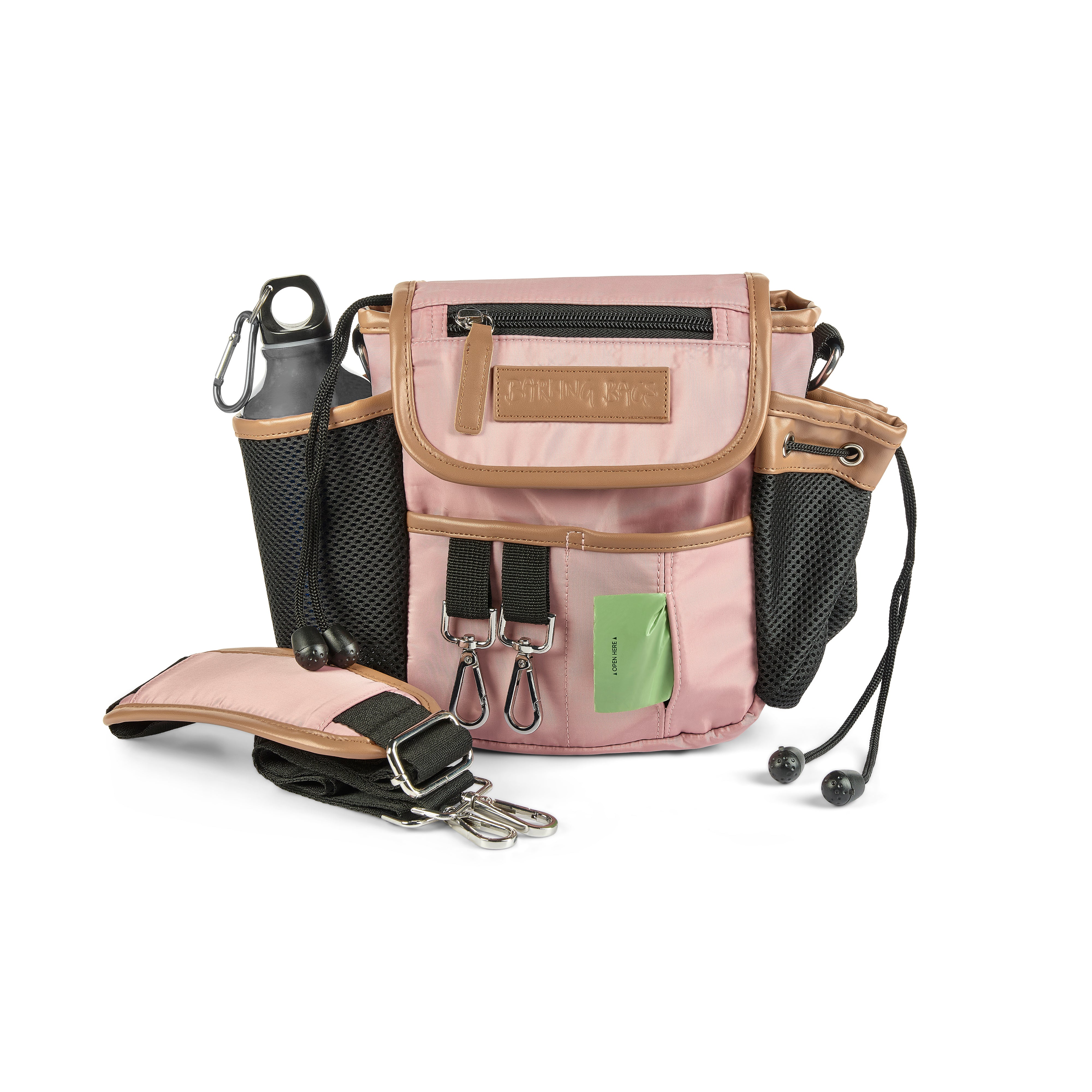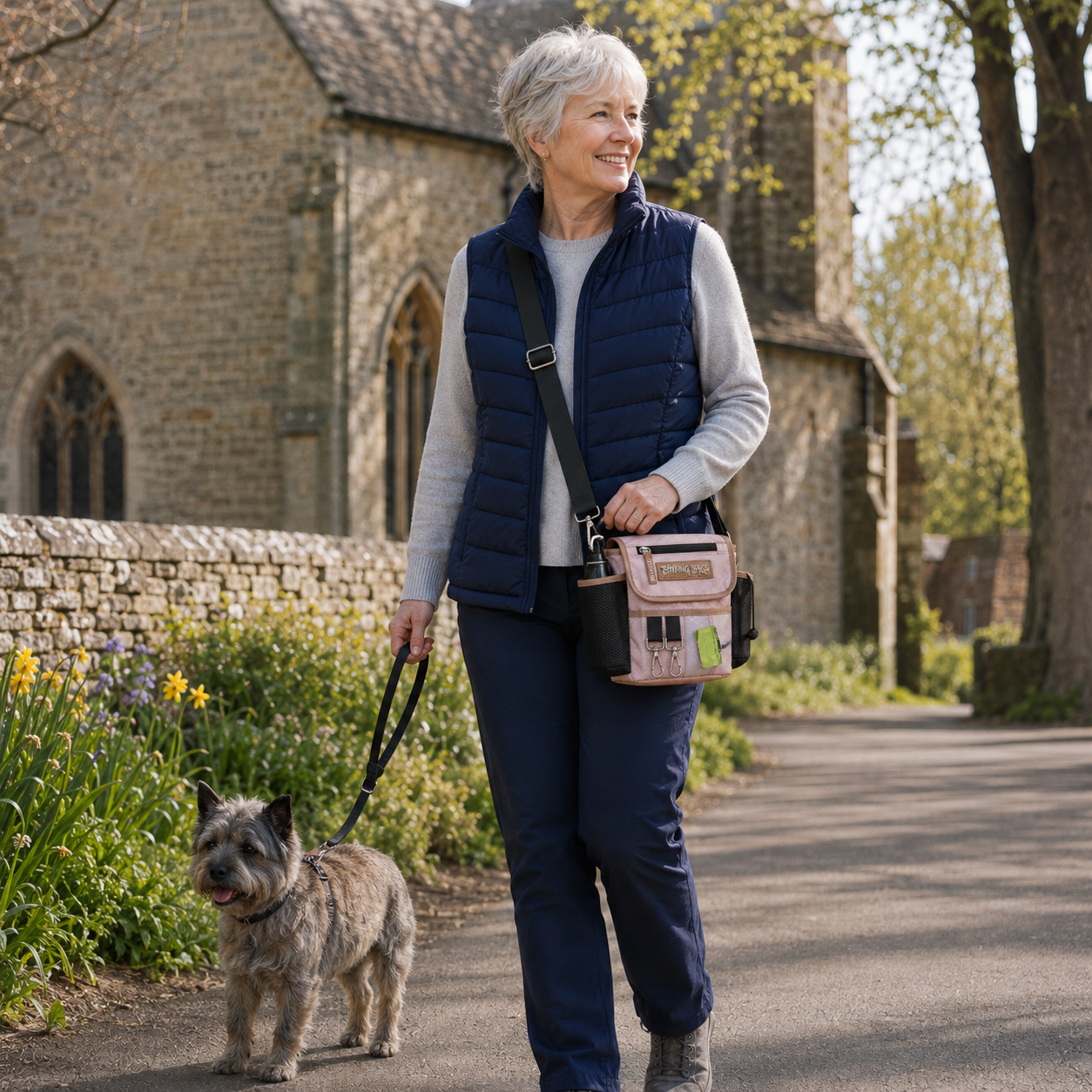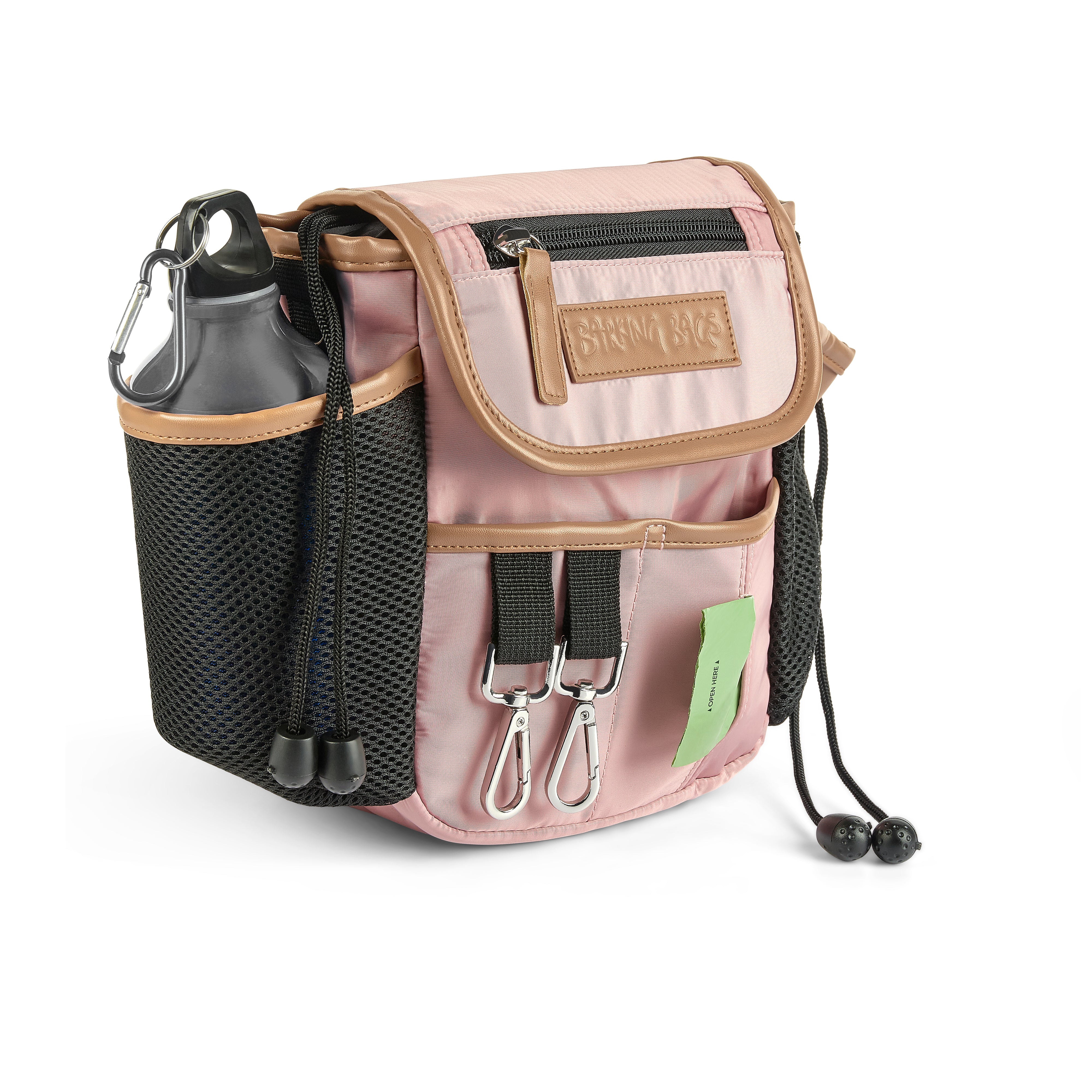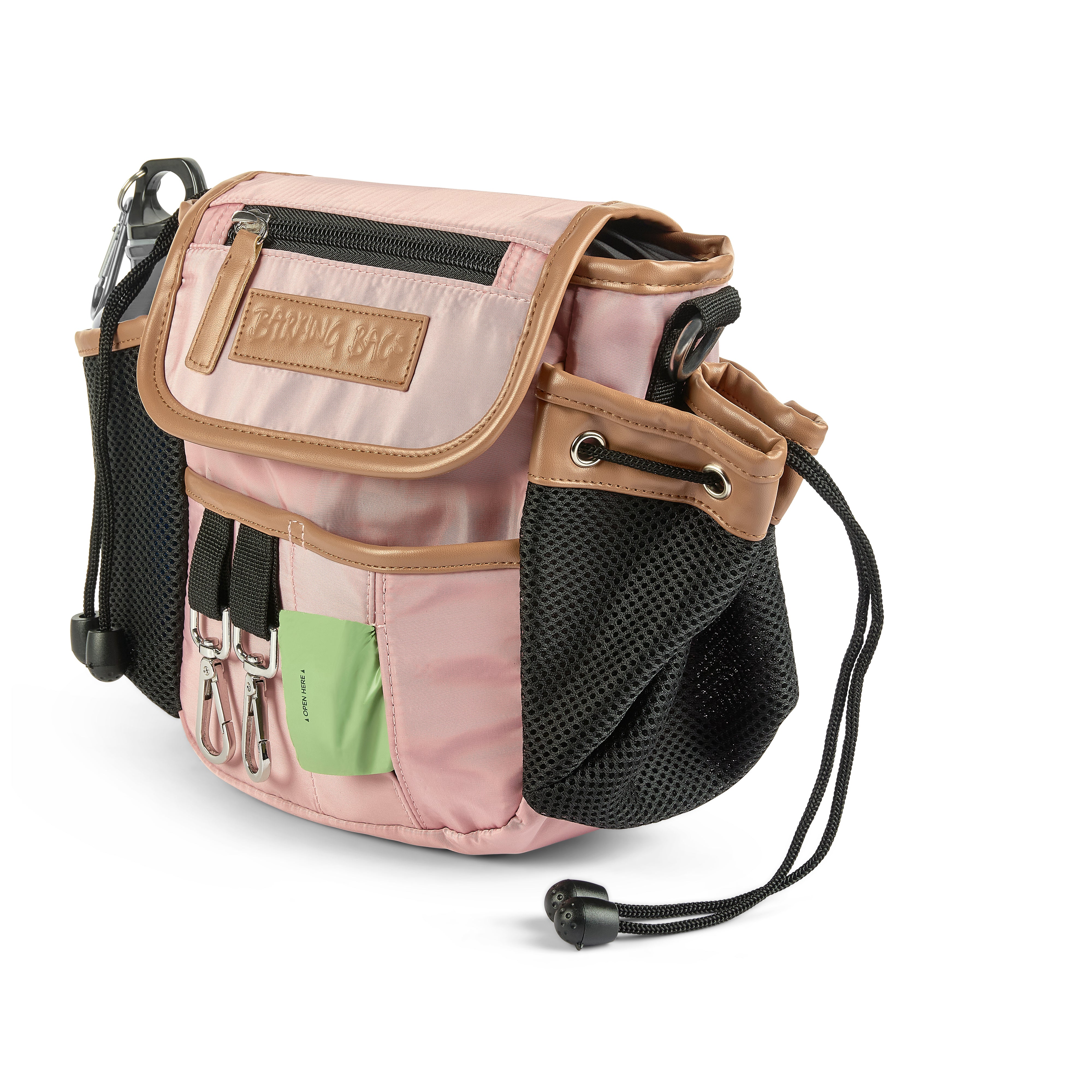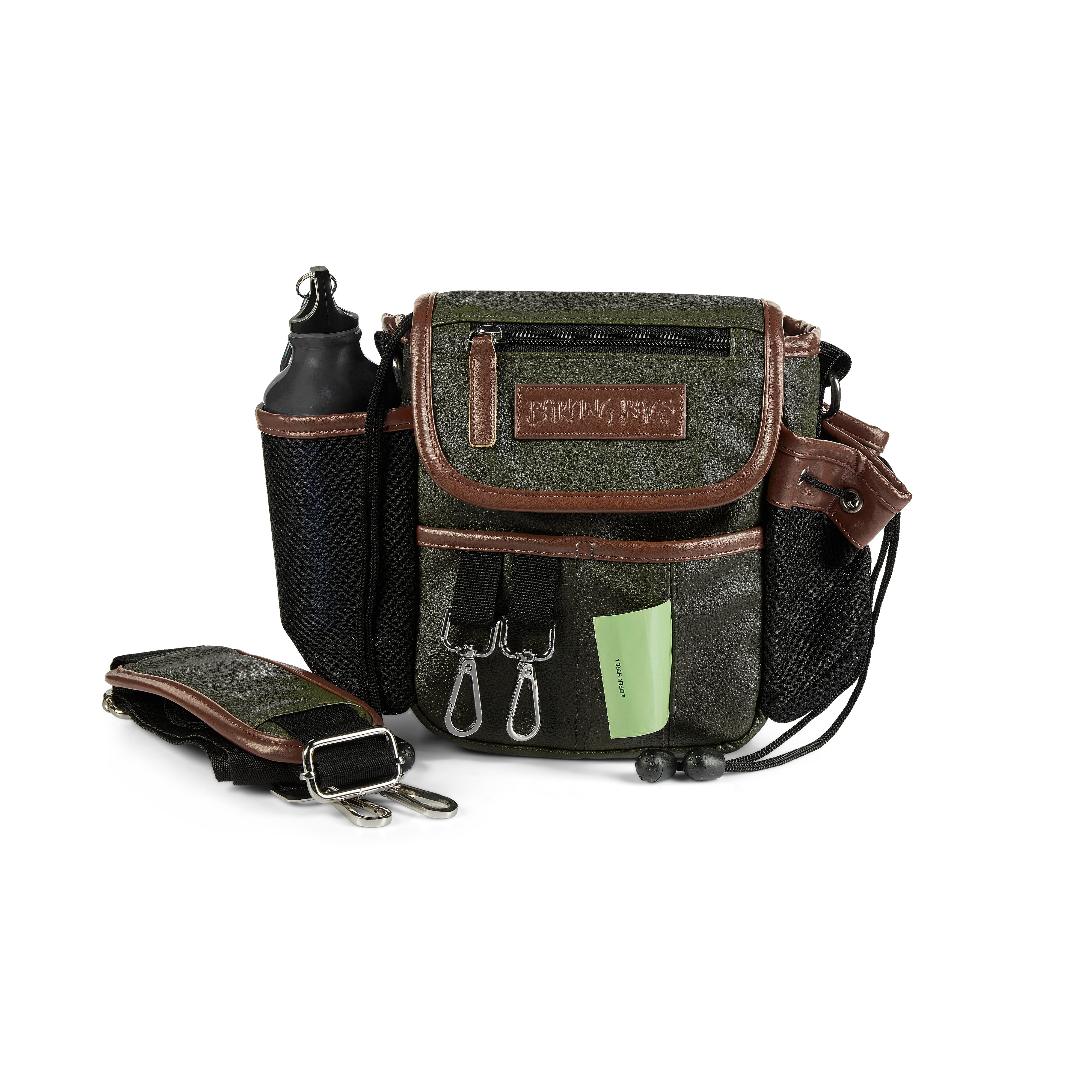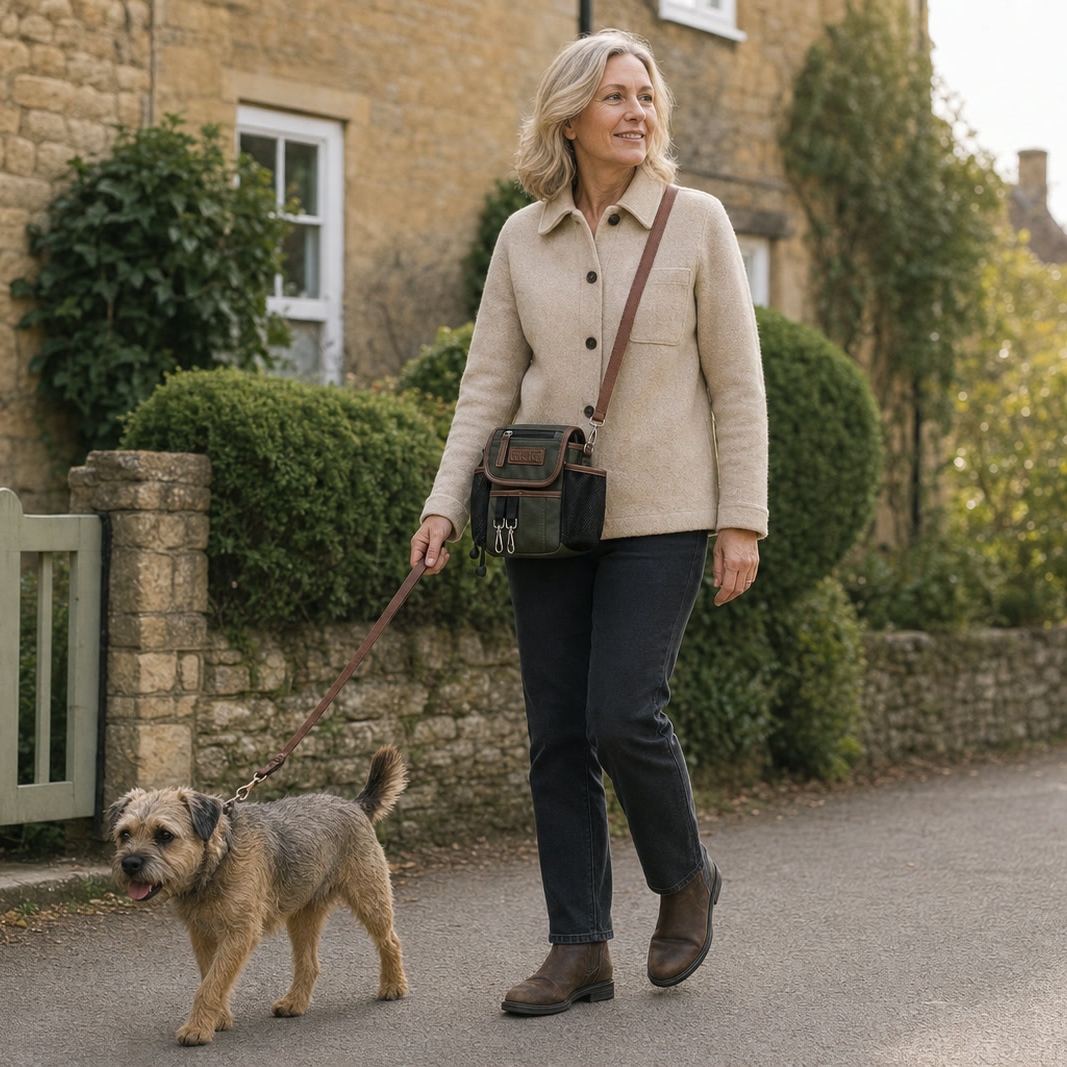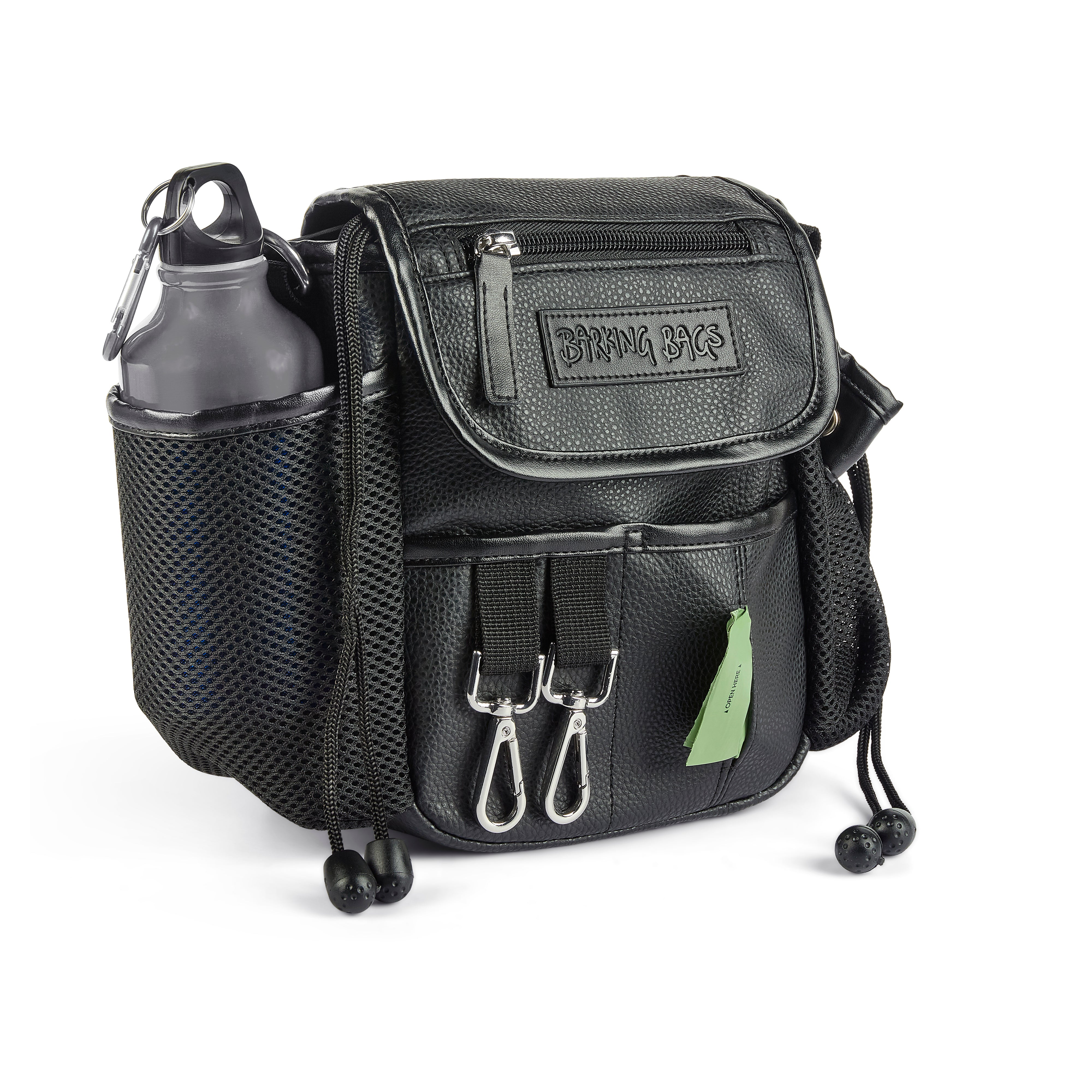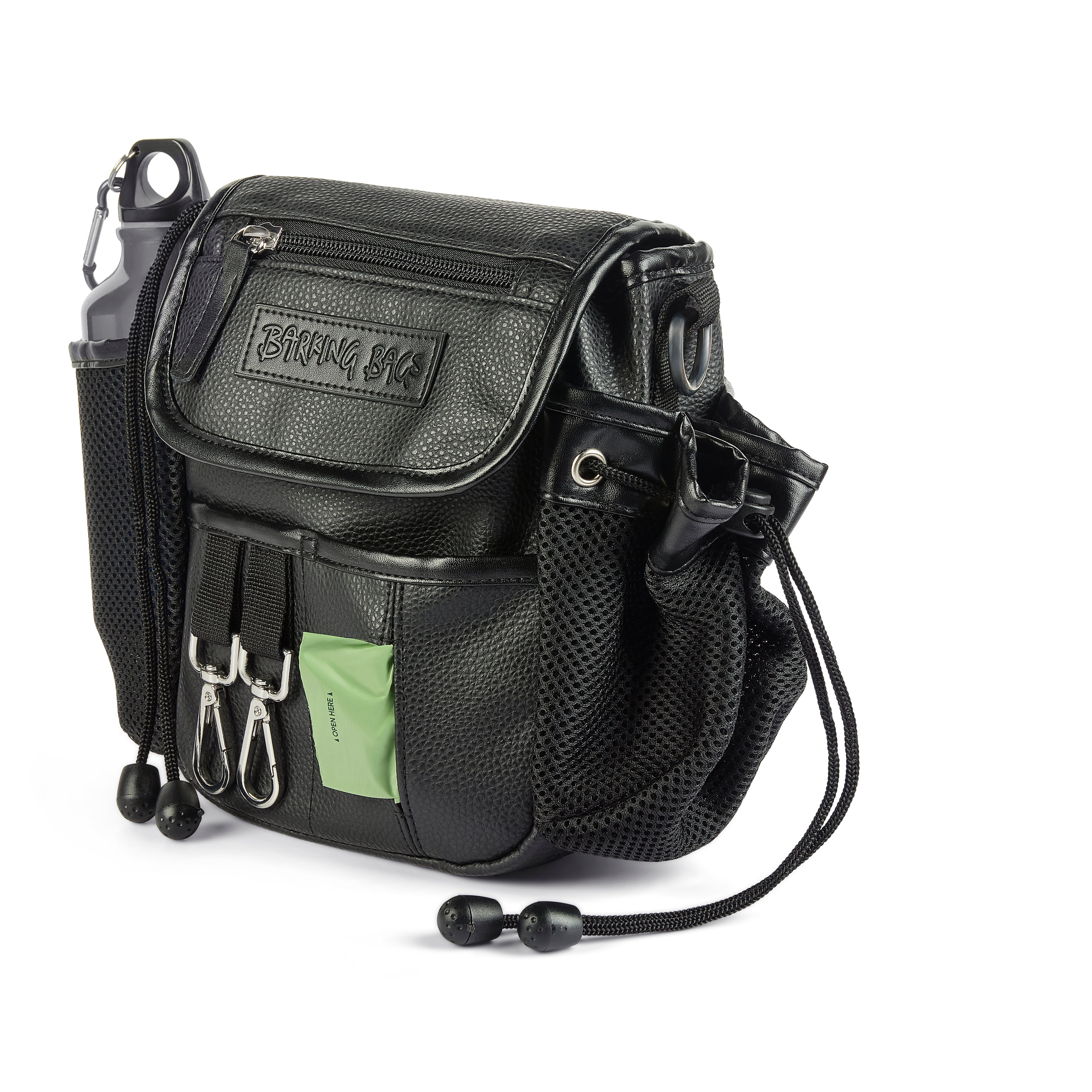

That moment when your mobile phone is in one pocket, treats are in another, poo bags are loose somewhere, and your lead is tangled around your wrist is exactly why a proper guide to dog walk bag sizes matters. The right size does more than hold your bits and bobs - it makes every walk feel easier, neater and far less chaotic.
A dog walking bag should suit your routine, not just your dog. Someone popping out for a quick morning loop needs something very different from a trainer carrying rewards, a spare lead and personal essentials for an hour in the park. Size is where that decision starts, and getting it right means you avoid two common mistakes - choosing a bag so small it becomes frustrating, or one so large it turns into a catch-all for things you never really need.
Why dog walk bag size matters
When people shop for a dog walking bag, they often focus on style first and capacity second. In real life, capacity shapes the whole experience. If a bag is too compact, you end up stuffing treats next to your keys, struggling to find poo bags quickly, or leaving useful items at home. If it is too roomy, items shift about, compartments lose their purpose, and the bag can feel bulky on shorter walks.
The best size is the one that fits your usual walking setup with a little spare room, not loads of it. That extra bit of space matters on days when you need a collapsible water bowl, an extra roll of poo bags or your dog’s favourite ball. But beyond that, bigger is not always better.
A practical guide to dog walk bag sizes
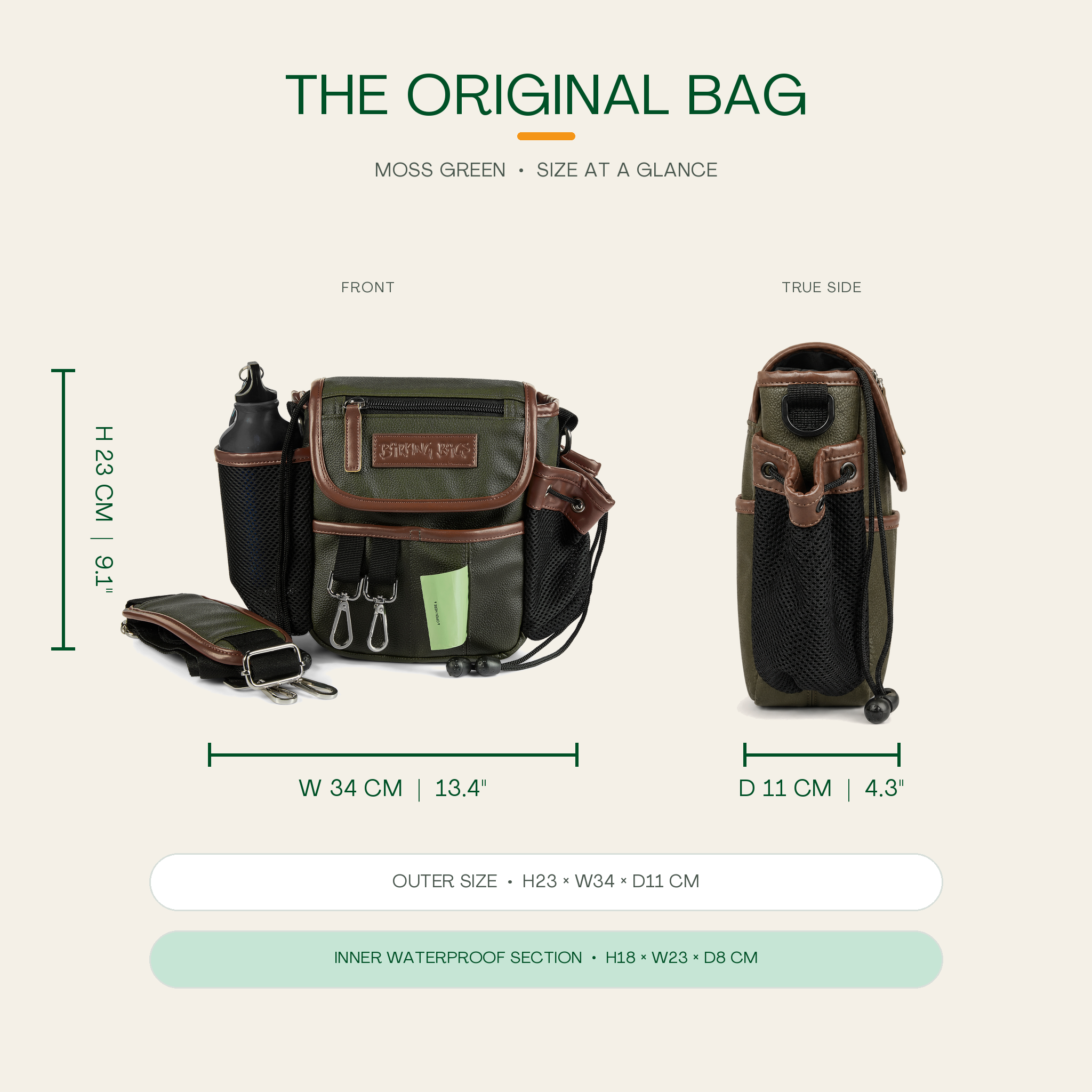
The easiest way to choose is to think in terms of walk type, not just measurements. Most dog walking bags fall into three useful size groups: compact, medium and large. Each has its place, and the right one depends on what you carry every single day.
Compact bags for quick daily walks
A compact dog walking bag works best for owners who like to travel light. If your standard walk means poo bags, a few treats, keys, and your mobile phone, a smaller format is often the smartest choice. It sits neatly, feels lightweight and keeps only the essentials close at hand.
This size is ideal for short local walks, toilet breaks, or anyone who dislikes carrying more than necessary. It is also a strong option if you already wear a coat with useful pockets and just need one dedicated place for dog-specific items.
The trade-off is simple. Compact bags are efficient, but they are less forgiving. Add a toy, hand sanitiser, a larger purse or a water bottle, and space disappears quickly. If your walks vary a lot from day to day, this size can start to feel limiting.
Medium bags for most dog owners
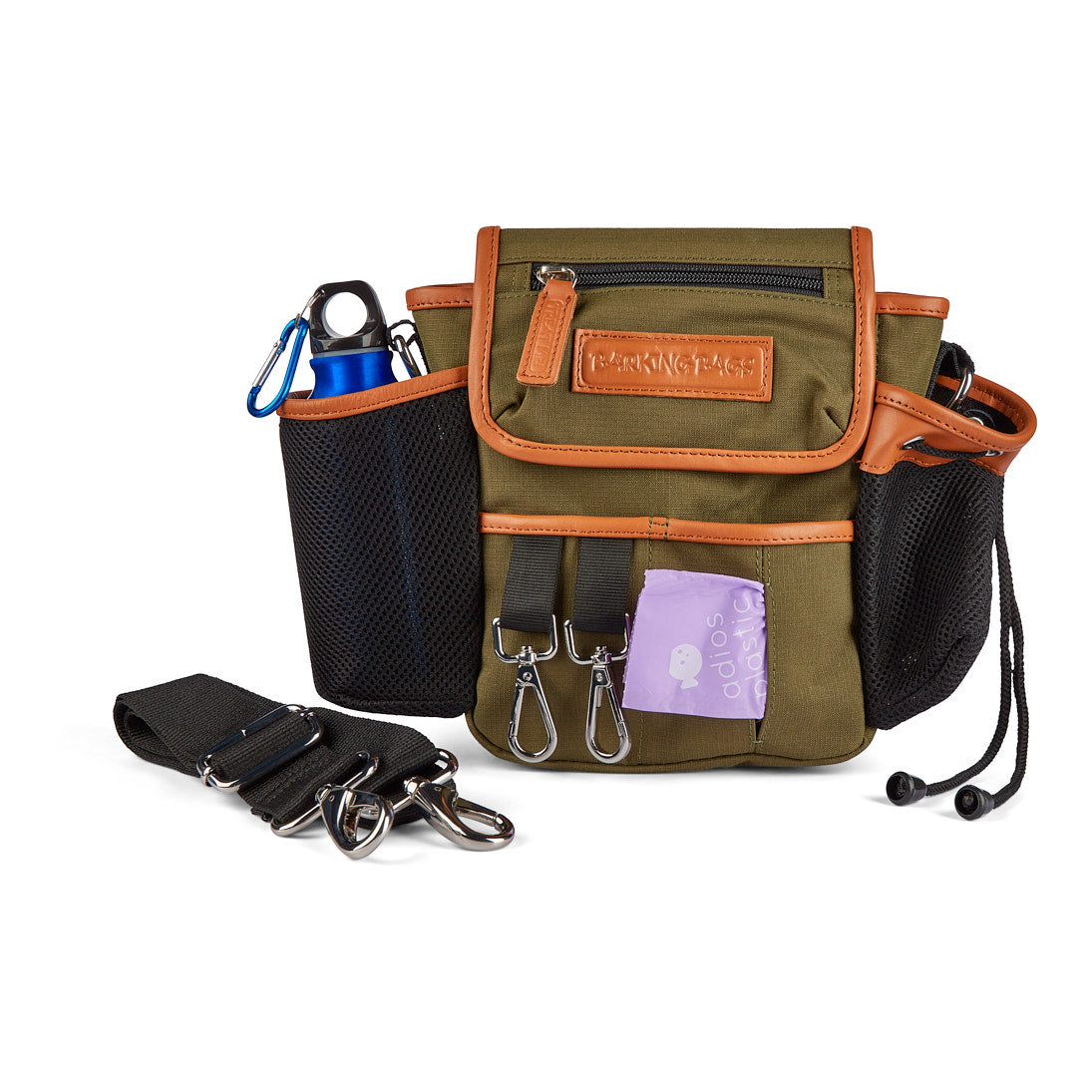
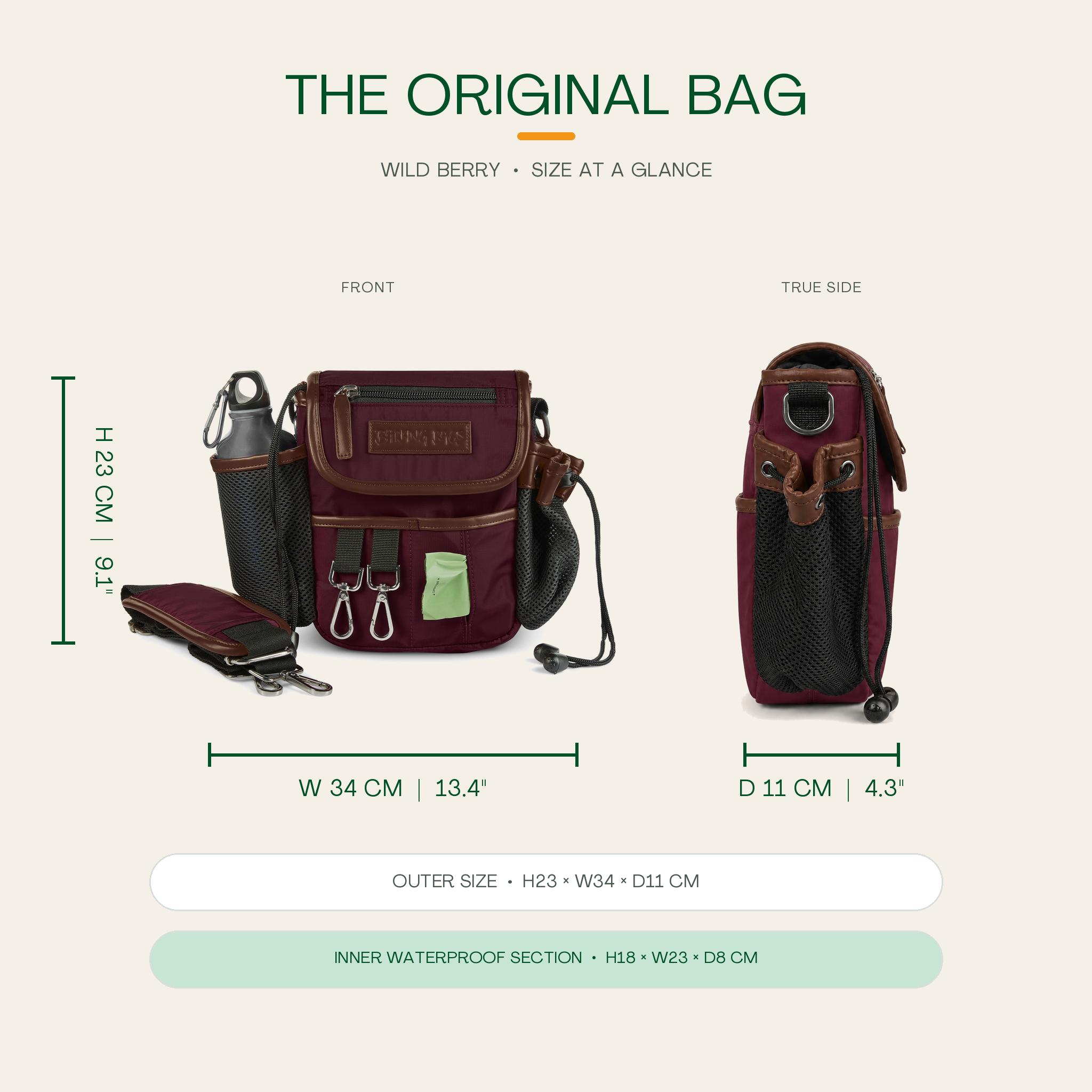
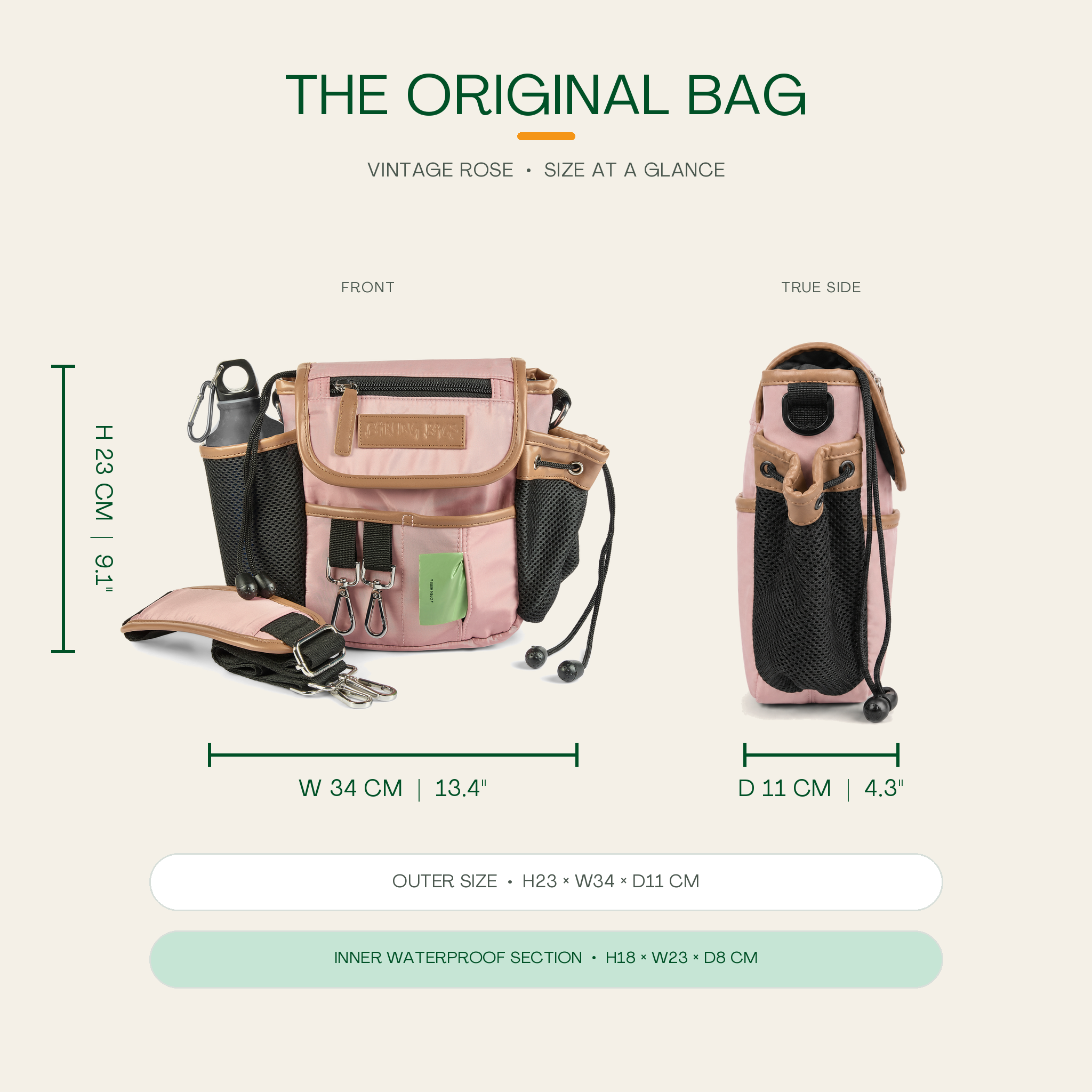
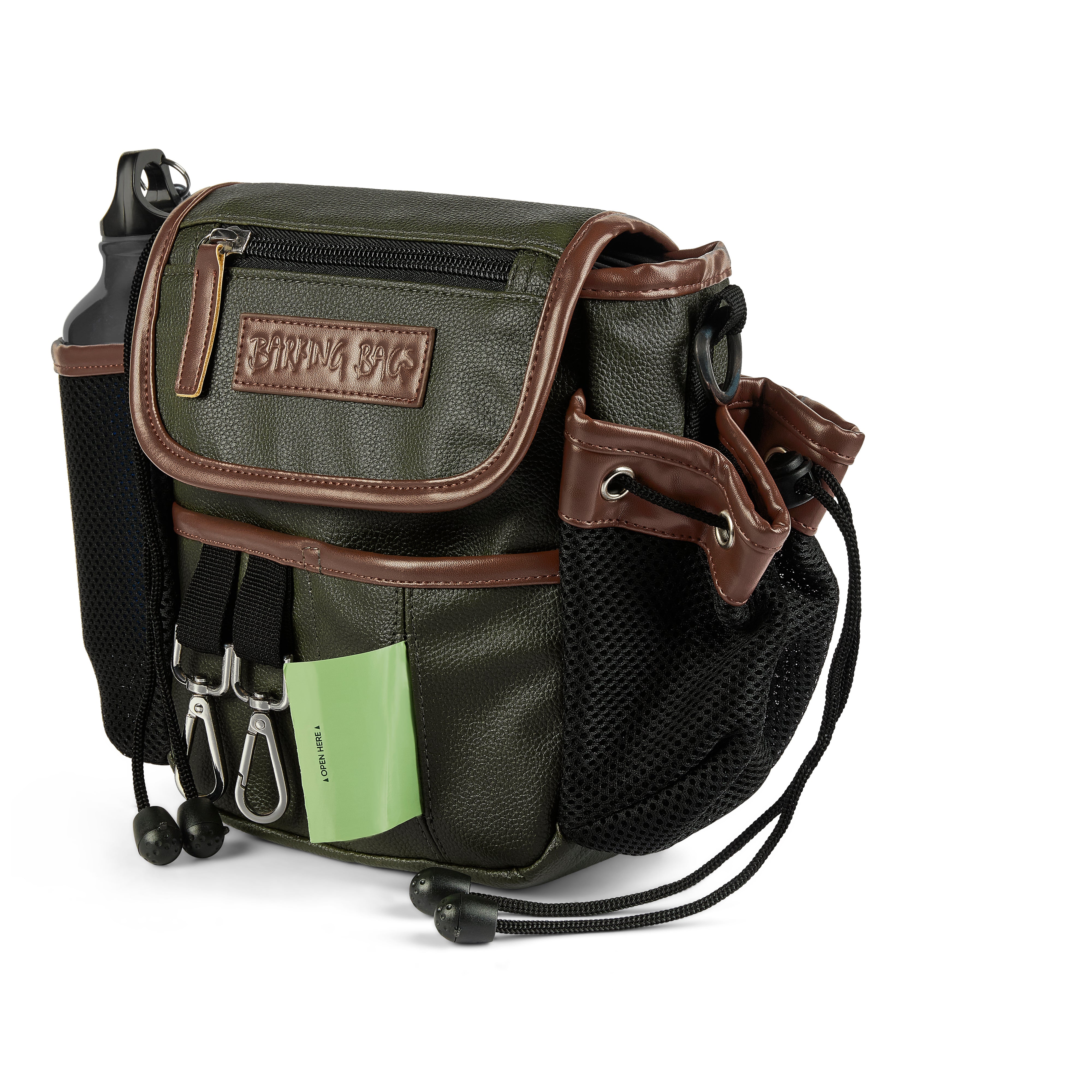
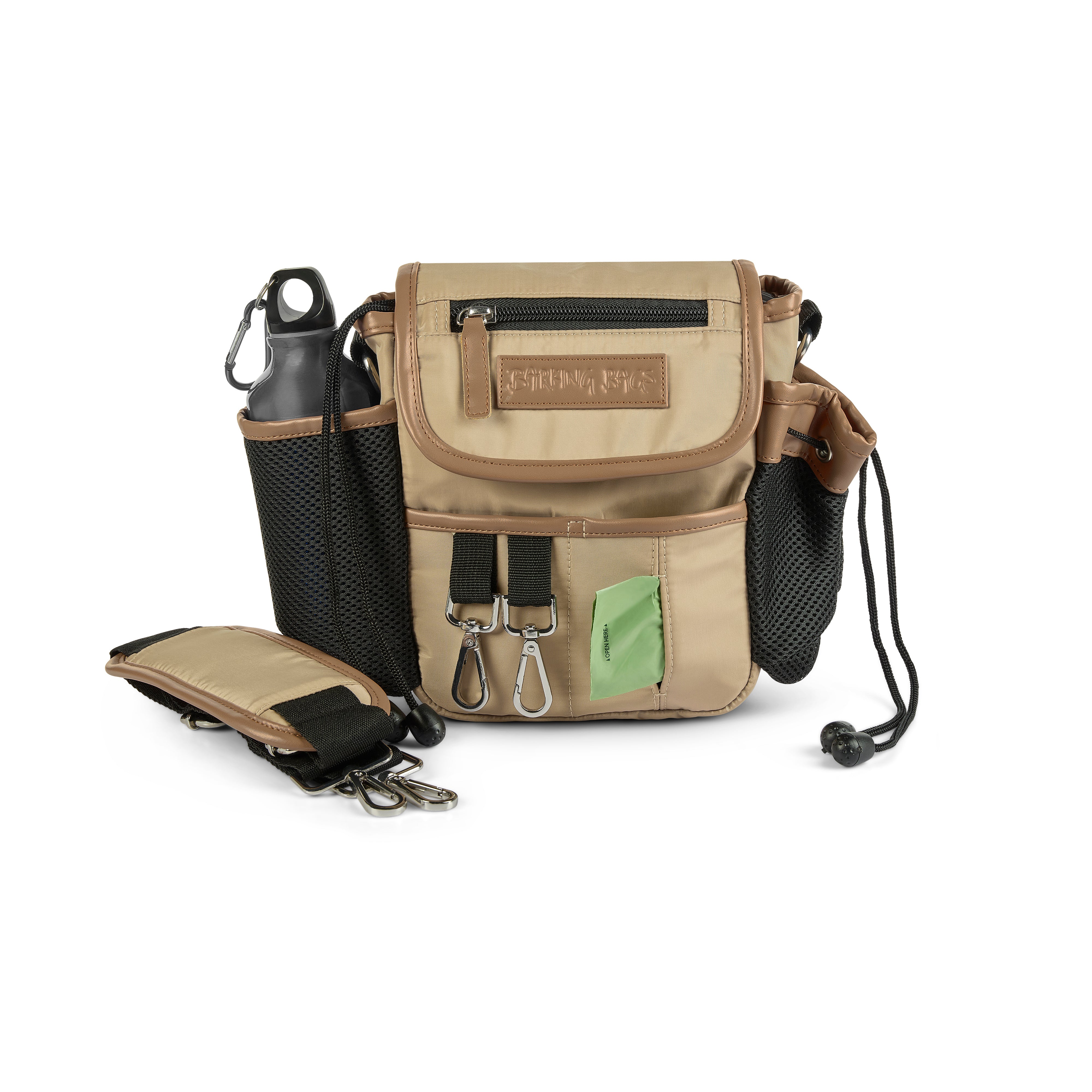
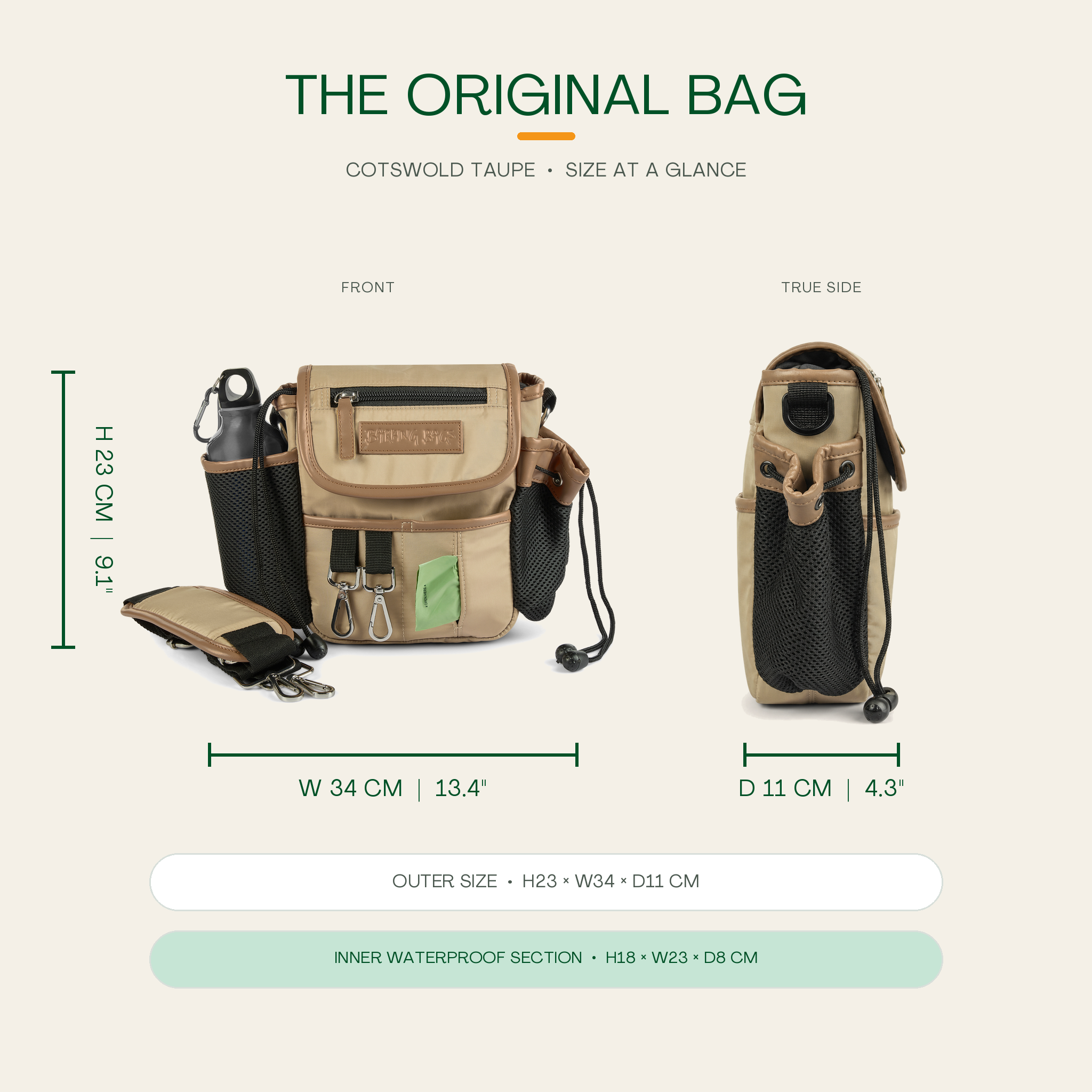
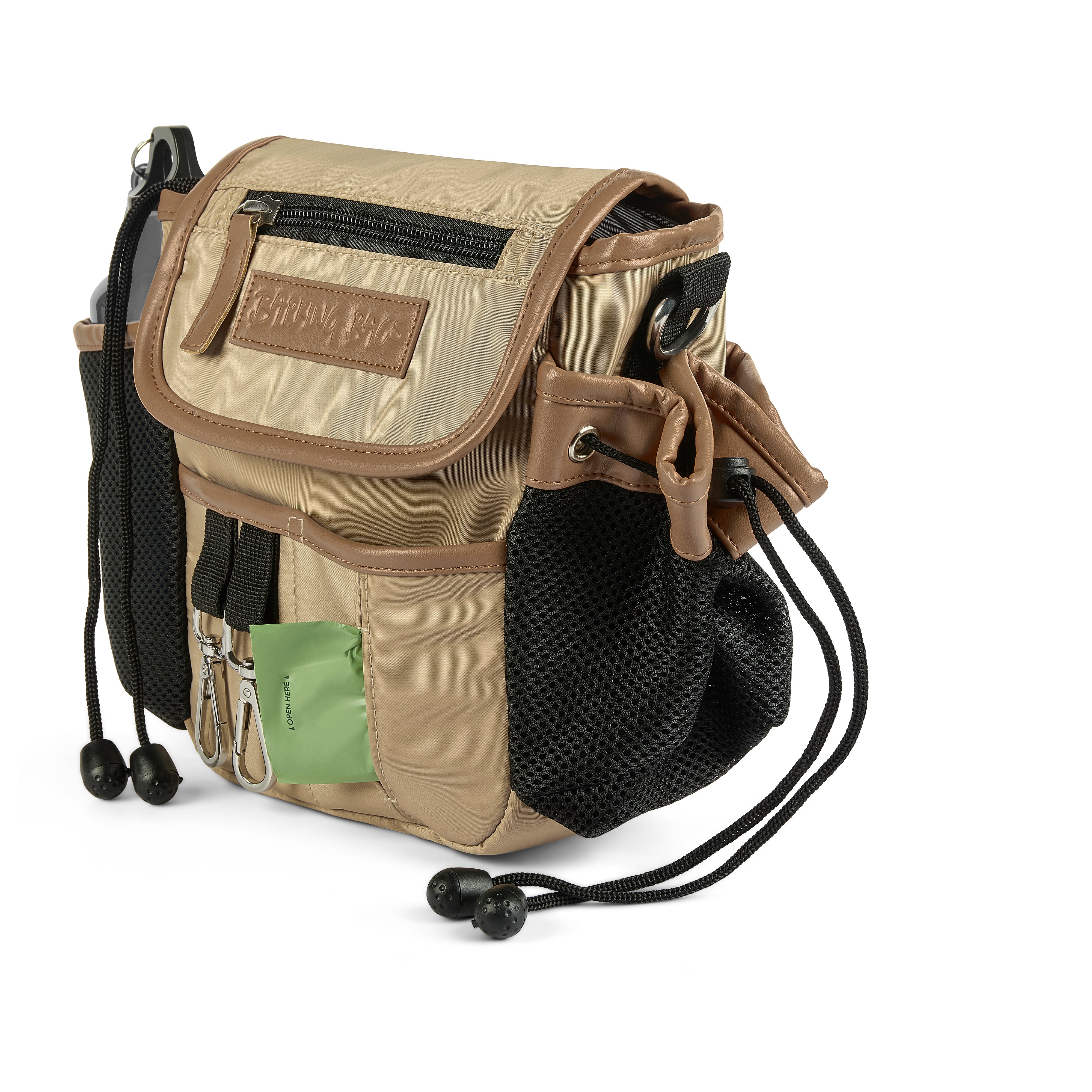
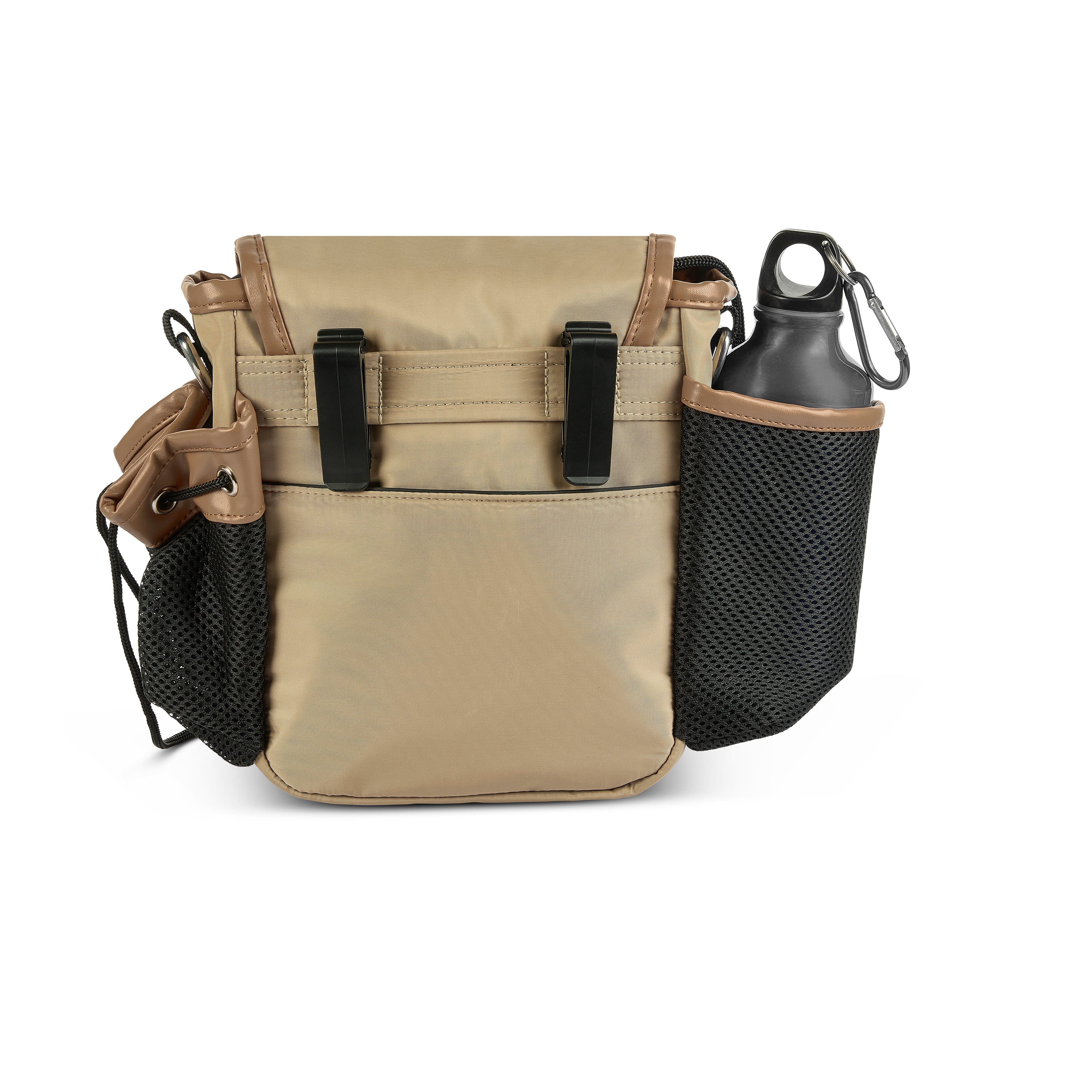
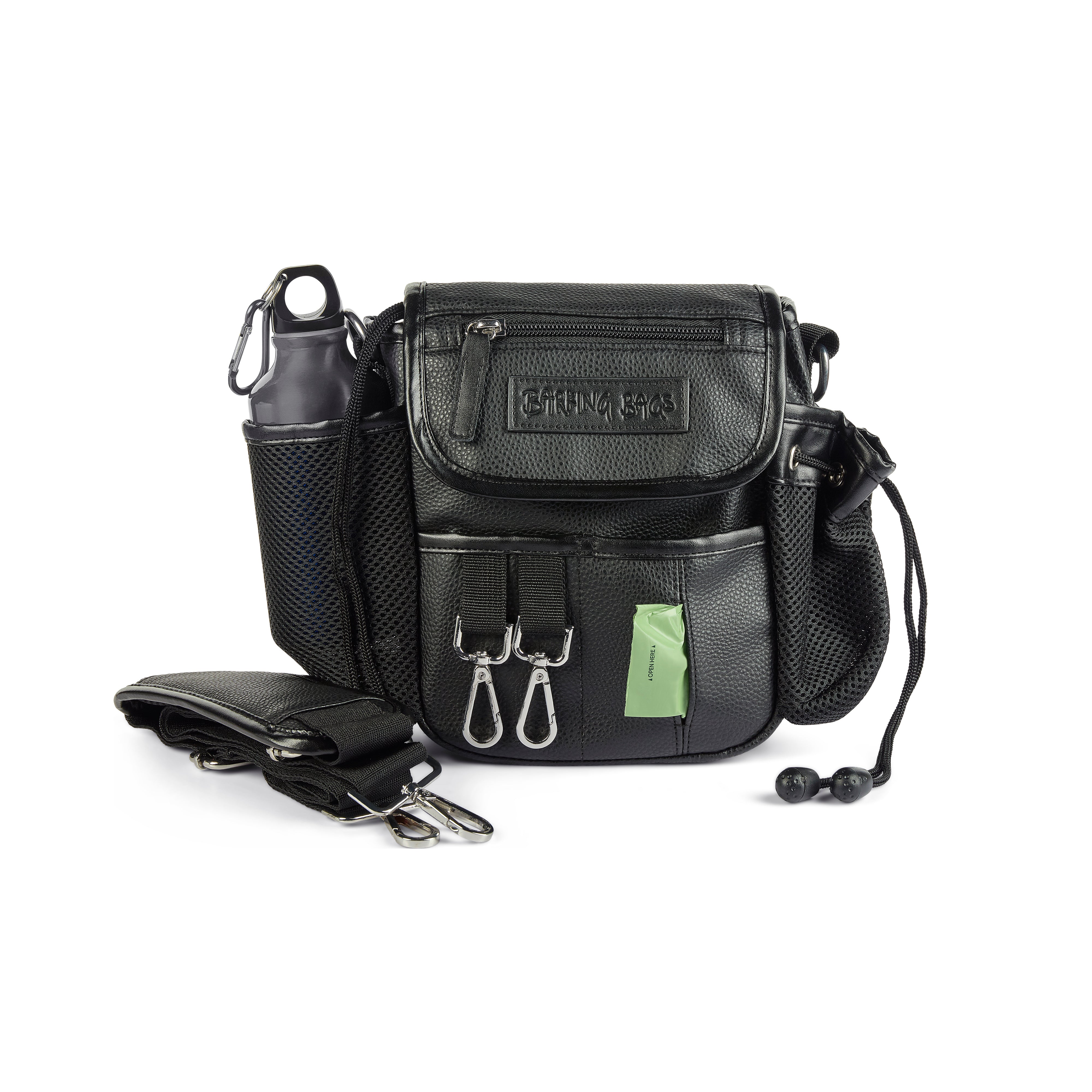
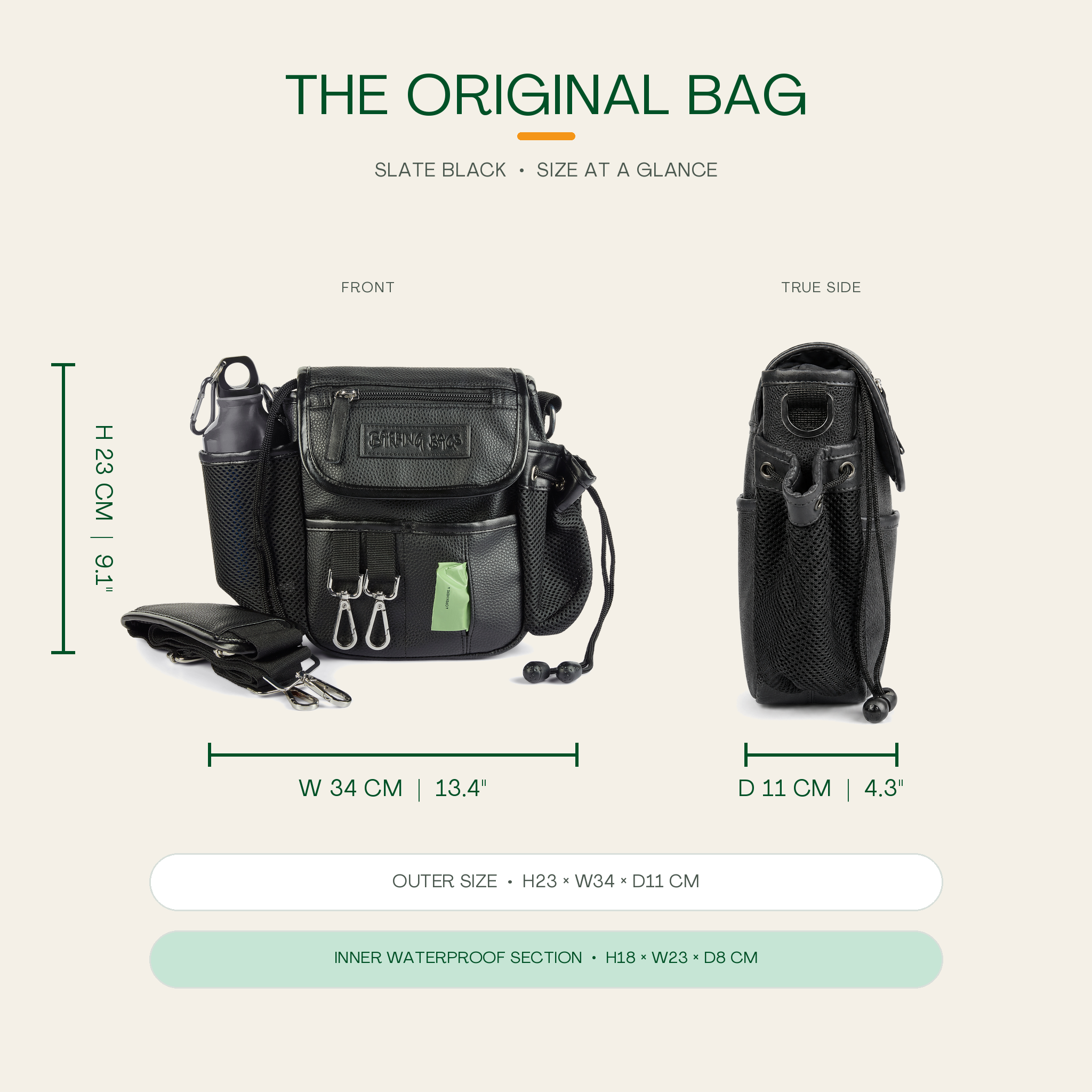
For many people, the medium size is the sweet spot. It gives you enough room for the everyday essentials plus a few extras, without feeling oversized. You can usually carry treats, poo bags, mobile phone, keys, wallet, and perhaps a small toy or compact water bottle while still keeping things organised.
This is often the best choice for regular dog owners who do a mix of short and longer walks. It suits the school run dog walk, the lunchtime lap, and the weekend park visit equally well. If you want one bag to cover most situations, medium tends to be the most flexible option.
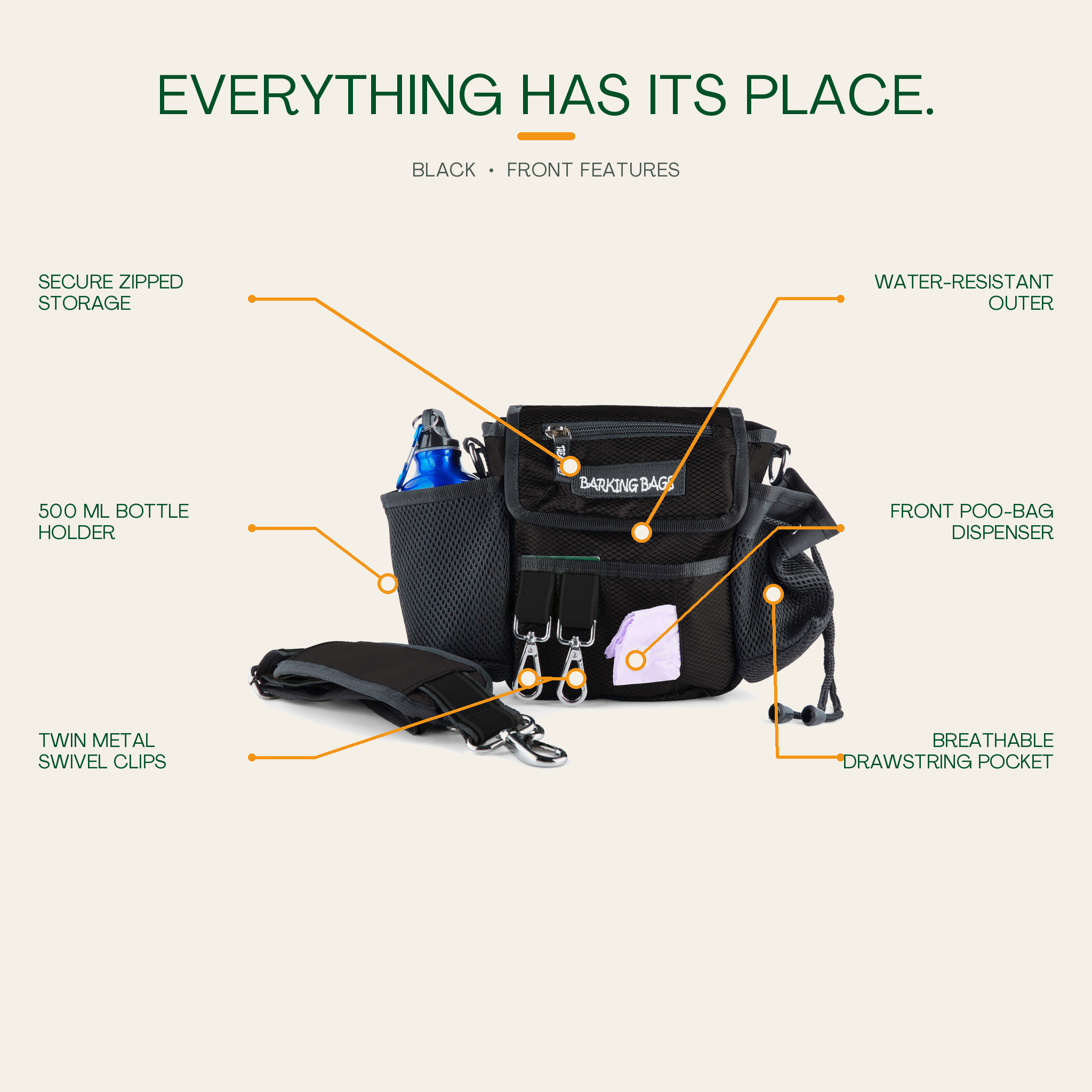
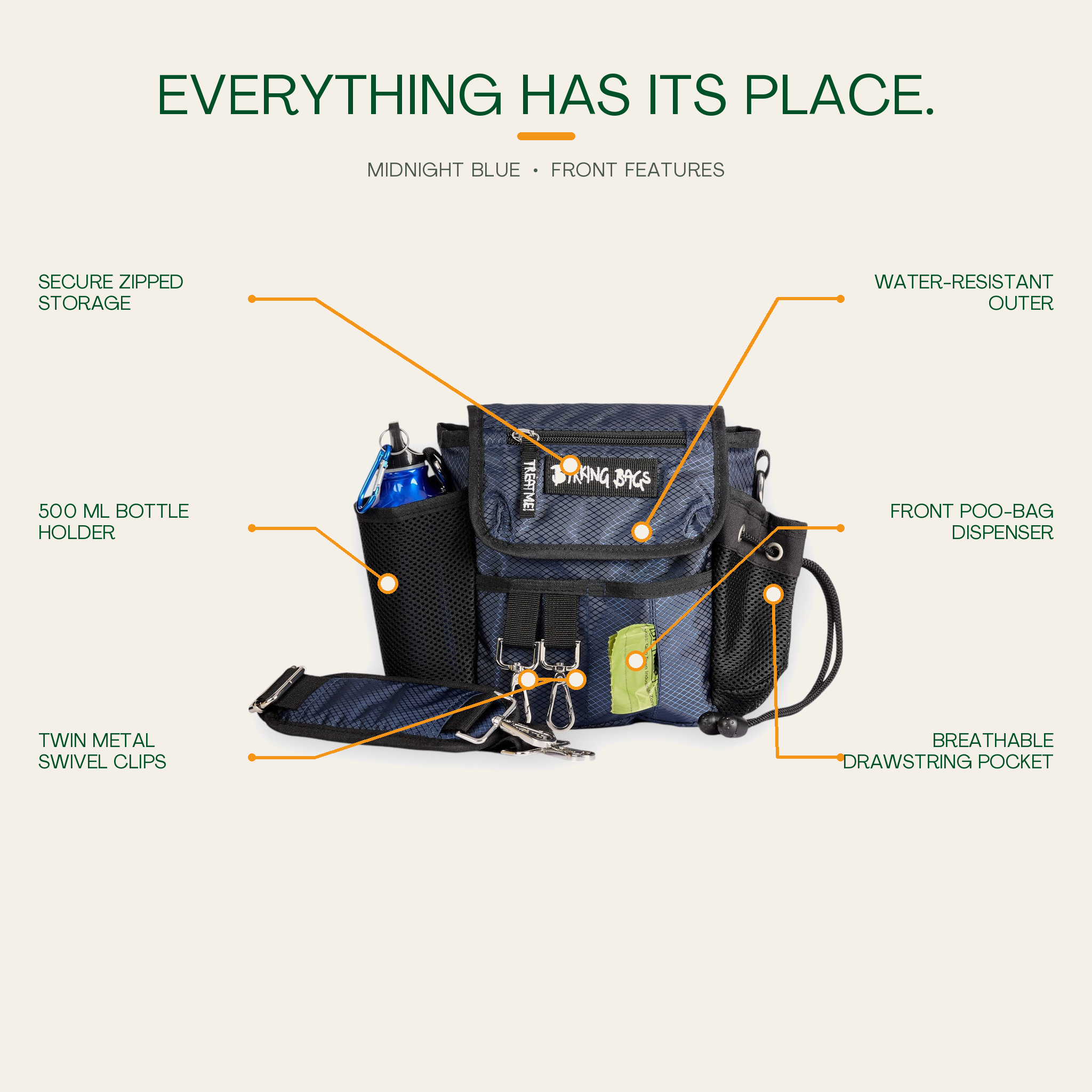
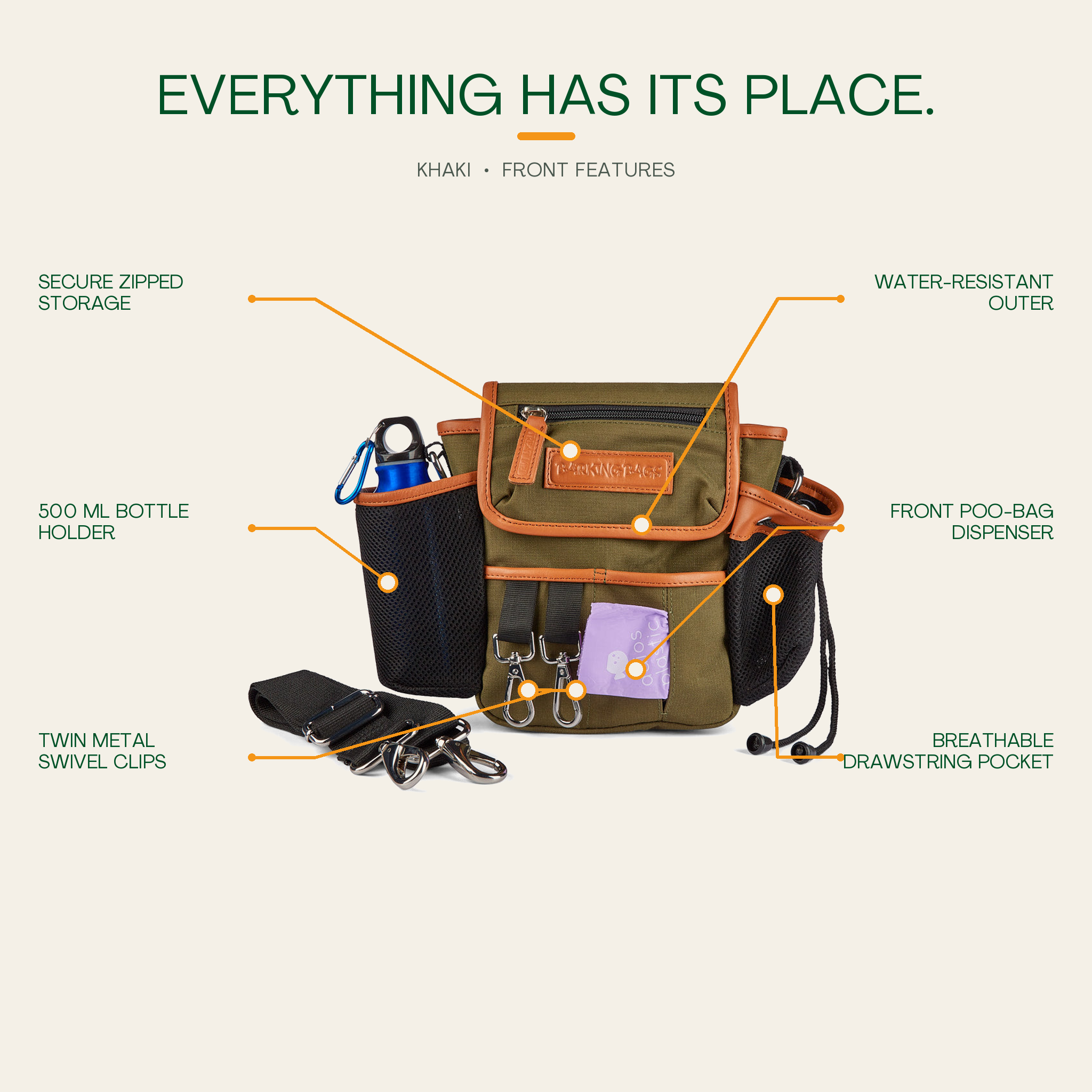
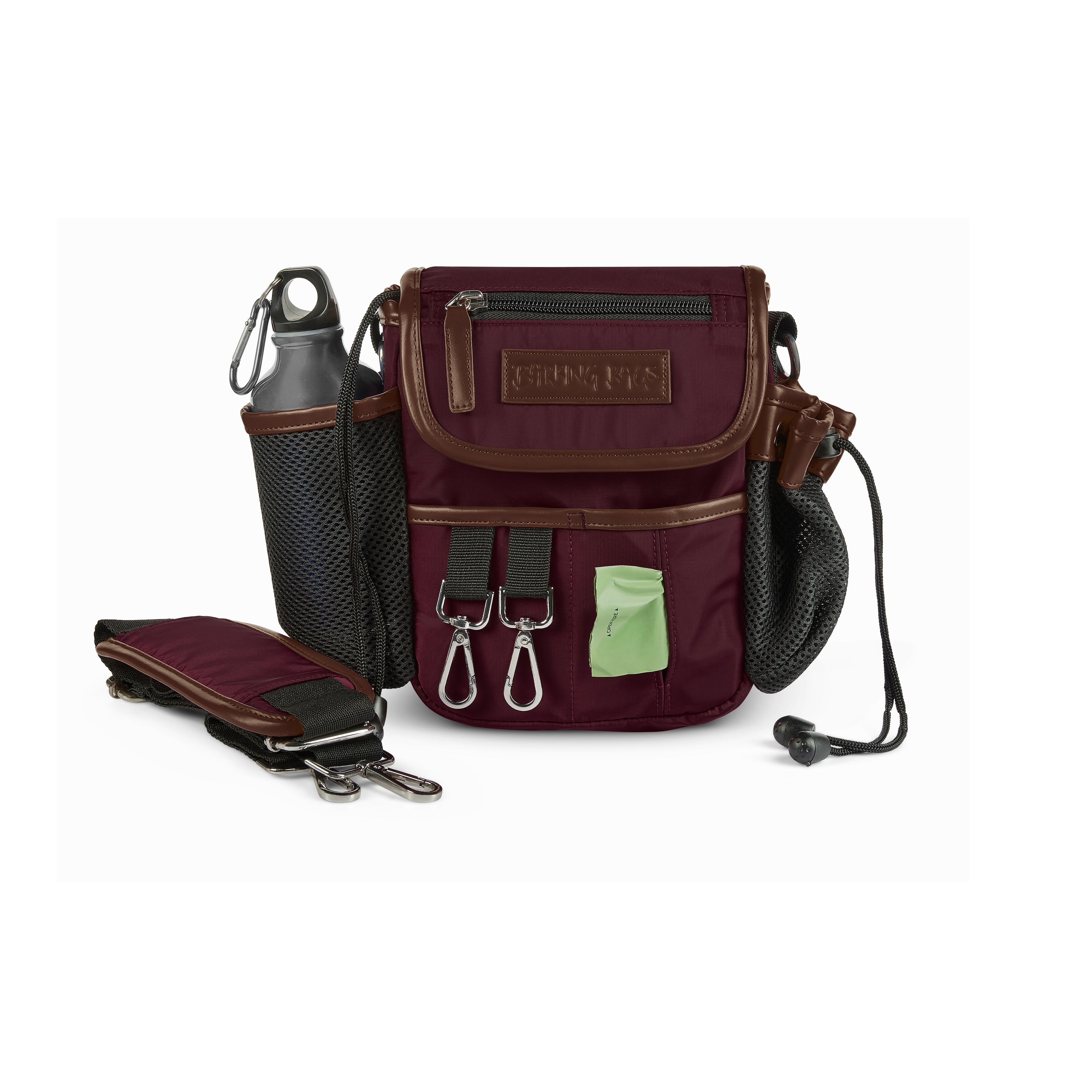
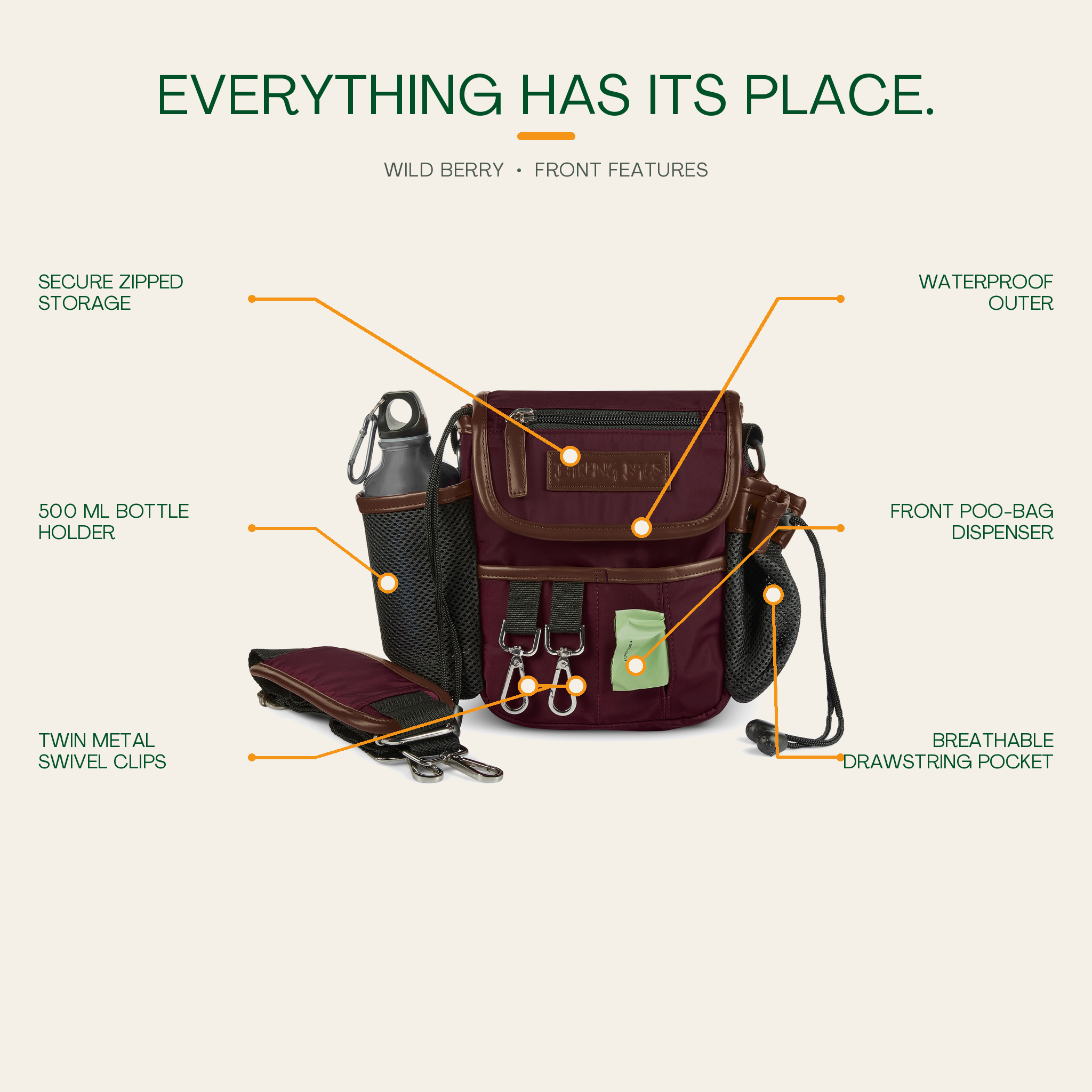
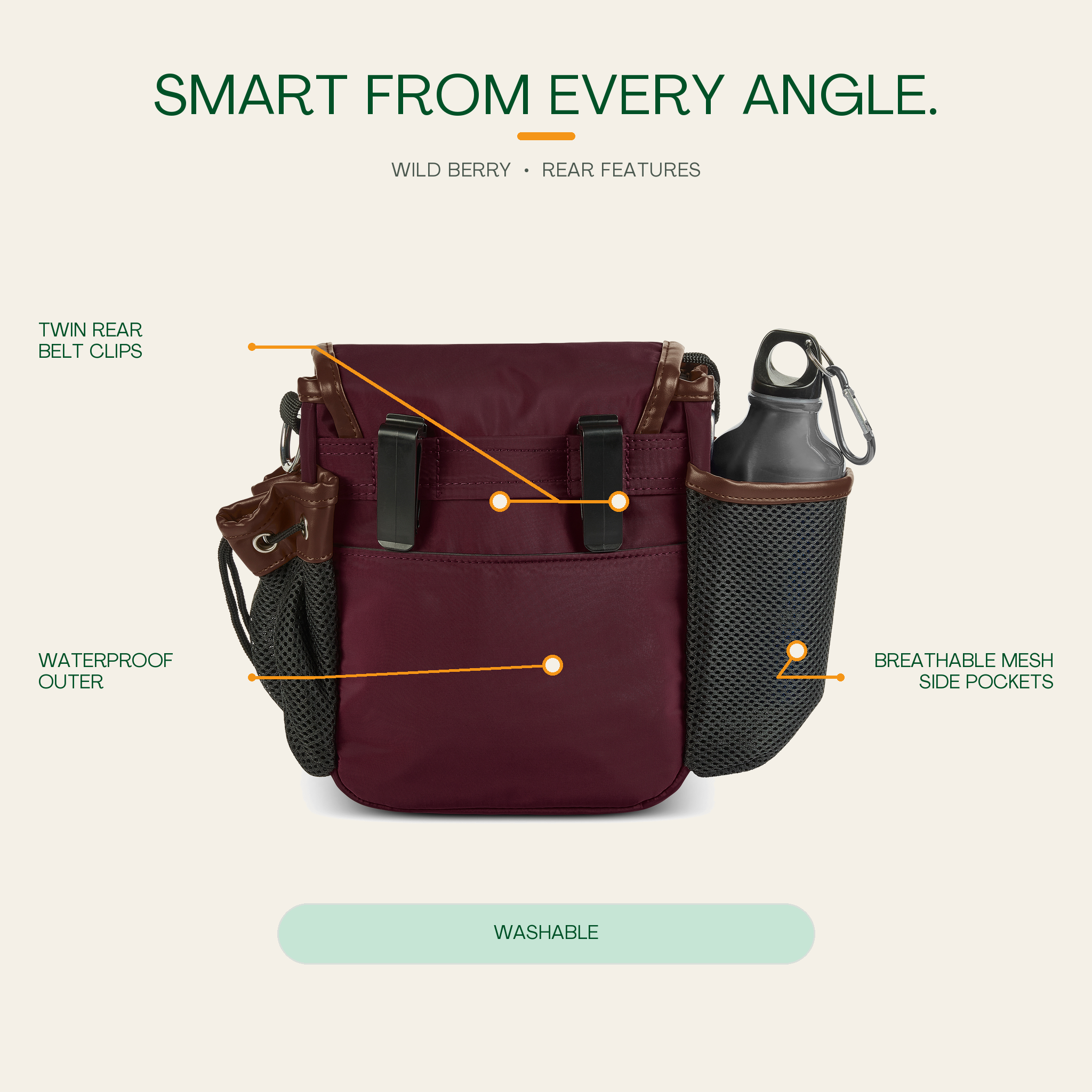
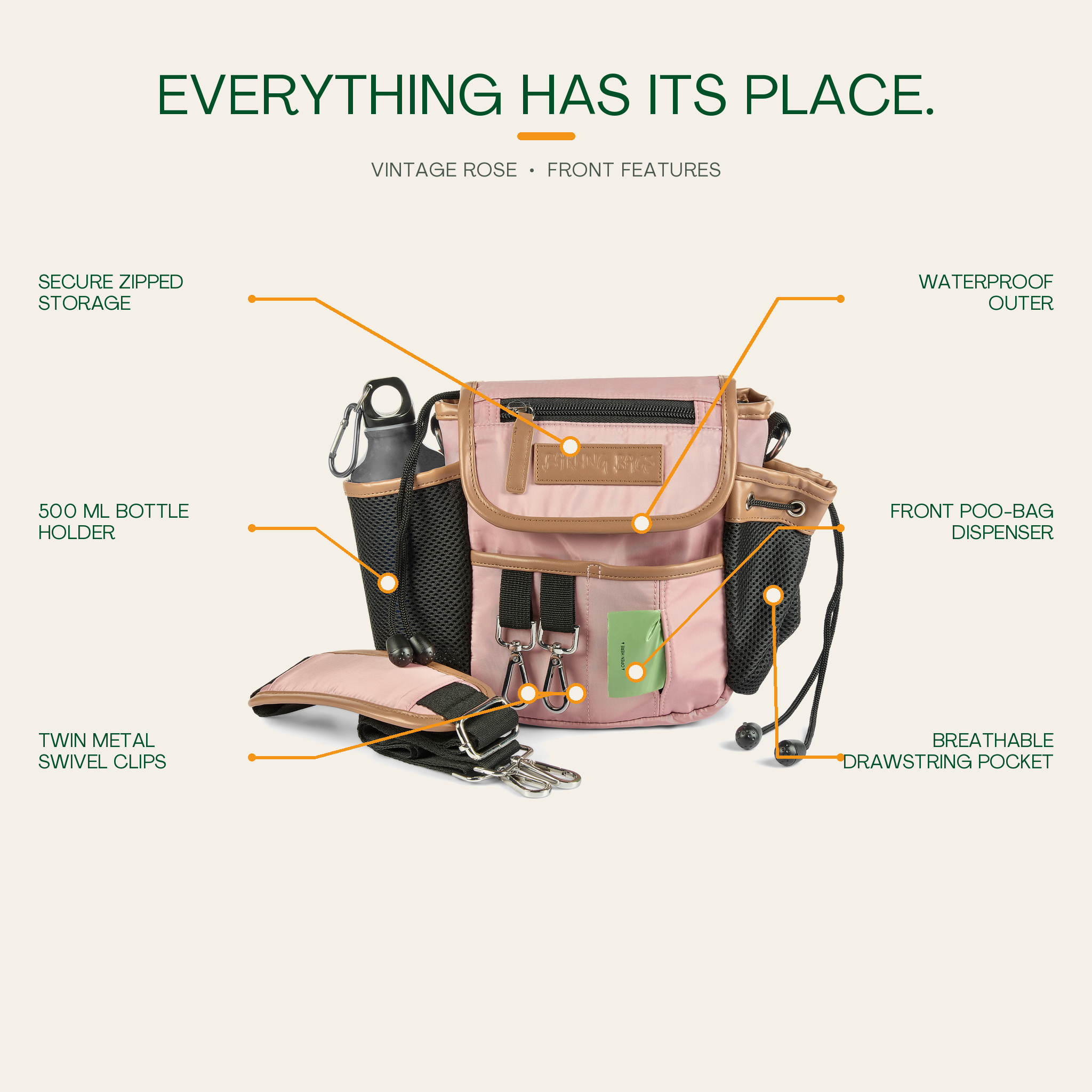
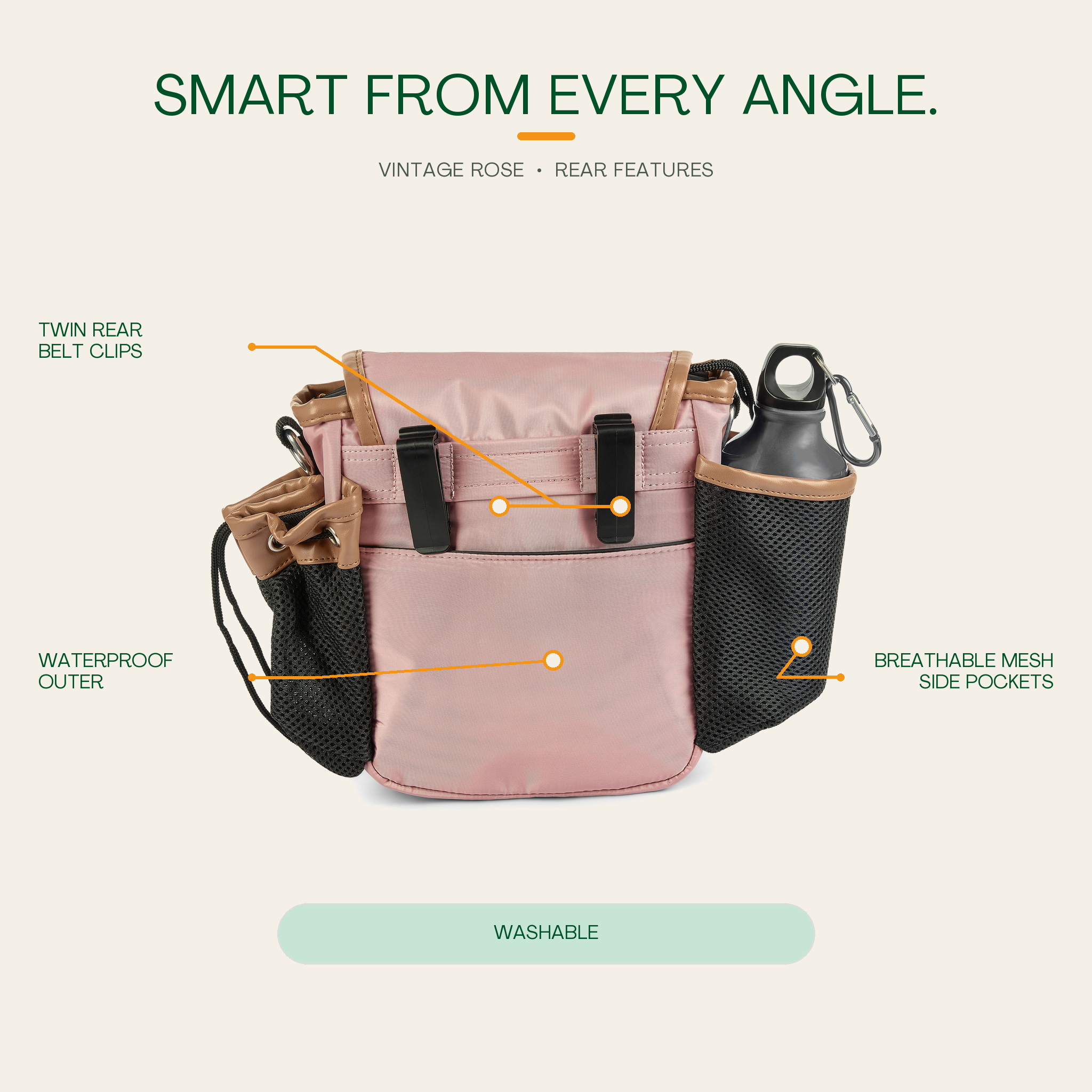
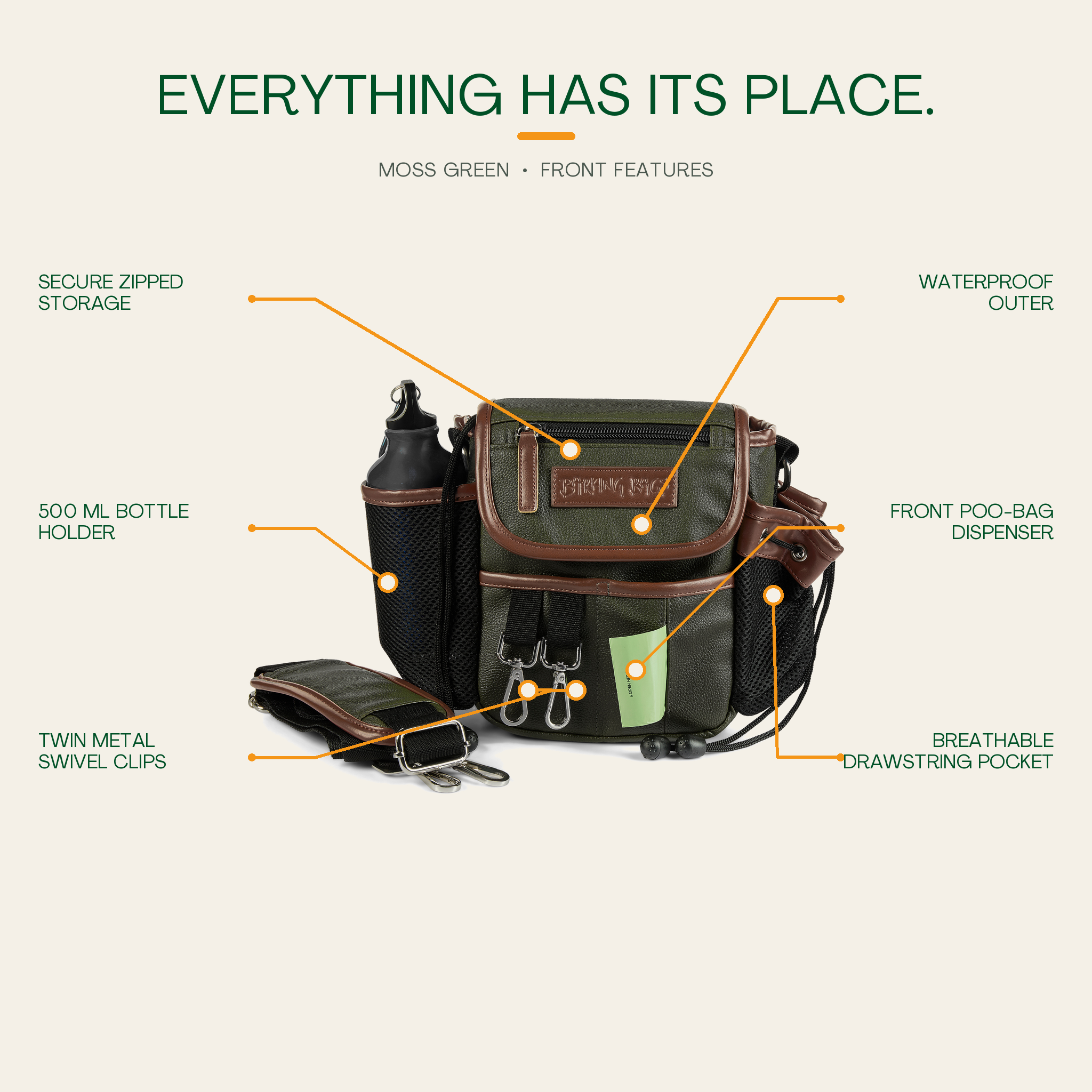
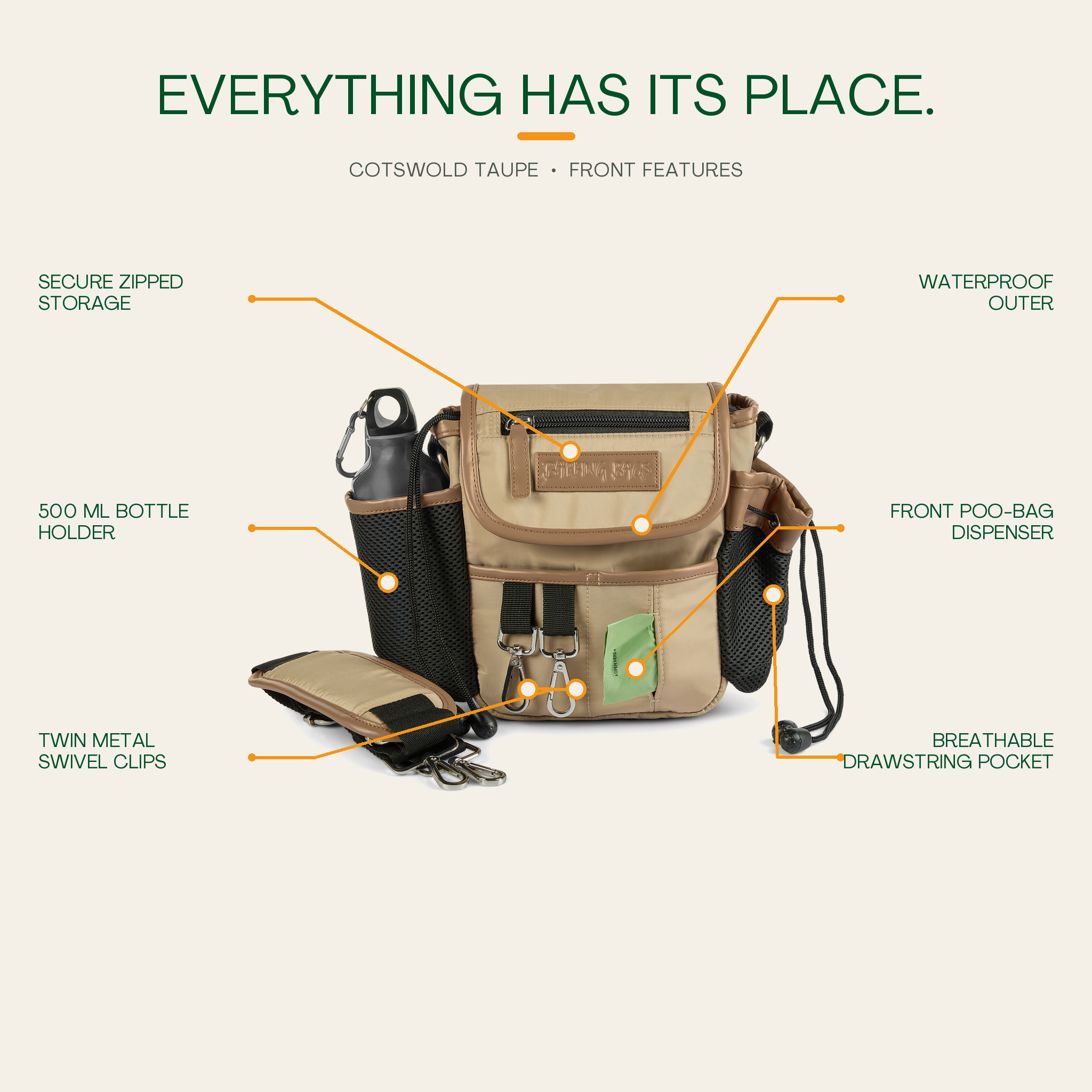
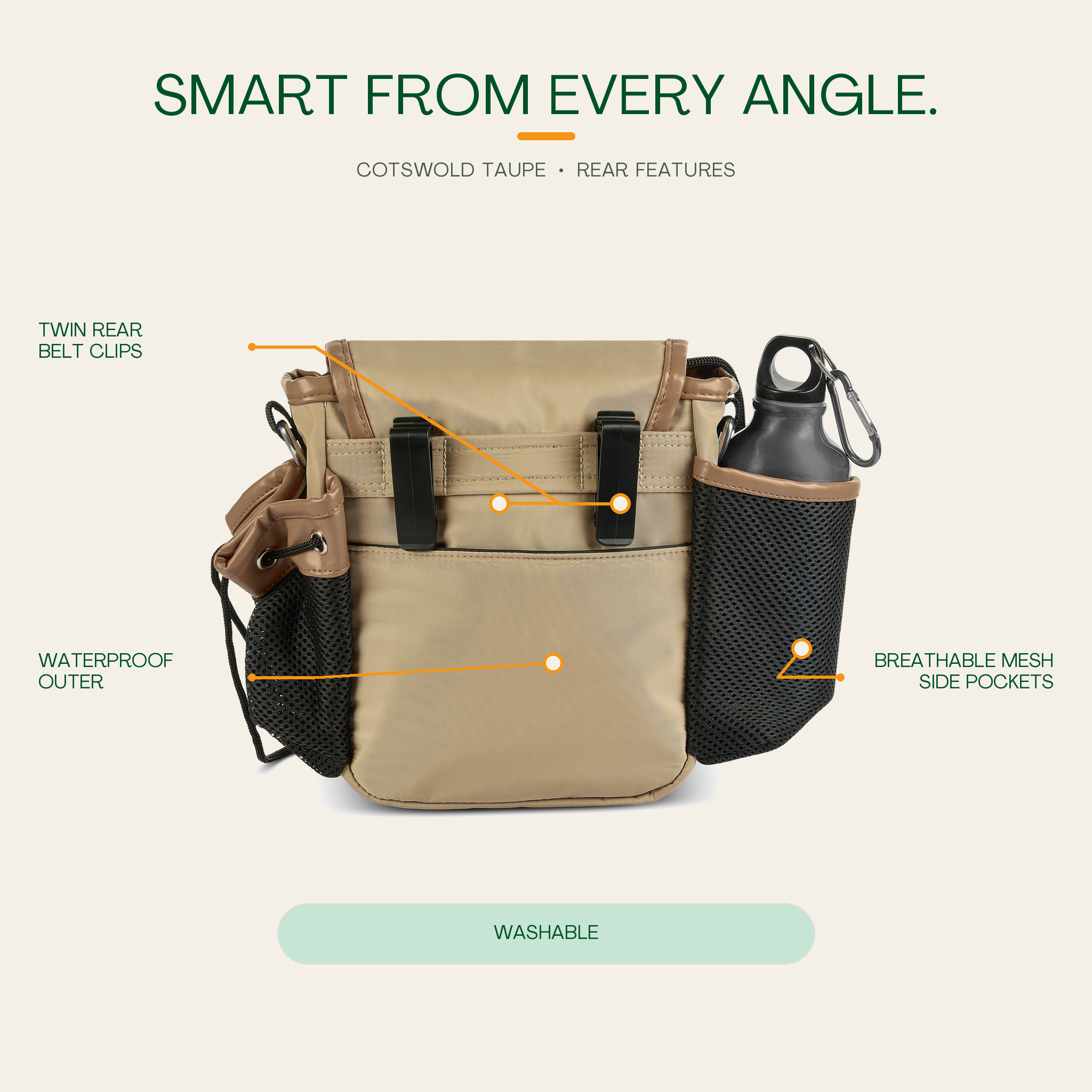
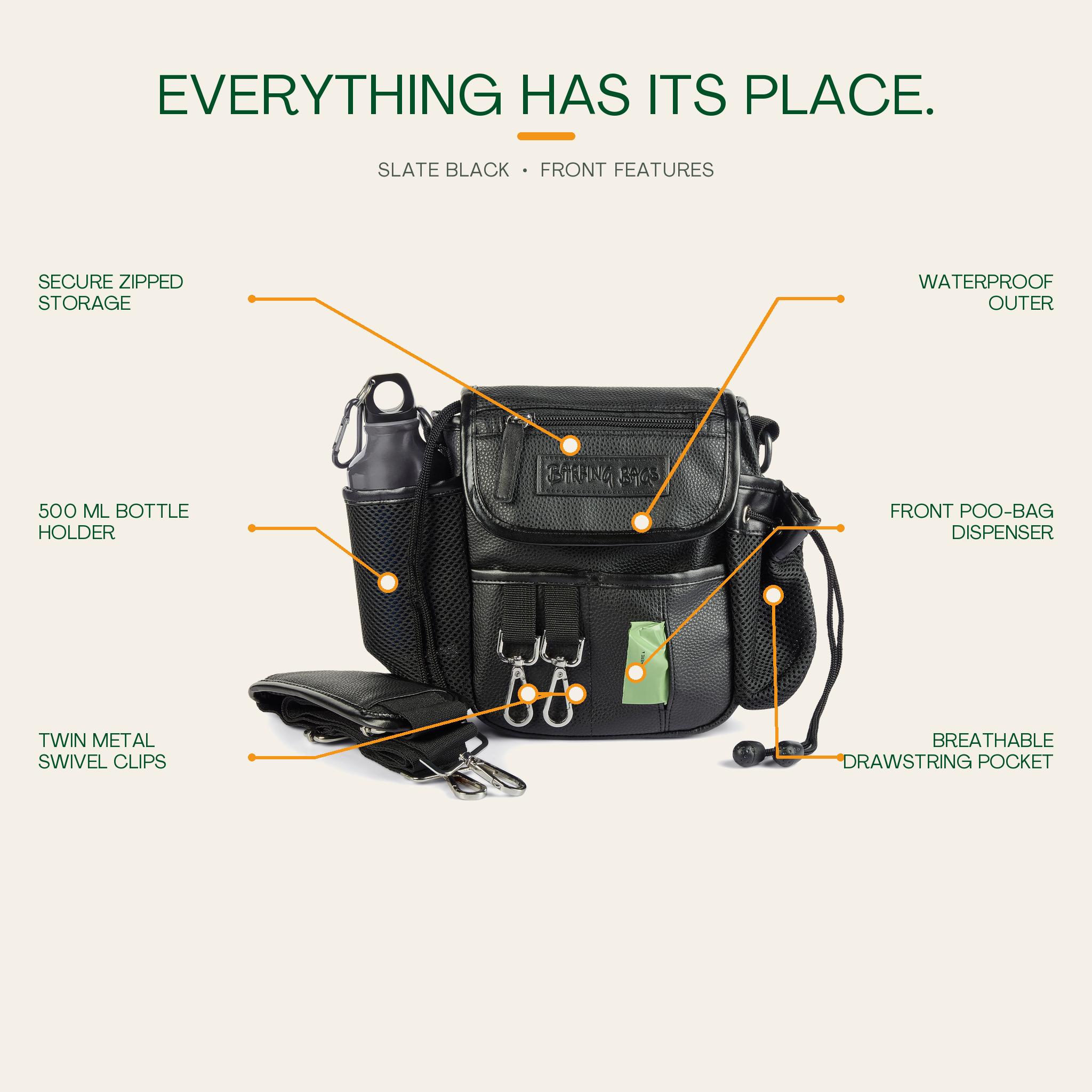
It is also where thoughtful design matters most. A medium bag with clever compartments will often outperform a larger but poorly organised one. Separate sections for treats, personal items and waste bags make a visible difference when you are trying to grab something one-handed with a dog pulling towards a squirrel.
Large bags for long walks, training and multiple dogs
Large dog walking bags are best for people who genuinely need the capacity. That could mean professional dog walkers, owners of more than one dog, or anyone who spends long stretches out and about. If you carry training gear, multiple leads, extra treats, a ball, water, and your own essentials, a bigger bag makes practical sense.
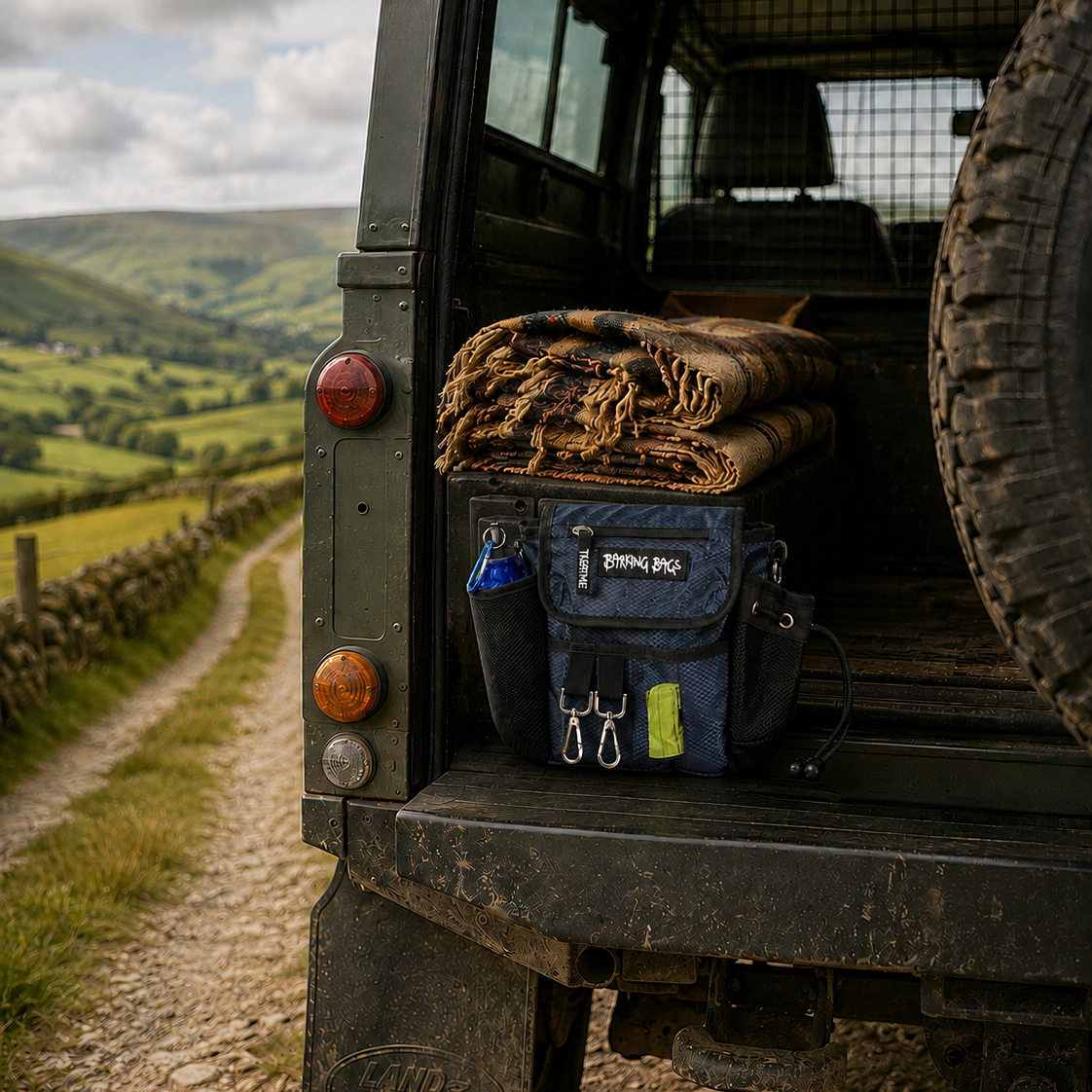
This size comes into its own on countryside walks, day trips, puppy training sessions and longer adventures where being prepared matters. It can also work brilliantly for households with different walking needs, where one bag is shared and has to cover everything.
The catch is that larger bags need structure. Without proper compartments, bigger capacity can quickly become clutter. If you are constantly rummaging for a roll of poo bags at the bottom of the bag, the extra size stops being helpful.
What should fit in your bag?
Rather than shopping by label alone, think about your non-negotiables. Most owners need space for poo bags, treats, keys and a mobile phone. After that, your list starts to reveal the right size.
If you also carry a purse, hand sanitiser, clicker, whistle, tennis ball, water bottle or collapsible bowl, you are probably moving beyond compact. If you walk two dogs with separate leads, or like to be ready for rain, mud and training on the go, medium or large will likely make more sense.
It also depends on your dog. A tiny breed on a short pavement walk usually requires less kit than a young spaniel doing recall training in the woods. The bag should reflect the reality of the walk, not the ideal version of it.
Size is not just about capacity
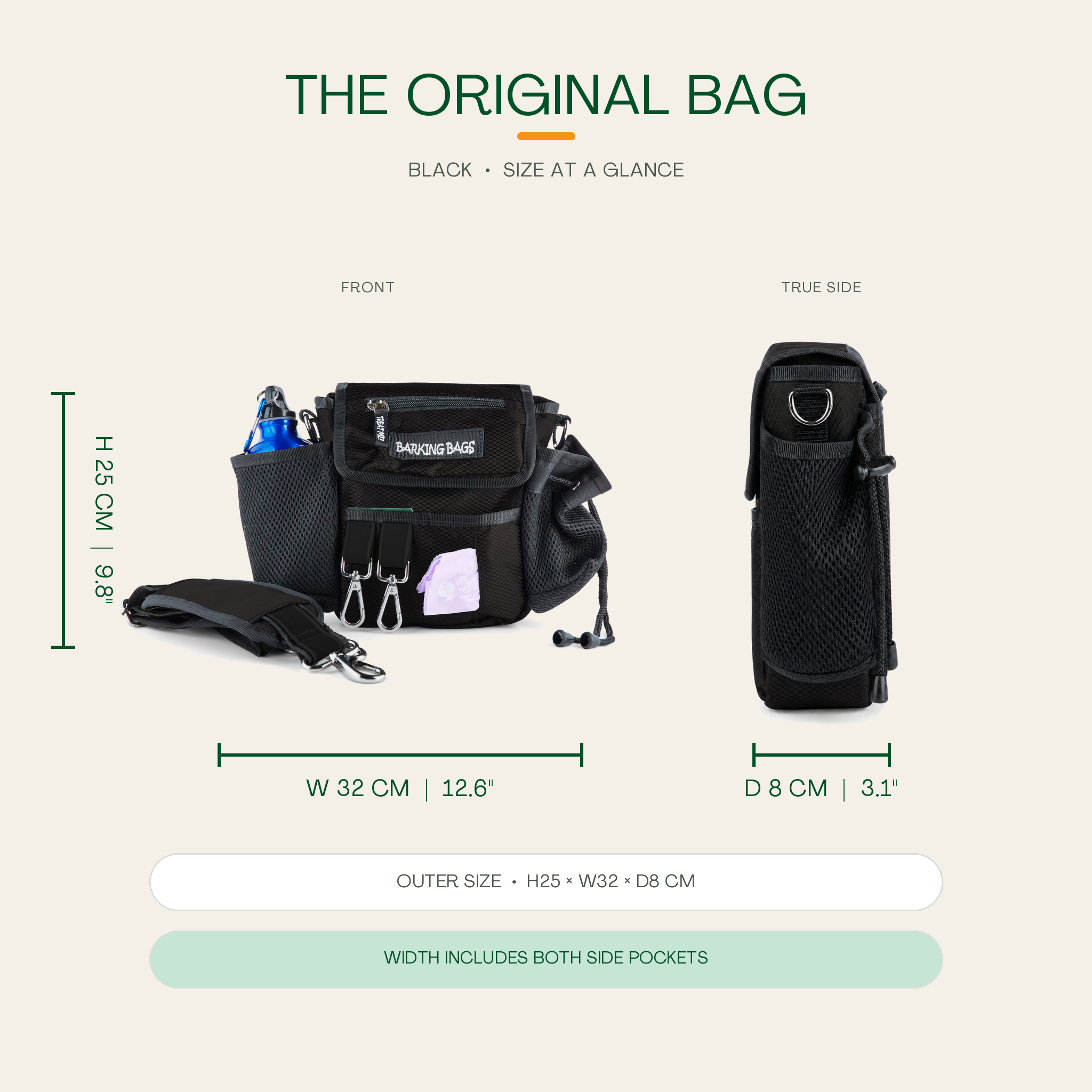
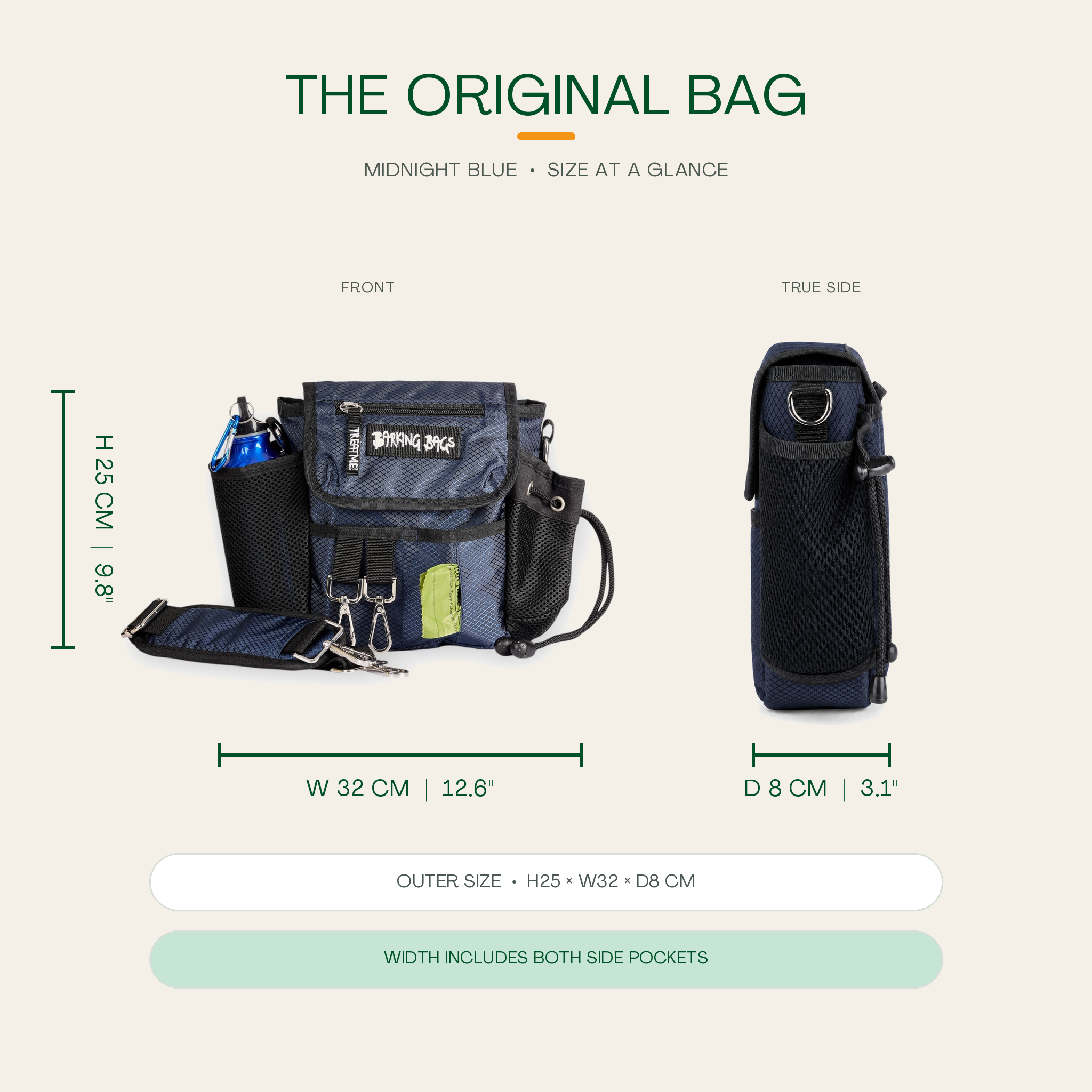
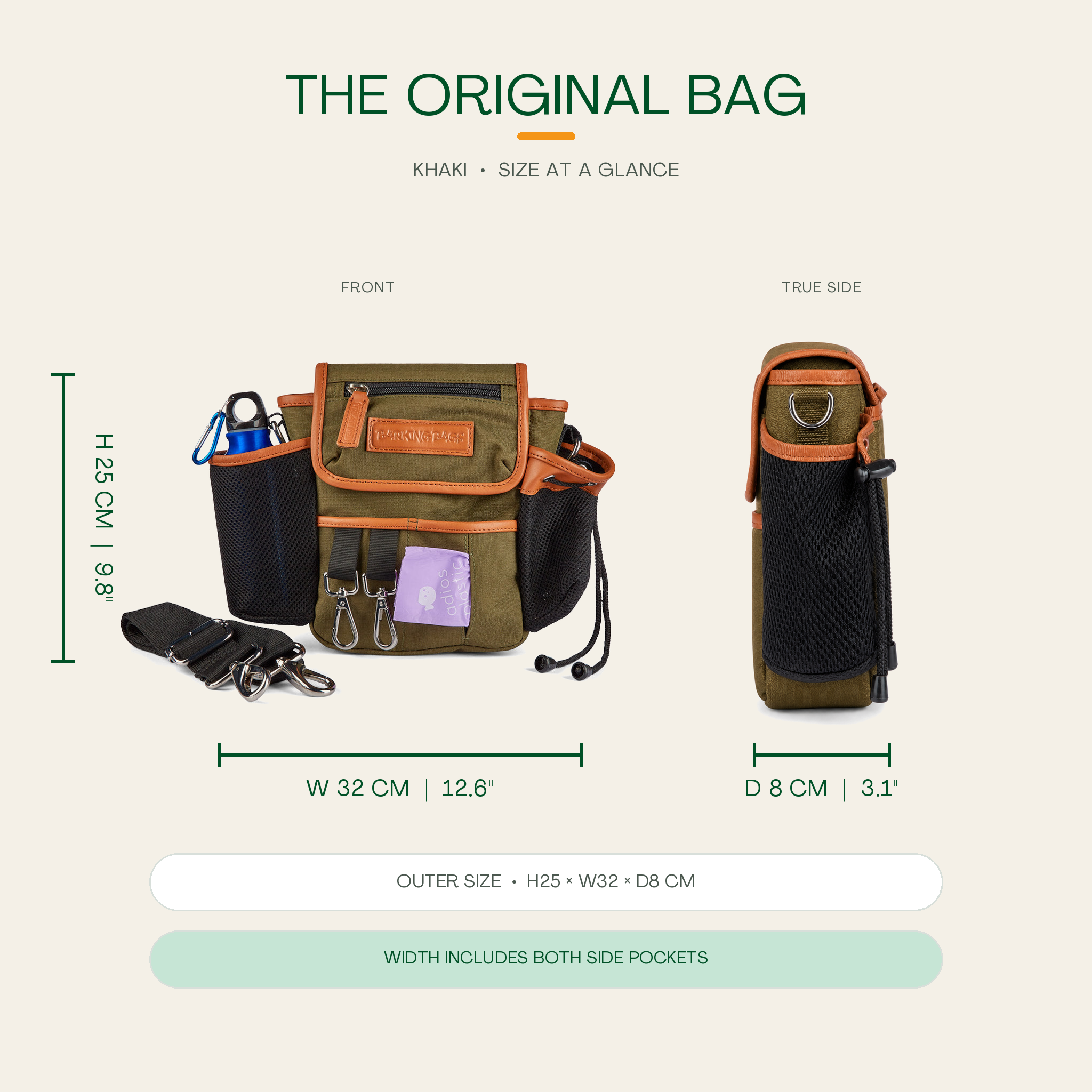
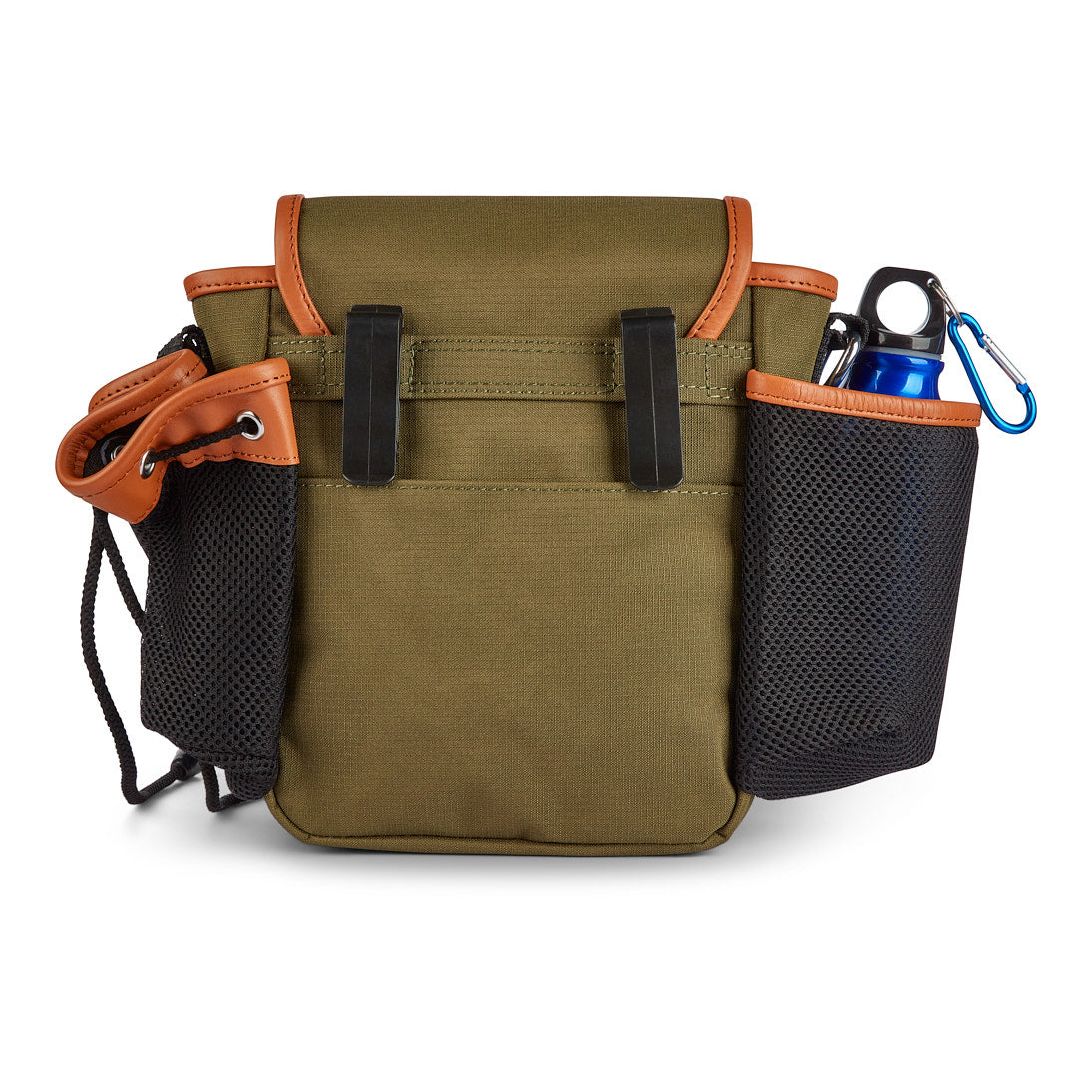
A useful guide to dog walk bag sizes should also talk about shape, because litre capacity alone does not tell the full story. Two bags may hold a similar amount, but one may feel far easier to use because of the layout.
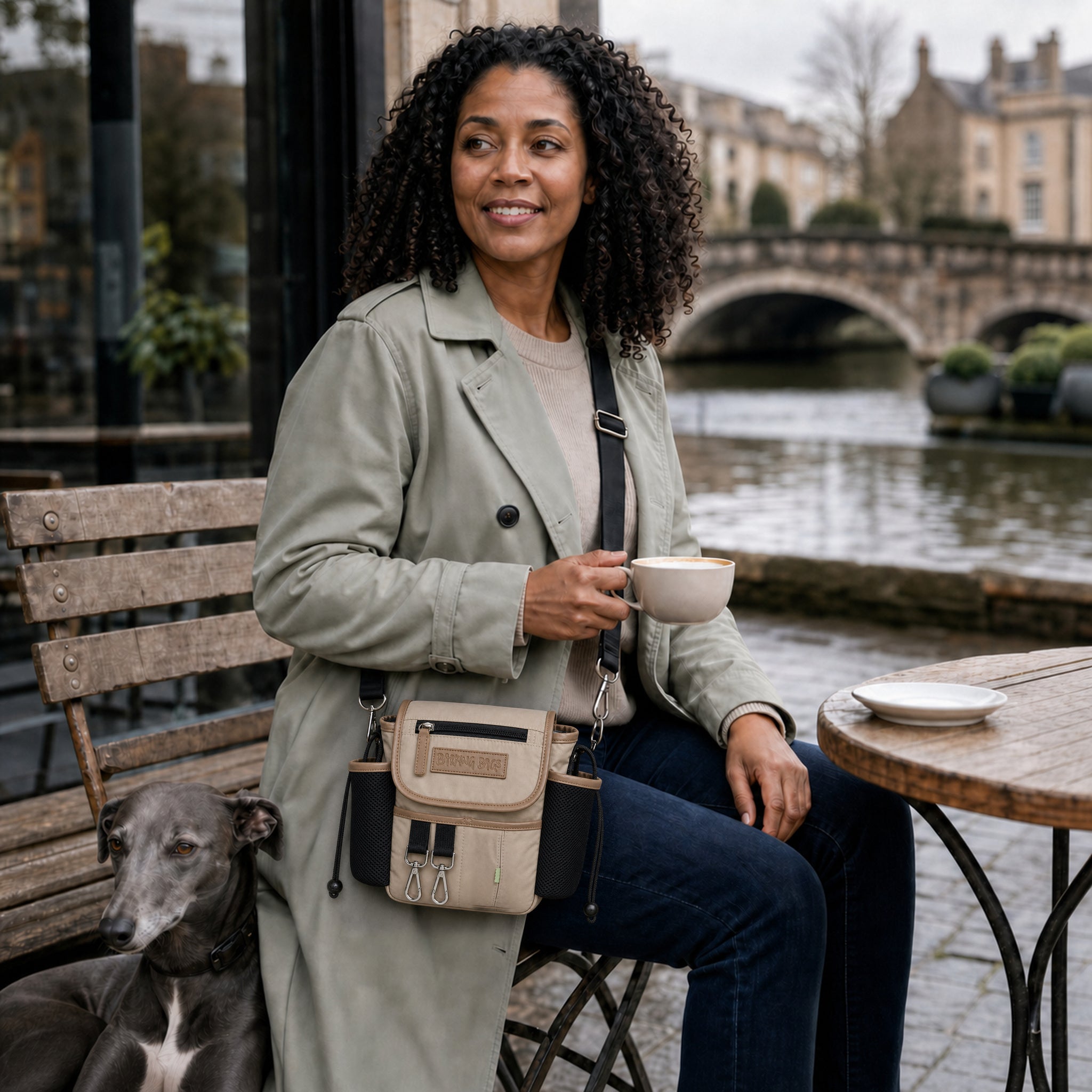
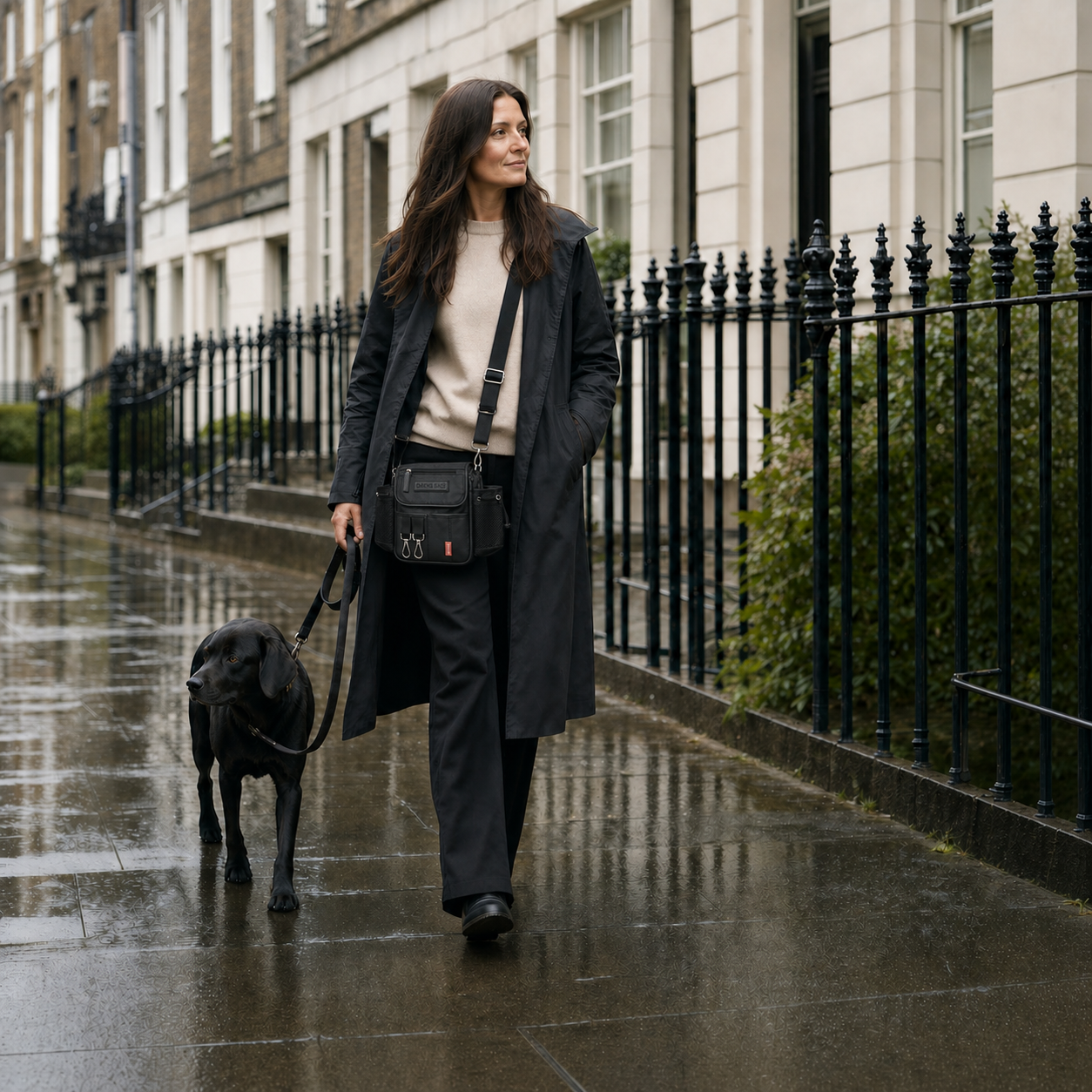
A wider bag can make treats and accessories easier to reach. A taller bag may suit water bottles better but be less convenient for quick access. Slim crossbody styles often feel lighter and sit closer to the body, while chunkier designs can hold more but may feel less streamlined.
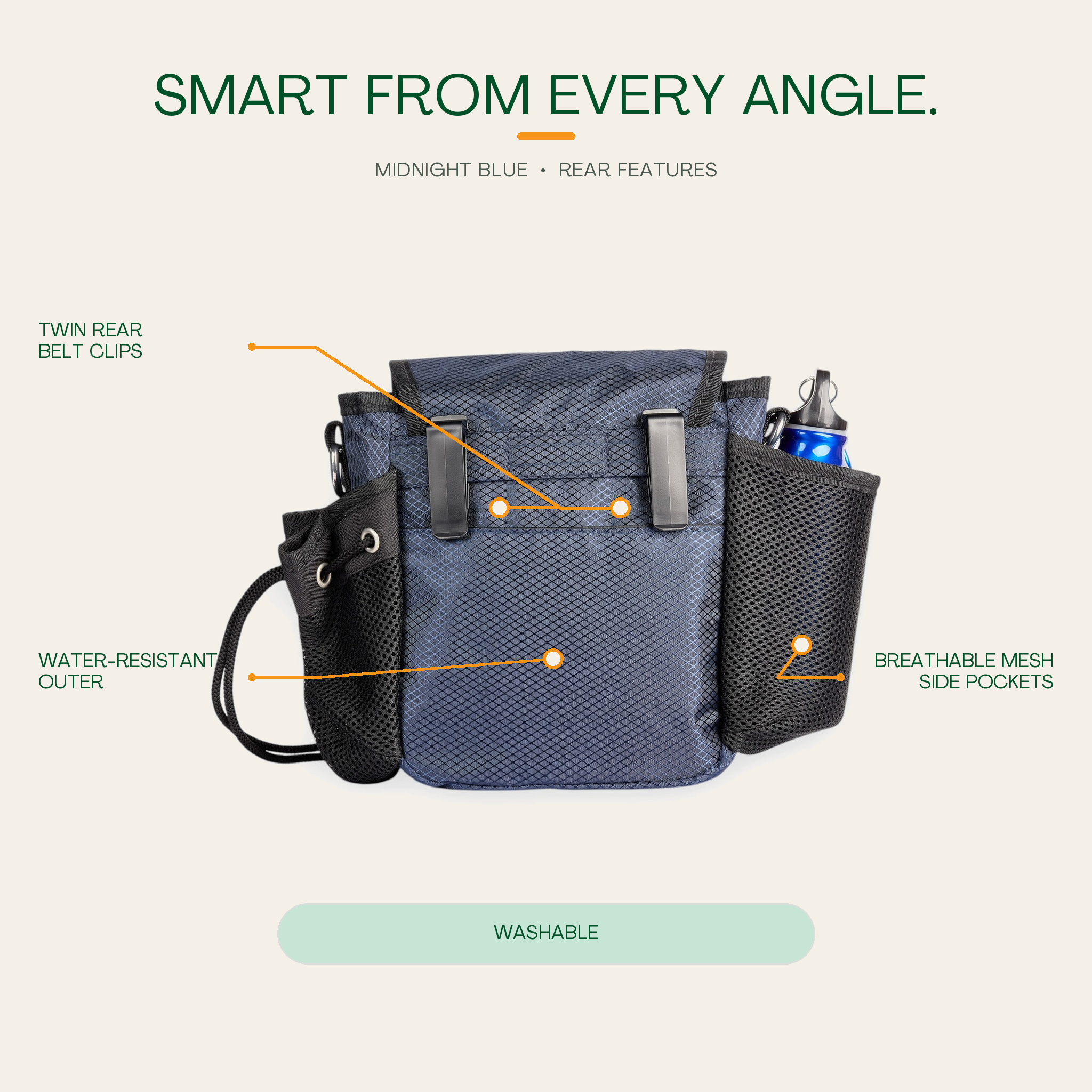
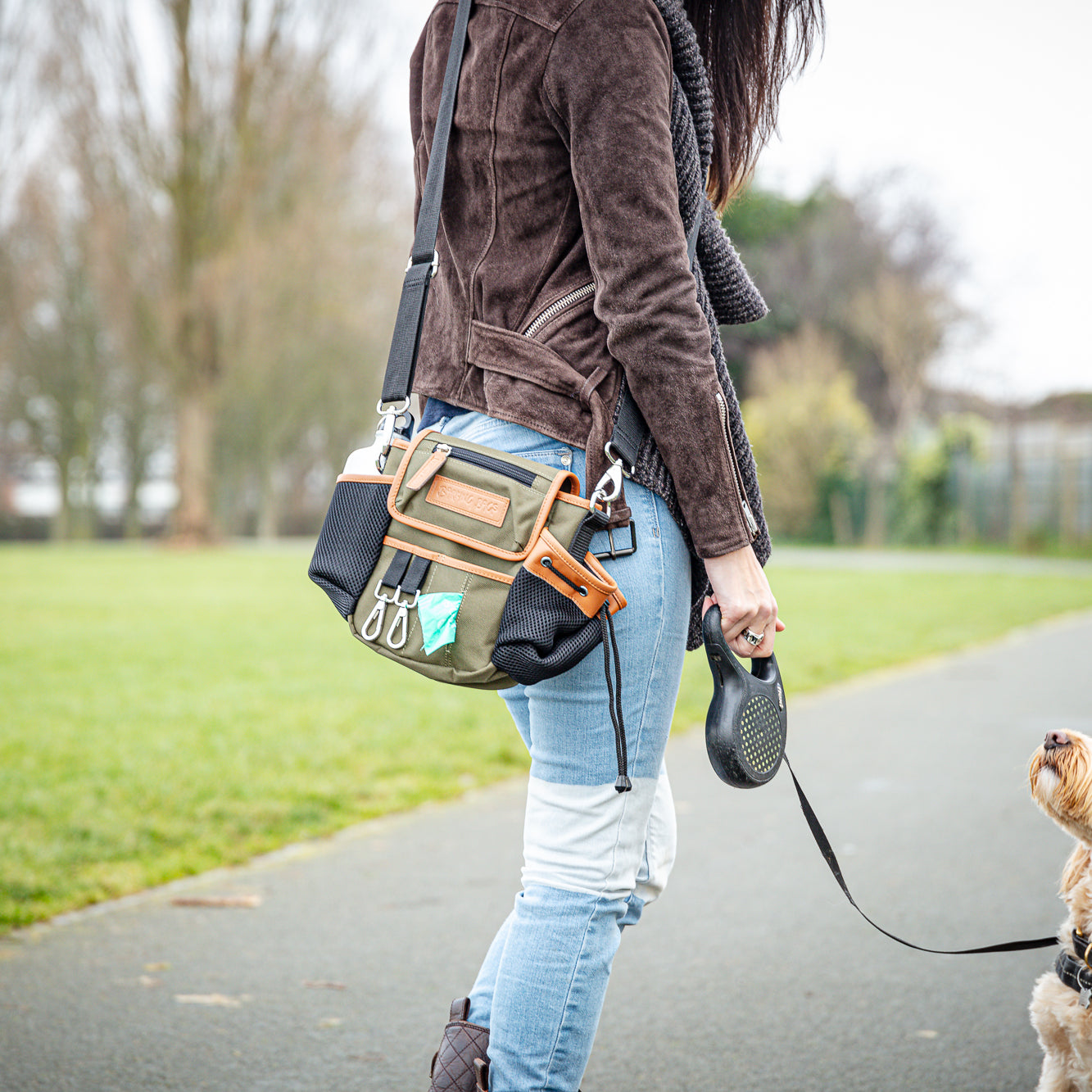
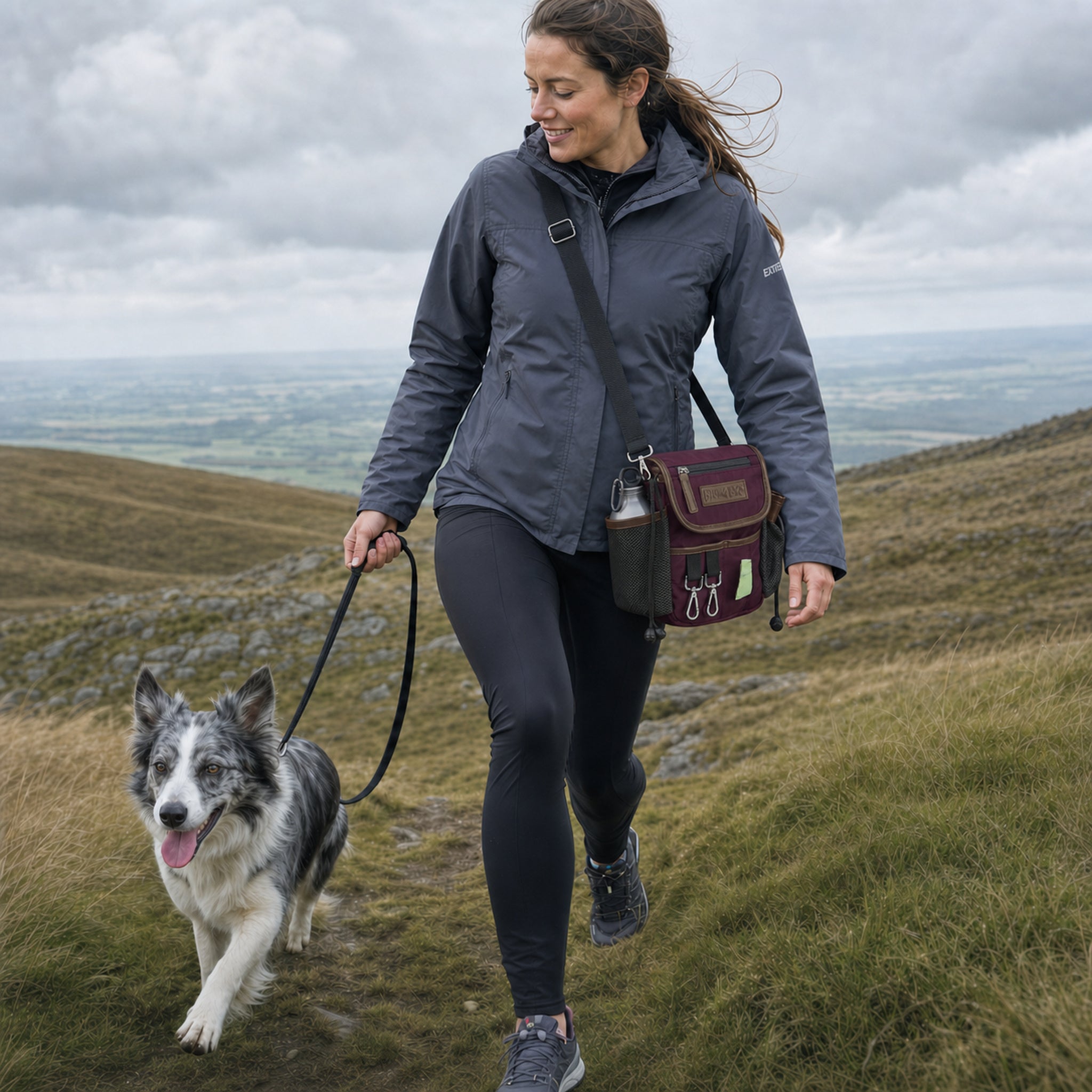
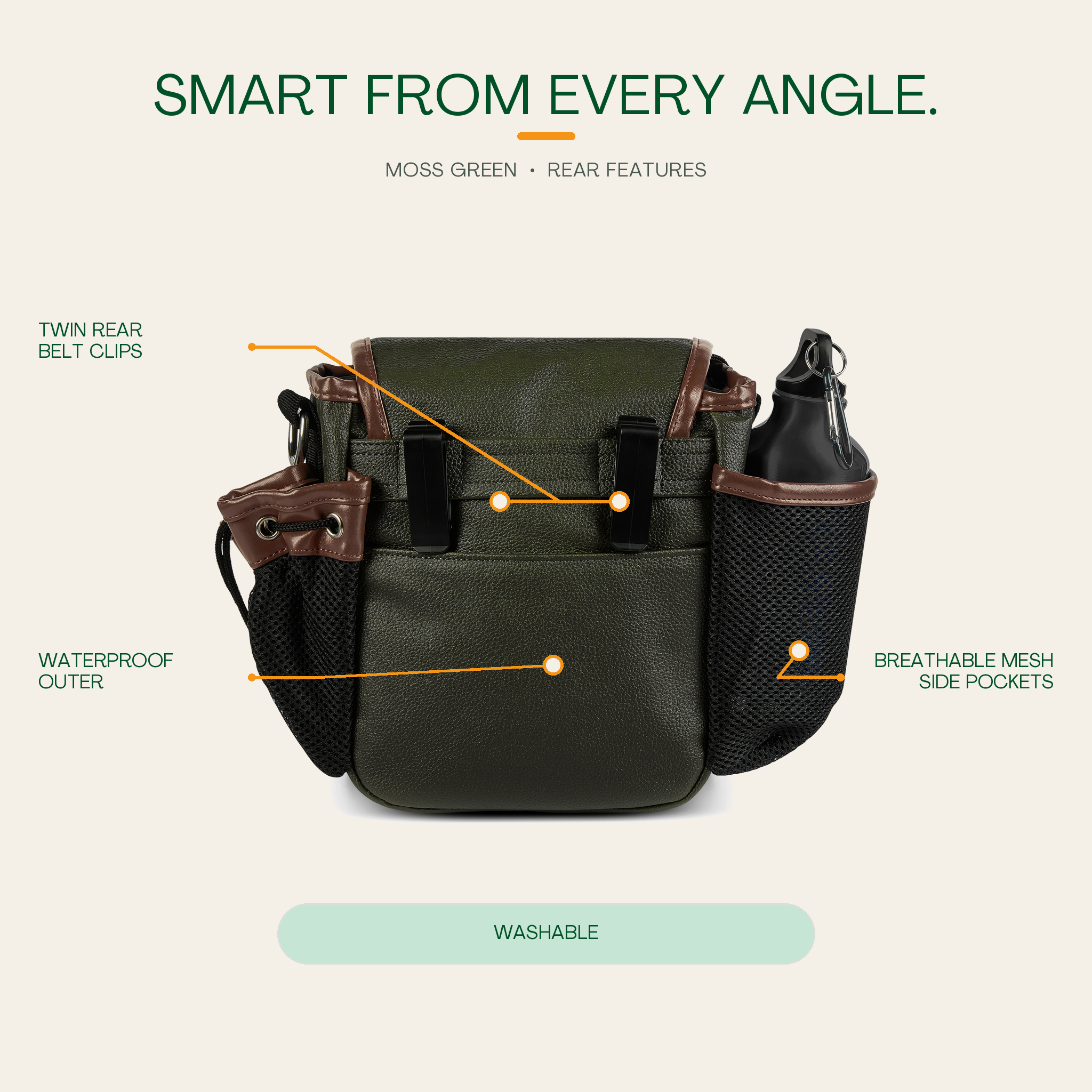
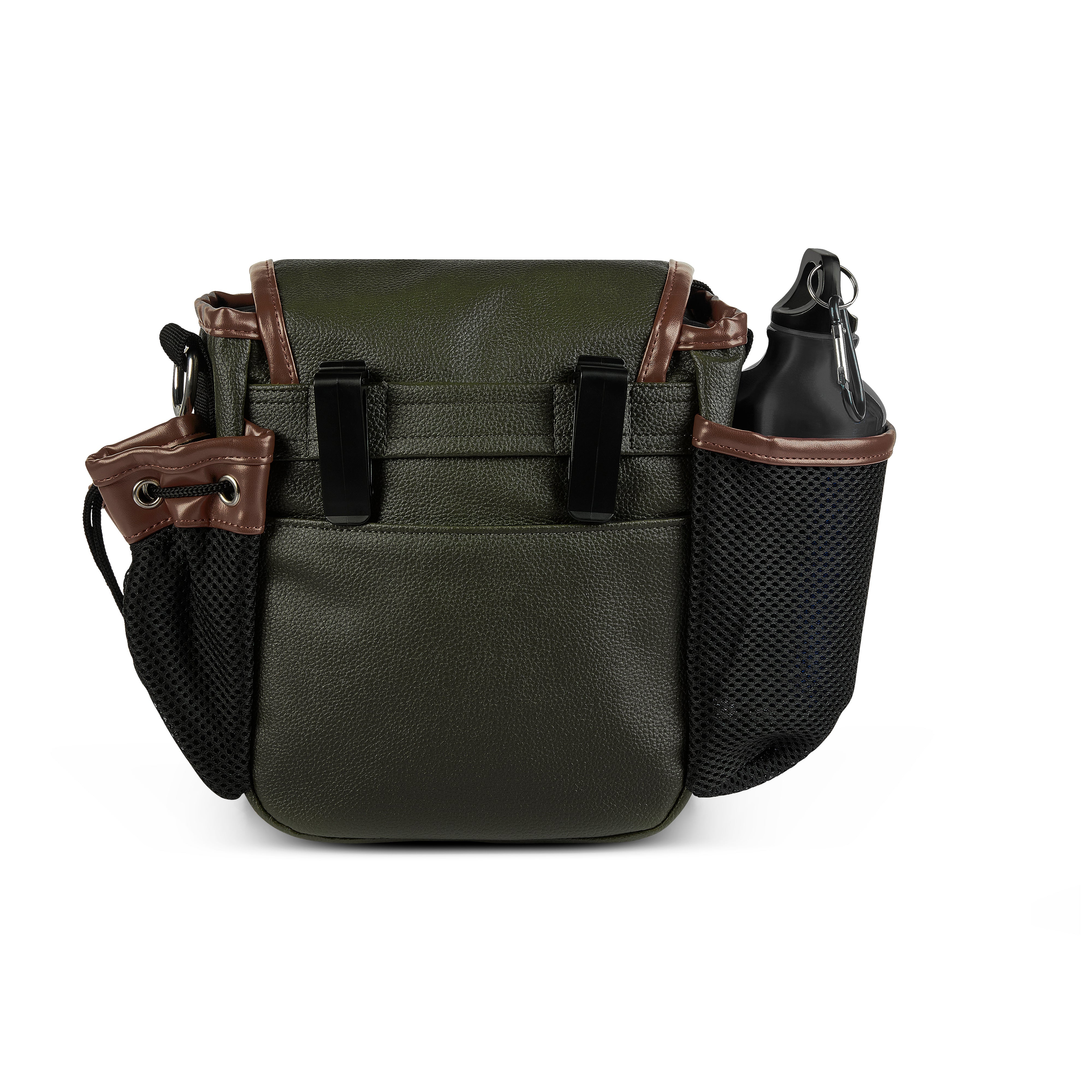
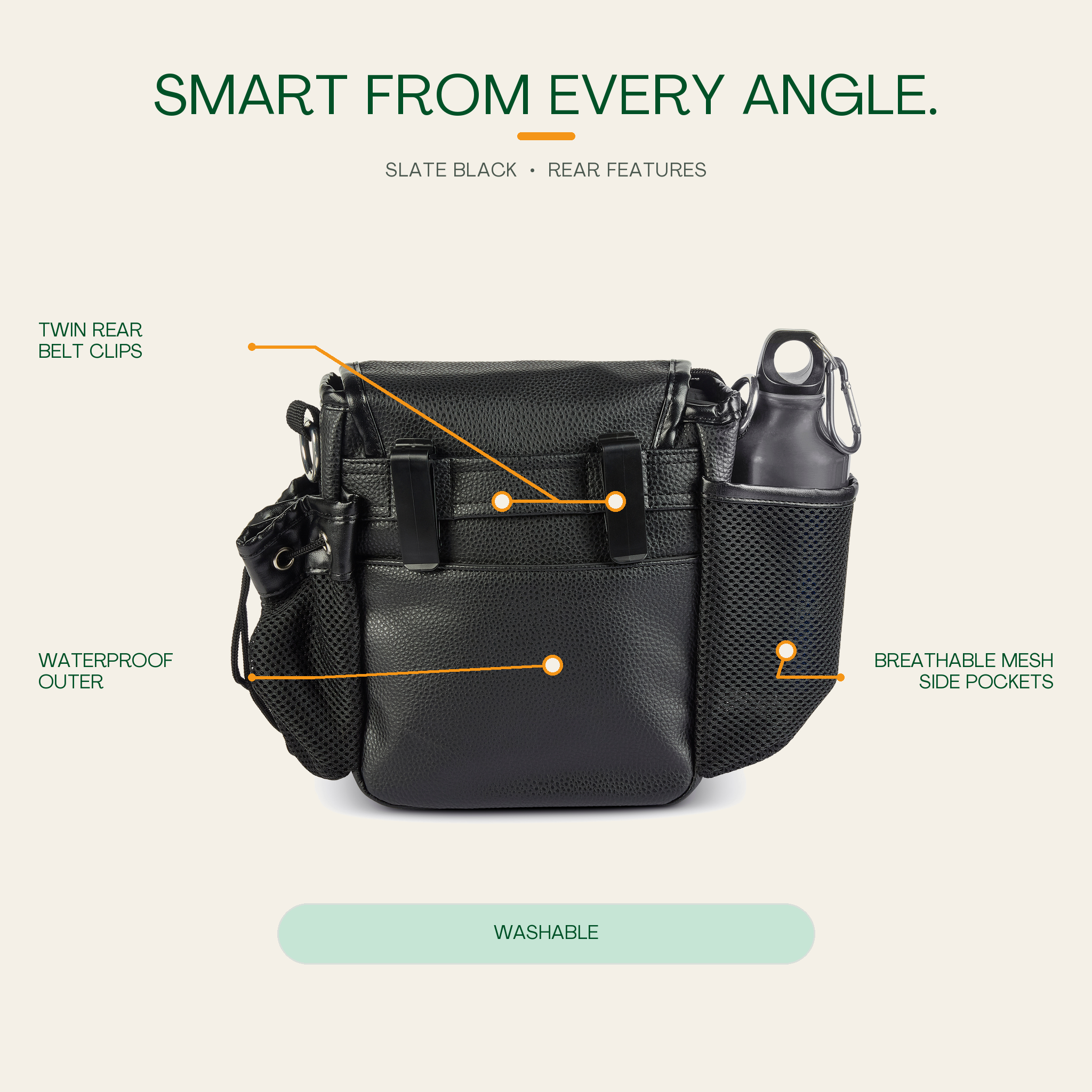
Comfort matters too. A bag that technically fits everything is not the right size if it swings about awkwardly or feels heavy halfway through your walk. Adjustable straps, secure closures and balanced compartments all affect how large or small a bag feels in daily use.
How to choose the right size for your routine
Start with your most common walk, not your most demanding one. If 80 per cent of your walks are quick local outings, choose a size that feels good for that routine. You want a bag you will happily use every day, not one that only shines on occasional big weekend walks.
Then think about whether you prefer minimal packing or like to be prepared for anything. Neither approach is wrong, but it does change what size feels practical. Some owners are happy carrying only the basics and topping up as needed. Others want room for backups, extras and the odd unexpected need.
Your own items matter as much as the dog’s. If you regularly carry a large mobile phone, purse, sunglasses or medication, do not ignore that when choosing a bag. A dog walking bag still needs to work for the human wearing it.
Finally, consider whether you need one all-rounder or more than one format. A dedicated treat bag can be brilliant for training sessions, while a larger everyday bag handles longer walks better. For many owners, that combination is more practical than expecting one bag to do absolutely everything.
The smartest size is the one you will actually use
There is no single best answer in any guide to dog walk bag sizes because the right fit depends on your dog, your route and your routine. What works beautifully for a quick circuit of the block may not suit an hour at the park, and what feels perfect for one dog can be far too small for two.
The aim is not to carry more. It is to carry better. A well-sized bag keeps essentials easy to find, stops your pockets doing all the hard work, and helps you head out the door feeling ready rather than flustered. At Barking Bags, that practical difference is exactly the point.
Choose the size that supports your real walks, not the imaginary perfectly packed ones. If your bag makes life easier every time you clip on the lead, you have found the right fit.