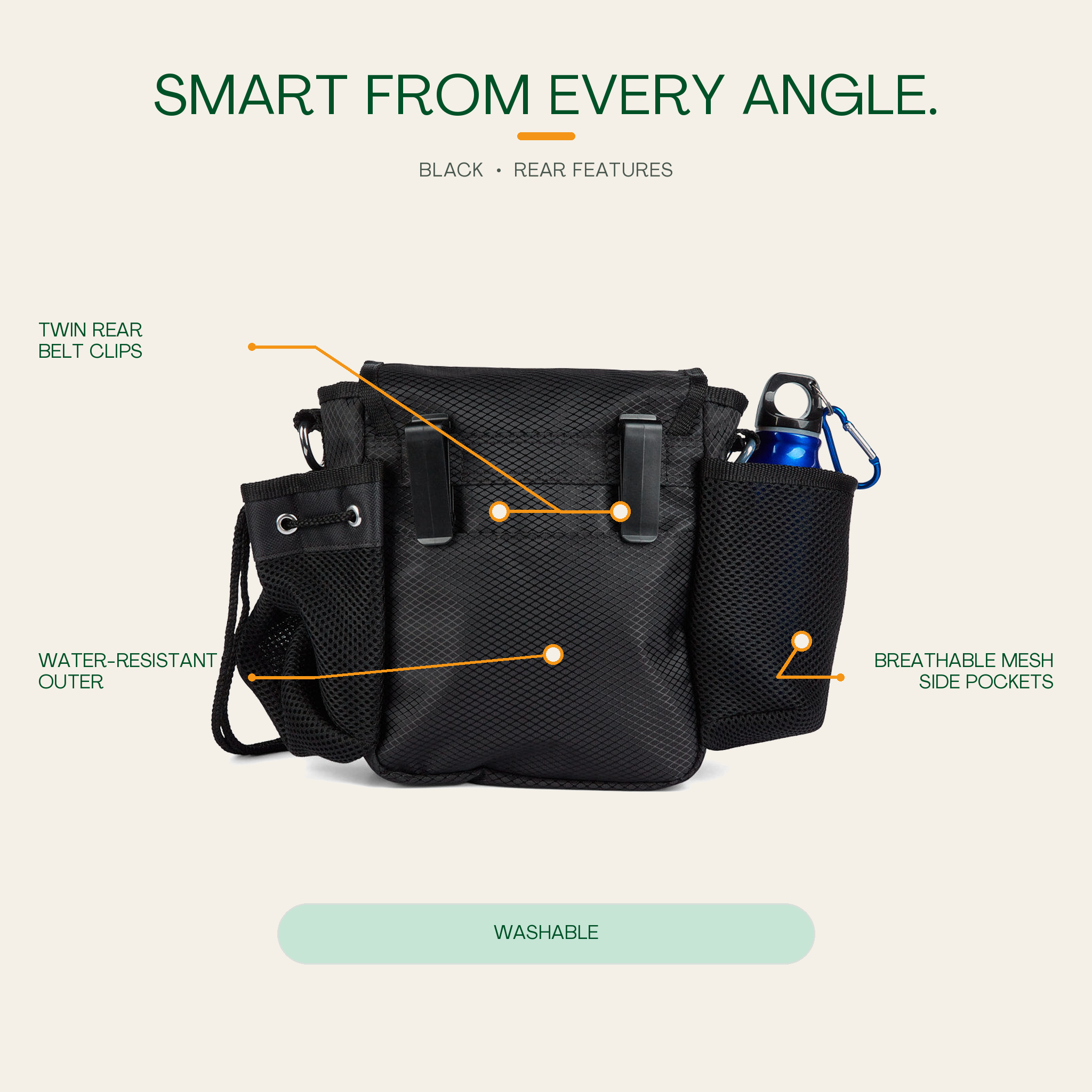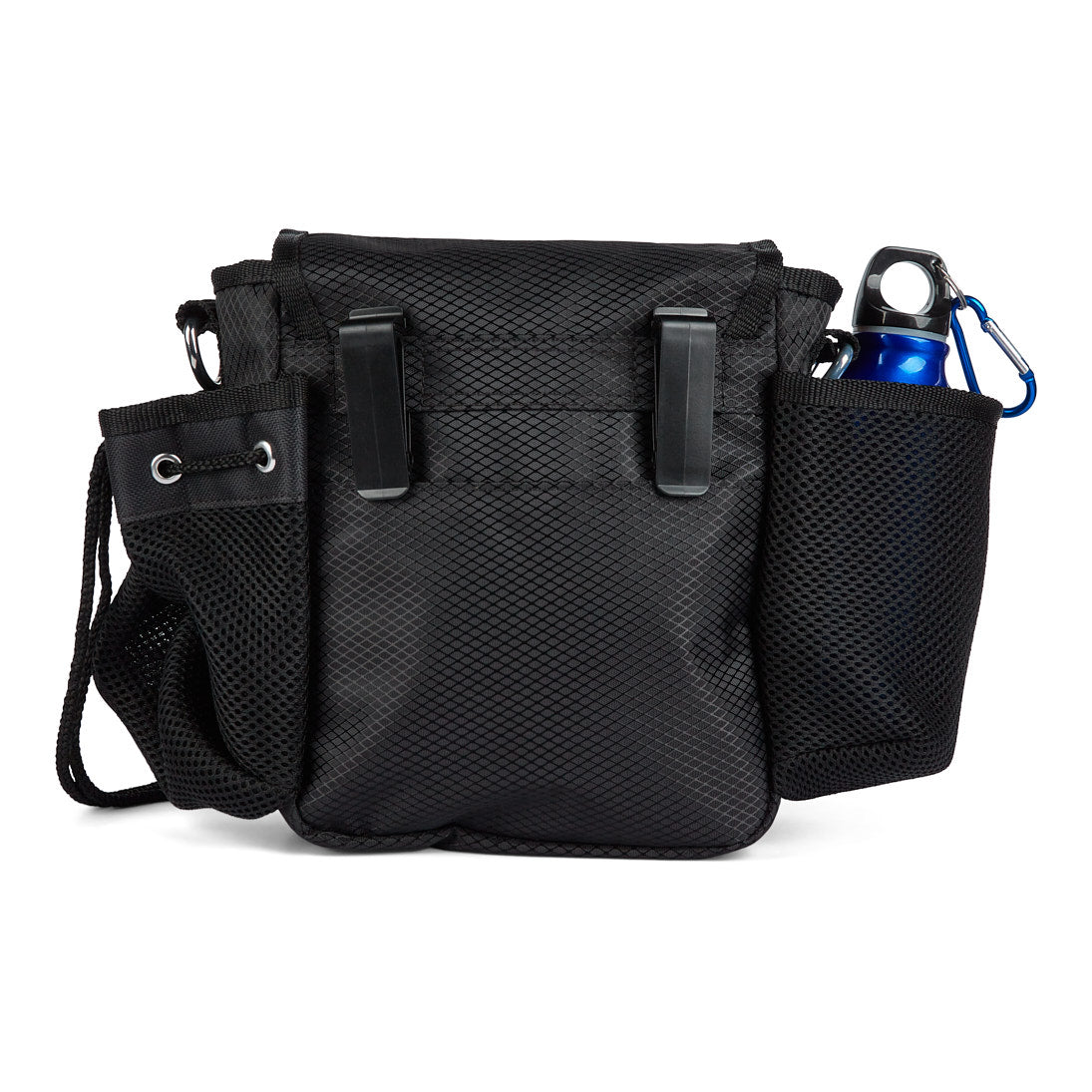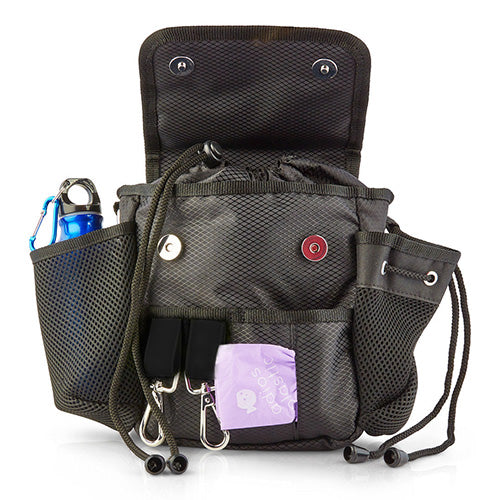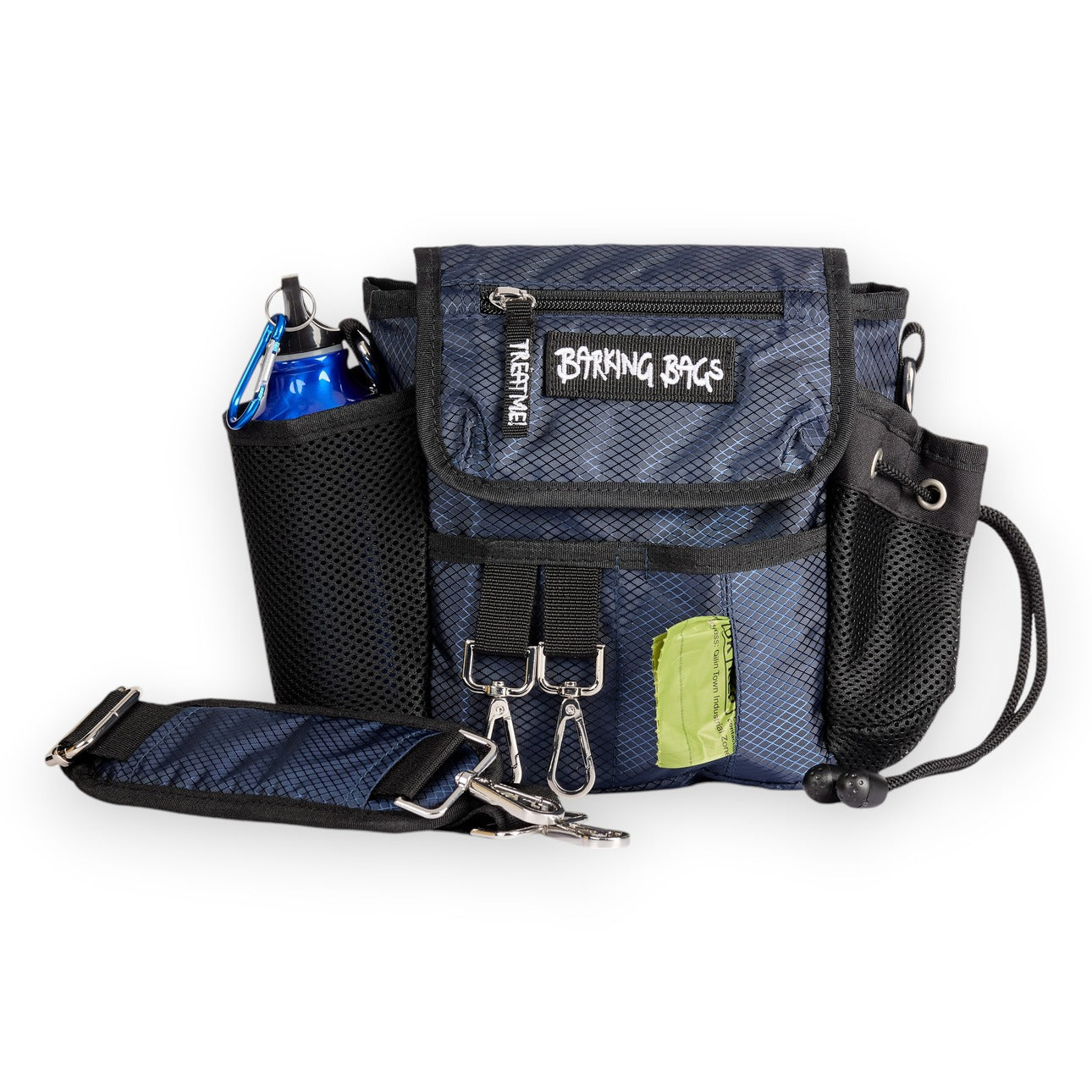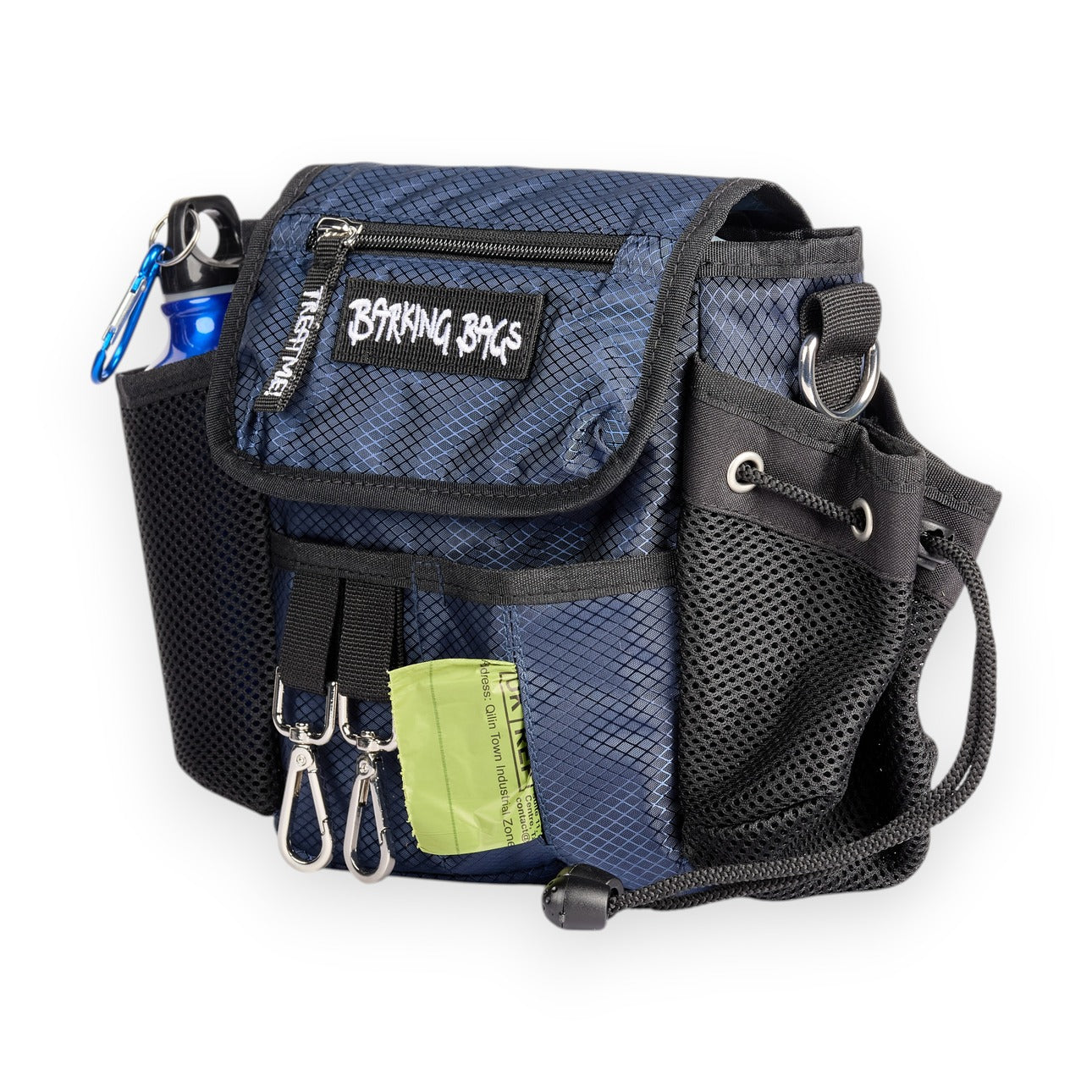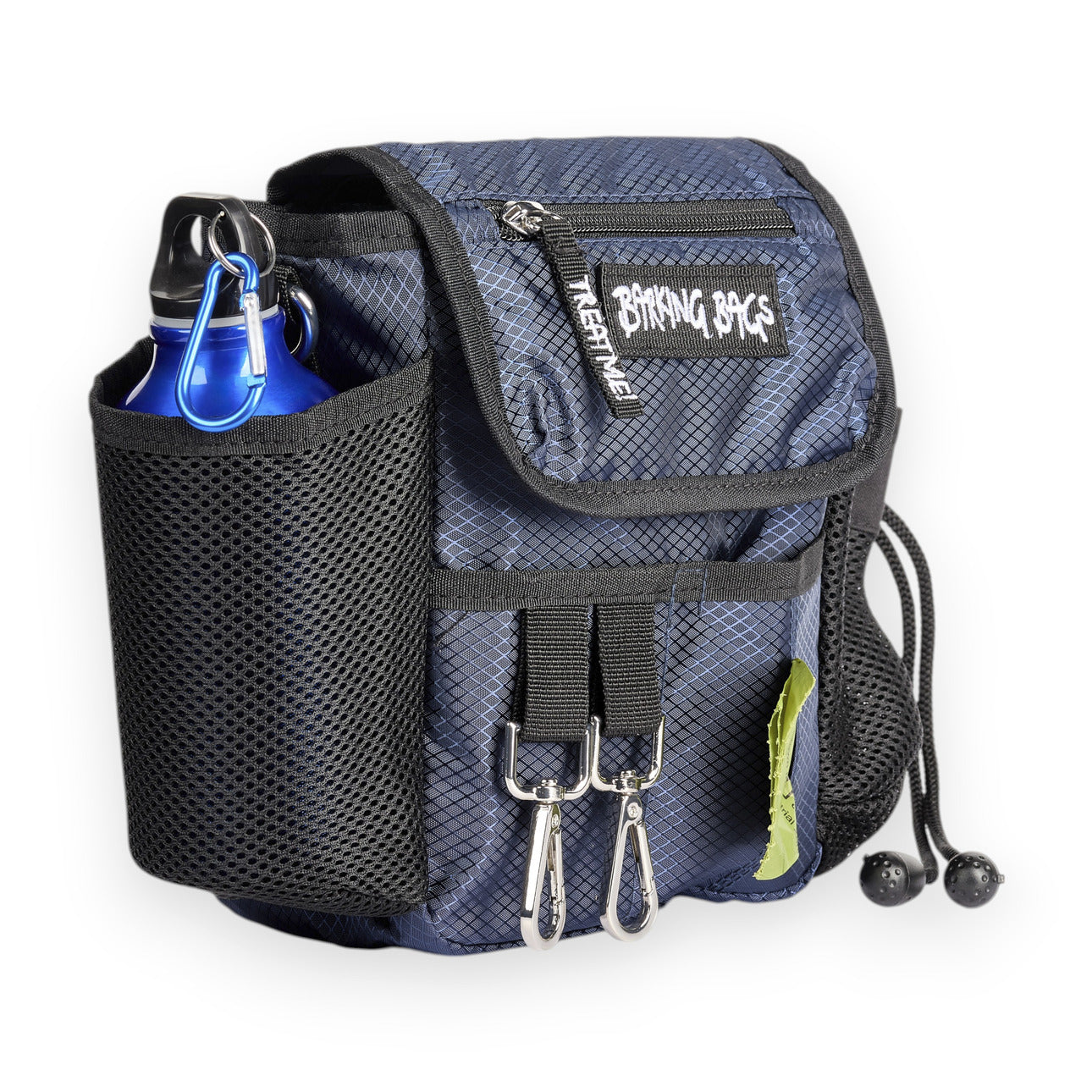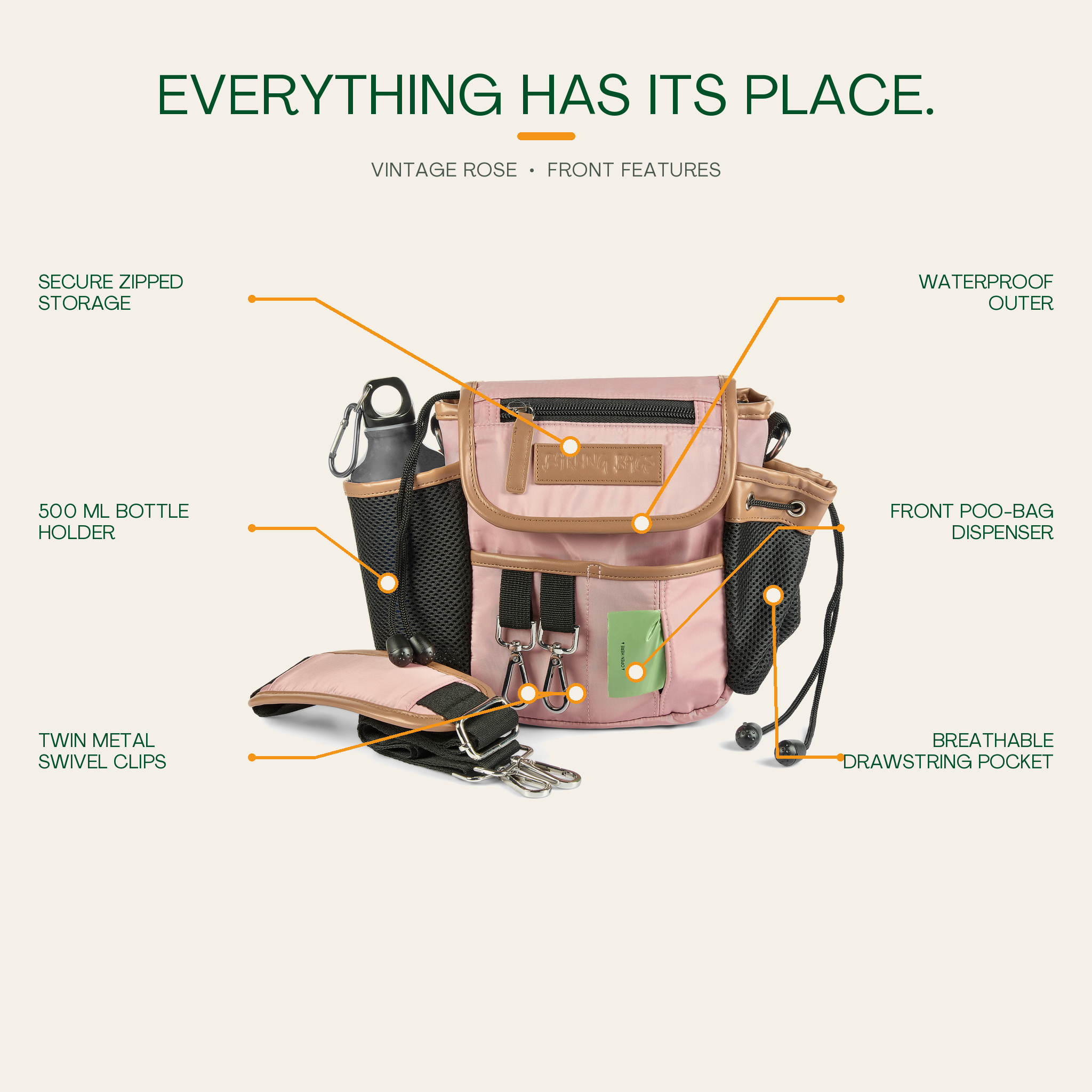

You feel the difference on the first walk. Instead of digging through coat pockets for soggy treats or juggling a lead, mobile phone and poo bags in one hand, a dog training treat pouch keeps everything where you need it - fast, clean and easy to reach. For anyone doing recall practice in the park, loose-lead work on the pavement or daily reinforcement at home, that small bit of kit can make training feel far more consistent.
A good pouch is not just about carrying snacks. It supports timing, and timing is a big part of successful training. If you reward your dog a second too late because you are unzipping a pocket or fishing through a handbag, the moment has already gone. When treats are instantly accessible, you can mark and reward quickly, which helps your dog understand exactly what earned the reward.
Why a dog training treat pouch matters
Training works best when it fits into real life. Most dog owners are not setting aside an hour in a studio with perfect conditions. They are rewarding check-ins on the school run, practising sits outside the cafe, or working on lead manners before breakfast. A dog training treat pouch makes those everyday moments easier to use.
There is also the issue of consistency. If carrying treats feels fiddly, many people simply stop doing it after a few days. They forget, get annoyed, or decide they will train properly later. A purpose-designed pouch removes some of that friction. You are more likely to bring rewards with you, and more likely to use them well.
That matters whether you have a new puppy, a rescue dog learning the ropes, or an older dog brushing up on manners. Even confident dogs benefit from regular reinforcement, especially in distracting environments.
What to look for in a dog training treat pouch
The best option depends on how you walk, what you carry and how often you train. Still, a few features make a clear difference.
Easy one-handed access
This is the big one. If you need two hands to open the pouch, it slows you down and makes lead handling awkward. Look for an opening that lets you reach in quickly without fumbling. Some closures are better for keeping treats secure, while others prioritise speed. Which matters more depends on your routine.
If you do high-repetition training sessions, quicker access usually wins. If you spend a lot of time bending, running or playing off lead, a more secure closure may be worth the extra second.
Enough space, but not too much bulk
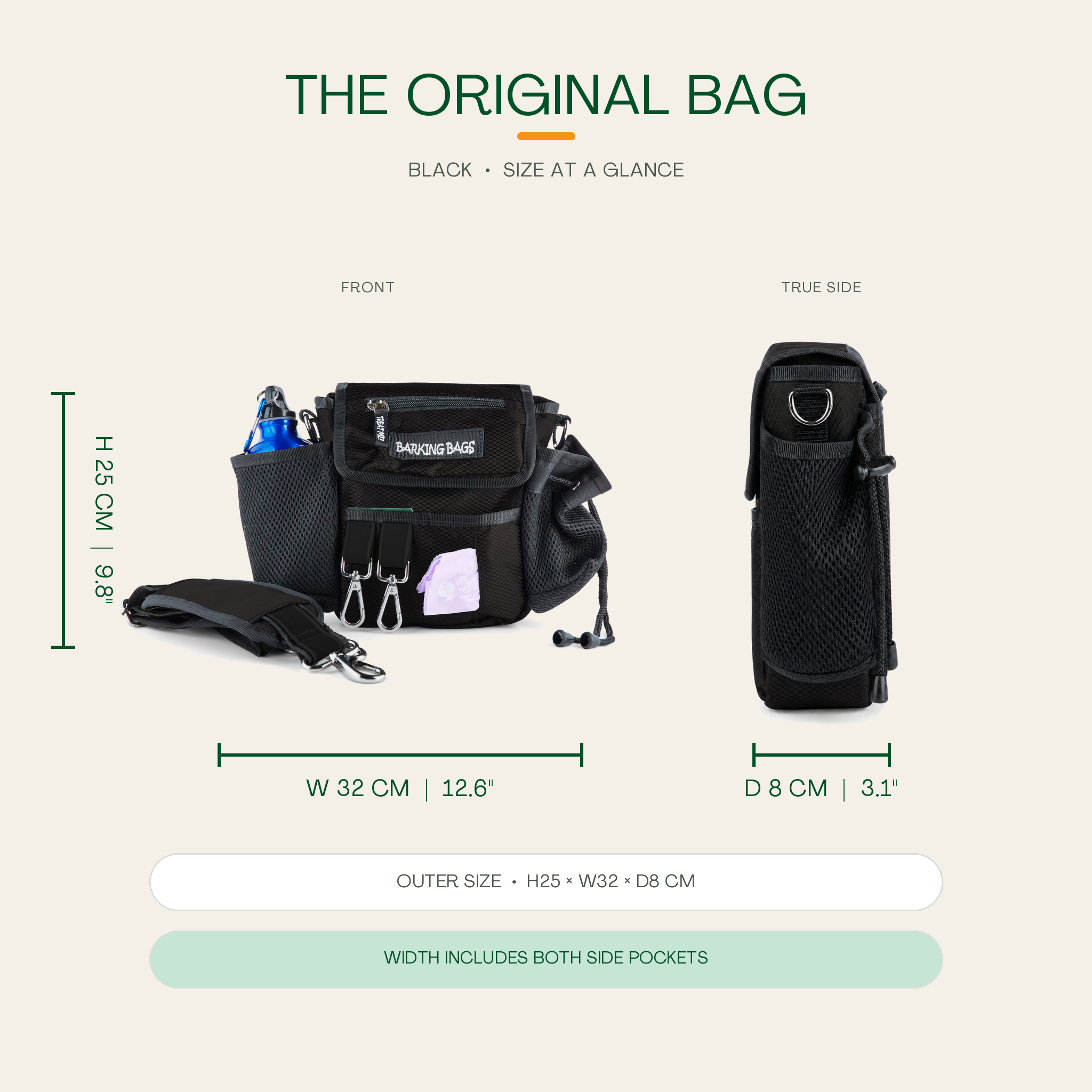
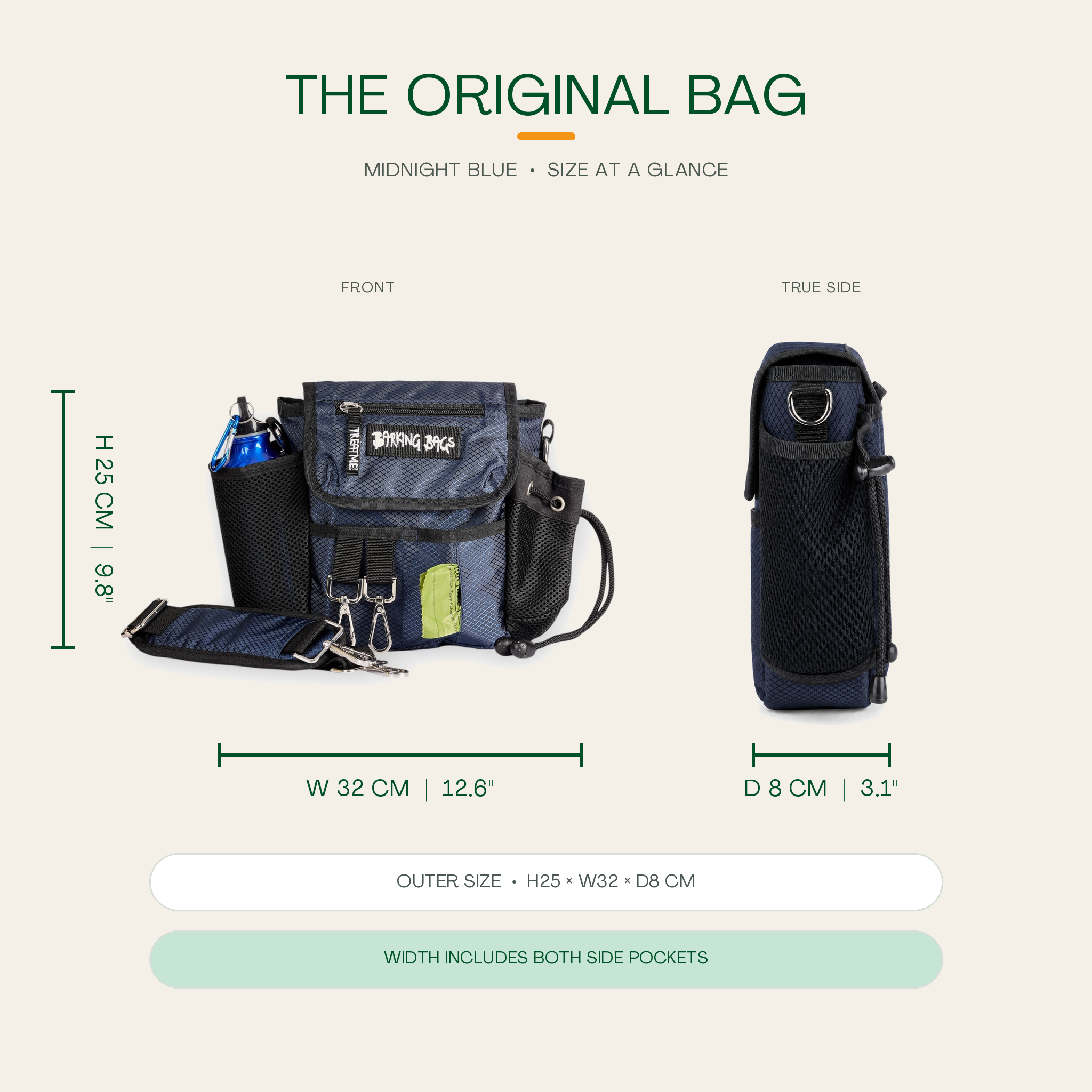
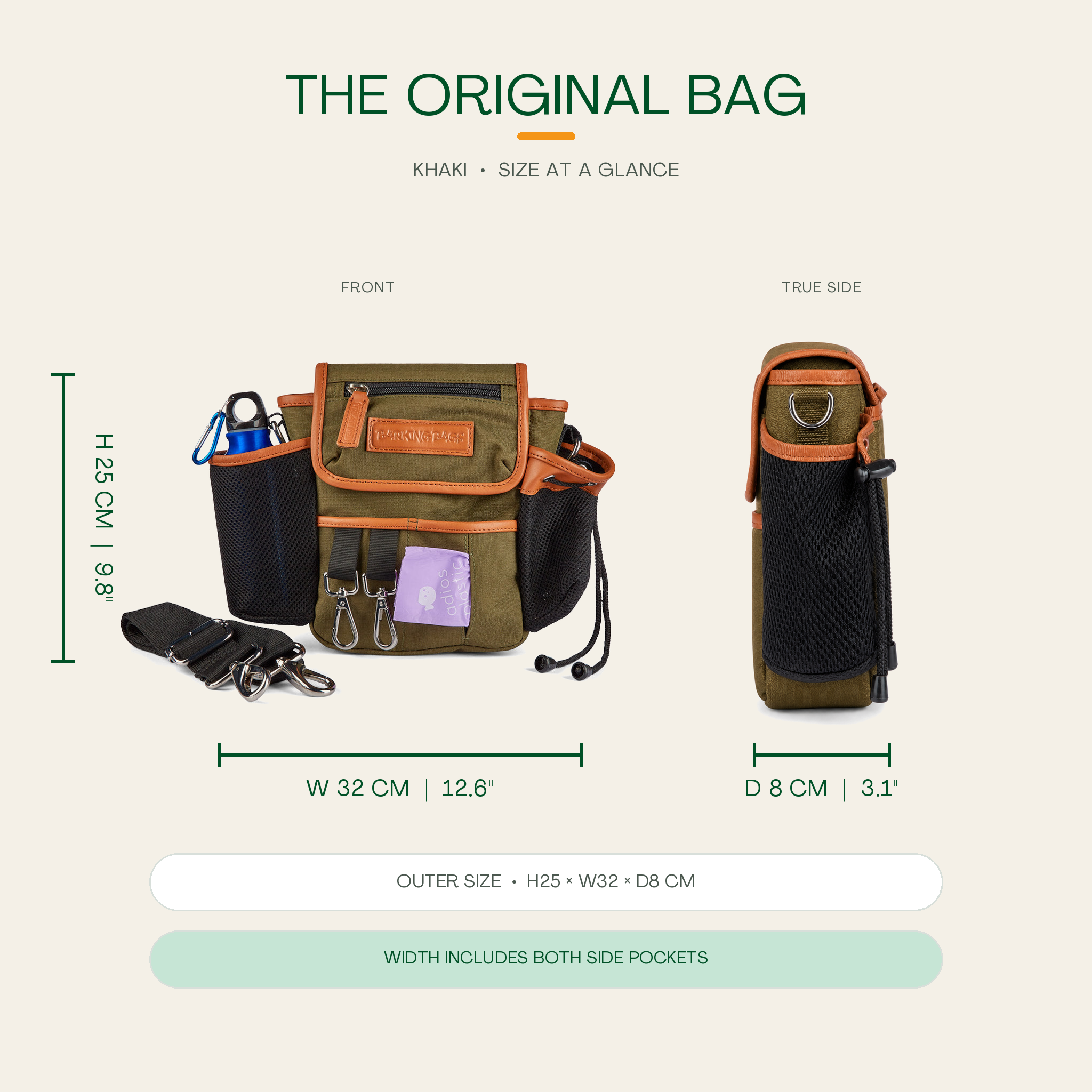
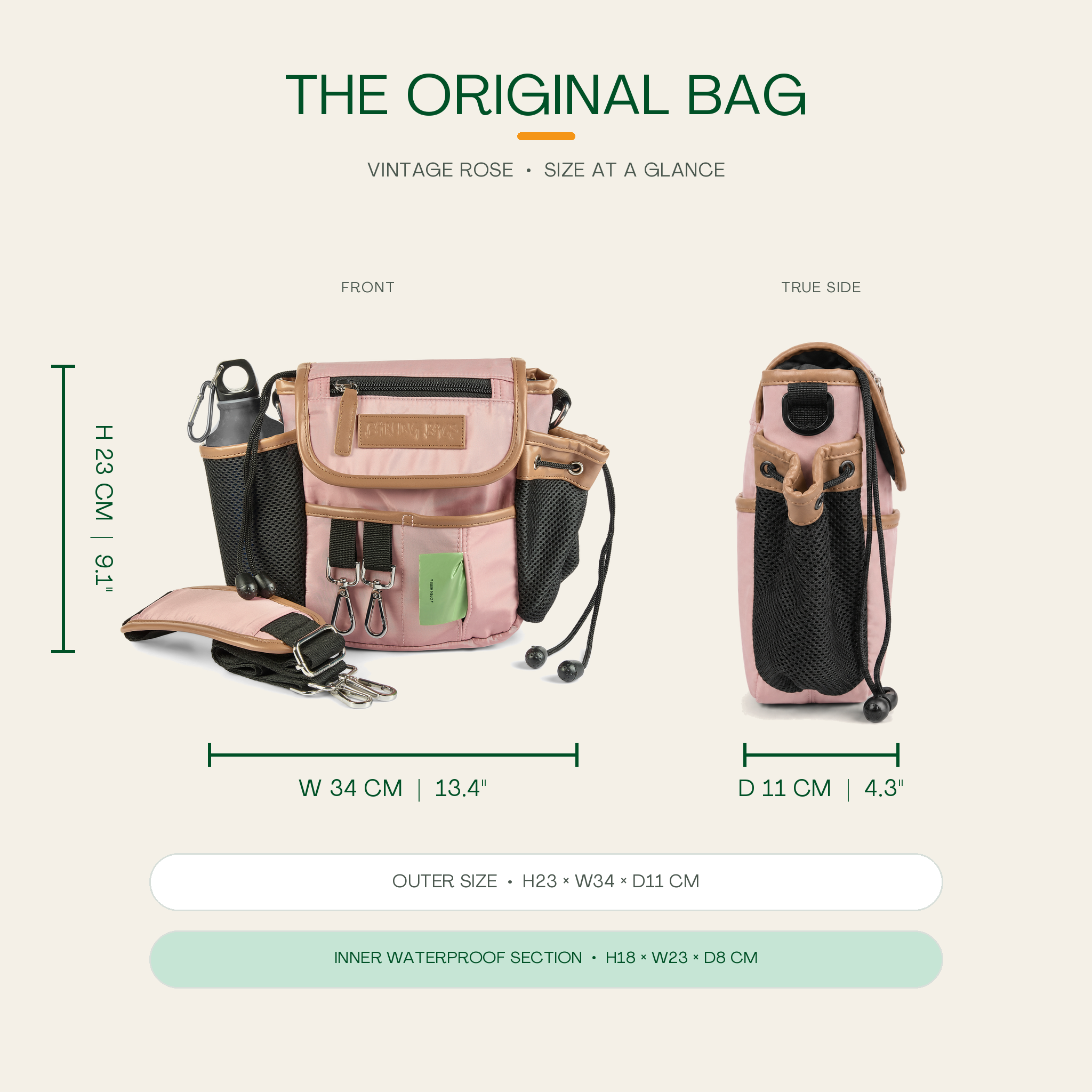
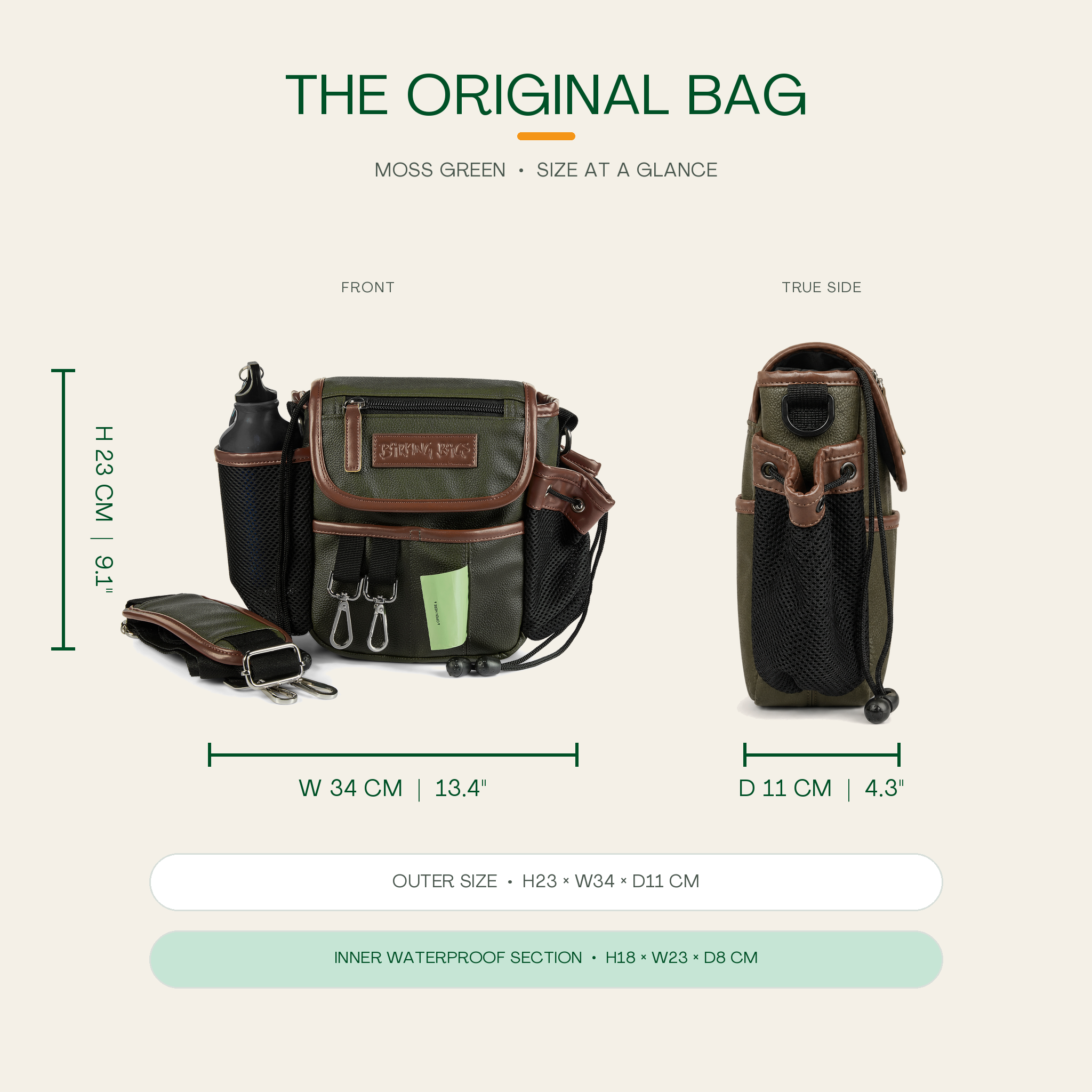
A pouch needs room for treats, but giant is not always better. If it is oversized, it can swing around, feel heavy and become annoying on longer walks. On the other hand, tiny pouches can be frustrating if you are carrying rewards for a puppy class, a long walk, or multiple dogs.
For many owners, the sweet spot is enough space for a decent handful of treats plus a few essentials. Professional walkers or trainers may want more capacity, especially if they are out for hours.
Material that is simple to wipe clean
Treat residue builds up quickly. Soft cheese, sausage, dried fish and training nuggets all leave their mark. A lining that wipes clean easily saves time and helps keep things hygienic. It also matters for smell. Nobody wants yesterday's liver cake lingering in the hallway.
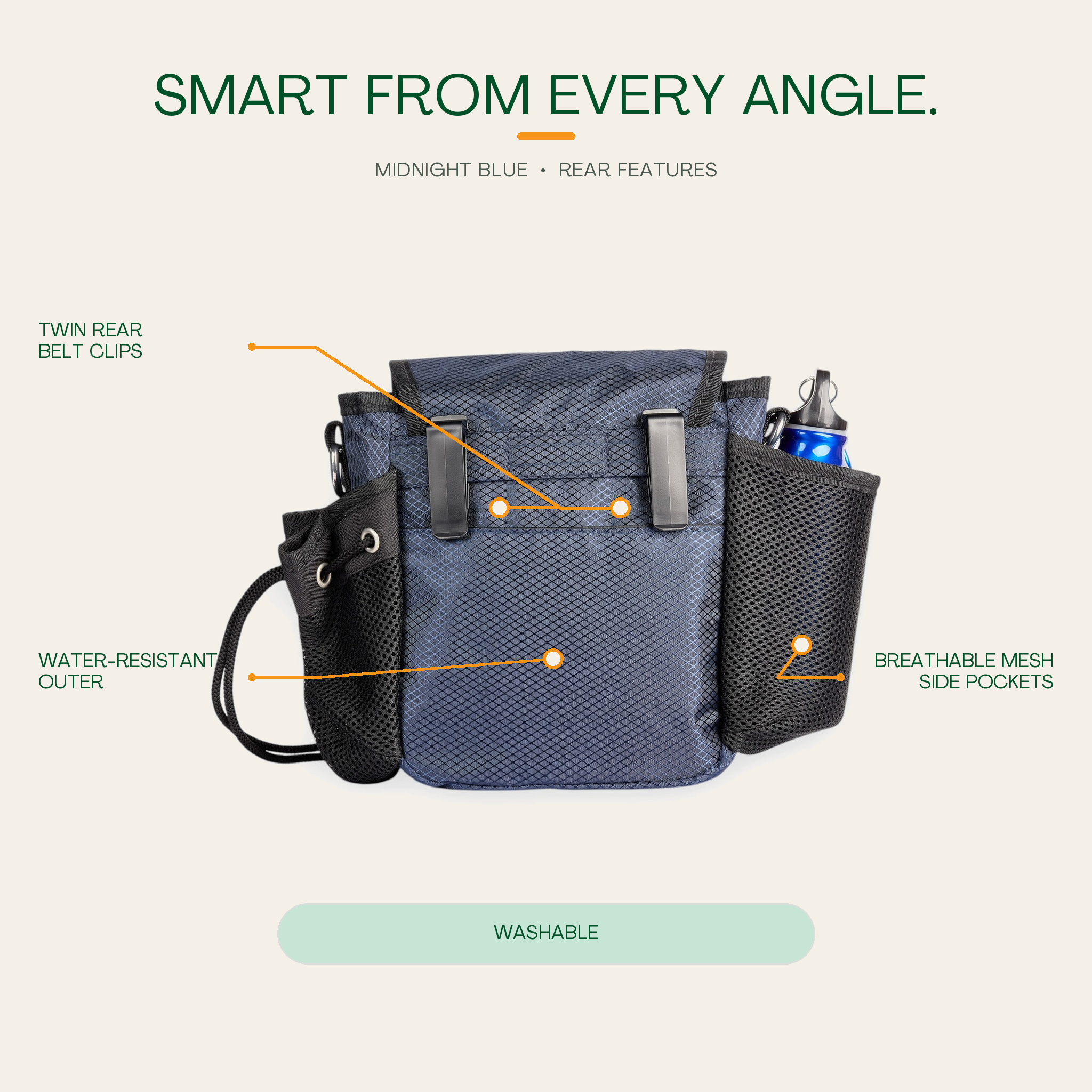
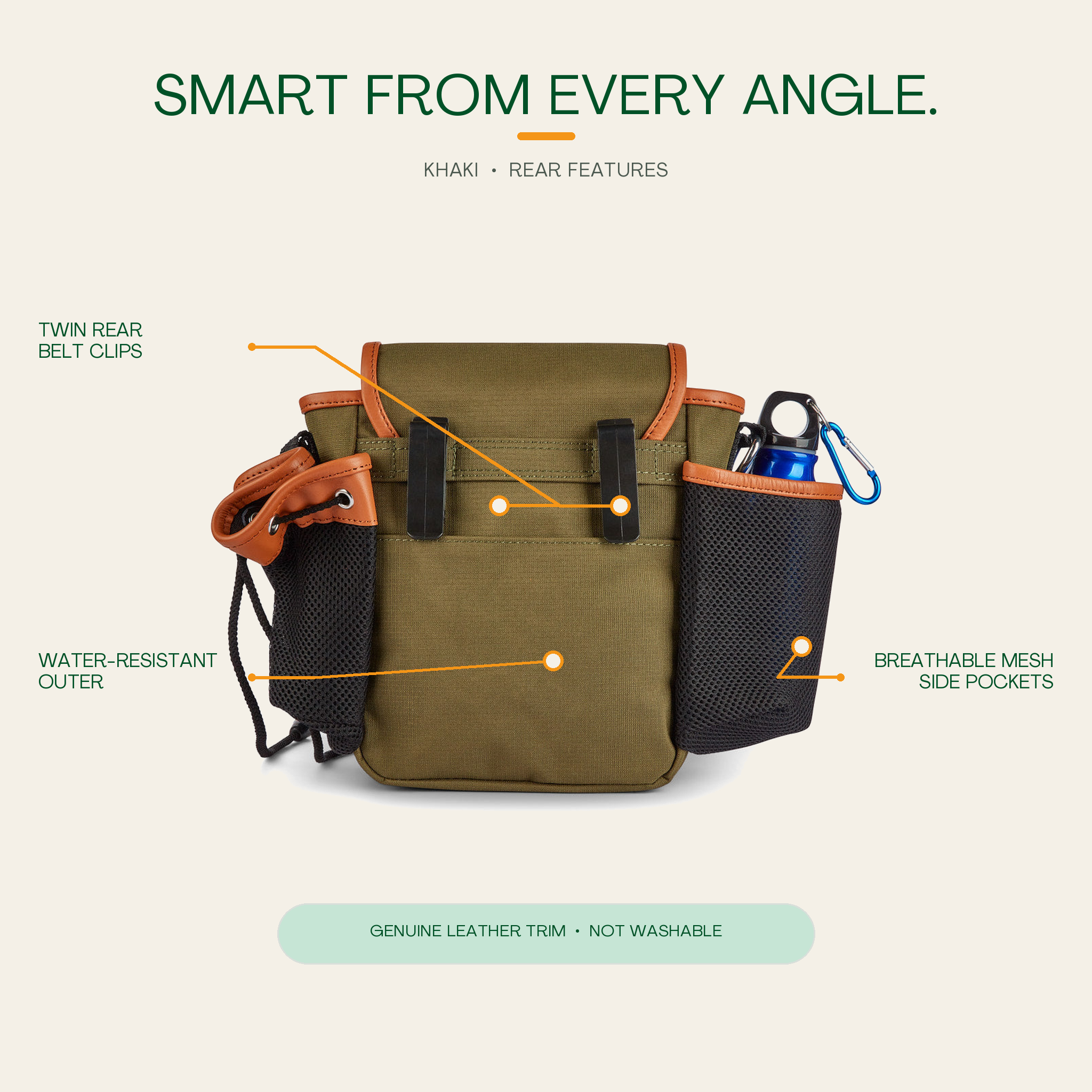
Water-resistant materials can help too, especially in typical British weather. A pouch that copes with drizzle, muddy hands and damp grass is more practical than one that looks good for a week and then gives up.
Comfortable to wear
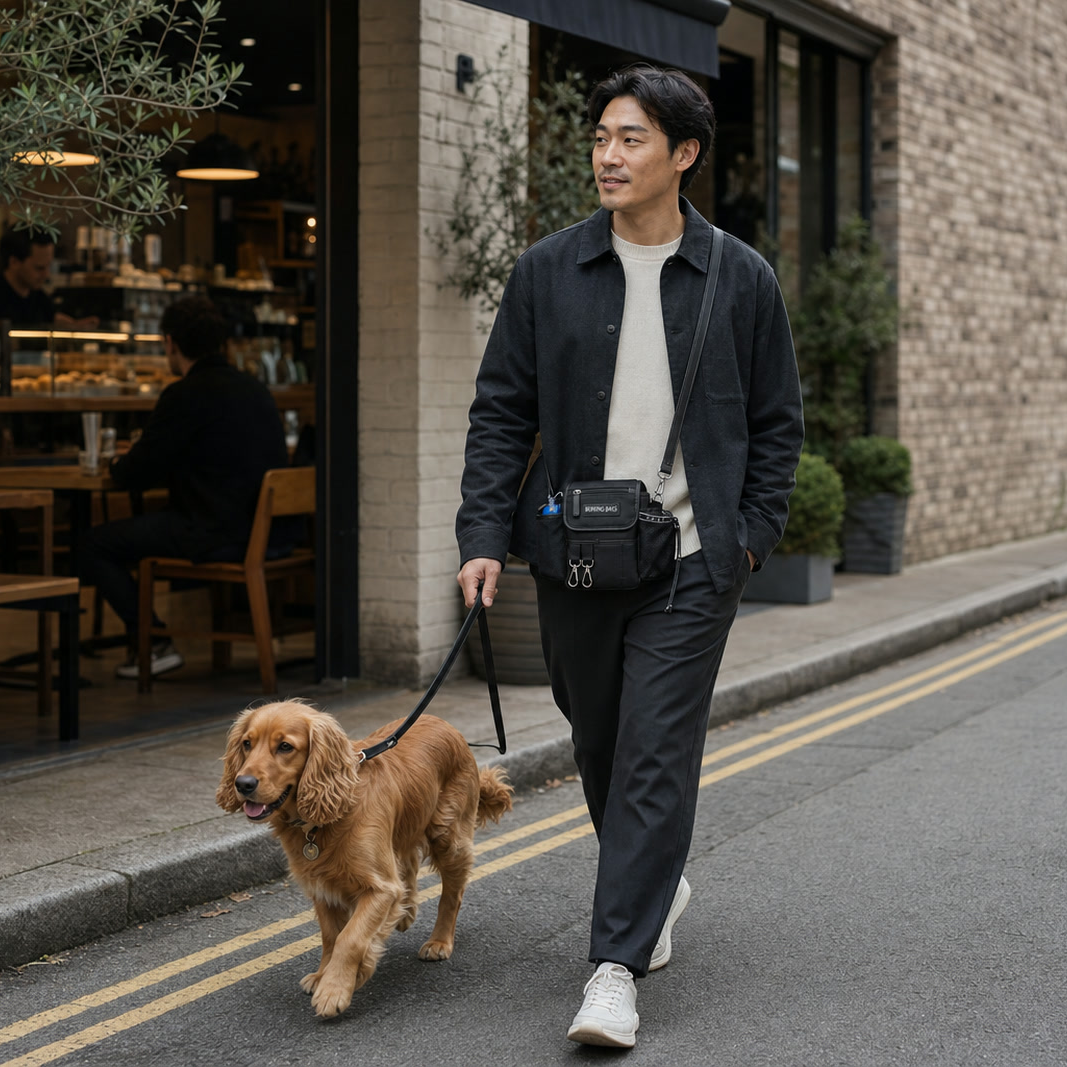
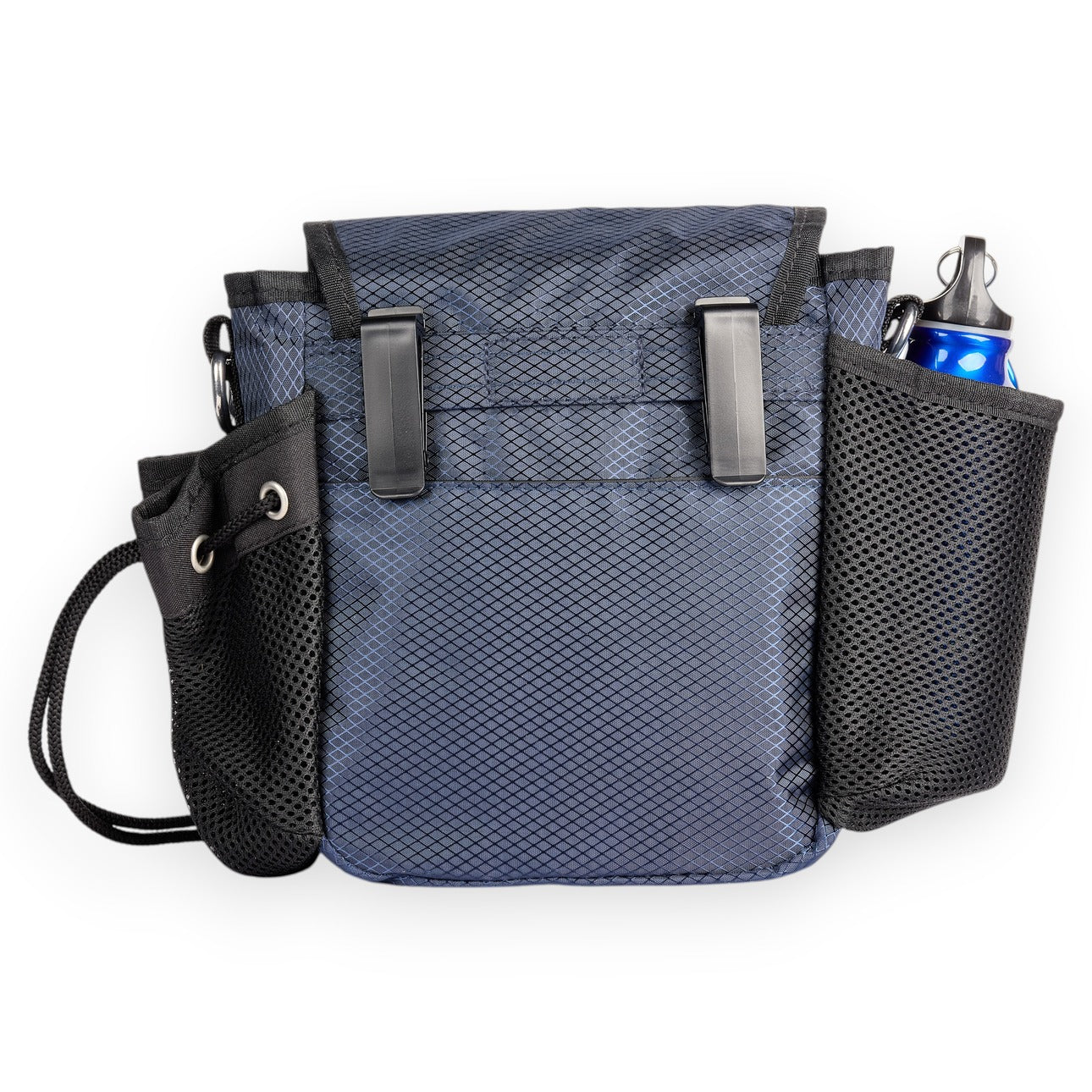
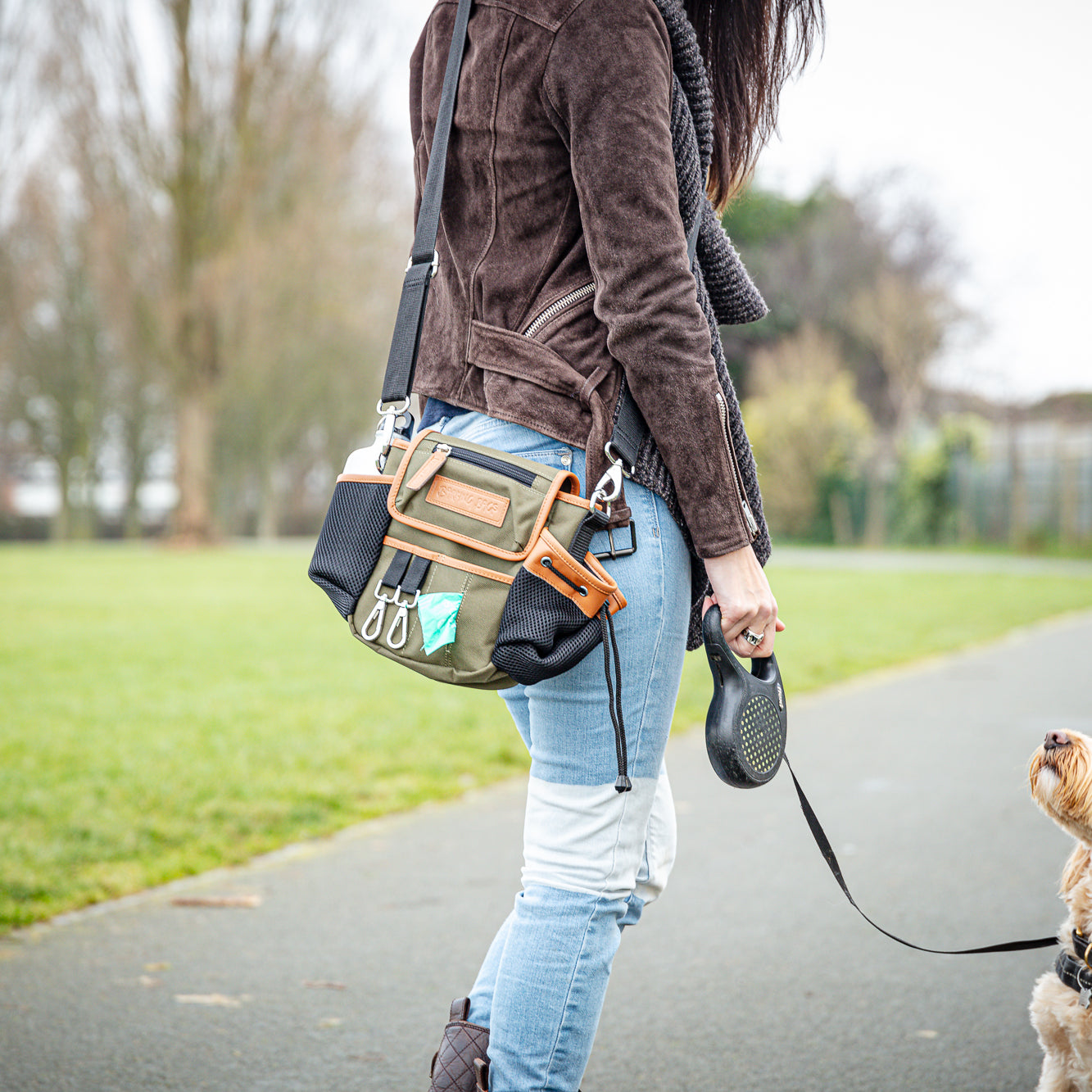
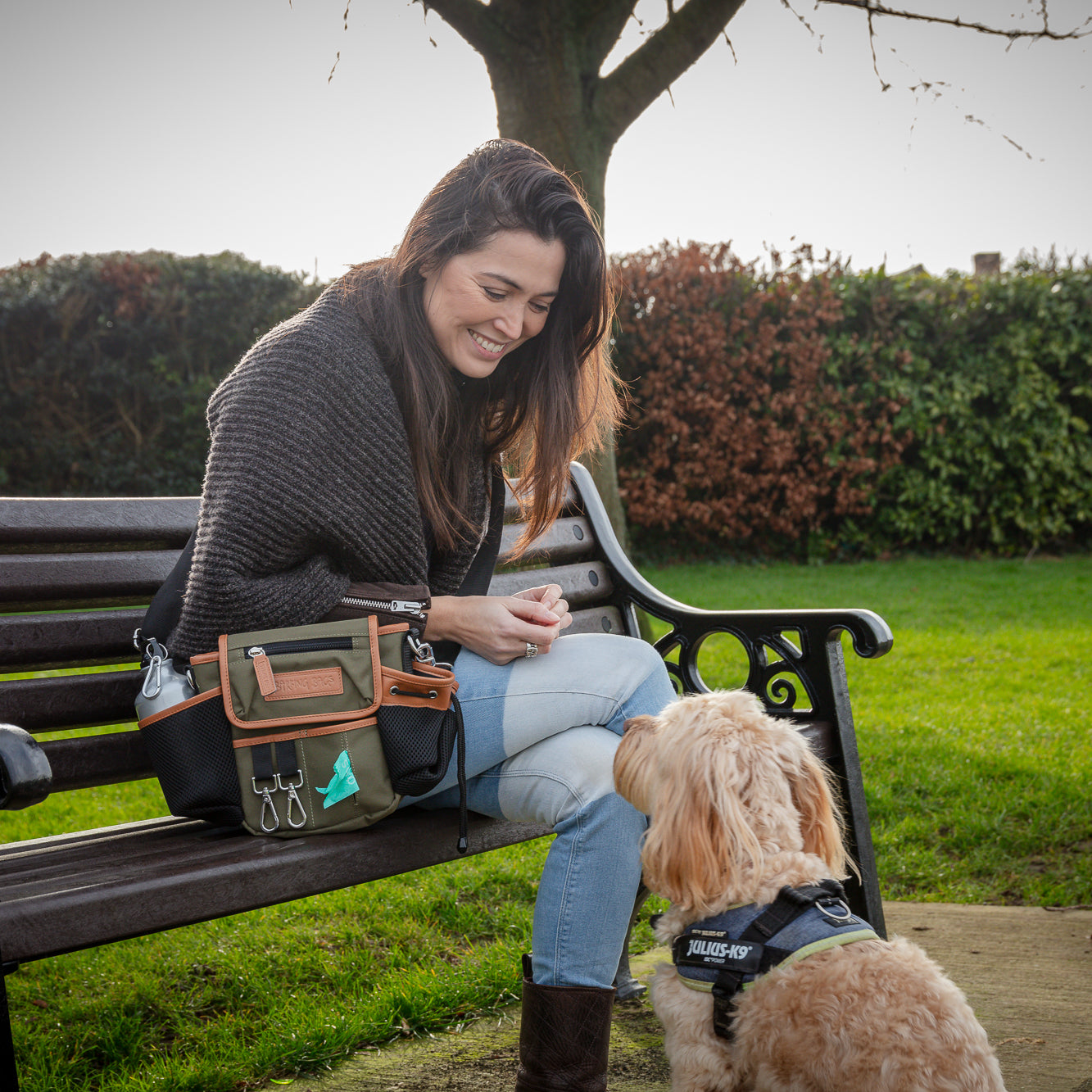
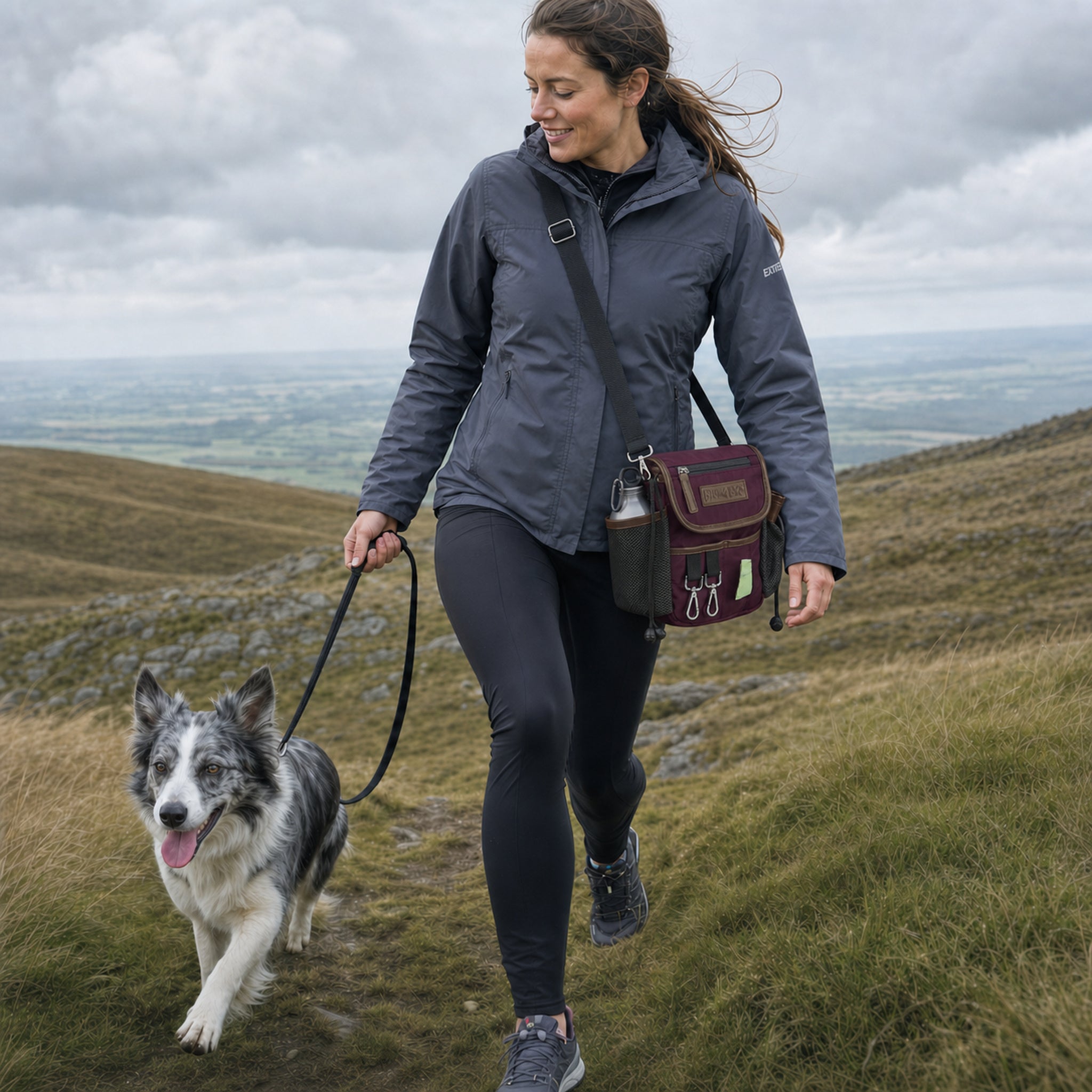
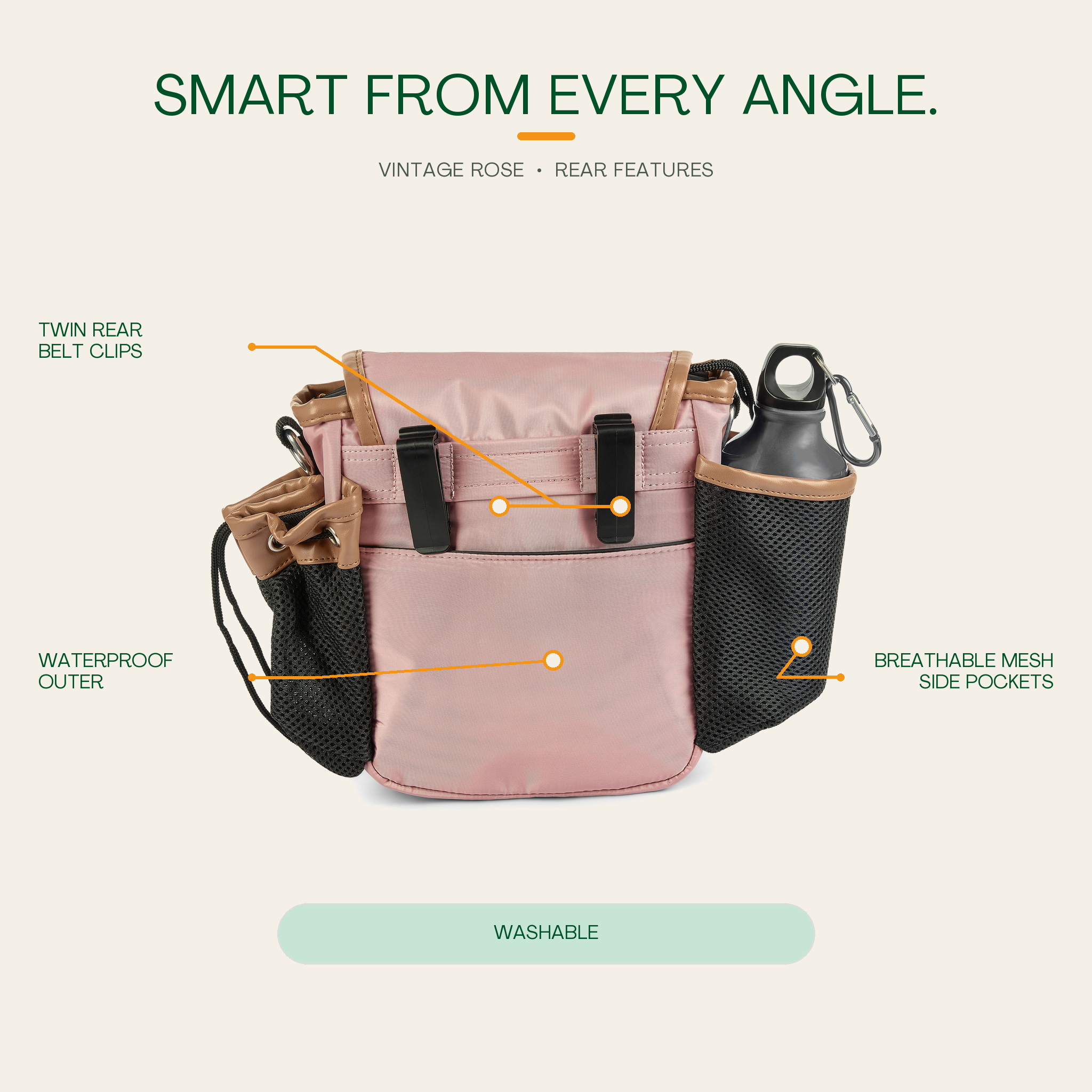
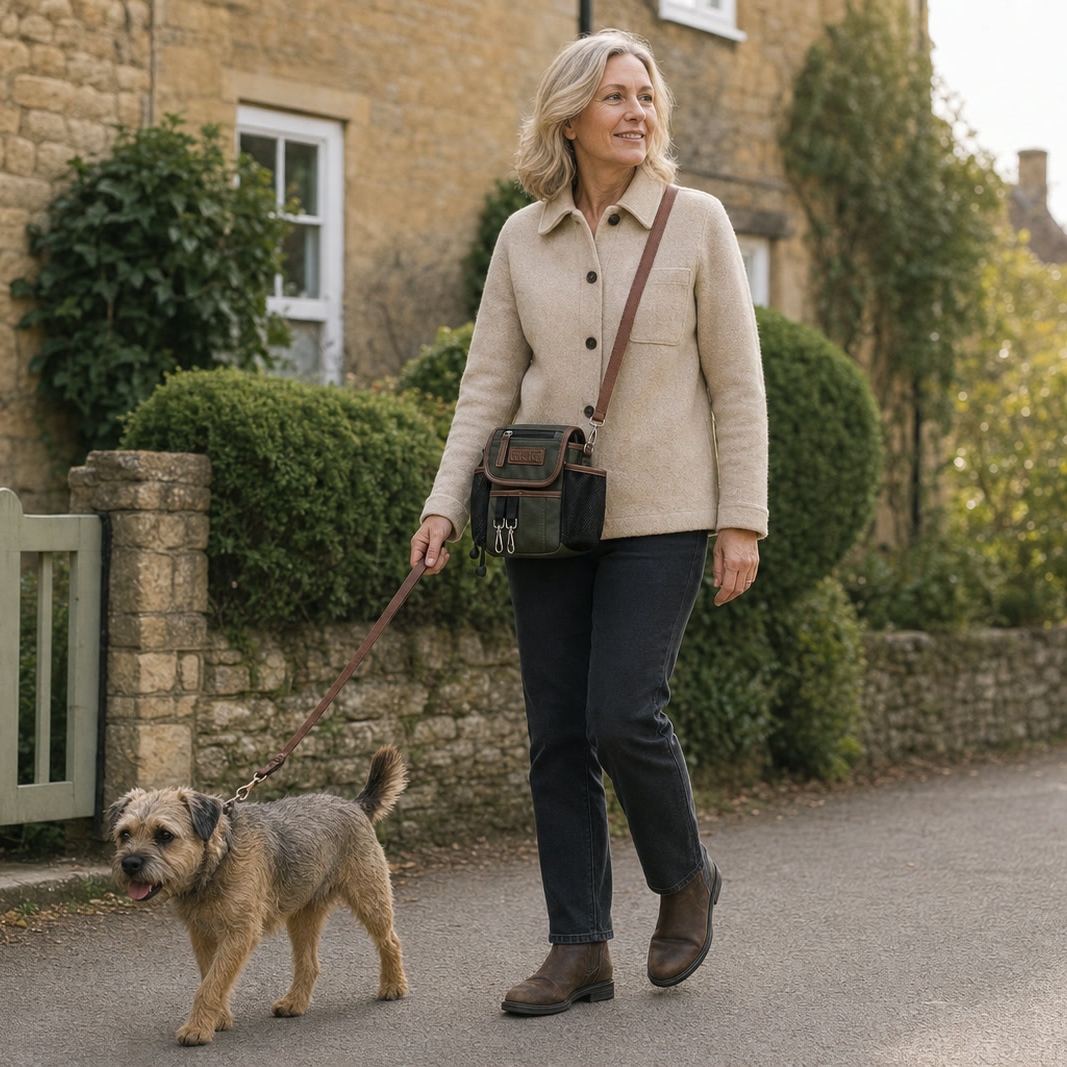
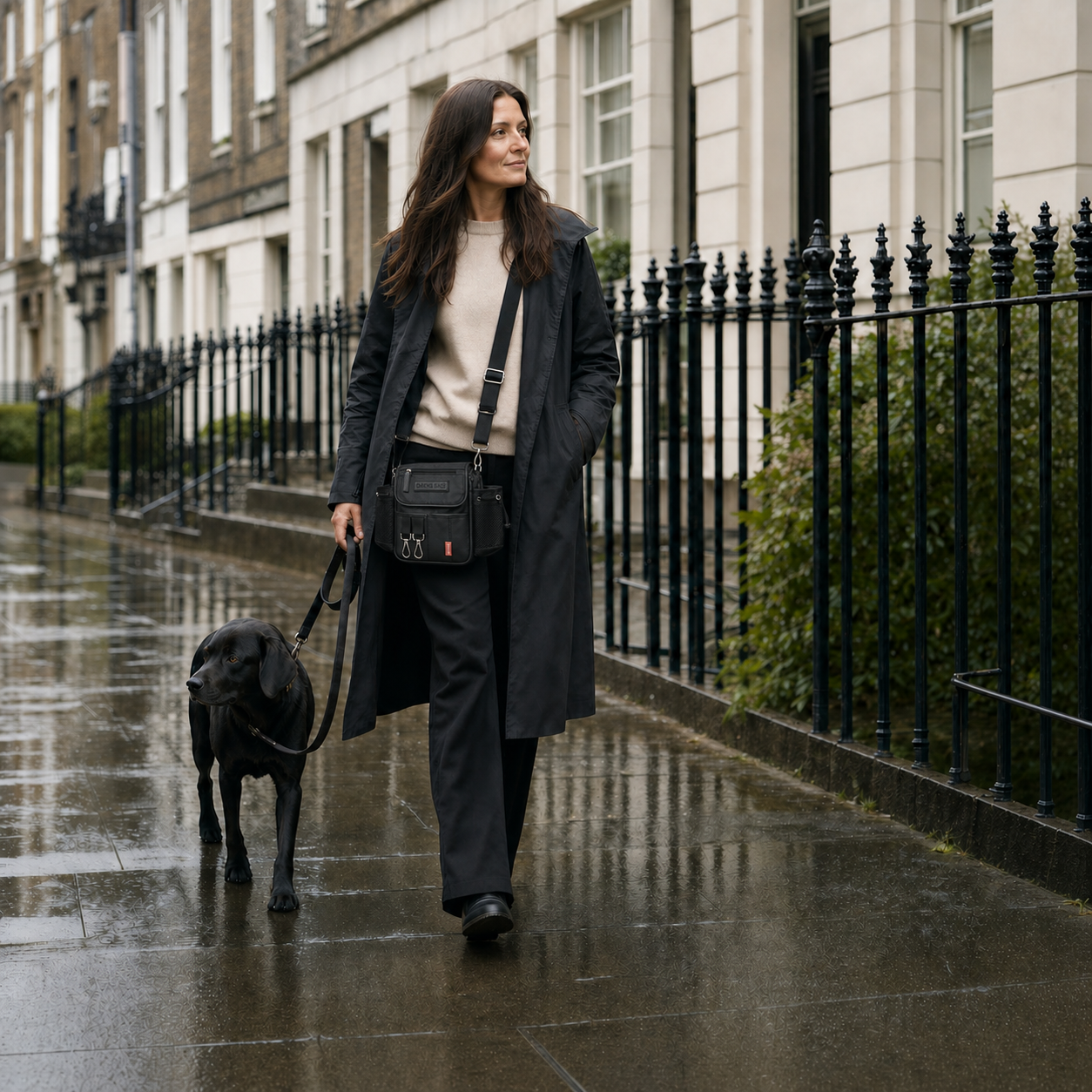
If a pouch digs in, bounces around or gets in the way, you will notice. So will your patience. Some people prefer a clip-on style attached to a waistband or bag, while others like a belt or crossbody setup that feels more secure.
This is where personal preference comes in. A quick training session in the garden is different from a two-hour dog walk. If you already carry other essentials, a pouch that works as part of a wider organised setup often makes more sense than a standalone item that adds another thing to manage.
Extra storage that actually helps
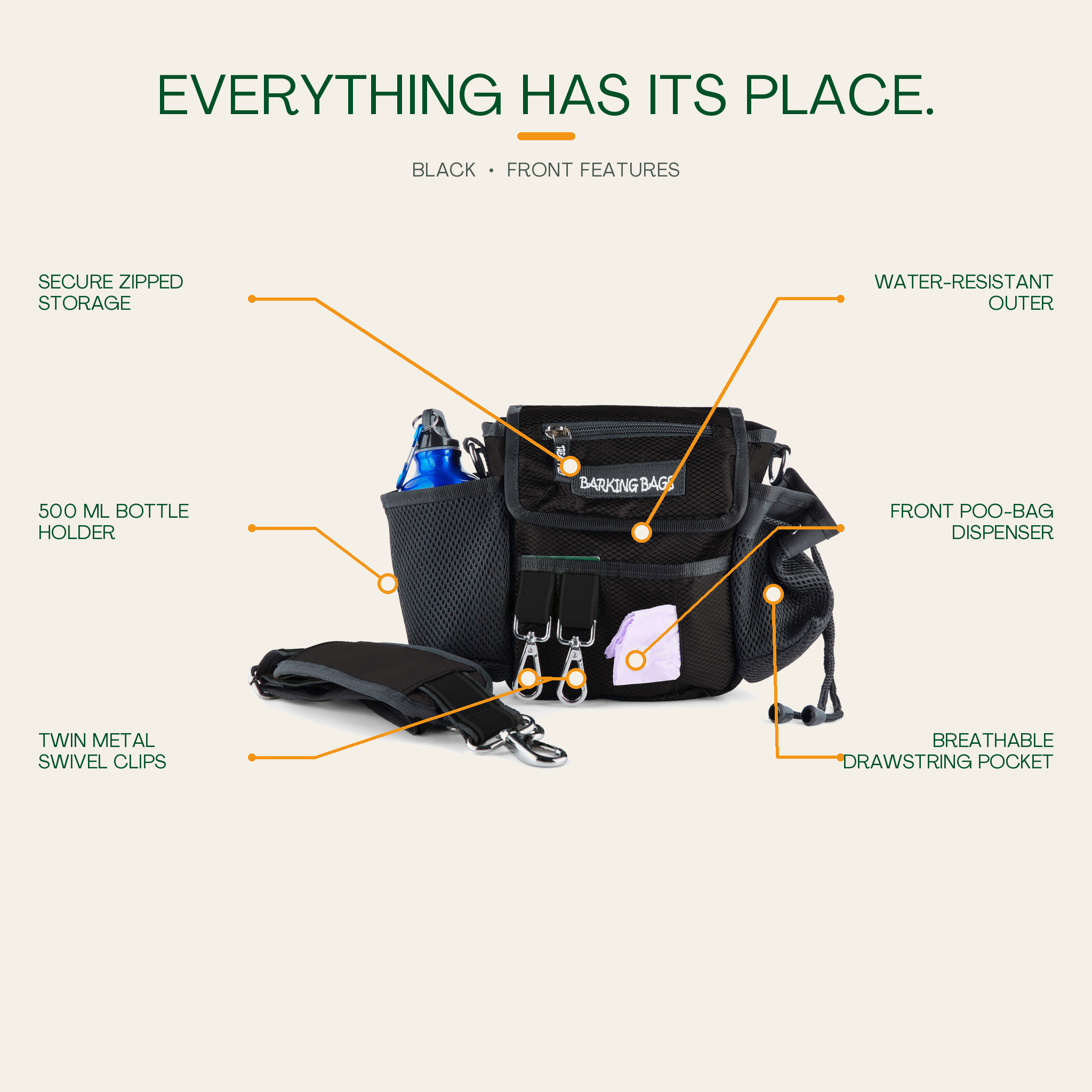
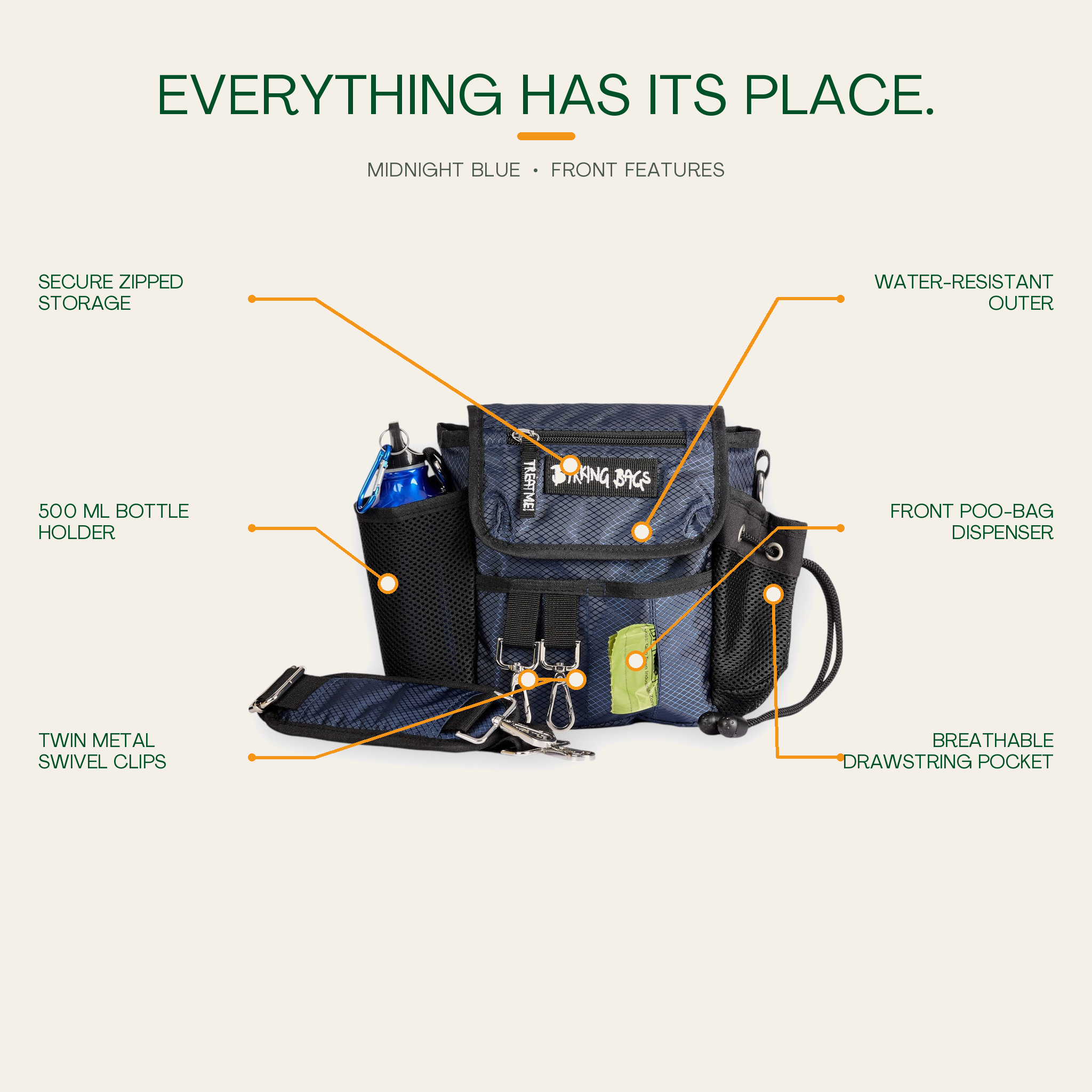
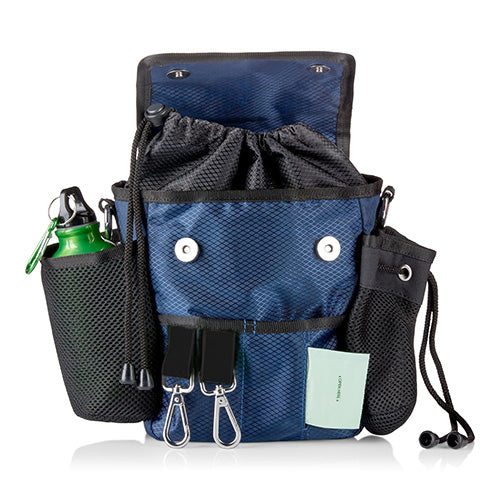
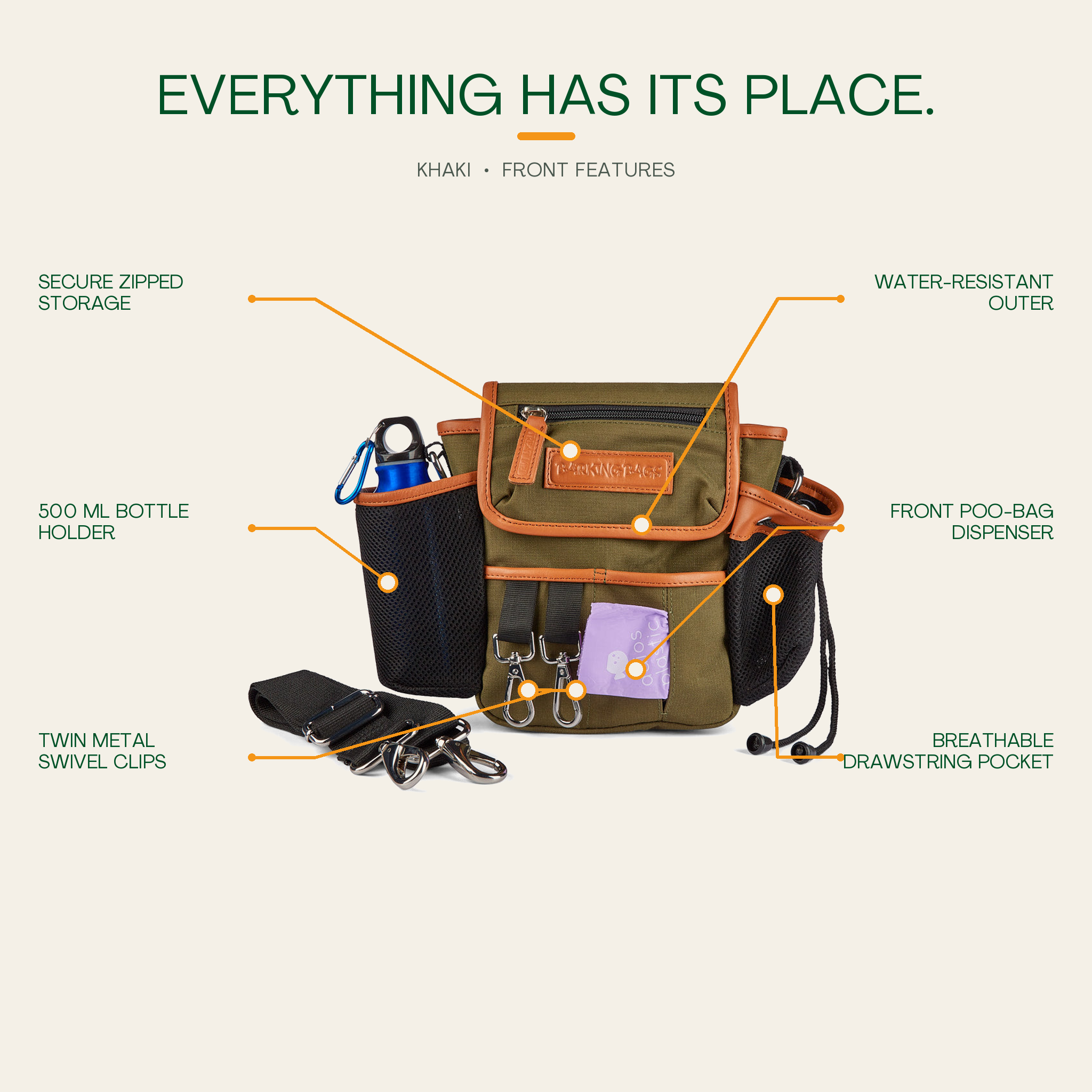
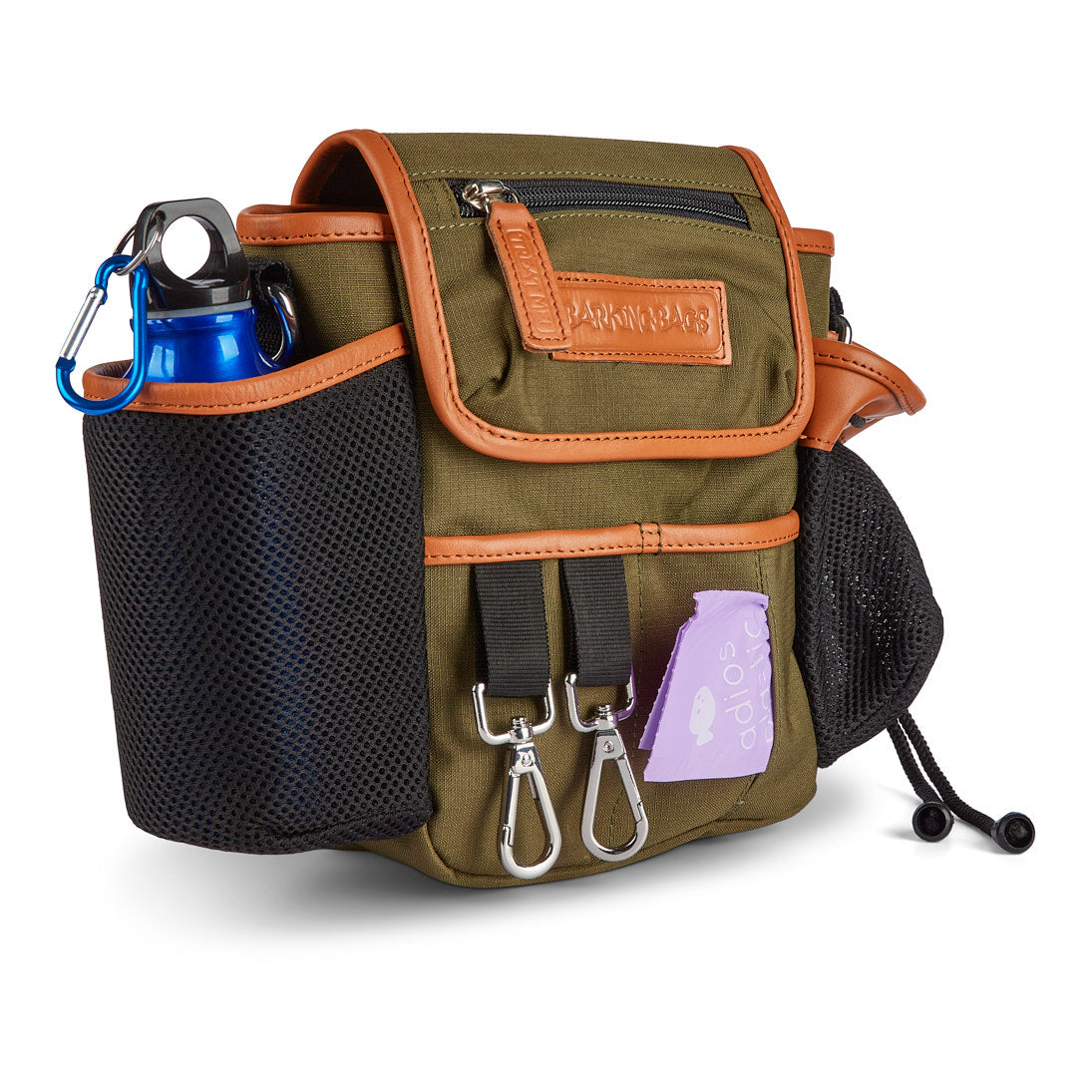
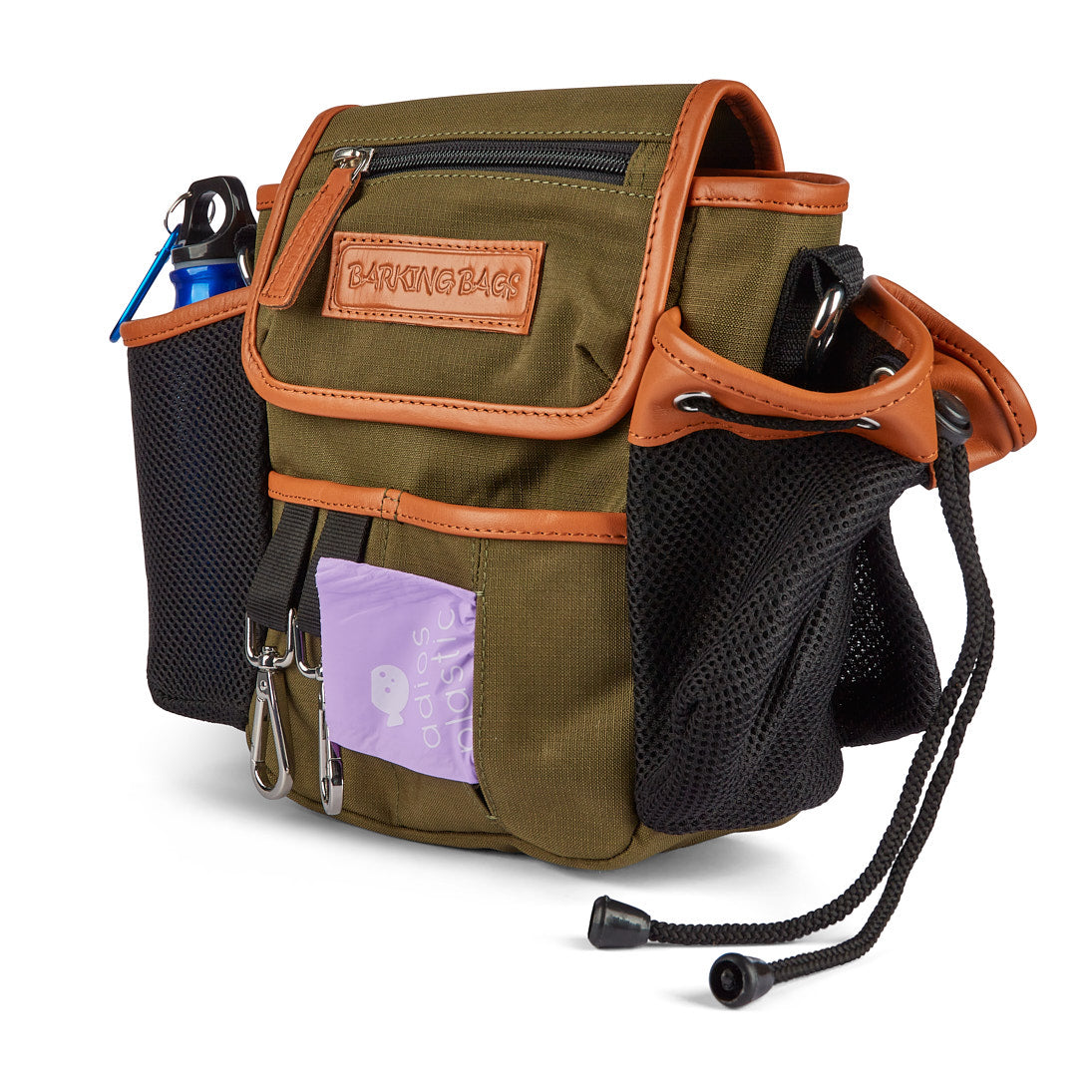
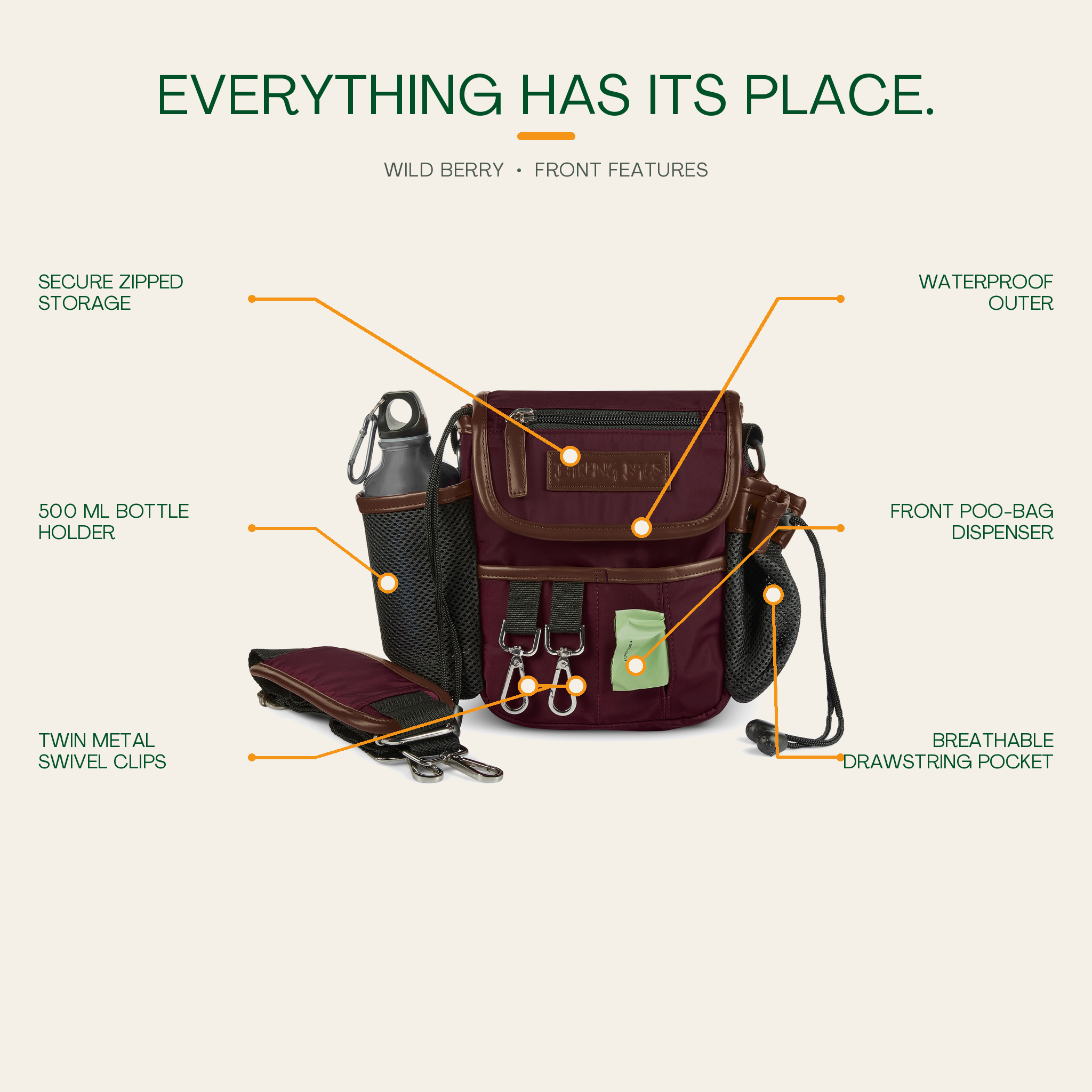
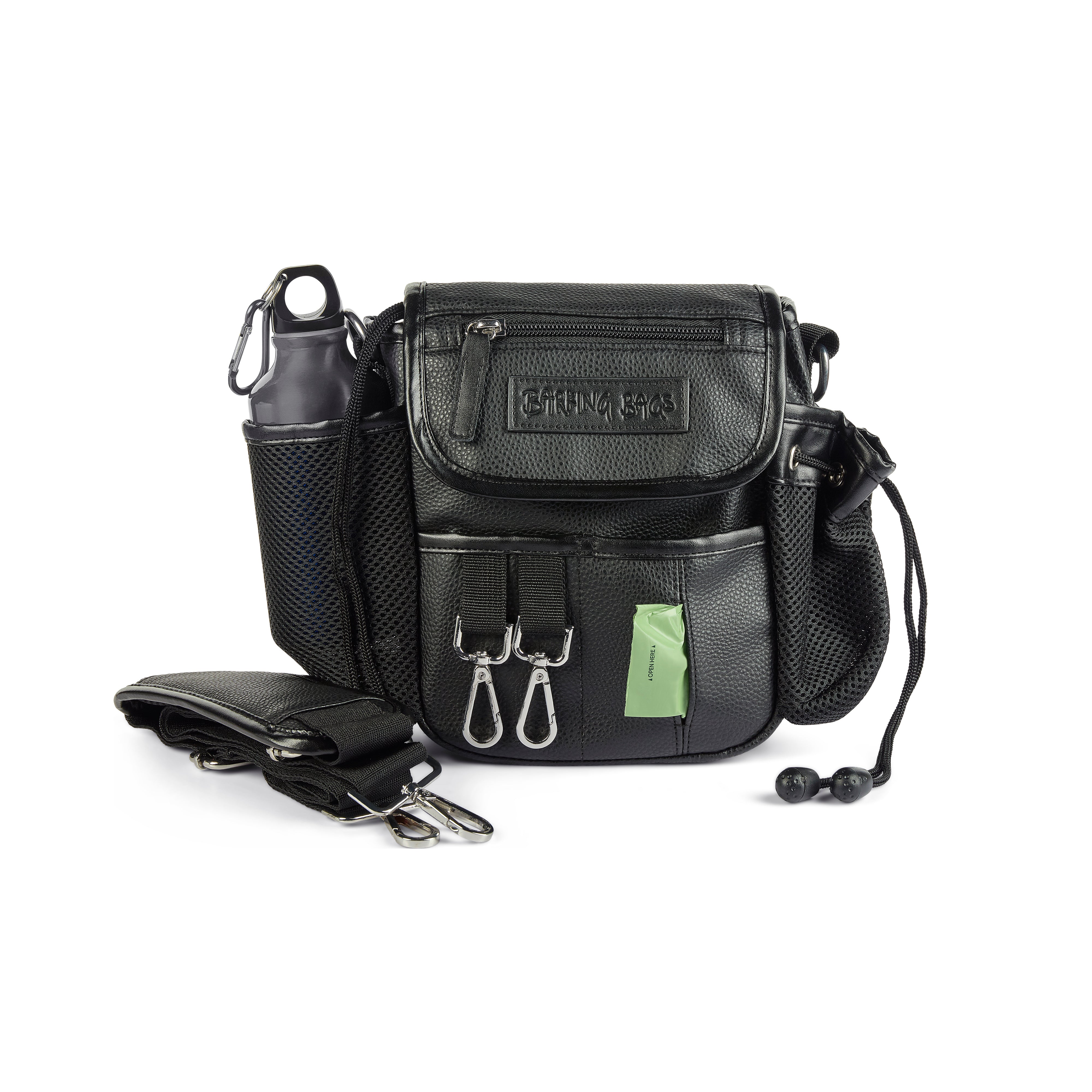
Some treat pouches do one job only. Others include space for poo bags, keys, a mobile phone or clicker. Extra storage can be genuinely useful, but only if it does not make the bag clumsy. The goal is not to carry your whole life around your waist. It is to keep the essentials organised so you are not stuffing treats into one pocket and your house keys into another.
For many dog owners, the most useful setup is one that combines training access with walking practicality. That way the pouch supports the full routine, not just the reward part.
The trade-off between treat pouch and full walking bag
This is where it depends on your day-to-day routine. If you are heading to a short training class or doing ten minutes of recall work in the field, a compact treat pouch may be all you need. It keeps rewards handy and avoids overcomplicating things.
But if your walks involve more than just treats, a dedicated dog walking bag often makes better sense. Most owners are not carrying rewards alone. They have poo bags, a mobile phone, keys, maybe a ball, hand sanitiser, tissues and a lead accessory or two. In that situation, a standalone pouch can become just another item clipped onto an already overloaded outfit.
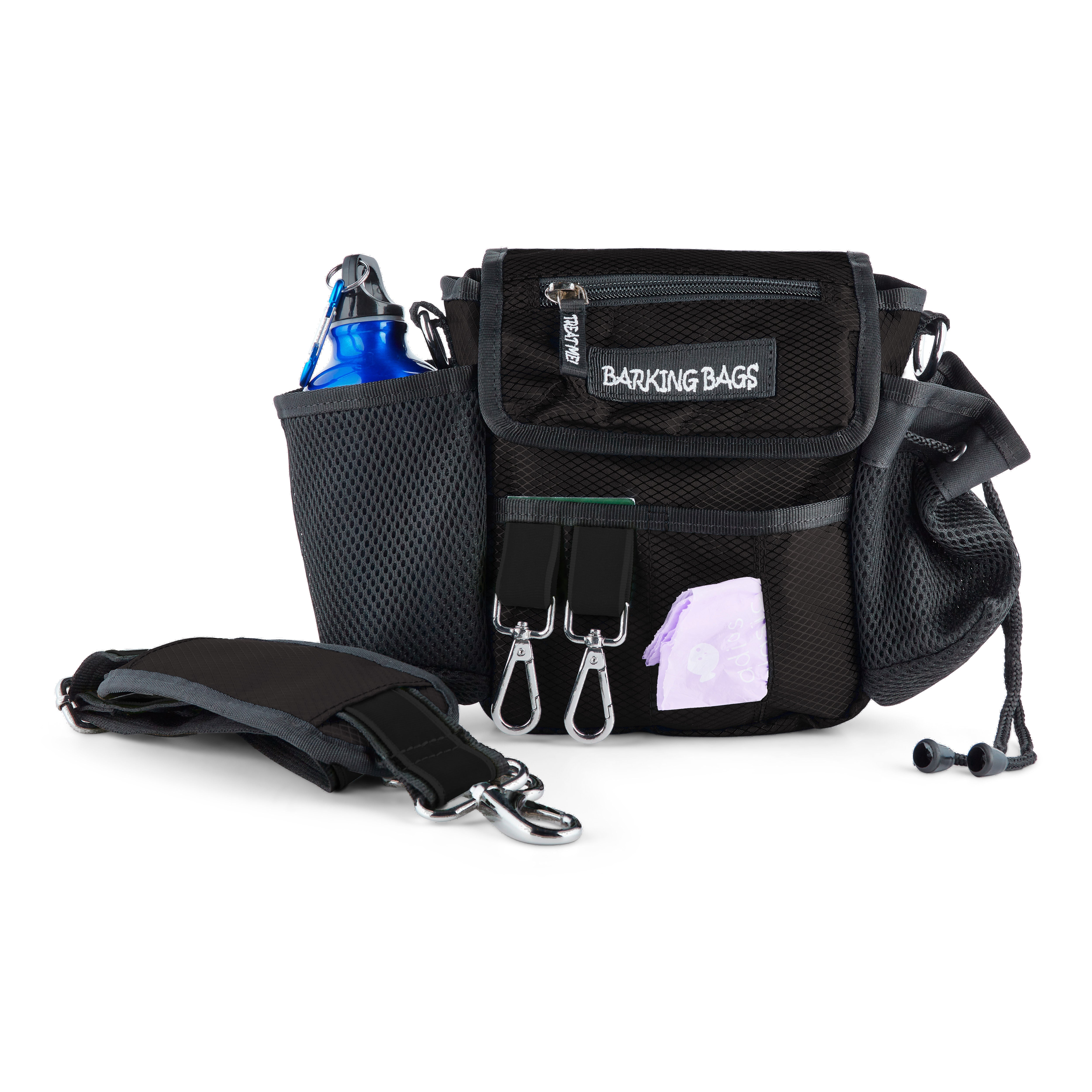
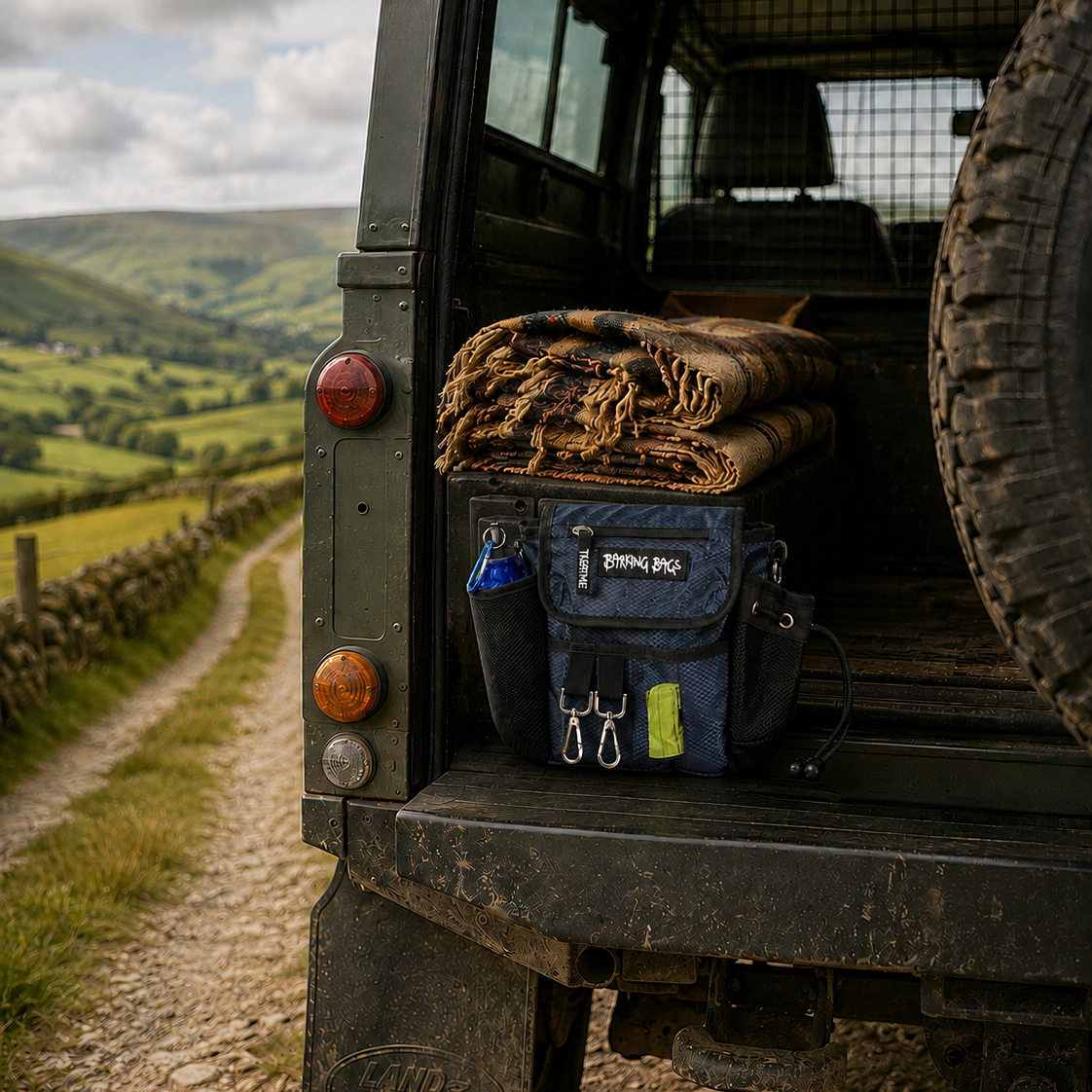
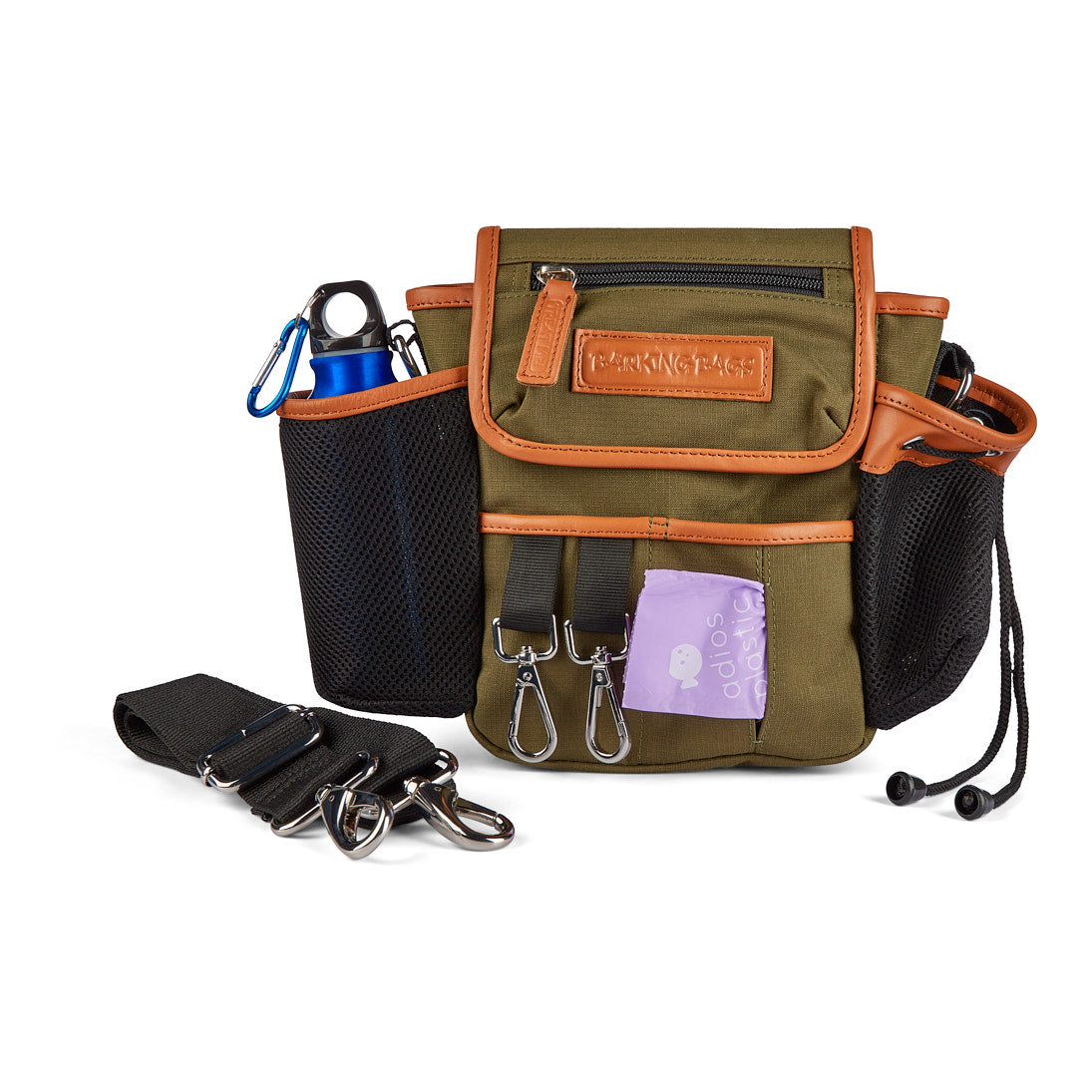
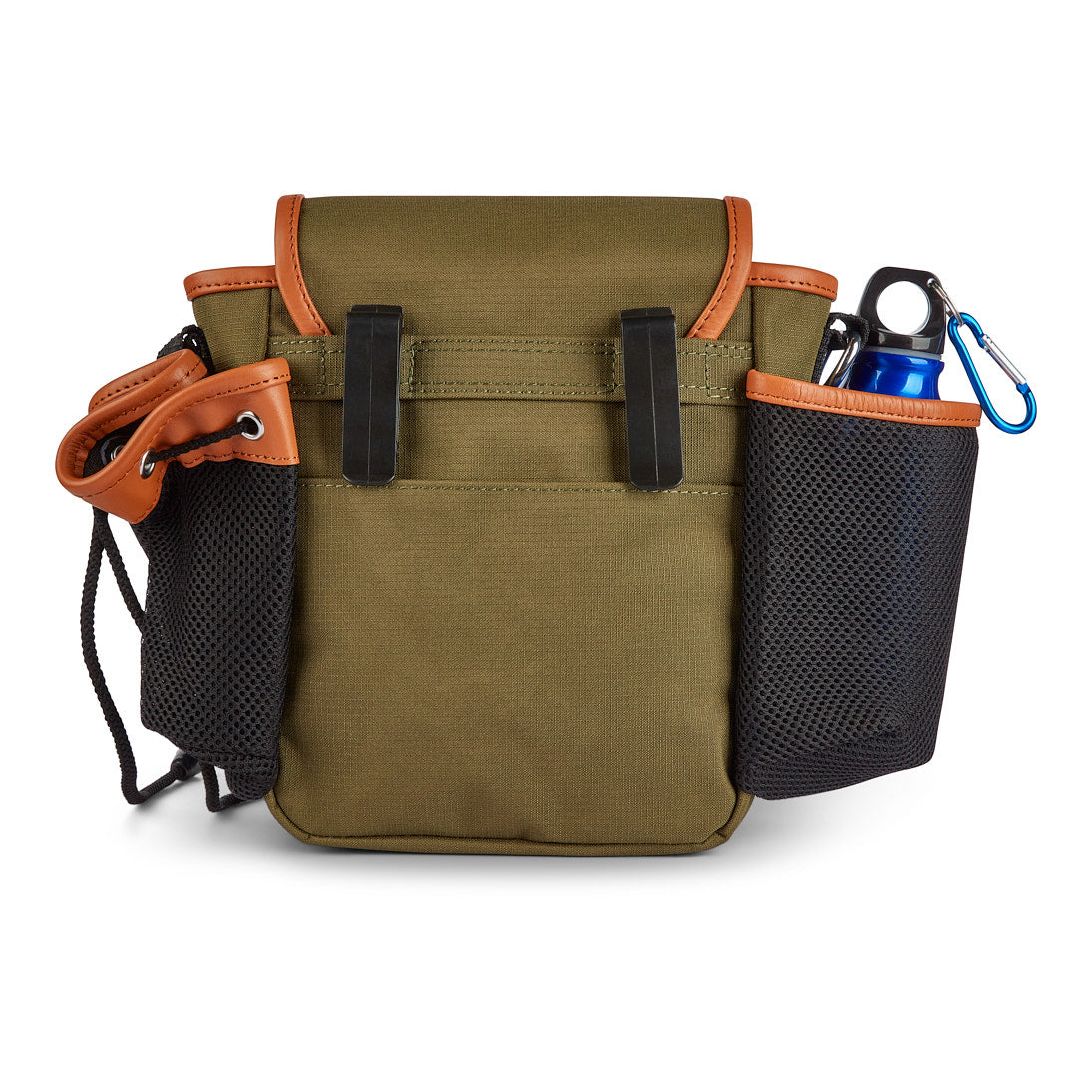
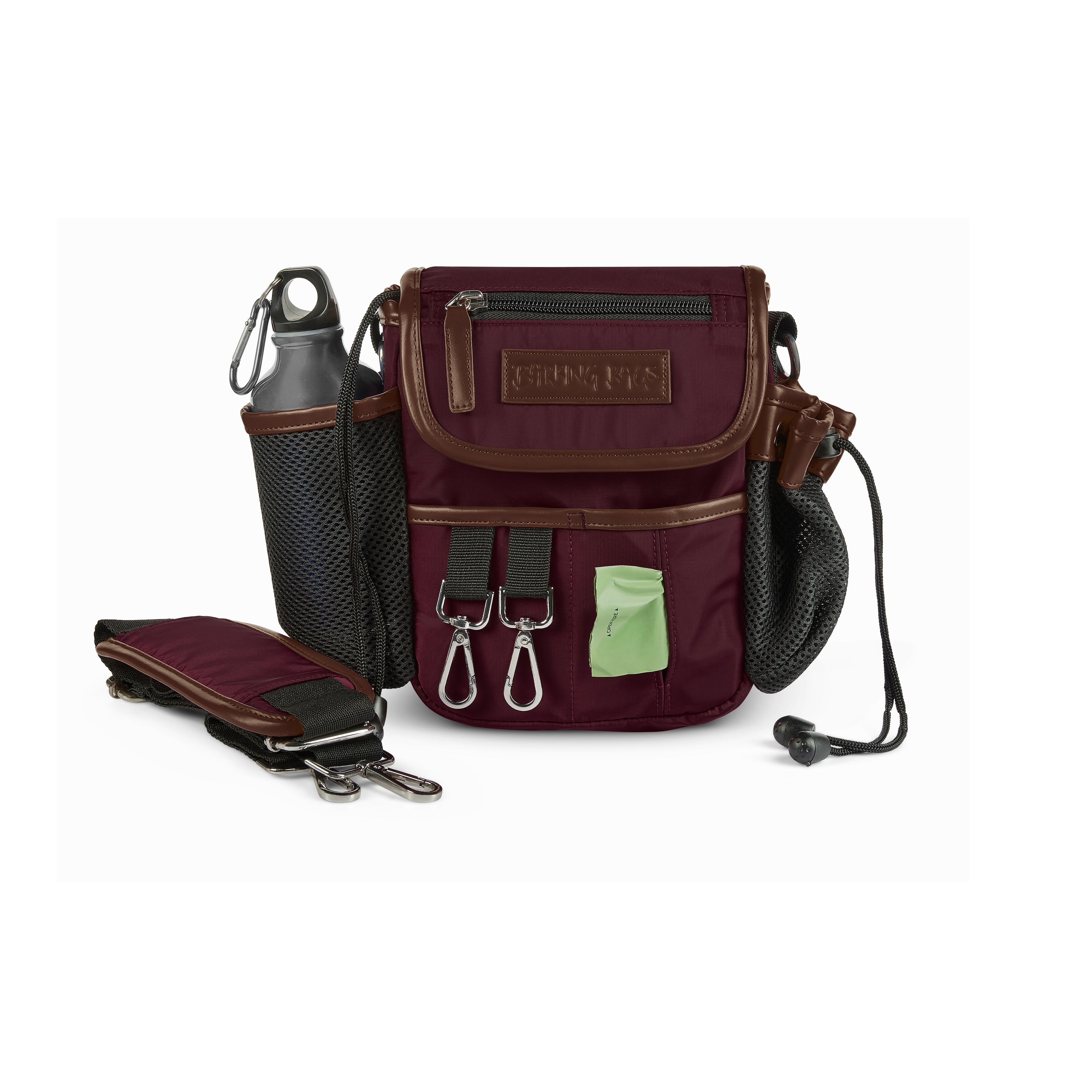
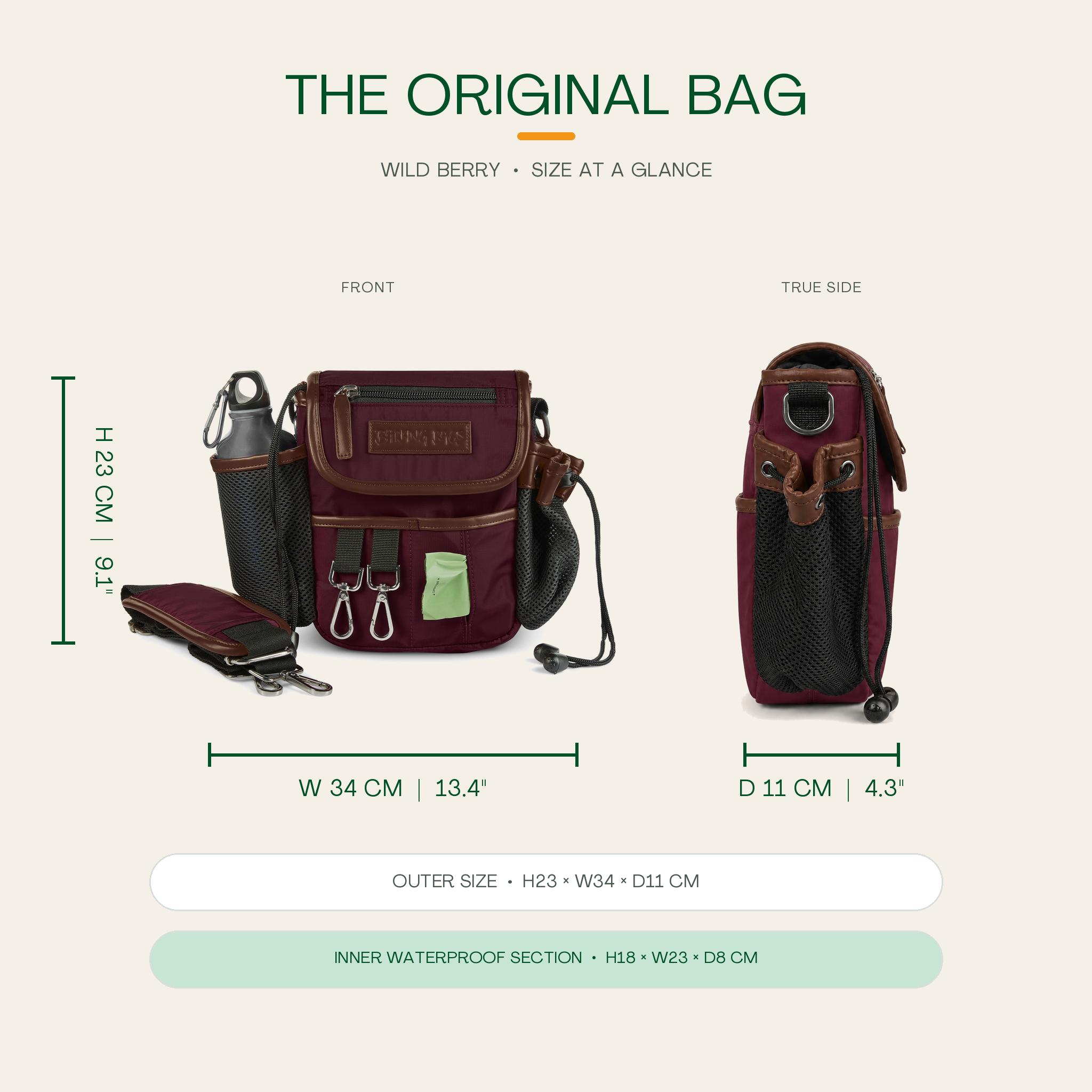
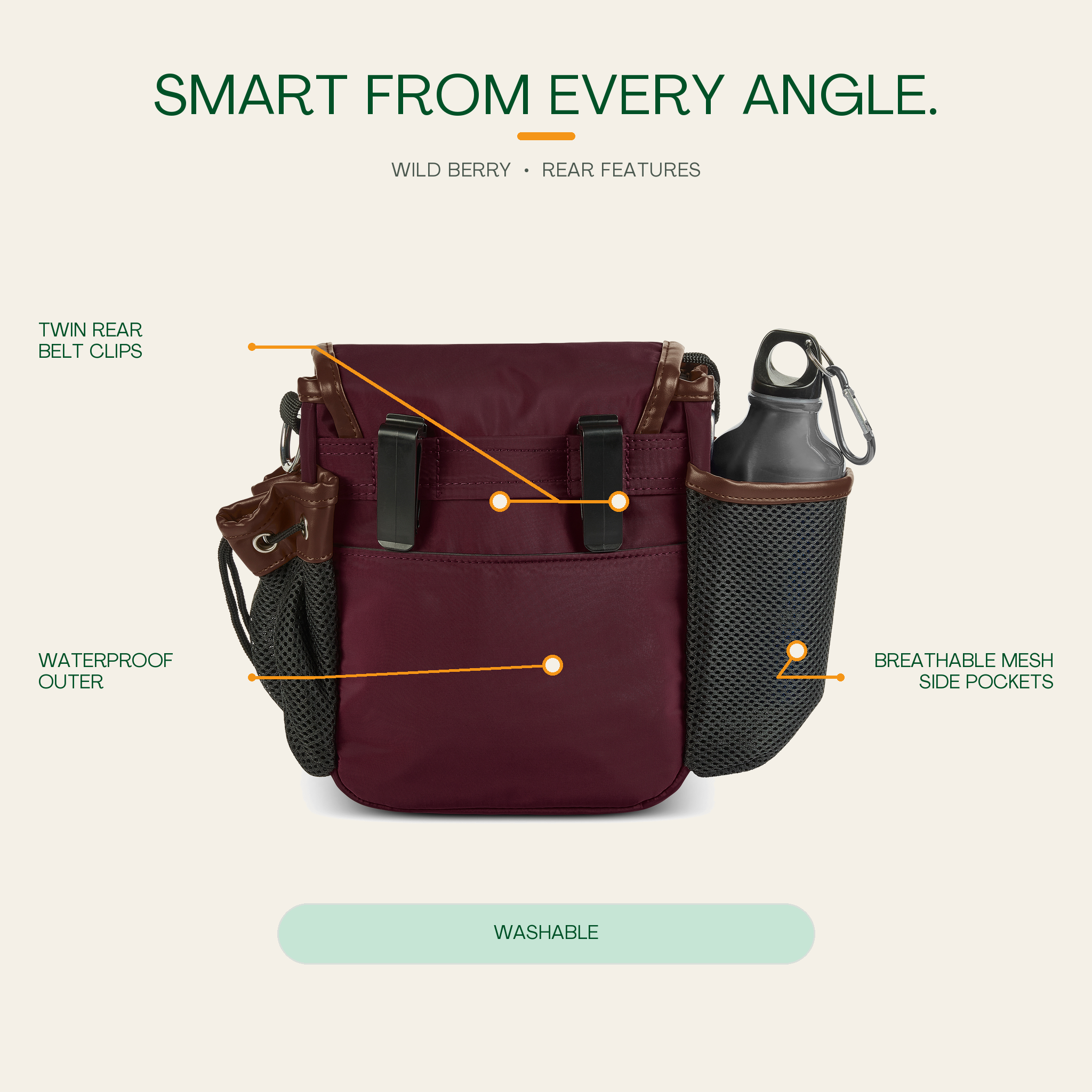
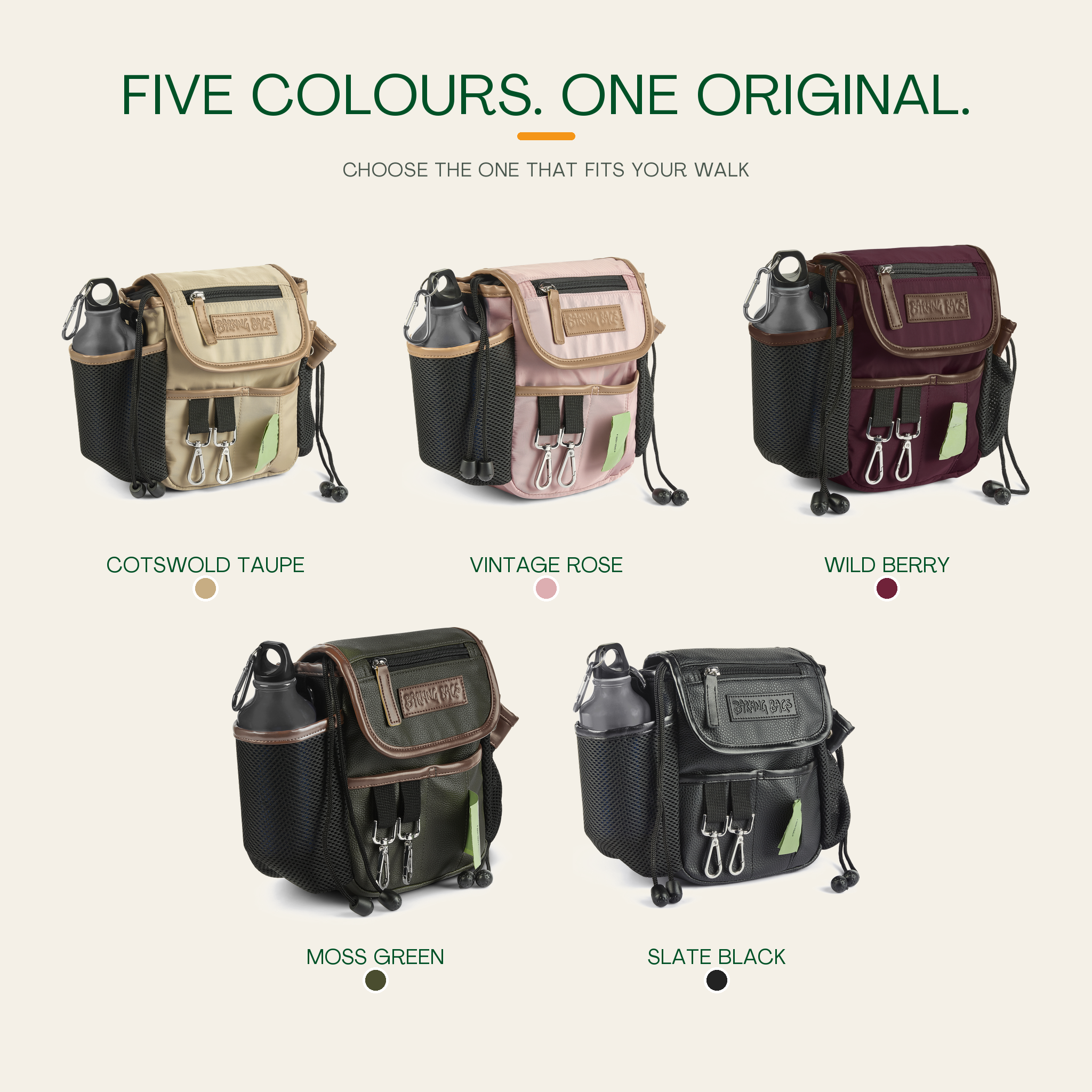
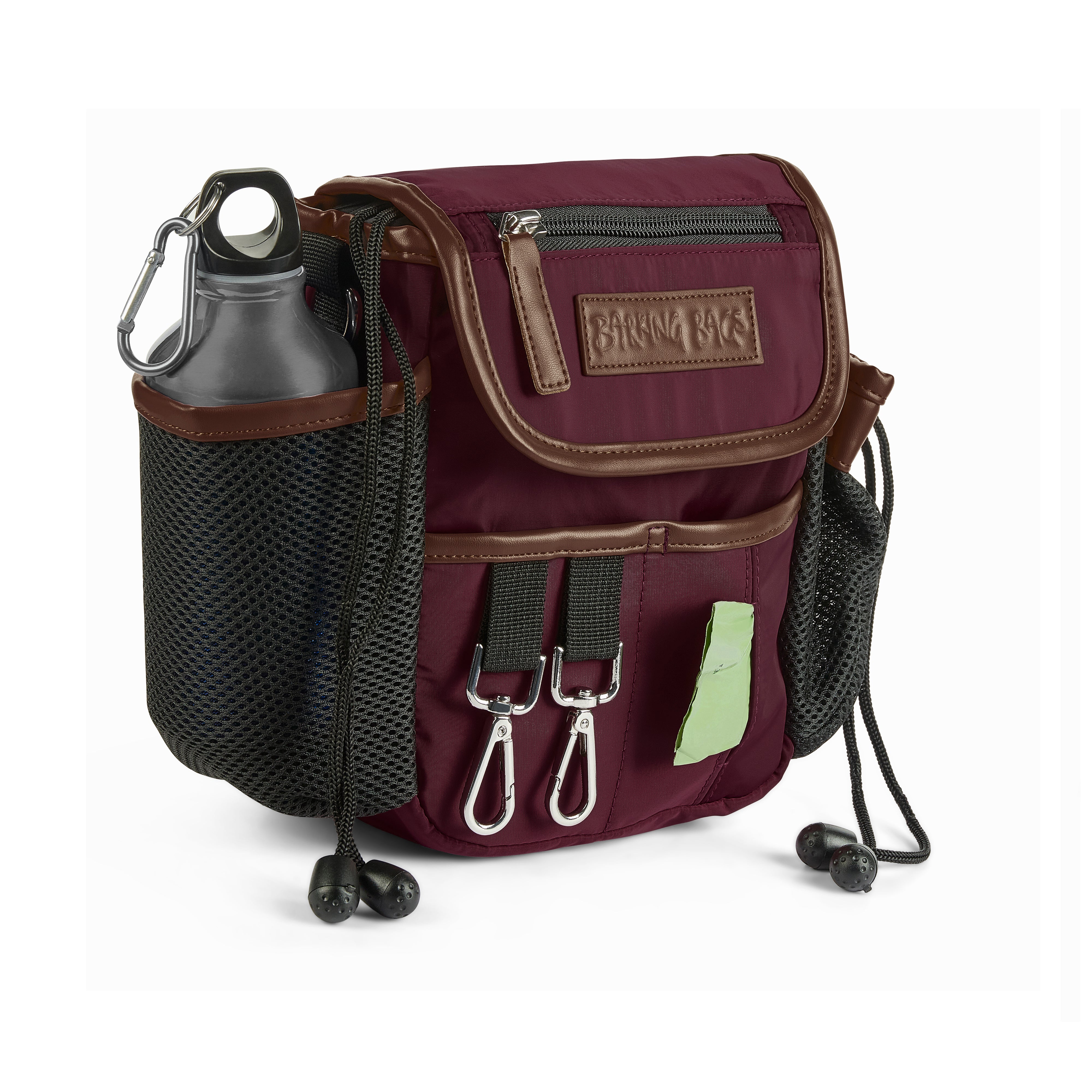
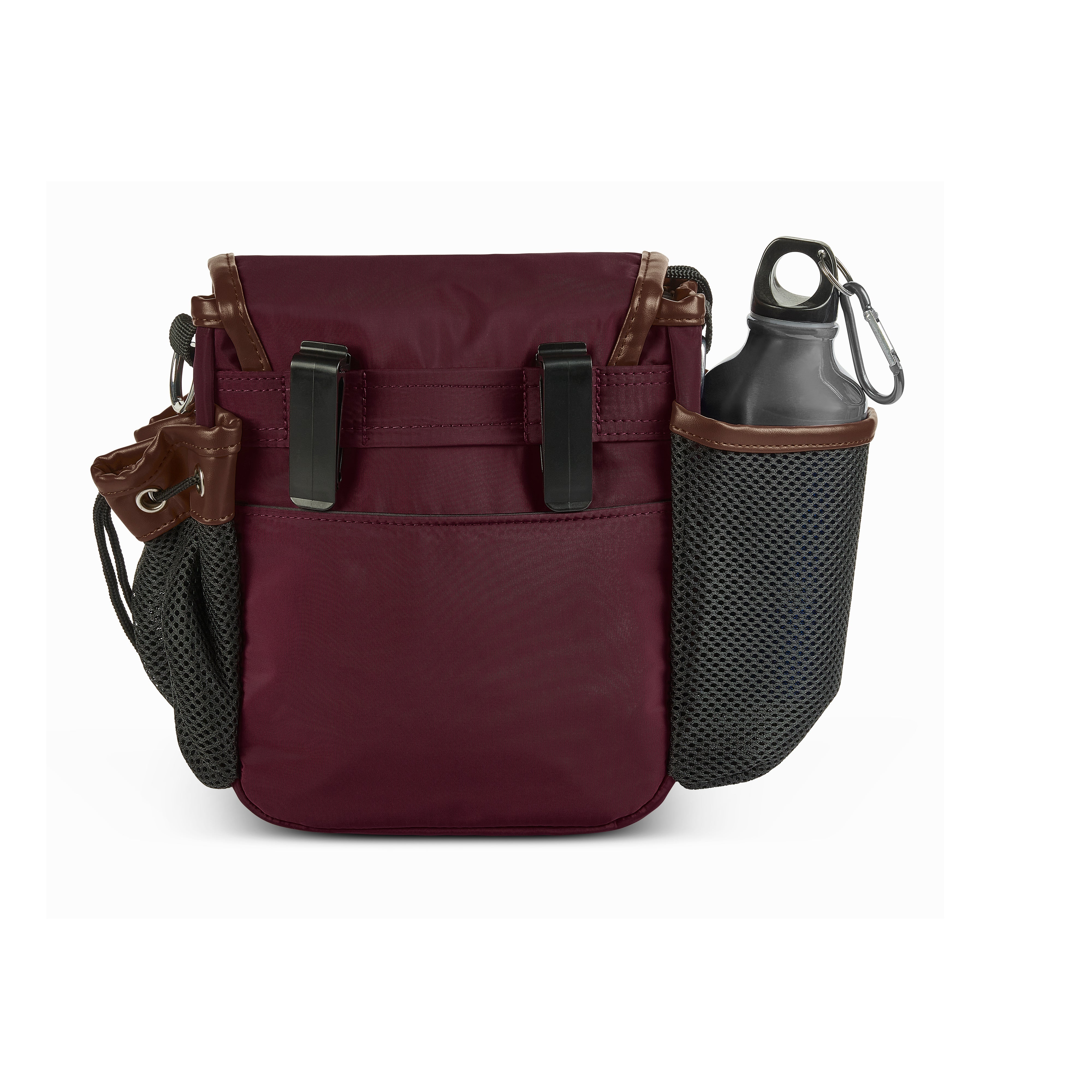
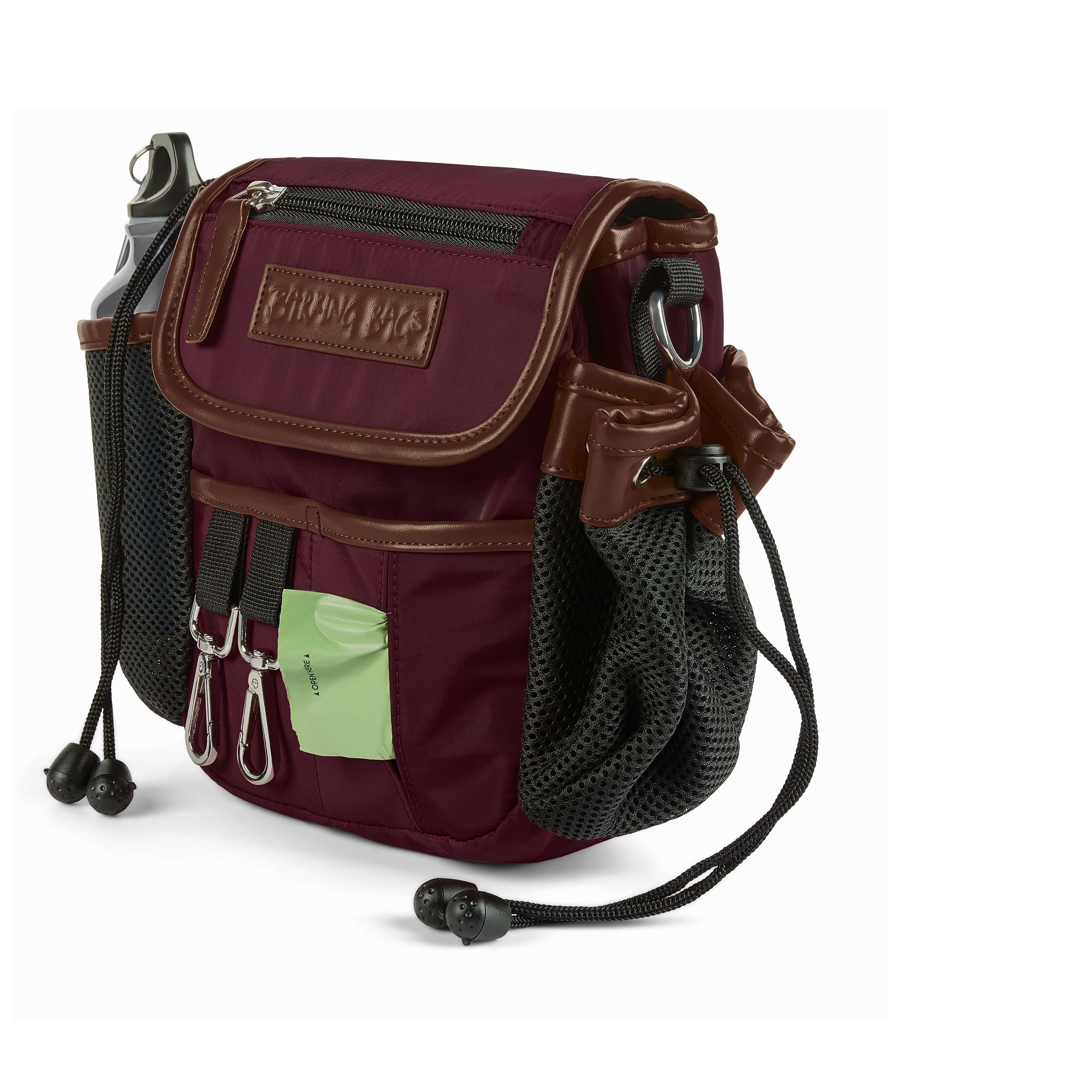
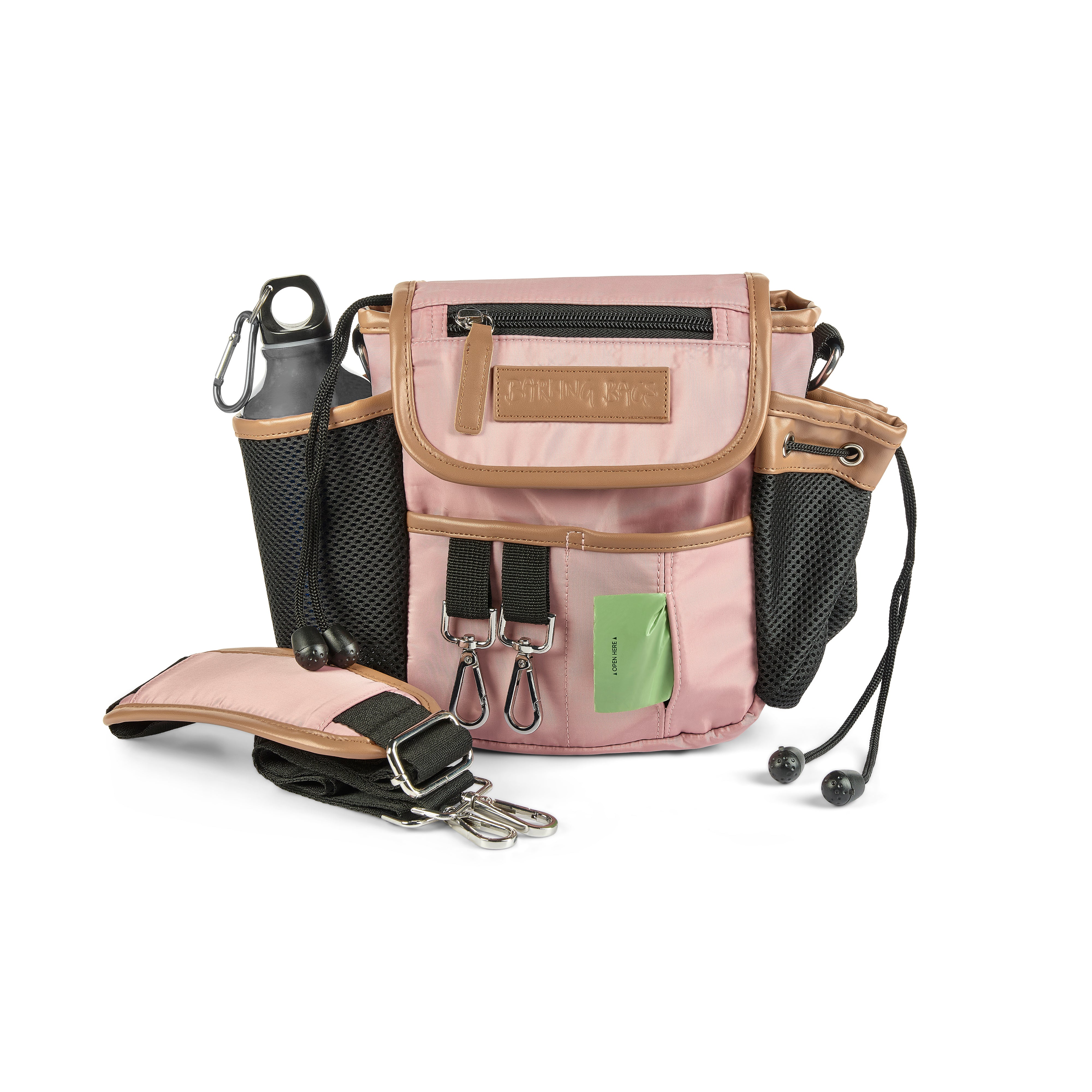
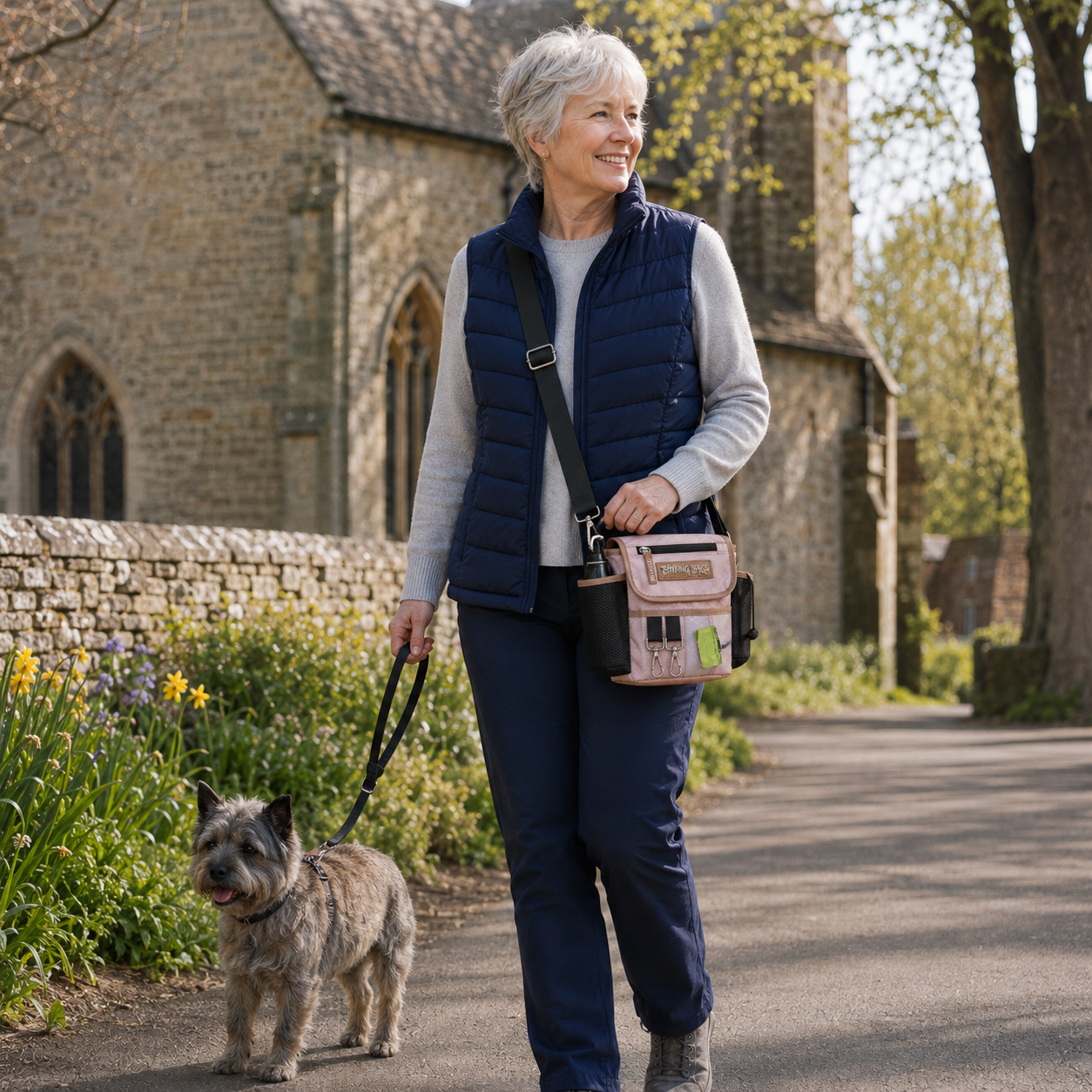
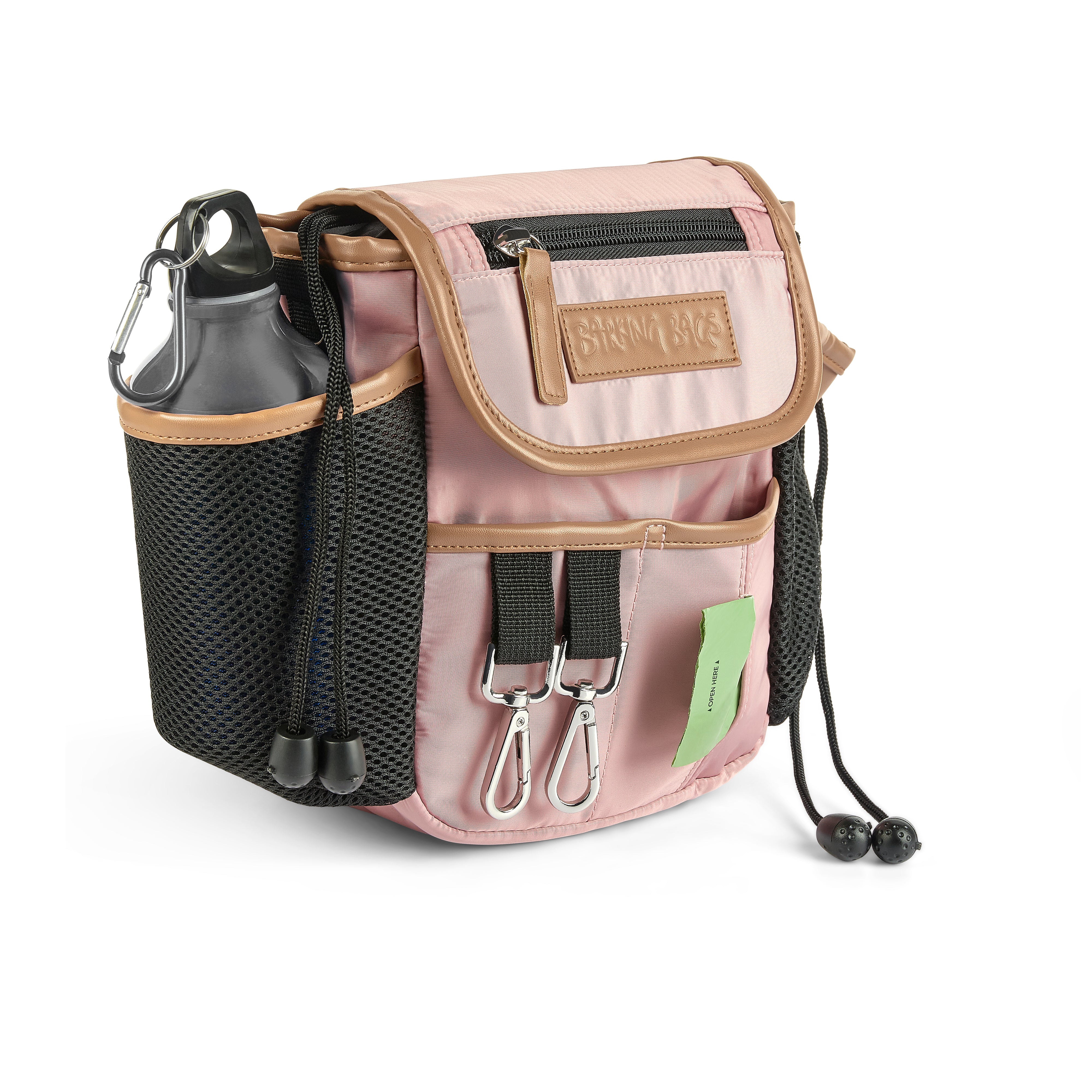
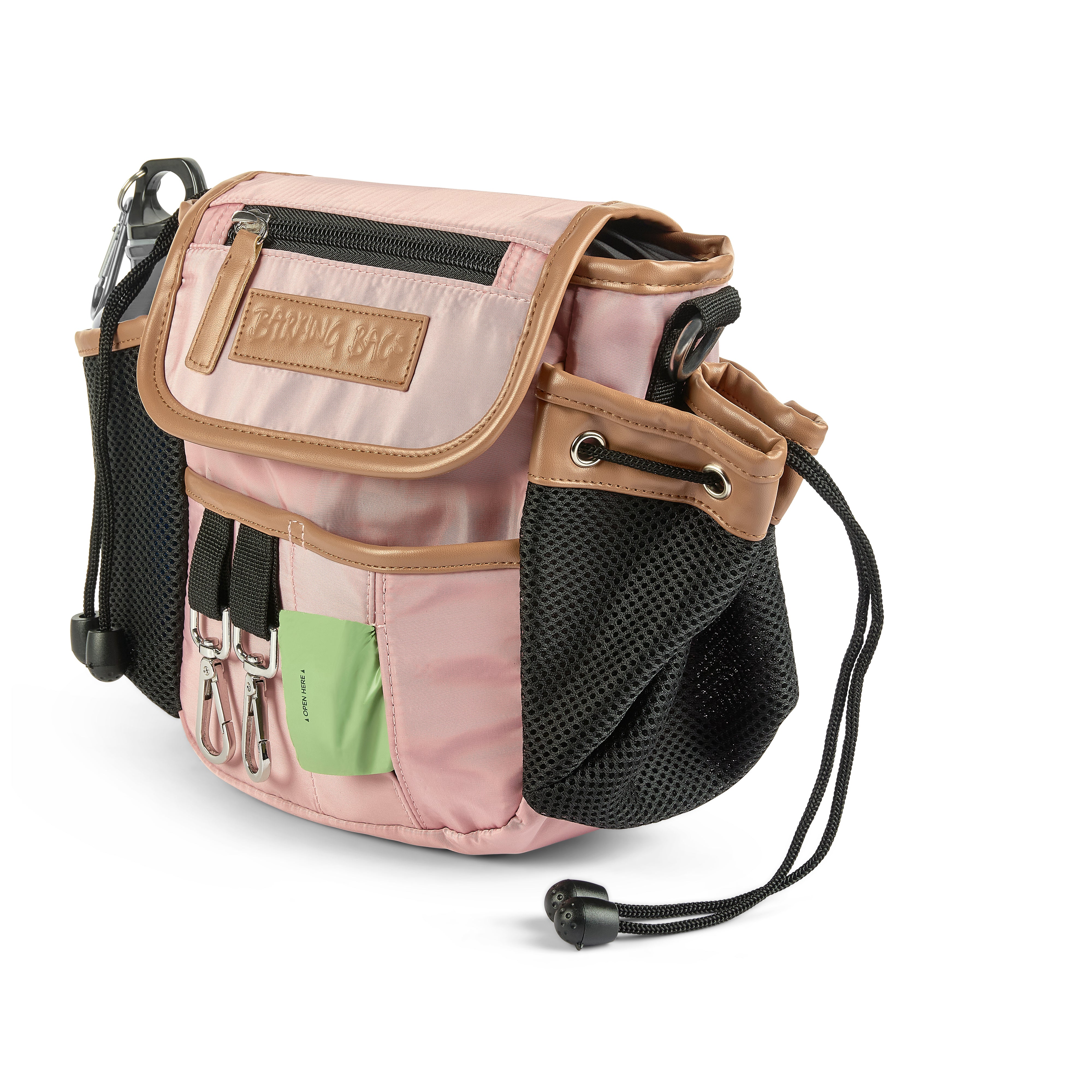
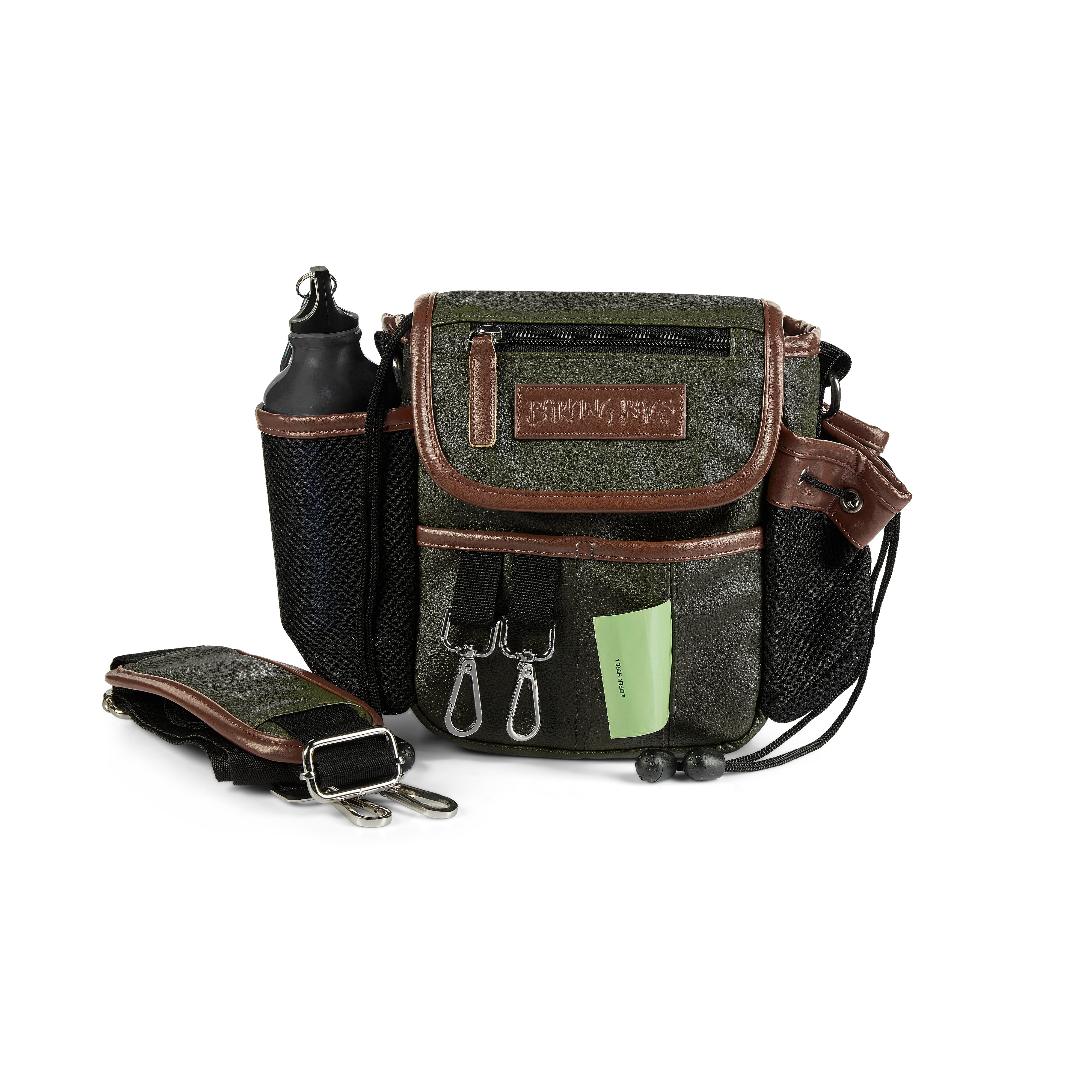
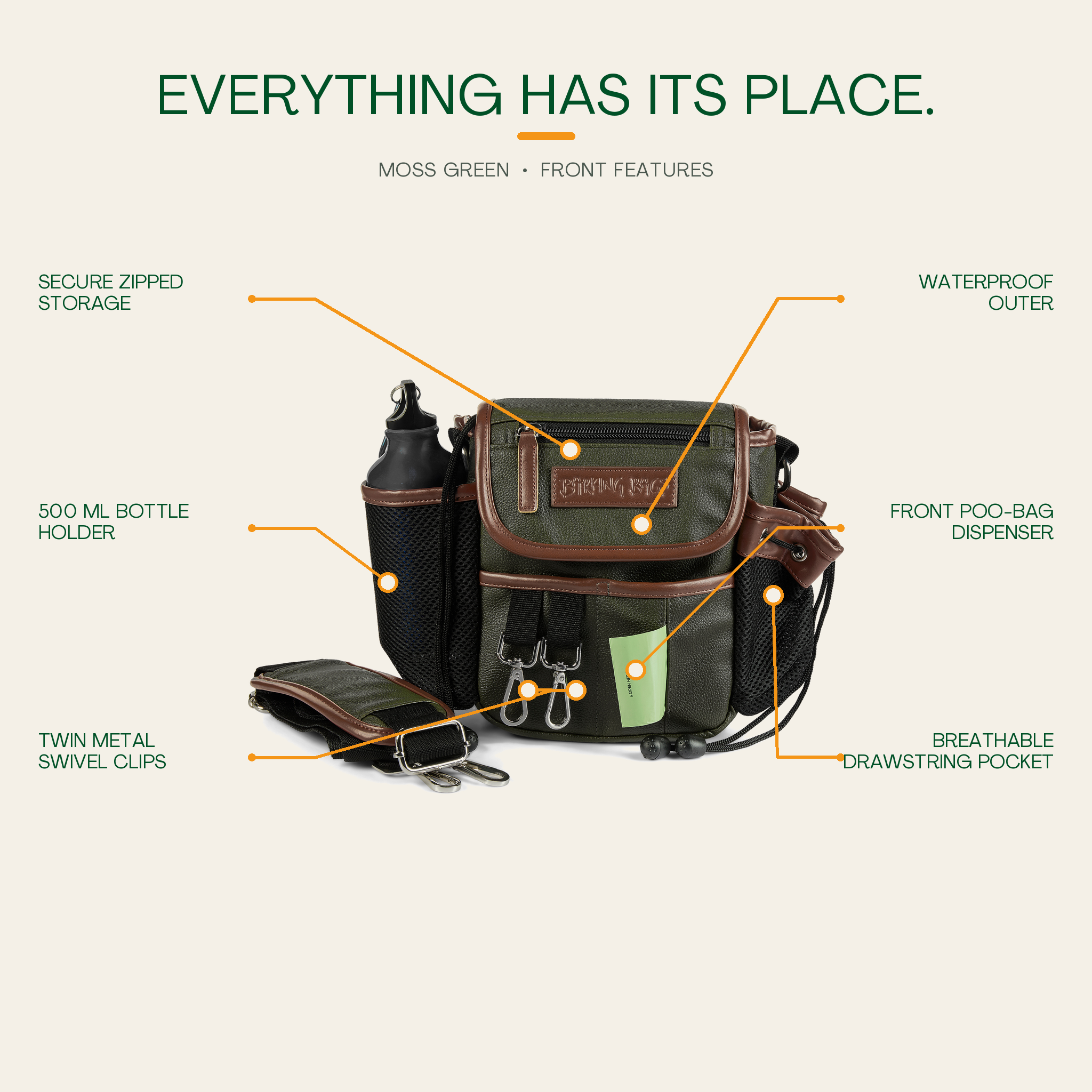
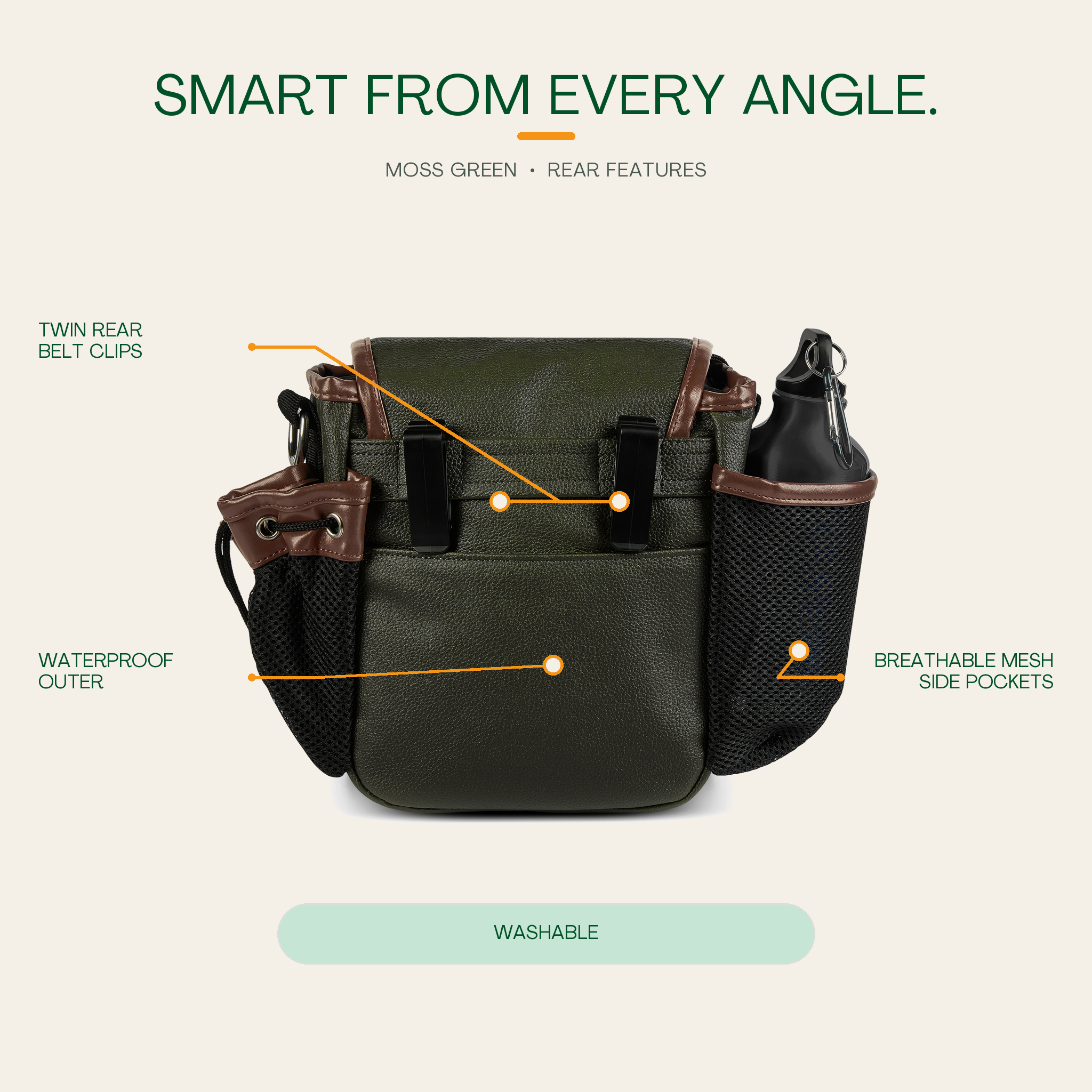
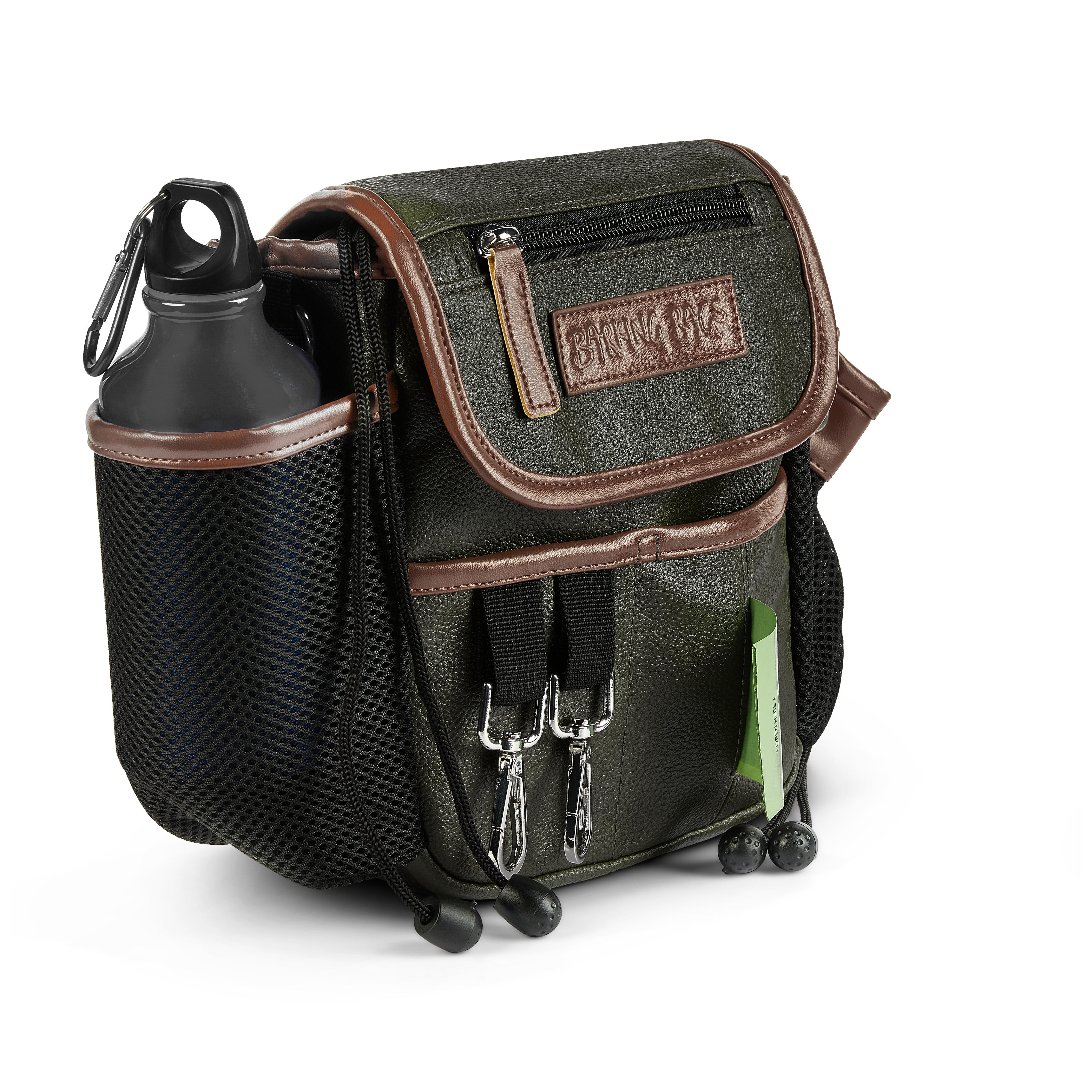
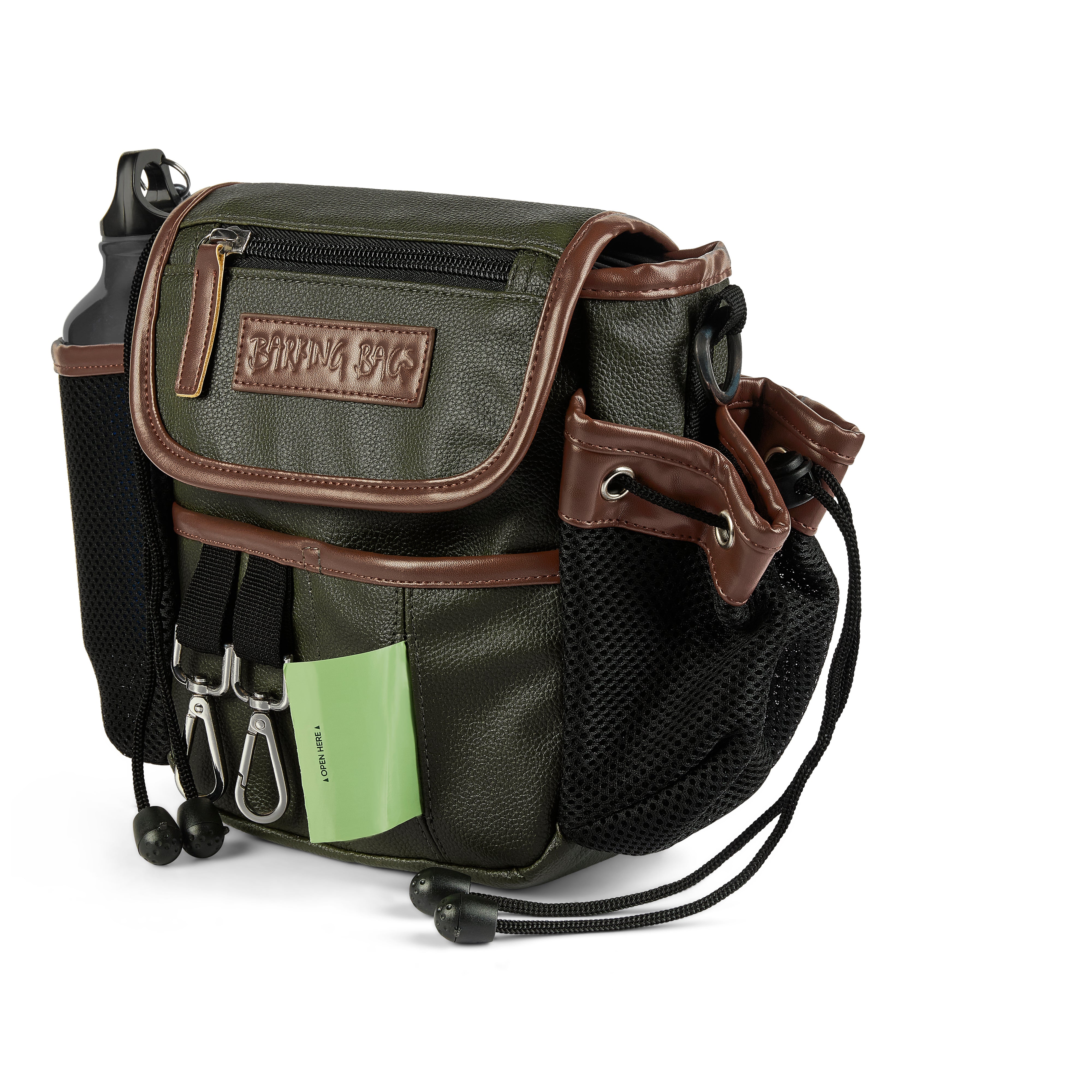
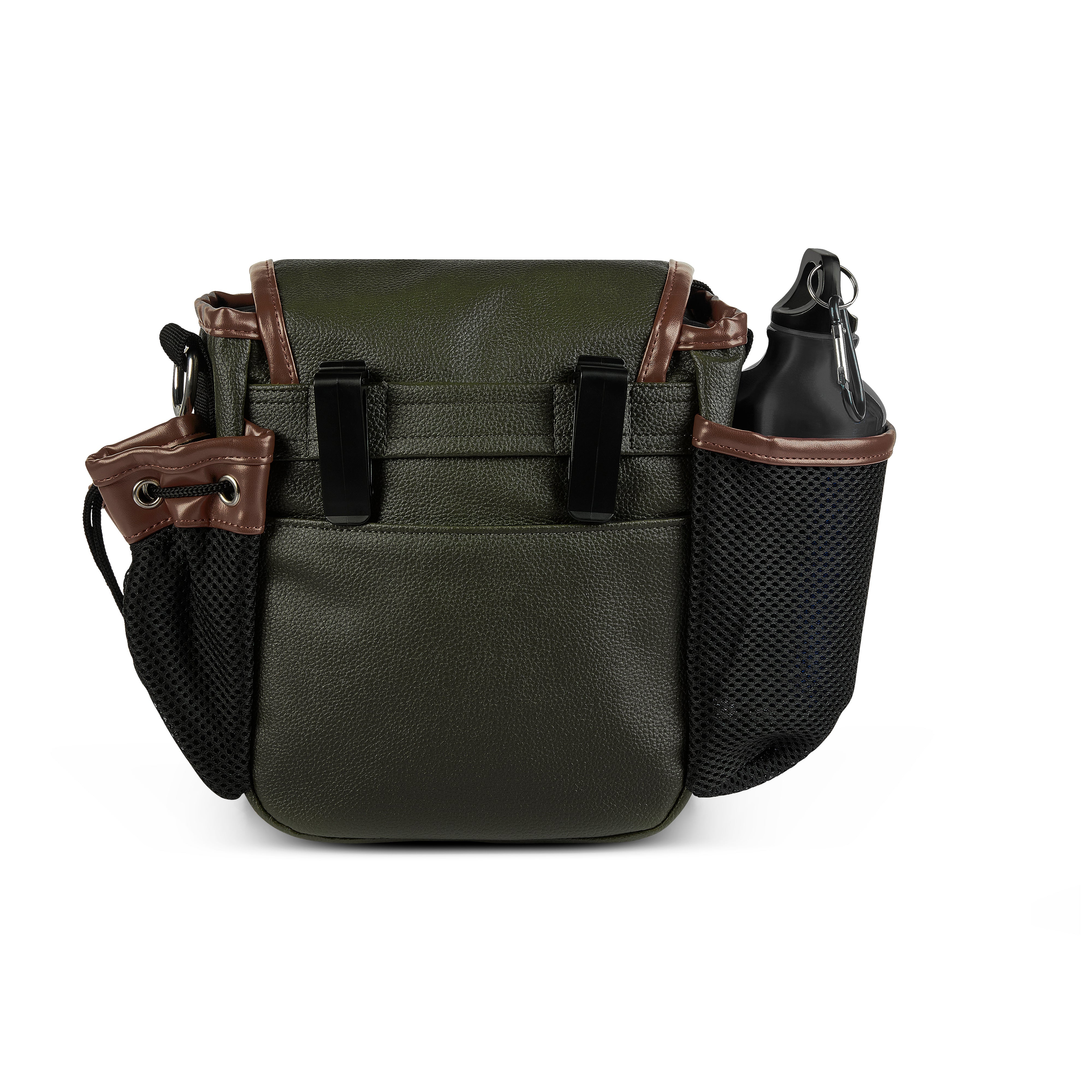
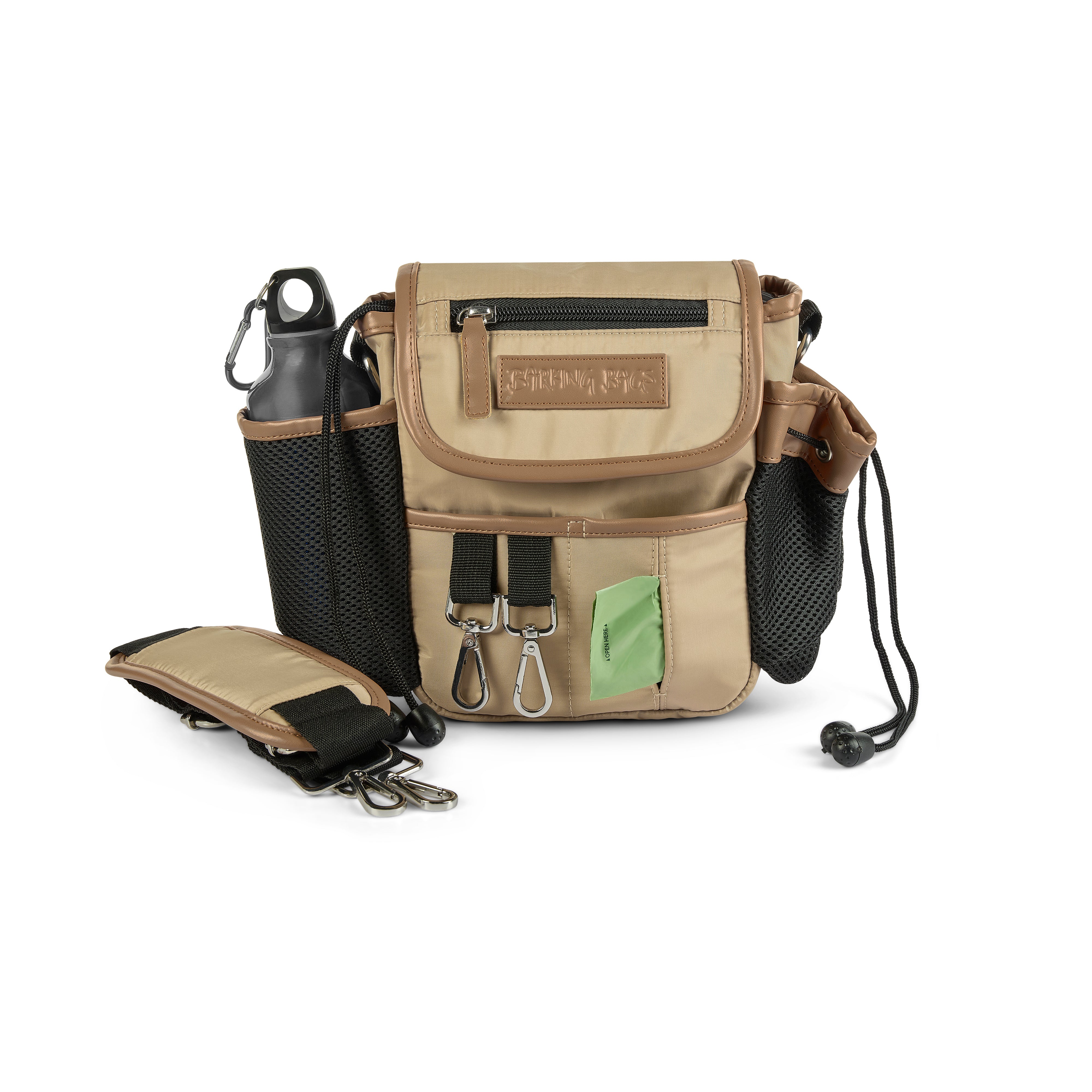
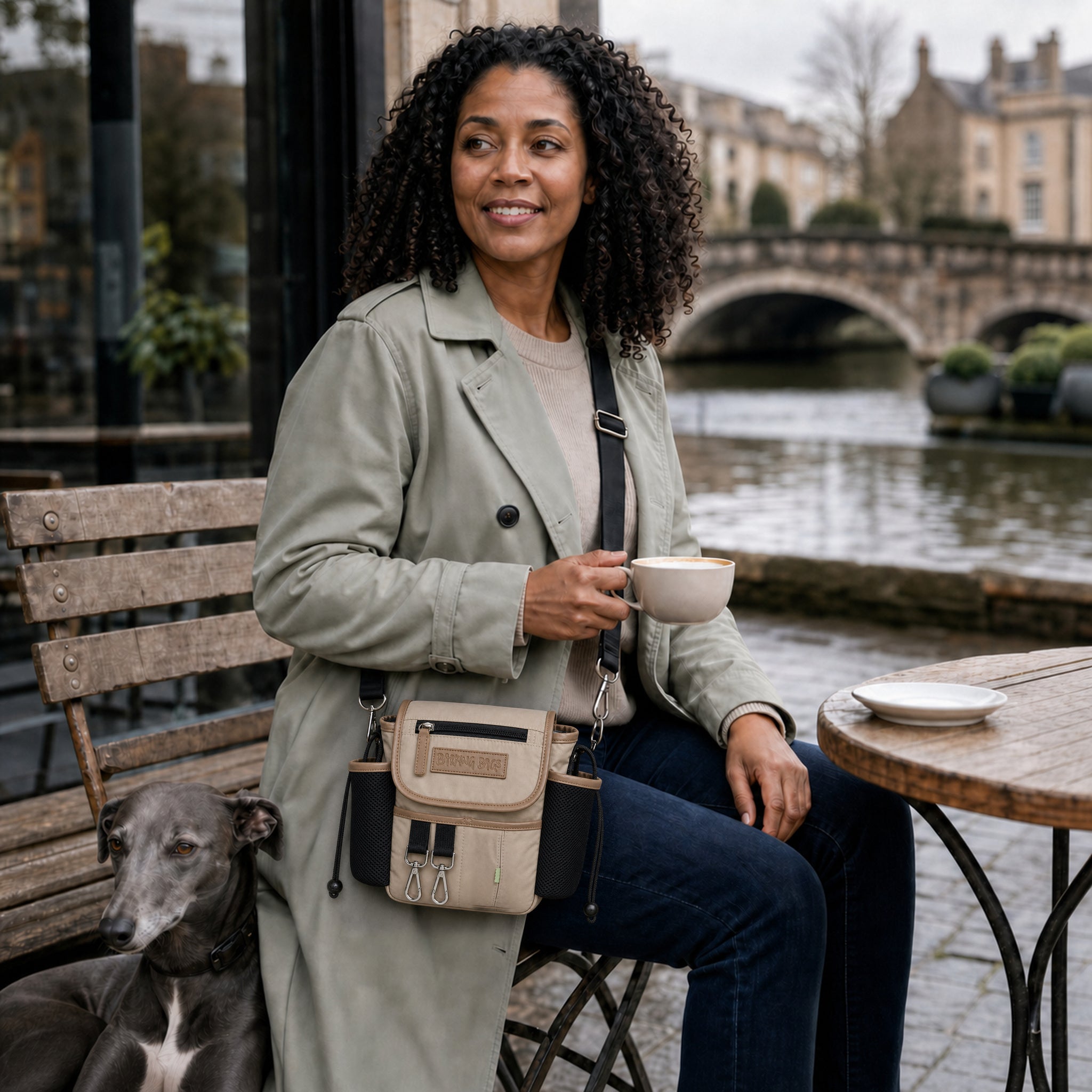
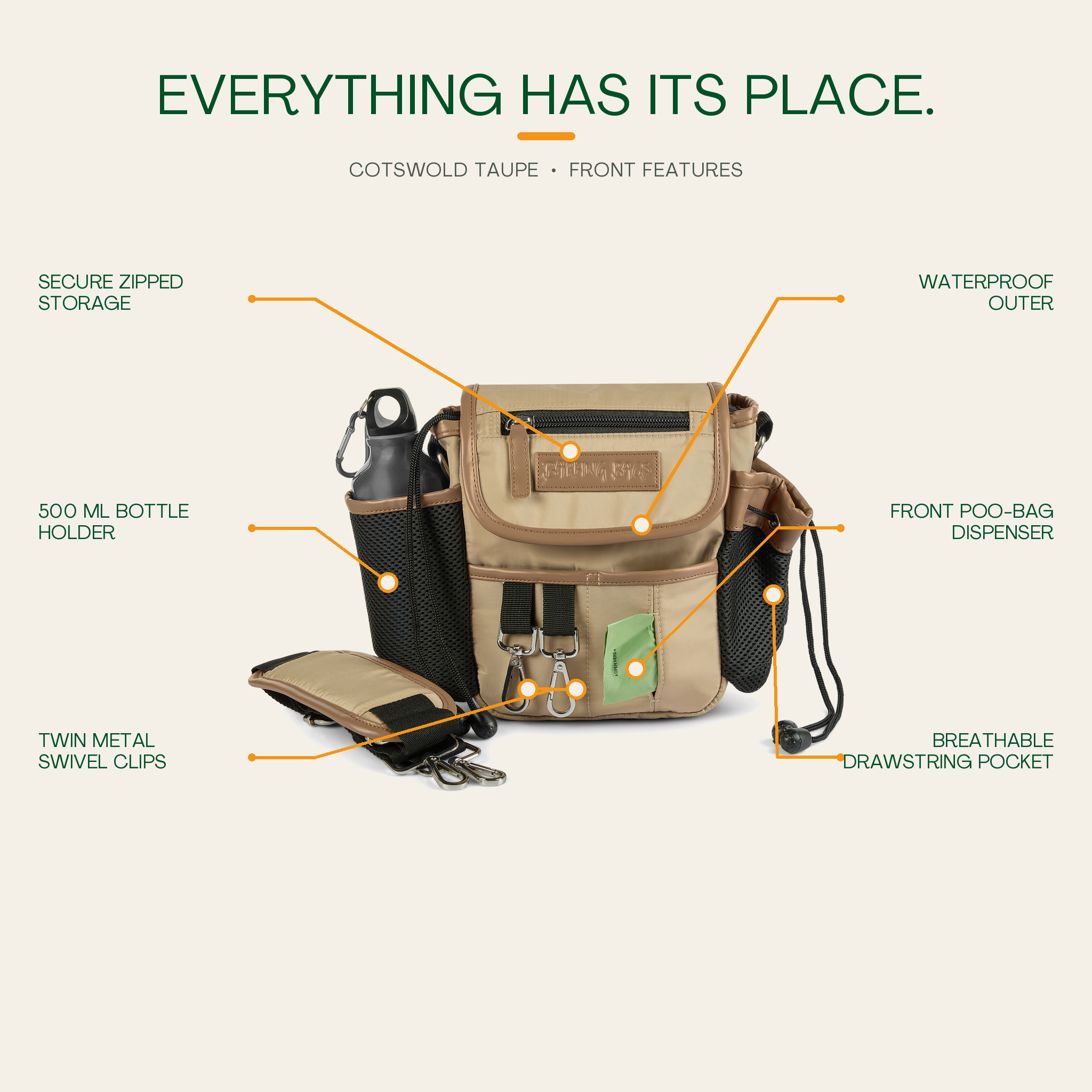
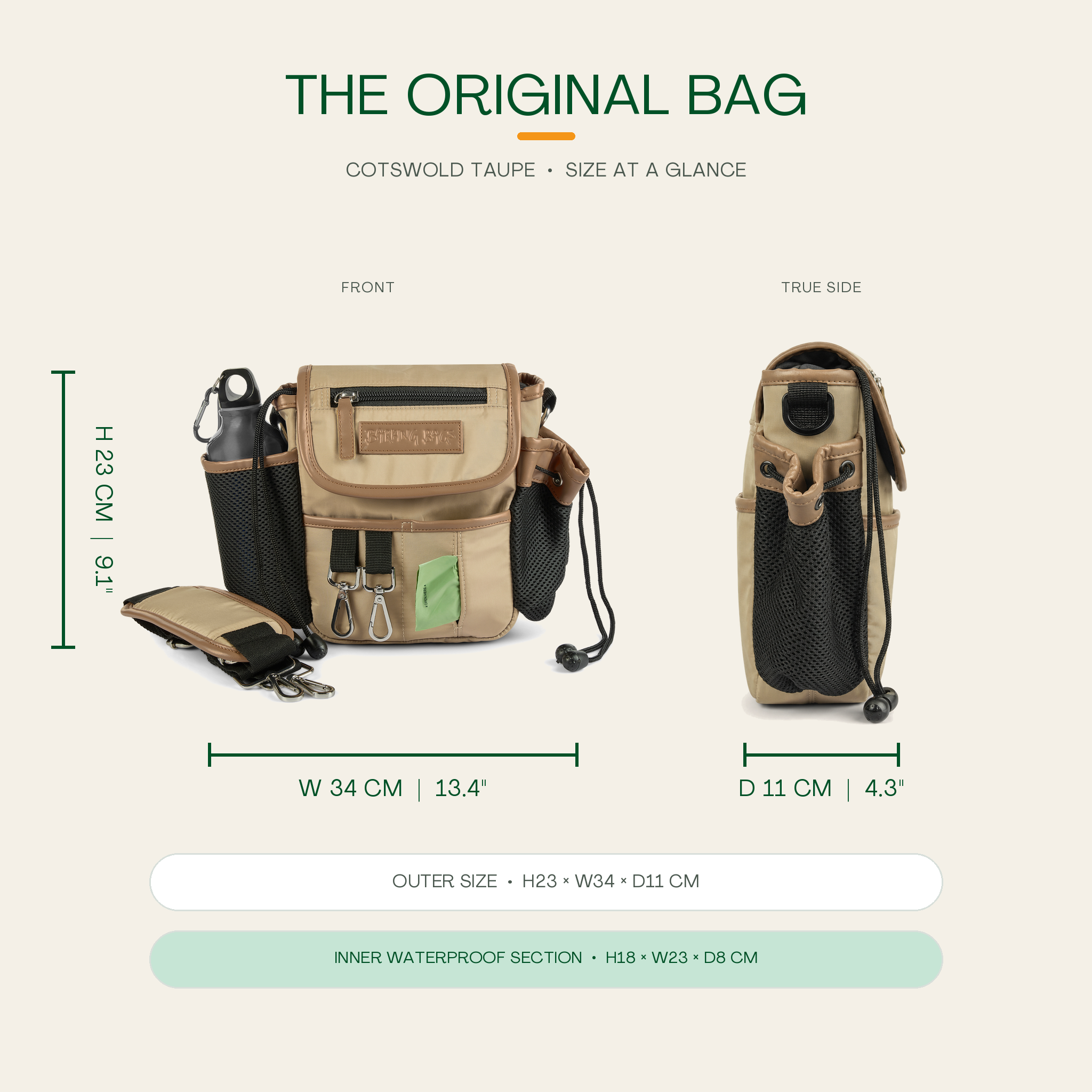
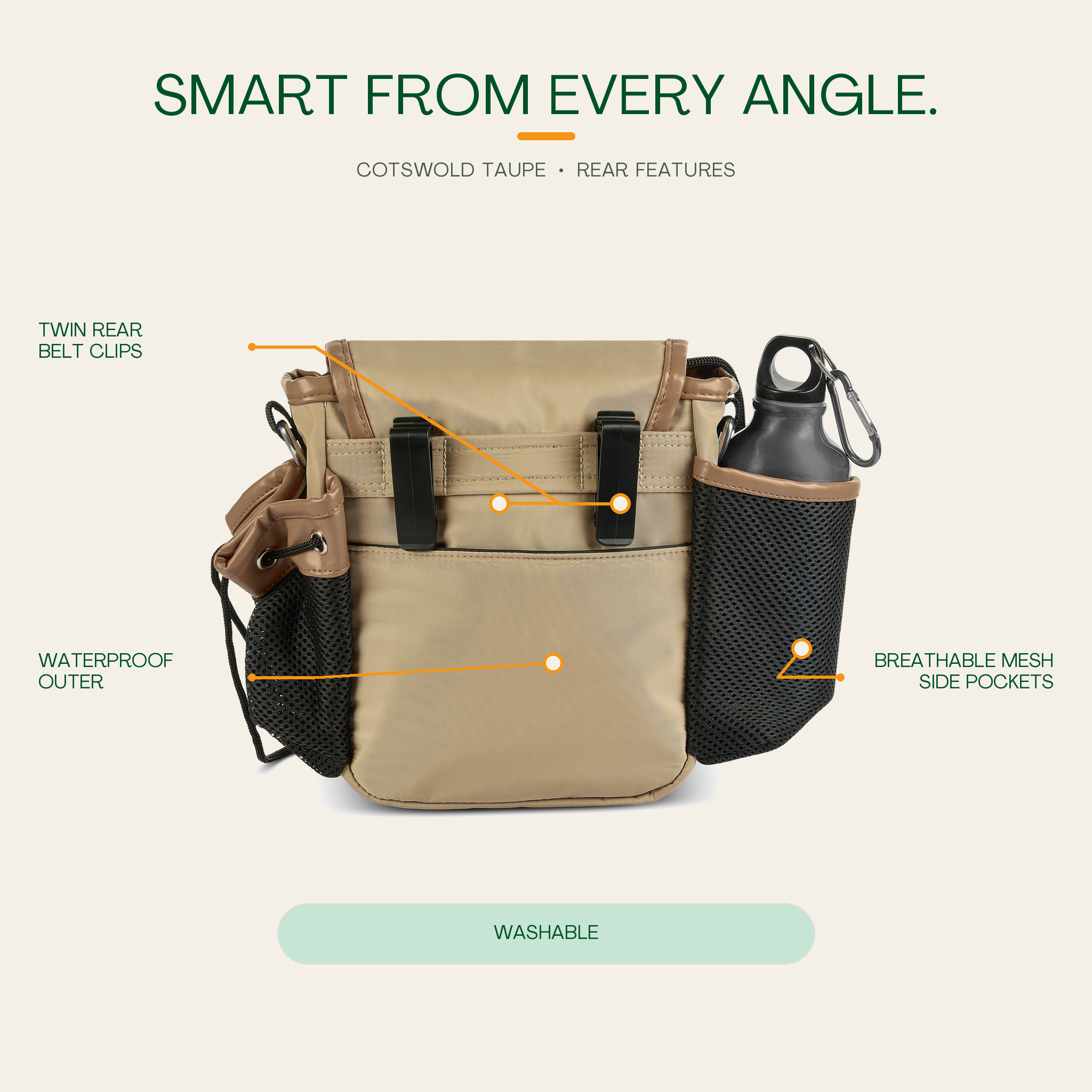
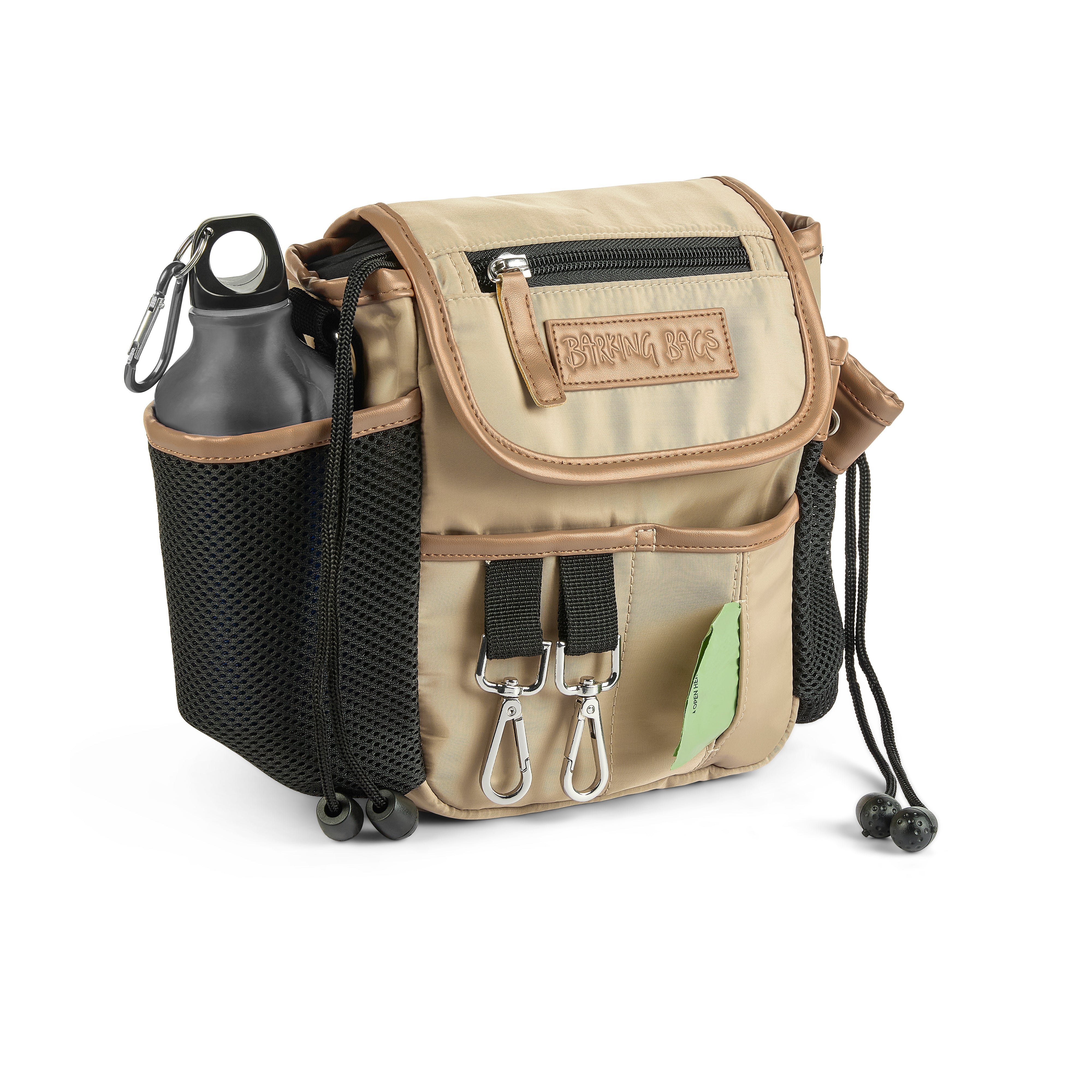
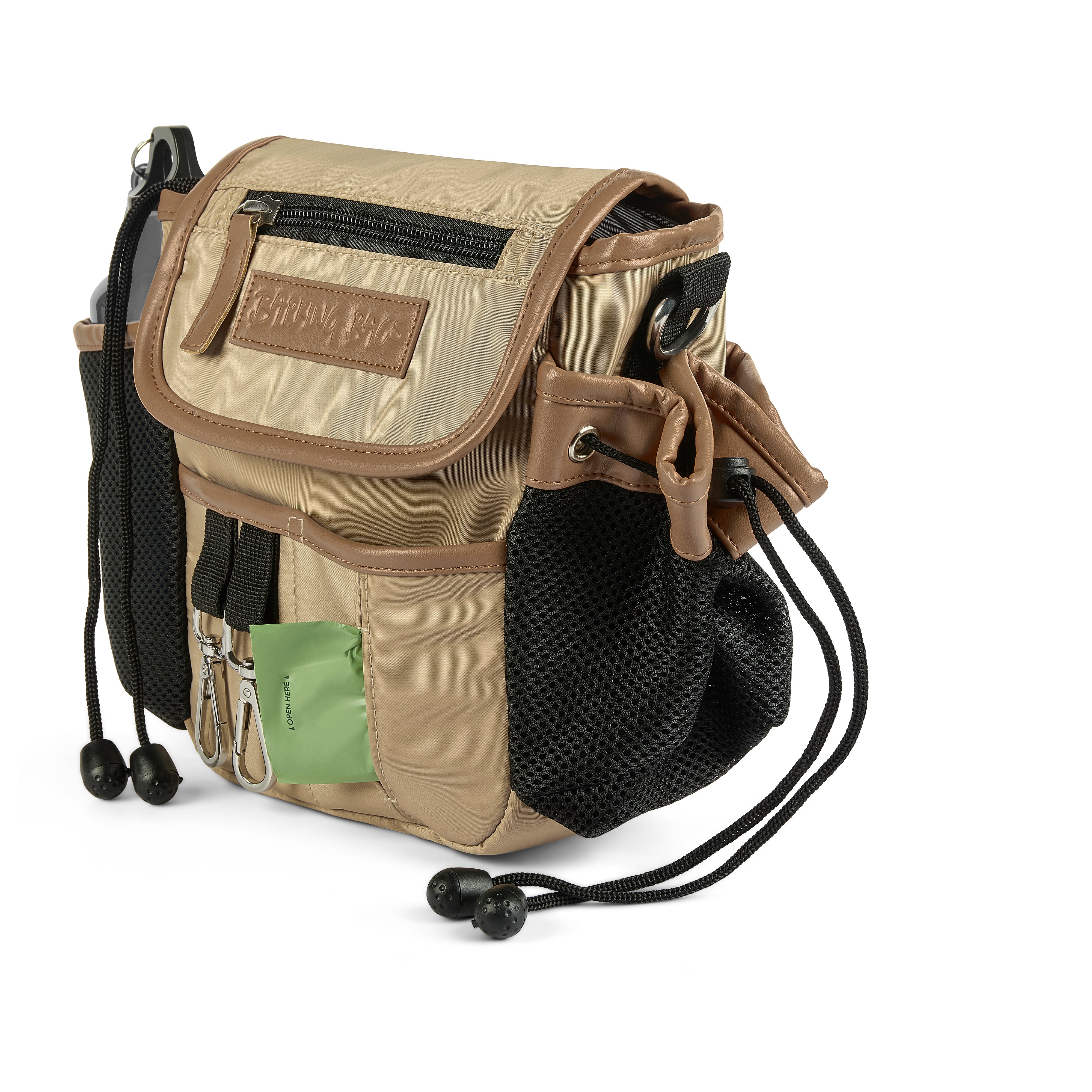
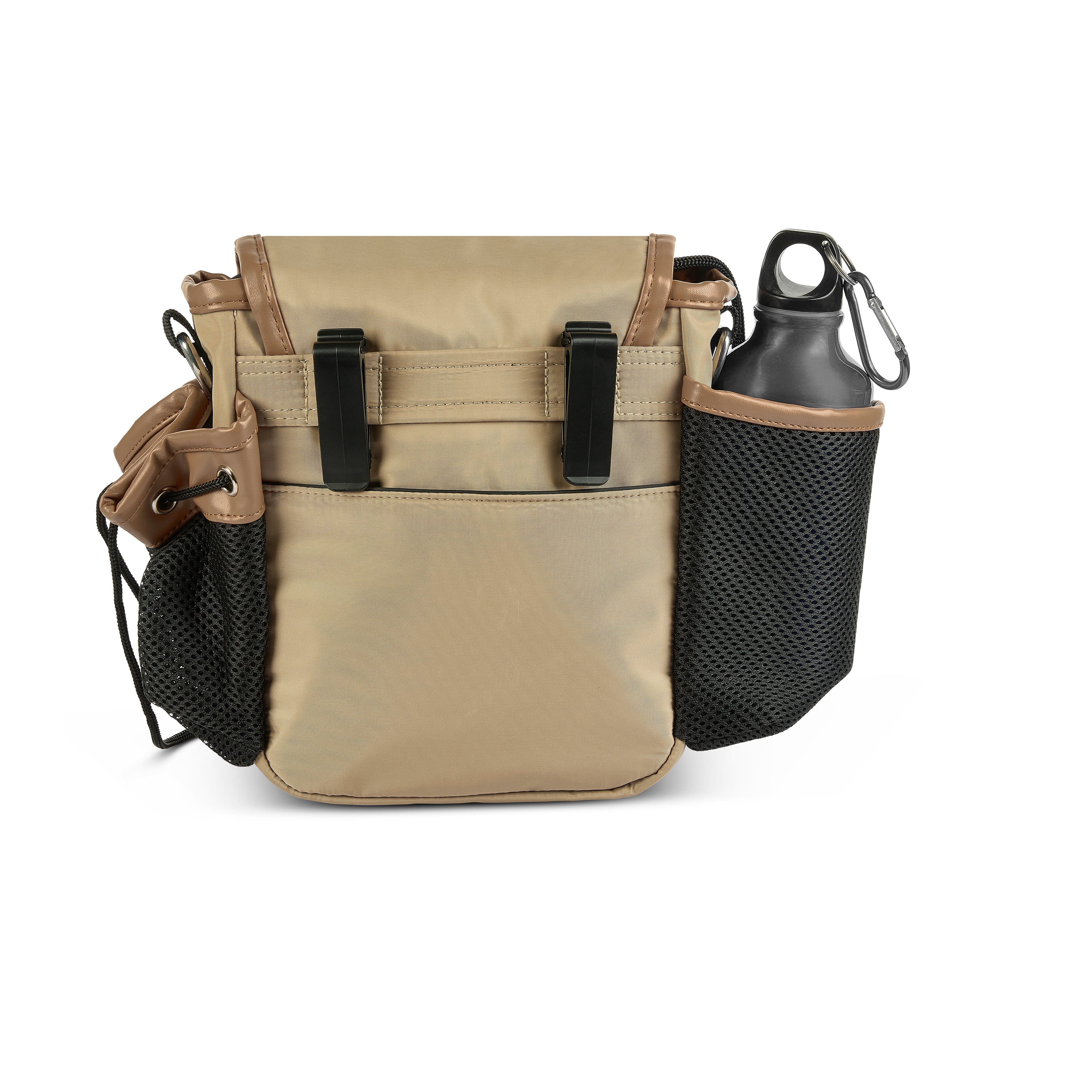
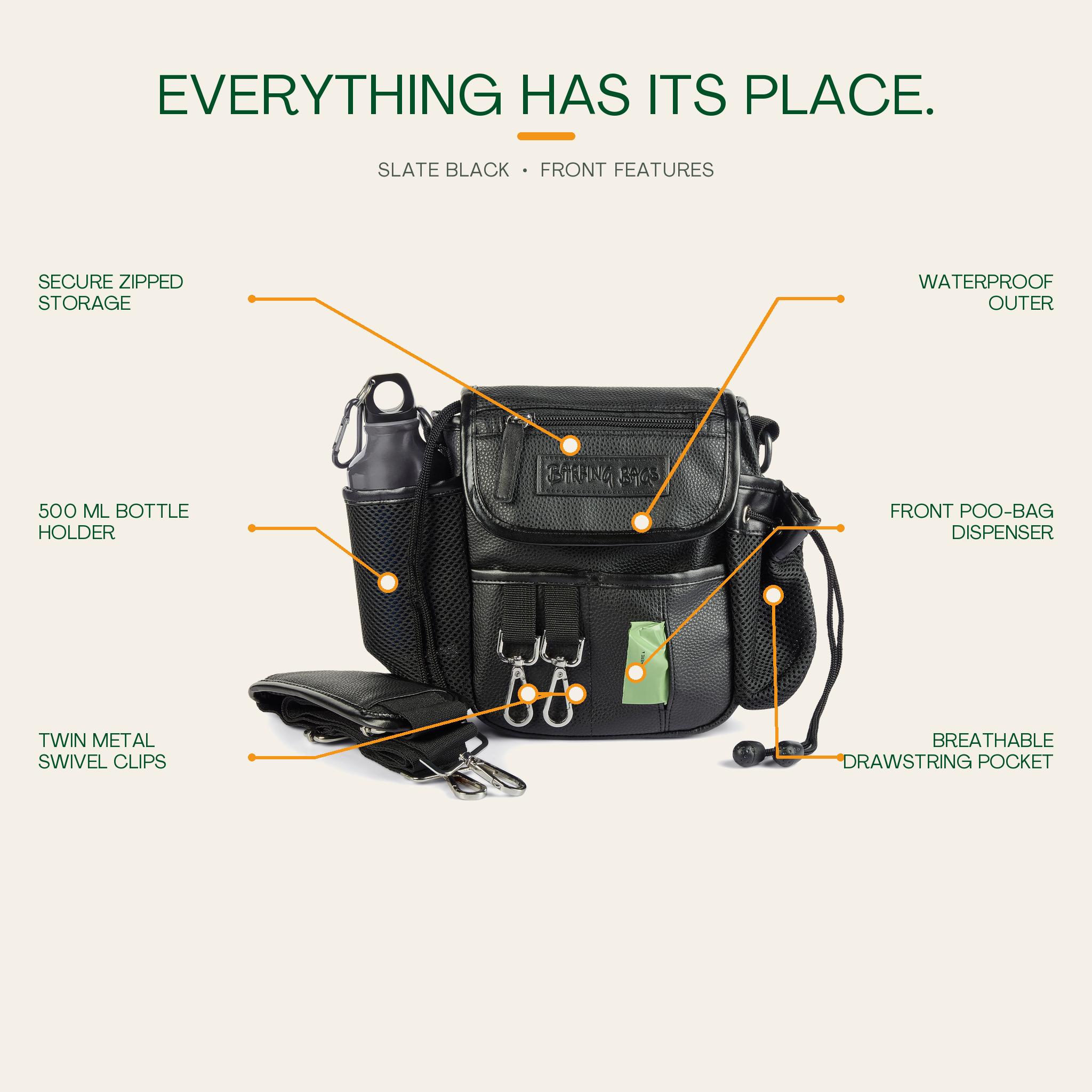
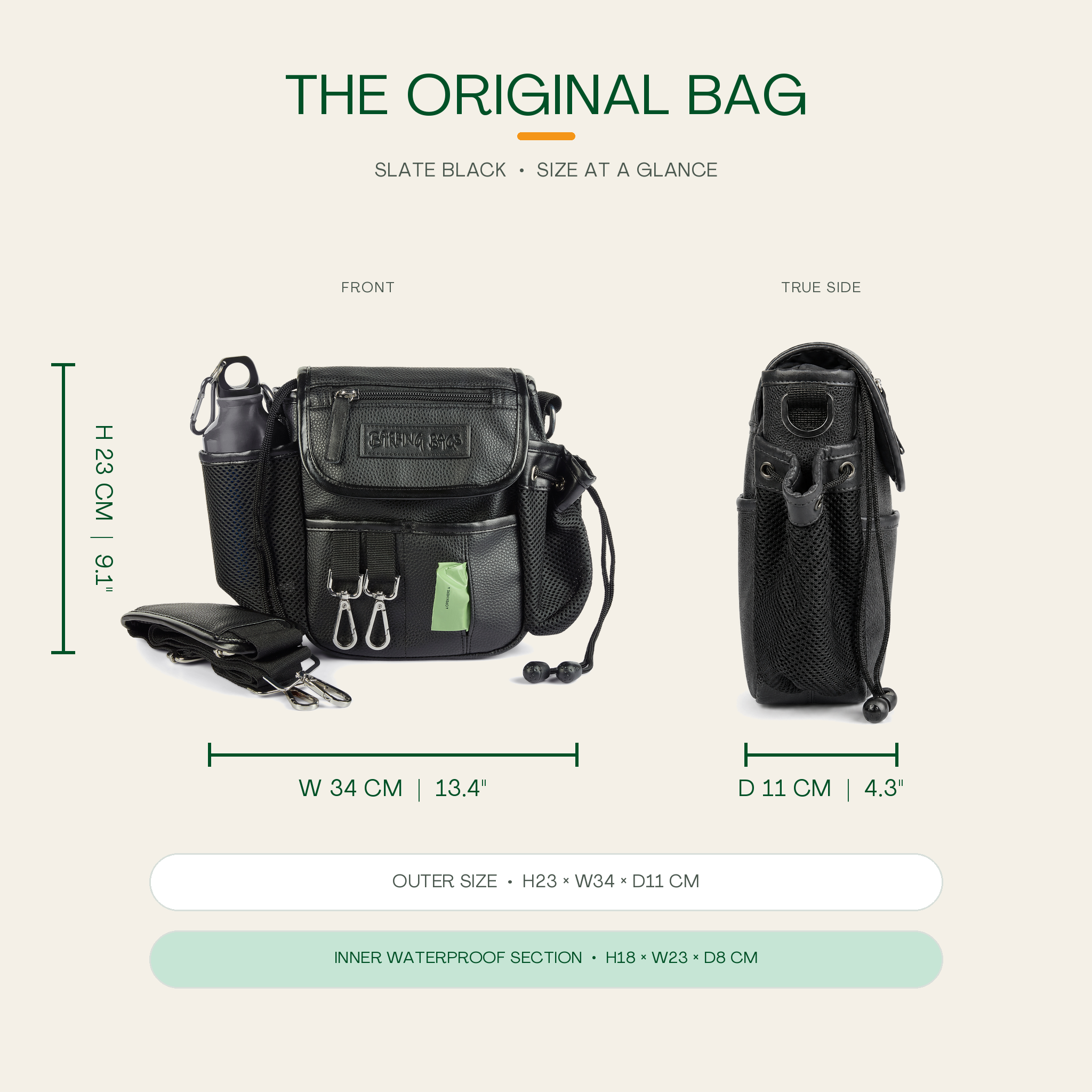
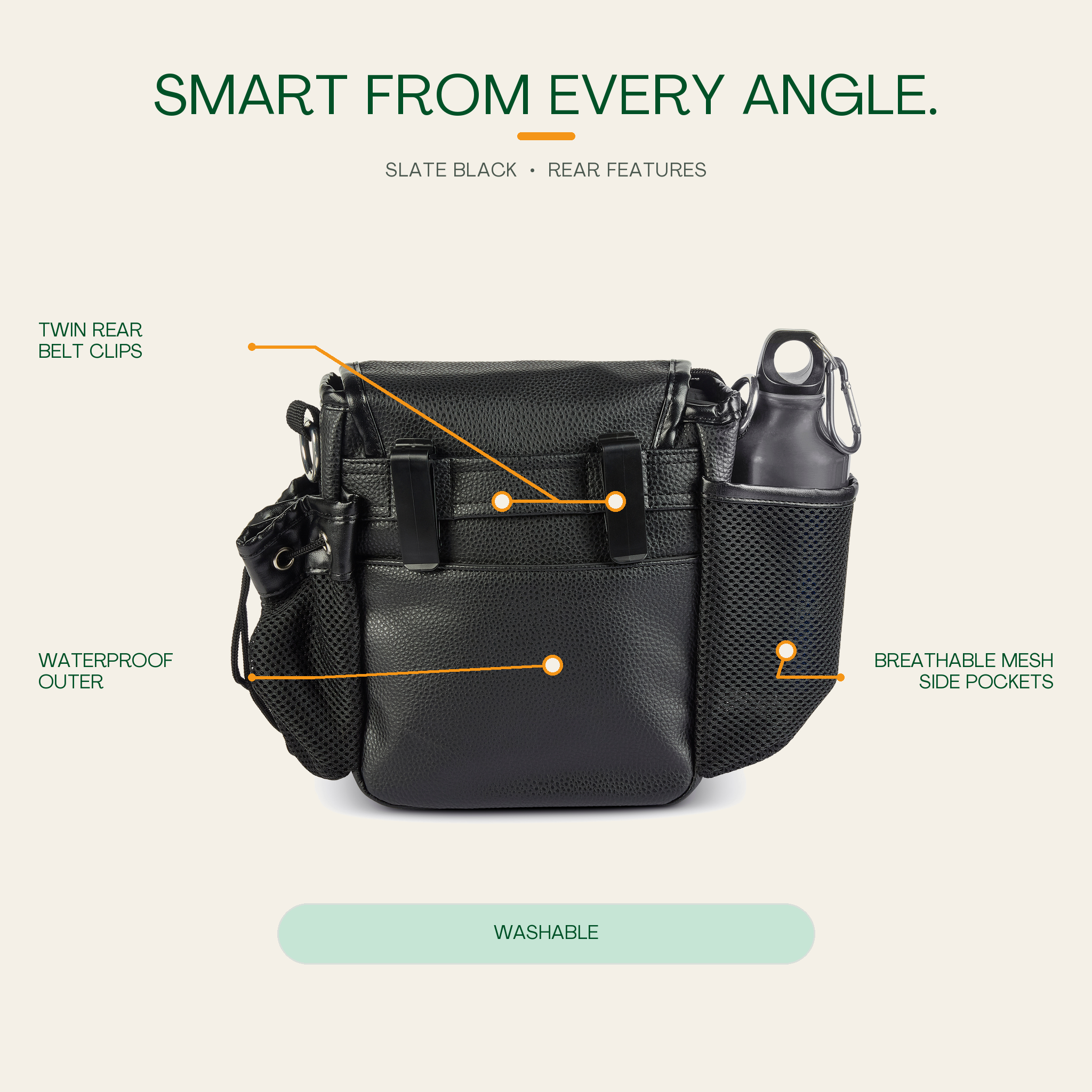
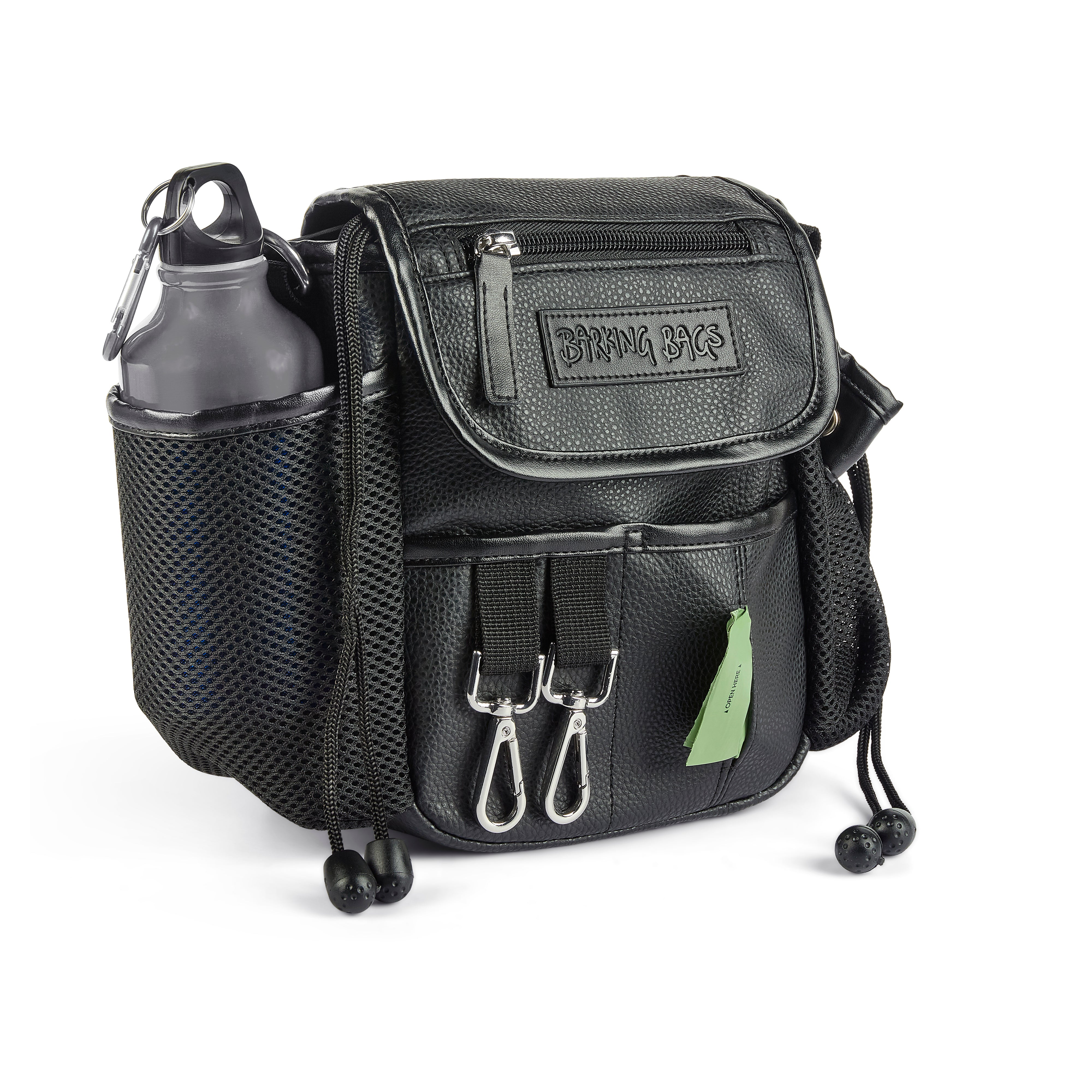
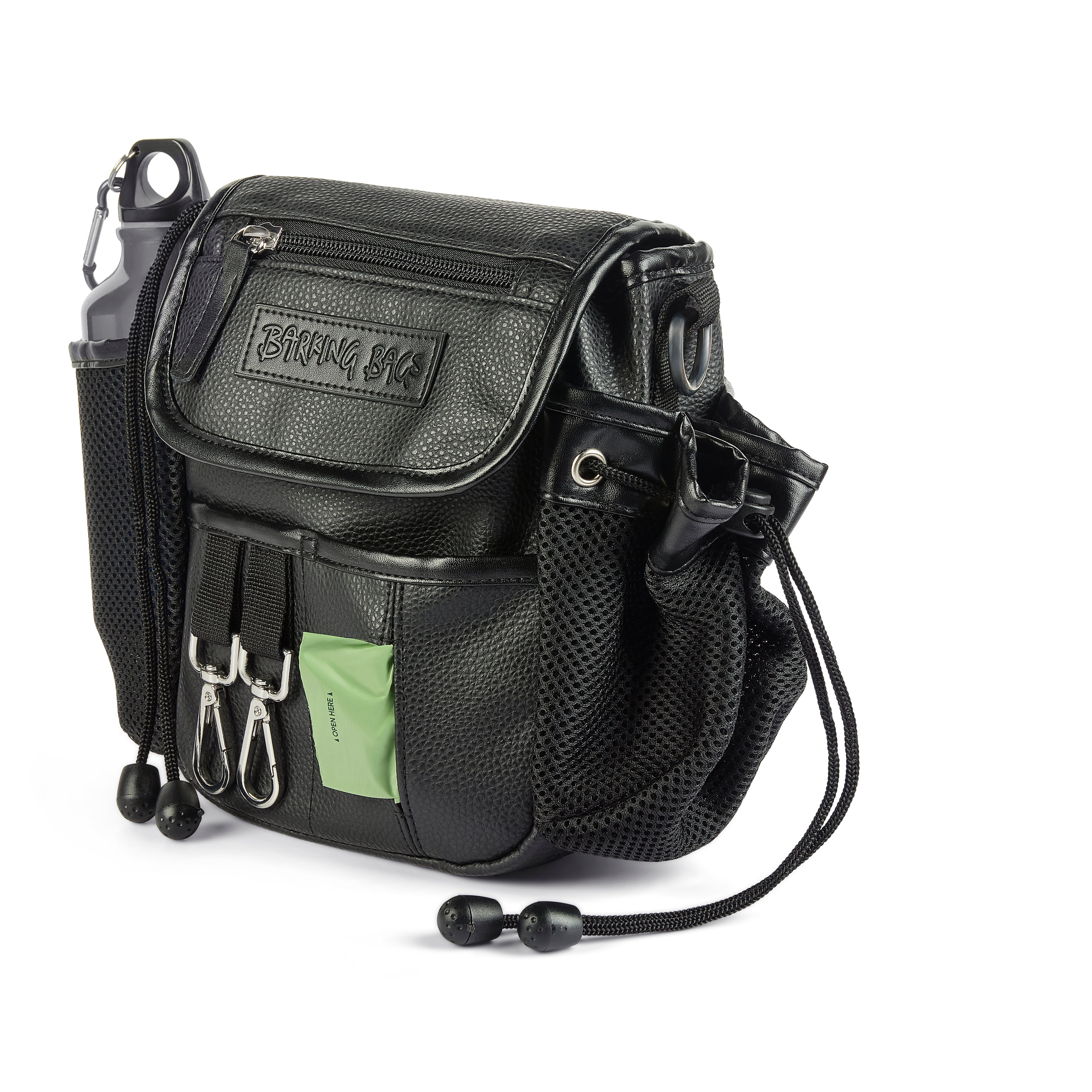
That is why some owners prefer a more complete setup from the start. Barking Bags is built around that idea - purpose-designed storage for dog walking that keeps the practical bits organised without looking overly utilitarian. For regular walkers, especially those training little and often, that joined-up approach can feel easier than mixing random accessories together.
Which dogs and owners benefit most
Puppy owners usually see the value fastest. Puppies need frequent rewards, quick responses and plenty of repetition. Having treats ready to go helps you reinforce the behaviours you want before the moment slips.
Dogs working on recall also benefit. Timing matters when your dog chooses to turn back to you instead of charging off towards another dog, a squirrel or an abandoned sandwich. If the reward arrives promptly, that choice becomes more worthwhile.
Reactive or nervous dogs can benefit too, because handlers often need to reward calmly and quickly while managing distance and environment. In those moments, rummaging through a pocket adds stress. A predictable setup can make handling smoother.
Professional dog walkers and trainers may need something more hard-wearing, especially if they are carrying rewards for different dogs or using a range of treat types. Durability, wipe-clean interiors and all-day comfort matter more when the bag is in constant use.
Common mistakes when choosing a dog training treat pouch
One of the biggest mistakes is buying based only on looks. A neat design is great, and style absolutely matters if you use the bag every day, but function comes first. If it is awkward to access or impossible to clean, it will end up in a drawer.
Another mistake is underestimating what you actually carry on a walk. Many people picture a treat pouch as a tiny add-on, then realise they still need somewhere for the rest of their essentials. That is when pockets get overloaded and the whole point of being organised disappears.
It is also easy to ignore how the pouch fits with your coat, waistband or walking style. What works with leggings may feel annoying with a winter coat. What feels fine on a quick park trip may not suit a long countryside walk.
A simple way to choose the right setup
Start with your routine, not the product photo. Ask yourself where you train, how long you are usually out, and whether you need the pouch for treats only or as part of your whole dog walking kit.
If your training happens in short bursts and you like to travel light, a compact pouch with easy access may be perfect. If you are out every day with a full set of essentials, look for something that blends treat storage with better overall organisation.
It is also worth thinking about the treats you actually use. Dry biscuits are less messy than cheese or sausage, but they are not always motivating enough. If you rely on higher-value rewards, cleaning and lining quality become much more important.
The best dog training treat pouch is the one you will use every day without thinking about it. It should make rewarding easier, not add another layer of faff to the walk. When your essentials are sorted and your treats are within reach, training becomes less of a special event and more of a natural part of life with your dog. That is usually when the real progress starts.