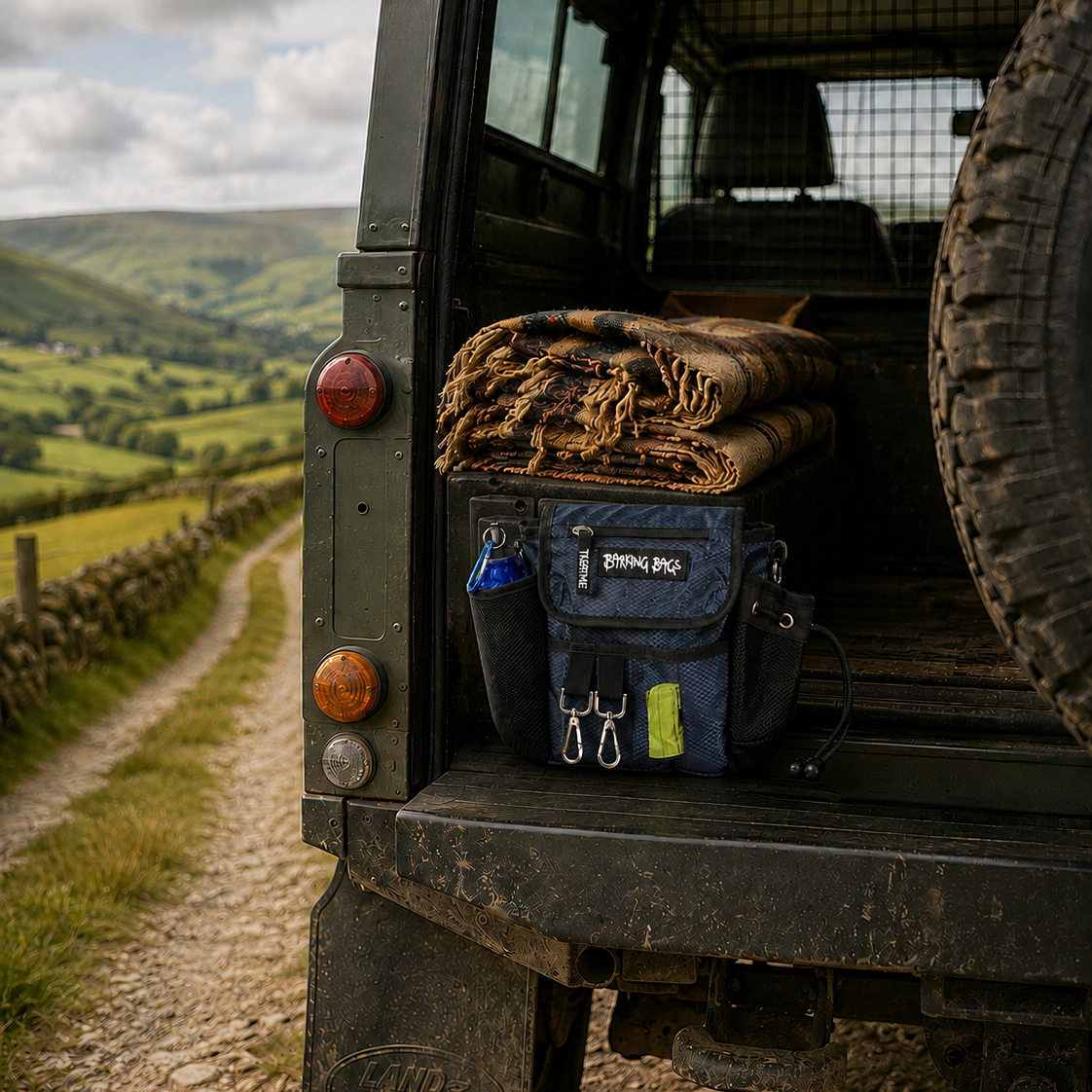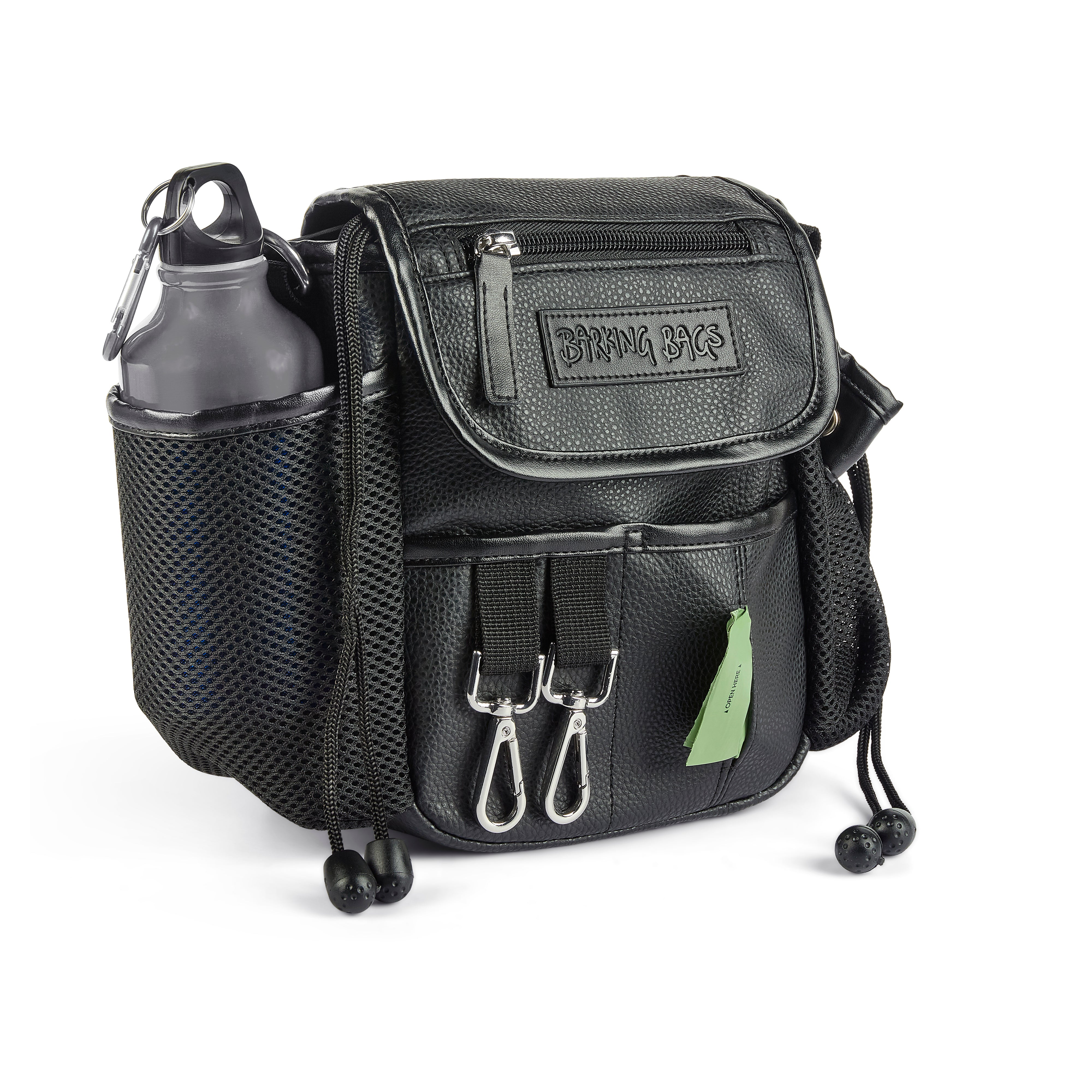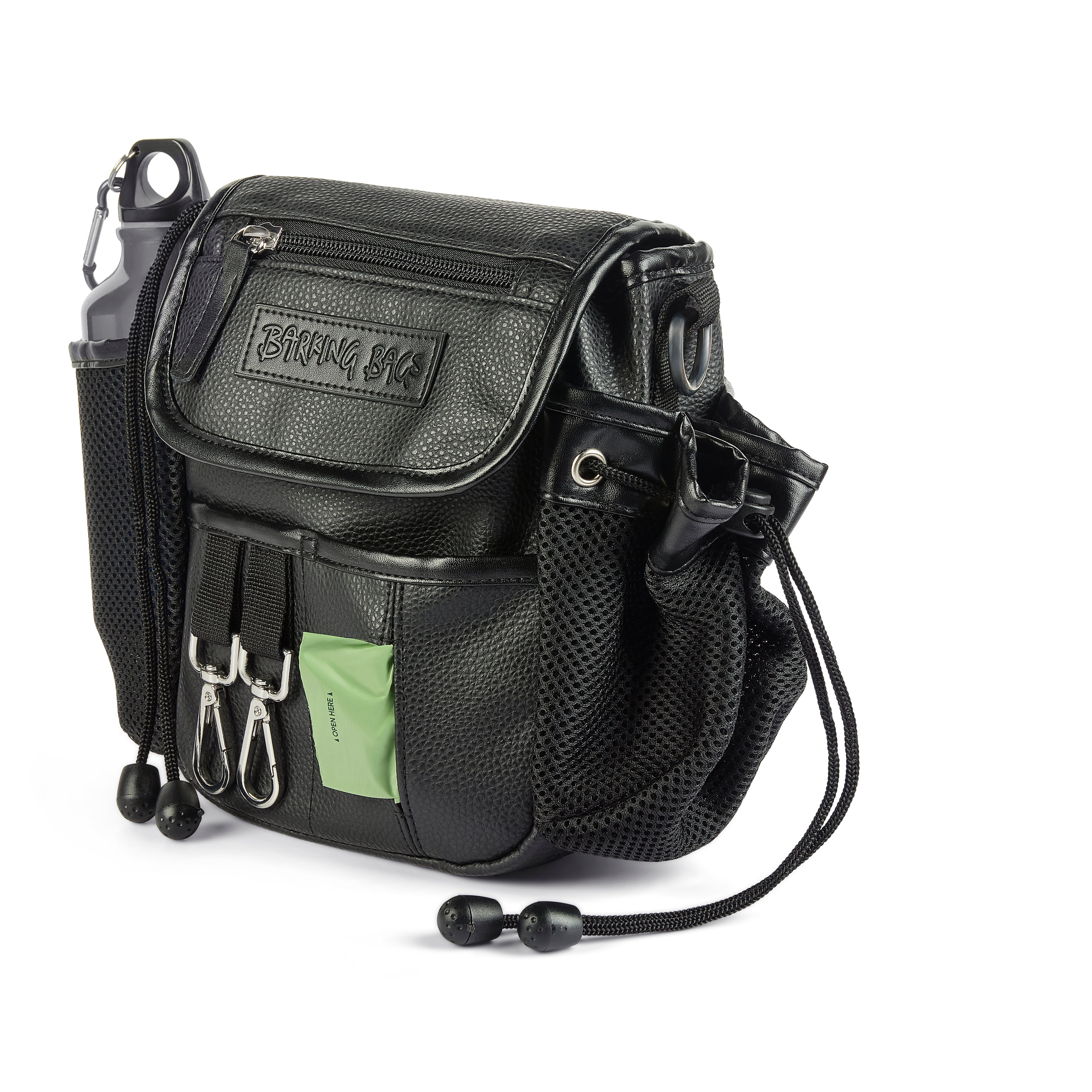

A dog that spots a treat half a second too late has usually already pulled, jumped or lost focus. Timing matters, especially on walks and during training, which is exactly why a proper treat bag for dogs earns its place so quickly. If treats are buried in a coat pocket, mixed in with keys or crumbling into the lining of your handbag, the whole routine feels harder than it needs to.
A good treat bag is not just a pouch with a clip. It is part of a smoother walking system. You get faster access, cleaner storage and less faffing about when your dog actually gets something right. For everyday owners, that means calmer walks. For trainers and professional walkers, it means consistency.
Why a treat bag for dogs makes such a difference
Treats are one of the simplest tools in dog ownership, but only when they are easy to reach. The moment you have to stop, unzip three pockets and dig around, you lose momentum. Dogs live in the moment, so your reward needs to arrive in that moment too.
That is where a dedicated treat bag changes things. It keeps rewards separate from your personal bits, stops greasy crumbs ending up everywhere and gives you one predictable place to reach every time. That sounds small, but on a wet Tuesday morning with a lead in one hand and a distracted dog in the other, small wins count.
There is also the hygiene side. Plenty of dog owners start off using pockets, then quickly realise they now have lint-covered treats and a coat that smells faintly of liver. A wipe-clean or washable treat compartment is simply more practical.
What to look for in a treat bag for dogs
The best option depends on how you walk, what you carry and whether treats are an occasional extra or a daily essential. There is no single perfect format for everyone, but there are a few features that make a real difference.
Easy one-handed access
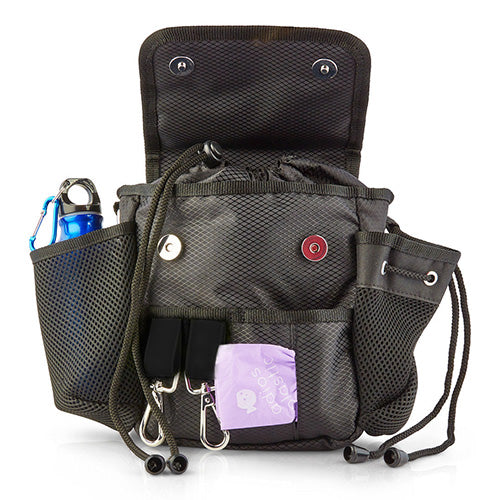
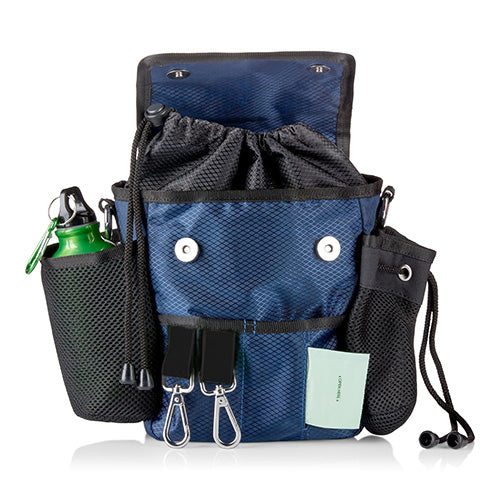
This is top of the list for a reason. If you need two hands to open the bag, it is going to be frustrating on the move. Look for an opening that stays structured enough to reach into quickly, but closes securely enough that treats do not spill as you walk.
For training sessions, fast access is everything. For casual walks, you might accept a slightly more secure closure if it keeps everything tidy. It depends how often you are rewarding and how active your walks are.
The right size for your routine
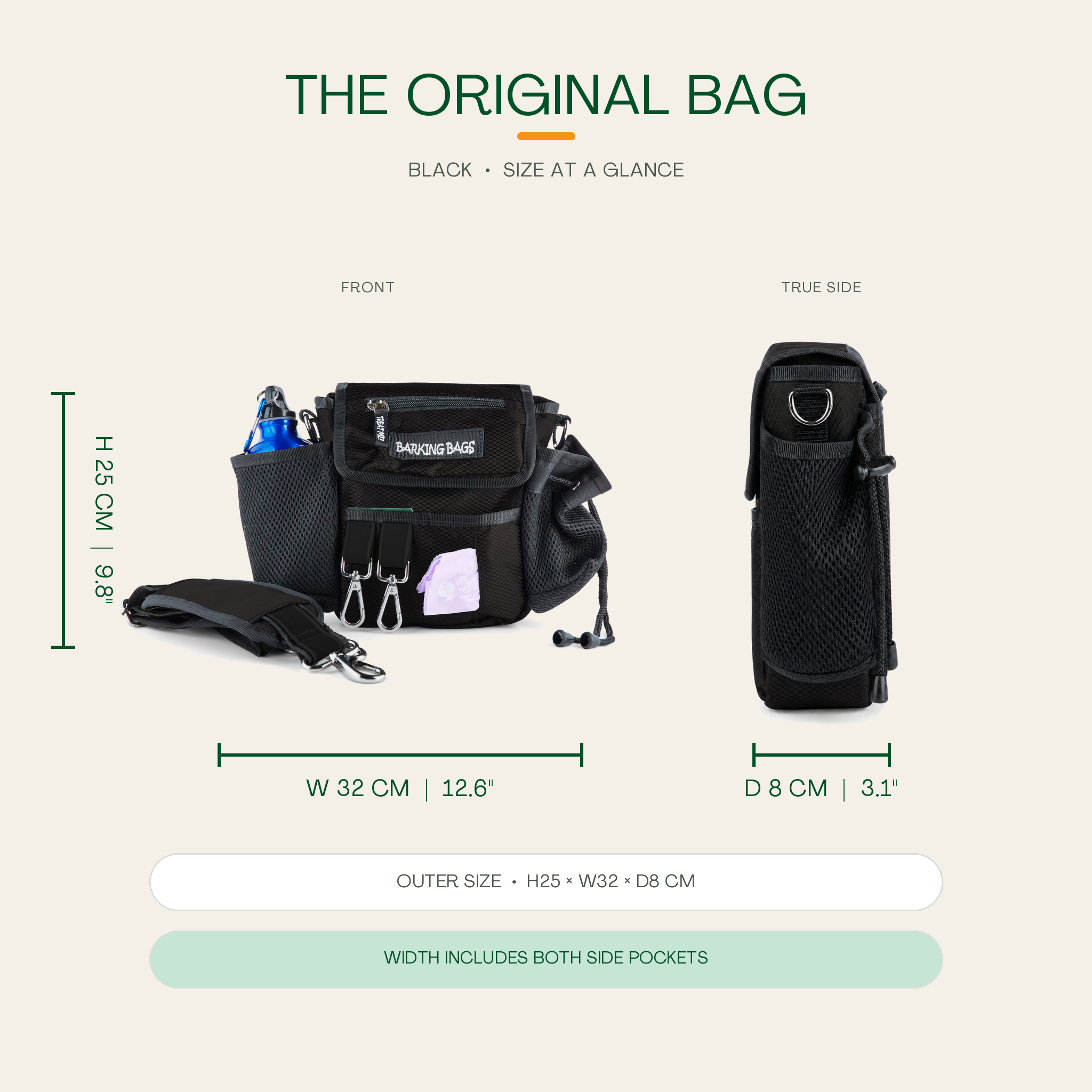
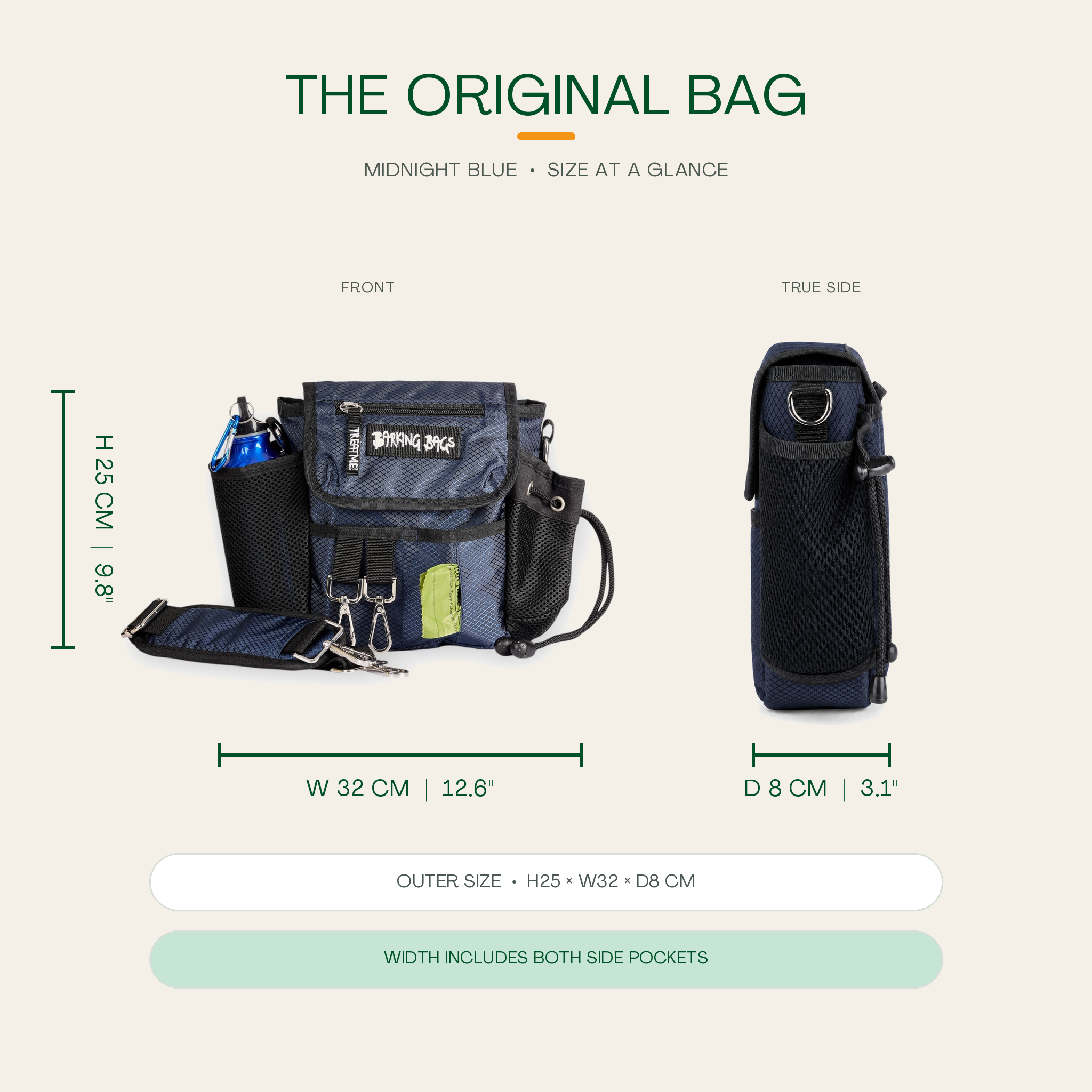
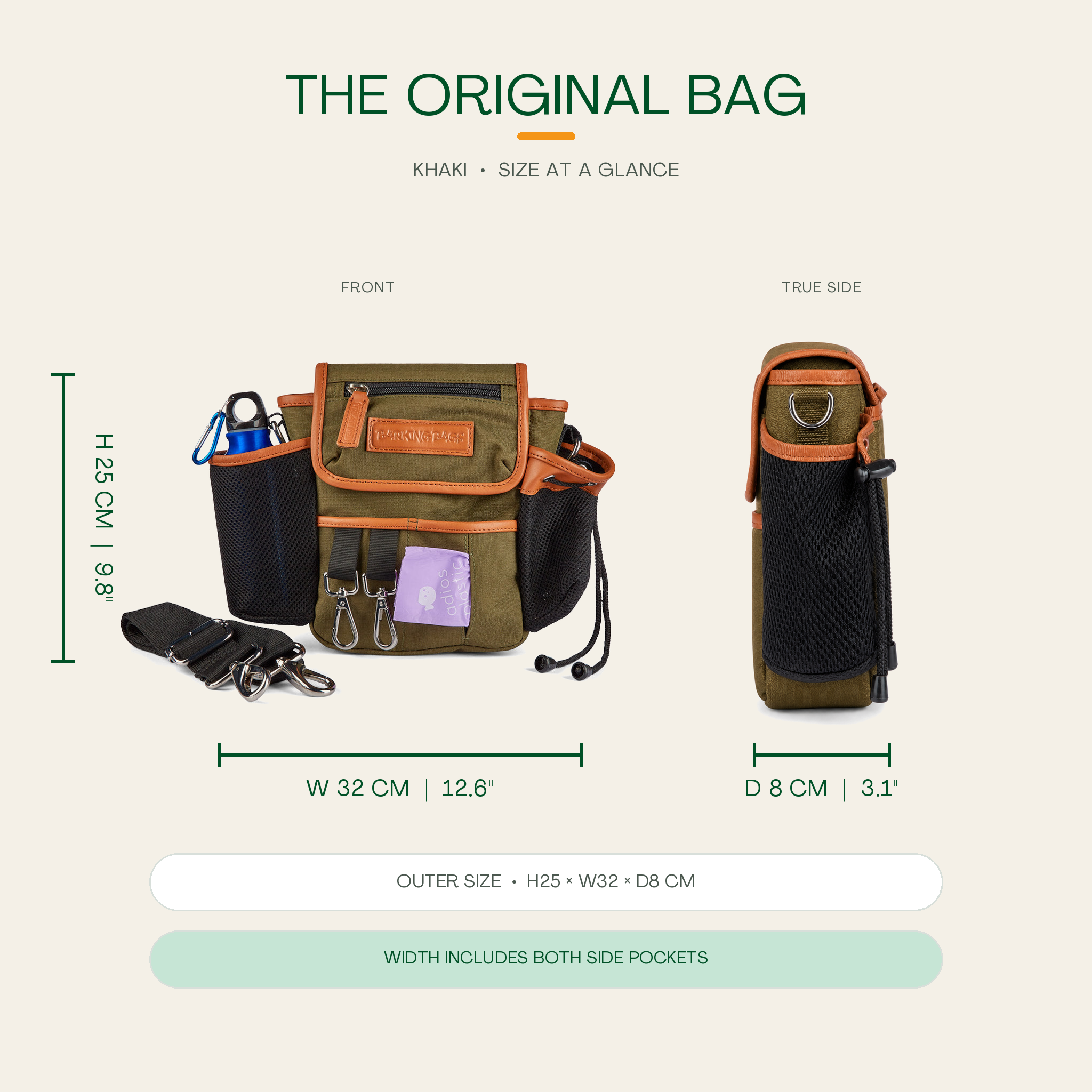
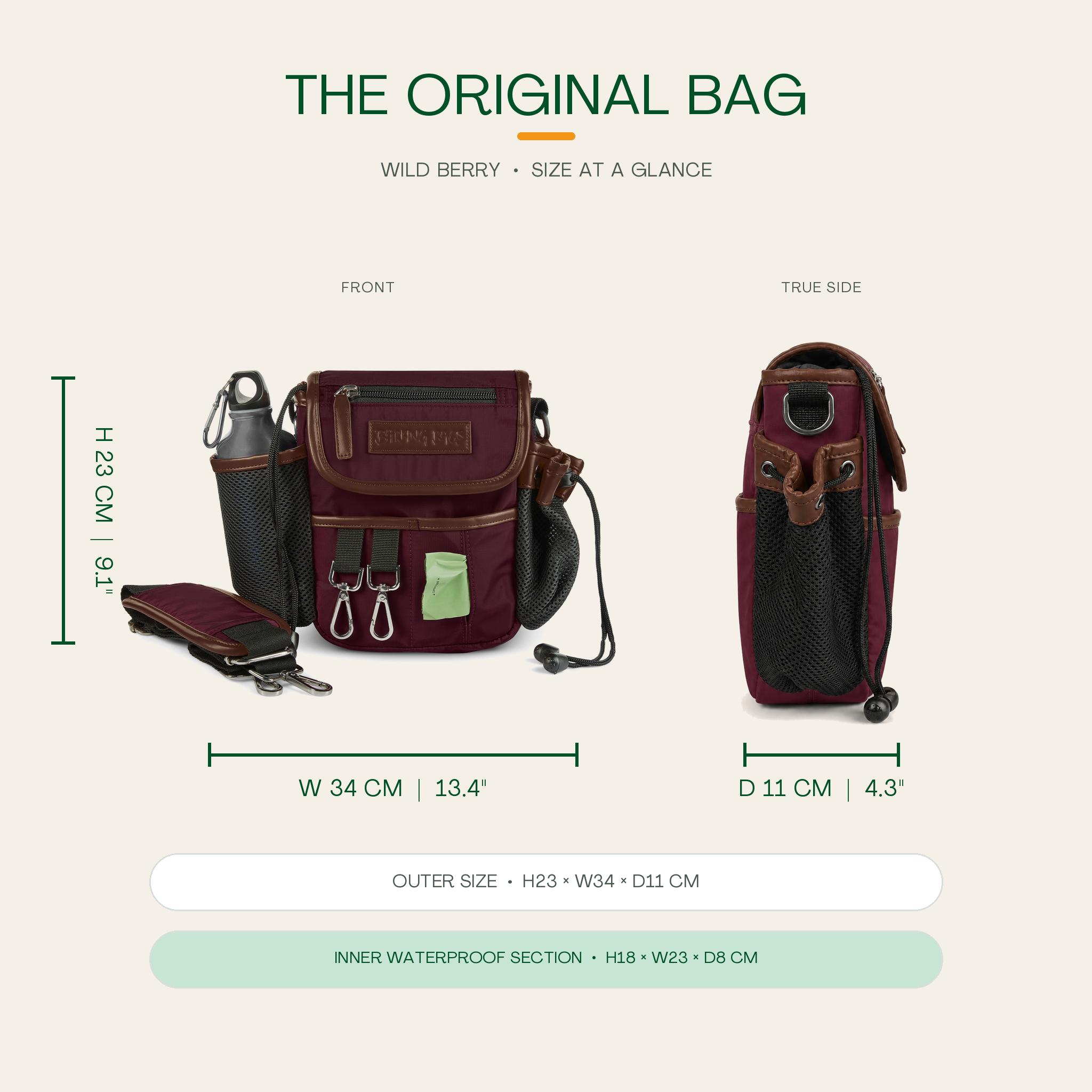
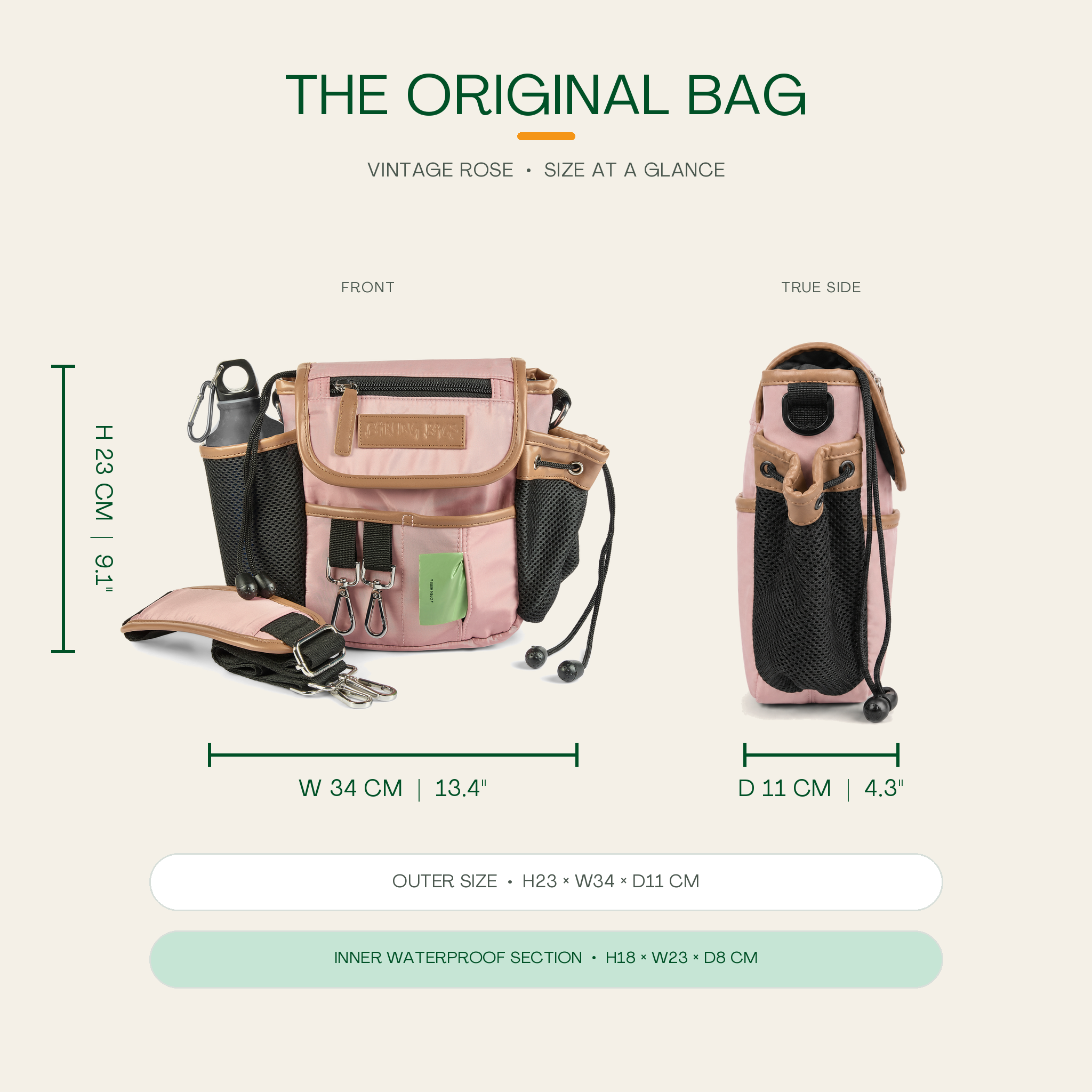
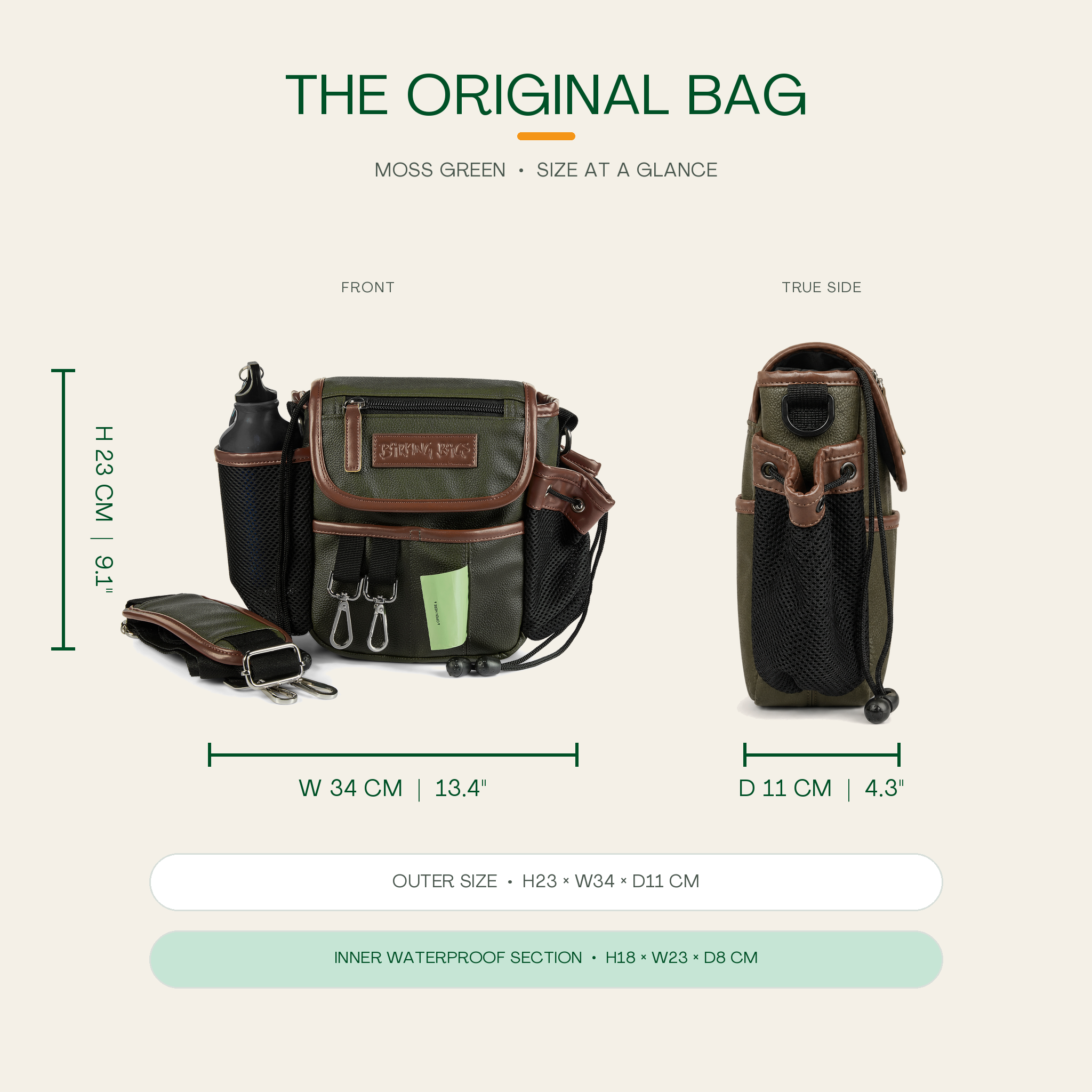
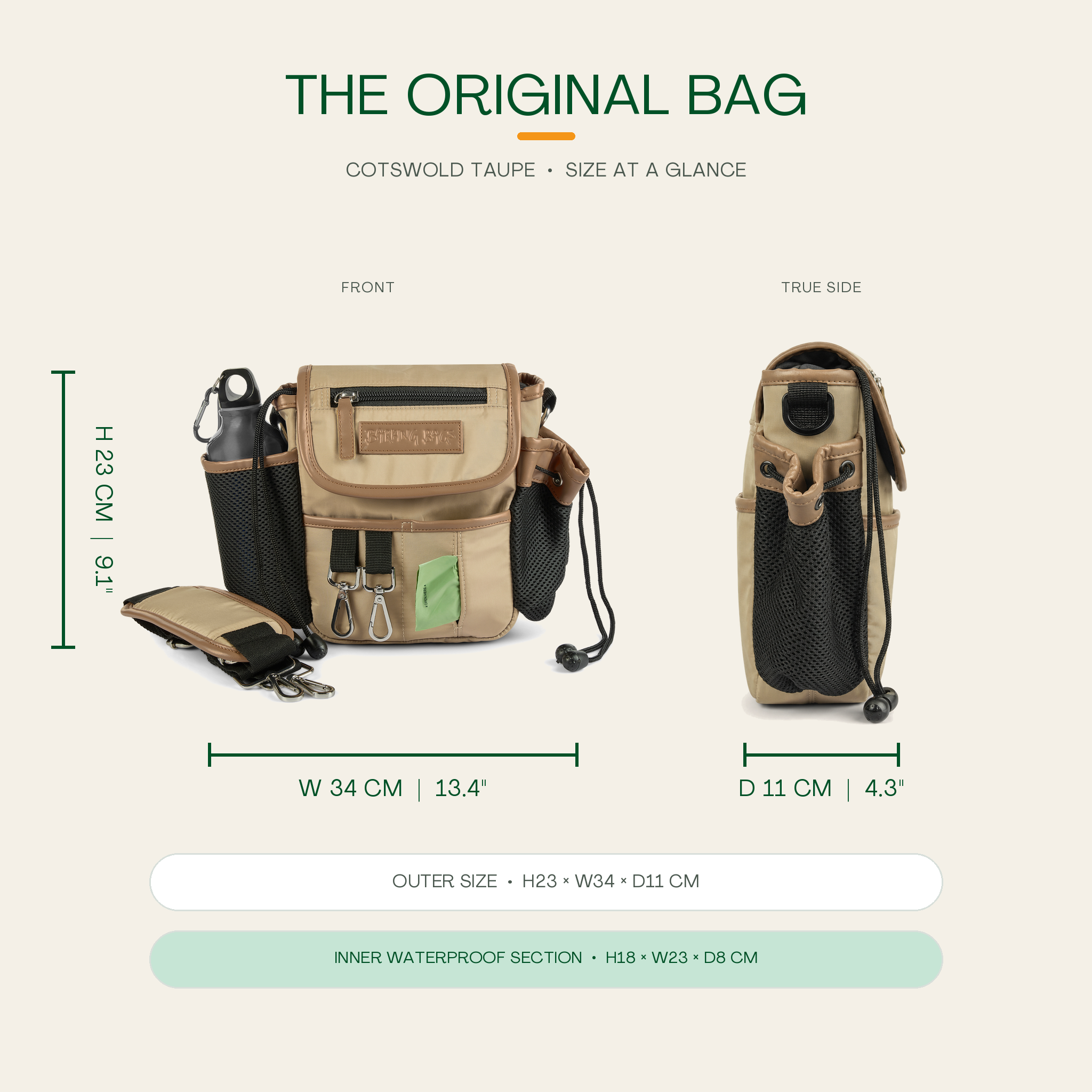
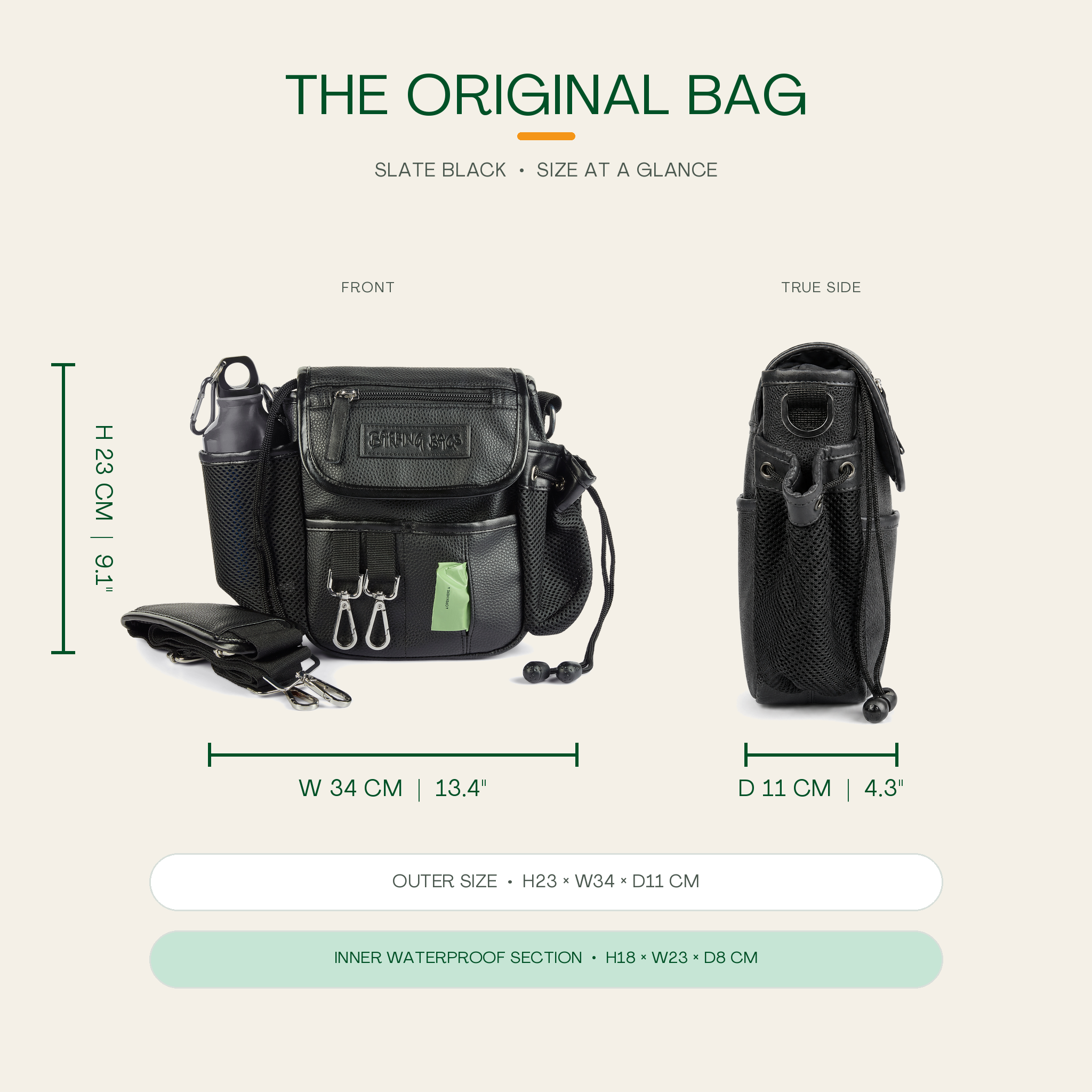
Bigger is not always better. A compact treat bag can be ideal for short walks, quick toilet trips and local training. It carries what you need without feeling bulky.
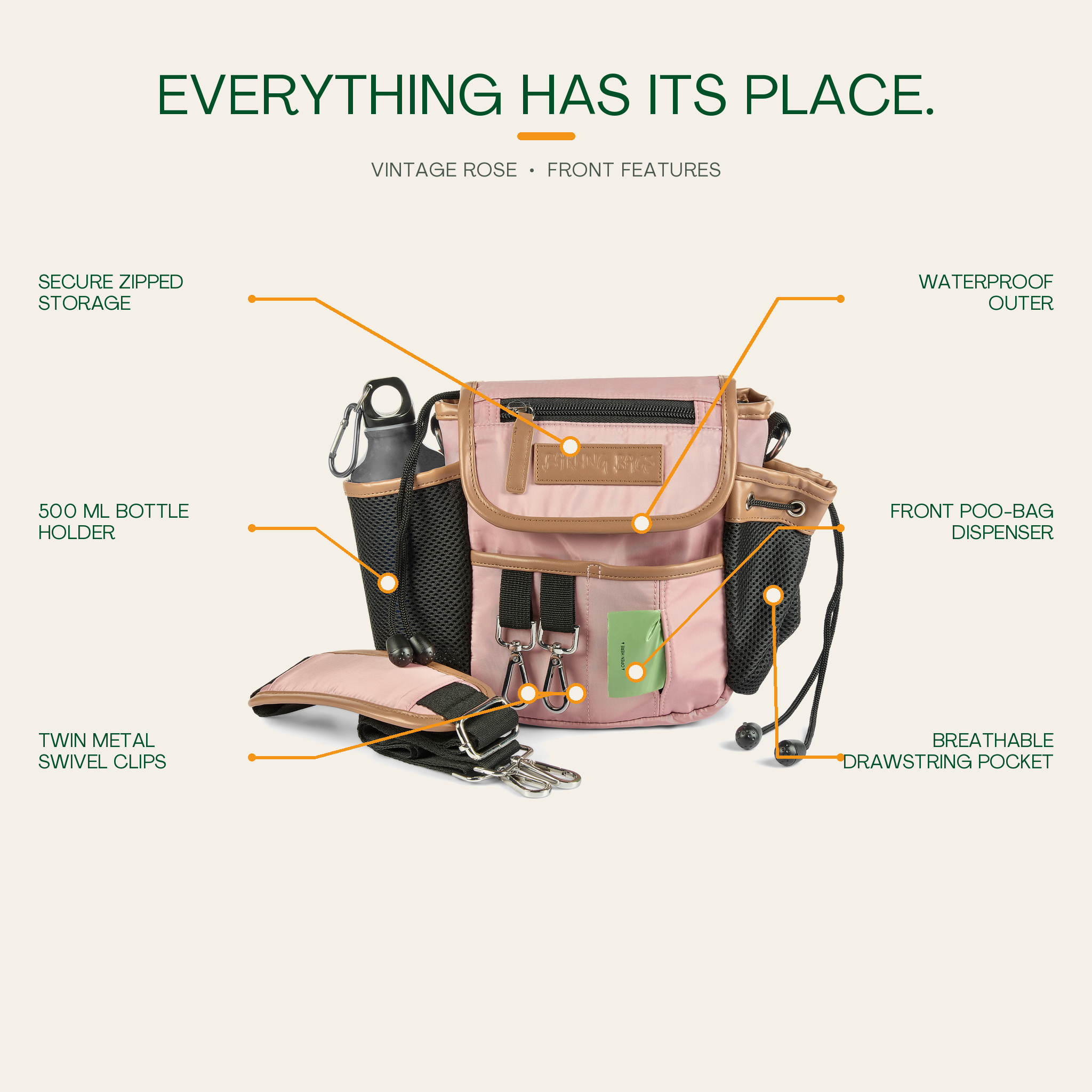
If you are out for longer stretches, walking multiple dogs or combining treats with poo bags, keys and your mobile phone, a tiny pouch may start to feel limiting. In that case, a larger dog walking bag with a treat-friendly section often makes more sense than trying to squeeze everything into one small compartment.
Secure attachment
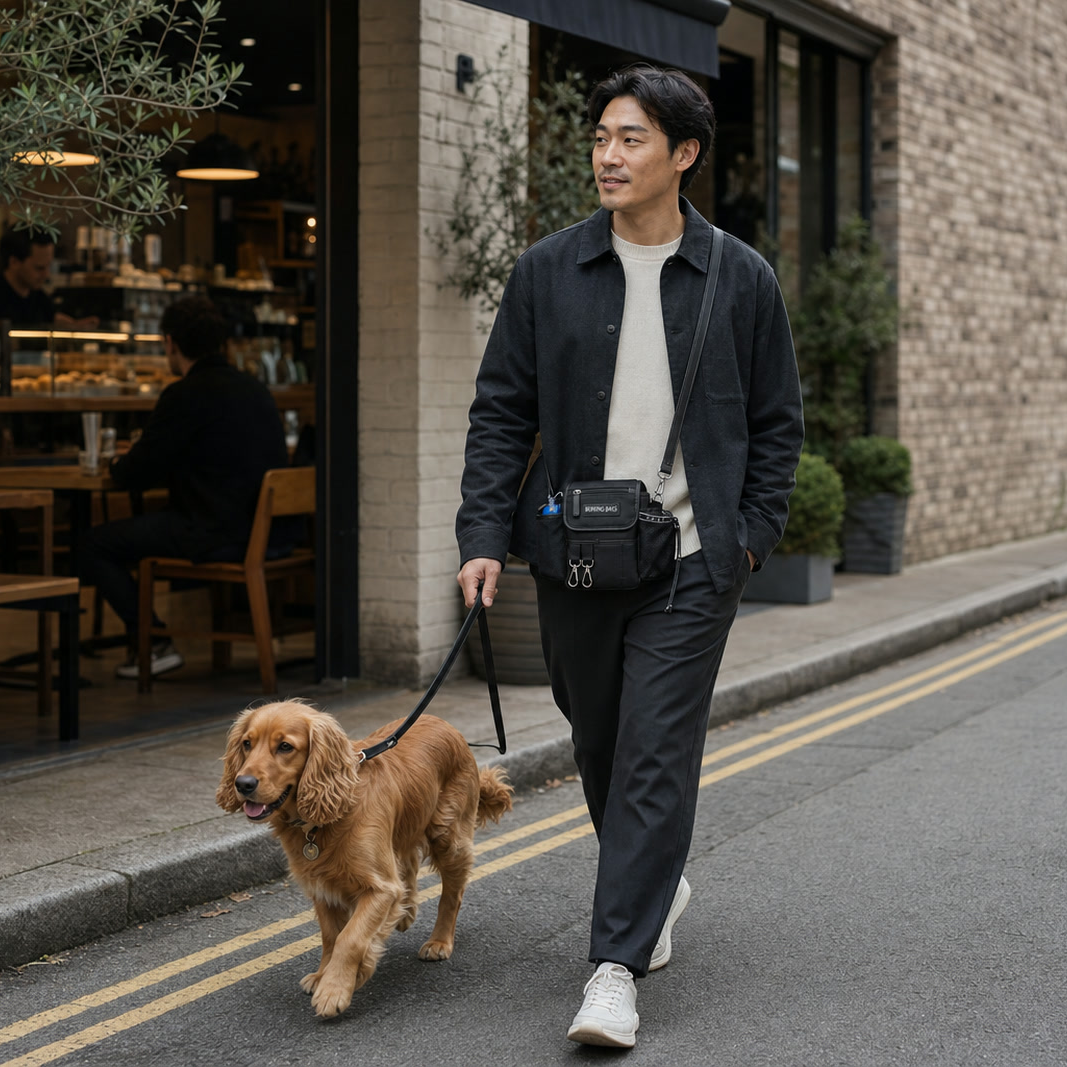
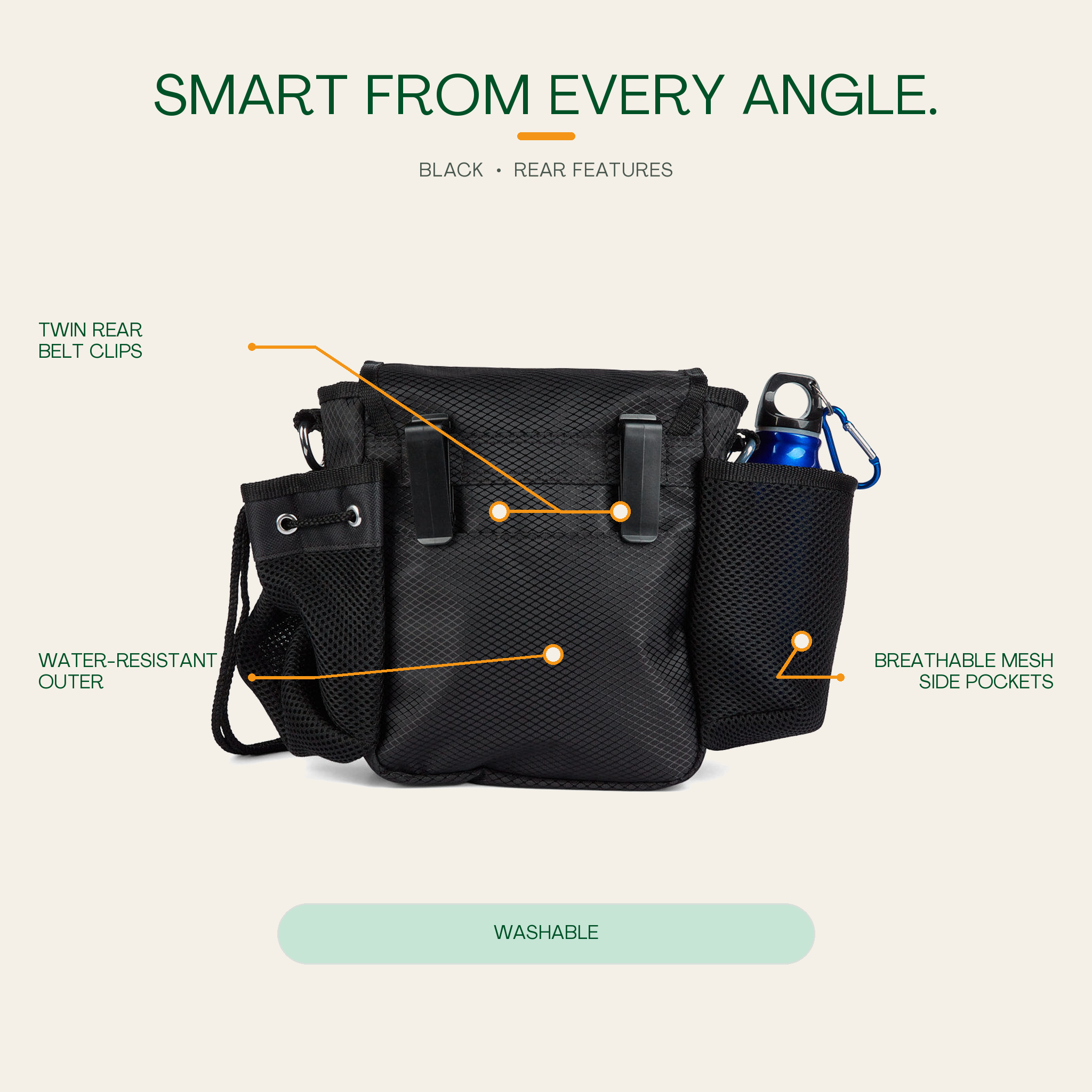
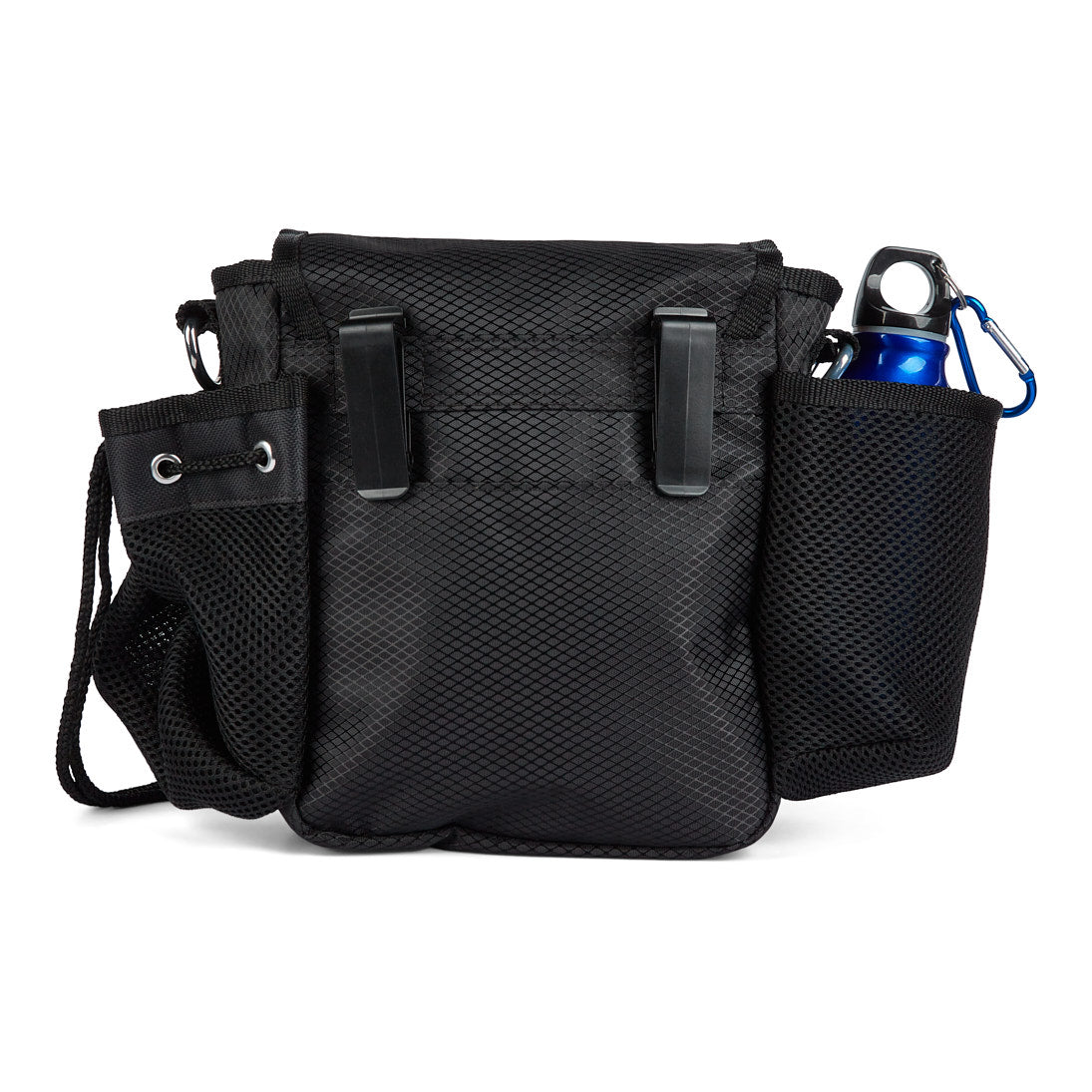
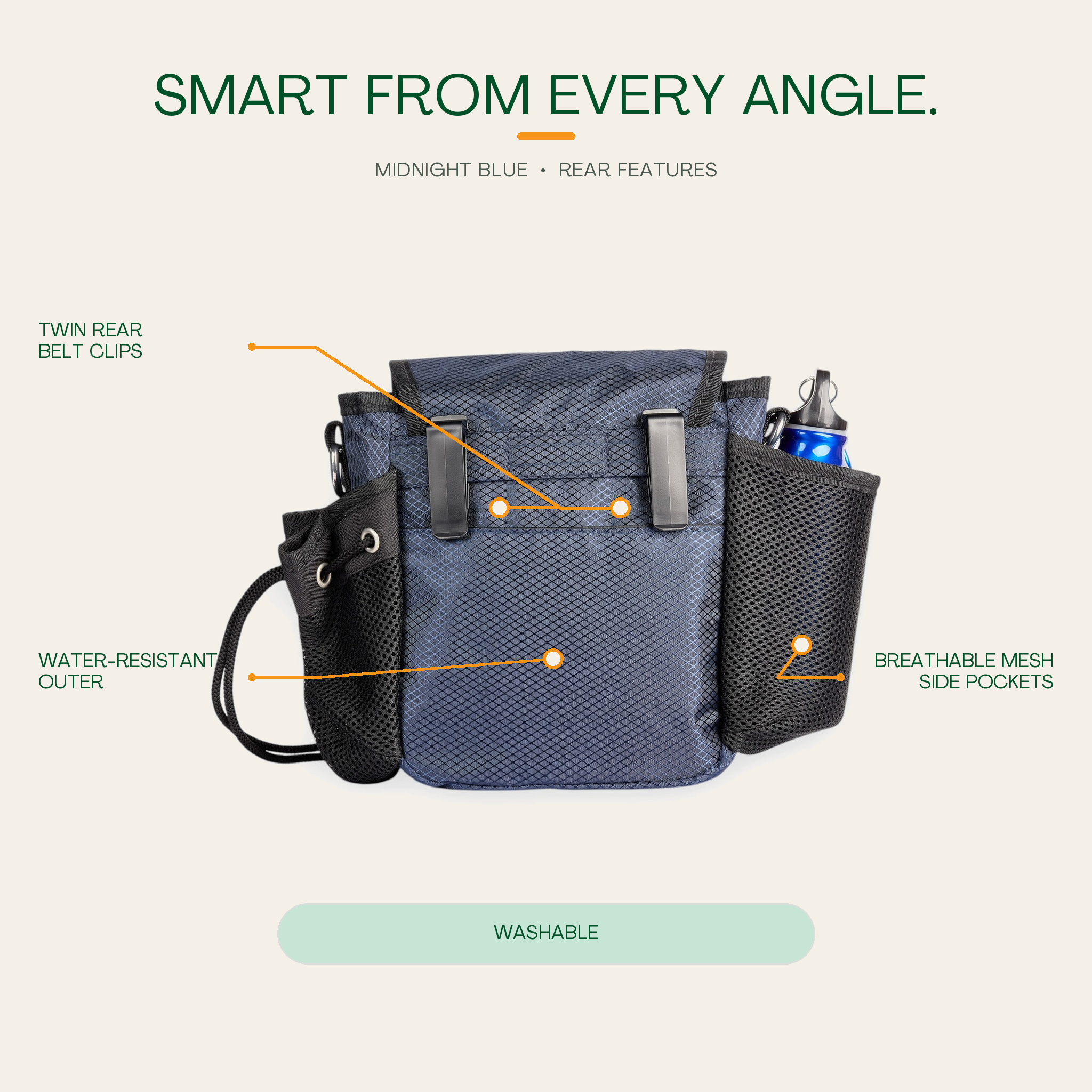
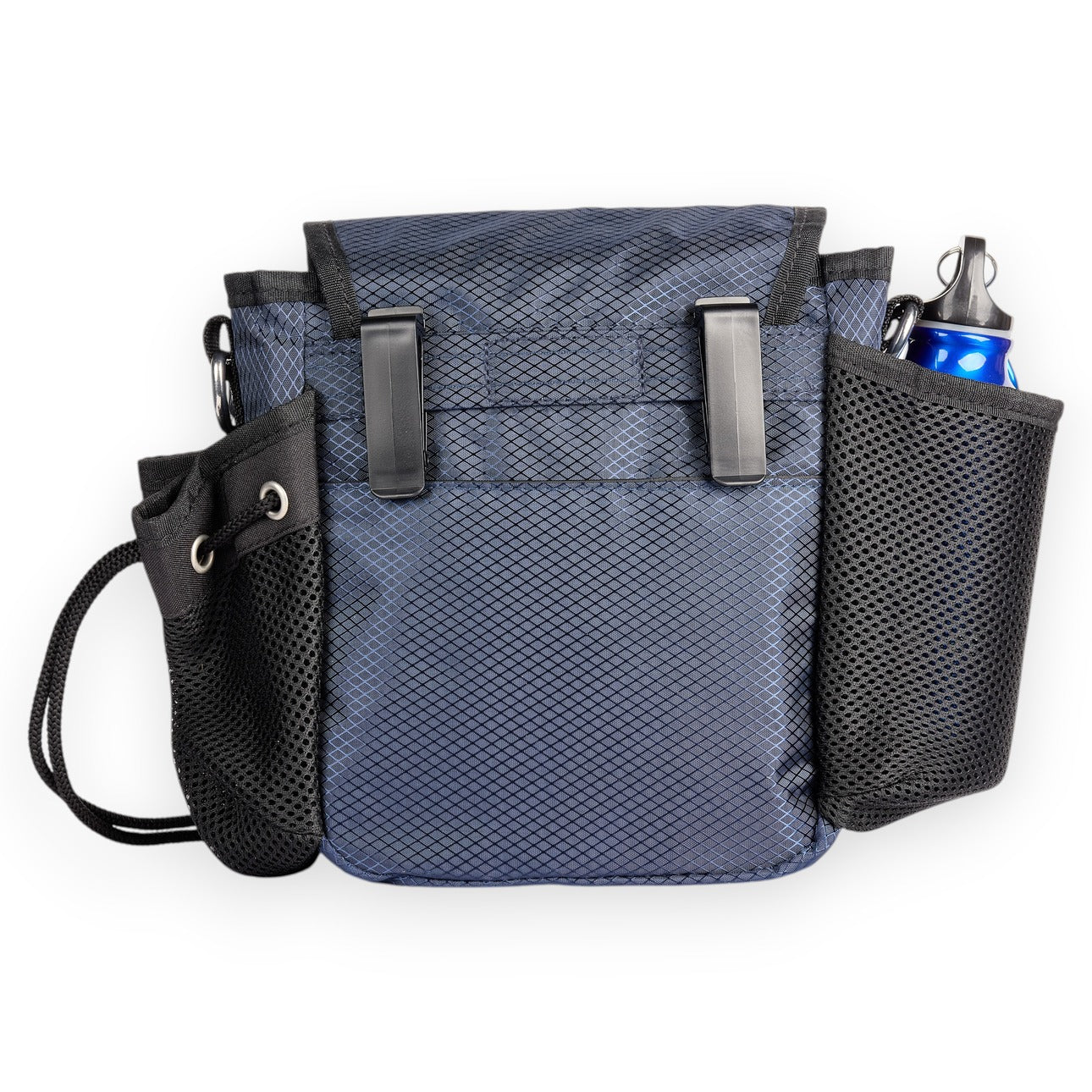
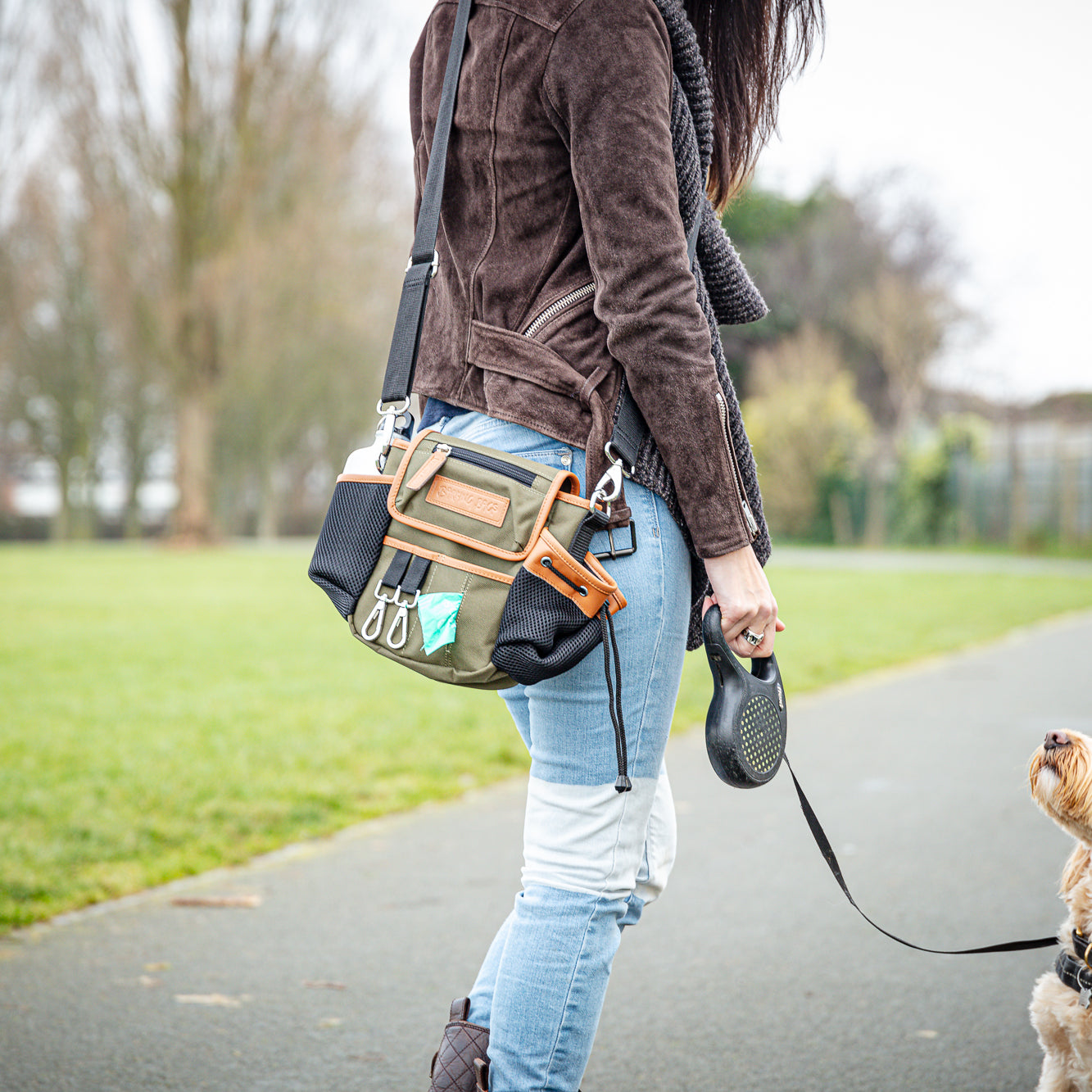
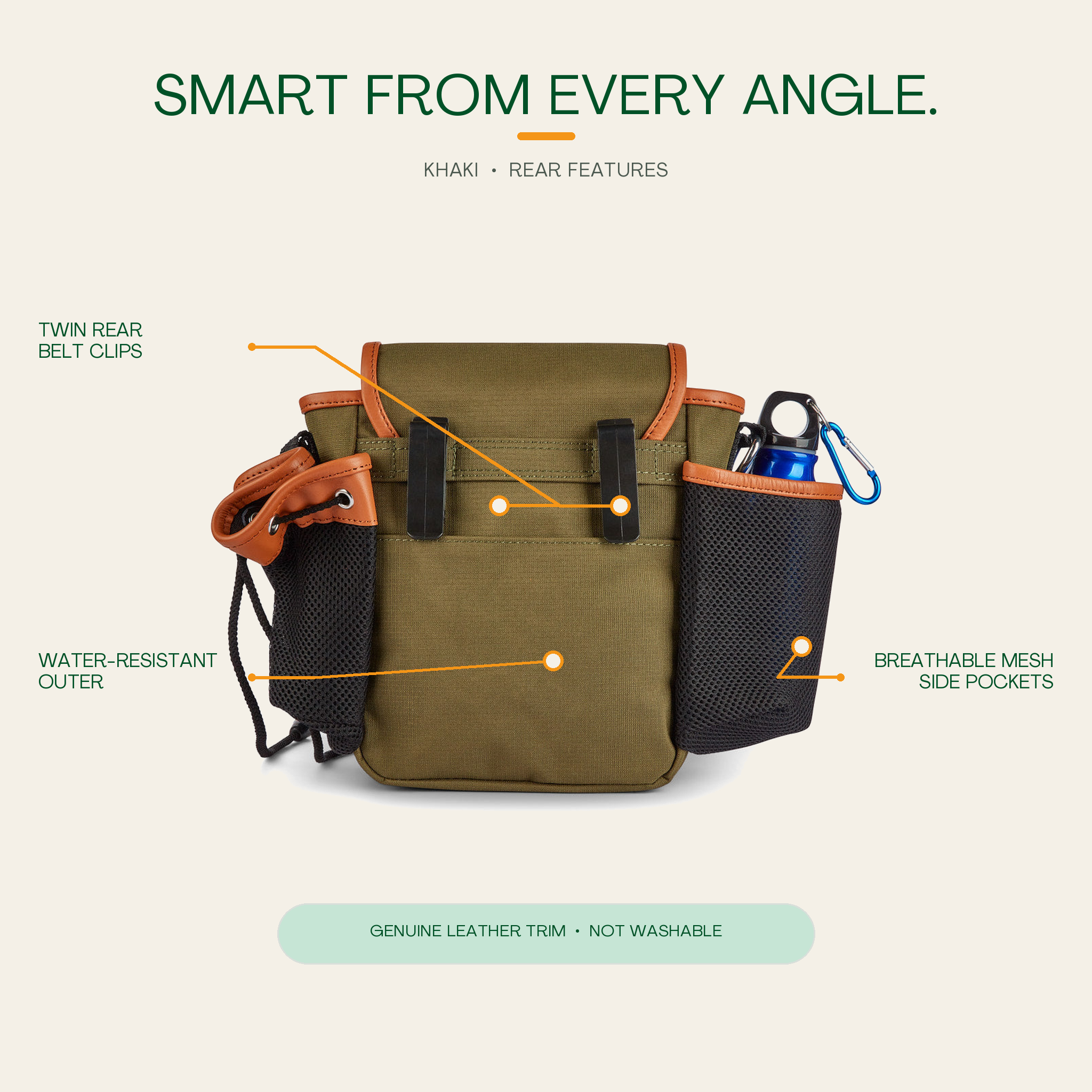
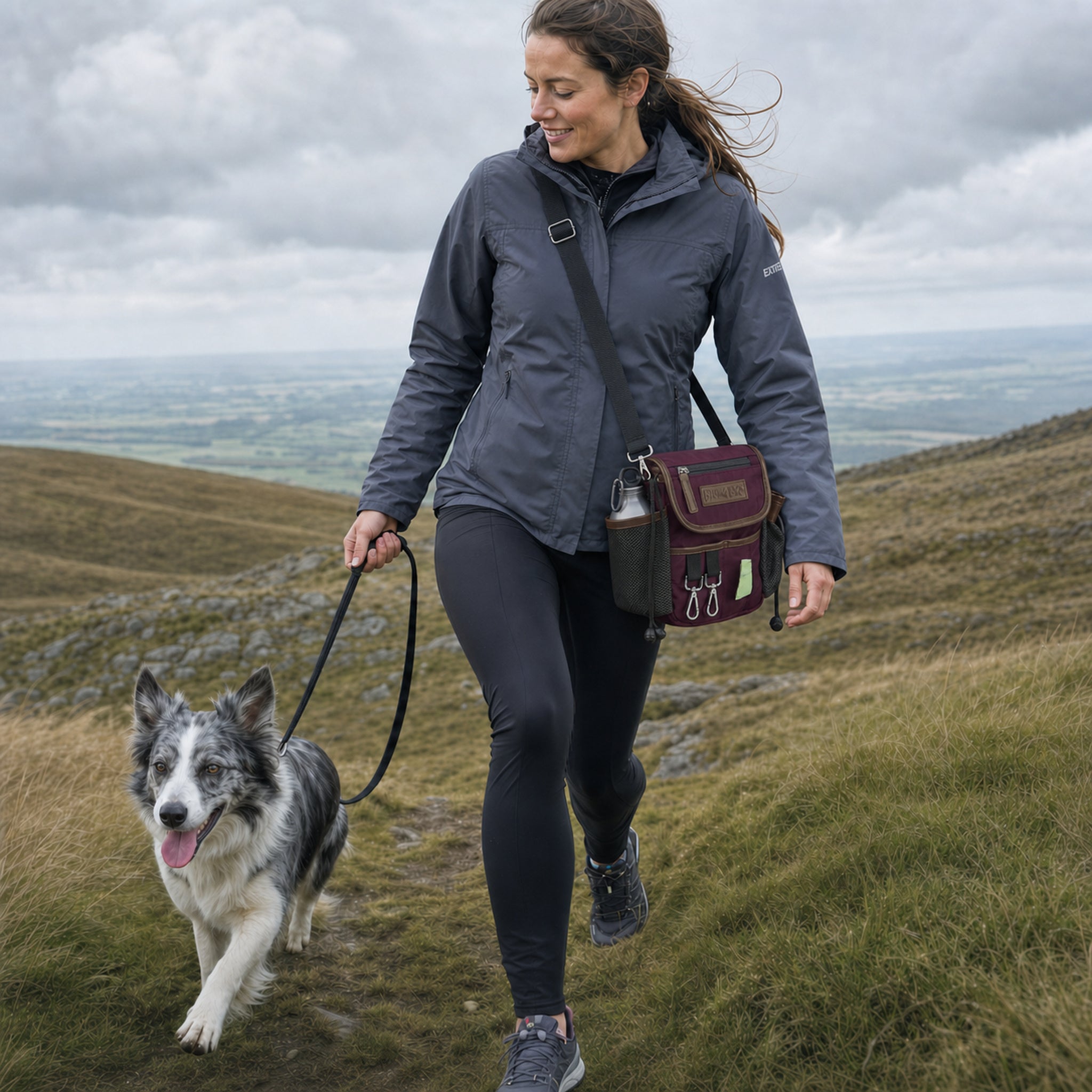
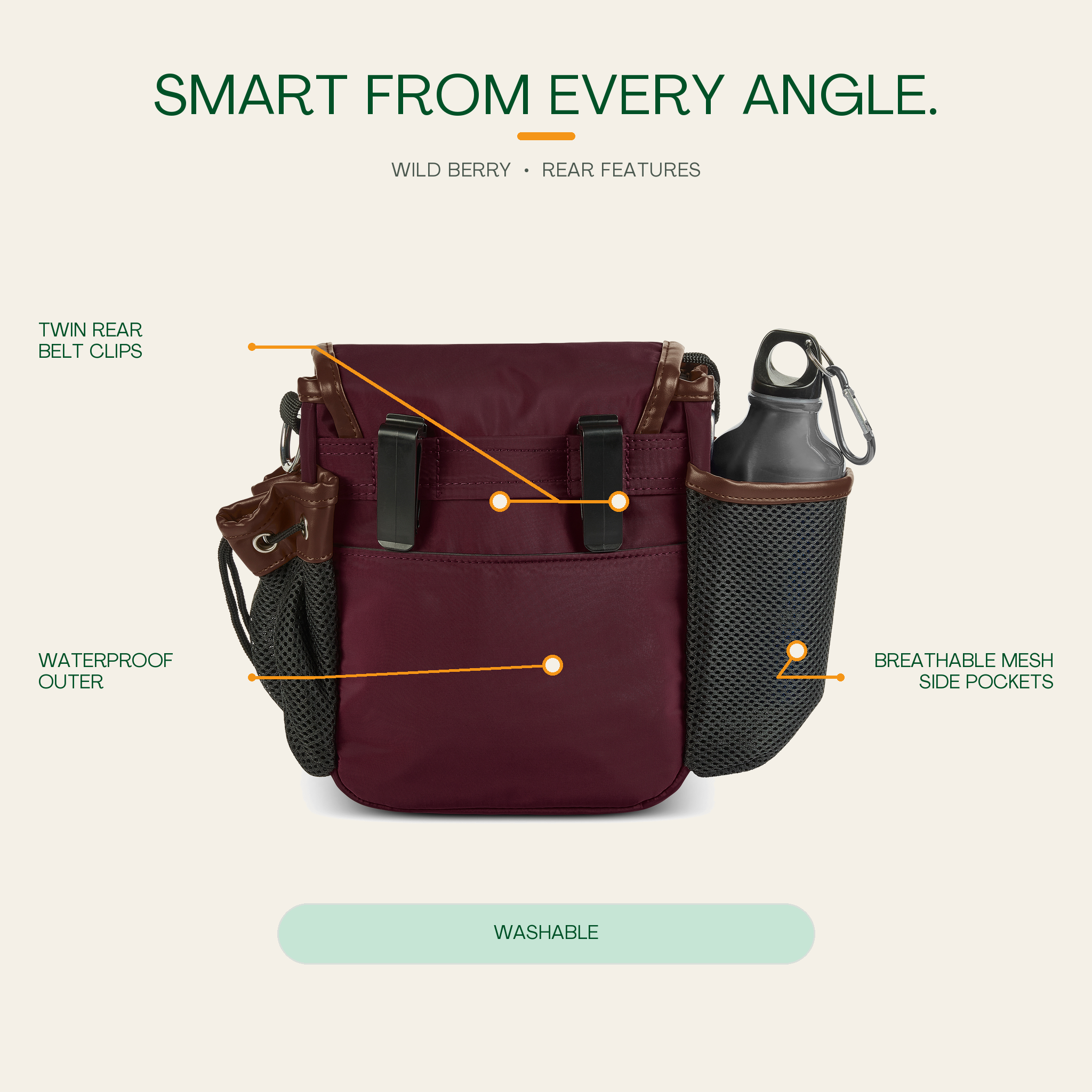
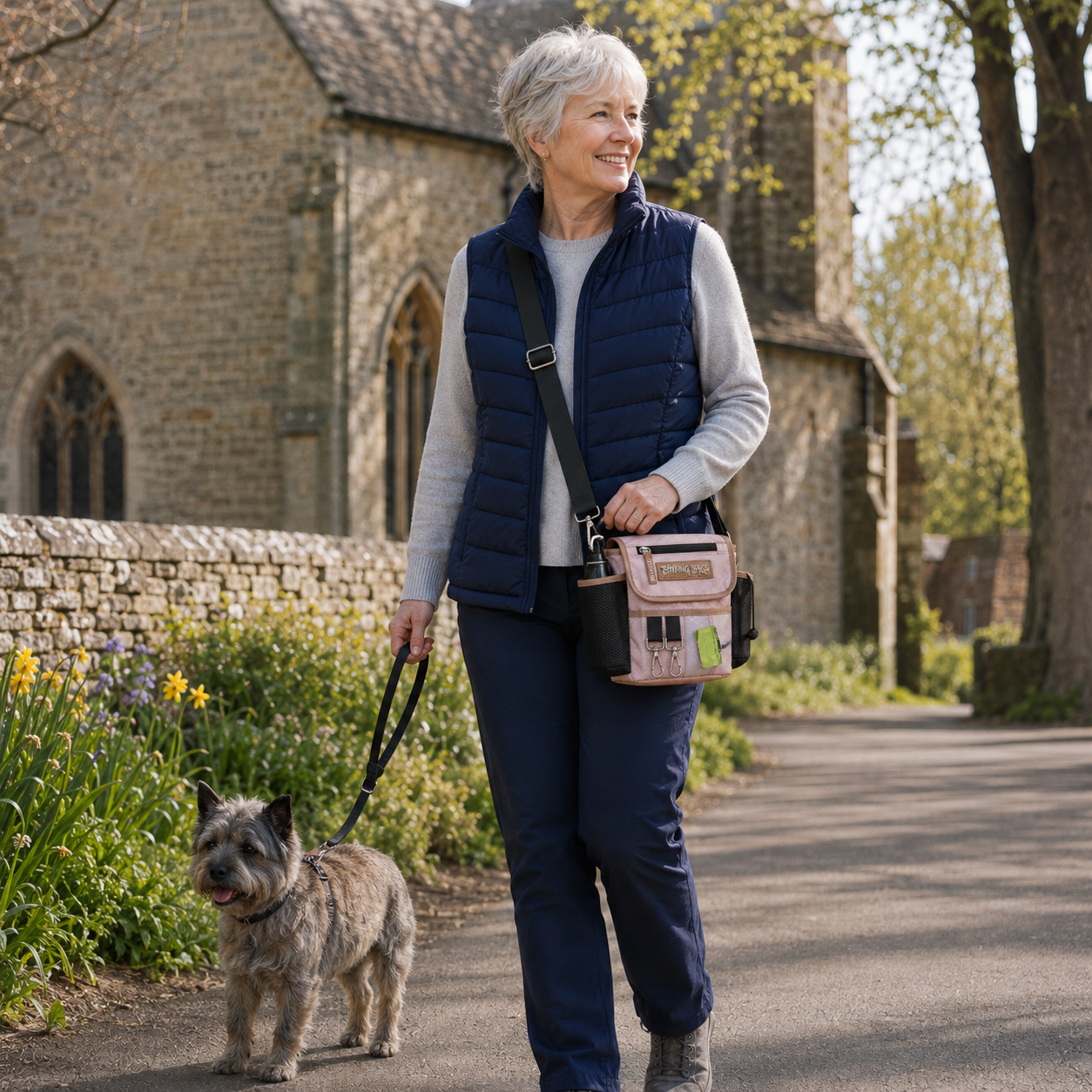
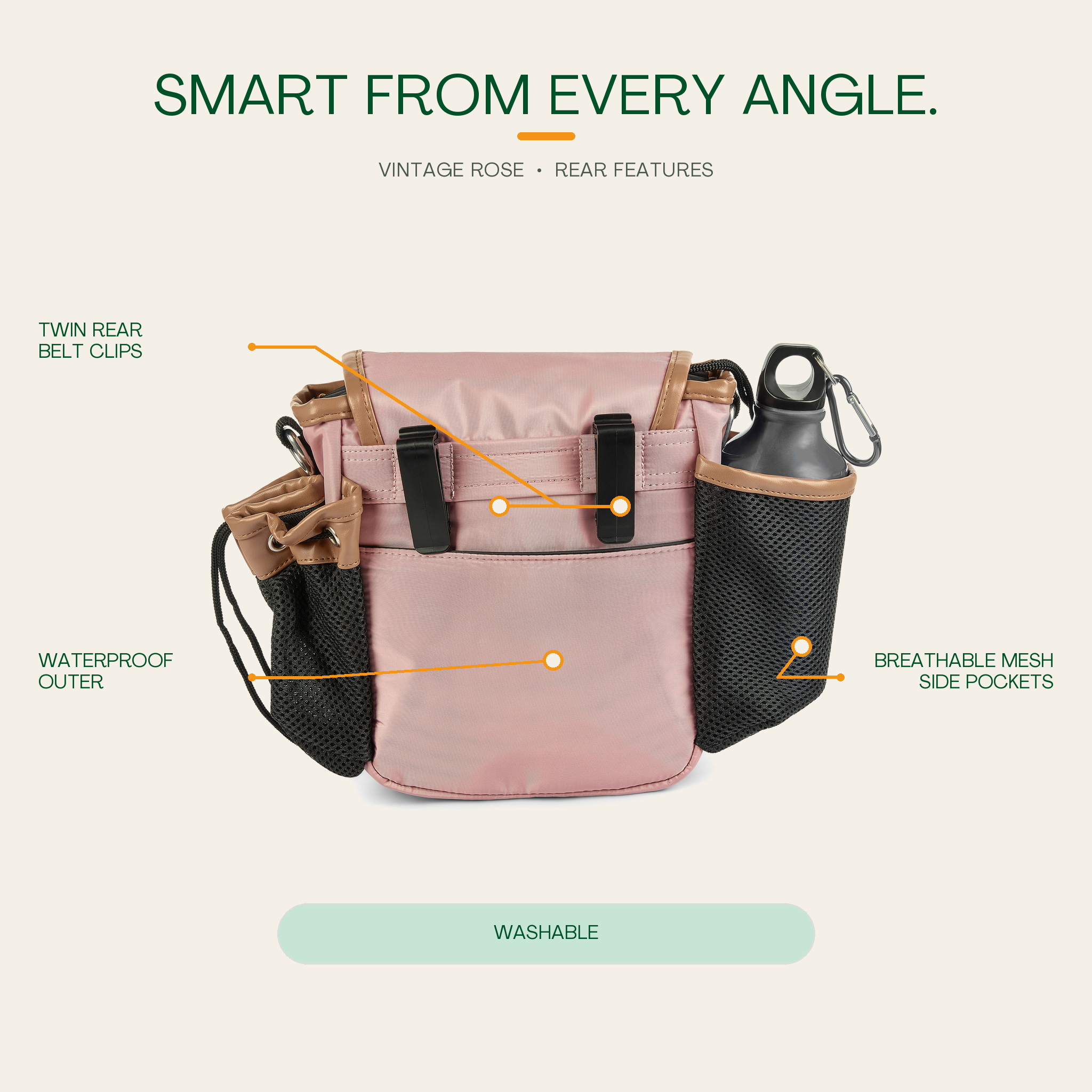
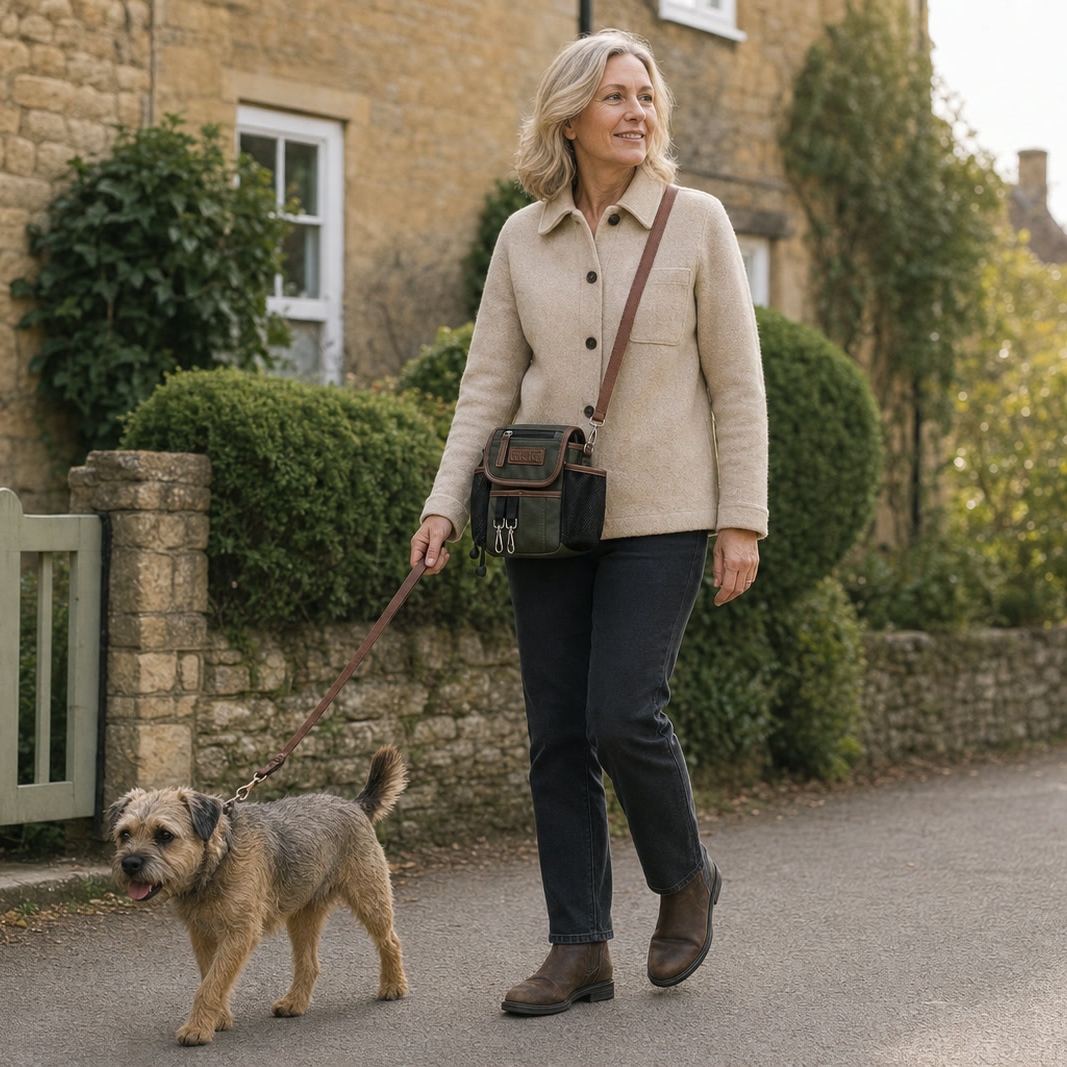
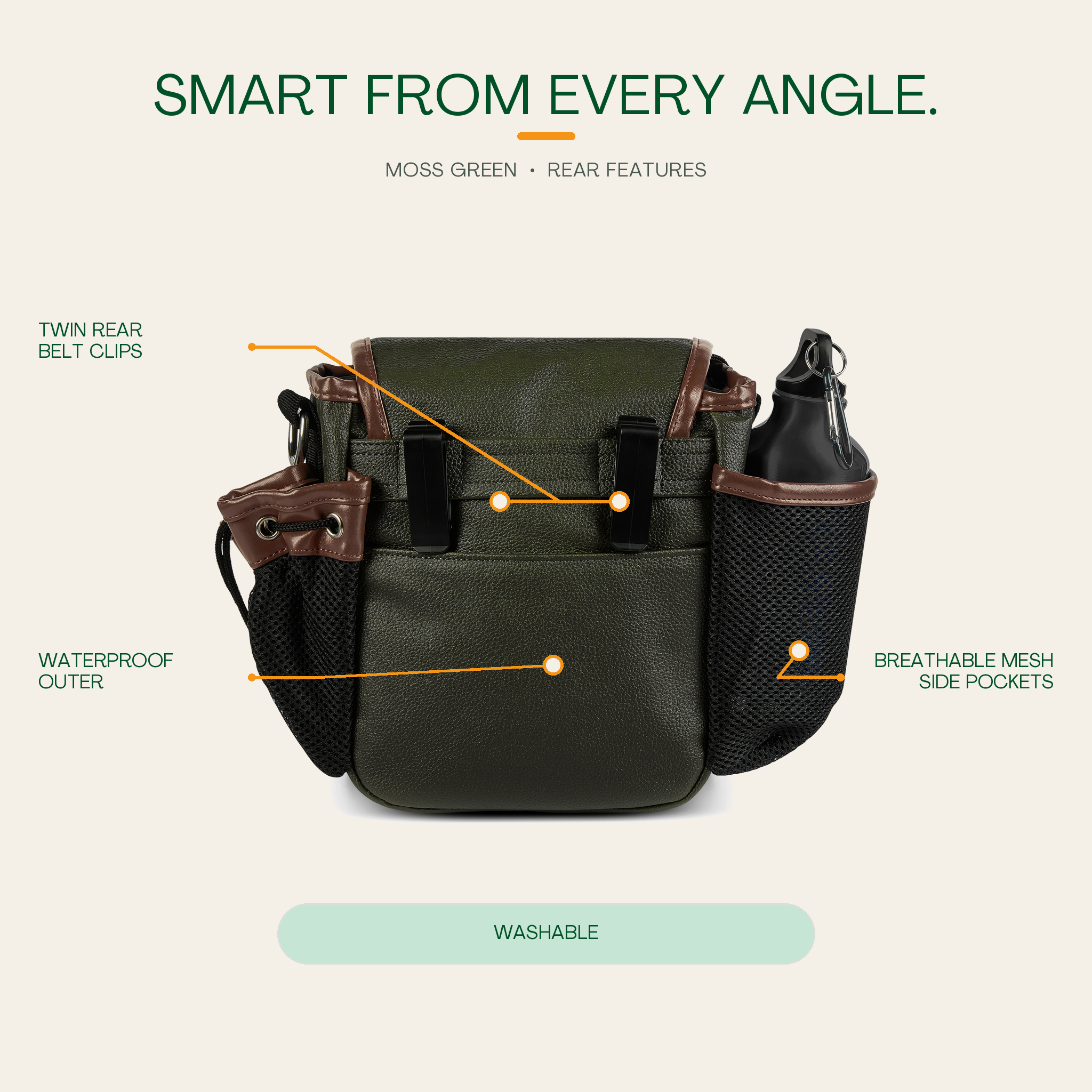
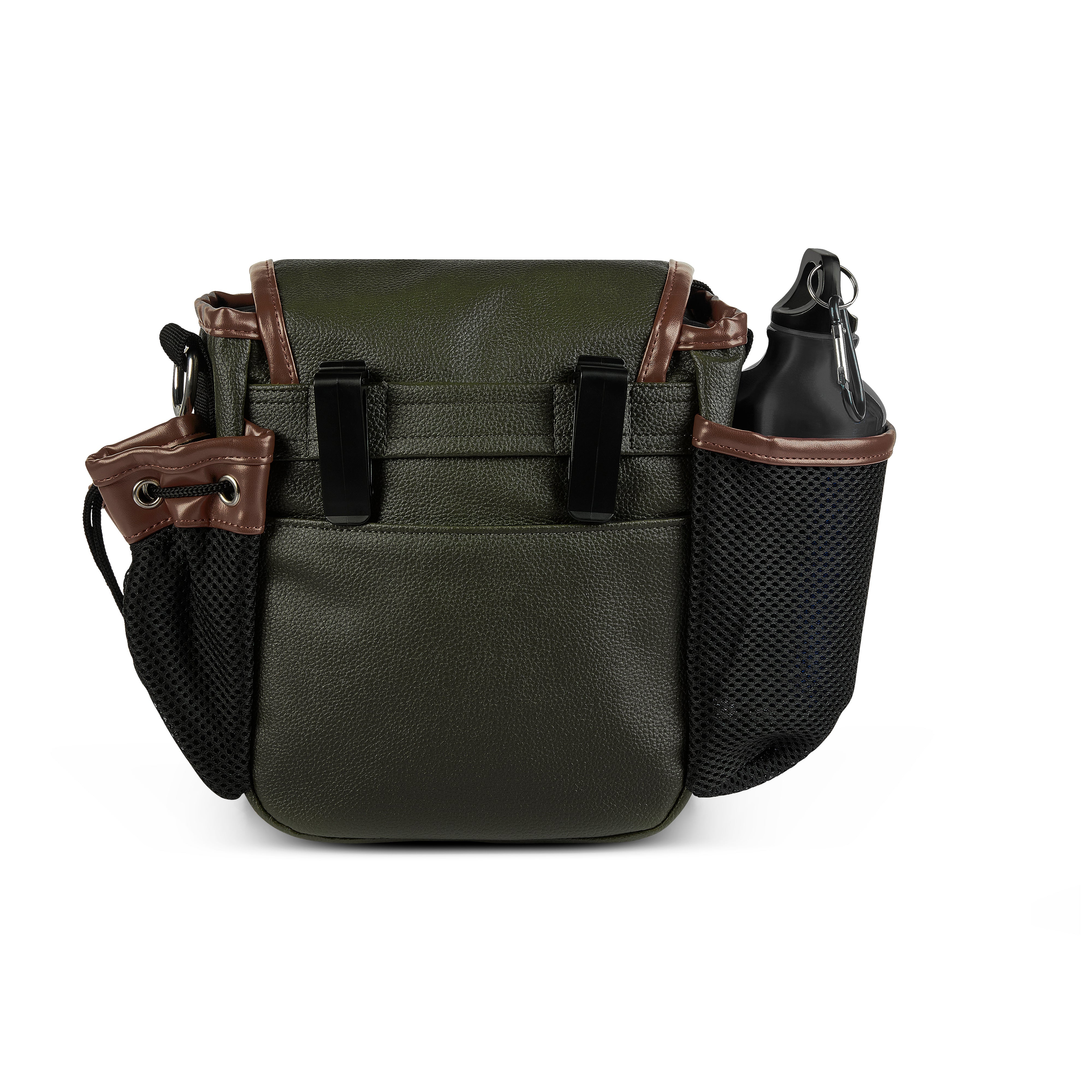
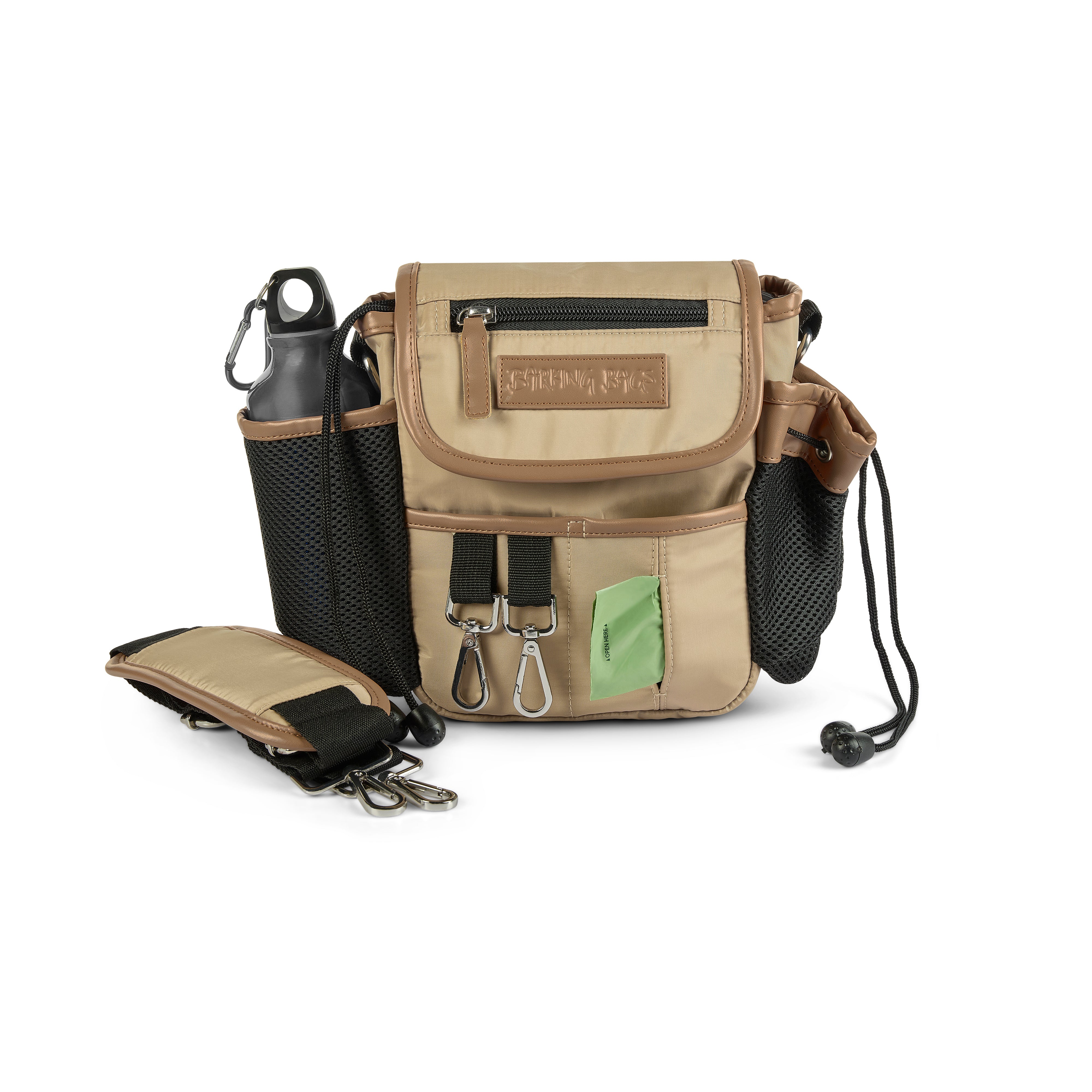
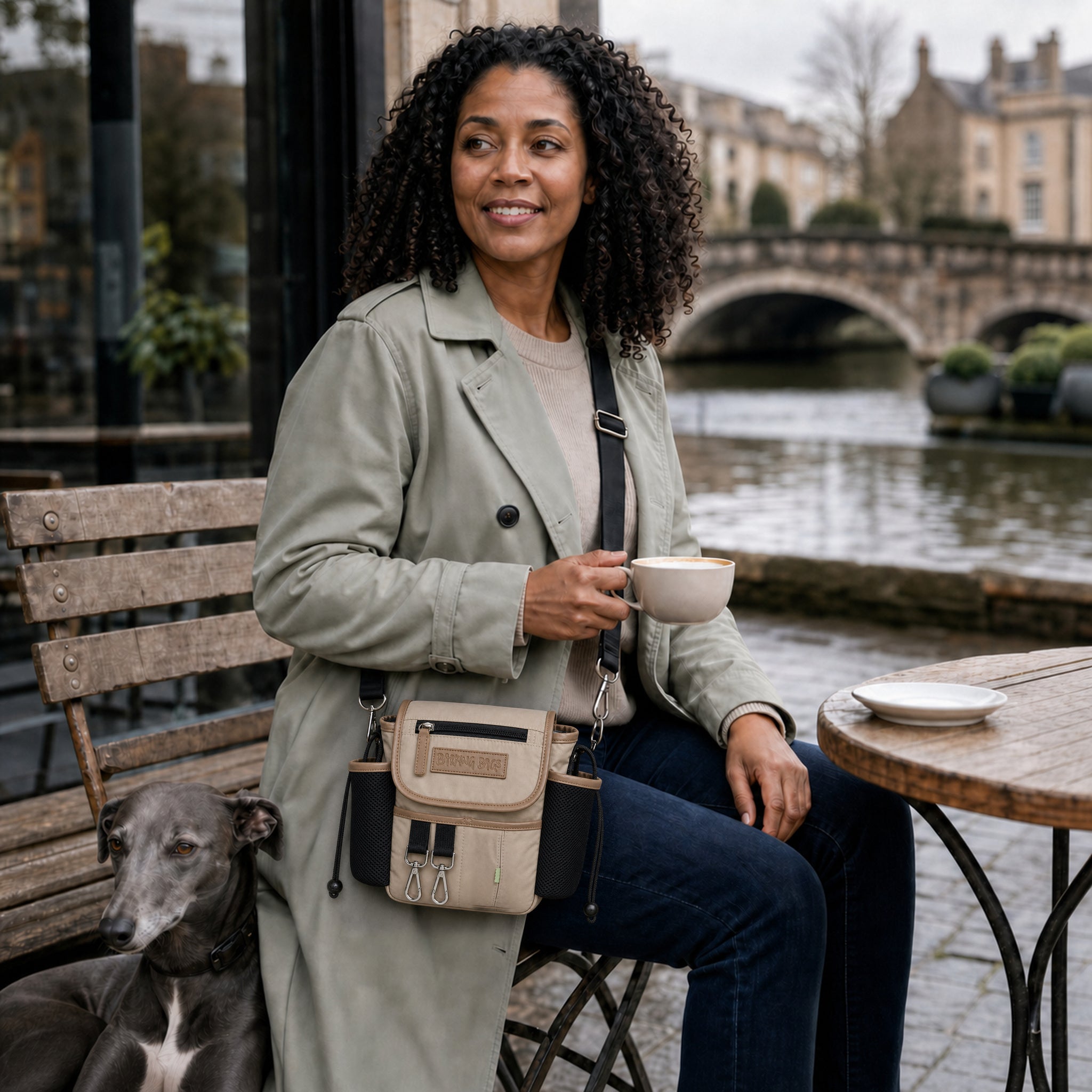
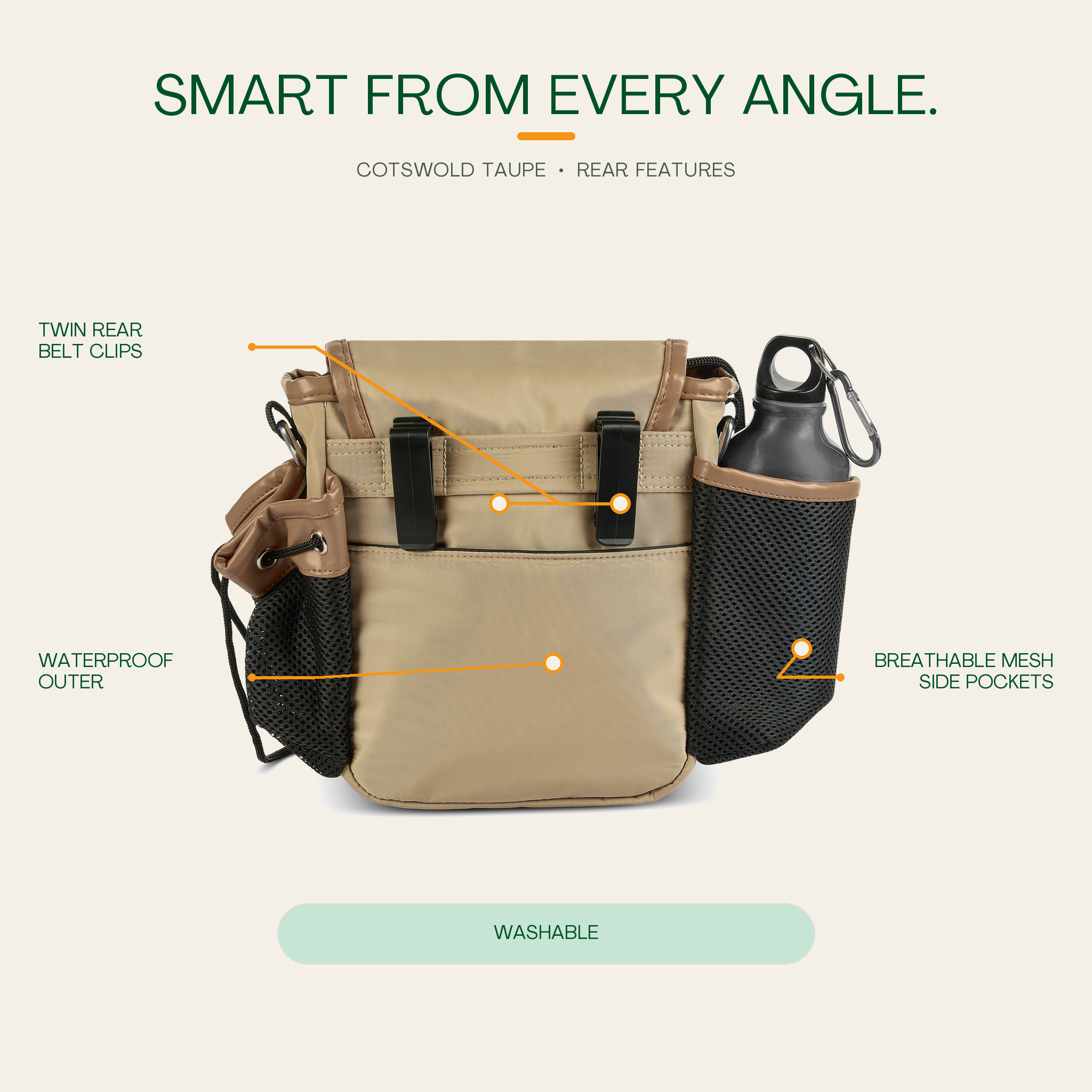
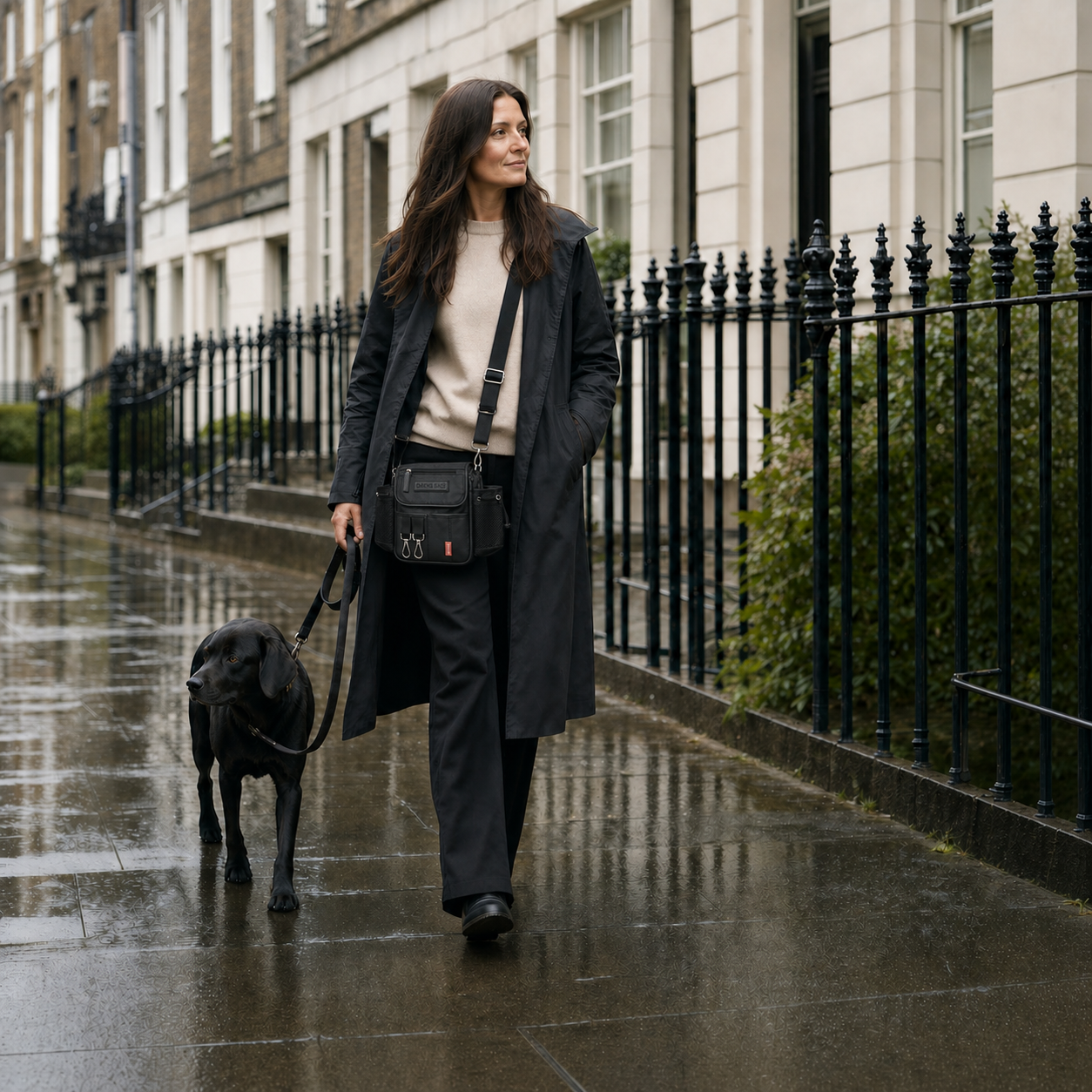
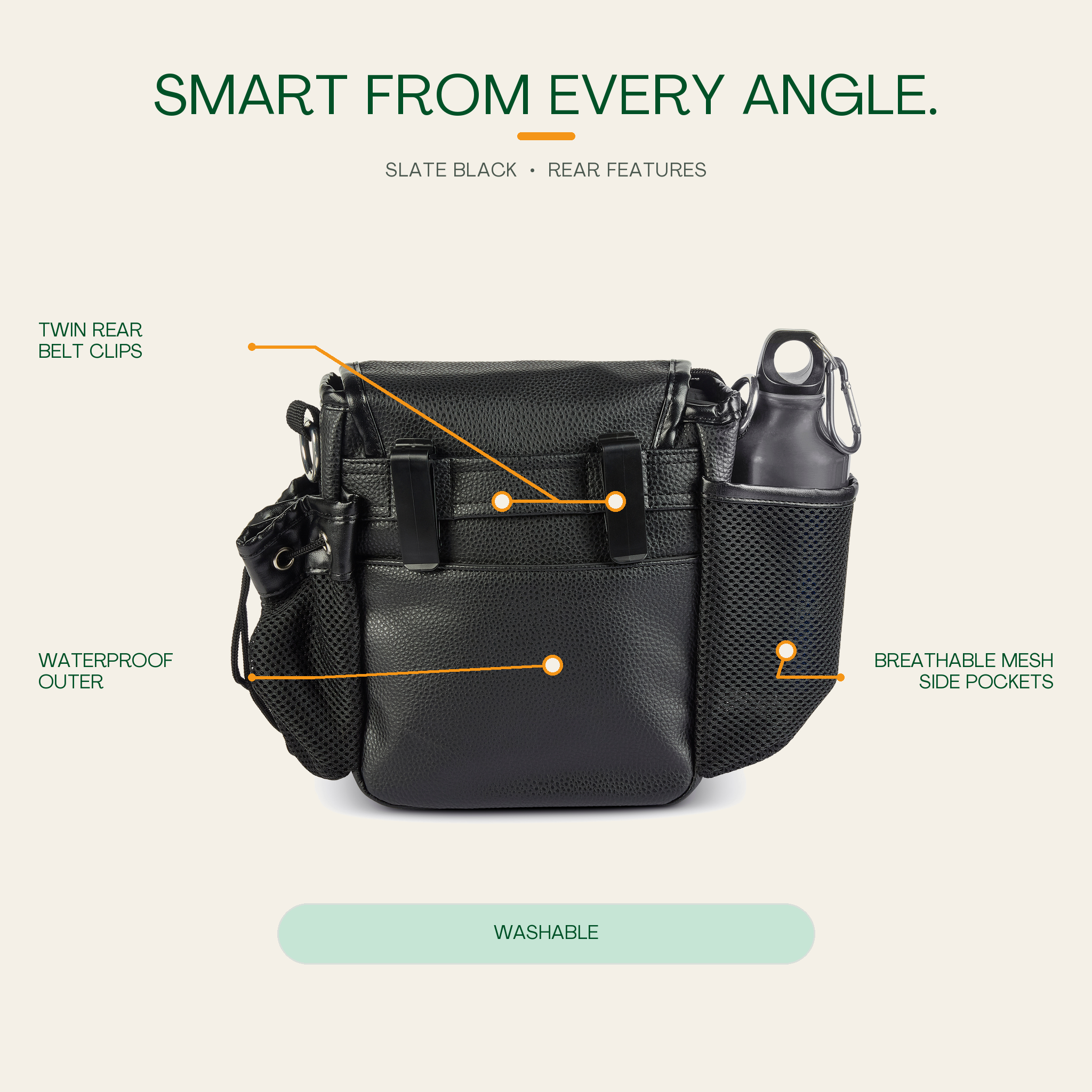
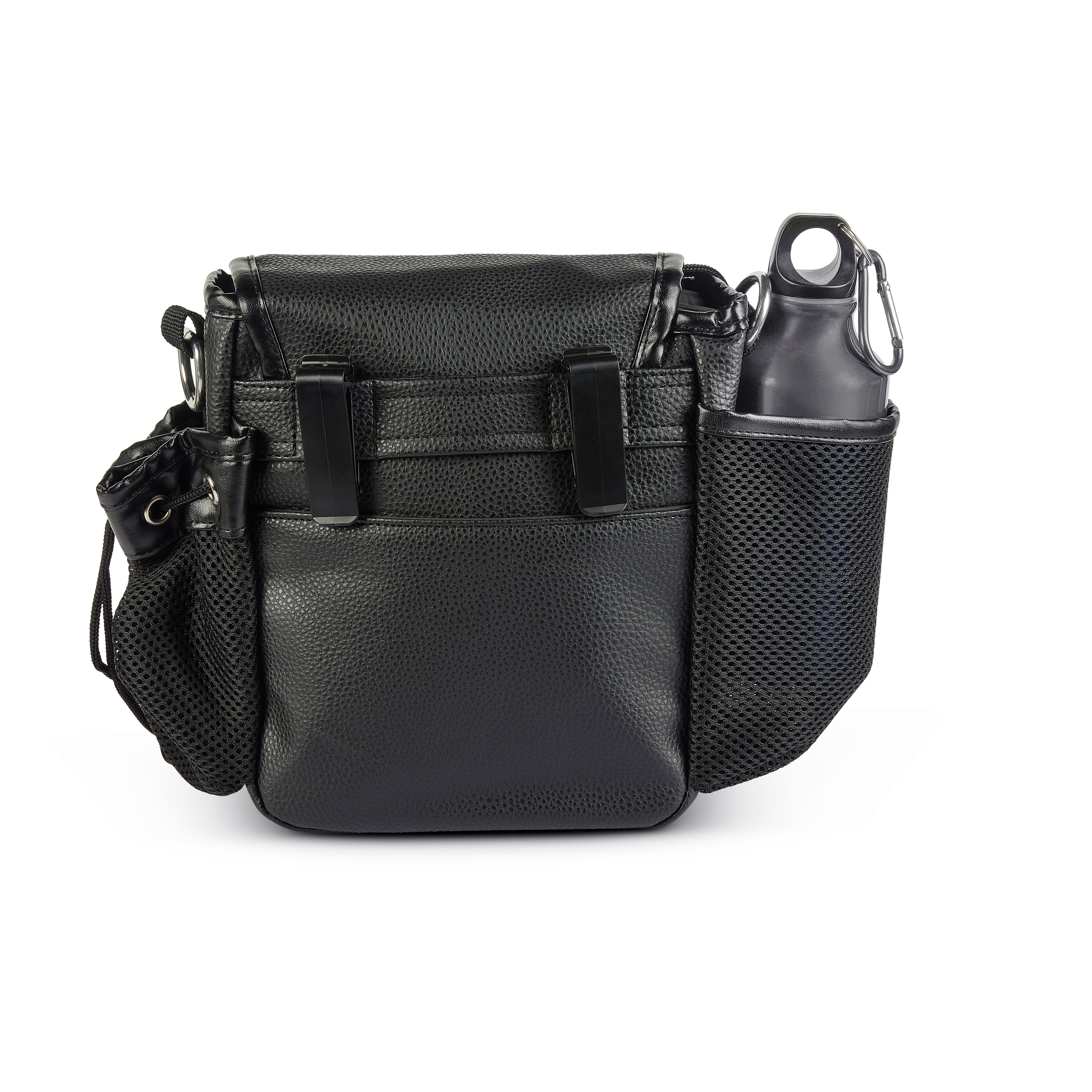
A treat bag only works if it stays put. Some people prefer a clip-on style attached to a waistband or larger bag. Others like a crossbody format or a belt option that keeps the pouch stable while moving.
If you walk energetic dogs, stability matters more than you might think. A bag that swings, twists or bounces can get annoying fast. Comfort becomes even more important for trainers and dog walkers who wear it for hours rather than minutes.
Easy cleaning
Soft training treats are brilliant for motivation and terrible for mess. Cheese, sausage, fish-based treats and other high-value rewards can leave residue behind, especially in warmer weather. A treat bag with a lining that wipes clean easily will save you time and stop smells building up.
If you know you use crumbly biscuits more than moist treats, cleaning may be less of an issue. Even then, a washable design is still worth having. Dog gear gets dirty. It is better when it is made with that in mind.
Matching the bag to the way you walk
Not every dog owner needs the same setup, and this is where buying the cheapest pouch on the market can backfire. The right choice is usually about routine rather than price.
If you are working on lead manners, recall or reactivity, you need speed and repetition. A simple, dedicated treat bag worn in the same place every time helps build that rhythm. You know where the reward is, your hand goes there automatically and your dog gets clear feedback.
If your walks are more about carrying everything in one place, a treat bag may be better as part of a larger organised system. Many owners do not want a separate pouch, a handbag and a lead all competing for space. In that case, choosing a bag designed specifically for dog walking often feels neater and more realistic for day-to-day life.
For professional dog walkers, durability usually matters more than trend-led details. You need something that can handle daily use, changing weather and a proper amount of opening and closing. For style-conscious owners, looks still matter, but not at the expense of function. The best dog accessories manage both.
Common mistakes when buying a treat bag for dogs
A lot of treat bags look useful online and disappoint in real life. Usually, the issue is not that they are badly made. It is that they have been chosen without thinking about actual use.
One common mistake is choosing a bag that is too small. It seems tidy at first, but once you add enough treats for a proper session, it becomes fiddly. Another is going too large and ending up with a bulky pouch that feels awkward on every walk.
Closure is another one. If the opening is too loose, treats can spill. If it is too stiff or over-engineered, you lose quick access. There is a balance, and it often comes down to what your dog needs from you during the walk.
Then there is placement. A treat bag clipped onto the wrong area can knock into your hip, twist around or sit awkwardly under a coat. If you are already carrying leads, poo bags and your mobile phone, even a small annoyance gets old quickly.
When a full dog walking bag is the better choice
Sometimes the question is not which treat bag to buy, but whether a treat bag on its own is enough. If your pockets are already stuffed and your regular bag is doing a poor job, a more complete setup can be the better answer.
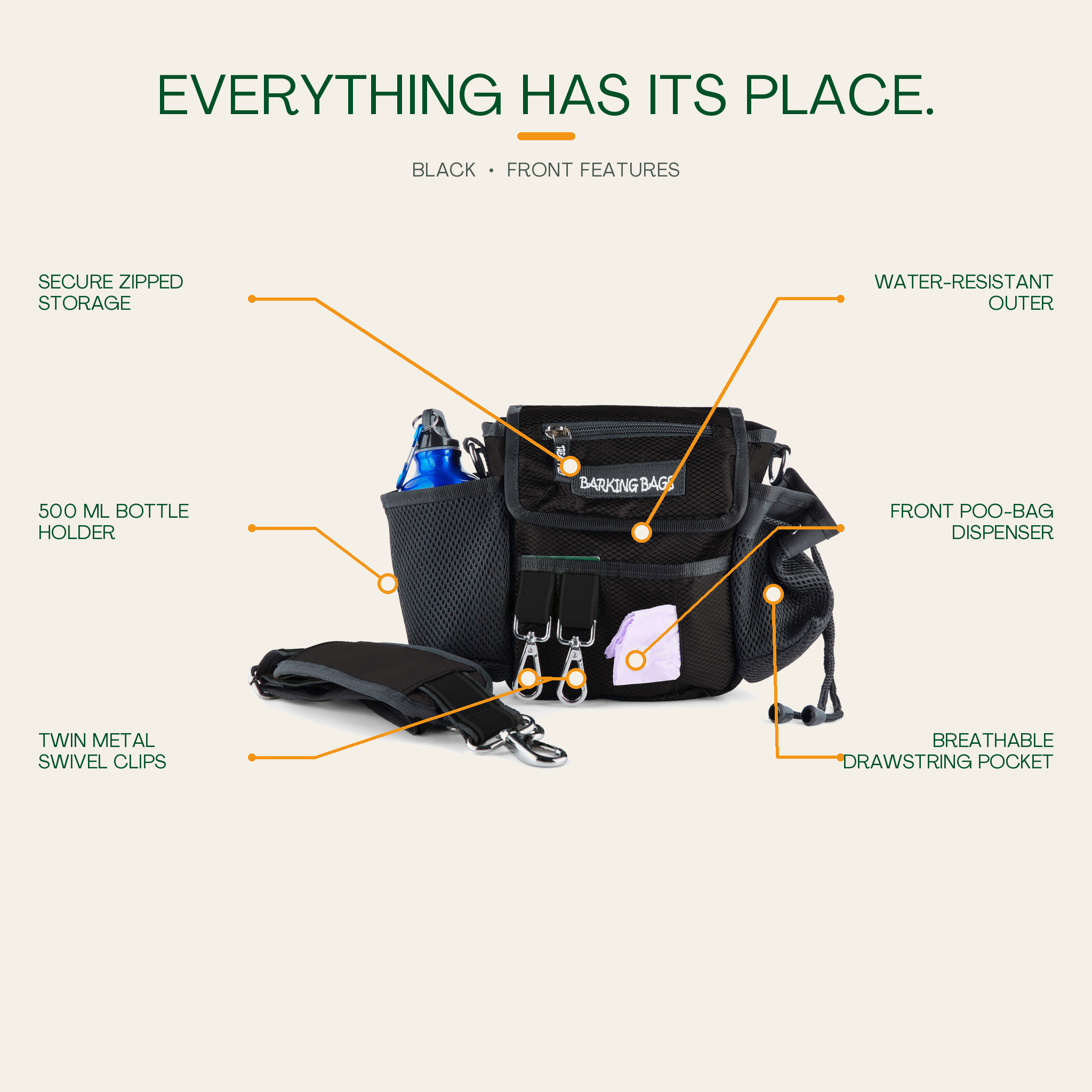
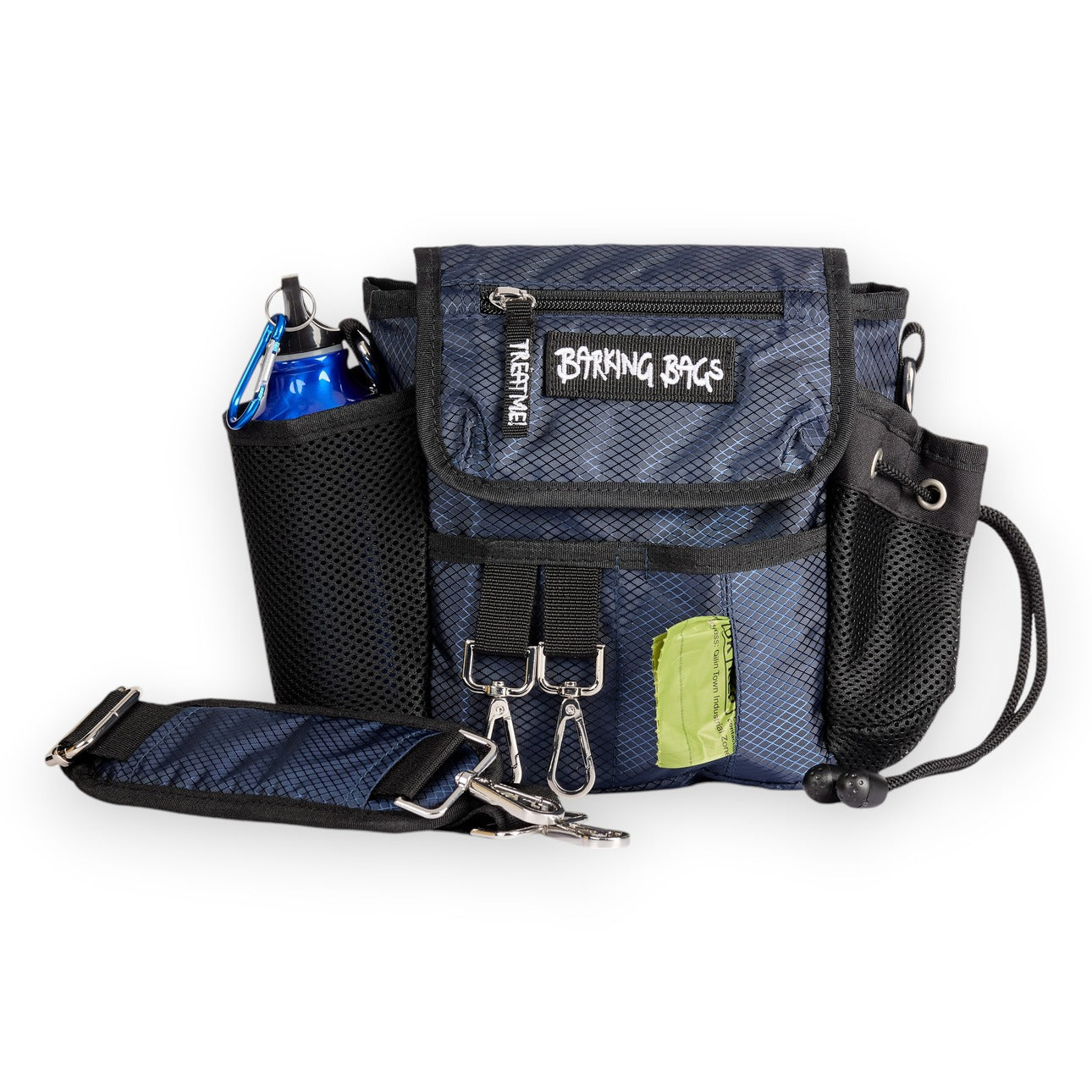
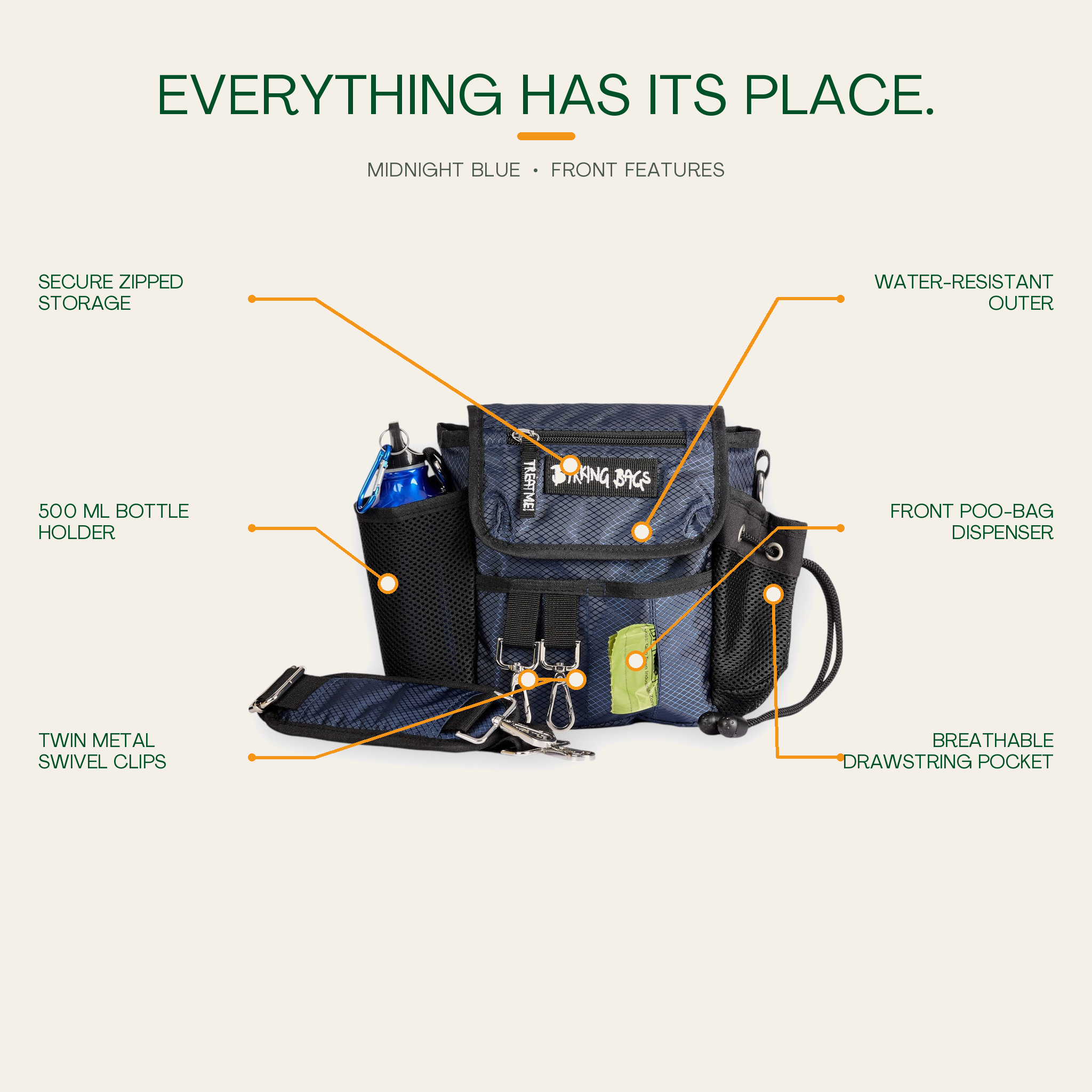
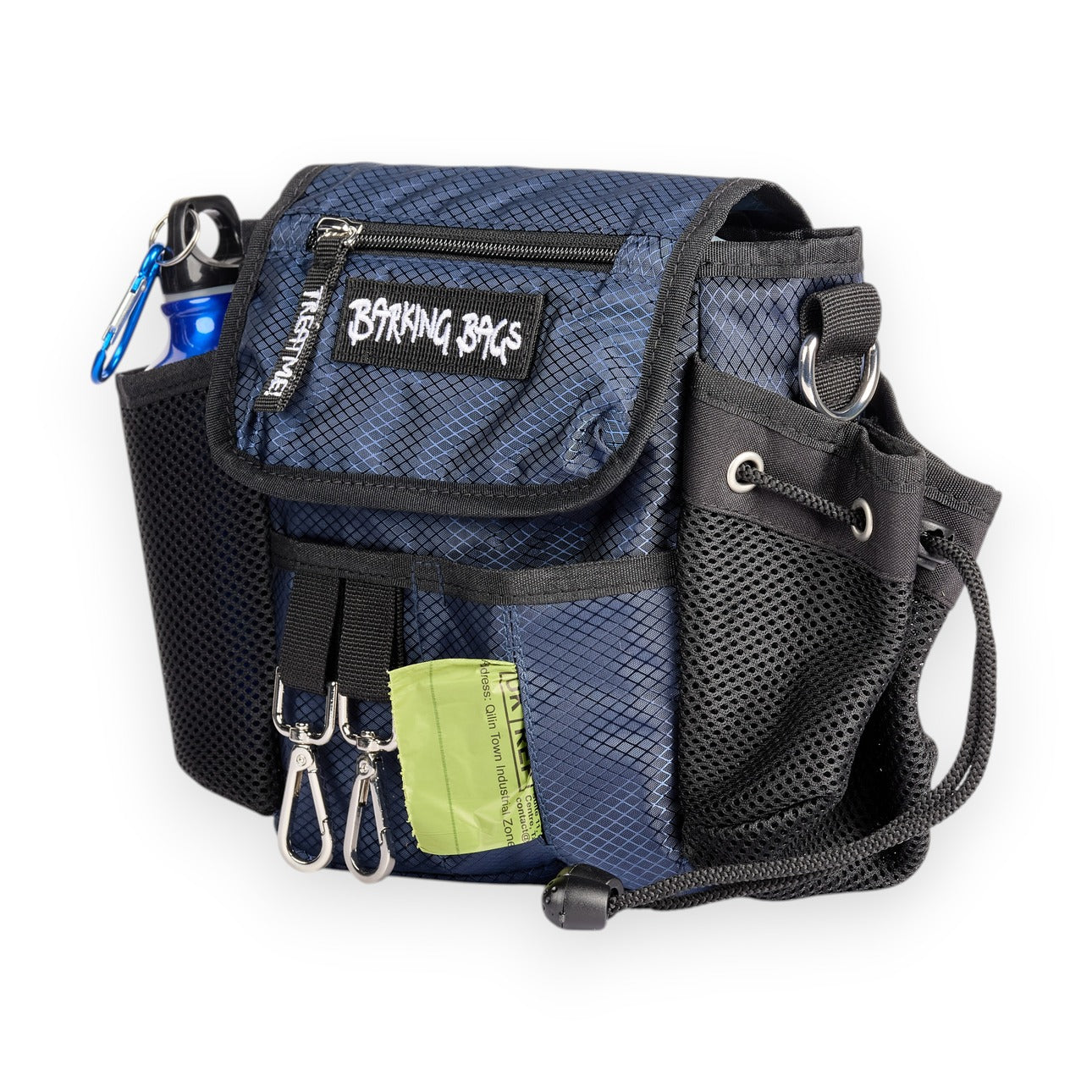
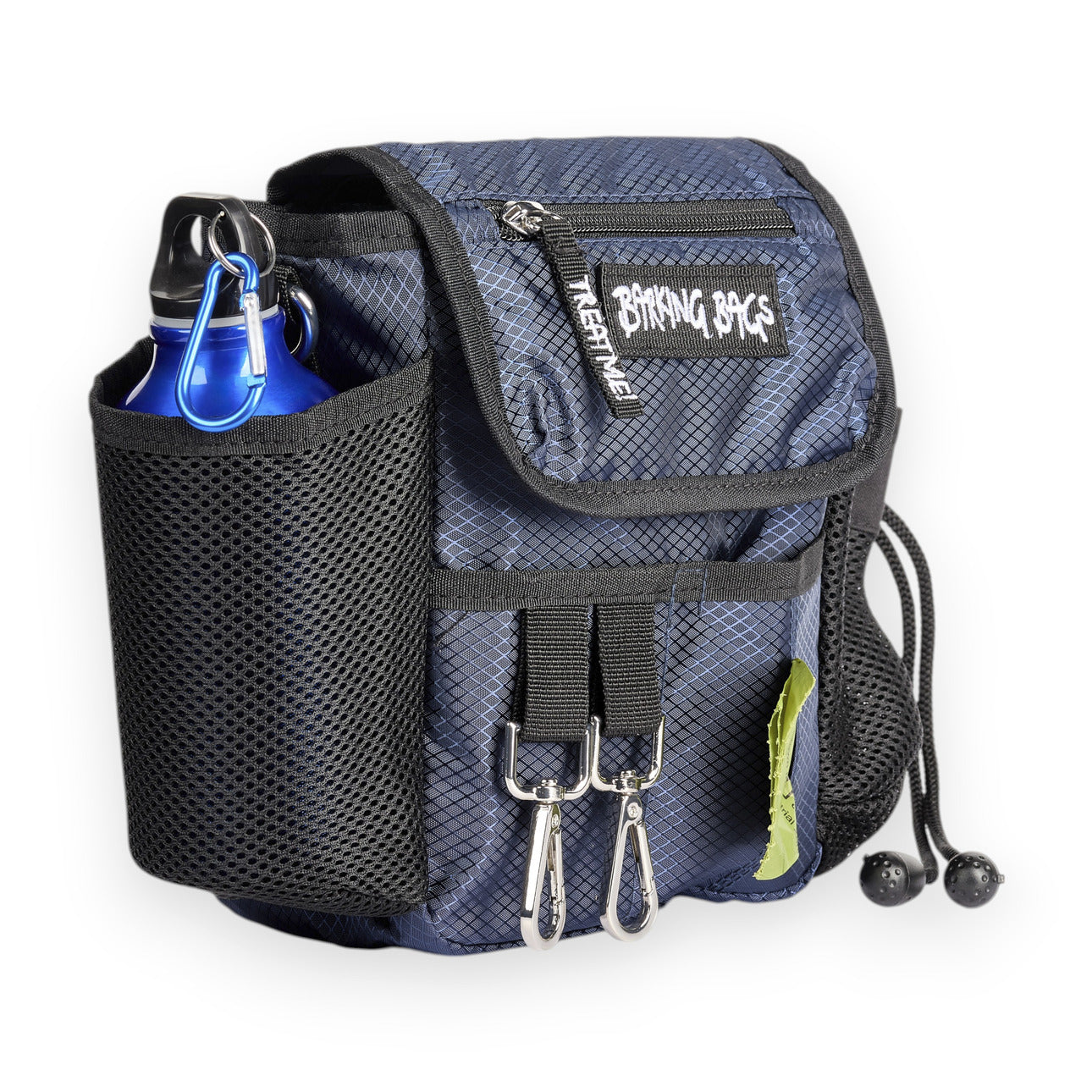
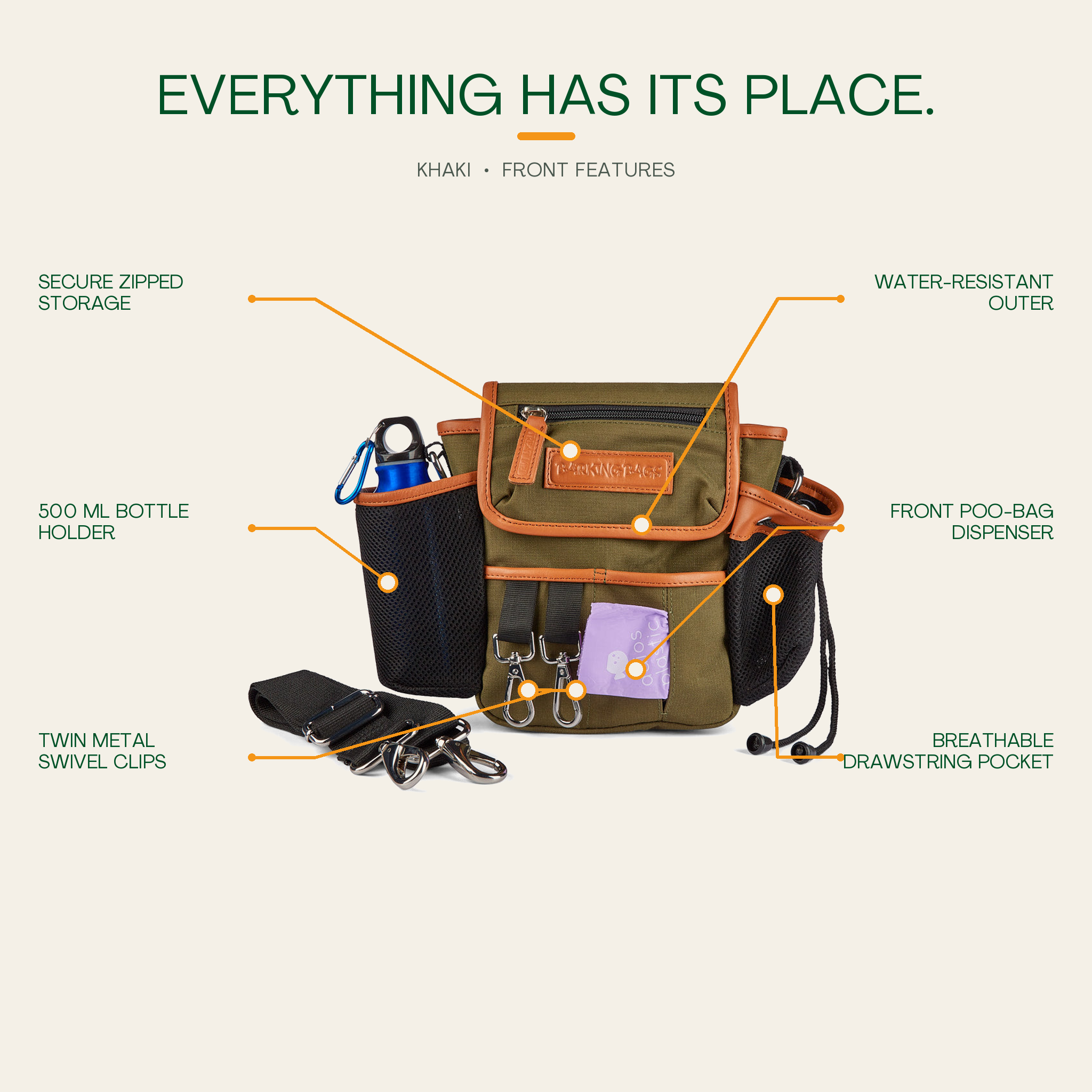
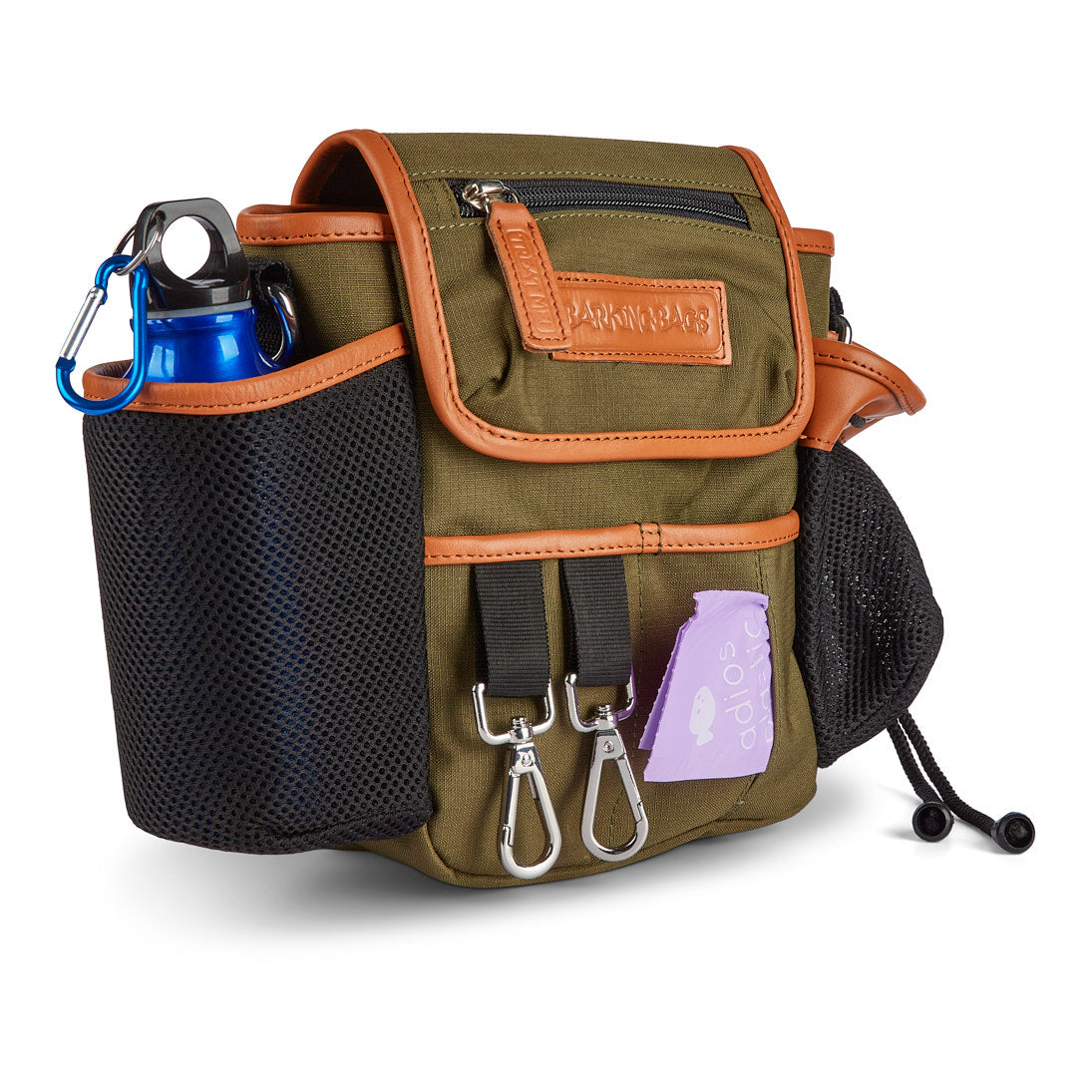
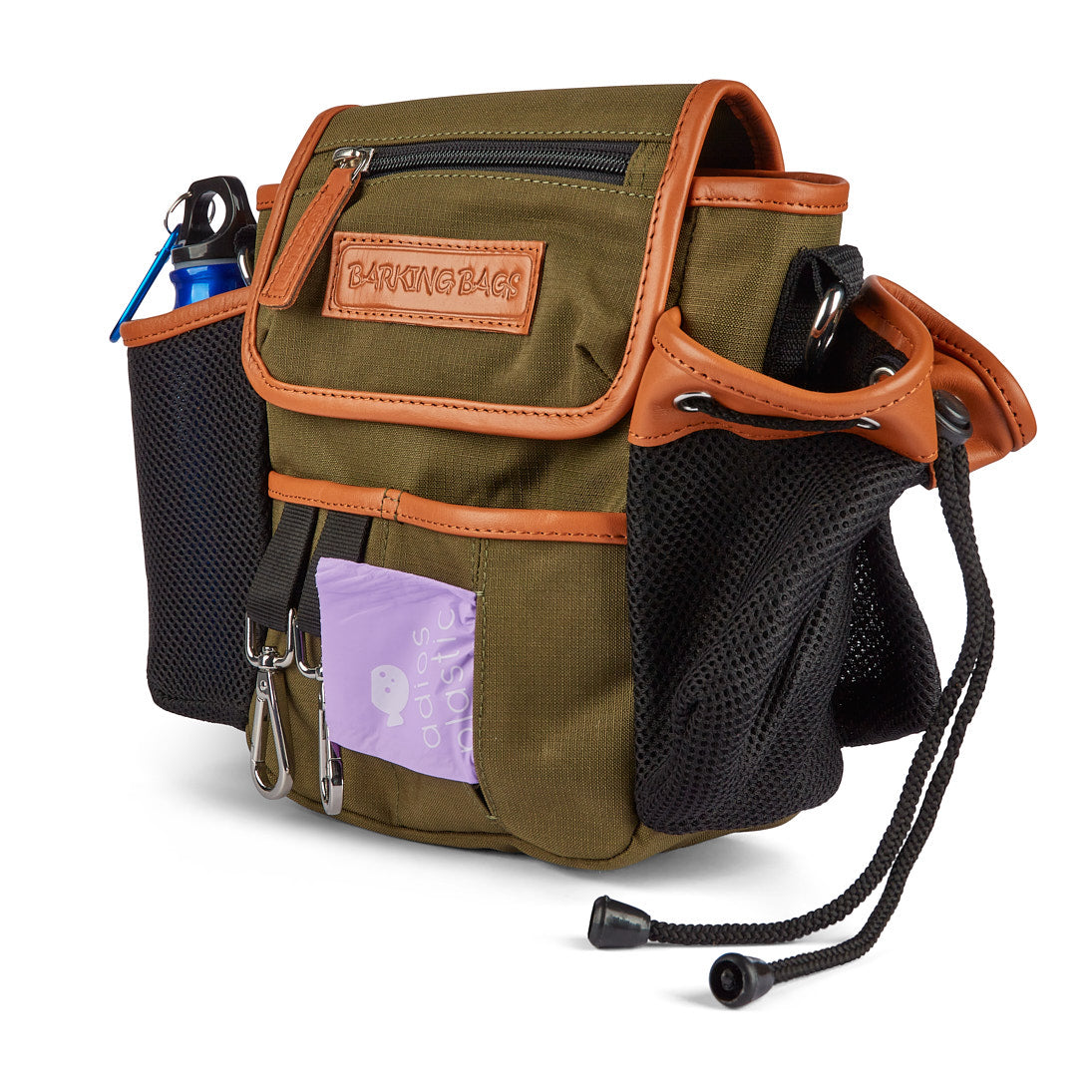
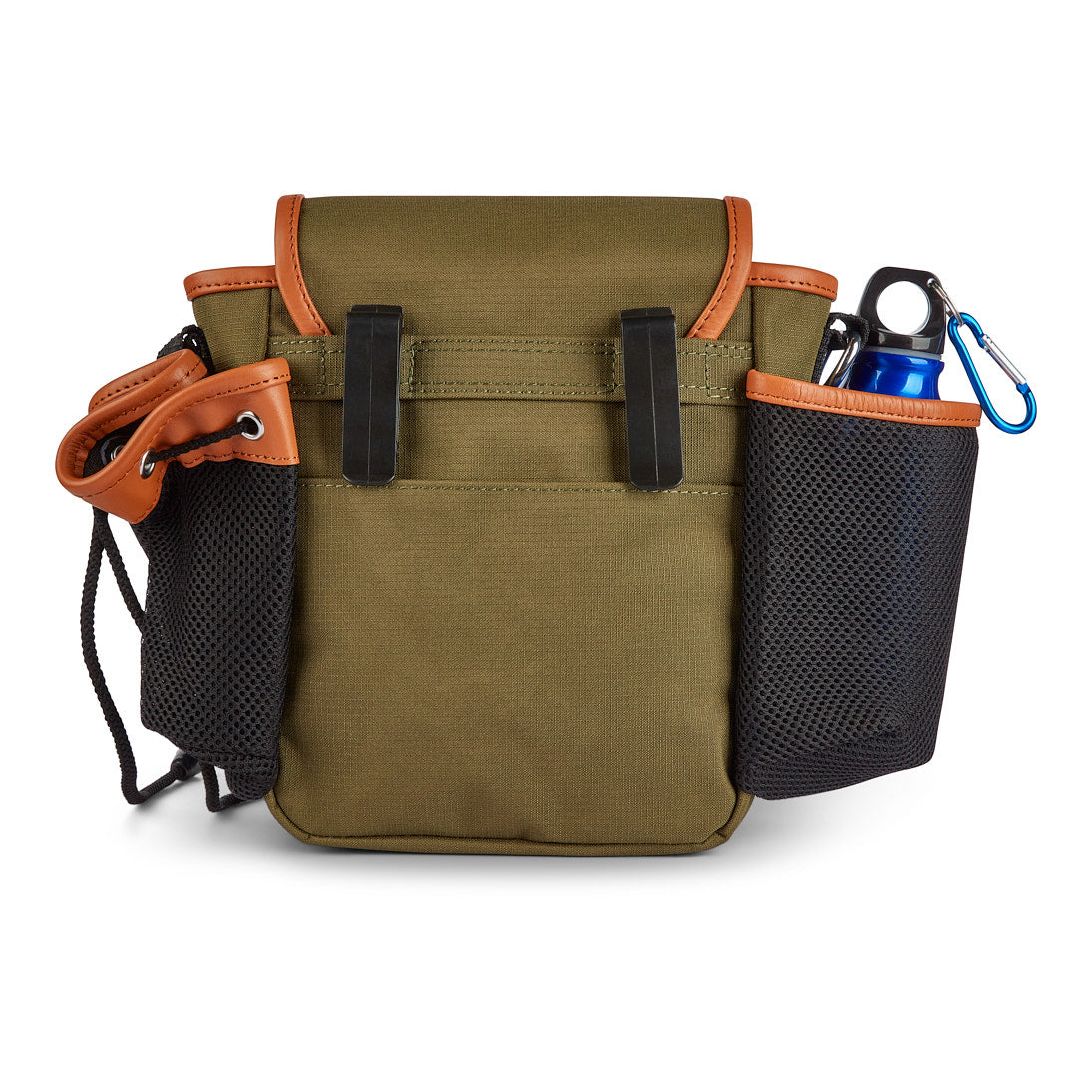
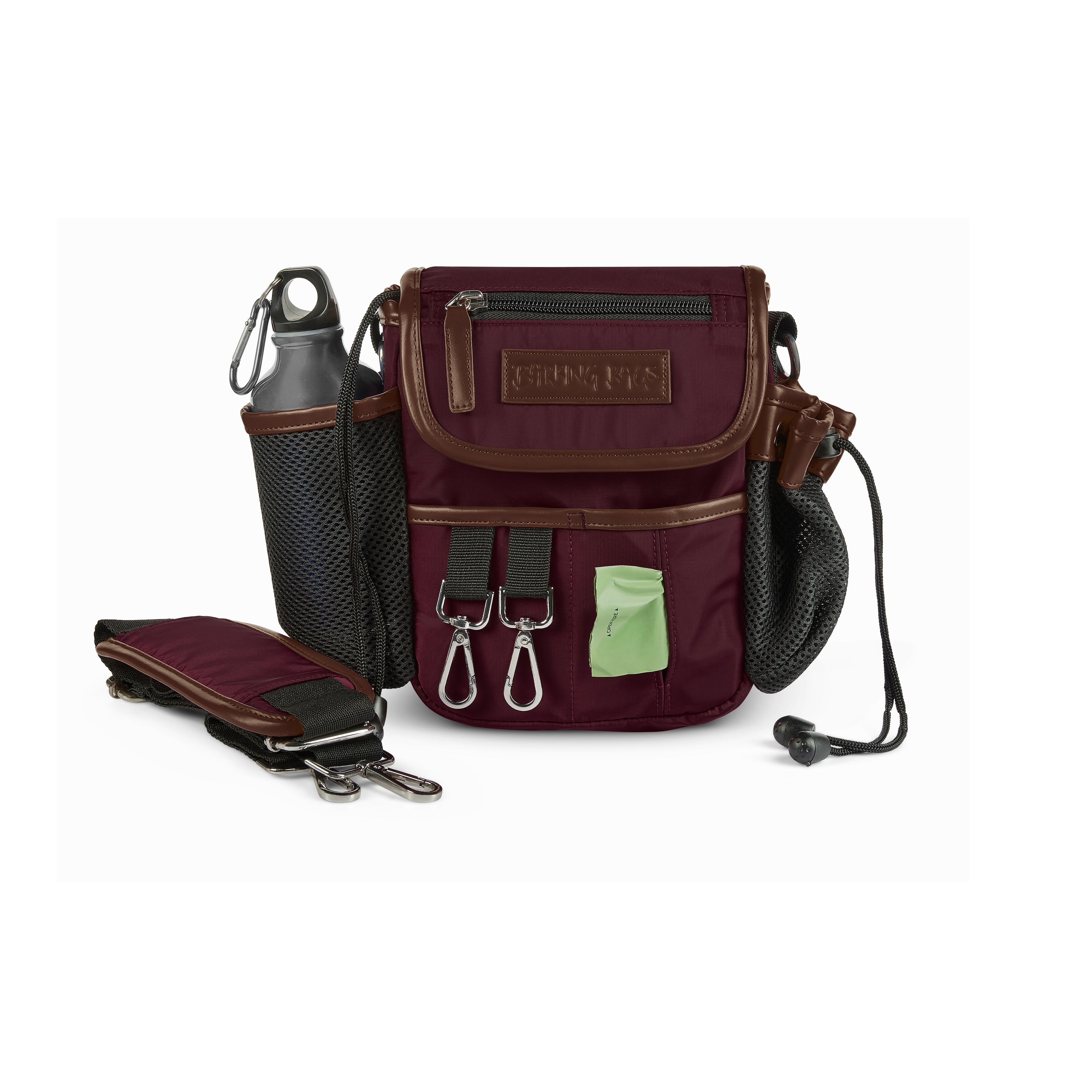
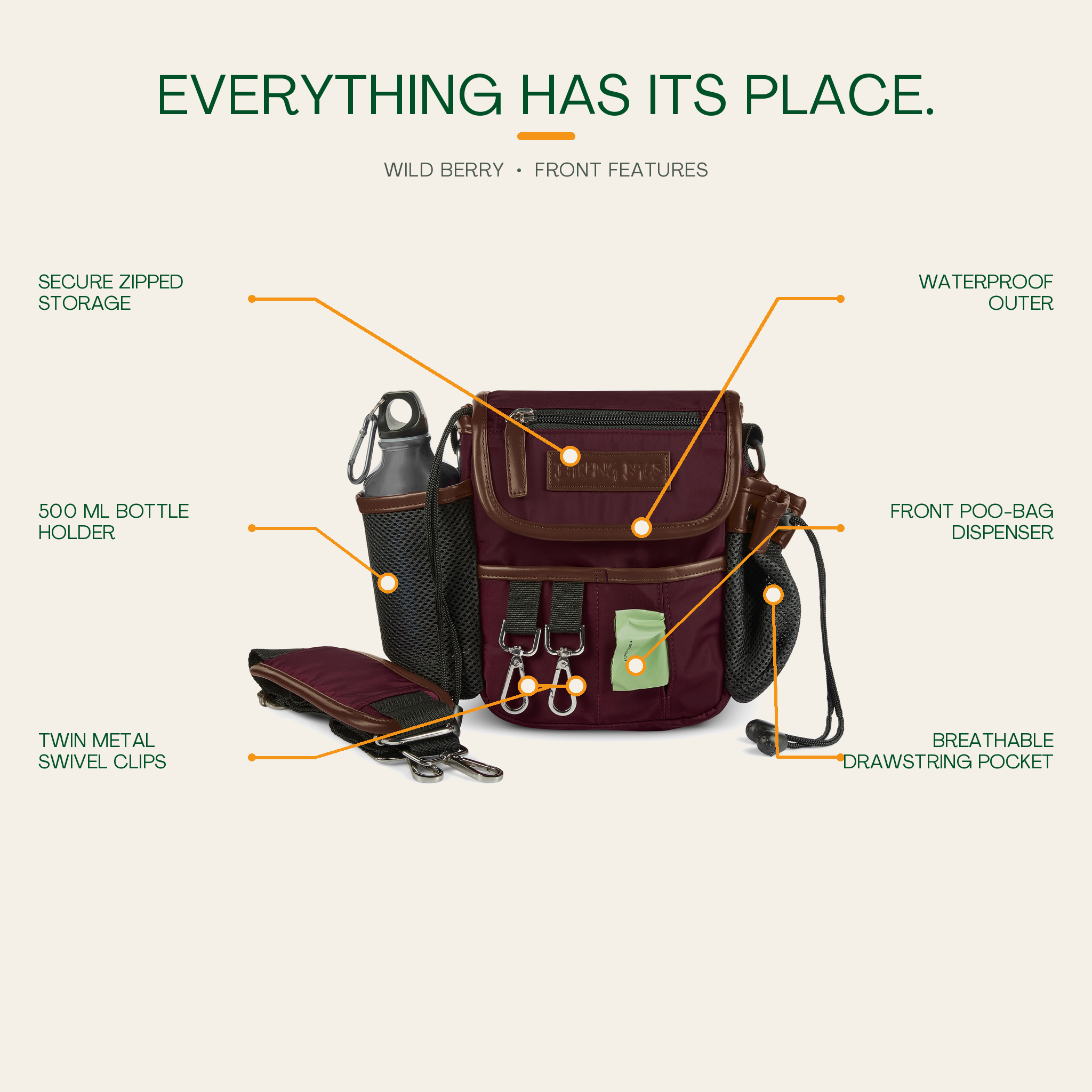
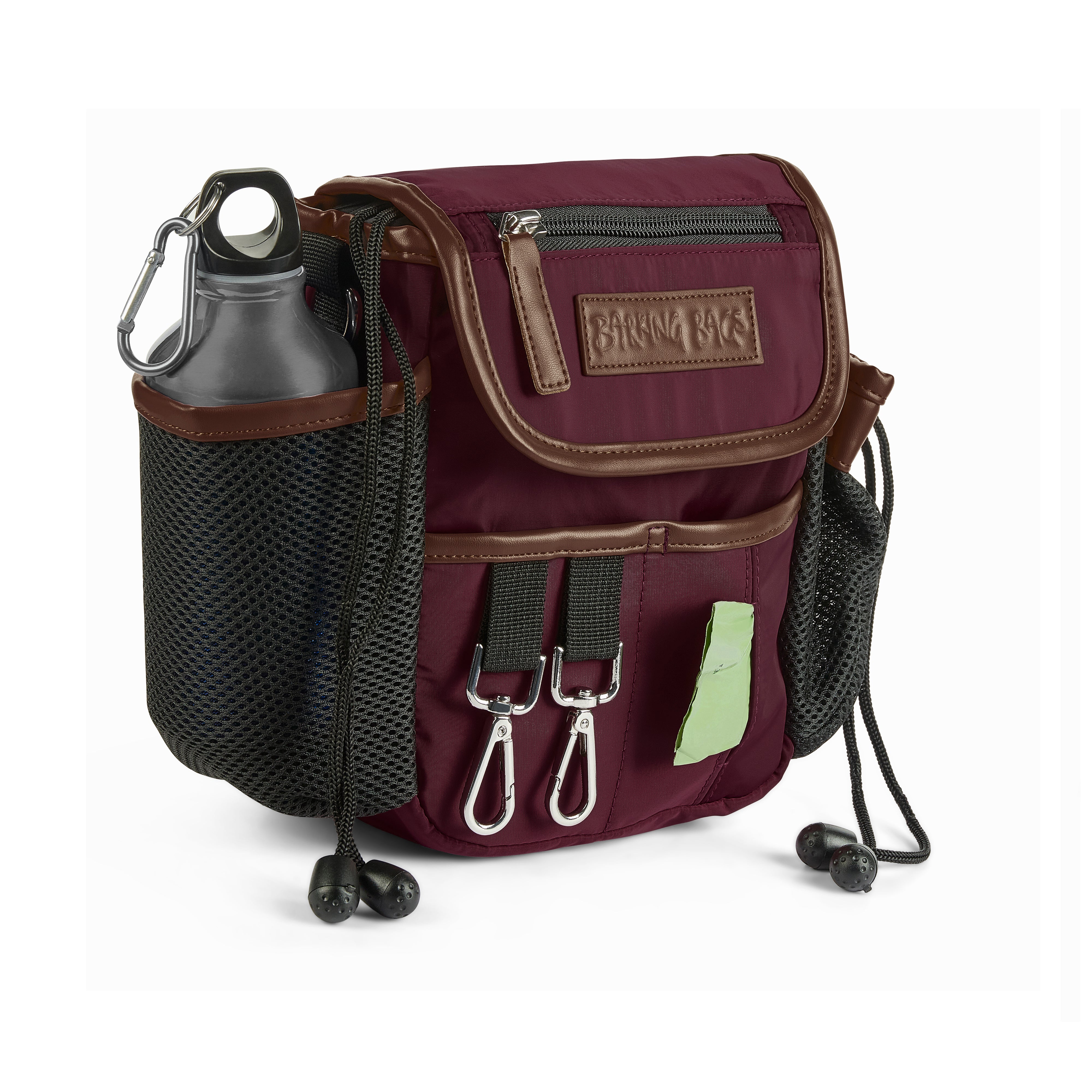
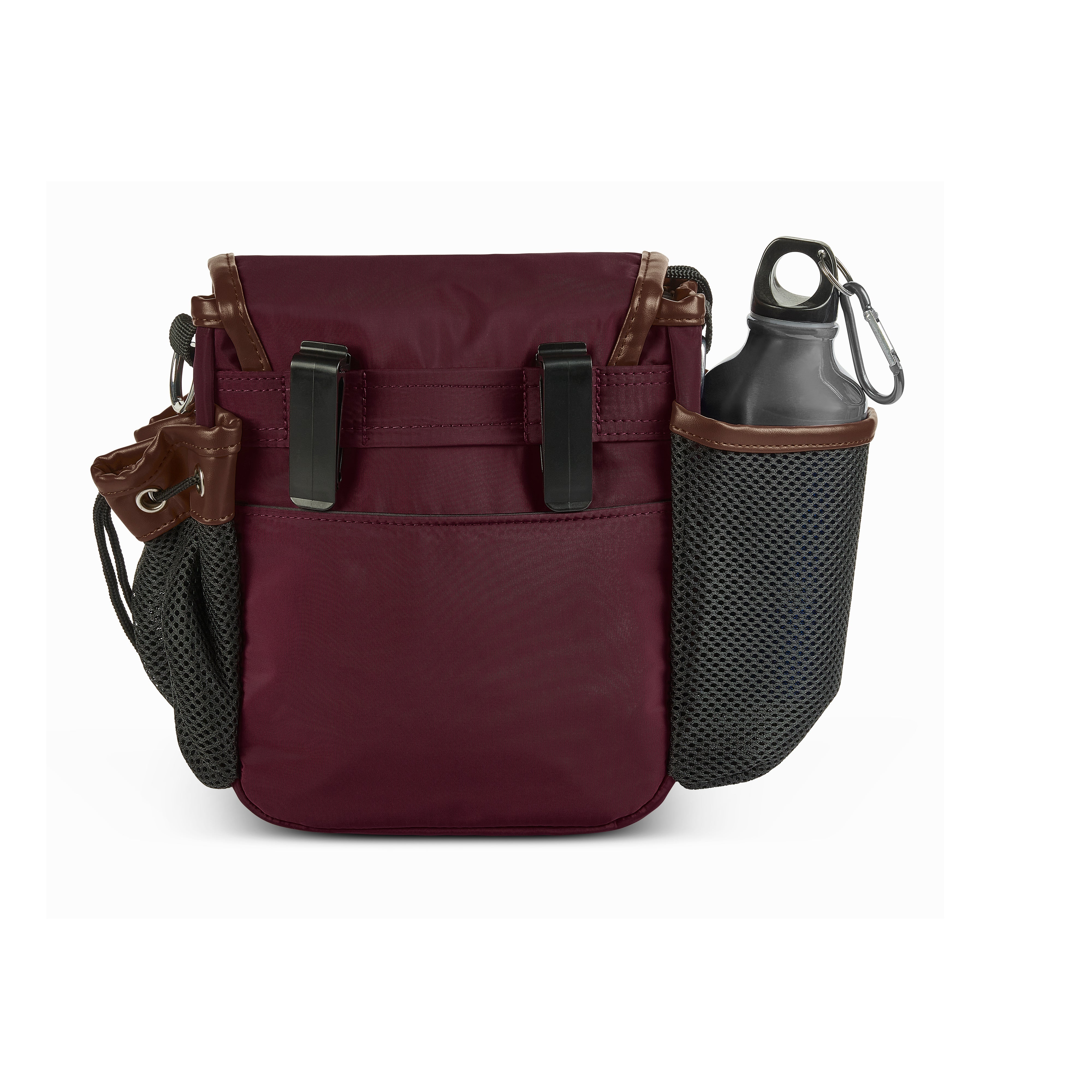
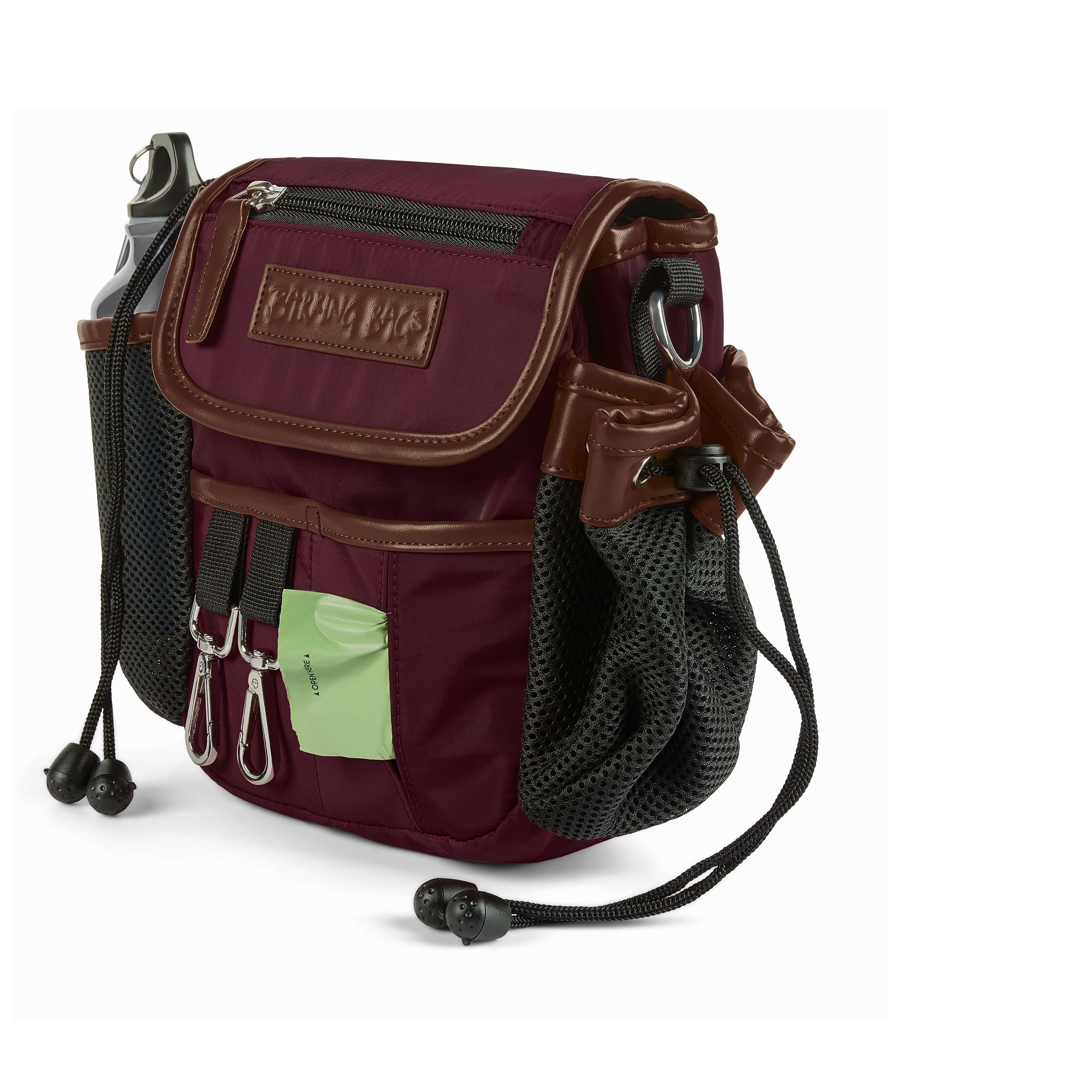
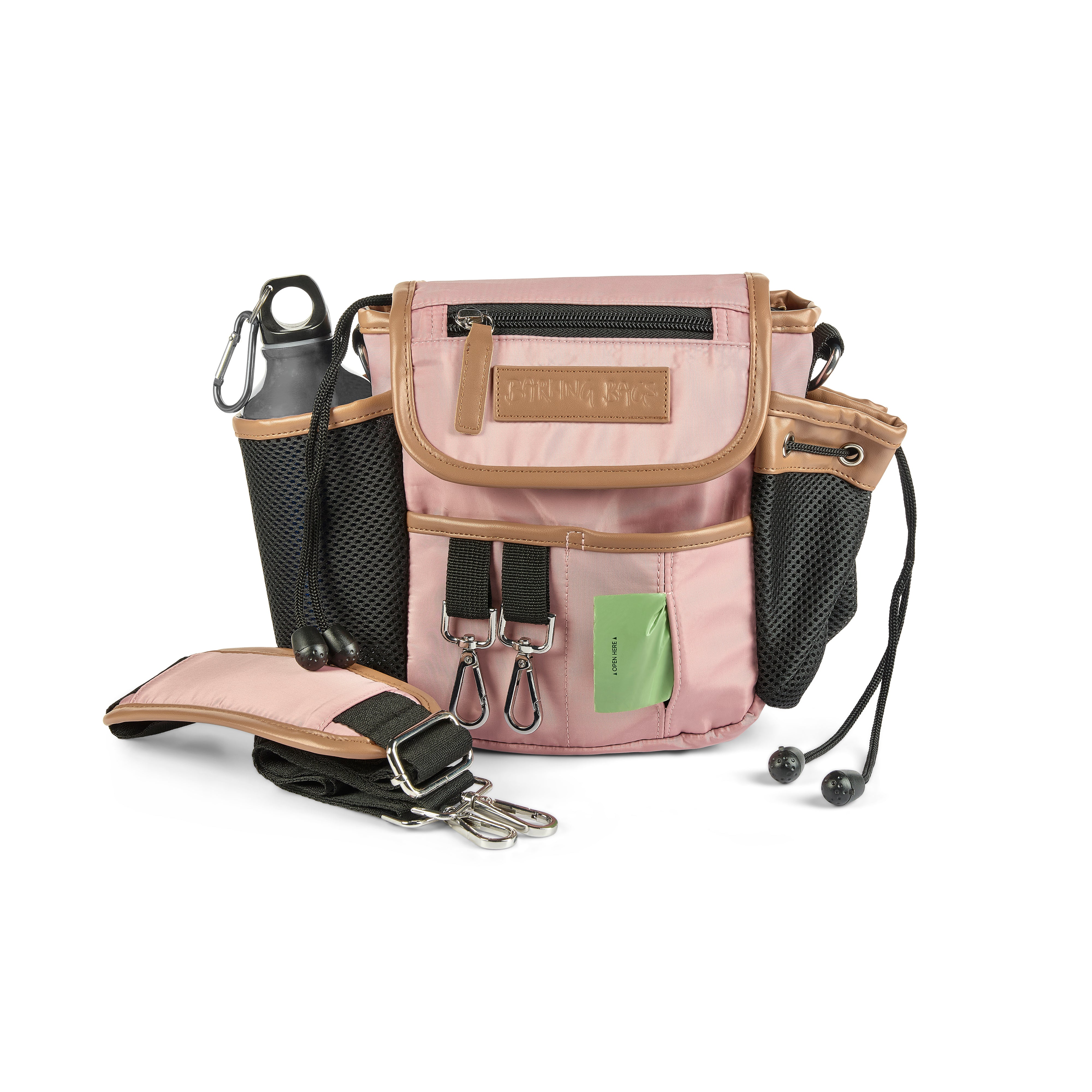
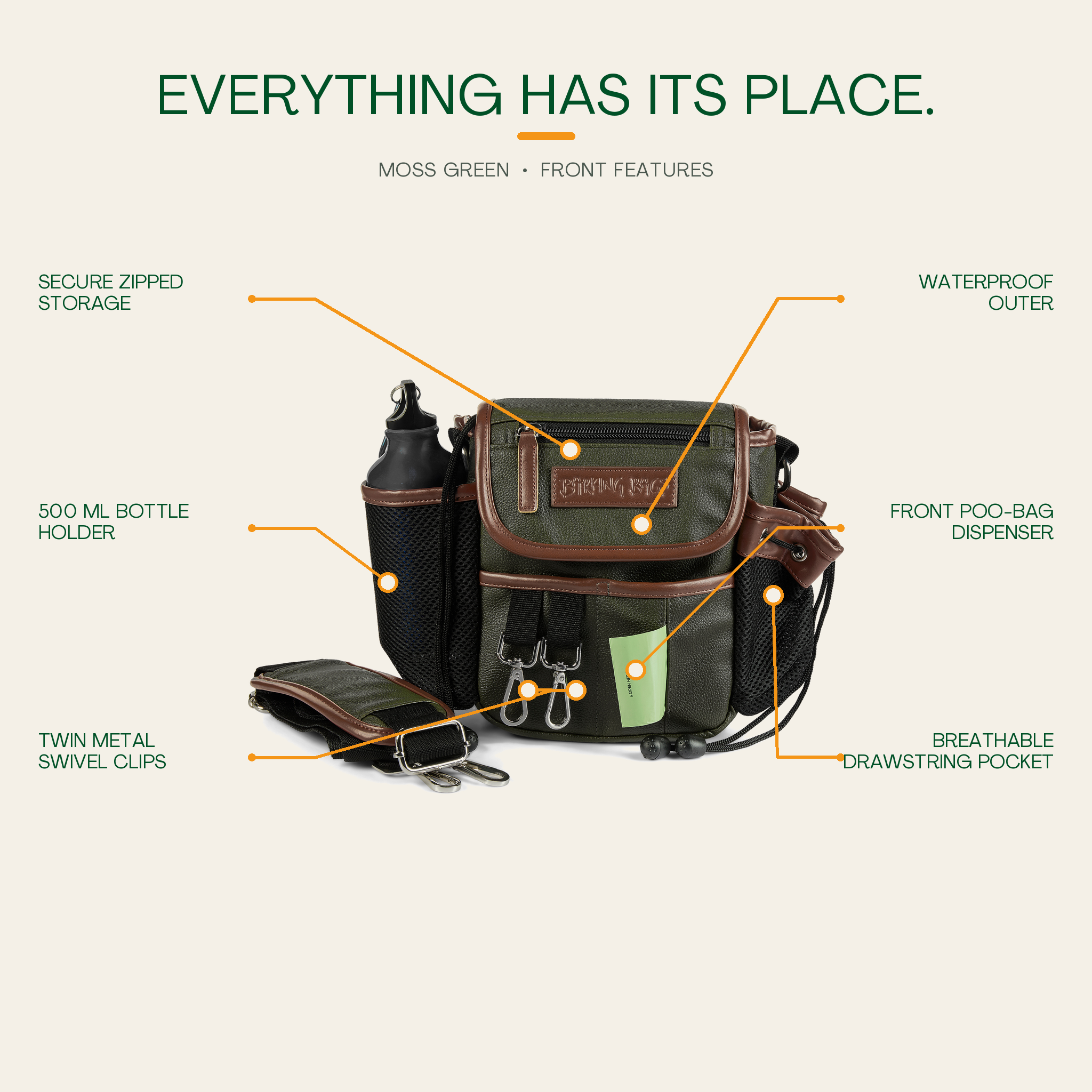
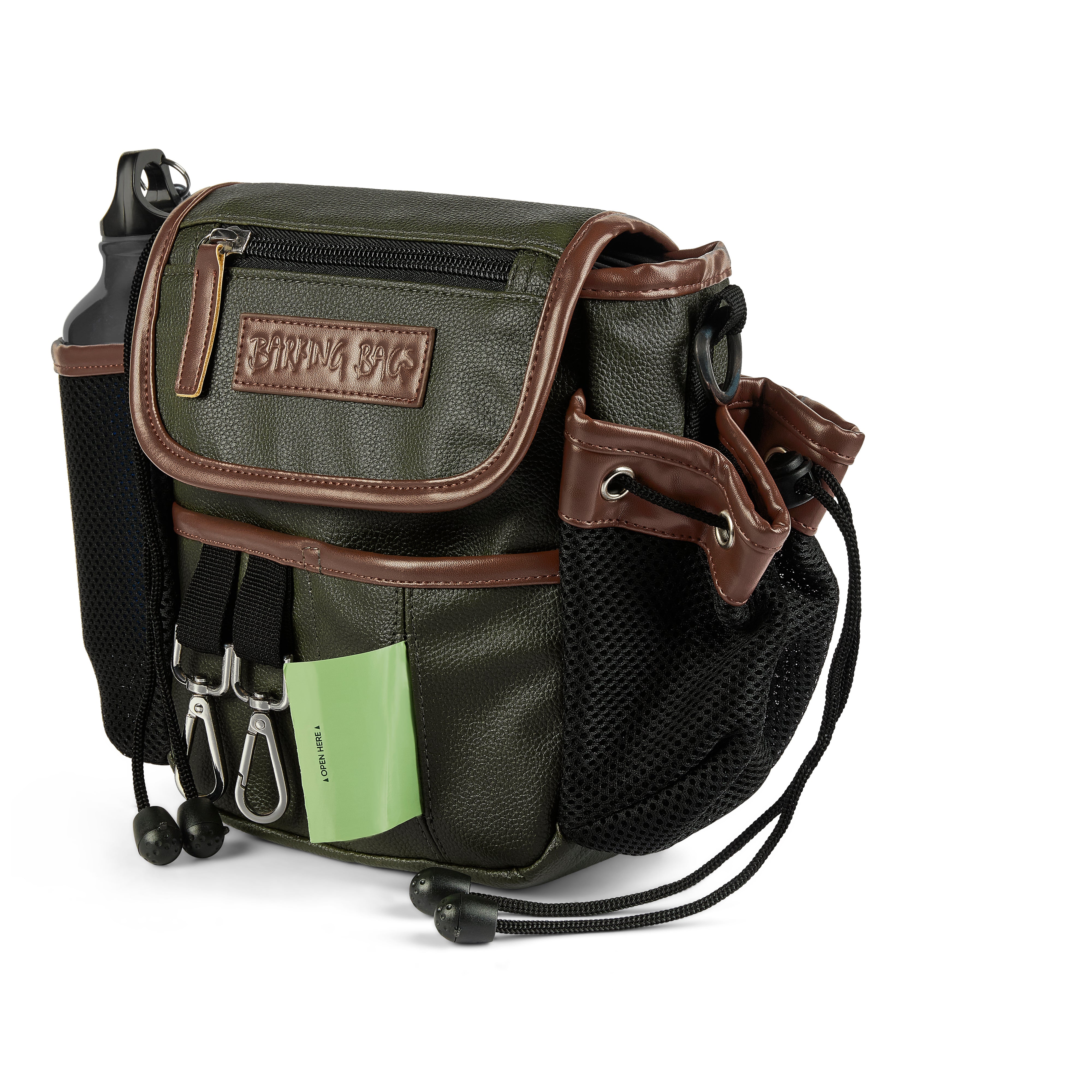
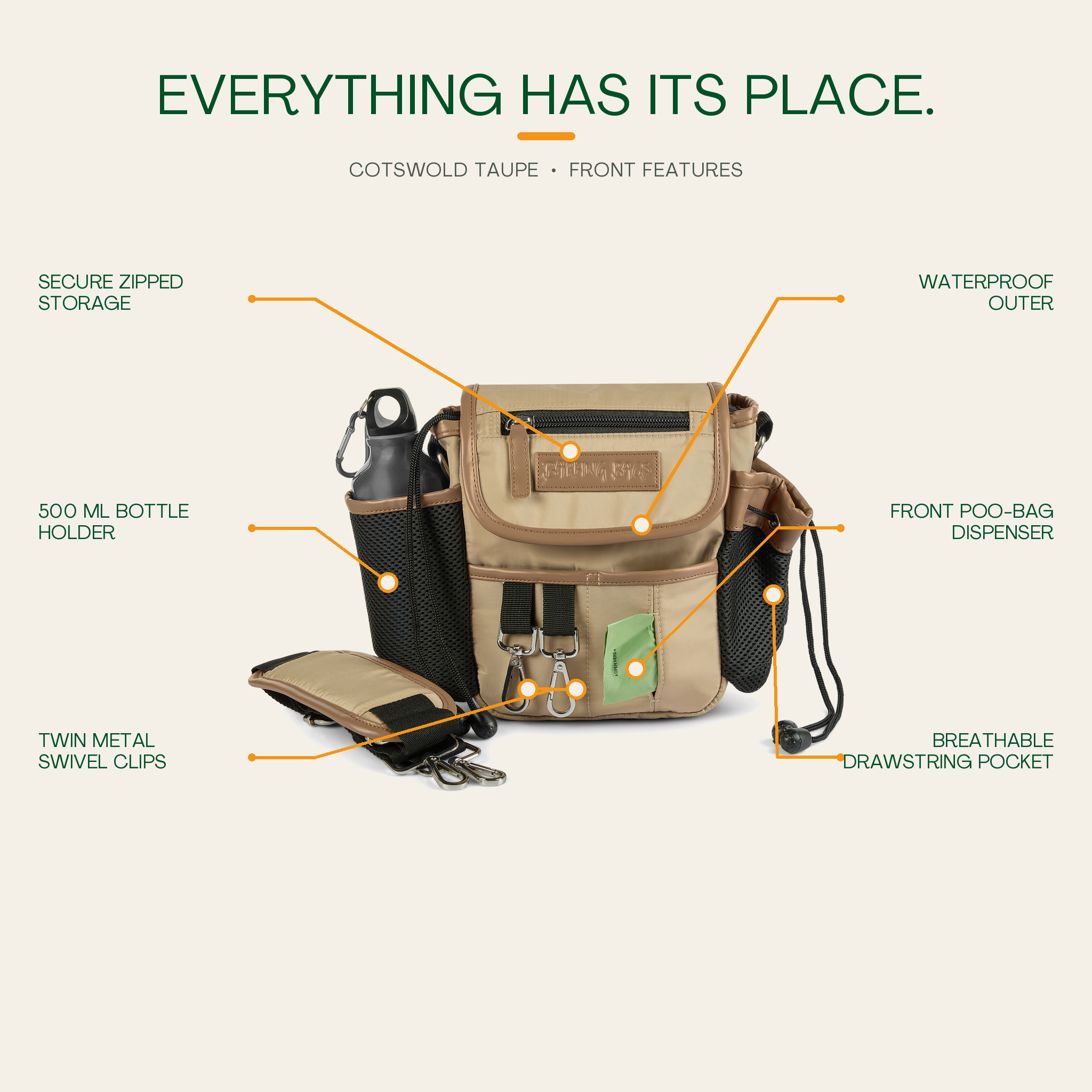
That is especially true if you like having a place for treats, poo bags, keys, mobile phone and personal bits without everything getting mixed together. A purpose-designed dog walking bag gives you organisation without making the whole thing look overly practical or bulky.
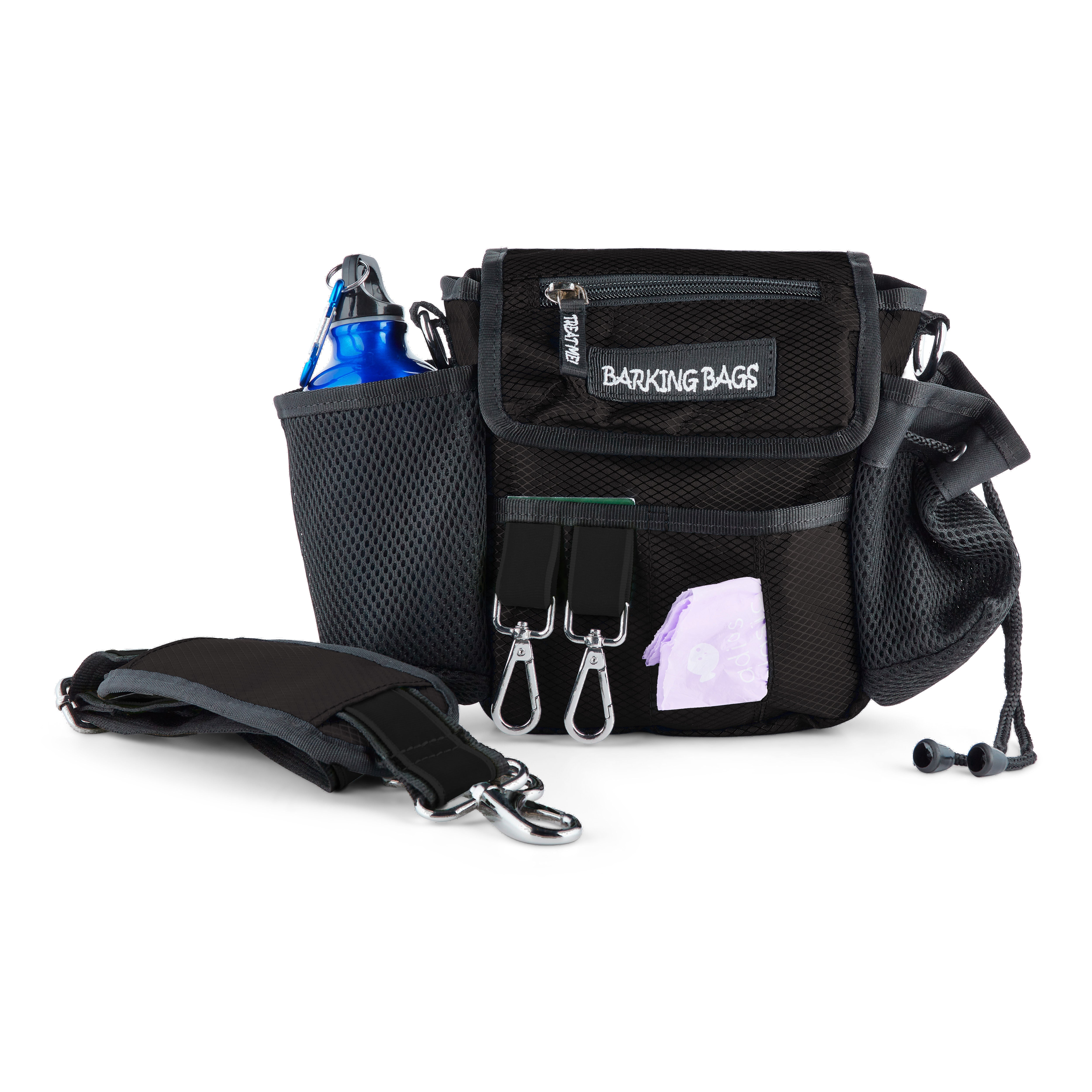
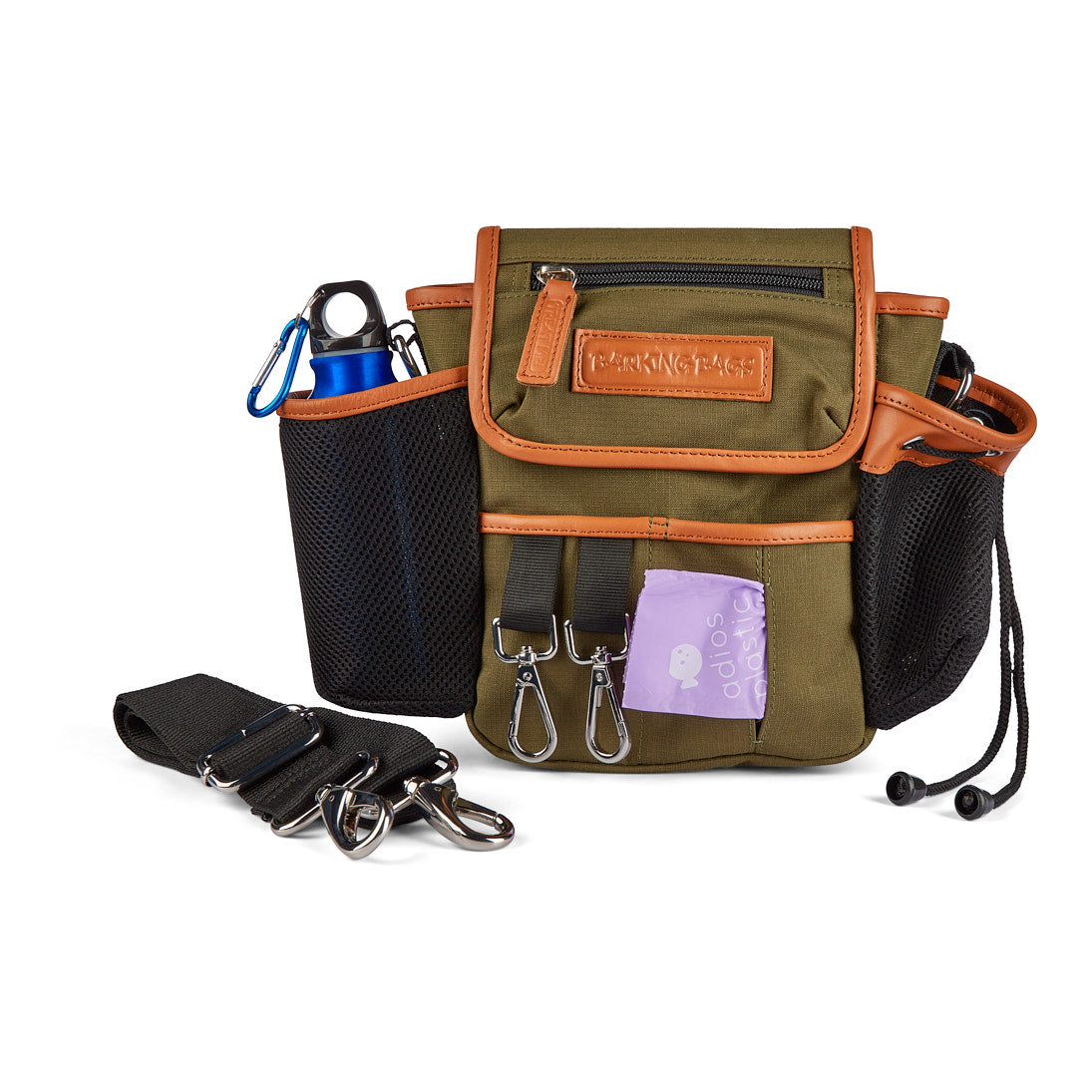
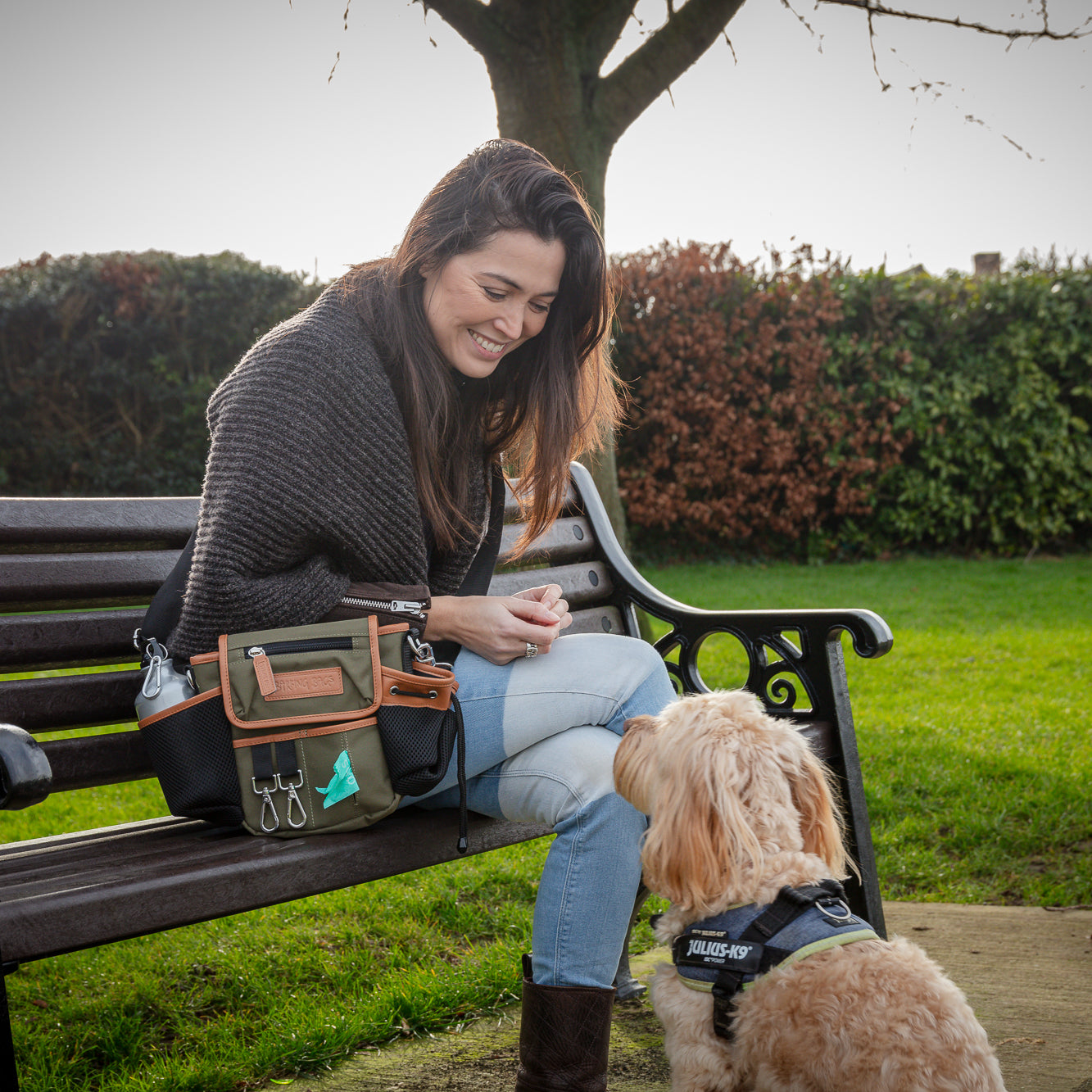
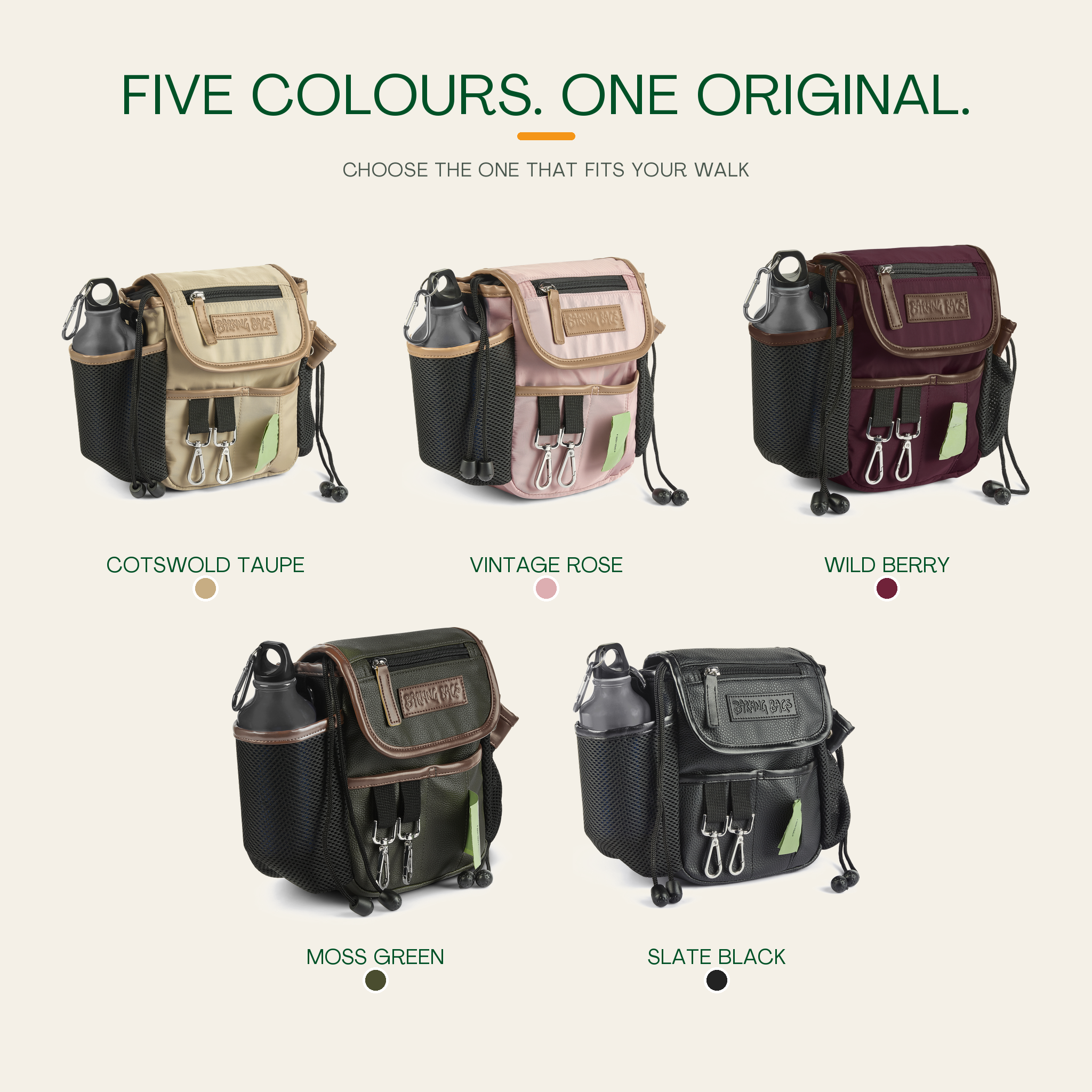
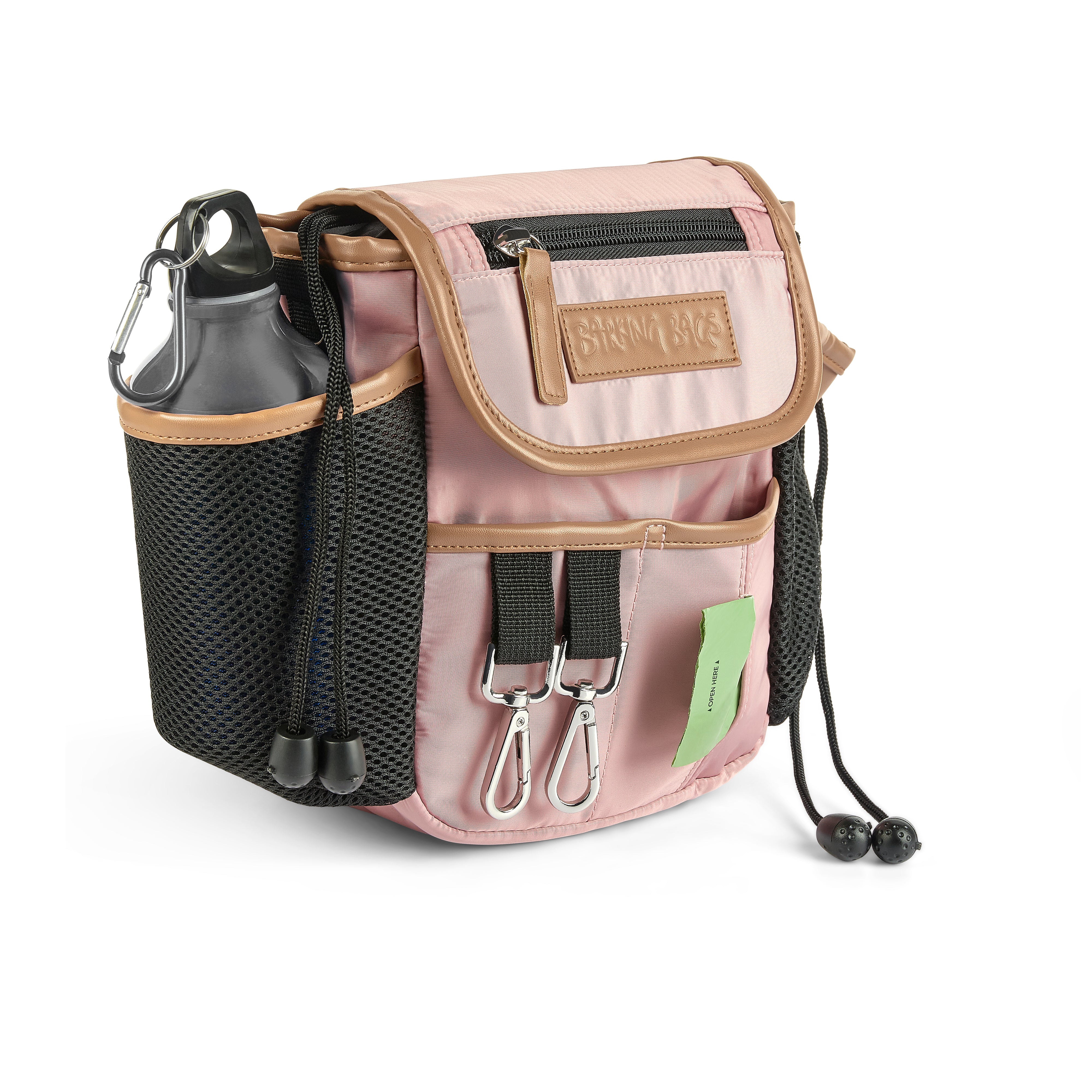
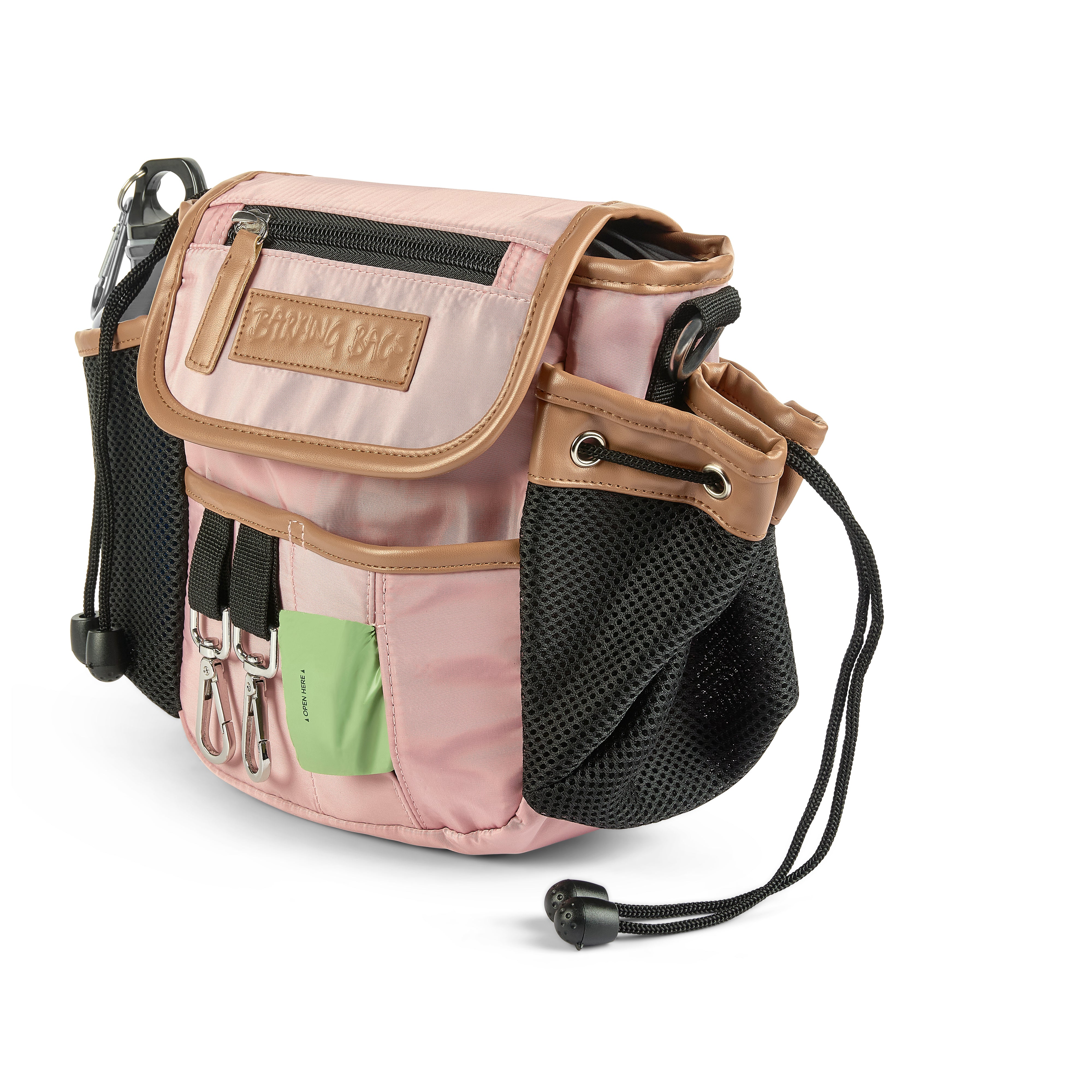
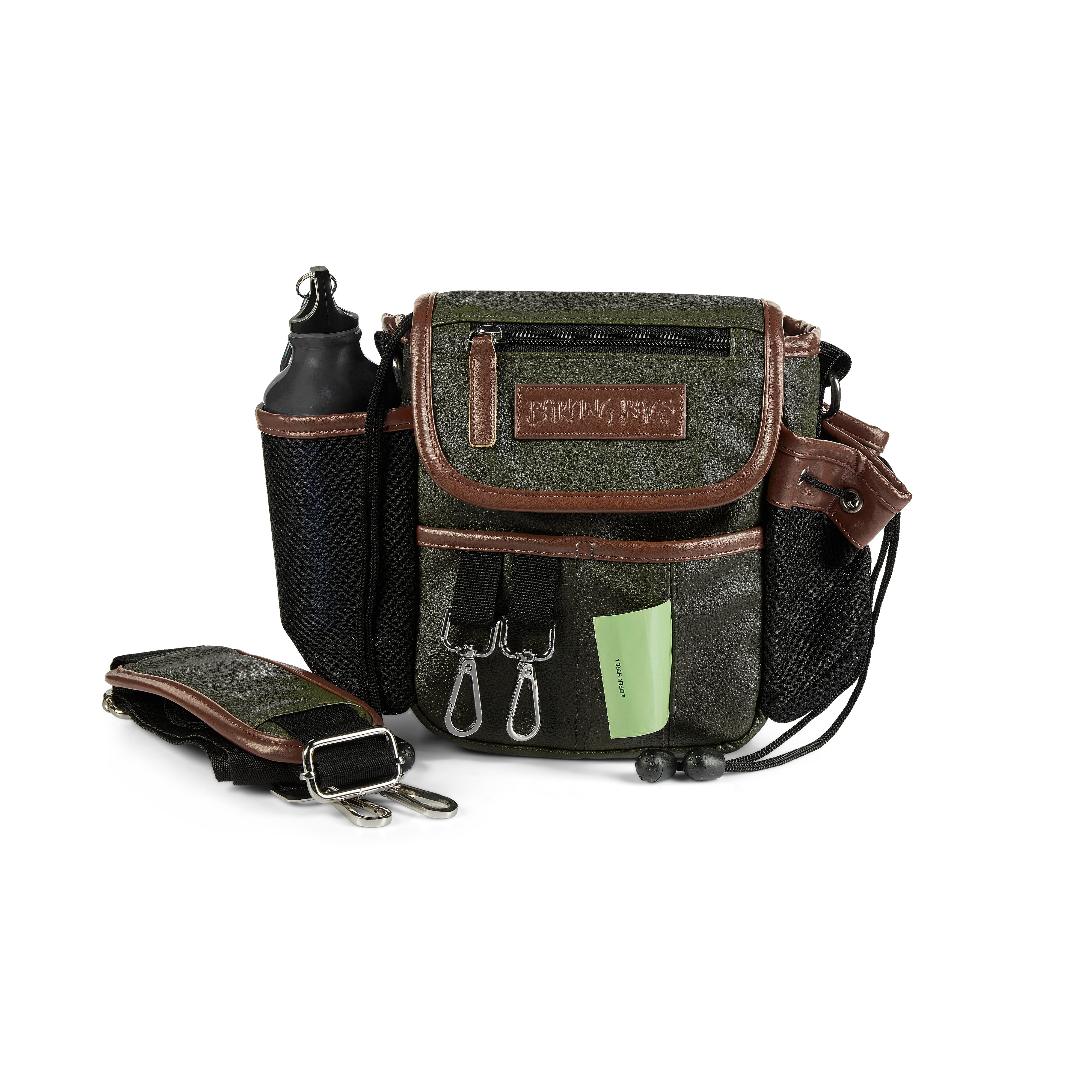
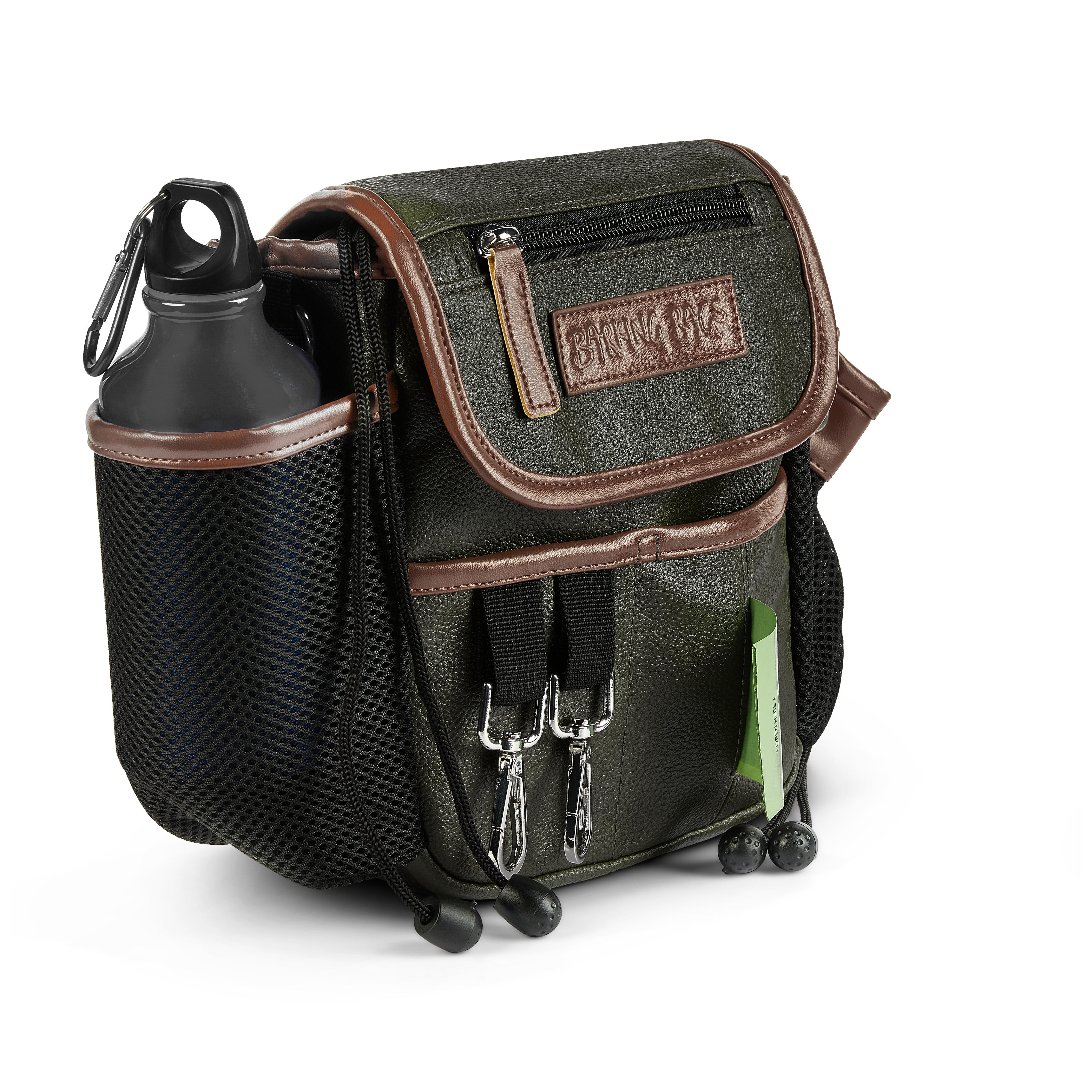
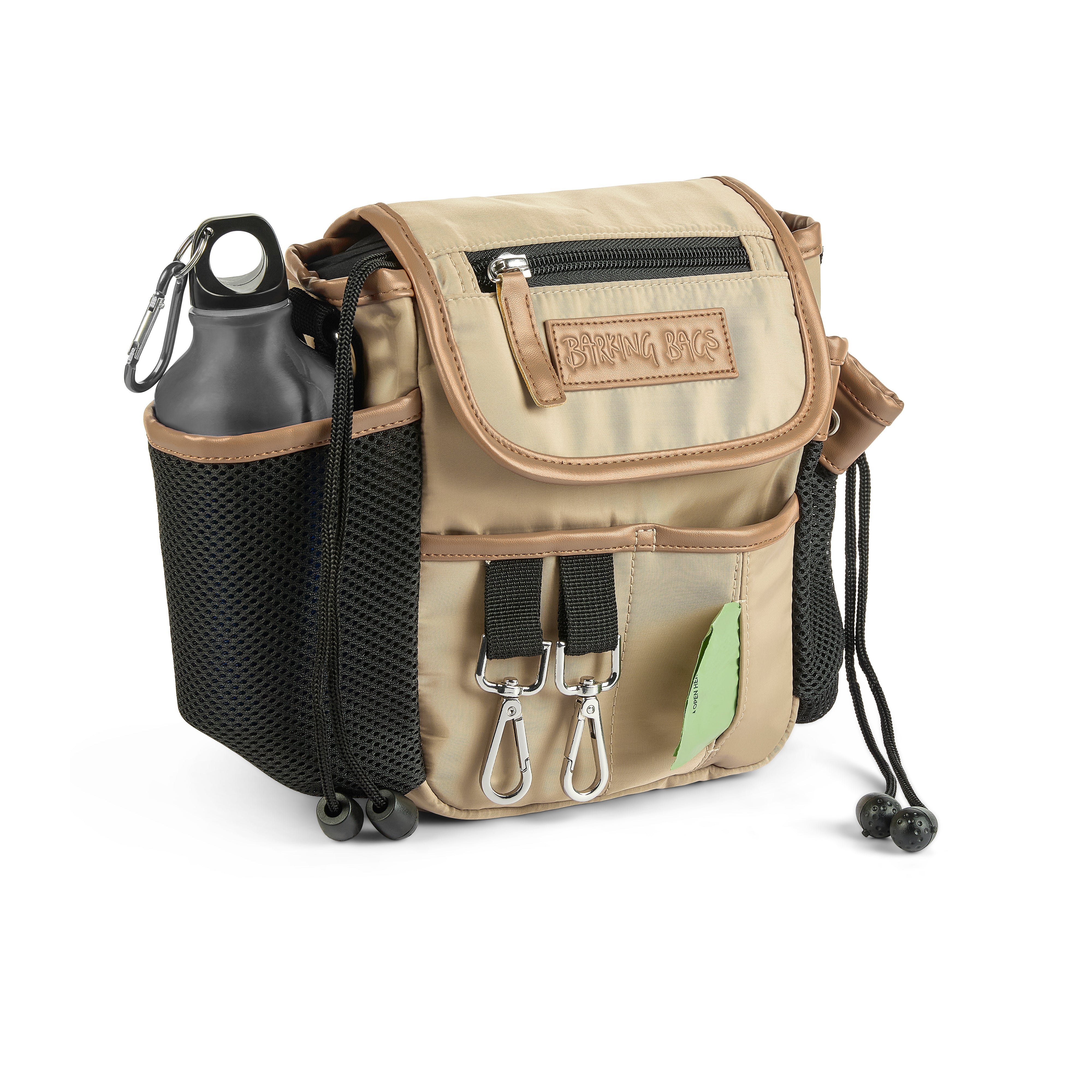
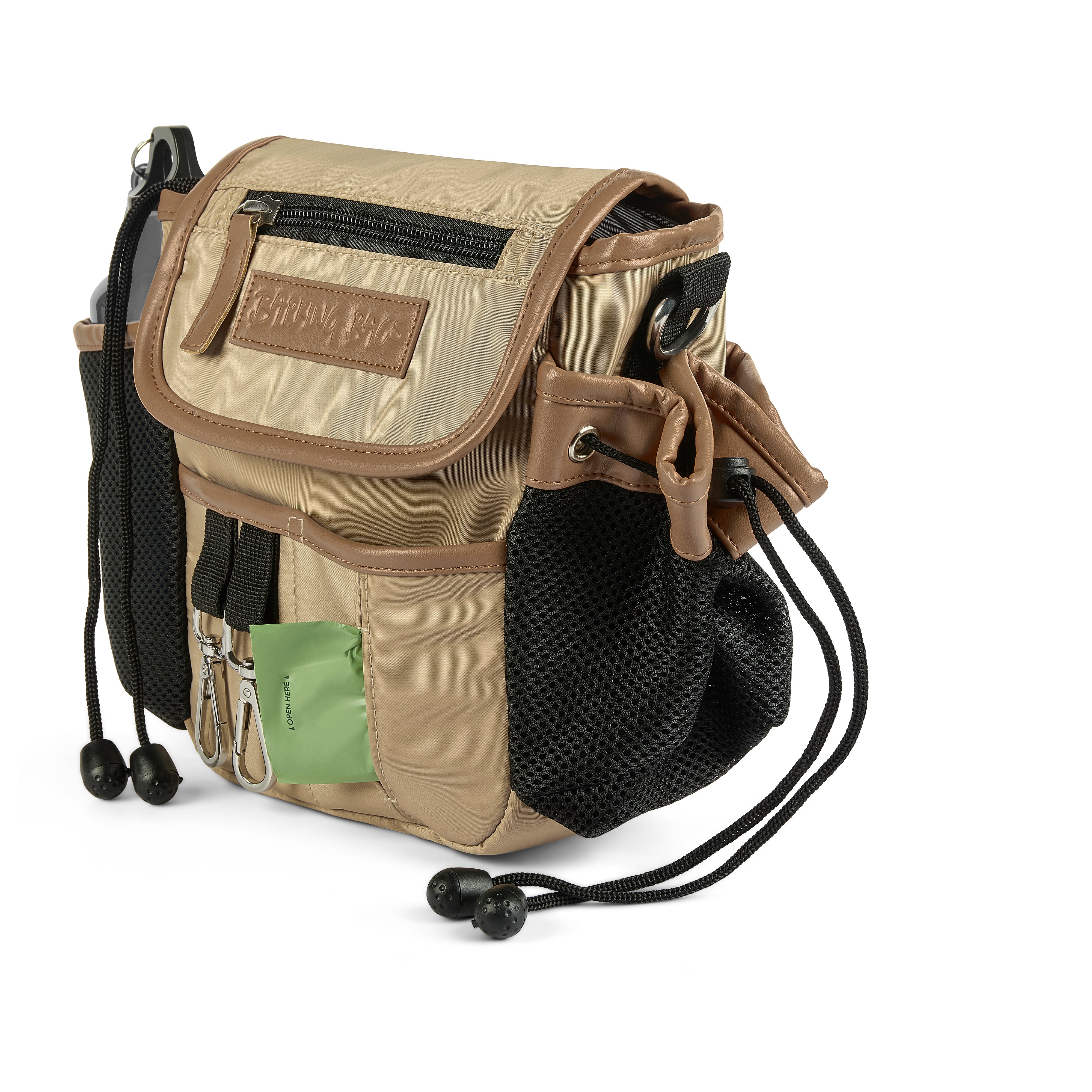
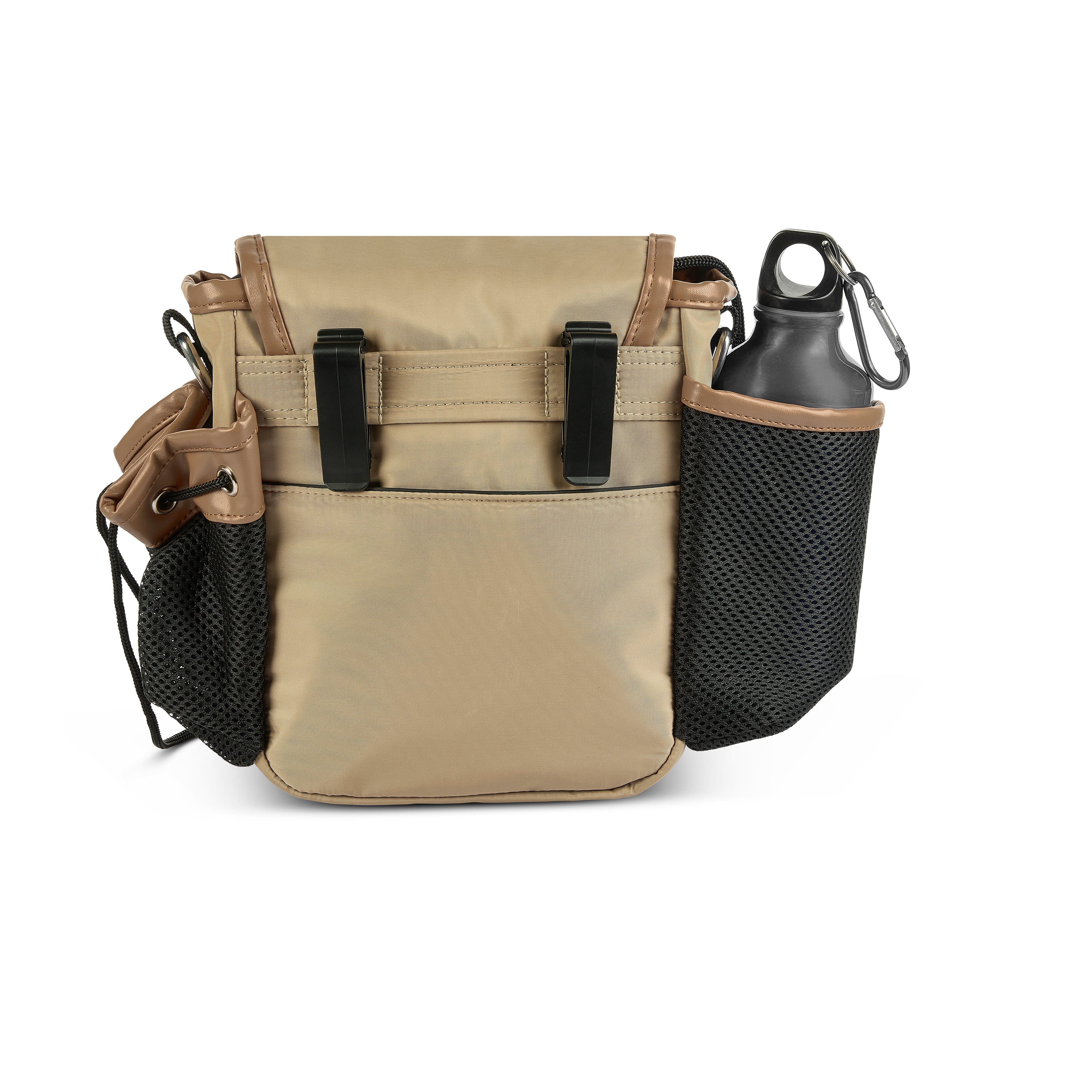
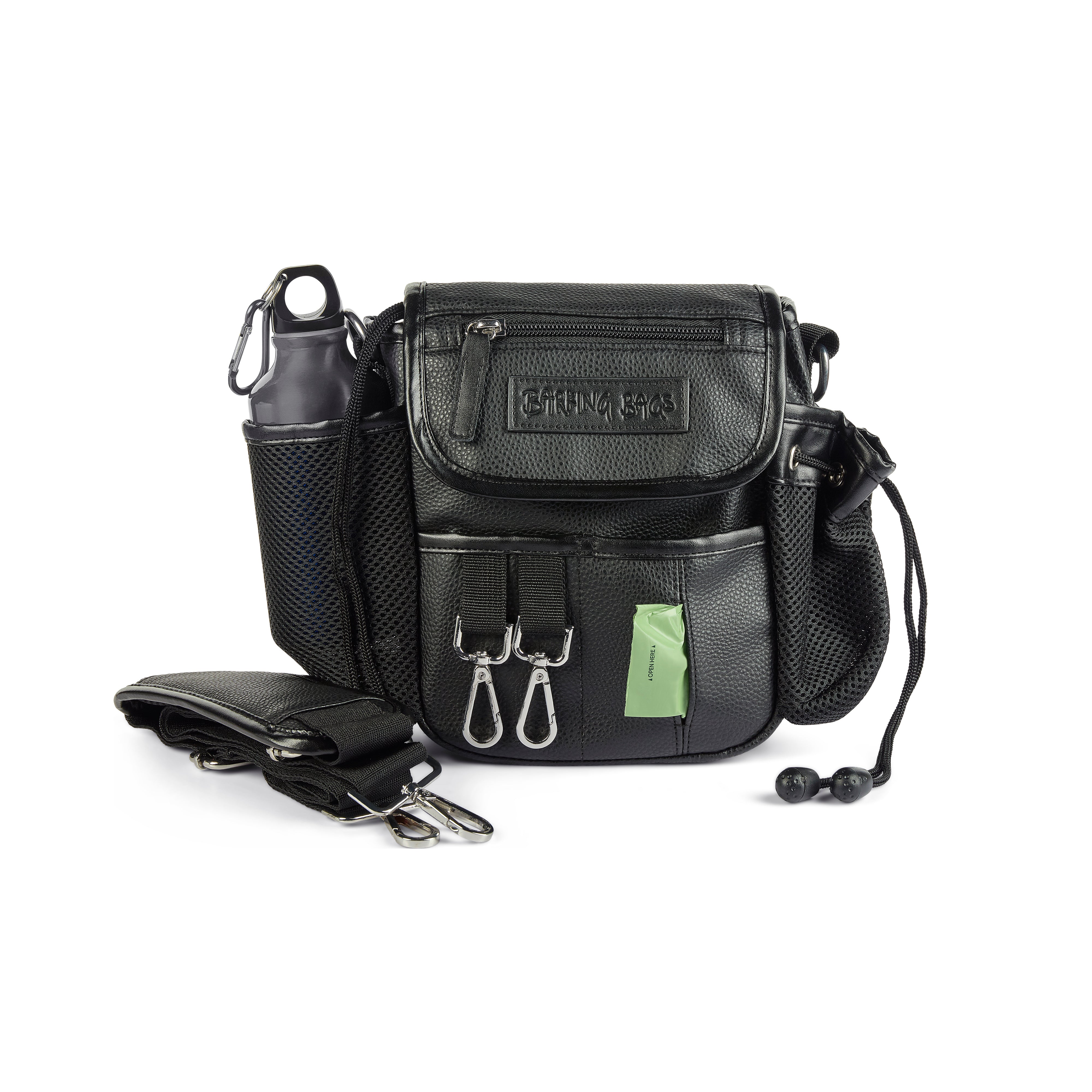
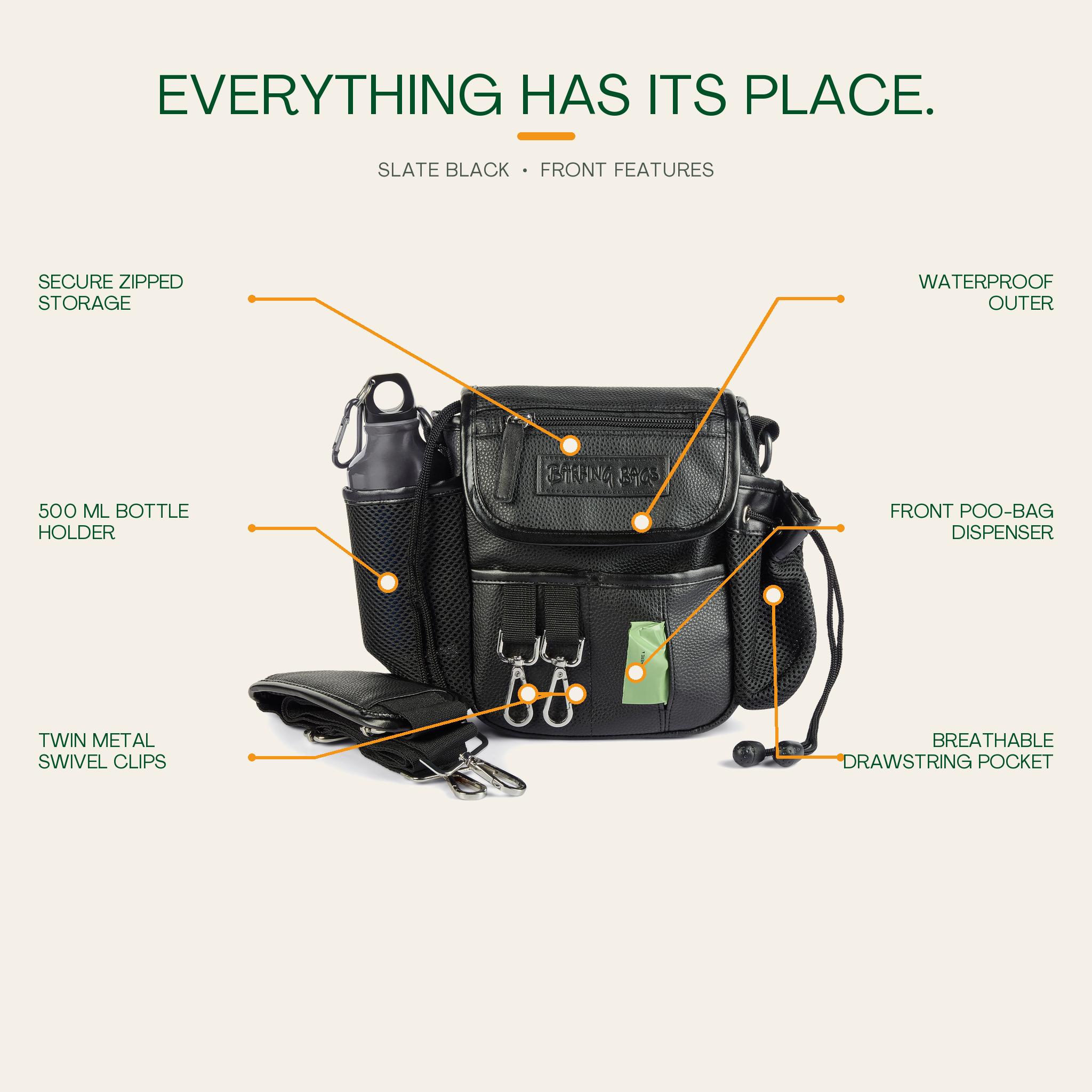
This is why specialist accessories have become more popular with UK dog owners. People are not just looking for somewhere to chuck a few treats. They want a system that fits real walks, from quick loops round the block to longer weekend outings. Barking Bags has built its range around exactly that kind of everyday practicality, with design choices that make dog walking feel more organised without losing style.
Is a treat bag worth it for casual dog owners?
In many cases, yes. You do not need to be doing advanced obedience for a treat bag to be useful. Even basic everyday moments benefit from better timing and easier access. Rewarding calm behaviour at the front door, checking in on a walk or a quick recall in the park all become easier when treats are ready to hand.
That said, if you rarely use treats and usually head out with nothing more than a lead and a poo bag, you may not need a separate bag at all. The best buy is the one that suits your routine, not the one with the most features.
For lots of owners, though, once they stop using pockets, they do not go back. It is cleaner, quicker and far less irritating.
The best treat bag for dogs is the one you will actually use
There is always a temptation to overthink dog accessories, but this one is fairly simple. A treat bag needs to make walks easier. It should help you reward your dog quickly, keep your essentials organised and fit comfortably into the way you already live.
If it is awkward to wear, hard to clean or too cramped to be useful, it will end up in a drawer. If it feels natural, practical and ready for real life, you will reach for it every day without thinking.
And that is usually the clearest sign you have chosen well - the walk feels less cluttered, your timing improves, and you spend more of your attention on your dog instead of rummaging around for a reward.