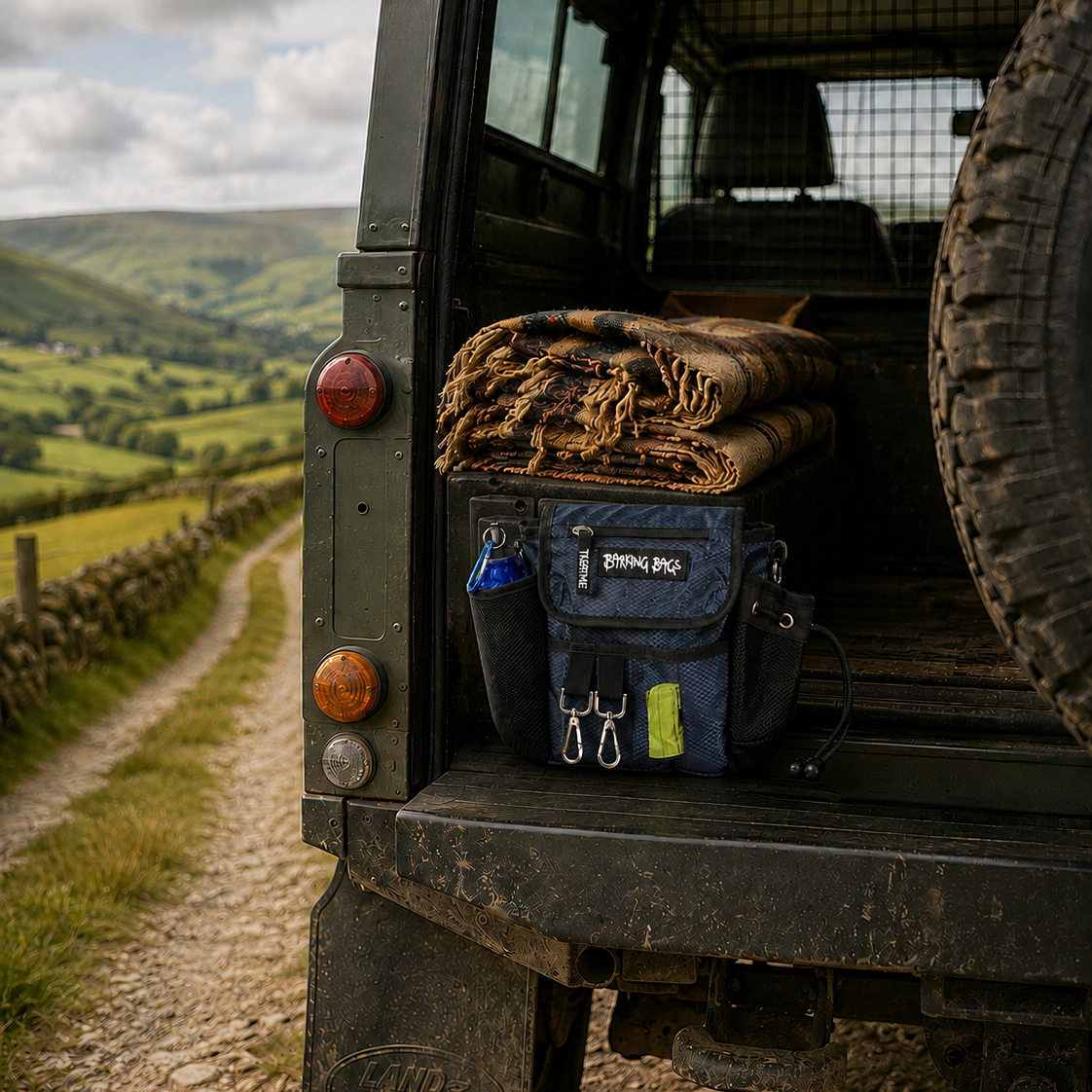

By the third lead change of the morning, most walkers know whether their setup is working or not. If you are reaching into the wrong pocket for poo bags, stuffing treats next to your keys, or carrying a handbag that was never meant for muddy parks, you need a better system. The right bag for professional dog walkers is not a nice extra. It is part of how you stay organised, look prepared, and keep your day moving.
Professional dog walking is repetitive in the best and worst ways. The routine is familiar, but the variables are not. One dog needs high-value treats, another needs a spare slip lead, another cannot walk past a squirrel without turning the pavement into chaos. Your bag has to support all of that without becoming bulky, awkward, or messy by lunchtime.
What makes a bag for professional dog walkers different?
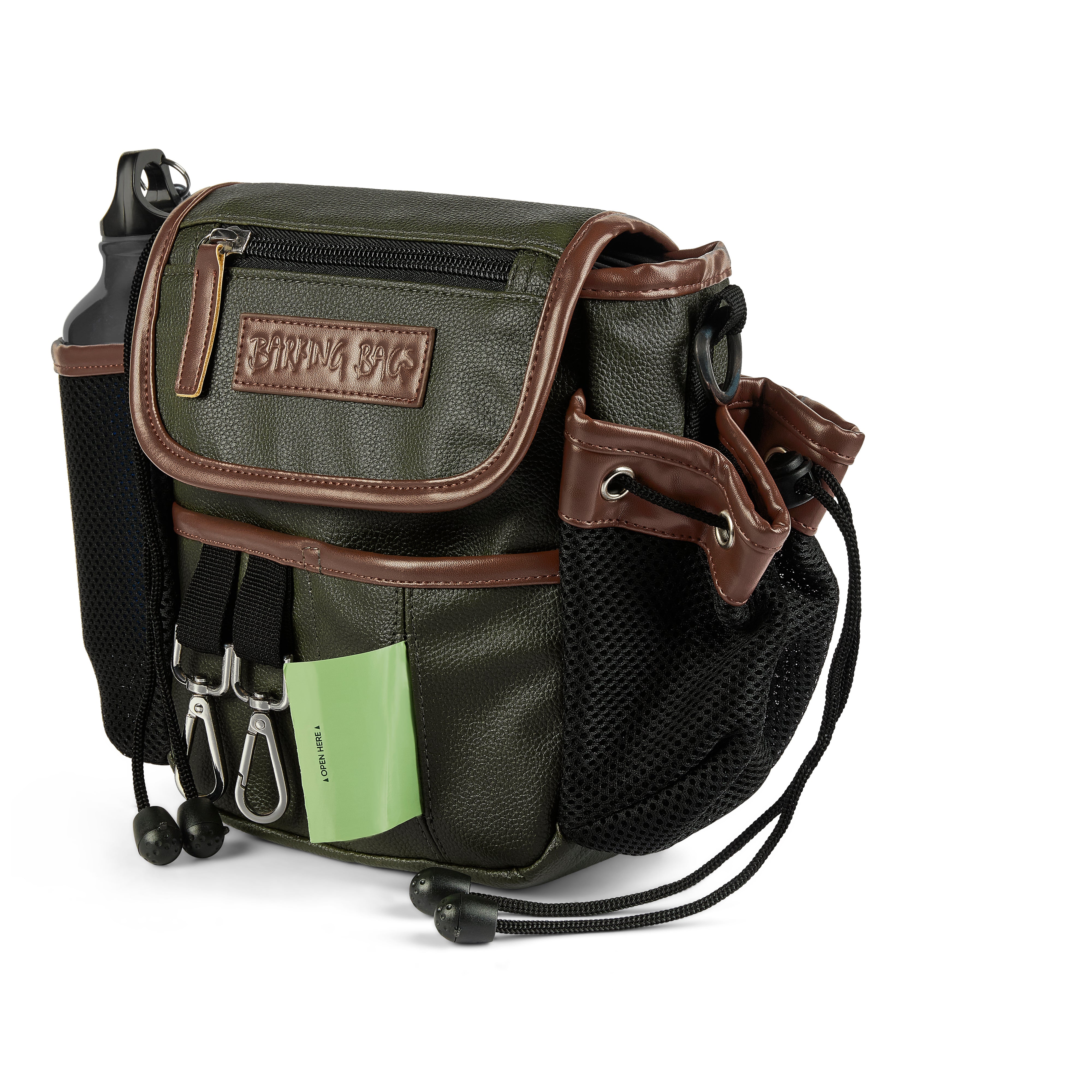
A dedicated dog walking bag earns its place because it solves problems that ordinary bags create. Standard crossbody bags and rucksacks can carry plenty, but they are rarely designed around quick access. That matters when you need one hand on a lead and the other reaching for treats, wipes, a clicker, or a roll of bags.
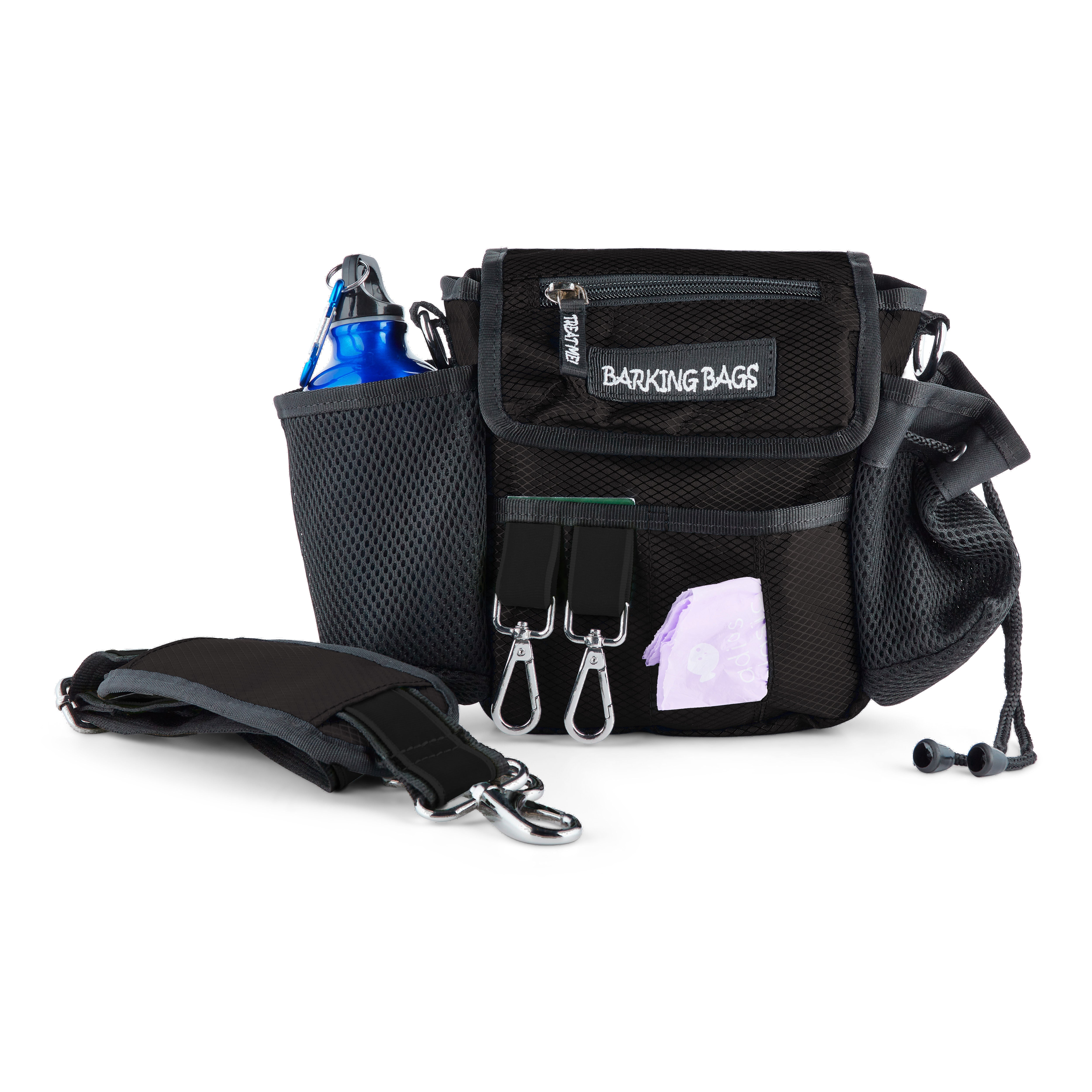
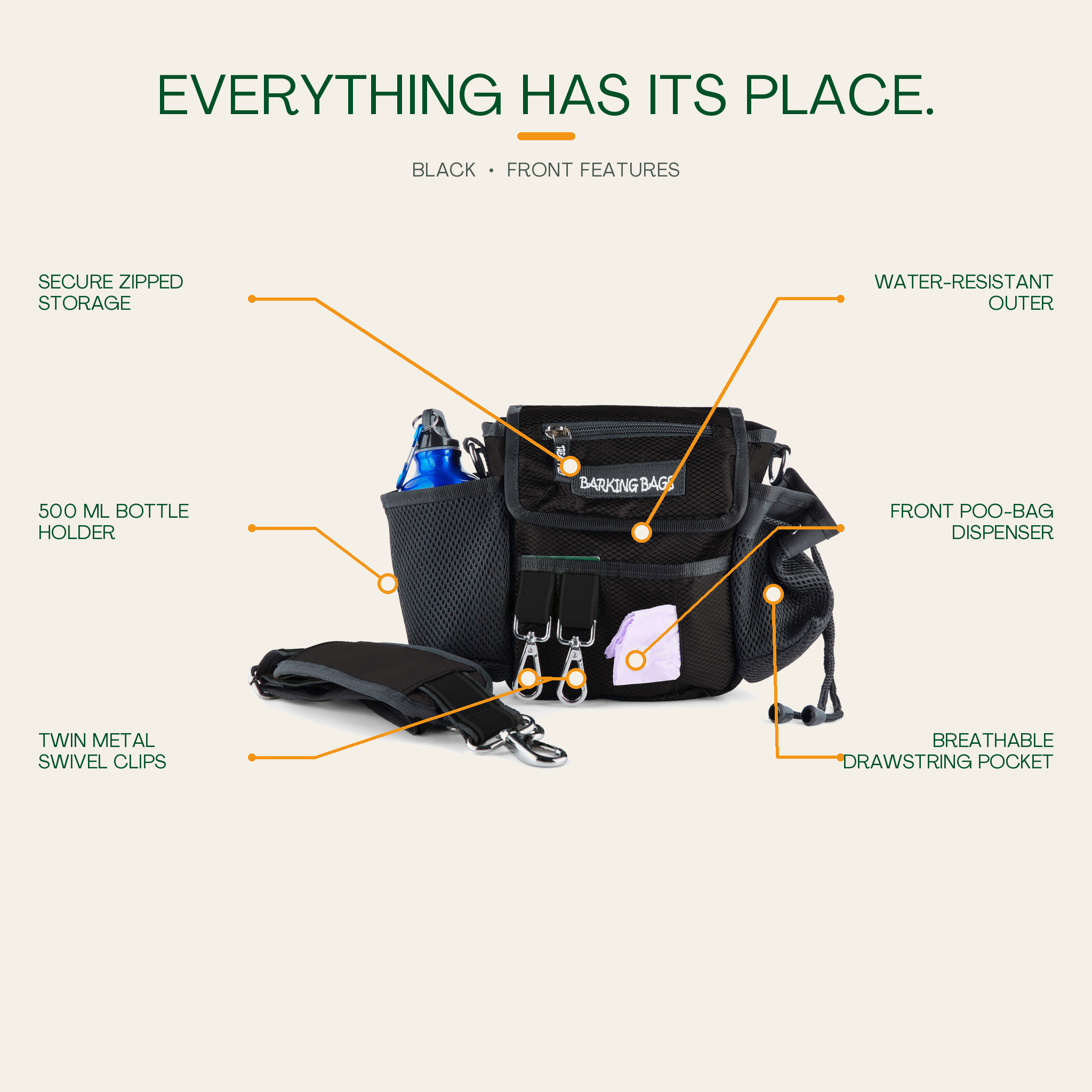
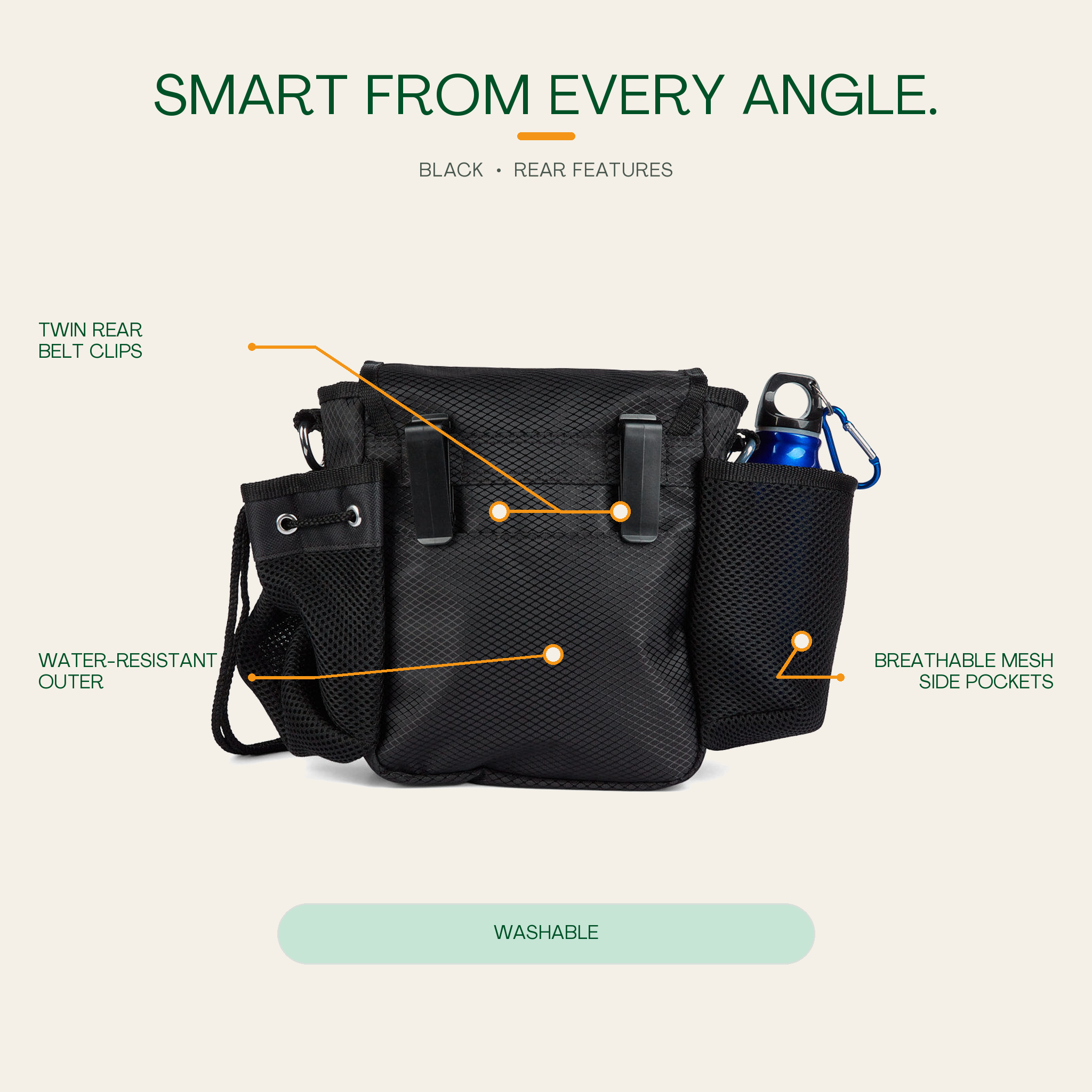
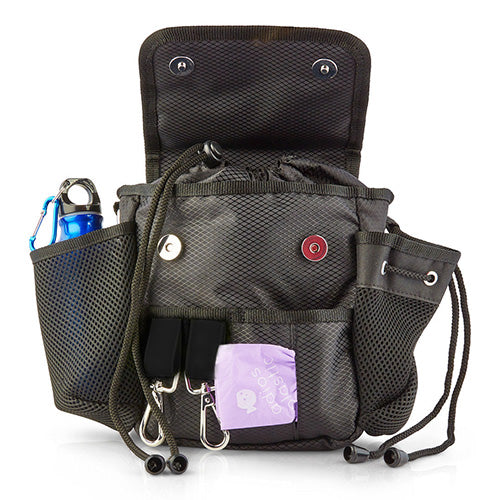
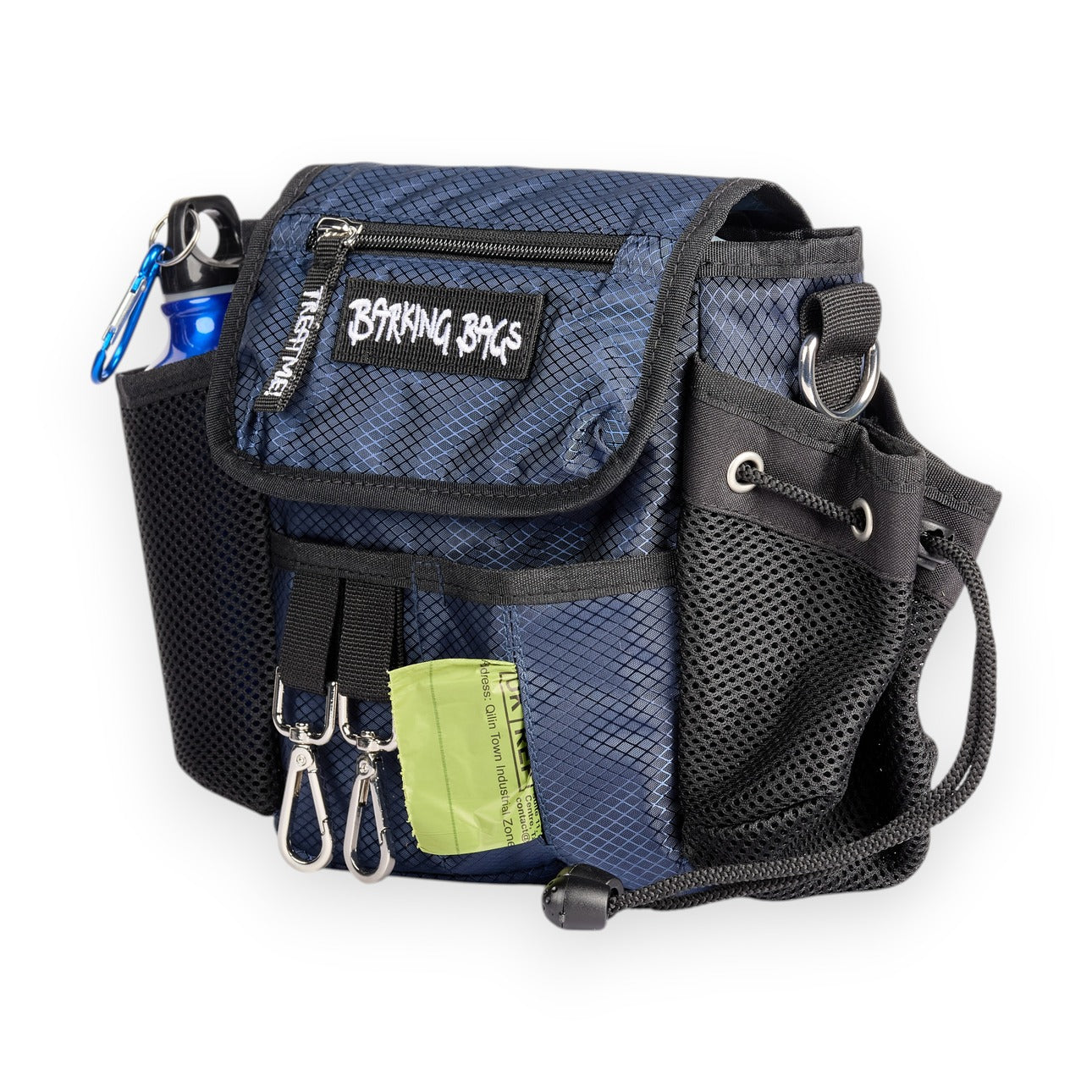
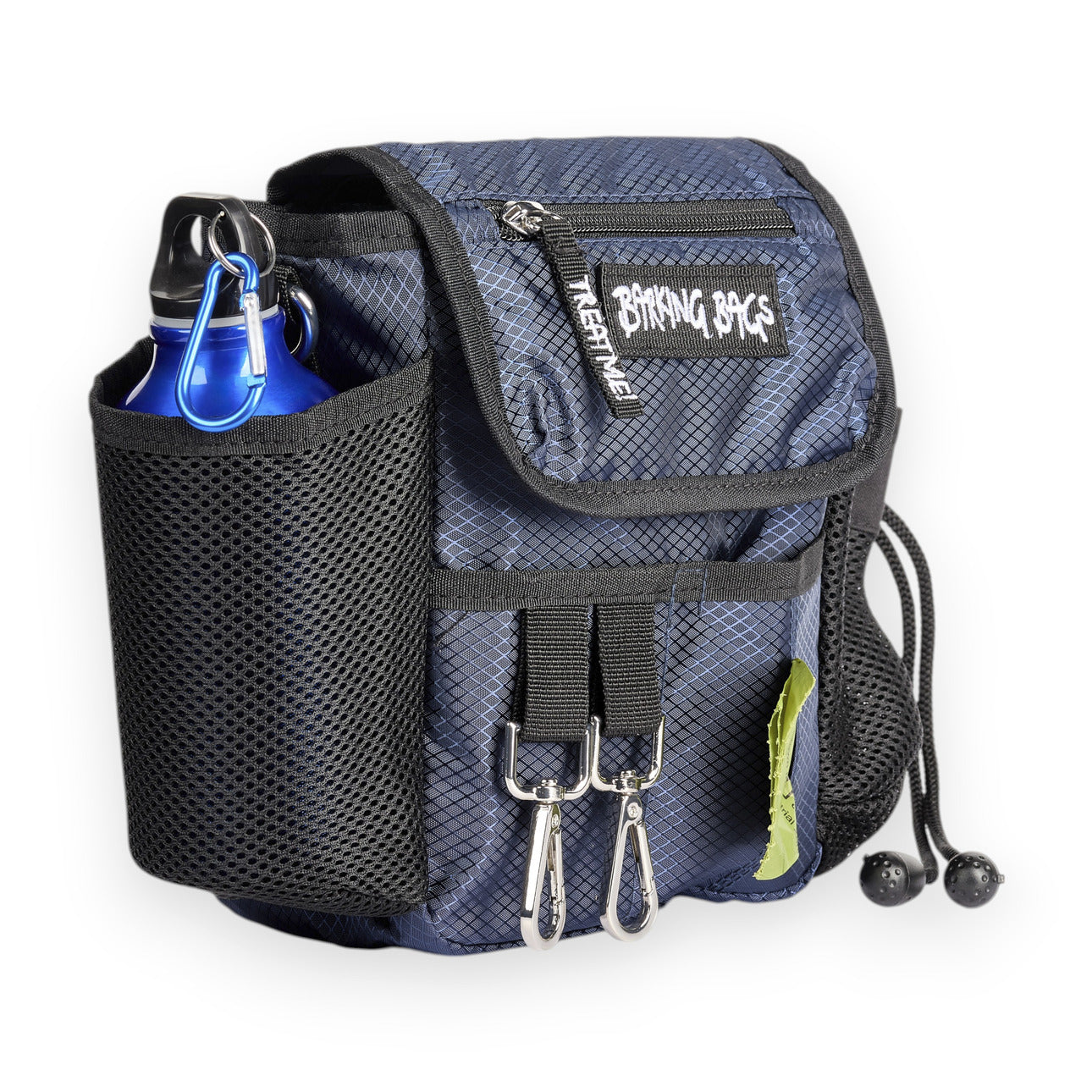
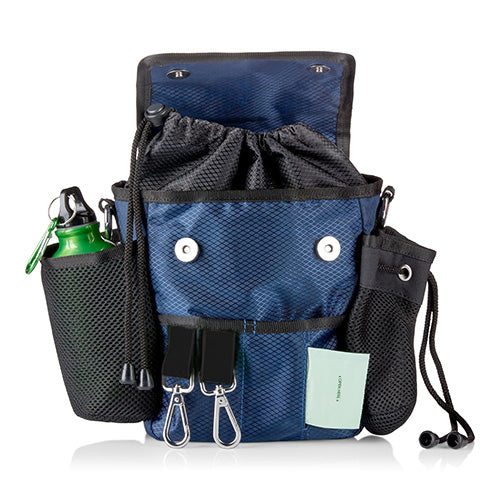
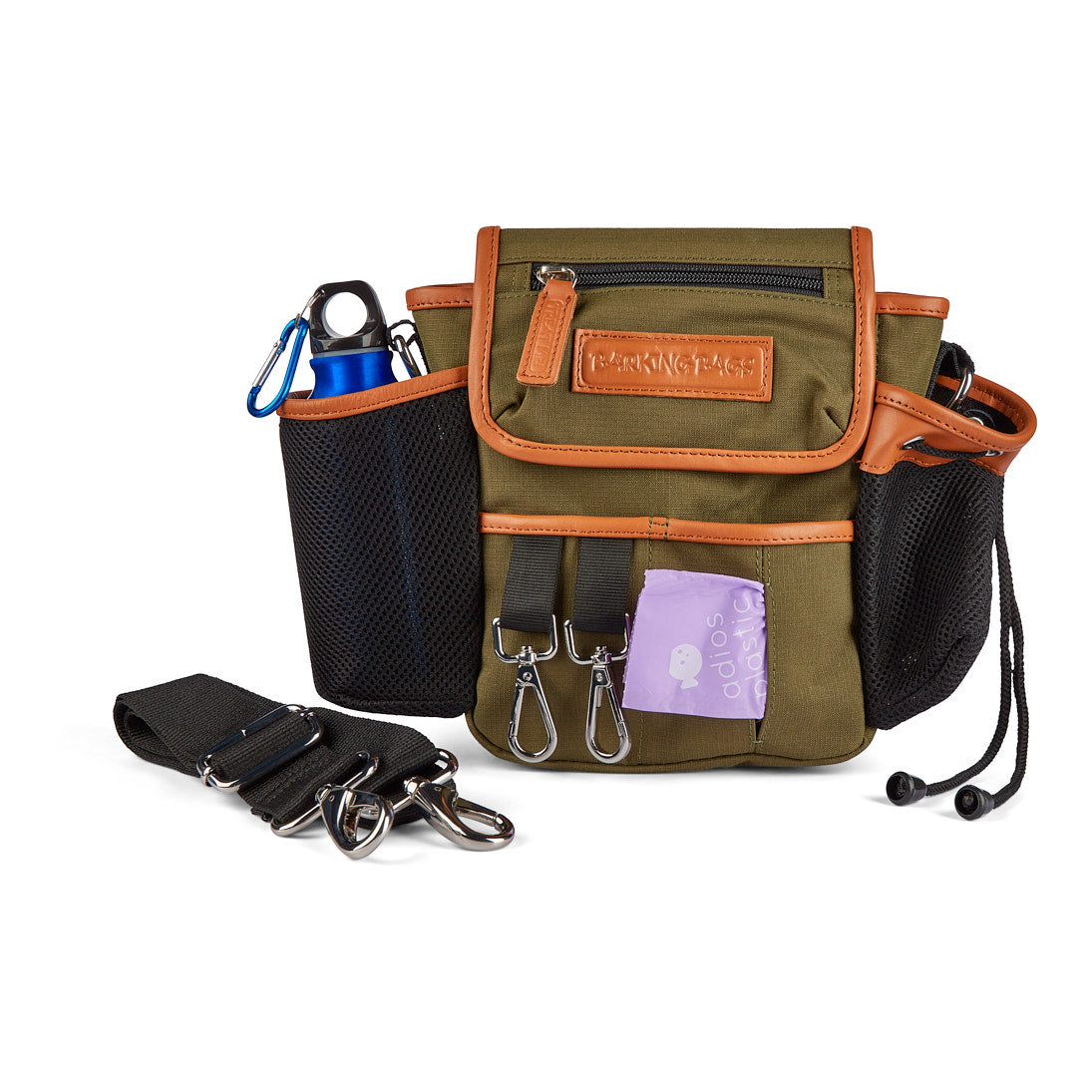
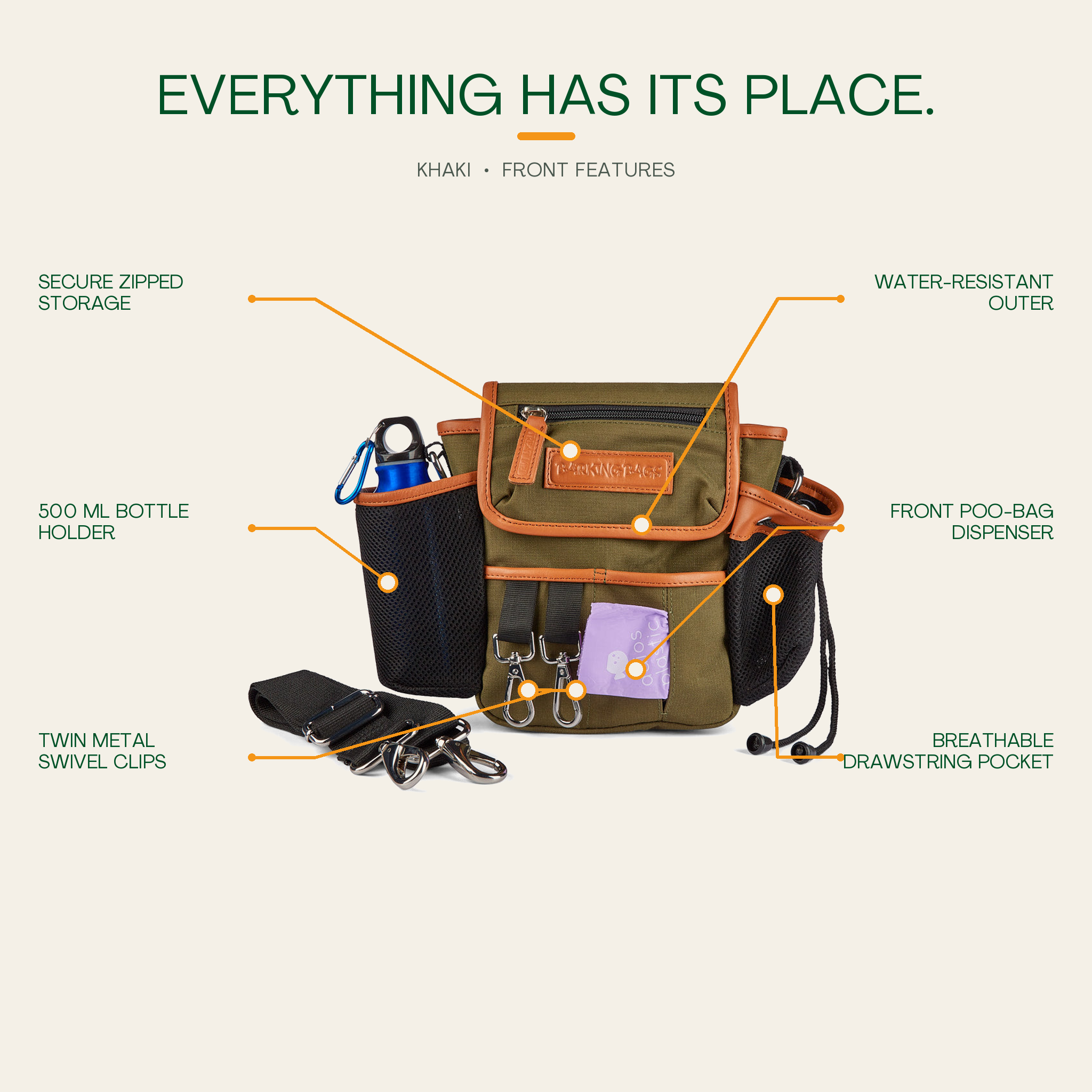
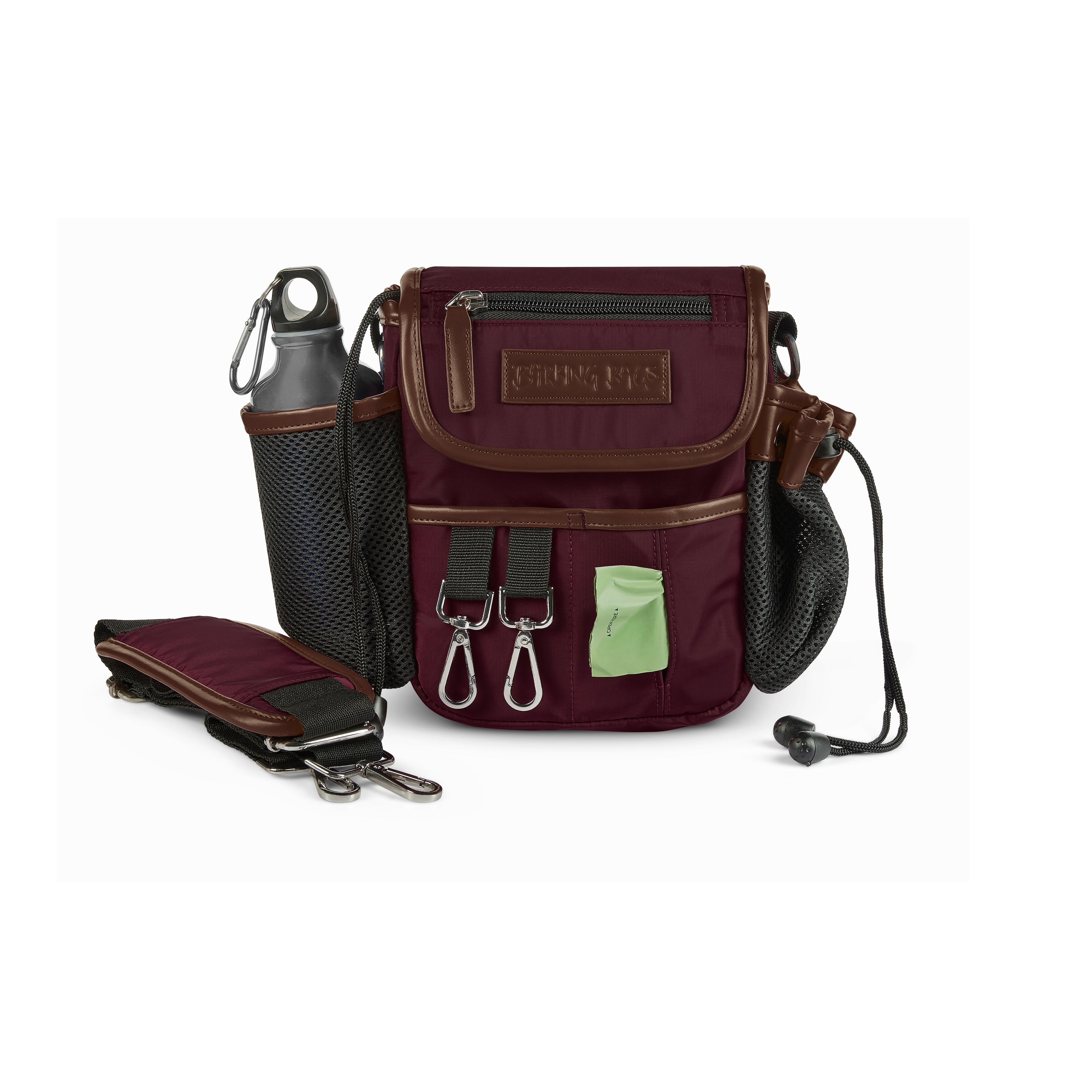
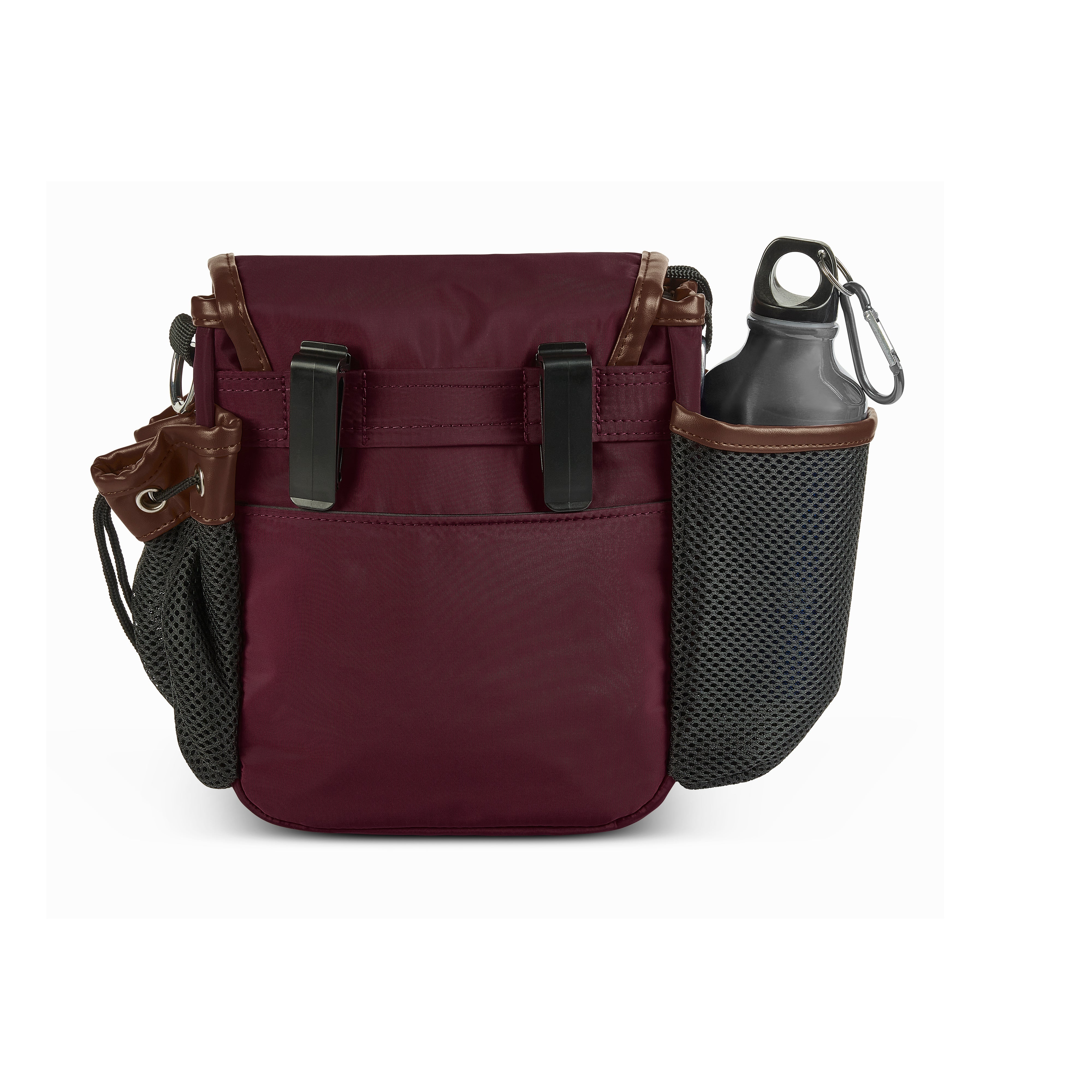
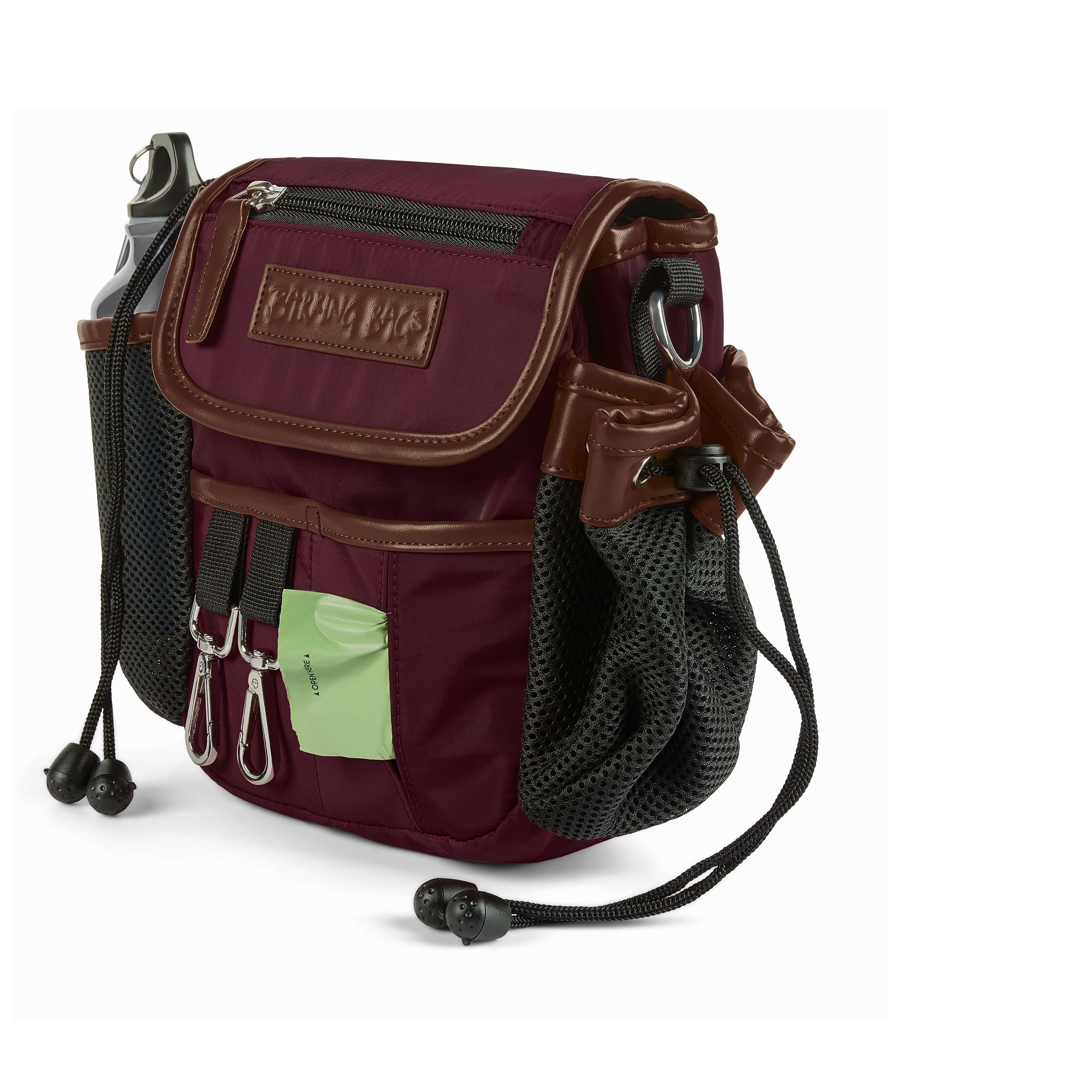
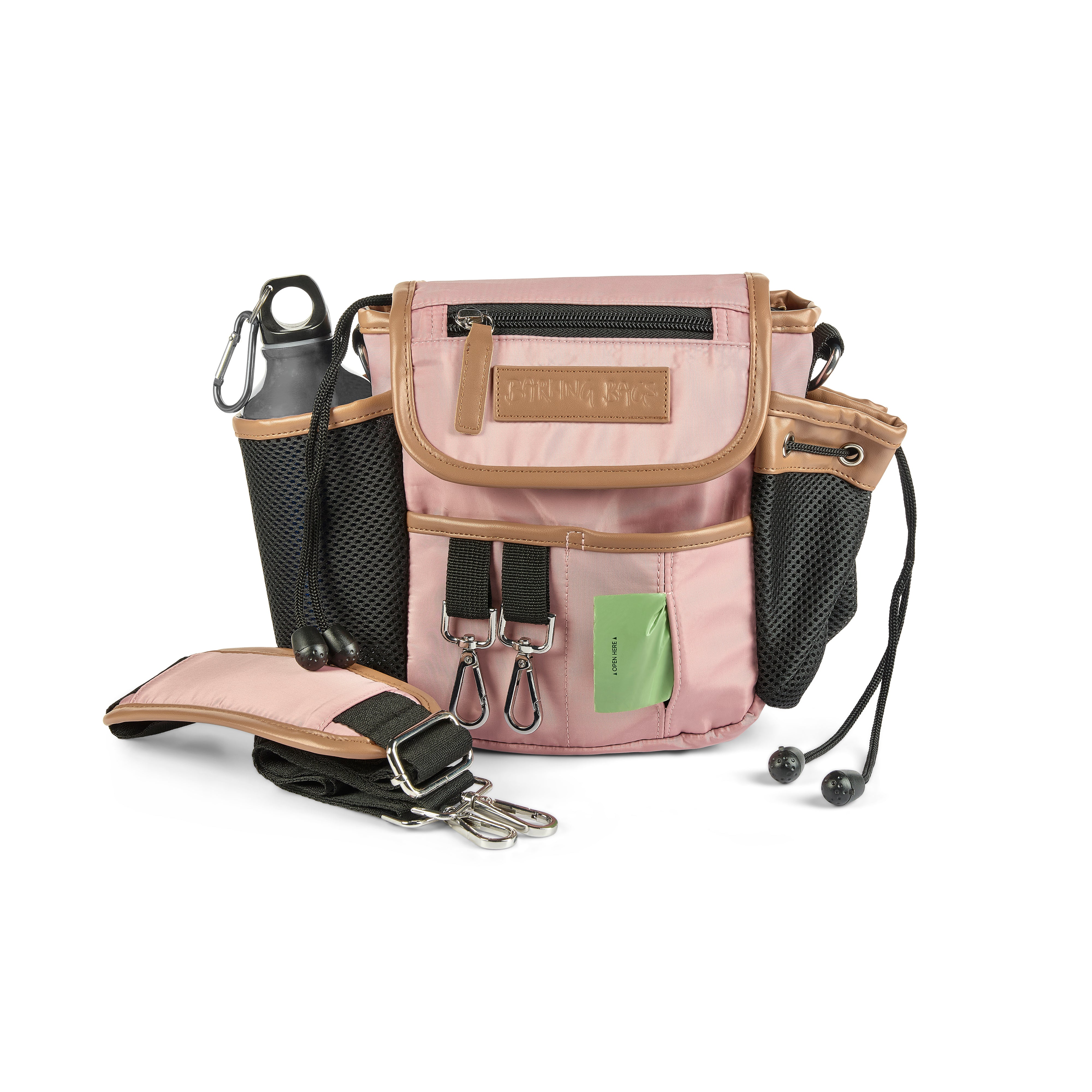
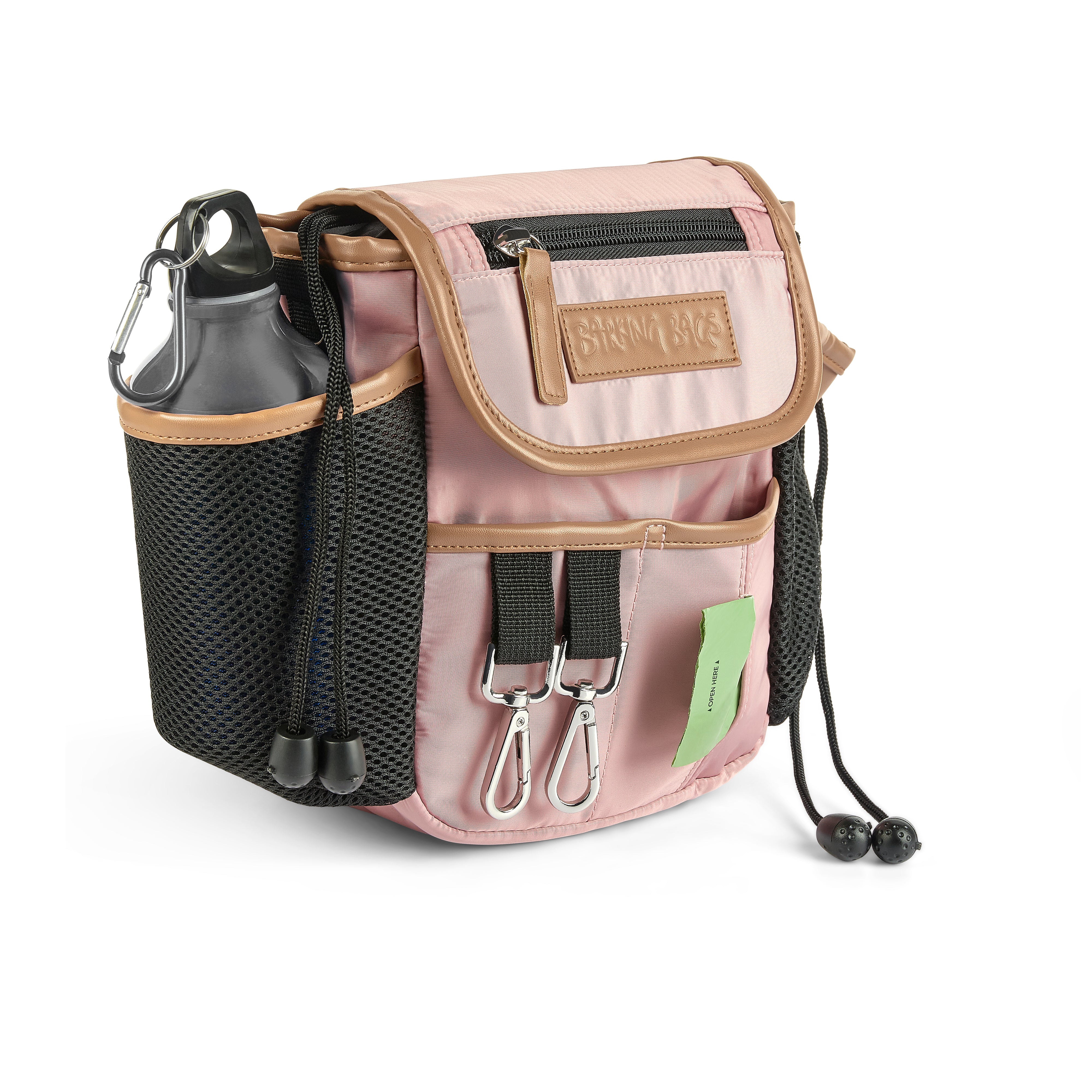
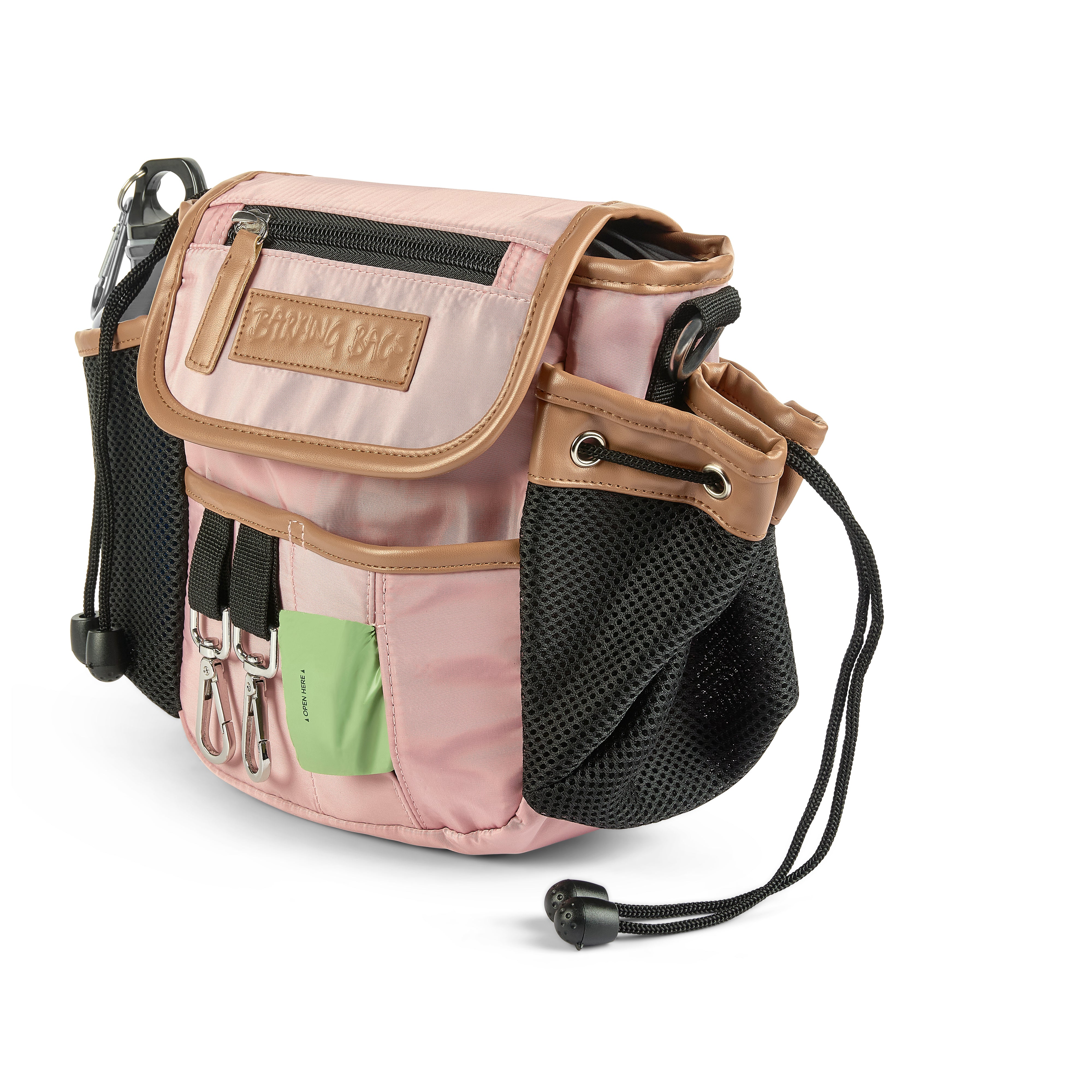
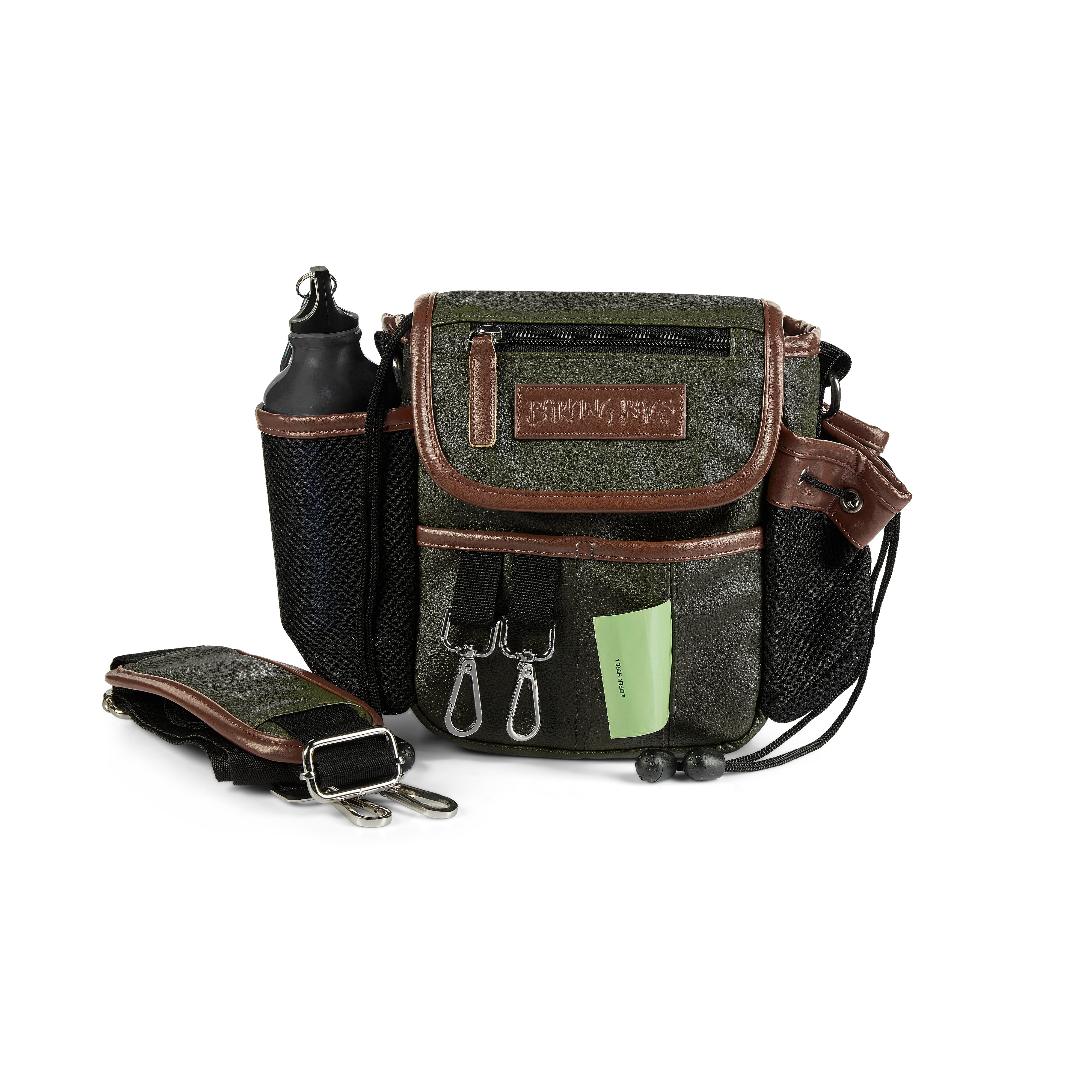
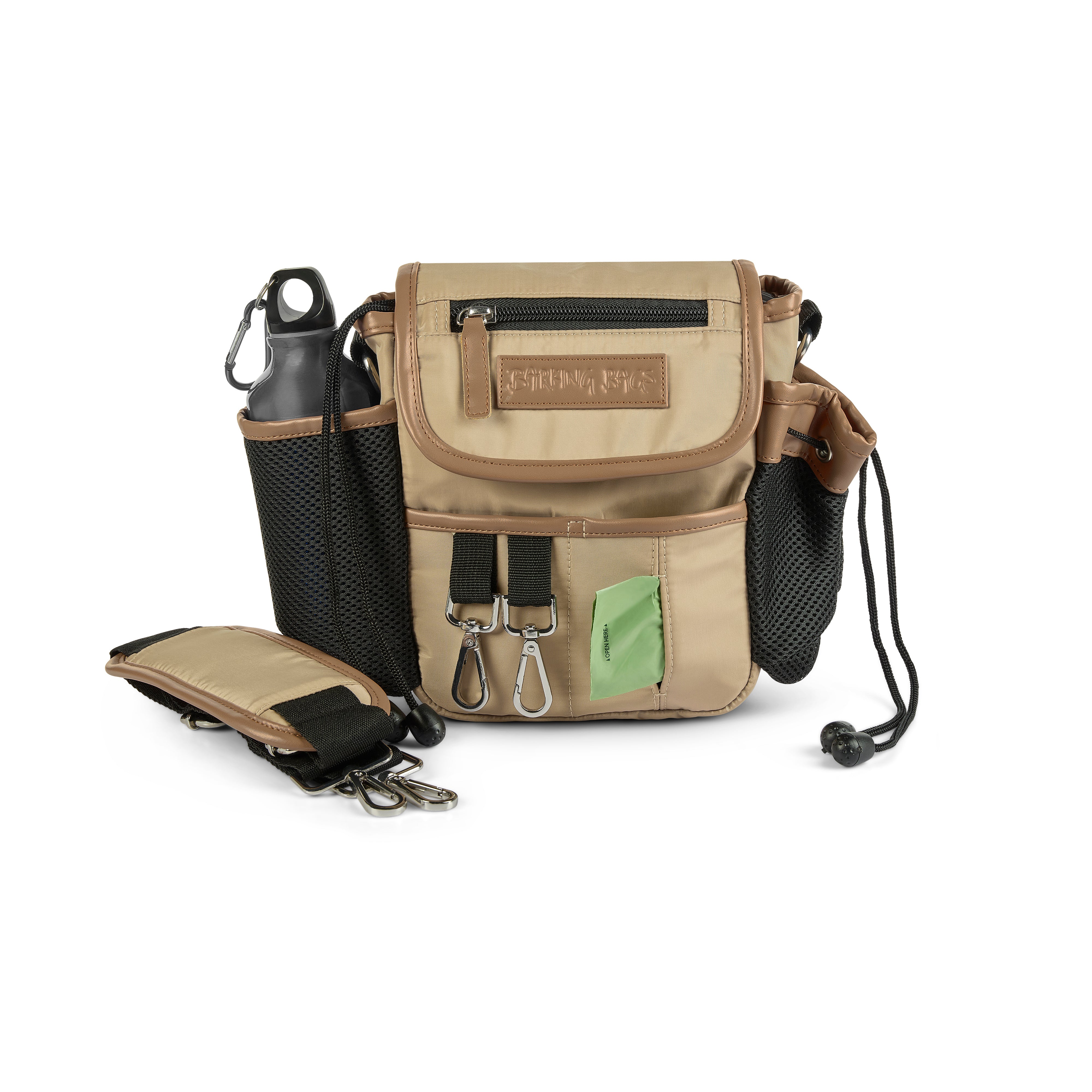
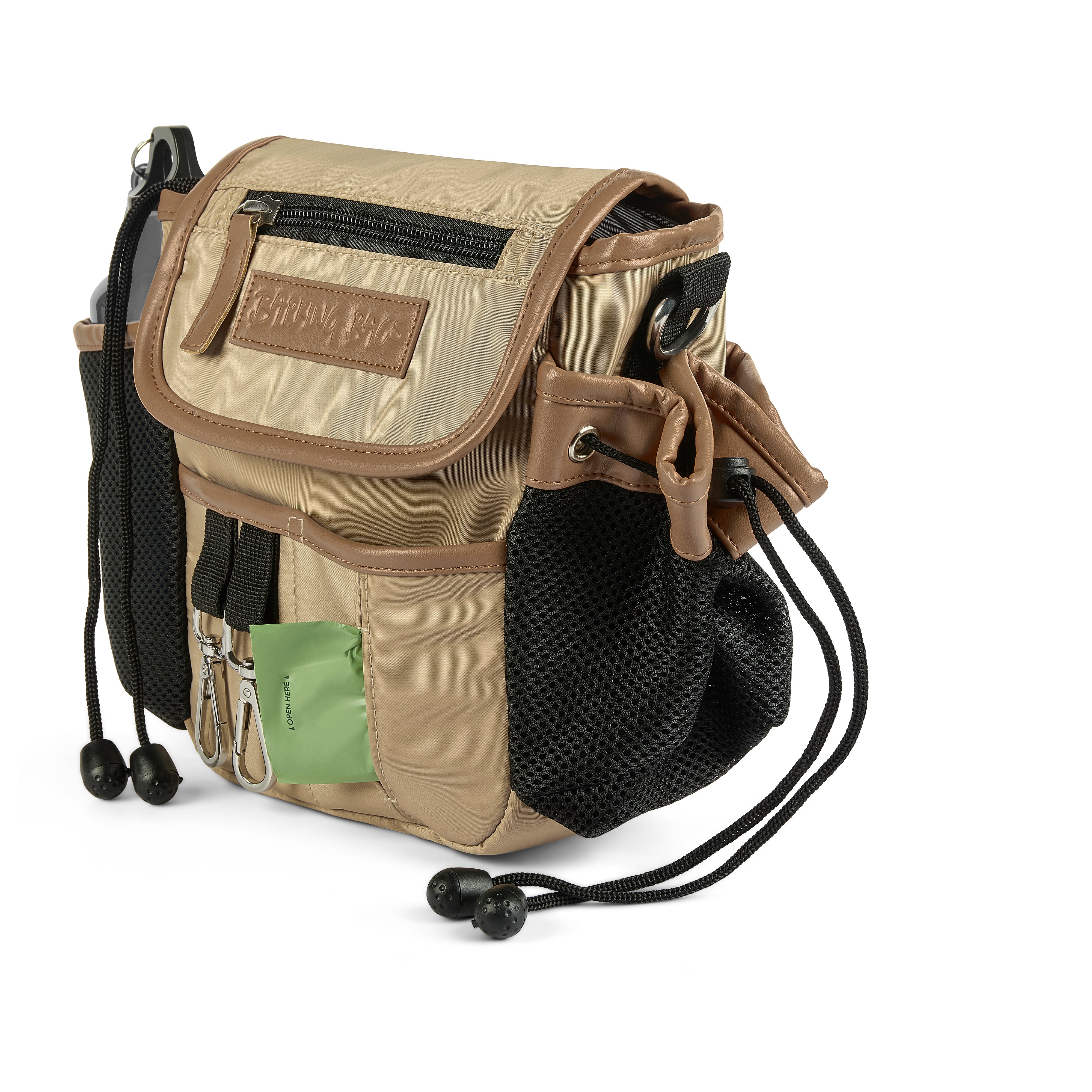
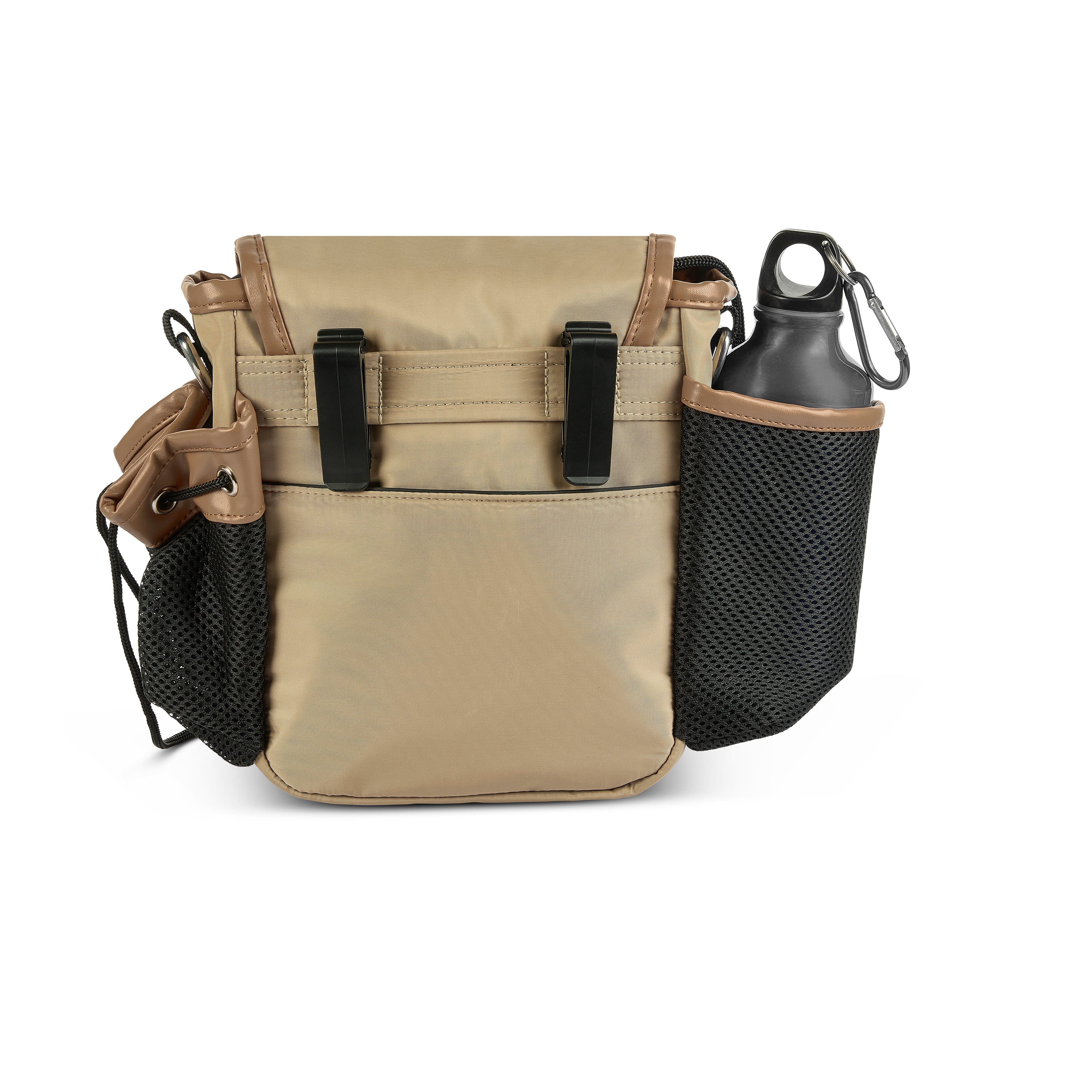
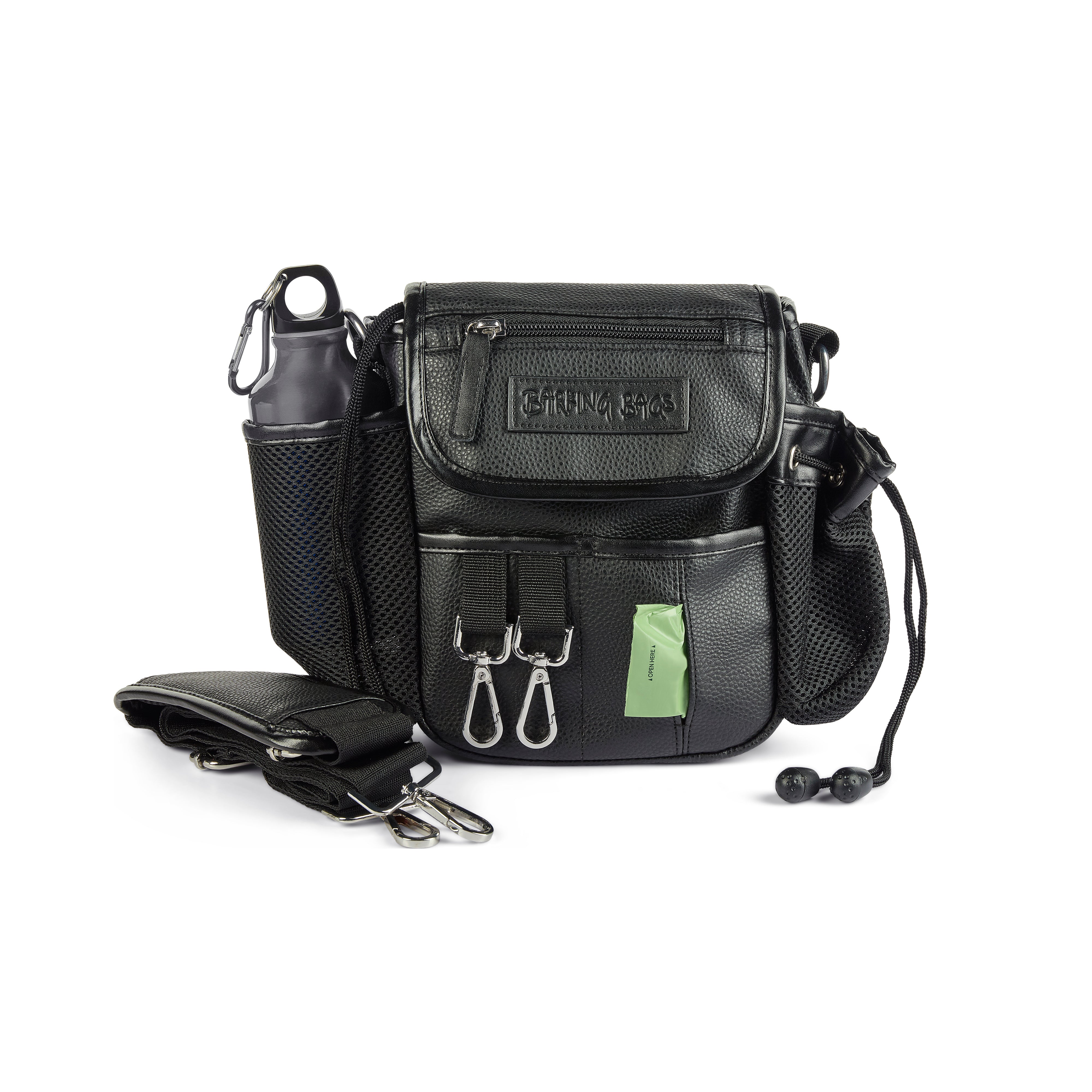
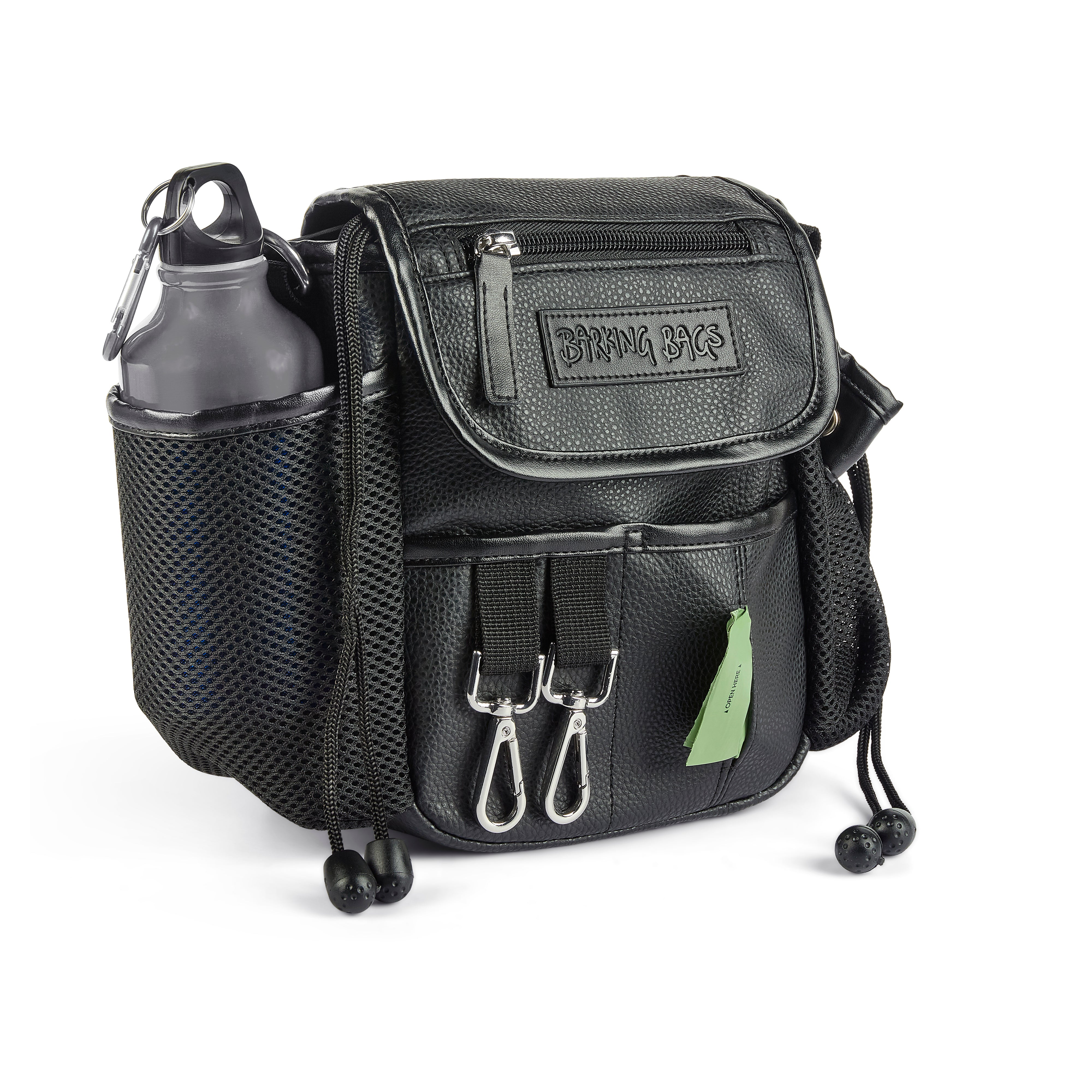
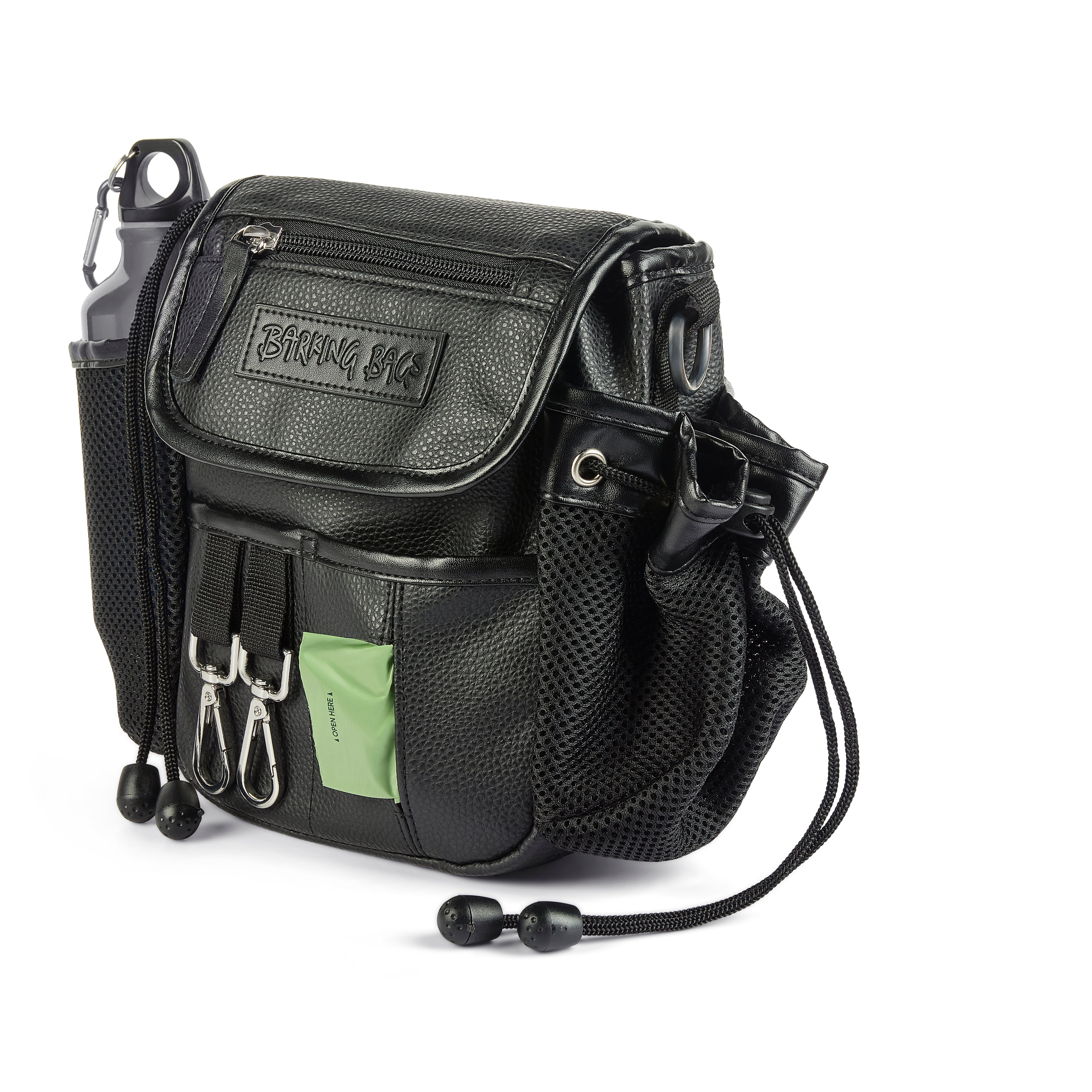
A proper bag for professional dog walkers should let you find what you need fast, ideally without looking. Separate compartments make a real difference here. Treats should not live next to your mobile phone. Used waste bag rolls should not get tangled with your keys. Water bottles, tennis balls, paperwork, and personal items all need a home if you want your working day to feel smooth rather than improvised.
There is also the question of appearance. Professional walkers are handling handovers with owners, often building trust over months or years. Looking organised helps. A bag that feels purpose-built, clean, and well considered gives a better impression than overstuffed coat pockets or a tired tote bag that has seen too many rainy mornings.
The features worth paying for
The best bags are not always the biggest, and more compartments are not automatically better. What matters is whether the layout matches the way you actually work.
Easy-access storage
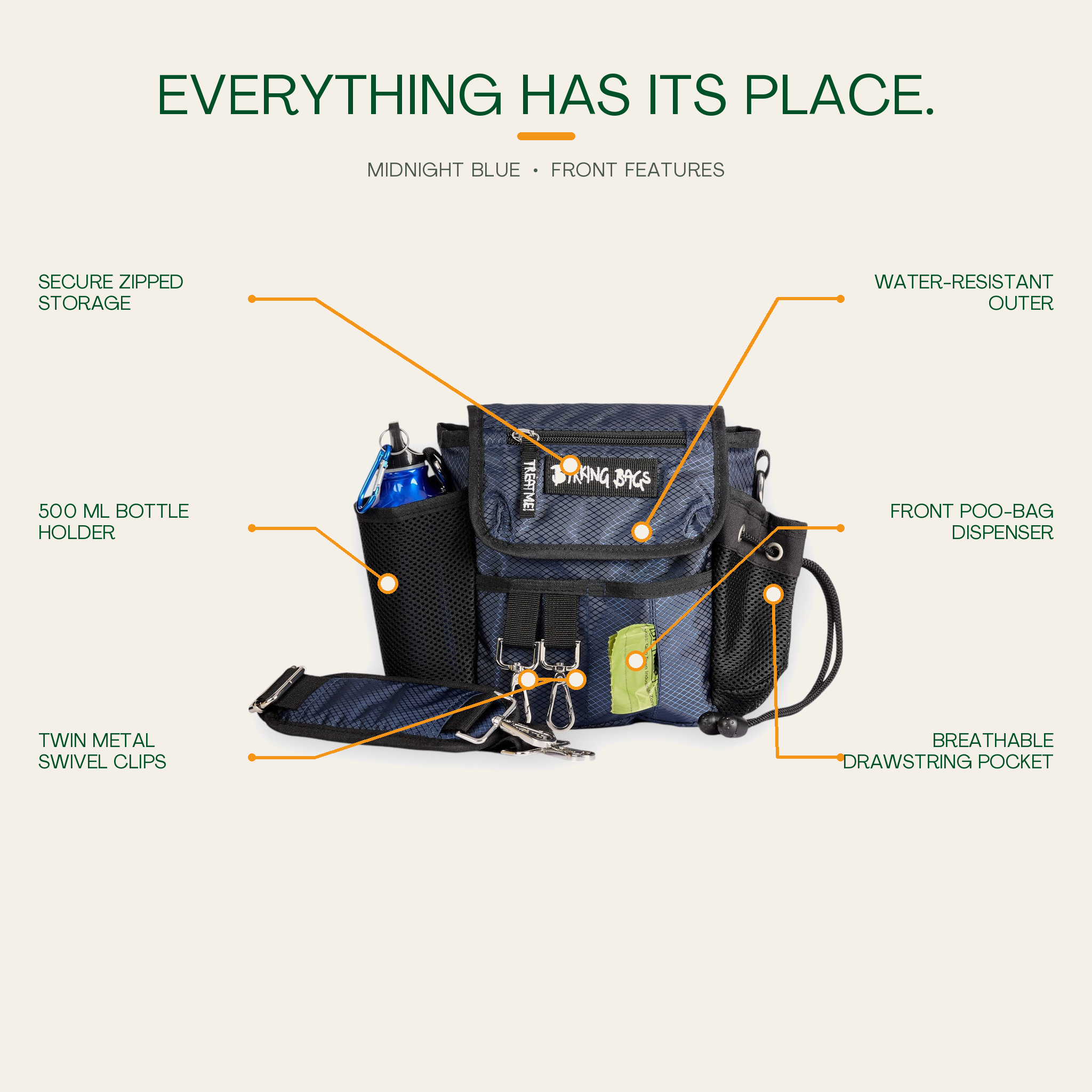
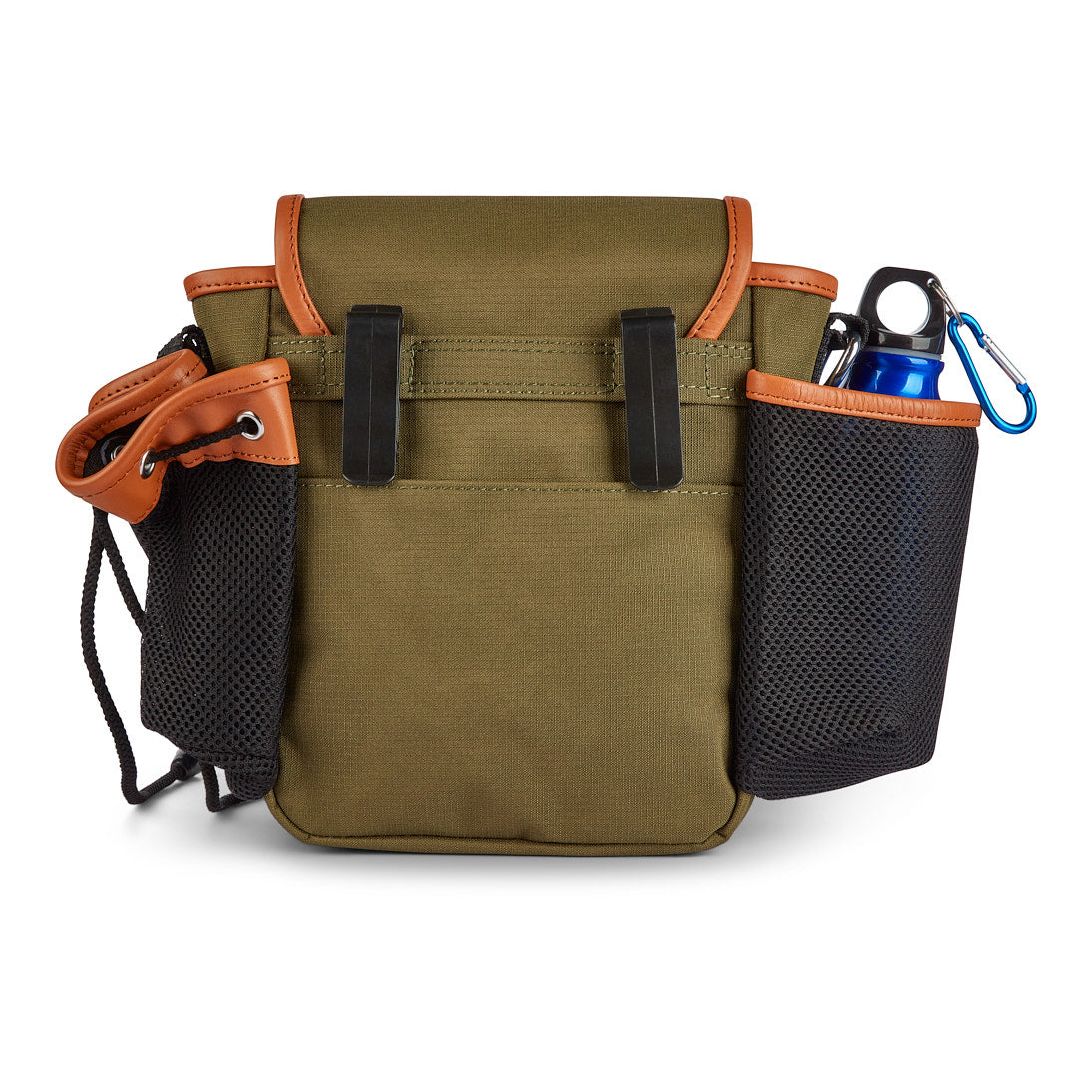
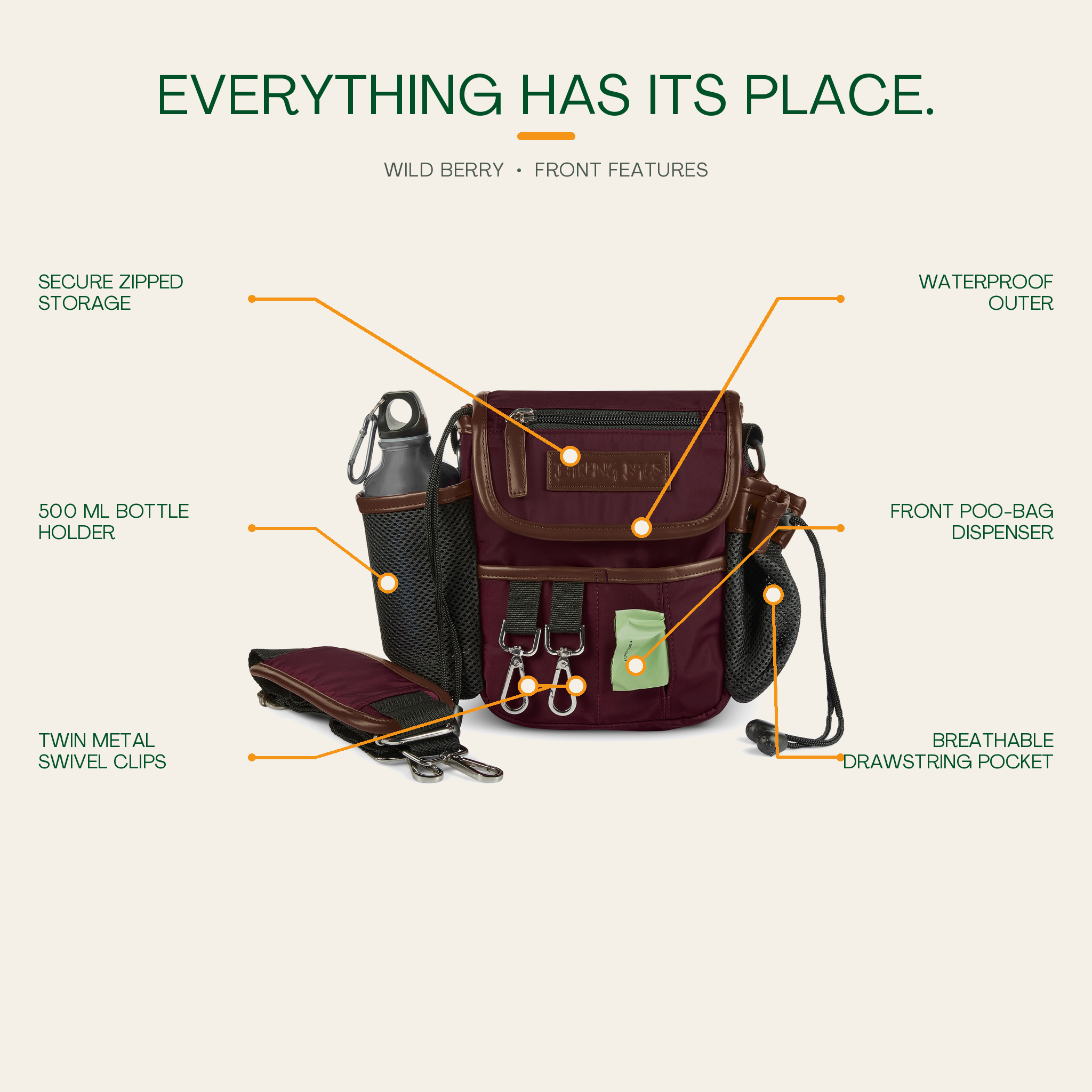
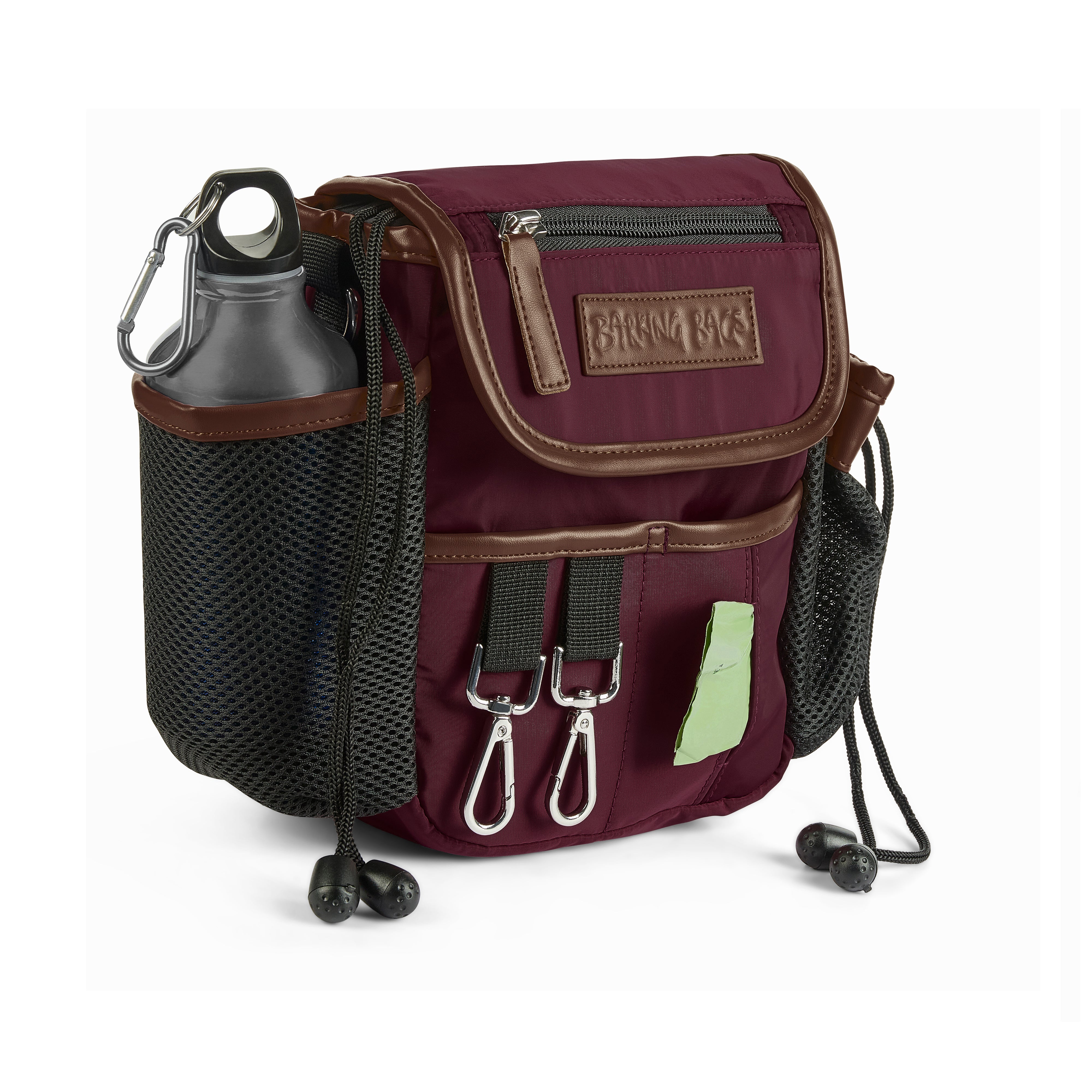
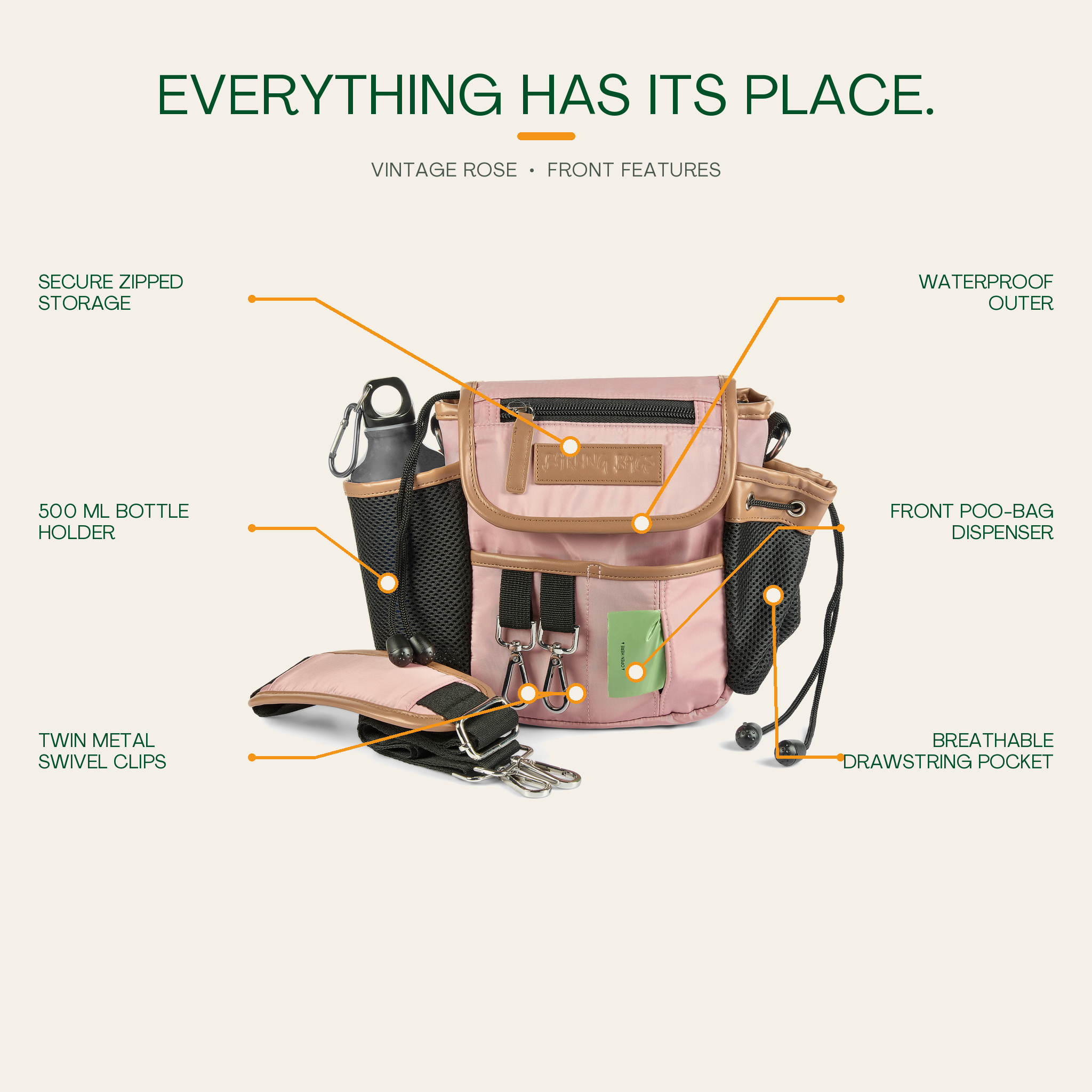
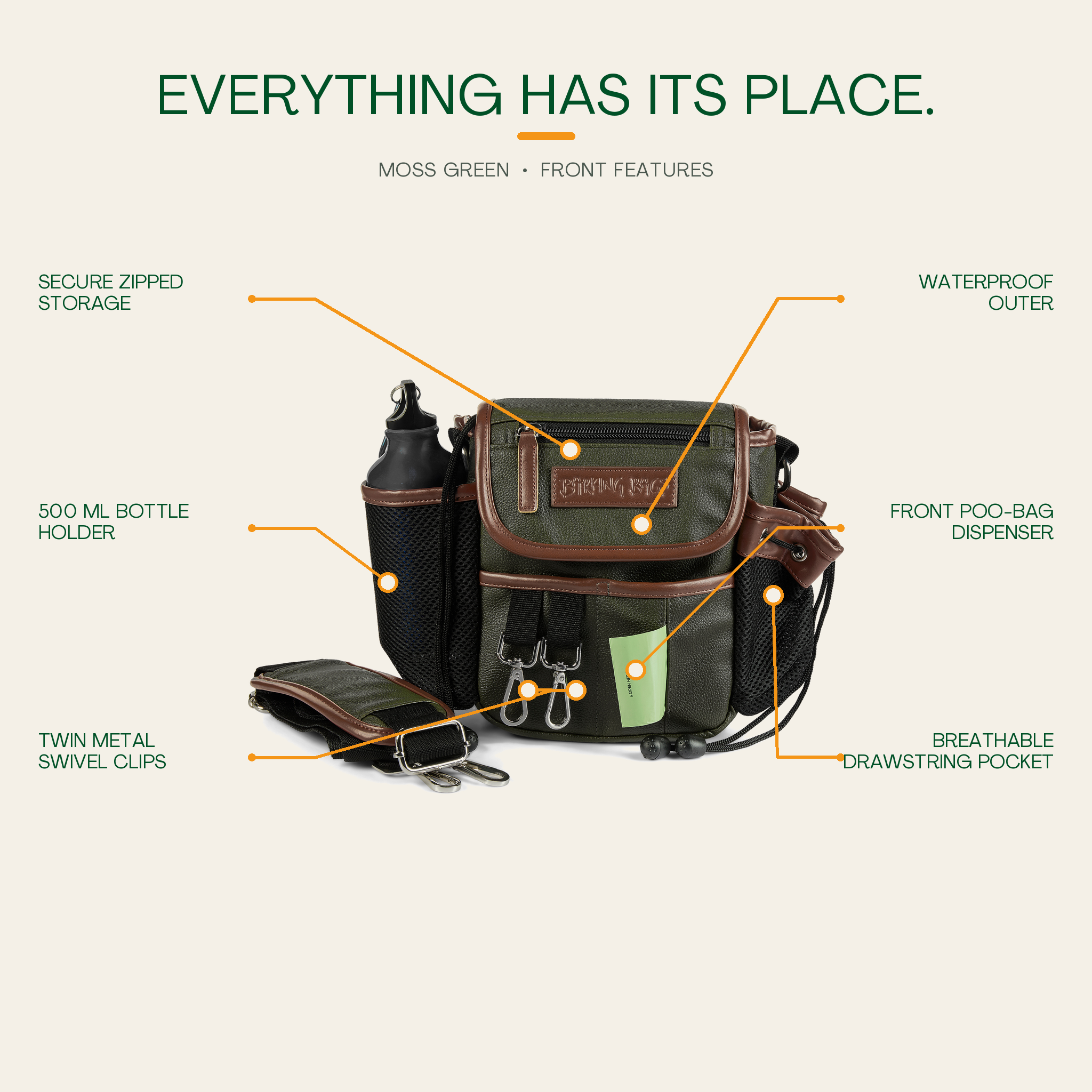
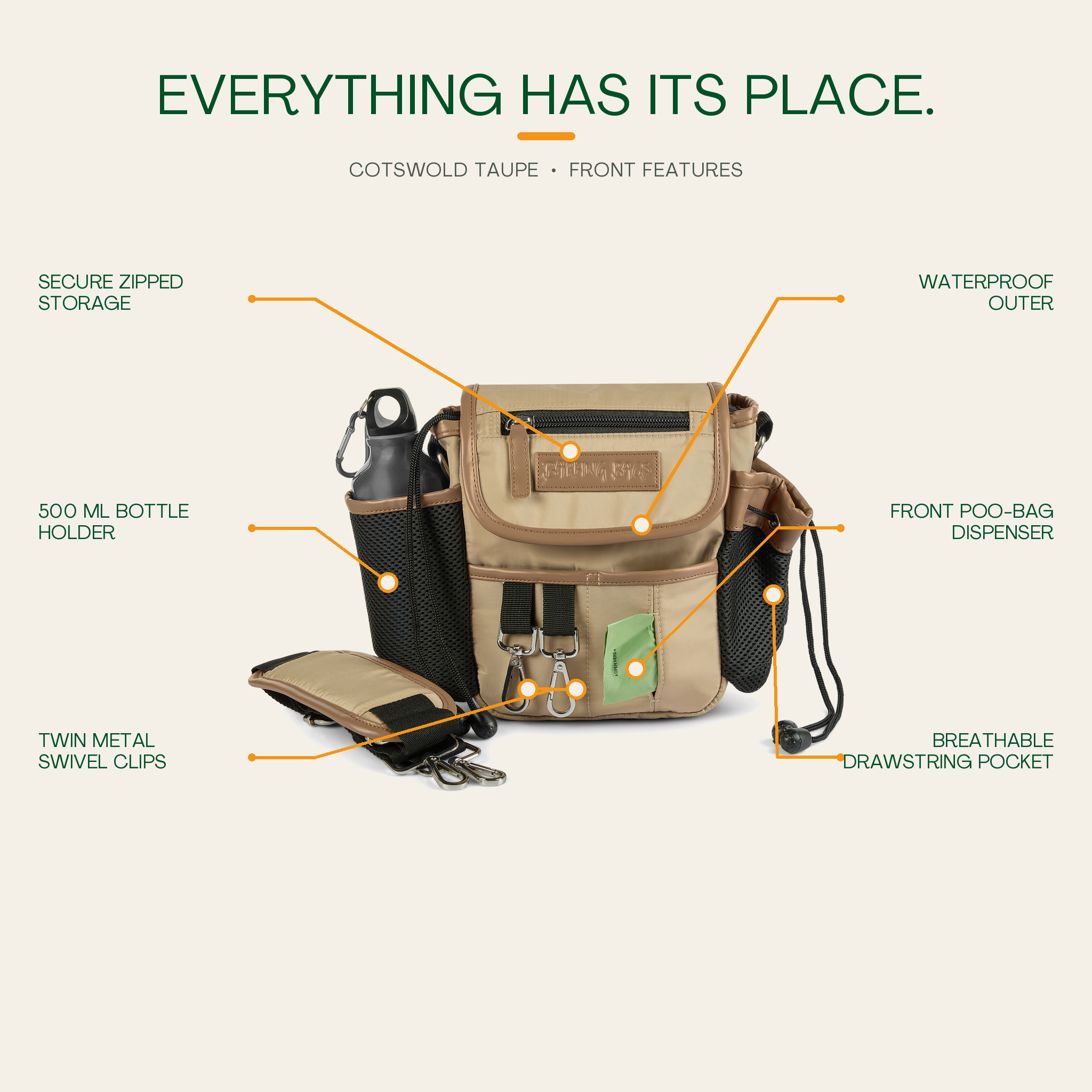
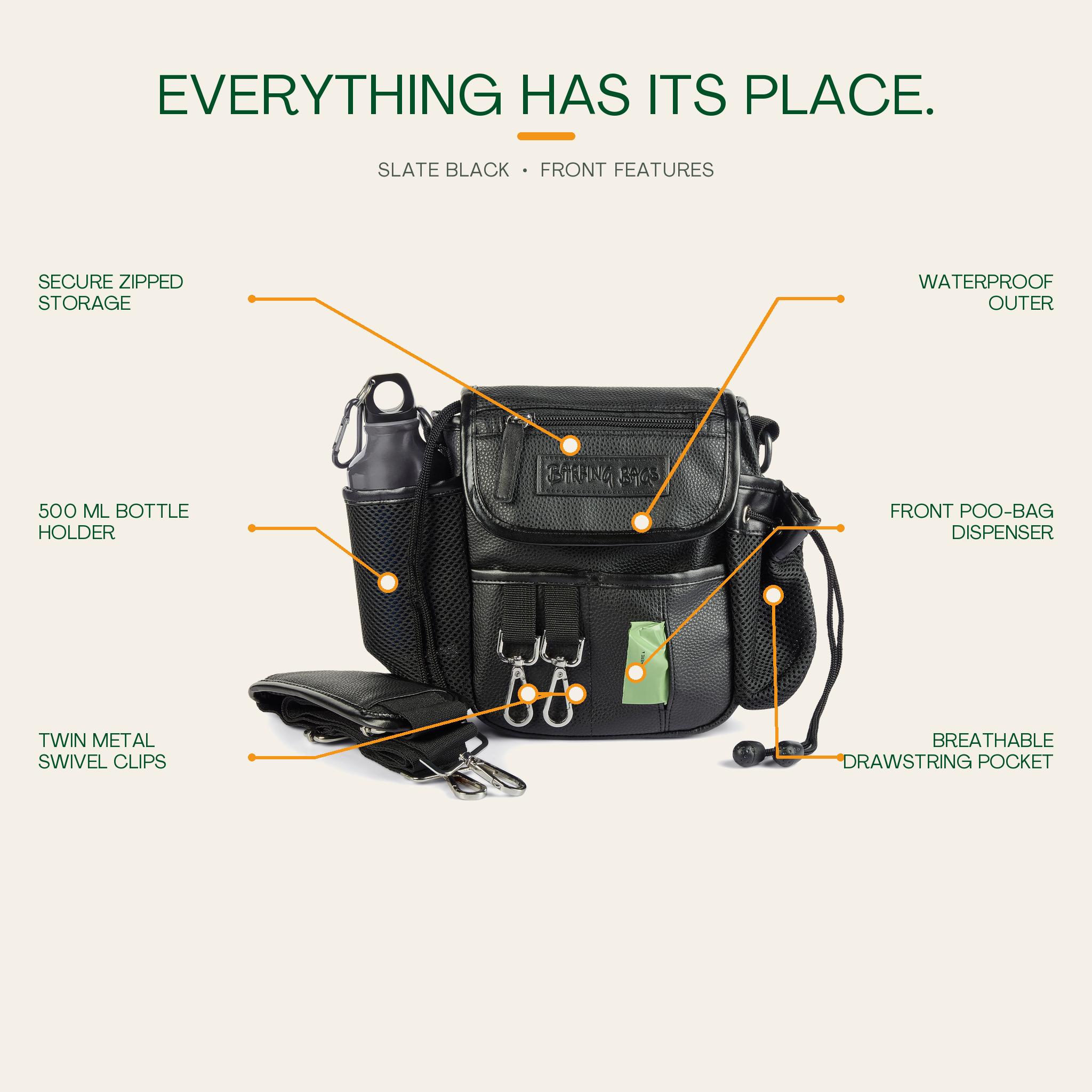
The most useful compartment is usually the one you can open quickest. Treats and poo bags need to be immediately accessible, not buried under spare leads and hand sanitiser. For many walkers, this is the difference between a bag that gets used every day and one that gets abandoned after a week.
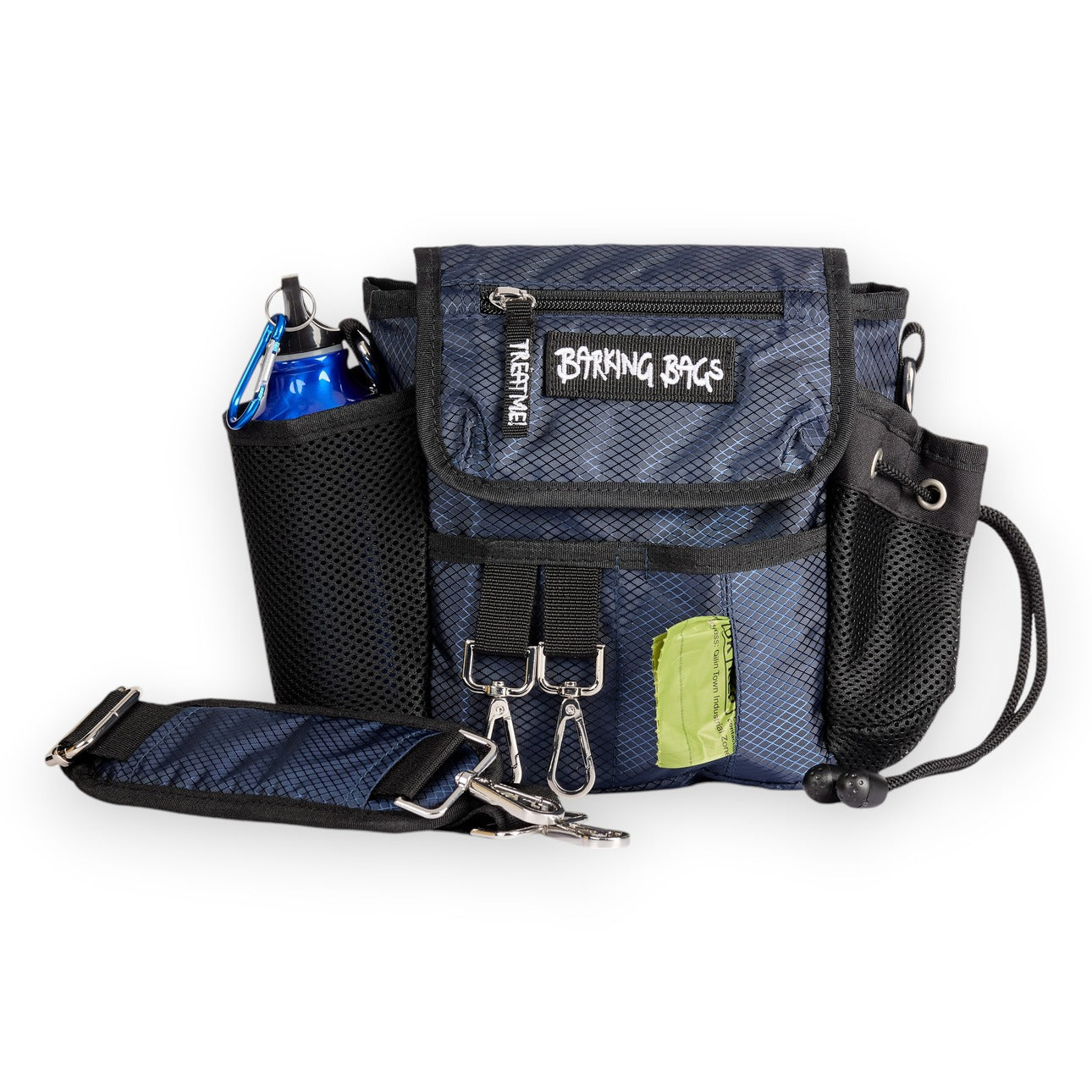
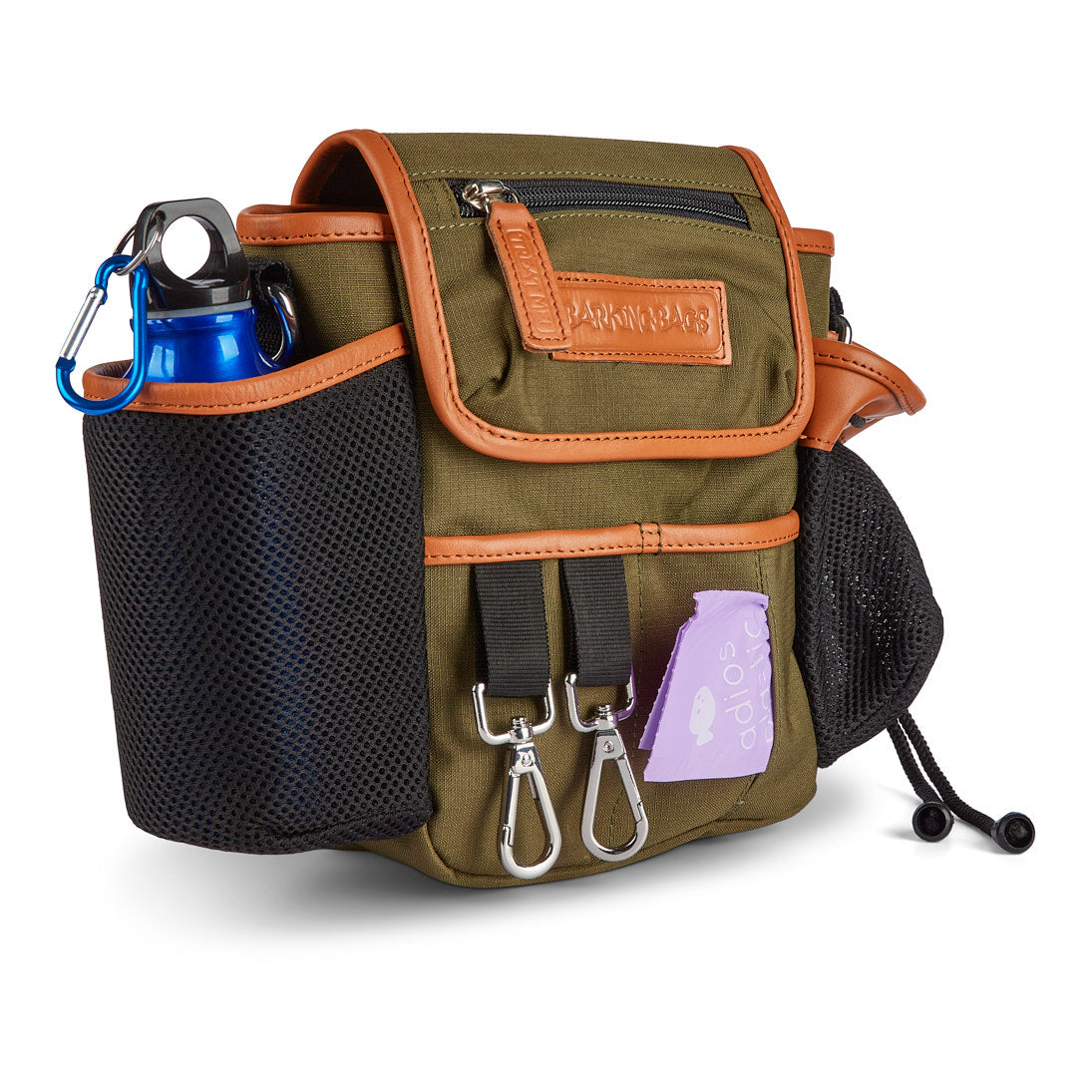
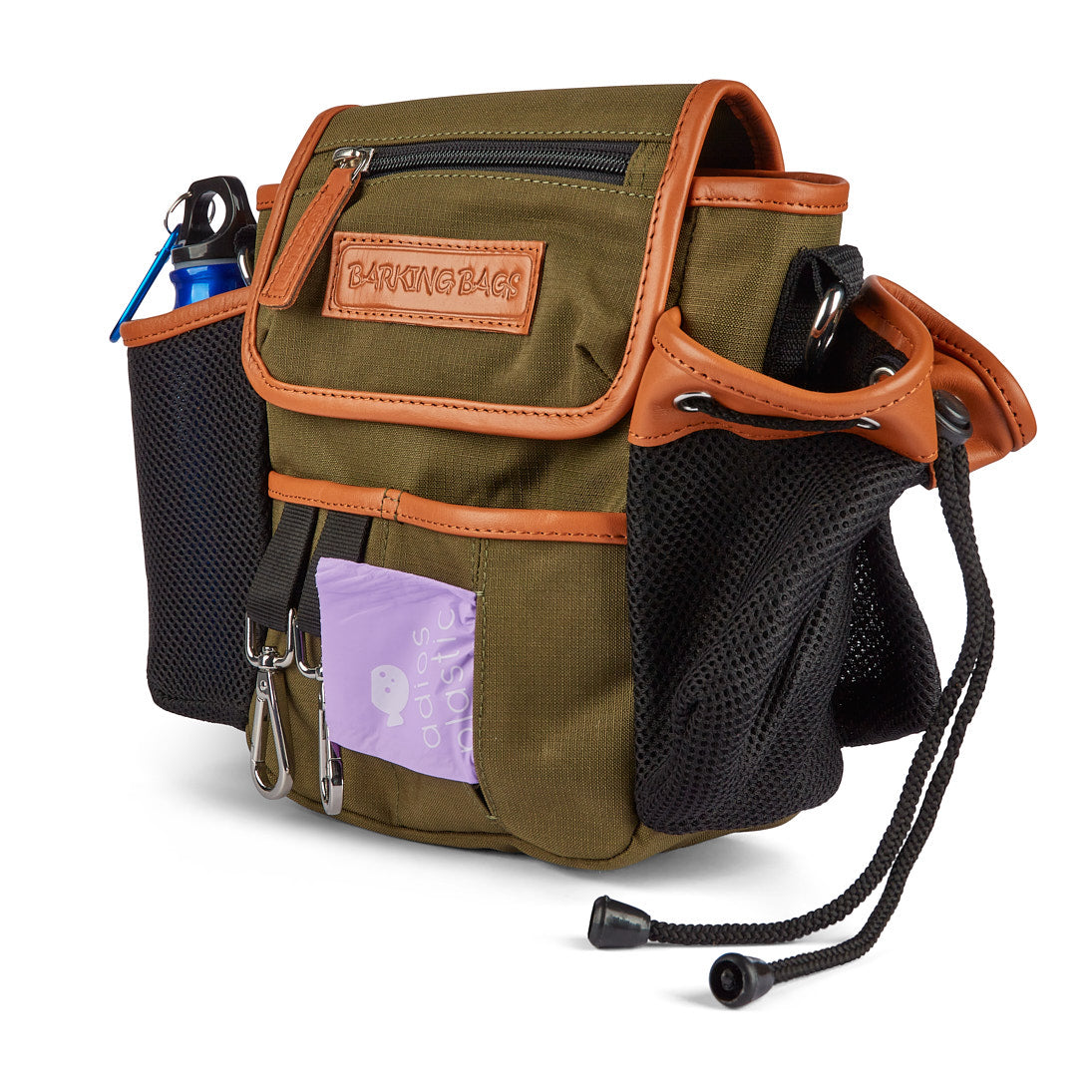
External dispensers or front pockets can be especially handy for waste bags. If you are walking several dogs back-to-back, shaving even a few seconds off each stop adds up across the day.
Enough room for work essentials
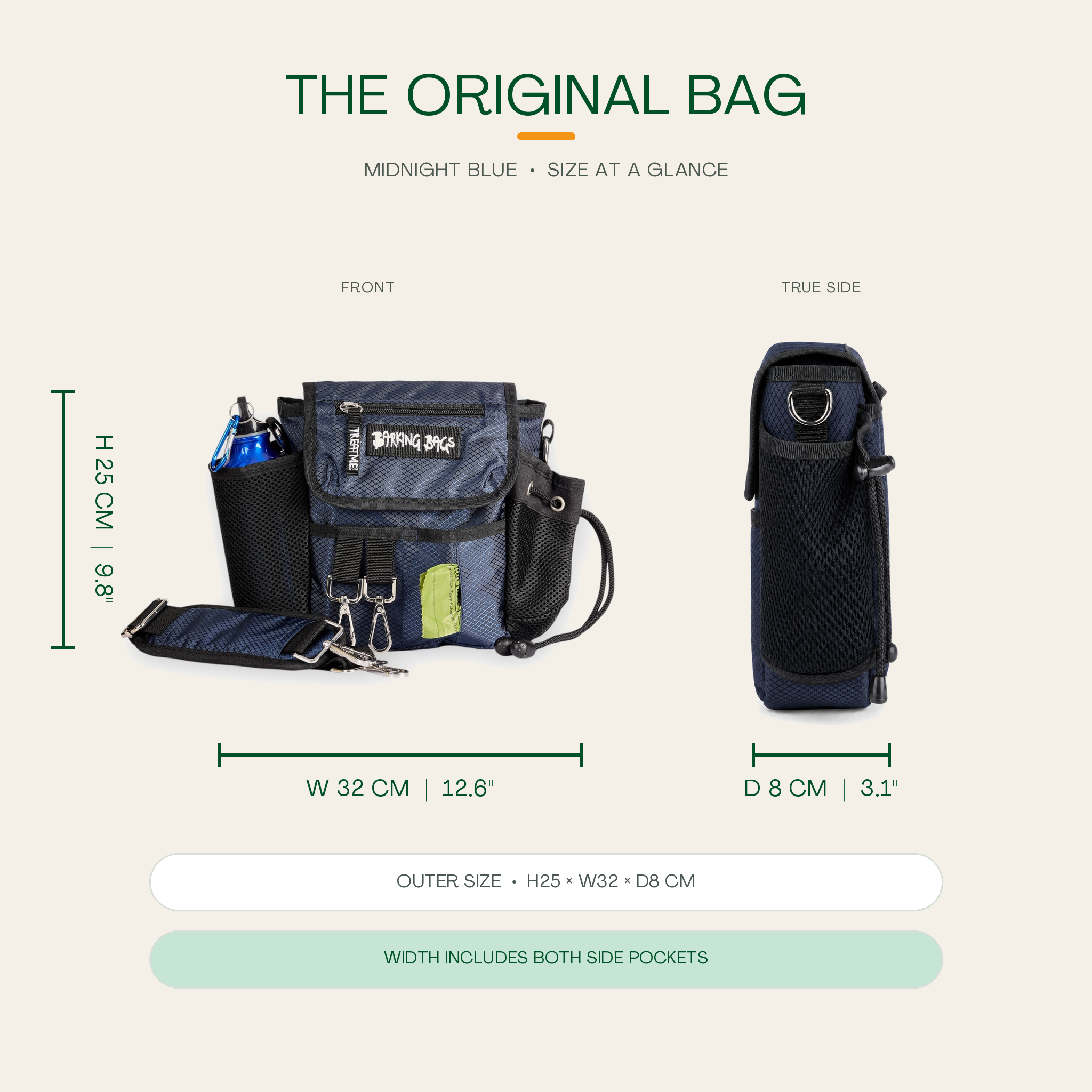
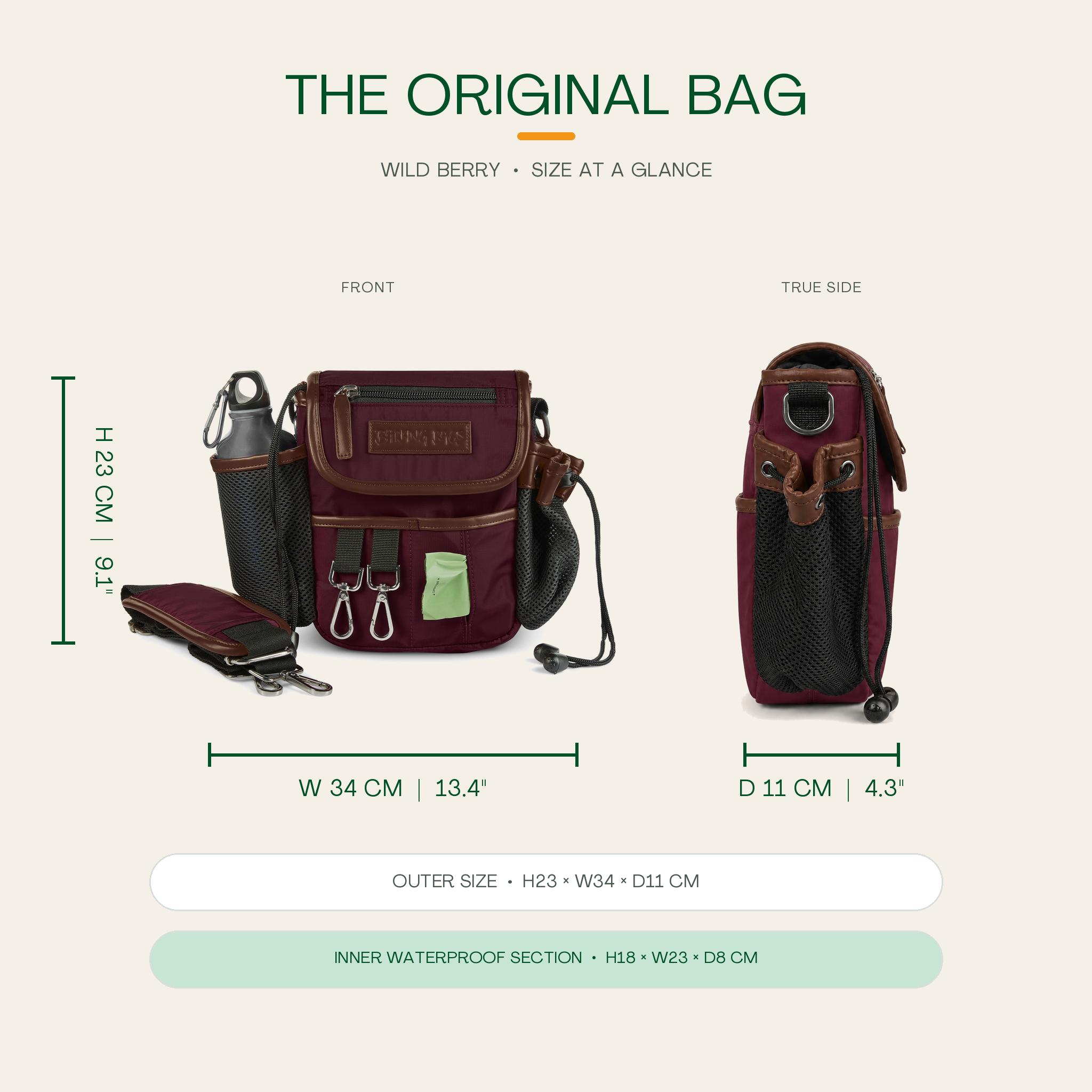
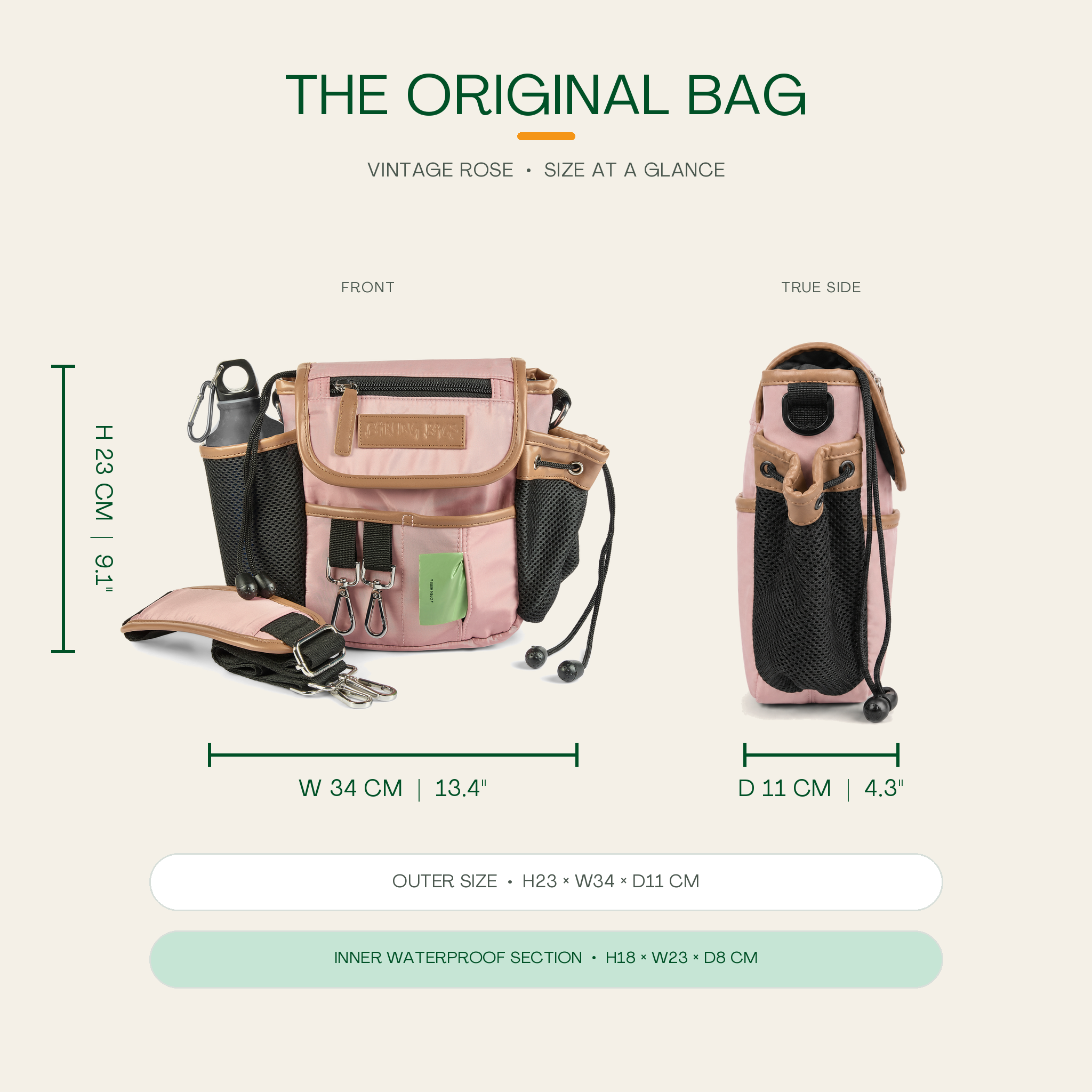
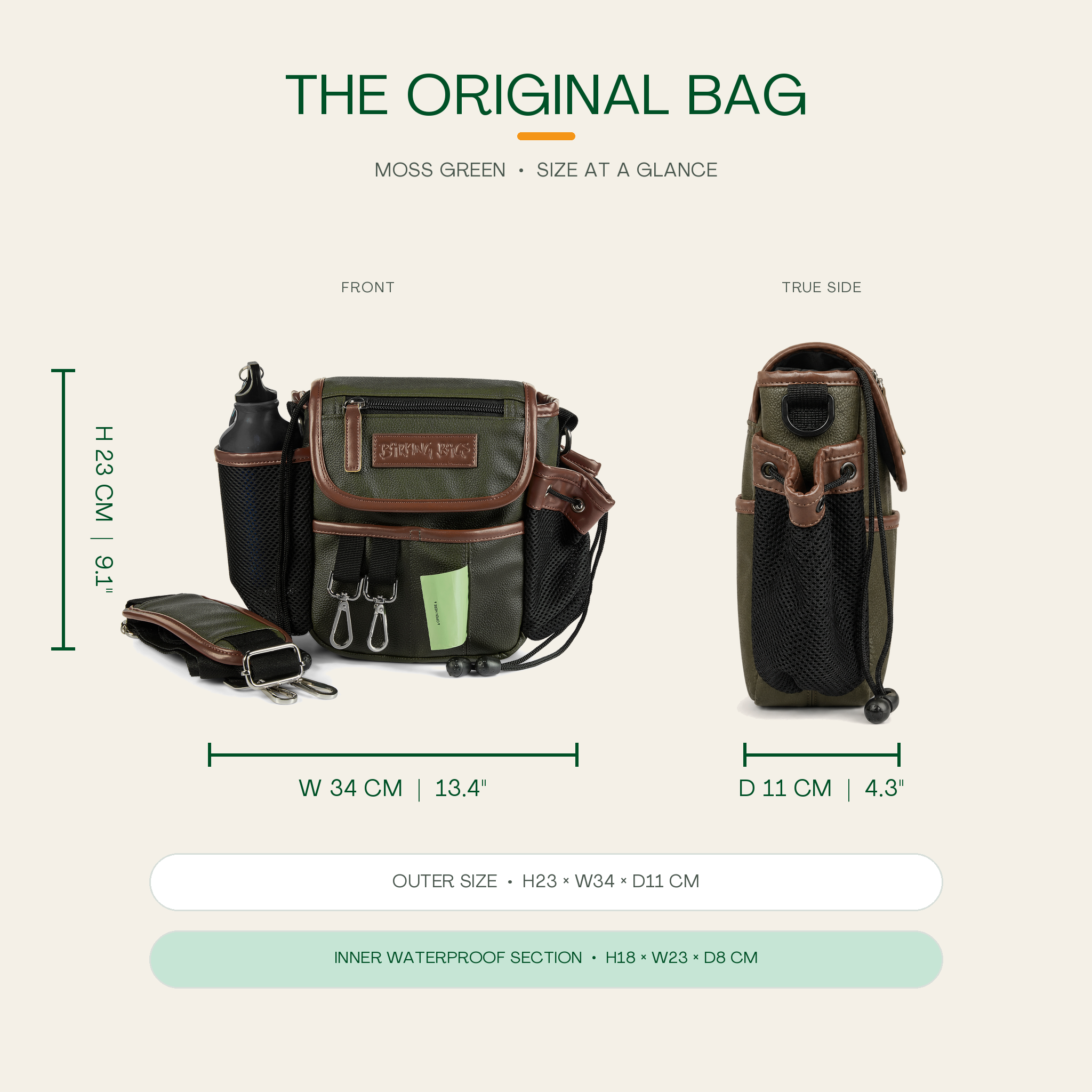
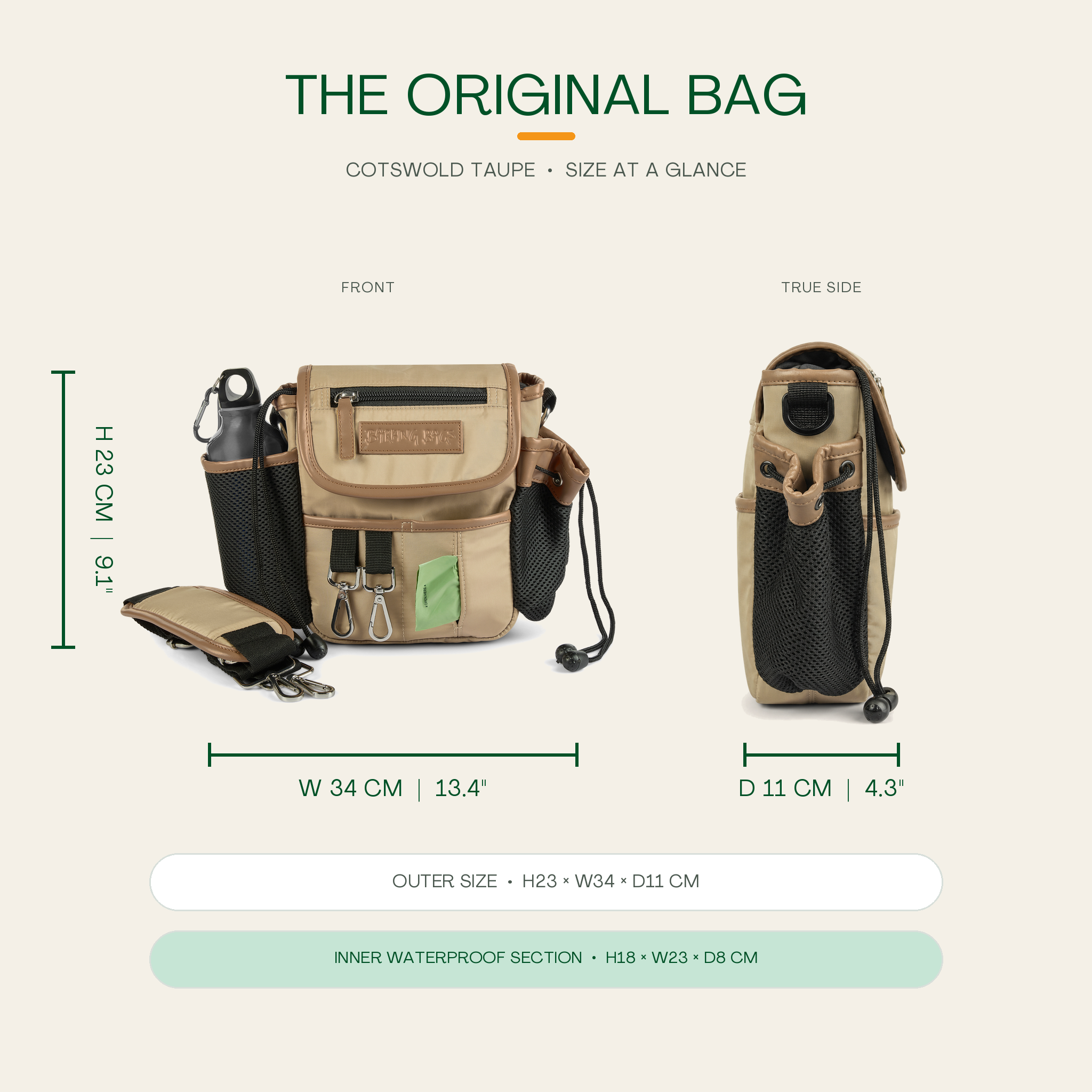
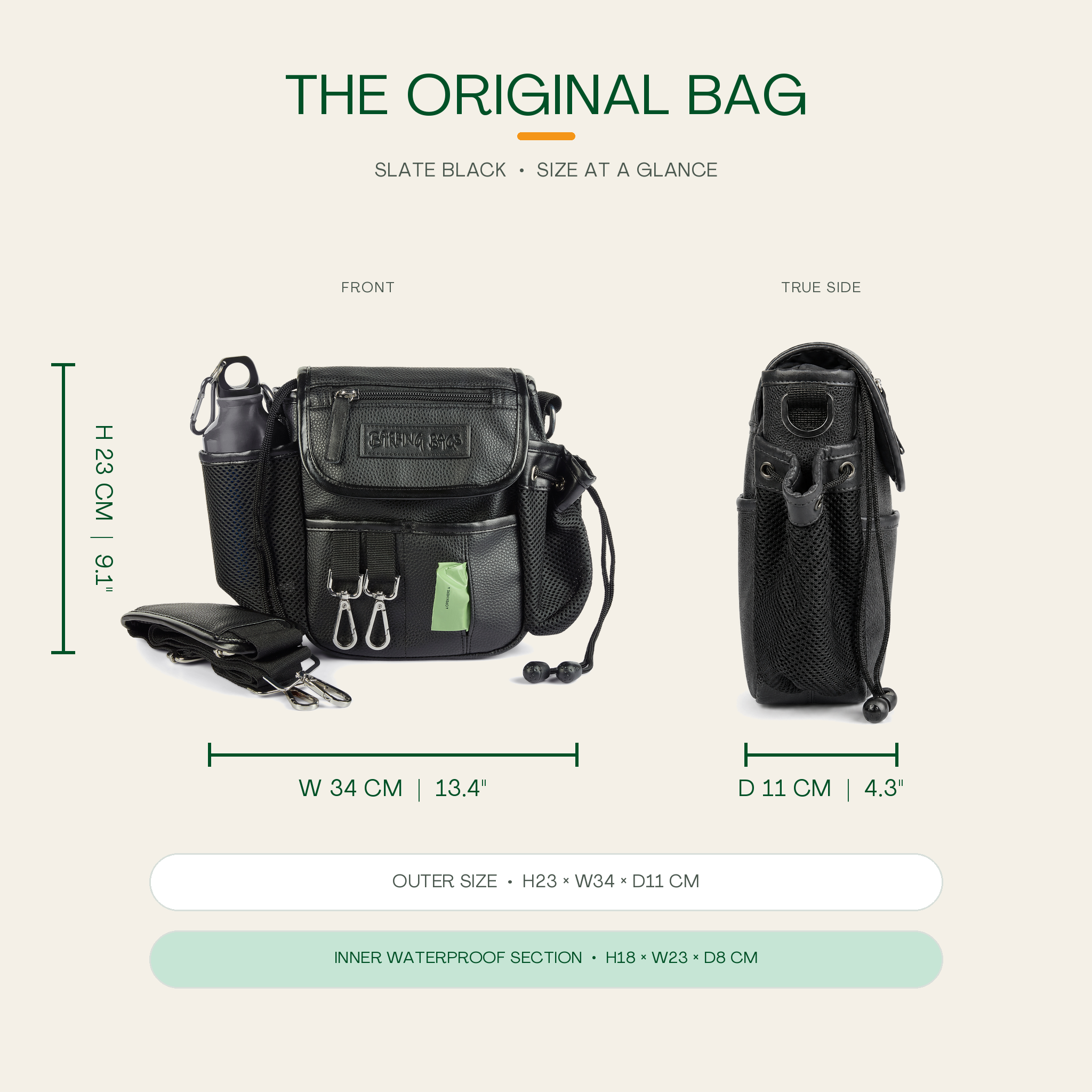
Capacity matters, but only up to a point. Professional walkers often carry treats, leads, bags, wipes, mobile phone, keys, water, and maybe a small towel, toys, or client notes. If you also do training walks, you may need room for a clicker, long line, or higher-value food rewards.
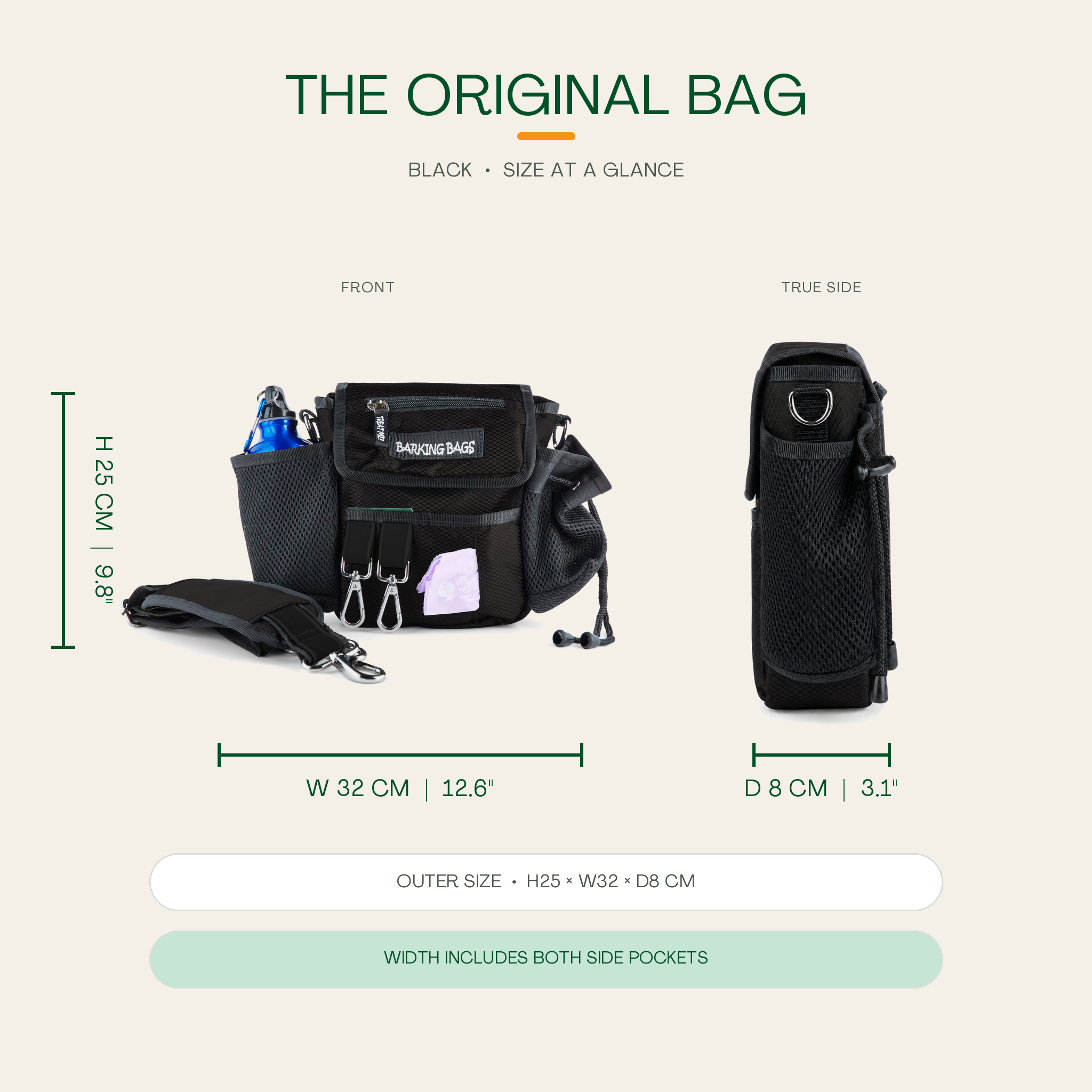
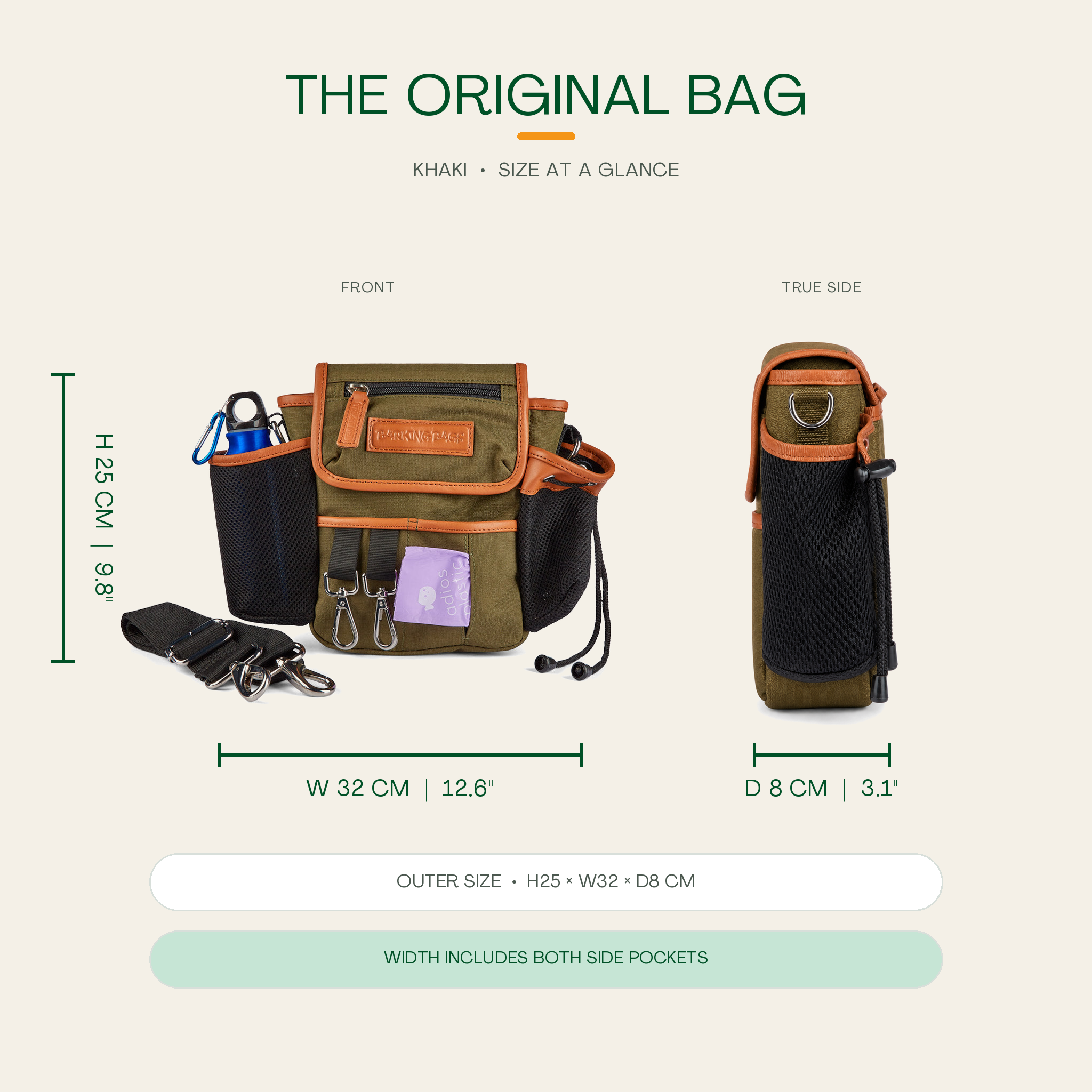
A compact bag can be ideal for short solo walks or highly structured rounds. But if you are doing multiple dogs, longer sessions, or mixed weather days, a little extra space saves frustration. The trick is choosing a size that feels streamlined when full, not one that turns heavy and shapeless.
Comfortable wear
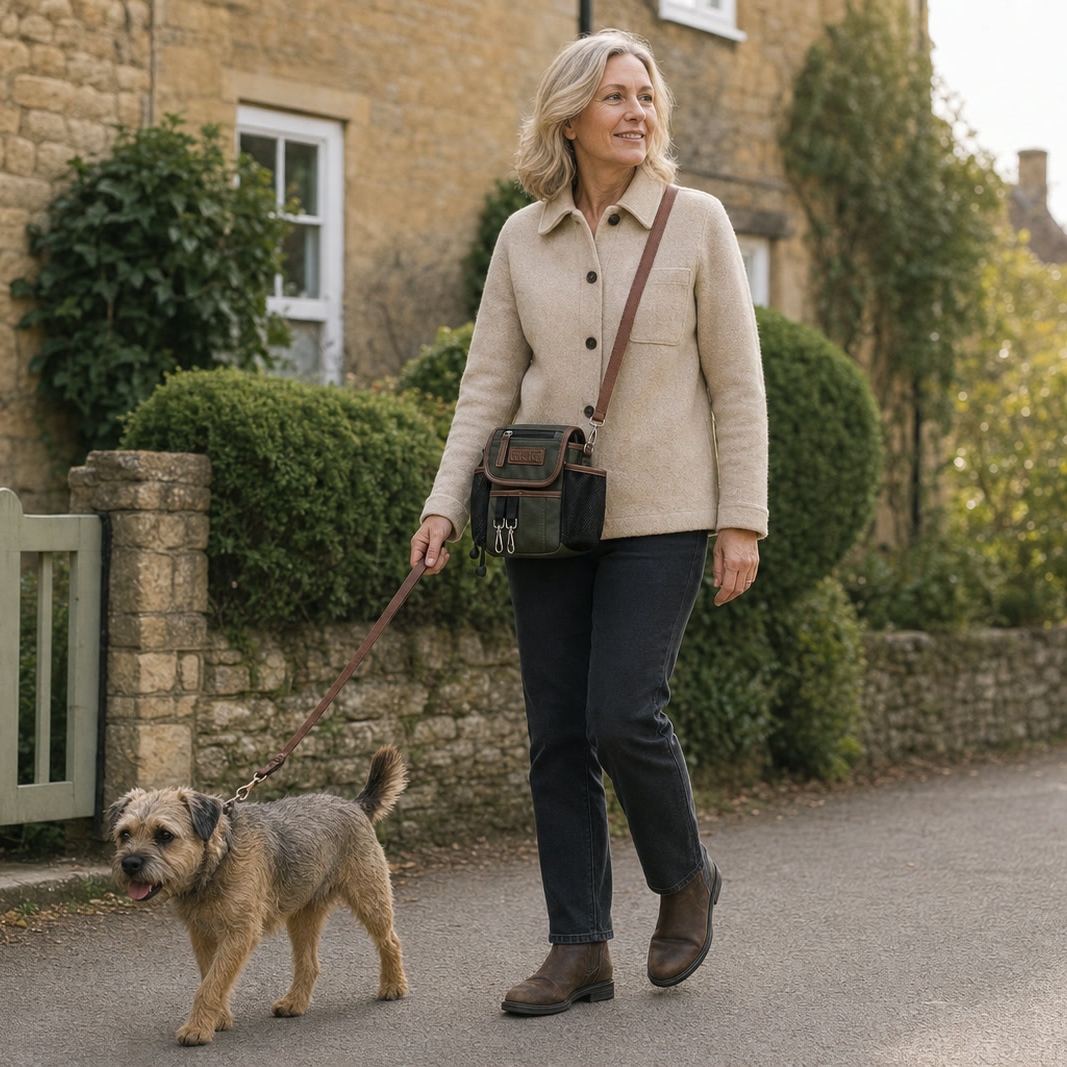
This is where many generic bags fall short. A professional dog walker does not carry a bag for twenty minutes on a coffee run. You wear it for hours, in layers, over waterproofs, while bending, crouching, clipping leads, and getting in and out of the car.
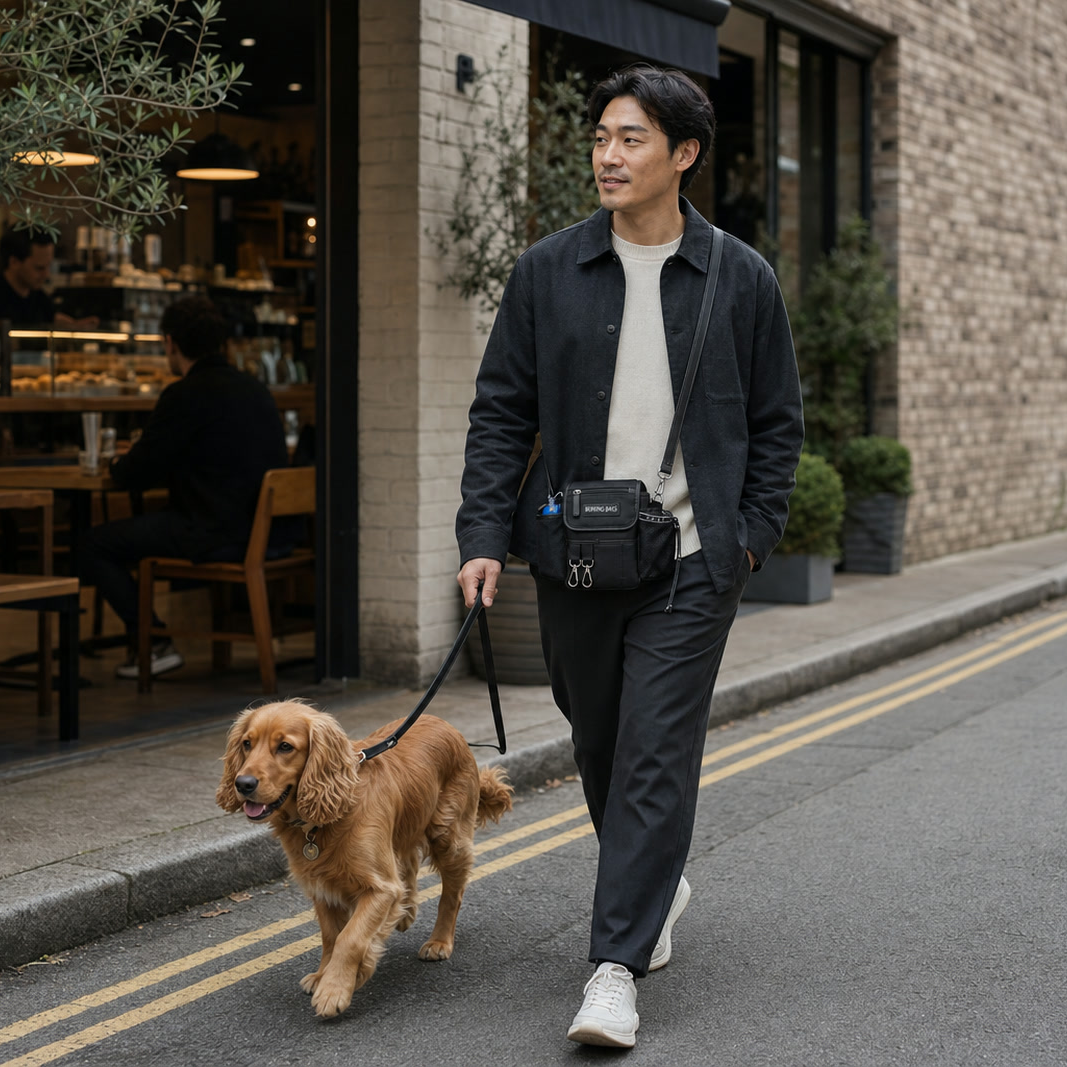
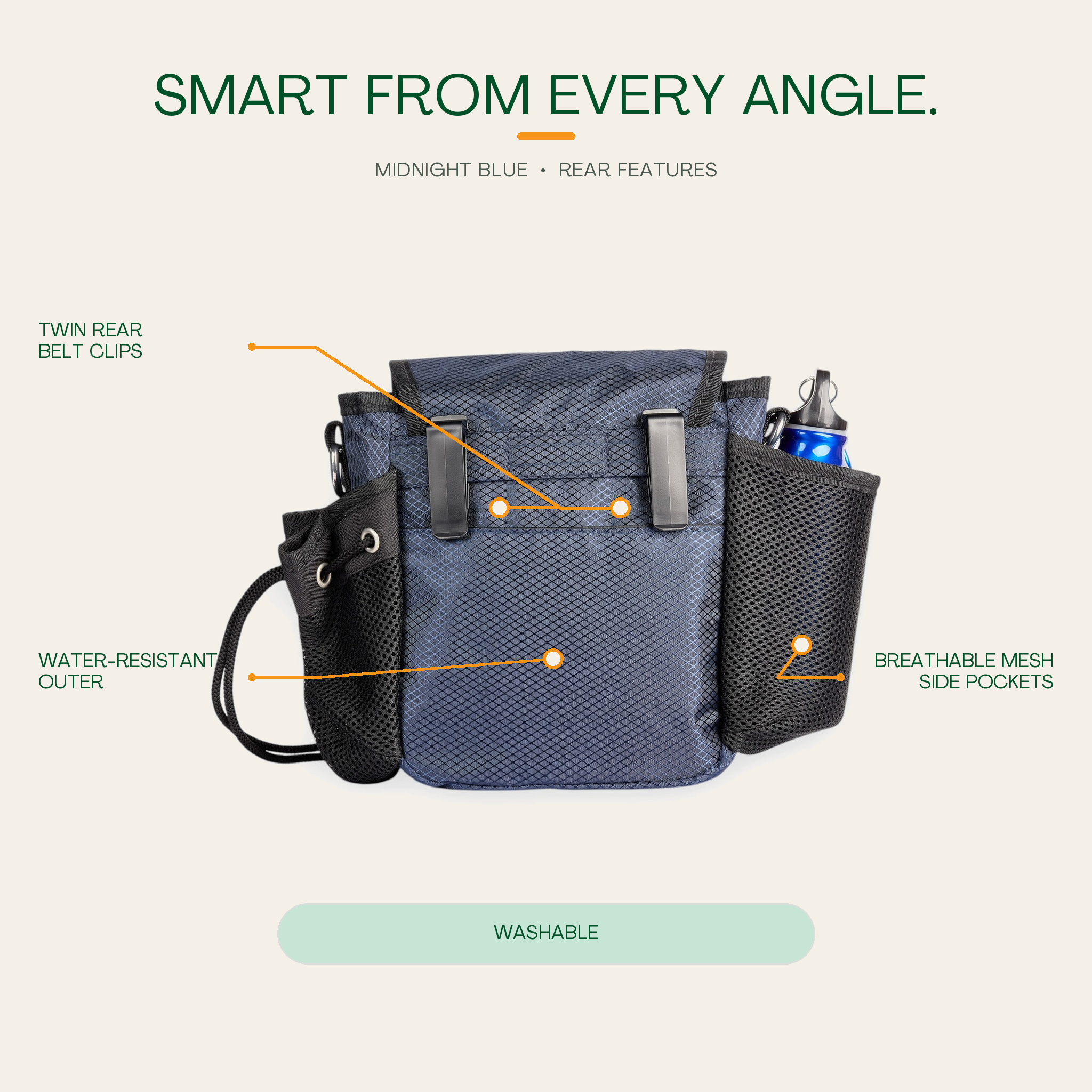
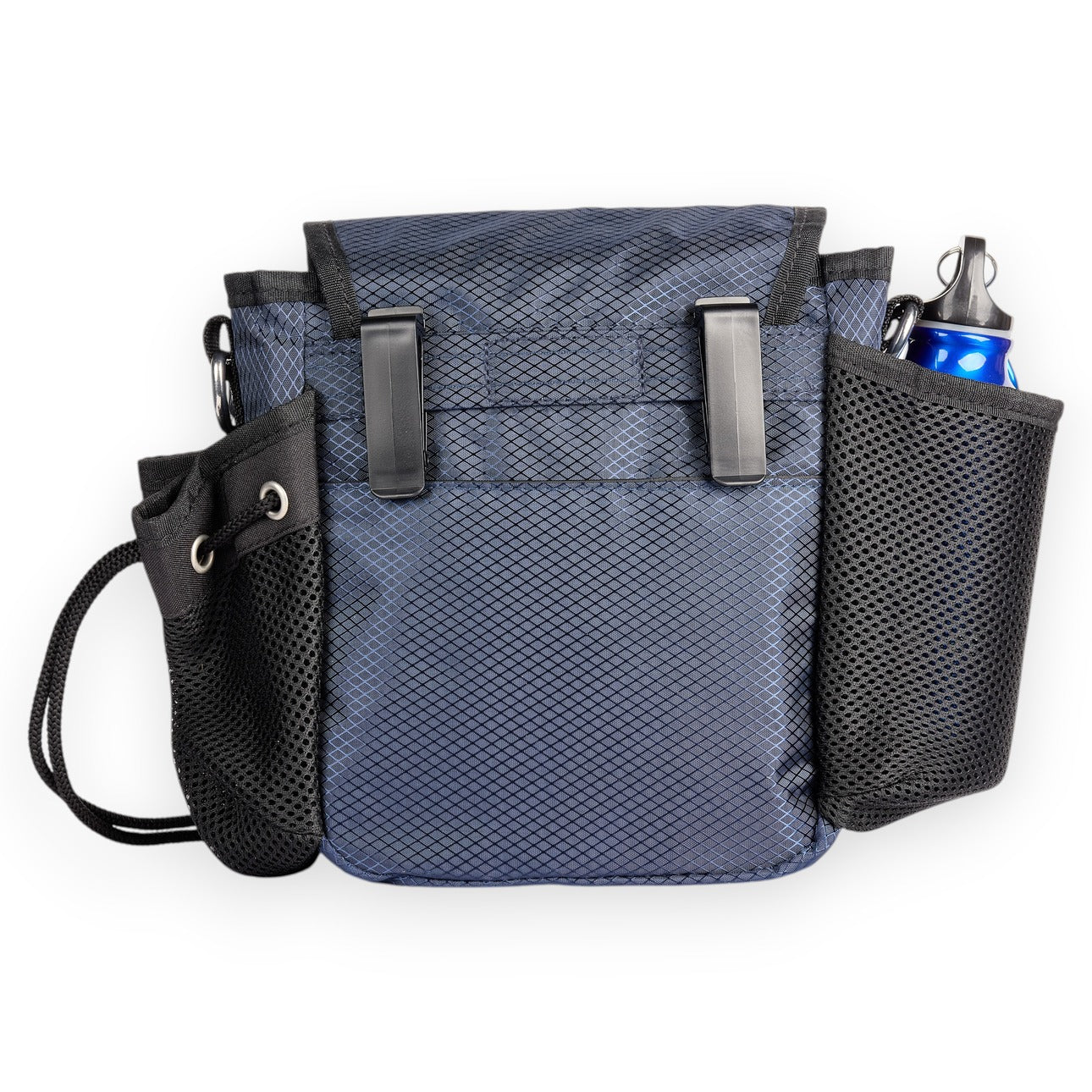
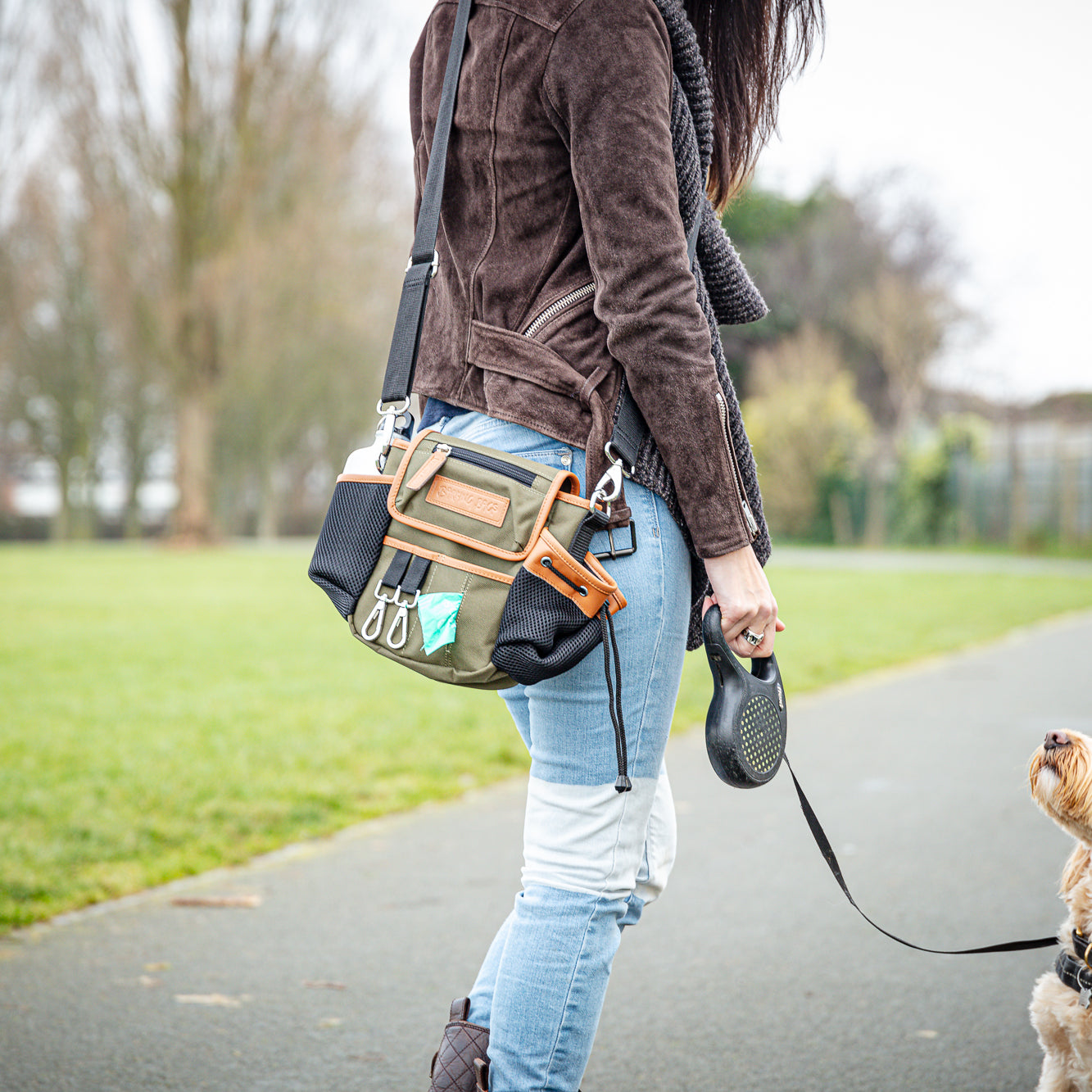
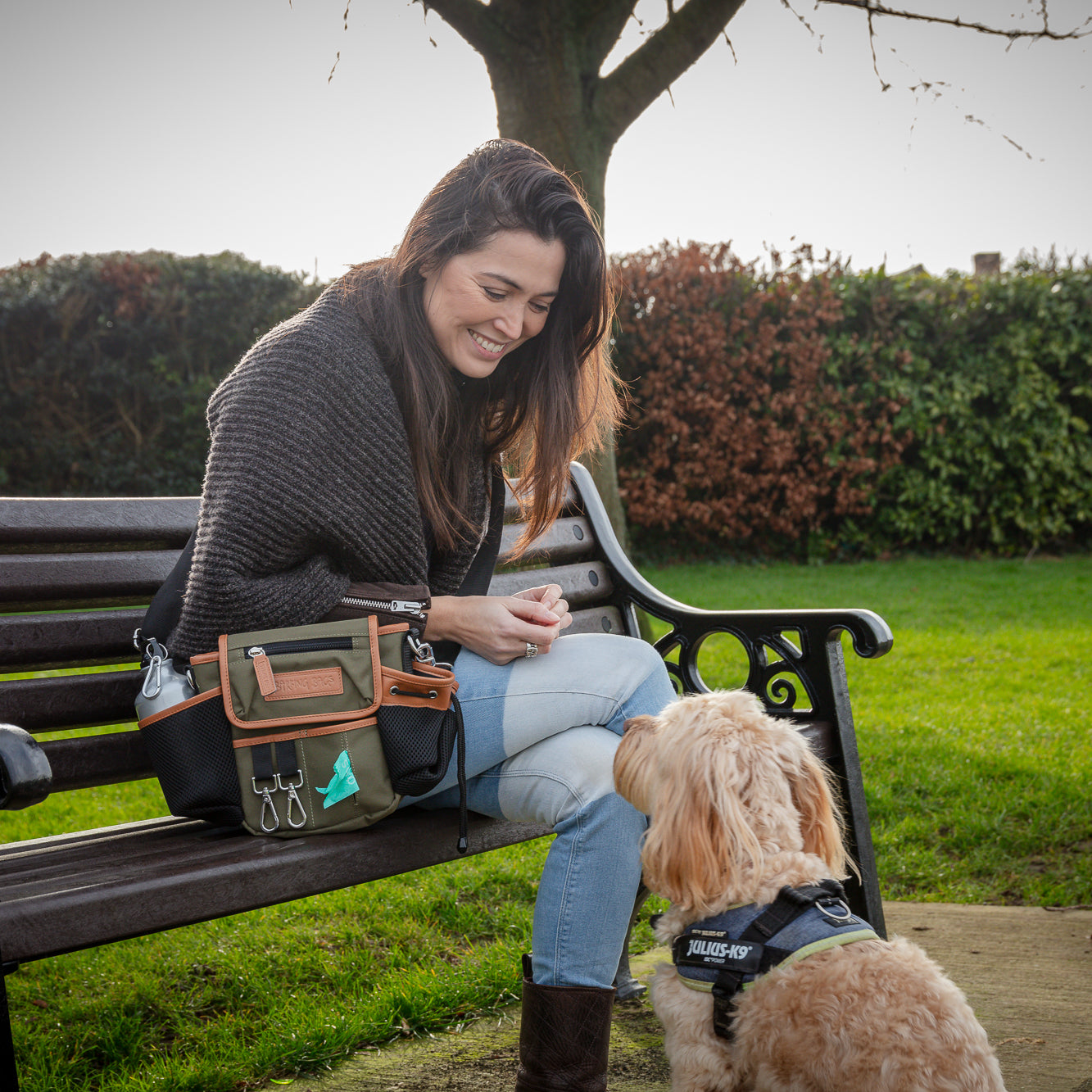
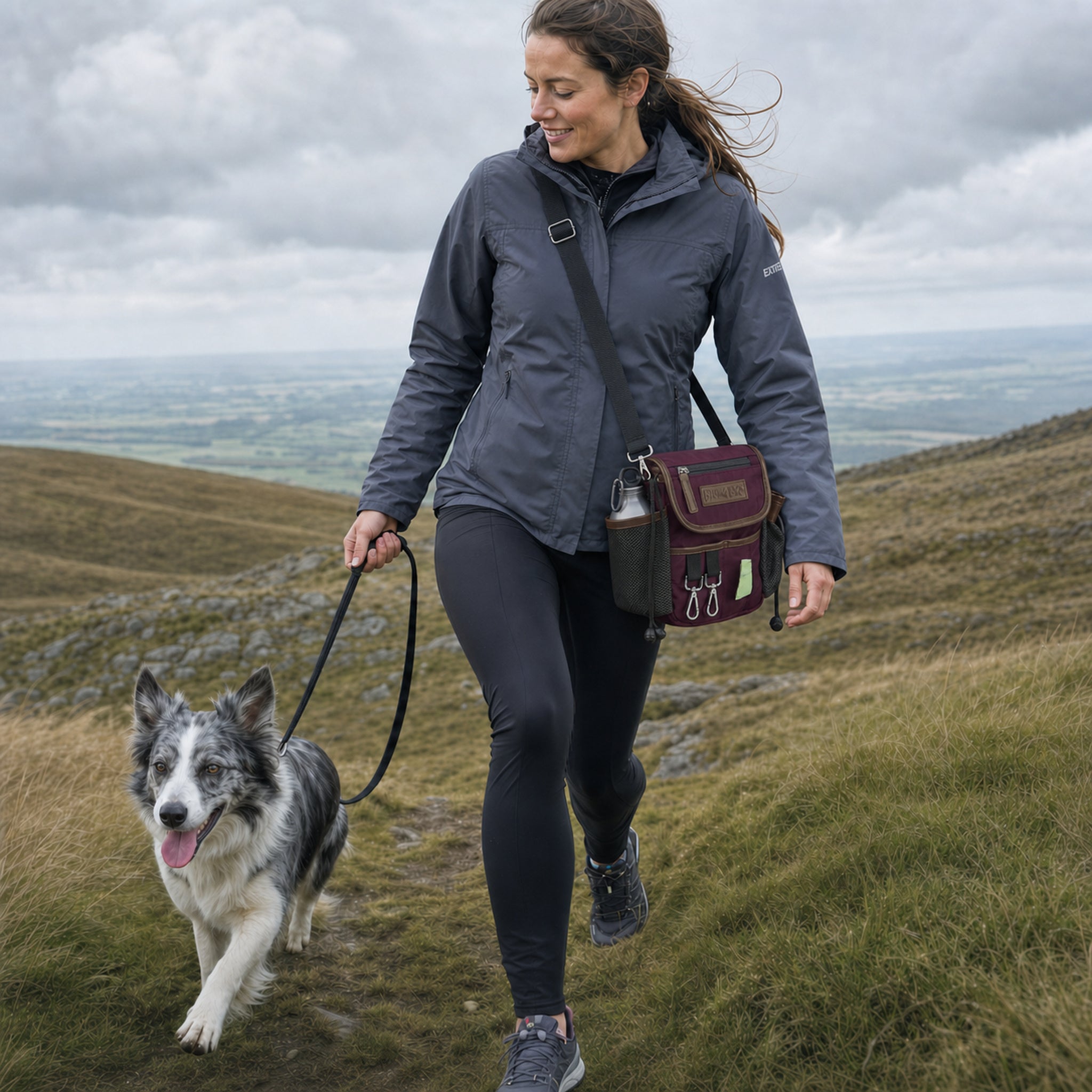
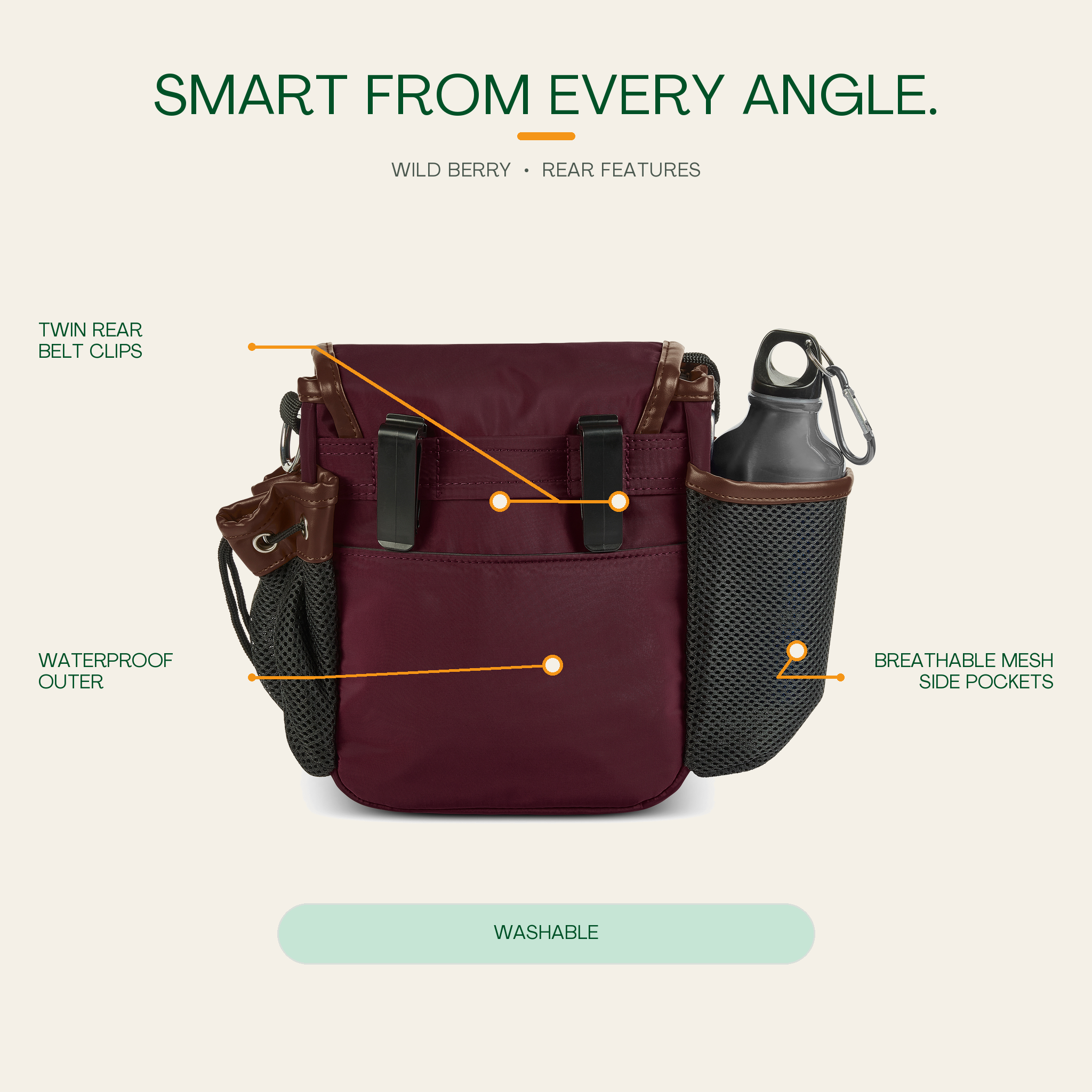
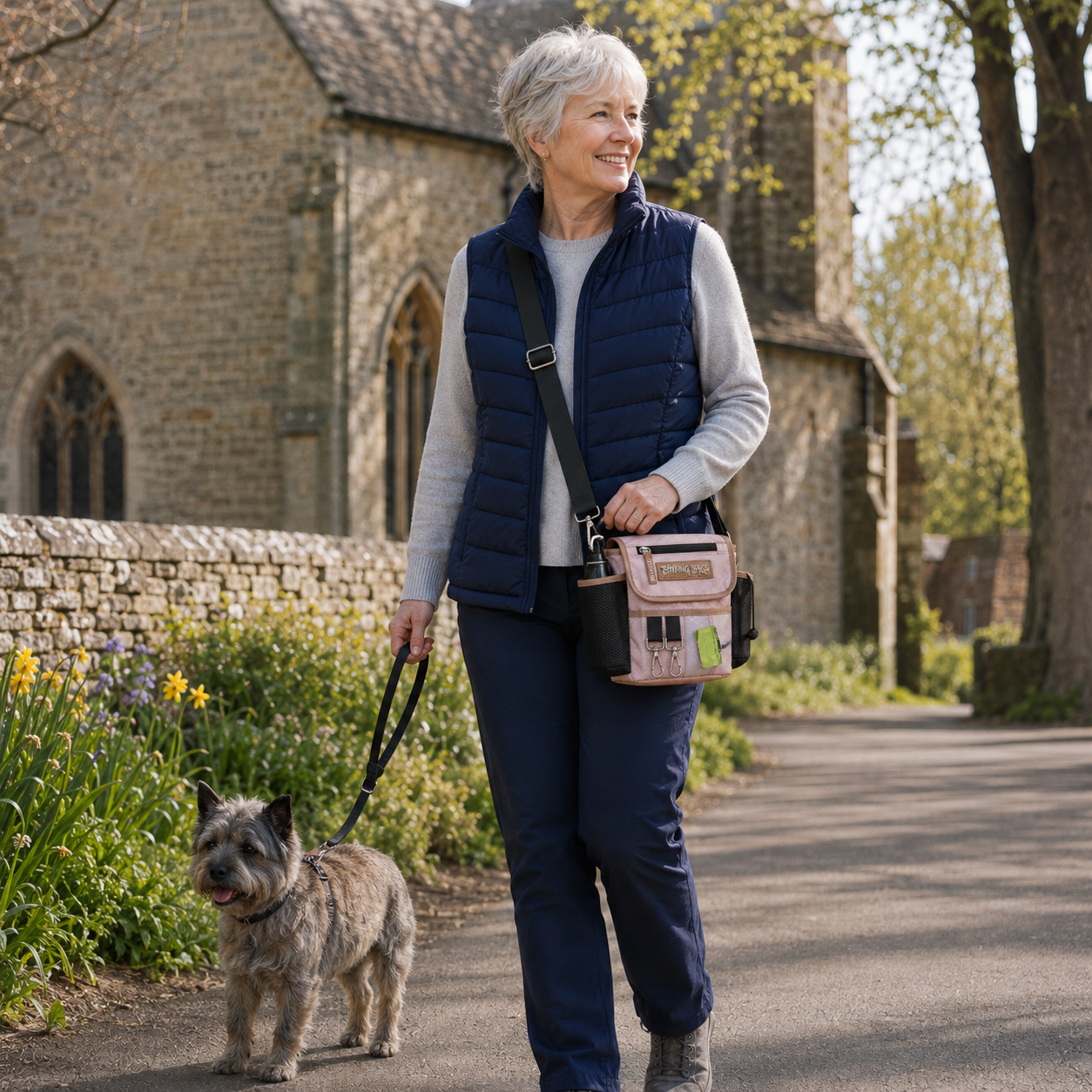
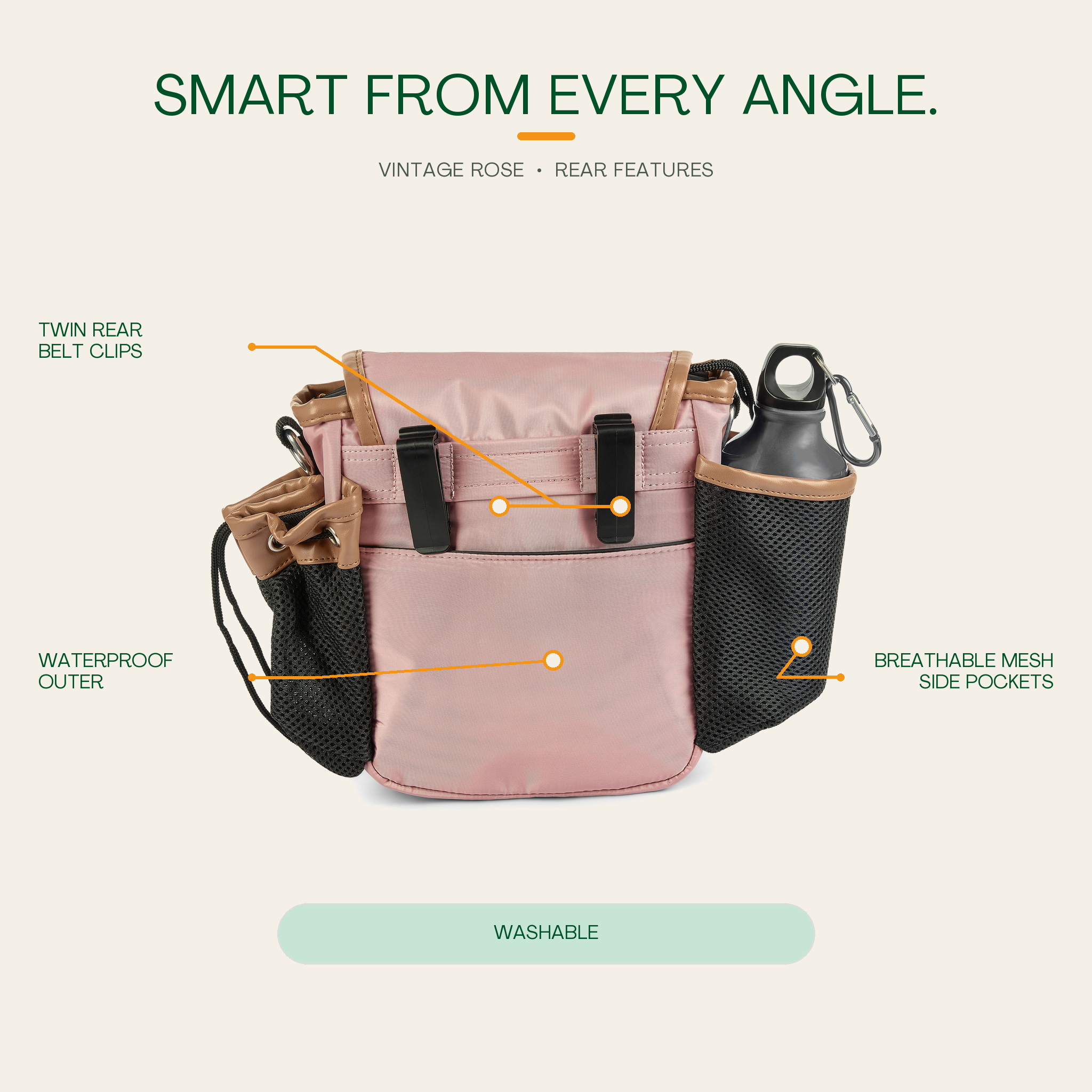
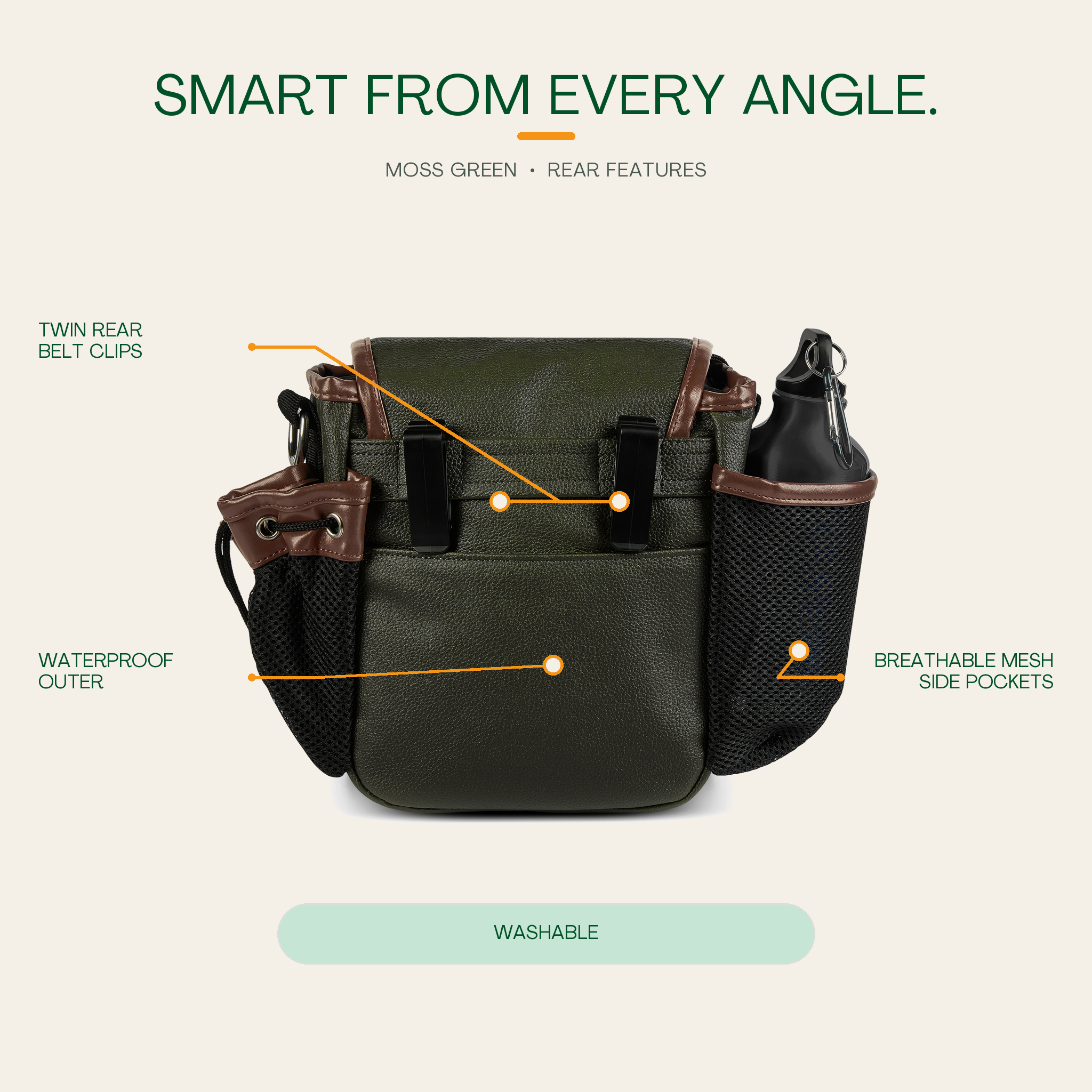
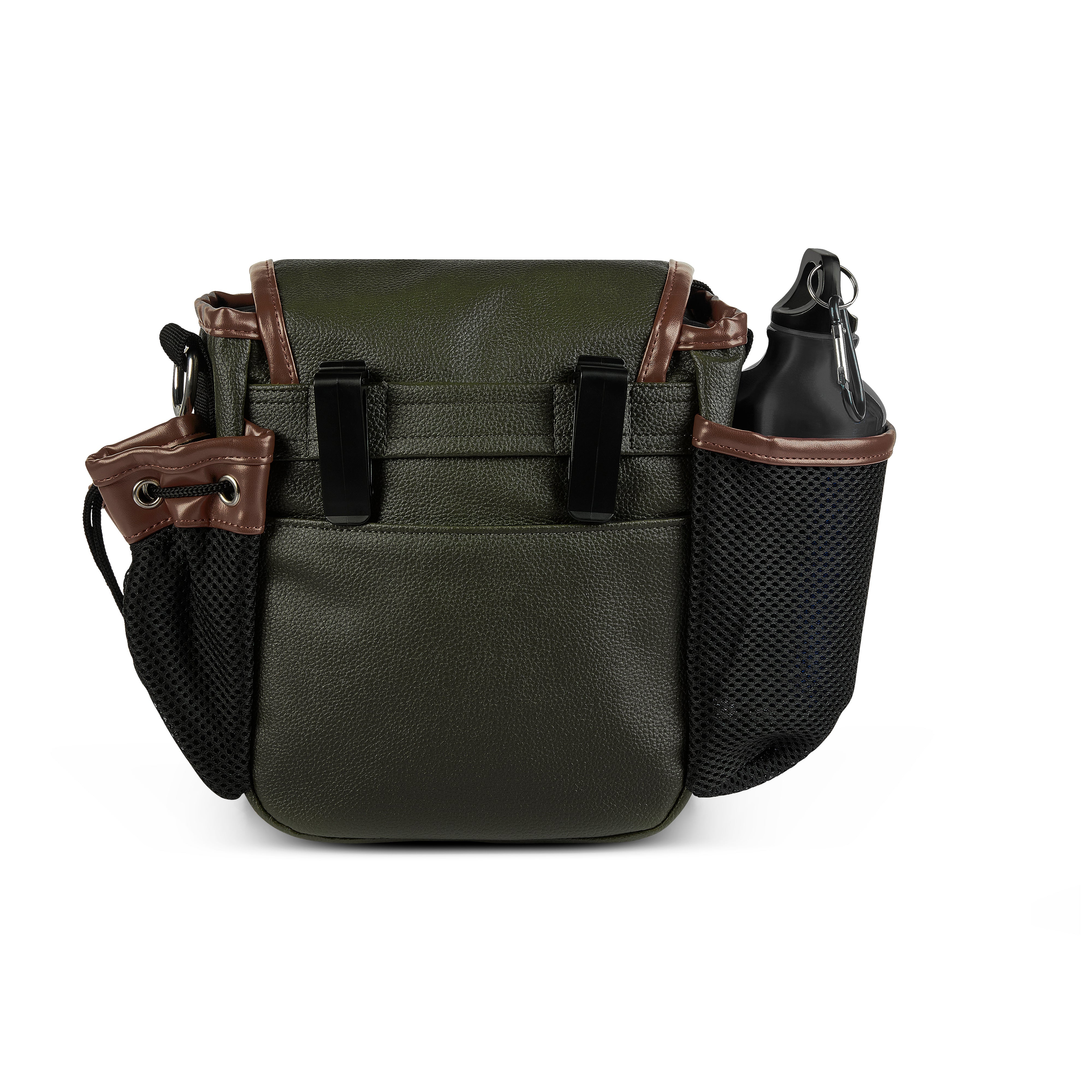
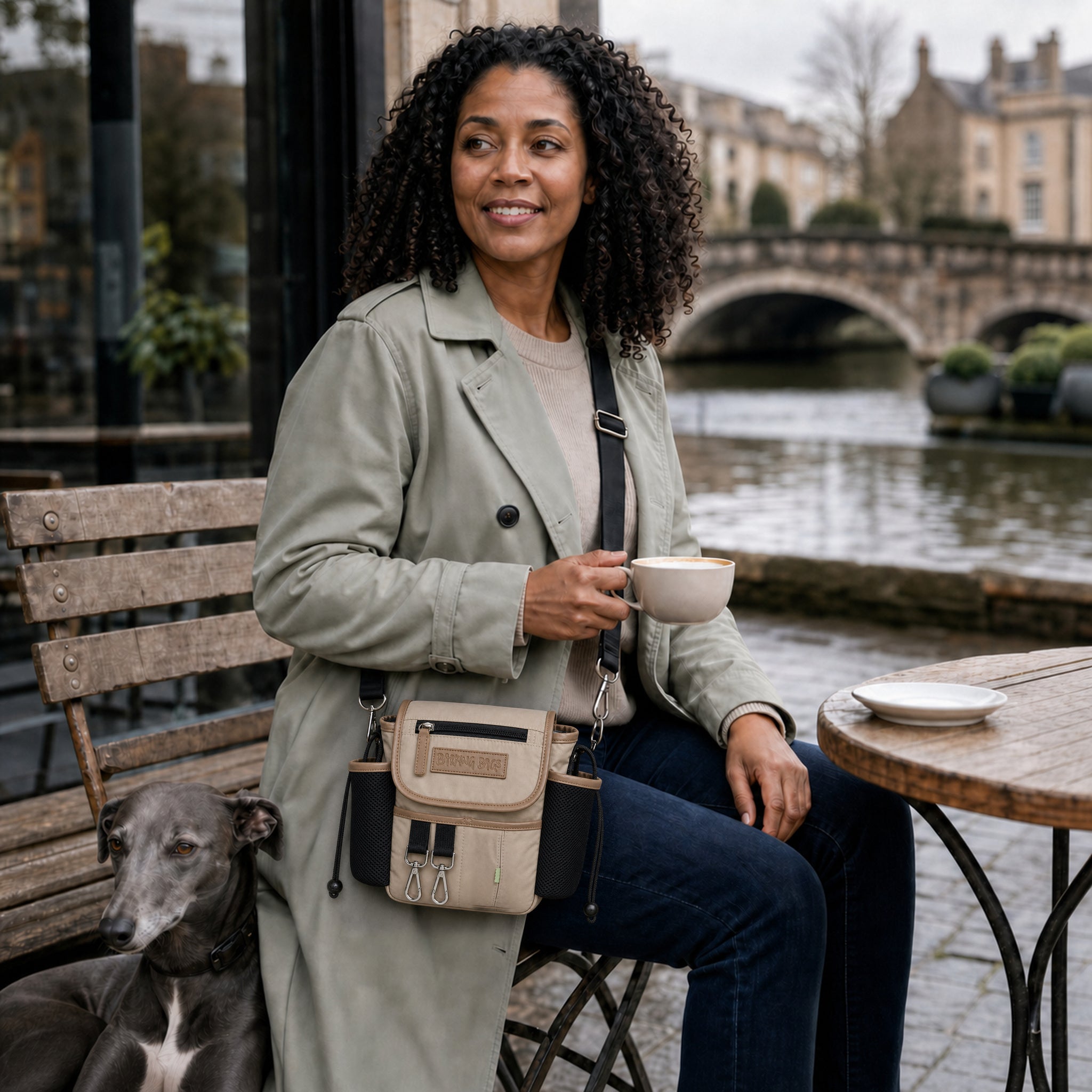
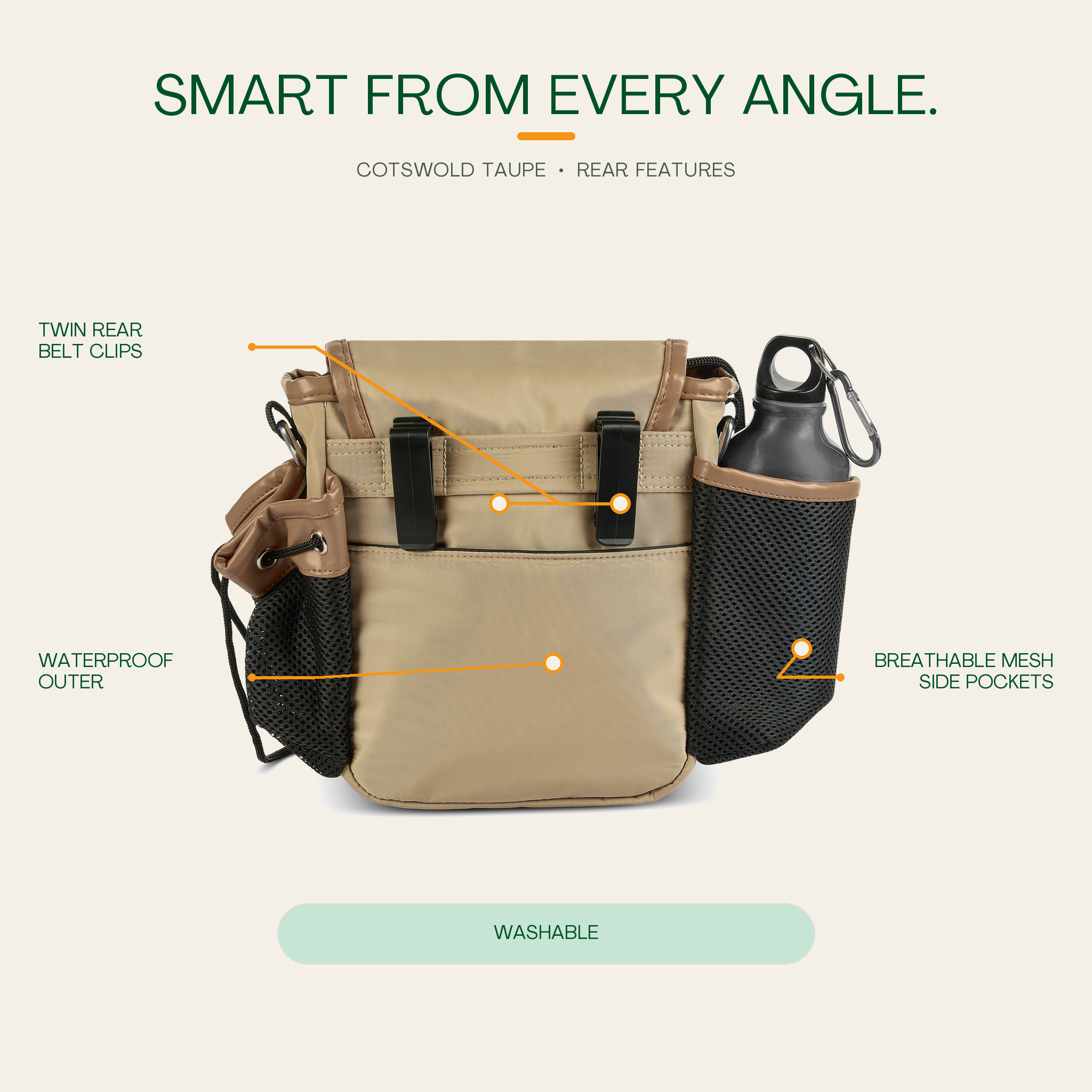
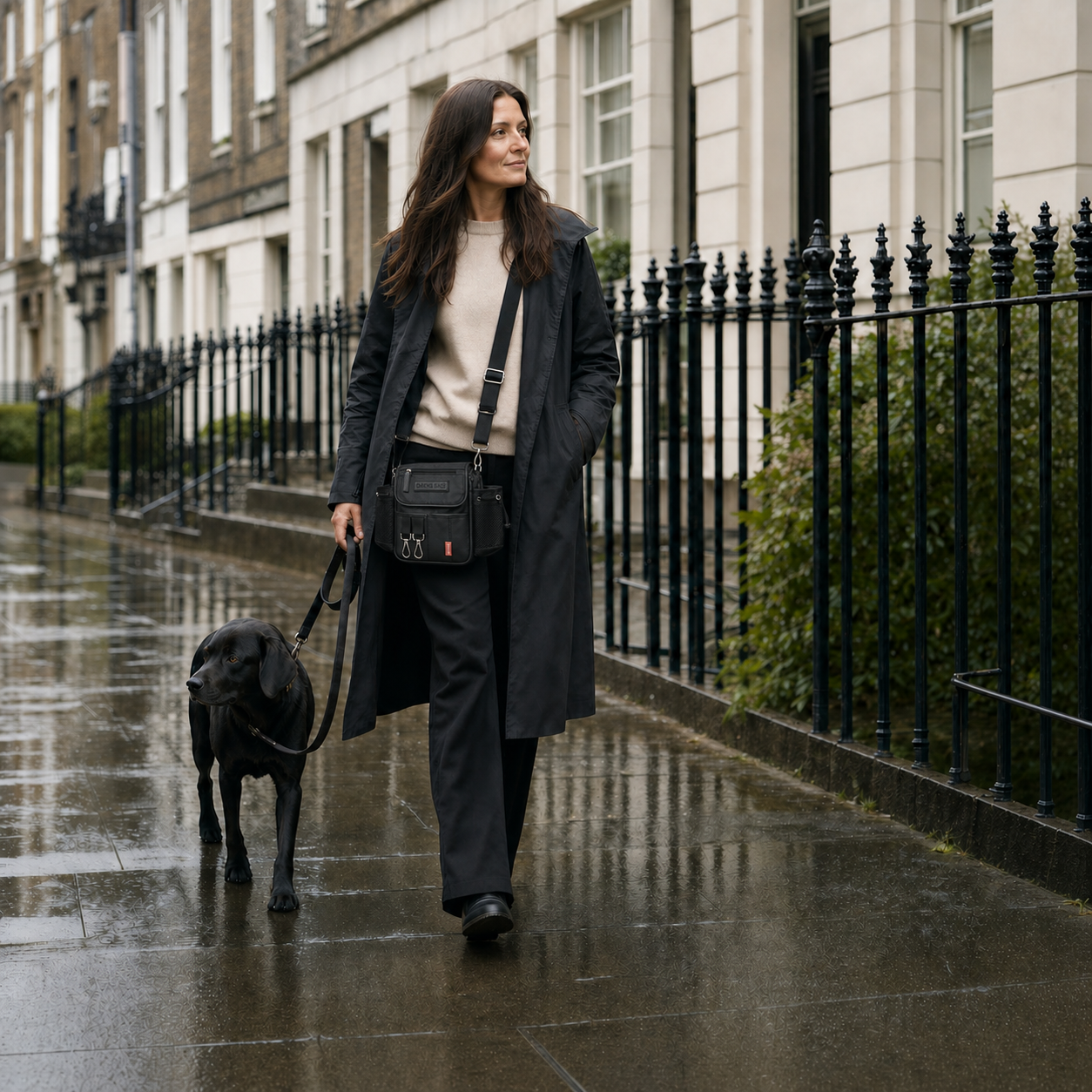
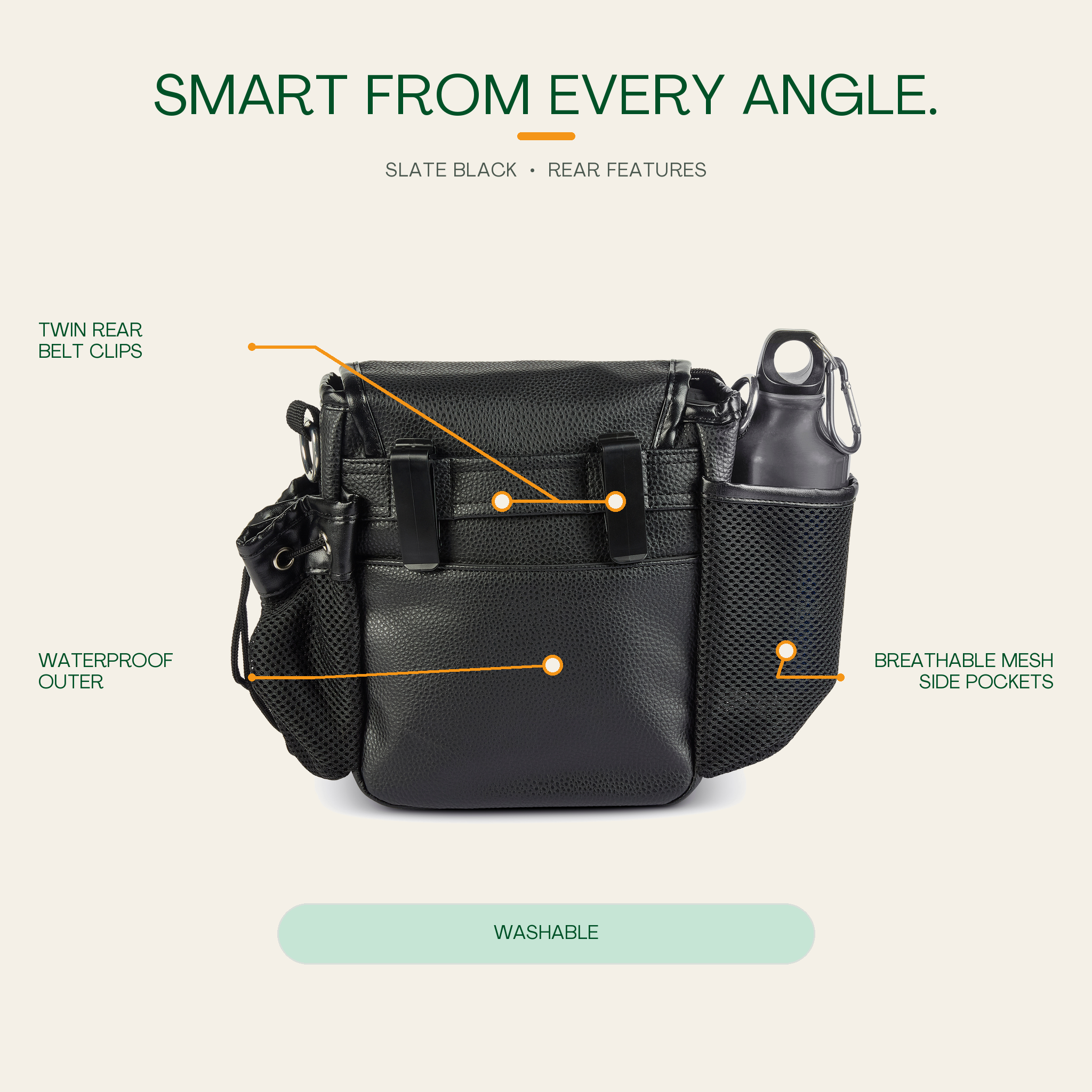
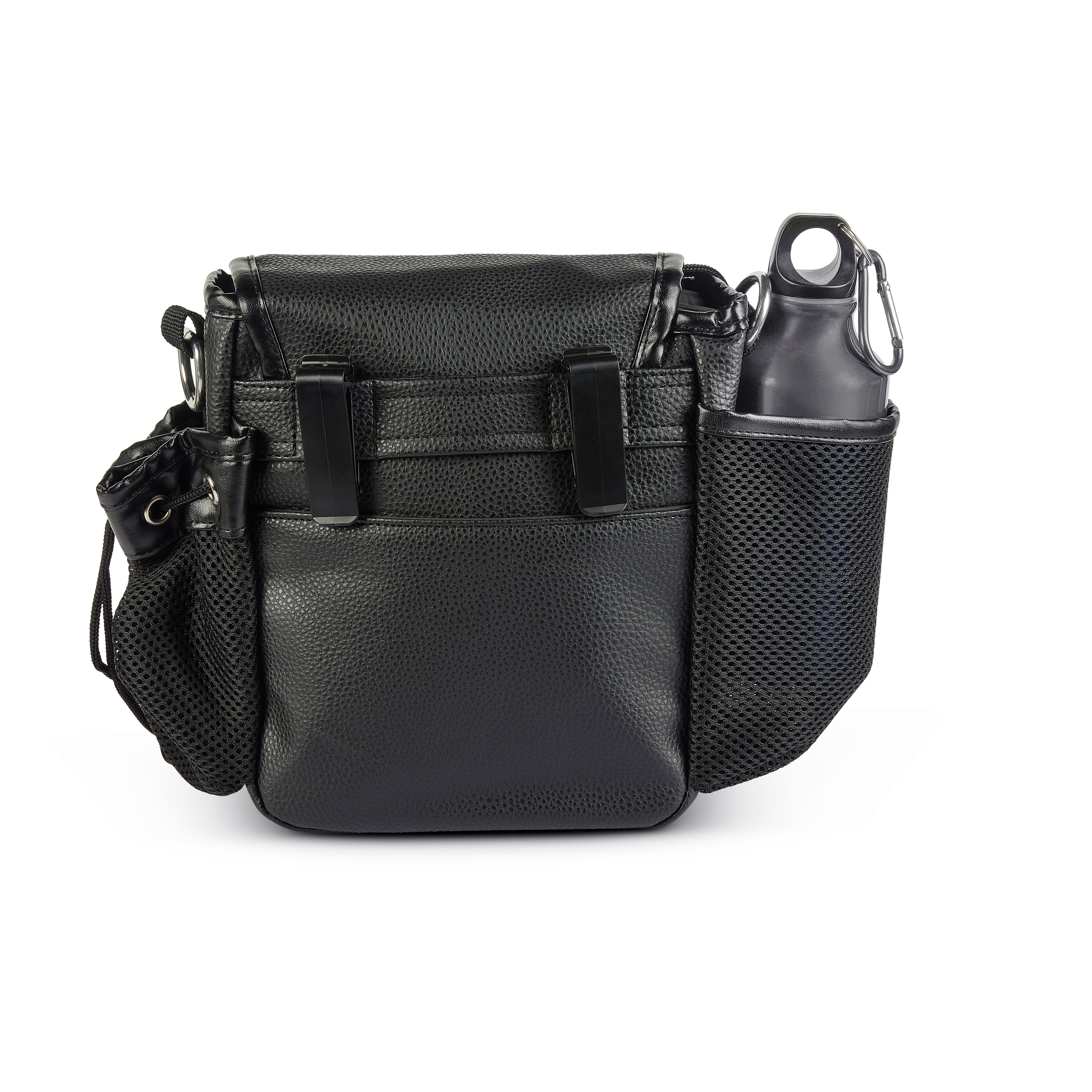
A secure crossbody fit usually works best because it keeps the bag close to the body and leaves both hands free. Adjustable straps are important, especially if your clothing changes with the season. A bag that sits well over a light fleece may feel too tight over a winter coat.
Durable, wipe-clean materials
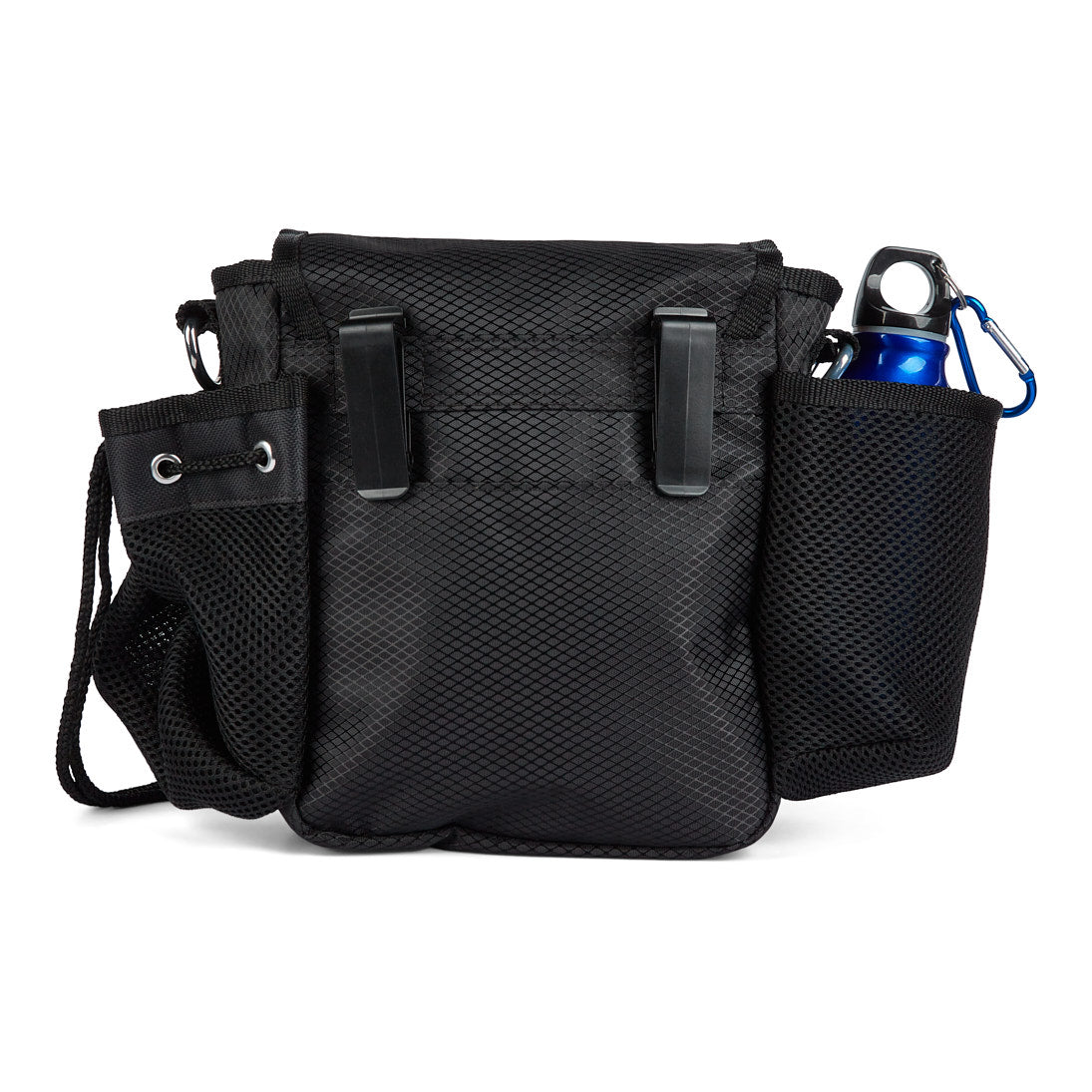
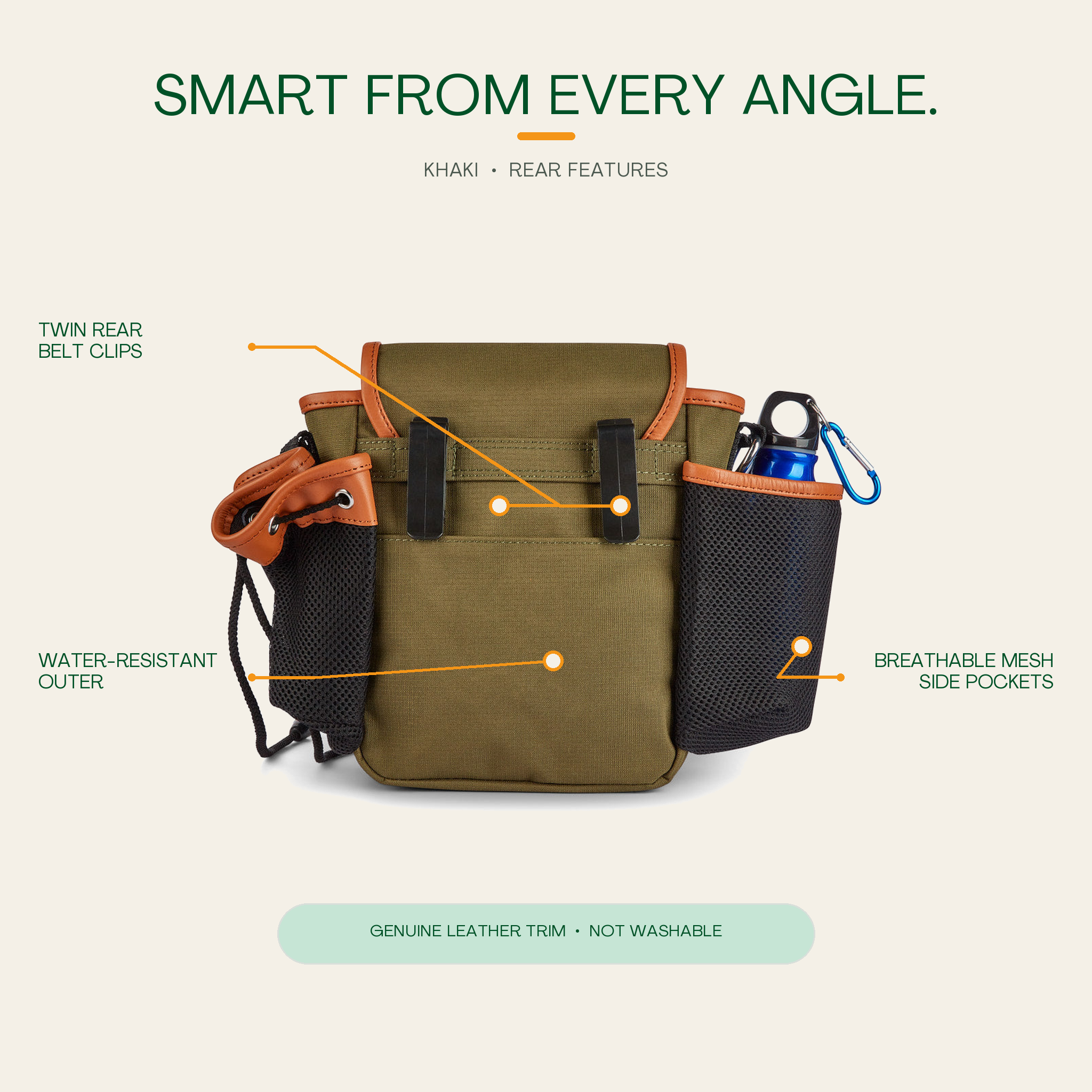
Dog walking bags do not get an easy life. They pick up mud, treats crumble into corners, and rain arrives exactly when it should not. Water-resistant or wipe-clean materials make a big difference, especially if your bag goes from the footwell of the car to a client doorstep to a wet field in the same hour.
Durability is not just about fabric. Zips, fastenings, linings, and strap attachments matter just as much. A smart-looking bag is only useful if it still looks smart after daily use.
Why style still matters on the job
There is sometimes an idea that practical gear has to look utilitarian. For professional dog walkers, that is rarely the best choice. If a bag is going to be part of your daily uniform, it should feel good to wear as well as perform well.
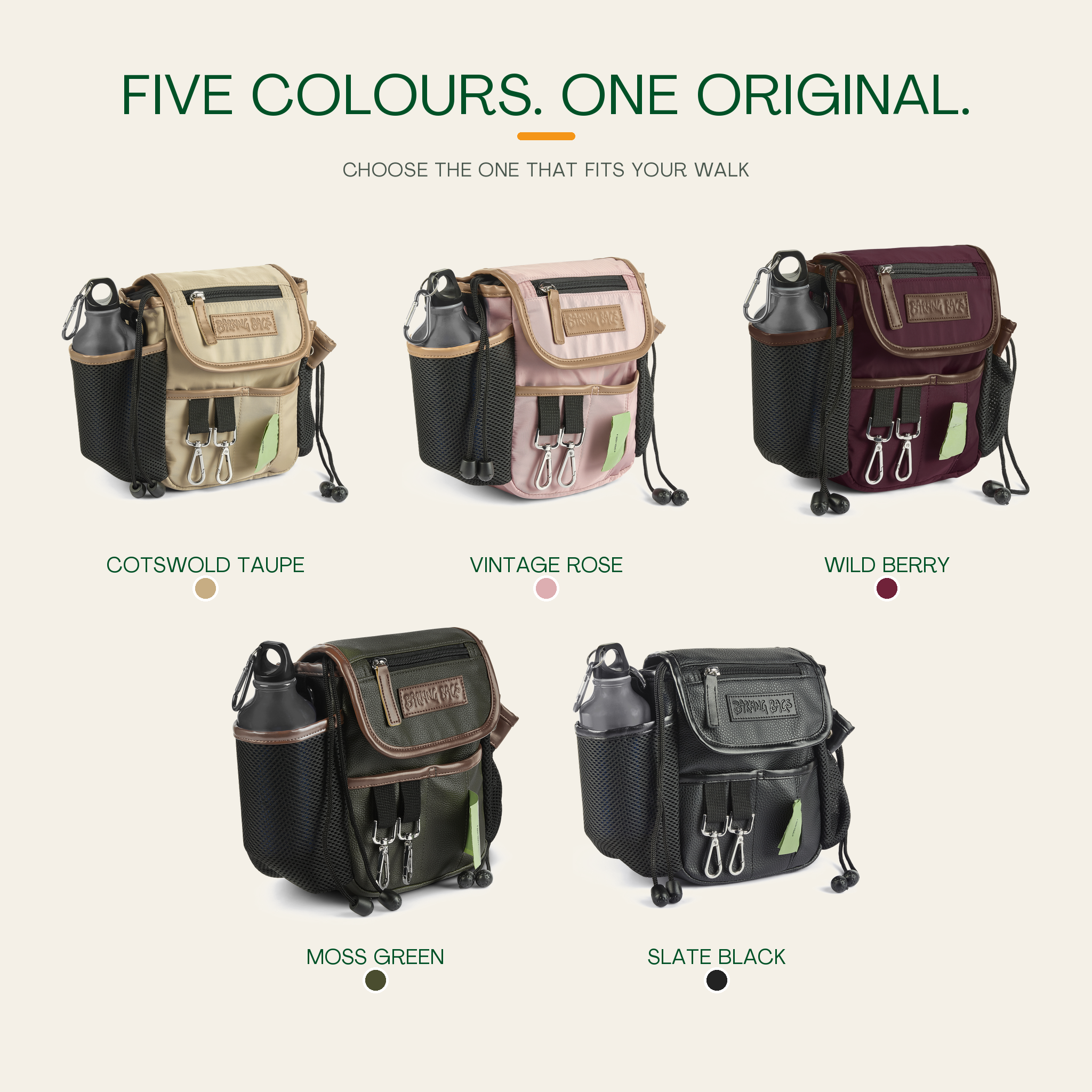
That does not mean prioritising looks over function. It means the two should work together. A clean, well-designed bag can move from weekday rounds to weekend walks without feeling overly technical or clunky. For walkers who also meet clients in town, stop at the shops, or head straight from work to other plans, that matters.
A bag that looks considered also tends to get used more consistently. And consistency is what keeps your routine organised.
Choosing the right bag for your working style
Not every professional walker needs exactly the same setup. The right choice depends on how many dogs you walk, how long your sessions are, and how much equipment you prefer to carry.
For solo and small-group walks
If most of your work involves one or two dogs at a time, a compact crossbody style may be enough. You want enough space for the essentials, but not so much that the bag swings around or encourages overpacking. A lightweight, structured design usually works well here.
For longer rounds and busier schedules
If you are doing multiple client visits in a day, your bag needs to handle repetition. That usually means room for more treats, spare accessories, and personal items, plus a layout that helps you reset quickly between dogs. In this case, organisation matters more than minimalism.
For training-focused walks
Walkers who combine exercise with training often need a little more flexibility. Separate treat storage, fast access, and easy-clean interiors become more important. You may also want a bag that pairs neatly with a dedicated treat pouch rather than trying to do everything in one compartment.
Common mistakes when buying a bag
The first mistake is buying based on size alone. A large bag sounds practical until you realise everything sinks to the bottom. The second is choosing something designed for general lifestyle use and hoping it will adapt. Sometimes it can, but more often you end up compensating with extra pouches, coat pockets, and small daily annoyances.
Another common mistake is underestimating weather. A suede finish or pale fabric may look lovely on day one, but if your working week involves wet grass, muddy paws, and snack residue, it may not stay lovely for long.
Price can be a sticking point too. A cheaper bag may seem sensible at first, especially if you are just starting out. But if it lacks structure, wipes badly, or starts fraying at stress points, replacing it costs more over time. A purpose-designed bag usually gives better value because it is built around the routine rather than borrowed from another category.
A smarter option than making do
There is a reason purpose-built dog walking bags have carved out their own place. They answer a very specific need. Professional walkers do not just need somewhere to put things. They need a reliable, wearable system that supports long days, repeated use, and quick transitions.
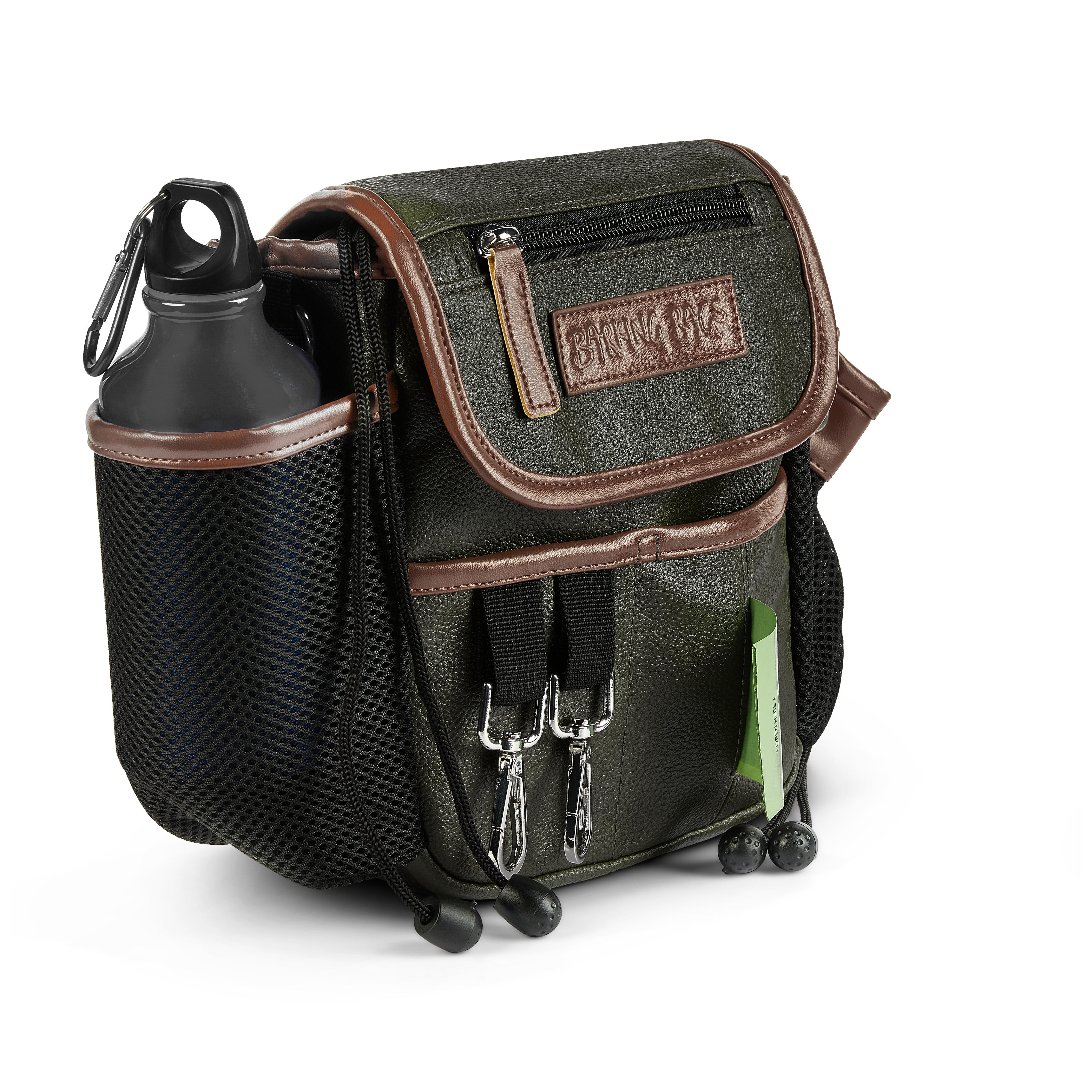
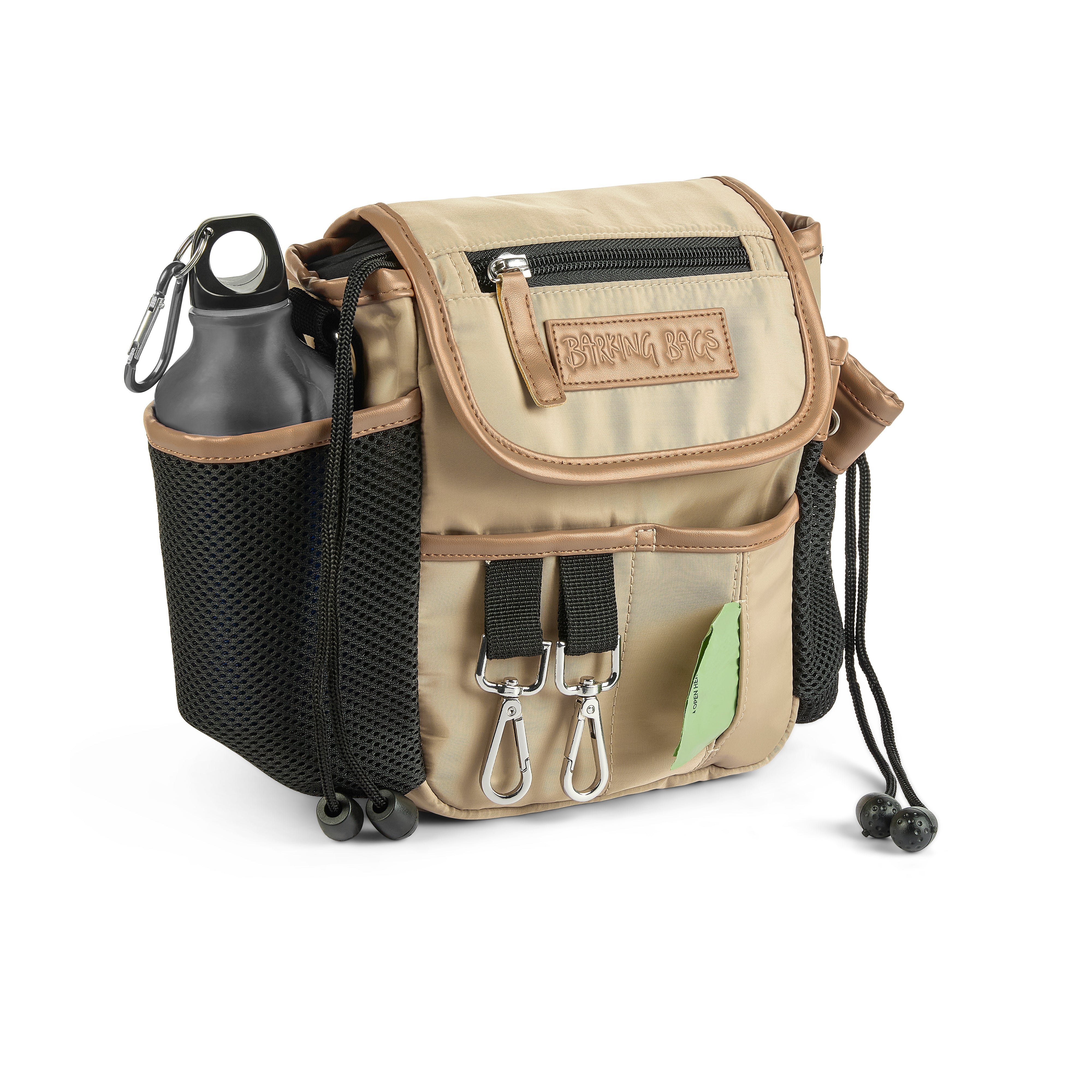
That is where specialist design stands apart. A bag created specifically for dog walking is more likely to include the details that matter in real life - practical compartments, quick-access storage, comfortable wear, and a look that feels polished rather than purely functional. That balance is exactly why so many walkers move away from generic handbags, belt bags, or backpacks once they find something made for the job.
For anyone comparing options, it is worth focusing less on labels and more on routine. Think about the moments that slow you down now. Is it fumbling for treats, running out of space, sore shoulders, or having nowhere clean for your own essentials? The right bag should remove those friction points.
At Barking Bags, that idea sits at the centre of the category. A dedicated dog walking bag should help you feel prepared from the first walk of the day to the last, without compromising on style.
If your current setup only just copes, that is usually your answer. The best bag is the one that makes the whole walk feel easier before you have even clipped on the first lead.