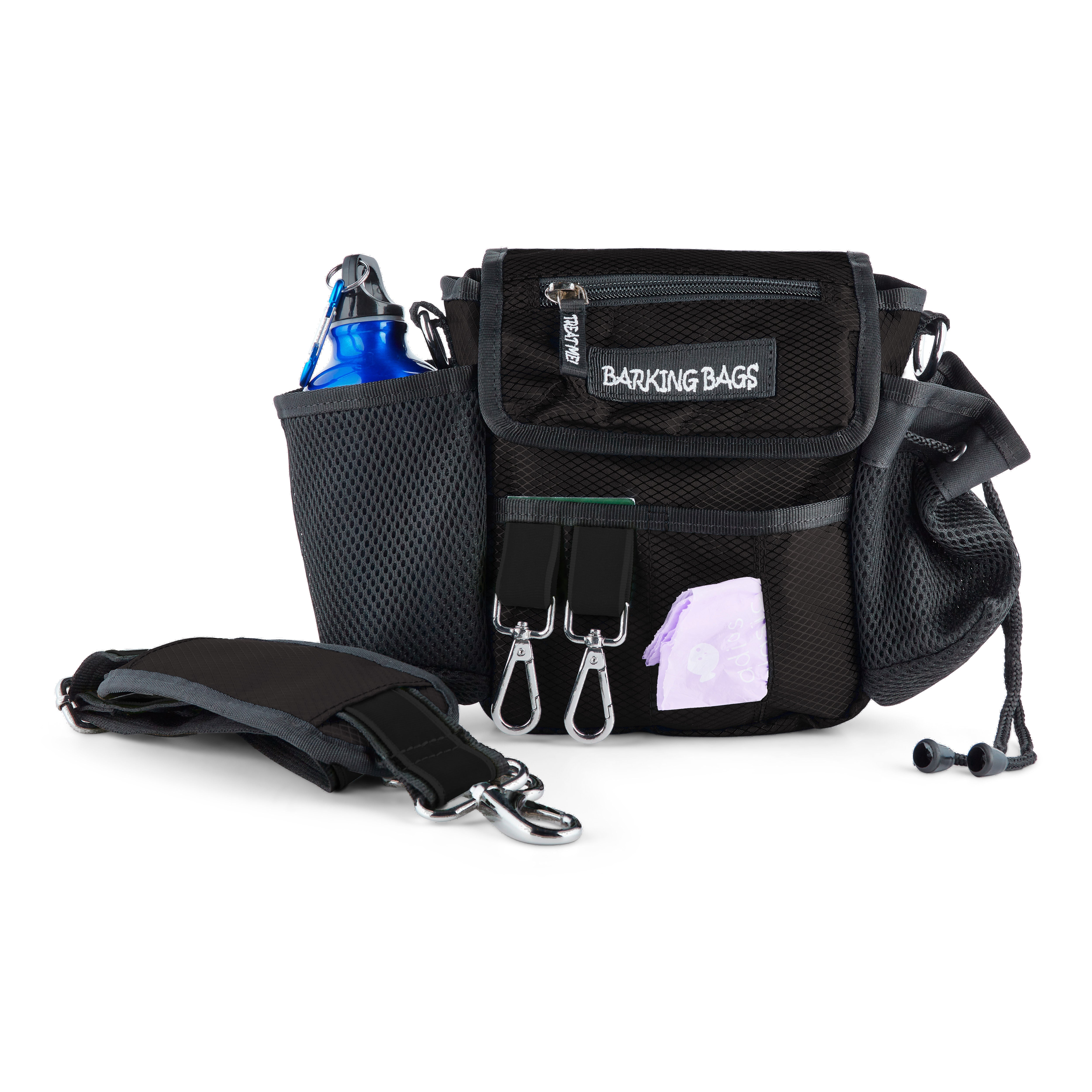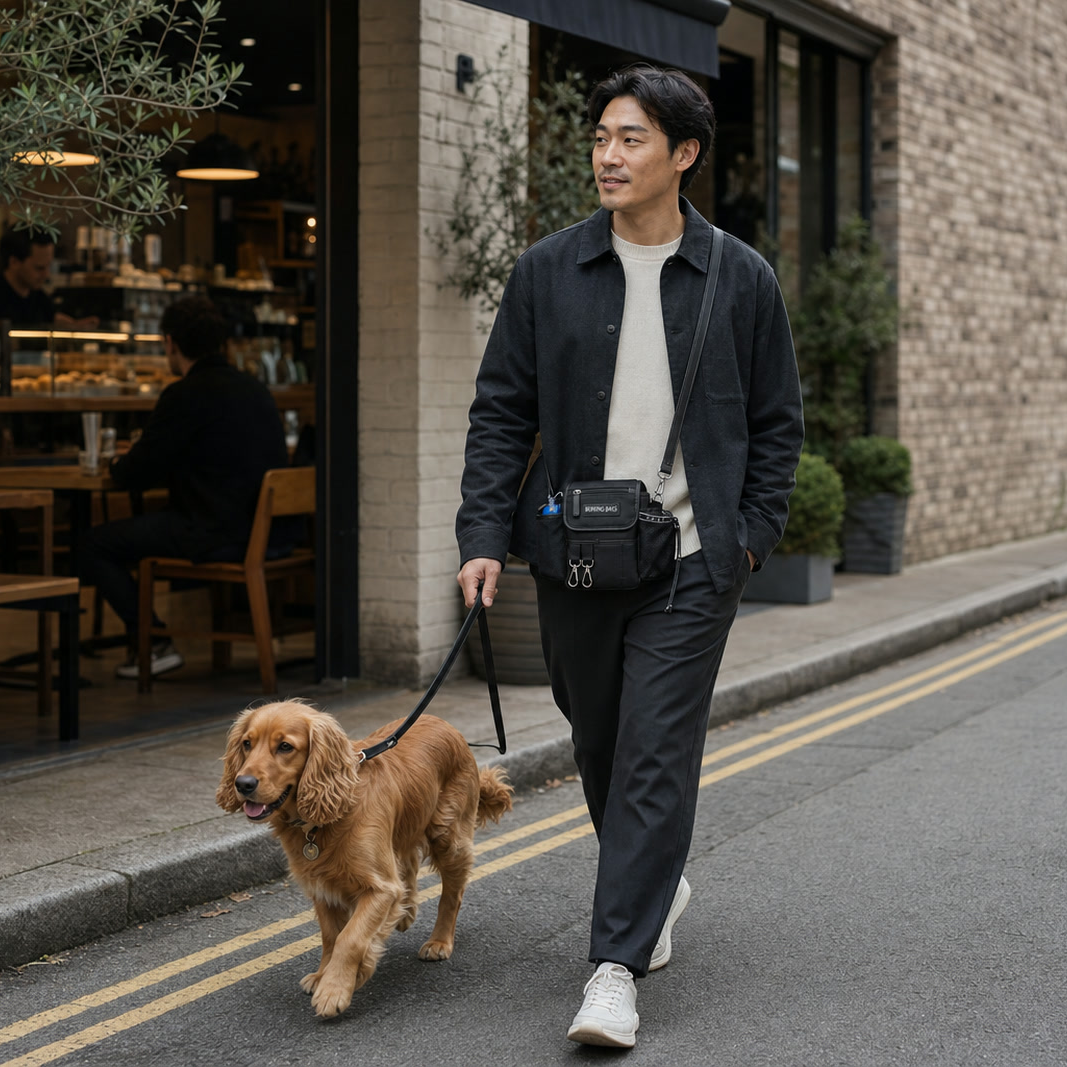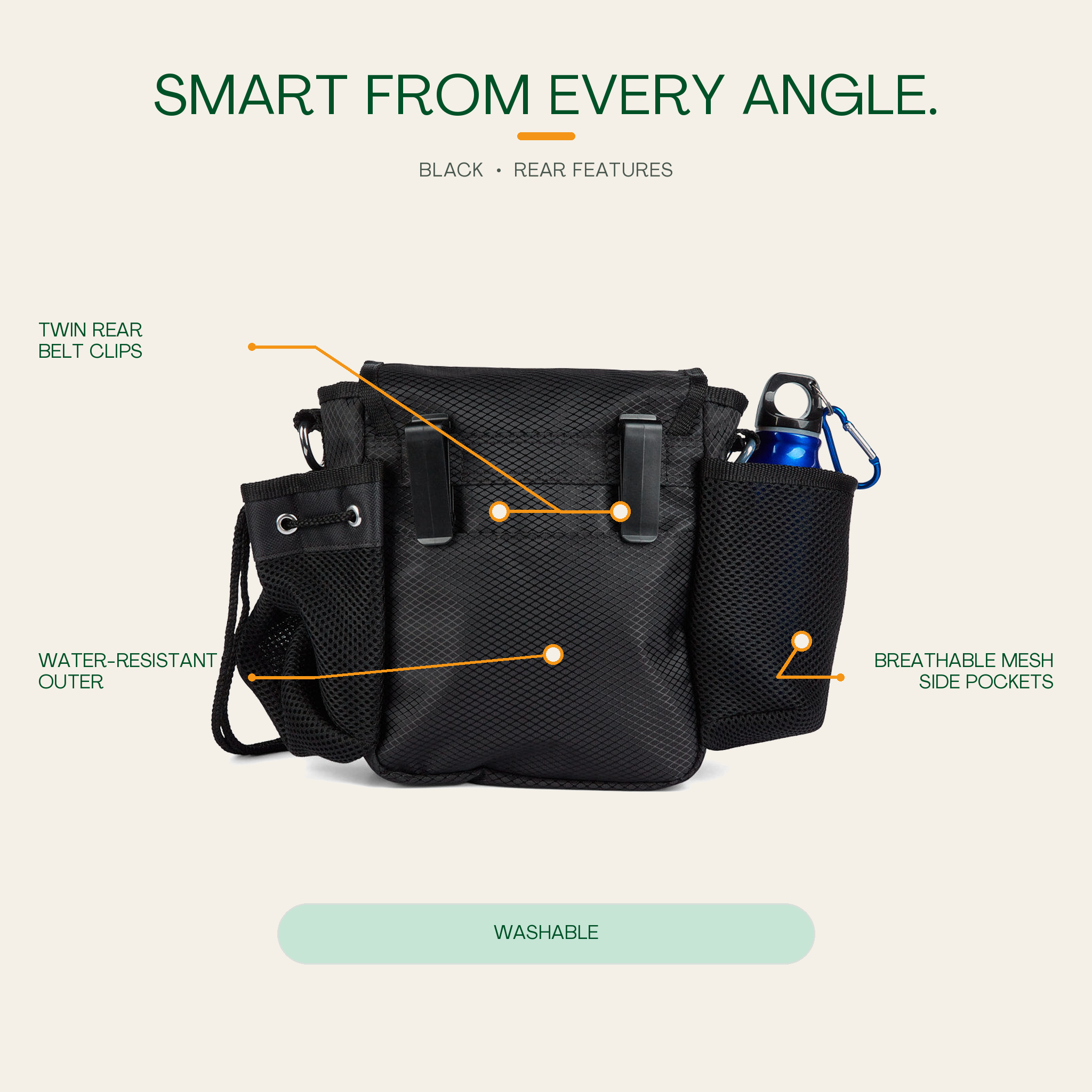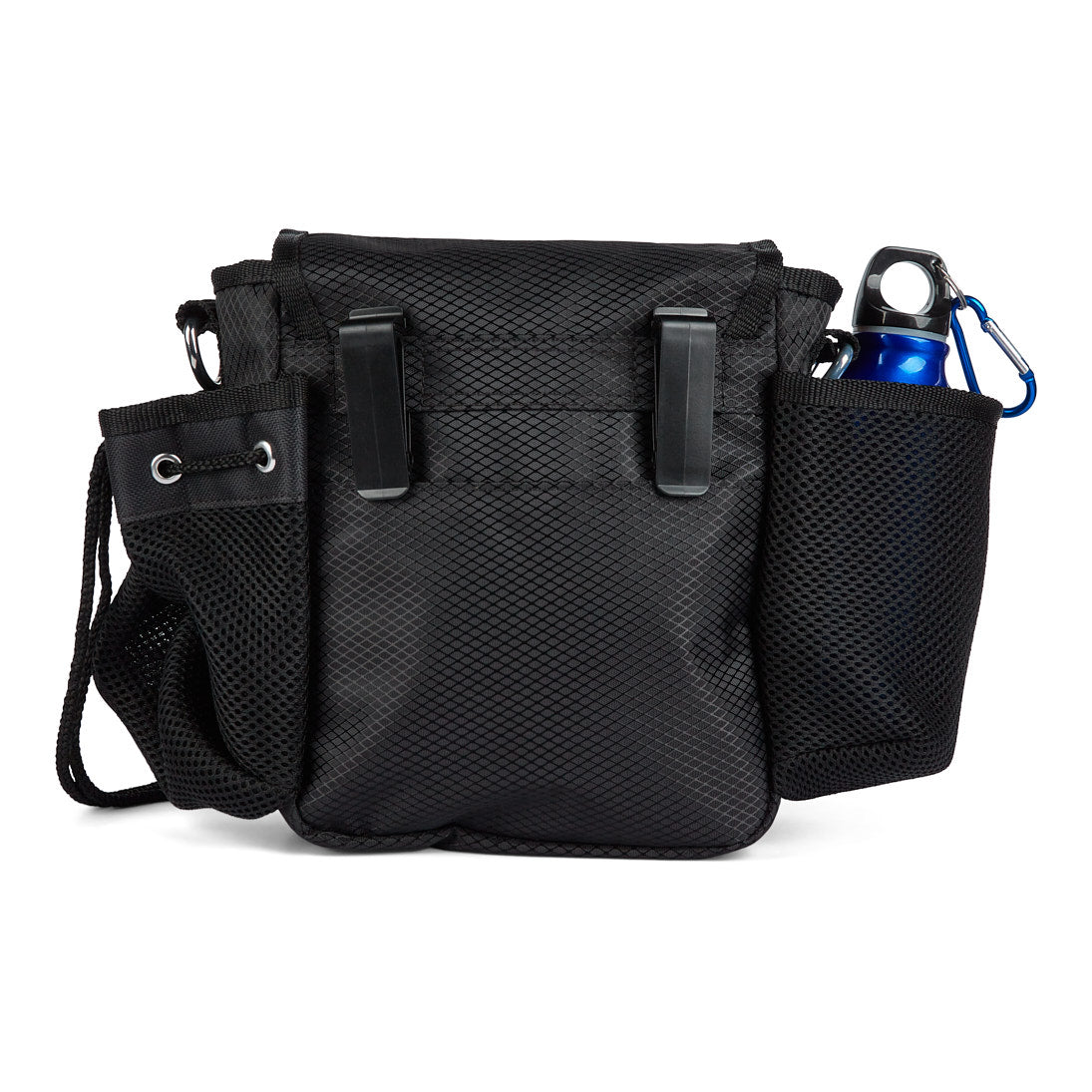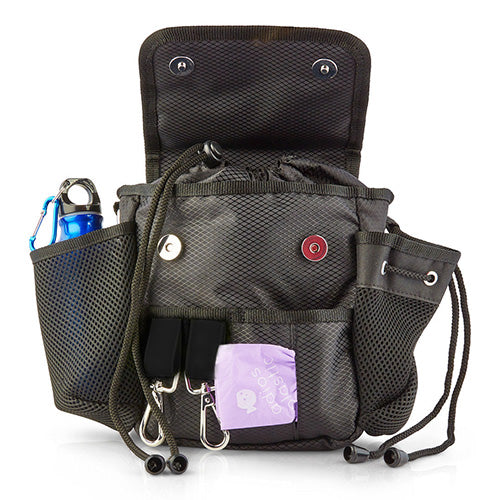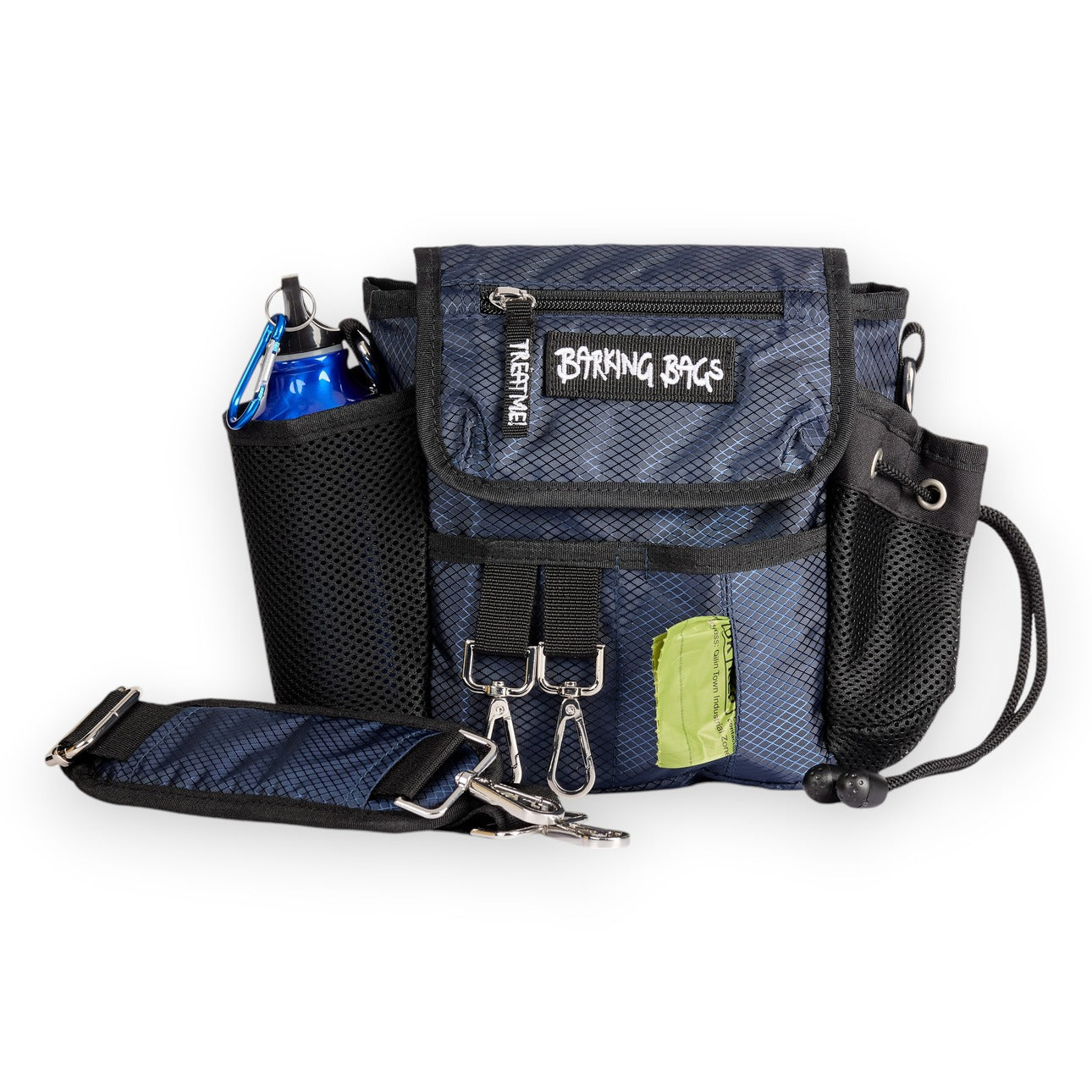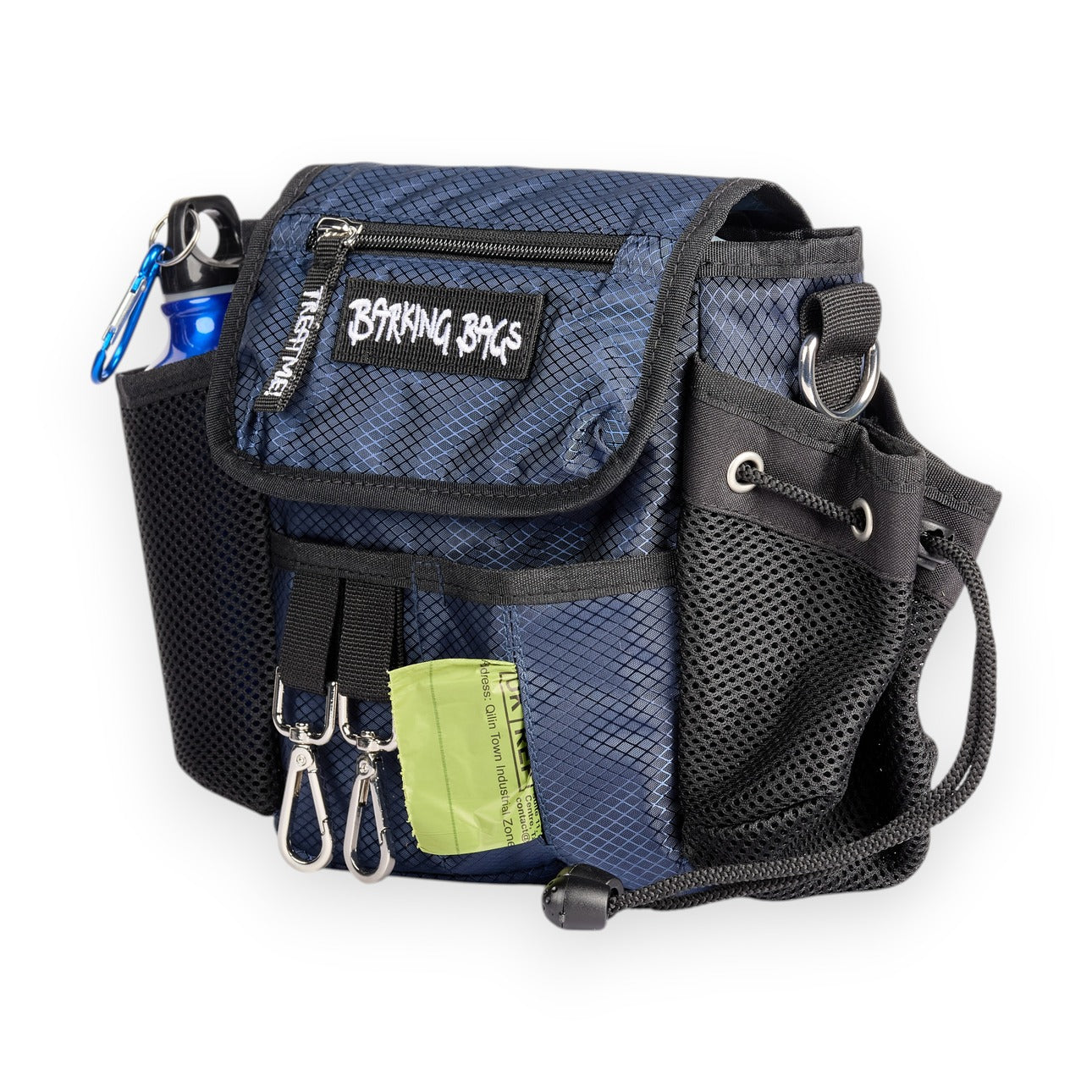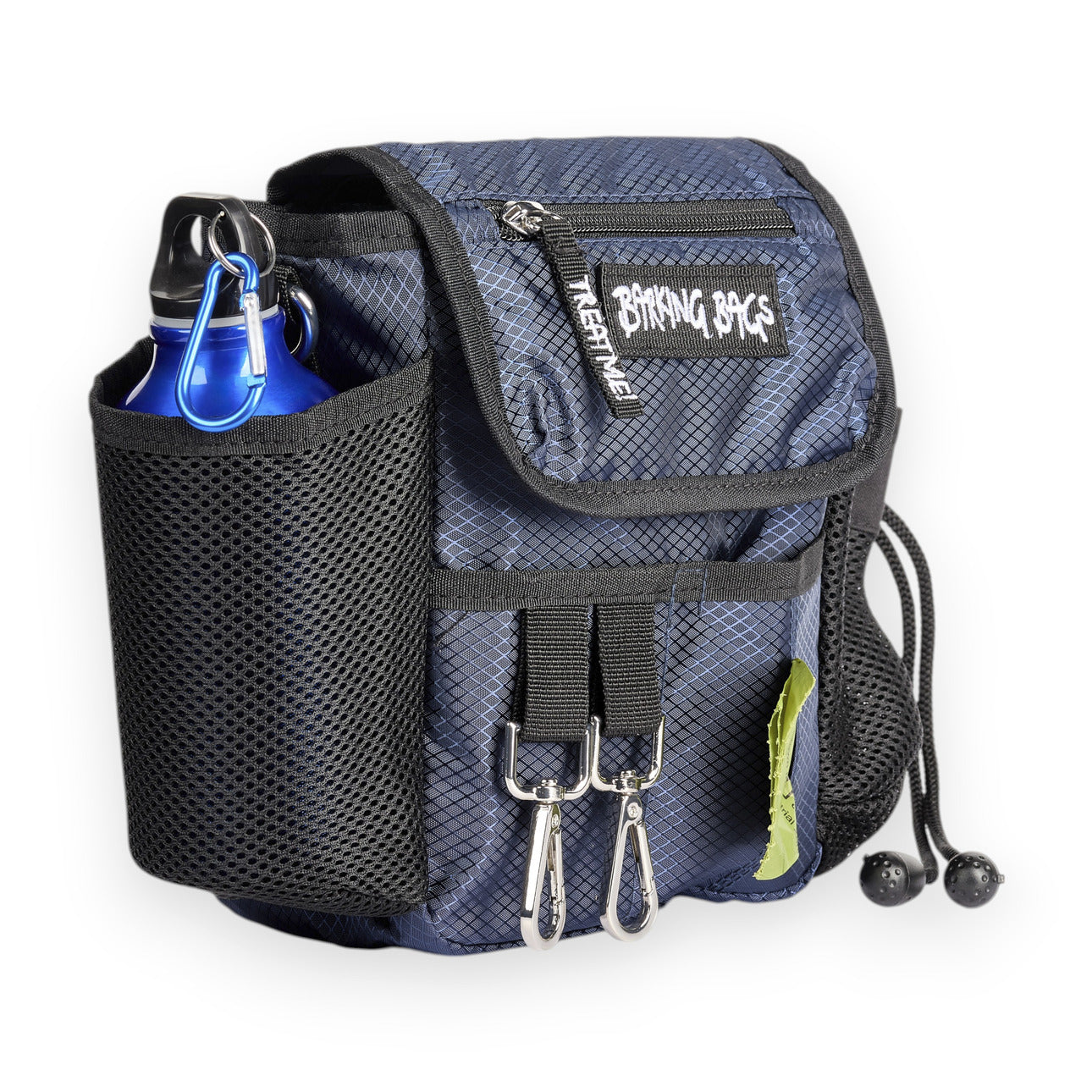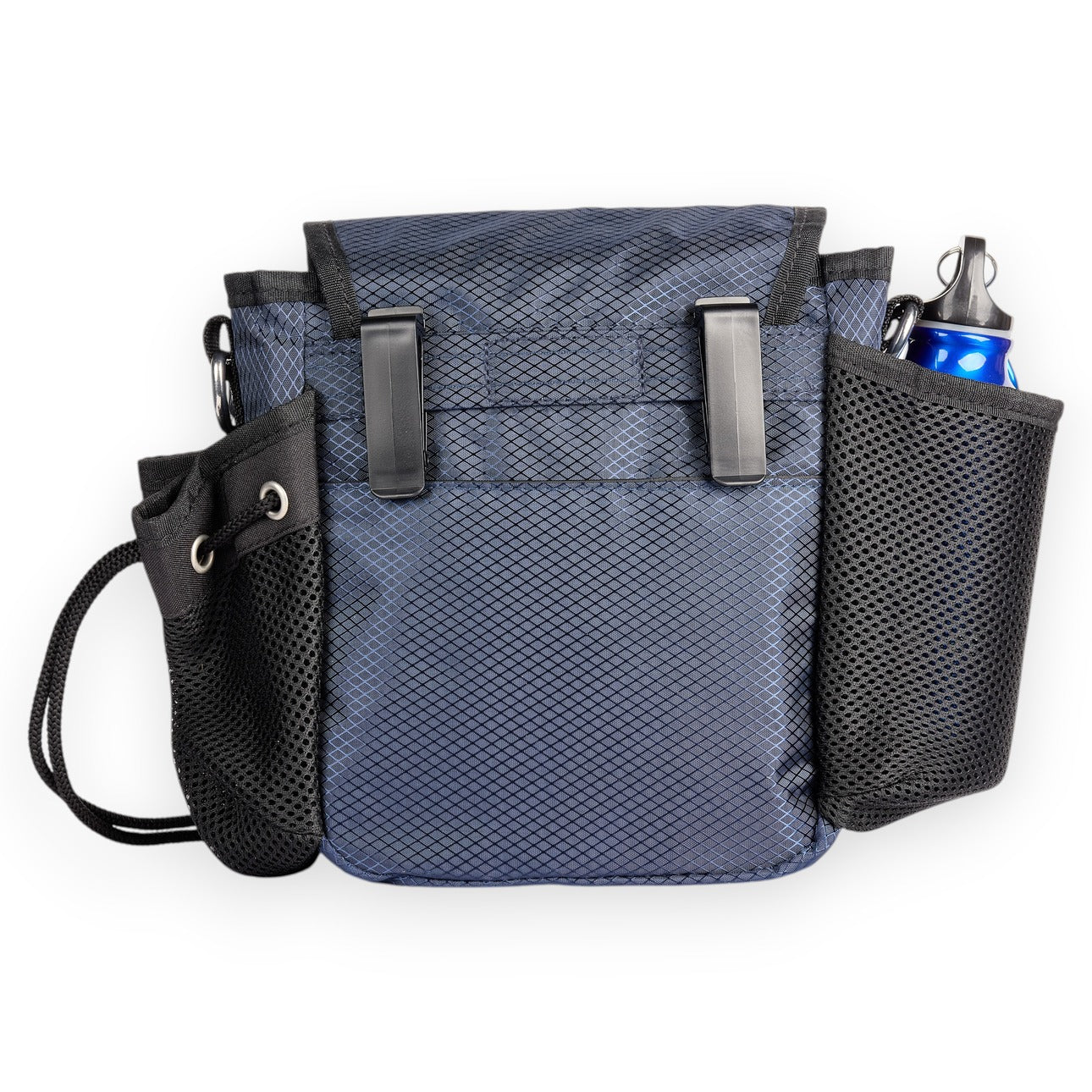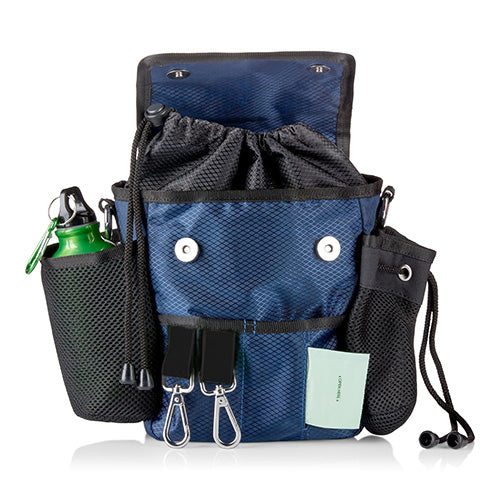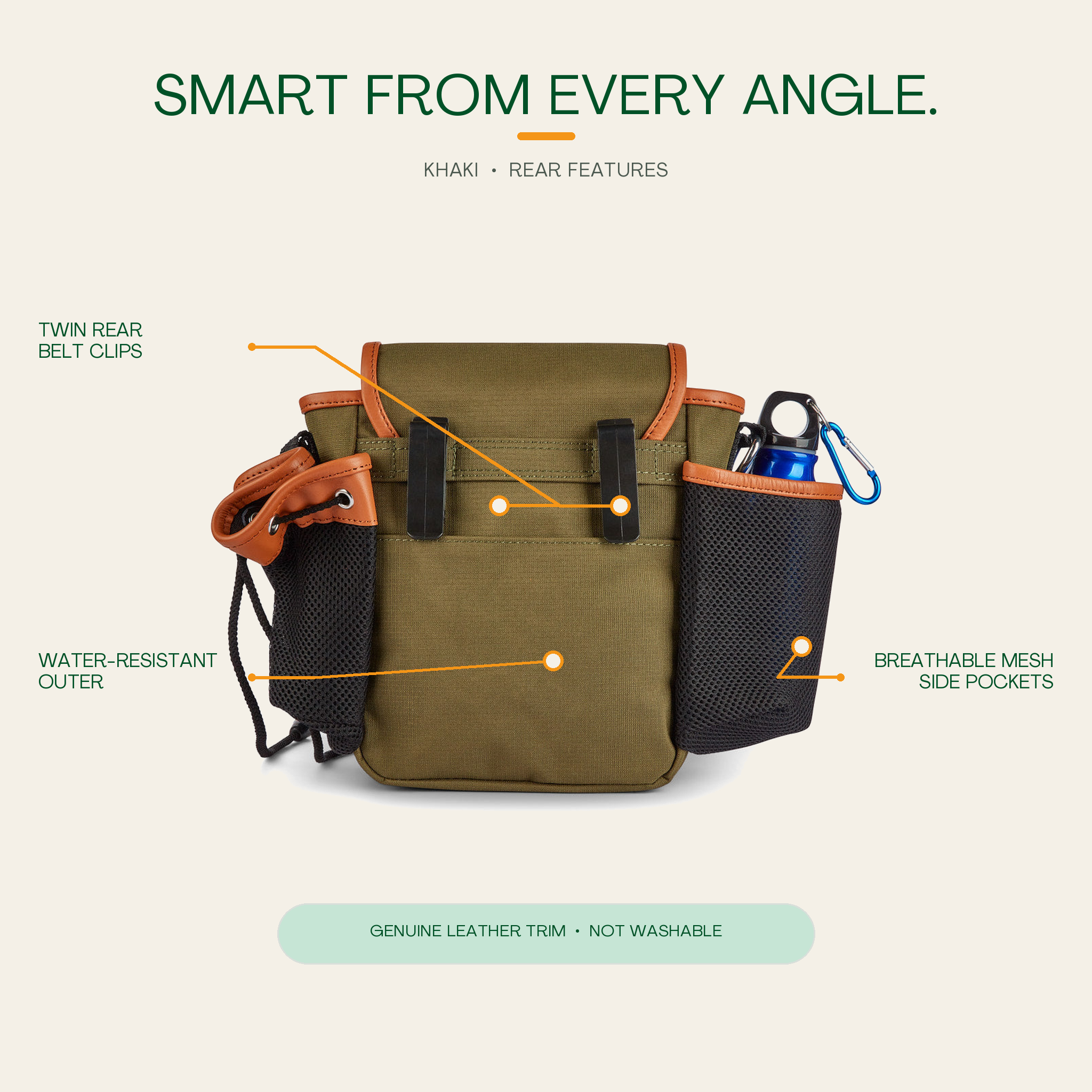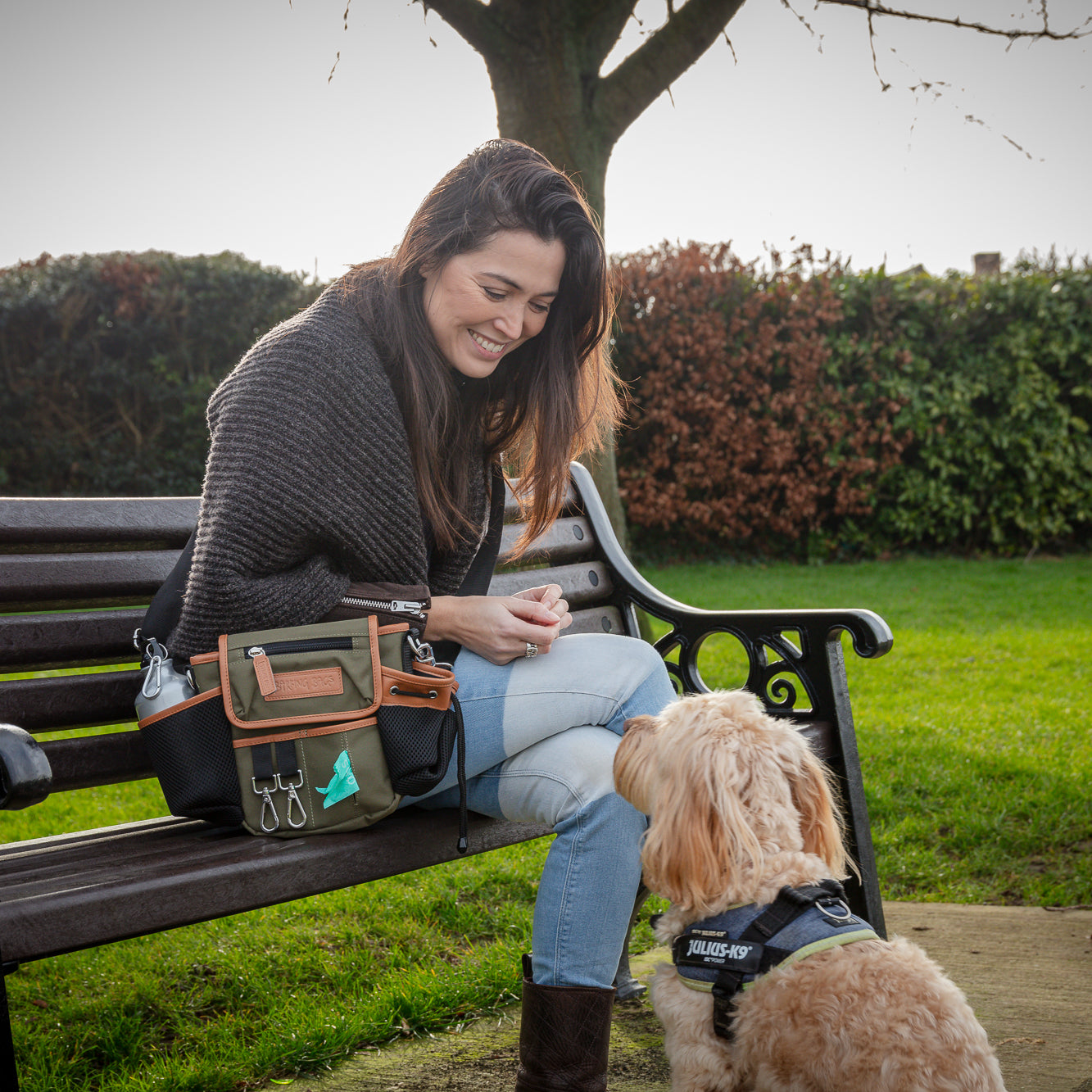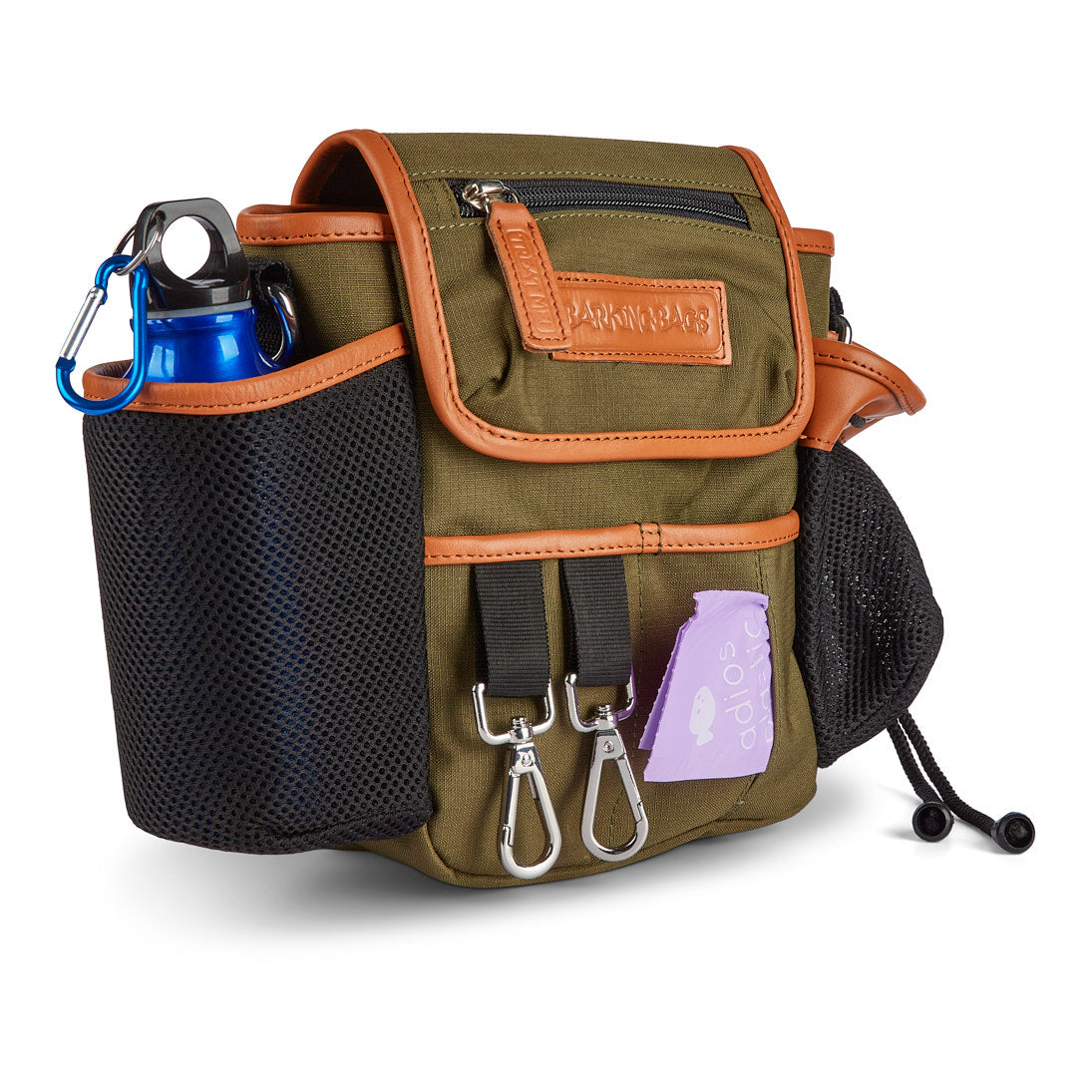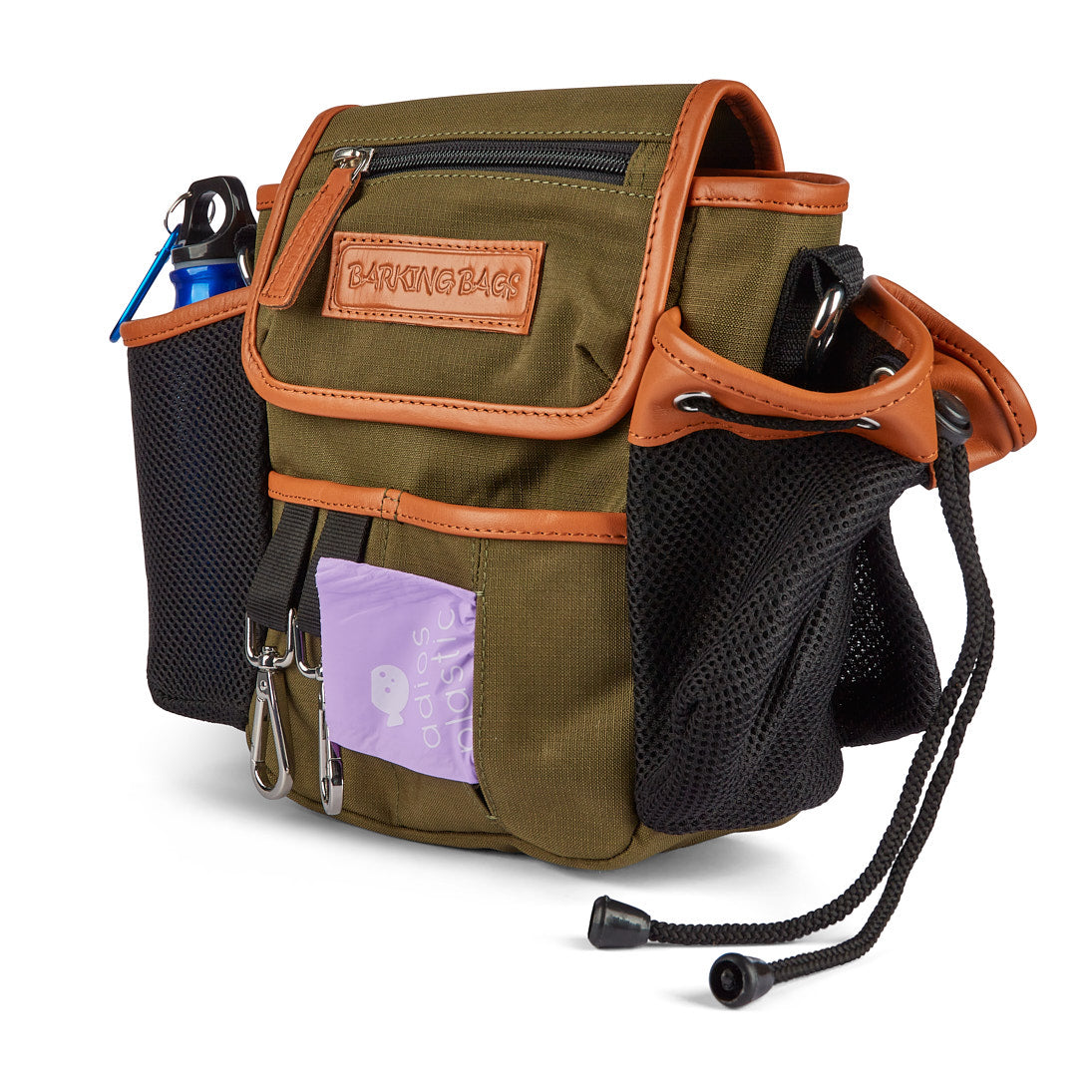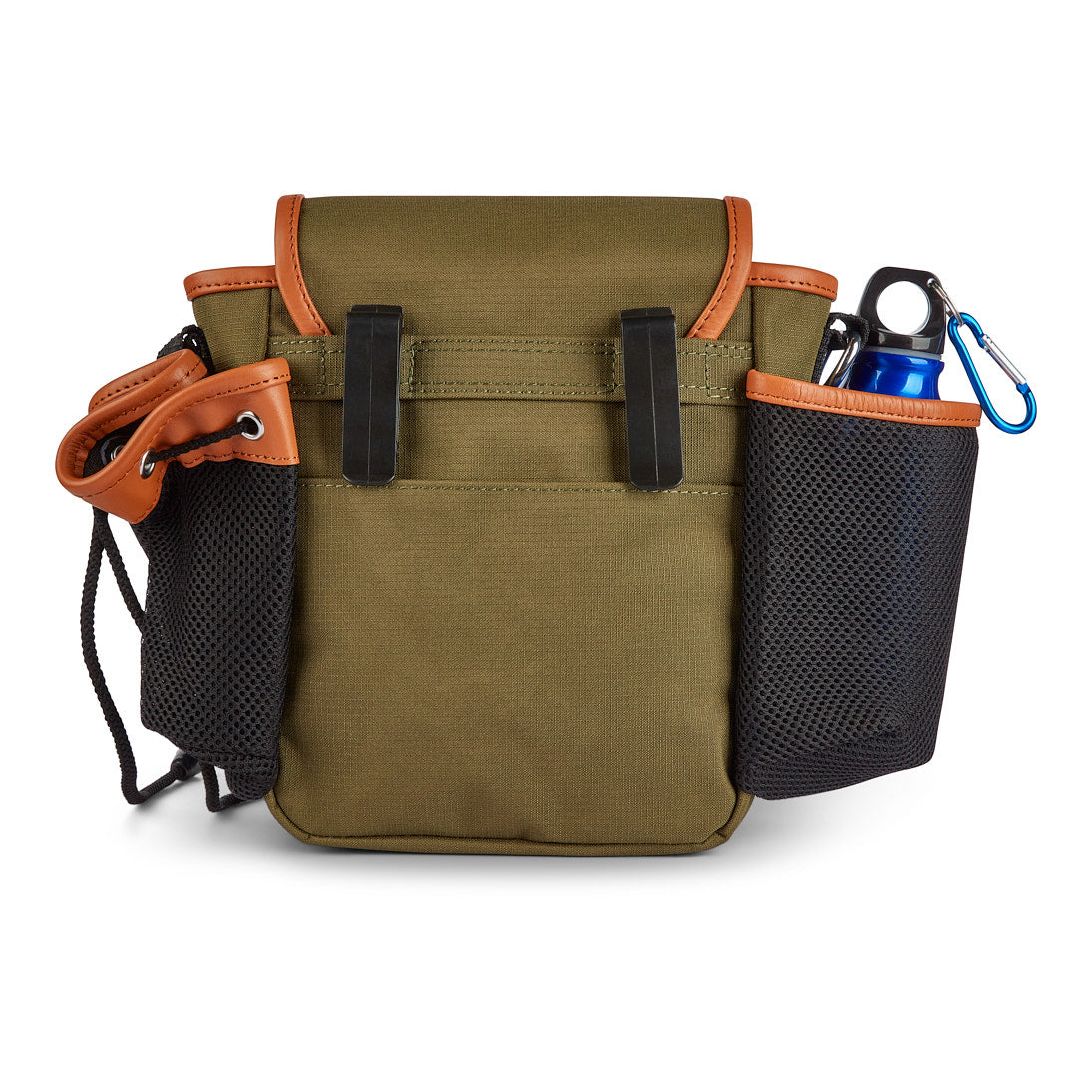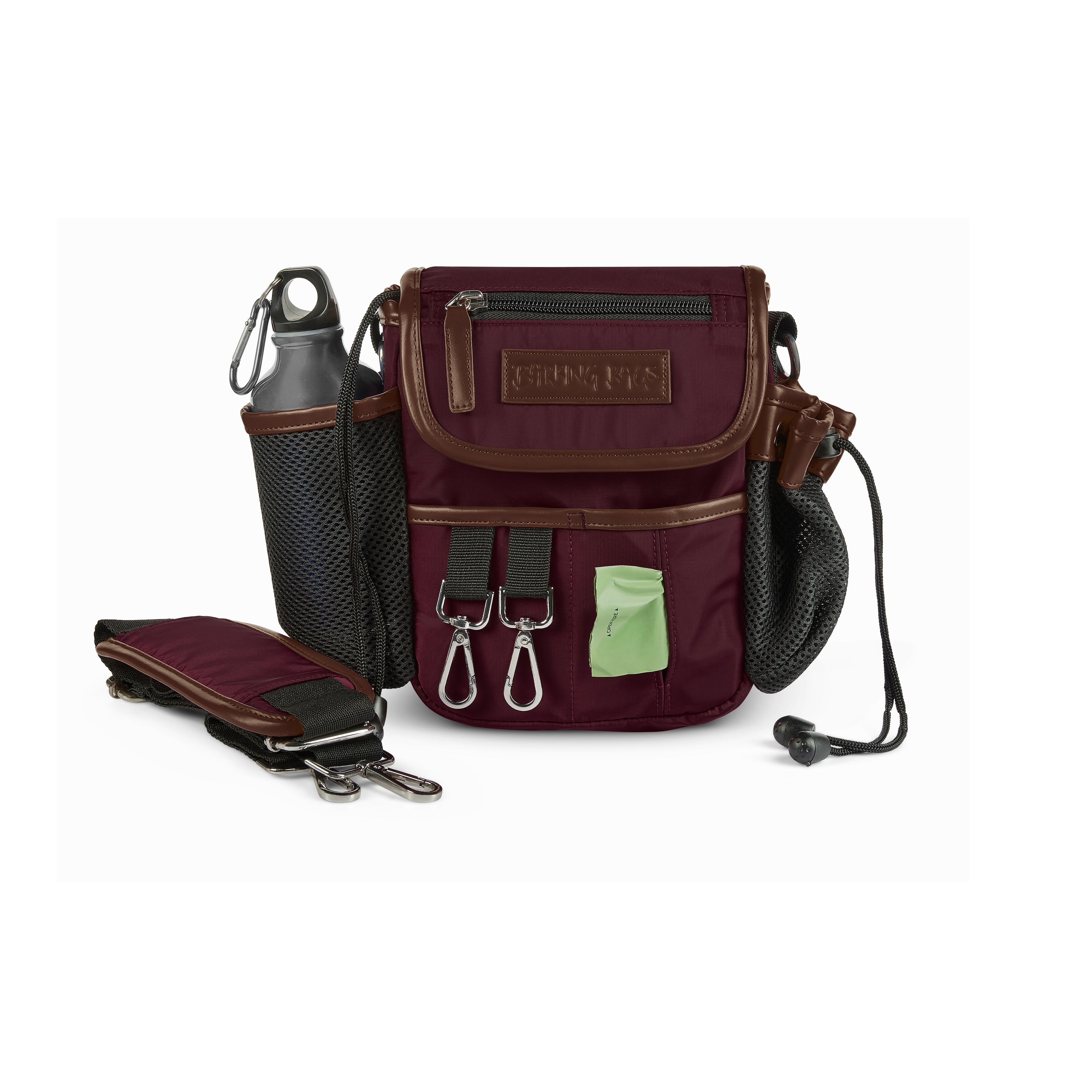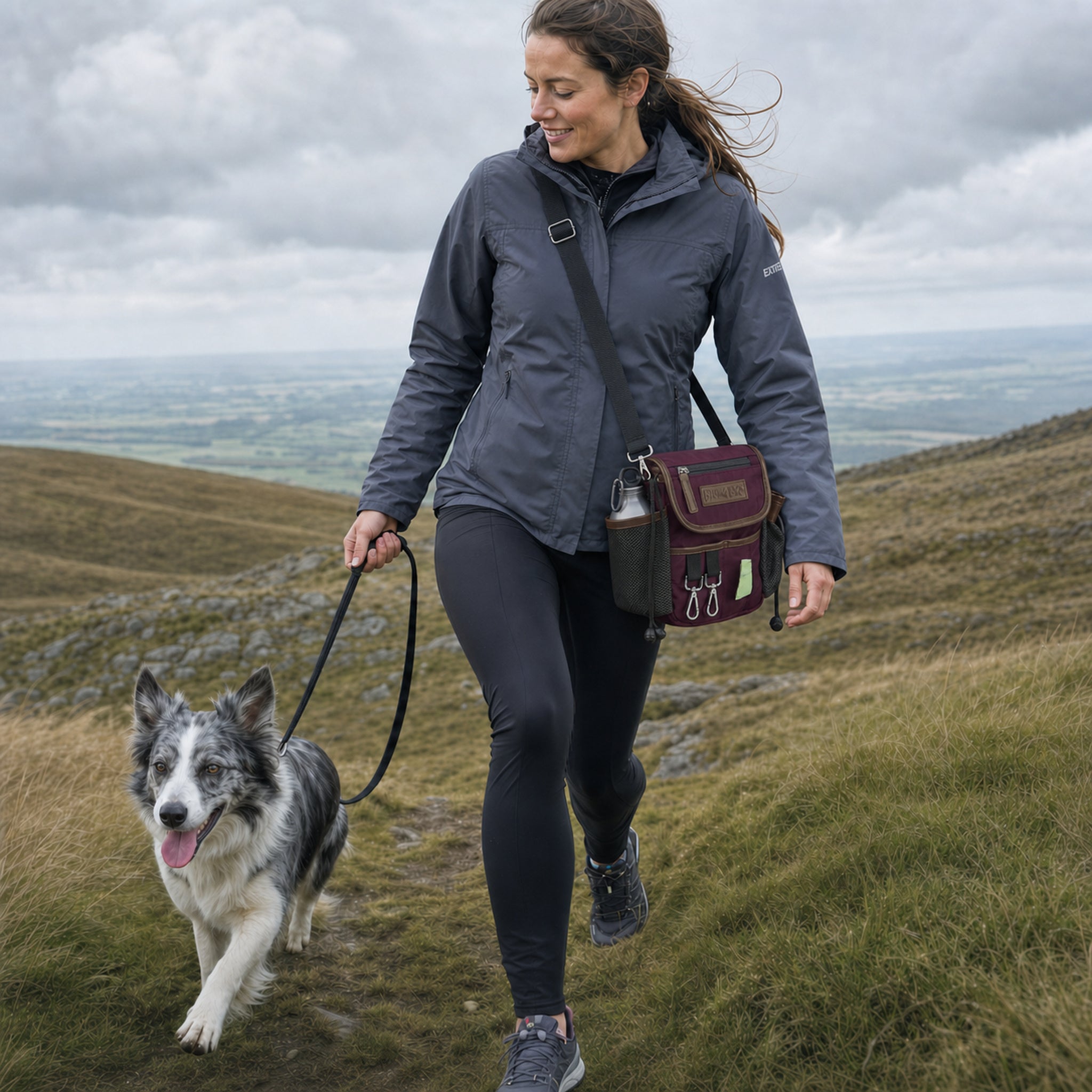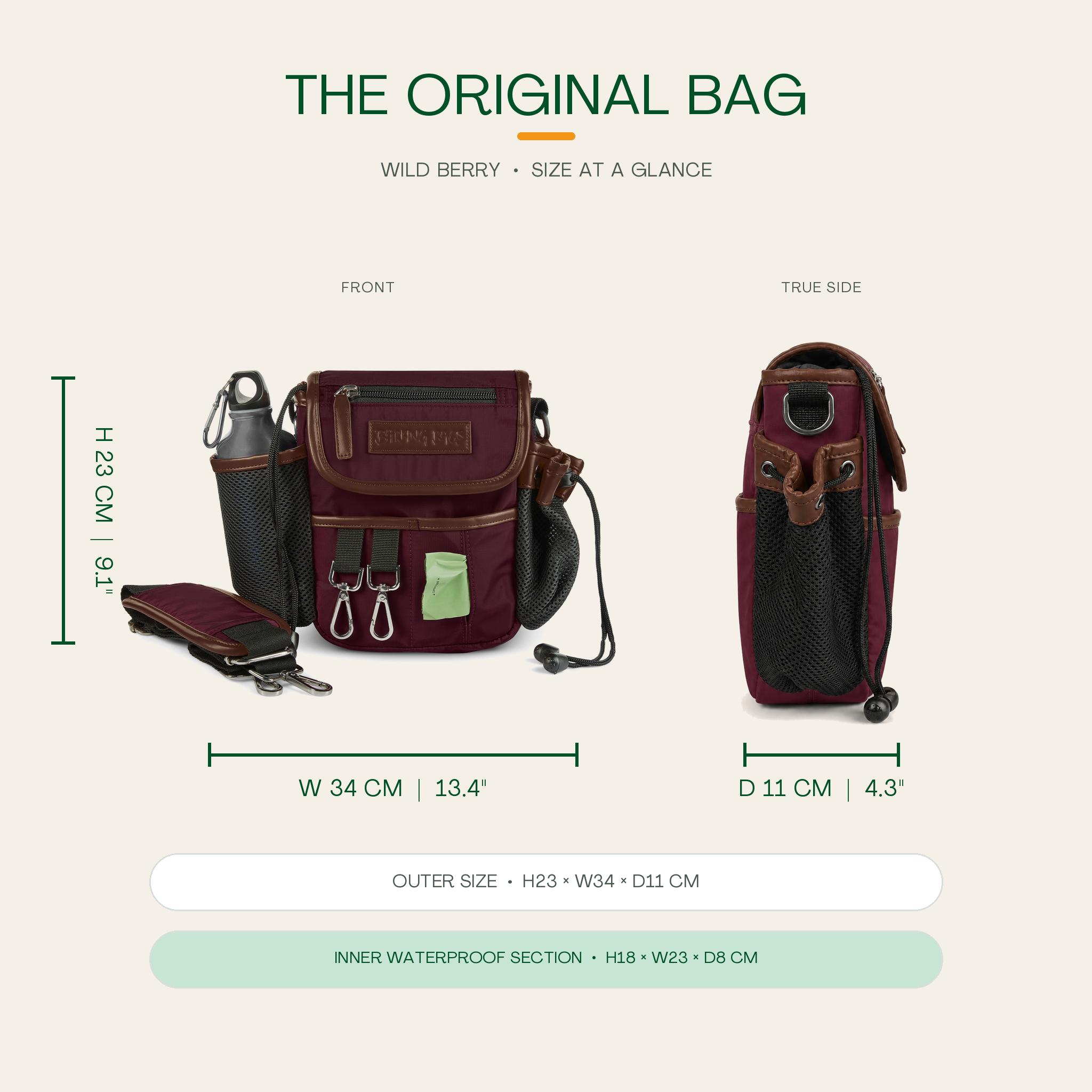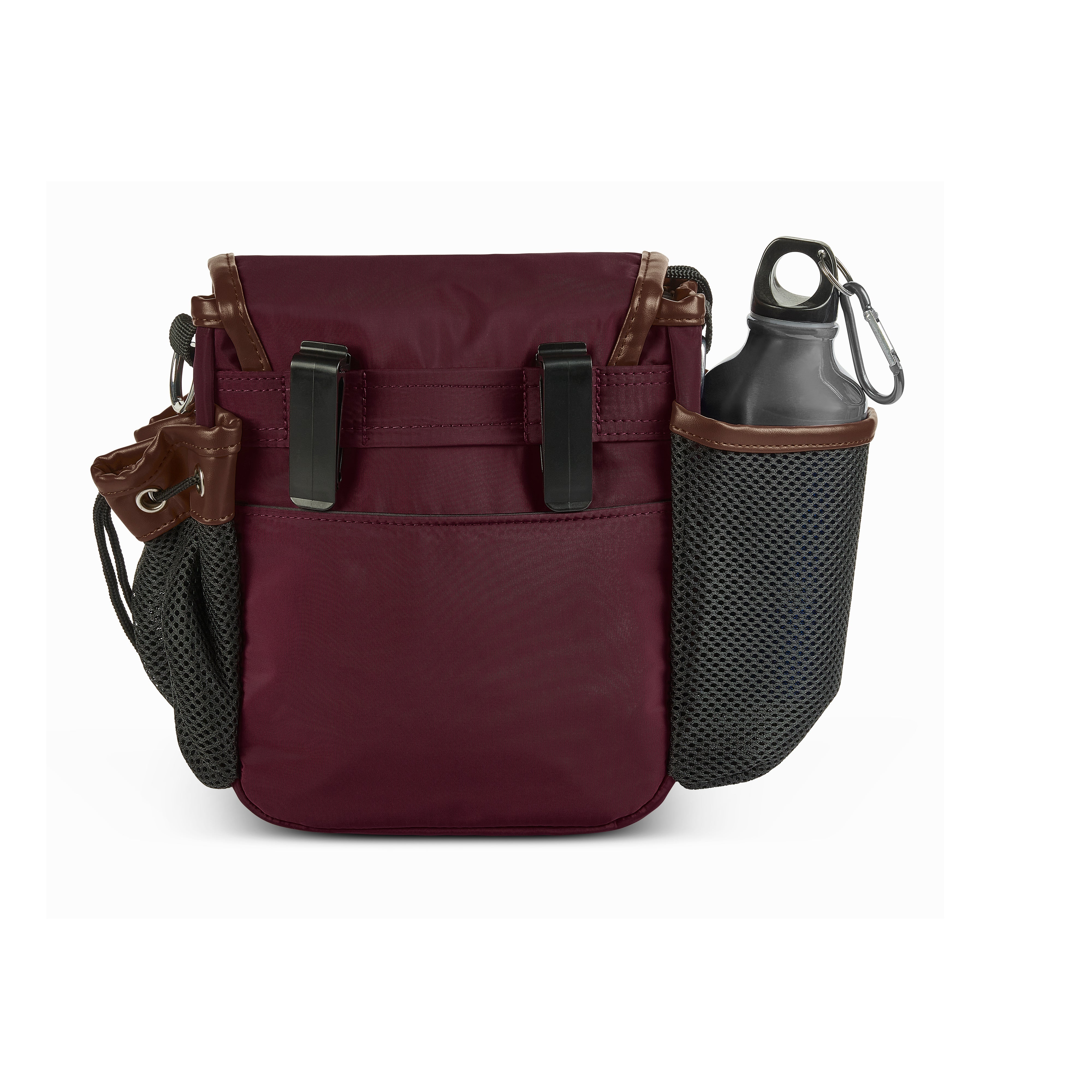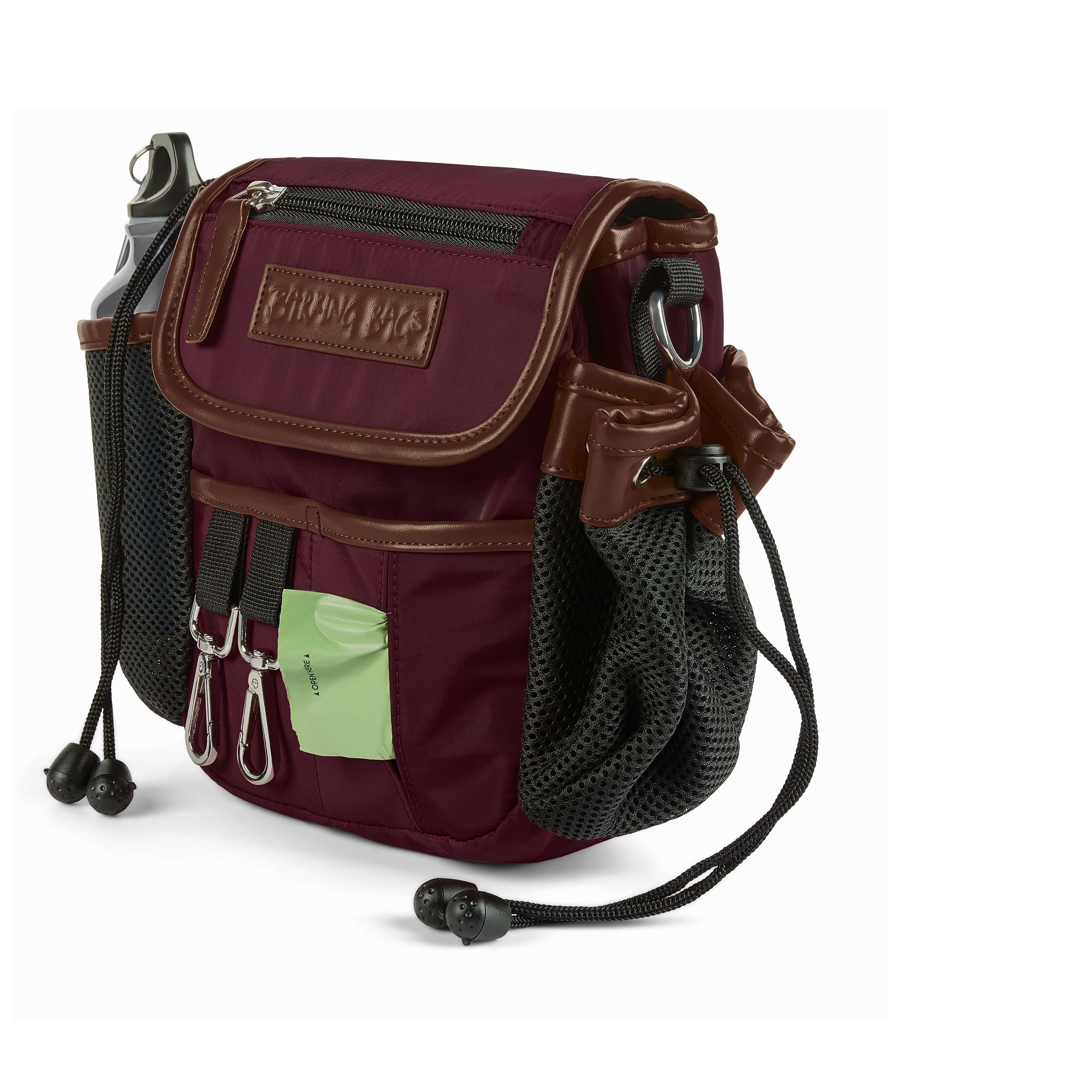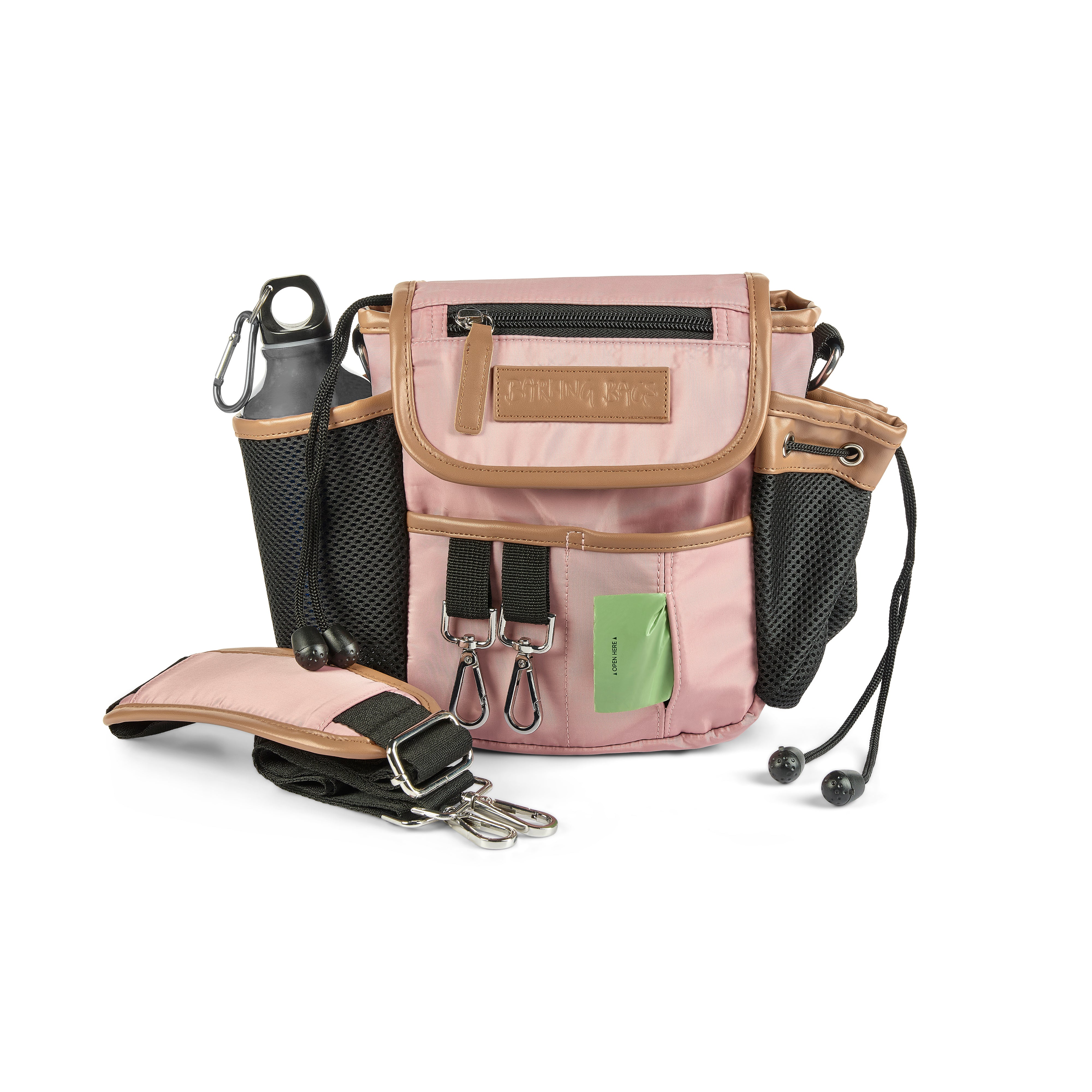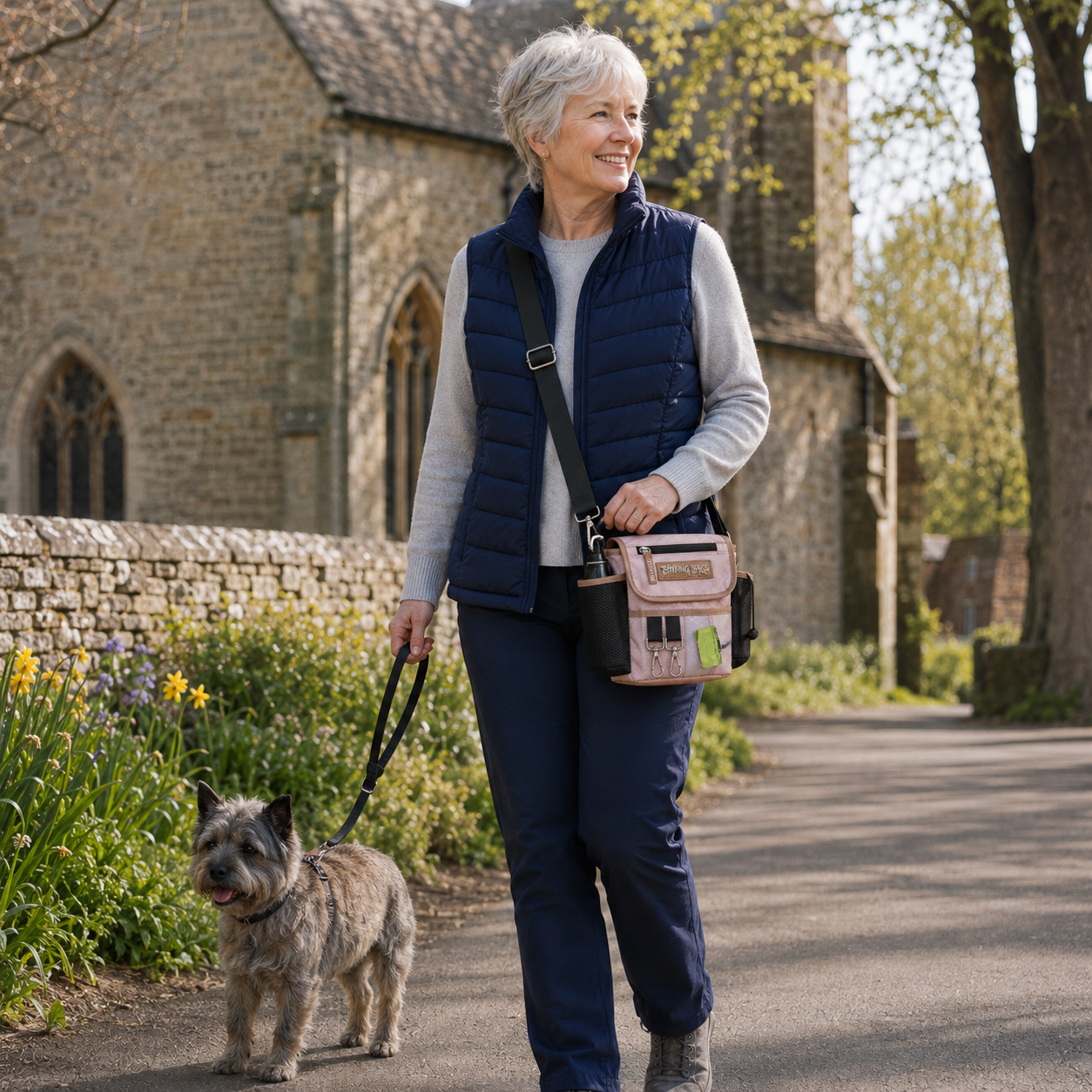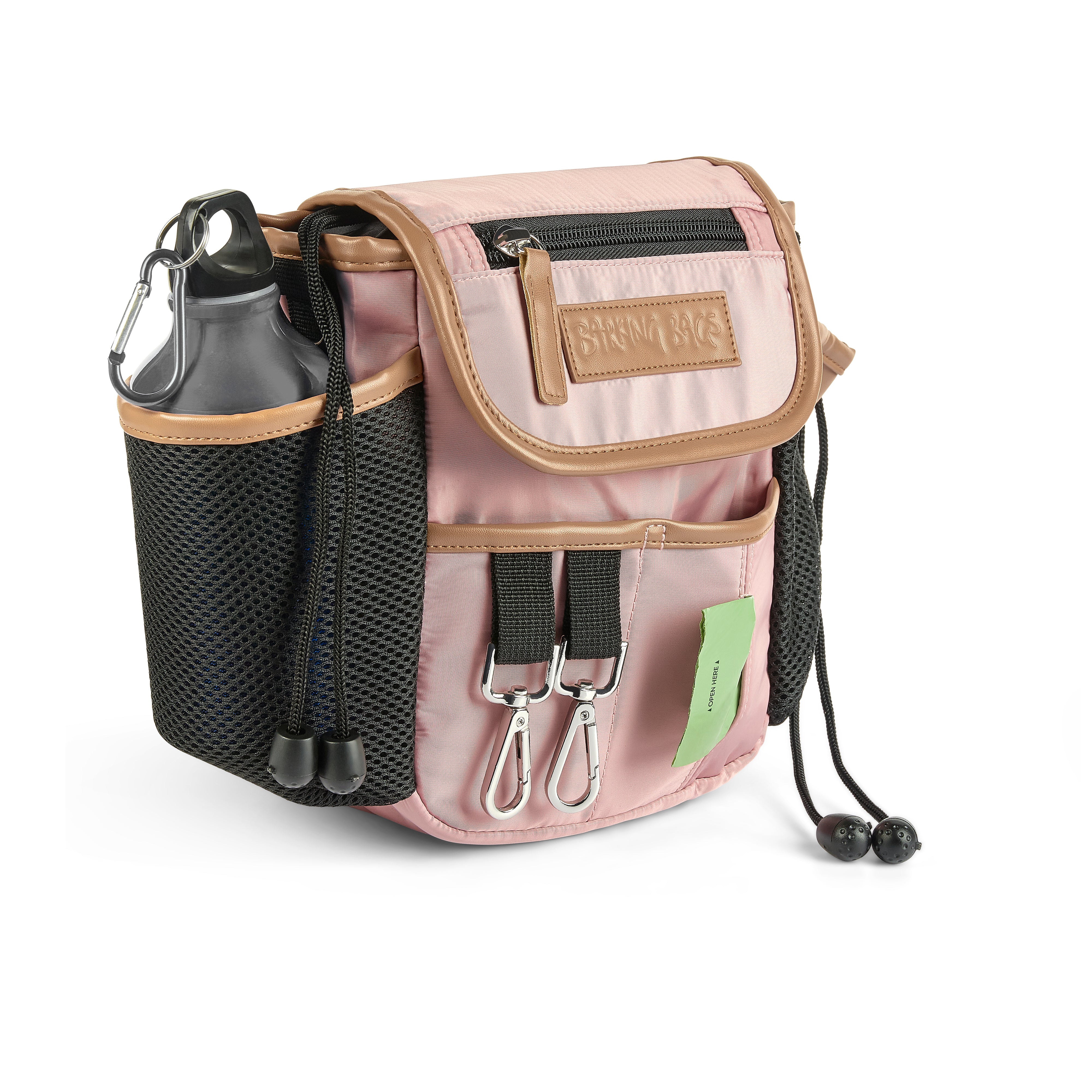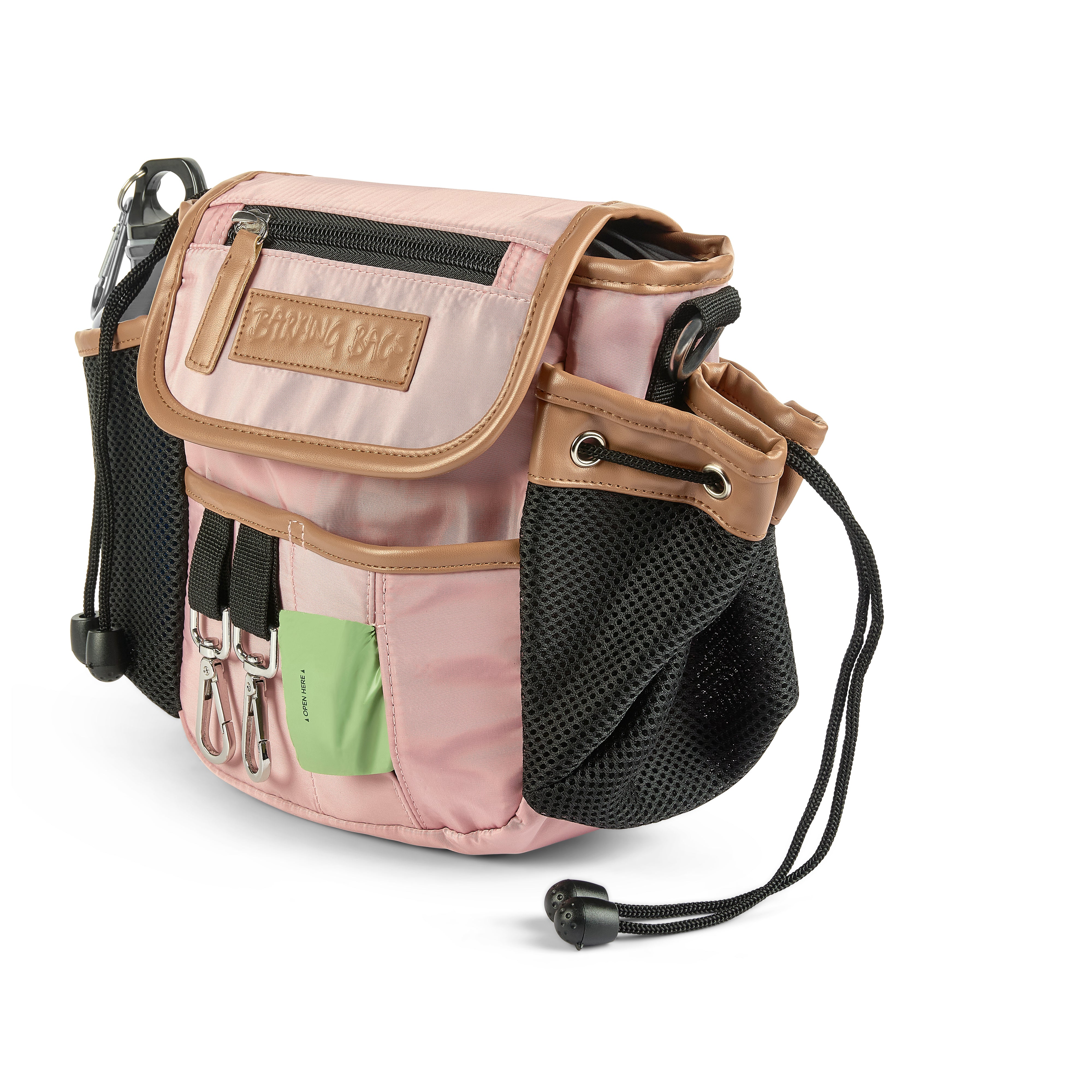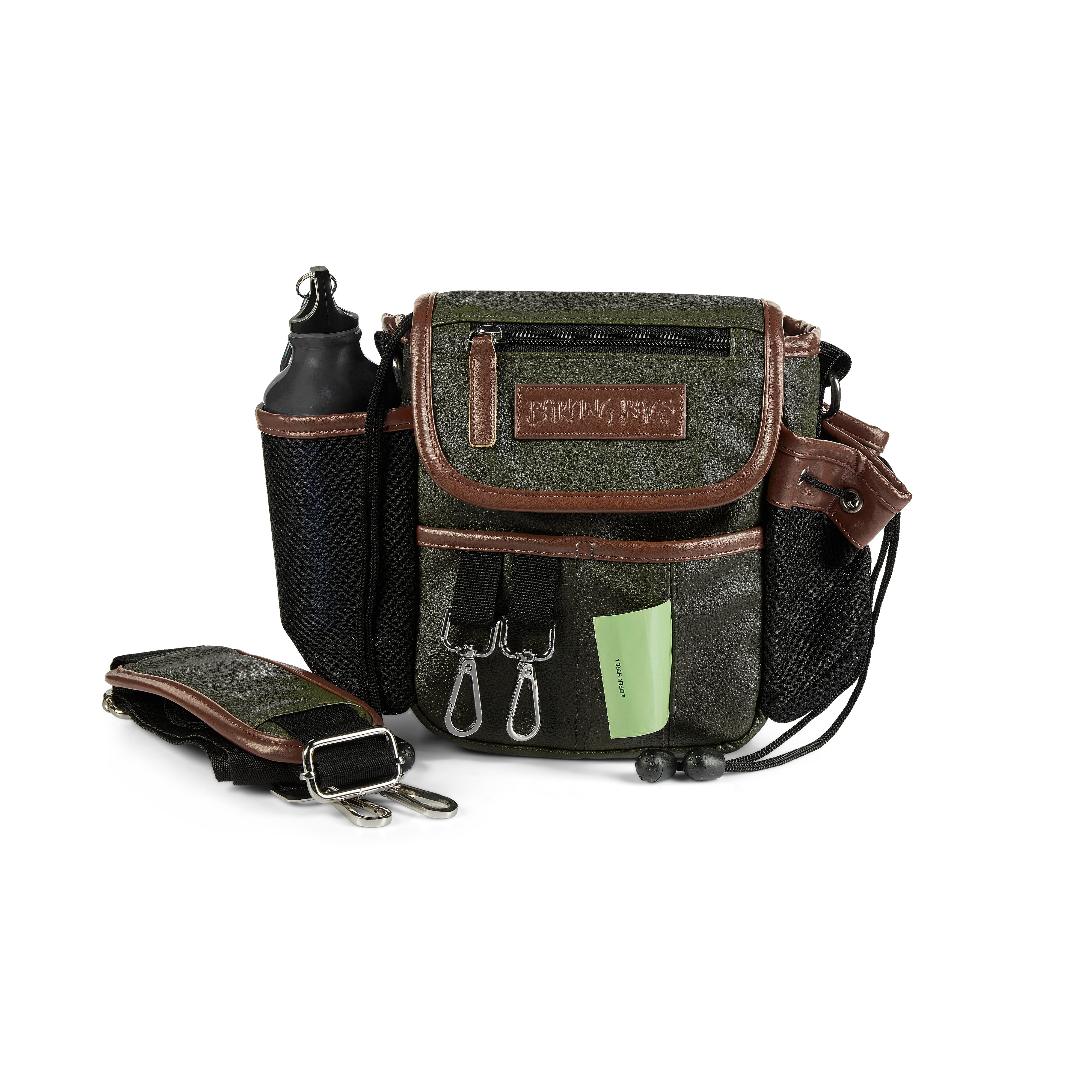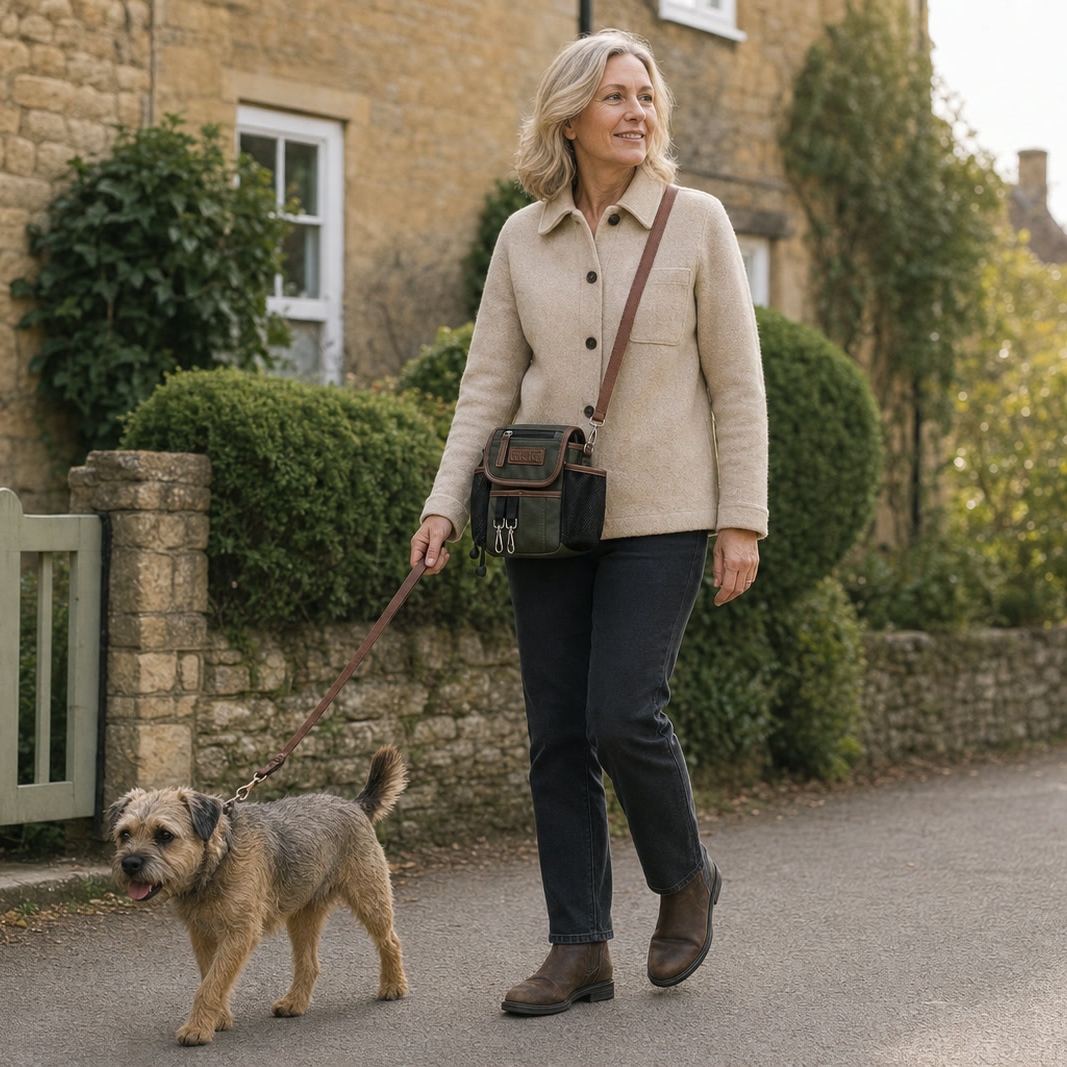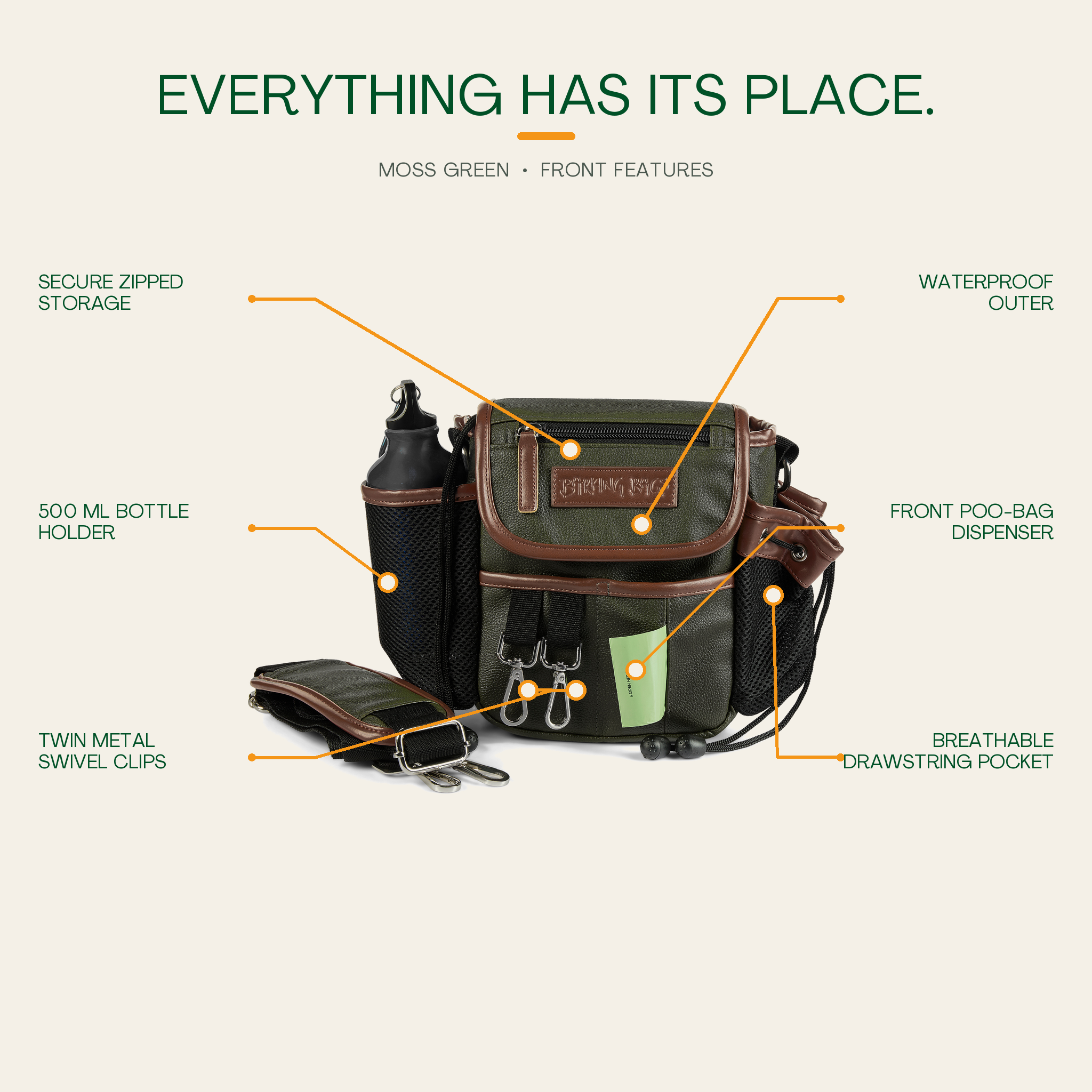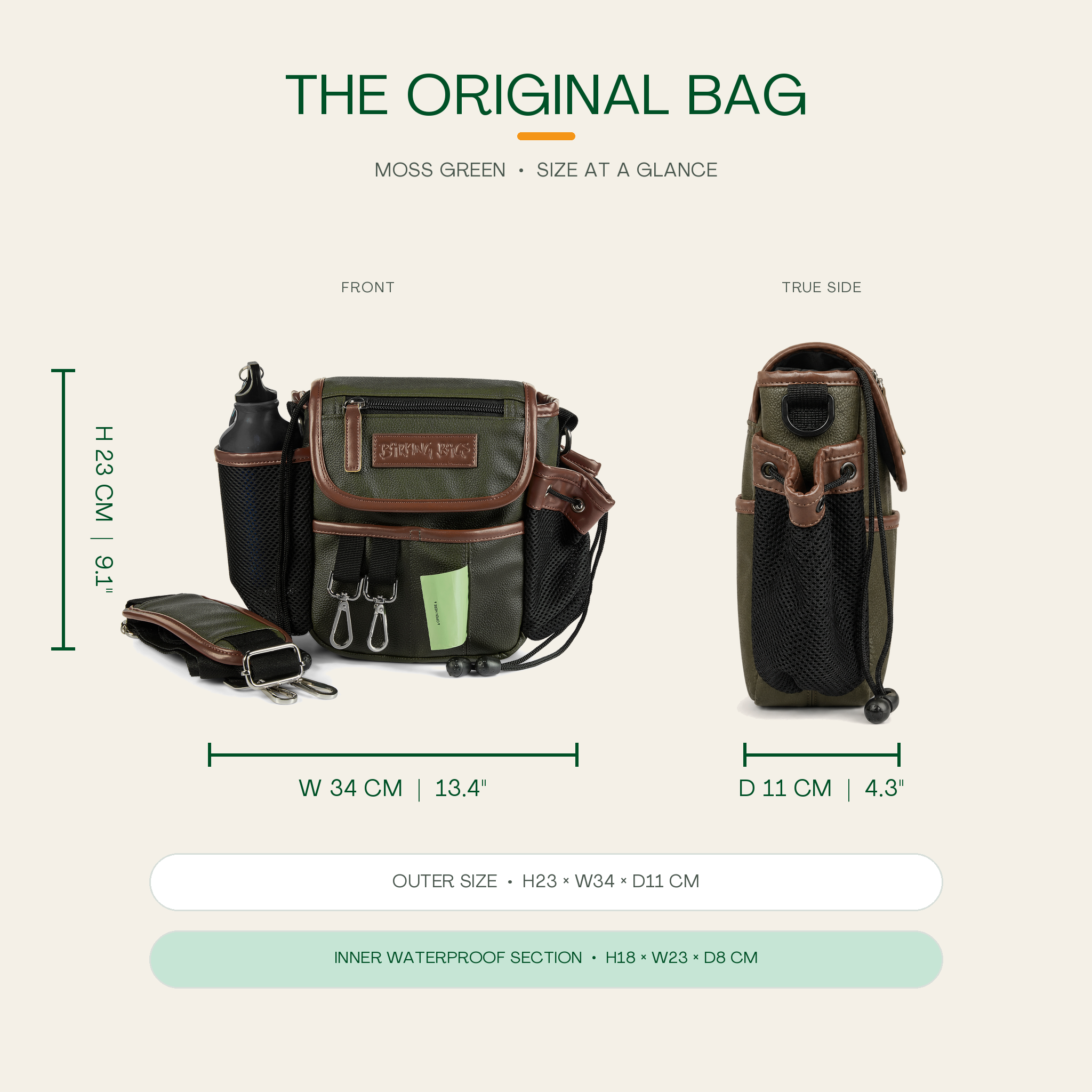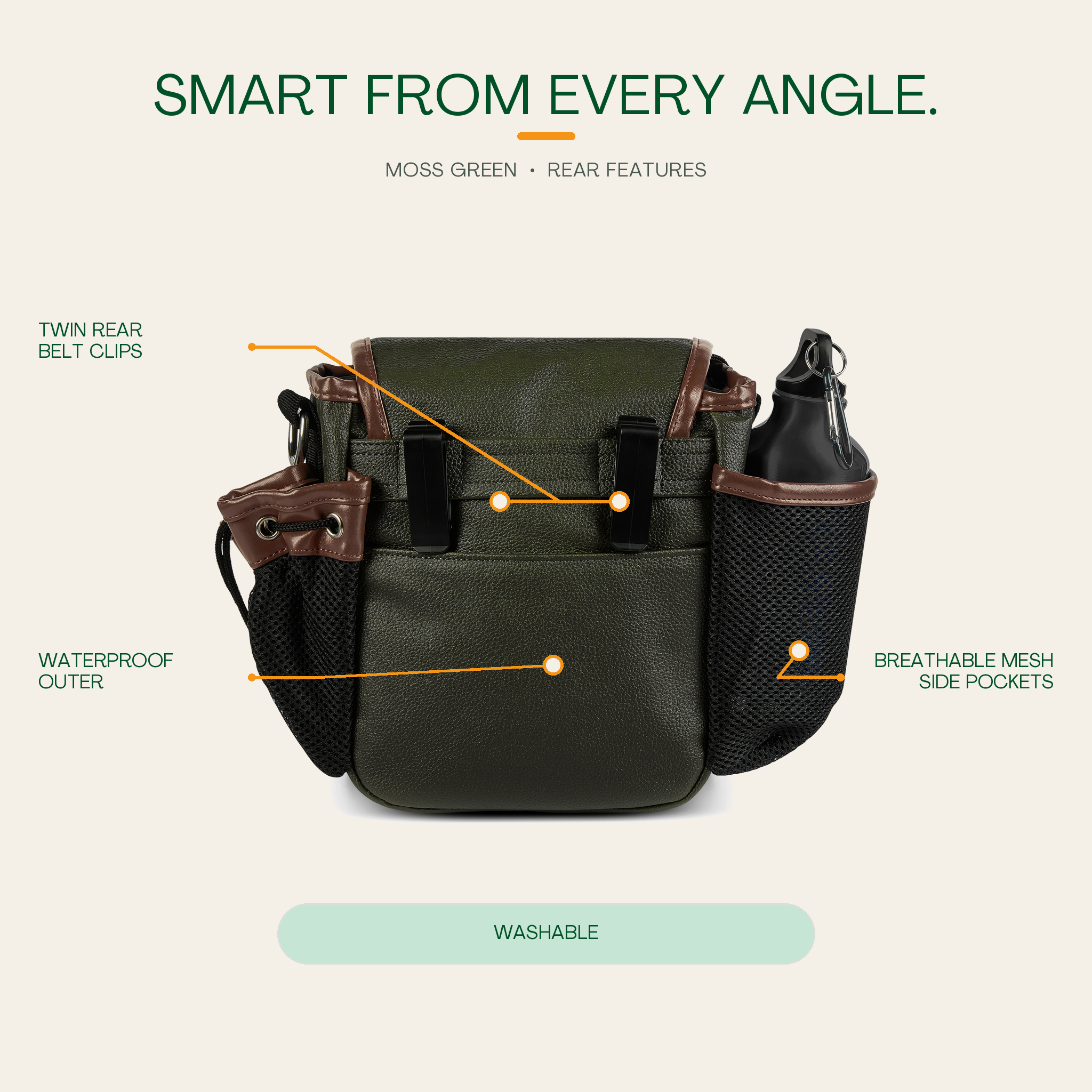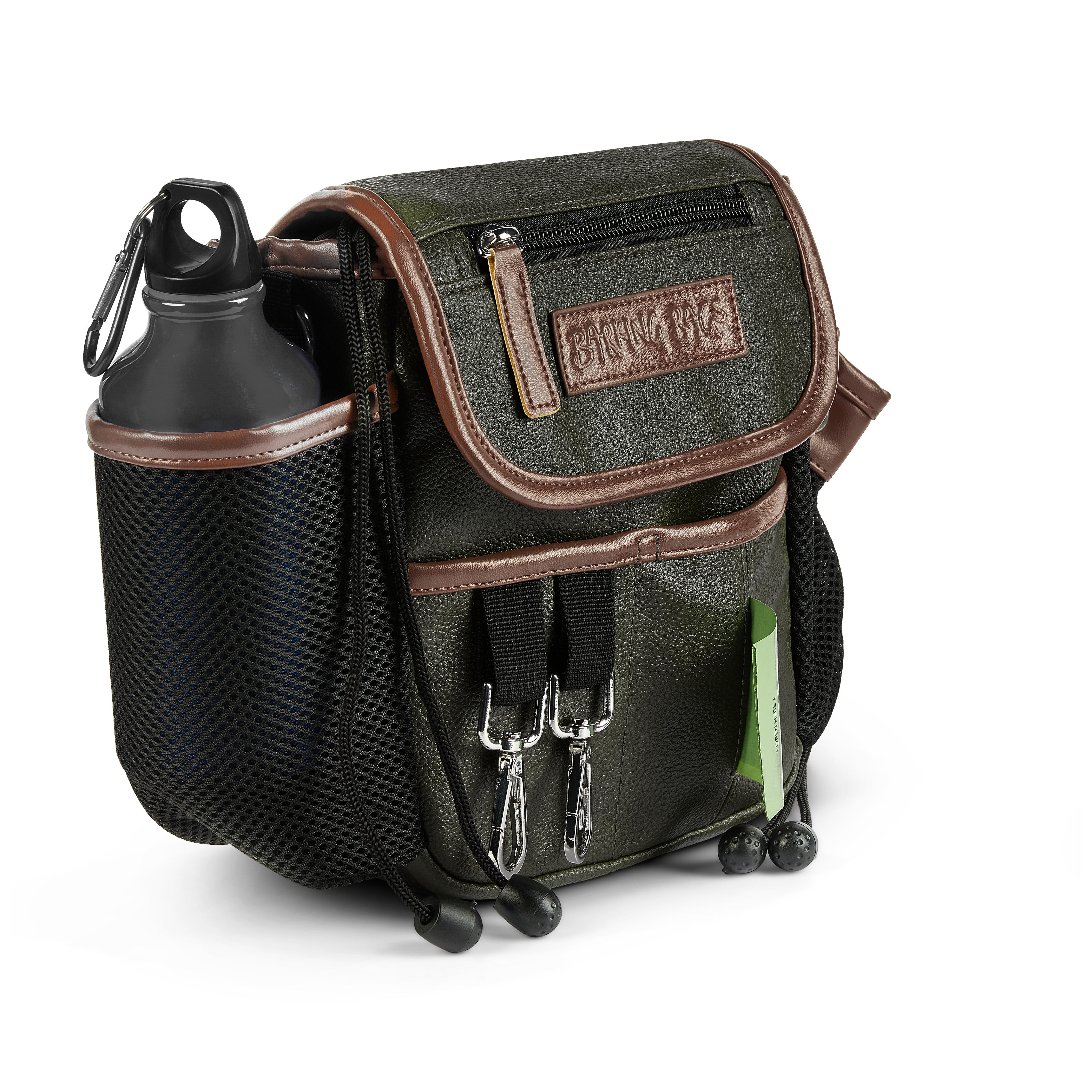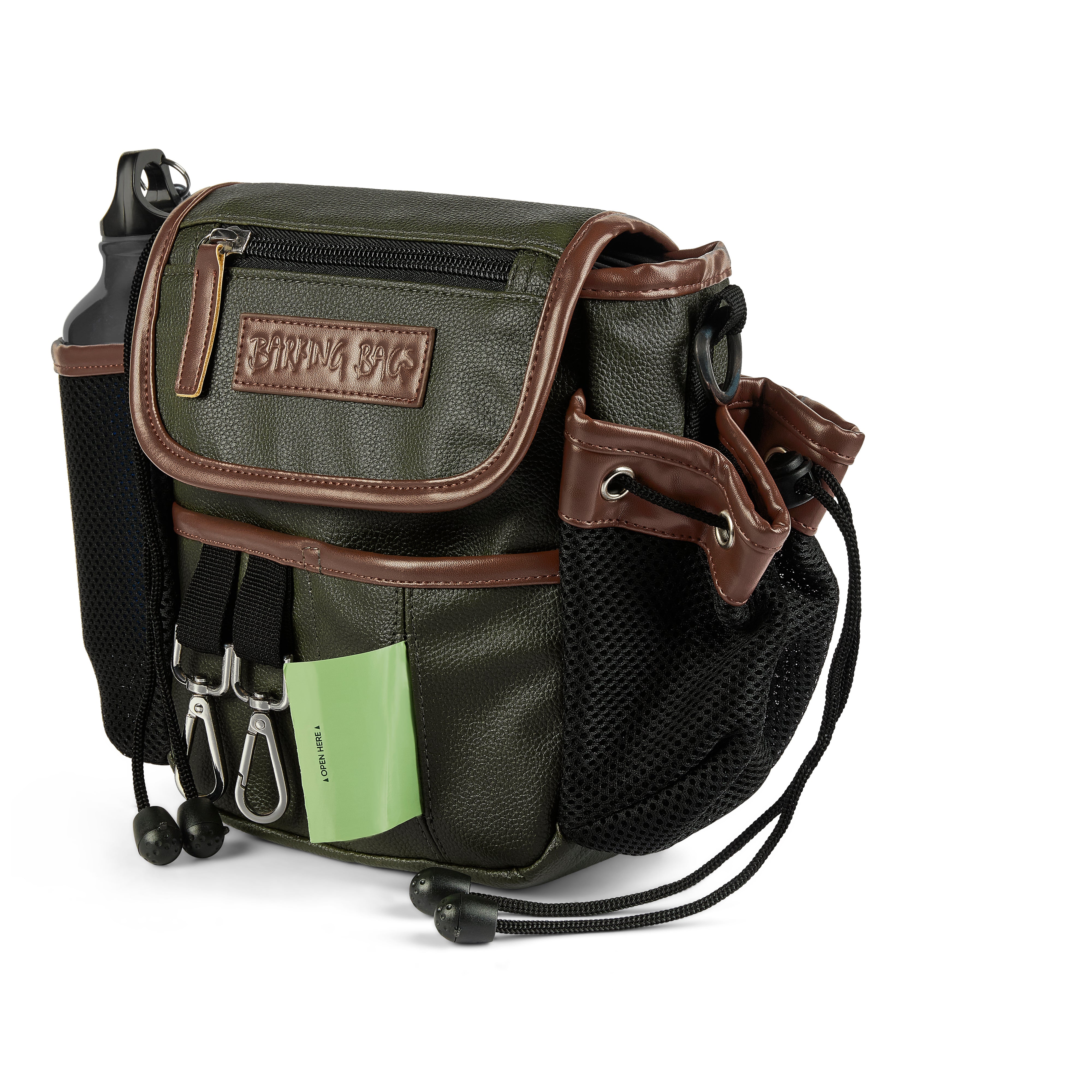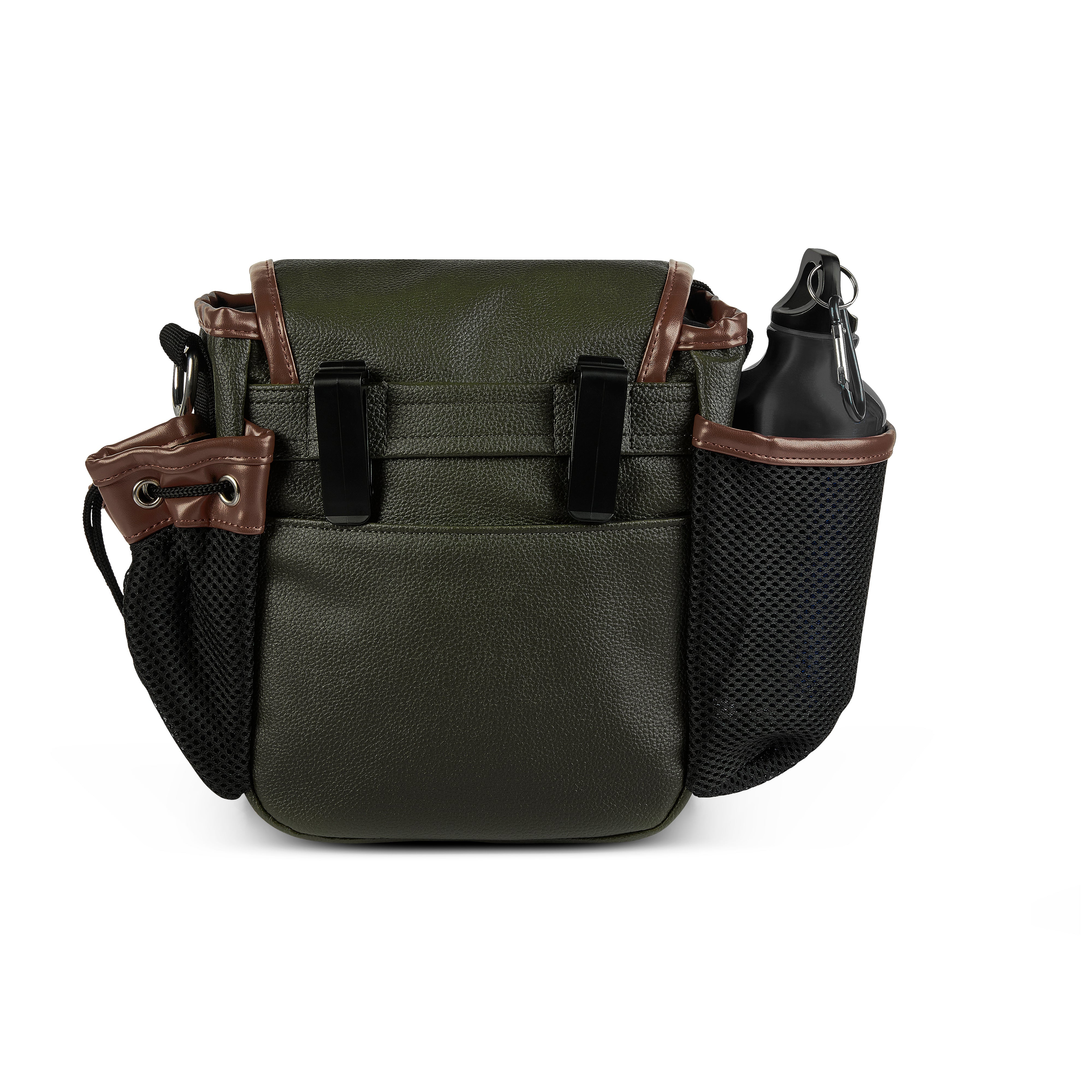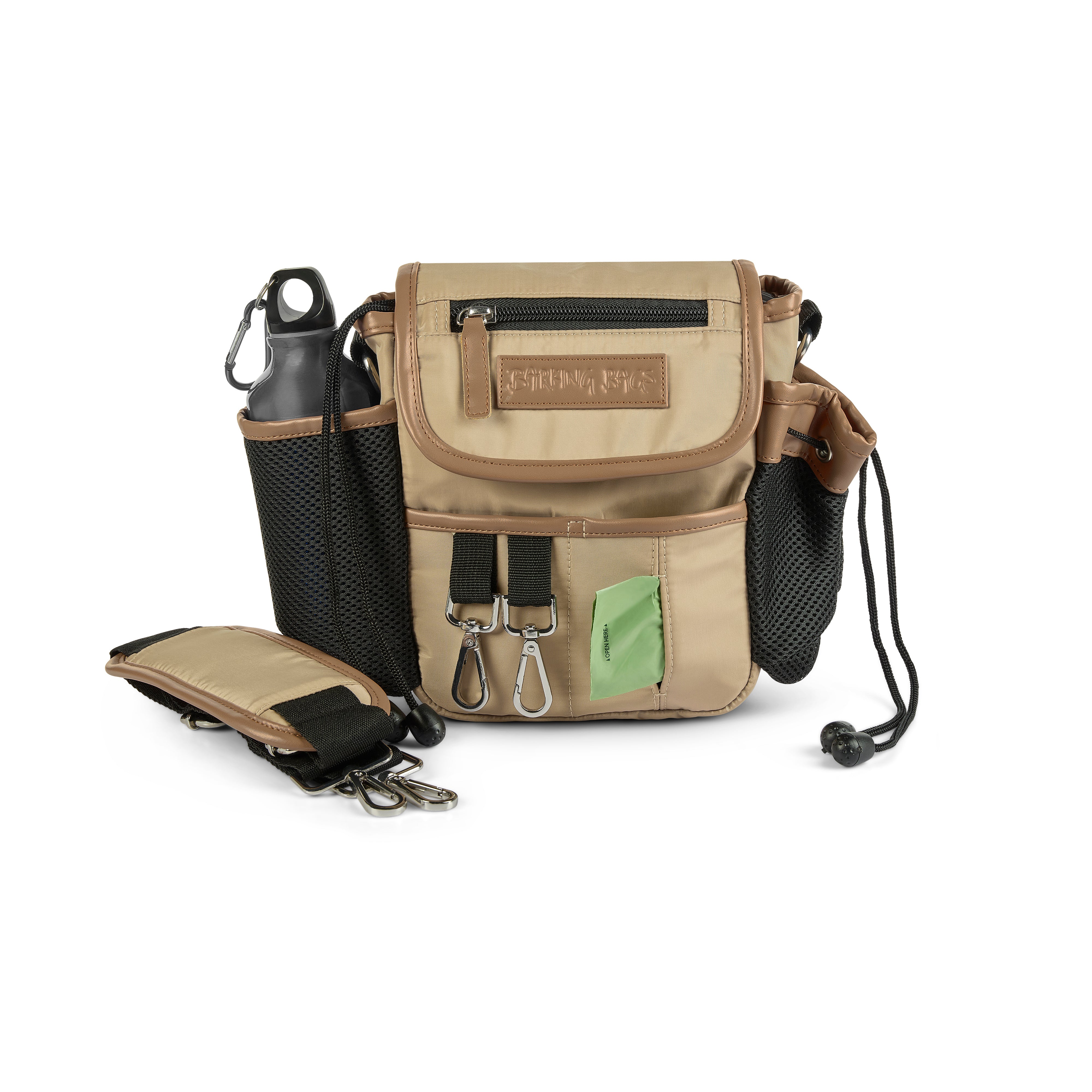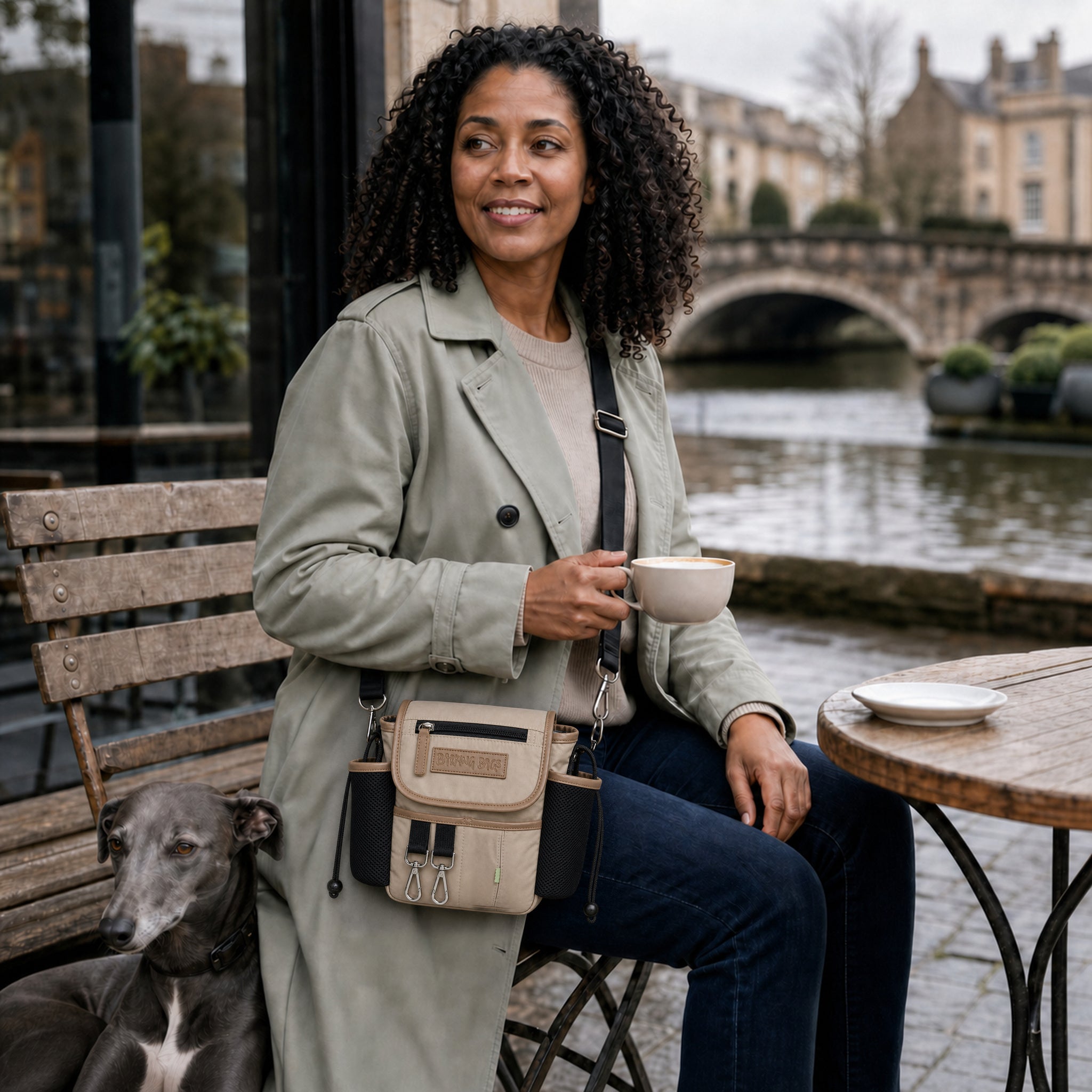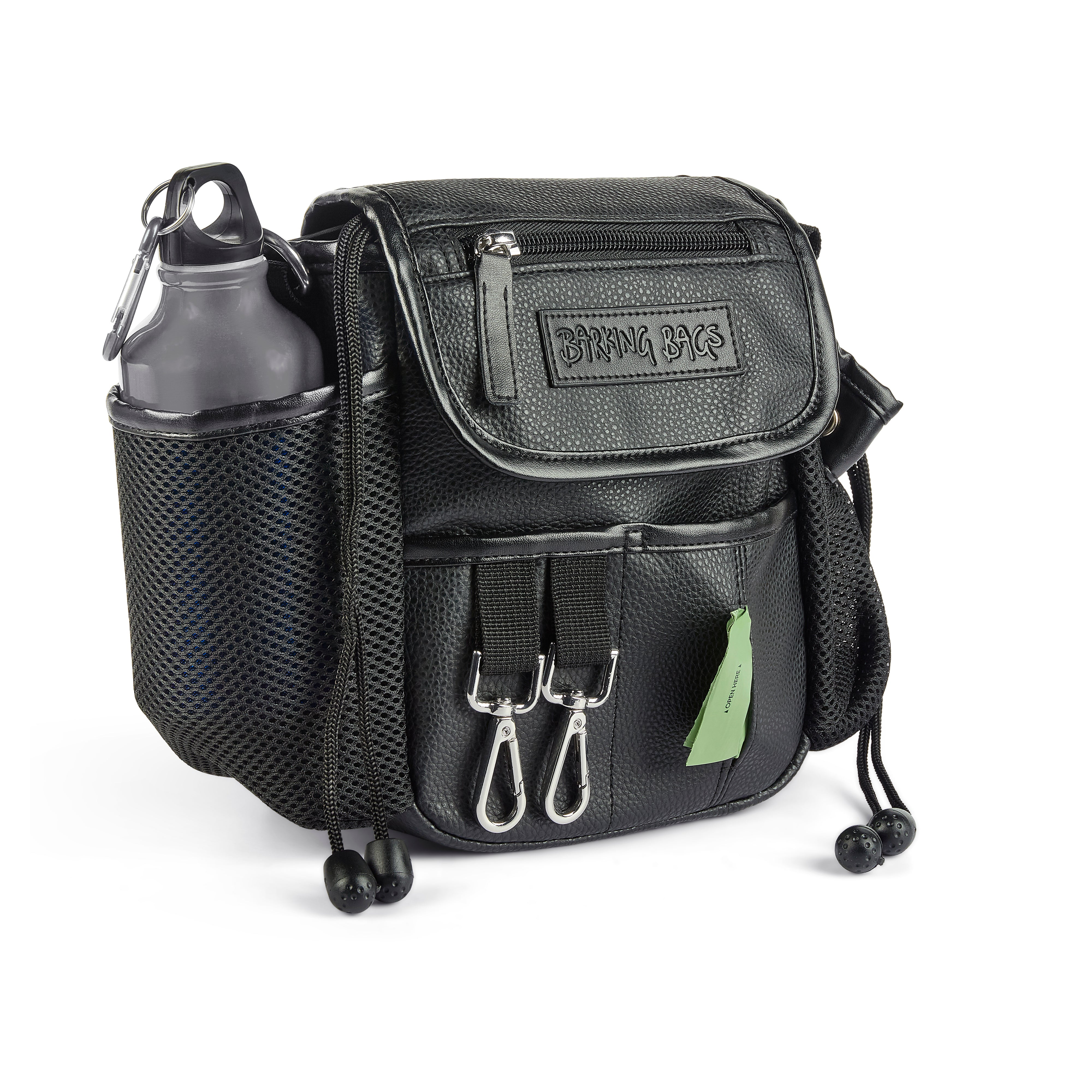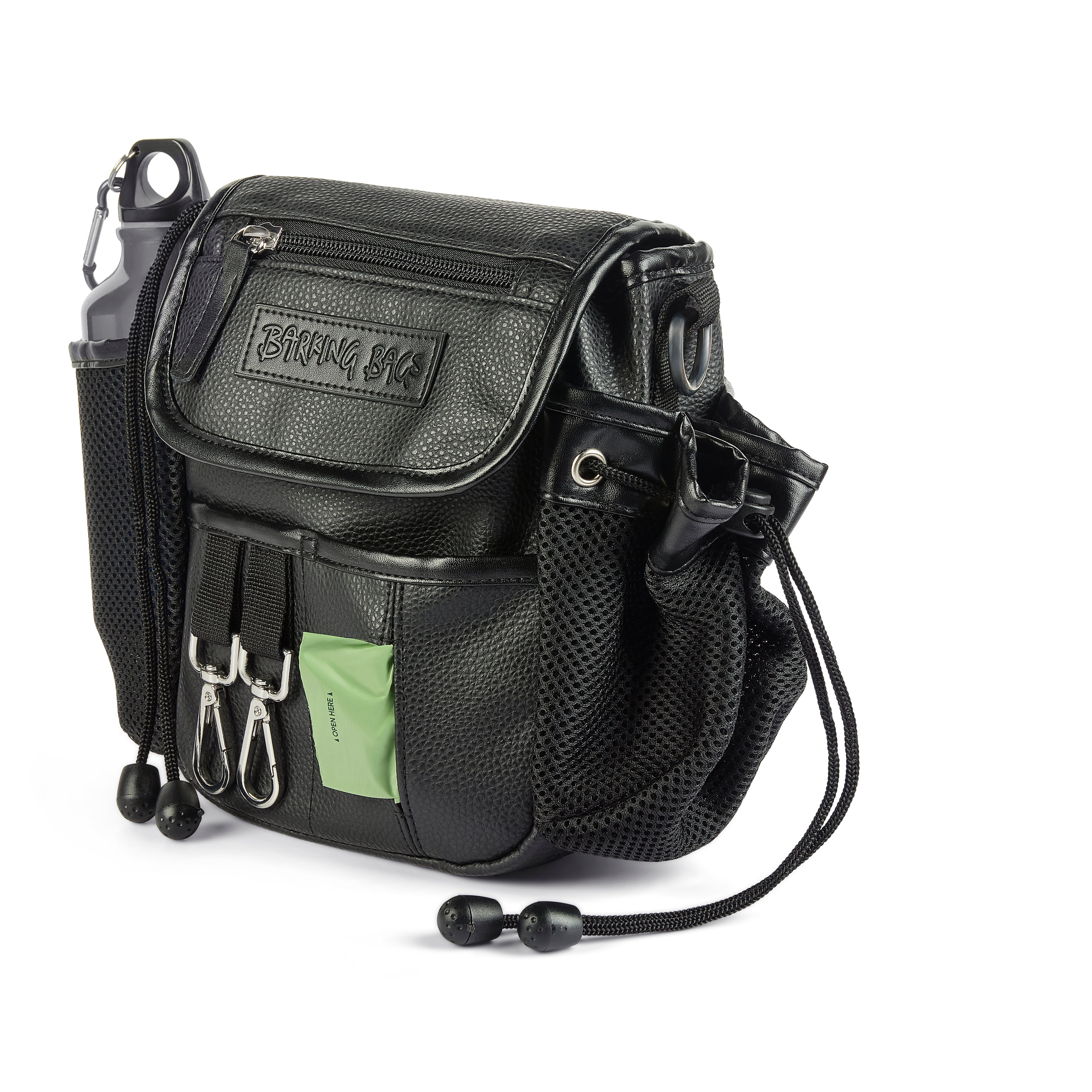

You only notice your dog walking bag is the wrong size when it starts annoying you halfway round the park. Your treats are buried under your keys, the poo bags have vanished again, and your mobile phone is somehow pressed against a damp tennis ball. If you have ever asked, what size dog walking bag do I need, the answer is less about your dog’s size and more about how you actually walk.
A good dog walking bag should make your routine feel easier, not bulkier. Too small, and you end up cramming essentials into coat pockets. Too big, and it becomes a general holdall that swings about, gets heavy, and fills up with things you do not need. The sweet spot is a bag that fits your walk, your dog, and your usual kit without wasting space.
What size dog walking bag do I need for daily walks?
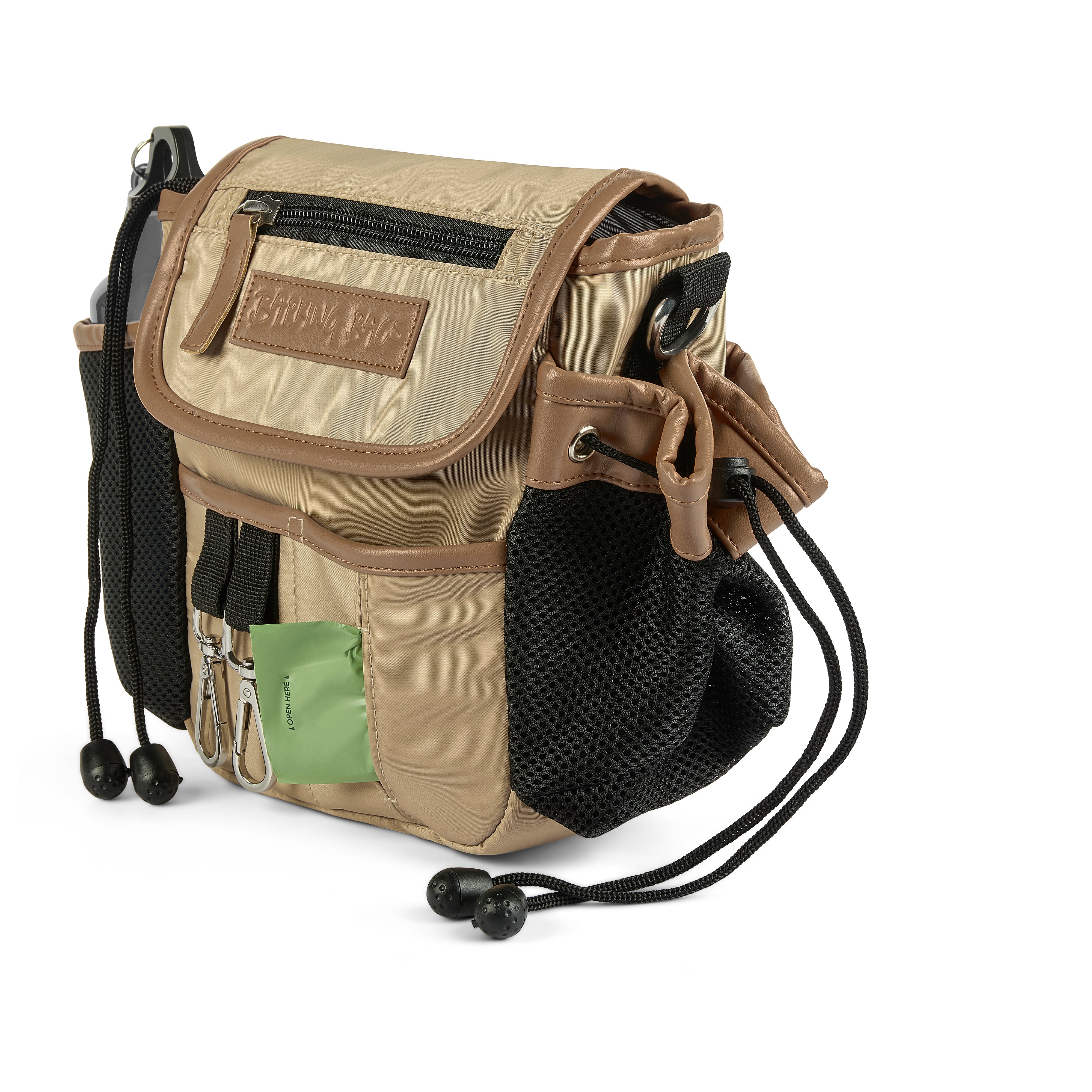
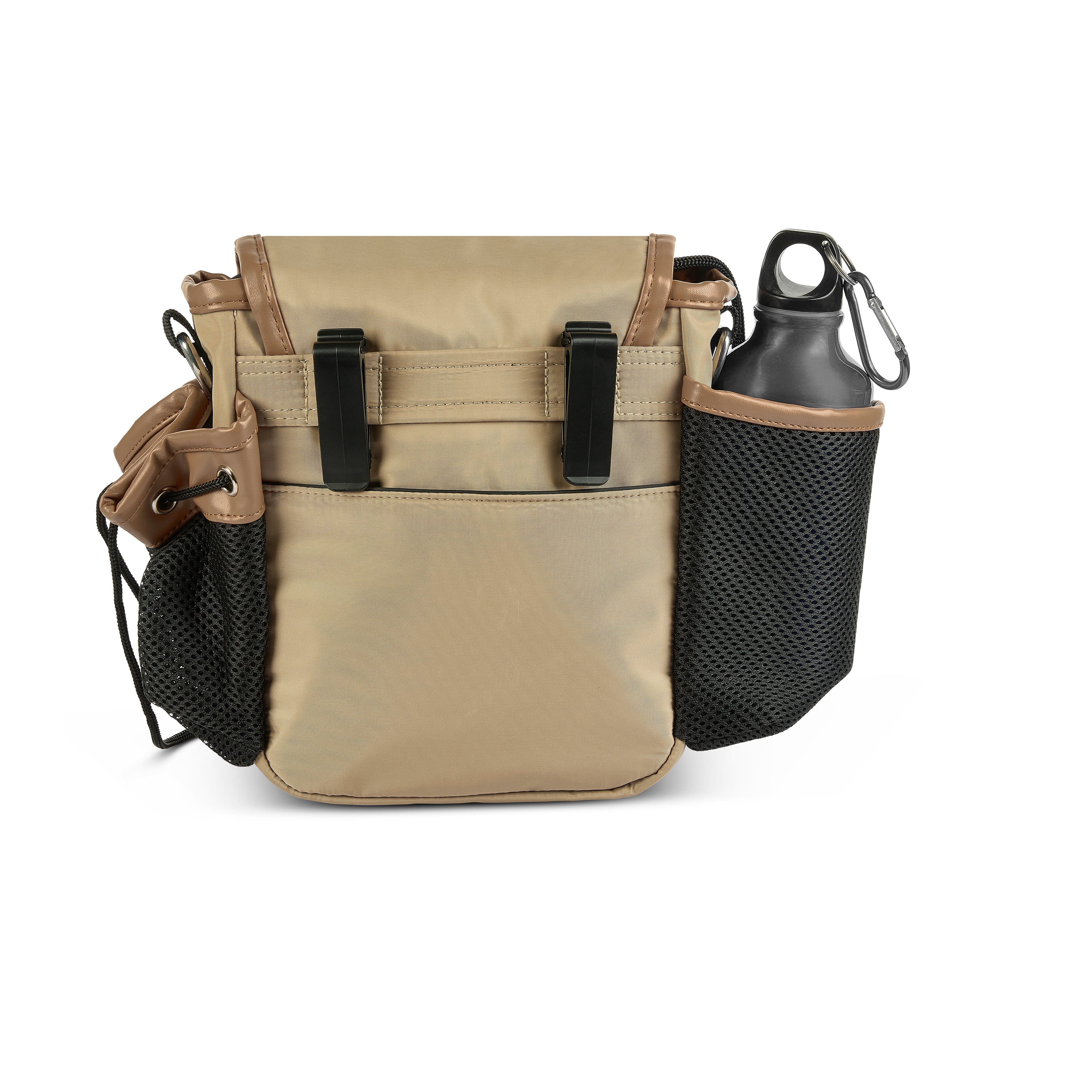
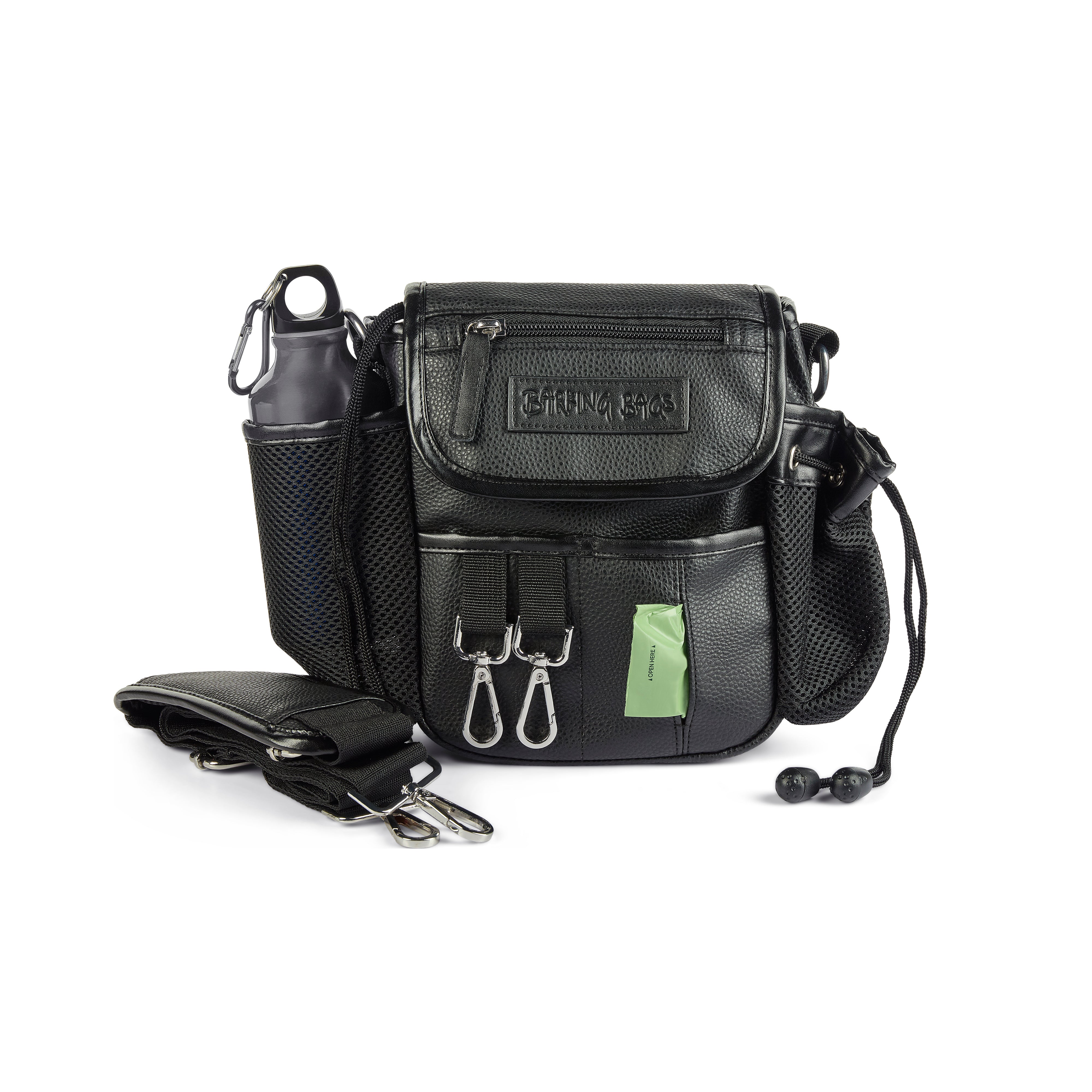
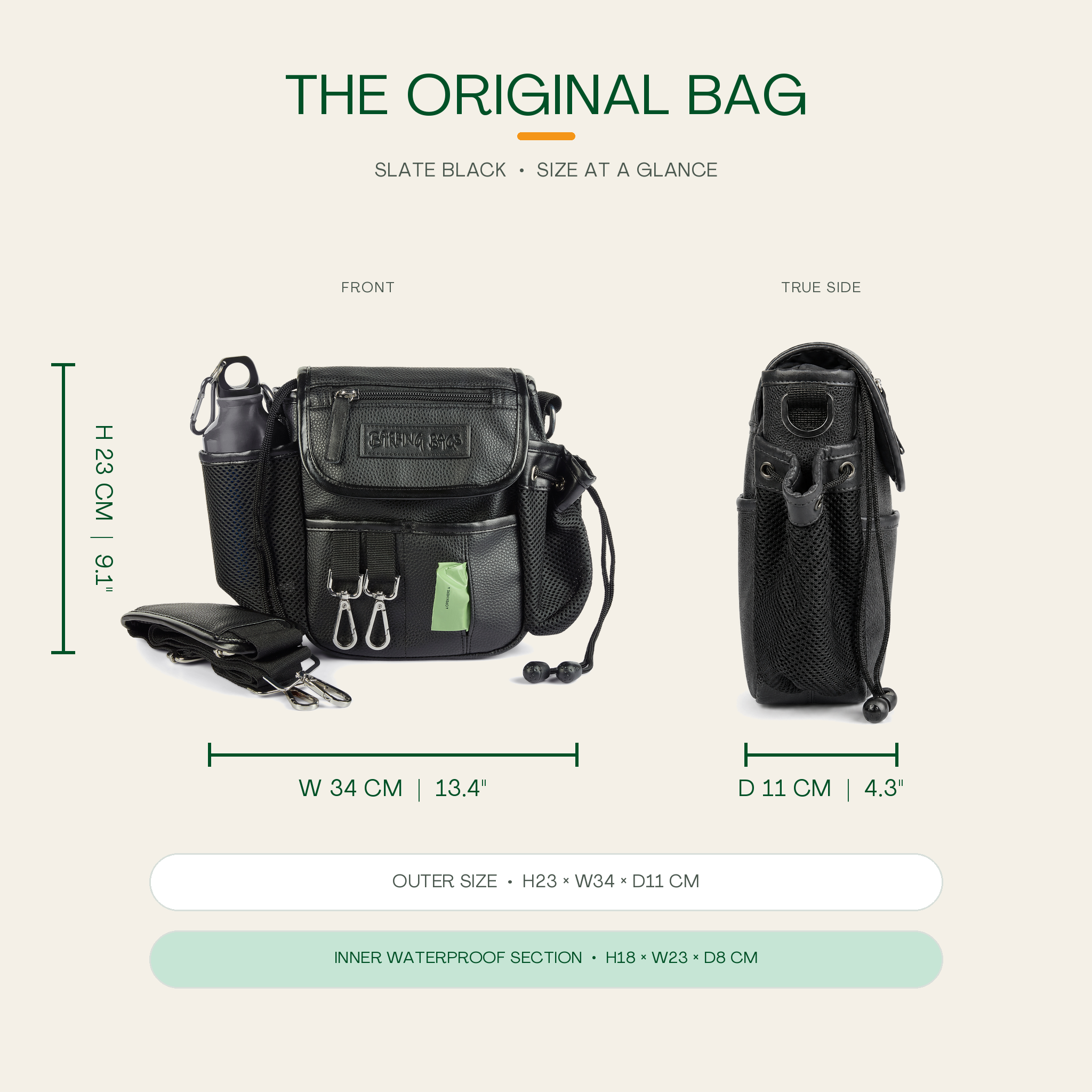
For most everyday dog owners, a compact to medium-sized bag is the right place to start. You need enough room for the basics - poo bags, treats, mobile phone, keys, and perhaps a small lead or ball - but not so much space that the bag becomes cumbersome.
If your typical walk is 20 to 45 minutes and stays fairly local, you probably do not need a large bag. In fact, many people are happier with a smaller, purpose-built option because it forces better organisation. When every item has its place, you stop rummaging and start reaching straight for what you need.
A medium bag earns its keep when your walks are longer, less predictable, or involve more gear. That might include a collapsible bowl, water bottle, extra lead, training toys, hand sanitiser, or your own essentials like lip balm, purse, and sunglasses. The key is not buying the biggest bag available. It is choosing the smallest bag that comfortably carries what you always use.
Start with what you carry every single time
The easiest way to judge size is to ignore the marketing labels for a moment and think about your real routine. What goes with you on nearly every walk?
Most dog walkers carry the same core set of items. That usually means poo bags, treats, a mobile phone, keys, and perhaps a small personal item or two. If that is you, a neatly organised compact bag is usually enough.
But some walks come with extras. Puppies often mean more treats, training aids, and spare bags. Reactive dogs may need easy-access storage for high-value rewards. Spaniels and retrievers somehow collect muddy tennis balls like it is a full-time job. Once water, toys, wipes, and a spare lead enter the picture, your bag needs to step up too.
This is why “best size” is never one-size-fits-all. A Chihuahua on two short pavement walks a day and a Labrador on long weekend outings do not create the same packing list.
The three size categories that actually matter
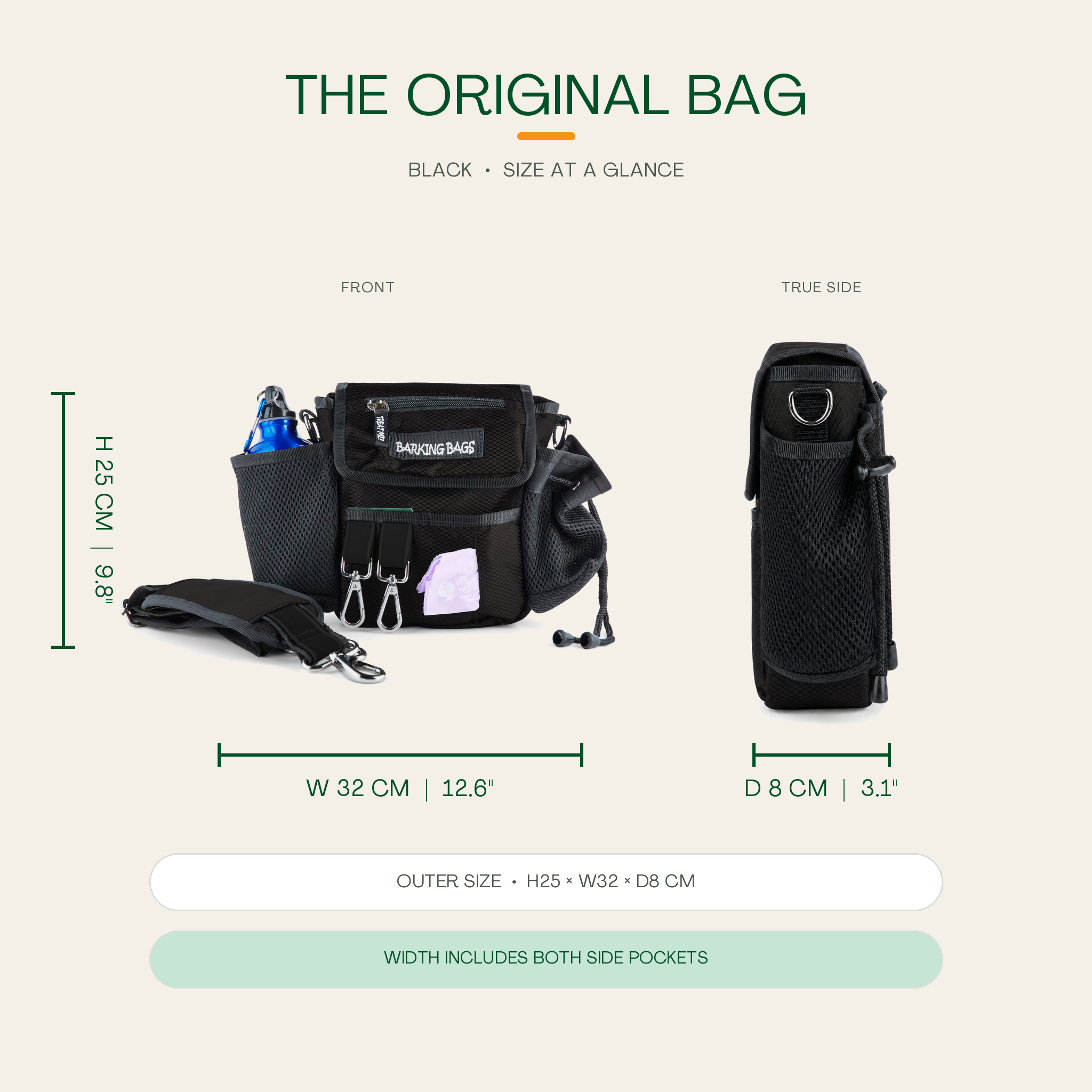
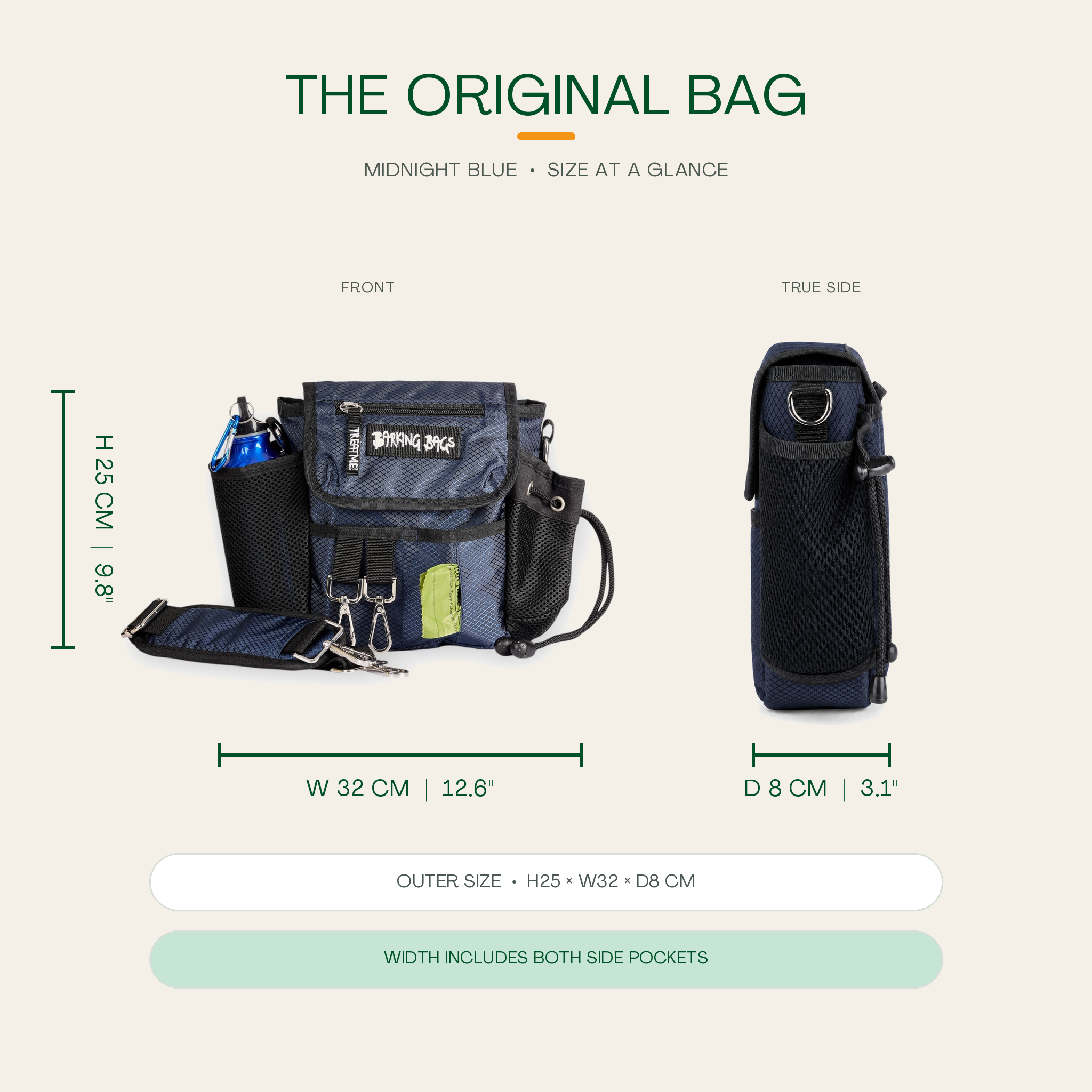
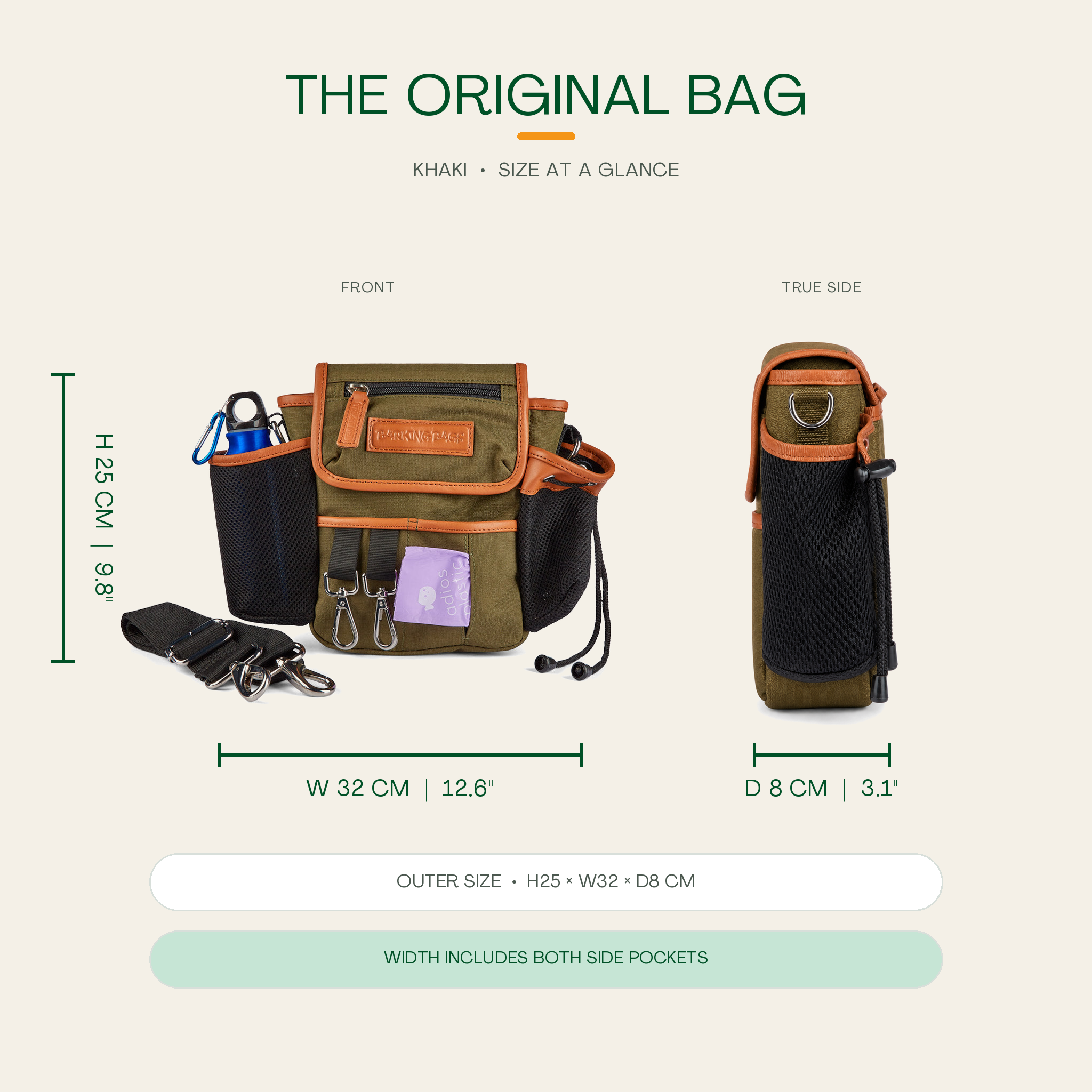
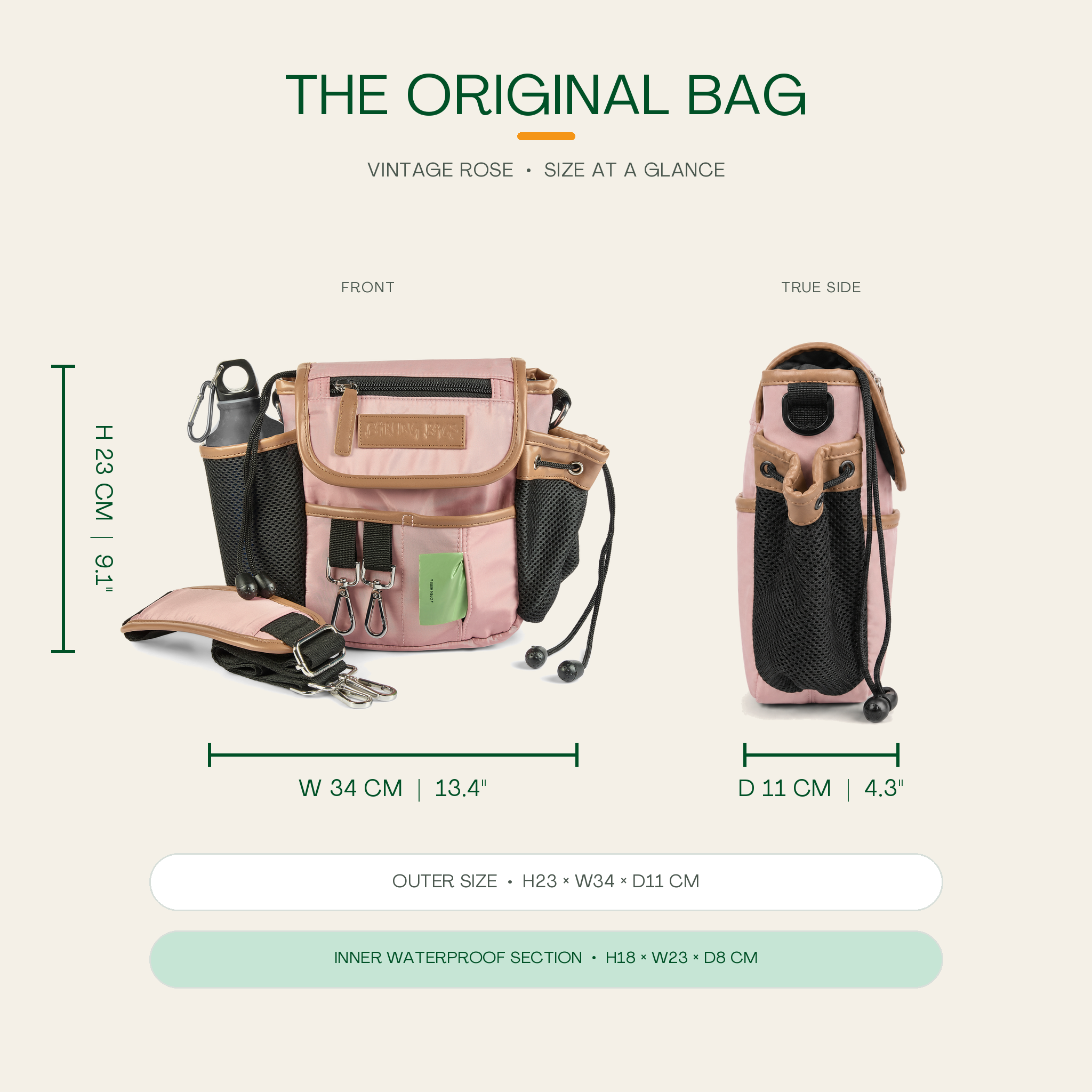
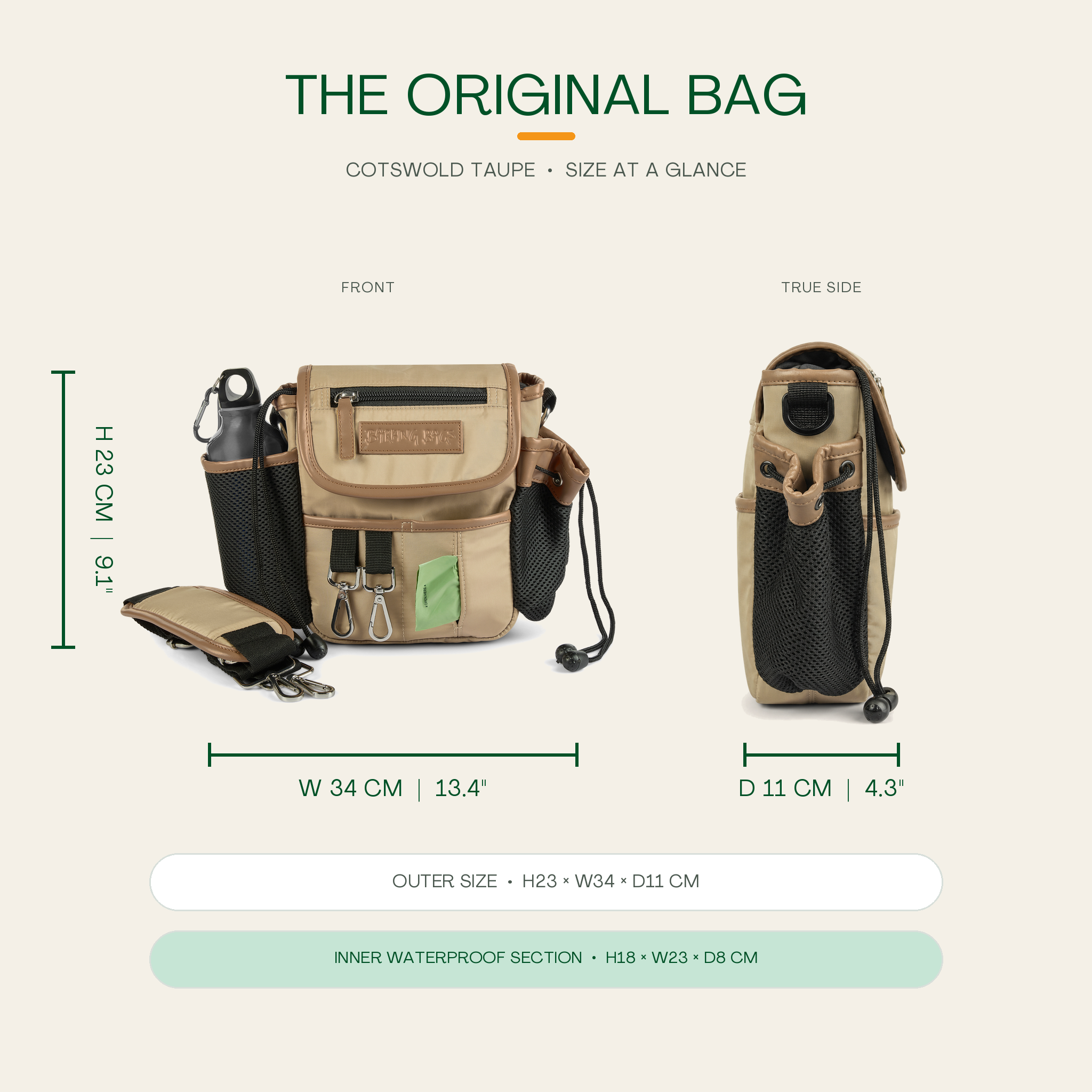
Rather than getting stuck on litres or exact dimensions, it is often more useful to think in three simple categories: compact, medium, and roomy.
Compact bags
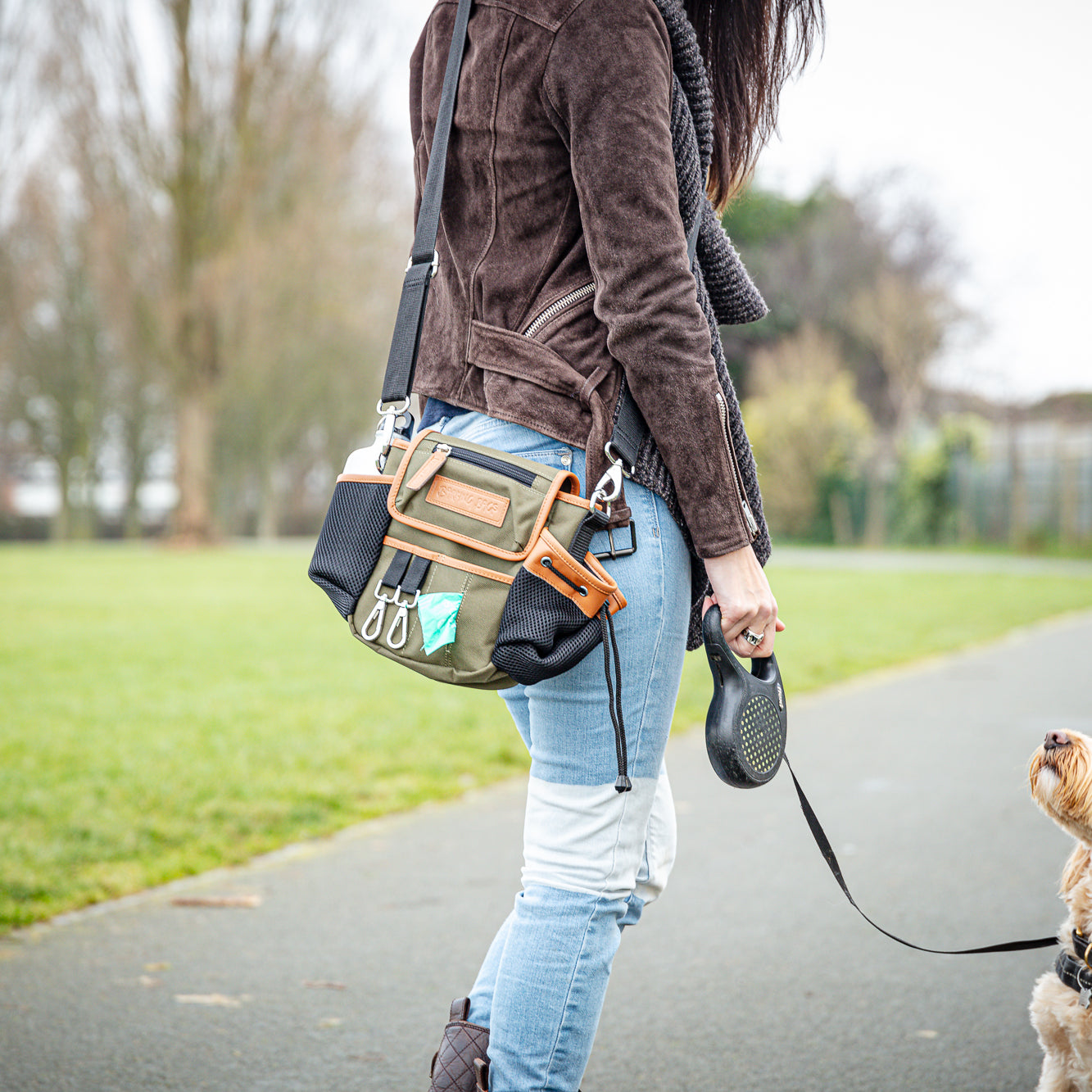
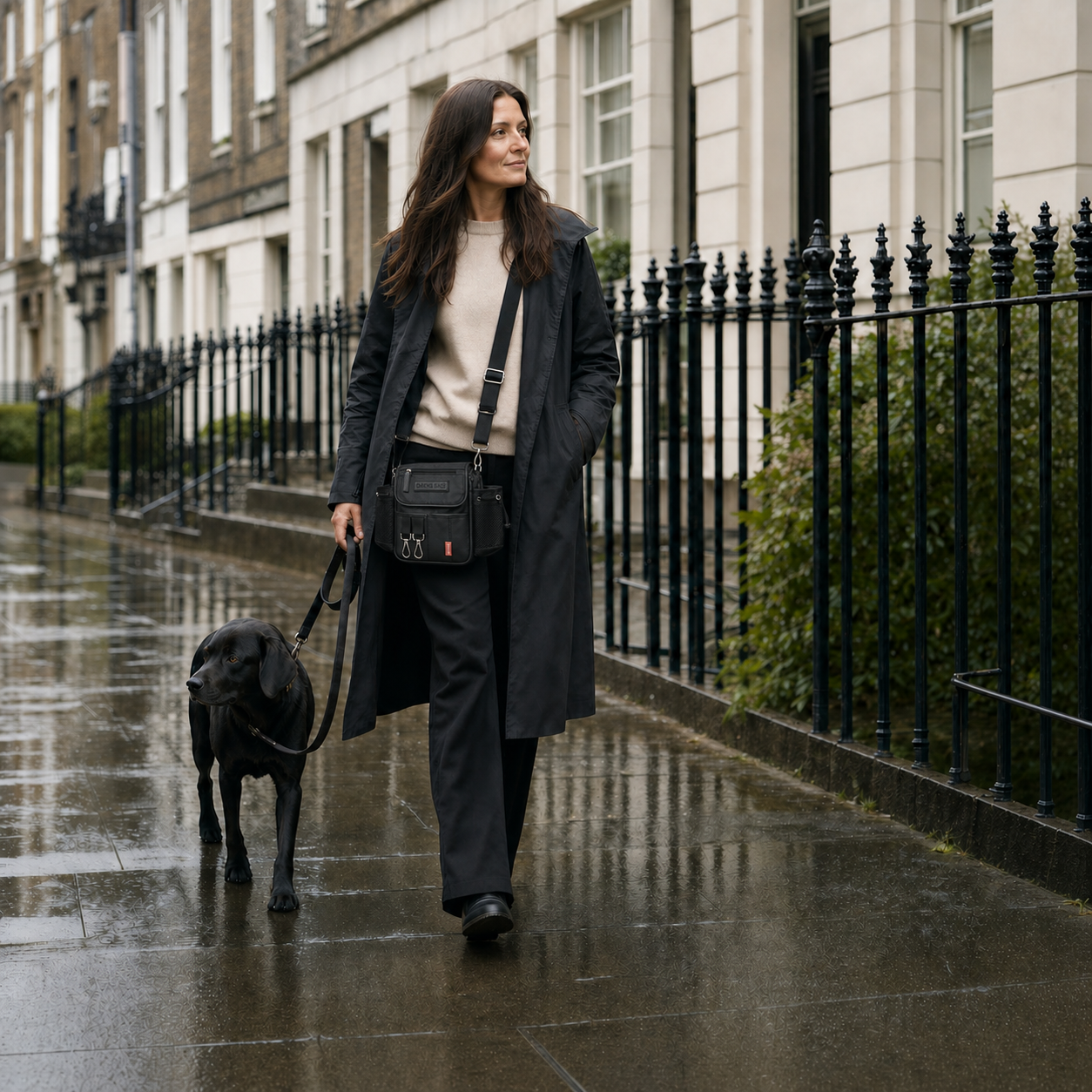
Compact bags suit short local walks and owners who like to travel light. They are ideal if your dog is already well settled on walks and you only need the basics within easy reach. They also work well if you prefer a lighter crossbody style that stays close to the body and does not feel intrusive.
The trade-off is obvious. Compact bags can feel tight if you start adding bulky items, especially water bottles, toys, or winter extras like gloves. If you regularly wedge things in “just in case”, you may outgrow this size quickly.
Medium bags
For many dog owners, medium is the most practical choice. It gives you enough space for daily essentials plus a few extras, while still feeling streamlined. This size tends to work well for mixed routines - a quick weekday lap of the block one day, a longer park walk the next.
If you want one bag to cover most situations, medium usually offers the best balance. It is also a sensible choice if you share dog walking duties with a partner and want something flexible enough for different habits.
Roomy bags
Larger bags are better suited to longer walks, multi-dog households, training sessions, or professional use. If you are carrying gear for more than one dog, bringing water and bowls, or handling a full day of on-and-off walking, extra capacity makes sense.
The downside is that larger bags can tempt you to overpack. More room is useful only if the layout keeps everything organised. Without that, a big bag can become a black hole full of dog biscuits and tangled leads.
Dog size matters less than dog routine
It is easy to assume a small dog needs a small bag and a big dog needs a big one. In practice, that is not always true.
A small dog in training may require constant rewards, wipes, spare bags, and a toy to redirect attention. A larger dog with an established routine may need very little beyond a lead and a few treats. What matters more is your walking style, how long you are out, and whether your dog needs management, enrichment, or training support on the go.
That said, bigger dogs do sometimes come with bulkier accessories. Larger balls, stronger leads, travel water bottles, and muddy towels all take up space. If your dog’s gear is physically larger, your bag should reflect that.
What size dog walking bag do I need for puppies, training, or multiple dogs?
If you are walking a puppy, size up slightly from your first instinct. Puppies tend to require more than people expect. You may need extra treats, emergency clean-up items, a toy, spare lead attachments, and room for all the little things that make early walks feel manageable.
Training walks also benefit from better compartment space rather than just more volume. Fast access matters. You do not want to dig around for a treat while your dog has already lost focus. In these cases, a bag with dedicated sections can feel far more useful than a larger but less organised option.
For two dogs or professional walking, a roomy bag is often the smarter call. Double the leads, double the poo bags, and usually double the unpredictability. You need space, but you also need control. A well-designed bag that separates dog items from your personal bits makes a noticeable difference when your hands are already busy.
Think about the season as well
The right size can change with the weather. Summer walks may mean carrying water, a bowl, and perhaps an extra ball if you are out longer. Winter often adds gloves, tissues, and room to stash layers. Wet weather can also mean wipes or a towel, especially if your dog treats every puddle as a personal challenge.
If your routine changes with the season, a medium bag with smart compartments often gives you the most flexibility year-round. It holds the basics on light days but still copes when your packing list grows.
Why organisation matters as much as size
A smaller well-organised bag often outperforms a bigger bag with no structure. That is because dog walking is full of quick, one-handed moments. You need to grab a poo bag now, not after moving three other items first.
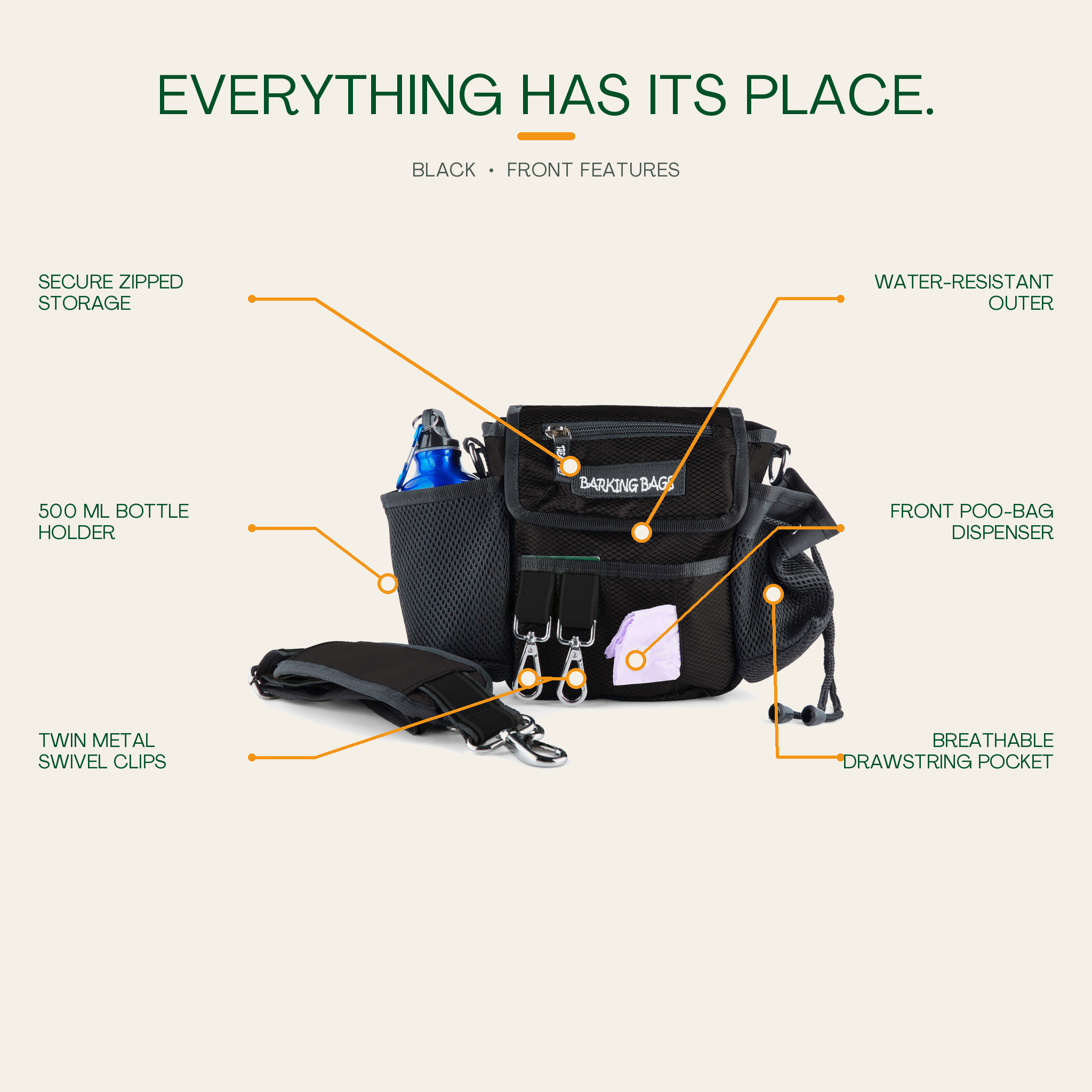
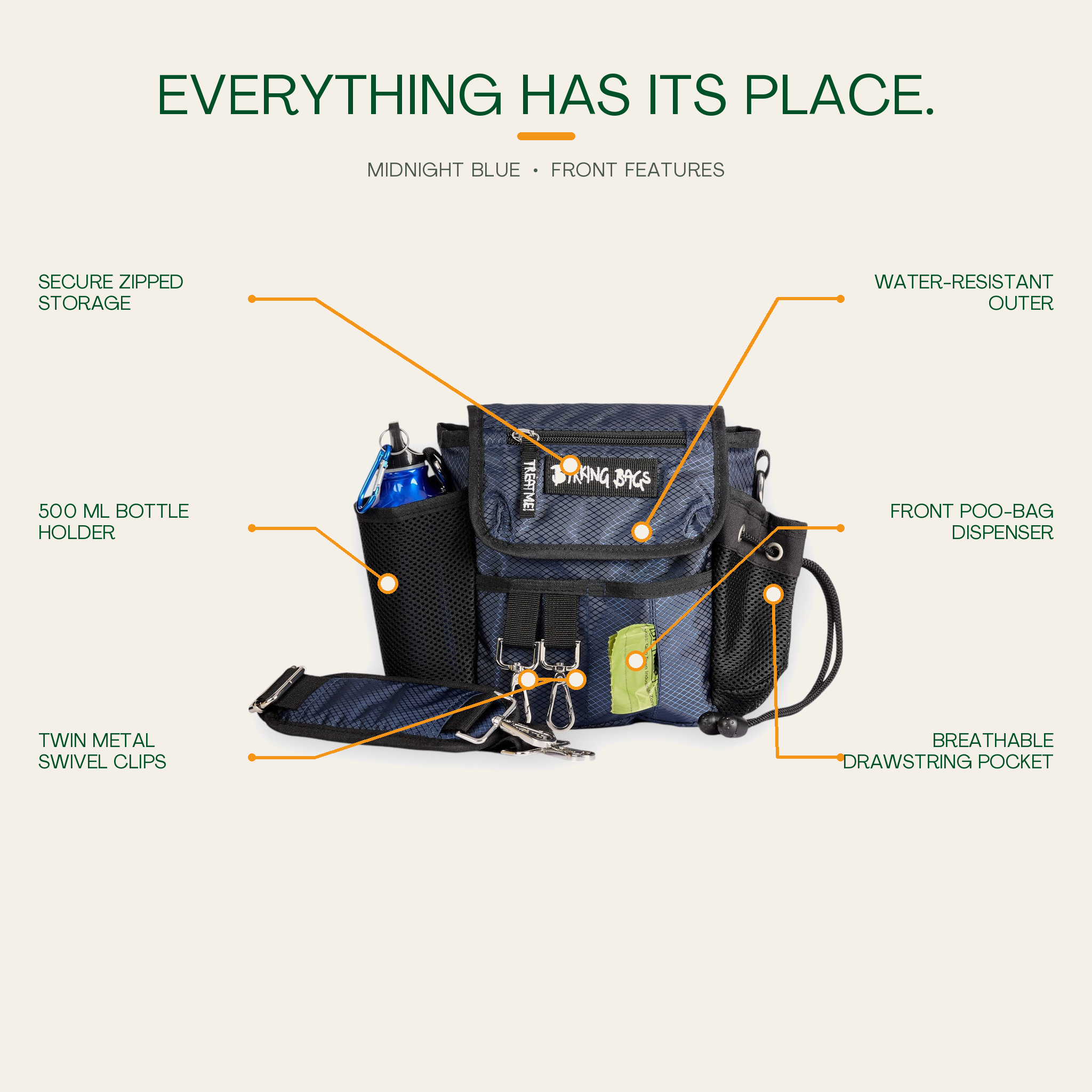
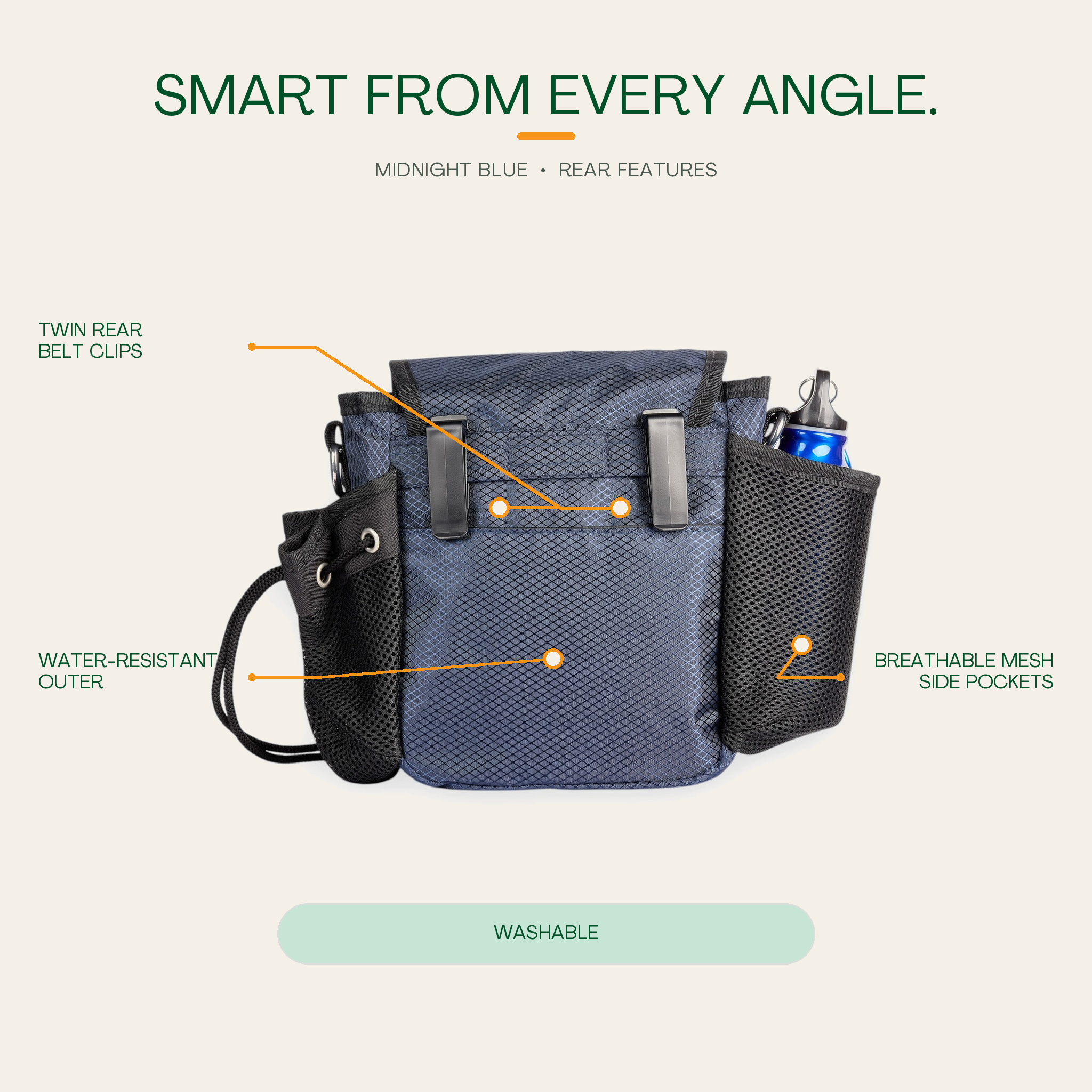
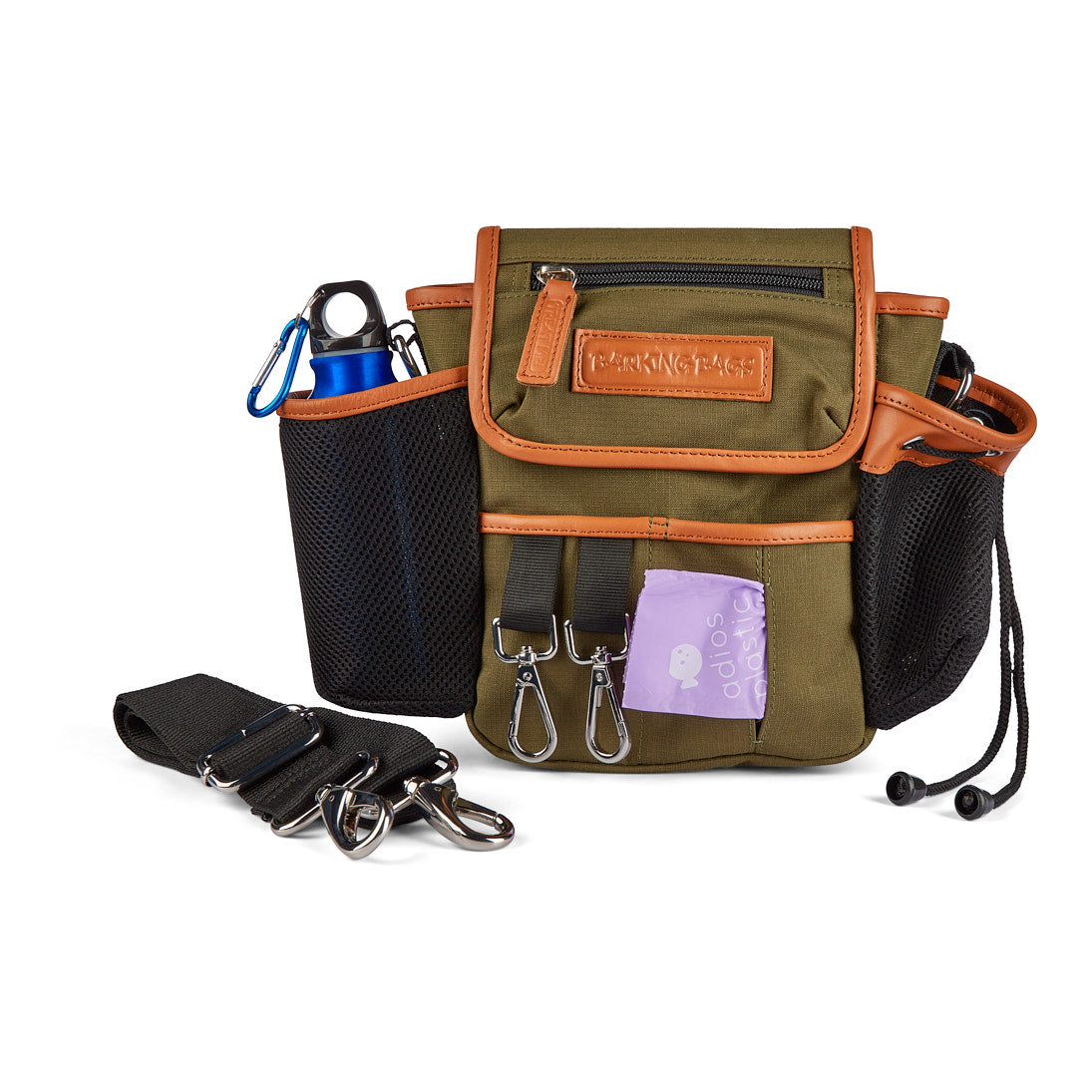
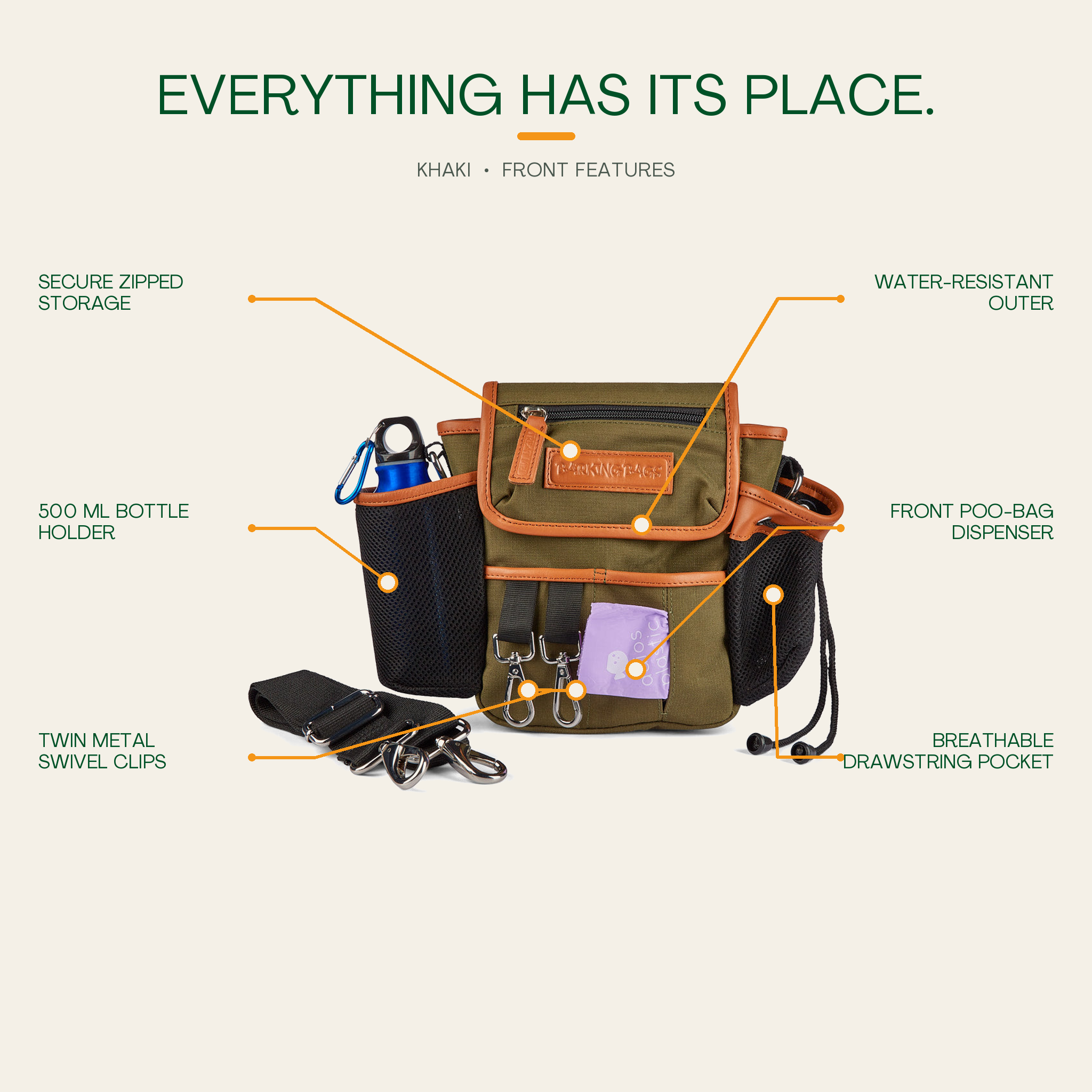
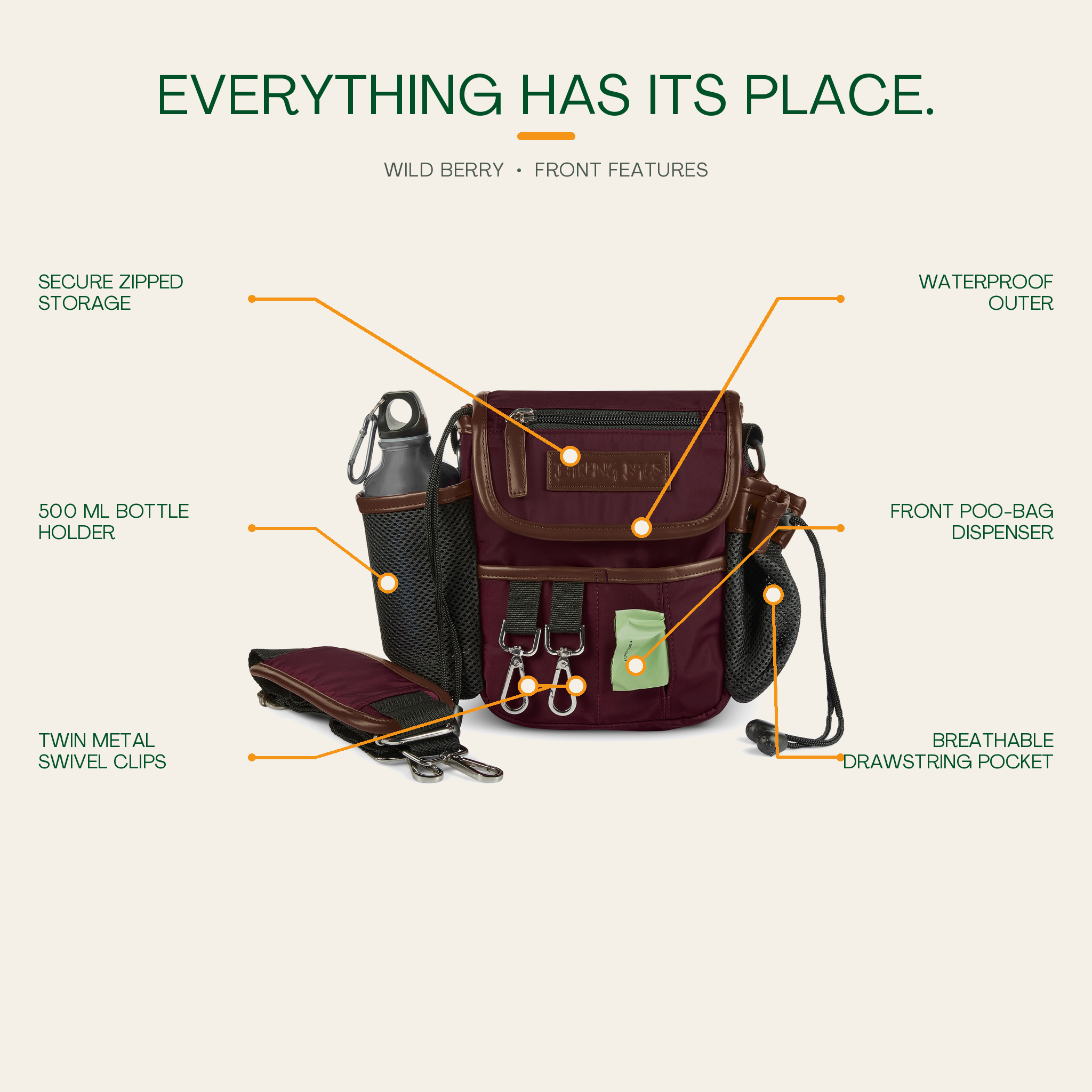
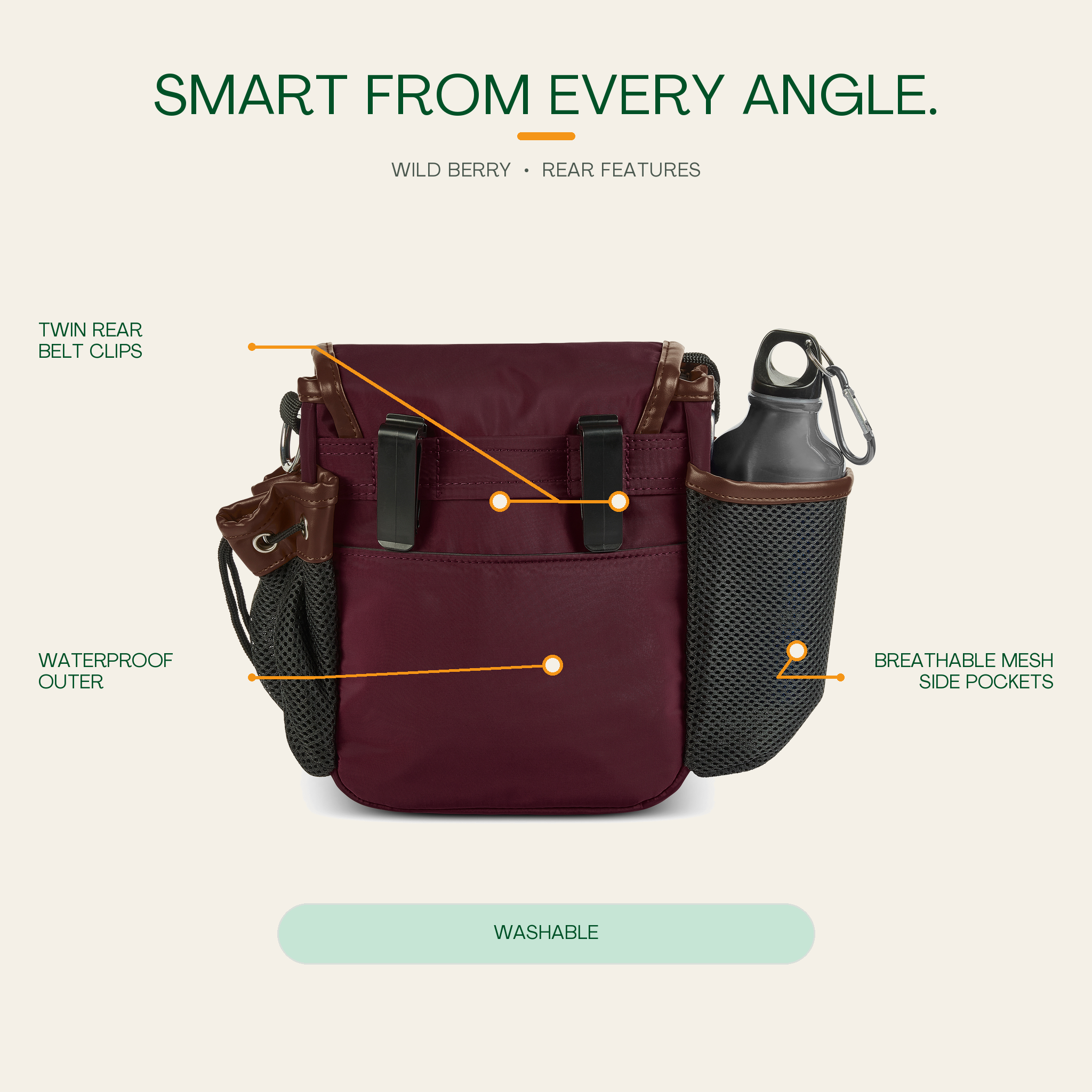
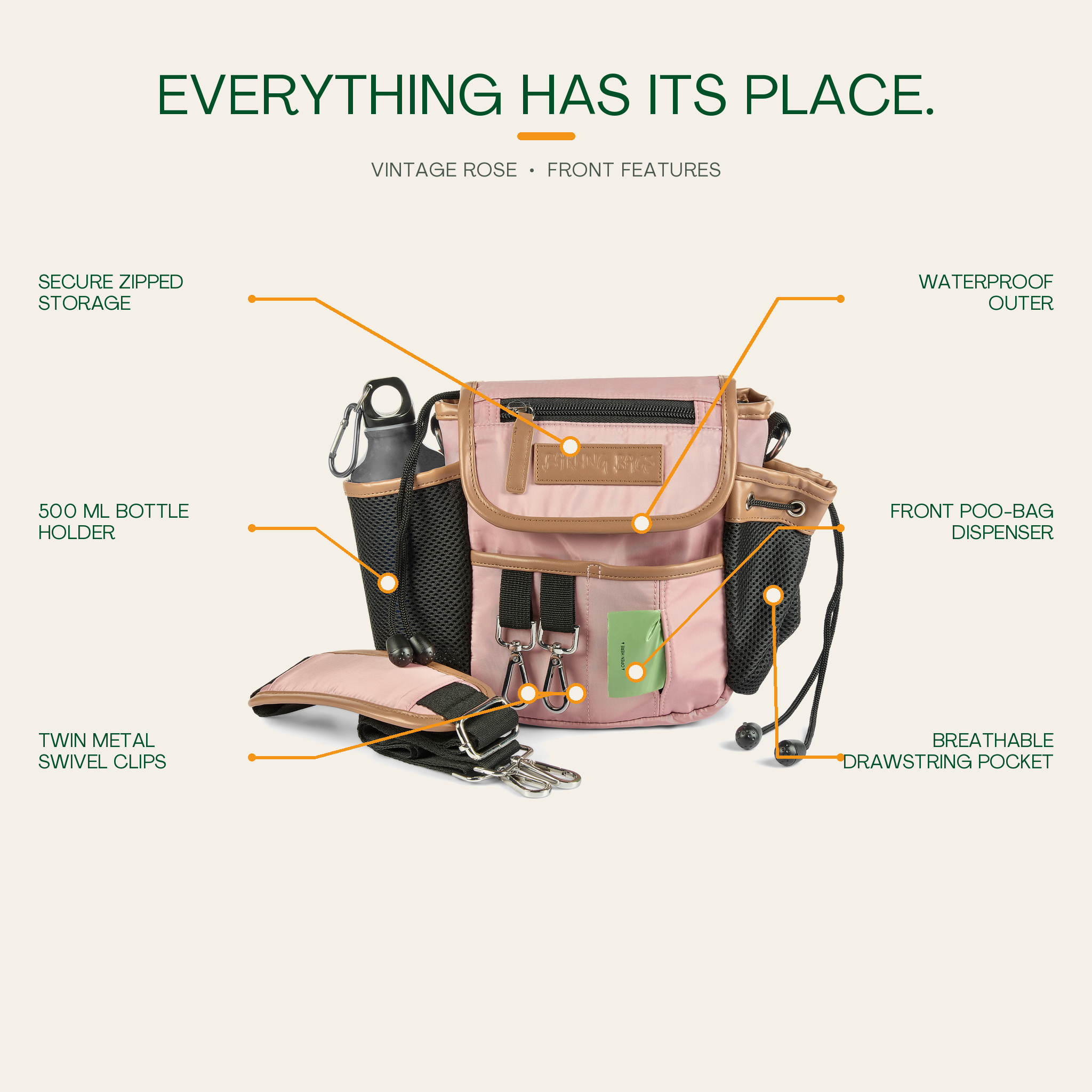
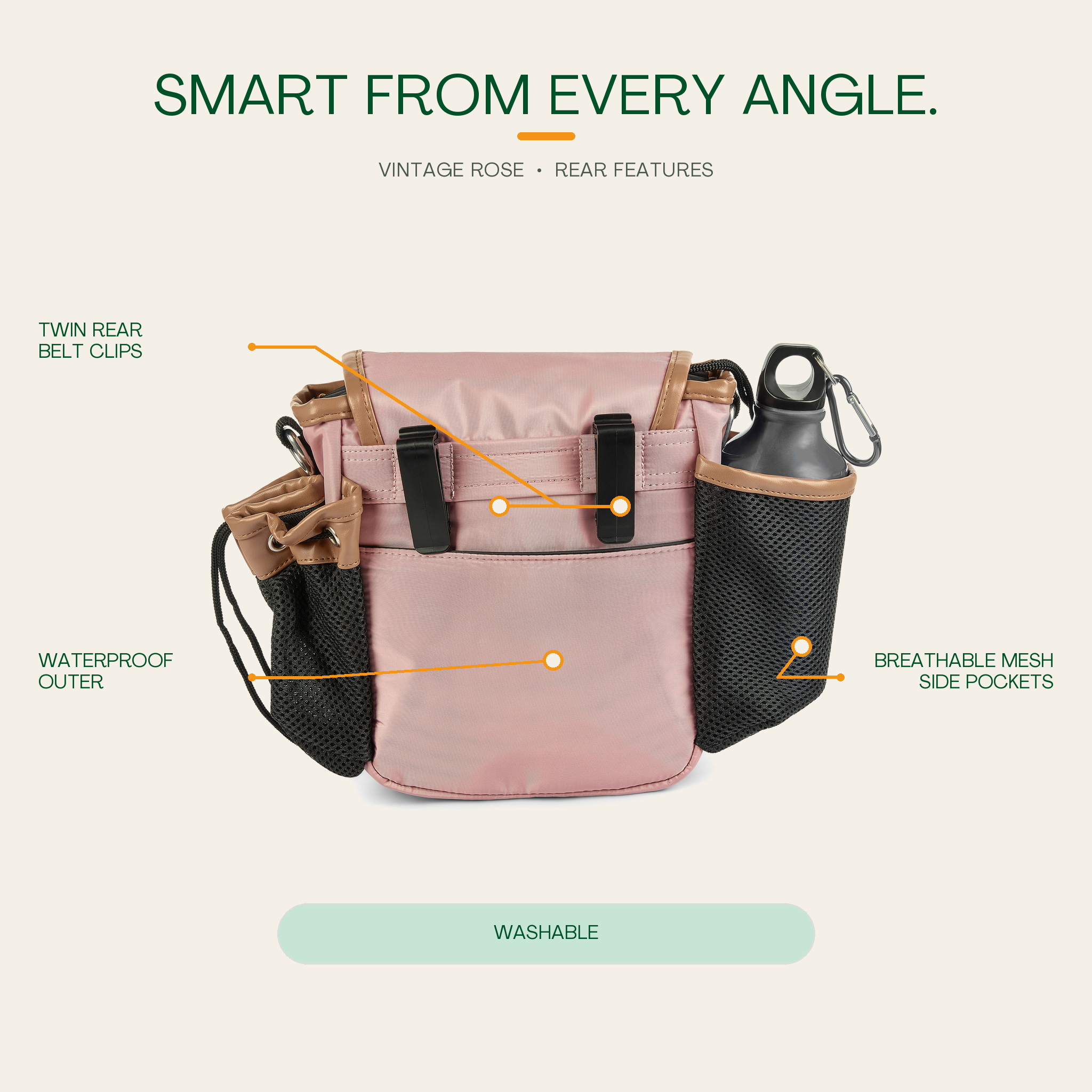
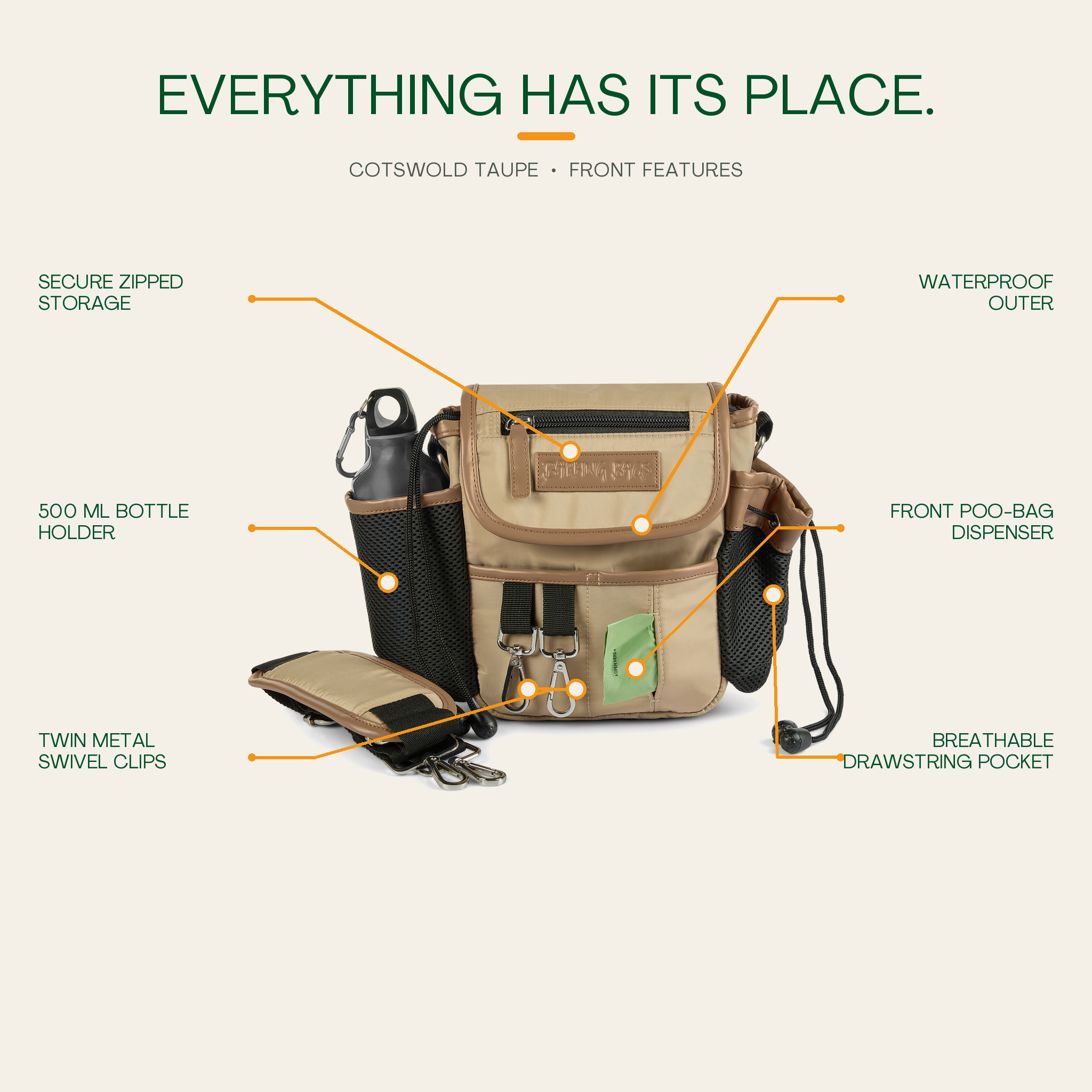
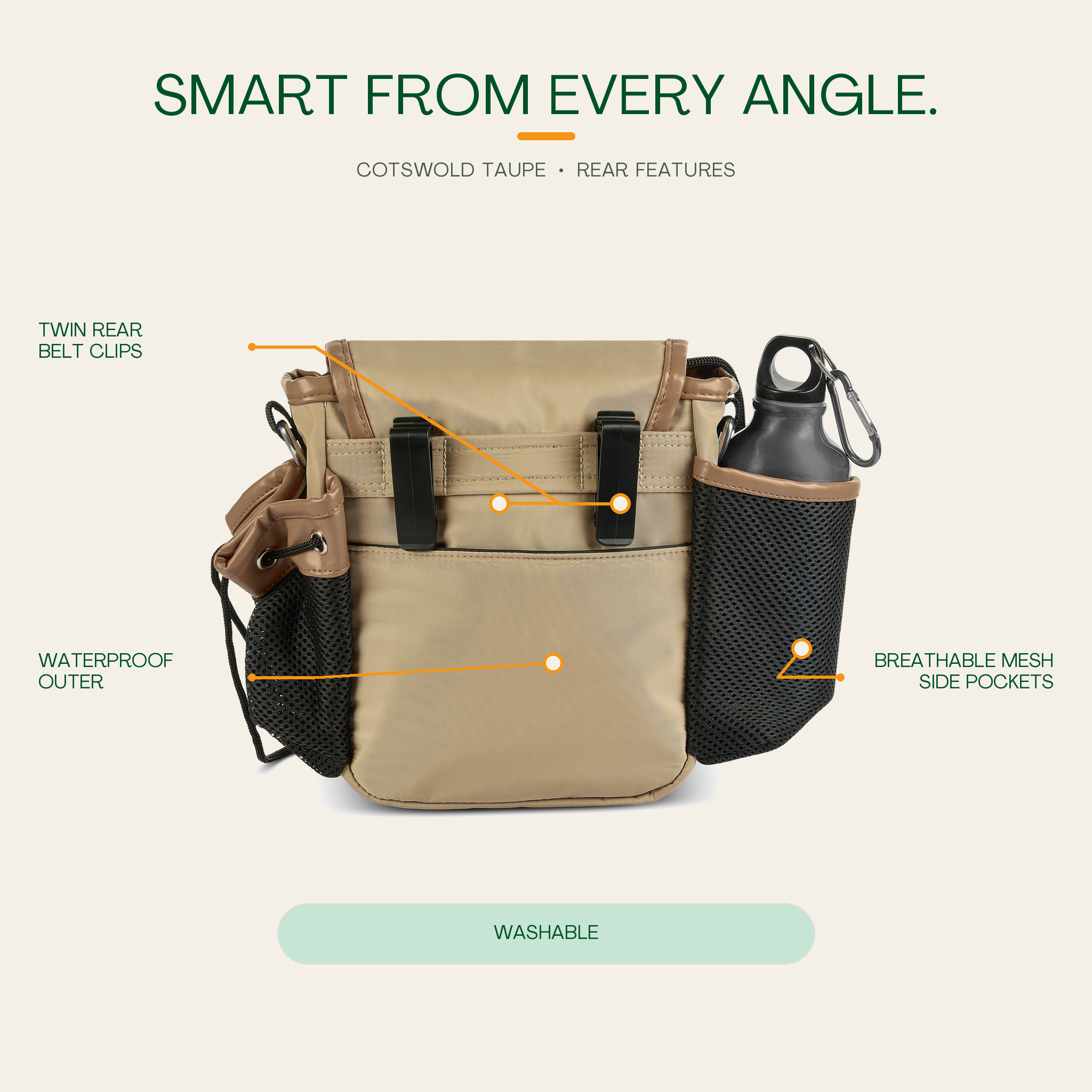
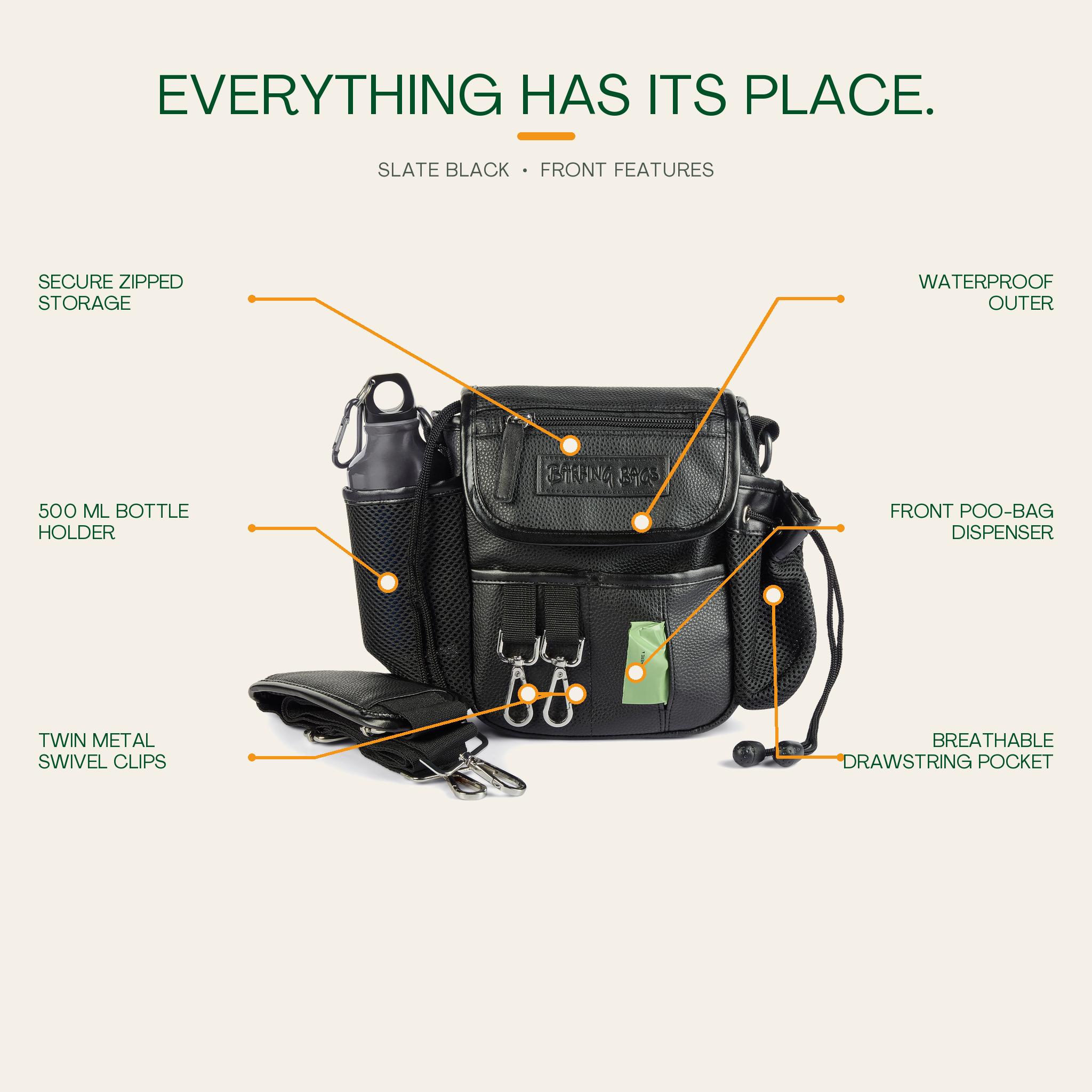
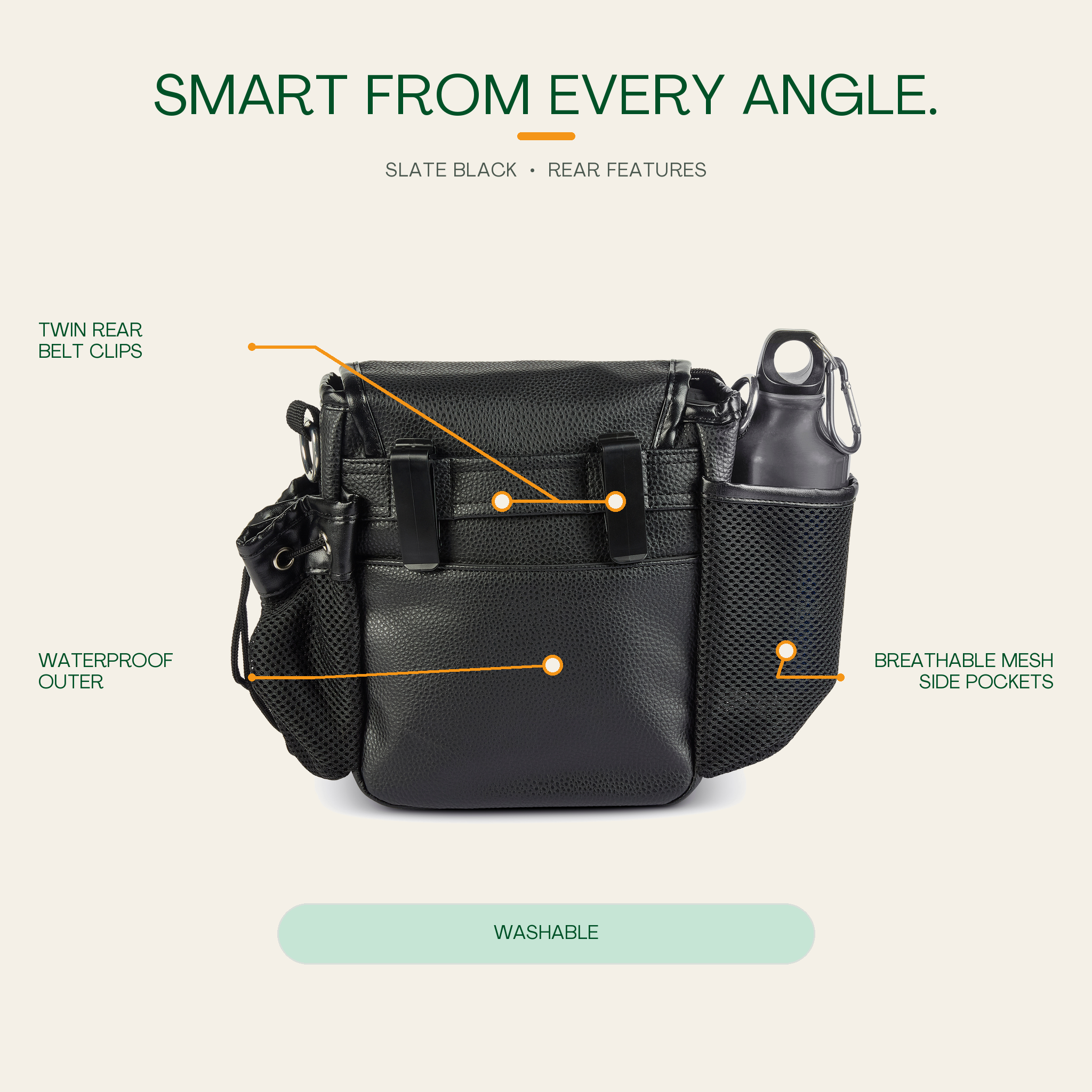
Look for the kind of storage that suits how you walk. Separate compartments for treats and personal belongings help keep things hygienic. Easy-access dispensers or pockets for poo bags save time. A secure place for your mobile phone and keys matters too, especially if you are bending down, throwing a ball, or jogging across a field.
This is where purpose-built dog walking bags stand apart from ordinary handbags or generic crossbody styles. They are designed around the routine itself, not adapted after the fact. That difference shows up quickly when you are out every day.
A simple way to choose the right size
If you are still unsure, lay out everything you genuinely carry on a normal walk, then add the items you often wish you had space for. Be honest. If you never bring a full water bottle for a 15-minute walk, do not shop as though you do.
Then ask yourself two questions. Do you want the lightest bag possible, or do you want extra room for flexibility? And do you need better organisation, or just more space? Those answers usually point you in the right direction.
For most owners, a compact or medium dog walking bag is enough for daily life. If your walks are longer, more gear-heavy, or involve multiple dogs, go larger - but only if the design keeps everything easy to find.
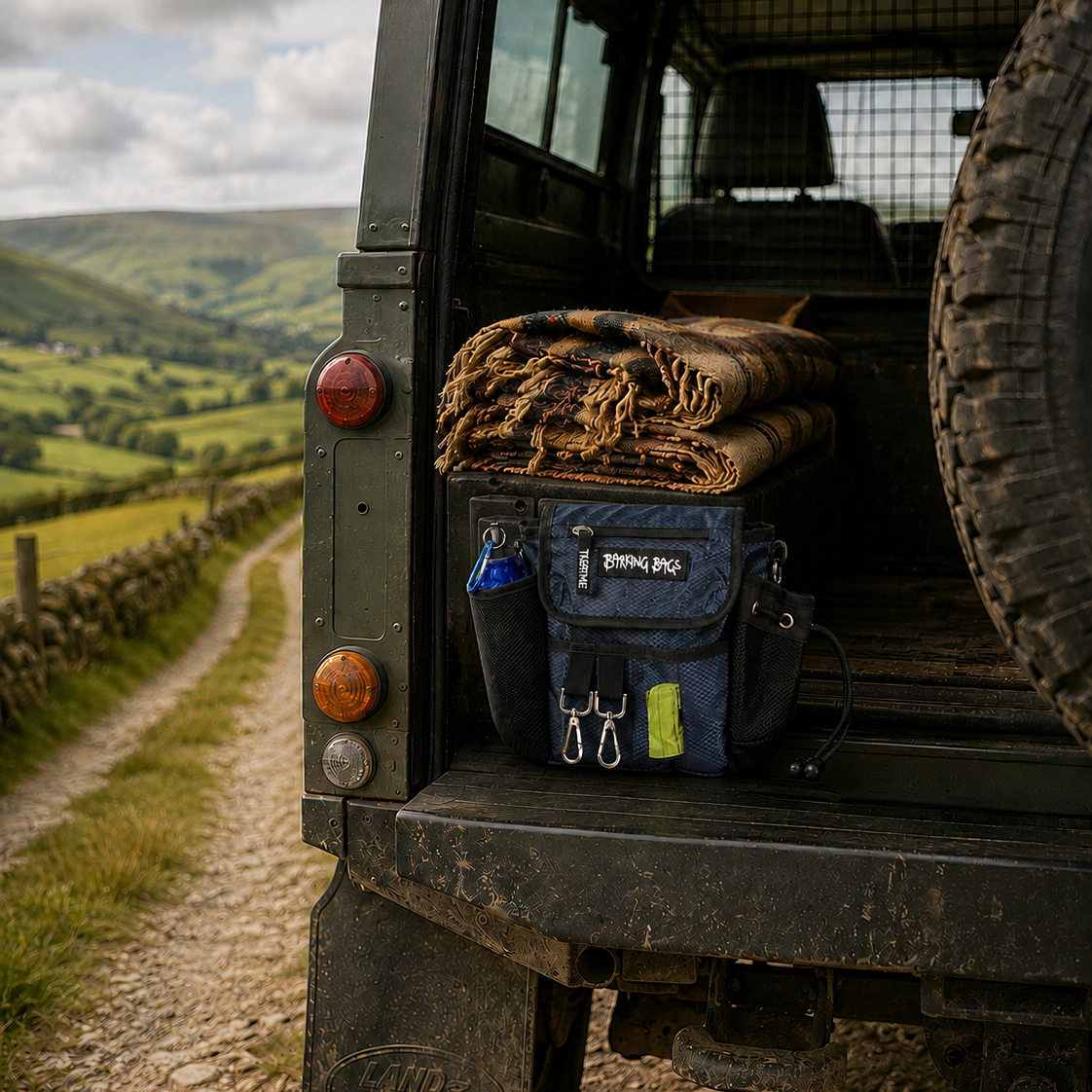
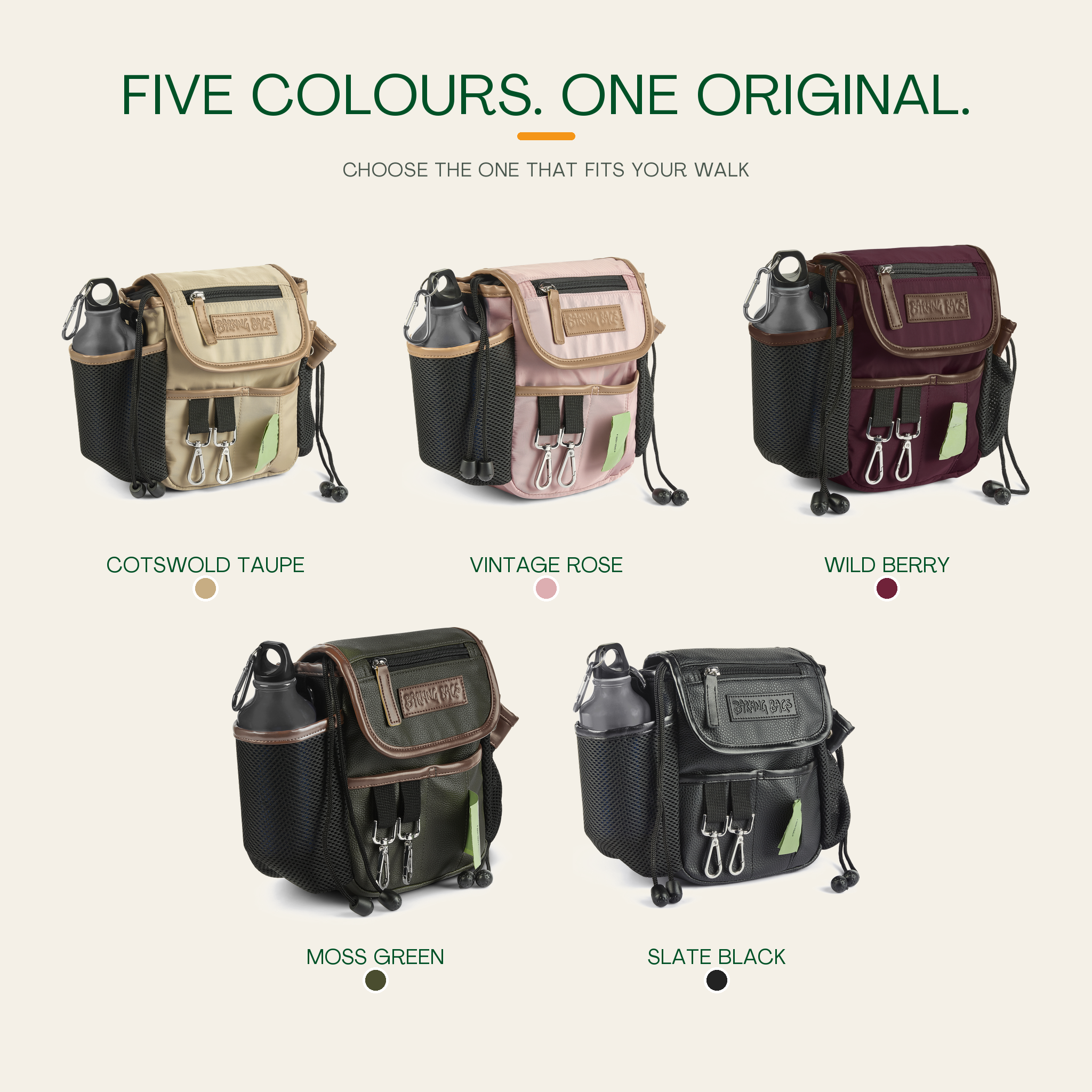
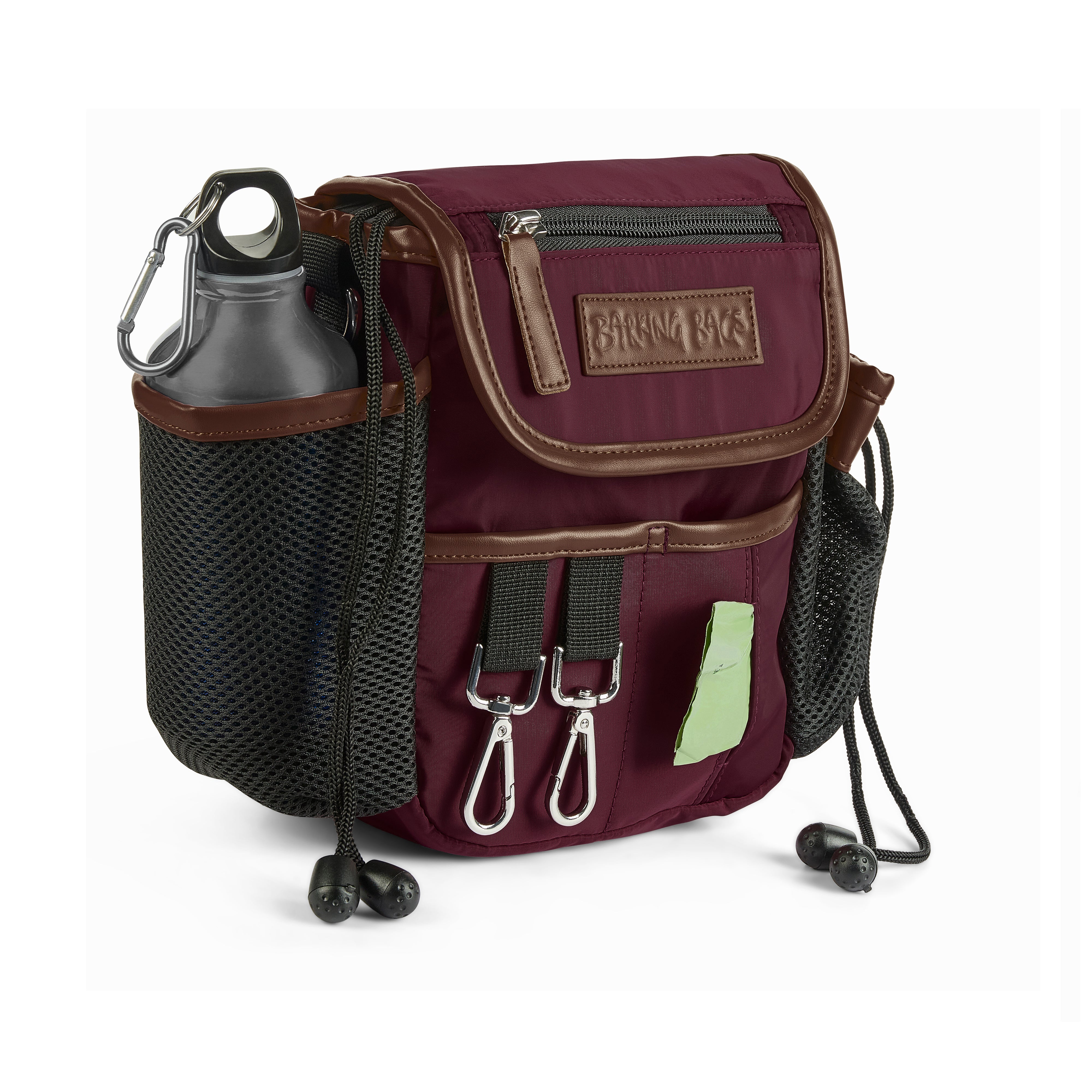
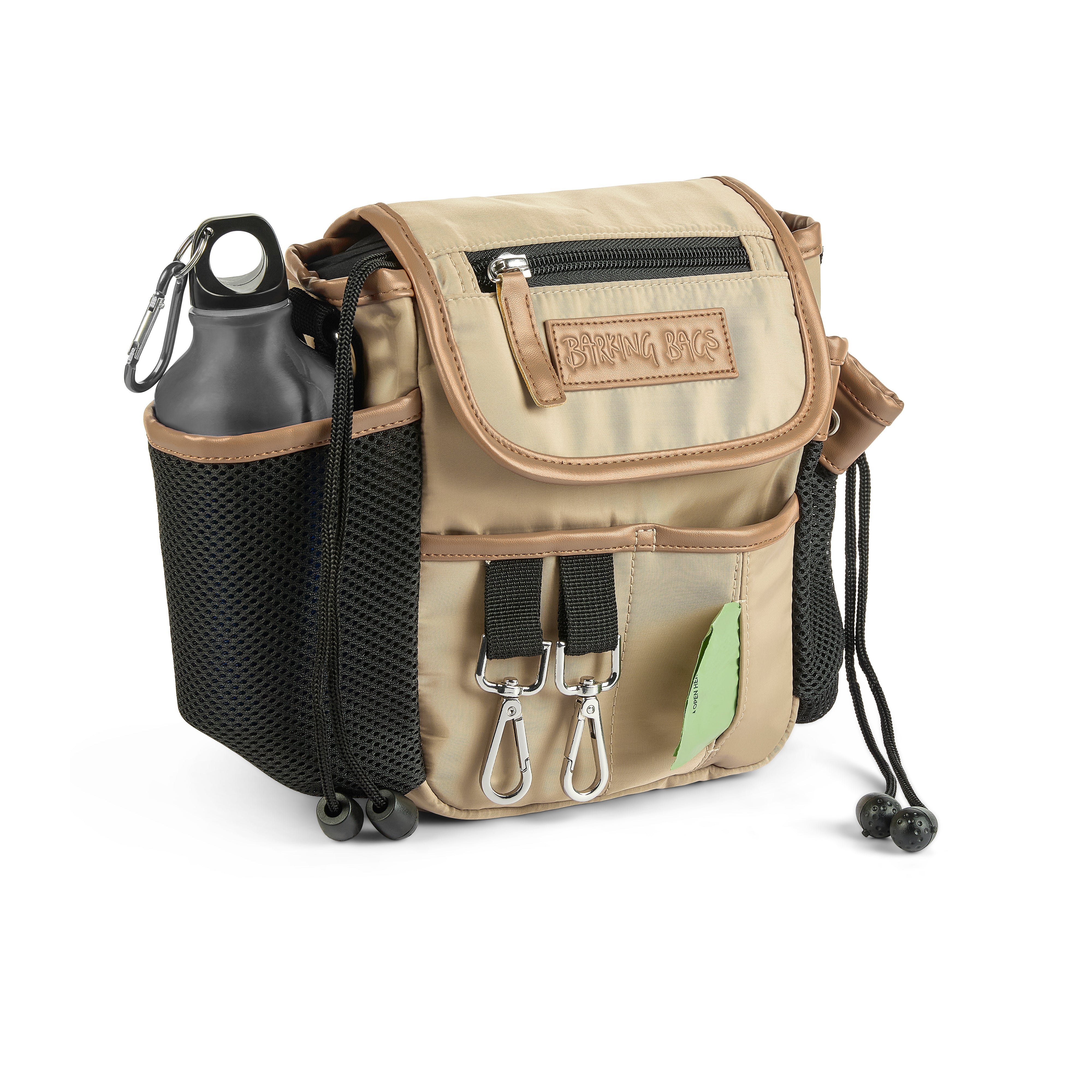
The best bag size is the one that disappears into your routine. It carries what you need, keeps it organised, and never feels like an extra job. That is exactly why a dedicated option from a specialist like Barking Bags can make everyday walks feel more pulled together, without compromising on style.
Choose for your real walk, not your imaginary one. Your shoulders, pockets, and future self will thank you.