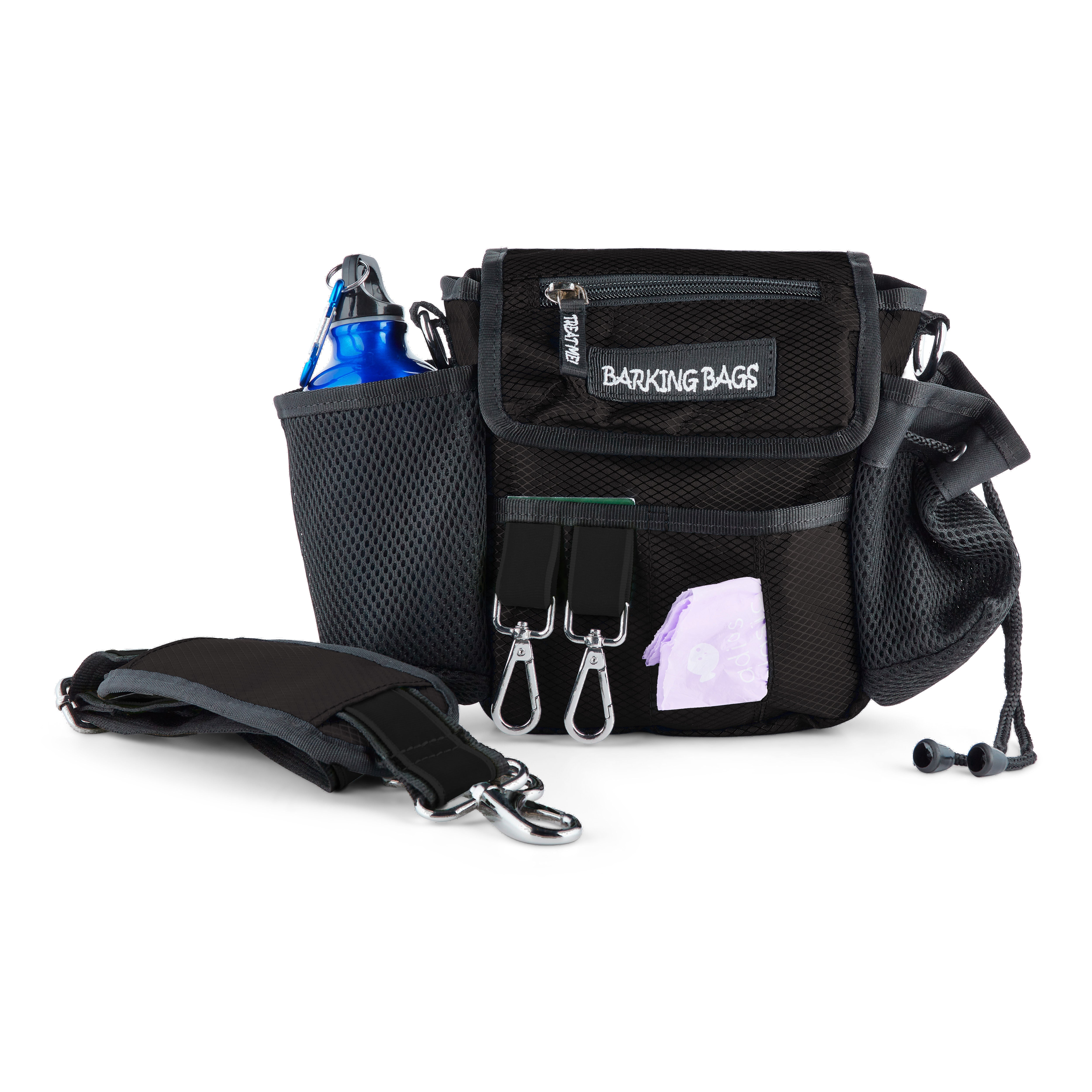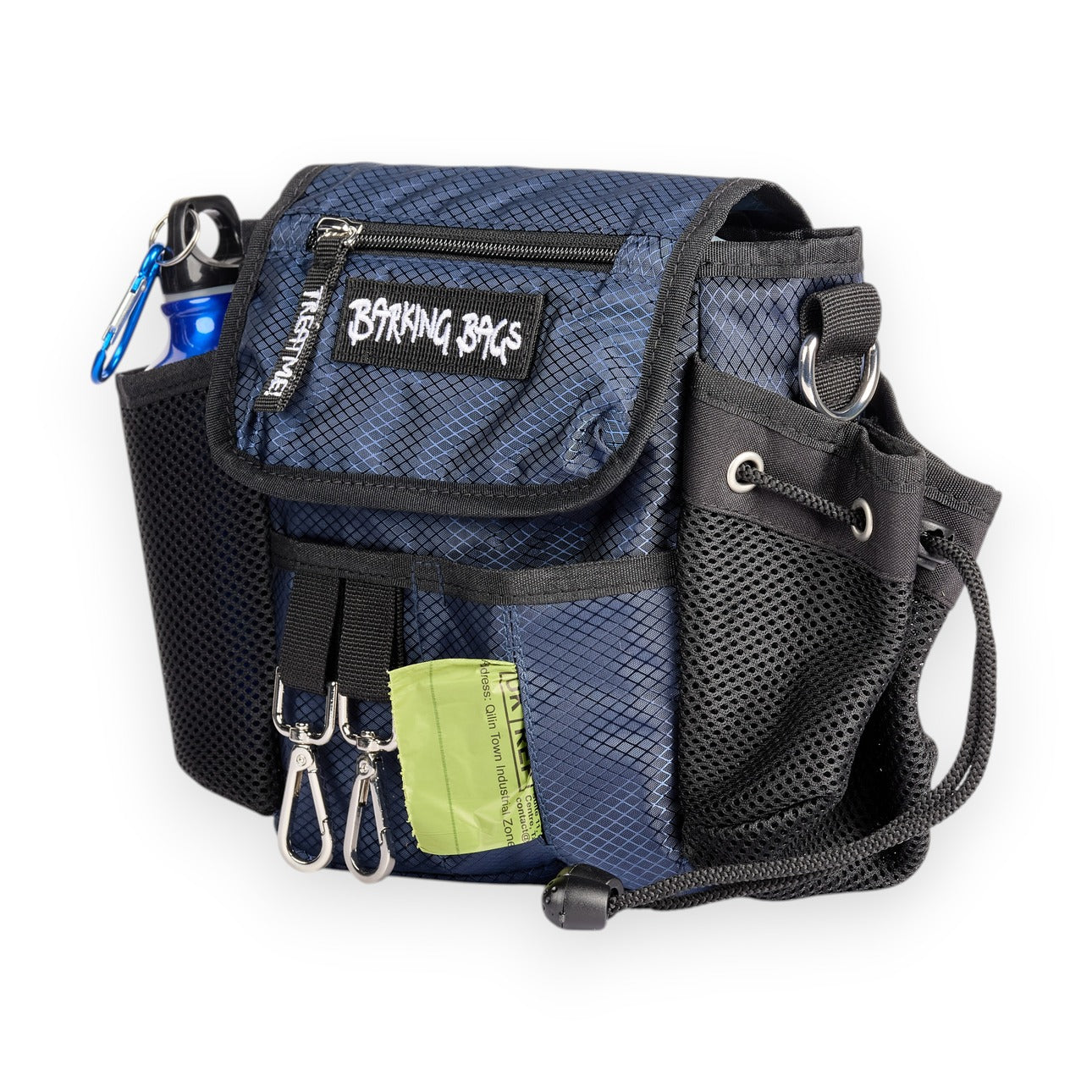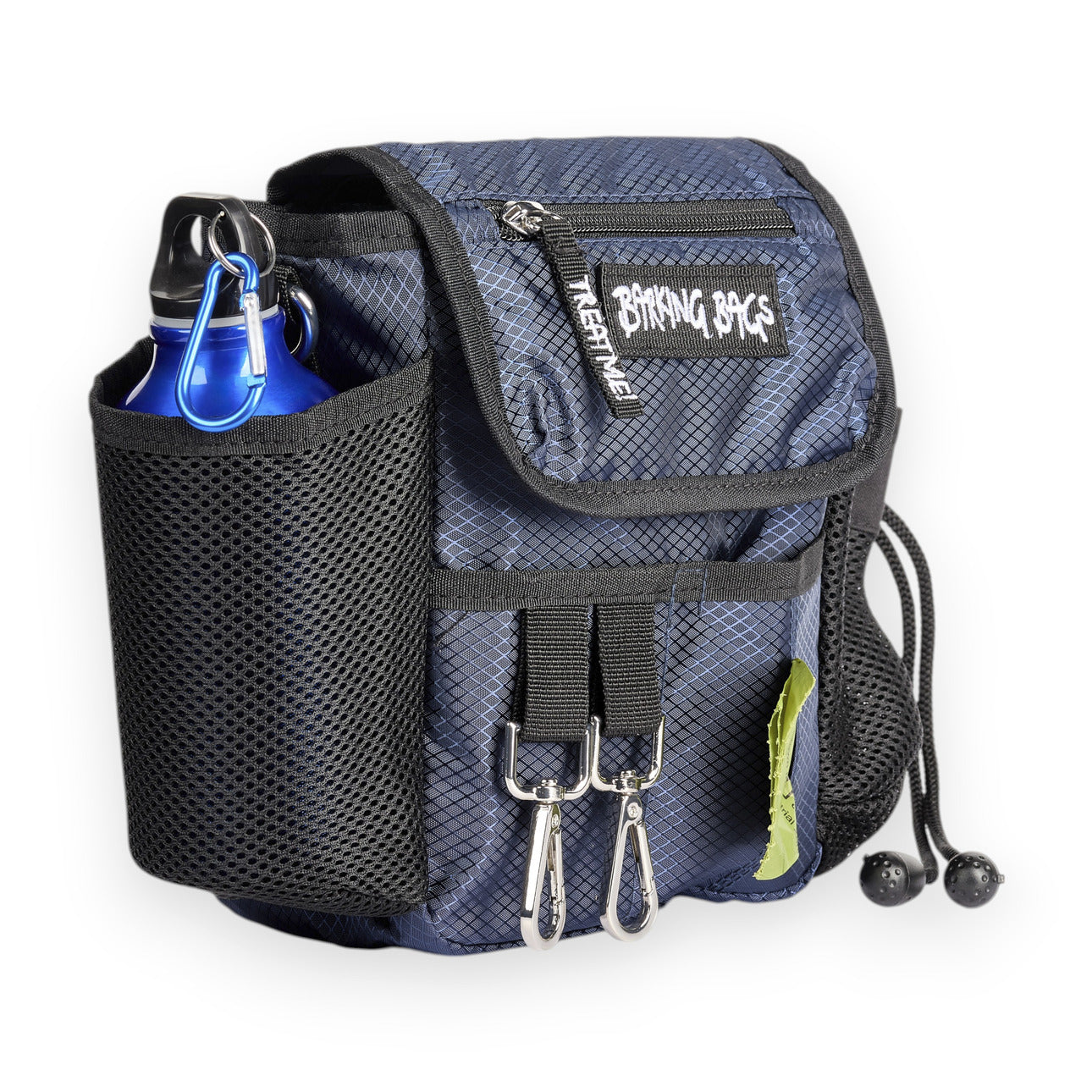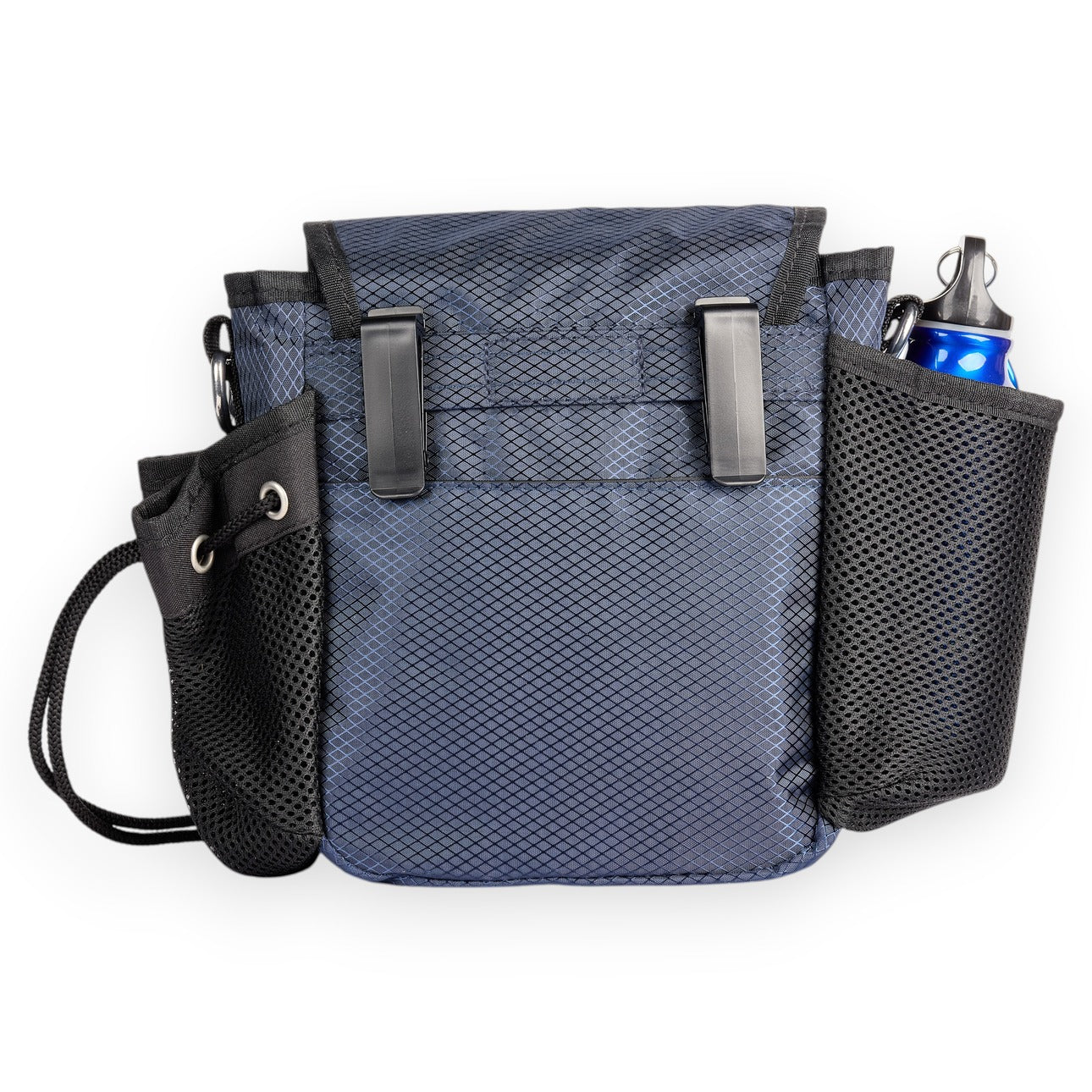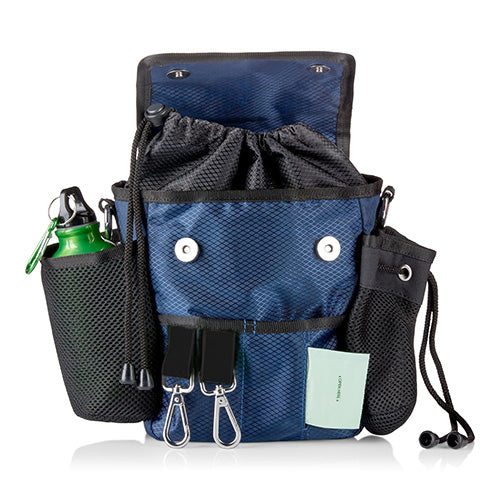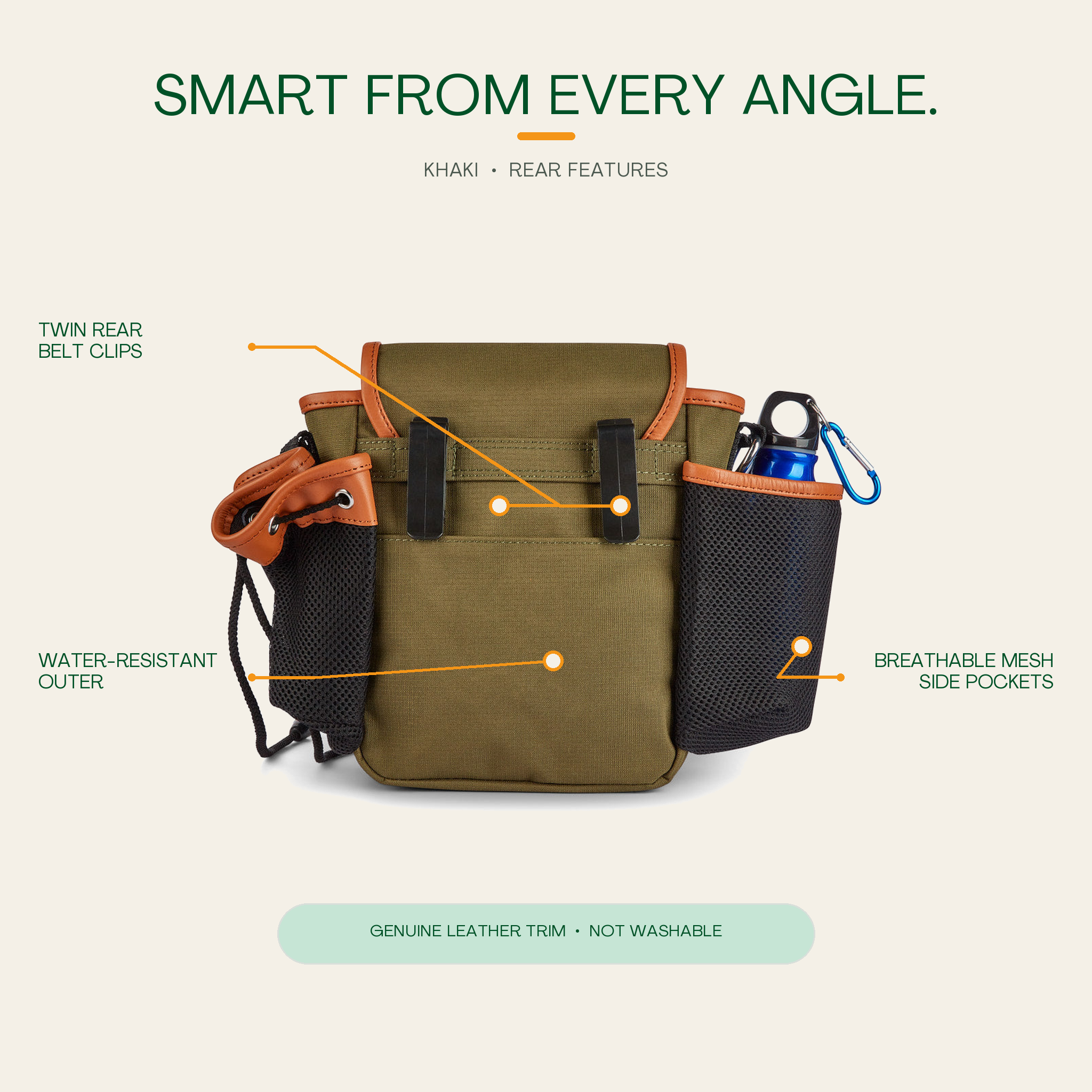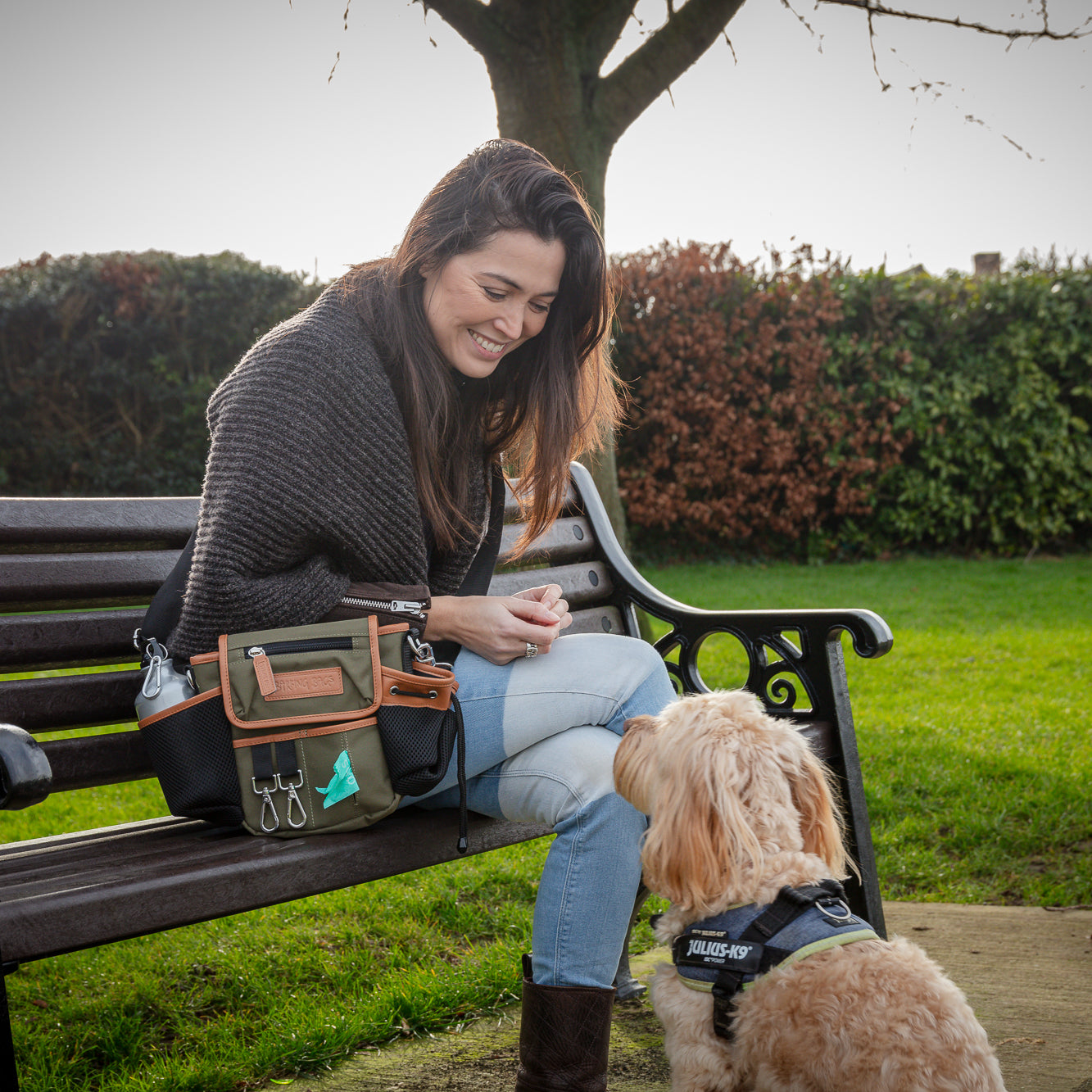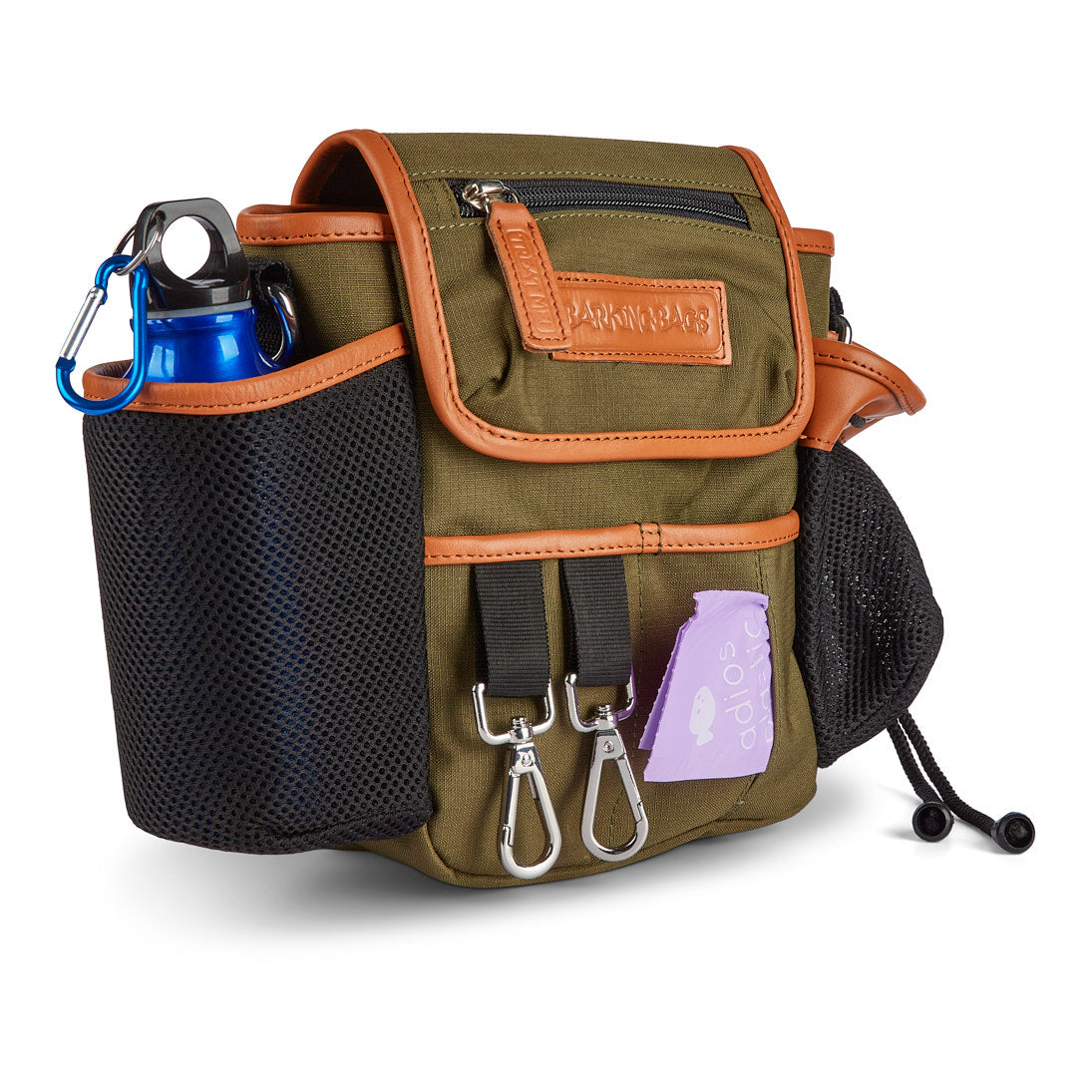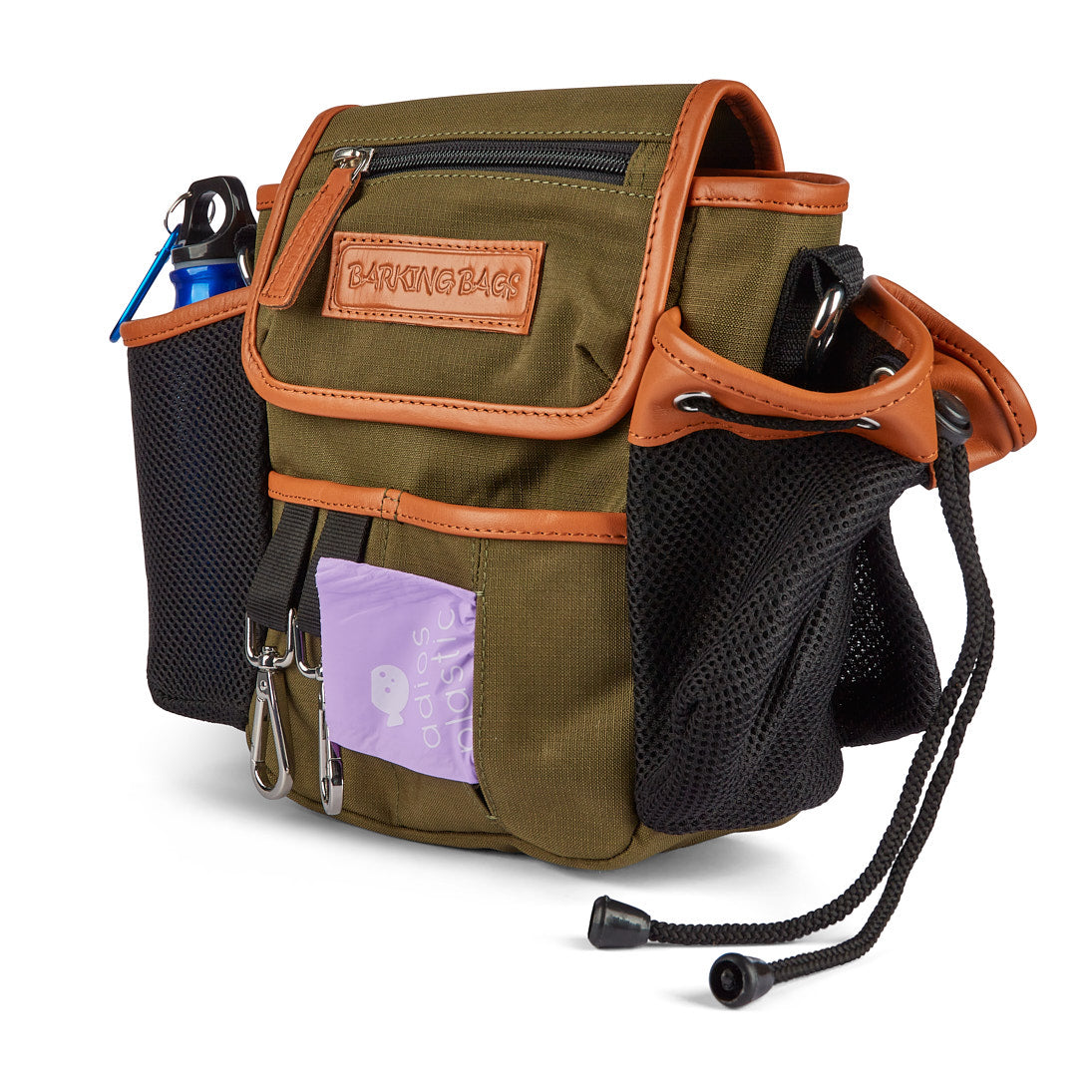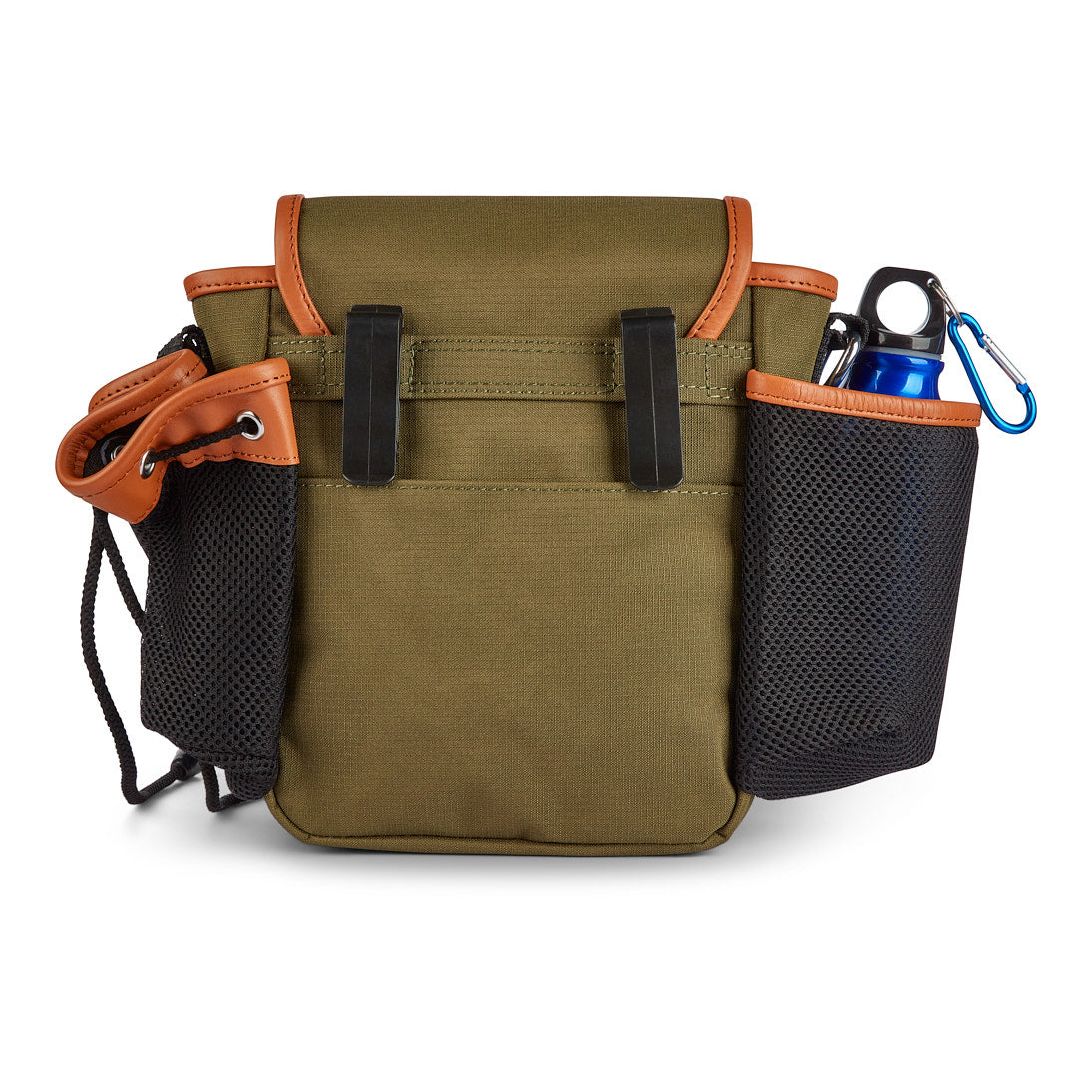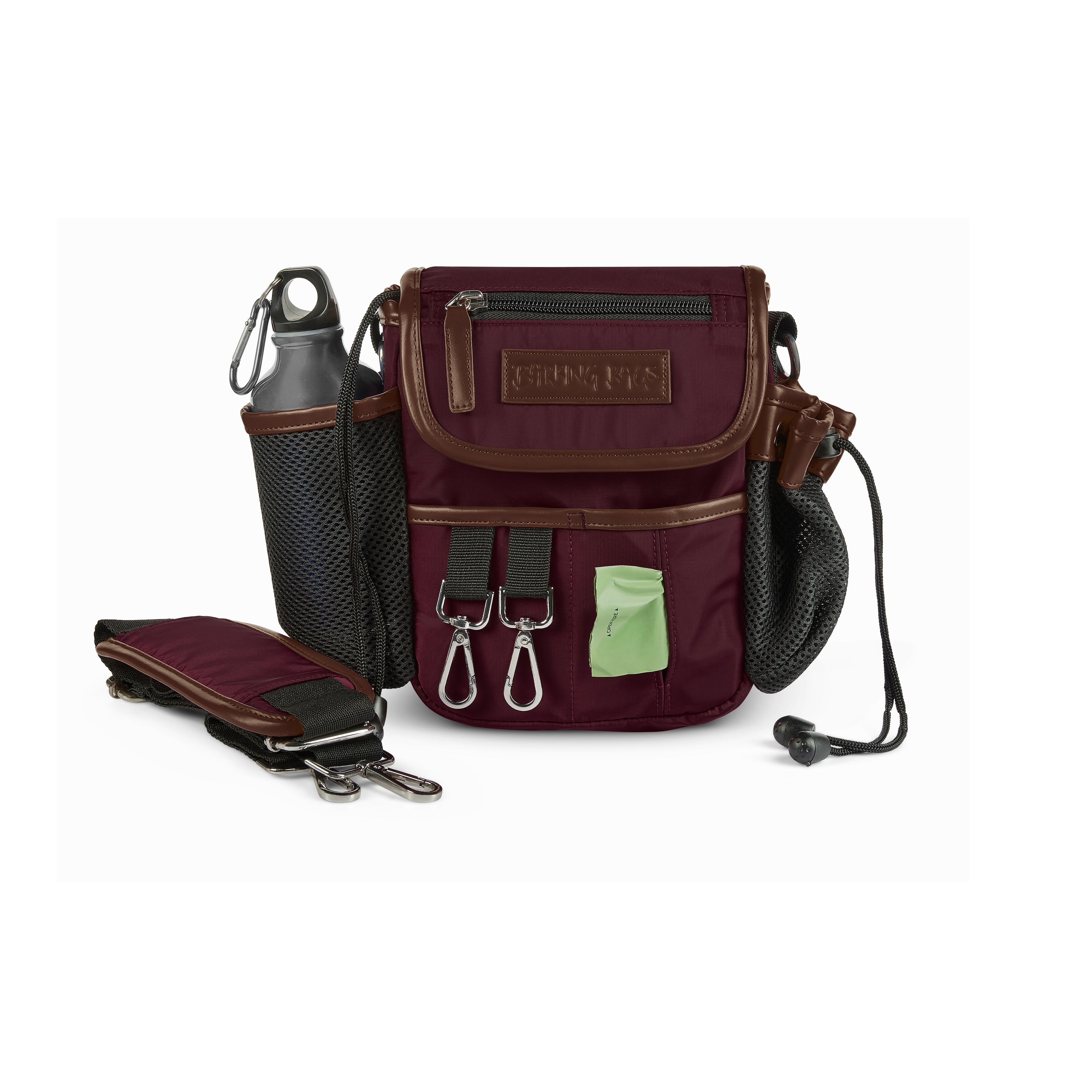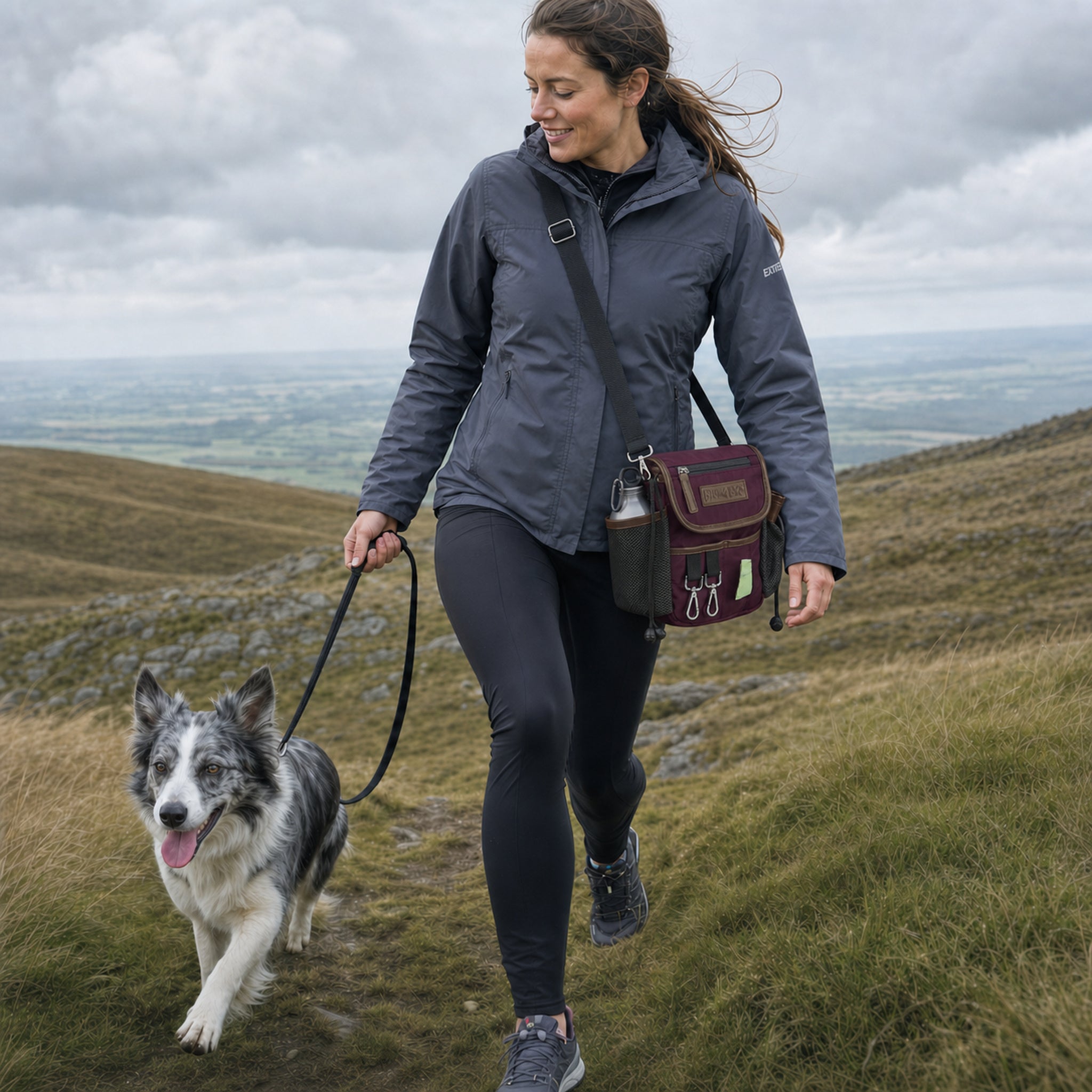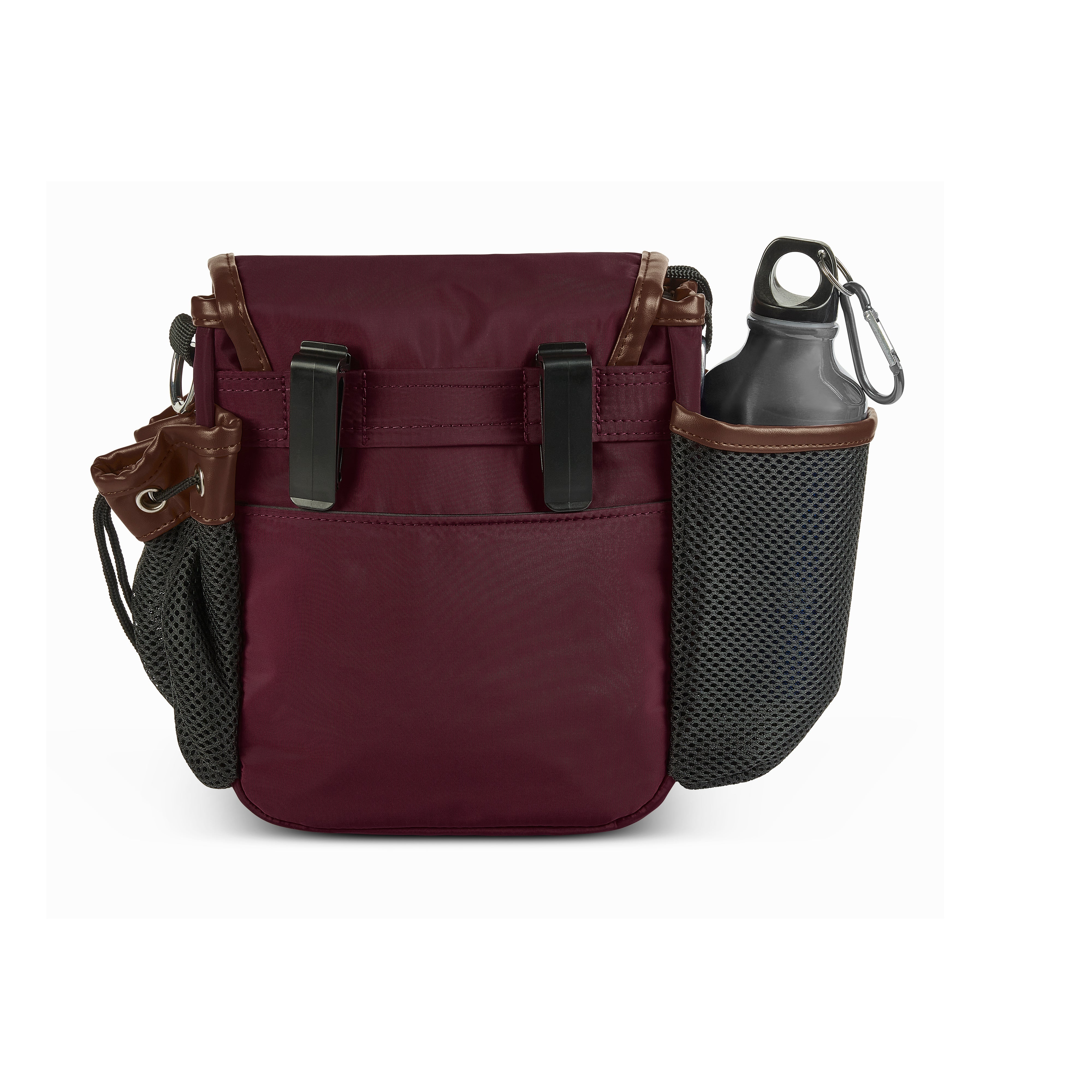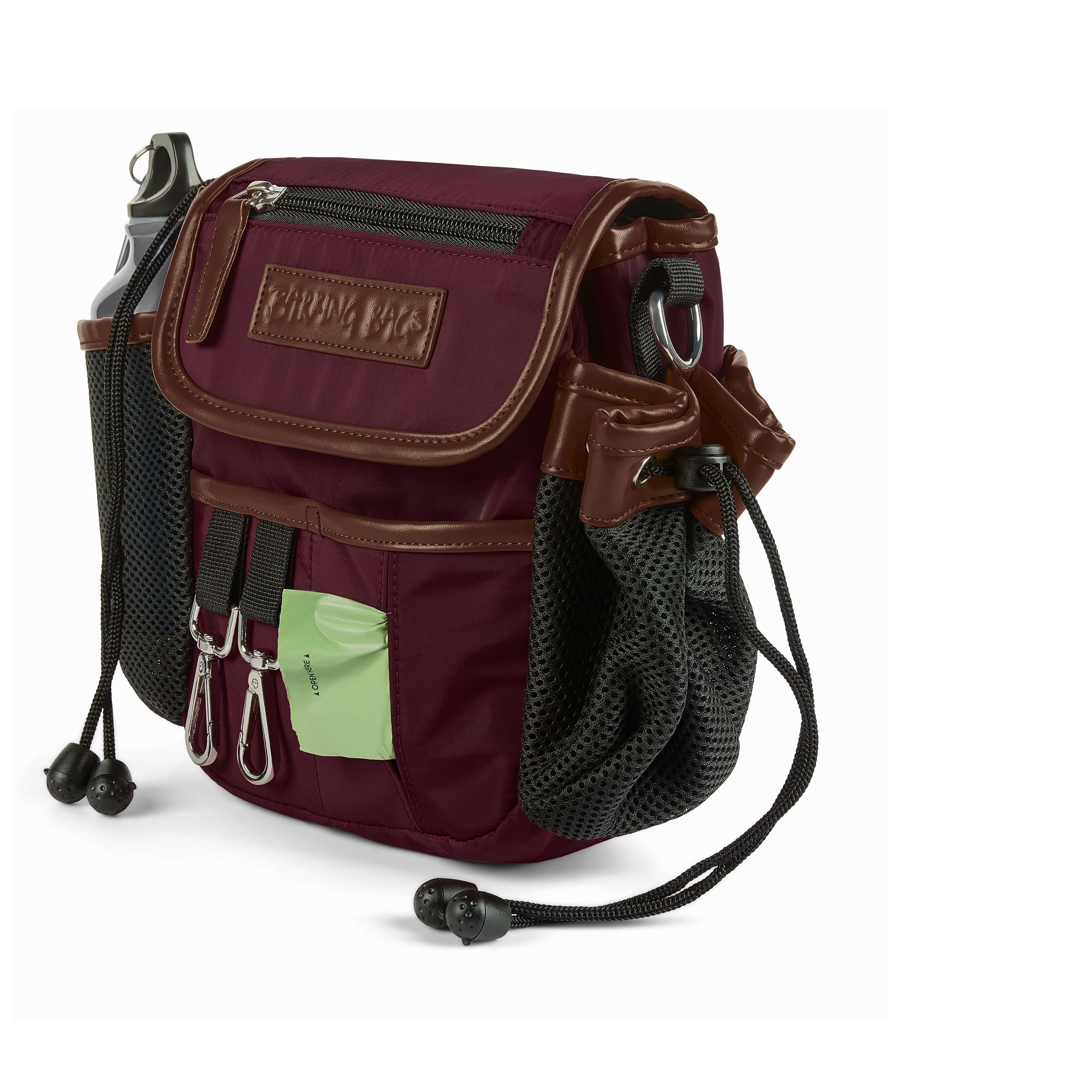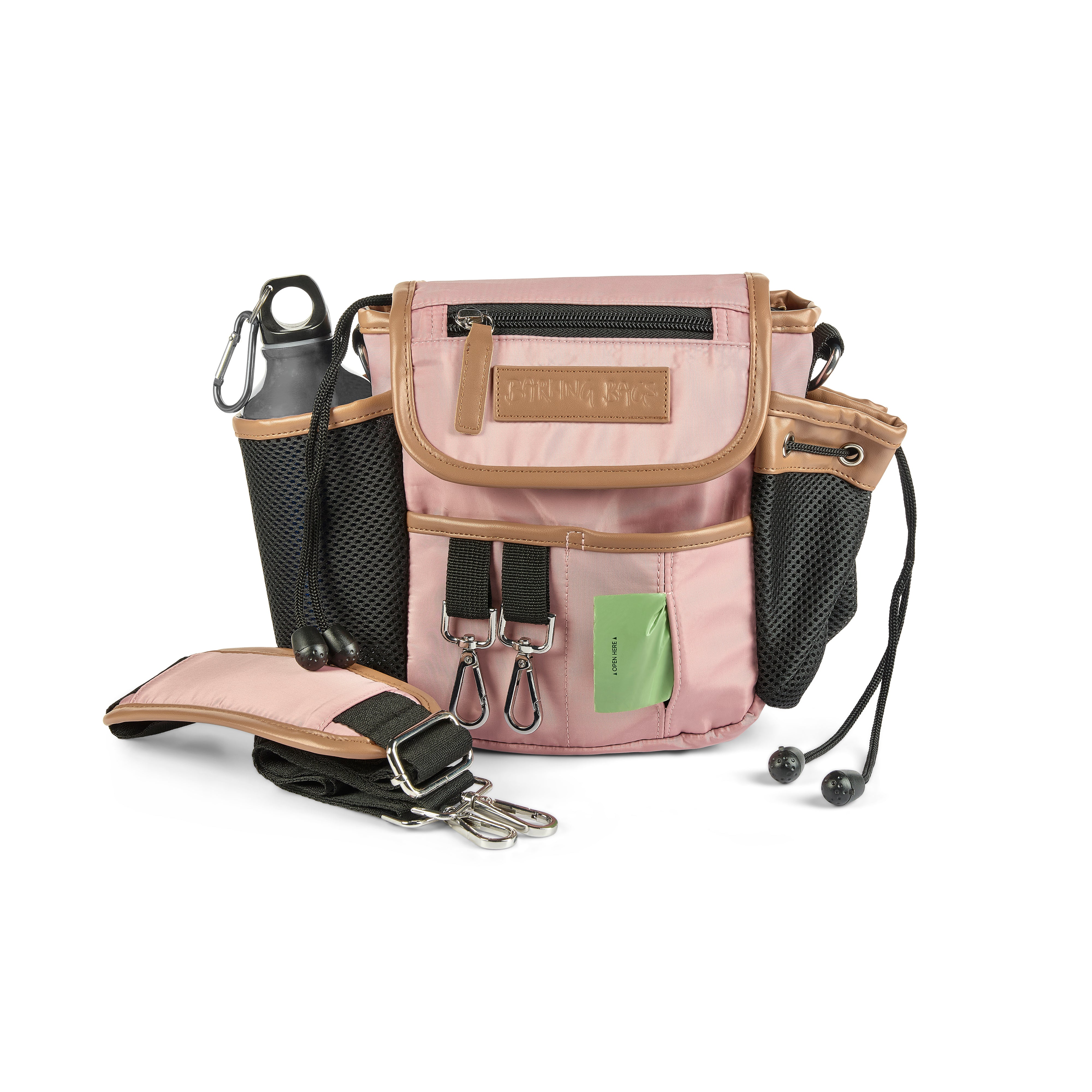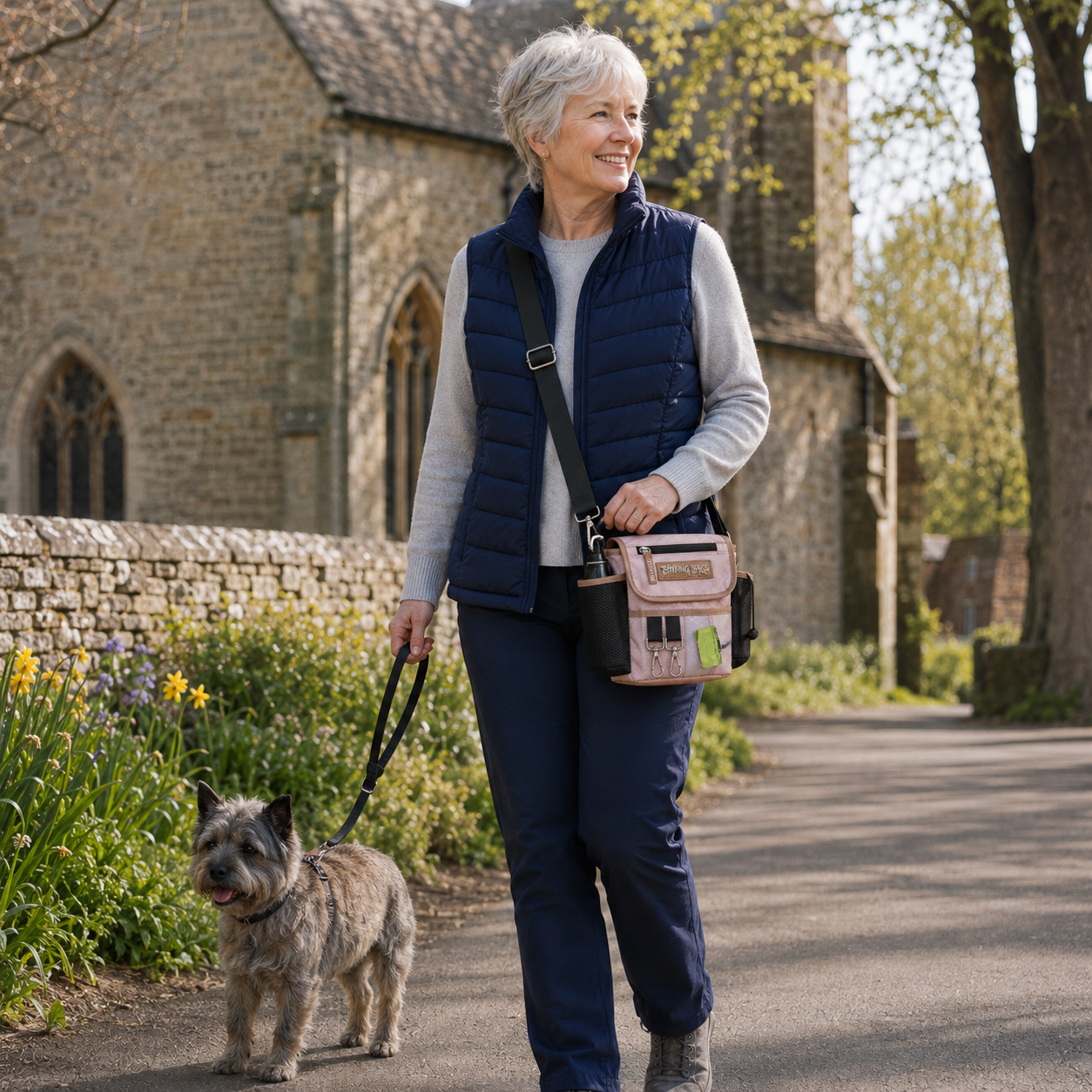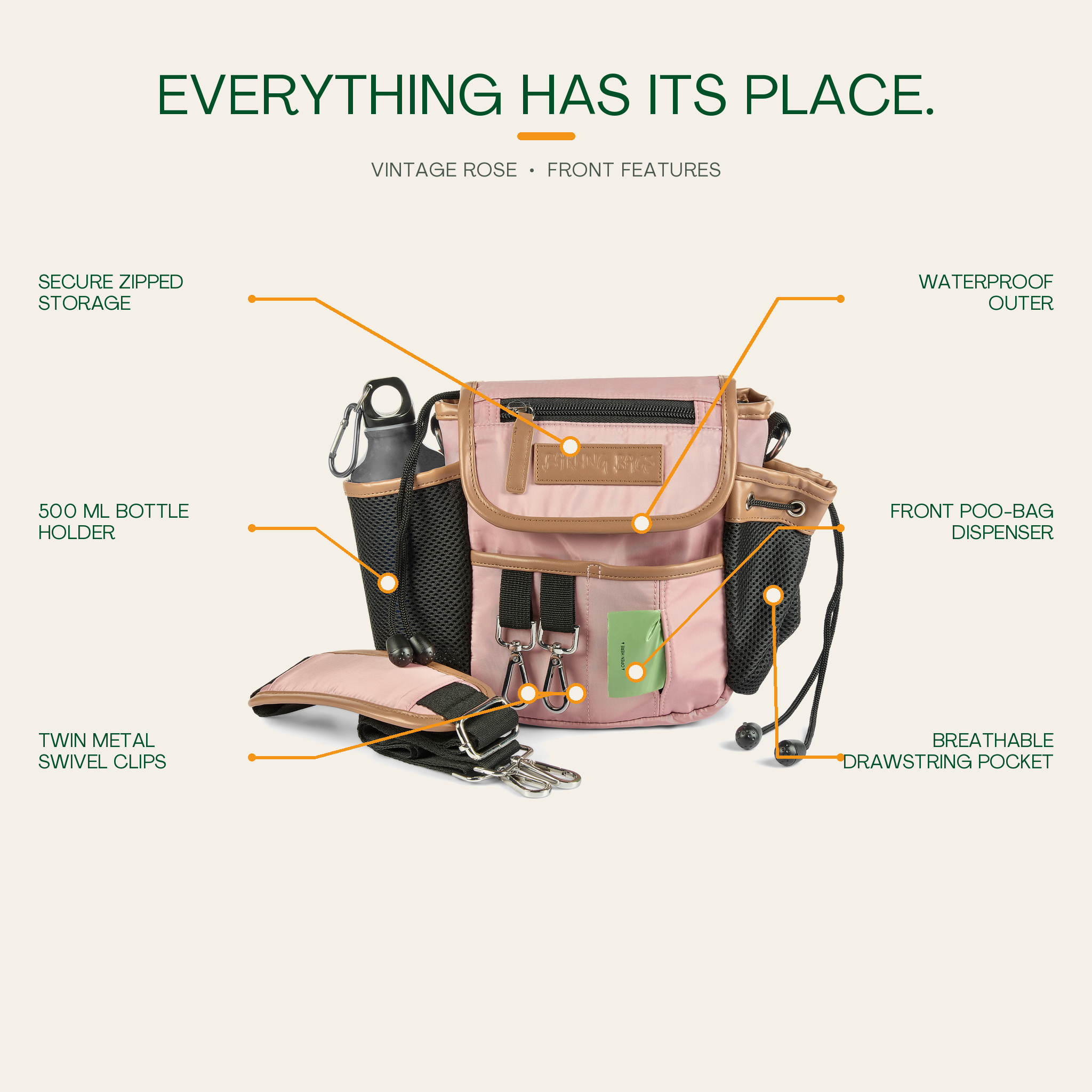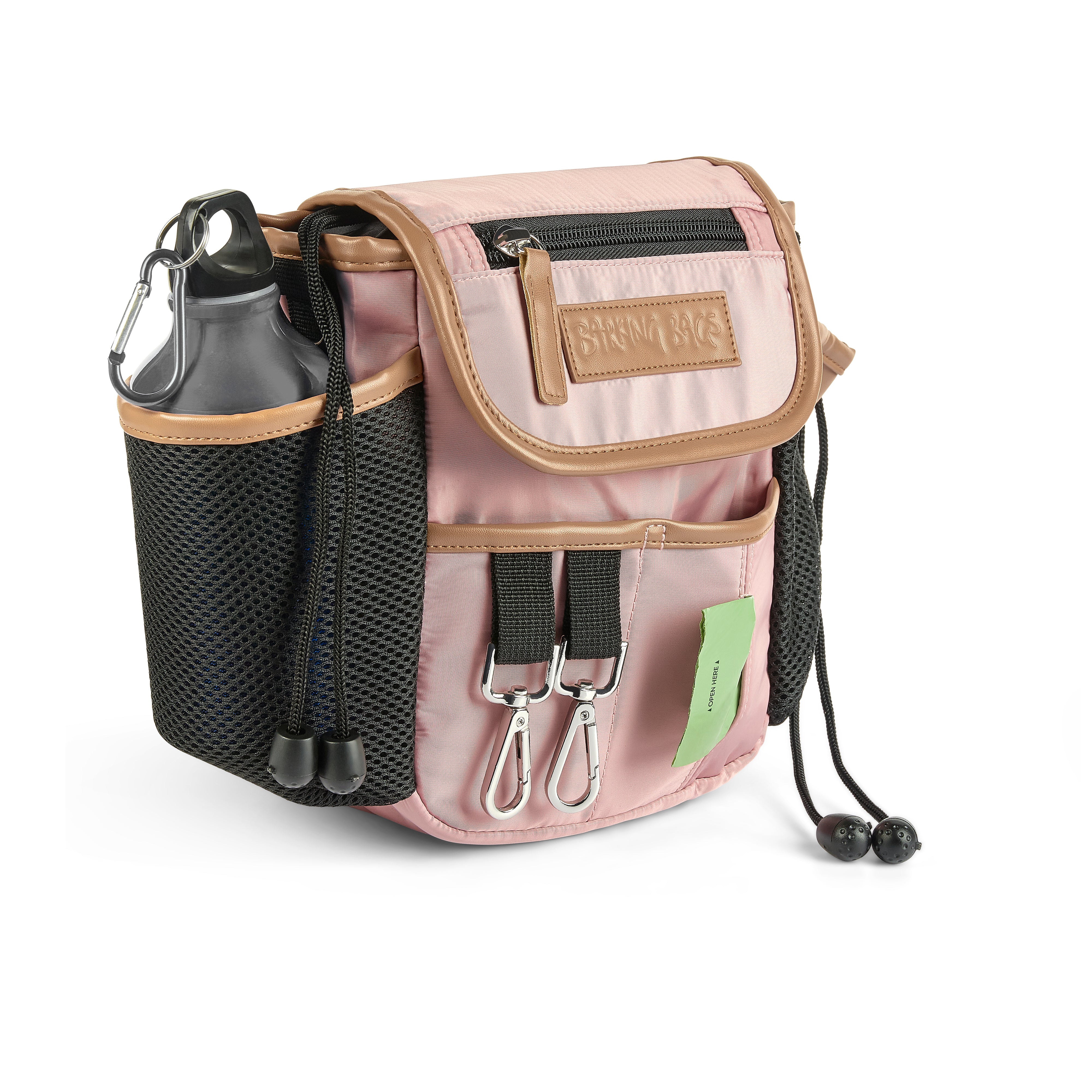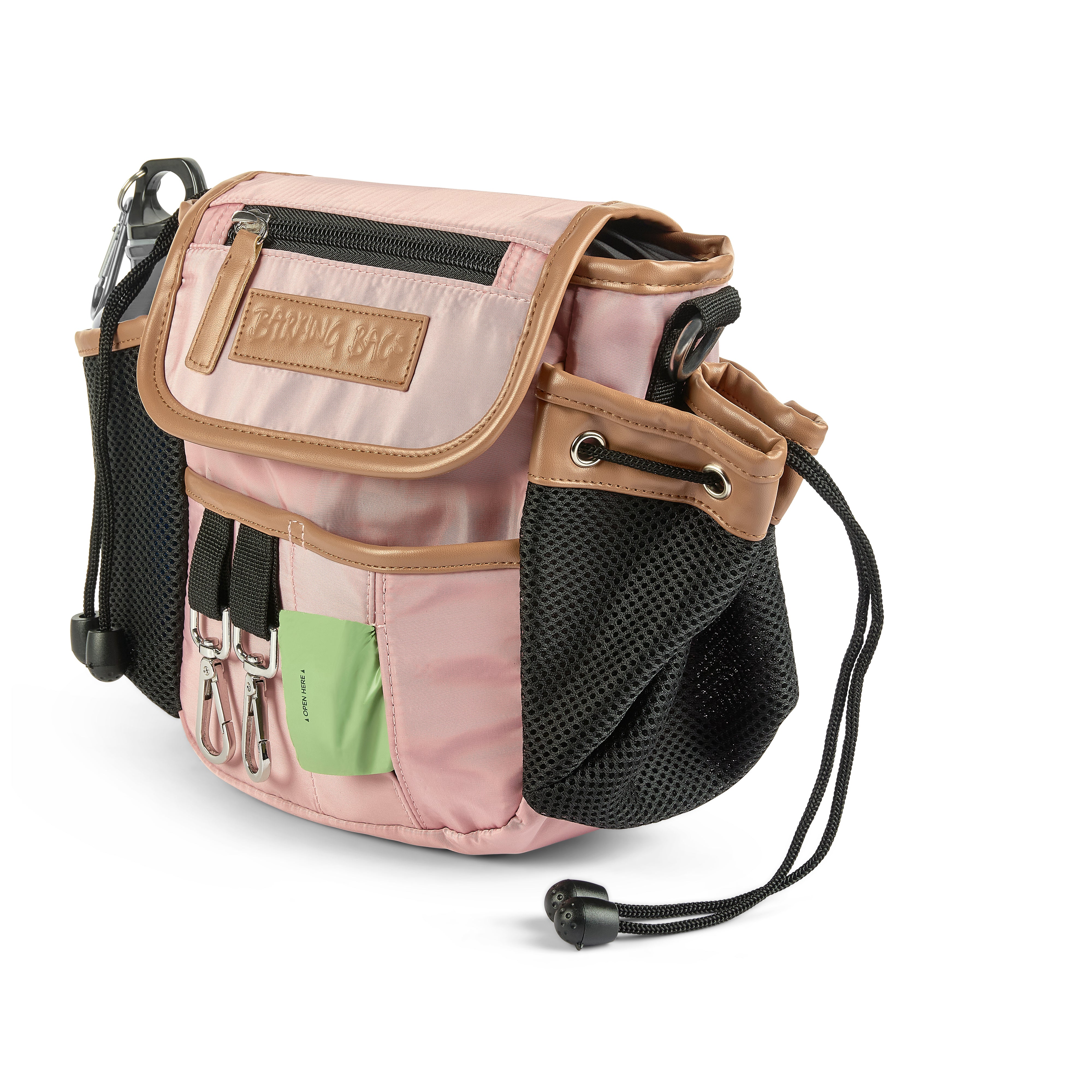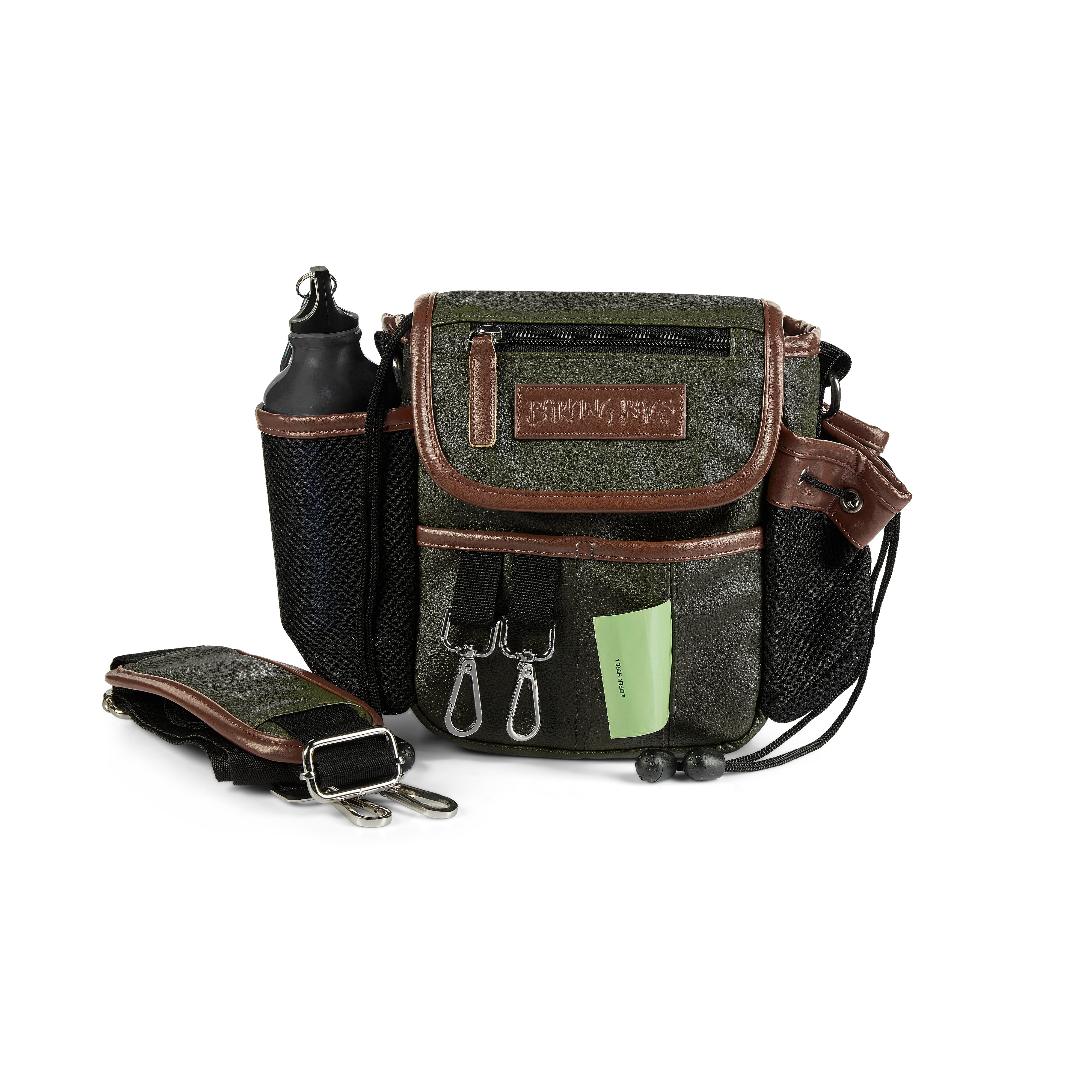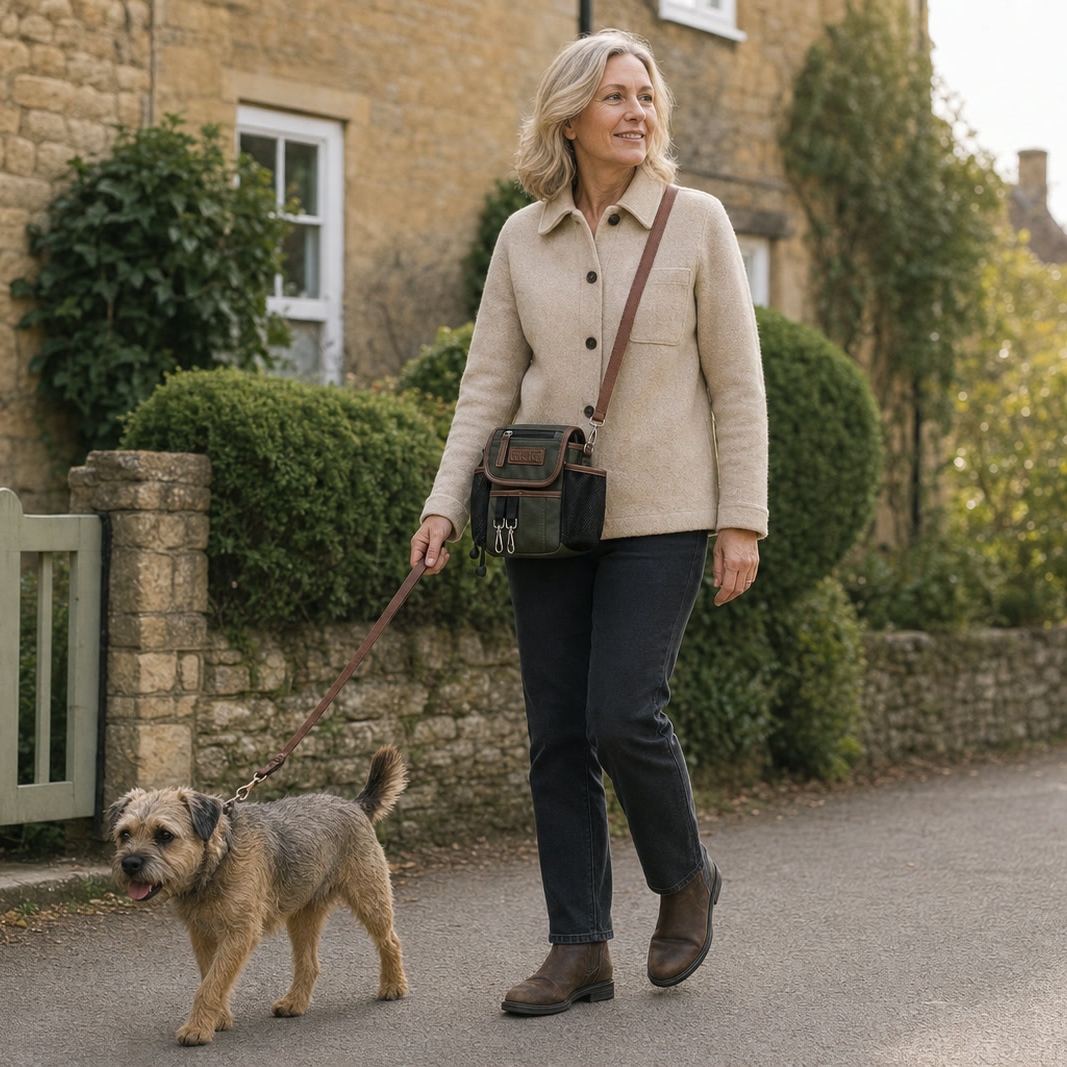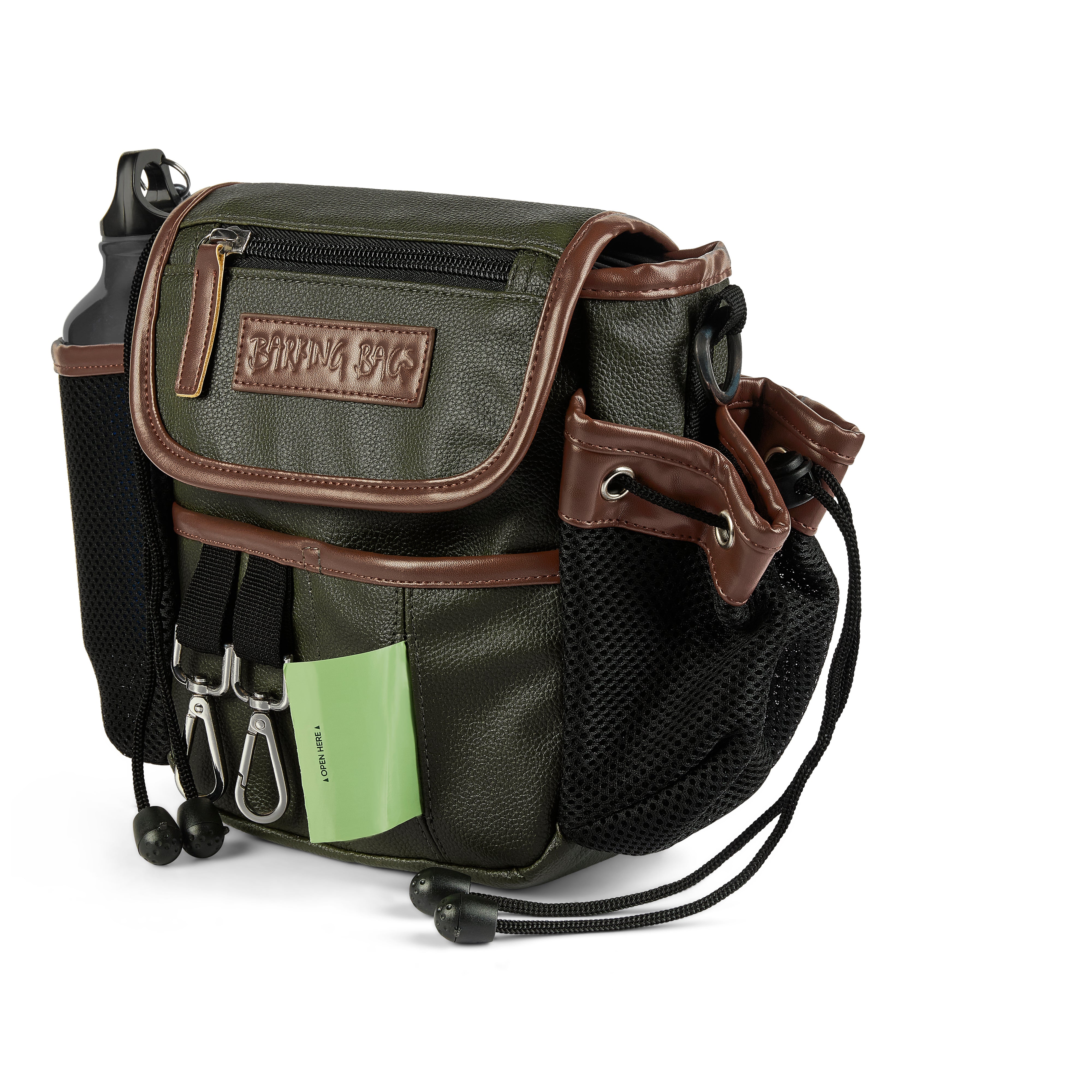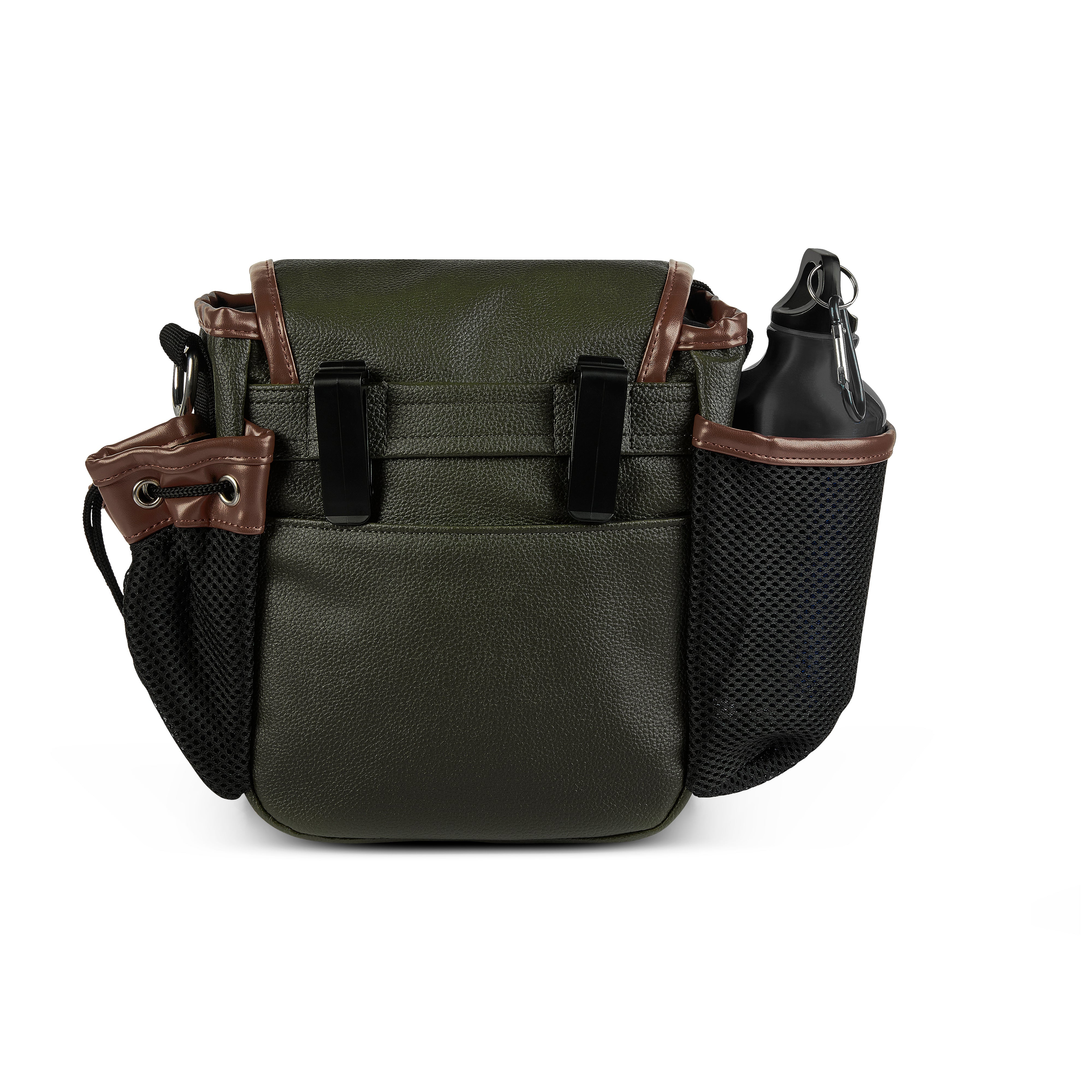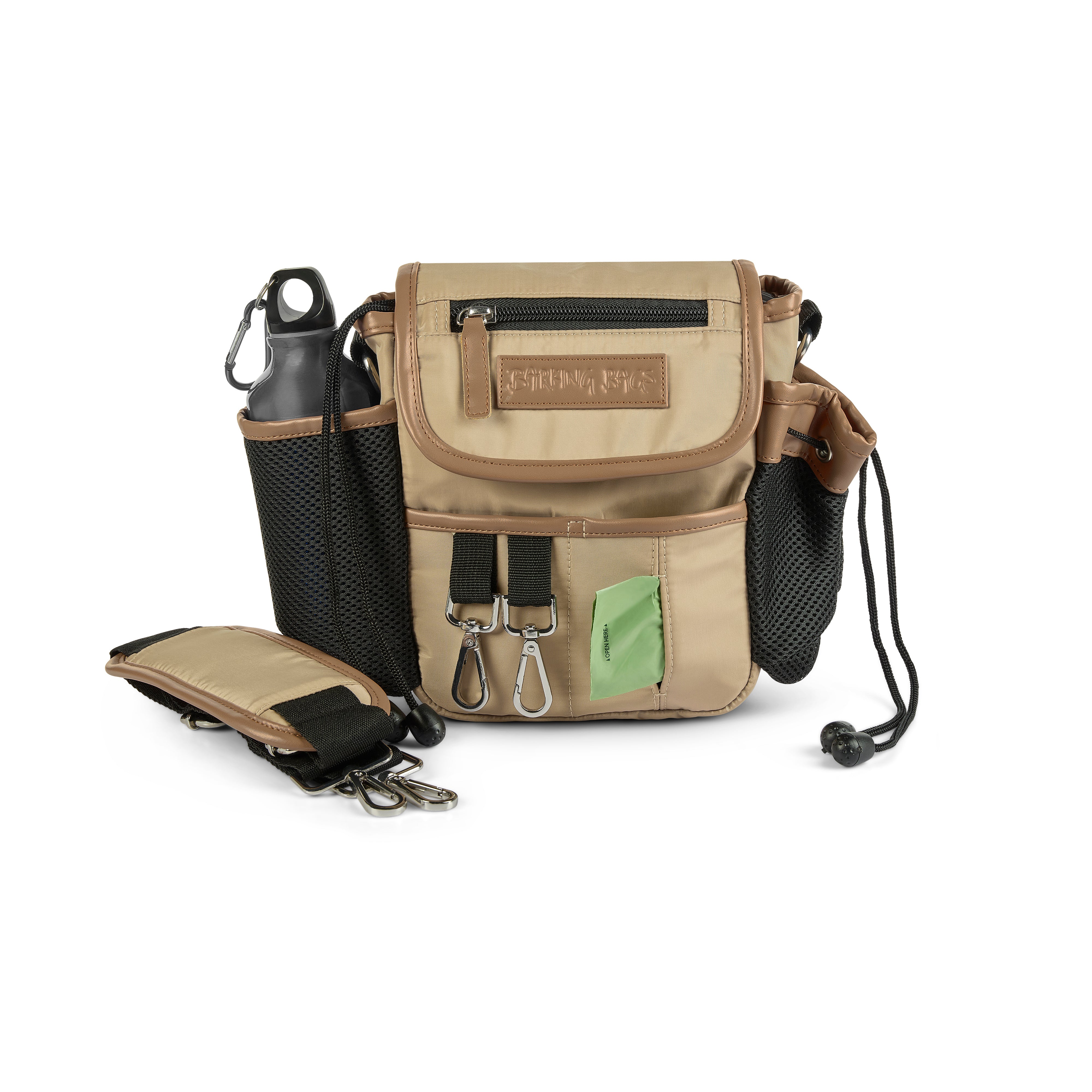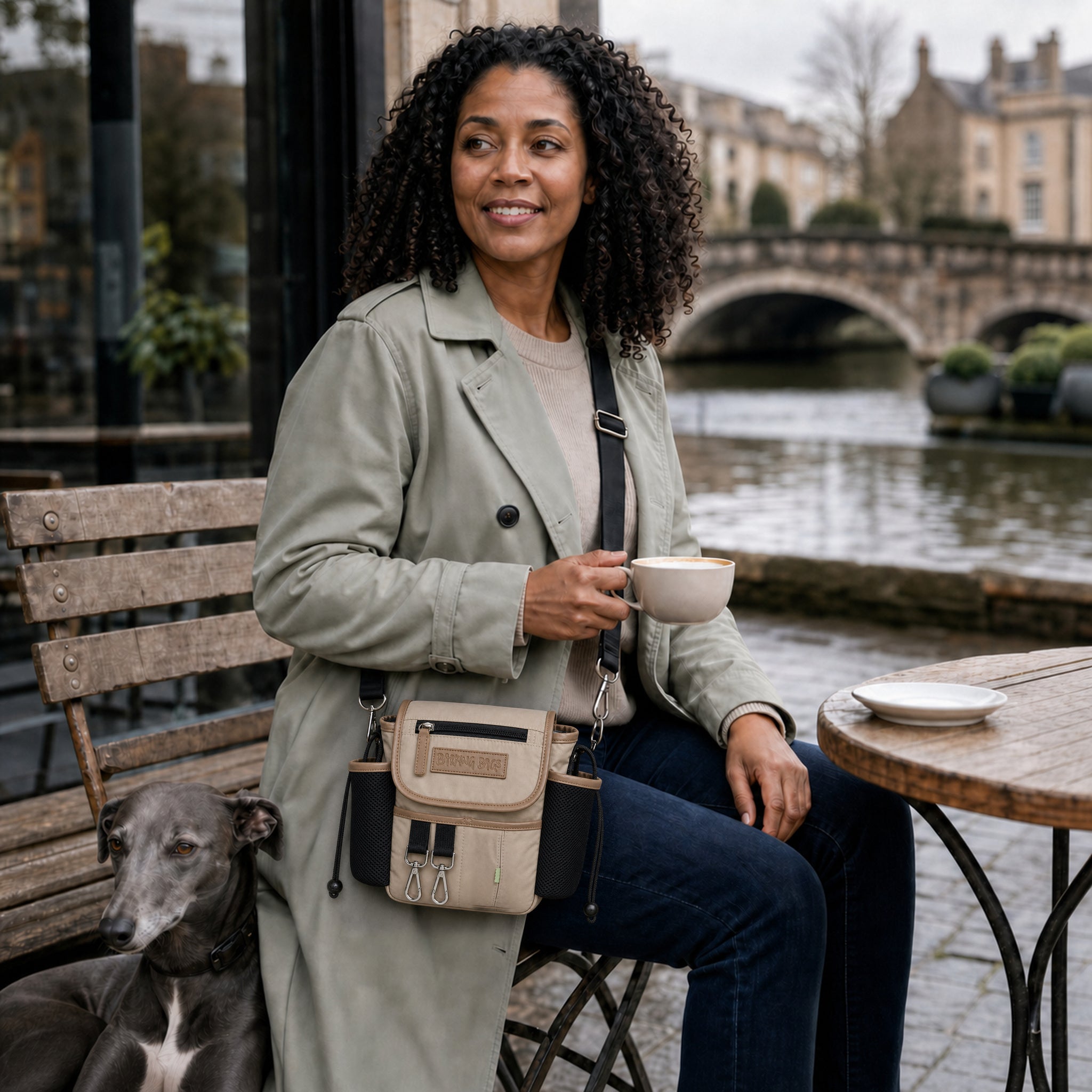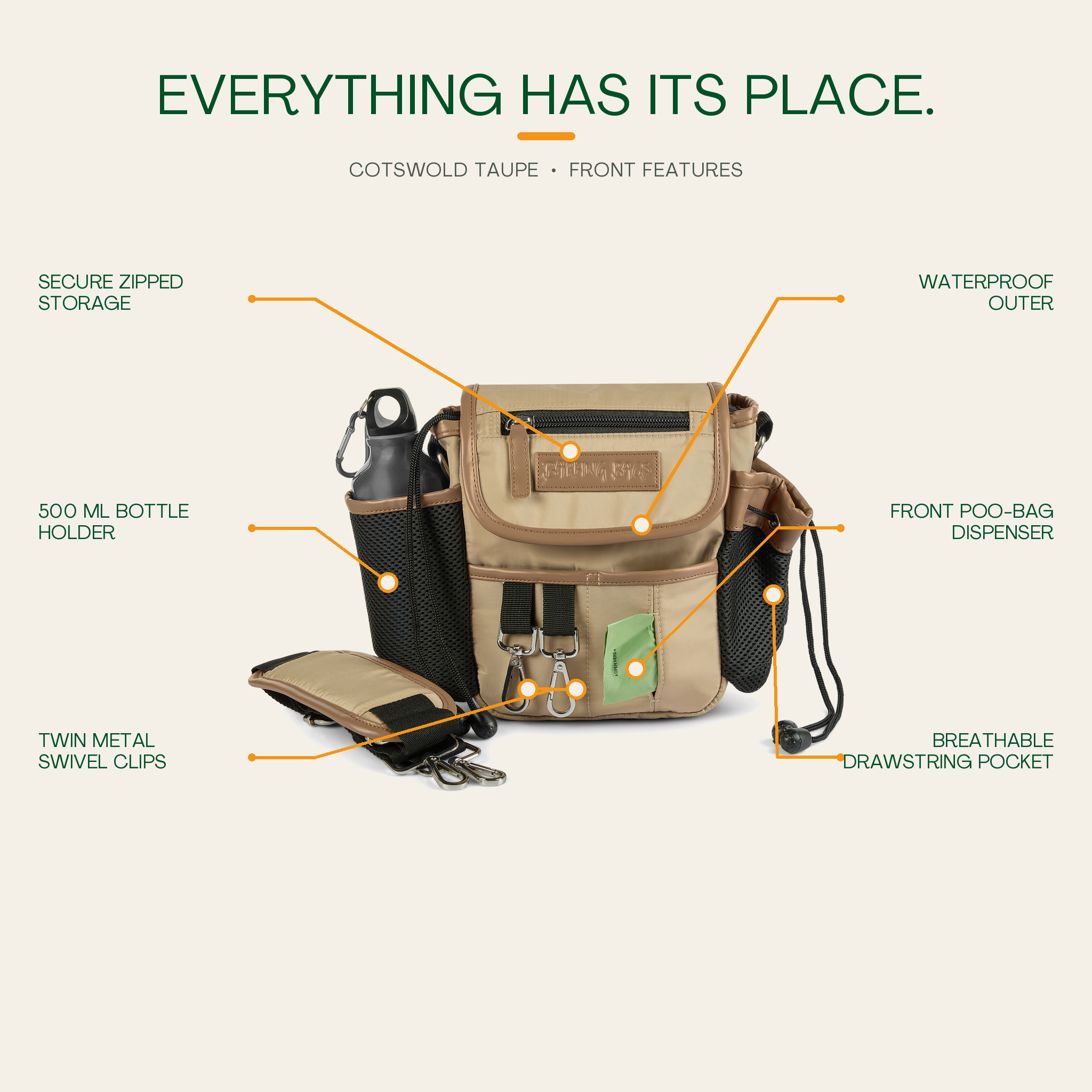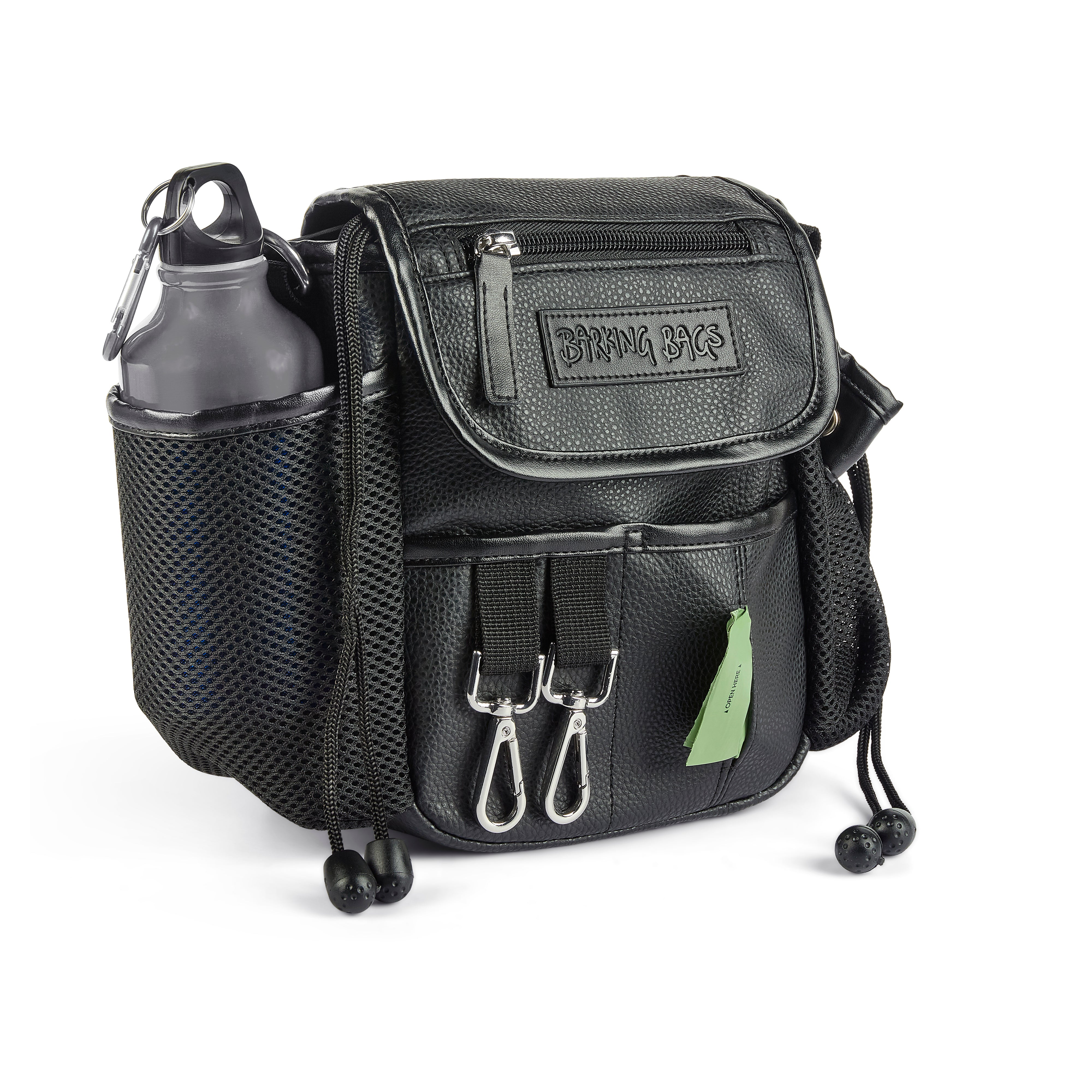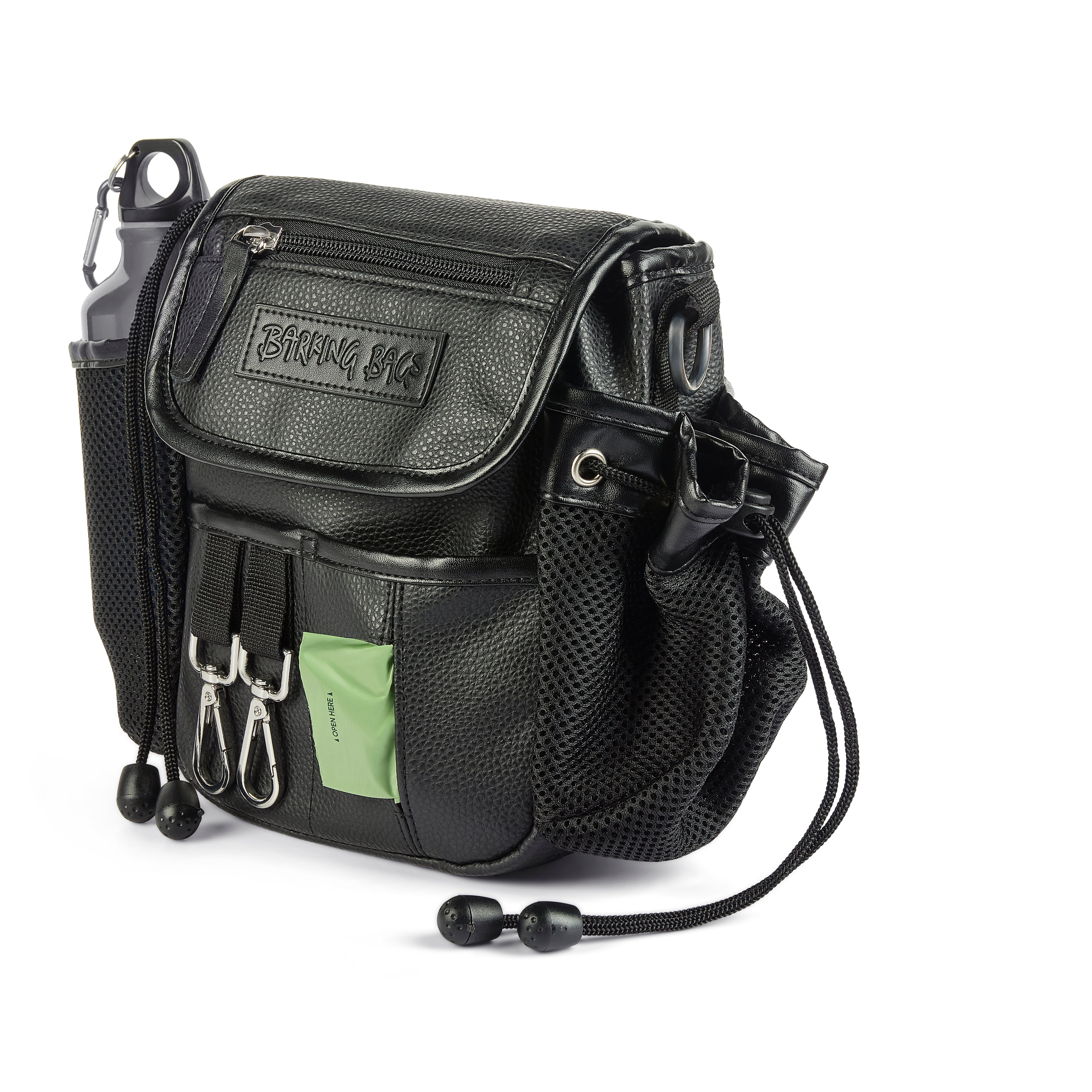

If you have ever tried to leave the house with a lead in one hand, treats in your coat pocket, poo bags stuffed somewhere unreachable, and your mobile phone sliding around in the wrong bag, you already know why a crossbody dog walking bag makes such a difference. The right one does not just carry your essentials. It helps your whole walk feel calmer, quicker and far more organised.
That matters whether you are heading out for a ten-minute toilet break, a long weekend ramble, or your fourth client walk of the morning. Dog walking has its own kit, its own rhythm and its own small daily chaos. A bag designed around that routine can save a surprising amount of faff.
Why a crossbody dog walking bag works so well
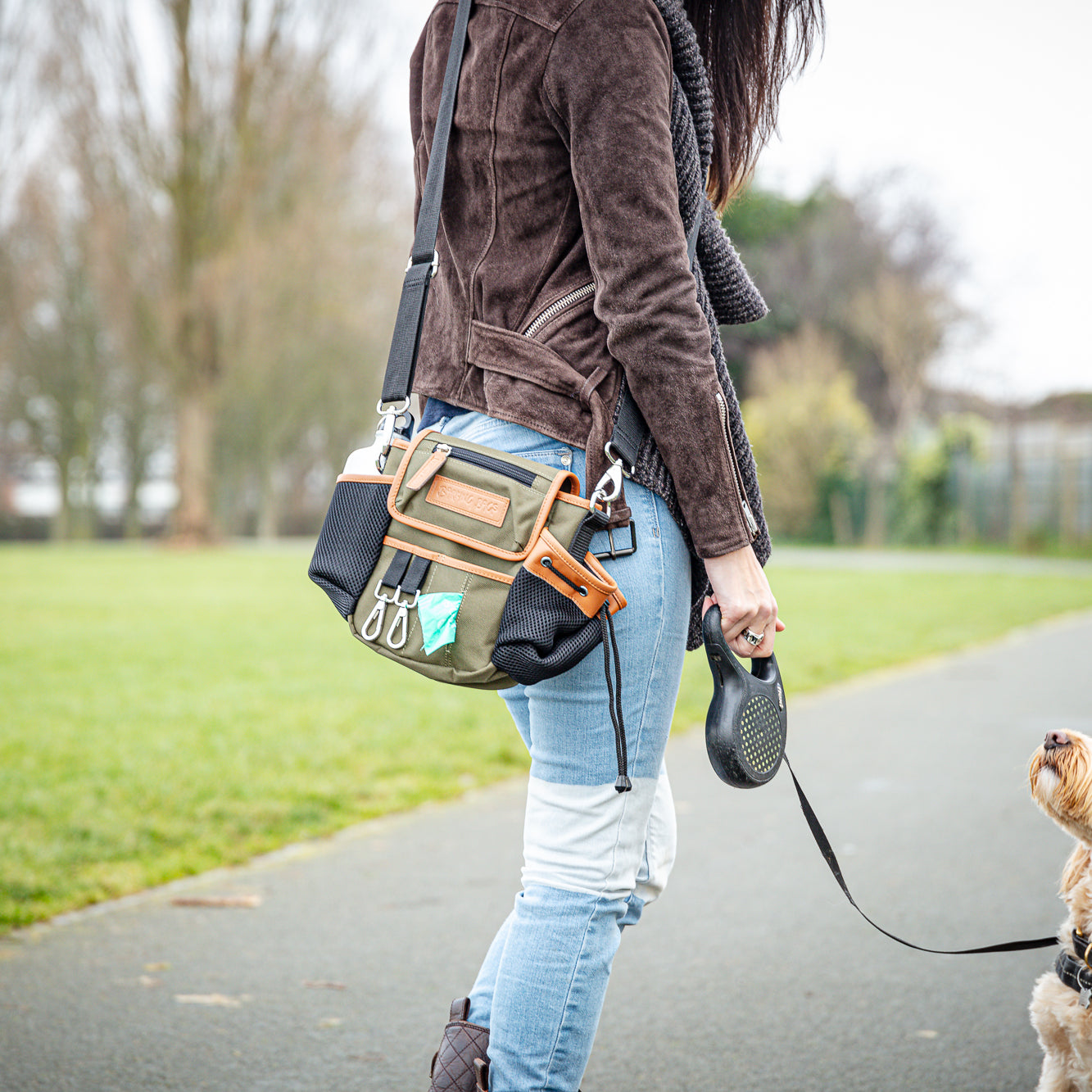
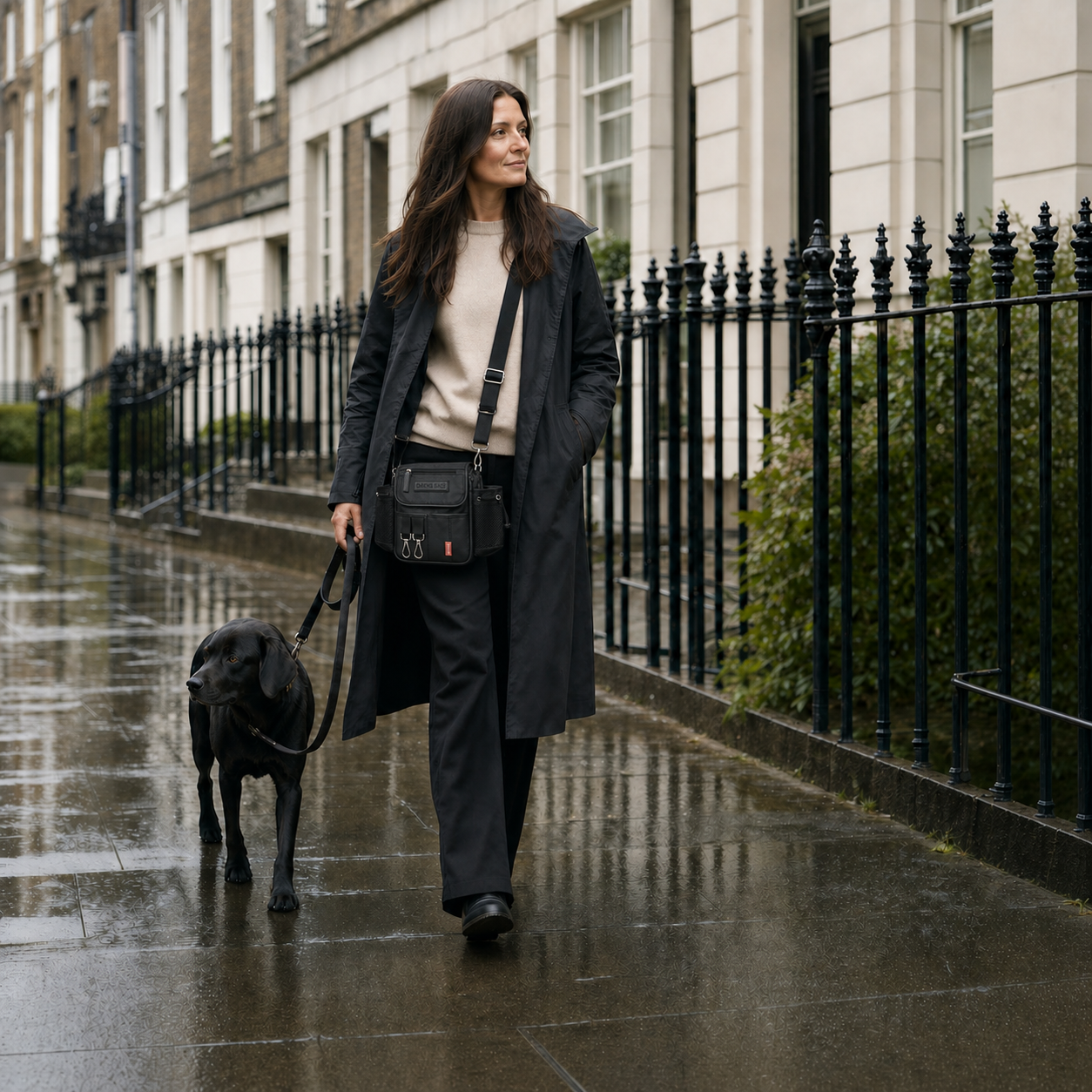
A crossbody style suits dog walking because it keeps your hands free while spreading weight more comfortably across the body. You can bend down, reward your dog, clip and unclip the lead, or grab a ball from the grass without a bag slipping off your shoulder every few minutes.
It also tends to sit more securely than a tote and feel less bulky than a backpack. That balance is what makes it so useful for daily walks. You get enough storage for the things you actually need, without carrying something oversized for a quick trip round the block.
There is also the practical side of access. When your dog sits nicely at the kerb or checks in during training, you need treats fast. When the inevitable poo bag moment arrives, you need that fast too. A well-designed crossbody bag keeps those essentials exactly where you expect them to be.
What to look for in a crossbody dog walking bag
Not every small crossbody bag is right for dog walks. Plenty look good online, but fall short the moment you add damp tennis balls, crumpled treats and a set of house keys. A proper dog walking bag should be built around real use, not just general fashion styling.
Smart organisation beats extra space
Bigger is not always better. What matters more is having the right compartments in the right places. If everything drops into one open section, you will still end up rummaging at the worst possible moment.
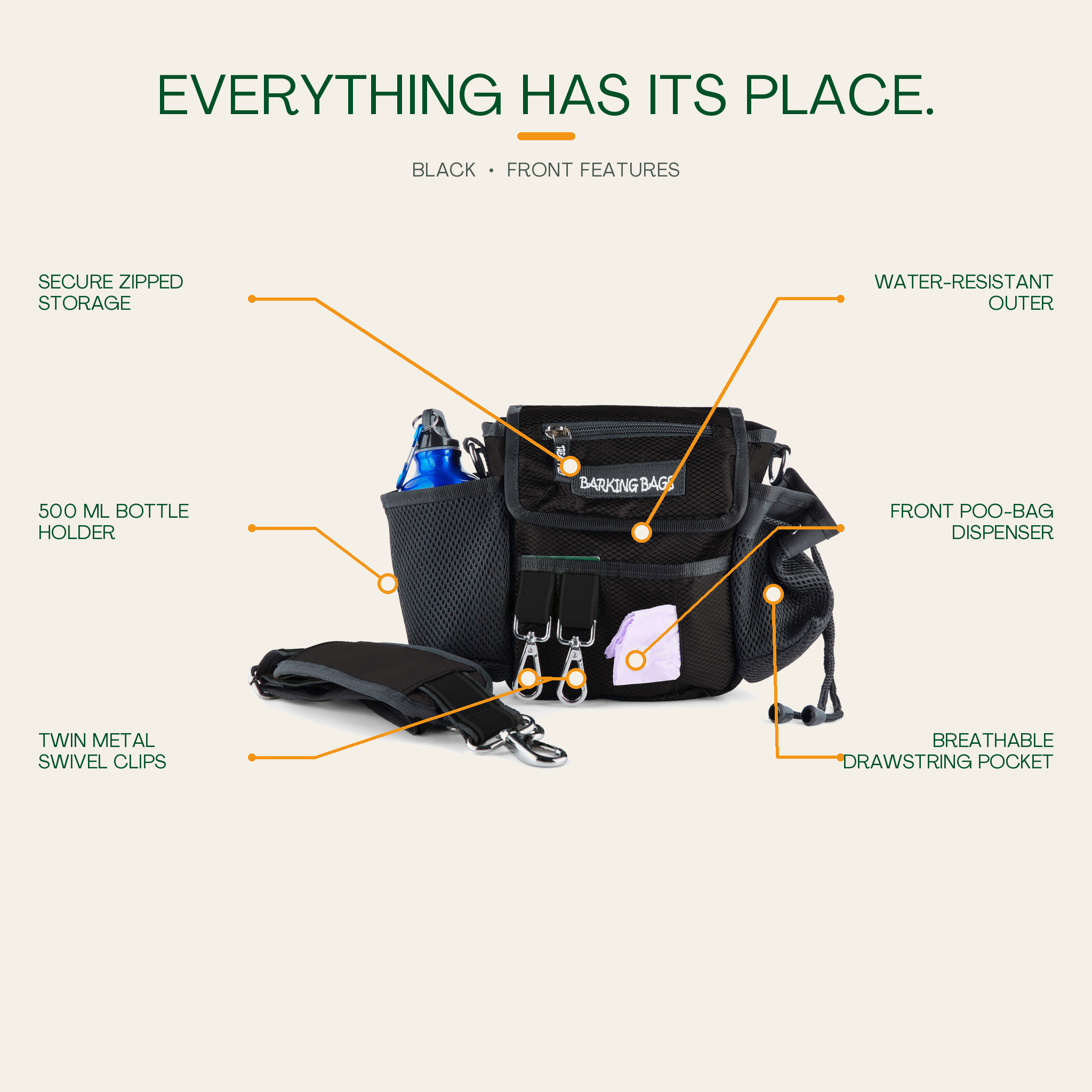
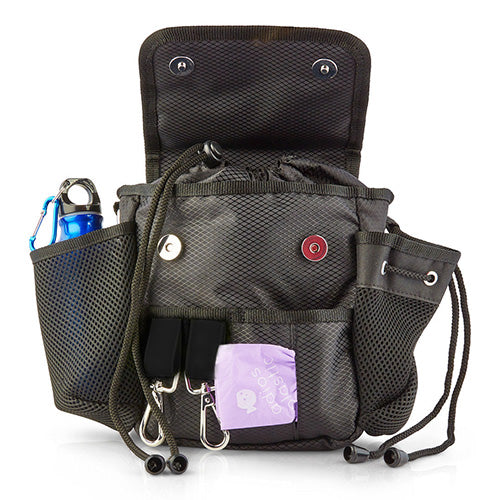
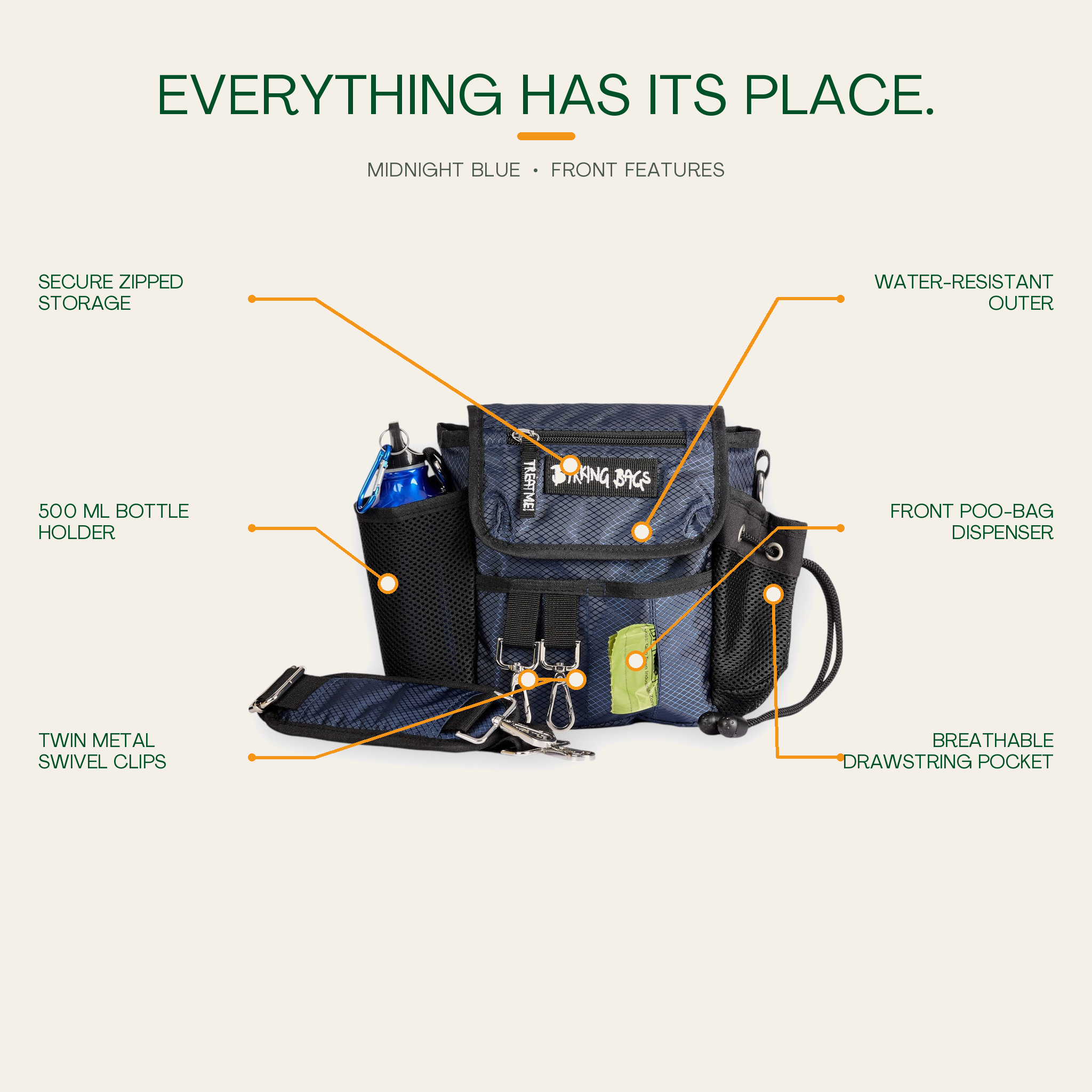
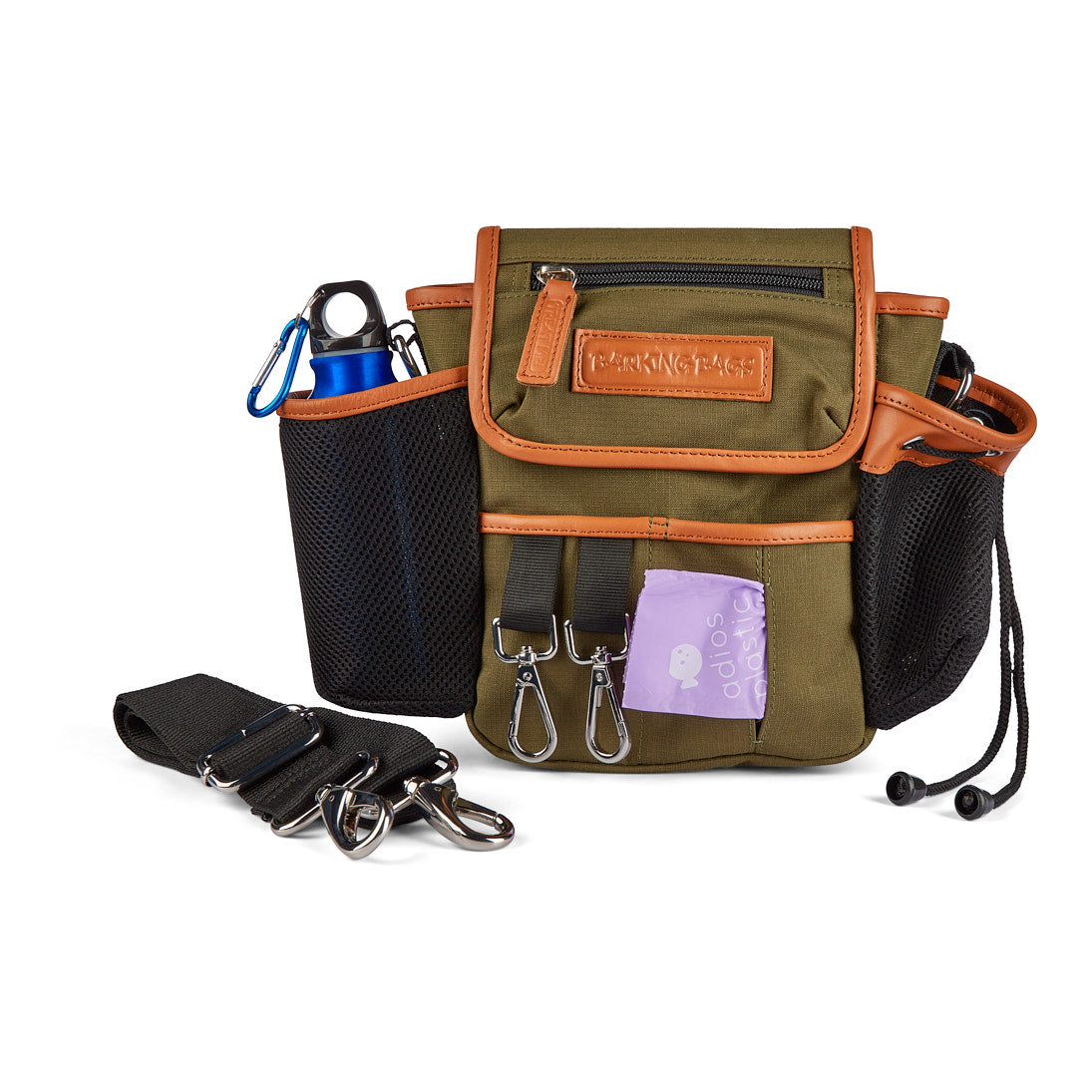
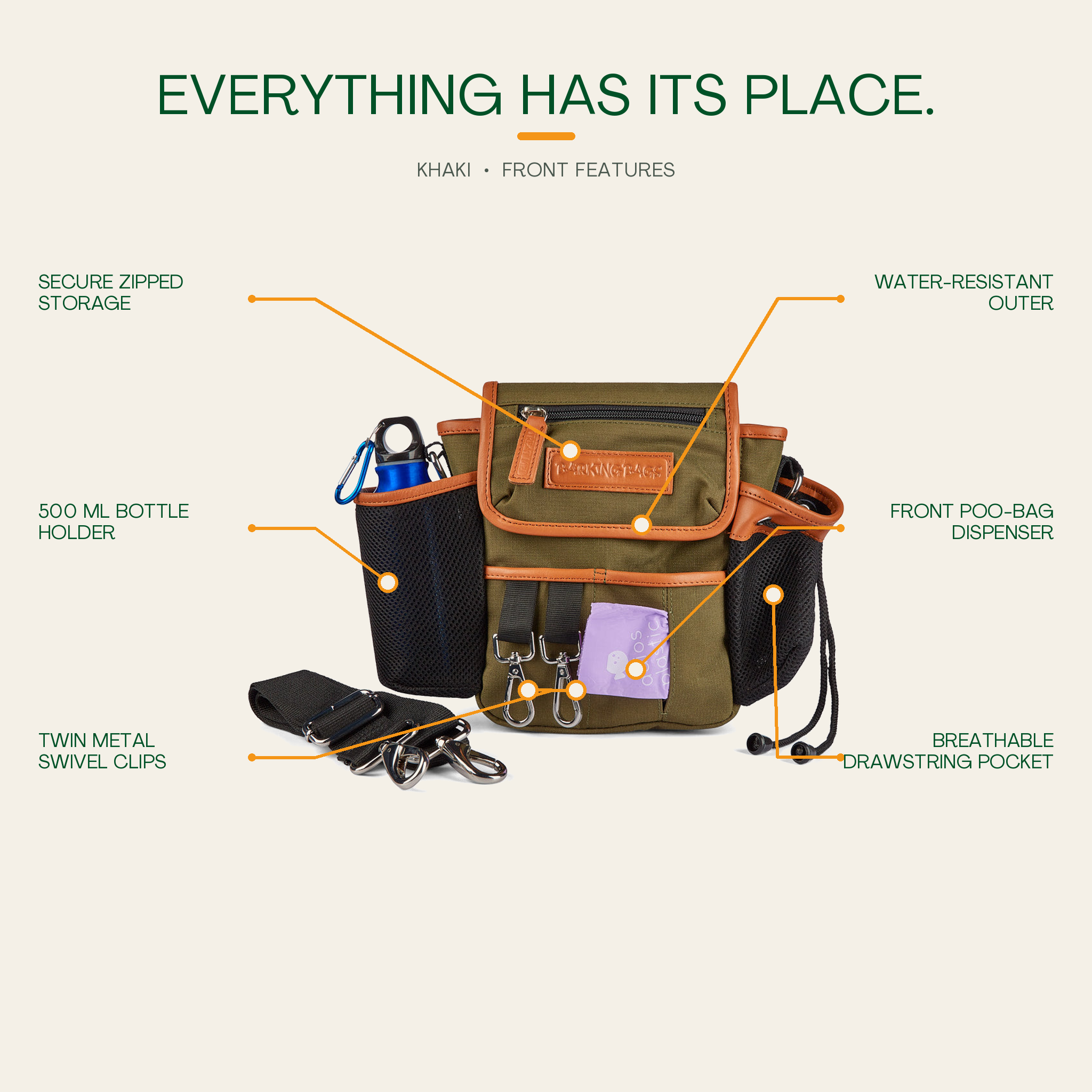
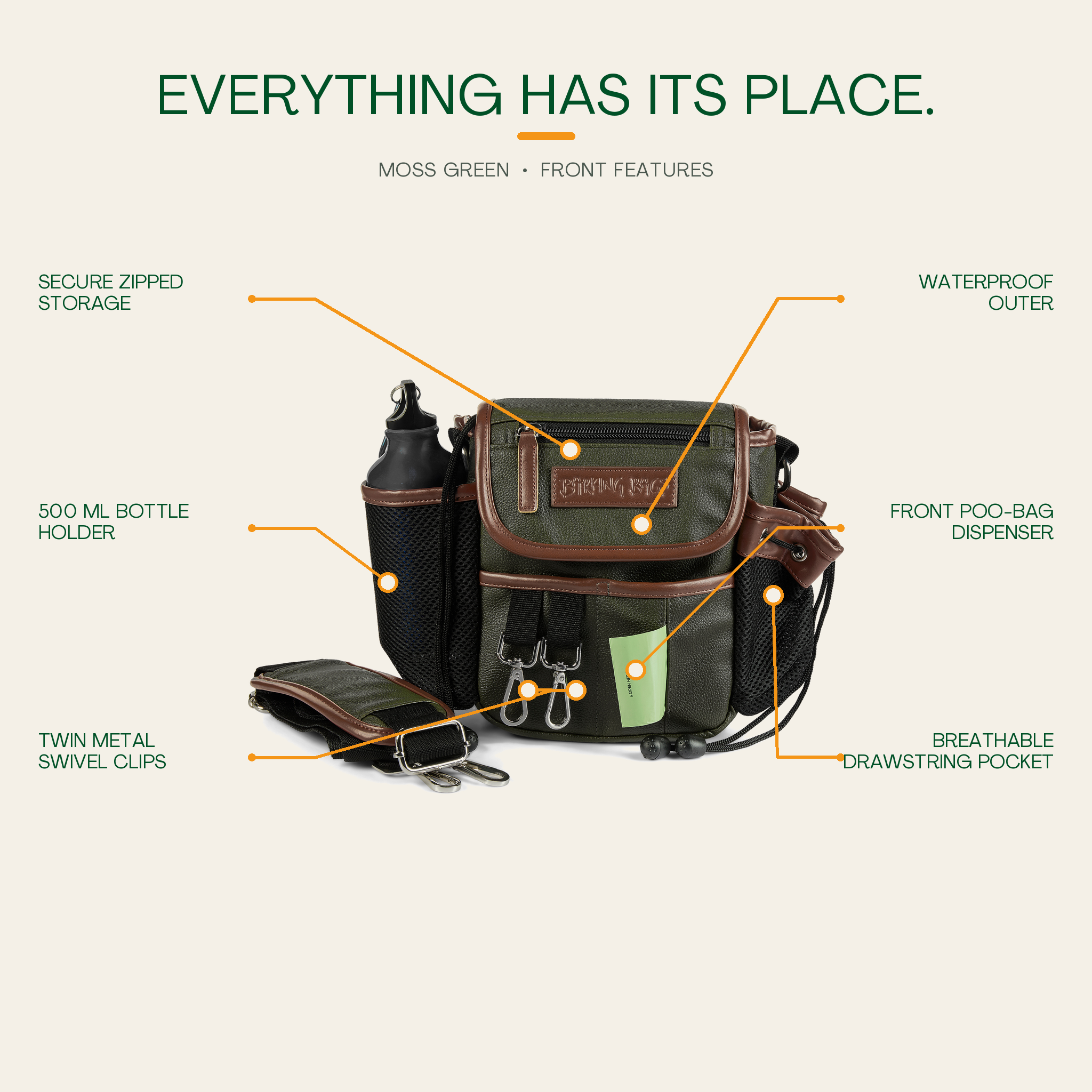
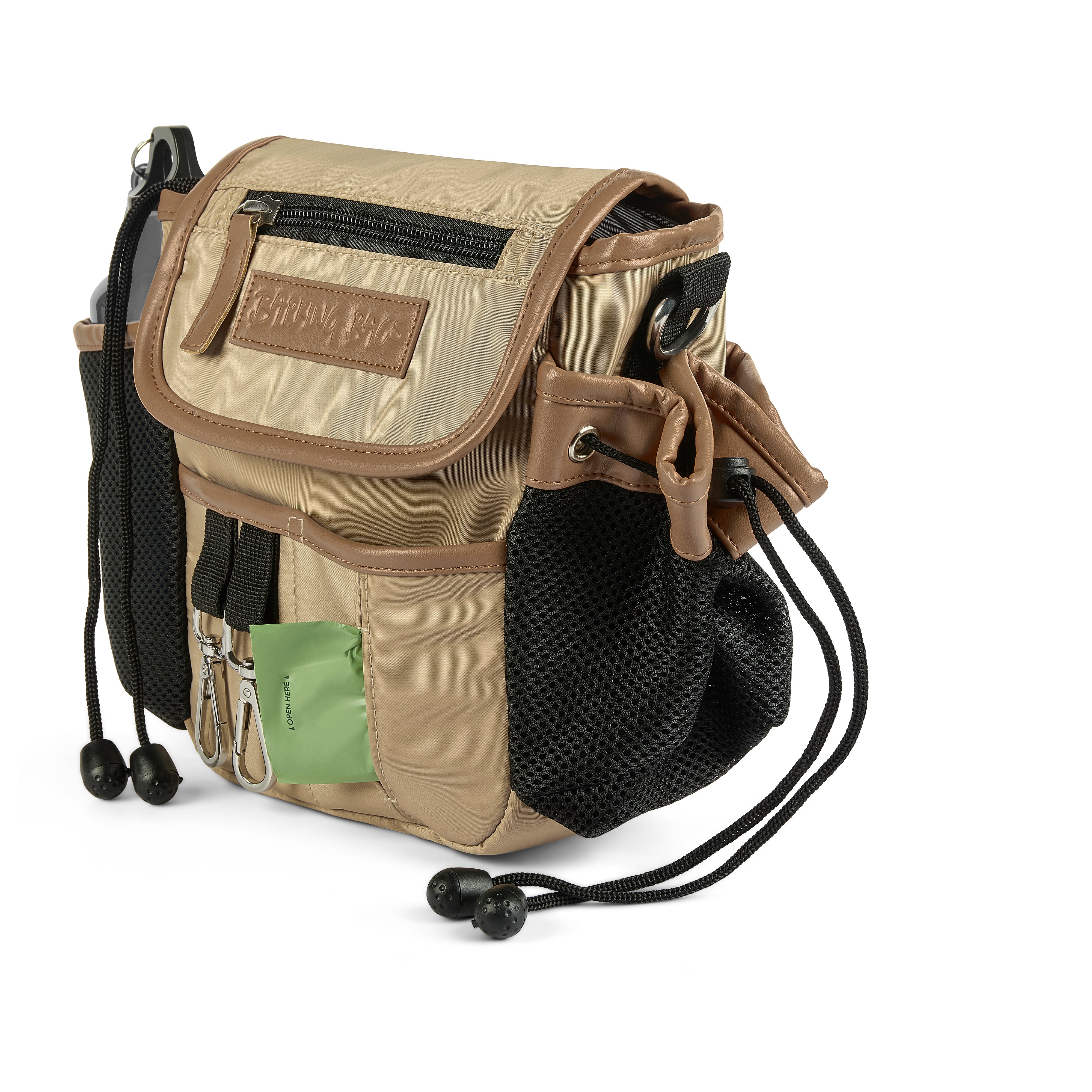
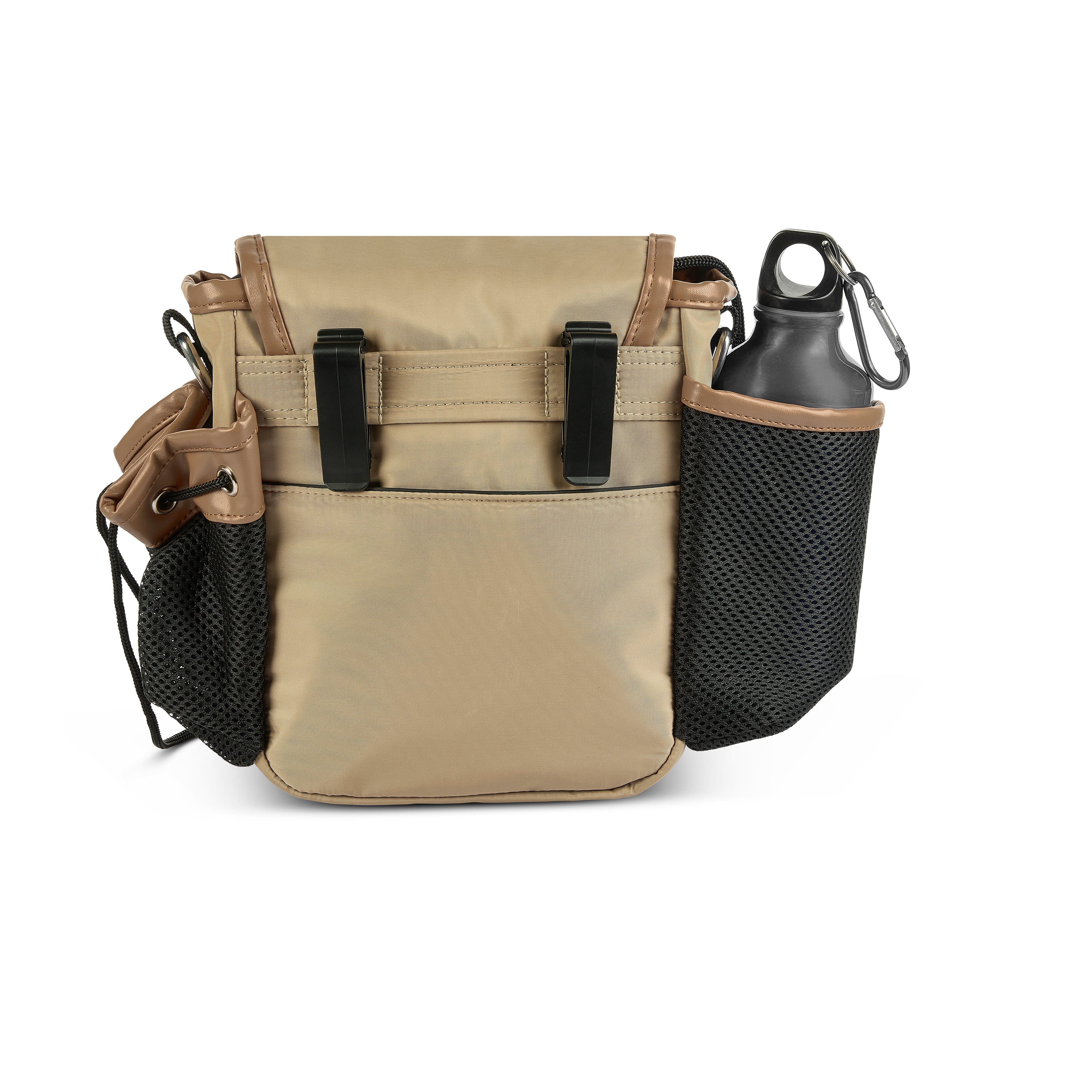
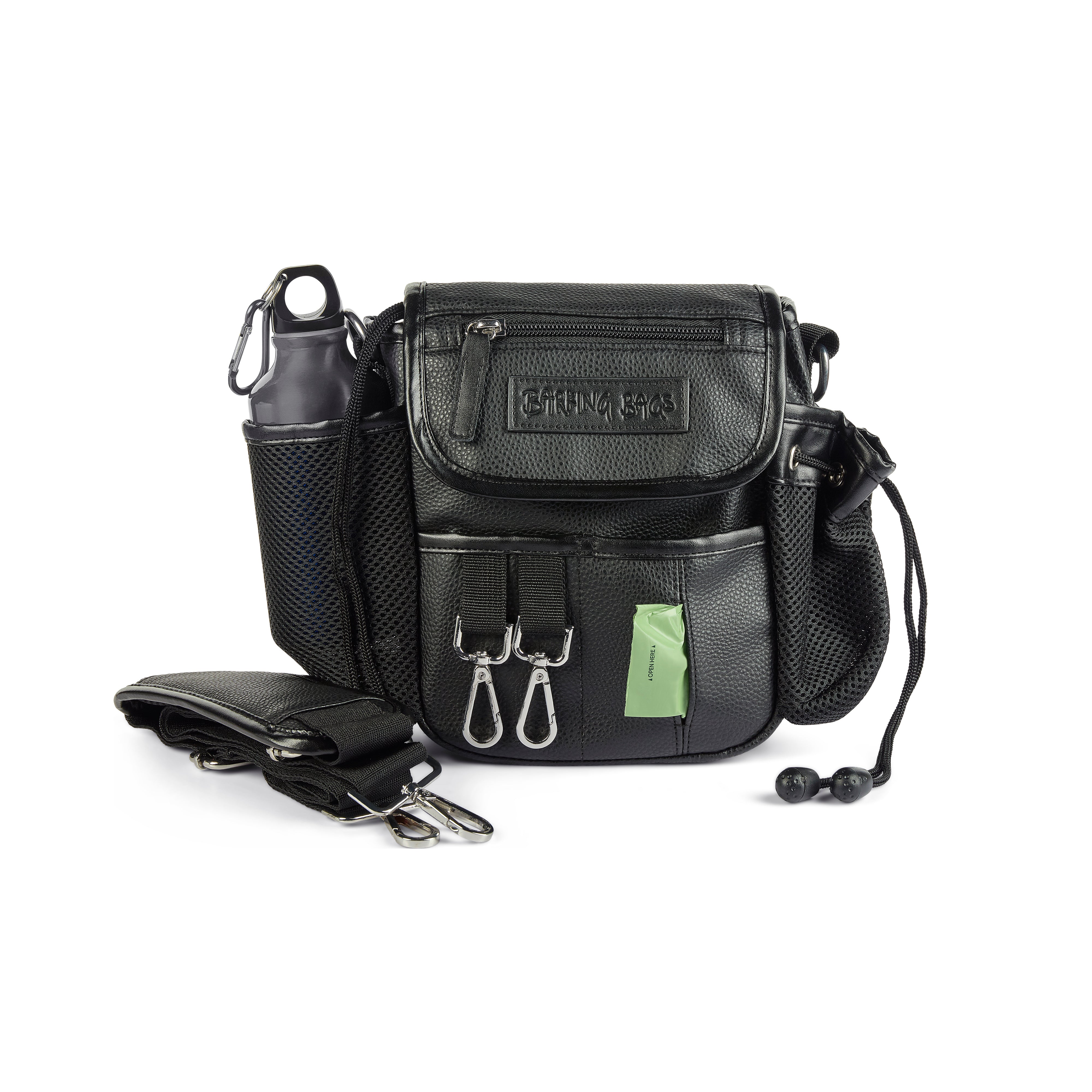
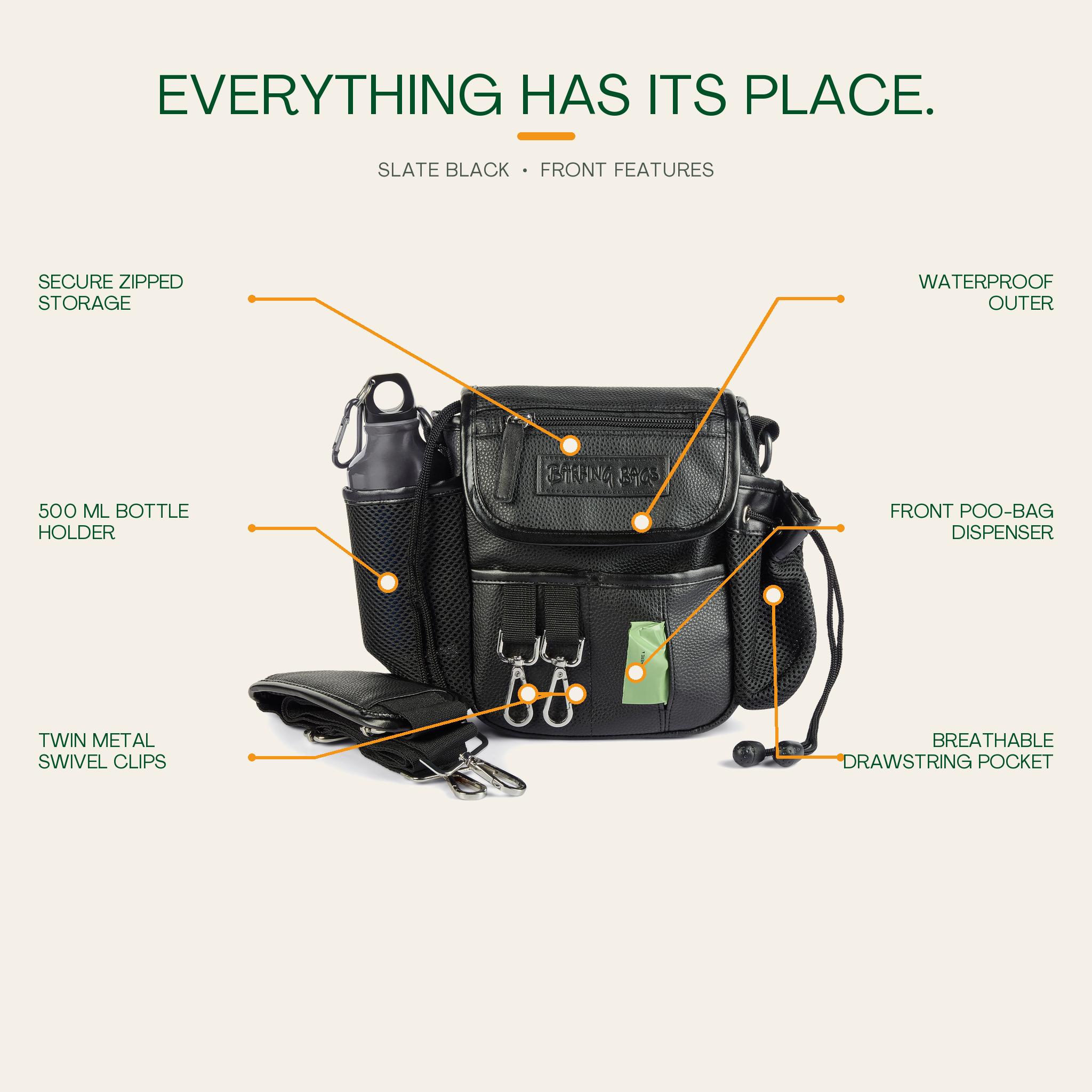
Look for separate places for treats, poo bags, personal items and dog-walking extras. That separation helps with hygiene as much as convenience. Most owners do not want training treats loose beside lip balm, or used leads brushing against their mobile phone screen.
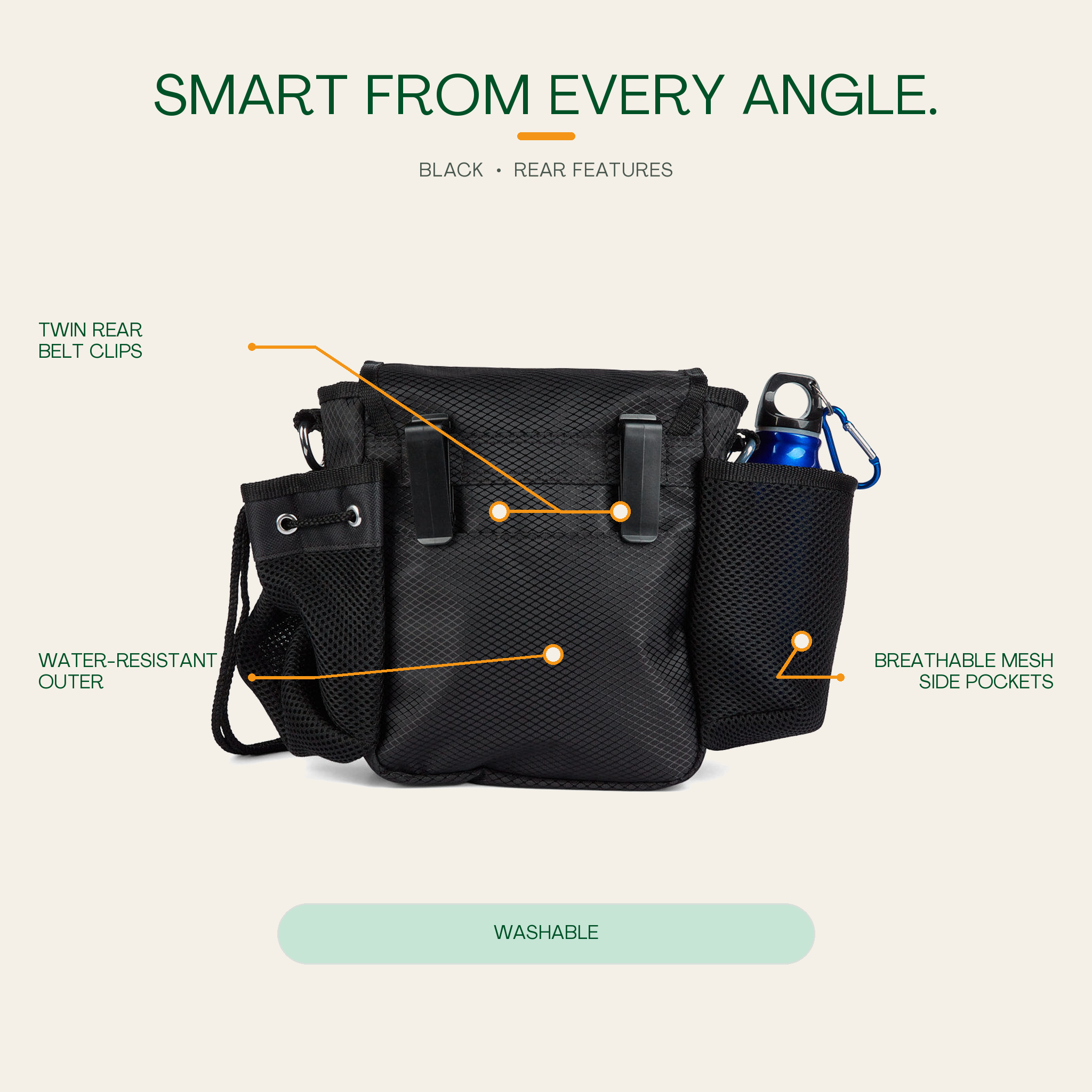
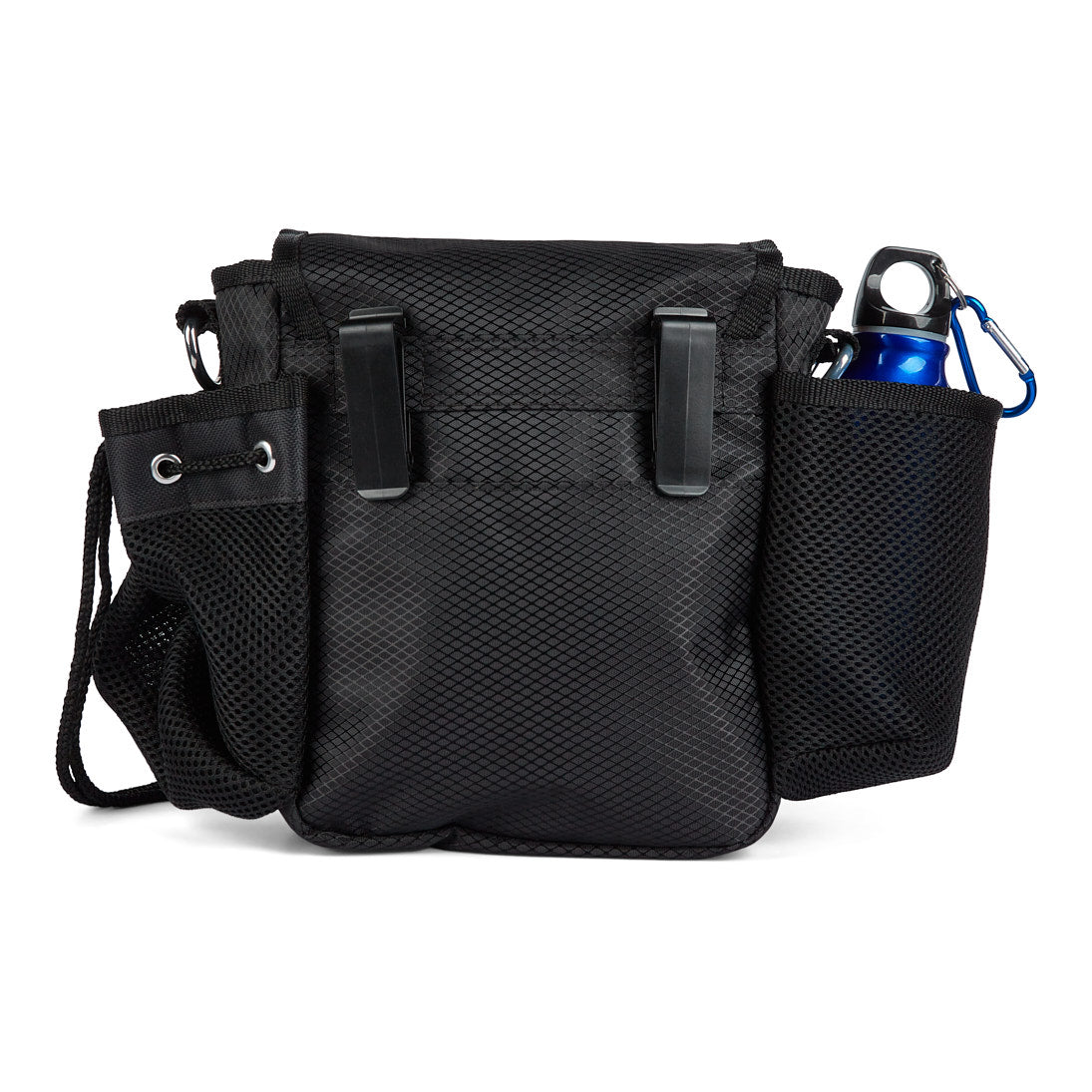
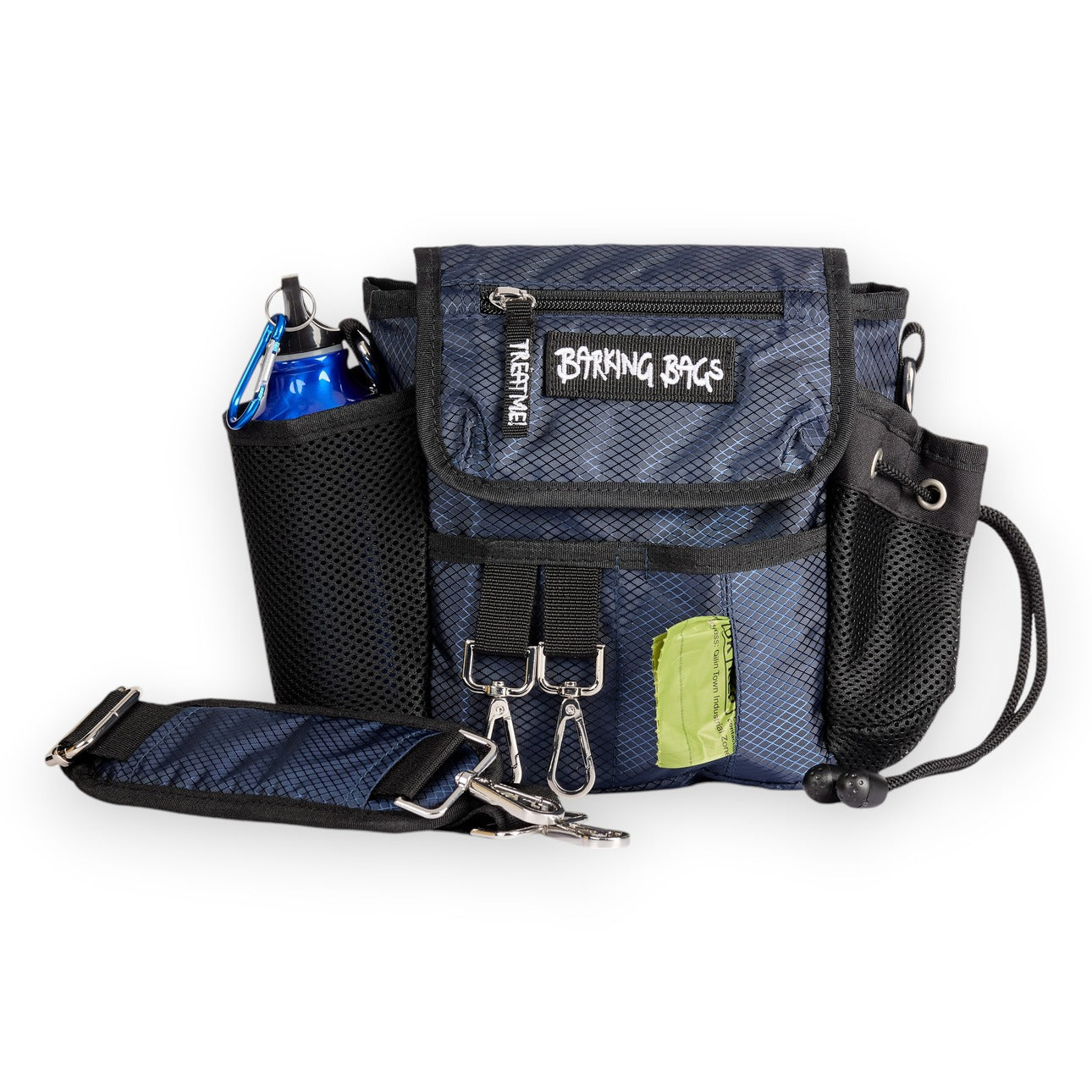
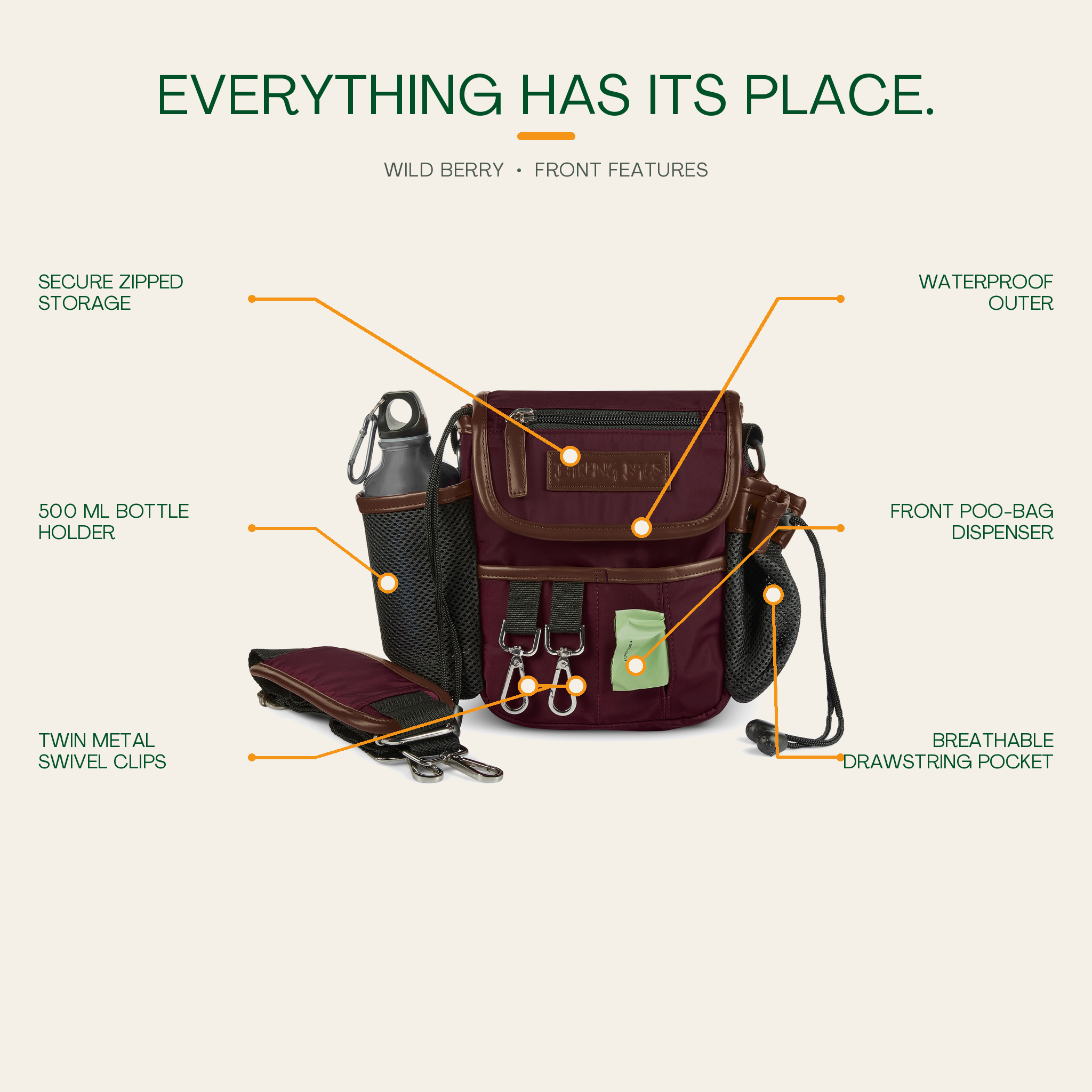
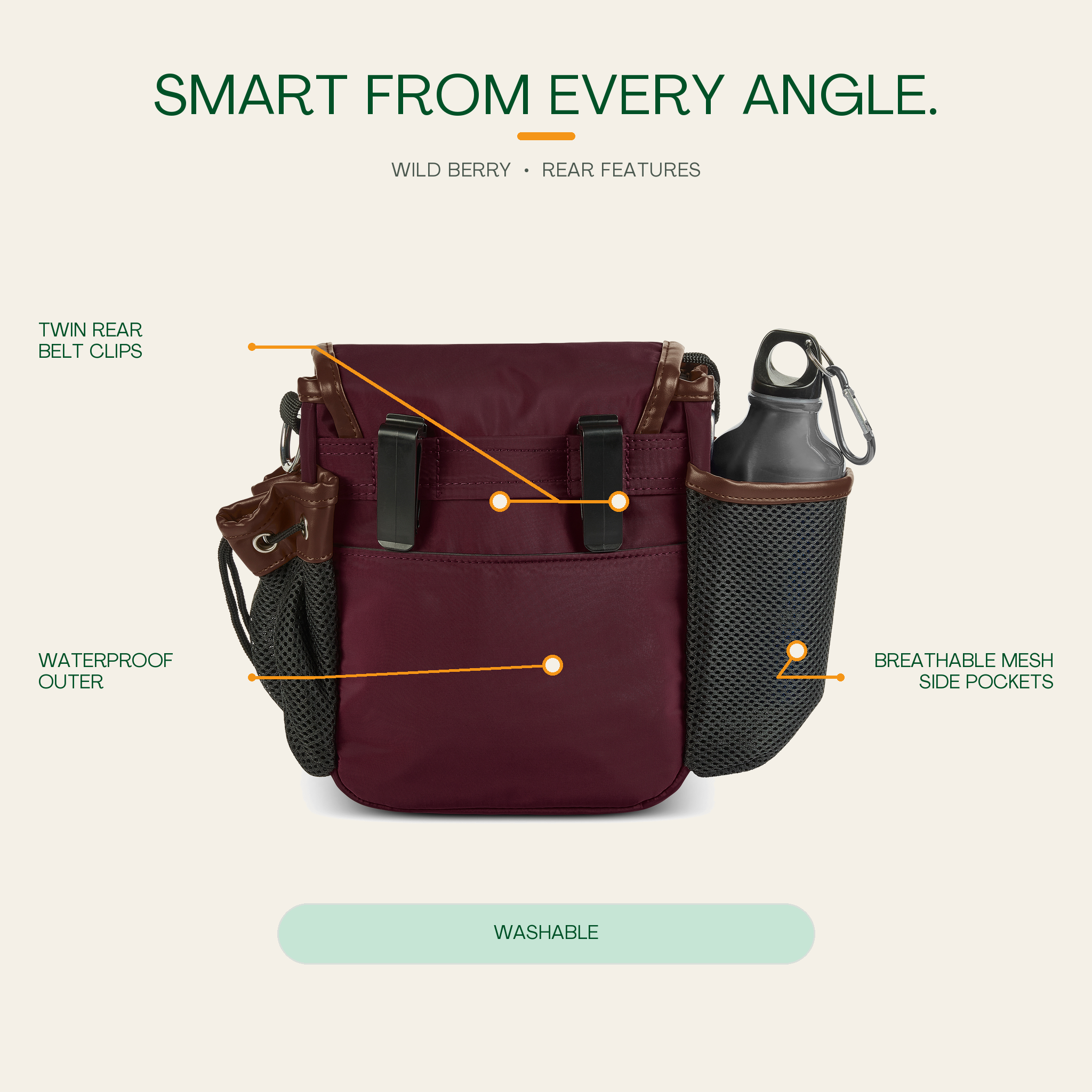
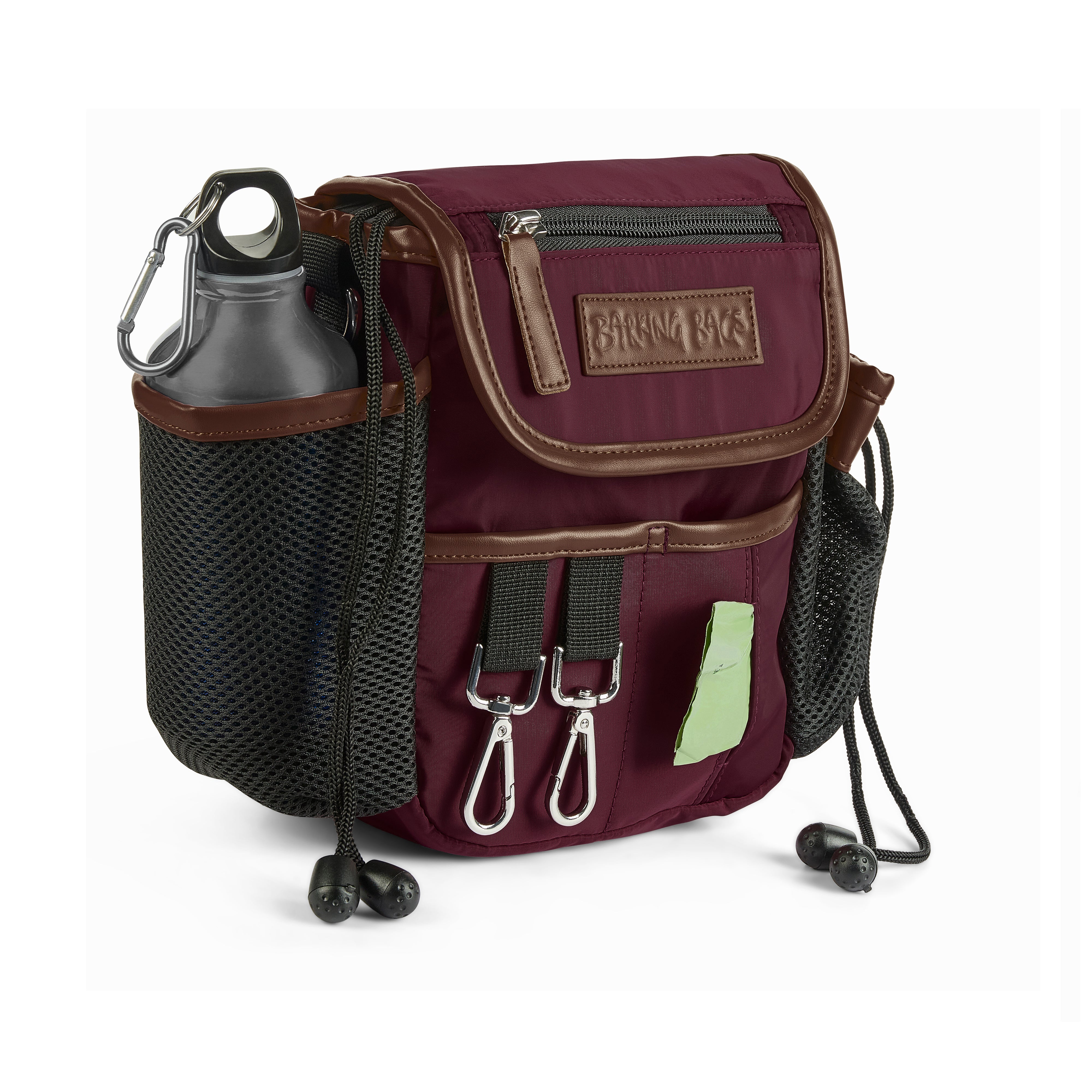
A dedicated poo bag dispenser is especially useful because it removes one of the most annoying parts of any walk. The same goes for easy-access outer pockets that hold the things you reach for regularly.
Comfort matters more than you think
A bag can look compact and still become irritating after twenty minutes if the strap digs in or the shape bounces around while you walk. Crossbody bags should feel secure without feeling restrictive.
An adjustable strap is worth having because dog walkers wear bags differently. Some prefer them high and snug across the chest. Others want them to sit lower on the hip. If you wear thicker coats in winter or lighter layers in summer, that flexibility matters even more.
Weight is part of comfort too. A bag that starts off heavy before you have even packed it will feel less appealing very quickly, especially if you walk more than once a day.
Easy-clean materials are a real advantage
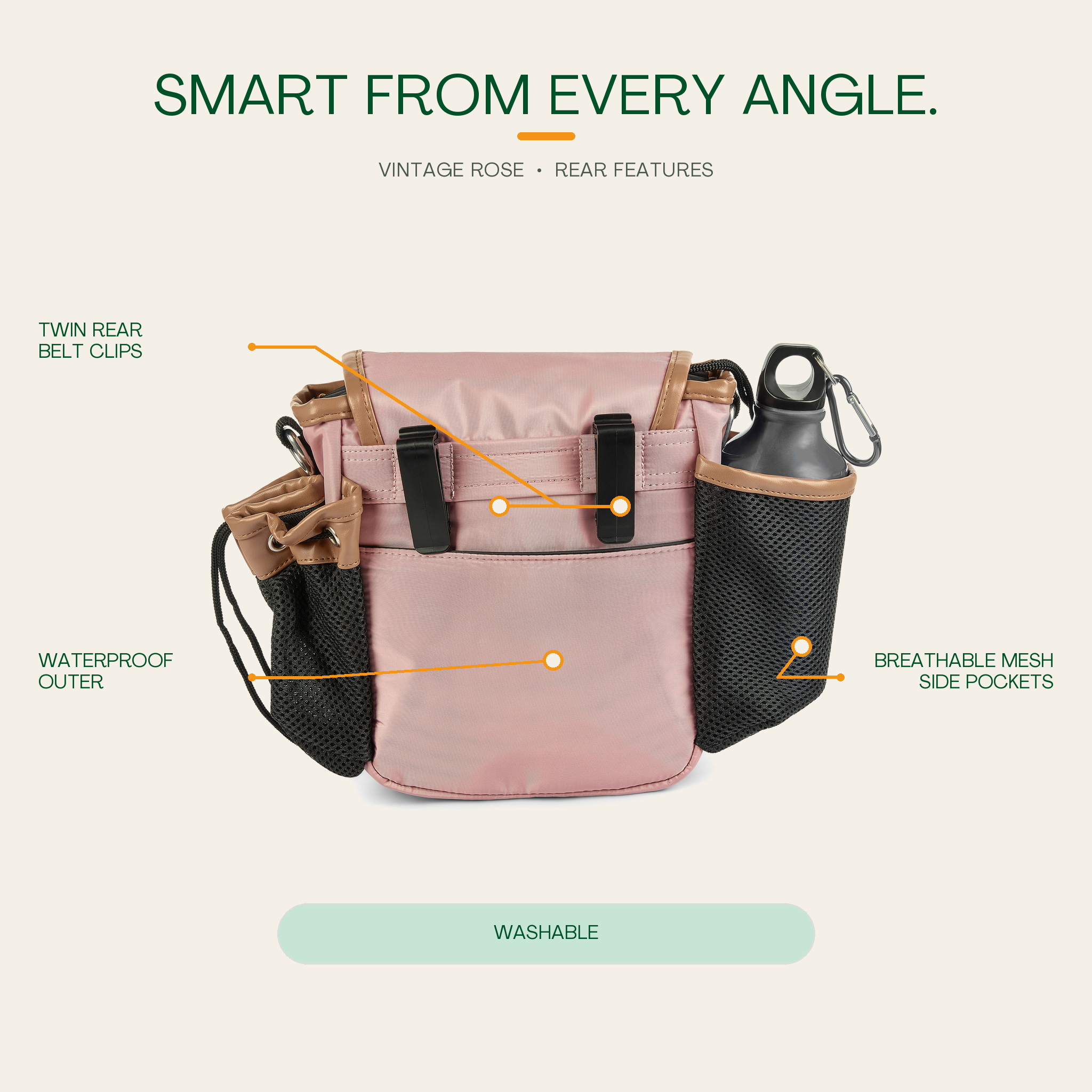
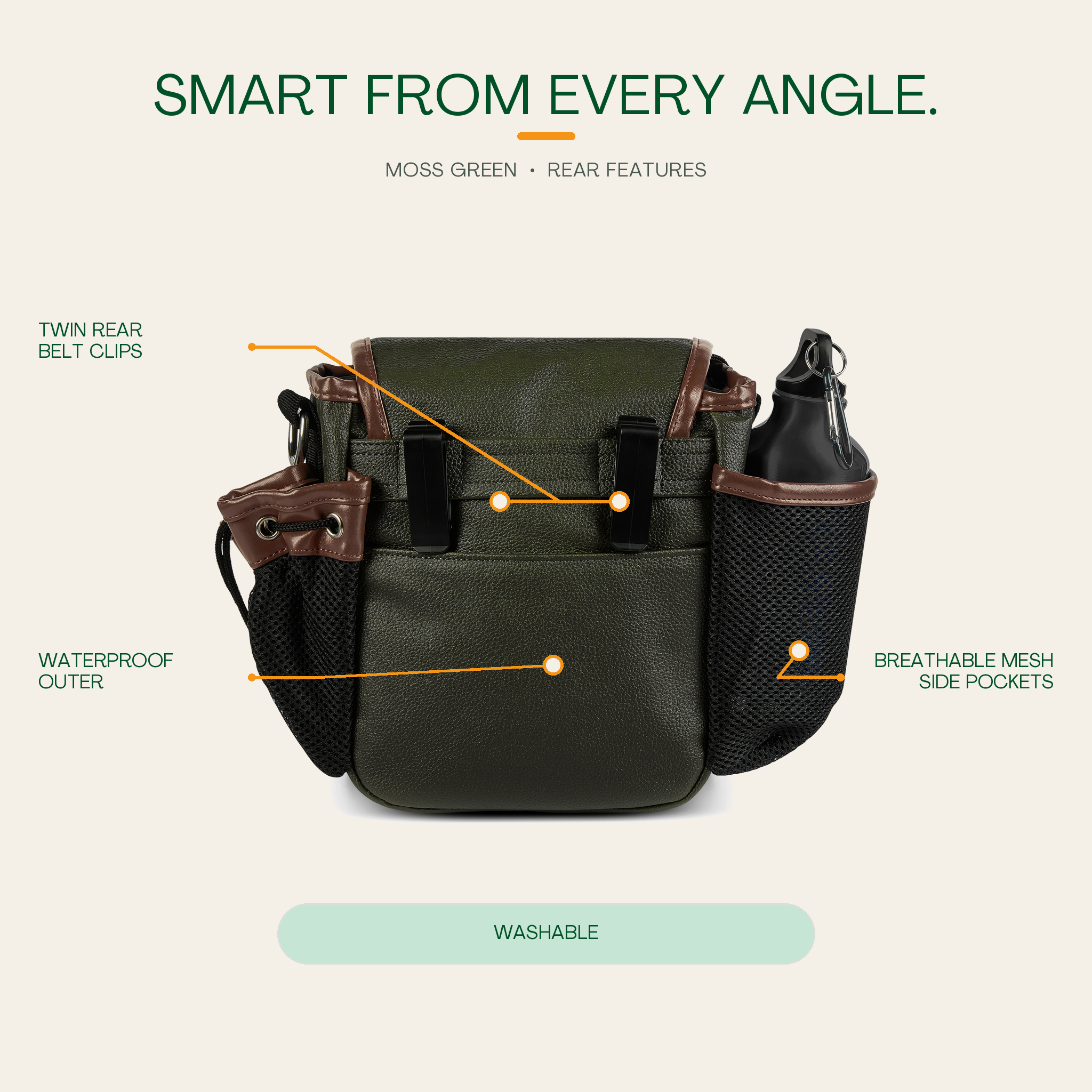
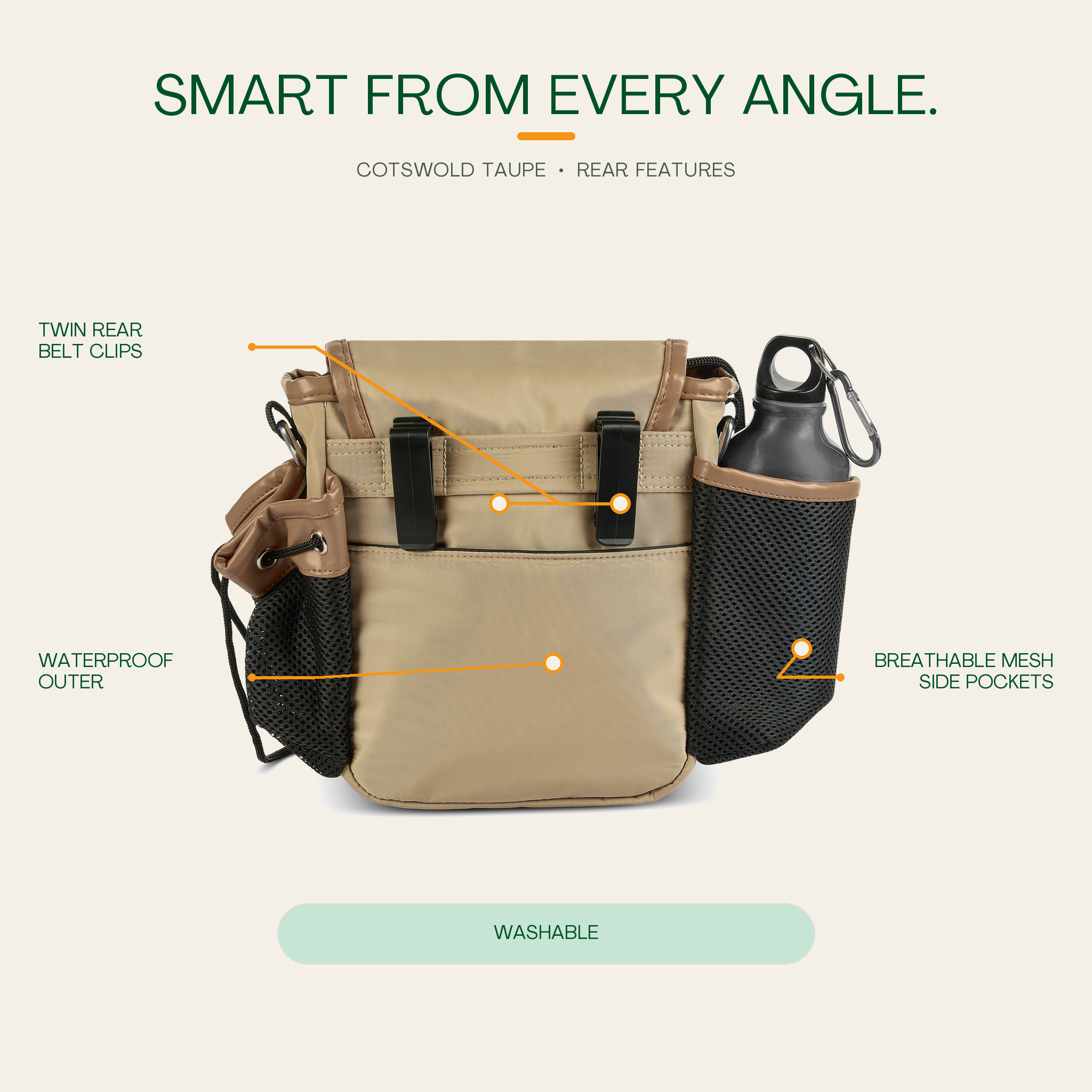
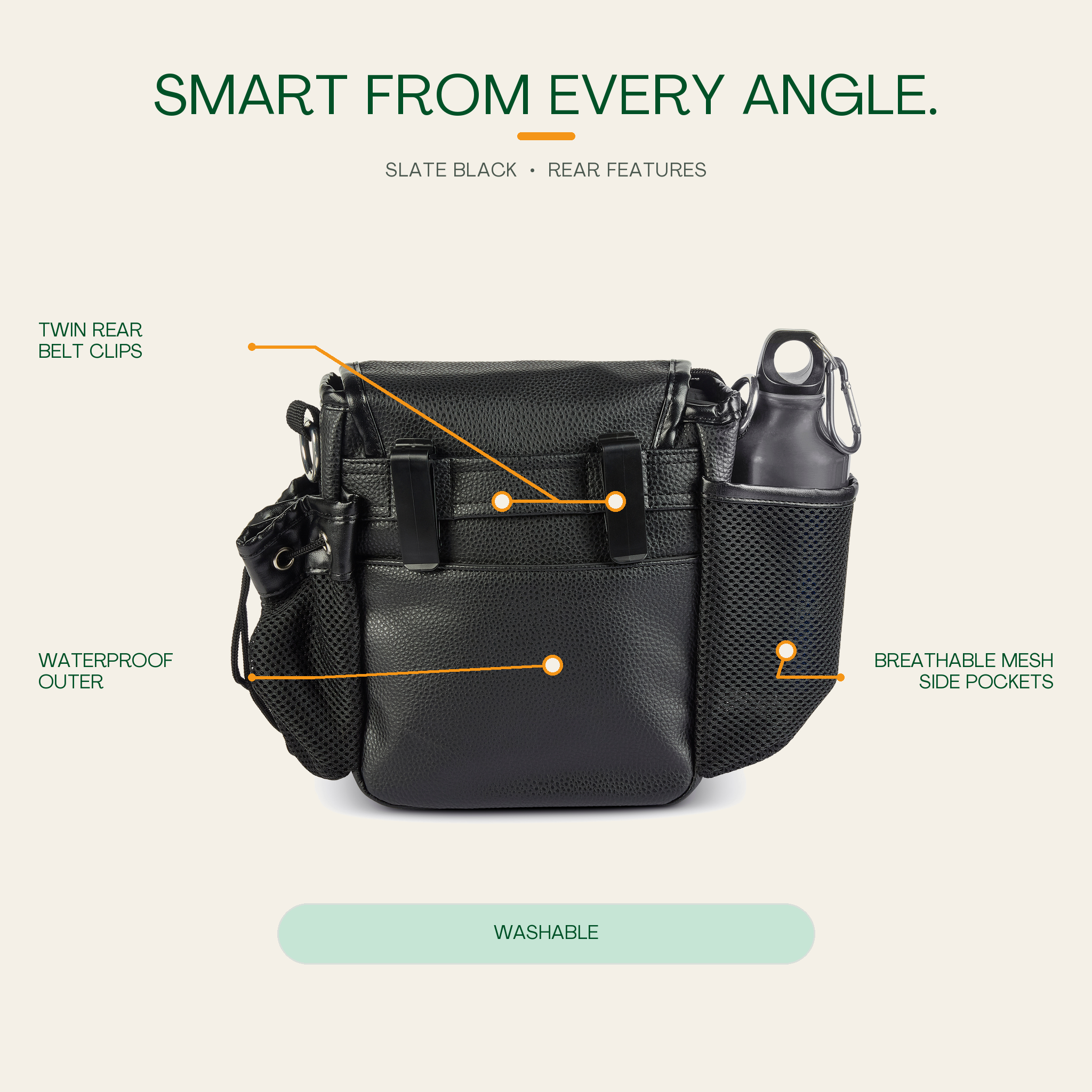
Dog walking is not a pristine activity. Bags get put on wet benches, brushed against muddy coats and exposed to rain, slobber and crushed treats. That does not mean they need to look utilitarian, but they do need to be practical.
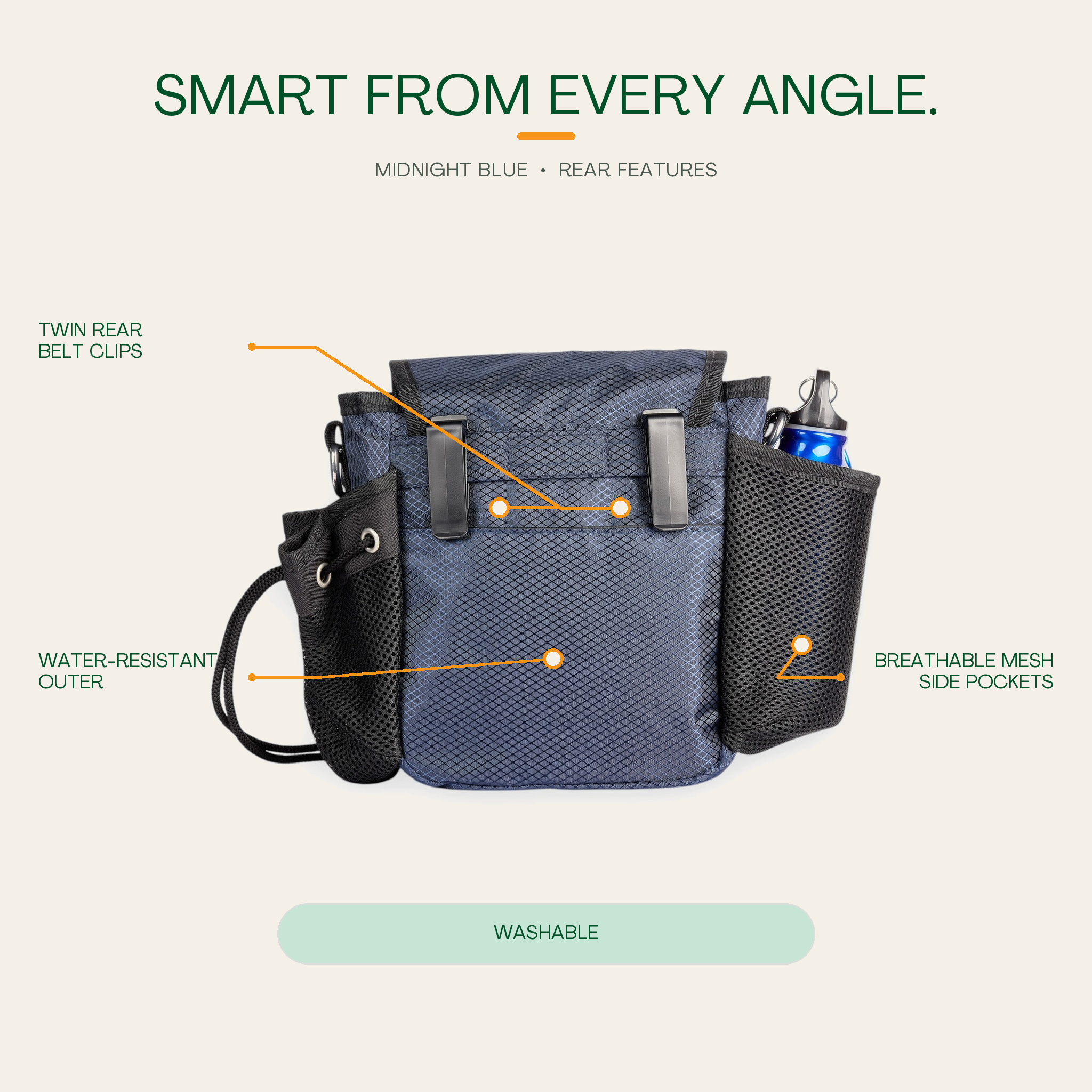
Materials that wipe clean easily make everyday life simpler. Water-resistant finishes are also worth considering, particularly in the UK where a dry walk can turn into a wet one halfway through. If the lining is easy to clean, even better.
Style still matters
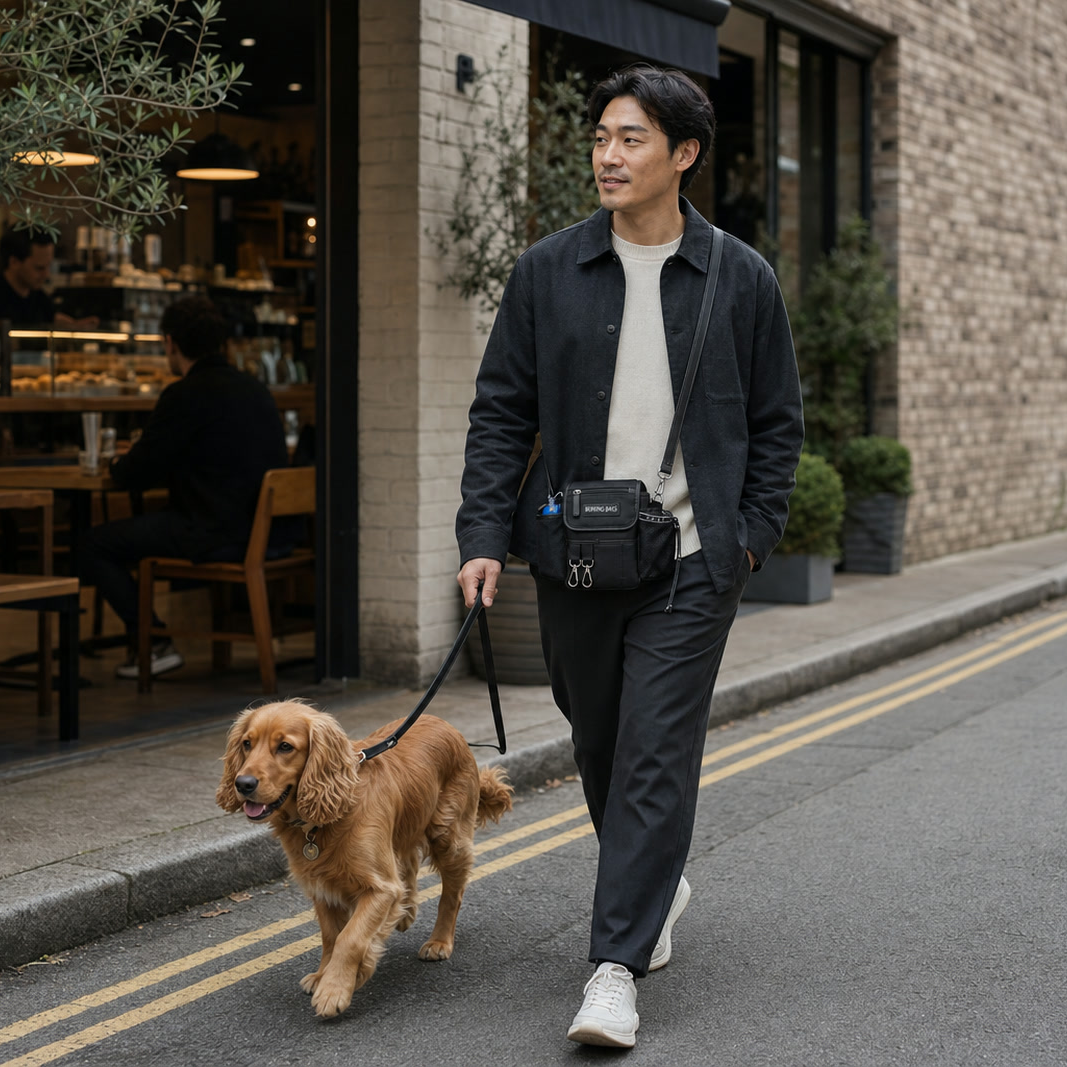
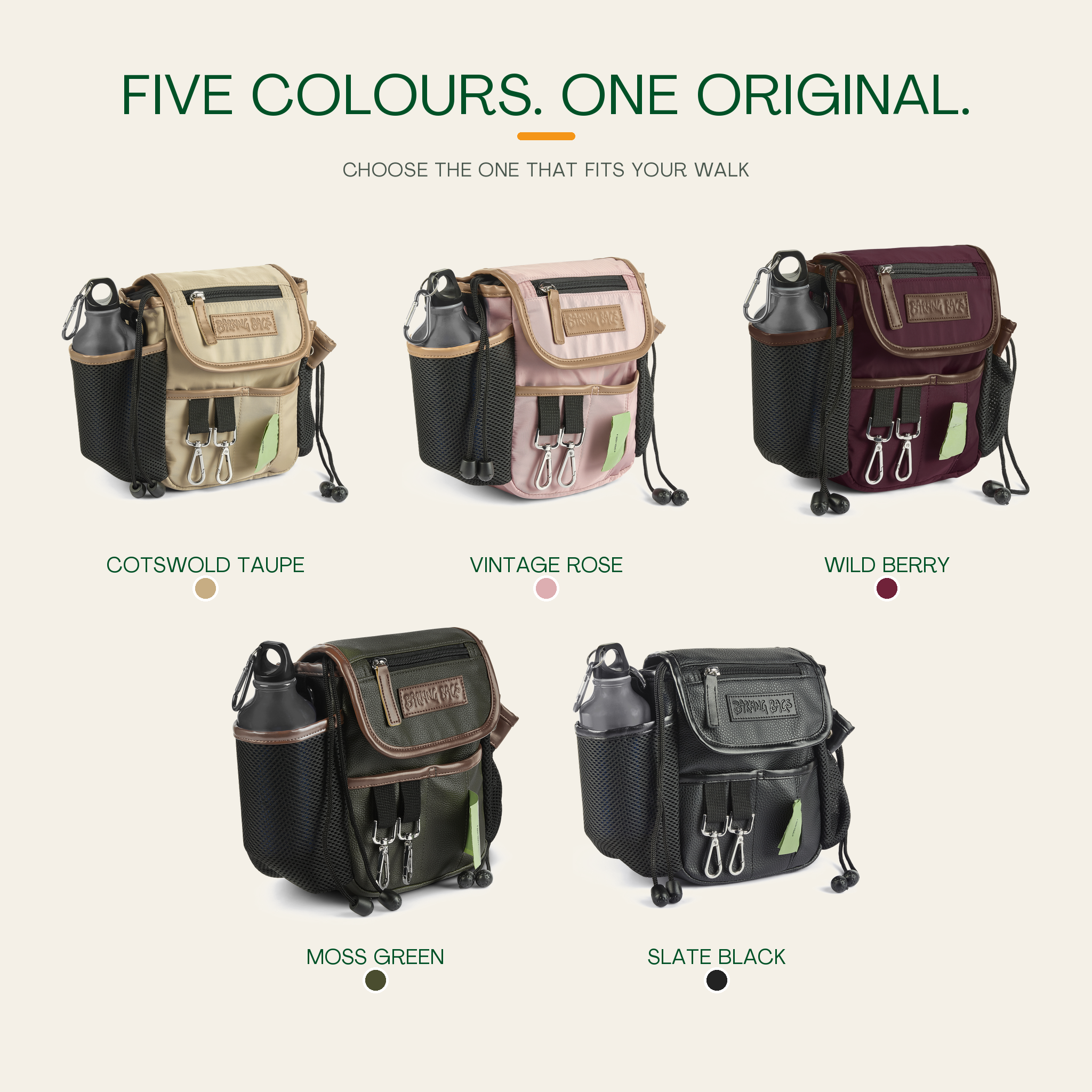
Function comes first, but most people do not want a dog walking bag that looks like a piece of camping kit. One reason crossbody styles have become so popular is that they fit more naturally into everyday life. You can wear one on the school run, on a coffee stop, or while nipping to the shops after a walk without feeling overequipped.
That mix of practicality and style is where dedicated design really stands out. A purpose-built bag should support the routine without shouting about it.
The features that make everyday walks easier
The best bags solve small problems before they become annoying habits. You may not think much about where to put your used ball, your clicker, or your keys until you are halfway through a walk and wishing for a better system.
Good design often comes down to these everyday details. A secure zip helps if you are moving quickly or bending down often. Separate compartments keep your mobile phone safer from dog-related mess. Space for treats that are easy to reach but easy to contain makes training smoother. If you carry water, collapsible bowls or multiple leads, you may need a bit more capacity, but still with structure.
For professional dog walkers and trainers, those details become even more important. You are not just carrying your own essentials. You may need room for extra treats, whistles, hand sanitiser, spare bags, notes or keys for client homes. In that case, the right bag is less of an accessory and more of a working tool.
Choosing the right size for your routine
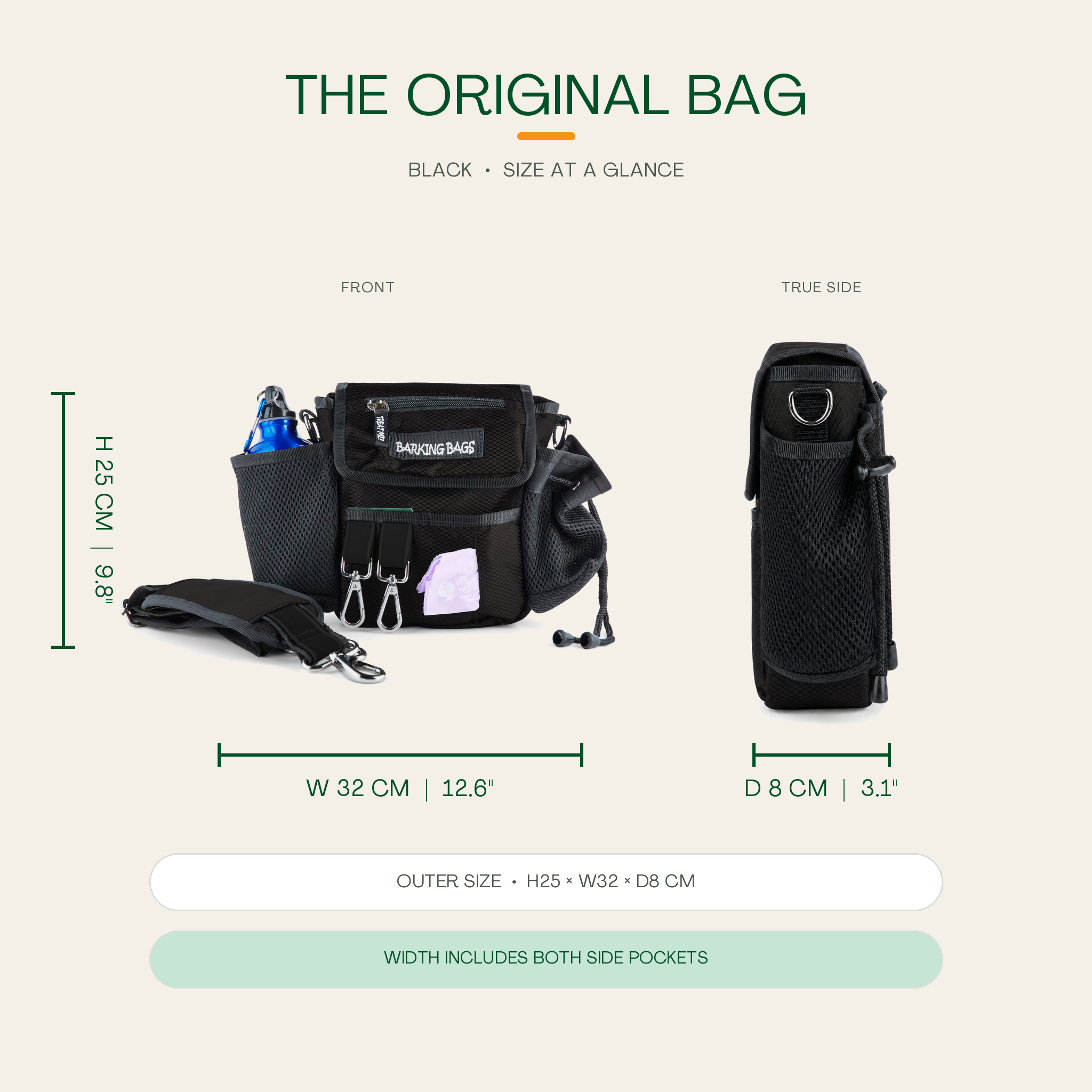
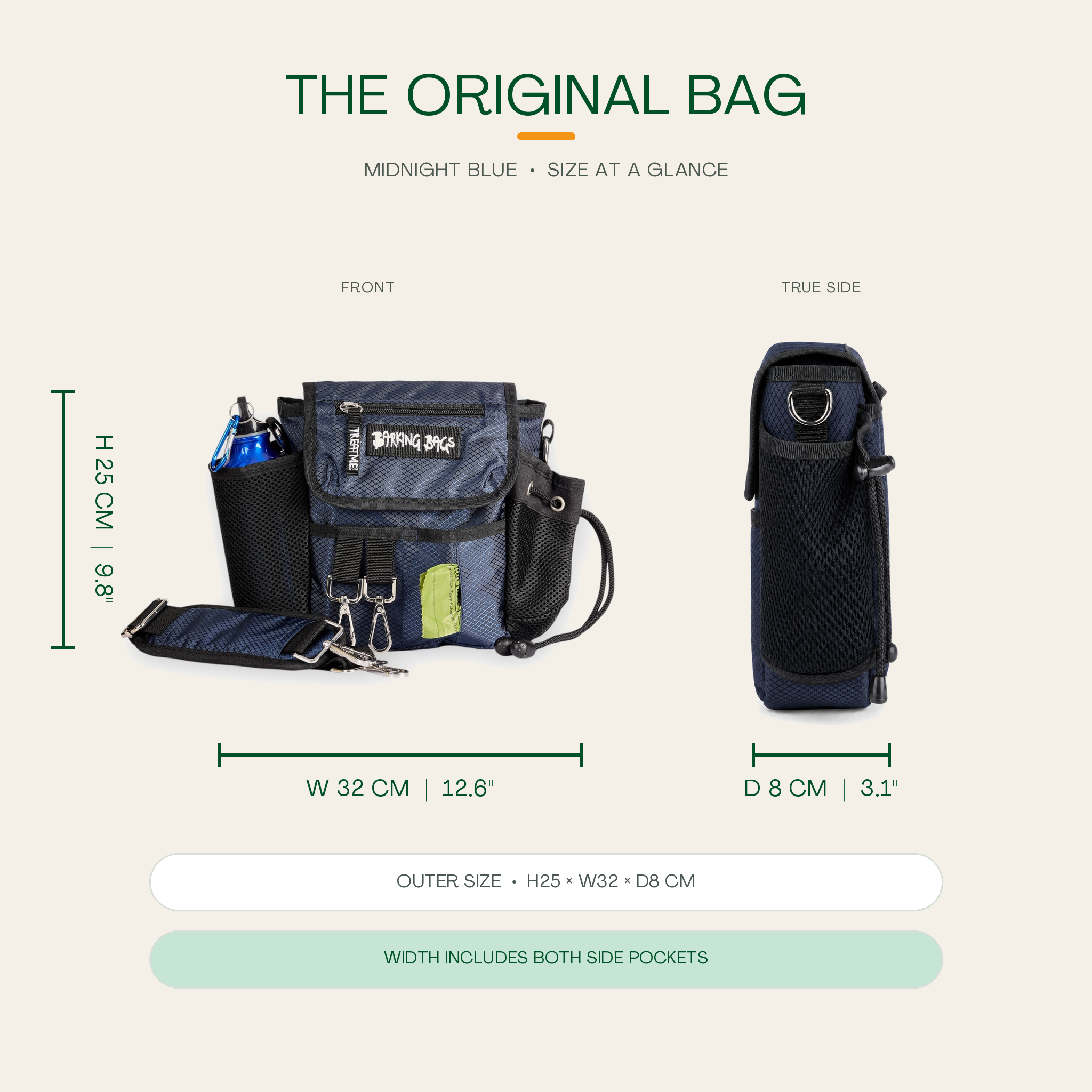
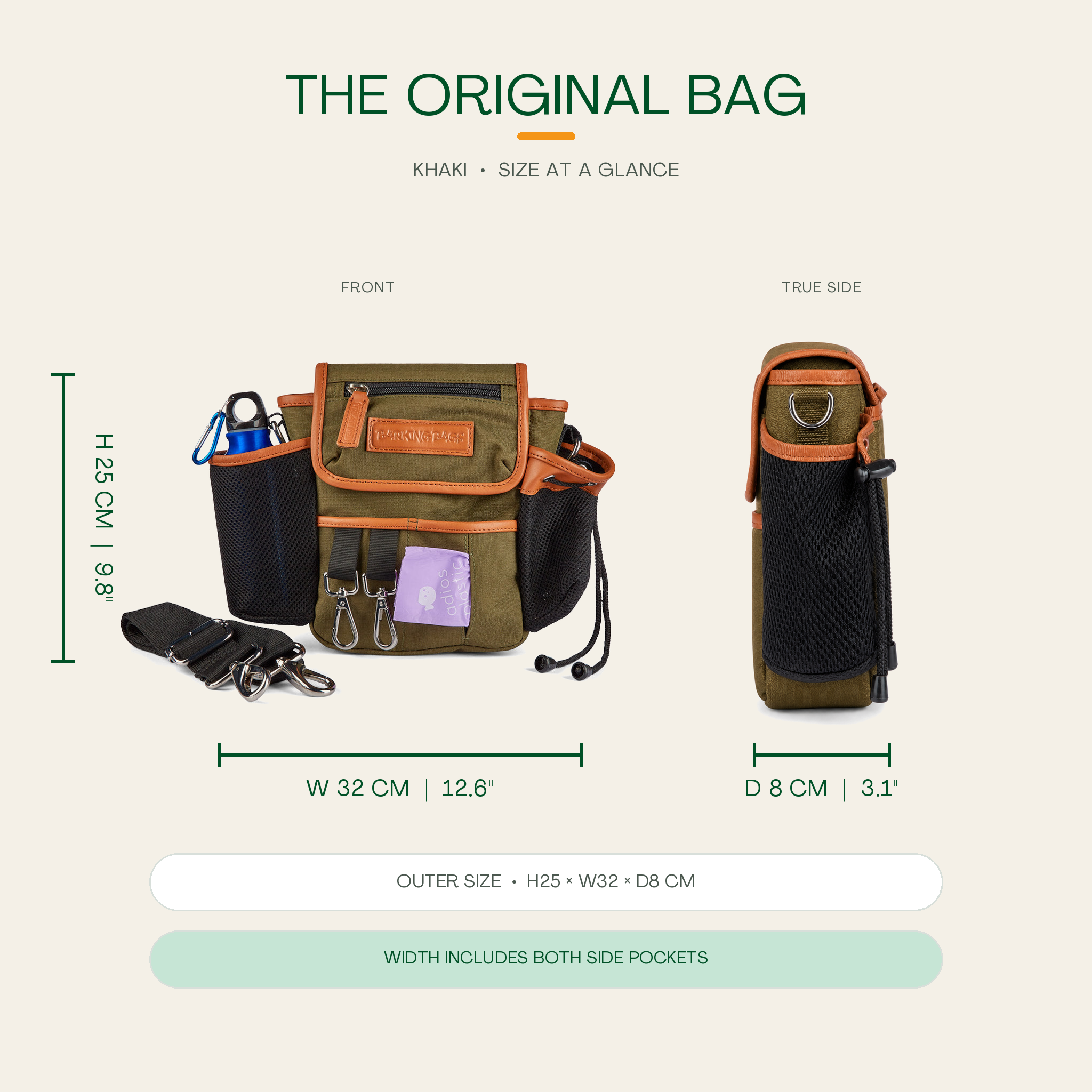
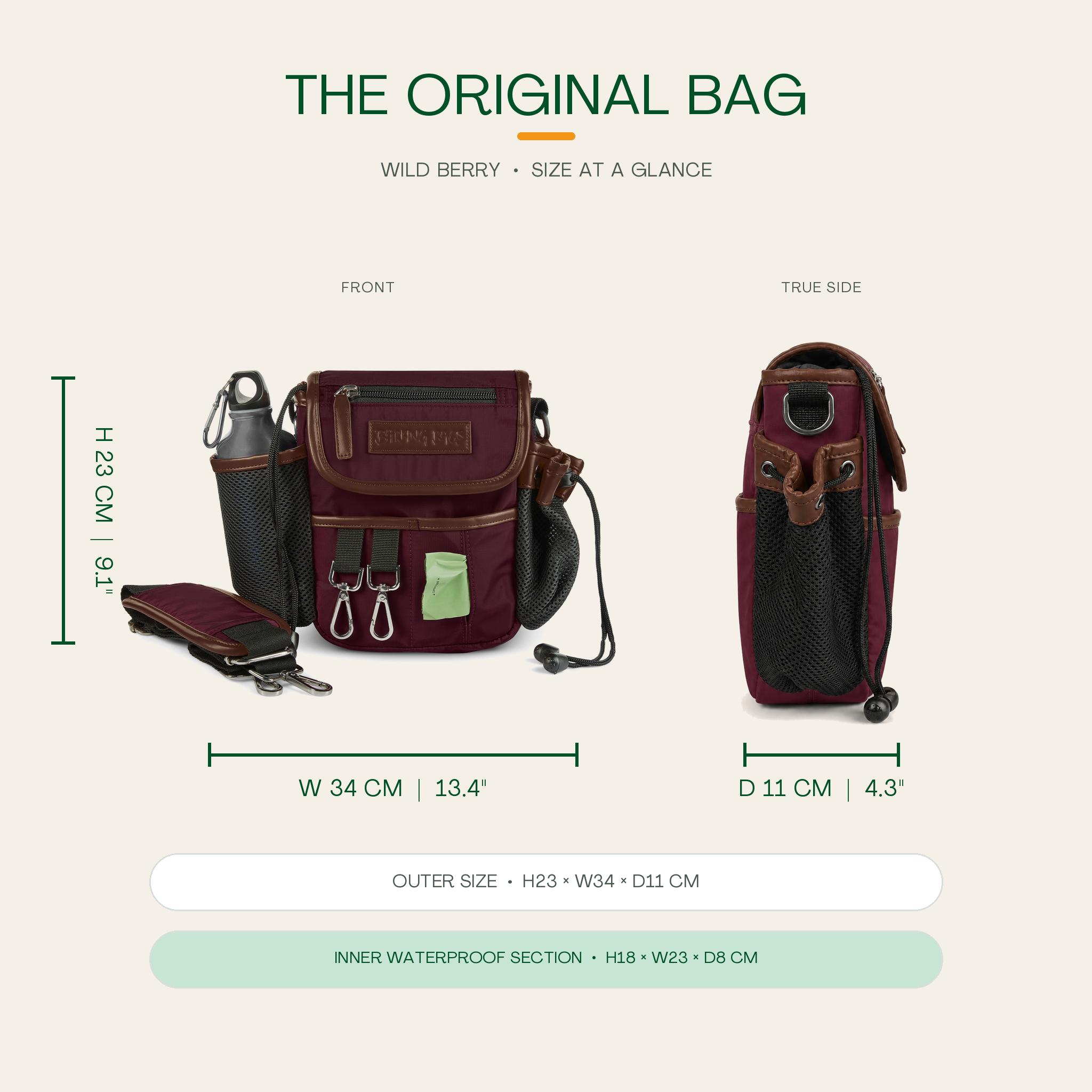
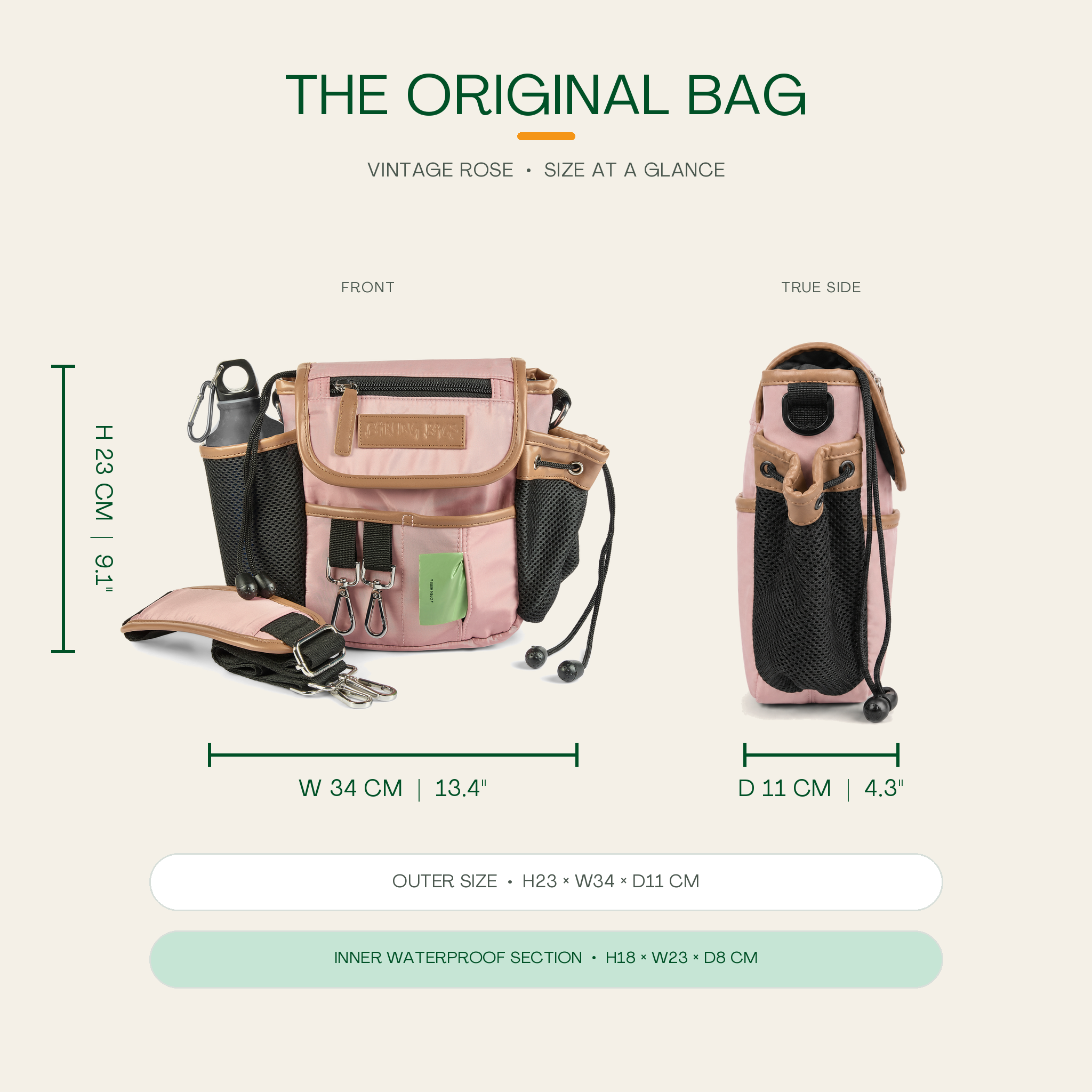
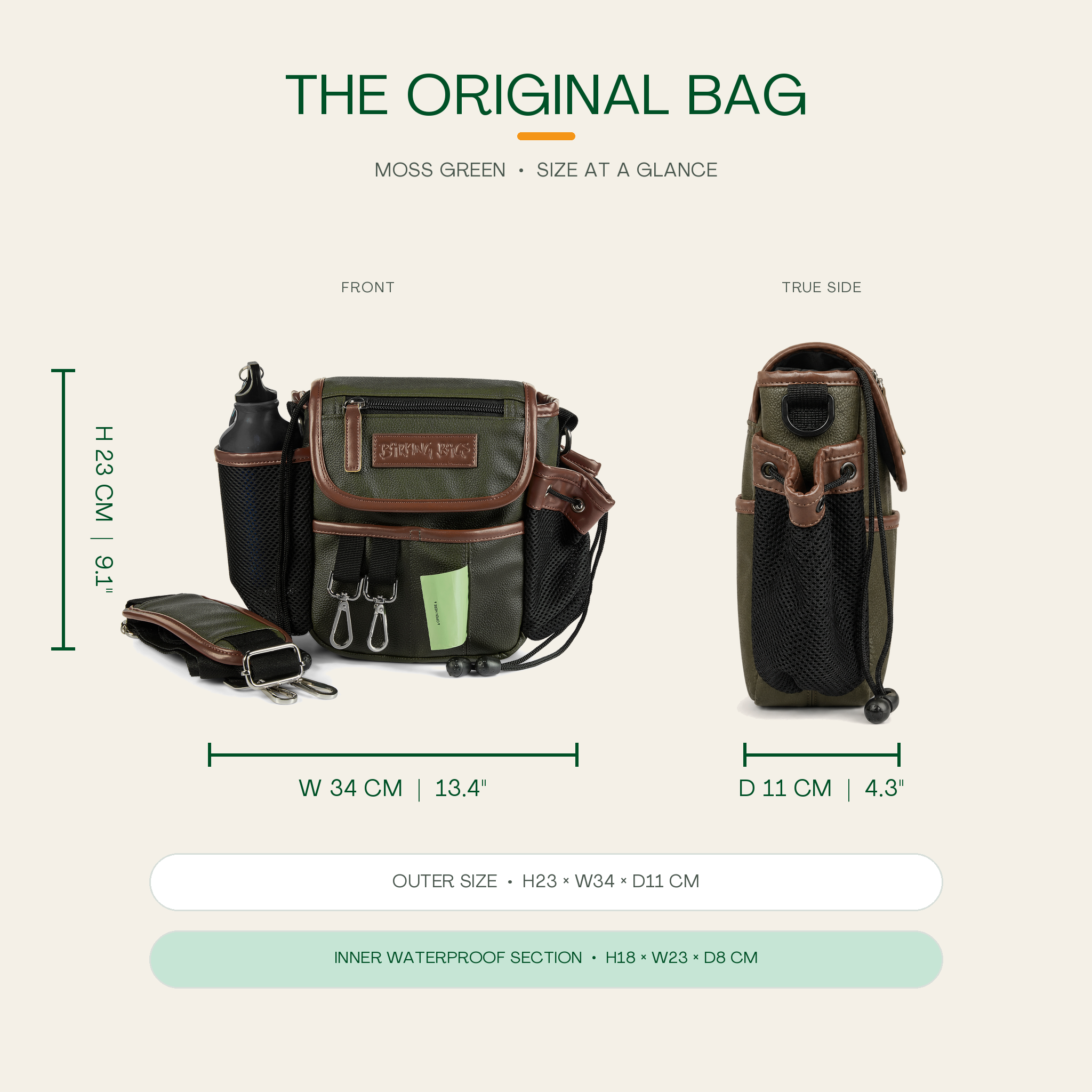
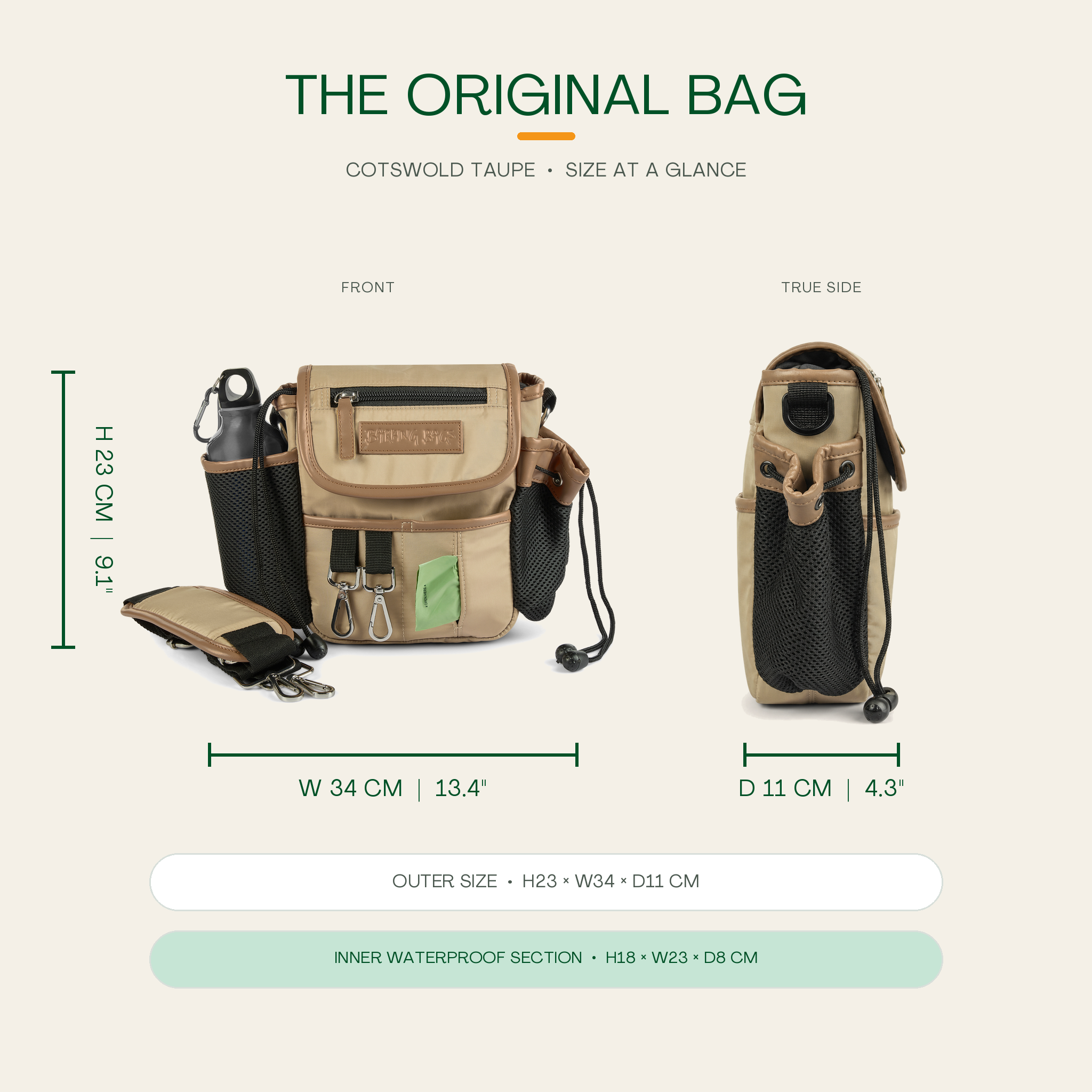
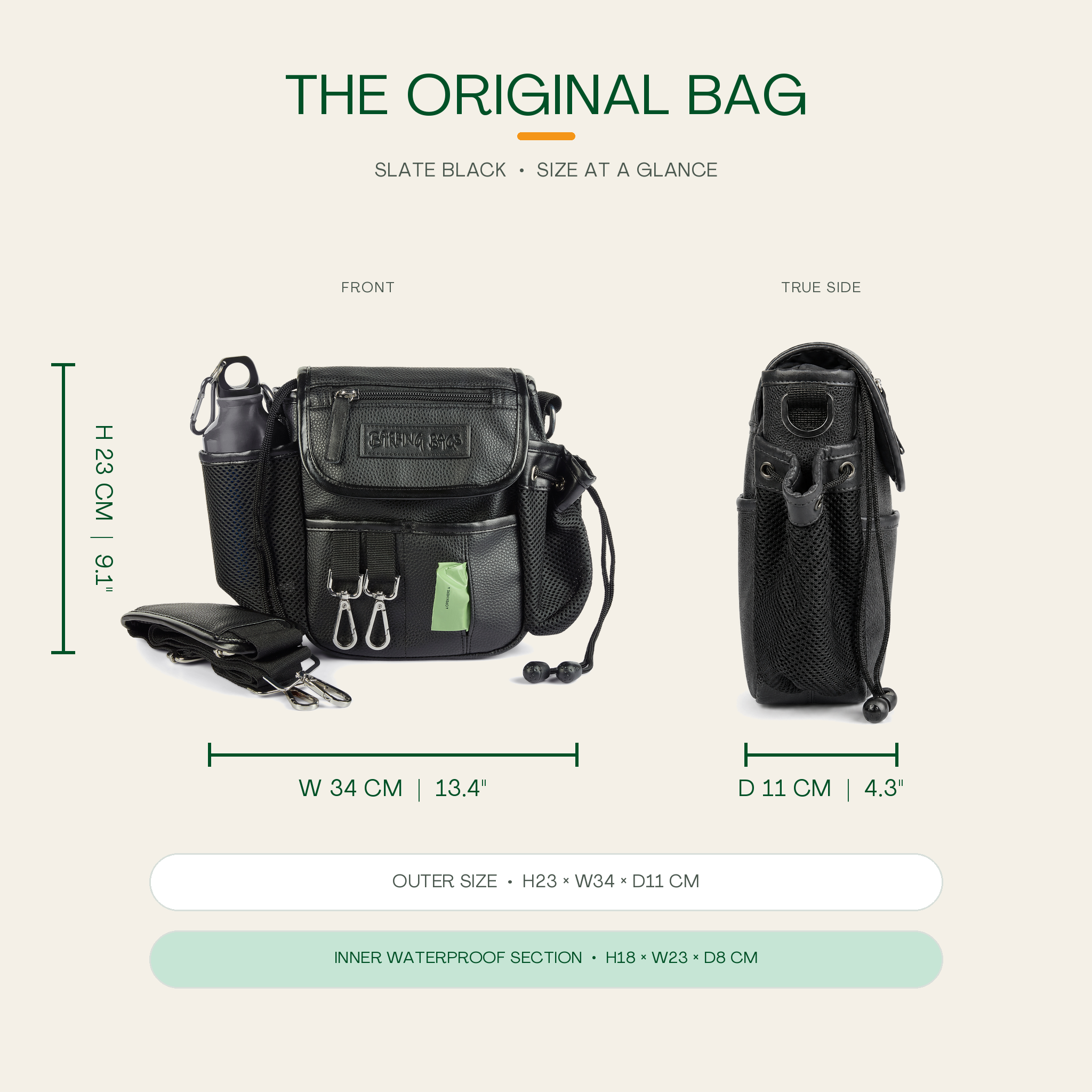
One of the biggest mistakes people make is buying for the occasional long walk rather than the everyday one. If most of your outings are short local walks, a compact crossbody bag may be all you need. If you often spend hours out with your dog, you will want more room.
Think about what you carry every single time, not what you bring once a month. For many dog owners, that means treats, poo bags, mobile phone, keys and perhaps a small purse. For others, add a ball, toy, water, medication or a second lead. If your dog is in training, your bag might also need to work harder with quick-access sections and room for rewards.
There is no single perfect size. It depends on your dog, your route and your routine. The best choice is usually the smallest bag that still feels properly organised.
Why improvised bags usually fall short
It is tempting to use whatever is already in the house - an old handbag, a belt bag, a tote, even a coat with lots of pockets. That can work for a while, but most dog owners eventually notice the same frustrations.
Treats leave crumbs. Poo bags get lost at the bottom. Phones sit beside muddy tennis balls. Your nicest everyday bag starts smelling faintly of liver treats. And pockets are only helpful until you add winter gloves, keys and a lead.
This is exactly why specialist designs exist. A dedicated dog walking bag acknowledges that dog owners carry a slightly odd mix of things and need them fast. That sounds simple, but it changes the whole experience of getting out the door.
A crossbody dog walking bag should fit your life, not just your walk
The best bag is one you actually want to wear every day. That means it needs to feel useful on the walk and easy beyond it. If you stop at the bakery, meet a friend for coffee or head straight to the park after work, your bag should still look and feel right.
This is where design-led options come into their own. A bag can be practical enough for leads and poo bags while still looking polished. For many owners, that is the sweet spot - purpose-built storage without compromising on style.
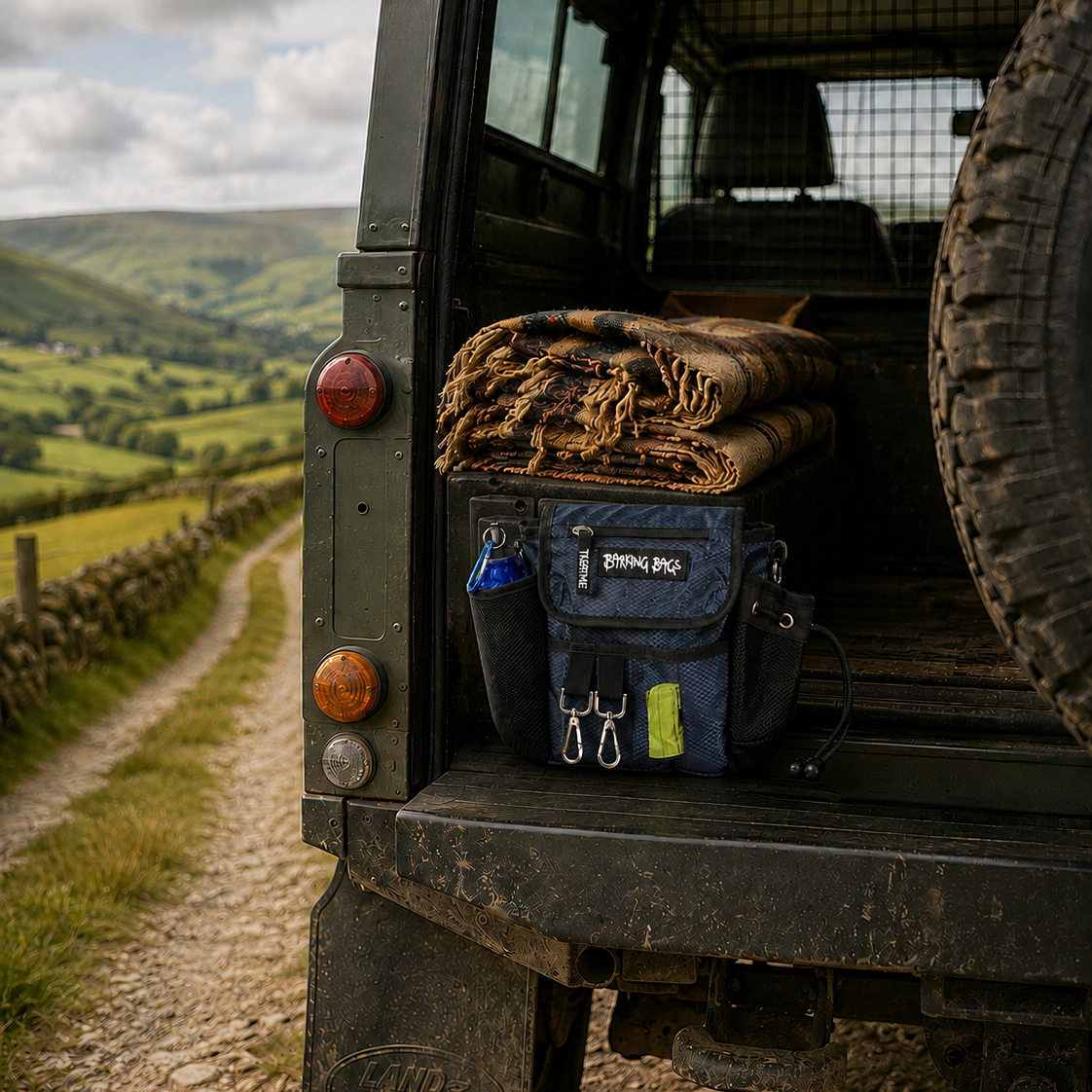
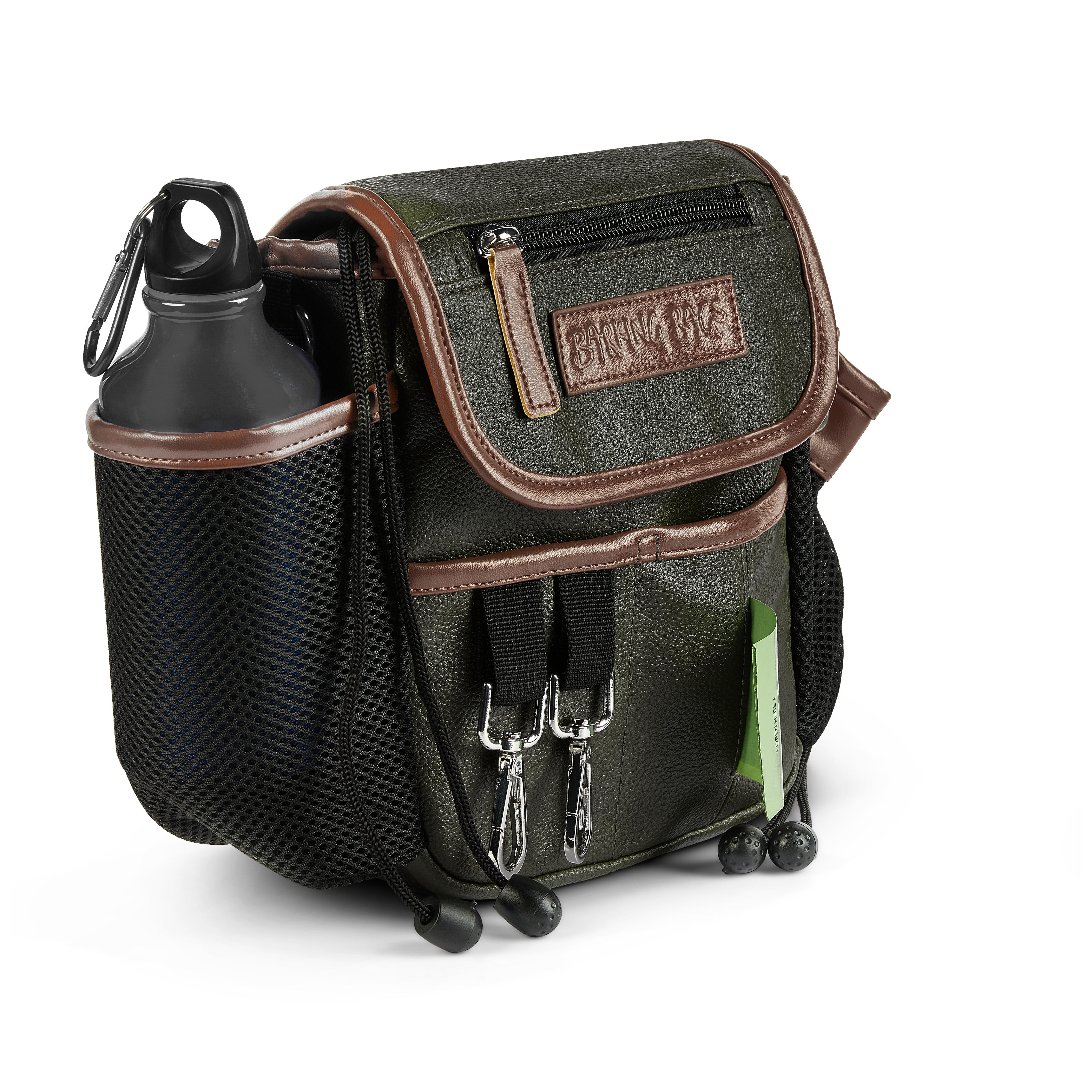
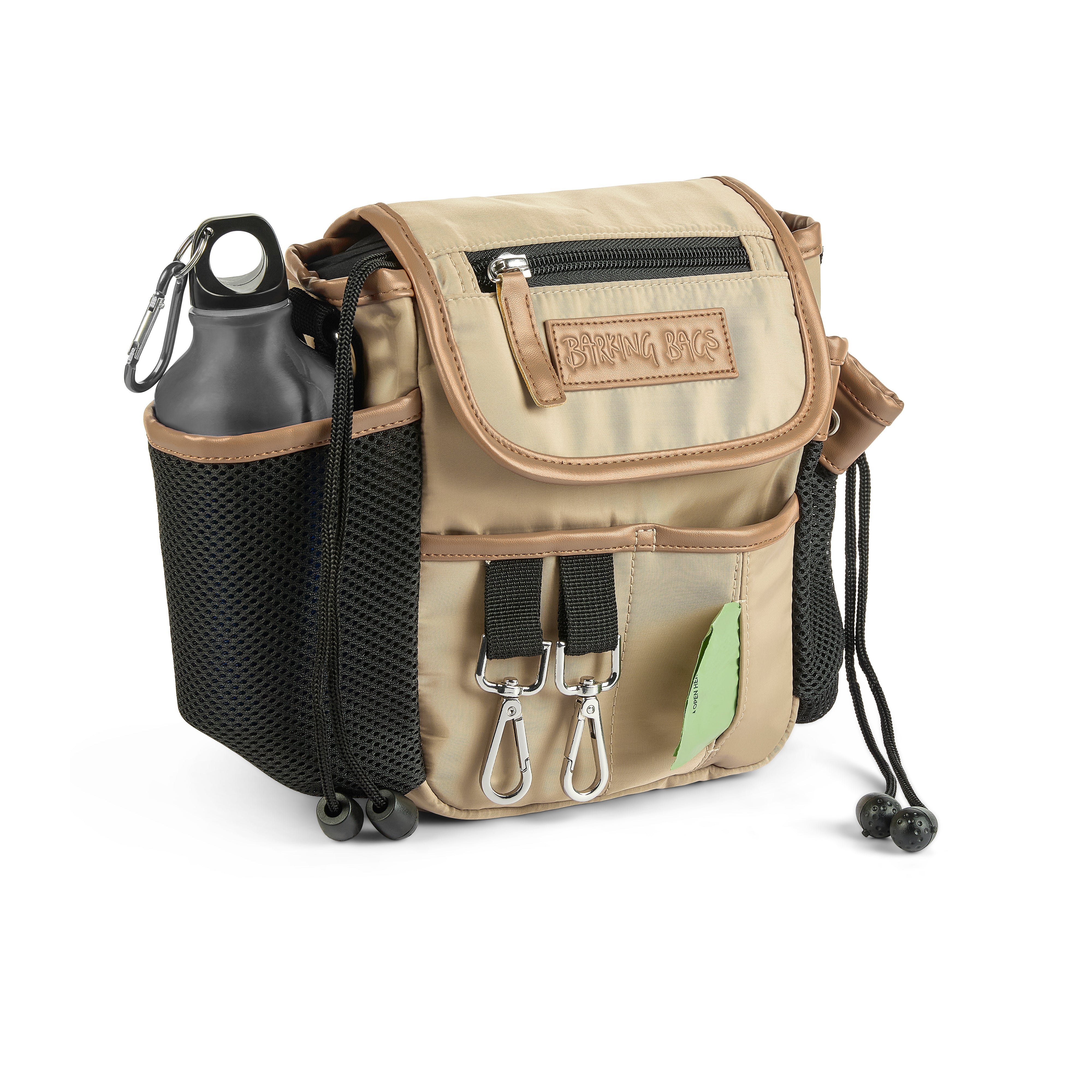
At Barking Bags, that balance sits at the heart of what makes a dog walking bag worth carrying. When the design starts with the real routine, everything else tends to work better.
Is a crossbody dog walking bag worth it?
If dog walking is part of your daily life, yes, usually. Not because you need more stuff, but because you need a better system. The value is in convenience, speed and not having to think about where everything is every time you leave the house.
That said, the right bag depends on how you walk. If you only pop out briefly and carry almost nothing, a full dog walking bag may feel unnecessary. But if you walk regularly, train on the go, or are tired of using the wrong bag for the job, a dedicated crossbody option quickly earns its place.
The smartest choice is not the bag with the most features. It is the one that makes your walks feel easier from the moment you clip on the lead. And once you get used to that kind of organisation, going back to overstuffed pockets feels like hard work.