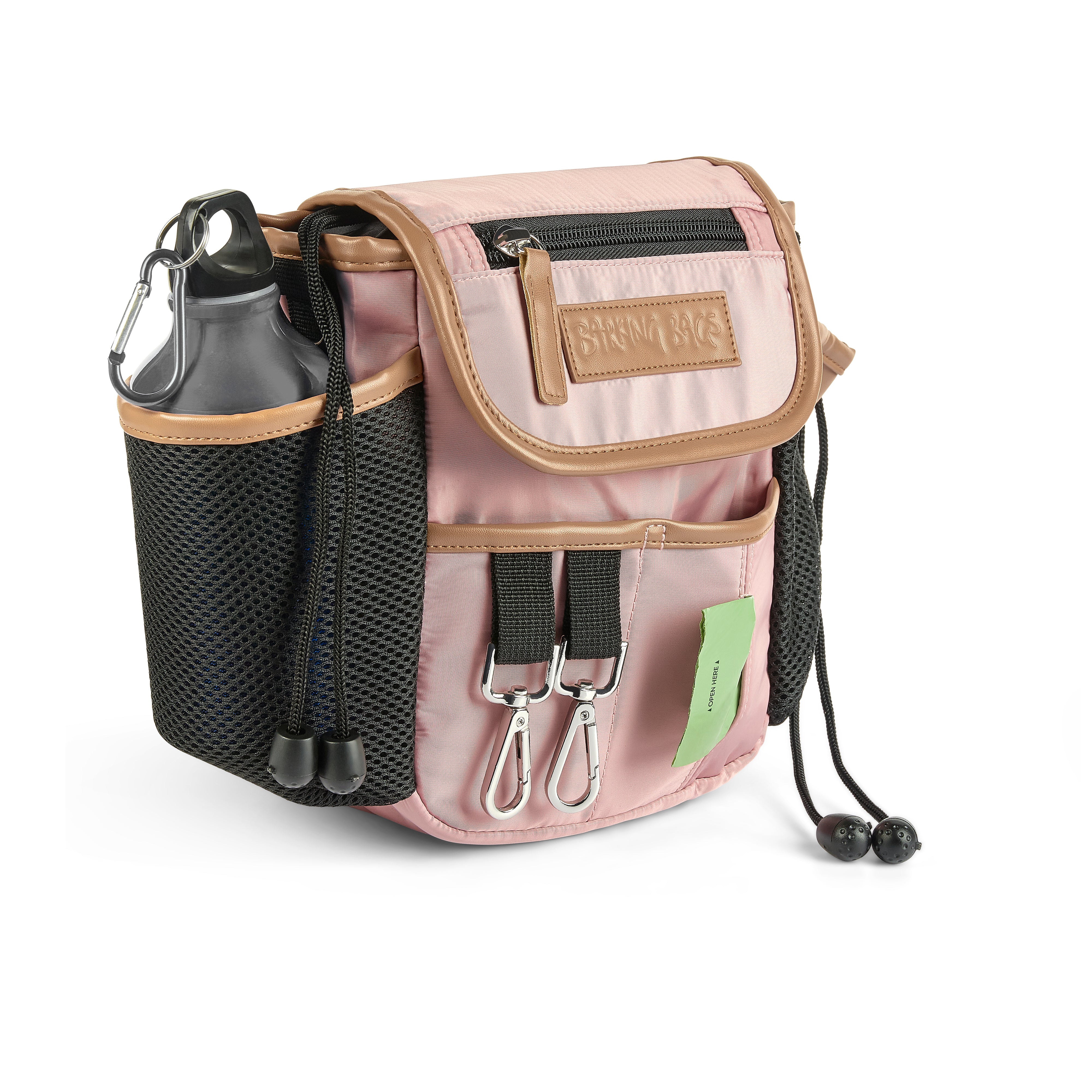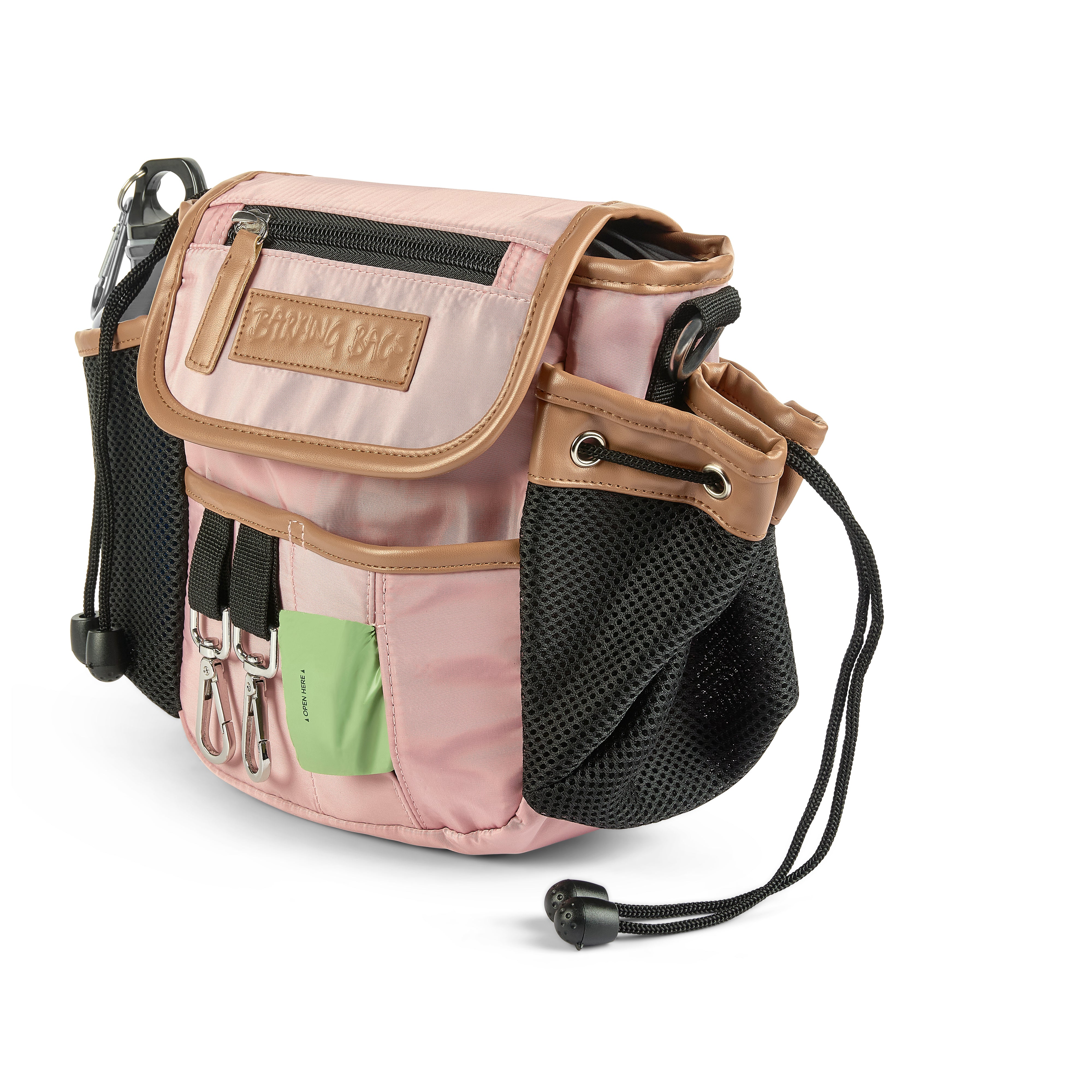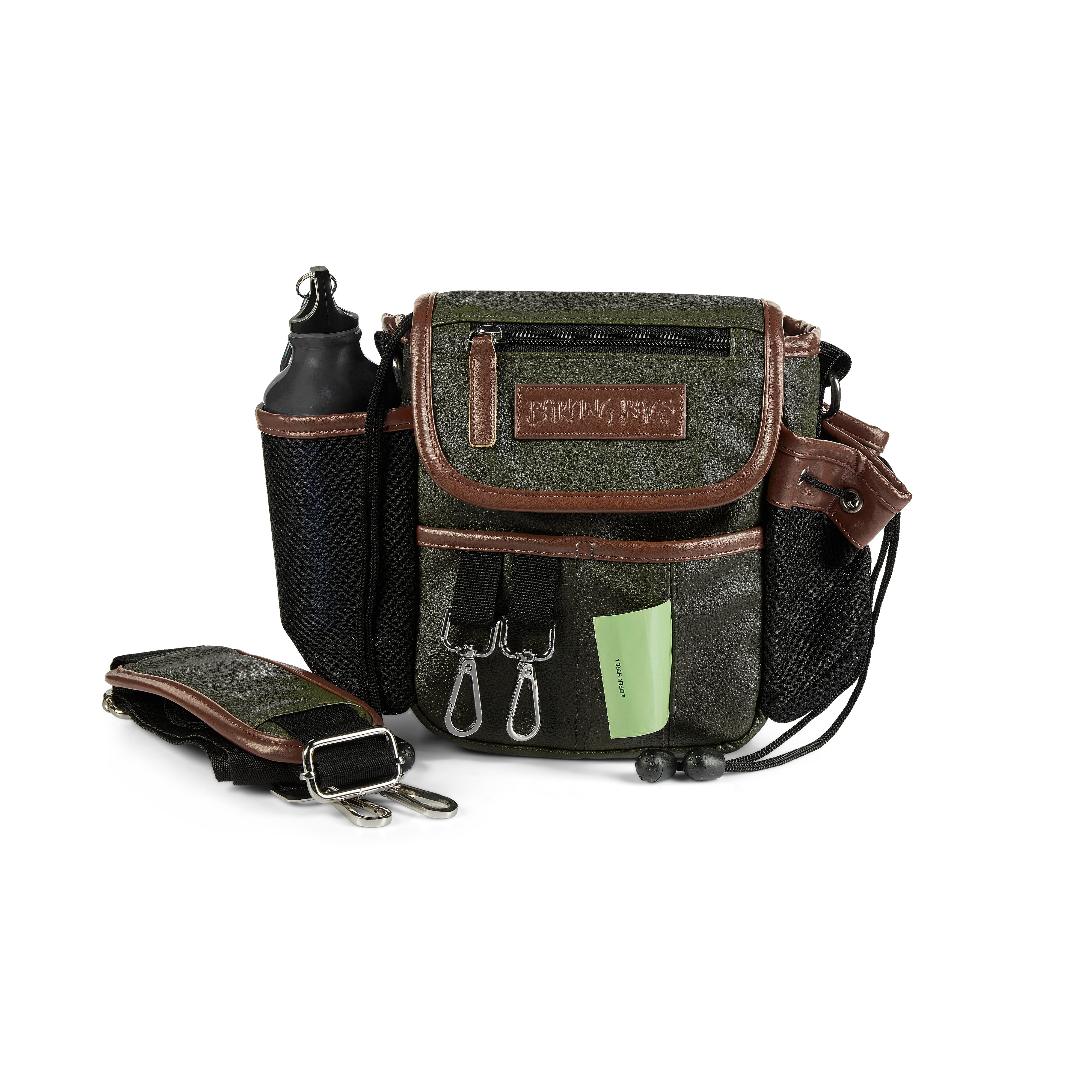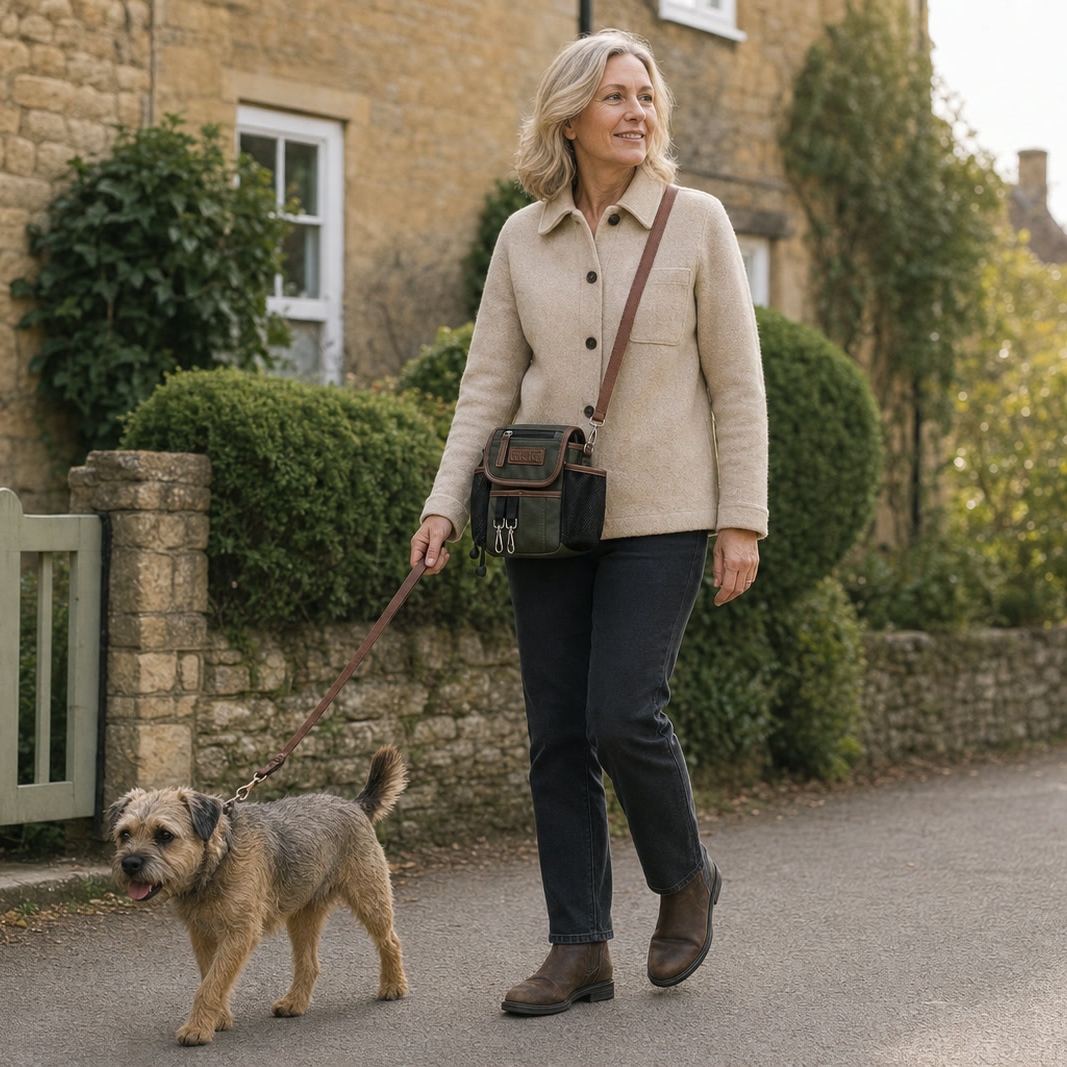

You only need to be caught once - dog pulling ahead, phone ringing, treat crumbs in your coat pocket, no poo bags when you need one - to realise that how to organise dog walking essentials is not a small detail. It is the difference between a walk that feels easy and one that feels like a juggle from the moment you leave the house.
The good news is that getting organised does not mean carrying more. Usually, it means carrying better. A smart setup keeps the things you use most within reach, separates the messy bits from your personal items, and saves you from the daily pocket-patting routine at the front door.
Why dog walking gets messy so quickly
Most dog owners do not start with a proper system. They start with whatever is nearby - a handbag, a coat pocket, an old rucksack, maybe a tote bag from the kitchen drawer. That works for a while, until your walk needs more than keys and a lead.
Once treats, poo bags, hand sanitiser, tennis balls, a water bottle, your phone and house keys all join the mix, general-use bags stop feeling practical. You end up digging around one main compartment, packing and unpacking the same items, and wondering why your essentials never seem to stay where they should.
That is especially true if your walks vary. A quick loop around the block needs one setup. A training walk, a muddy woodland route or a full morning out with the dog needs another. So the aim is not to carry everything, every time. It is to create a reliable base system that is easy to adapt.
How to organise dog walking essentials by routine
The easiest way to stay organised is to think in layers. Start with what you always need, then add extras based on the type of walk.
Your everyday core usually includes poo bags, treats, keys, phone and a lead. For many owners, that is enough for most weekday walks. Then there are the useful extras - a whistle, clicker, hand gel, collapsible bowl, small towel or spare ball. These should have a place, but not necessarily live in your bag every day.
This is where people often overpack. If your bag is stuffed with items you rarely use, the things you do need become harder to find. A better approach is to keep your walking essentials in categories: dog care, training gear and personal items. When each category has its own place, your routine gets quicker straight away.
Keep dog items separate from personal items
This sounds obvious, but it is one of the biggest upgrades. Treats should not be rolling around next to lip balm. Used poo bag rolls should not share space with your purse. Muddy balls definitely should not be touching your phone screen.
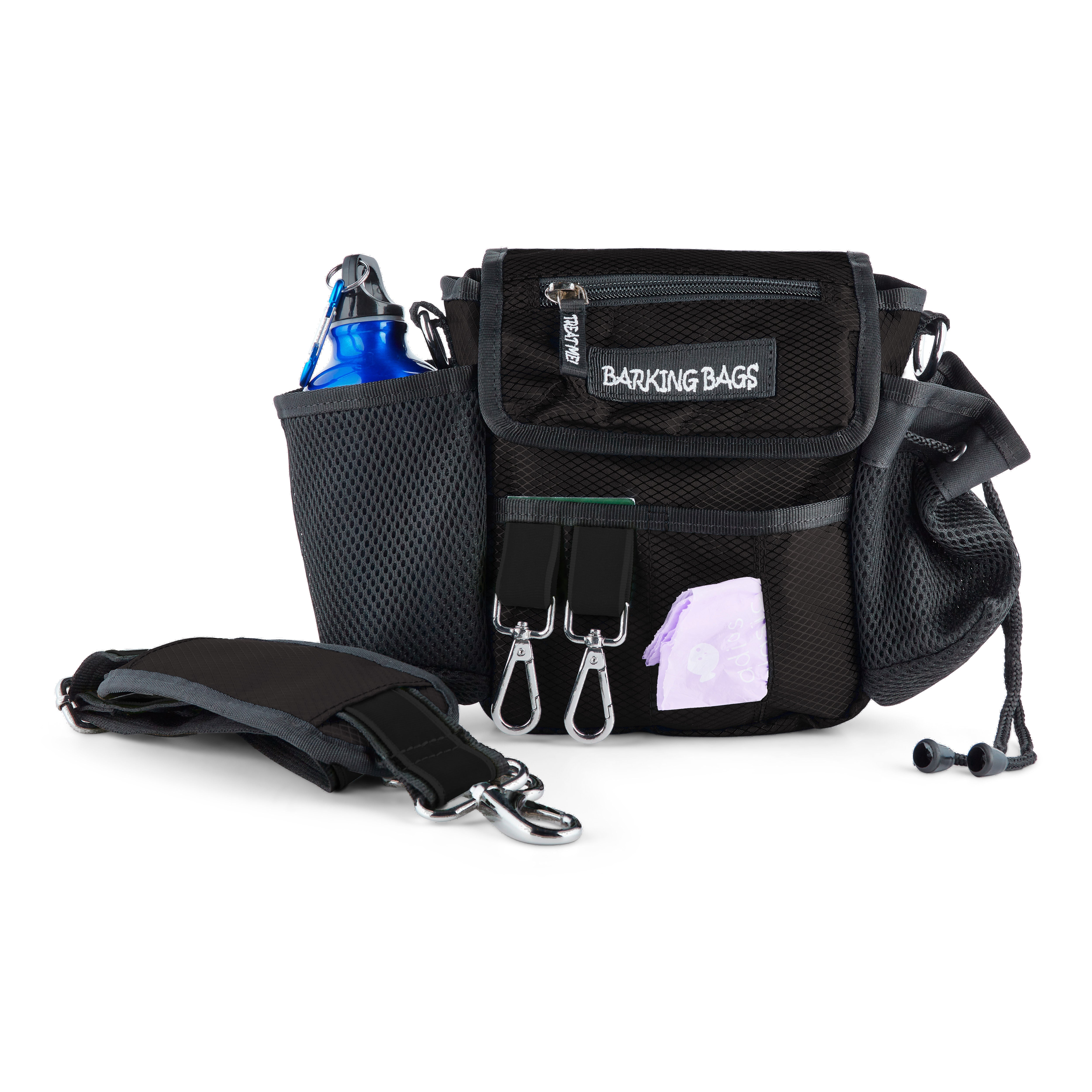
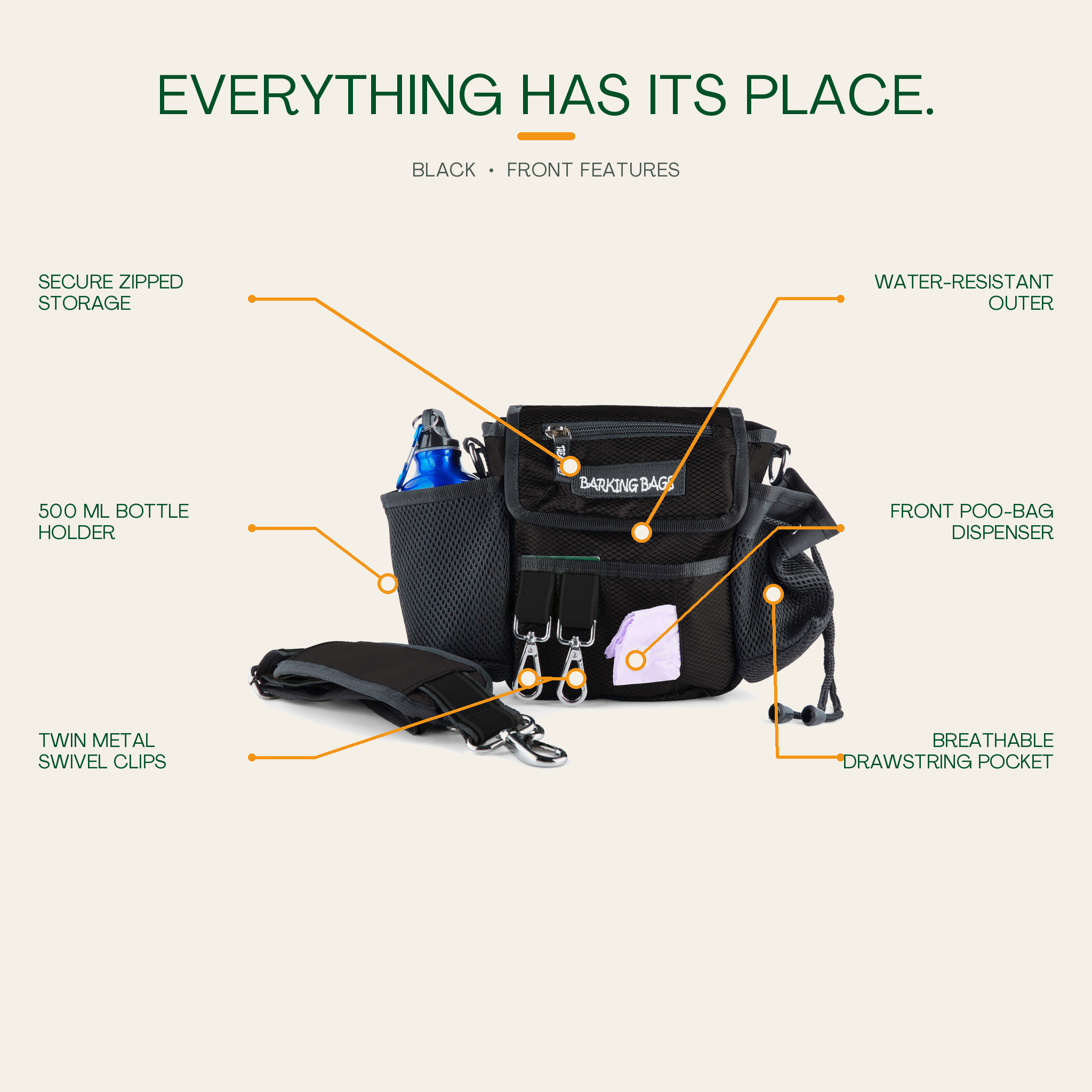
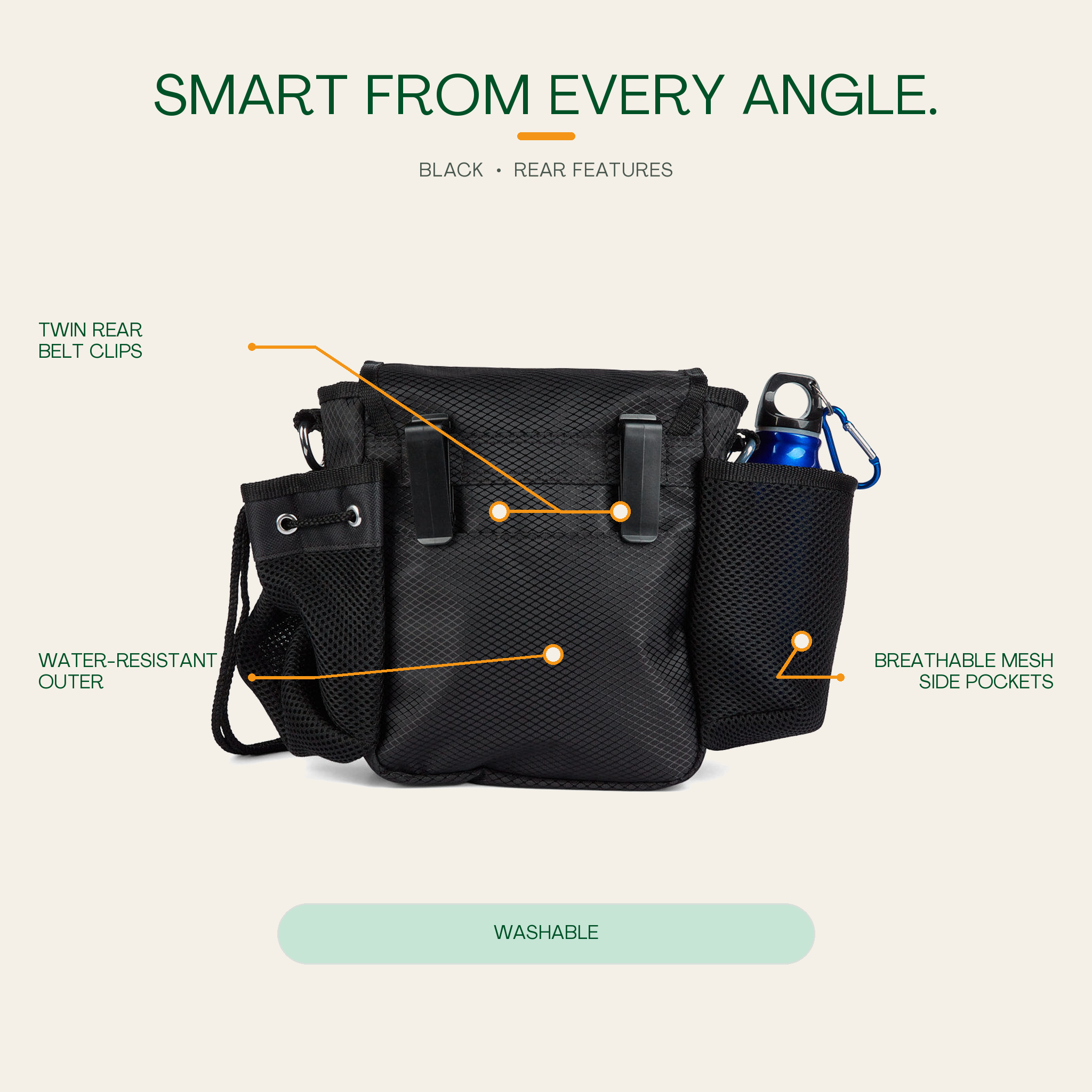
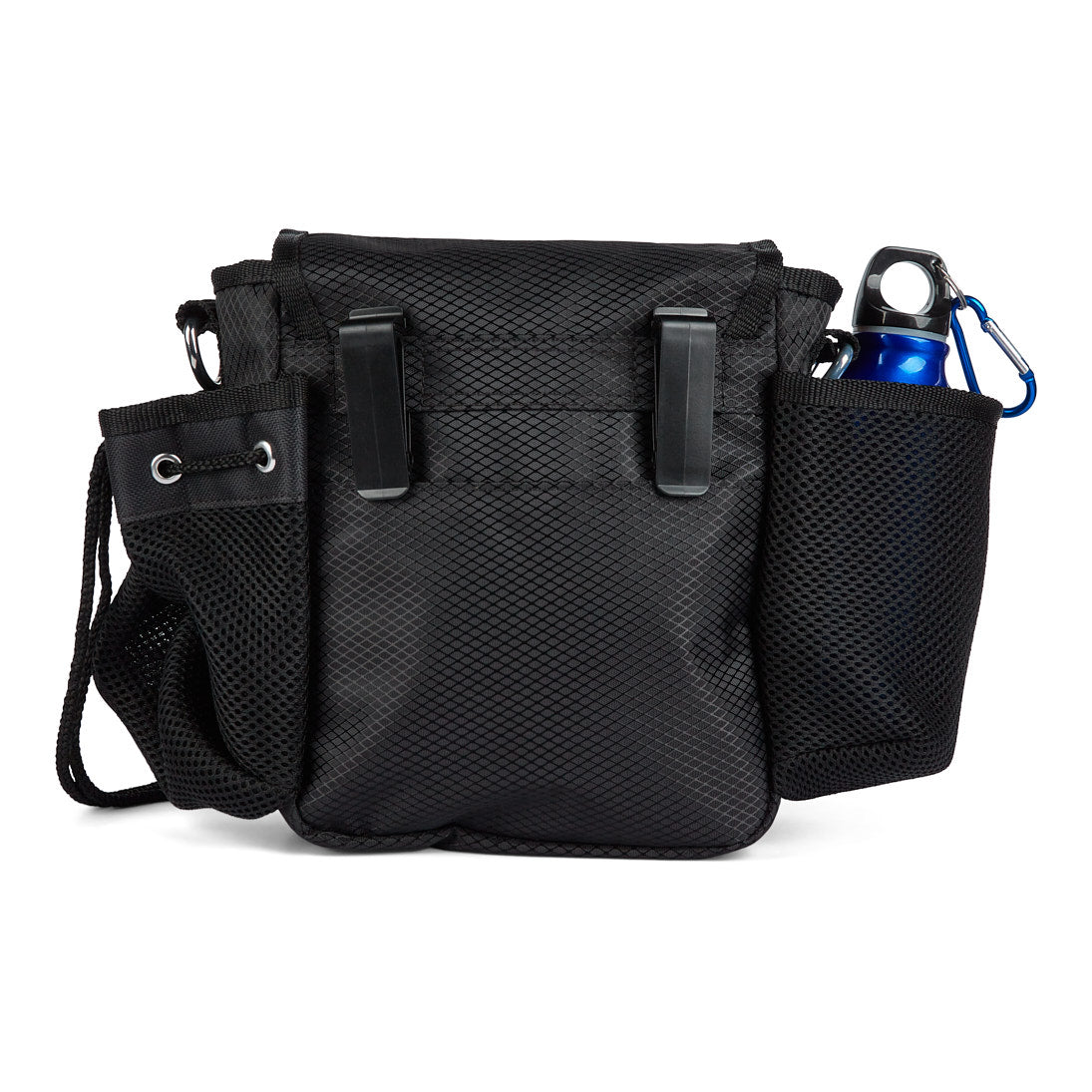
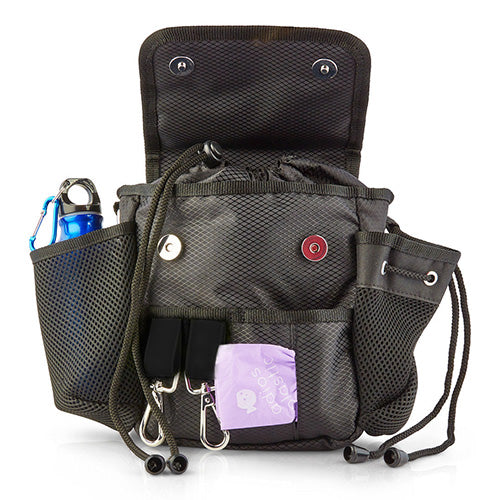
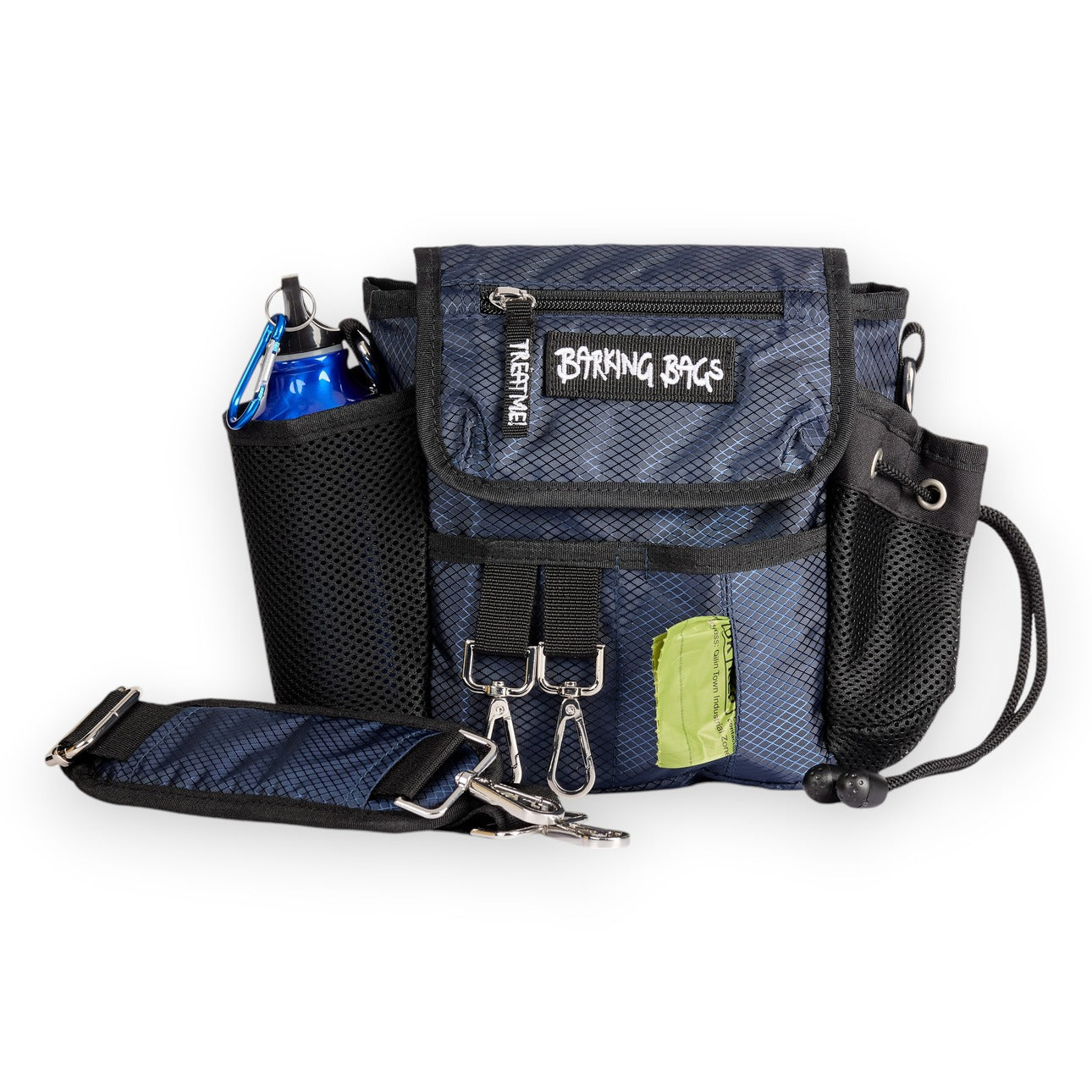
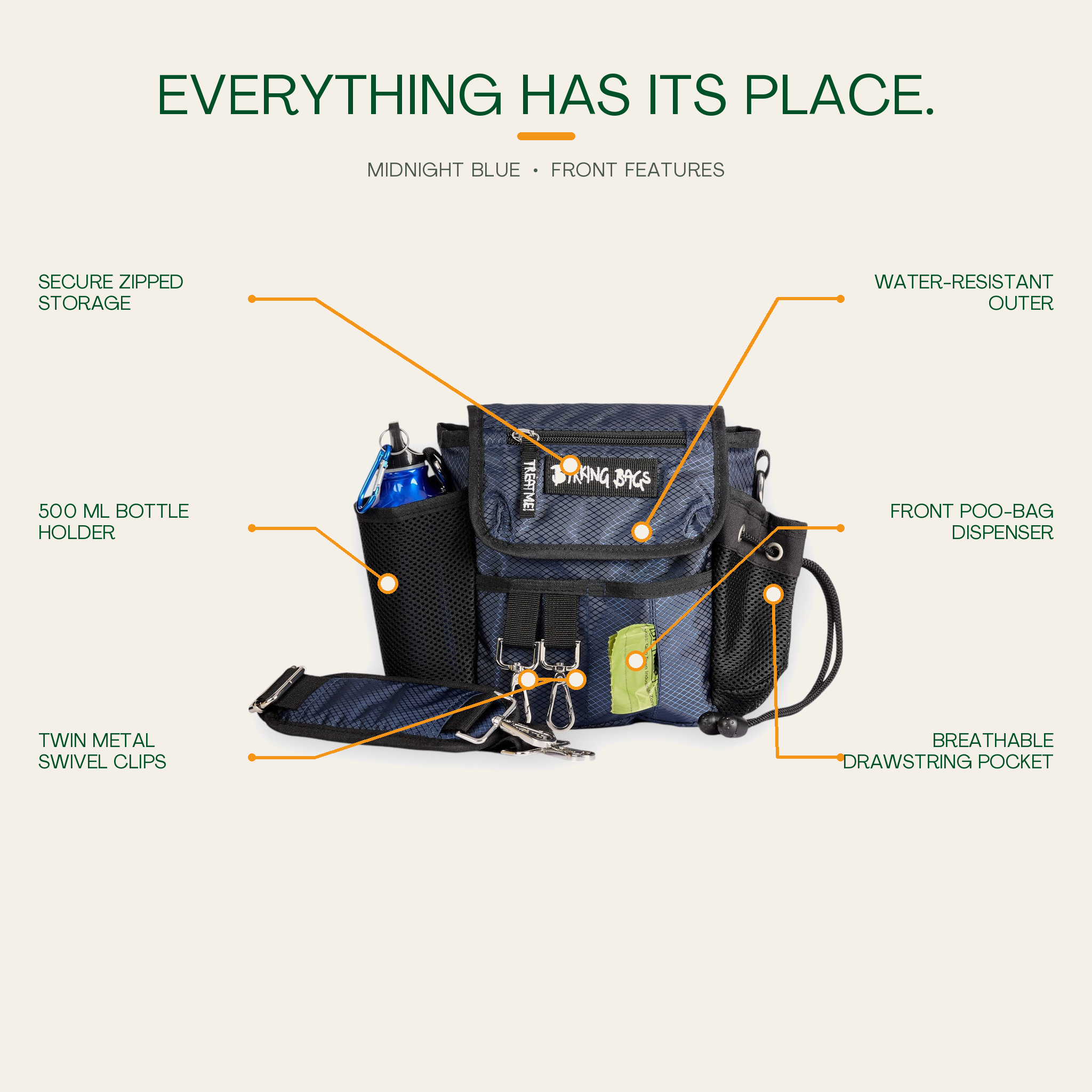
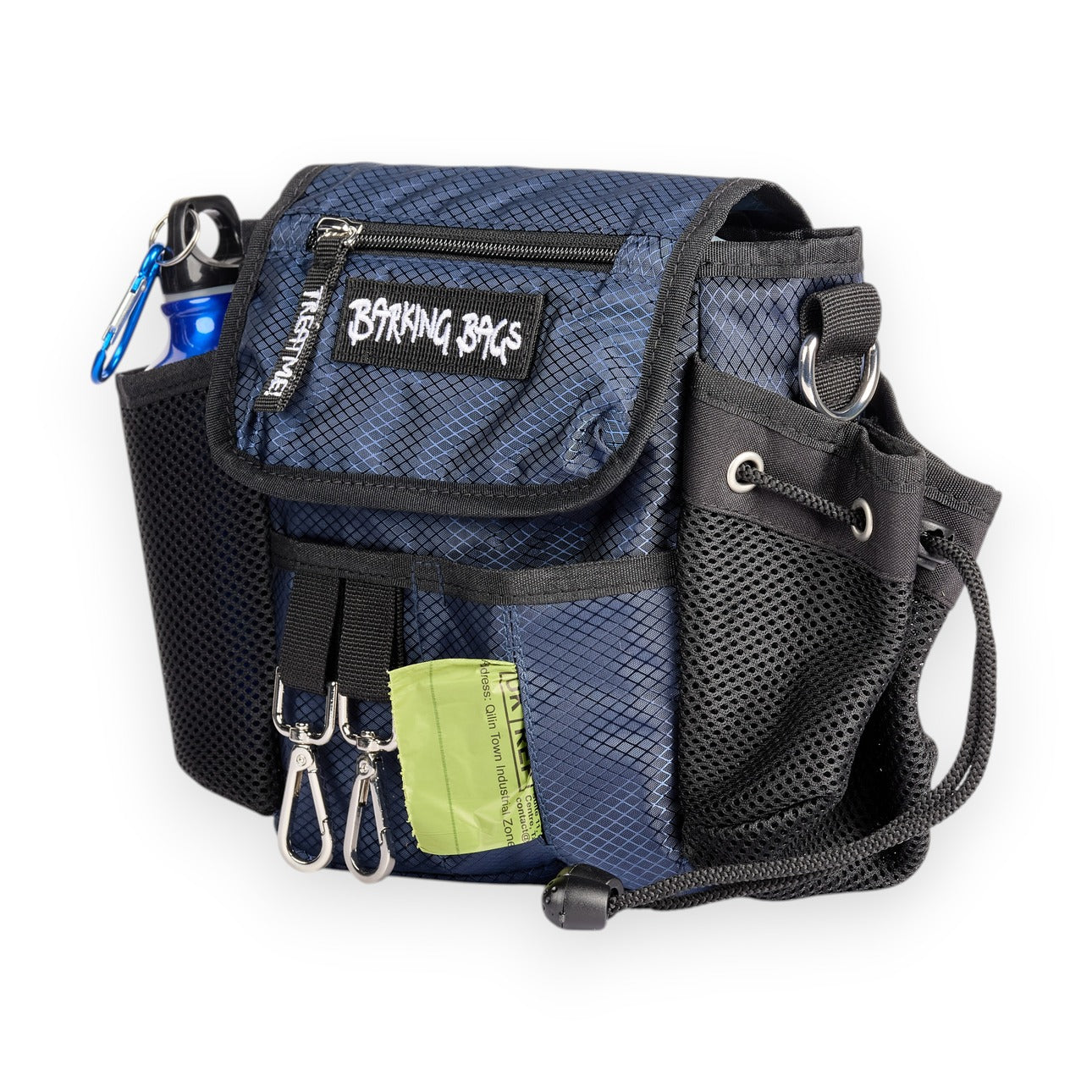
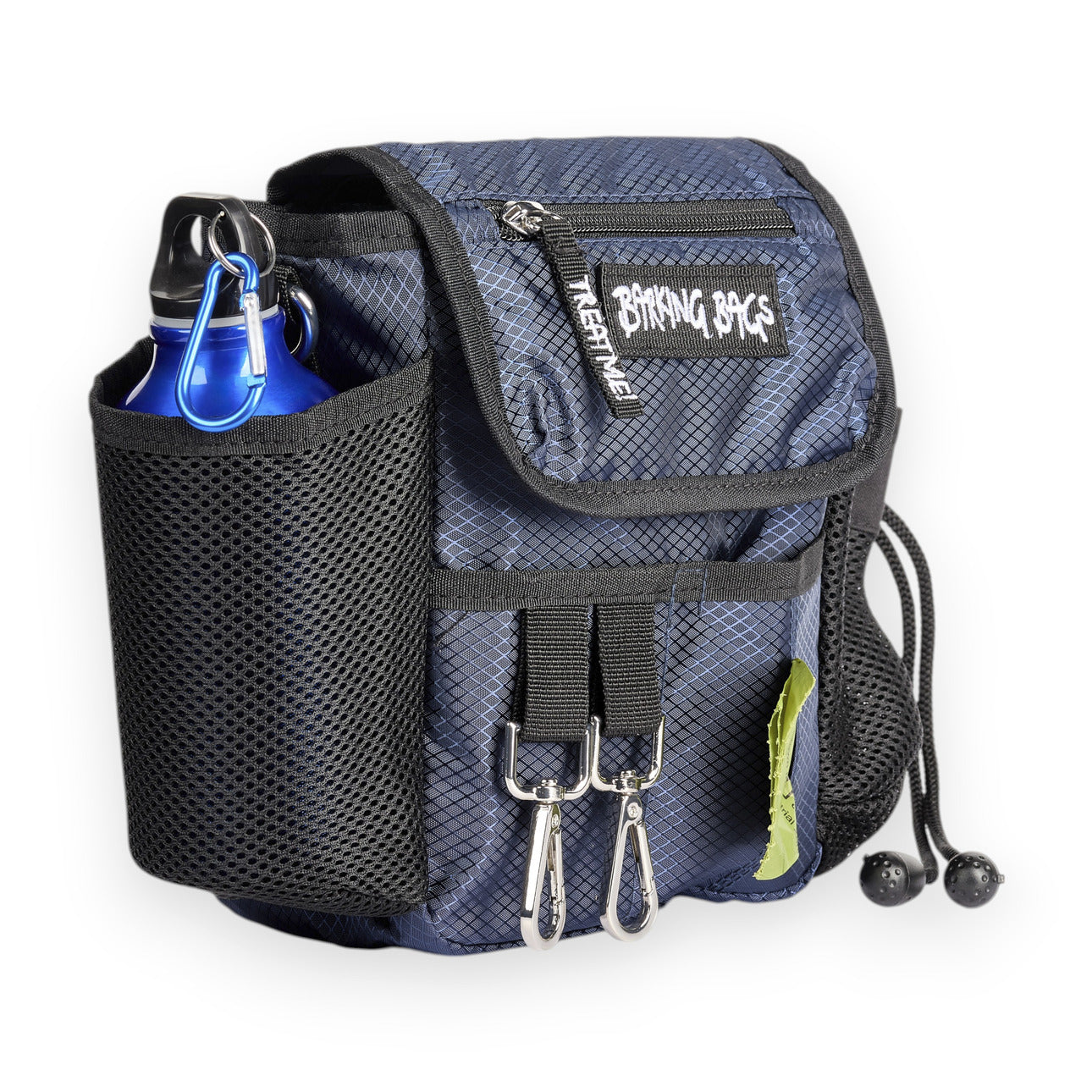
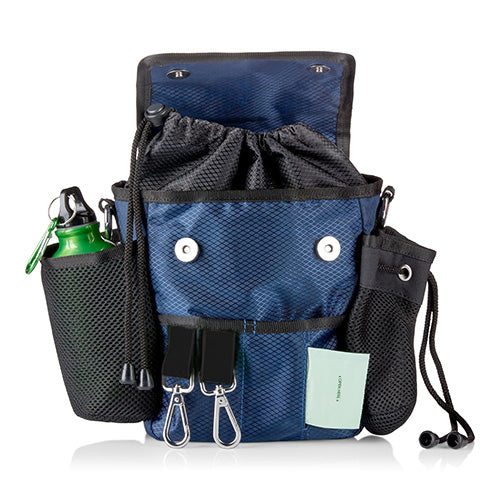
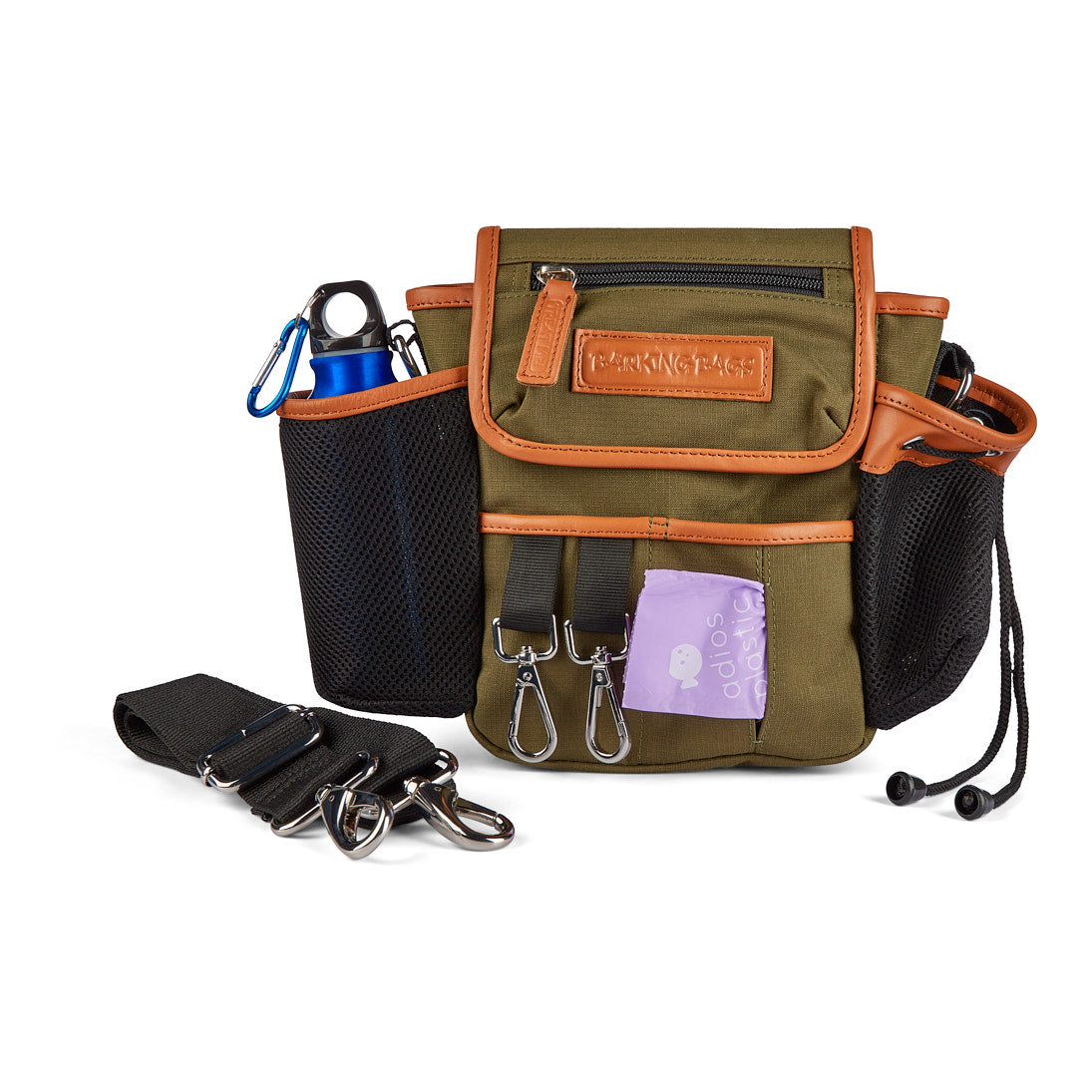
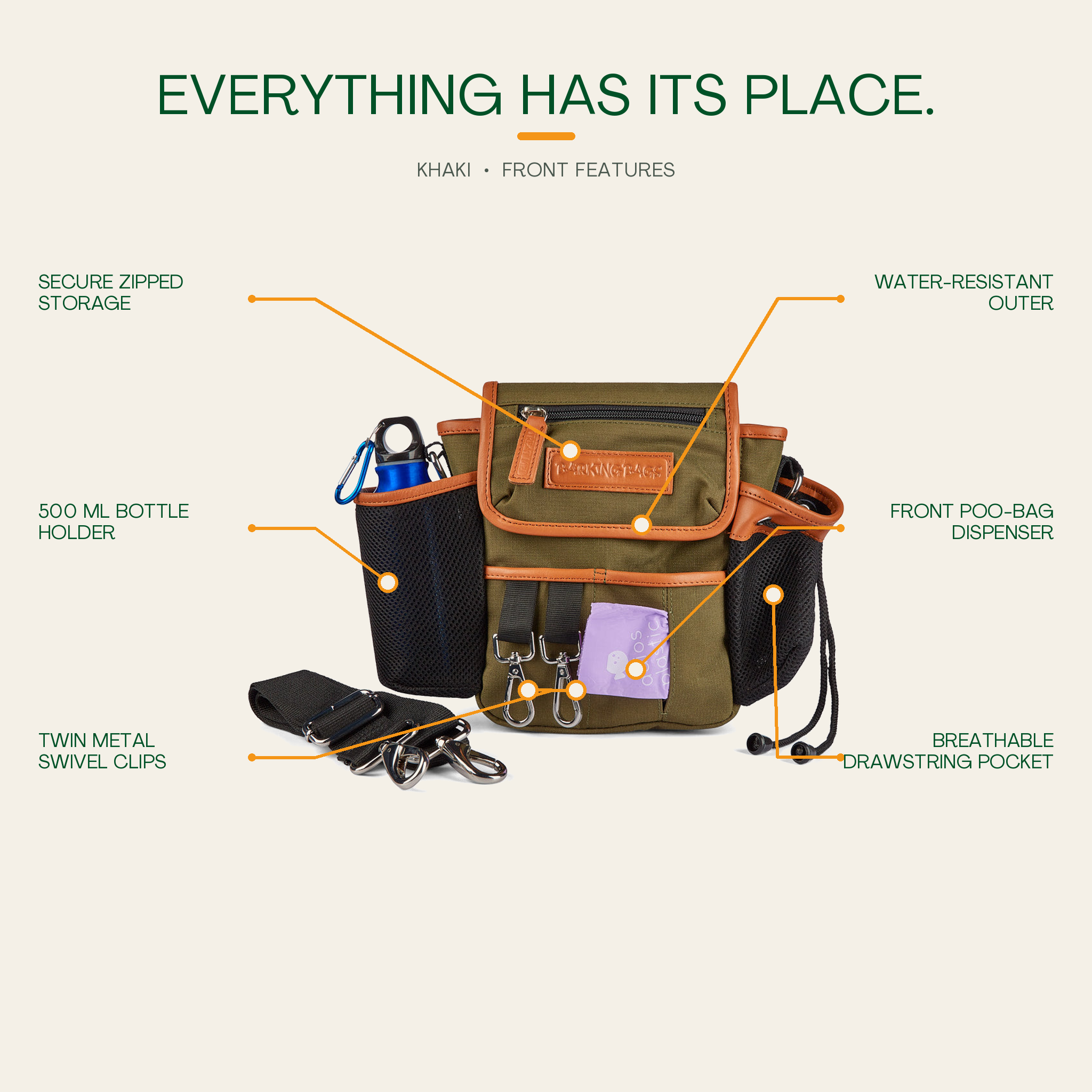
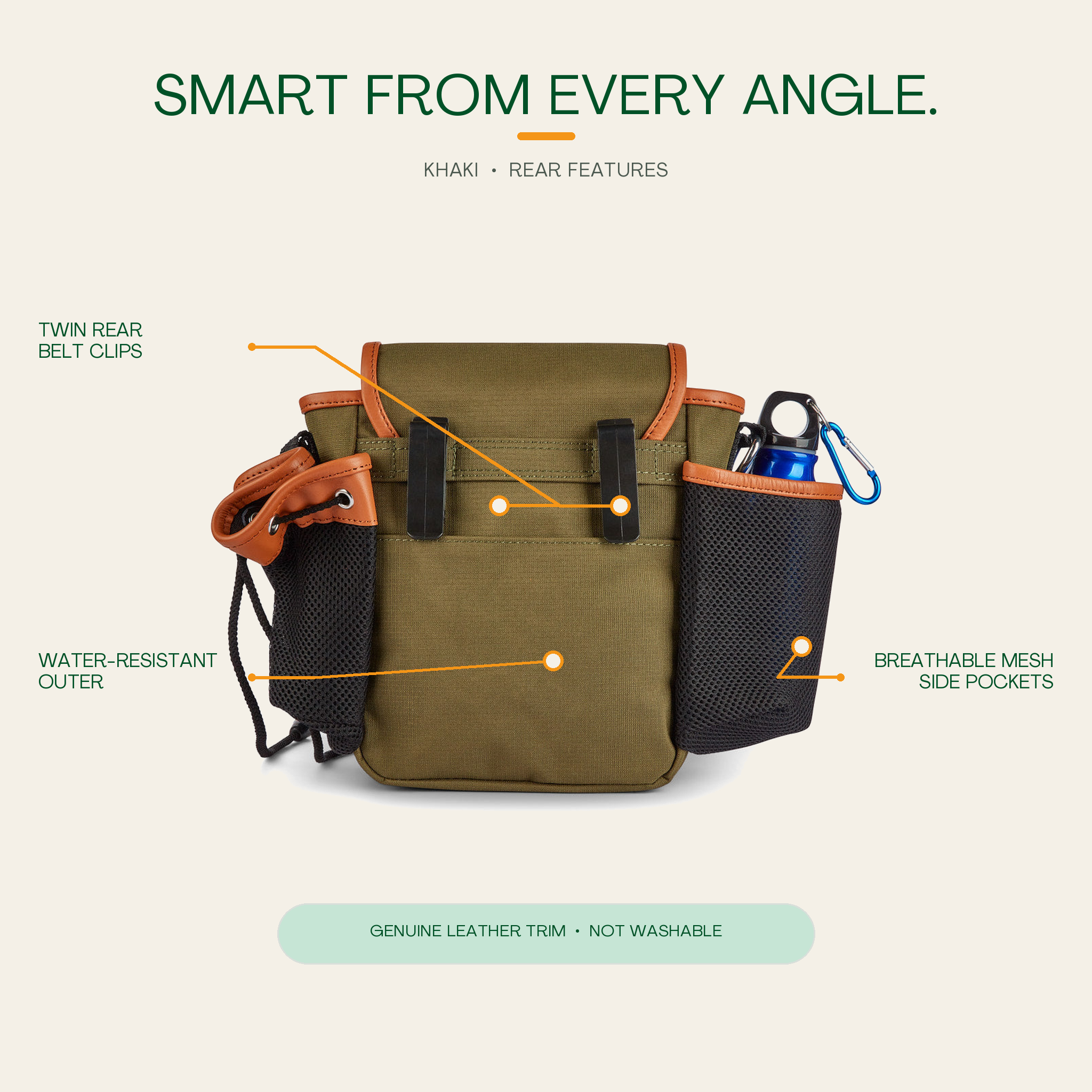
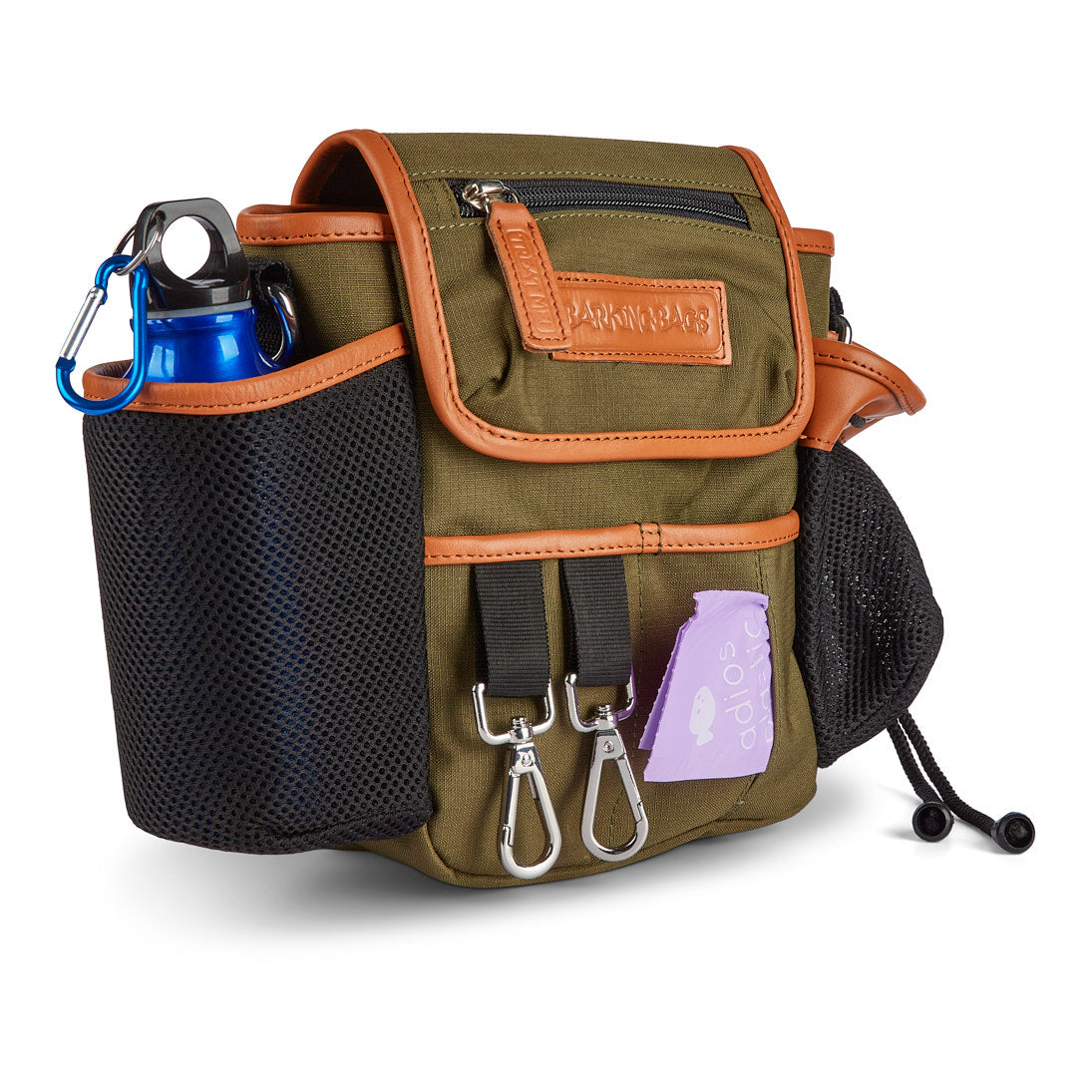
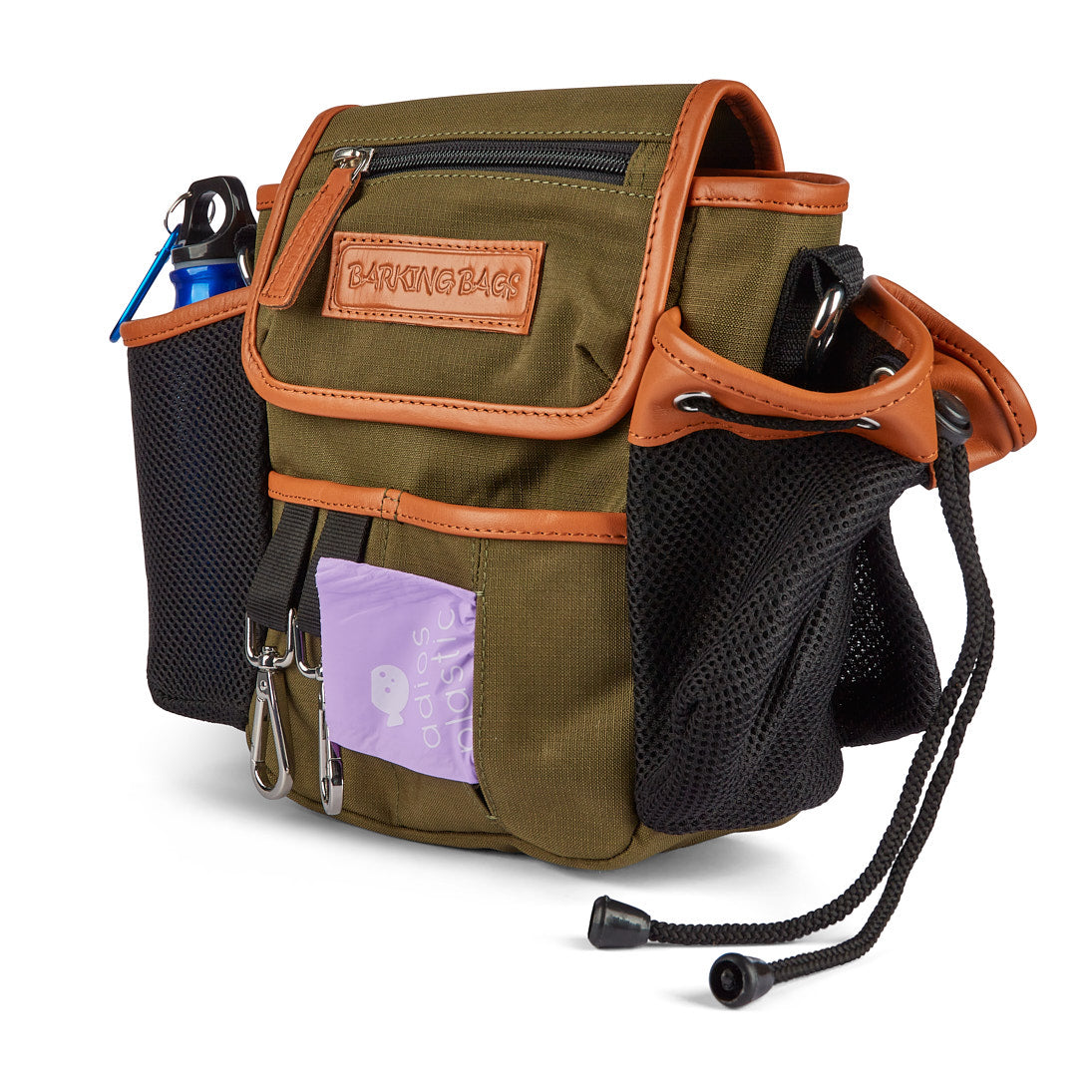
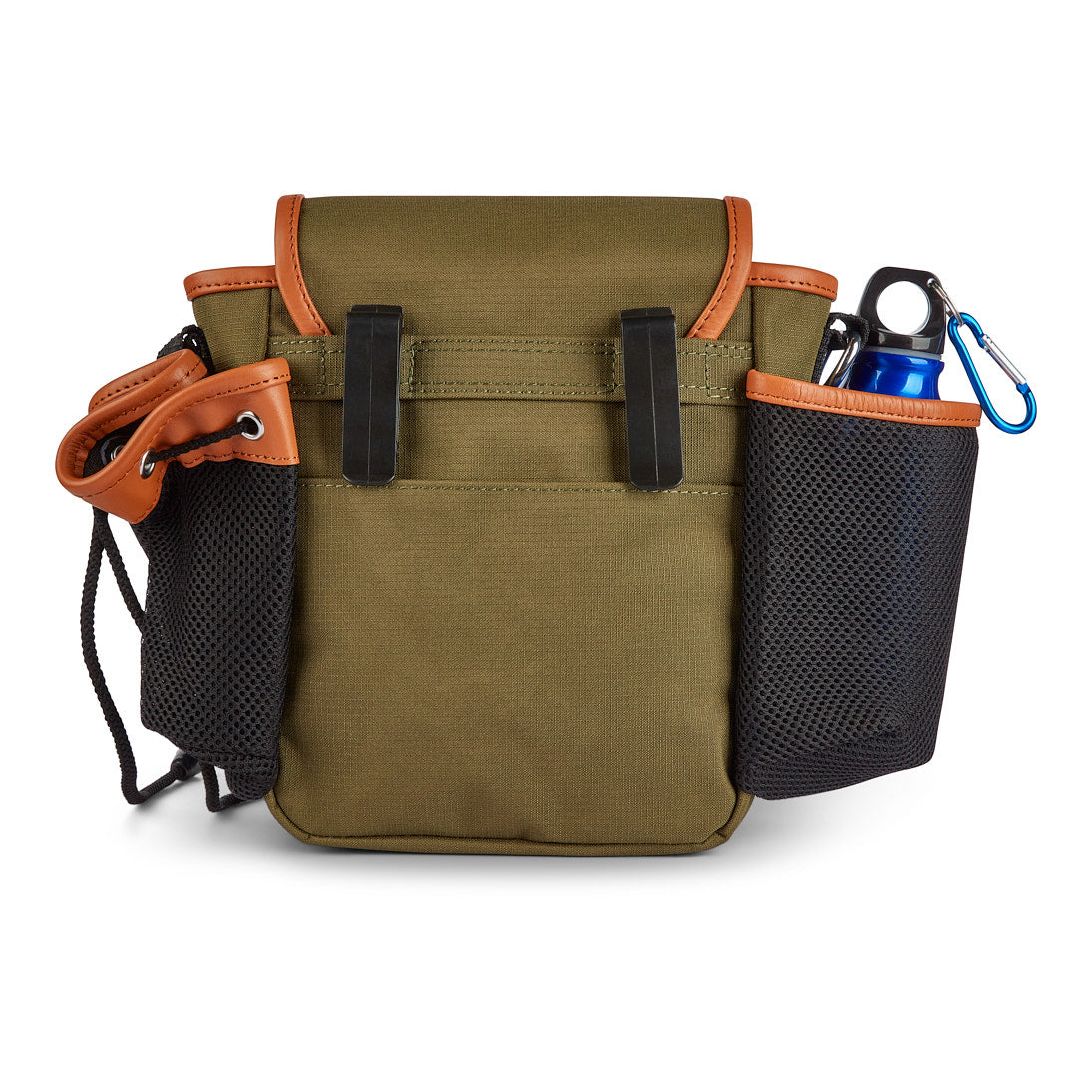
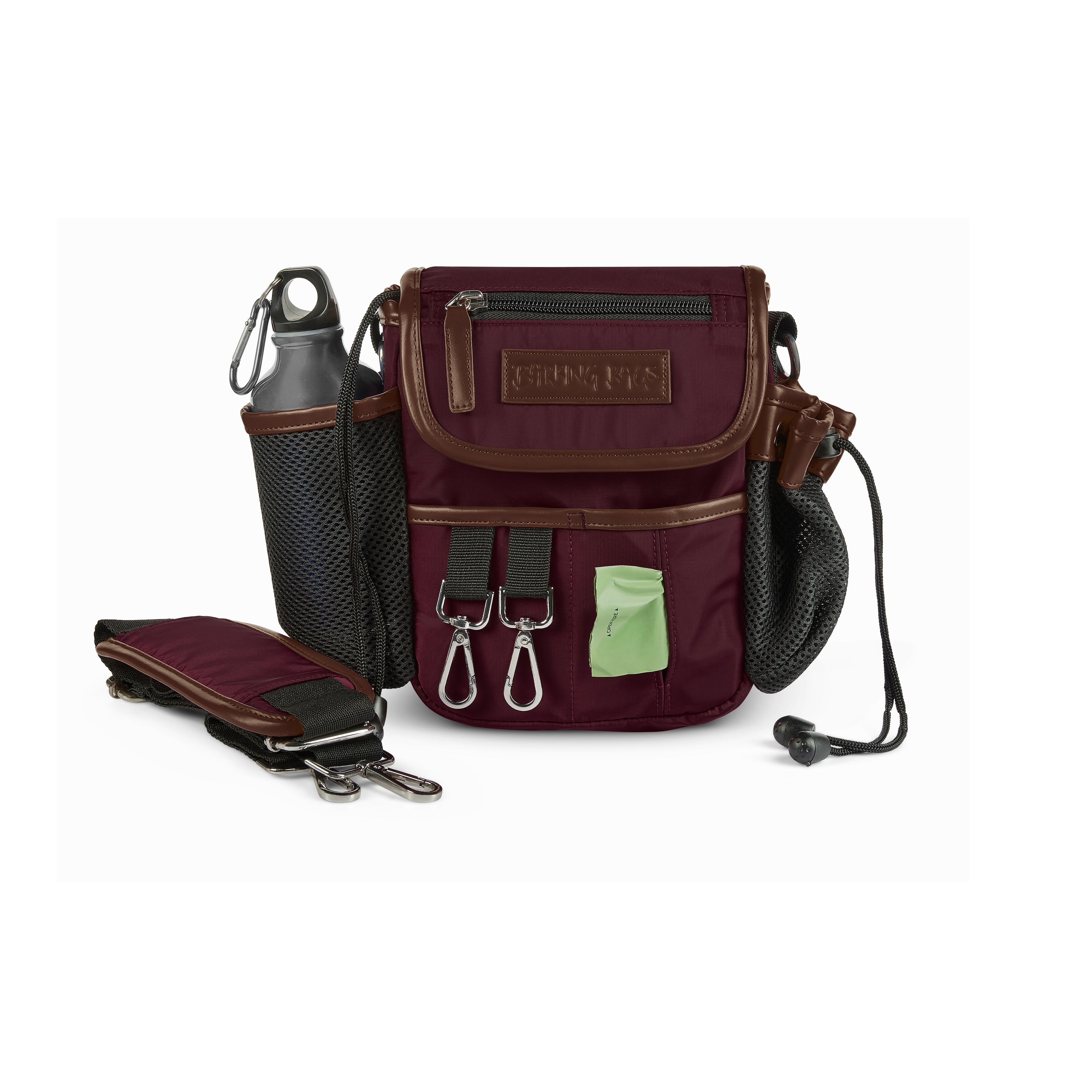
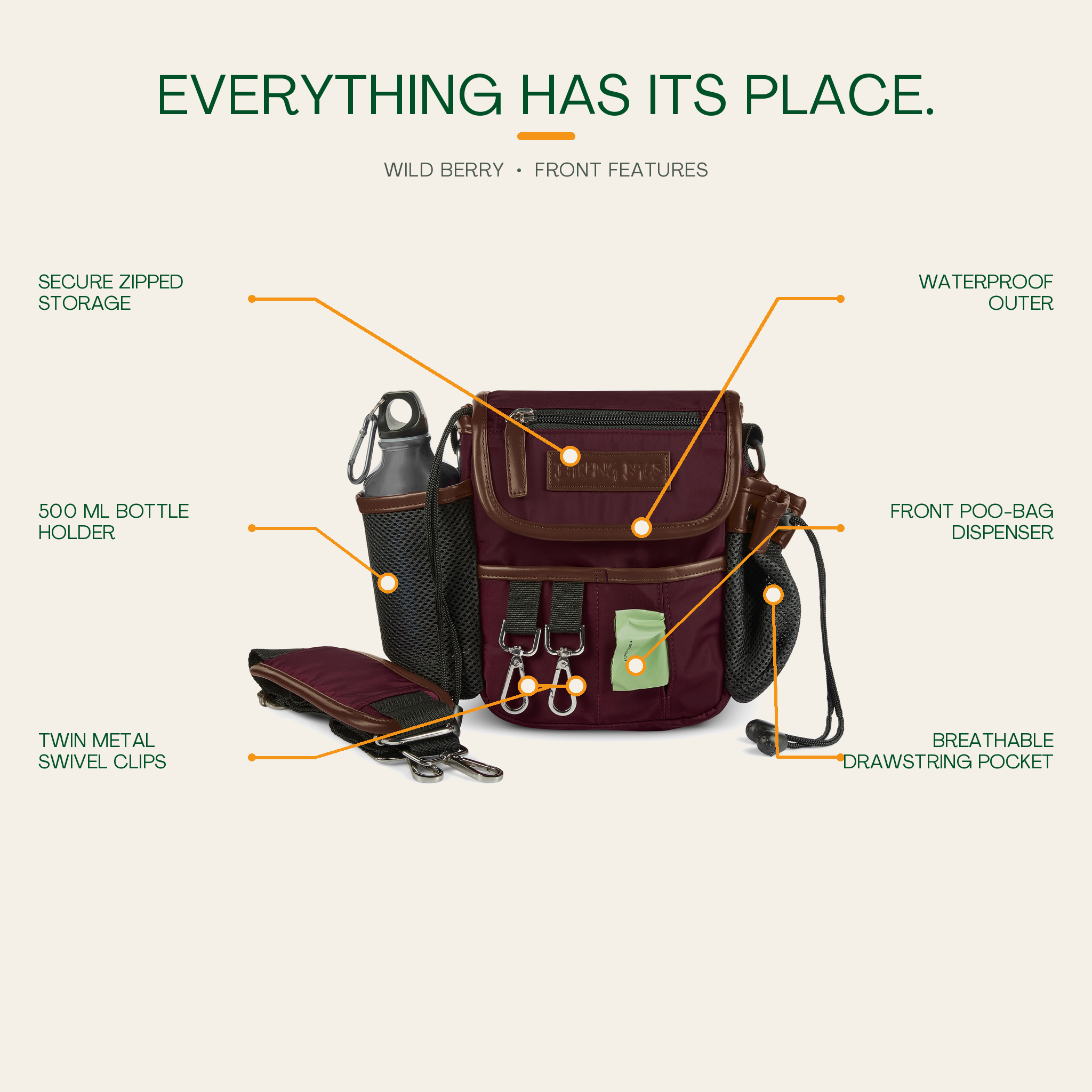
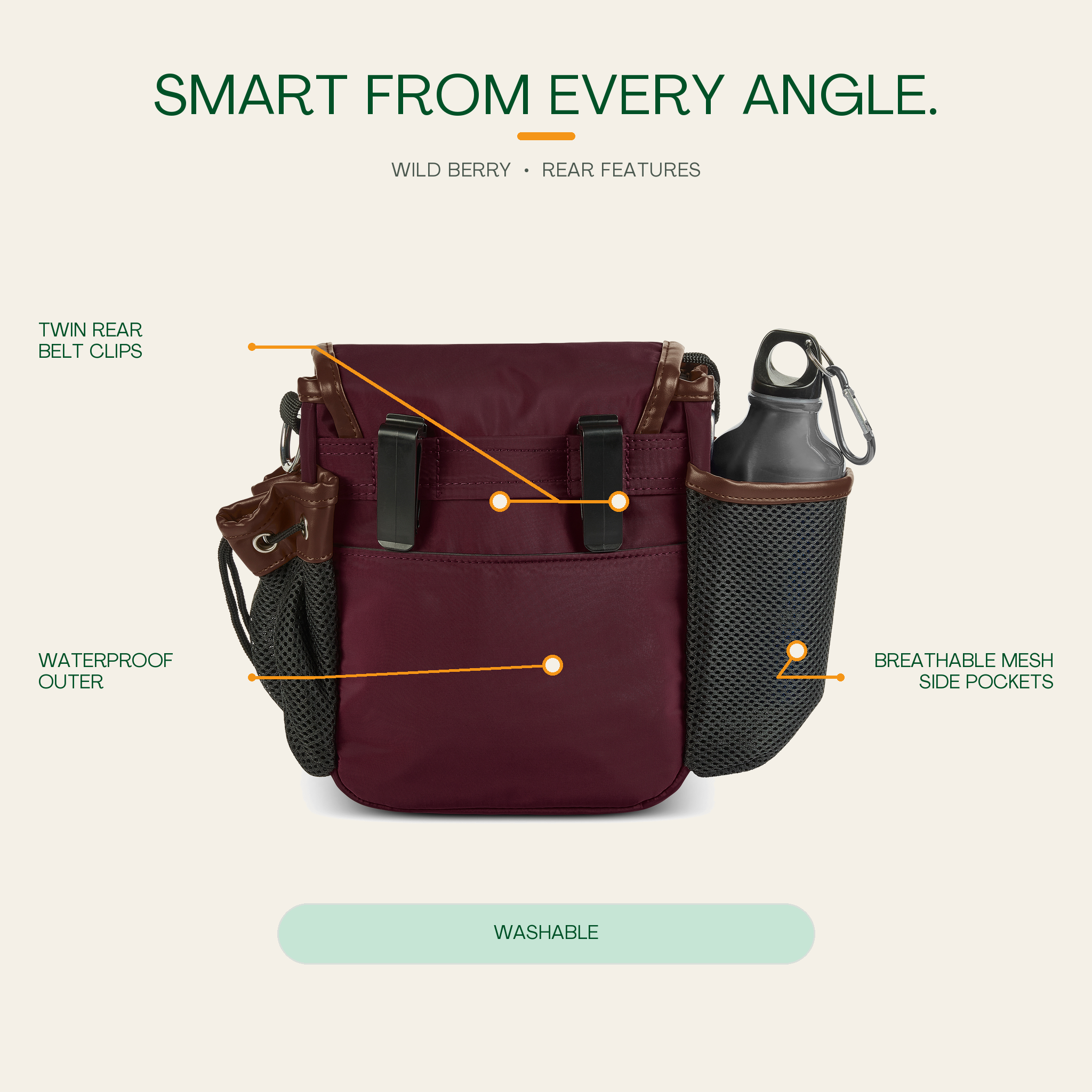
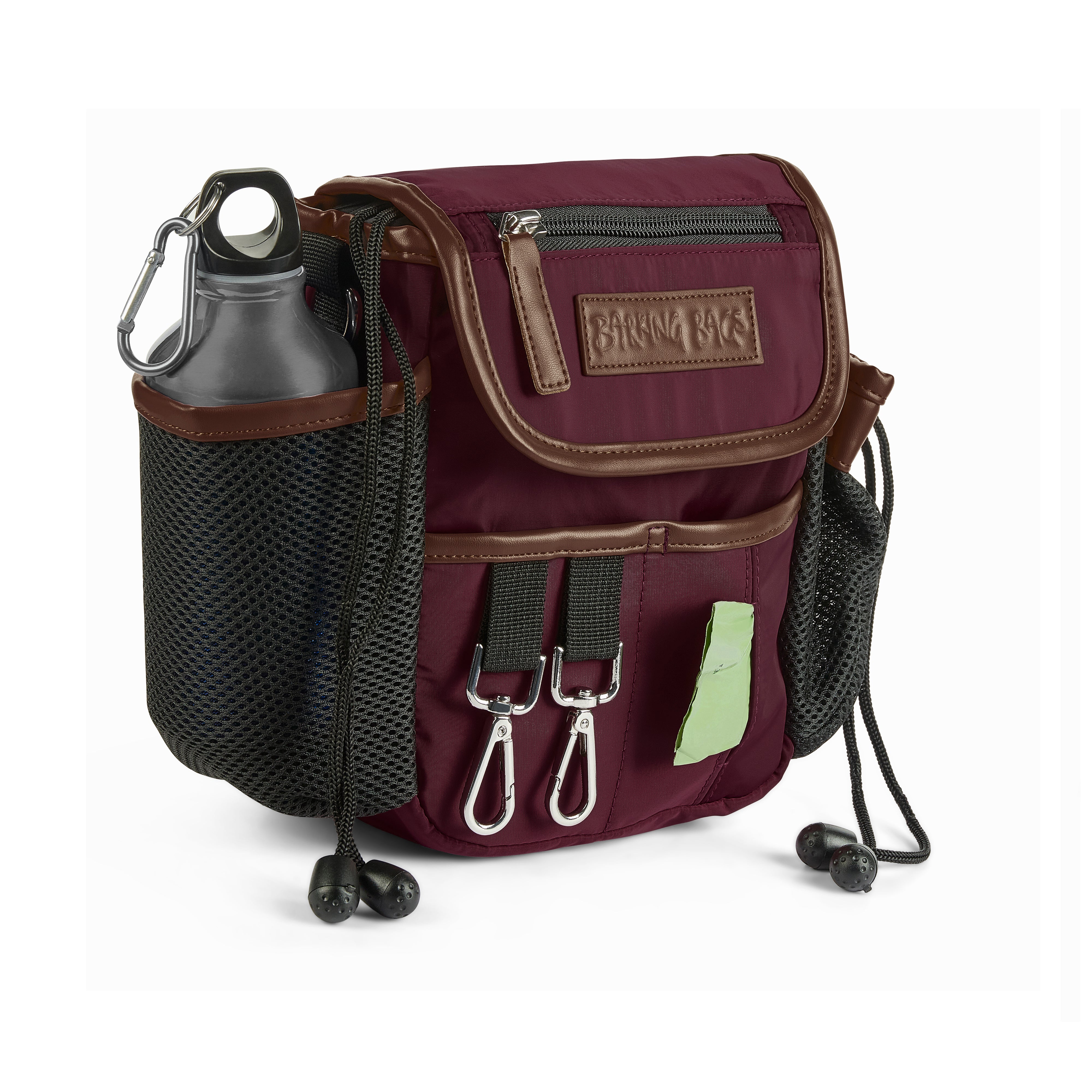
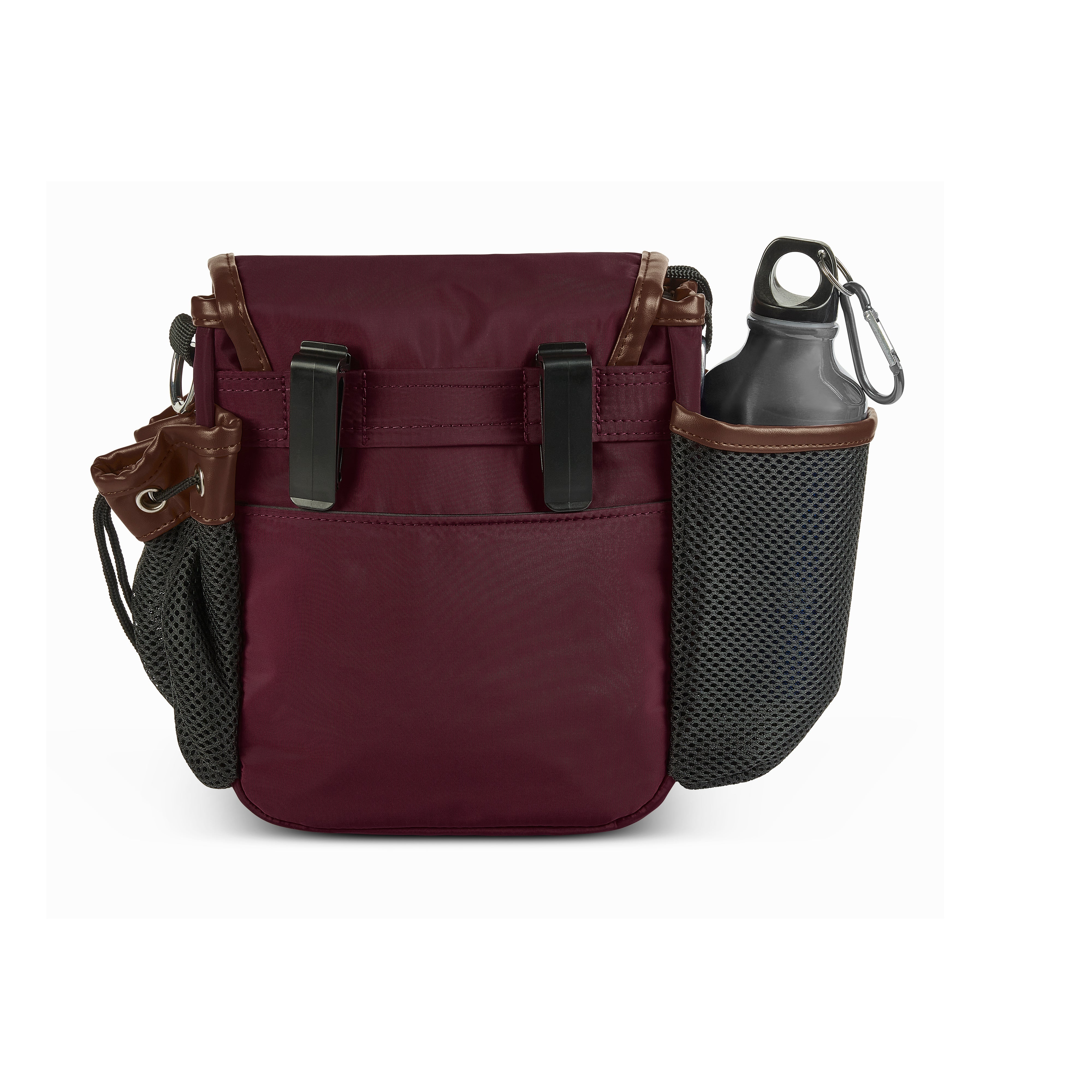
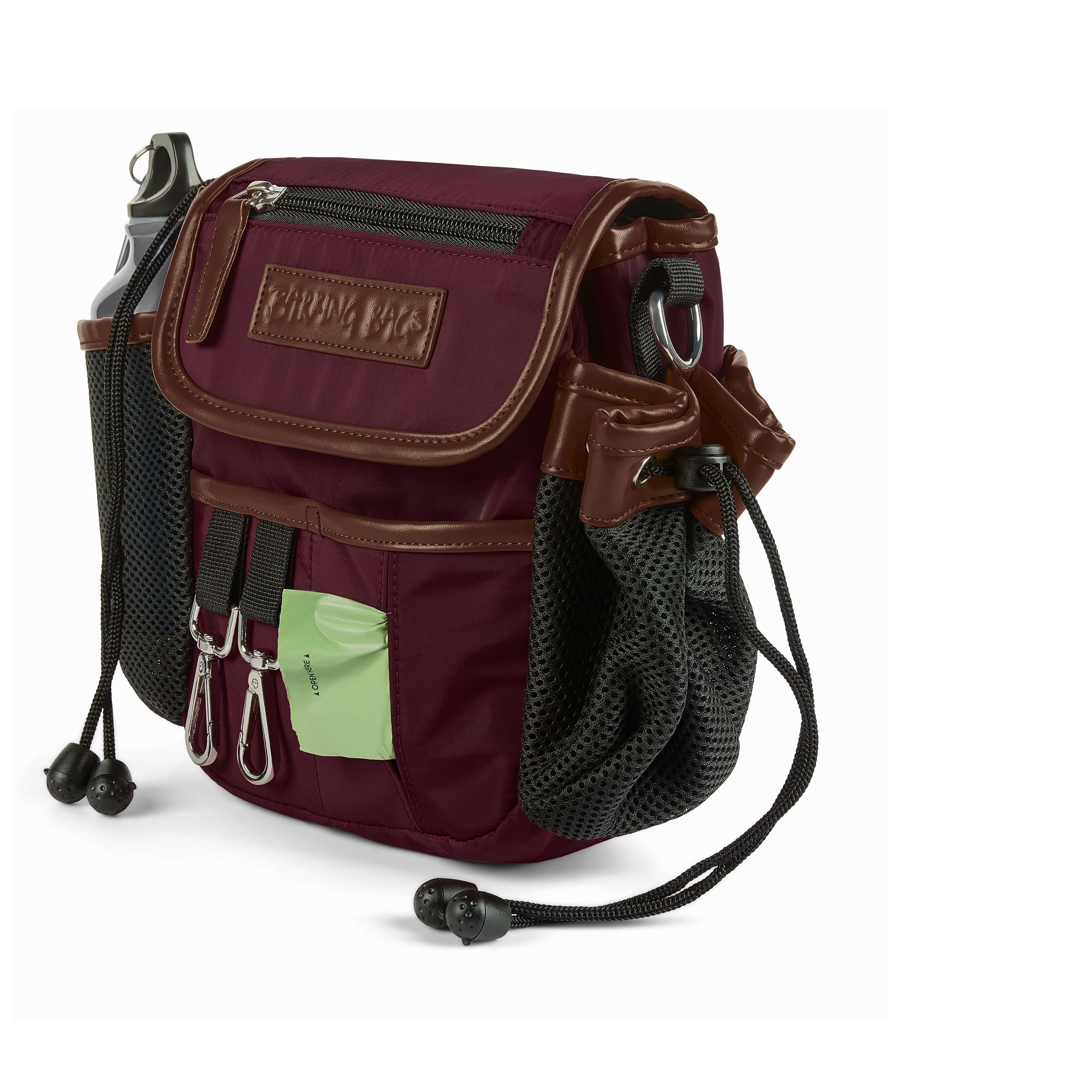
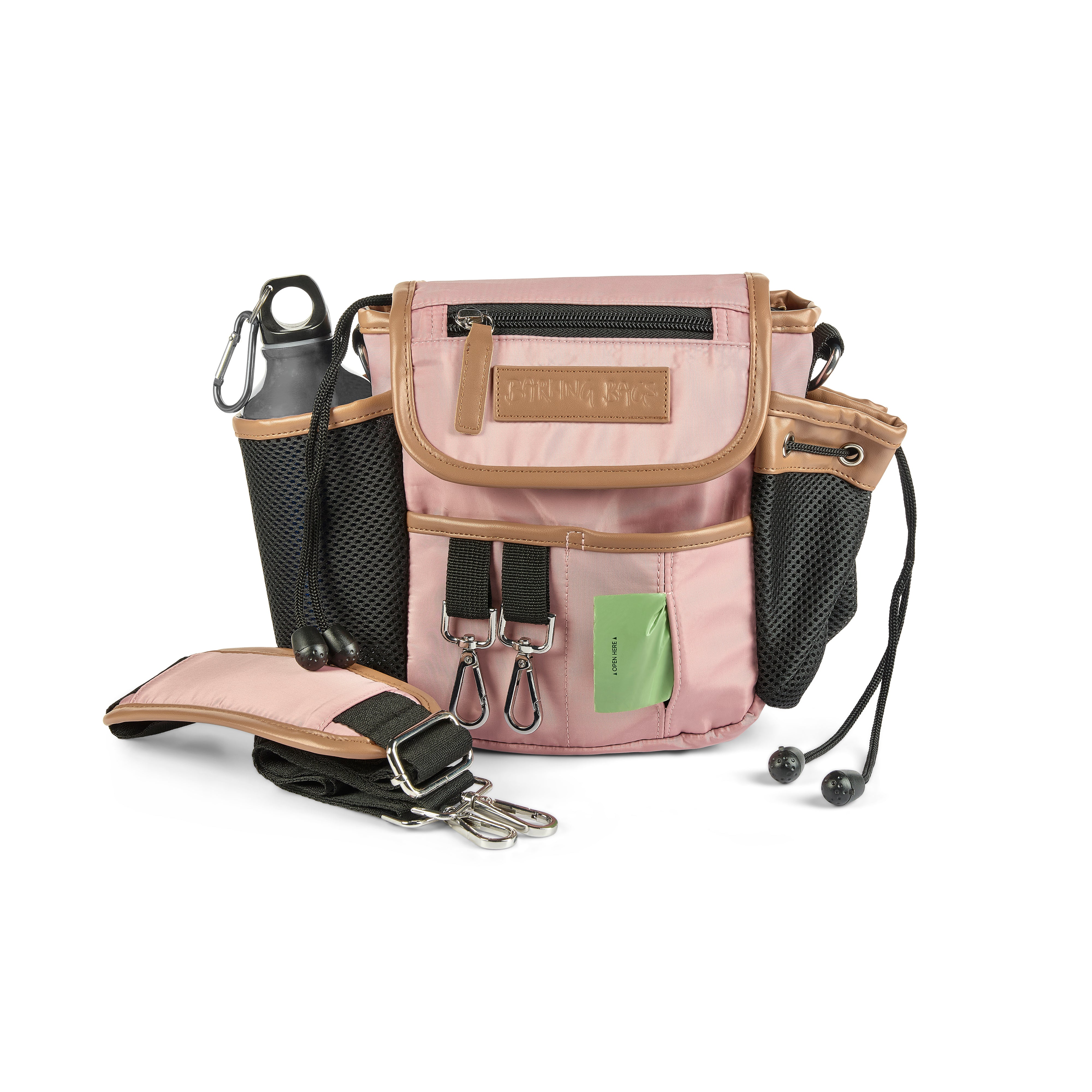
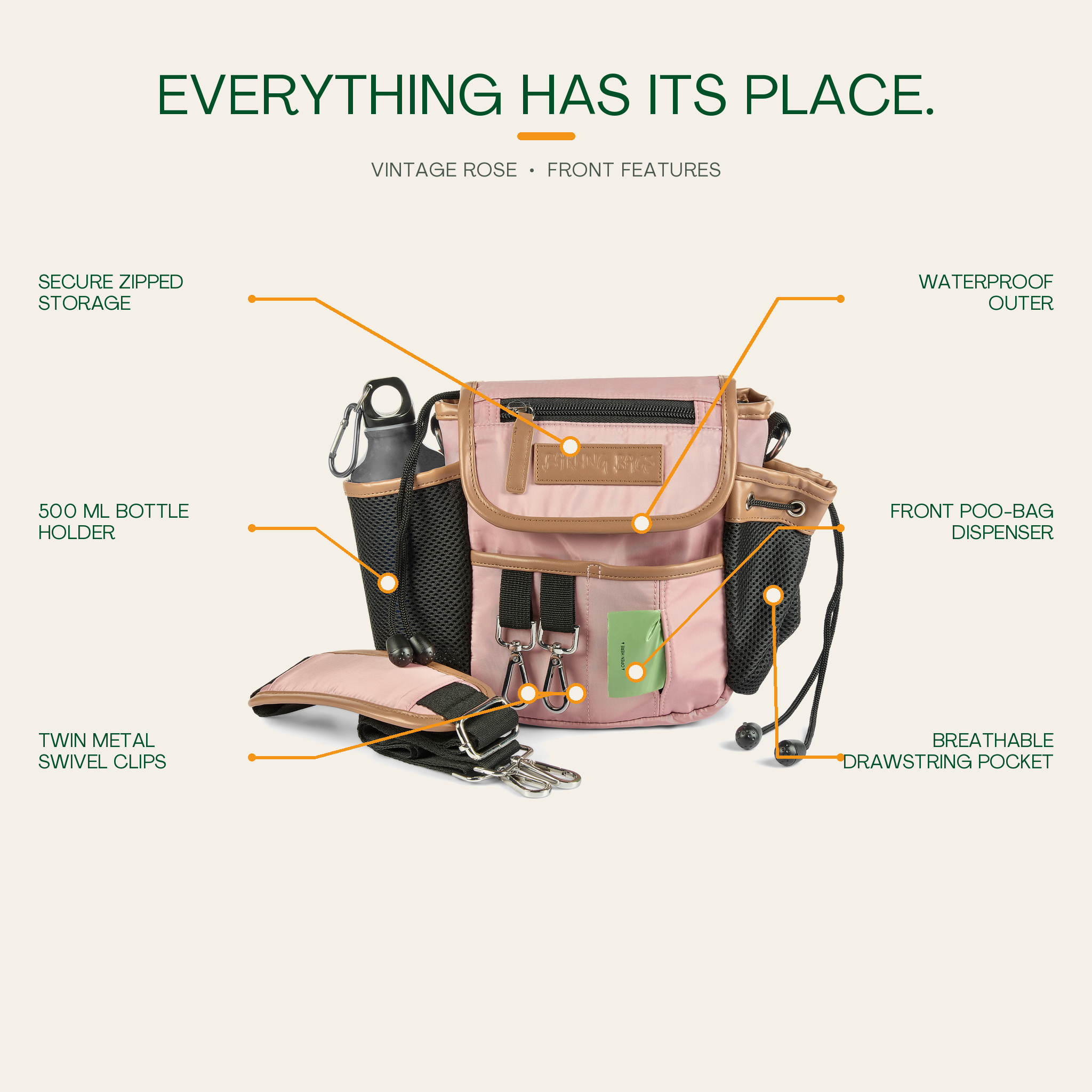
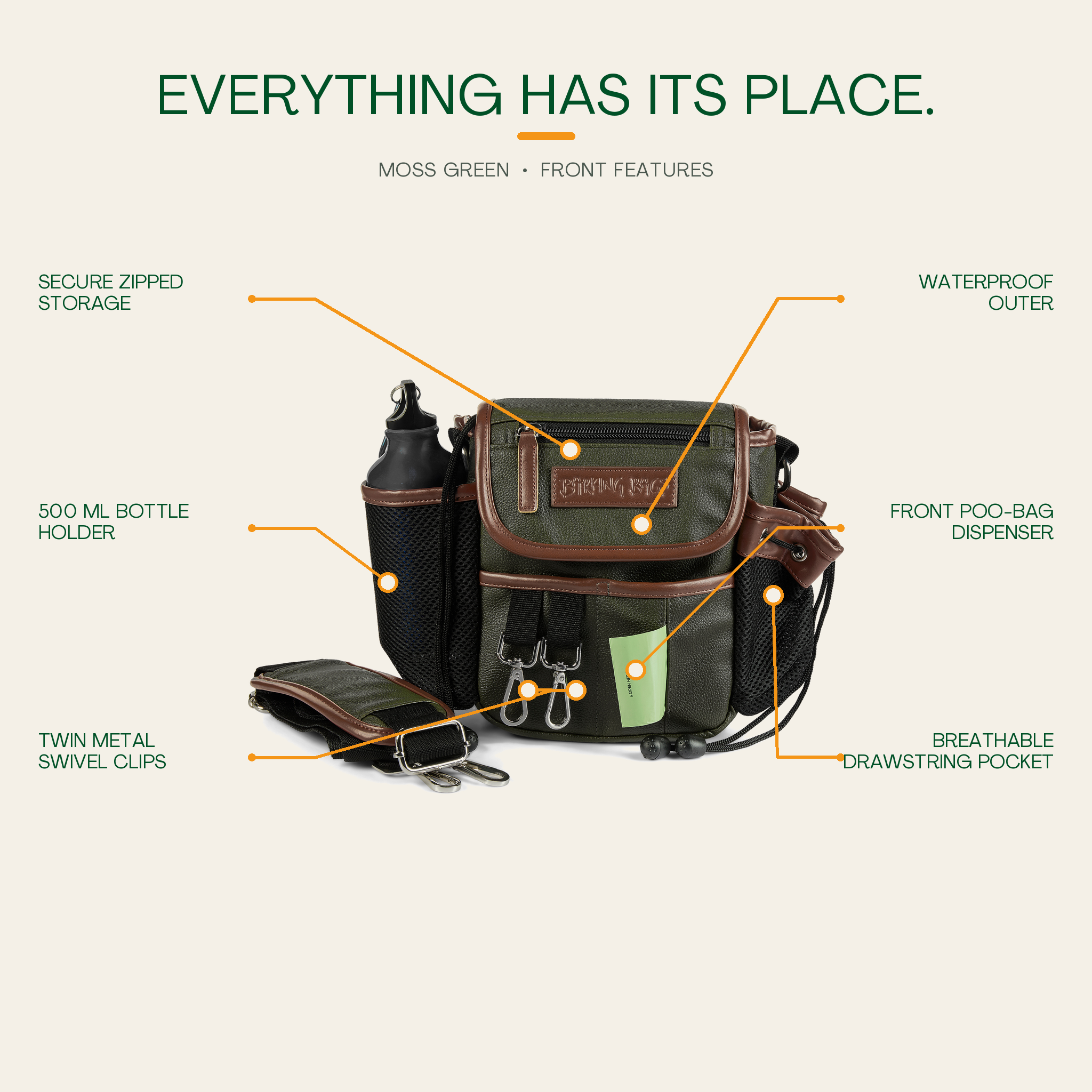
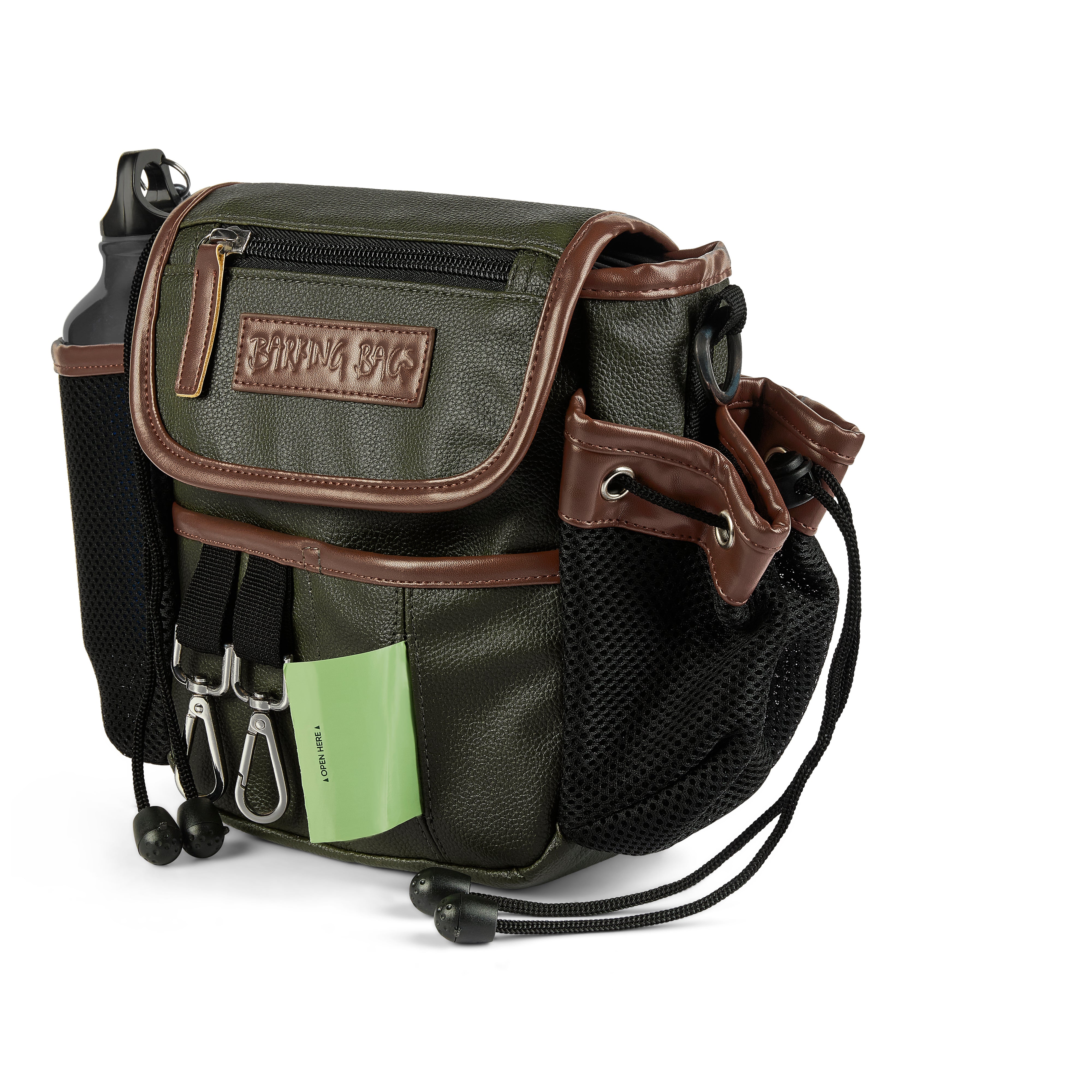
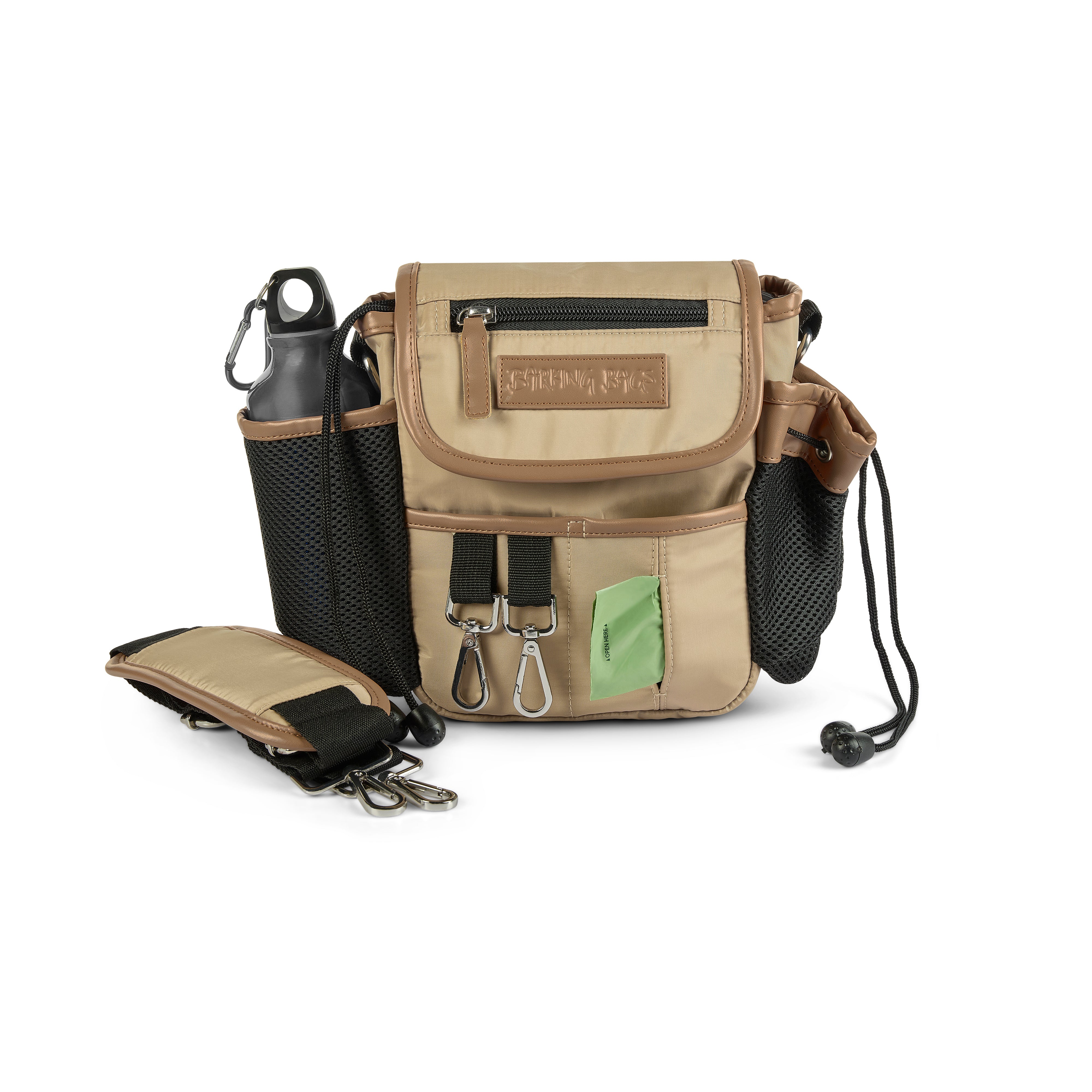
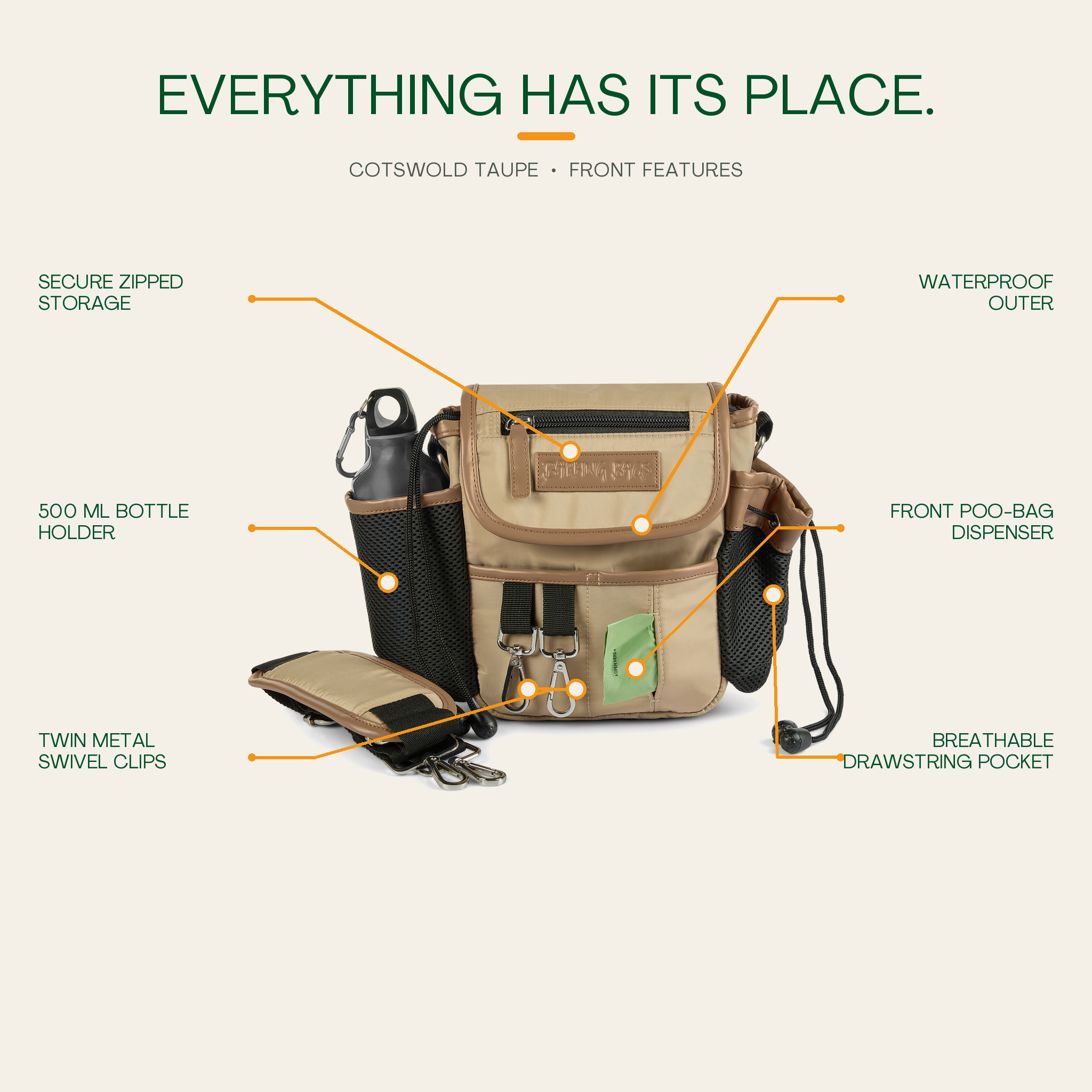
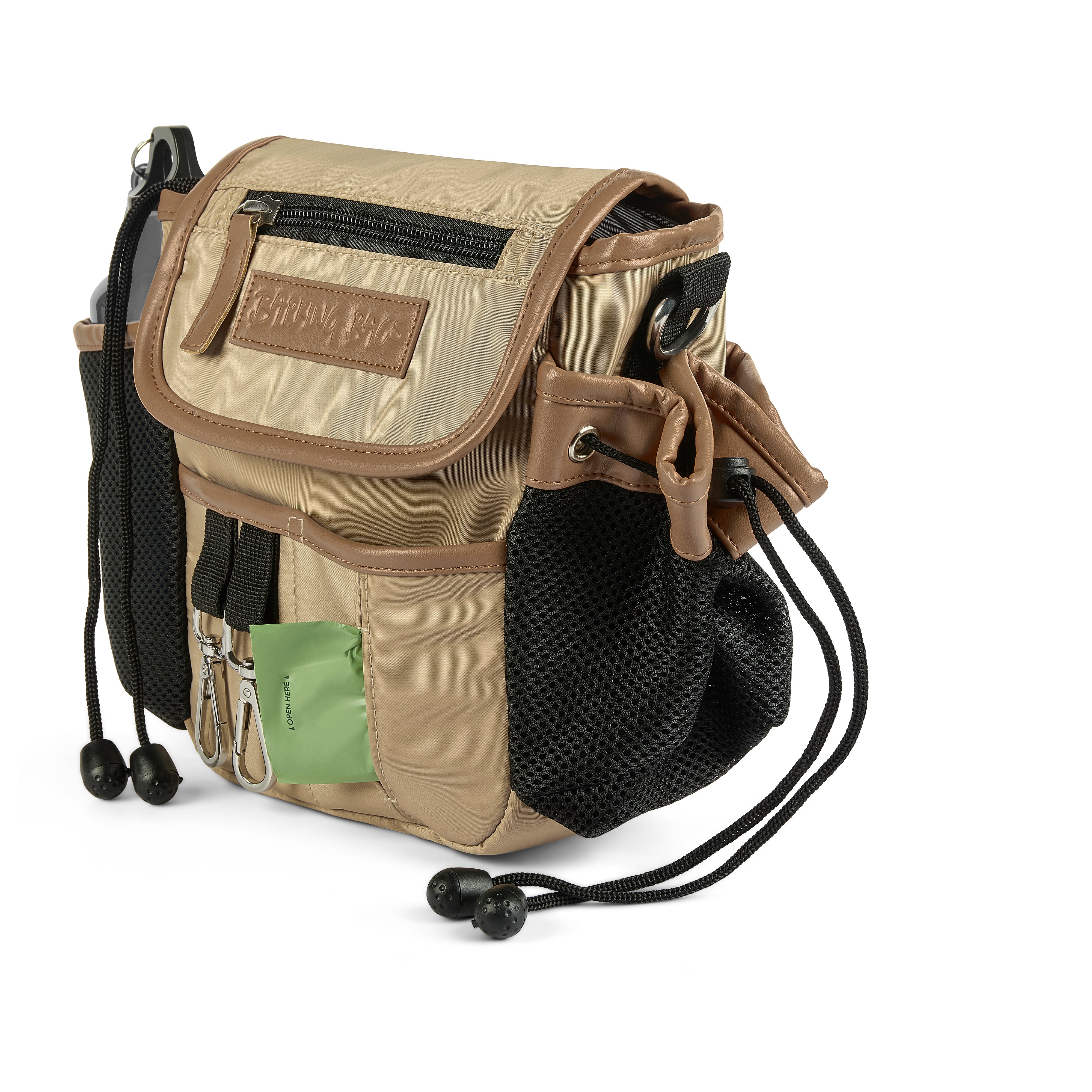
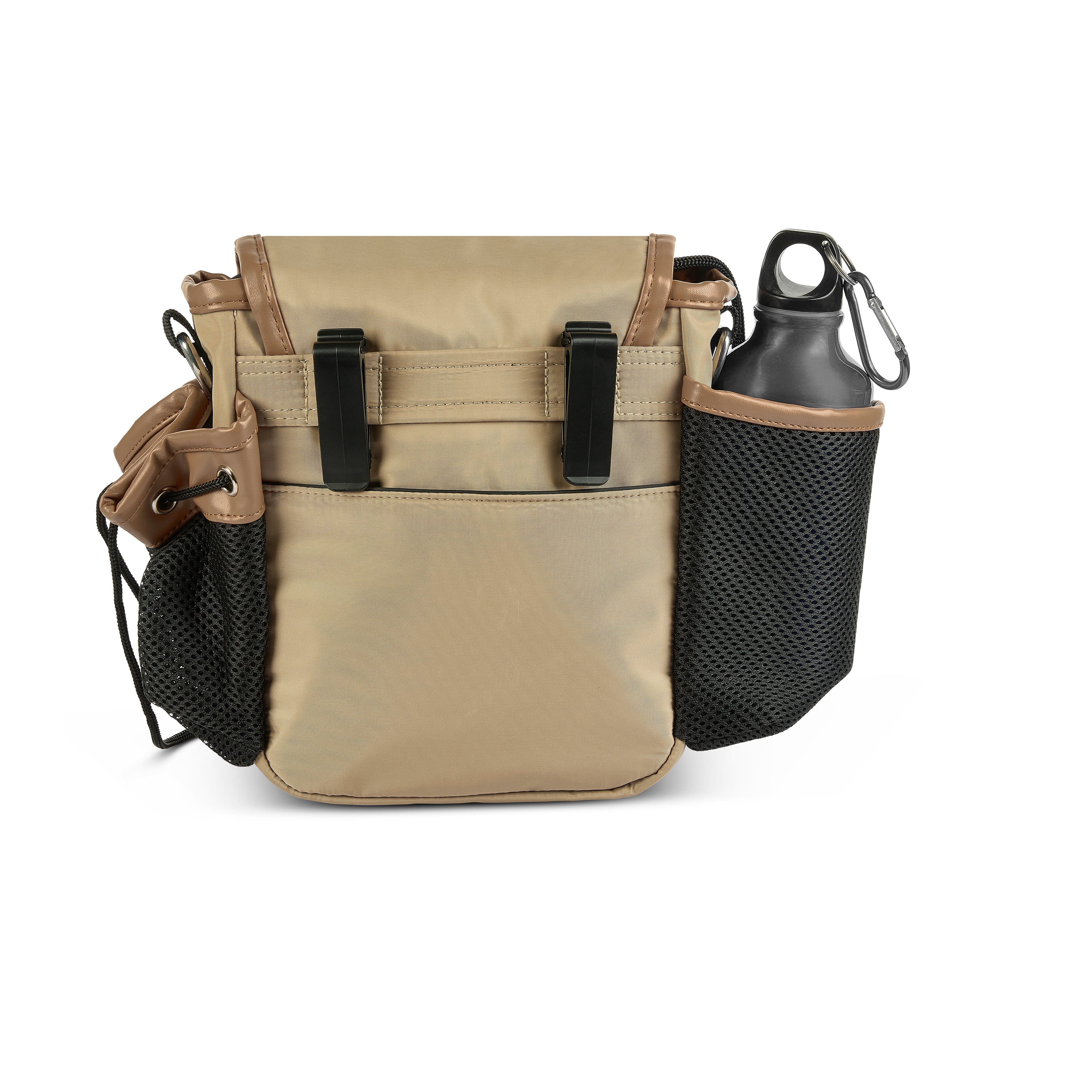
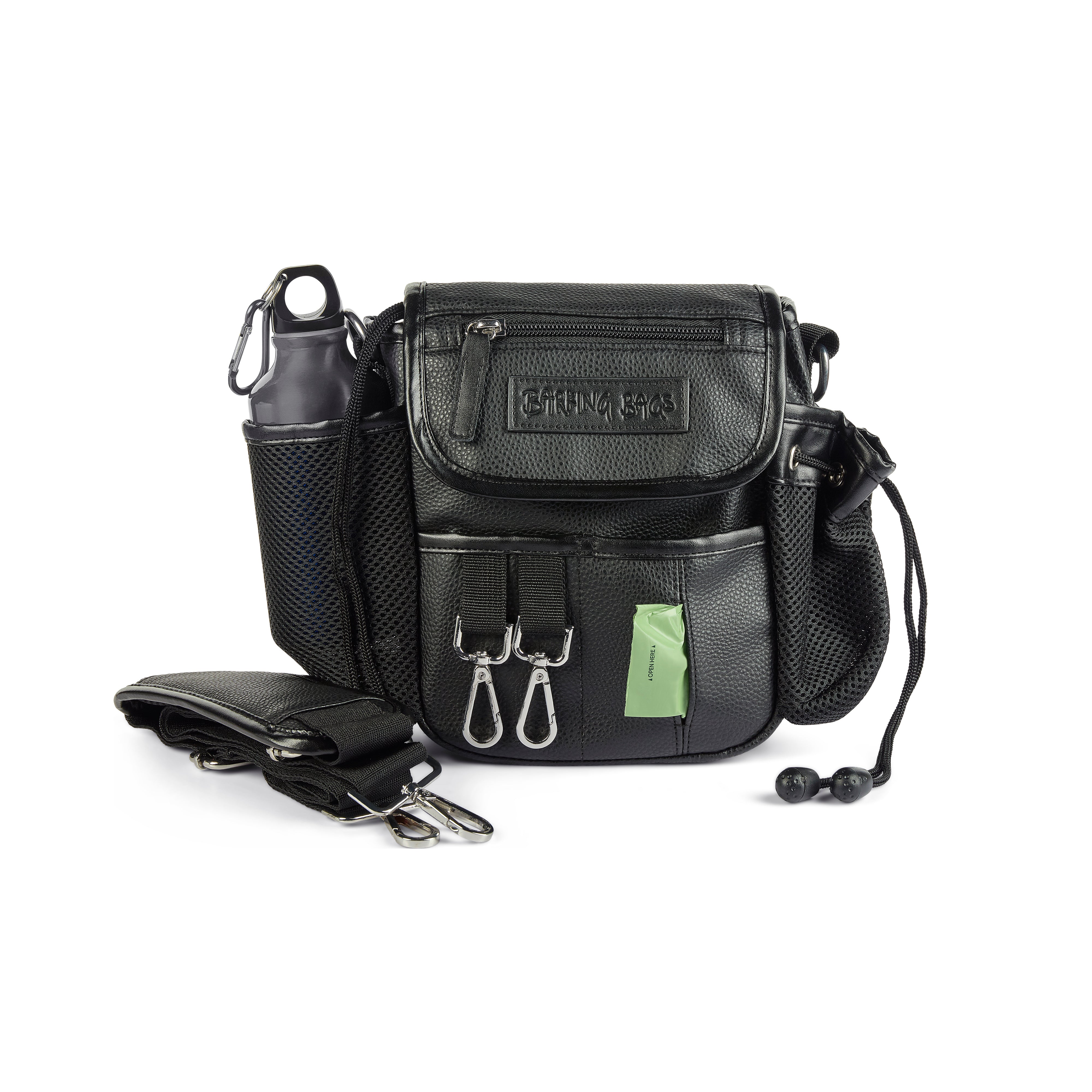
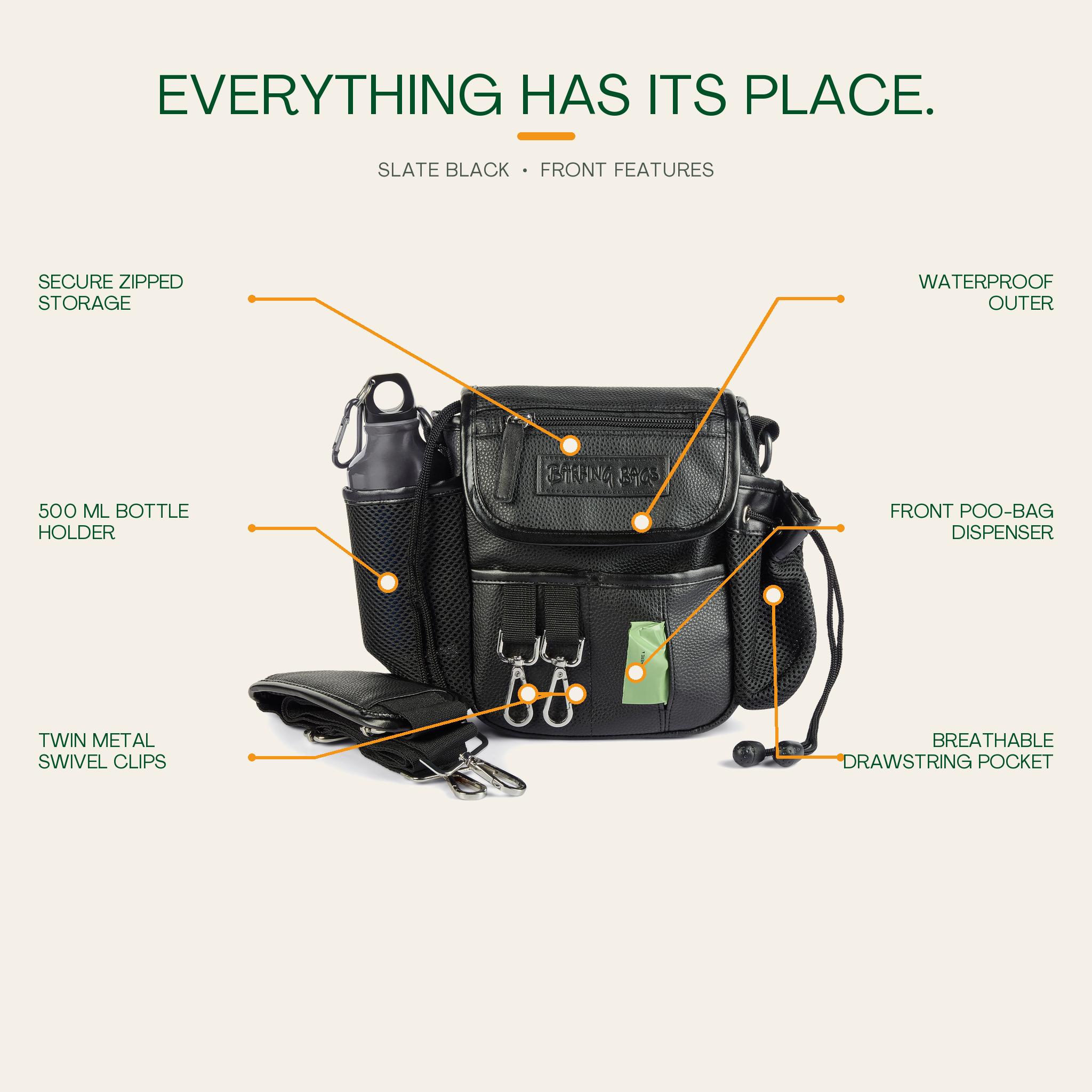
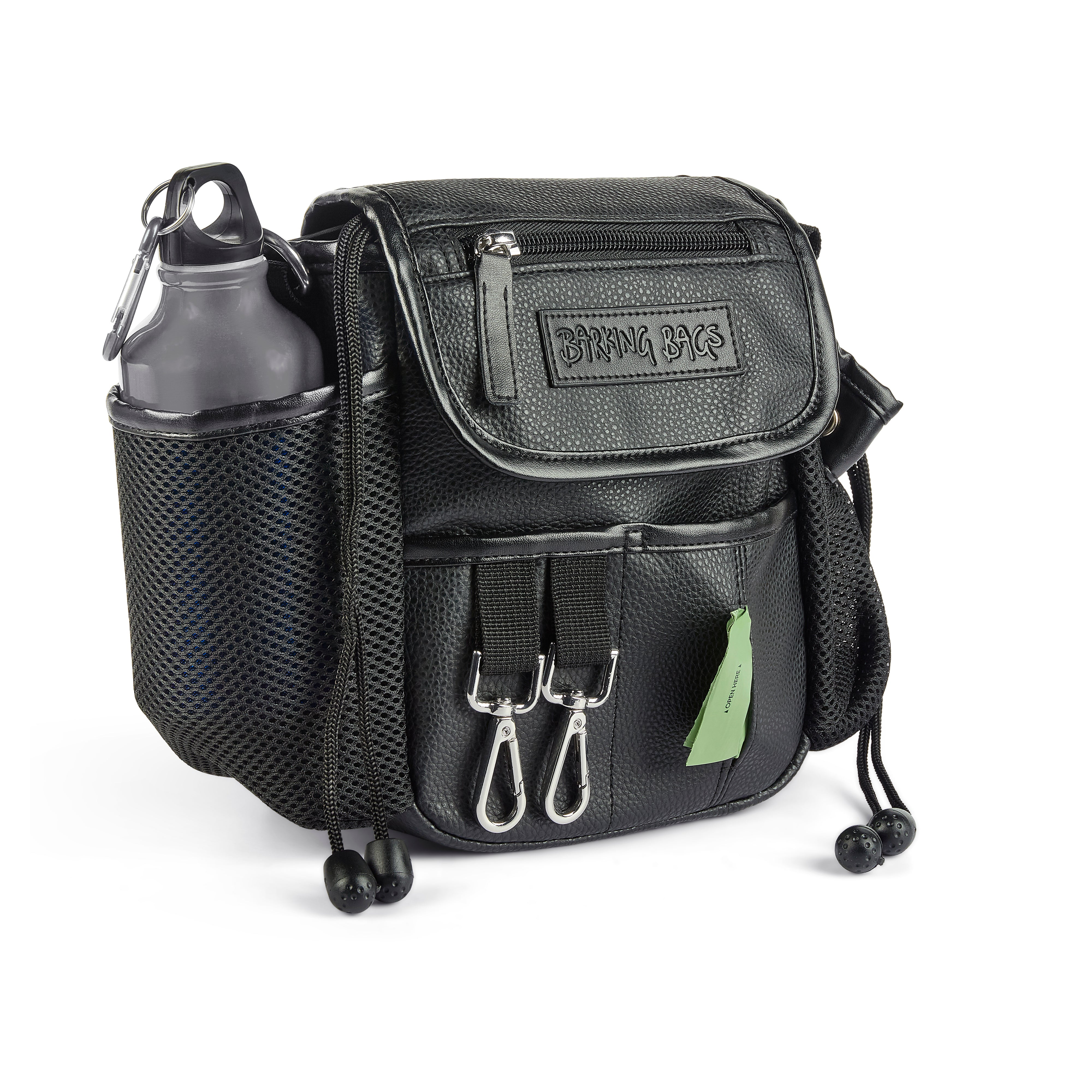
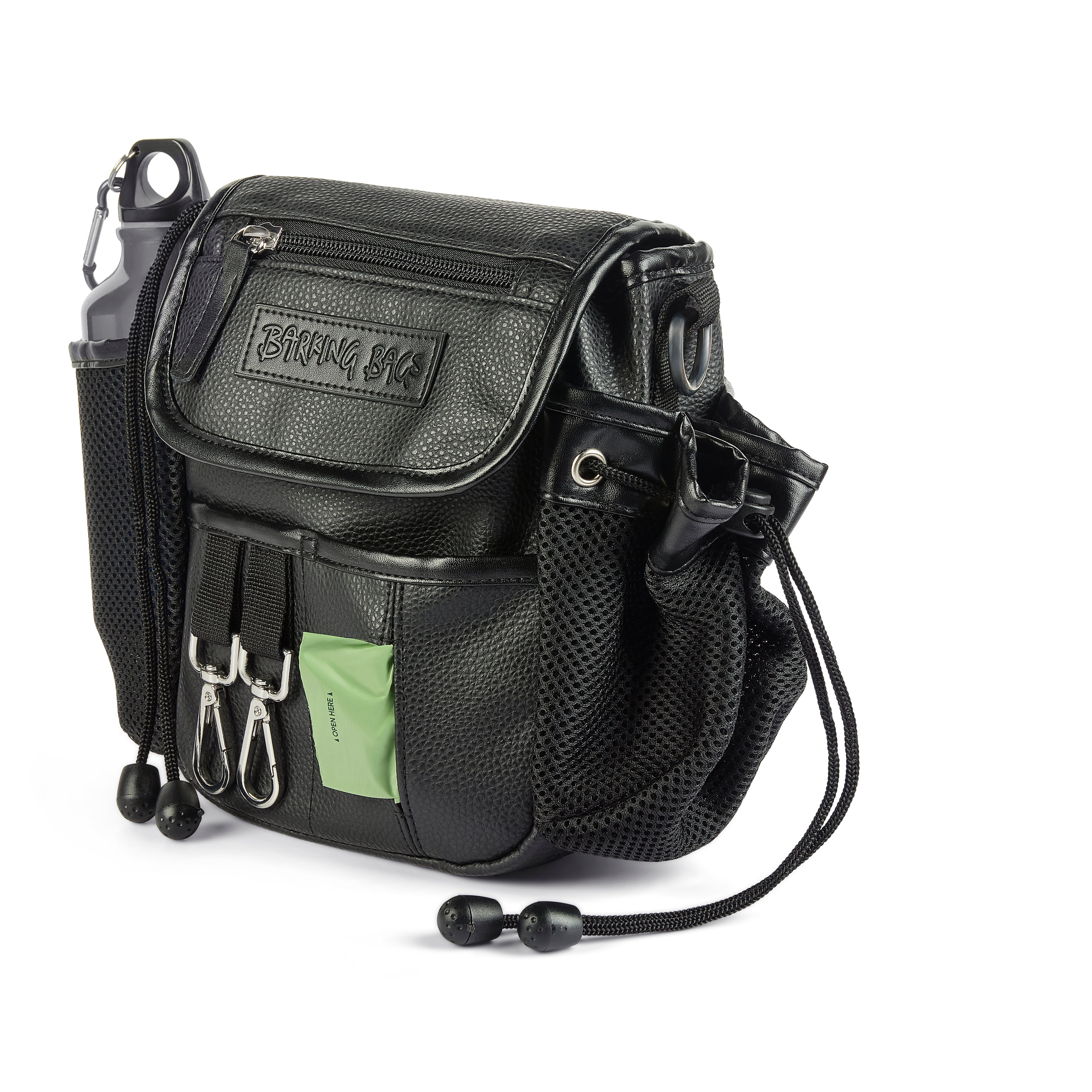
Separate compartments make a real difference here. If your bag has a dedicated poo bag dispenser, an easy-access treat section and a secure zip pocket for valuables, you remove half the frustration before the walk has even started. You also avoid that familiar moment of emptying everything out just to find your keys.
Prioritise what you need one-handed
When choosing where everything goes, think about what you may need while holding a lead. Poo bags, treats and your phone usually need the quickest access. Items like spare gloves or a portable charger can sit further down in the bag because they are not part of the active walking routine.
That one change - keeping the high-use items closest to hand - can make walks feel calmer, especially with excitable dogs, puppies in training or multiple dogs.
Build a grab-and-go setup at home
The real organisation starts before you leave the house. If your dog walking gear is spread across coat pockets, kitchen counters and the car, no bag will fix the chaos on its own.
Set up one home base for your walking kit. It might be a hook by the door, a shelf in the utility room or a basket in the hallway. The point is to keep everything in one place so you are not rebuilding your setup every time.
Your lead, harness, bag and refill items should all live there. That means extra treat pouches, spare poo bag rolls, wipes and any seasonal bits like a light or paw balm. Restocking becomes much easier when you can see what is running low.
Refill little and often
A lot of dog walking disorganisation comes from leaving everything until it runs out. Then you discover there are no treats, one bag left on the roll, and your hand sanitiser has disappeared.
A quick reset after each walk works better than a big weekly overhaul. Top up treats, replace poo bags, throw away wrappers, remove used tissues and put the bag back in its place. It takes two minutes and stops tomorrow's walk from starting in a rush.
Choose the right bag for the way you walk
If you are serious about how to organise dog walking essentials, the bag itself matters. Not all bags are built for the same job, and there is a big difference between a bag that simply holds items and one designed around the actual flow of a dog walk.
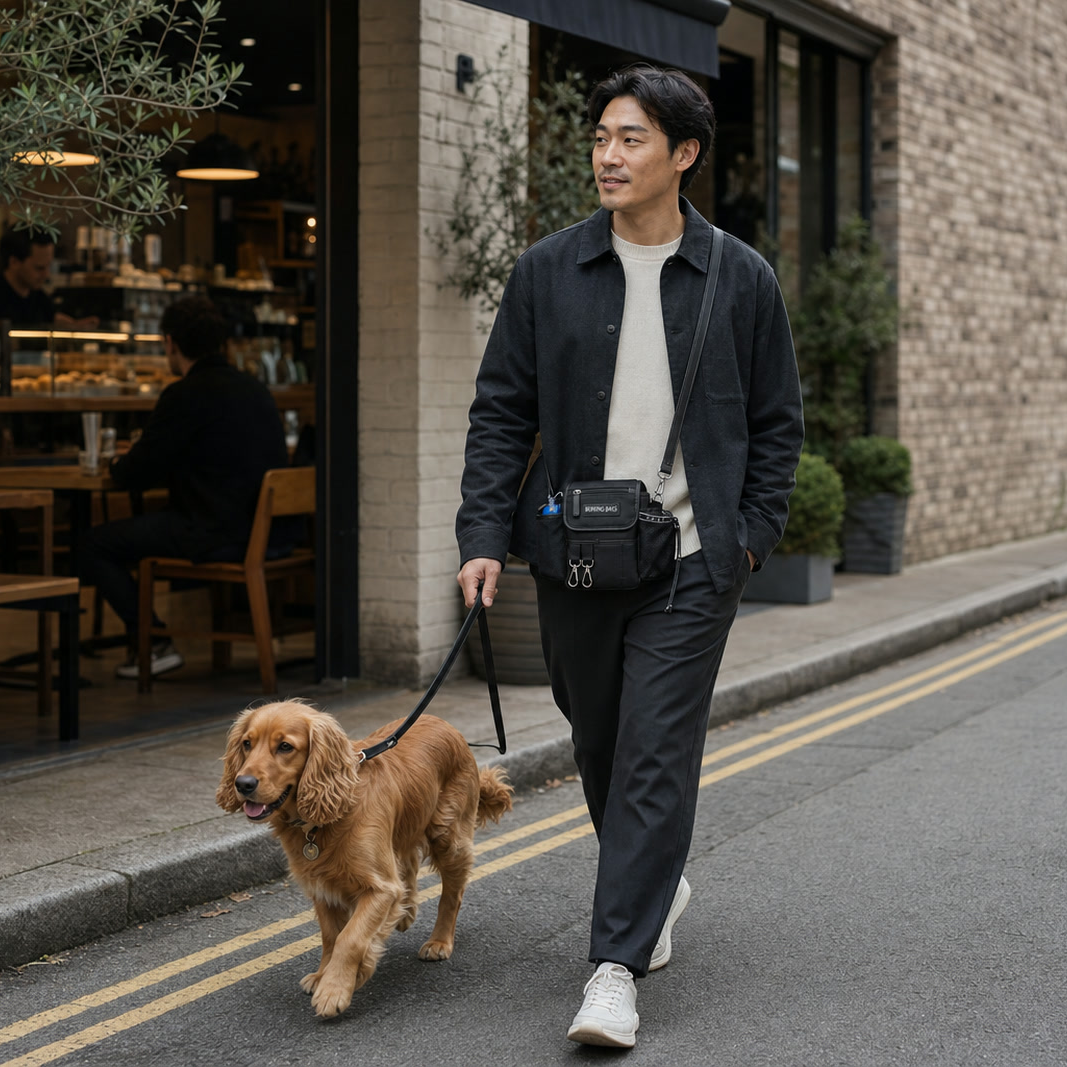
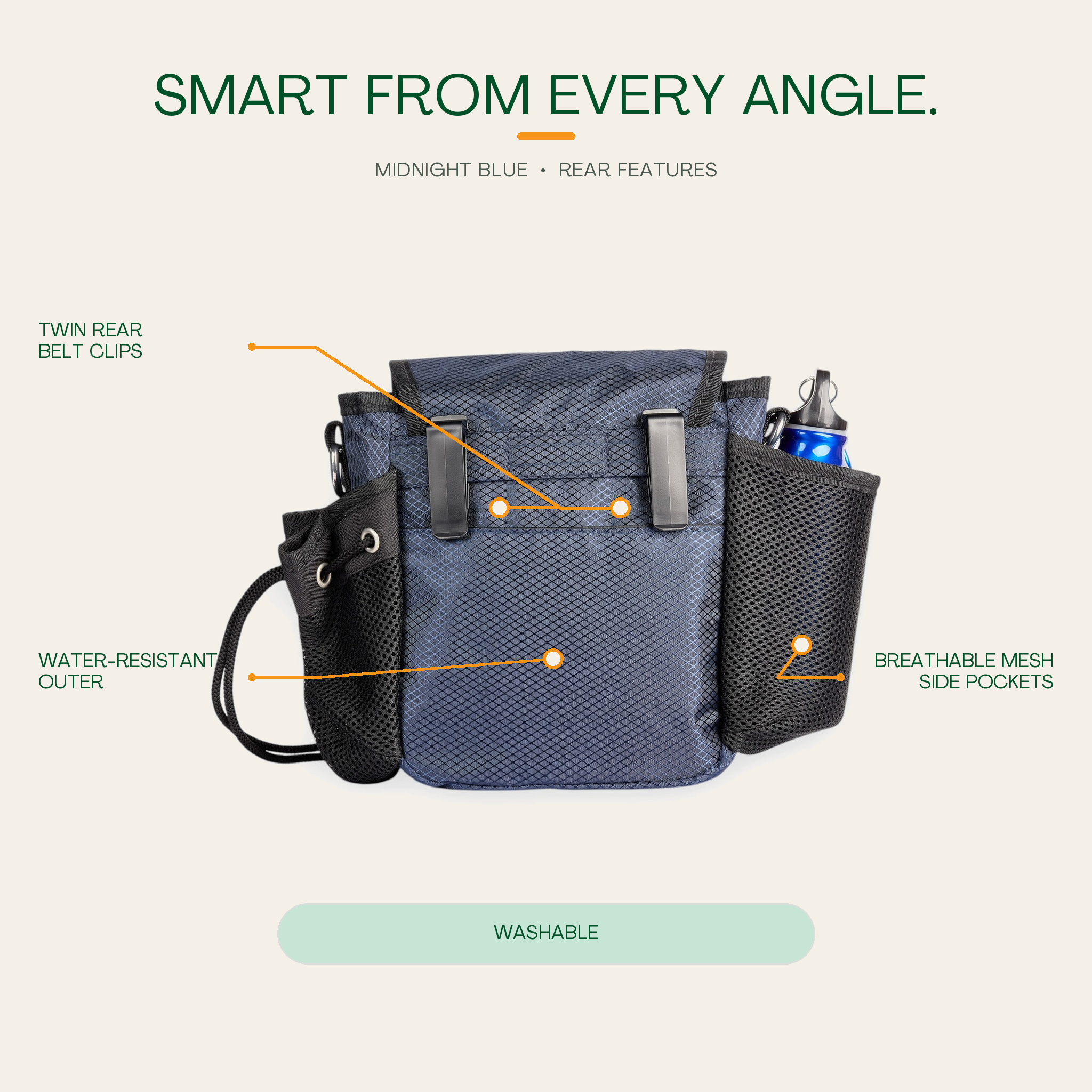
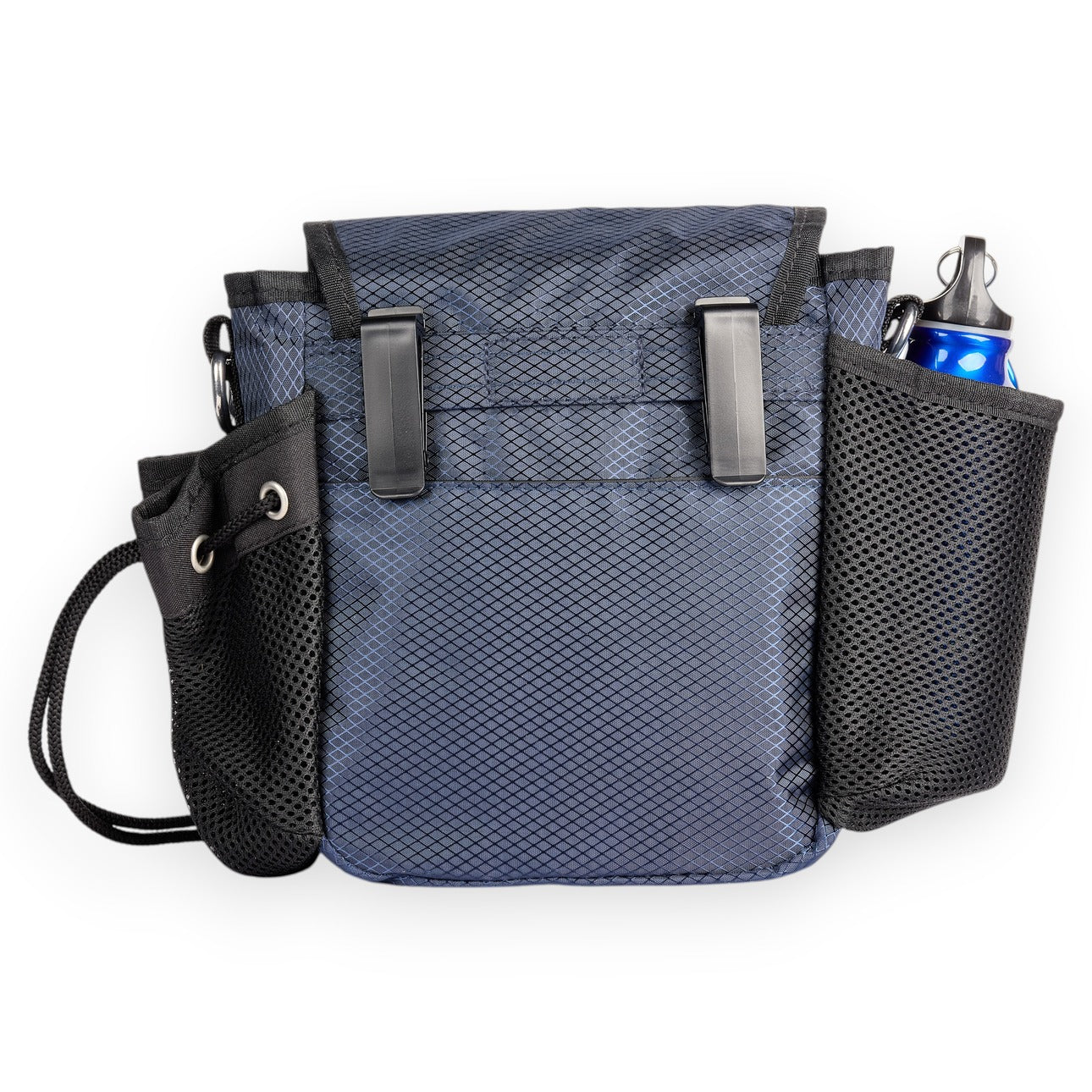
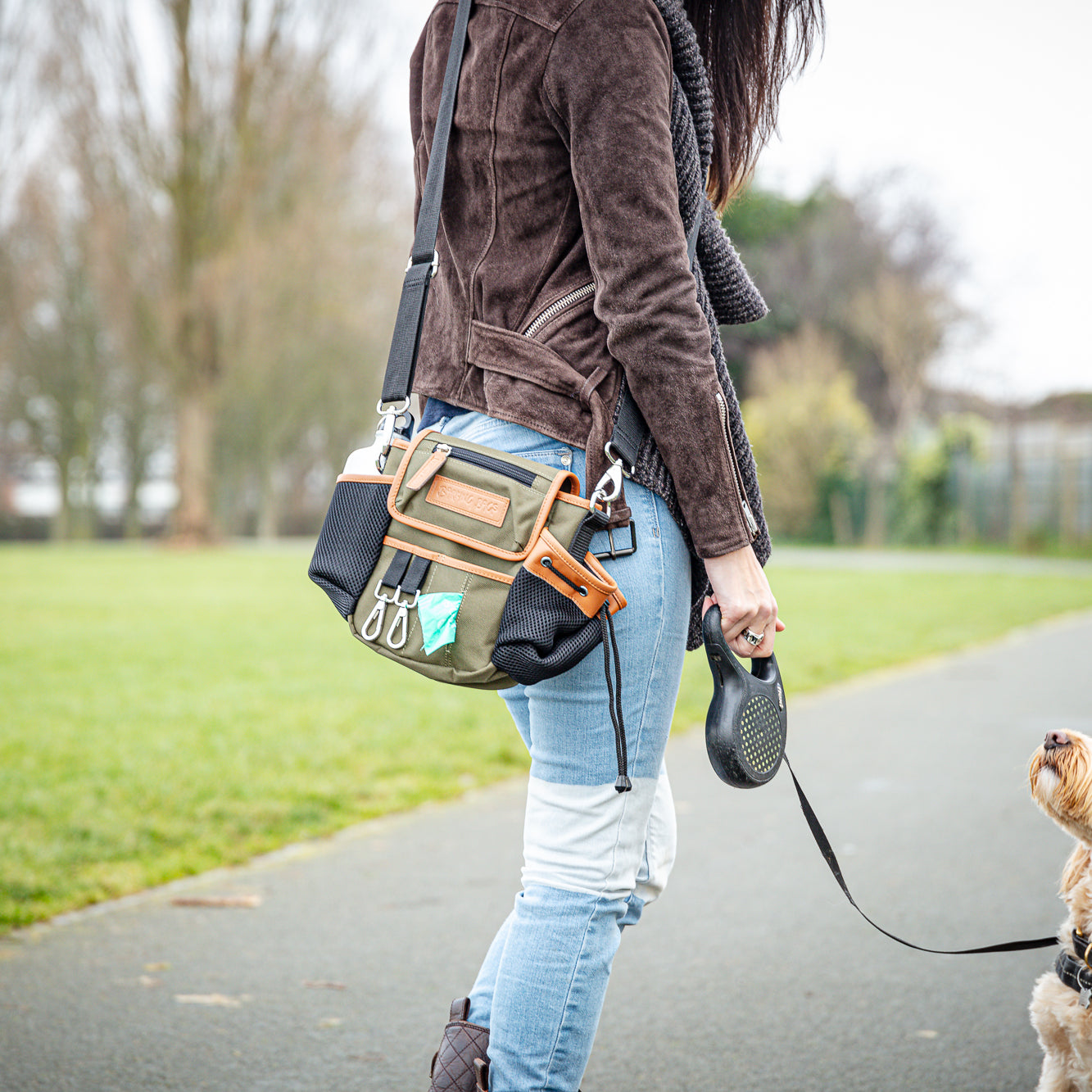
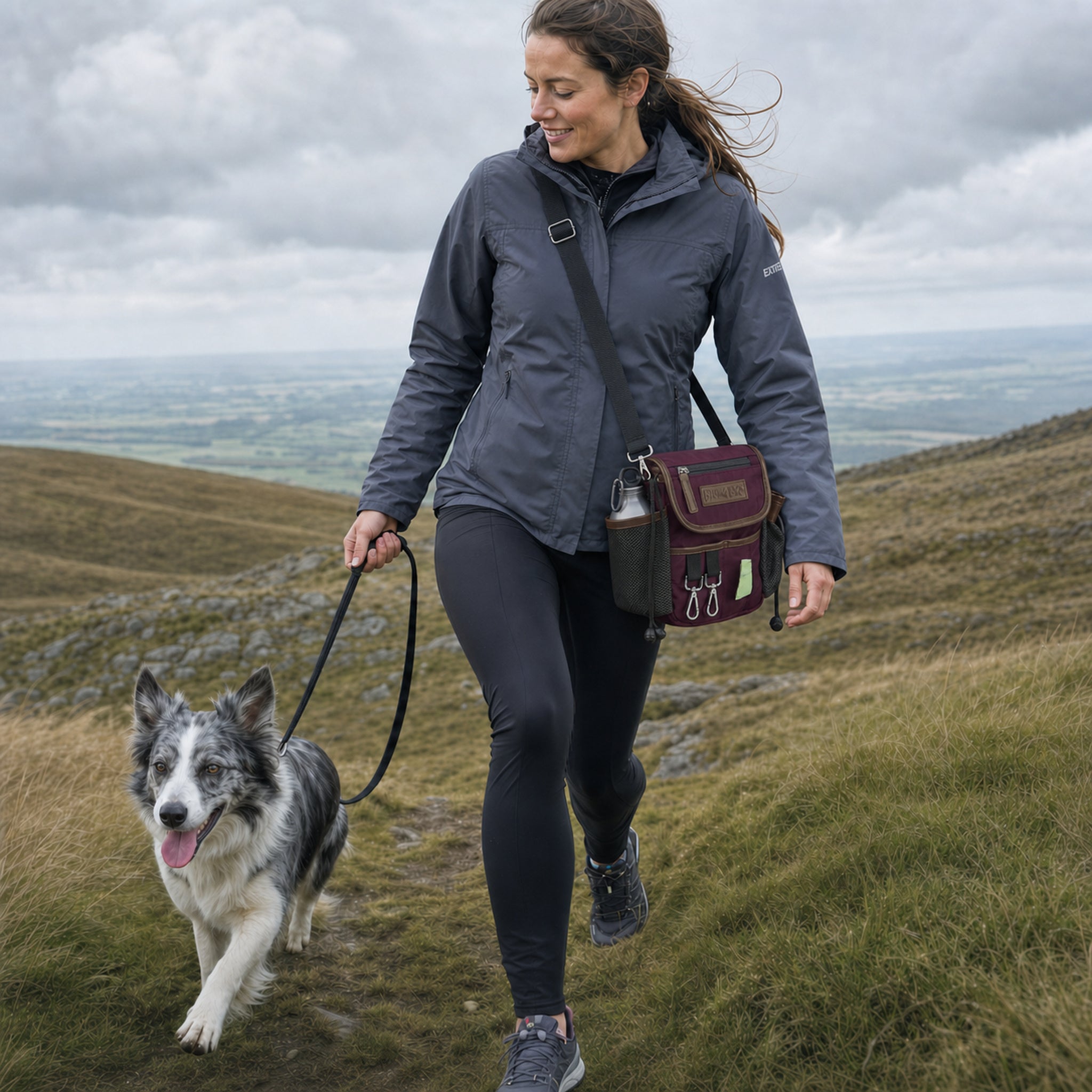
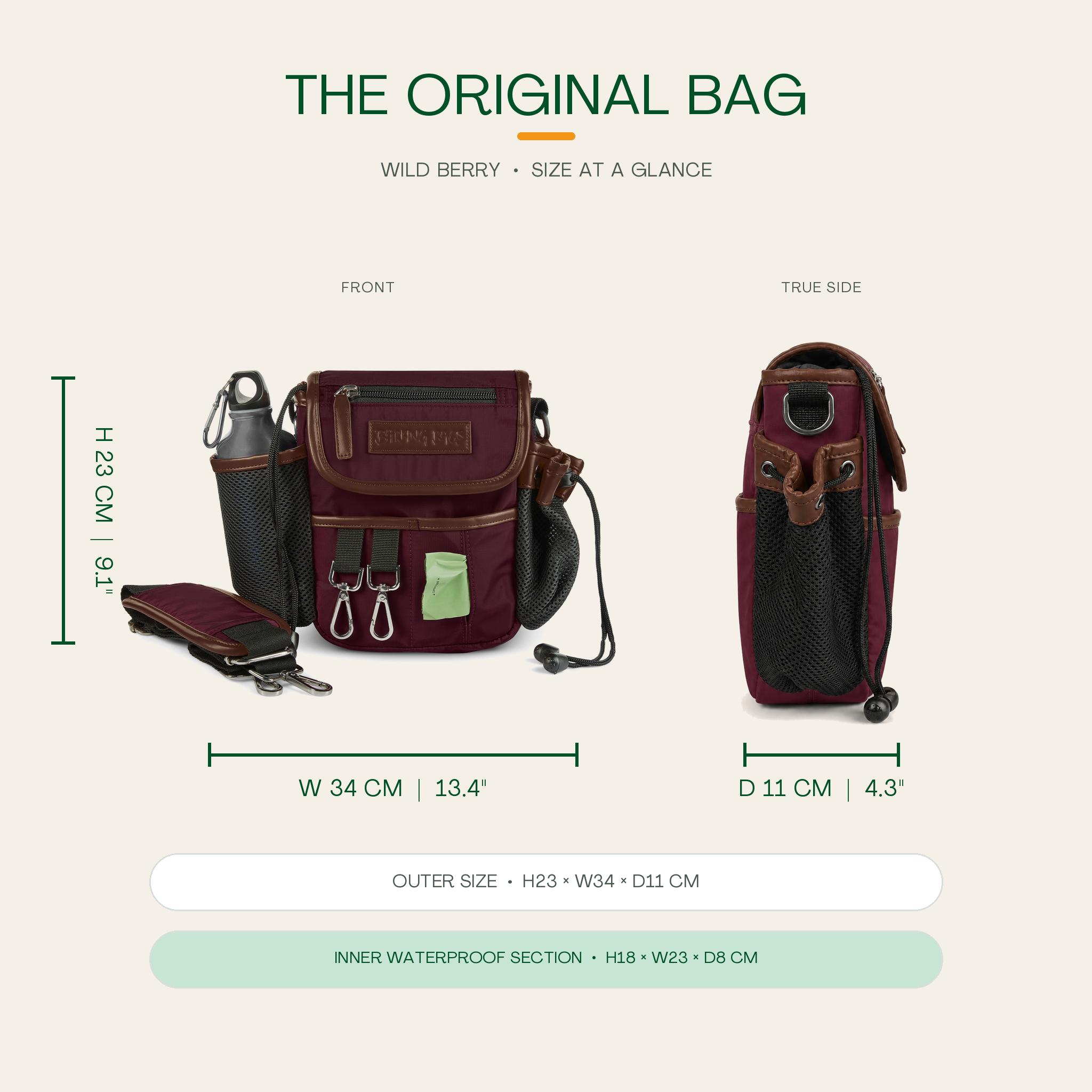
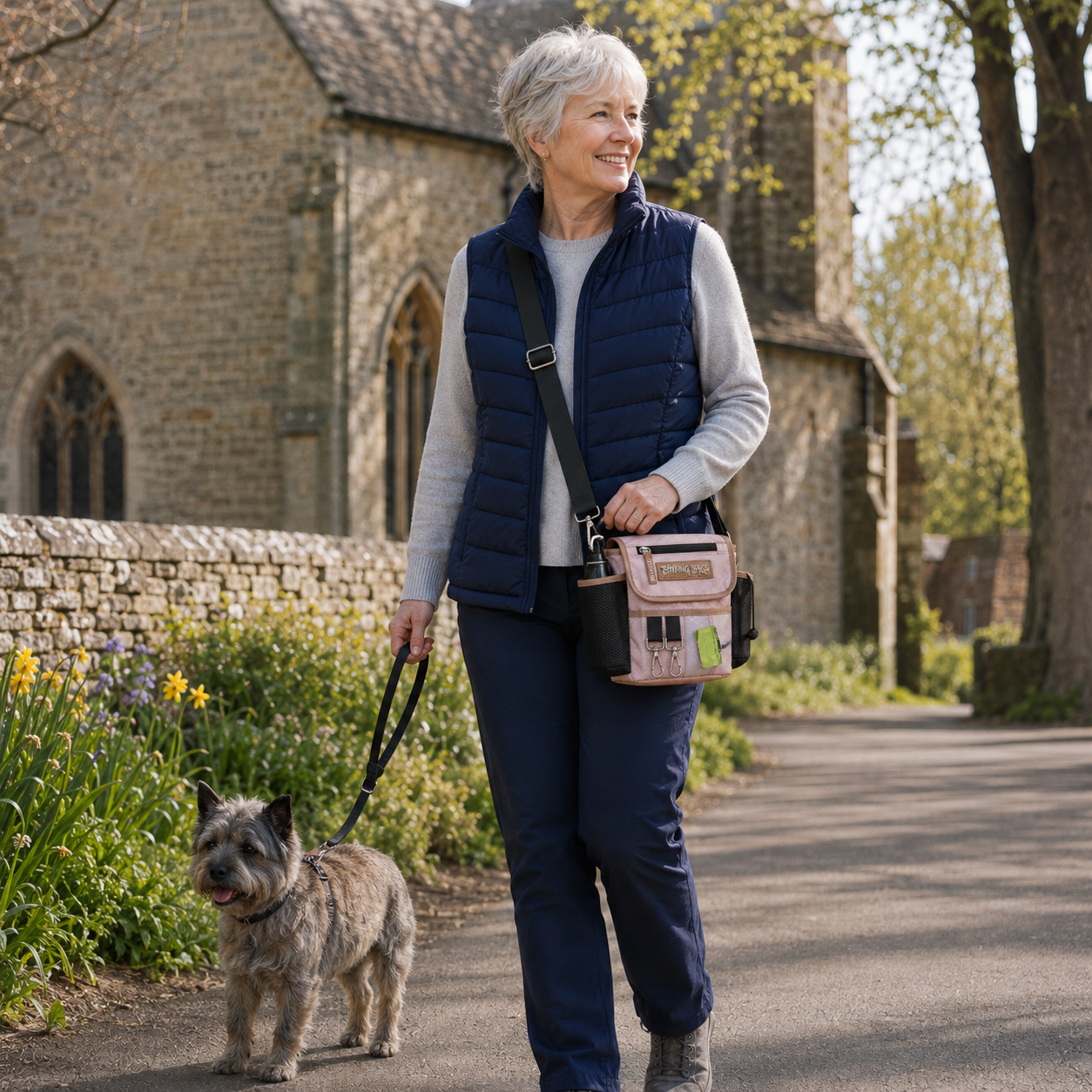
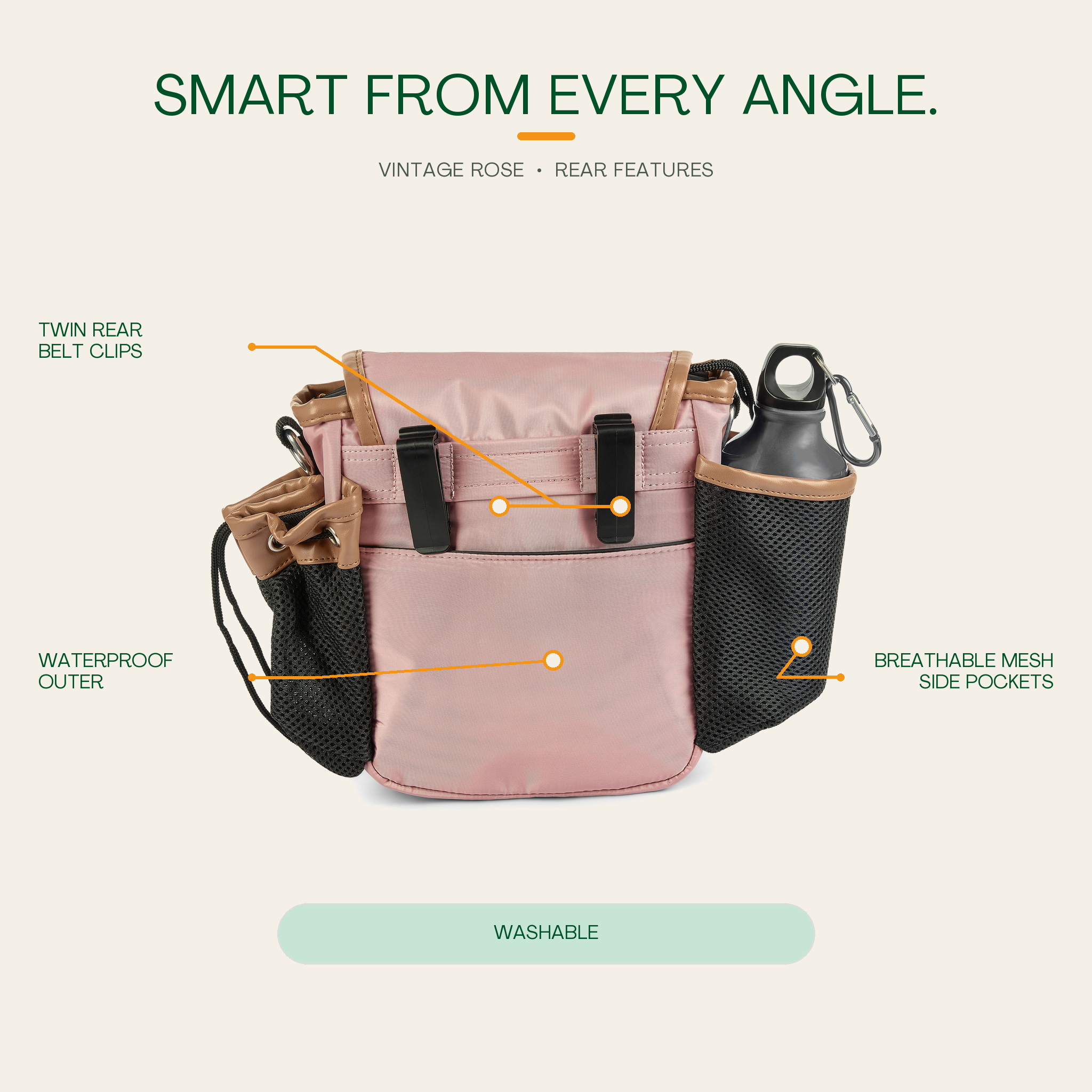
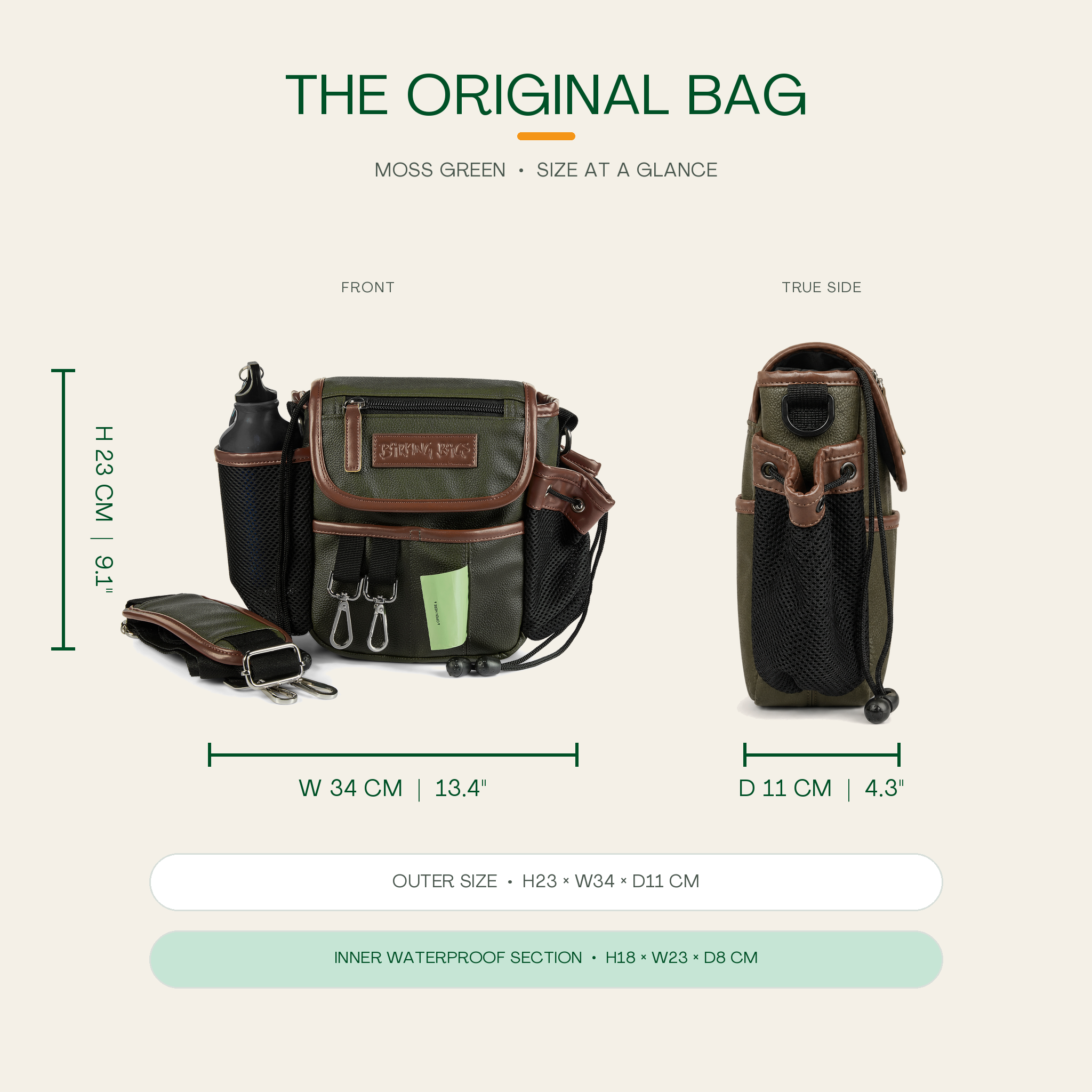
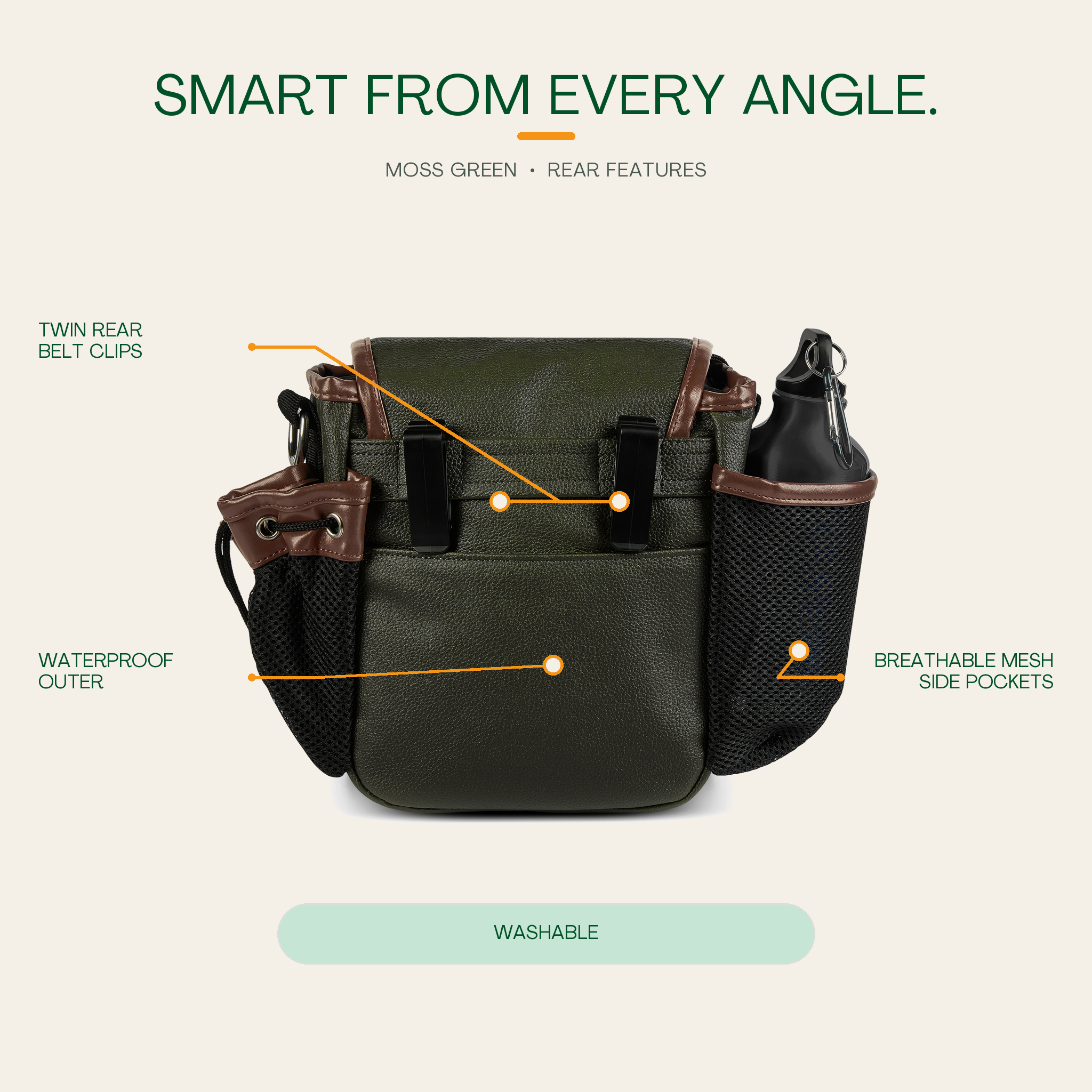
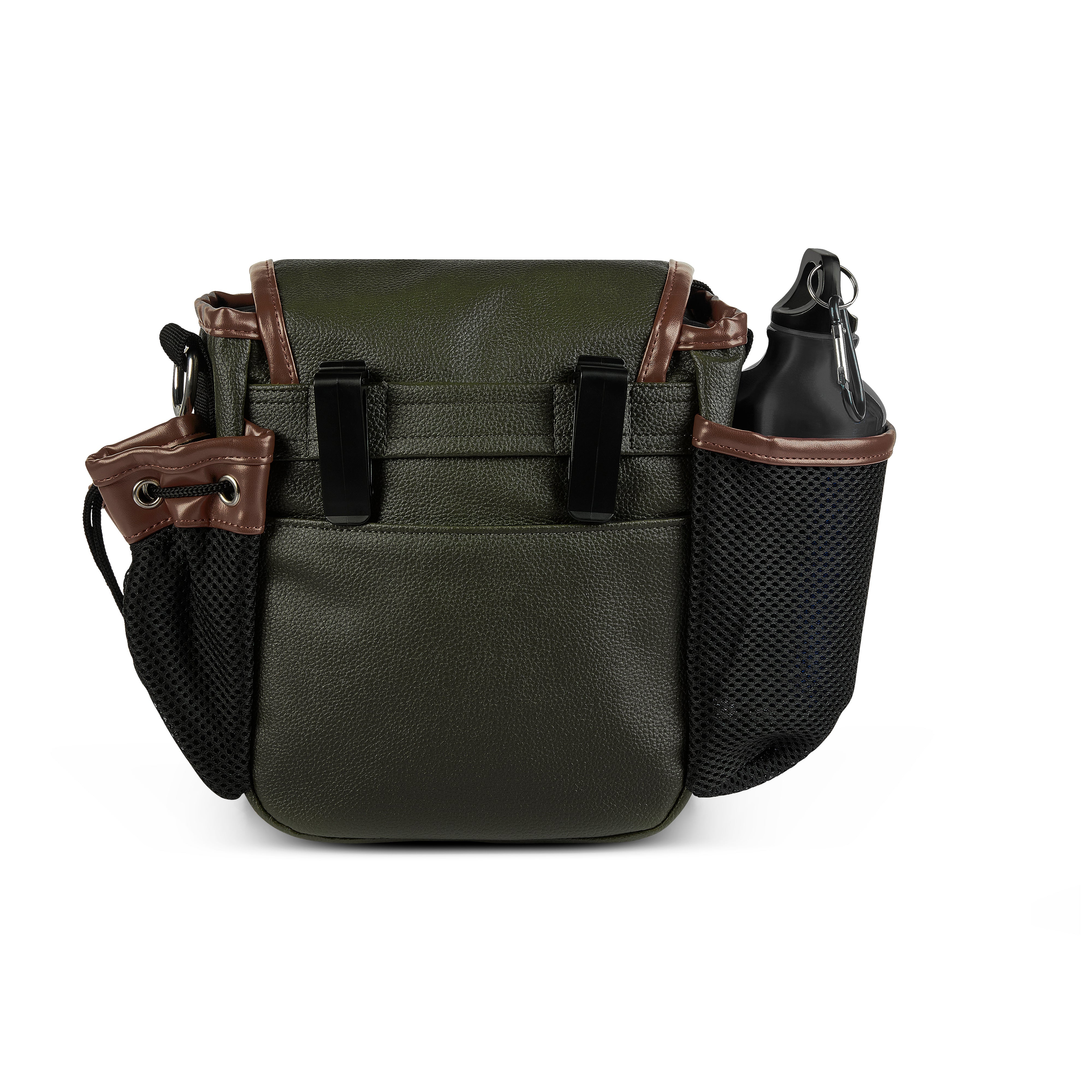
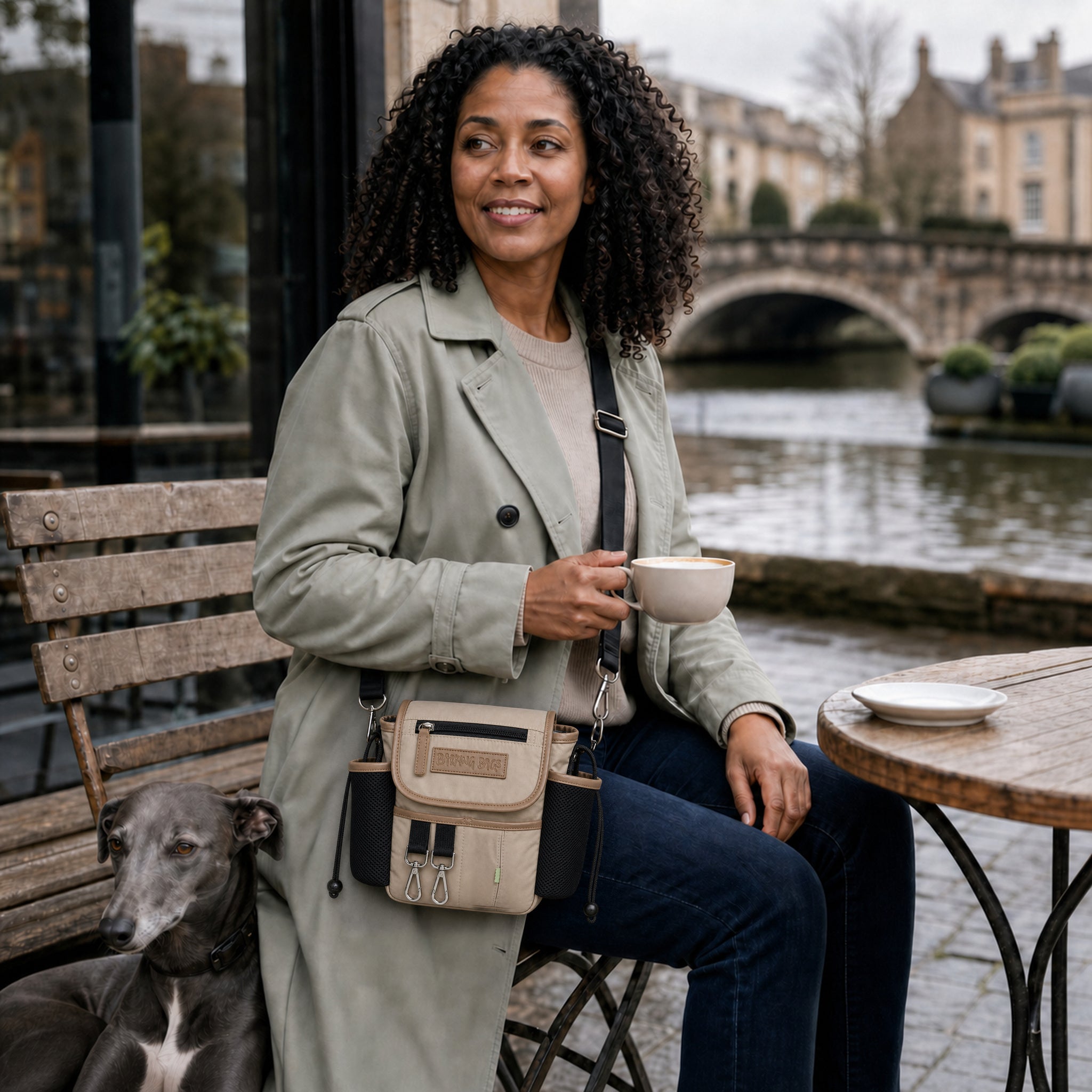
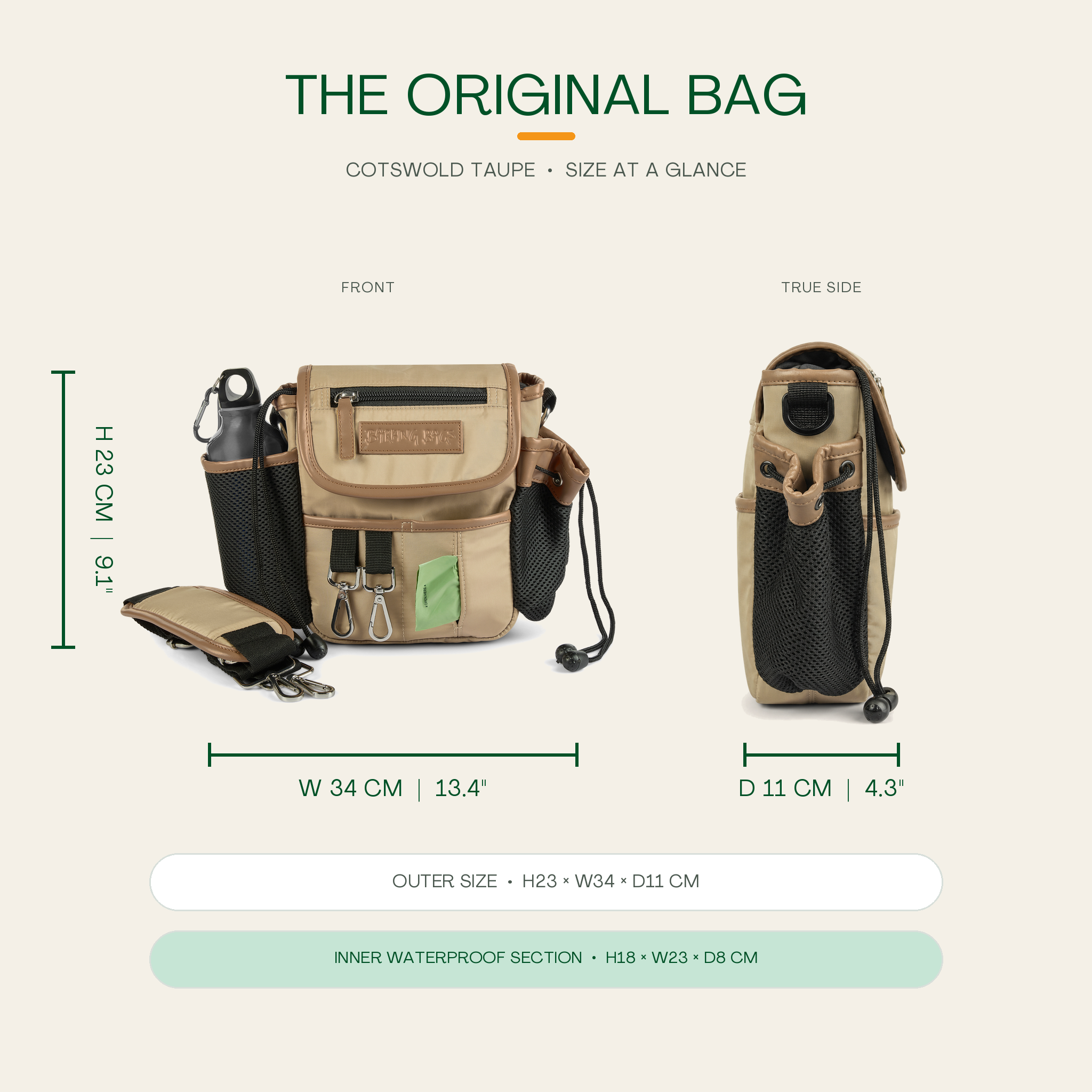
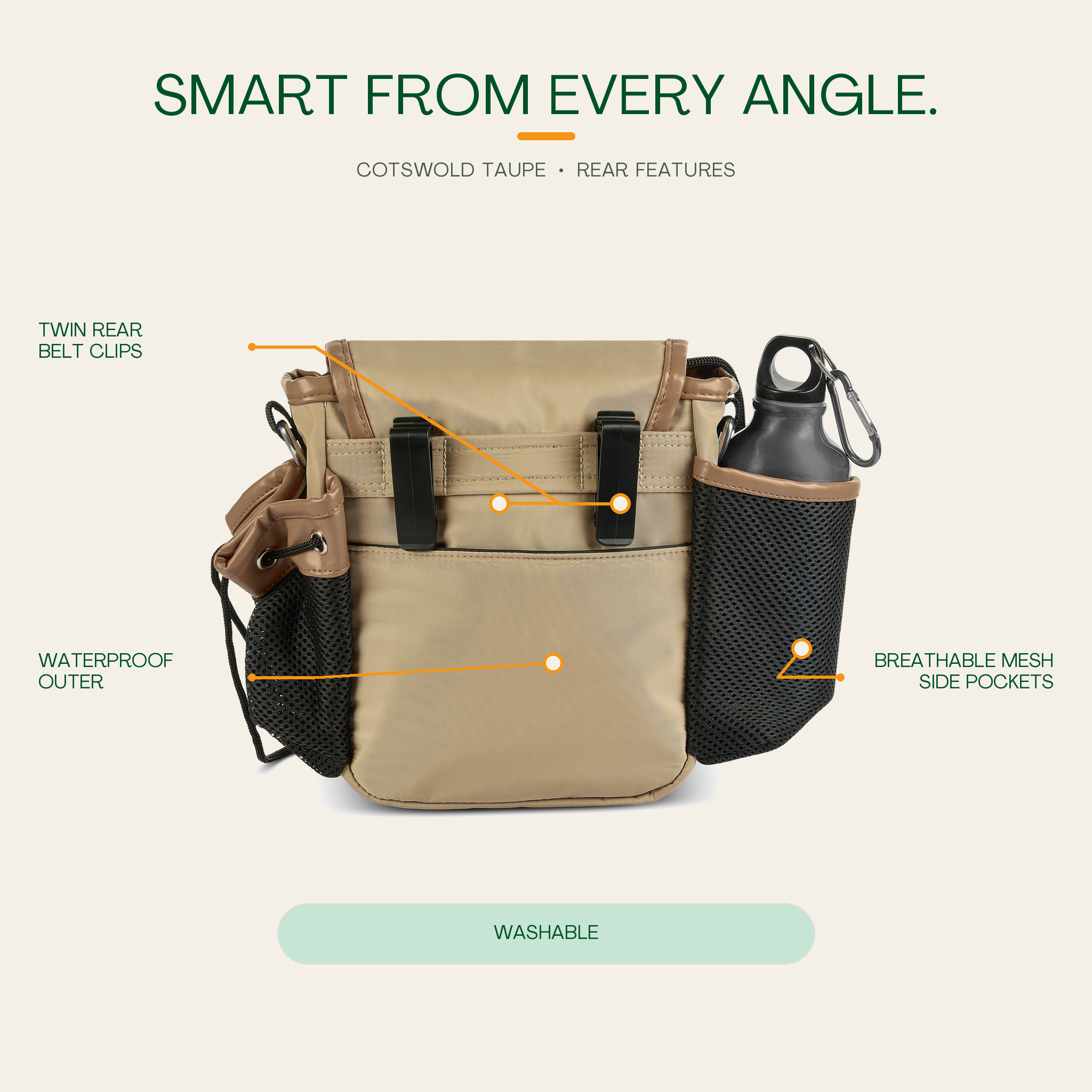
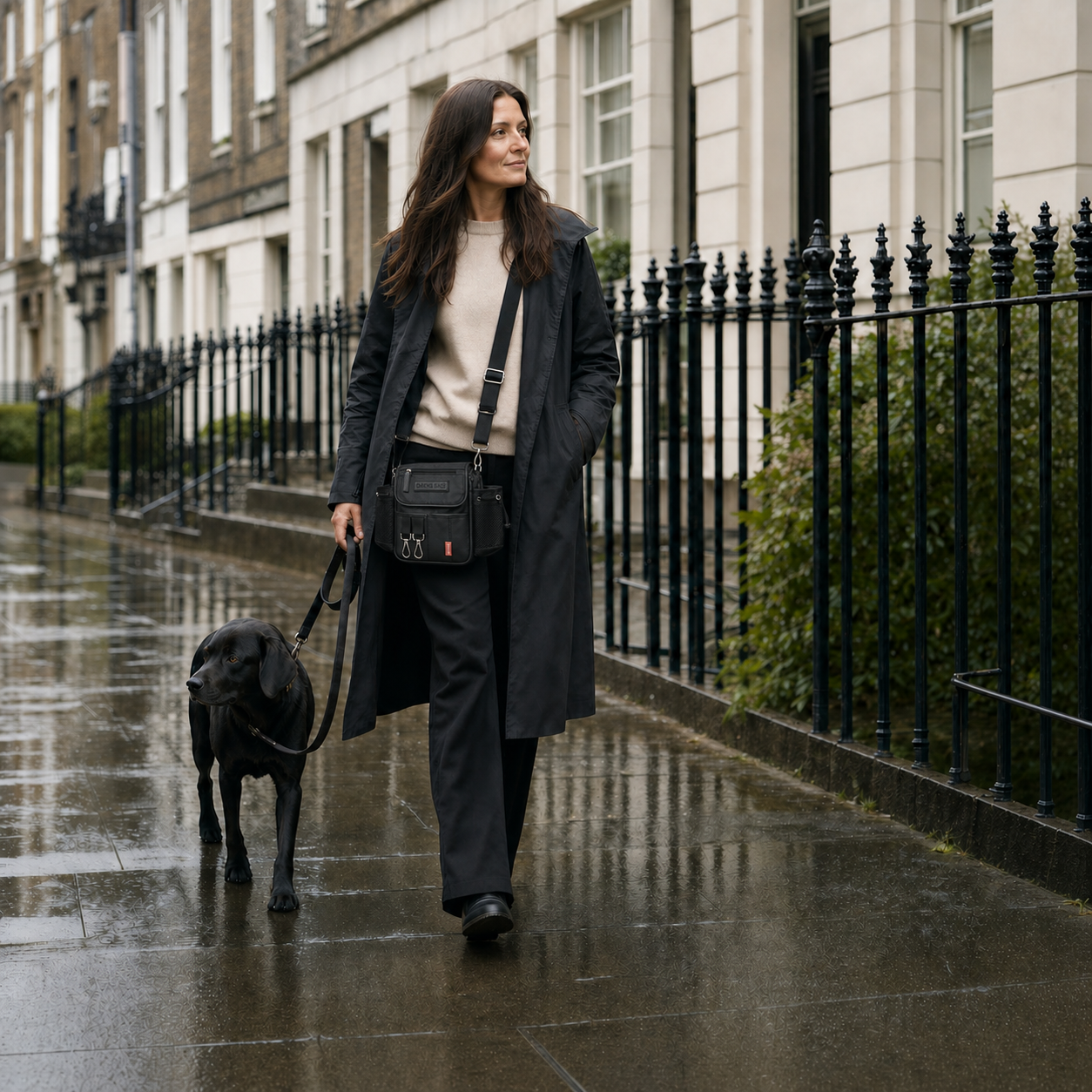
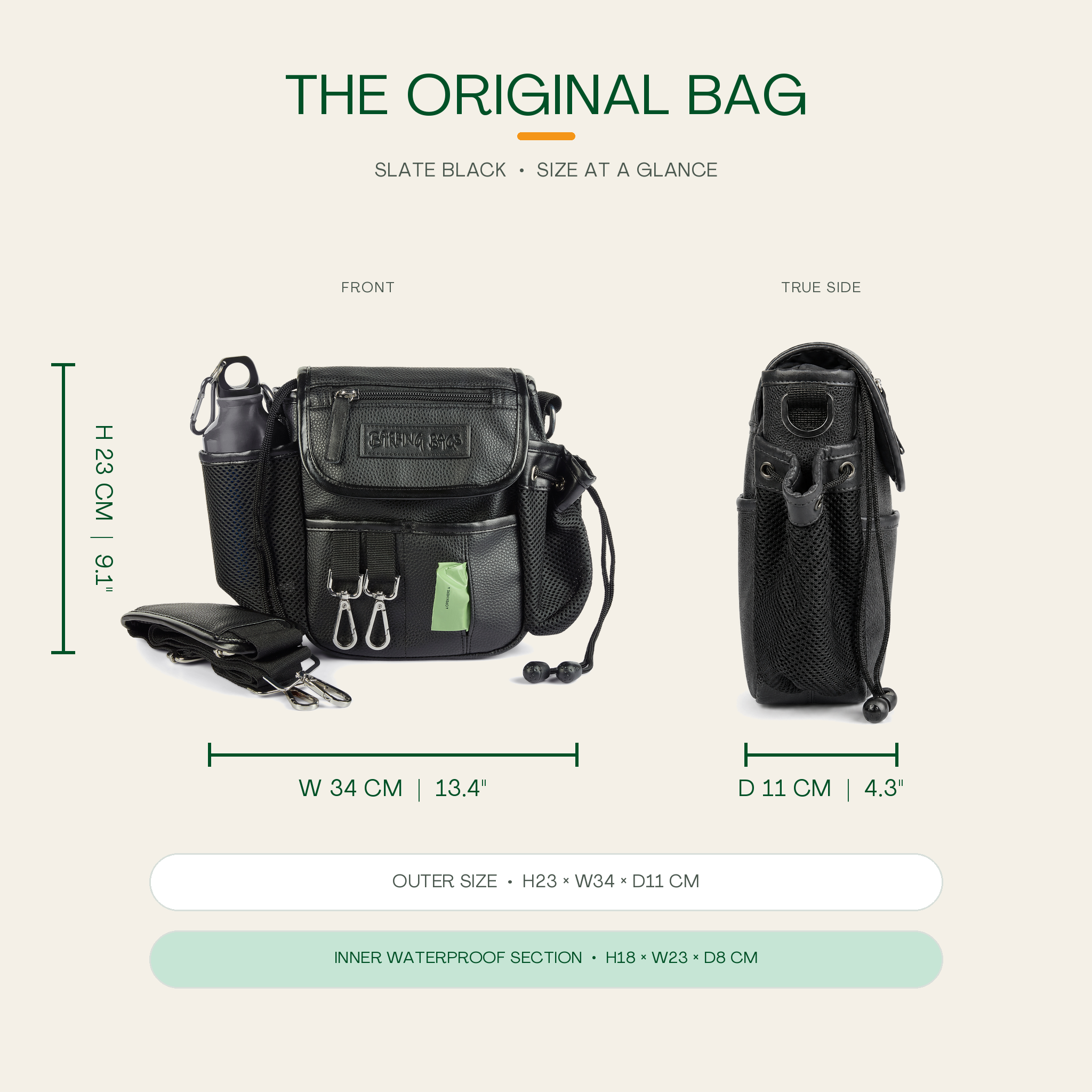
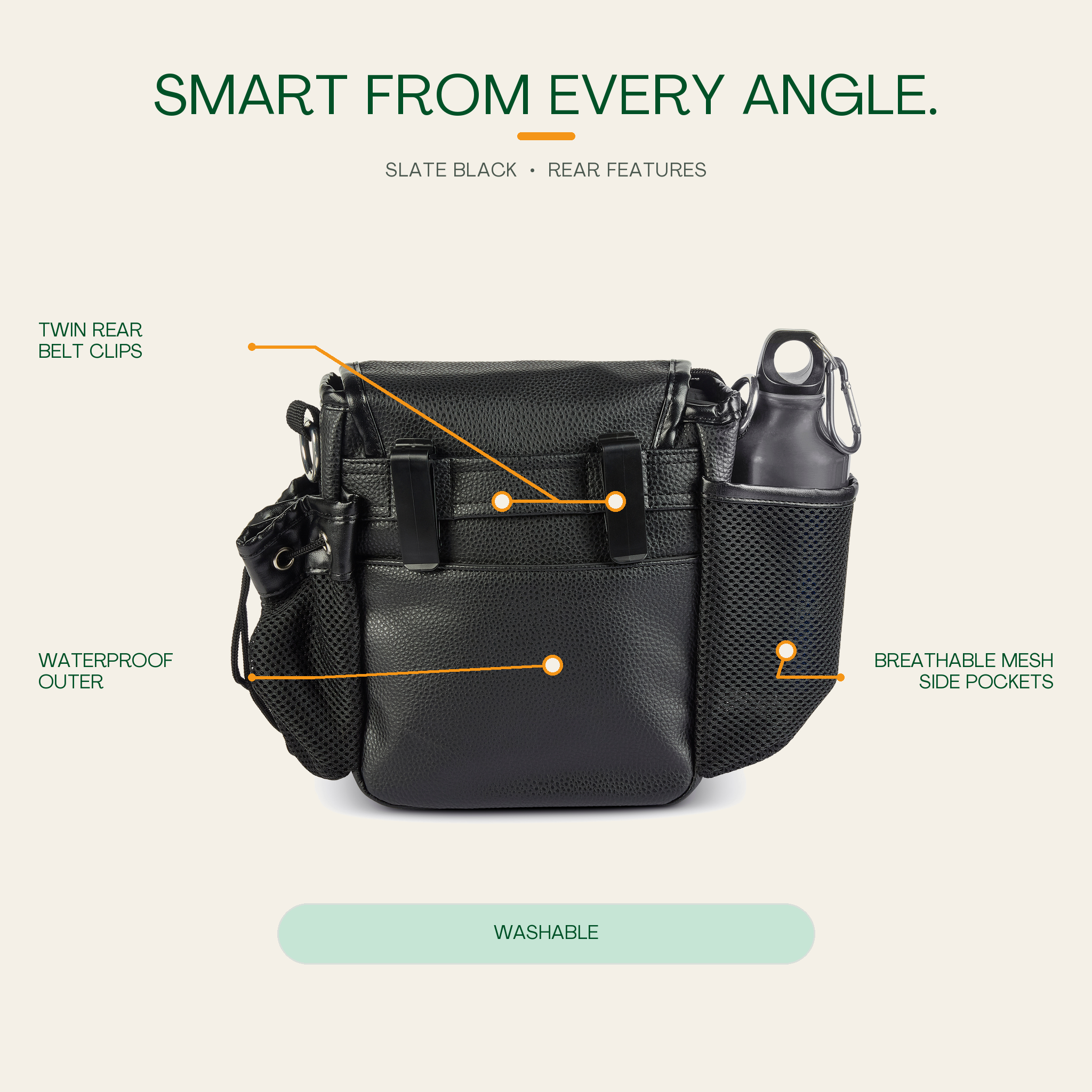
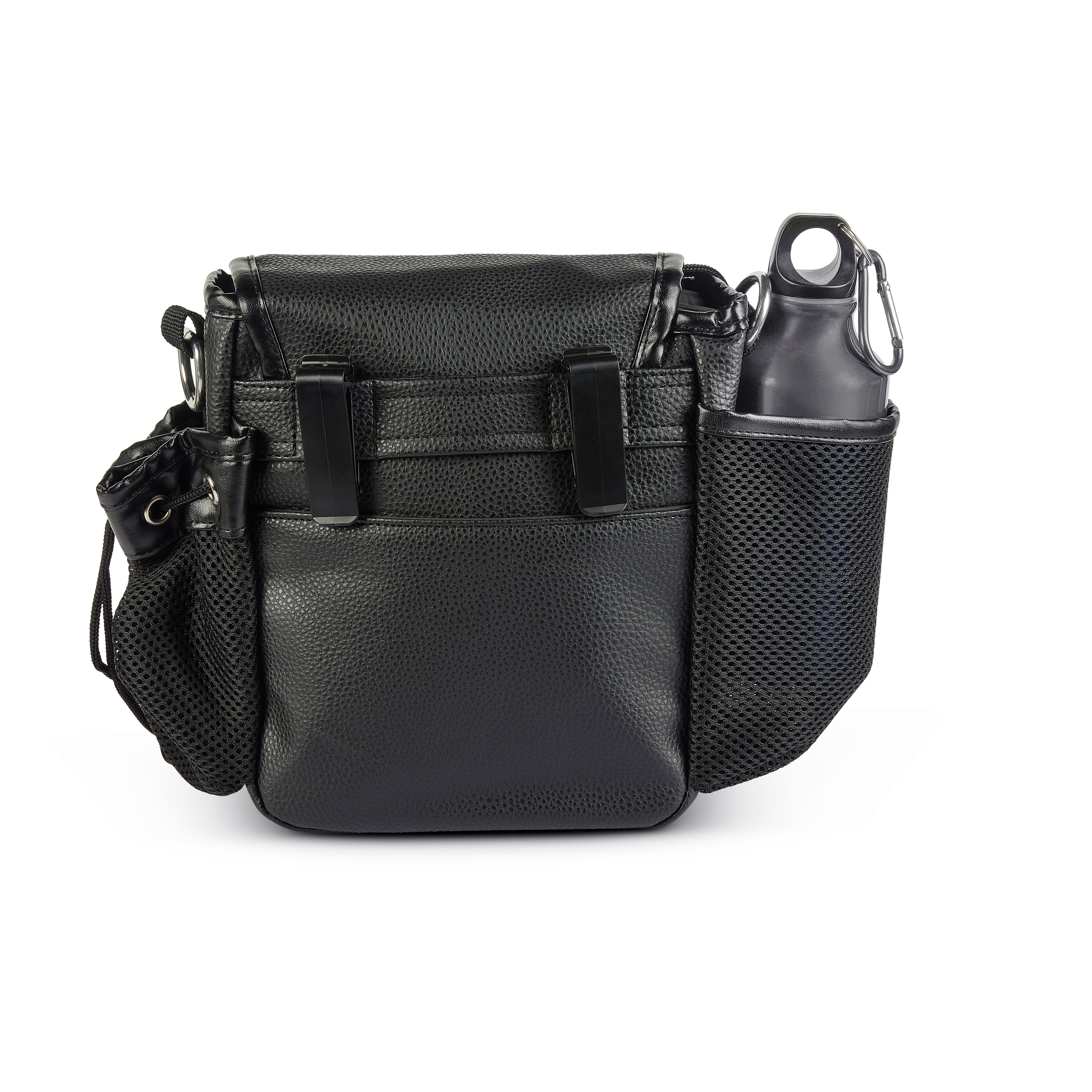
A purpose-built dog walking bag should help you separate essentials, reach key items quickly and carry everything comfortably without feeling bulky. That last point matters more than people think. If a bag swings about, slips off your shoulder or forces you to carry extras in your hands, it is not really organising anything.
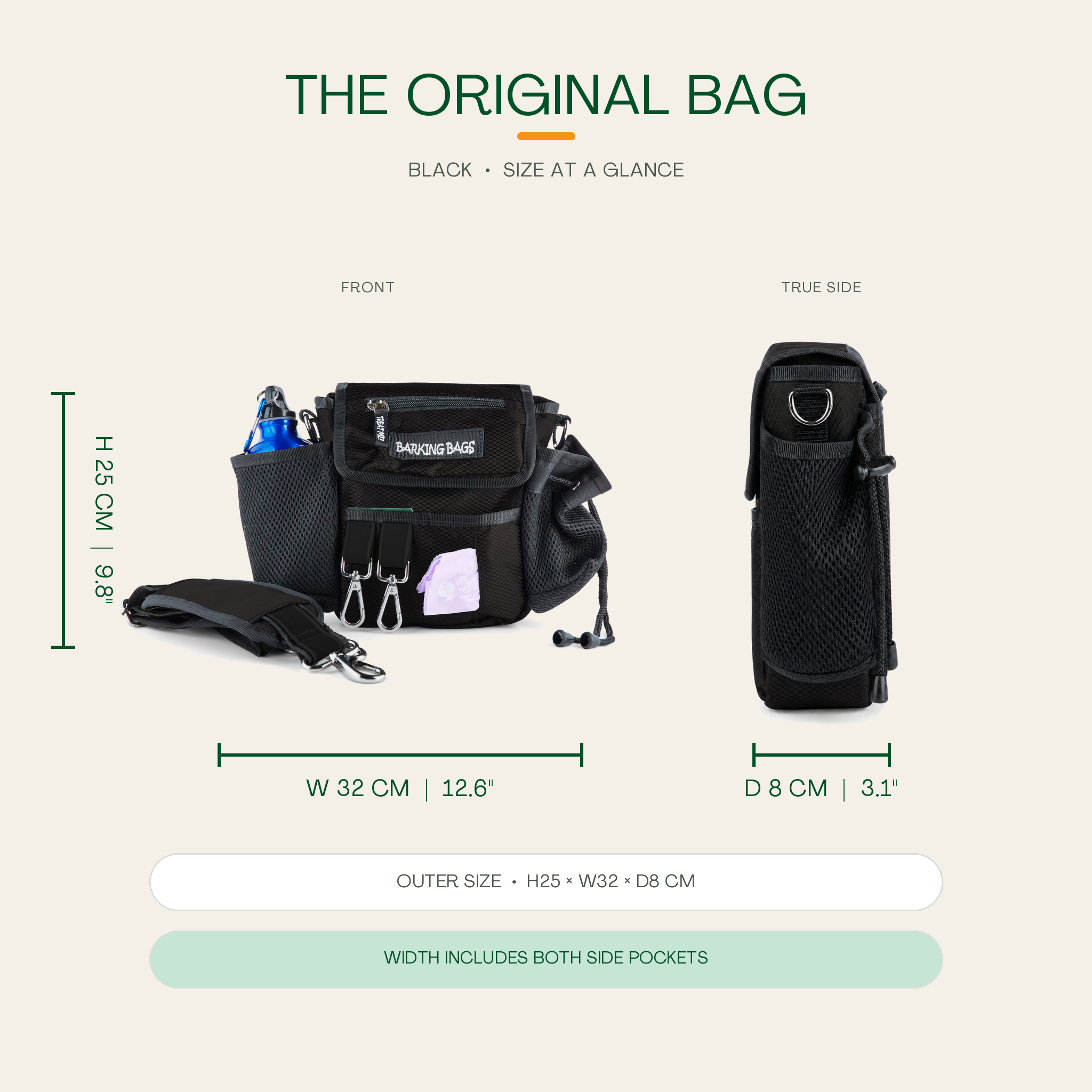
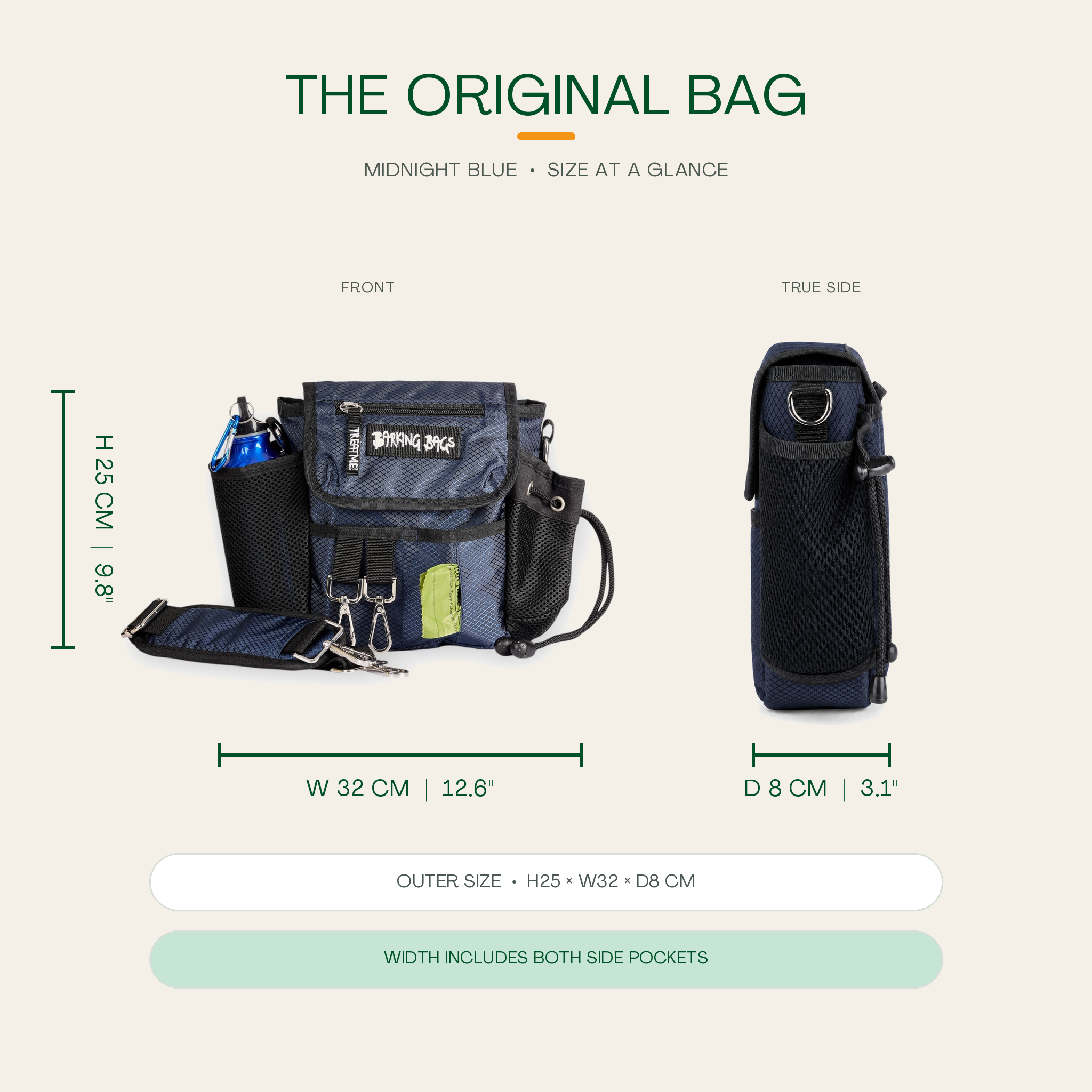
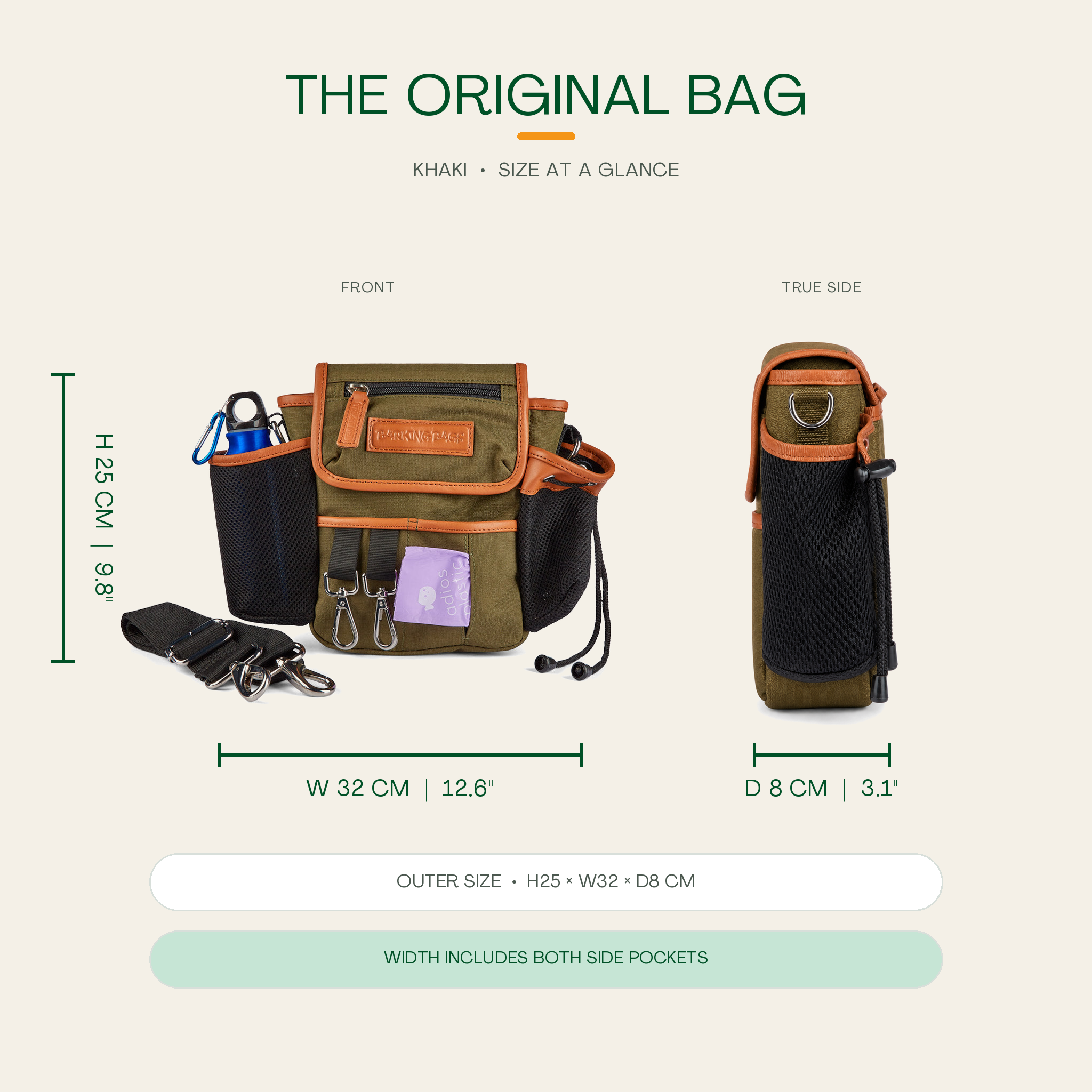
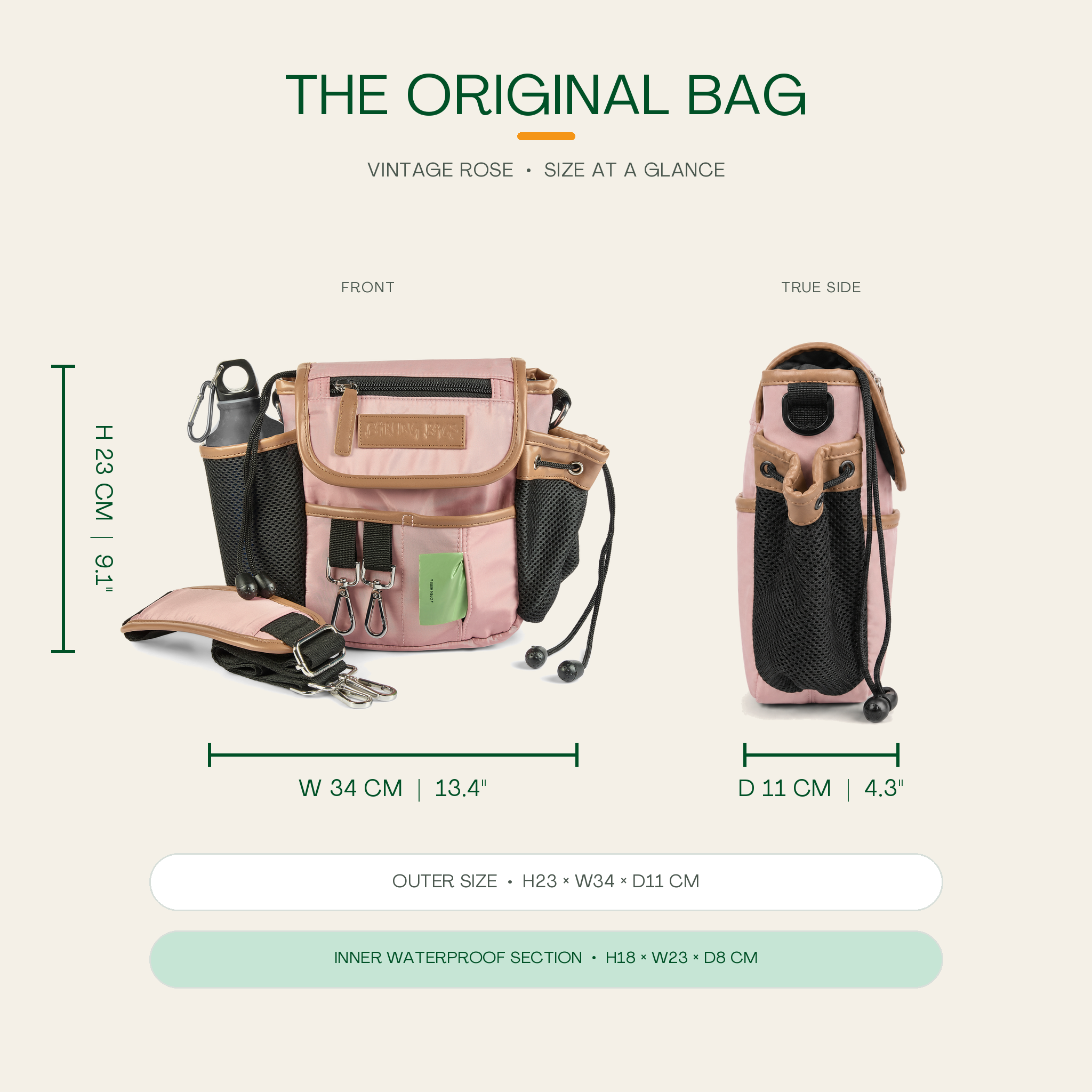
For shorter walks, a compact setup may be best. For longer walks, training sessions or professional use, you may need more space and stronger compartmentalisation. There is no one perfect size for everyone. It depends on your dog, your route and how much you carry as standard.
For example, a solo dog owner doing two local walks a day may want something sleek and lightweight. A trainer or professional walker may need room for multiple leads, high-value treats, water and a notebook. The principle is the same in both cases: every item should earn its place.
What to carry - and what to leave behind
The most organised bags are not the fullest ones. They are the most intentional.
For a standard walk, you probably need less than you think. Poo bags, treats, phone, keys and perhaps a small bottle of water will cover most outings. Add-ons should match a clear purpose. If you are working on recall, bring the long line and higher-value treats. If the weather is warm, add water and a bowl. If you are out after dark, include a torch or clip-on light.
What you can usually leave behind are the just-in-case items that never get used. If something has been in the bag untouched for three weeks, ask whether it belongs in your regular setup or in your home refill station instead.
That trade-off matters because extra kit can make even a good bag feel cluttered. Organisation is not only about storage. It is also about editing.
Small habits that keep everything tidy
Once your system is in place, the day-to-day habits matter more than buying more accessories. Put treats in the same pocket every time. Keep your keys in a zipped section, not loose at the bottom. Refill poo bags before the roll is empty, not after. If a compartment tends to collect random receipts, tissues or old tennis balls, clear it out before it becomes permanent.
If more than one person walks the dog, agree a shared setup. There is no point organising a bag beautifully if somebody else moves everything around. A consistent layout helps everyone in the household find what they need fast.
It is also worth reviewing your setup with the seasons. Winter may mean space for gloves, lights and paw care. Summer may call for water, cooling accessories or tick removers. Your core system should stay the same, but a few seasonal swaps keep the bag practical all year.
A smarter system makes every walk easier
There is a reason dedicated dog walking storage has become such a useful category. Dog walks are daily, repetitive and full of small moving parts. When your essentials are organised properly, the whole routine feels lighter. You leave the house faster, spend less time rummaging, and get more attention back on the dog in front of you.
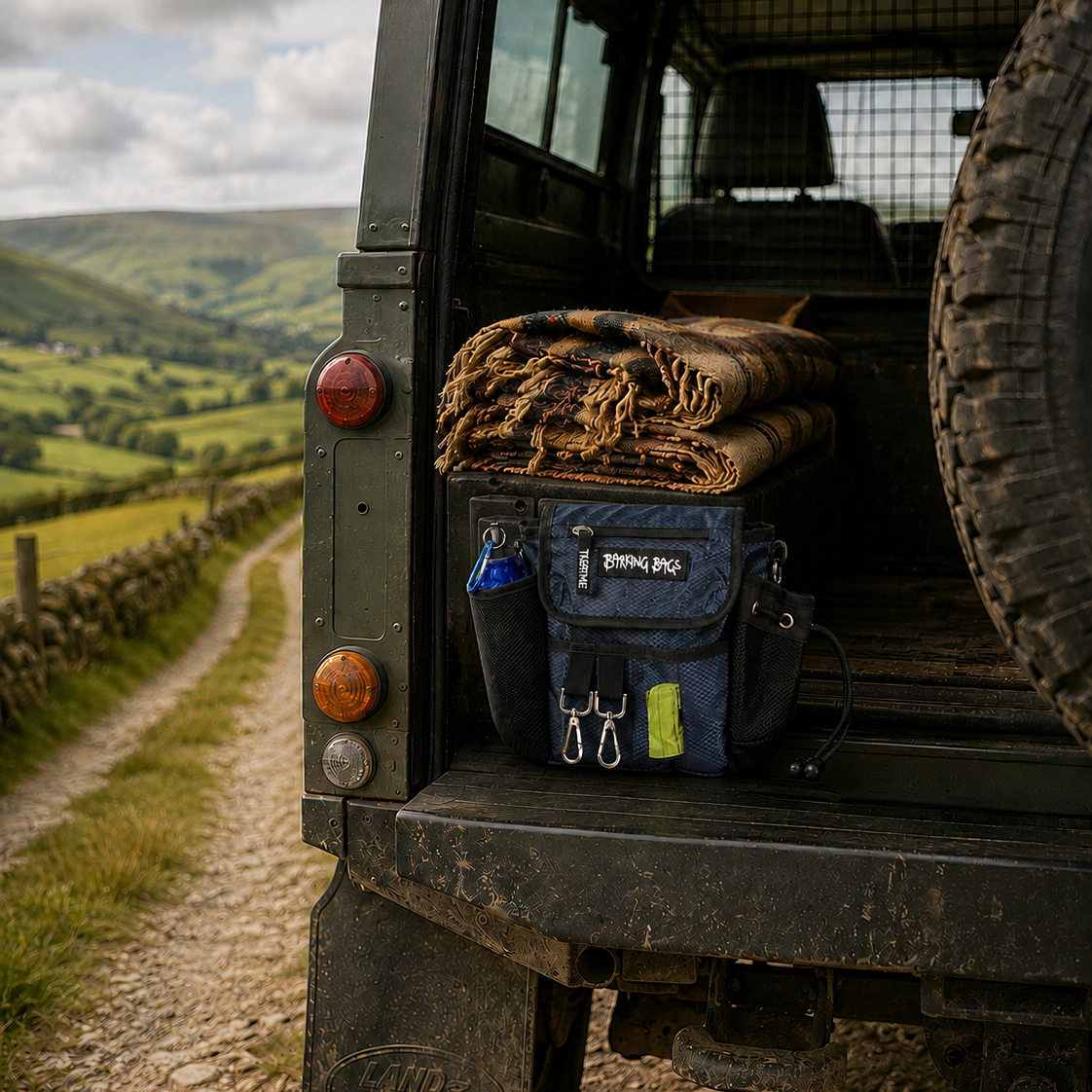
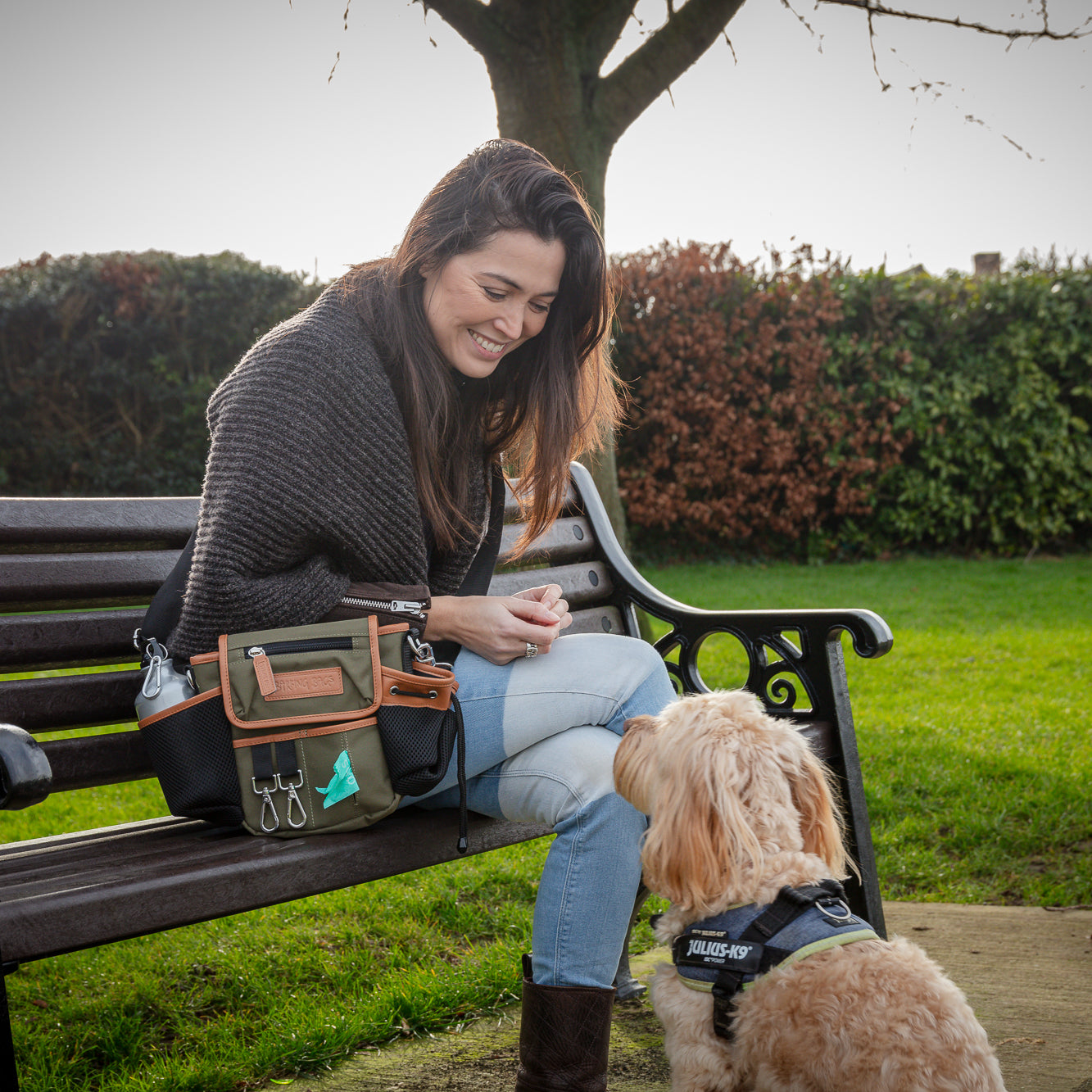
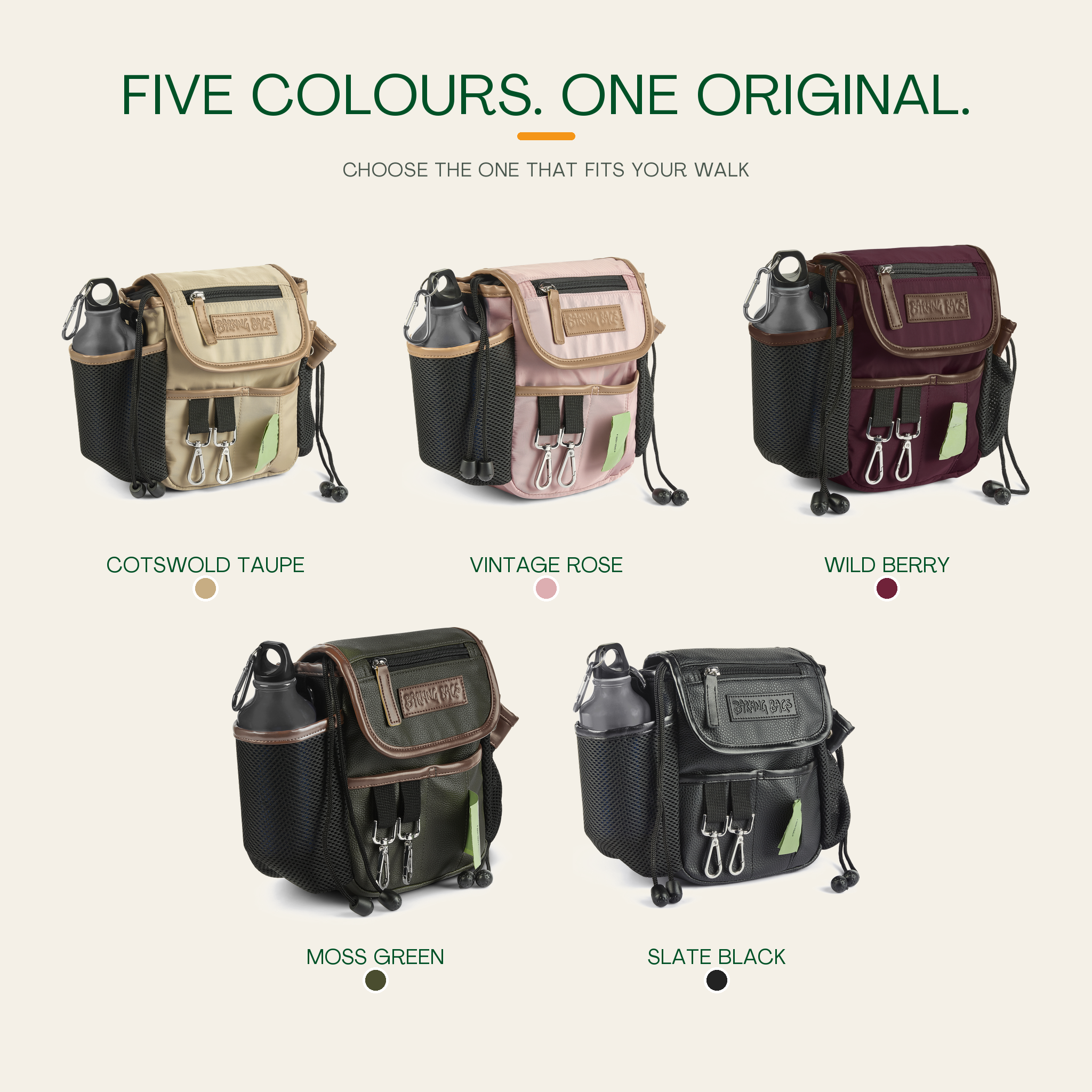
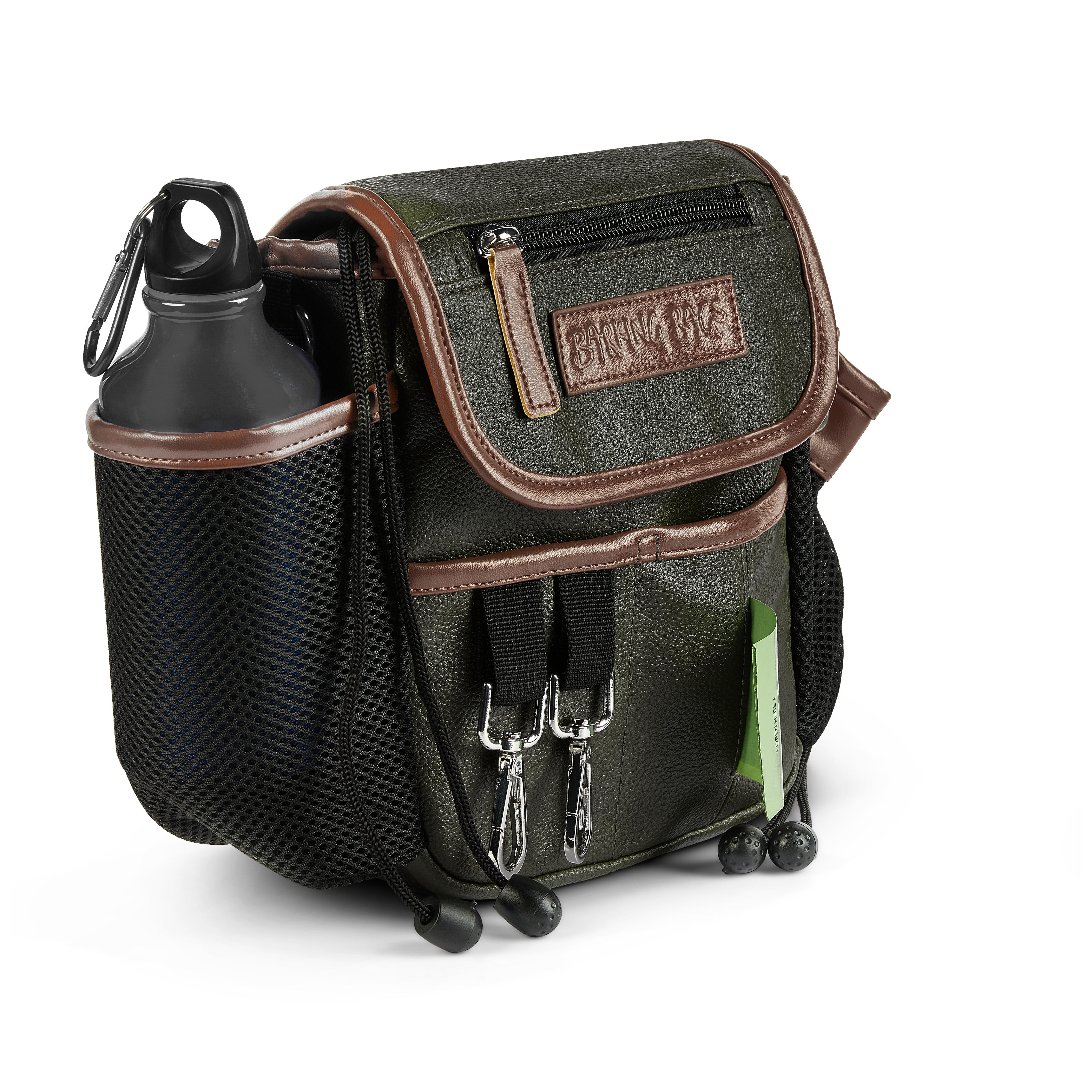
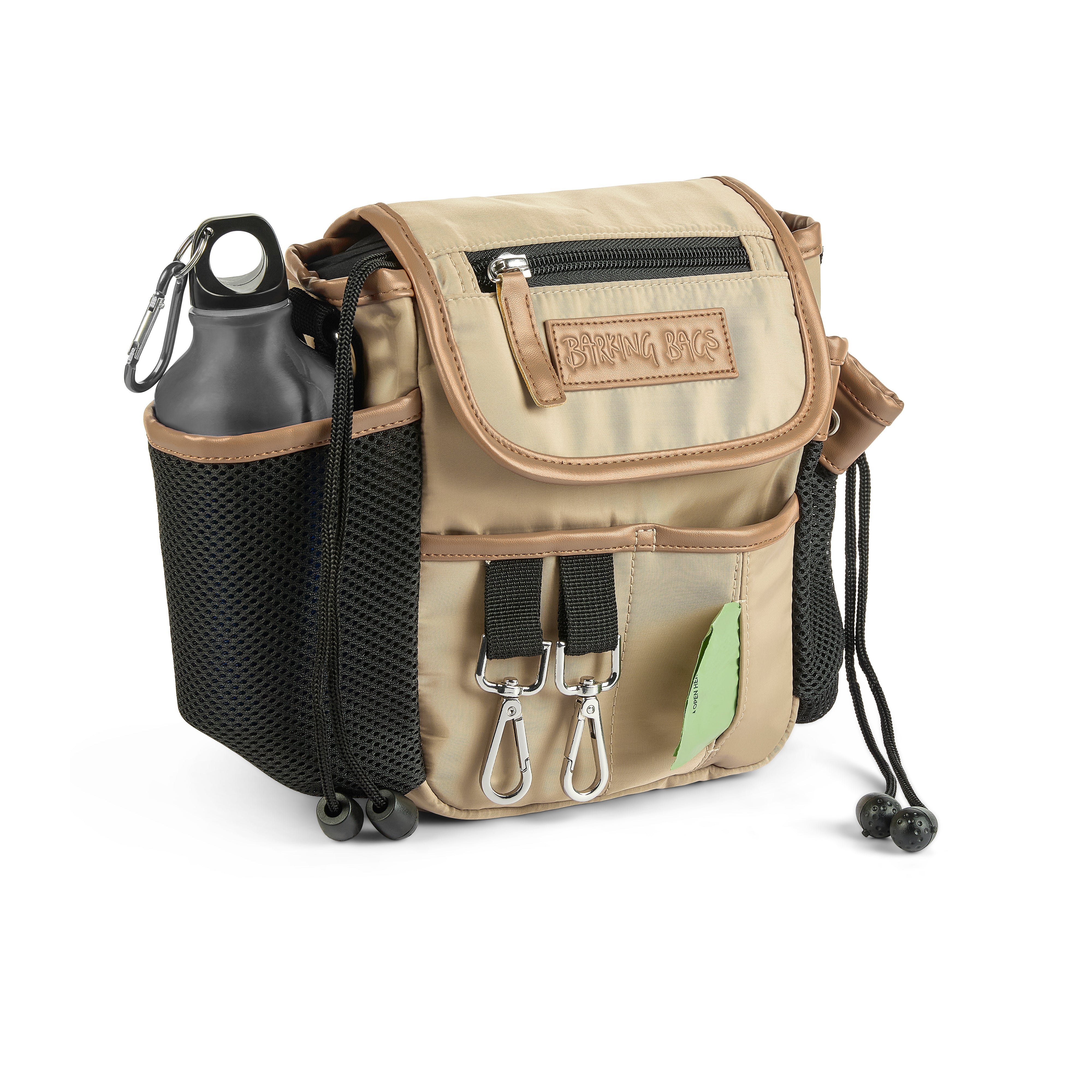
That is why a purpose-designed setup can make such a difference. Brands like Barking Bags are built around exactly this routine - not just carrying your things, but helping you carry them in a way that makes sense for real walks.
If your current system involves overstuffed coat pockets, a handbag you would rather keep clean, or the constant feeling that you have forgotten something, it is probably time for a reset. A well-organised dog walk does not look dramatic. It just feels easy, every single time you clip on the lead.