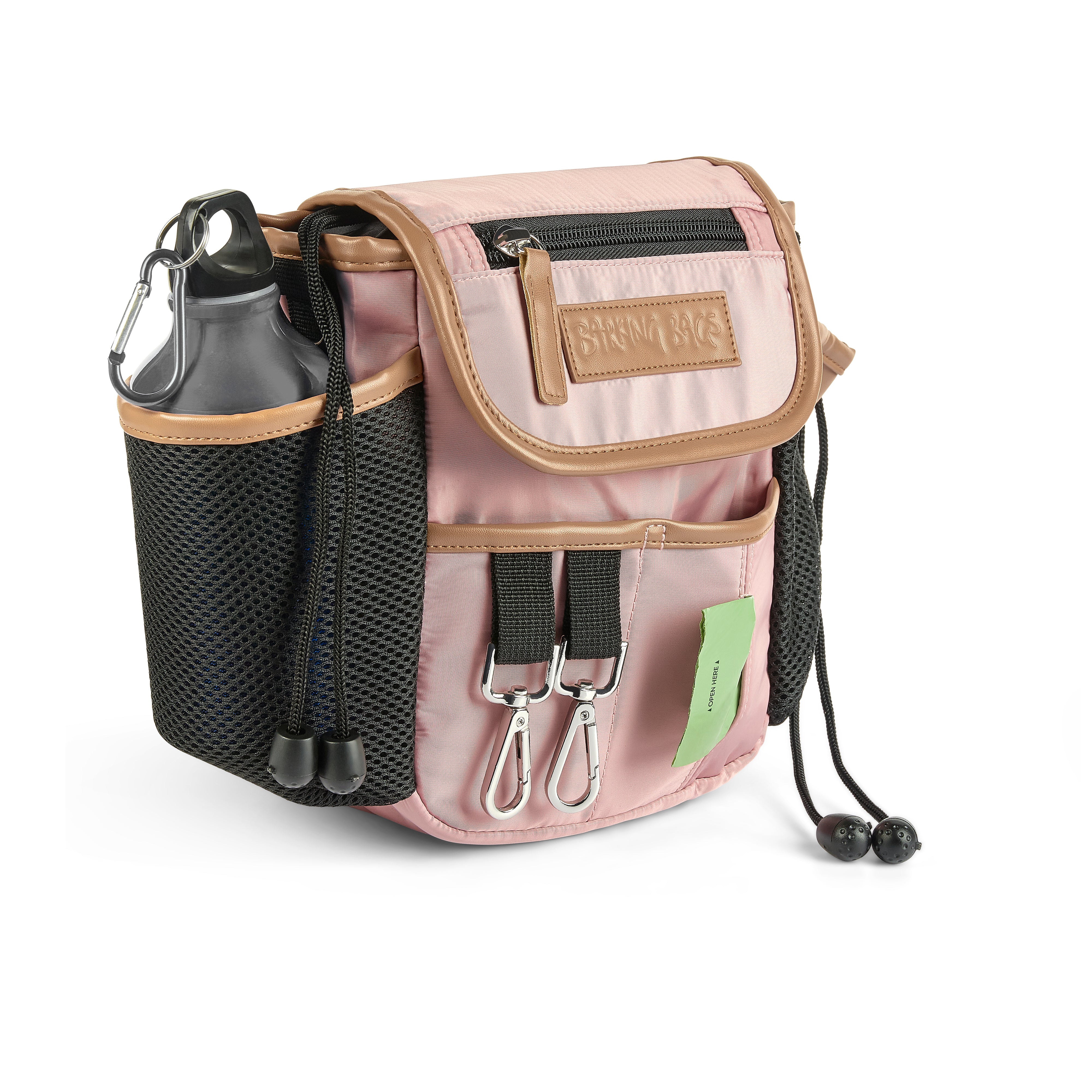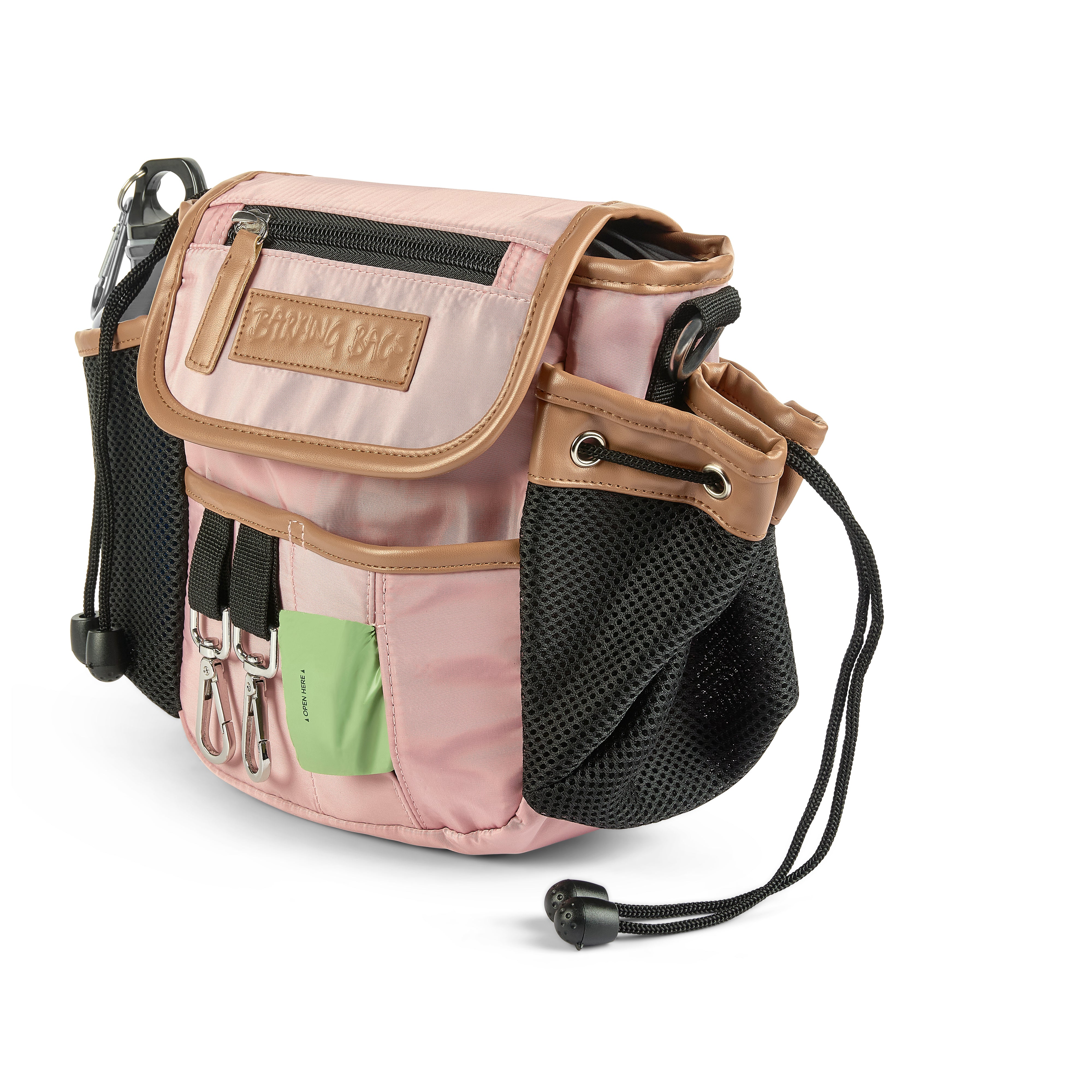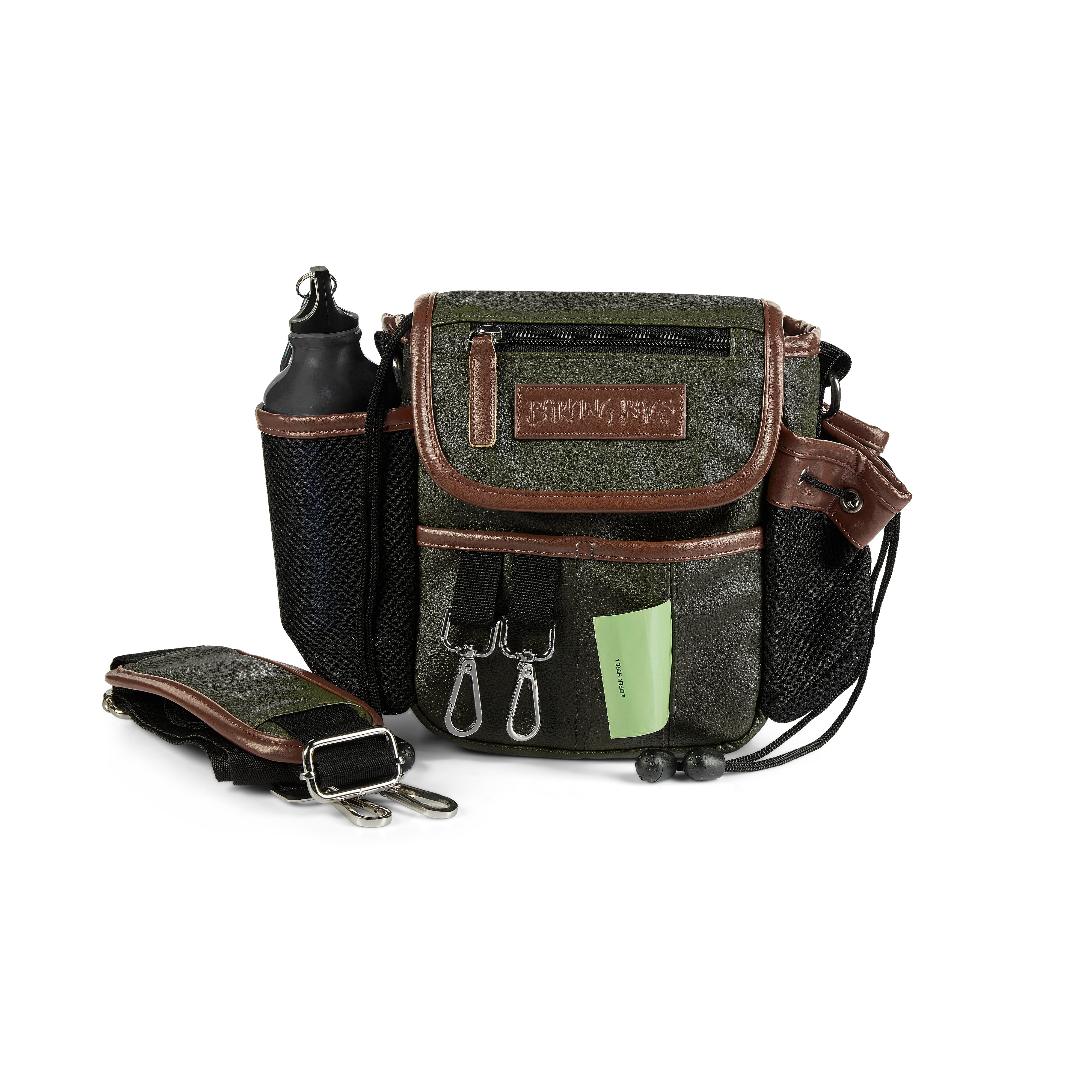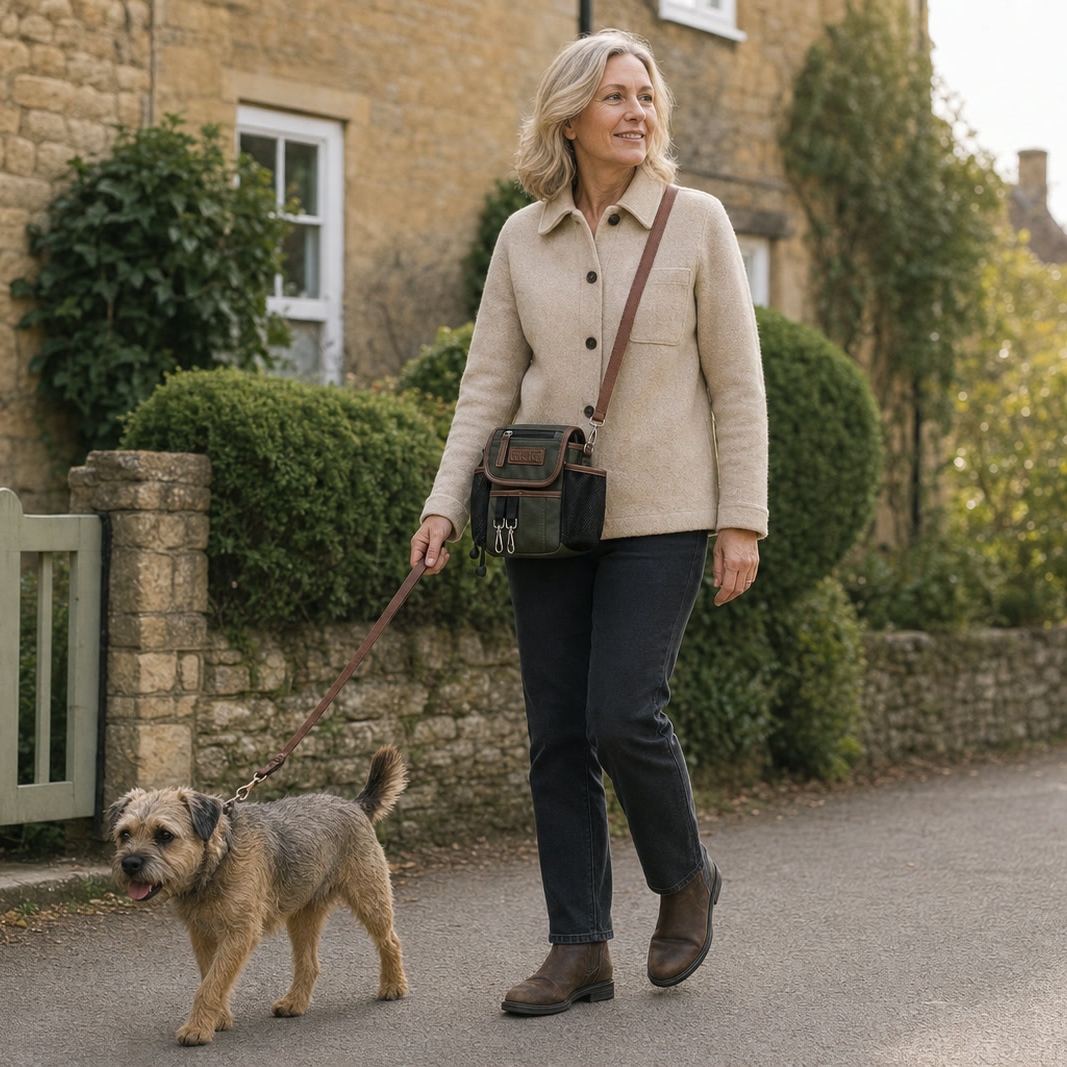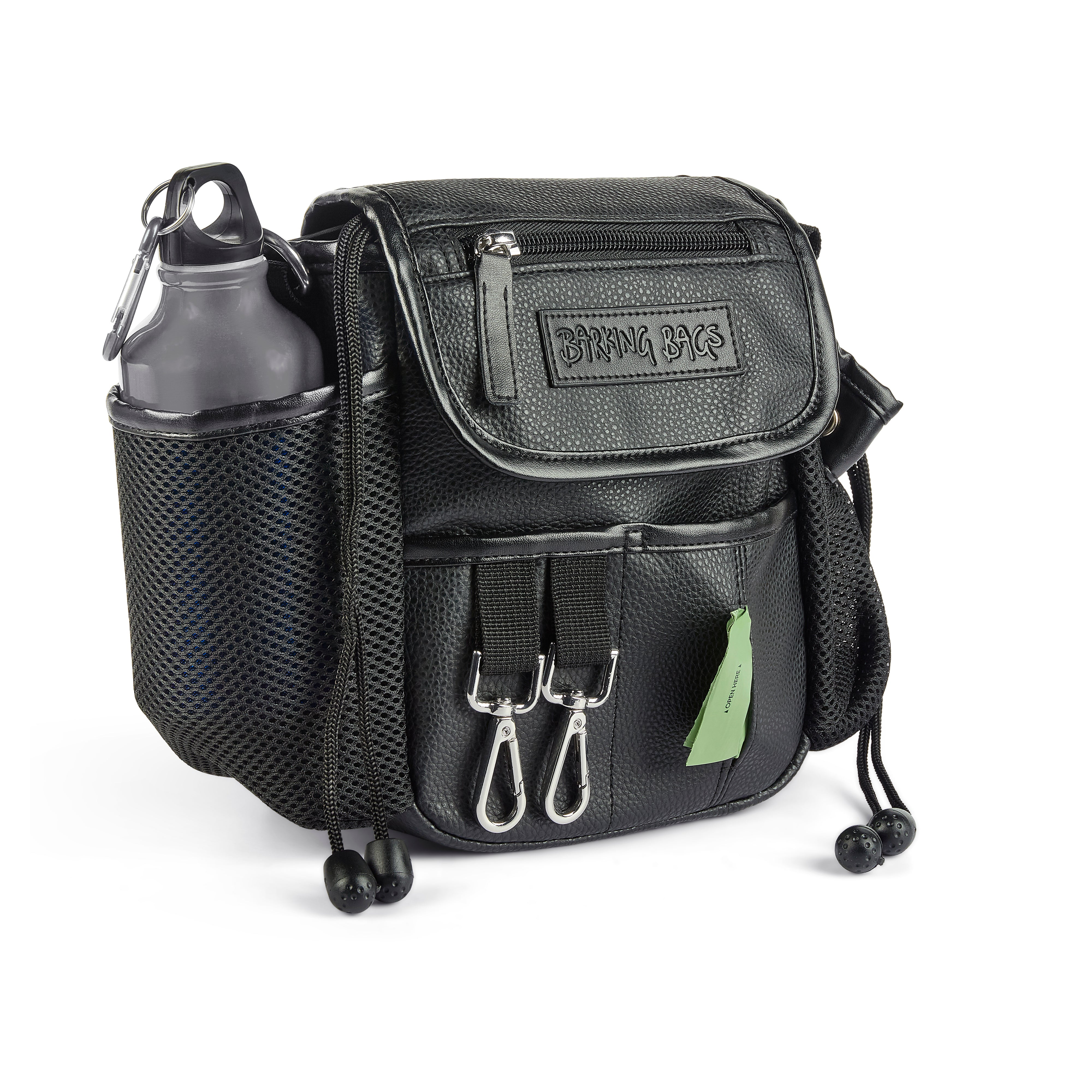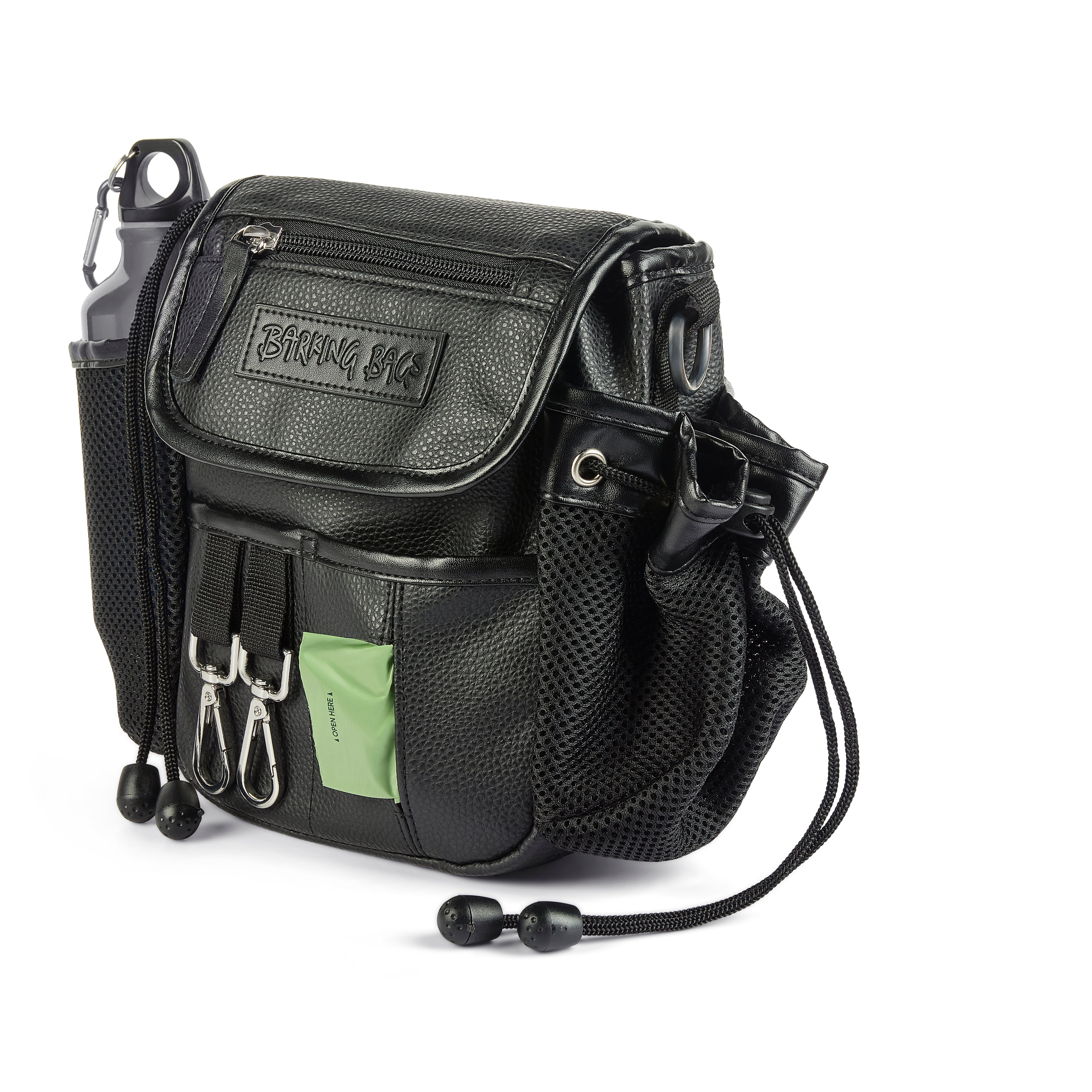

You only realise how badly your current set-up is working when you're holding a lead in one hand, a mobile phone in the other, and trying to find a poo bag before your dog takes that as a cue to pull harder. If that sounds familiar, the best dog walking bag is not a nice-to-have. It is the difference between a walk that feels easy and one that feels like a juggling act.
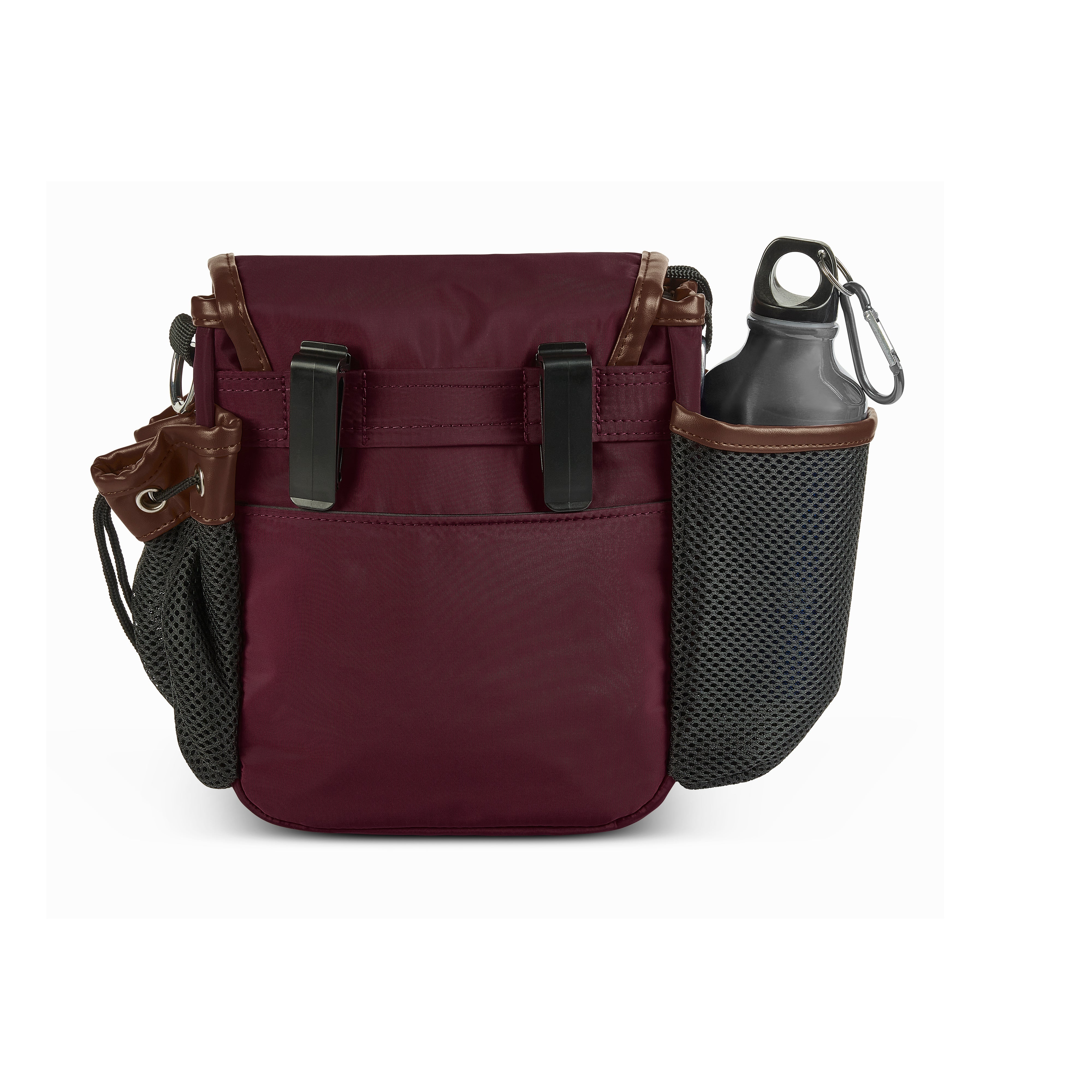
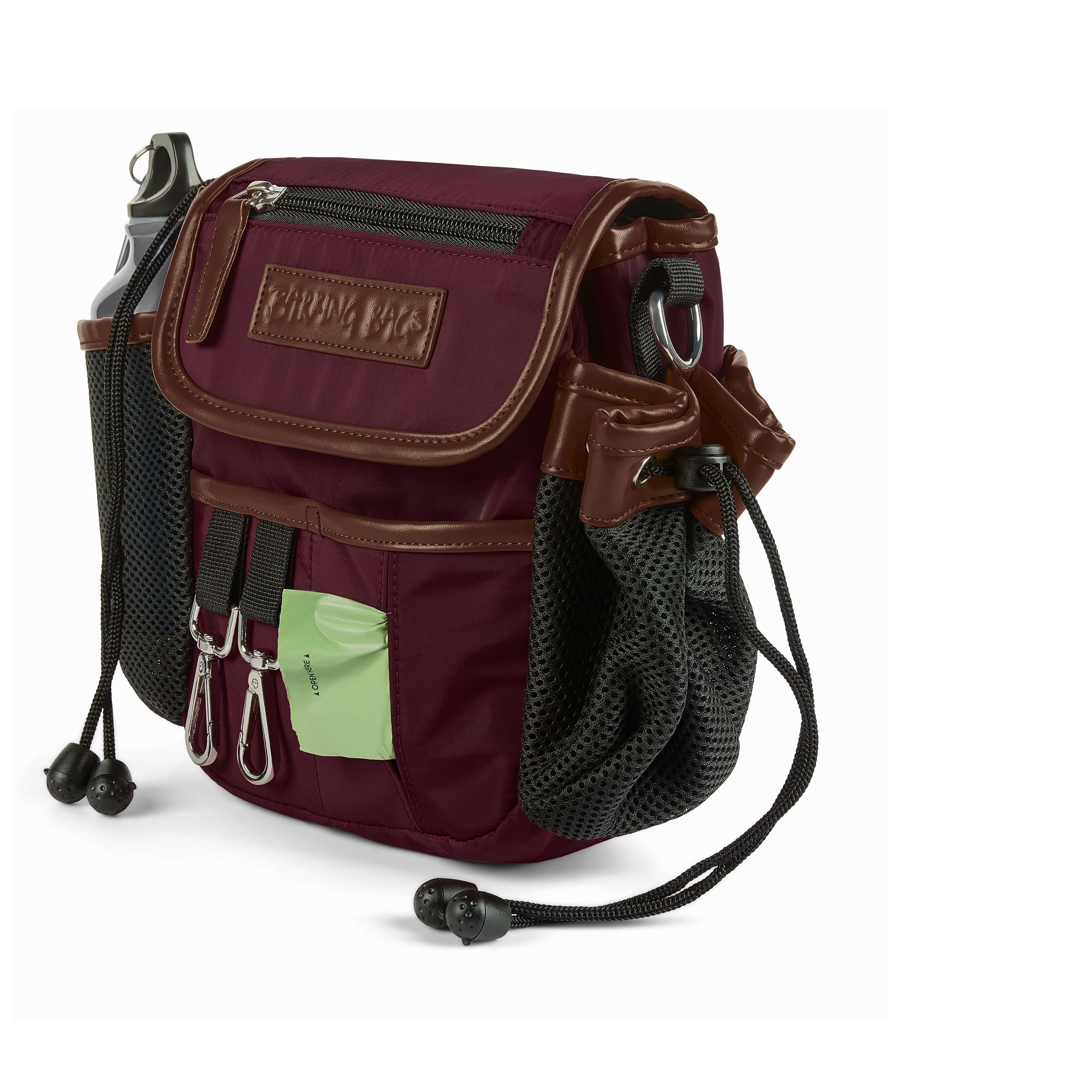
A proper dog walking bag should do one thing brilliantly - keep everything you need in one place, easy to reach, and ready for real life. That means treats where you can grab them quickly, waste bags exactly where you expect them to be, and enough room for your own essentials without the whole thing becoming bulky or awkward. The trick is knowing what actually matters before you buy.
What makes the best dog walking bag?
The short answer is simple: it needs to suit the way you walk your dog. A bag that works for a quick lap round the block may be completely wrong for training sessions, long countryside walks, or a day of walking several dogs back-to-back.
That is why the best dog walking bag is rarely the one with the most compartments or the biggest capacity. It is the one that feels purpose-built for your routine. Good organisation matters, but so does shape, comfort, access, and whether it still looks smart enough to carry every day.
A dedicated dog walking bag should earn its place by solving common annoyances. Not just carrying things, but carrying them in a way that makes sense. If you are still rooting around in a tote bag for treats, or stuffing pockets with leads and keys, you are working around the problem instead of fixing it.
Start with your walking routine
Before you compare materials, colours, or price points, think about what a normal walk actually looks like for you. Do you head out for twenty minutes before work, or are you out for over an hour with water, toys and a spare ball? Are you training a young dog and rewarding constantly, or walking an older dog with a much simpler routine?
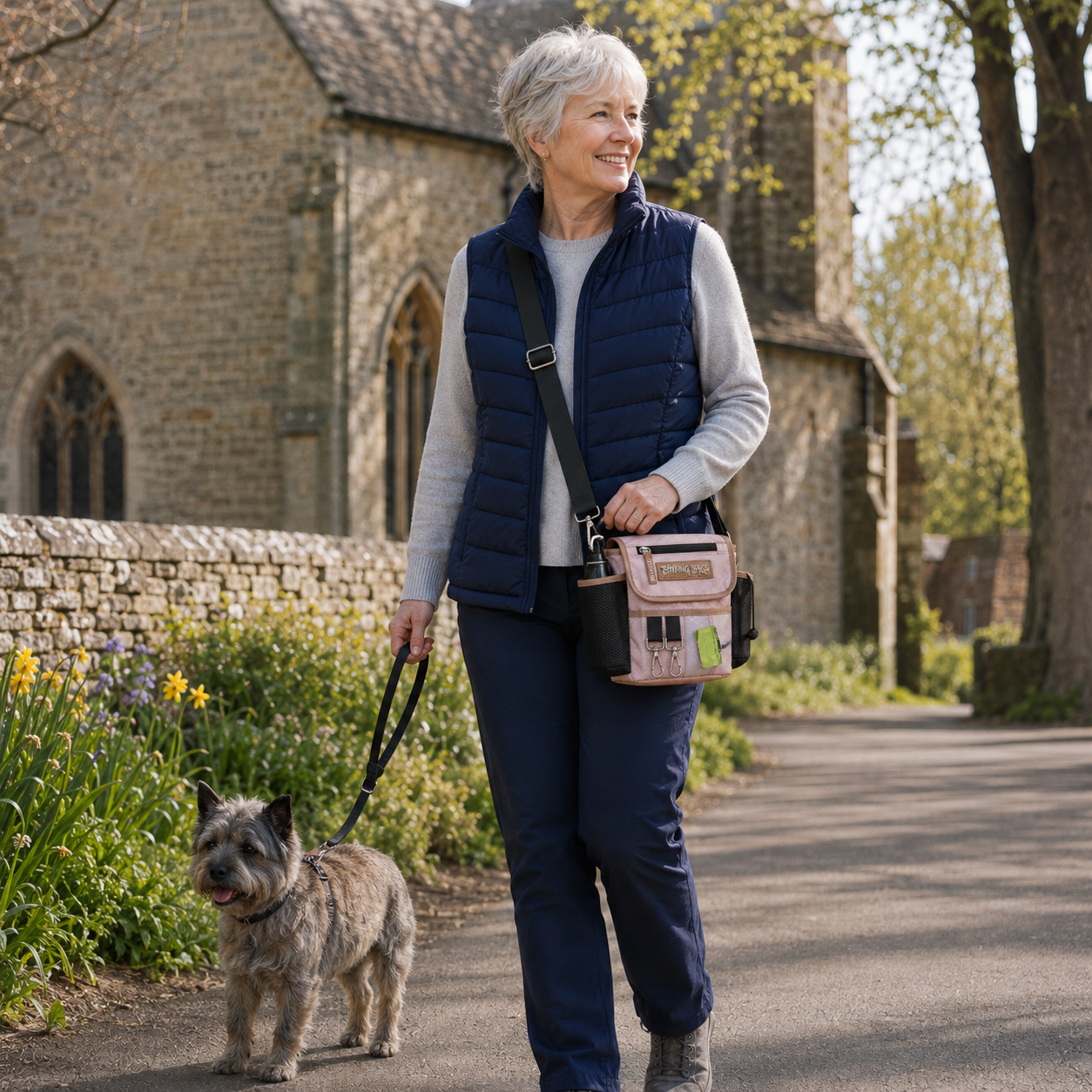
If your walks are short and local, you may only need space for poo bags, treats, keys and a mobile phone. In that case, a compact crossbody style can be ideal because it stays neat, light and close to the body. If you are a trainer or professional walker, you will probably need more storage, faster access, and a layout that lets you separate your own items from dog gear.
This is where many generic bags fall short. They can hold plenty, but they are not designed around the flow of a dog walk. That usually means awkward pockets, poor weight distribution, or no obvious place for essentials you need in a hurry.
The features worth paying for
Storage is the first thing most people look at, but storage without organisation is just clutter in a zip. What matters more is whether each item has a logical place.
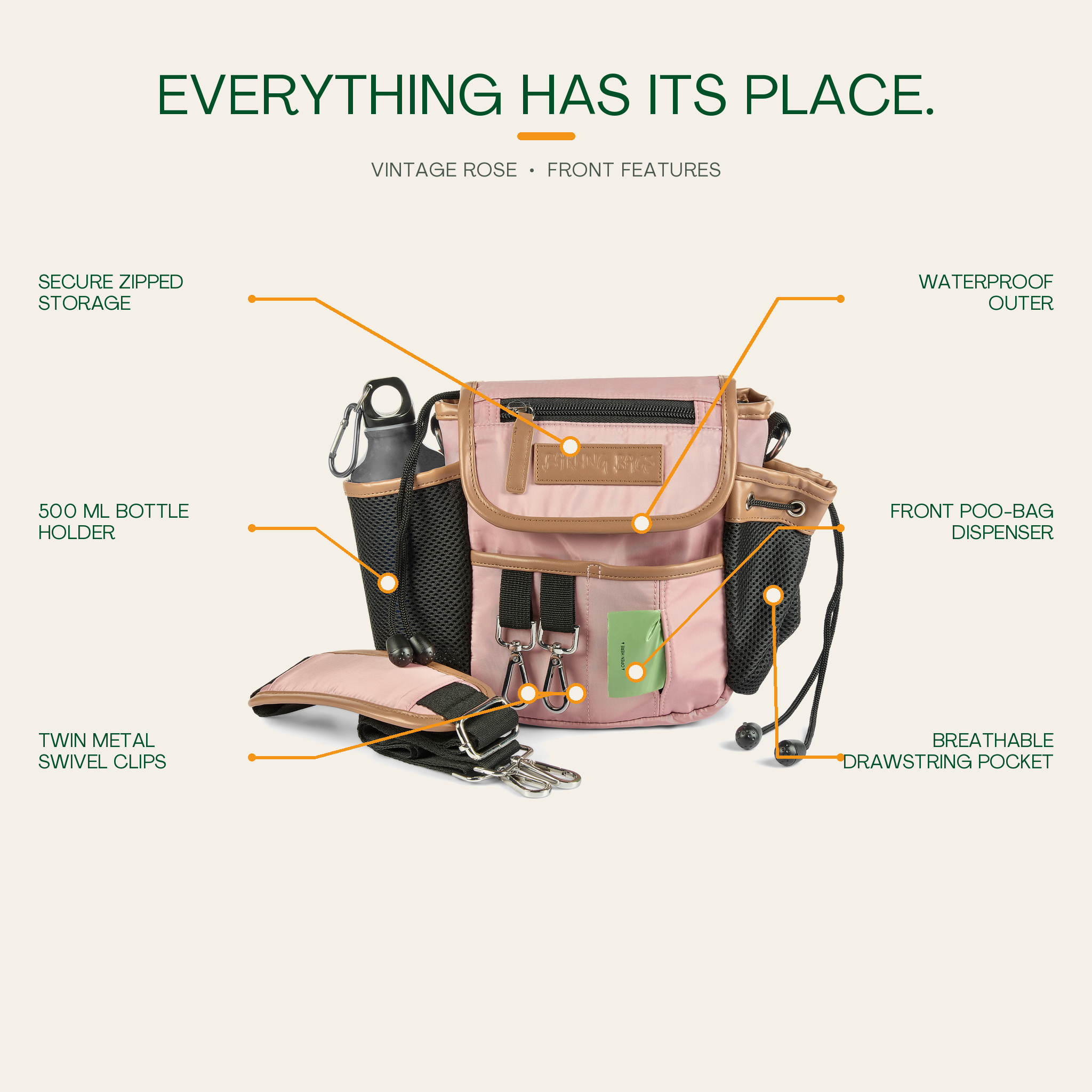
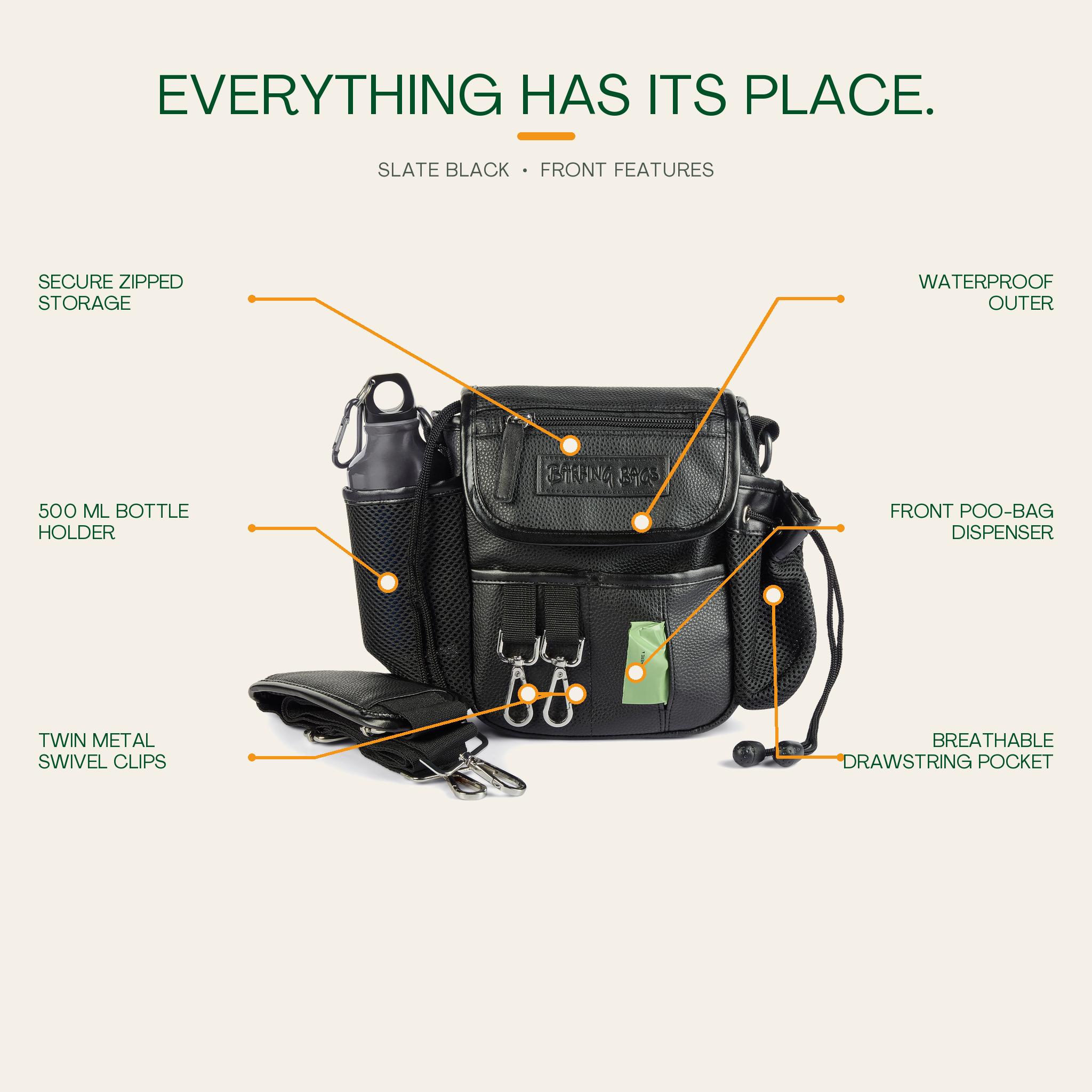
Easy-access treat storage
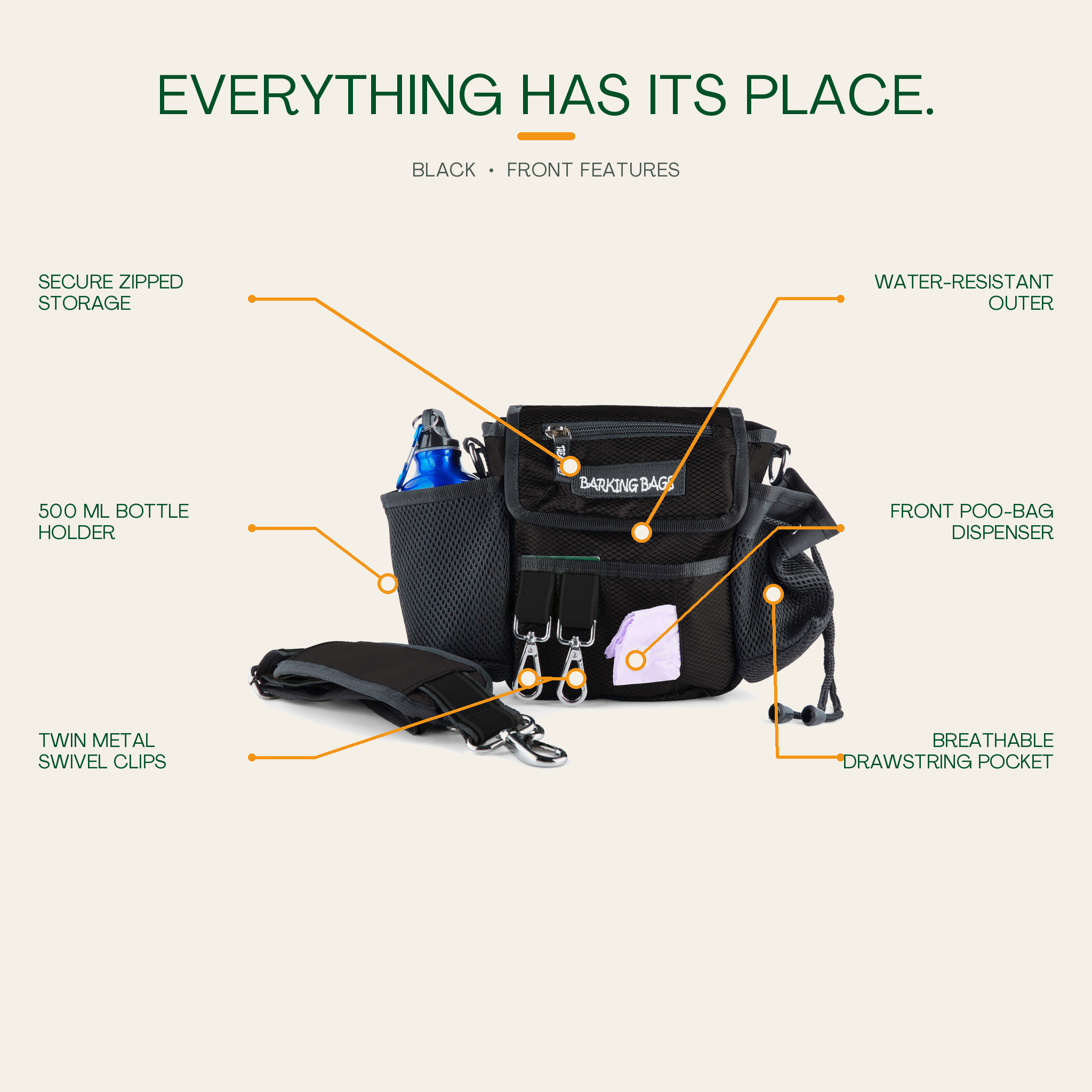
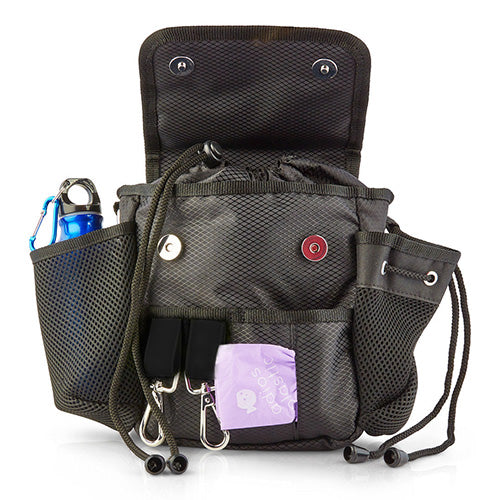
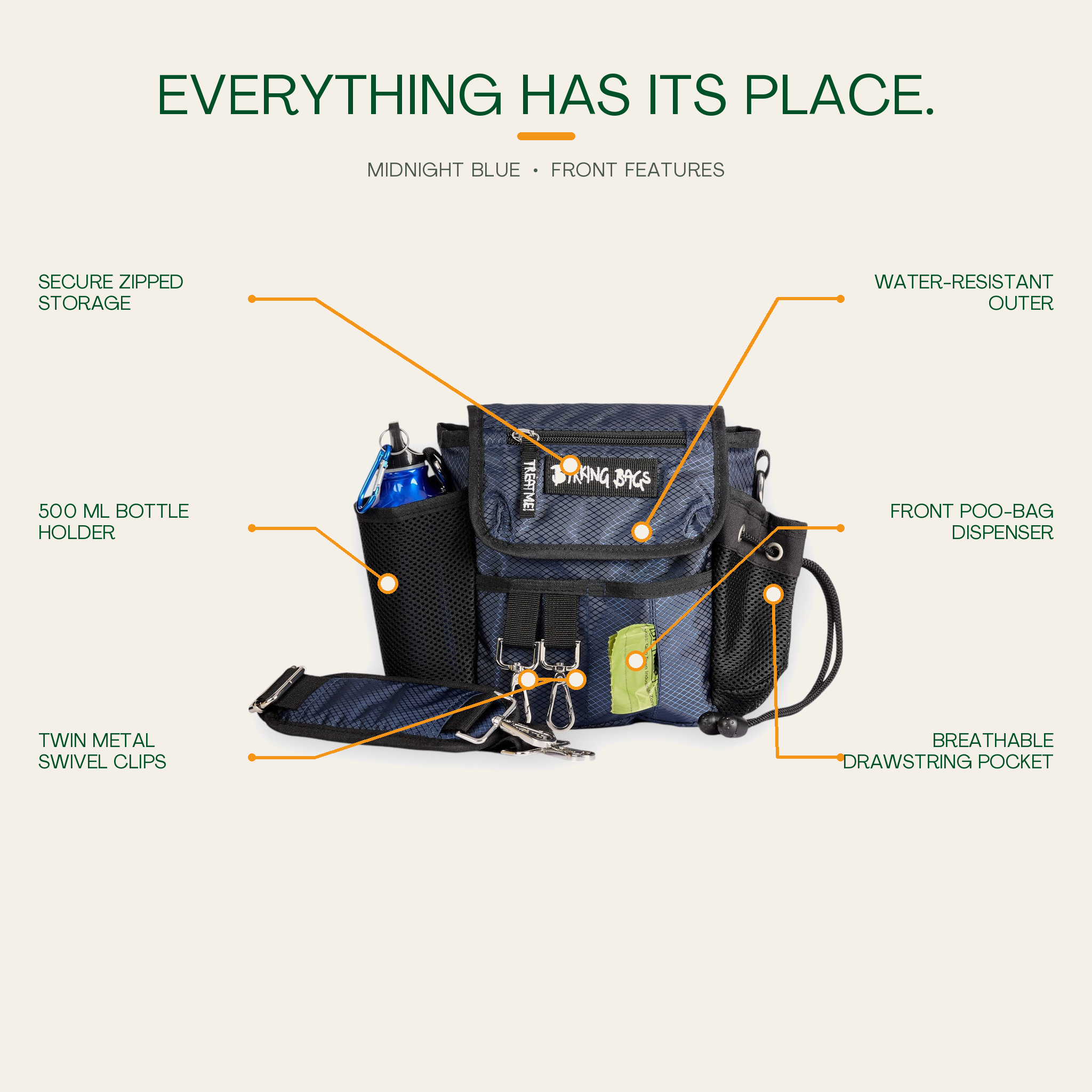
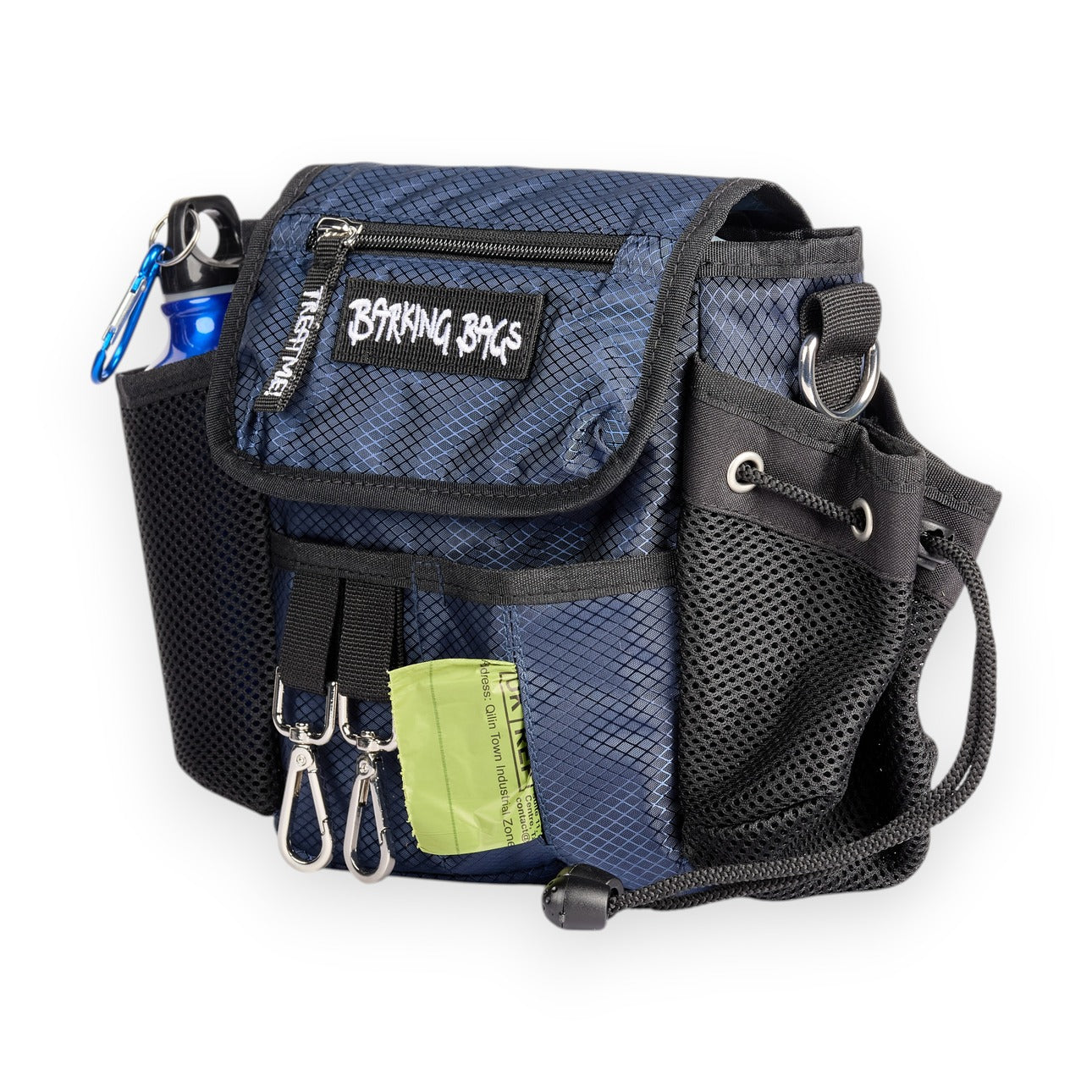
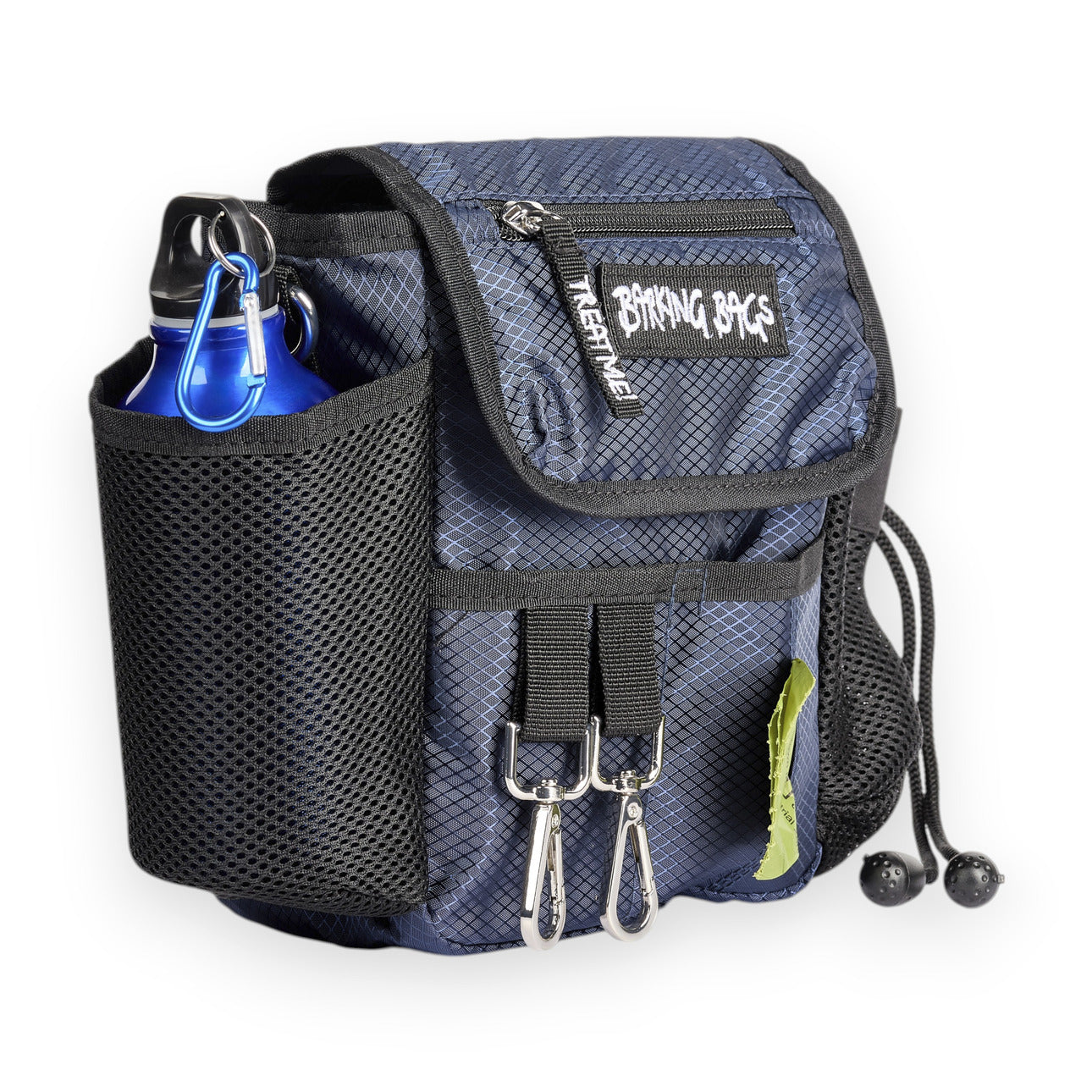
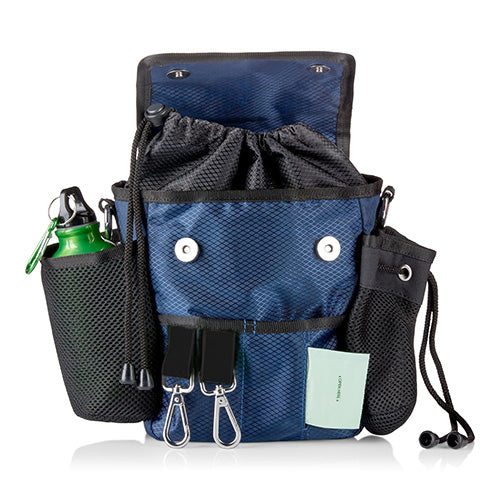
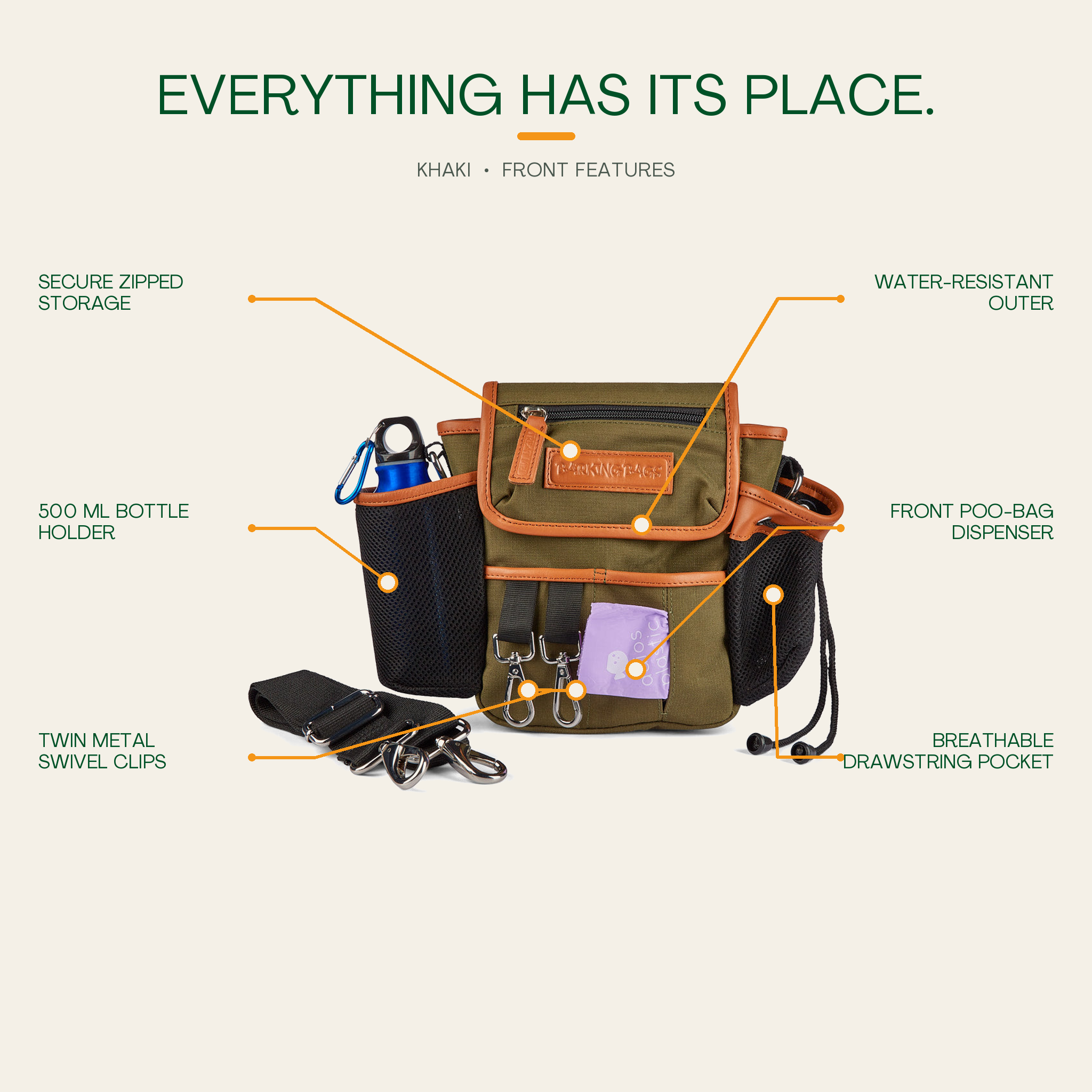
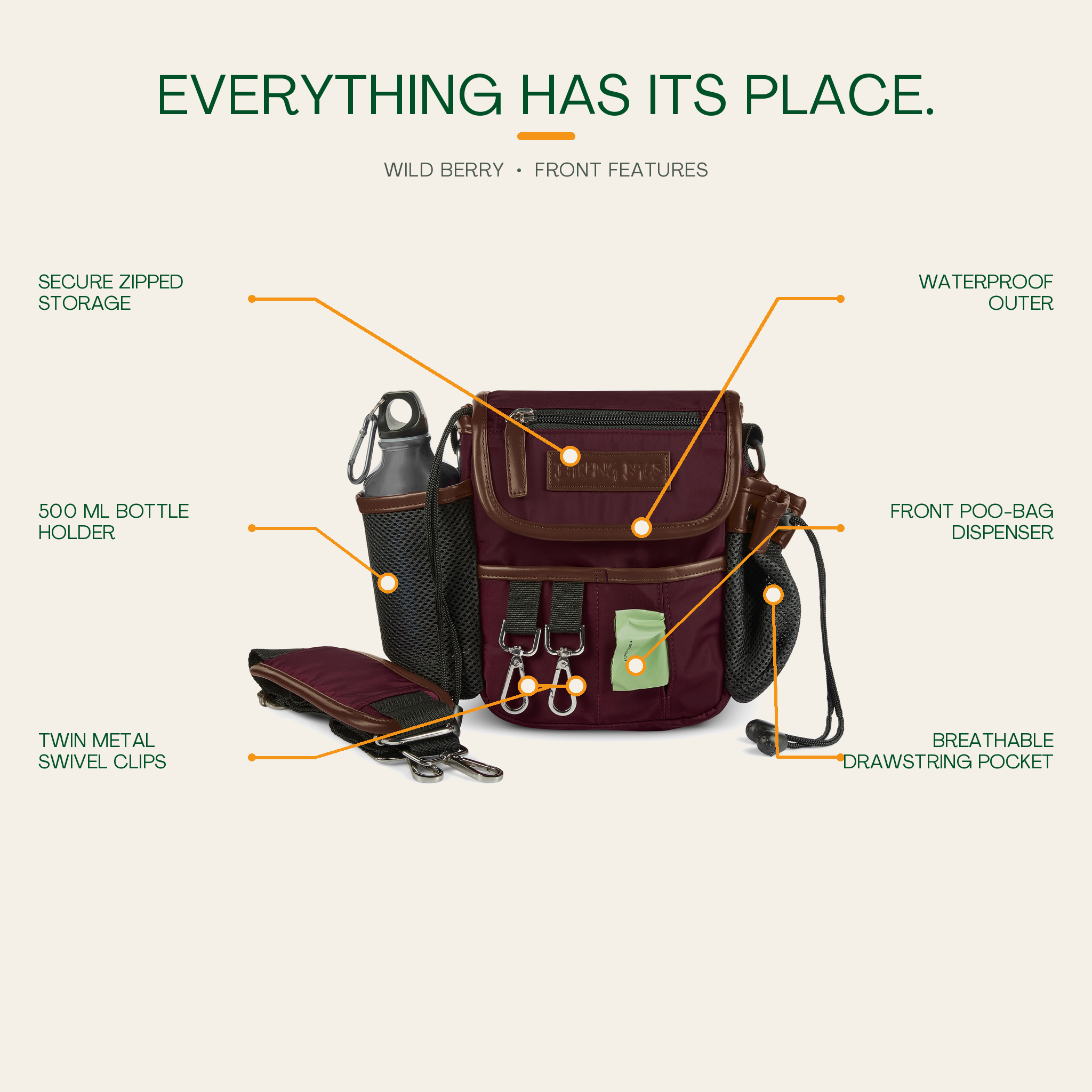
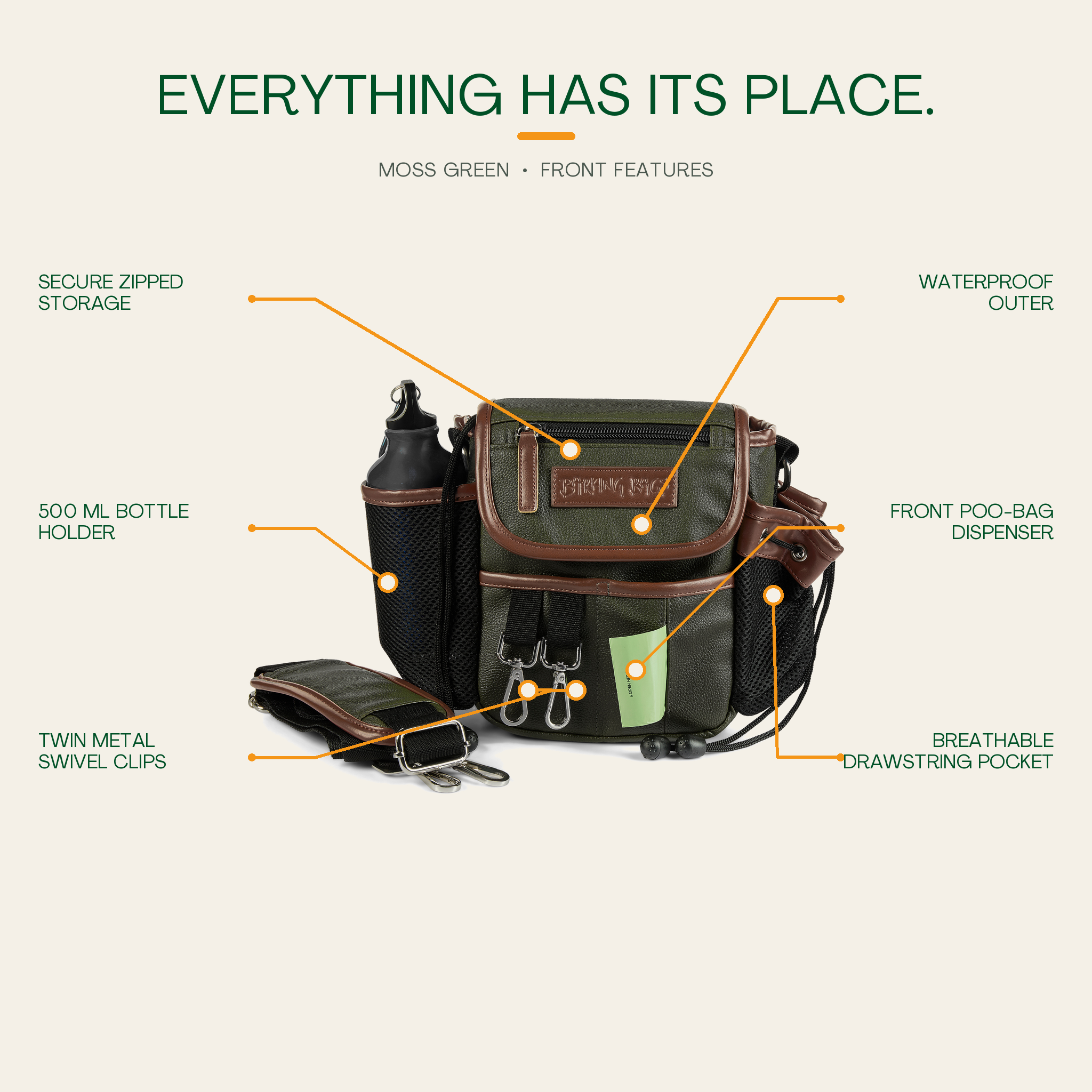
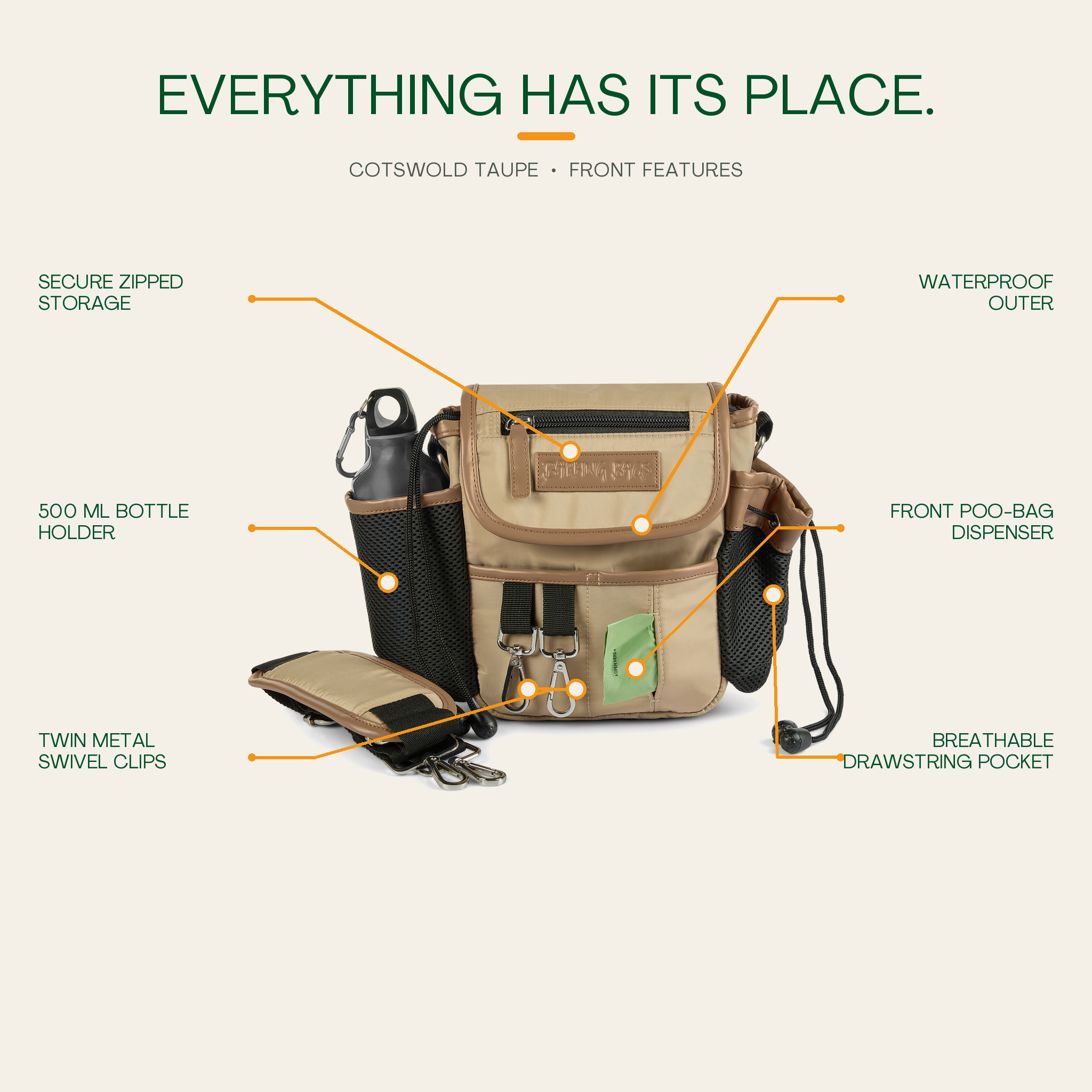
If you use treats regularly, they need to be quick to reach with one hand. A separate treat compartment or pouch makes a big difference, especially for training, recall work, or reactive dog management. You do not want treats loose beside your keys, and you definitely do not want to open the whole bag every time your dog gets something right.
Built-in poo bag access
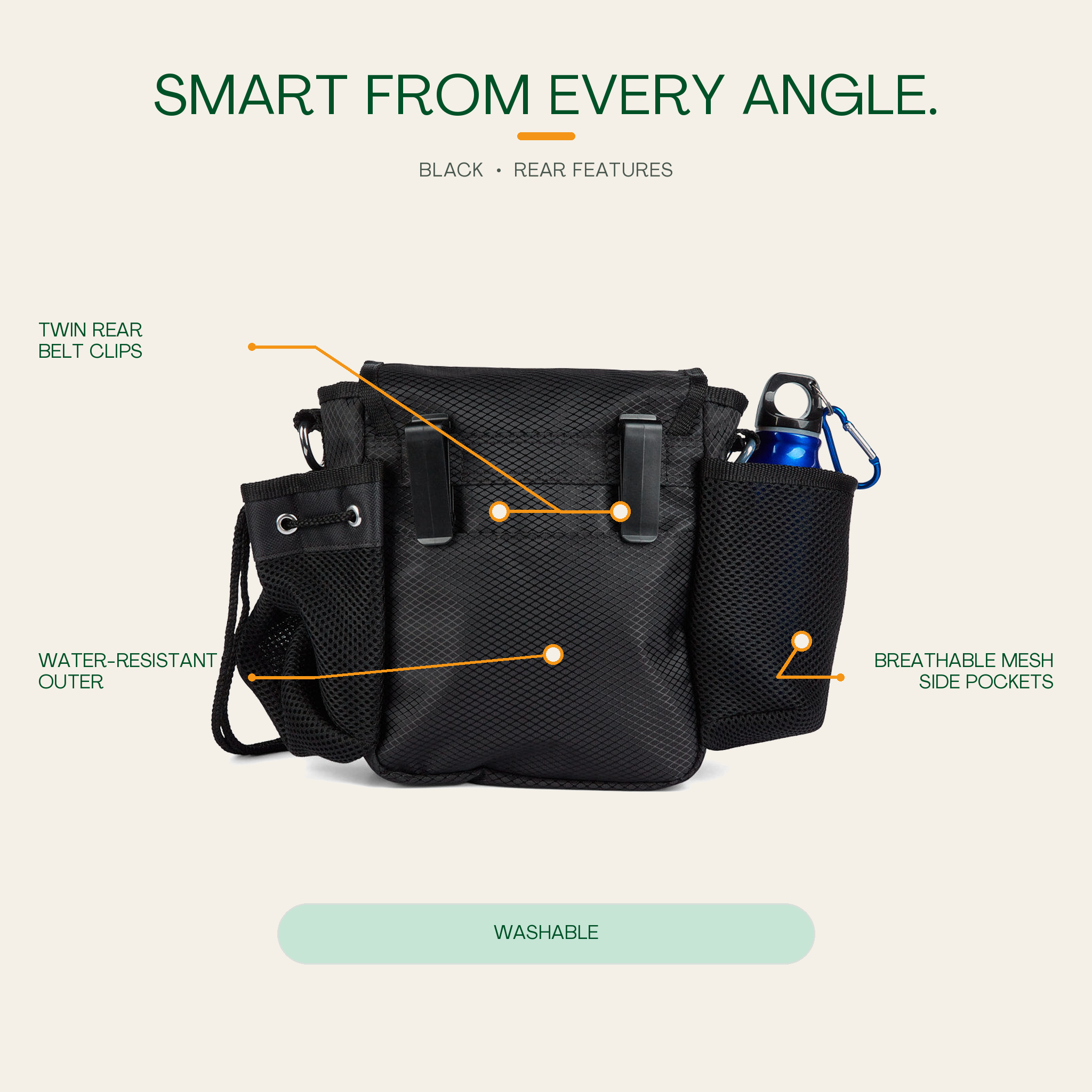
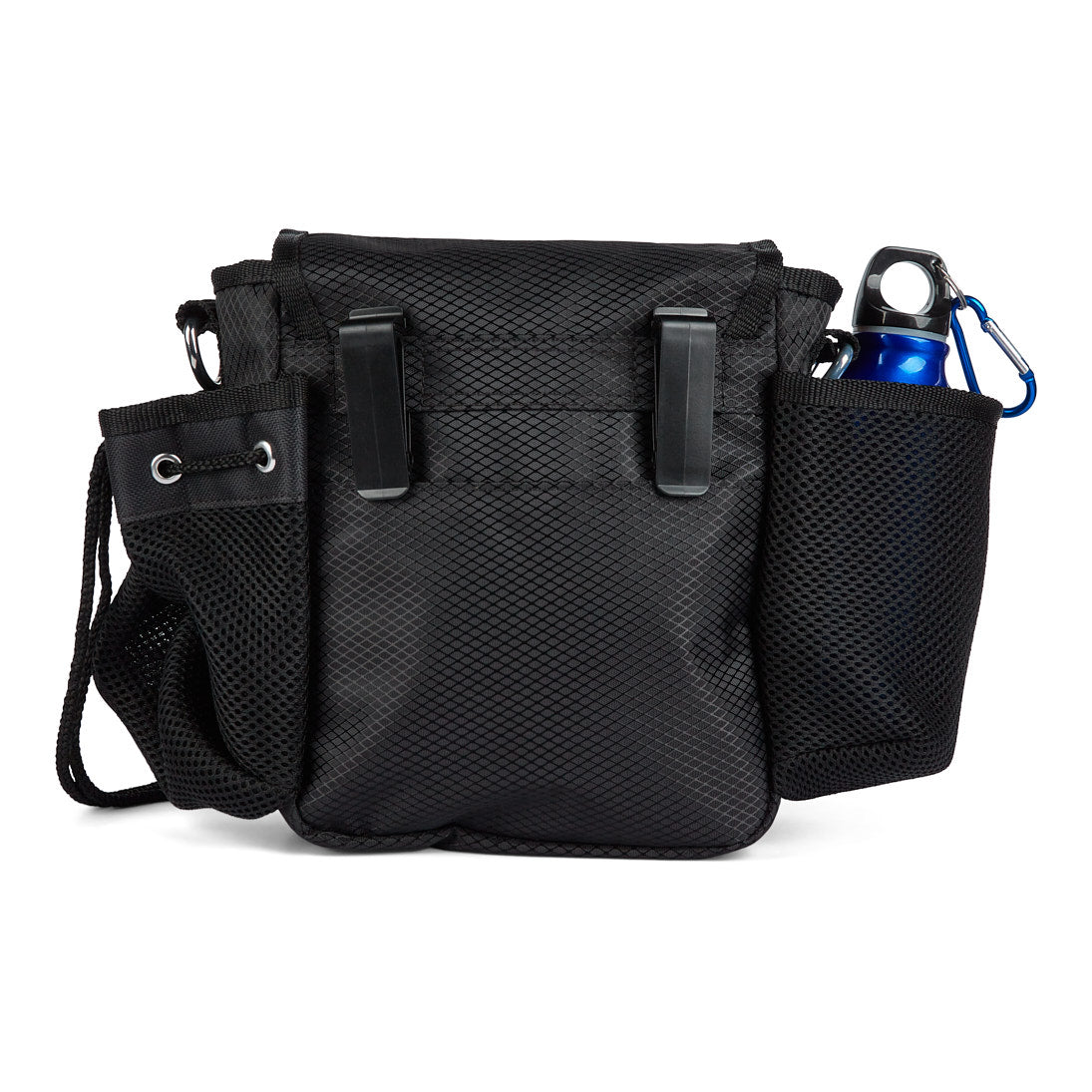
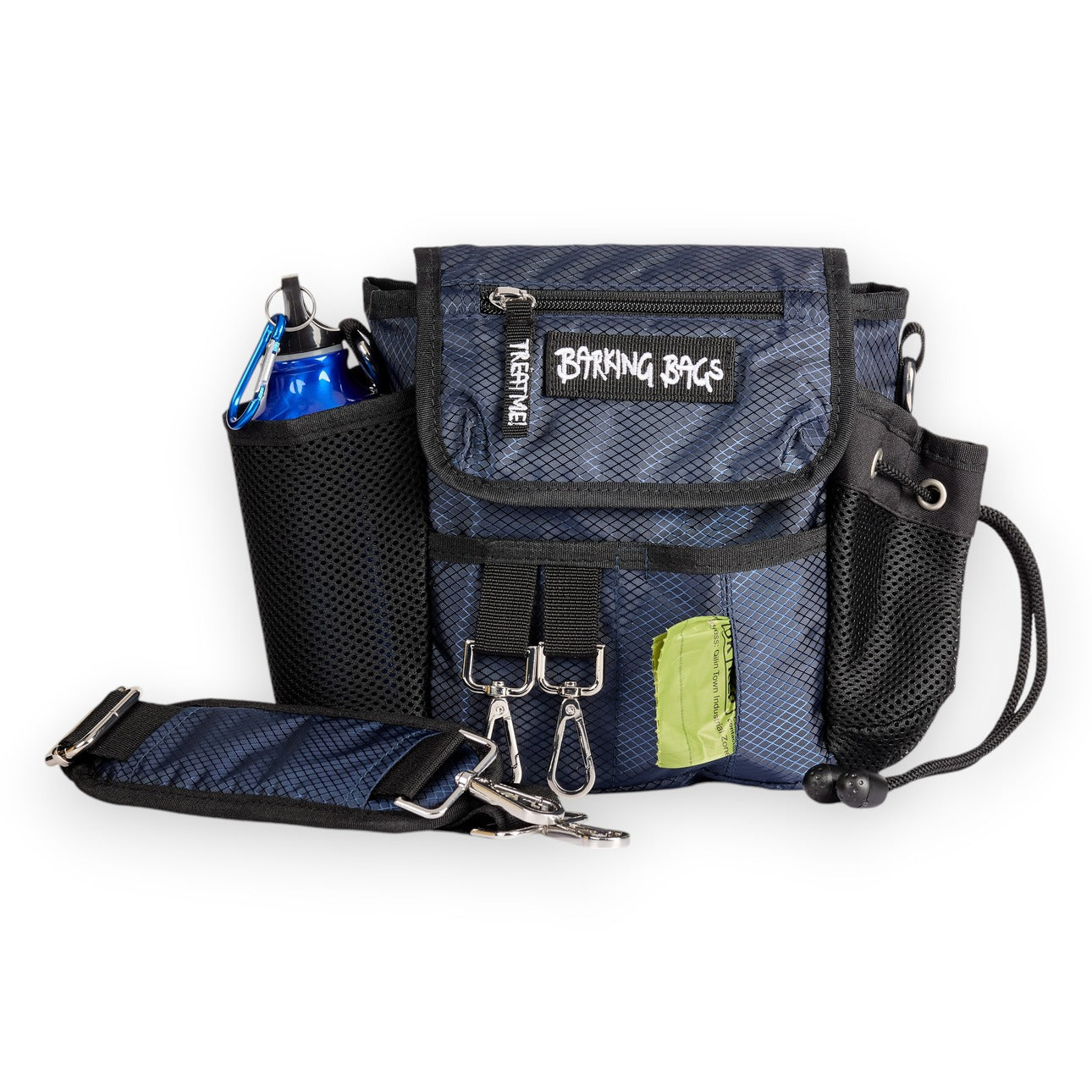
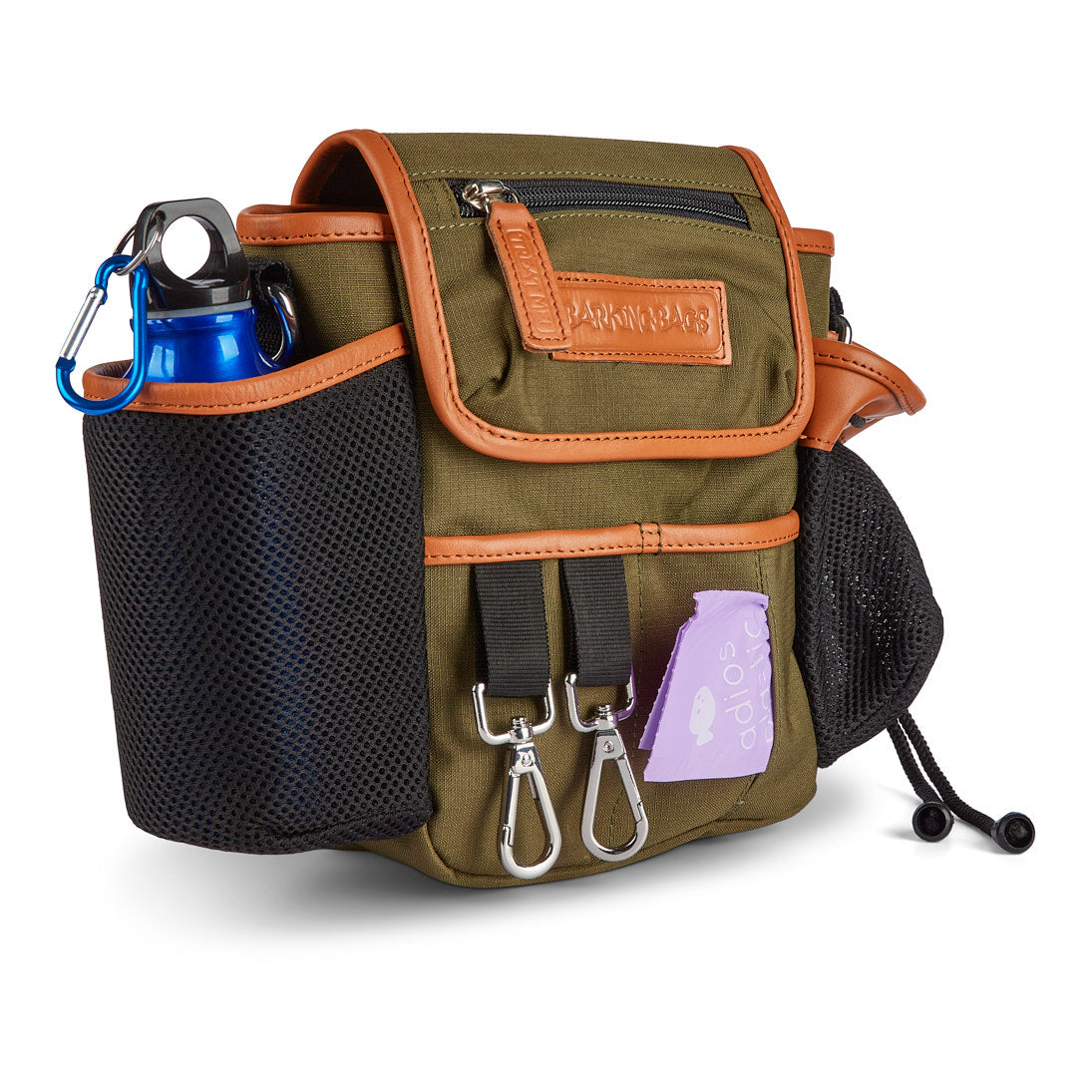
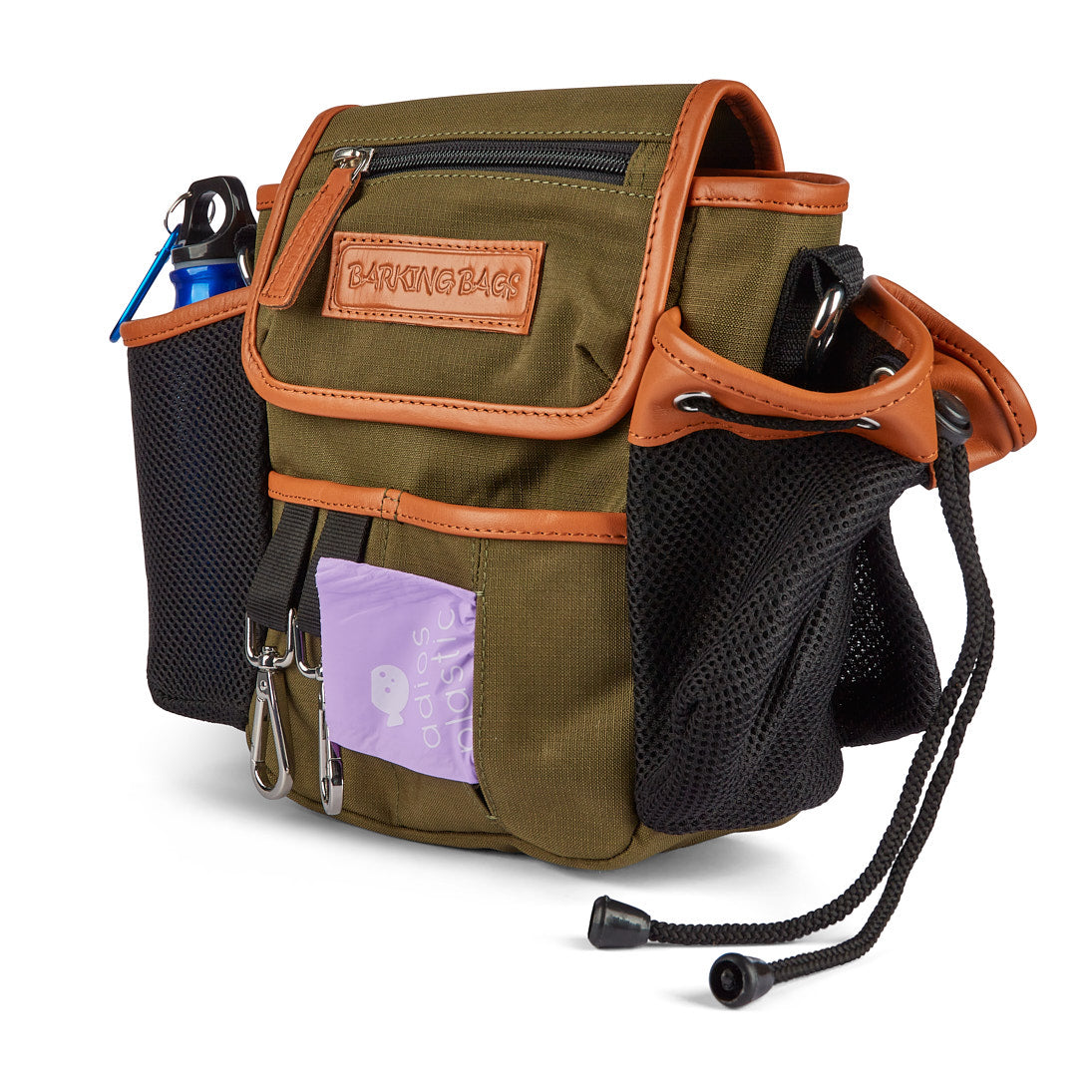
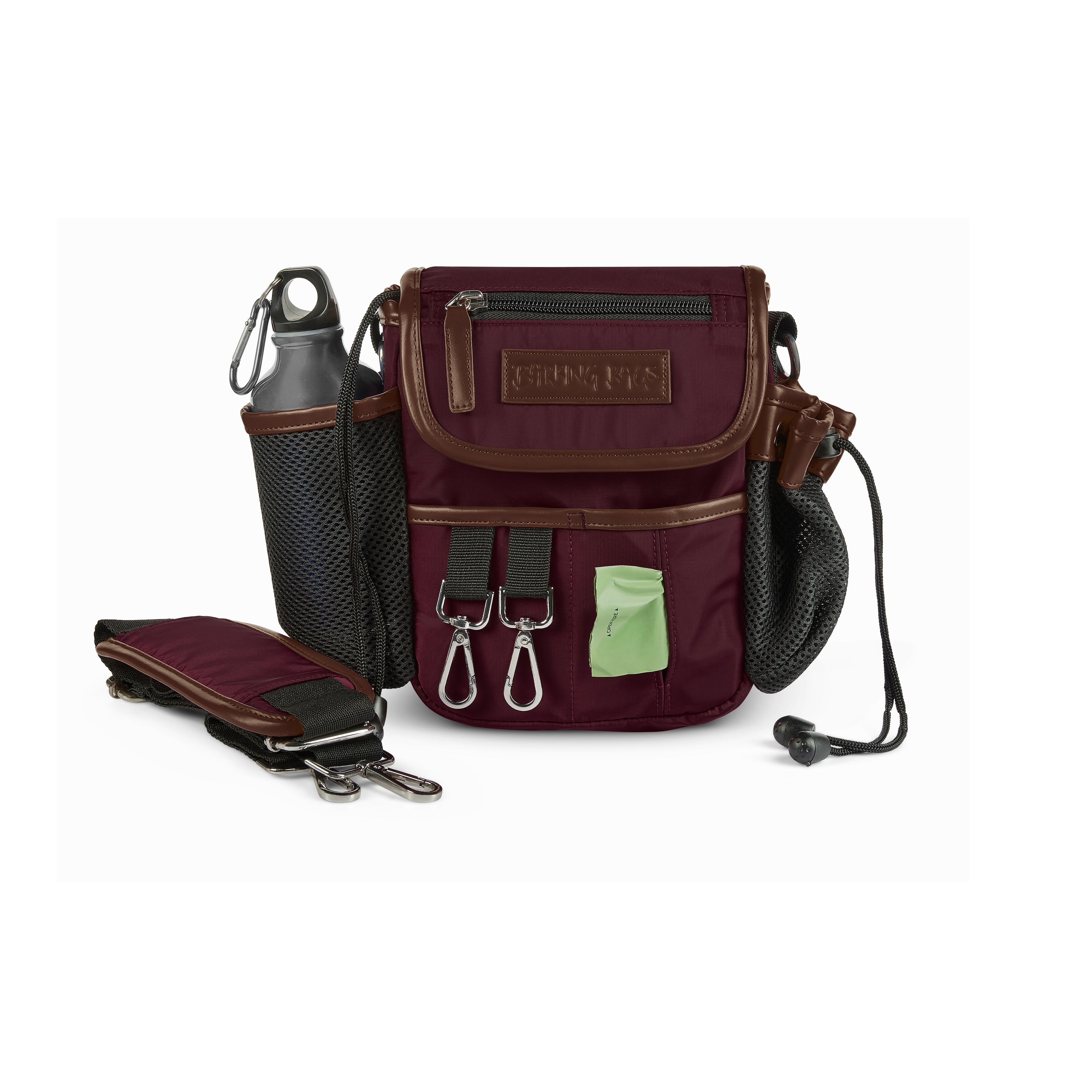
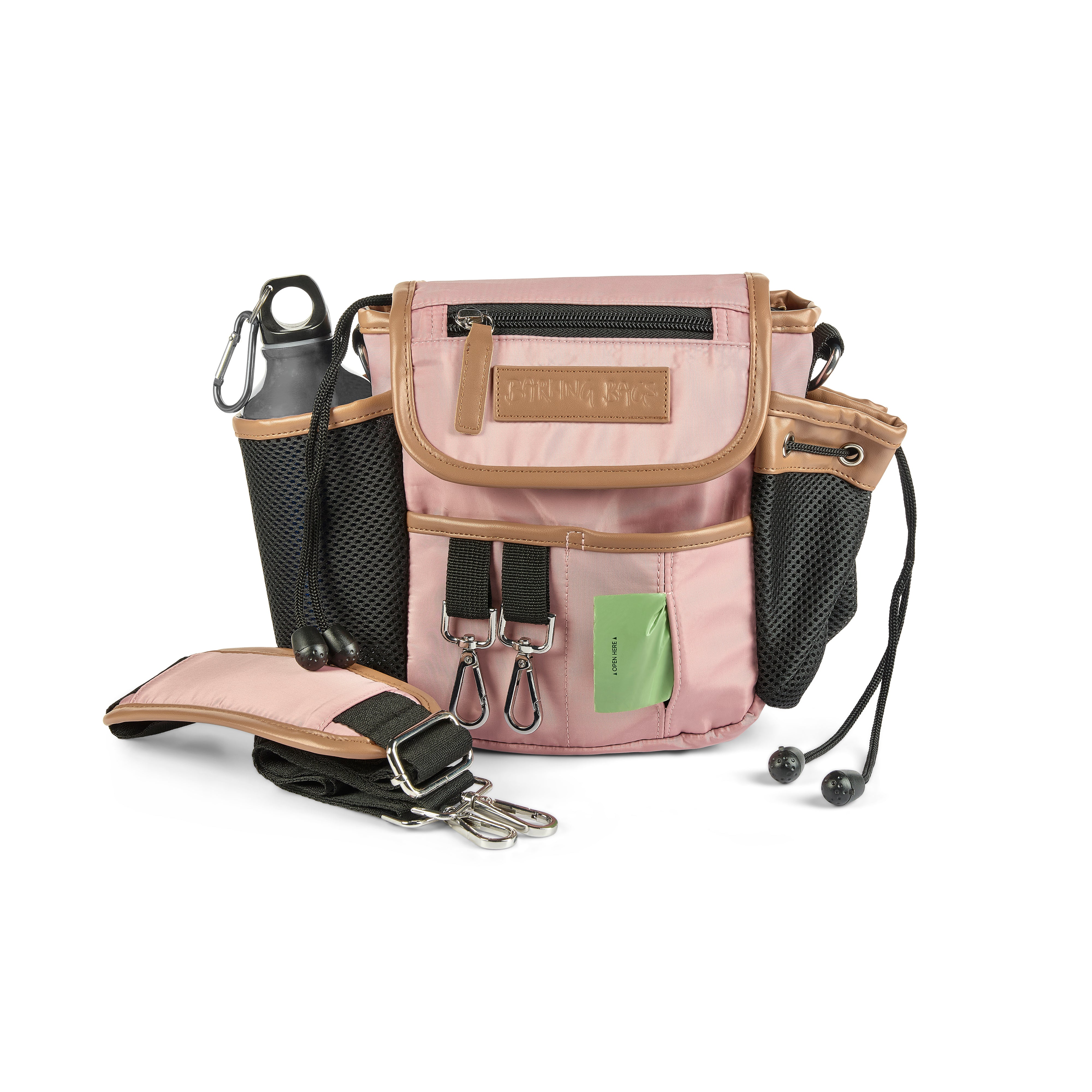
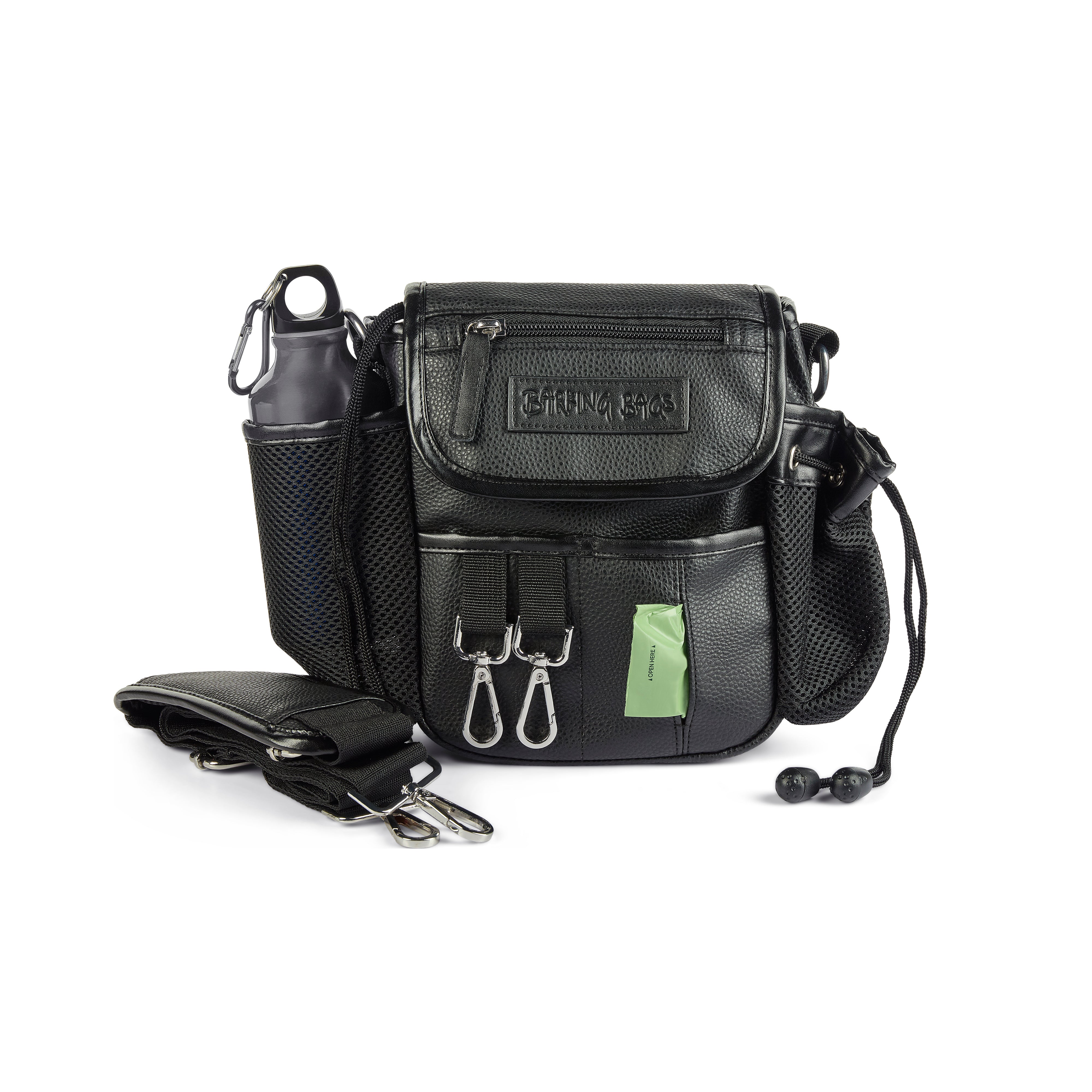
This sounds small until you have to act fast. A dedicated dispenser or easy-grab pocket for waste bags is one of those features that becomes non-negotiable once you have used it properly. It saves time, cuts down fumbling, and keeps the least glamorous part of dog ownership a bit more manageable.
Room for your essentials too
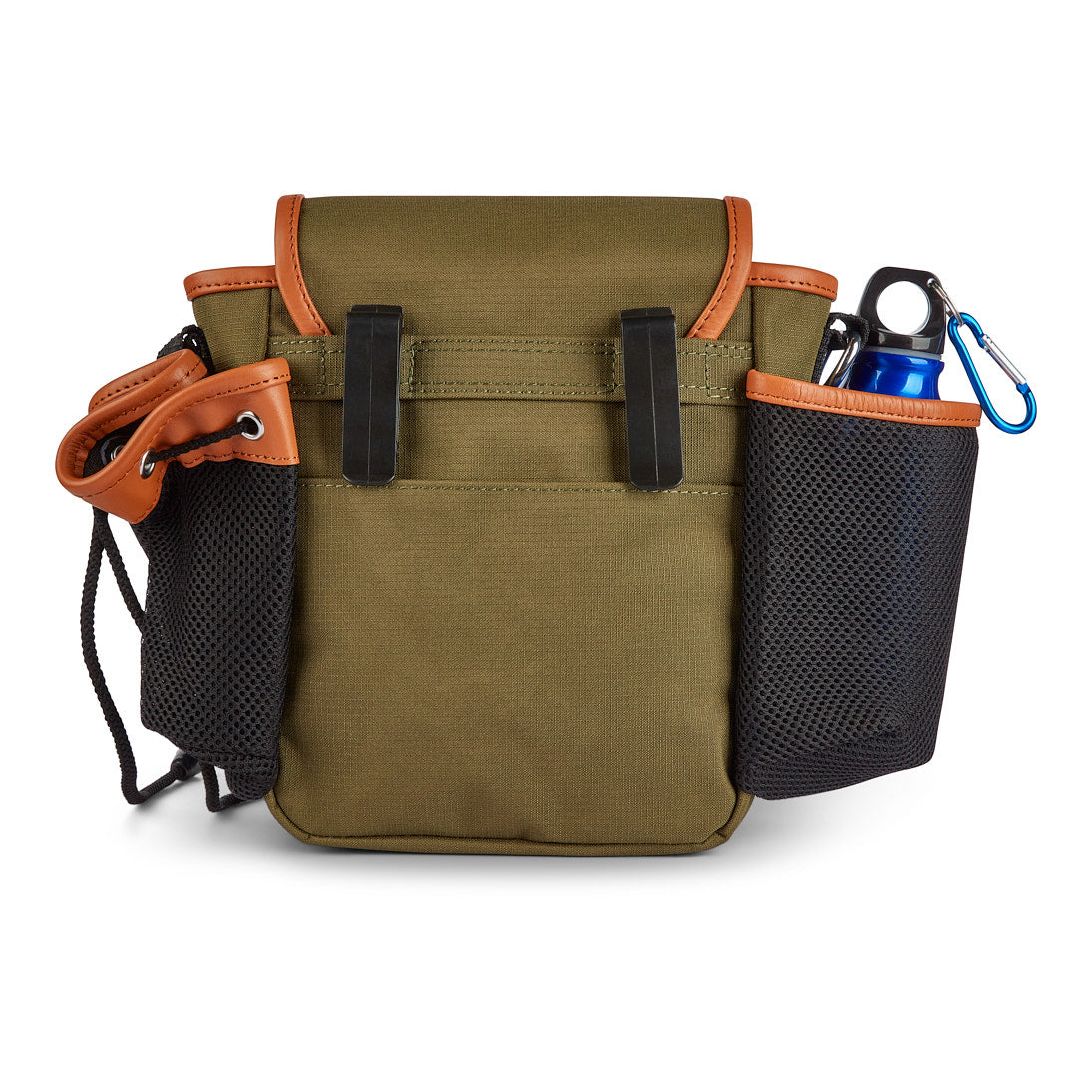
A dog walking bag should not force you to carry a second bag for yourself. Mobile phone, keys, cards and perhaps a small purse should fit comfortably without getting mixed into dog items. Separate compartments are useful here, particularly if you want your personal bits kept clean and easy to find.
Comfortable to wear
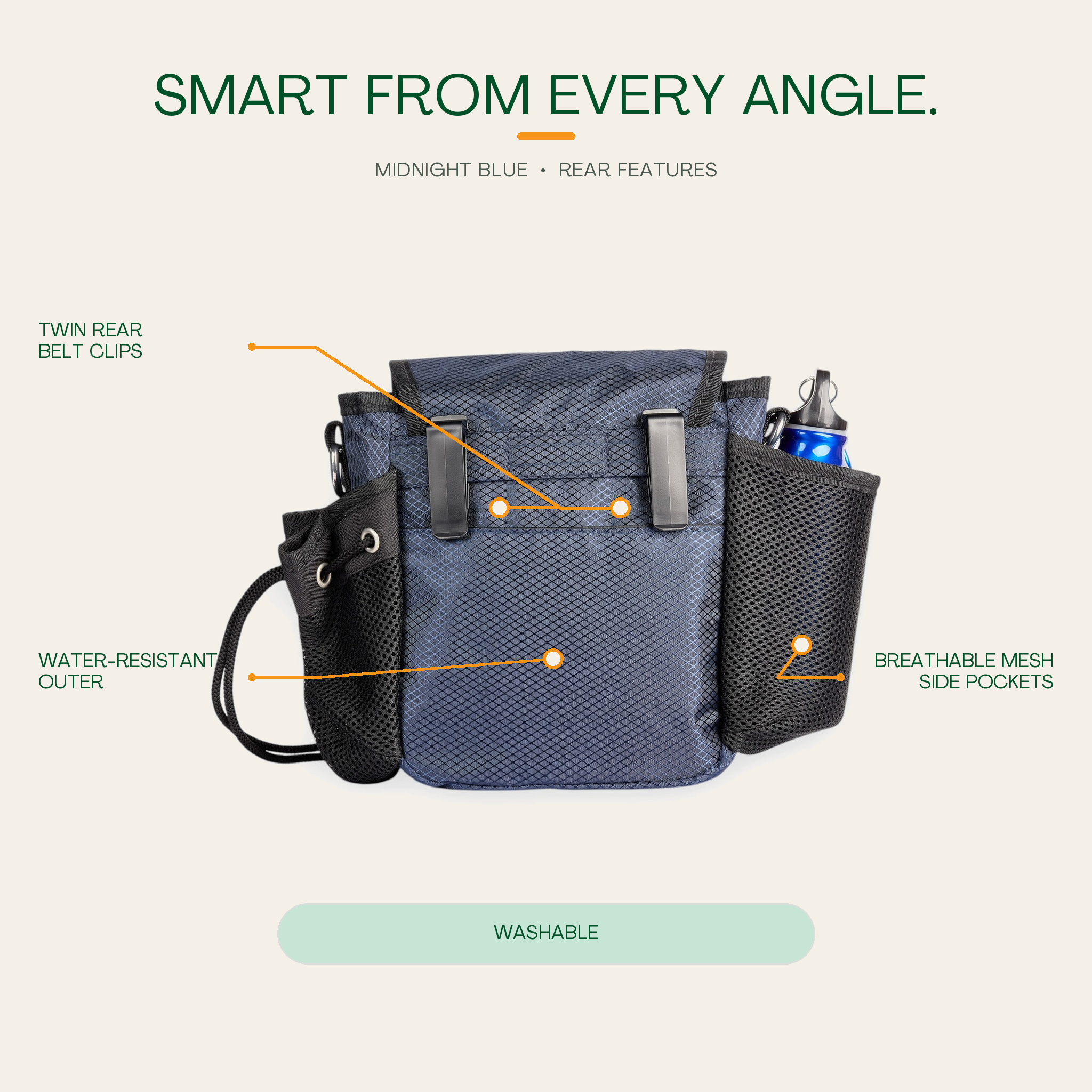
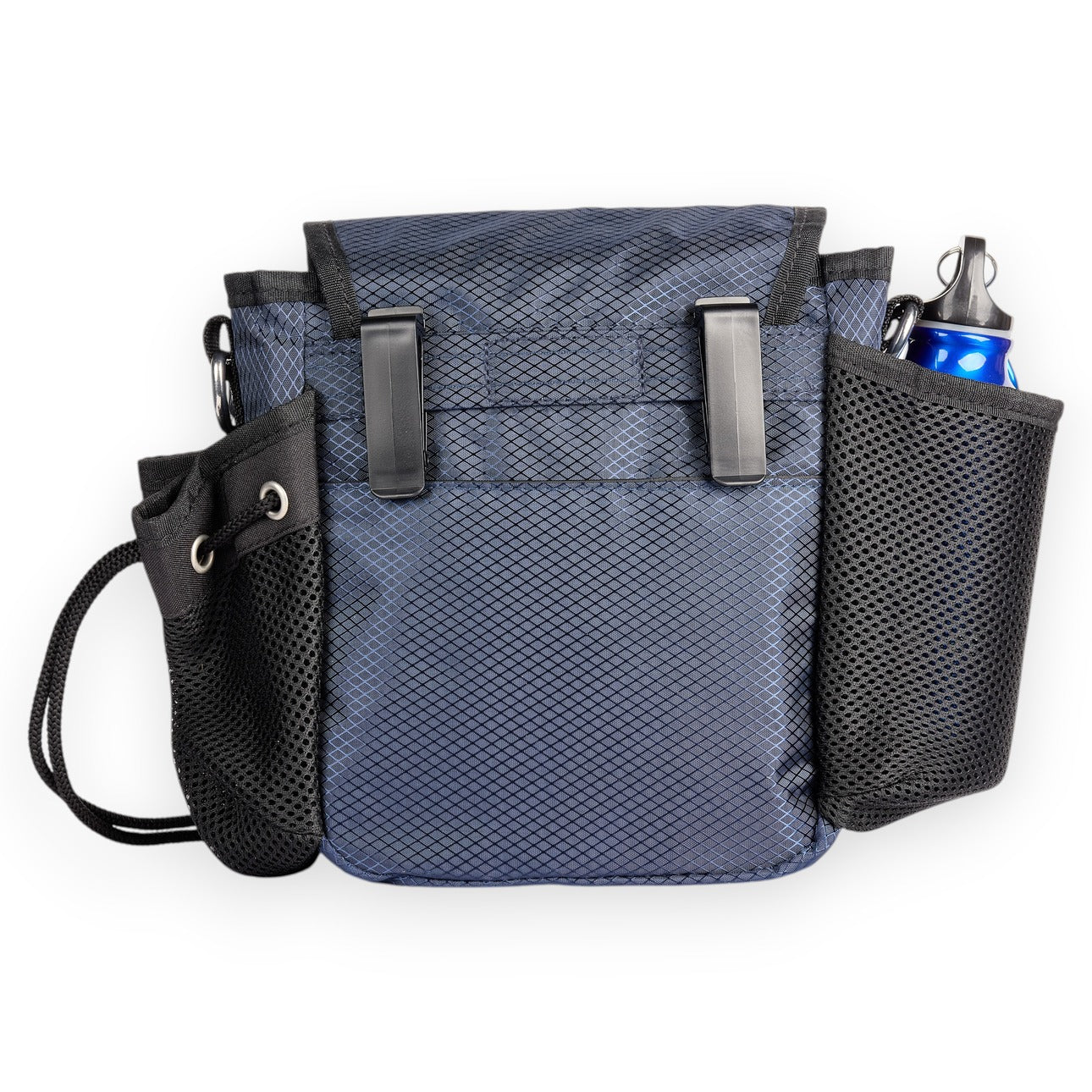
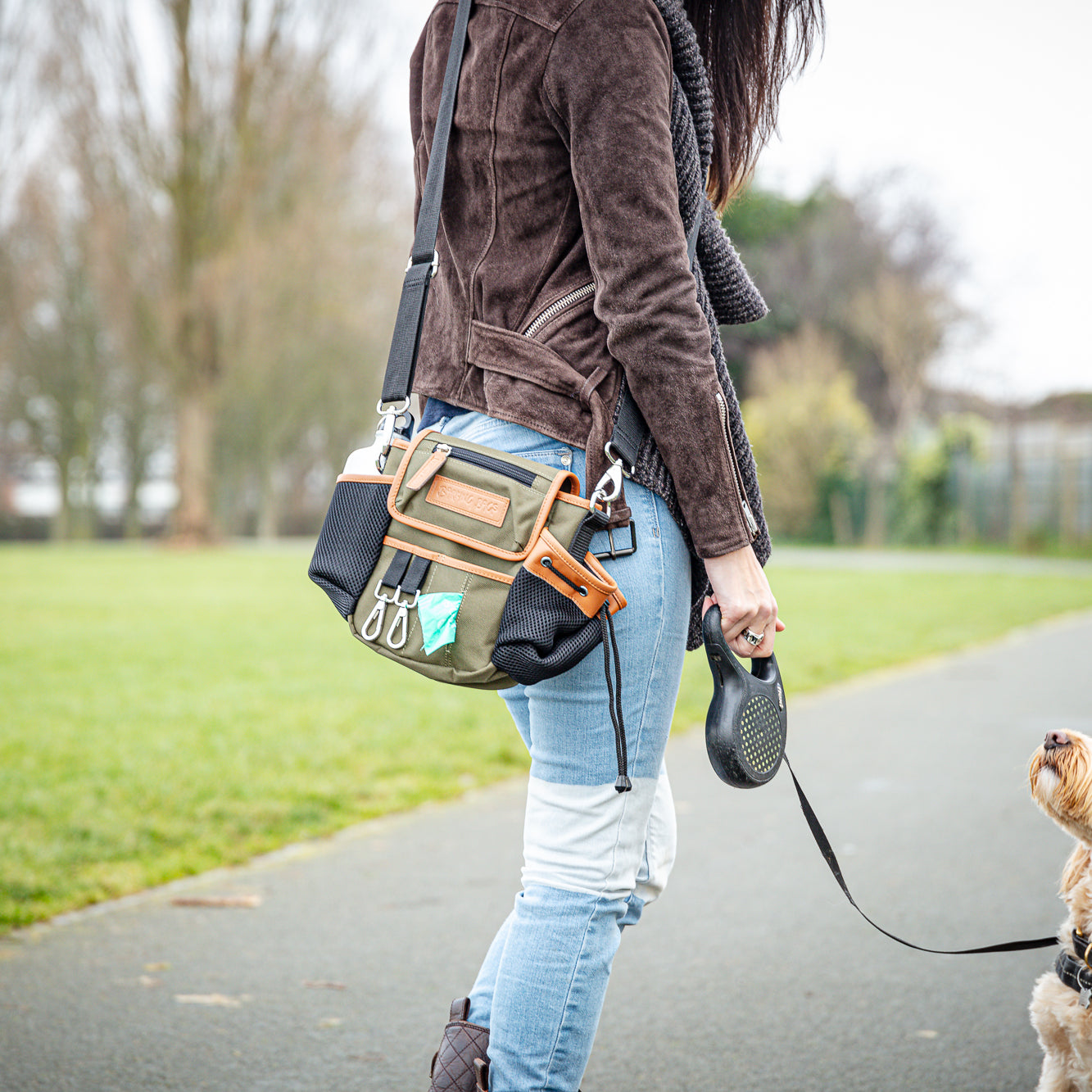
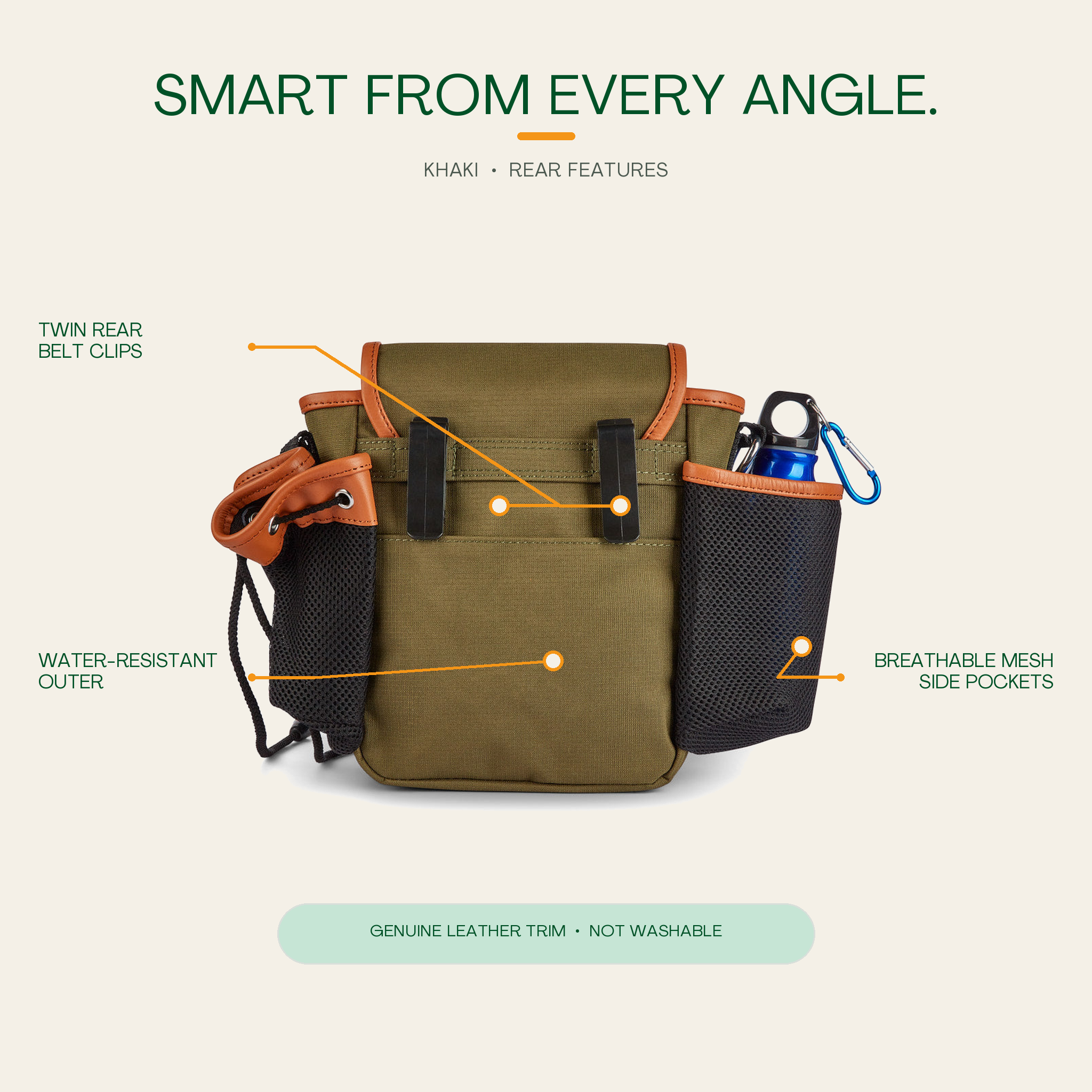
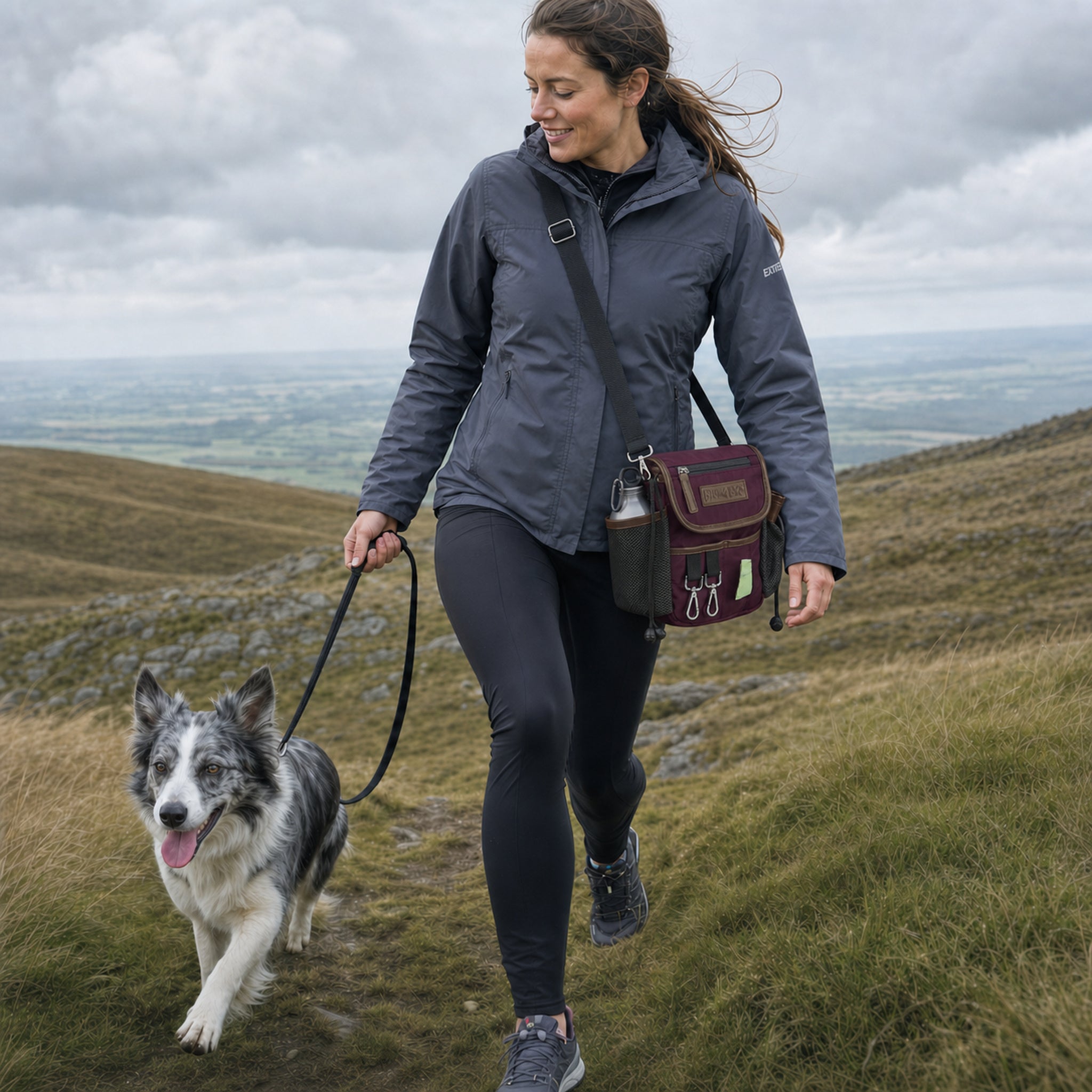
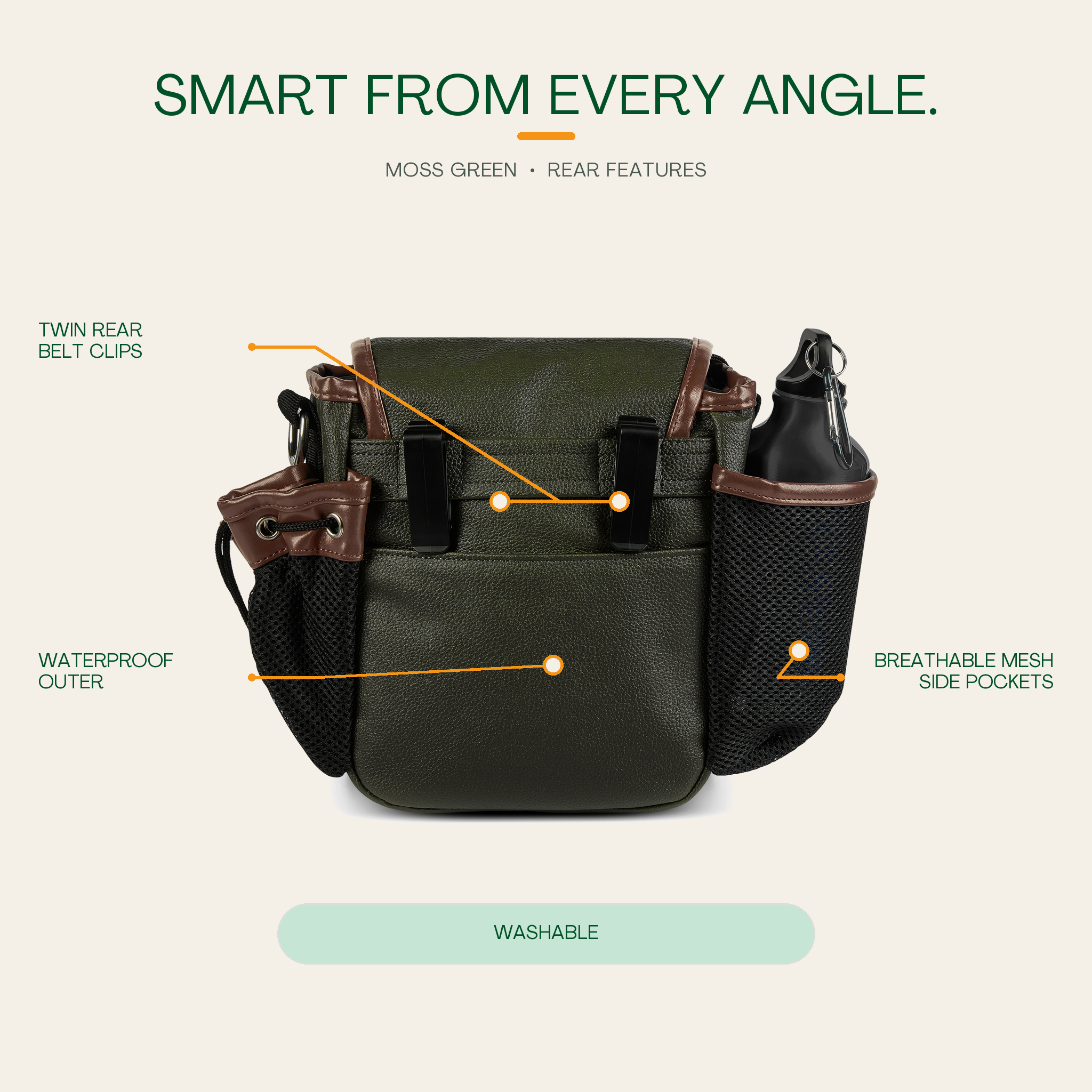
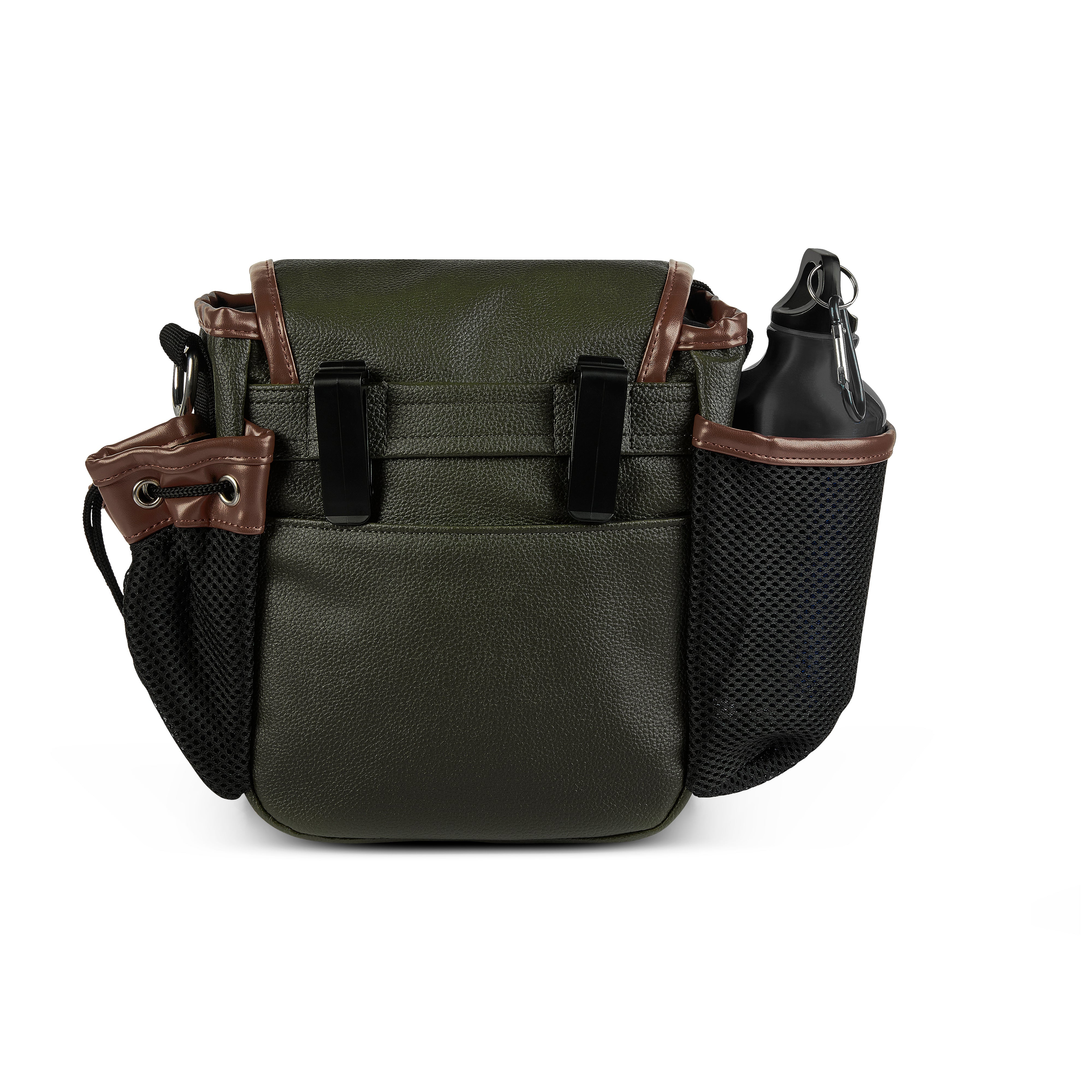
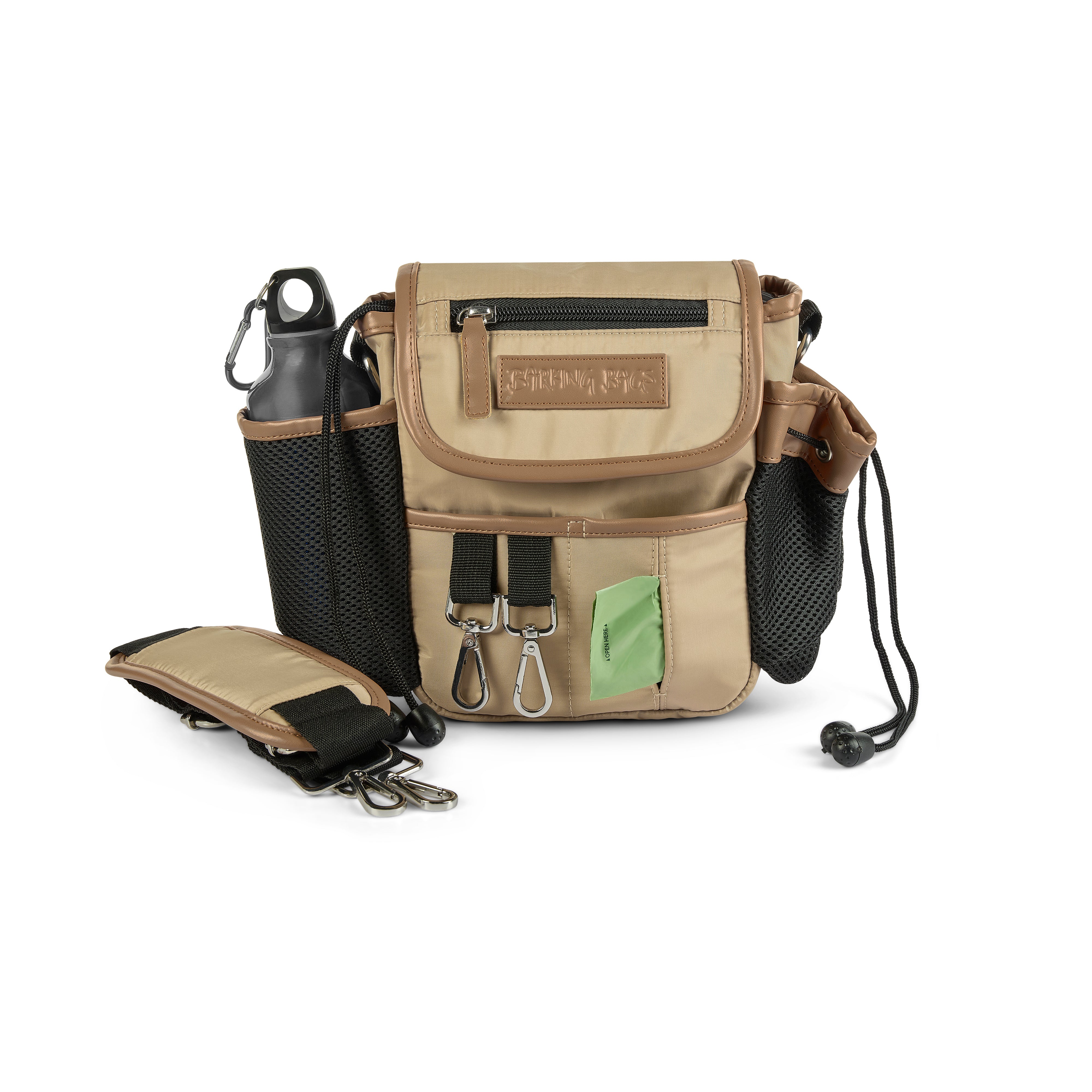
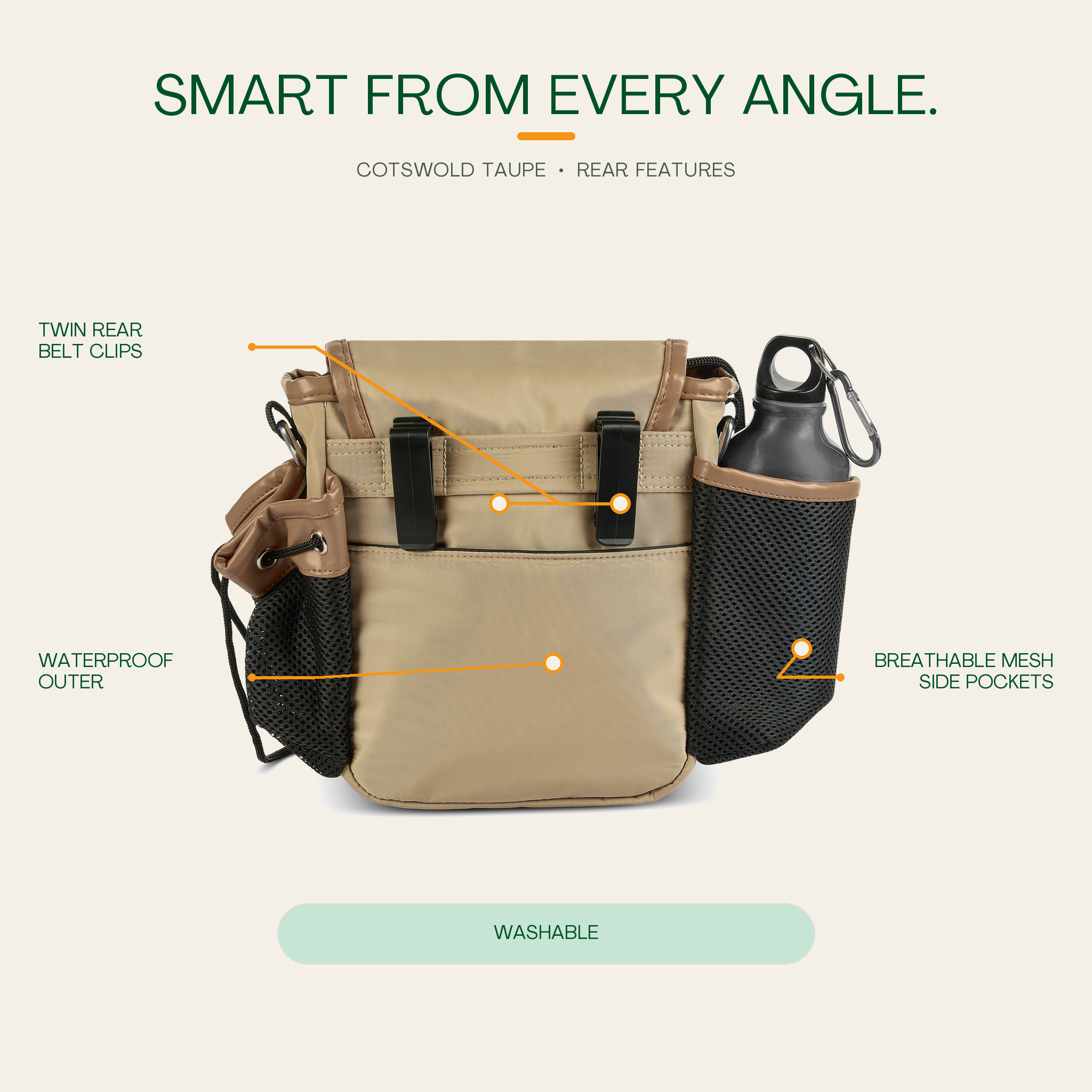
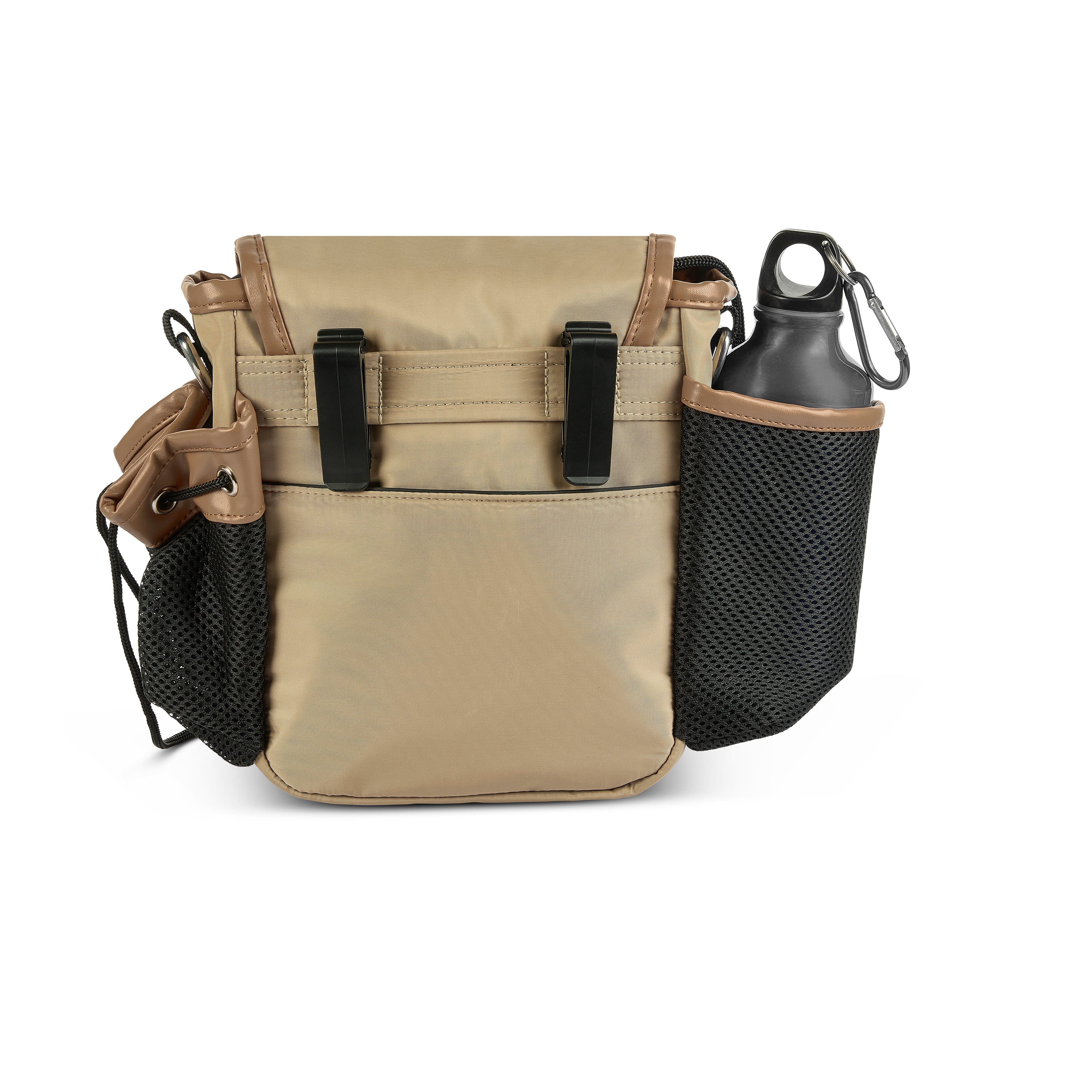
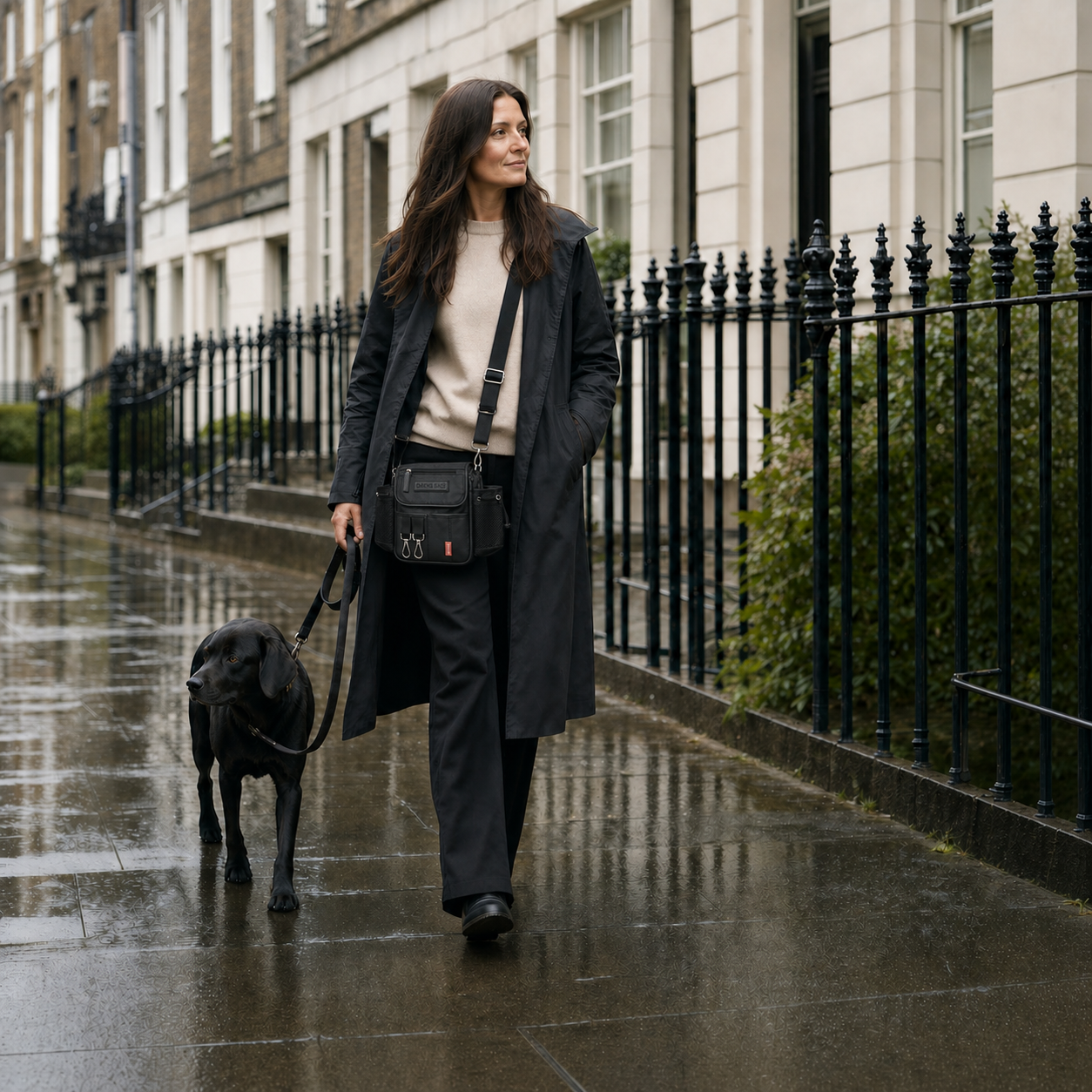
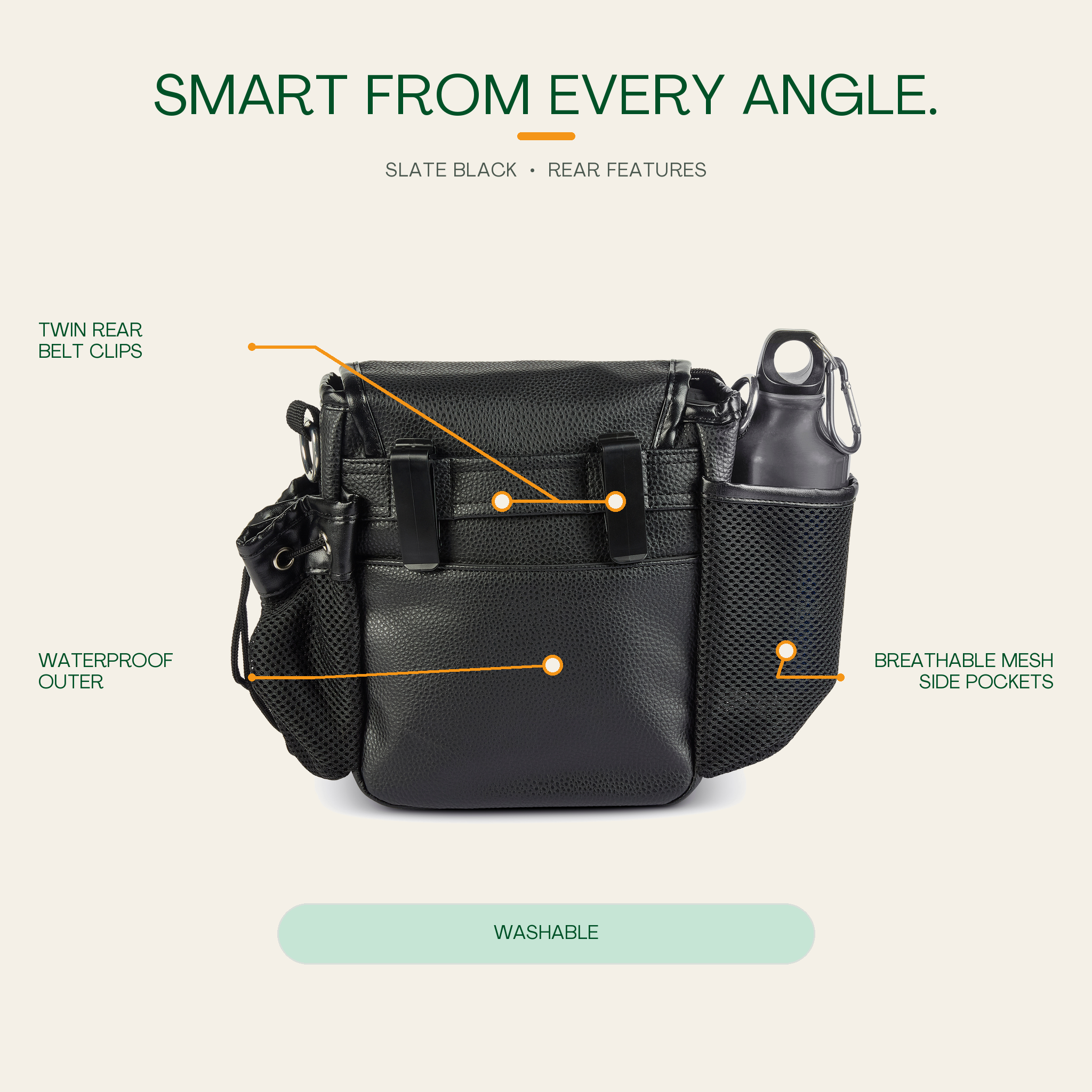
A bag can look perfect online and still be irritating after ten minutes on a real walk. The strap matters more than many people expect. If it twists, digs in, or slips constantly, the whole bag becomes a nuisance. Adjustable crossbody styles tend to work well because they keep your hands free and spread weight more naturally.
Wipe-clean and weather-ready materials
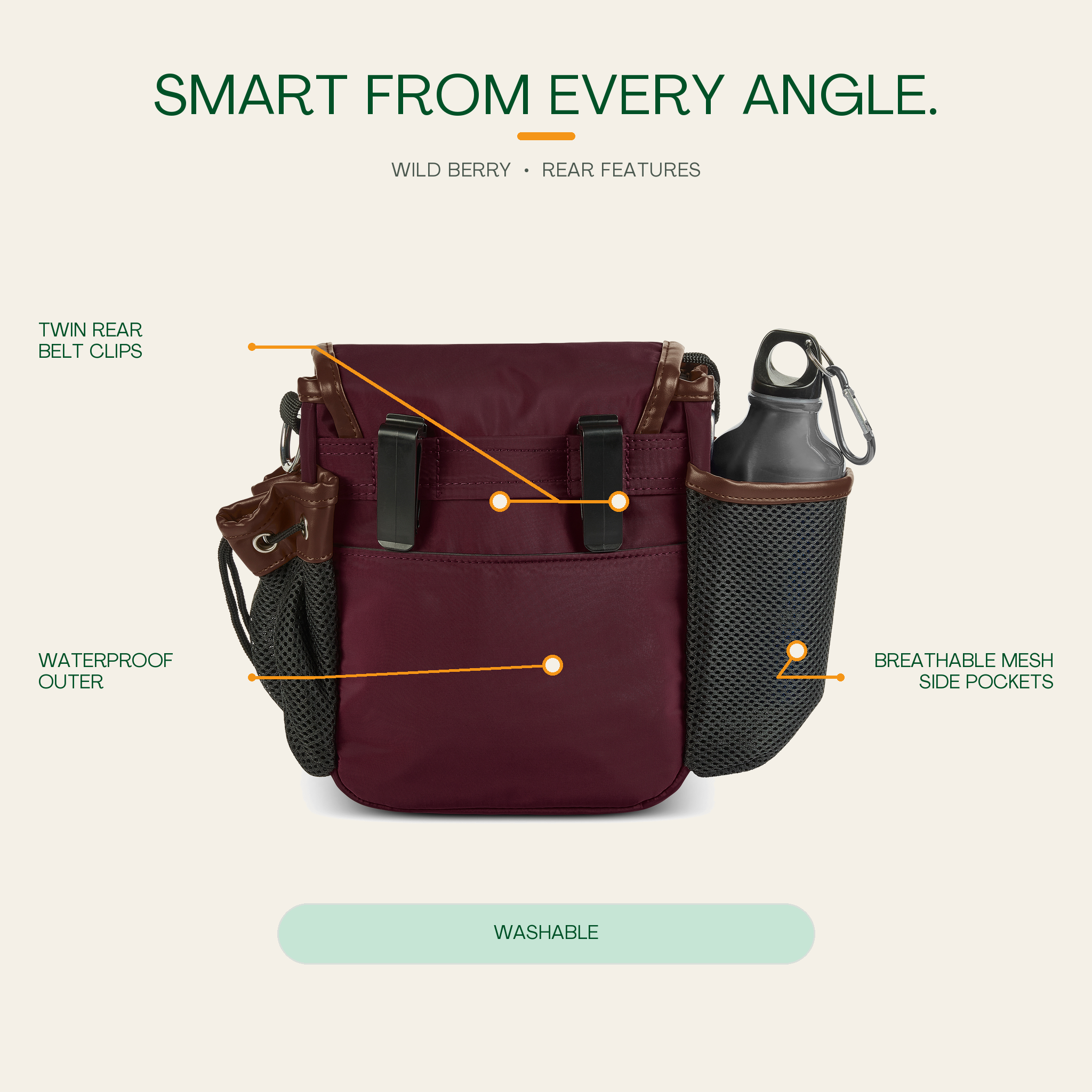
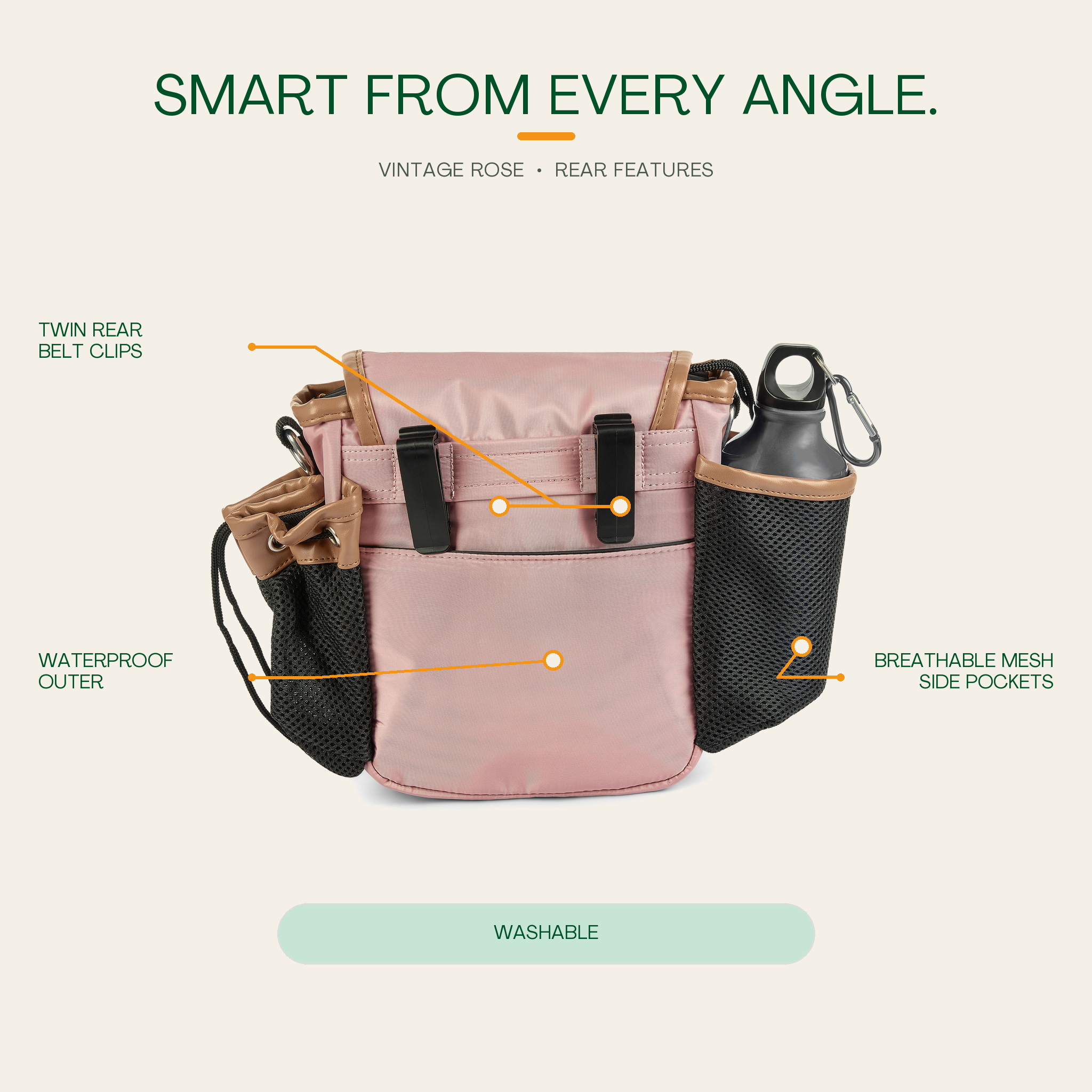
Dog walking is not a precious hobby. Bags get set down on damp benches, brushed against muddy coats, and used in every kind of British weather. A wipe-clean finish and durable fabric are practical rather than fancy features. They help the bag keep looking good, but they also make daily use far less fussy.
Style matters more than people admit
There is a reason many dog owners start off using an old backpack, handbag or belt bag and then end up wanting something better. It is not just about function. It is also about having something that feels good to carry.
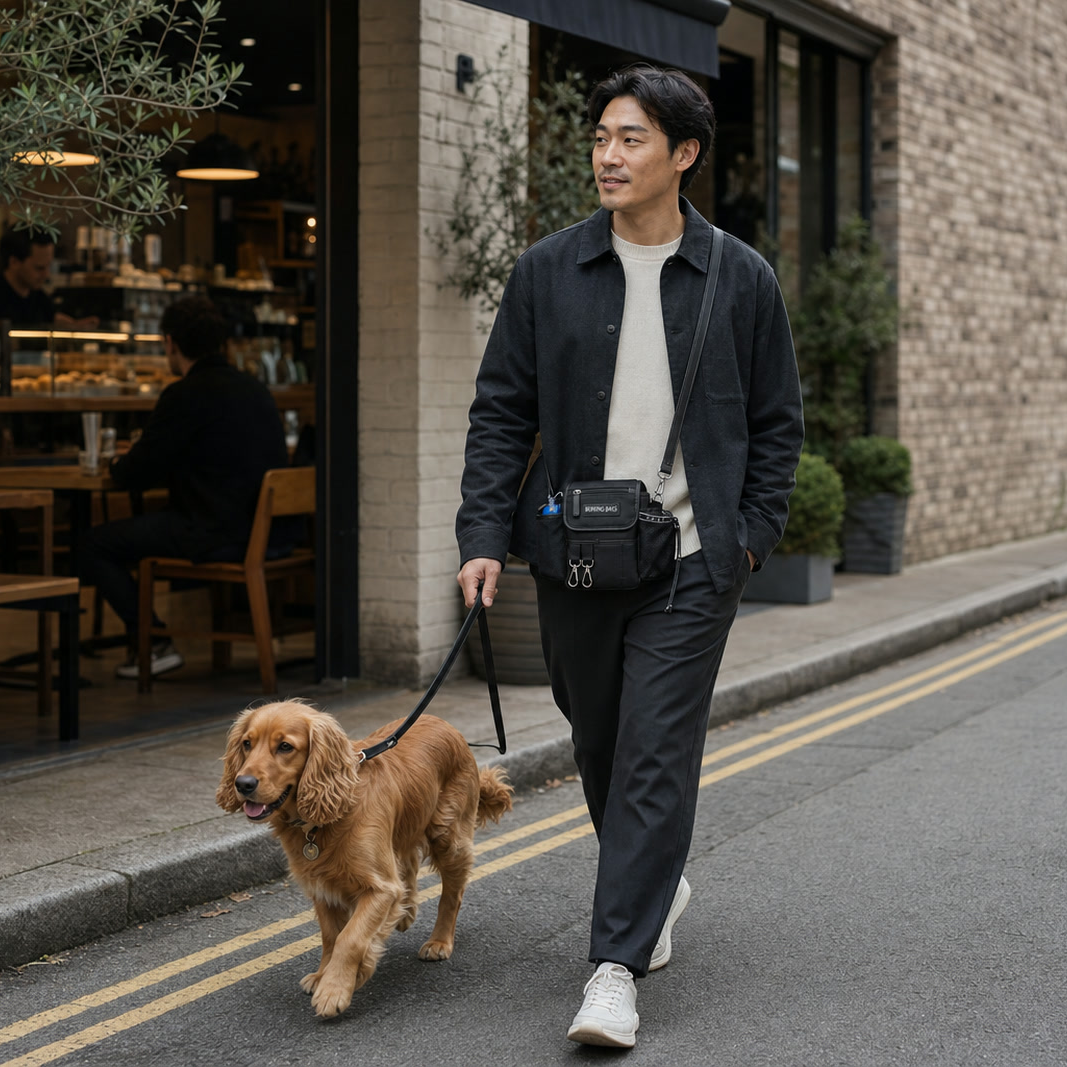
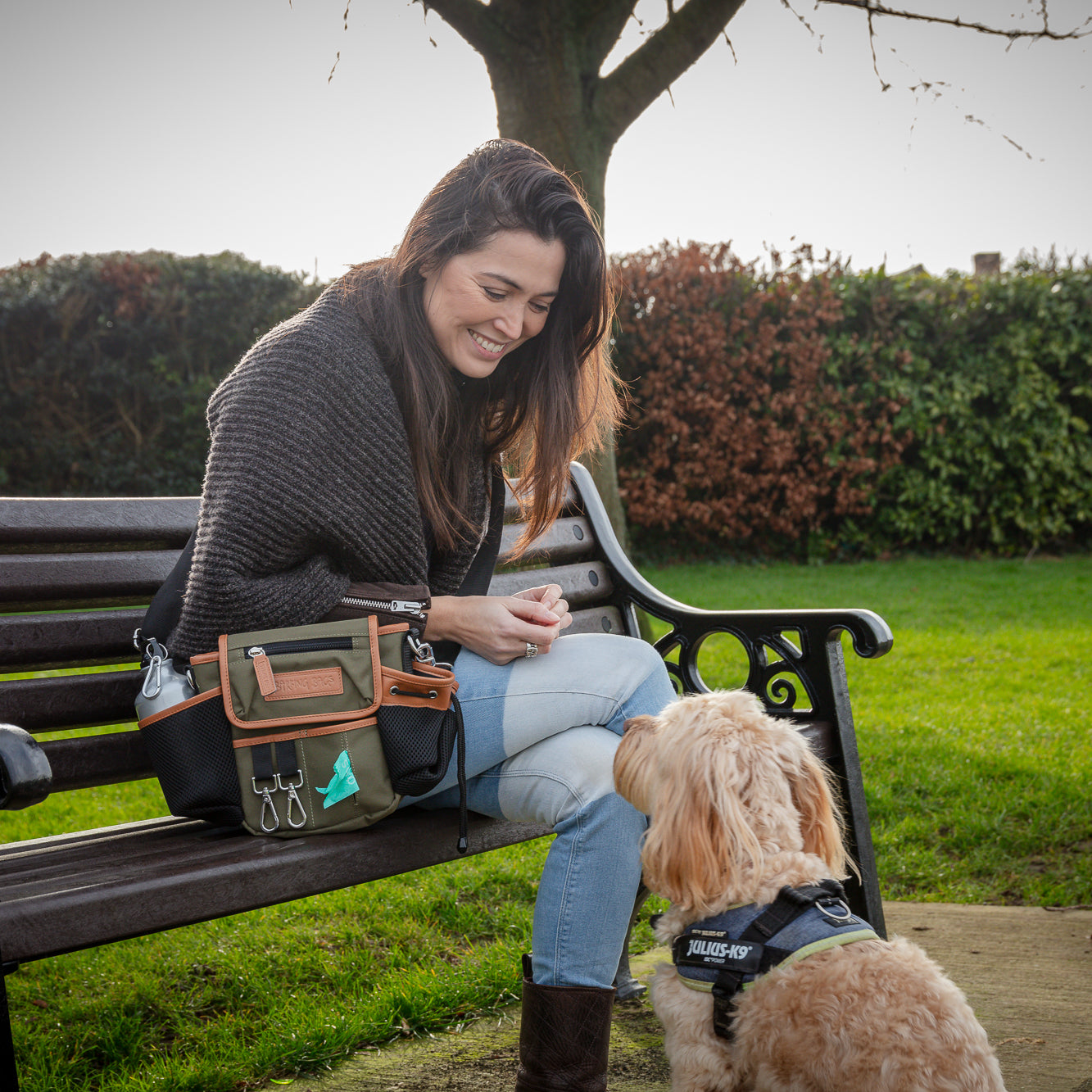
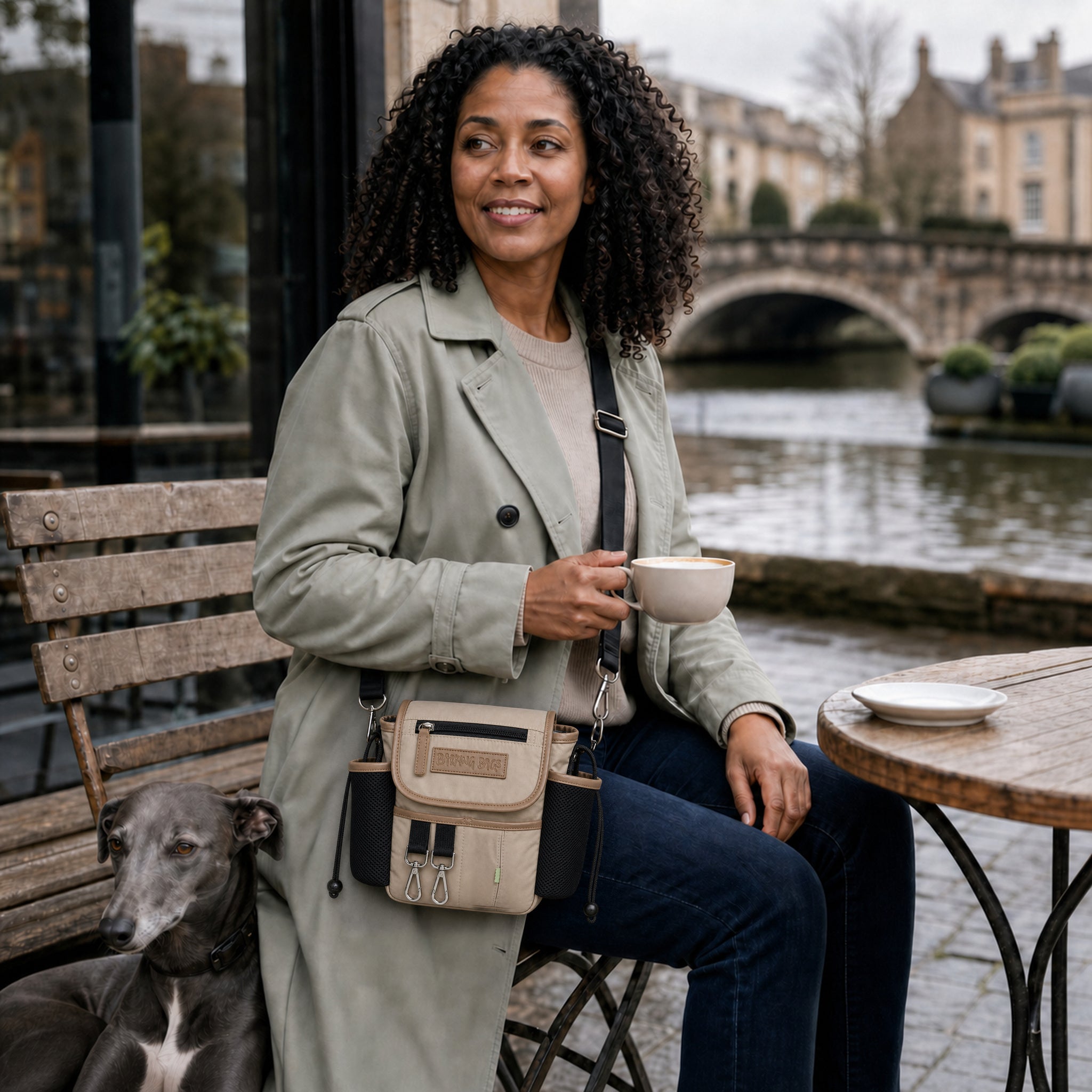
The best dog walking bag should not look like an afterthought. If you are using it every day, it needs to fit into your life properly. That means a design that feels polished enough for the school run, a coffee stop, or popping to the shops after a walk. Practical does not have to mean bulky or overly sporty.
For many owners, this is where a purpose-designed bag stands apart. It gives you the storage you need without looking purely utilitarian. That balance of organisation and style is exactly what turns a dog walking bag from occasional accessory into everyday staple.
Size is a trade-off
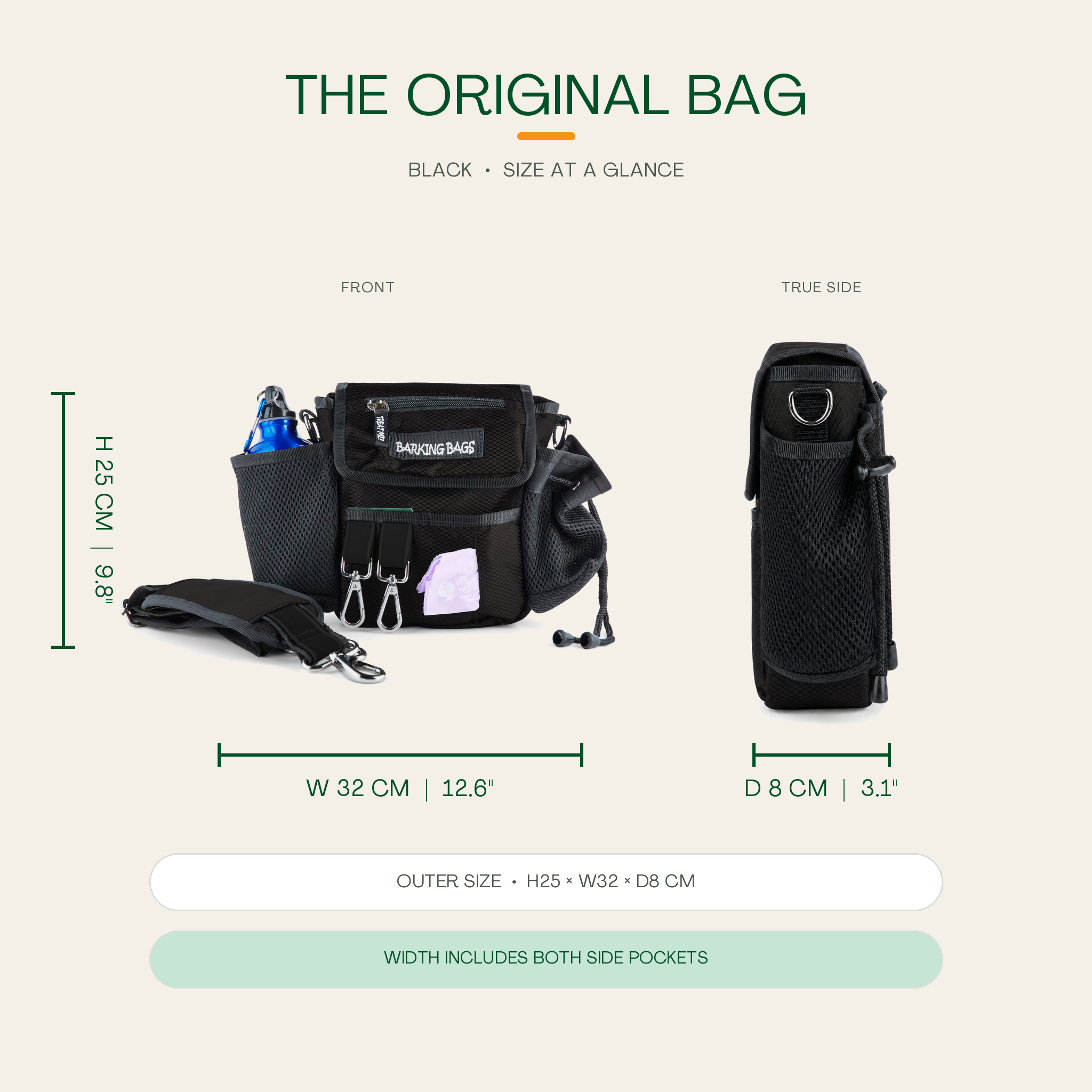
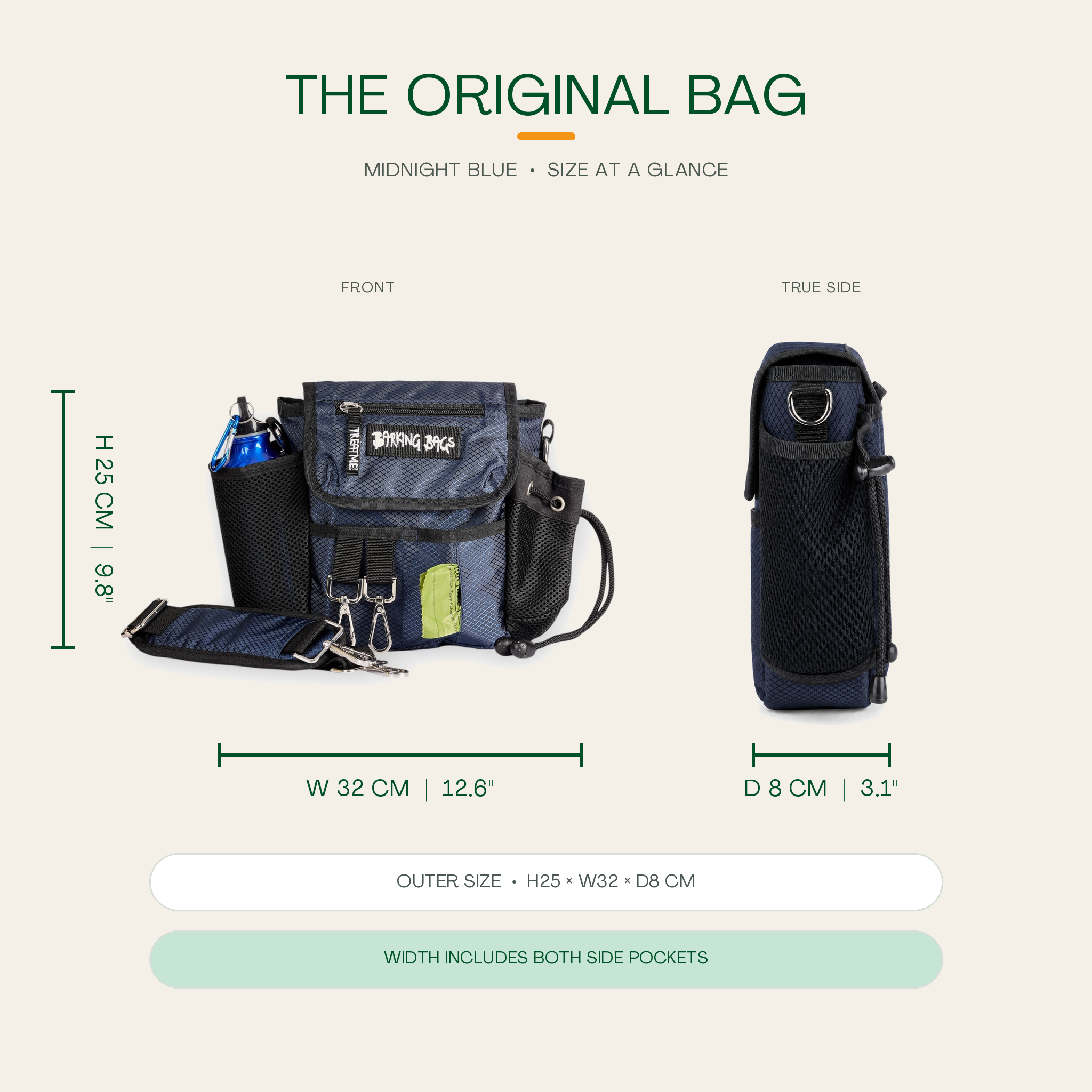
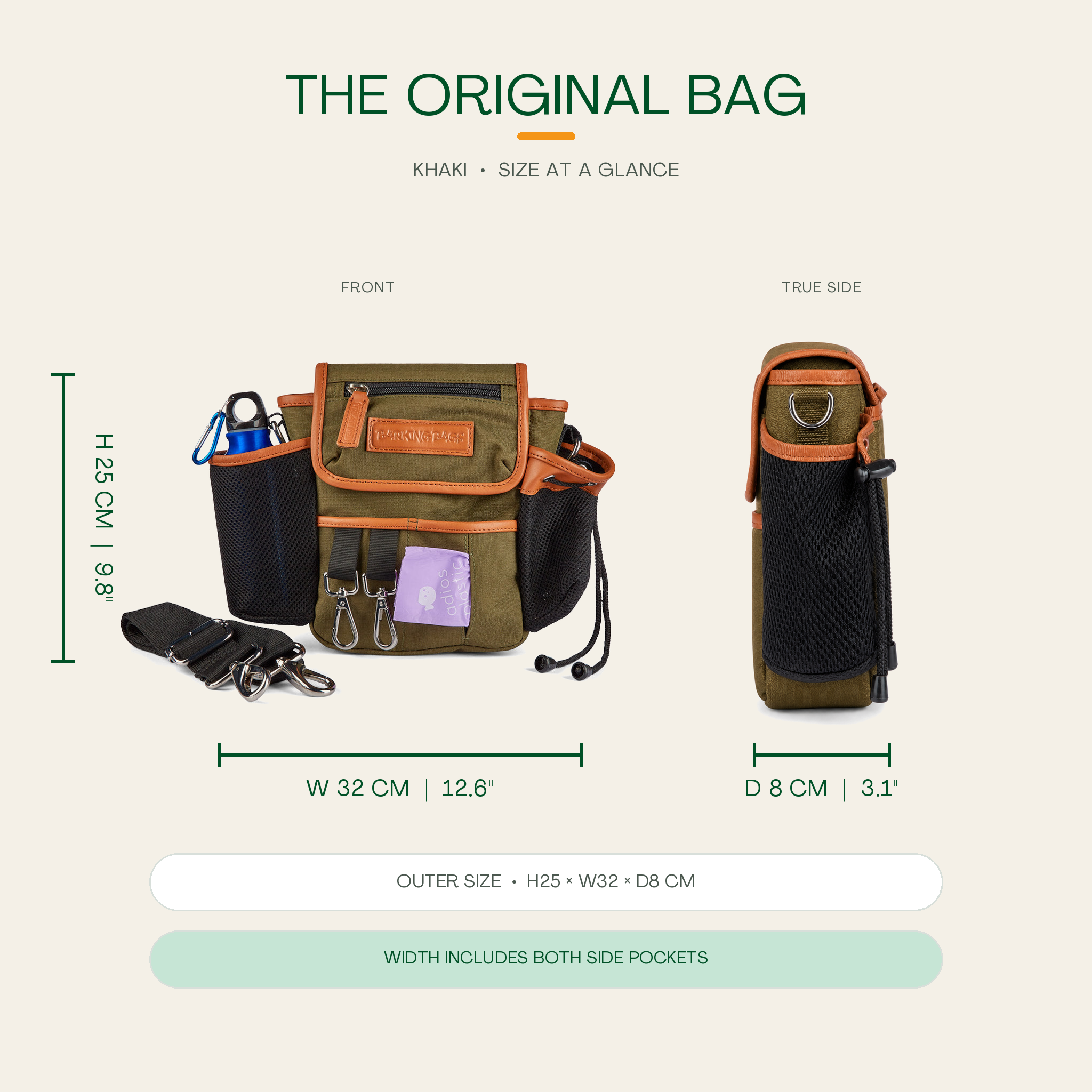
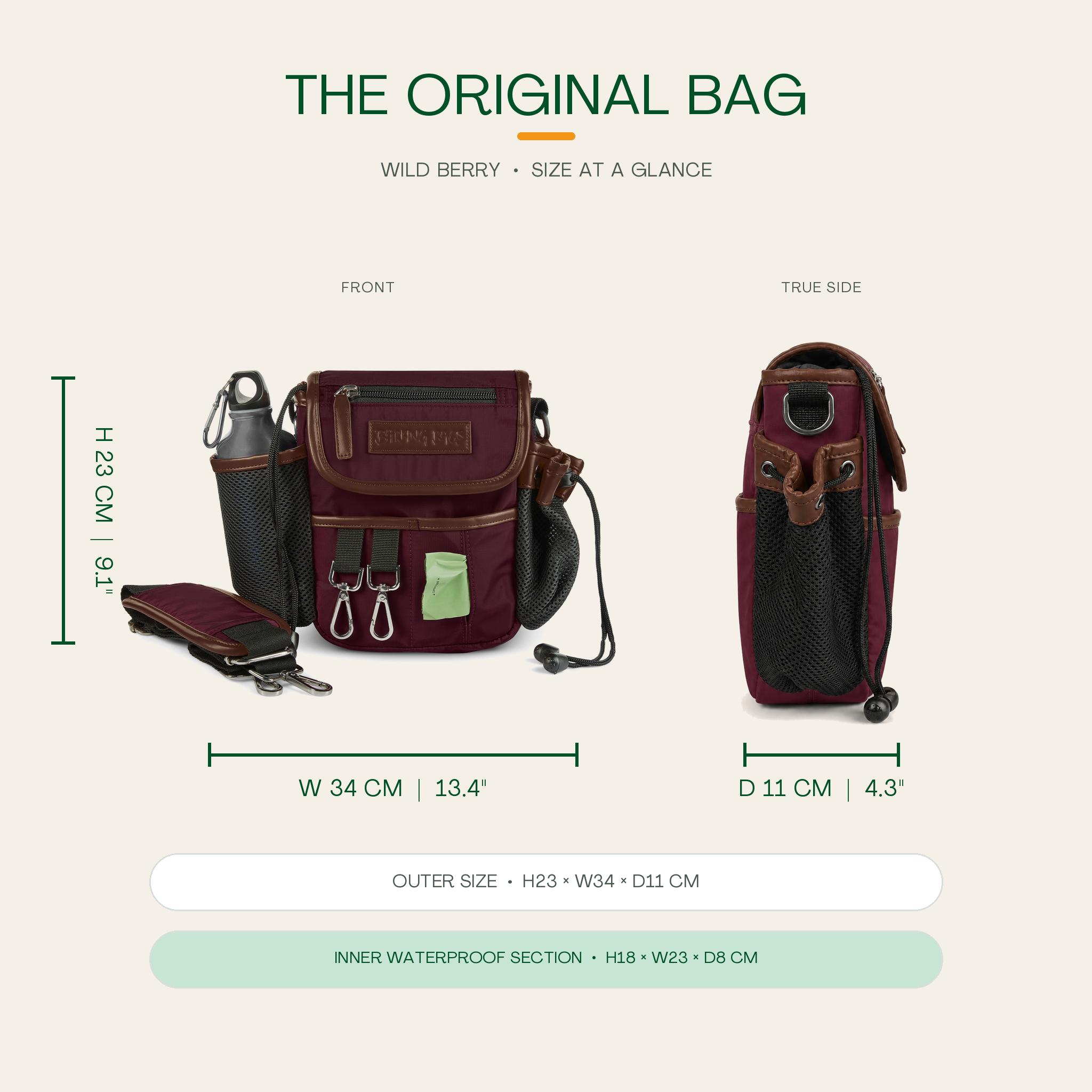
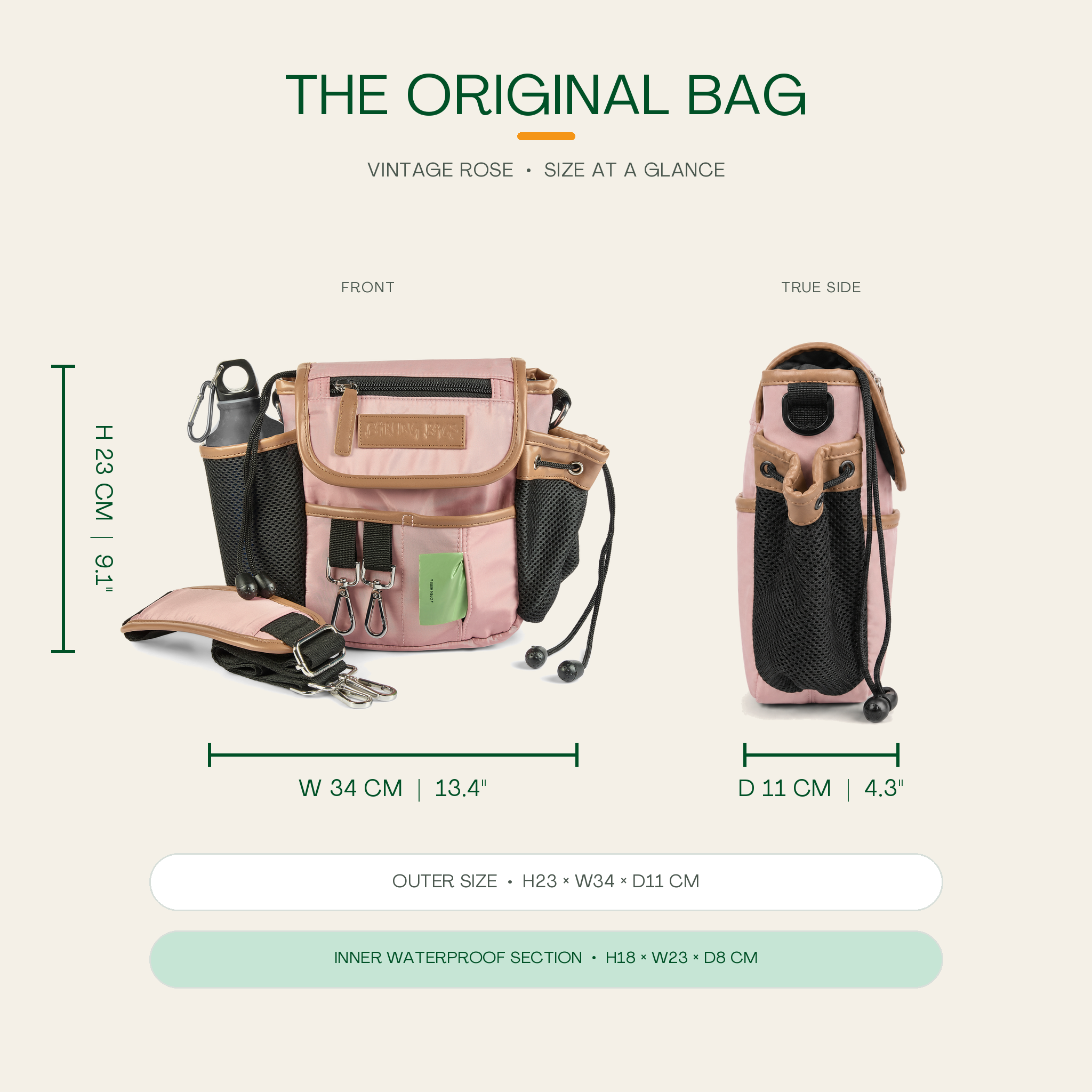
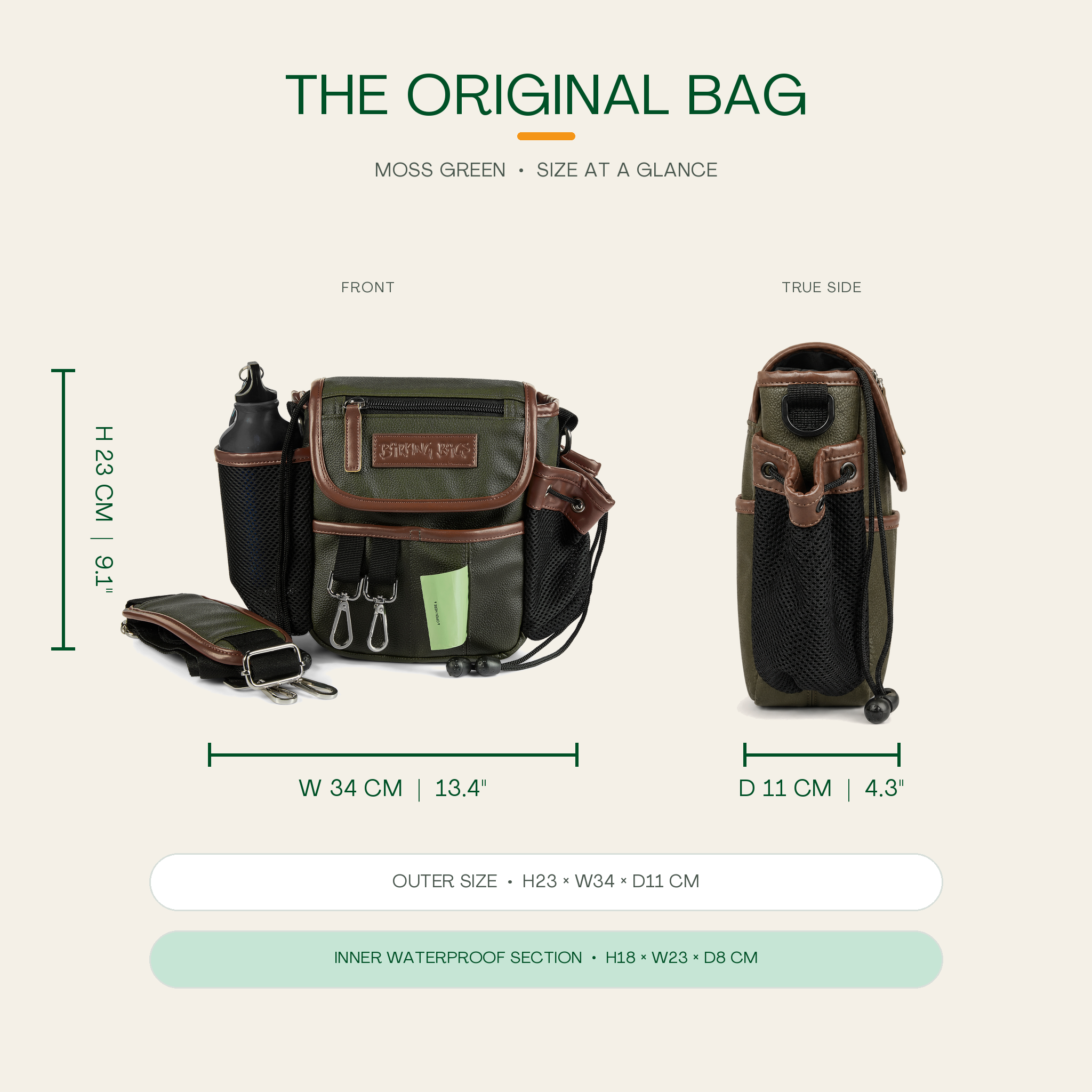
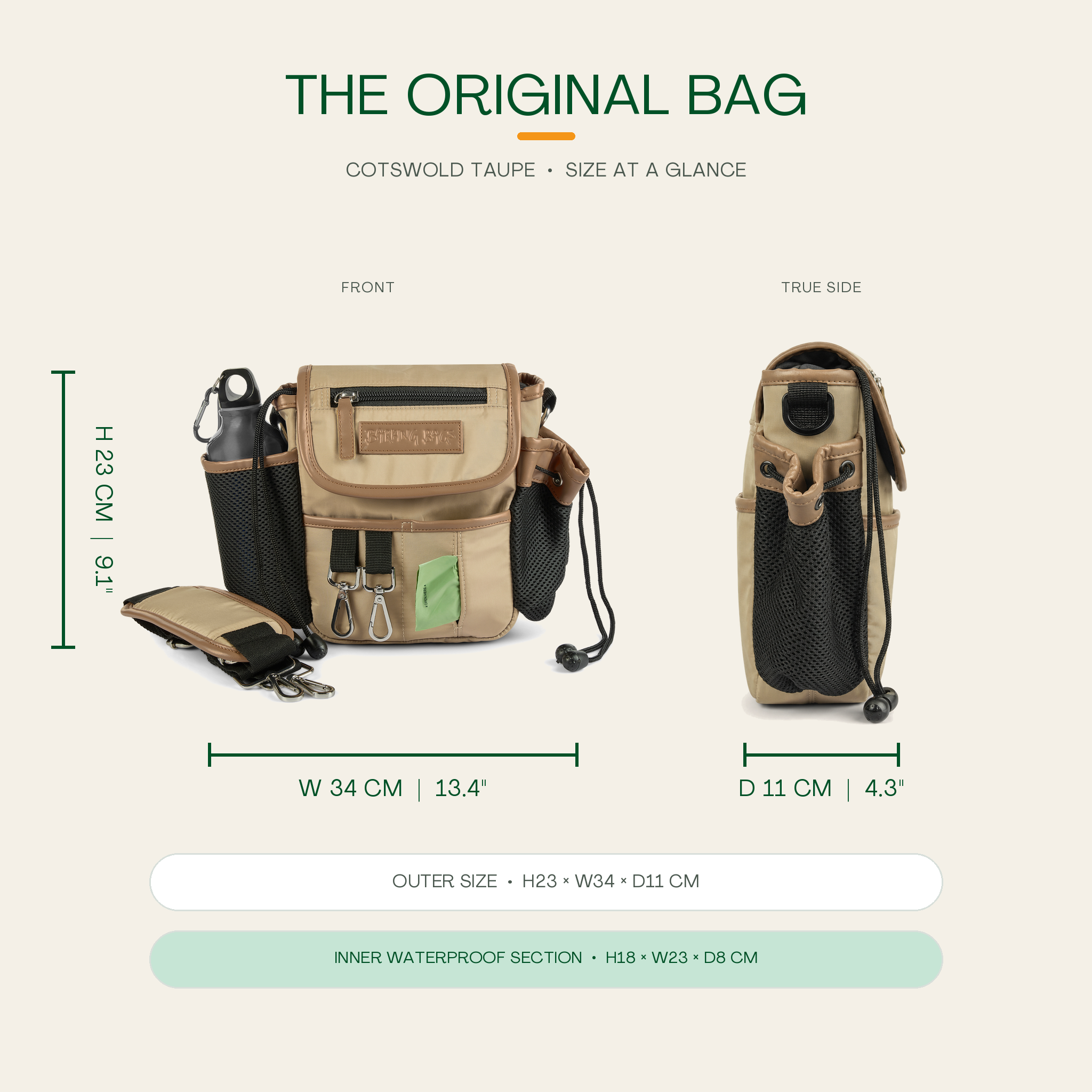
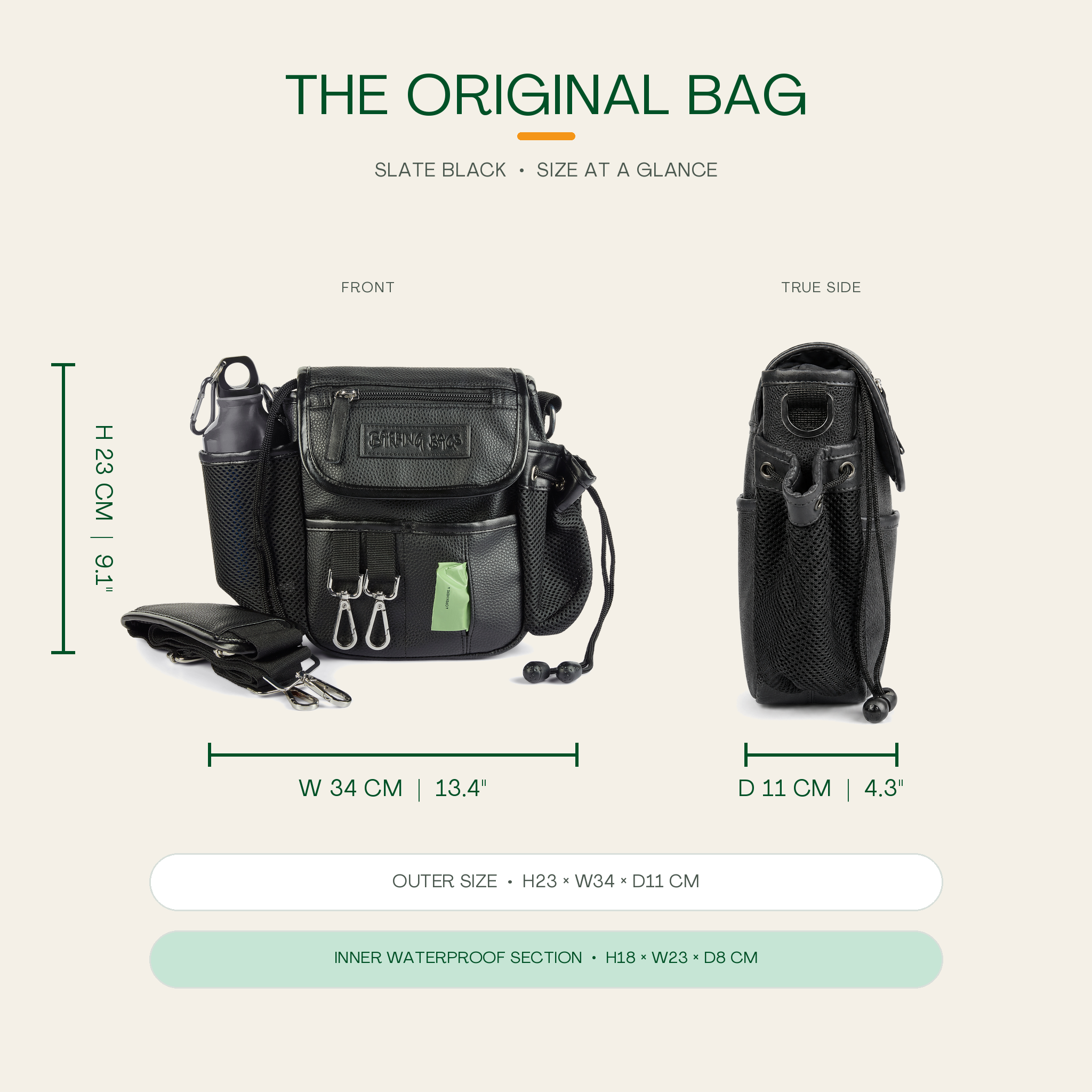
Bigger is not always better. A roomy bag is useful if you carry water, a collapsible bowl, toys or extra leads, but too much space can make a bag heavy, swingy and less comfortable. On the flip side, something ultra-compact may feel sleek but quickly becomes frustrating if you cannot fit the basics.
A good rule is to buy for your real routine, not your occasional one. If once a month you go on a long day out with your dog, that does not mean you need to carry an oversized bag every single day. Many dog owners do better with a medium-sized option that handles regular walks comfortably and keeps the load sensible.
Why dedicated dog walking bags beat improvised options
You can walk a dog with almost any bag. That is not the same as enjoying it. Improvised options usually create friction in small ways - treats mixed with receipts, no dispenser for waste bags, nowhere sensible for a ball, and awkward digging around while holding a lead.
Purpose-built bags are different because they are designed around a sequence of actions you repeat every day. Reach for a treat. Pull out a poo bag. Check your mobile phone. Clip a lead. Put things away again. When a bag is built for that rhythm, everything feels simpler.
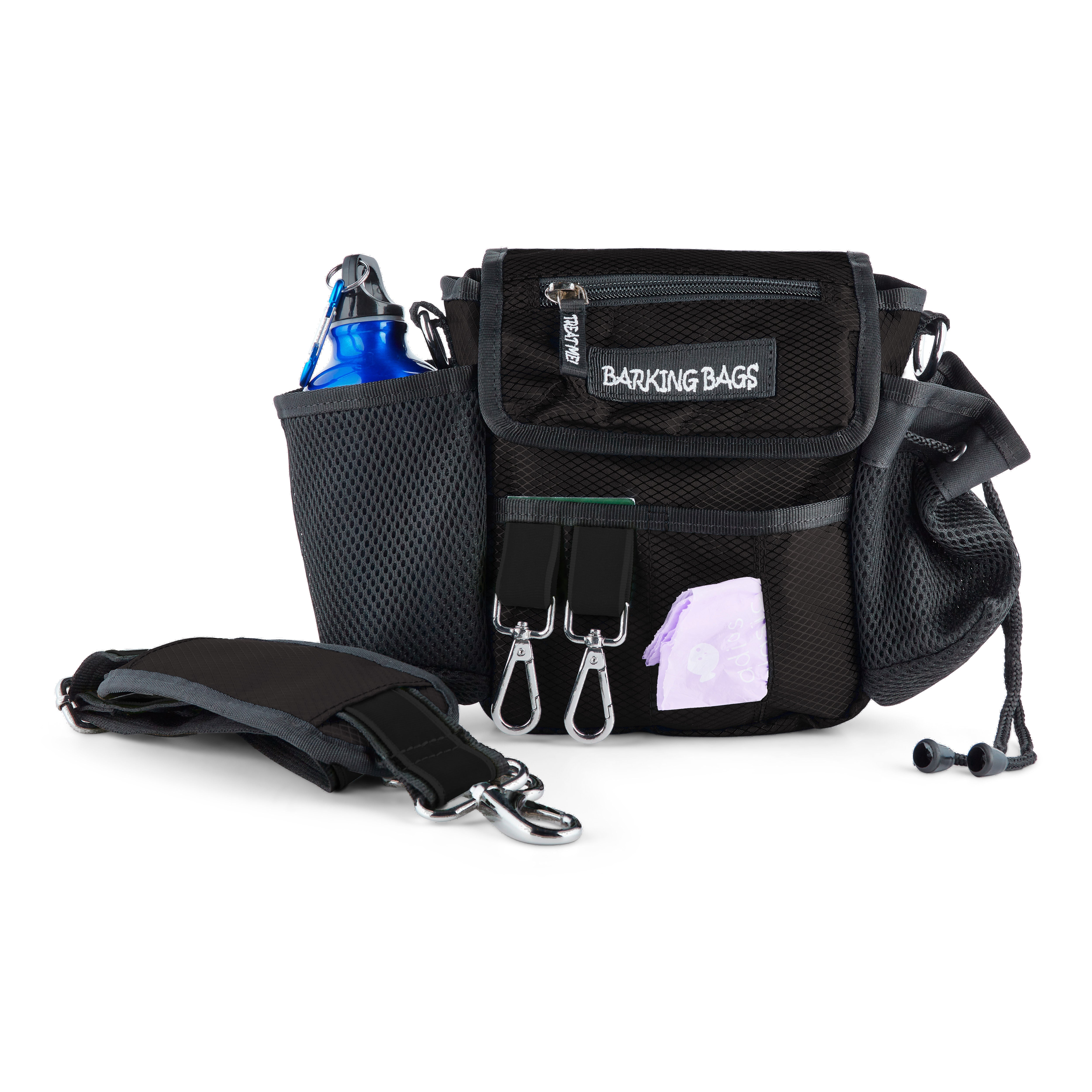
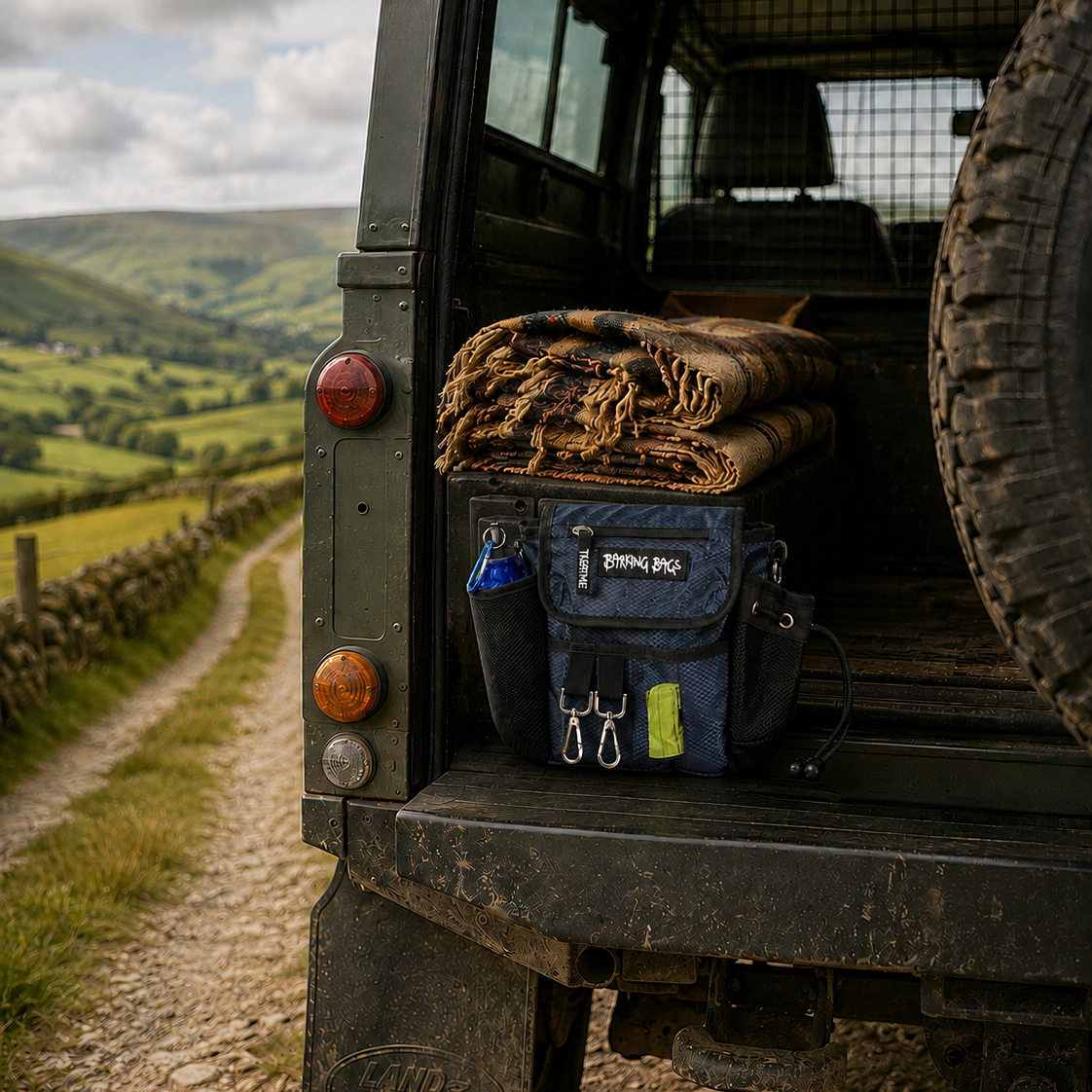
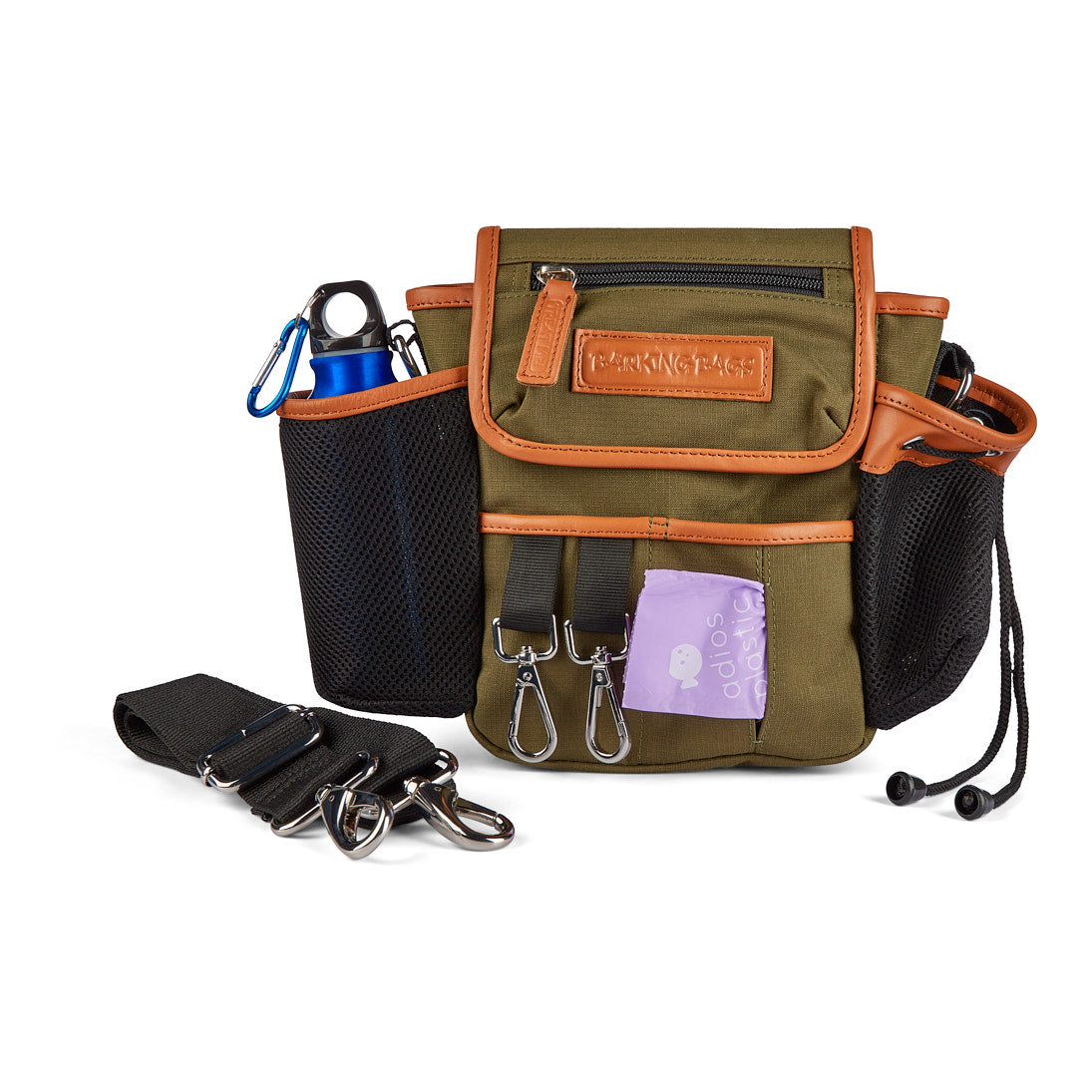
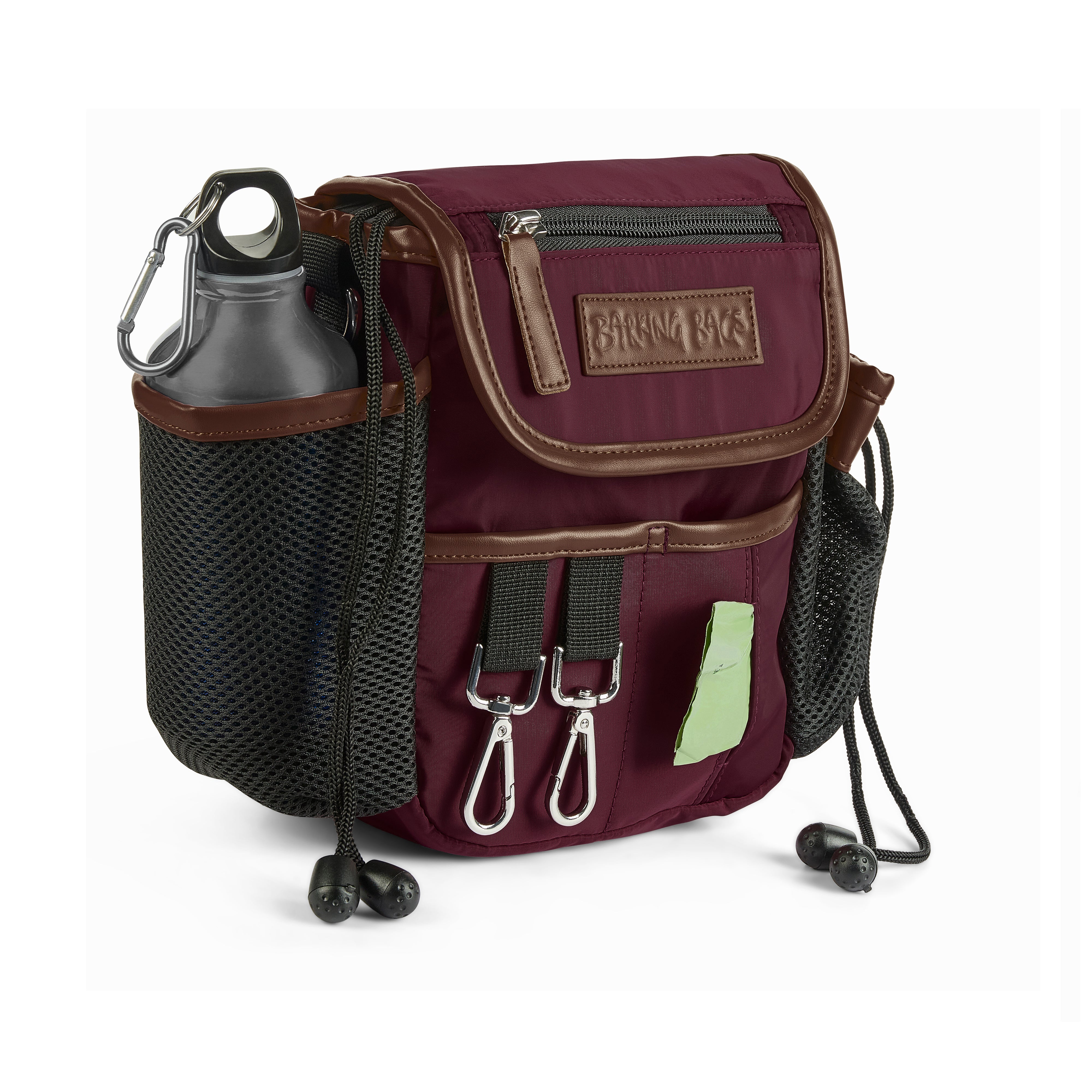
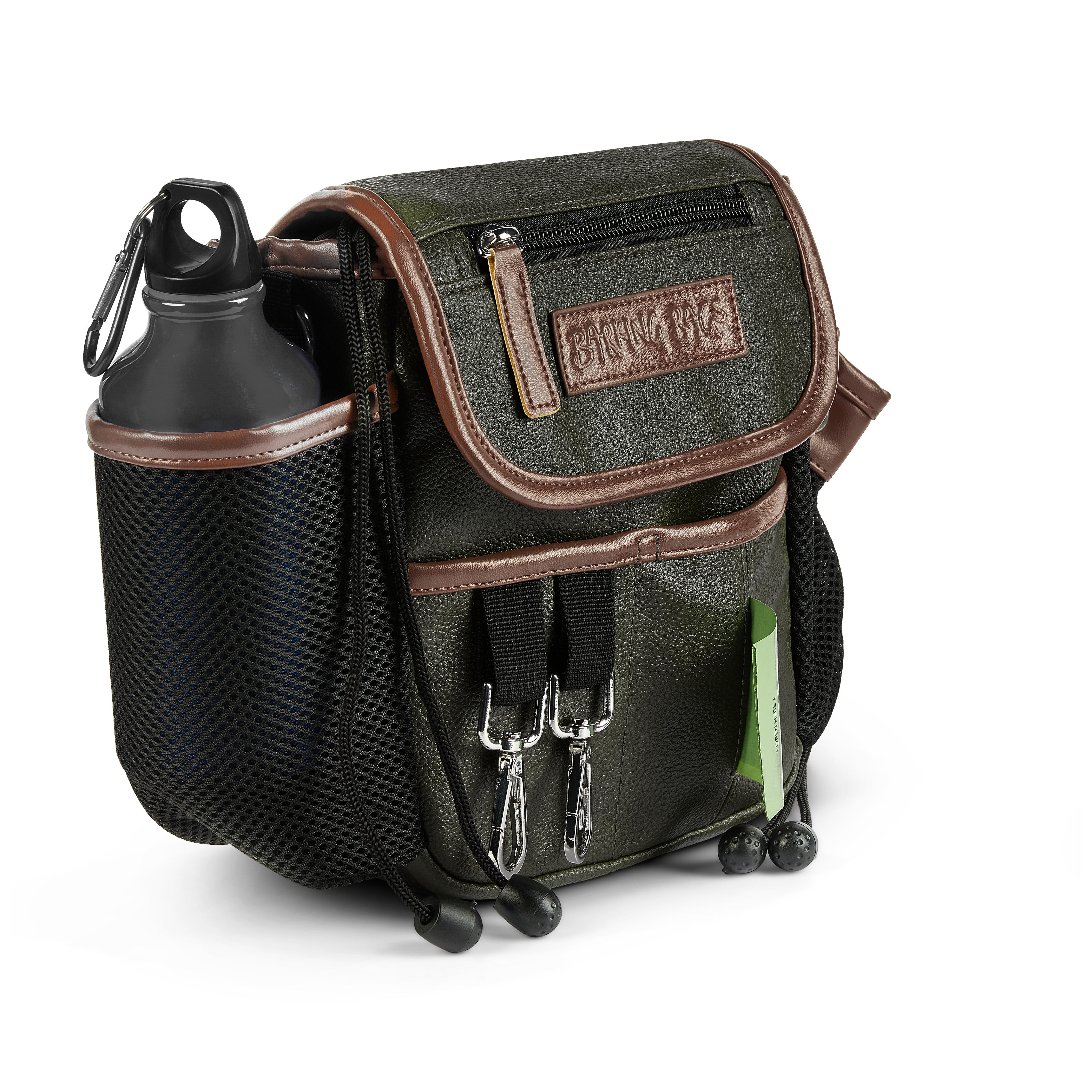
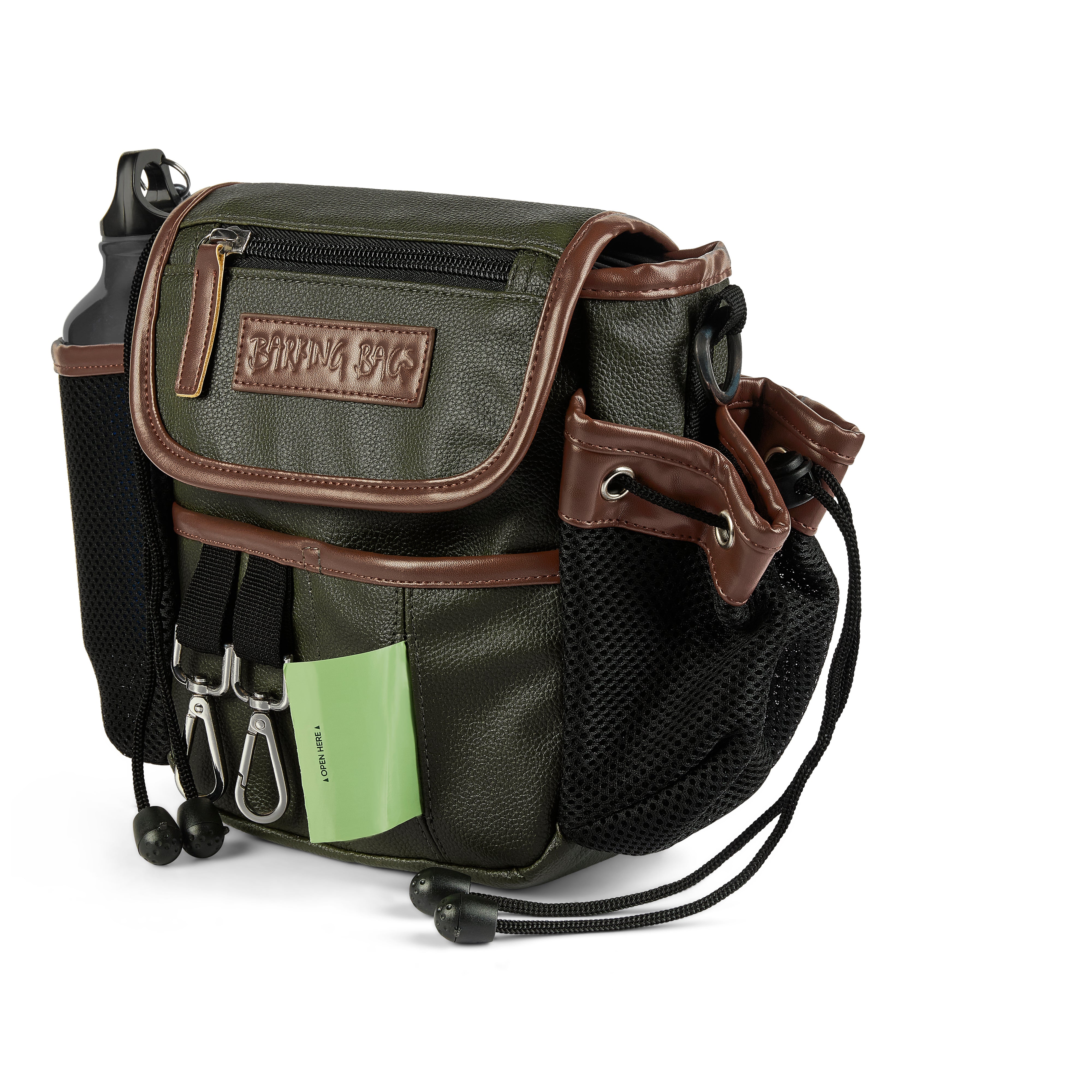
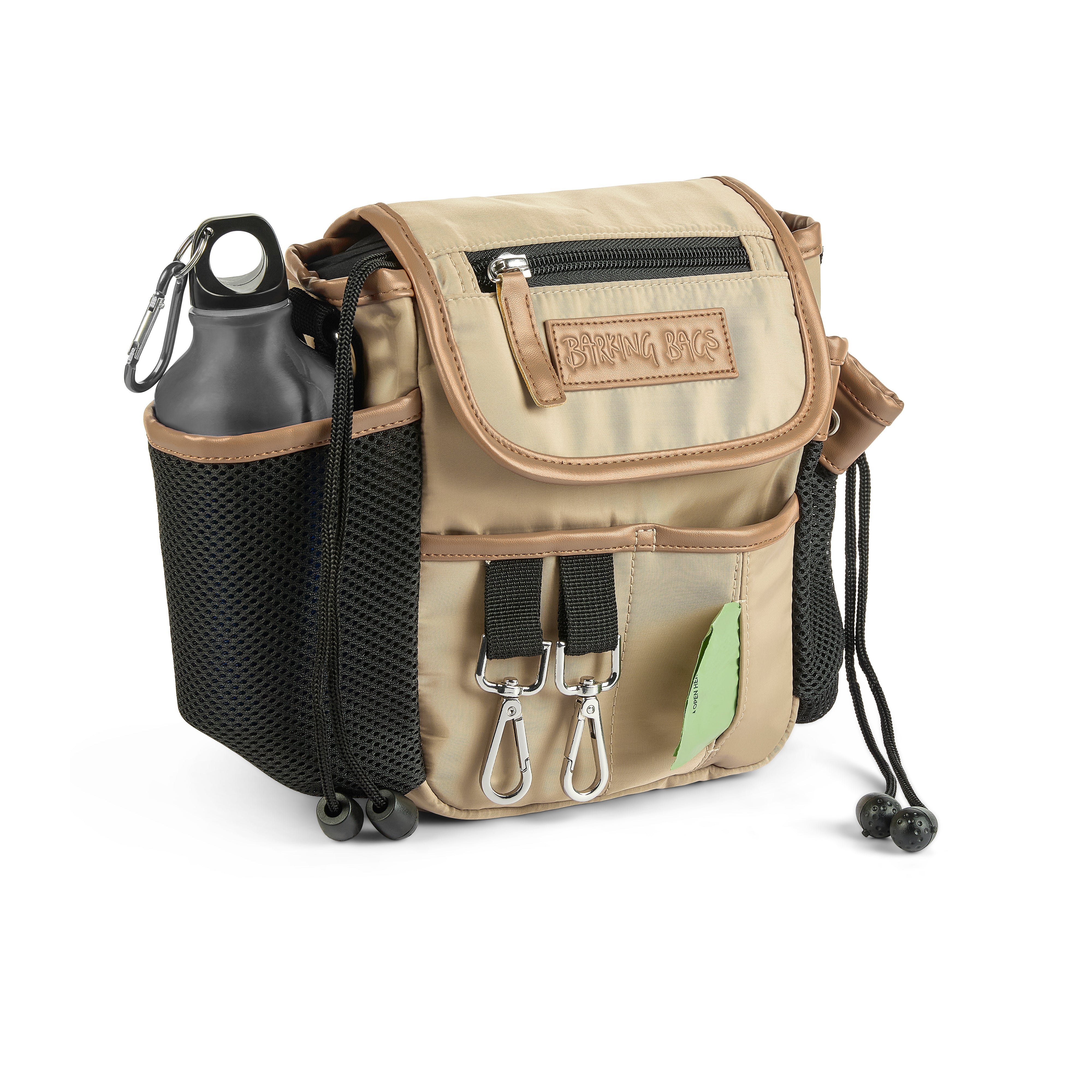
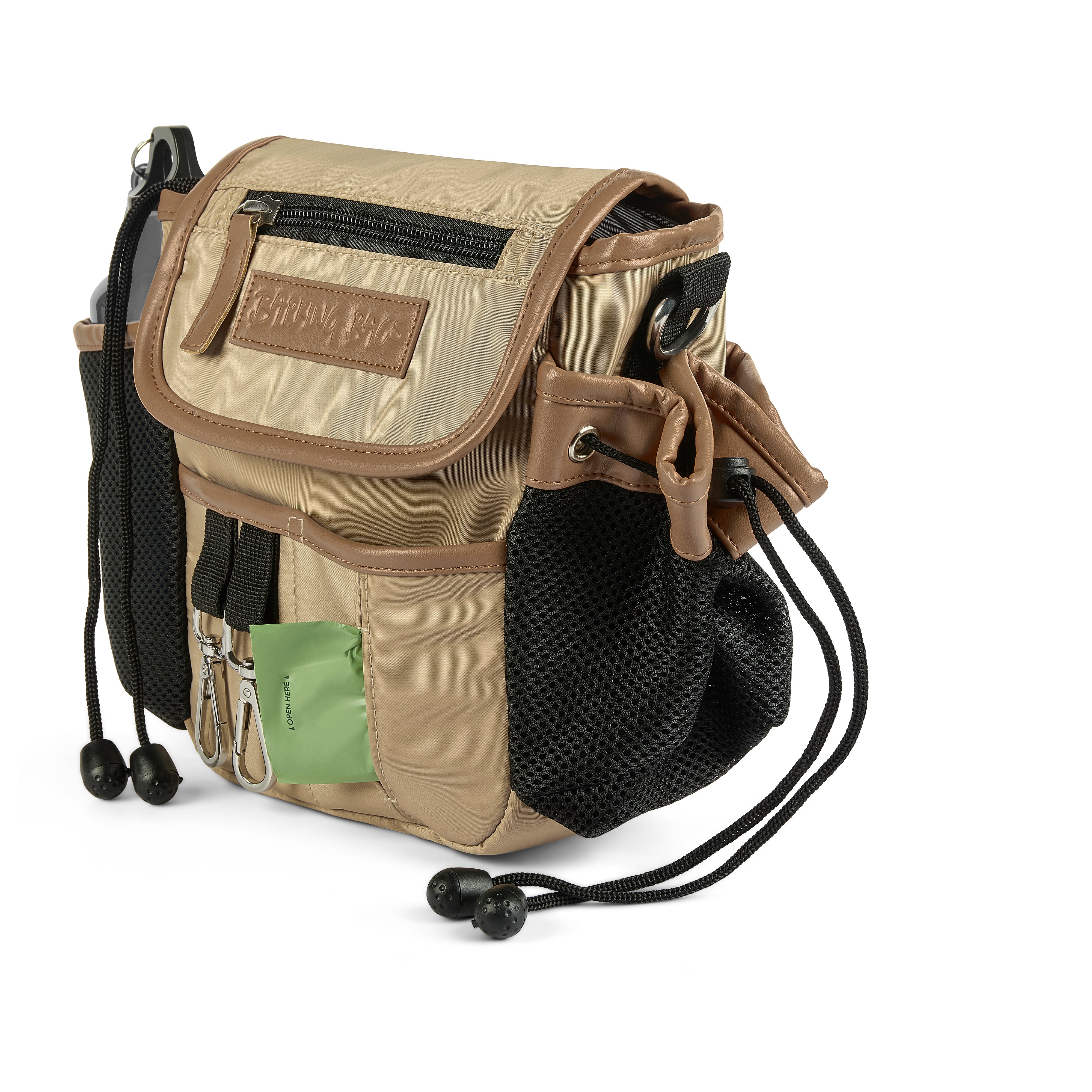
That is why specialist brands have earned such a loyal following. A bag designed specifically for dog walking tends to solve problems that generic accessories do not even consider. Barking Bags, for example, built its reputation around exactly that idea - a dedicated system for dog walks that works hard without compromising on style.
Who needs the best dog walking bag most?
Some dog owners can get by with pockets and a spare tote. Others really cannot. If you are training regularly, walking more than one dog, or out several times a day, a proper bag quickly moves from helpful to essential.
Professional dog walkers often need capacity and speed. Dog trainers need instant access to rewards and tools. Everyday owners tend to want a tidy, reliable way to carry the basics without ruining a nice handbag or overloading coat pockets. Different needs, same principle: the bag should remove hassle, not add more of it.
A quick reality check before you buy
It is worth asking yourself a few honest questions. Do you need a bag that works all year round? Will you wear it with a coat in winter and lighter layers in summer? Do you prefer everything zipped away, or do you need open access for speed? Are you likely to clean it regularly, or do you need something very forgiving?
These details sound minor, but they shape whether a bag becomes genuinely useful. The best choice is not about chasing the most features. It is about choosing the right combination of storage, comfort and design for your everyday walks.
The best dog walking bag is the one you actually use
That may sound obvious, but it is the point many people miss. The best dog walking bag should make leaving the house easier, not give you another item to think about. It should be ready by the door, packed with your essentials, and easy to grab whether you are heading out for five minutes or fifty.
When a bag is well designed, you notice it in the right way. Not because it is flashy, but because the walk feels smoother. Less searching, less stuffing things into pockets, less carrying bits in your hands. Just everything in one place, where it should be.
And if your current system still involves loose poo bags, crushed treats and a mobile phone balanced beside the lead, that is probably your answer right there.