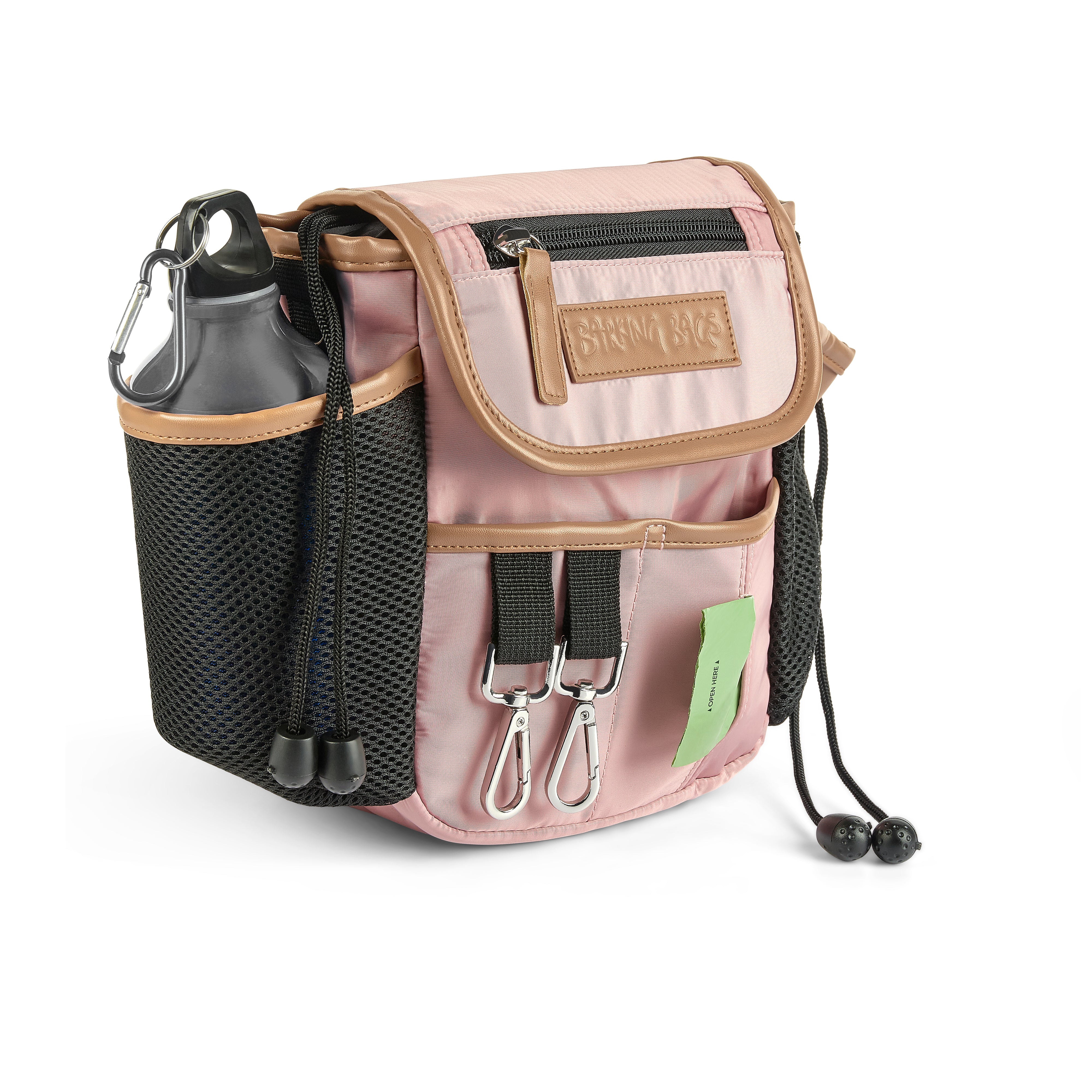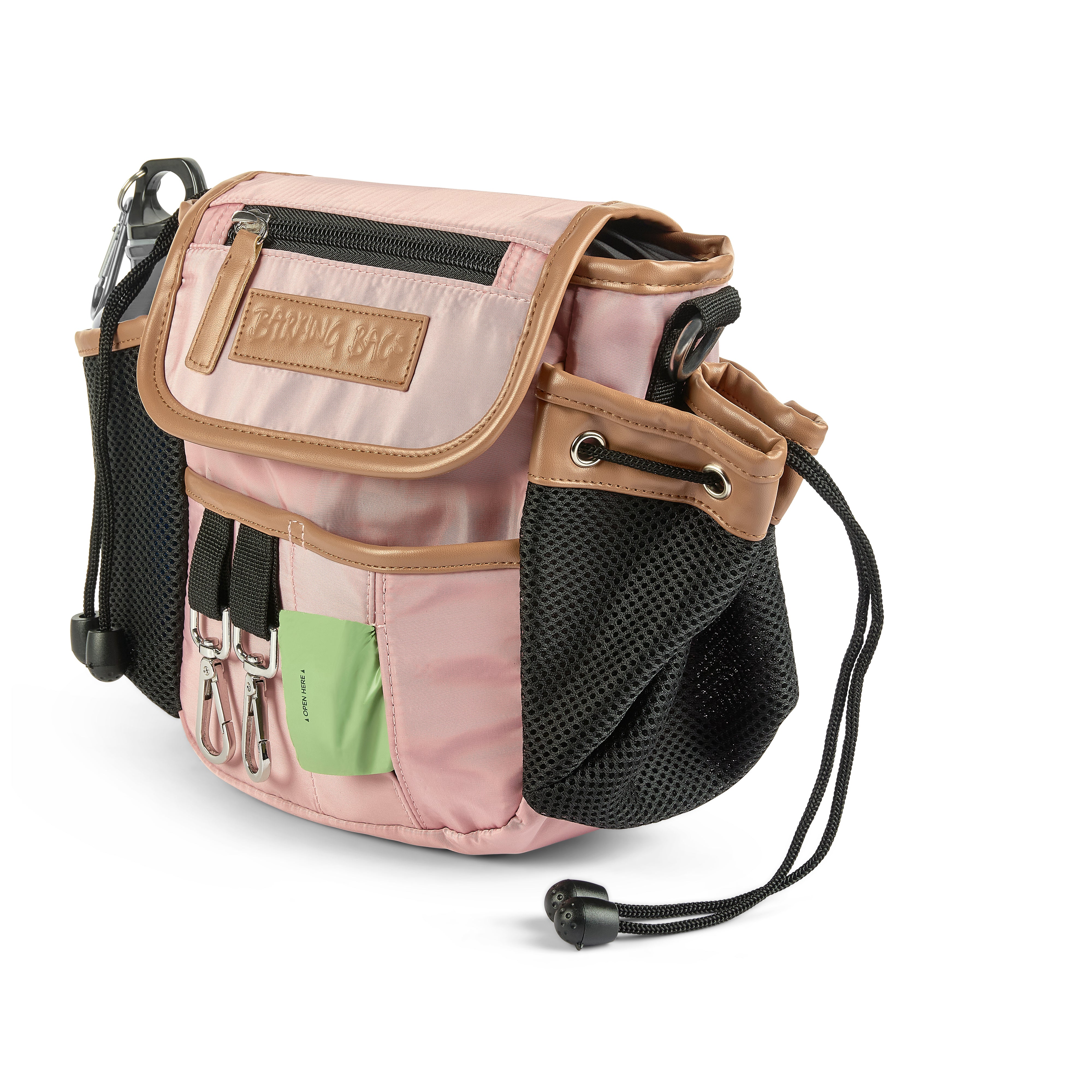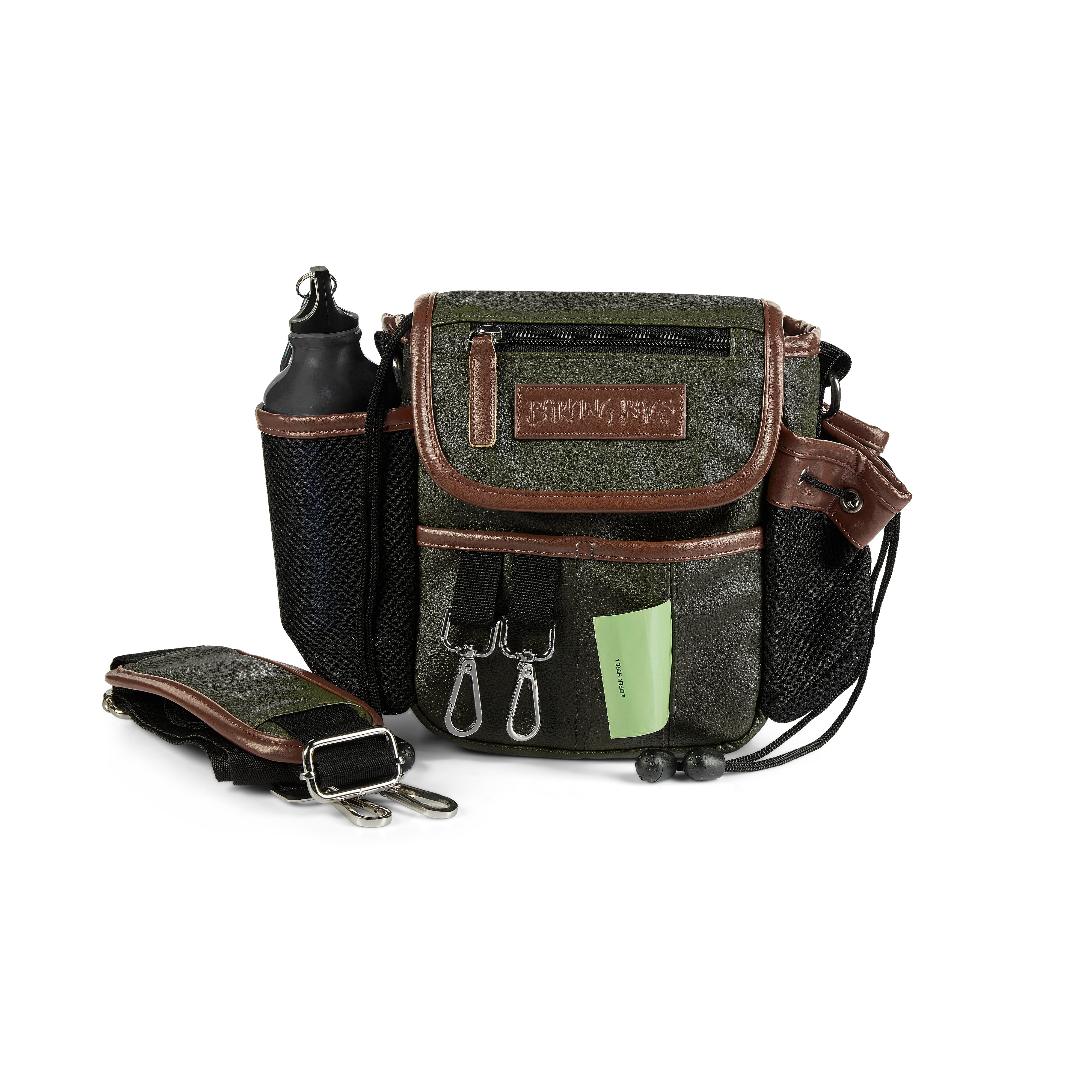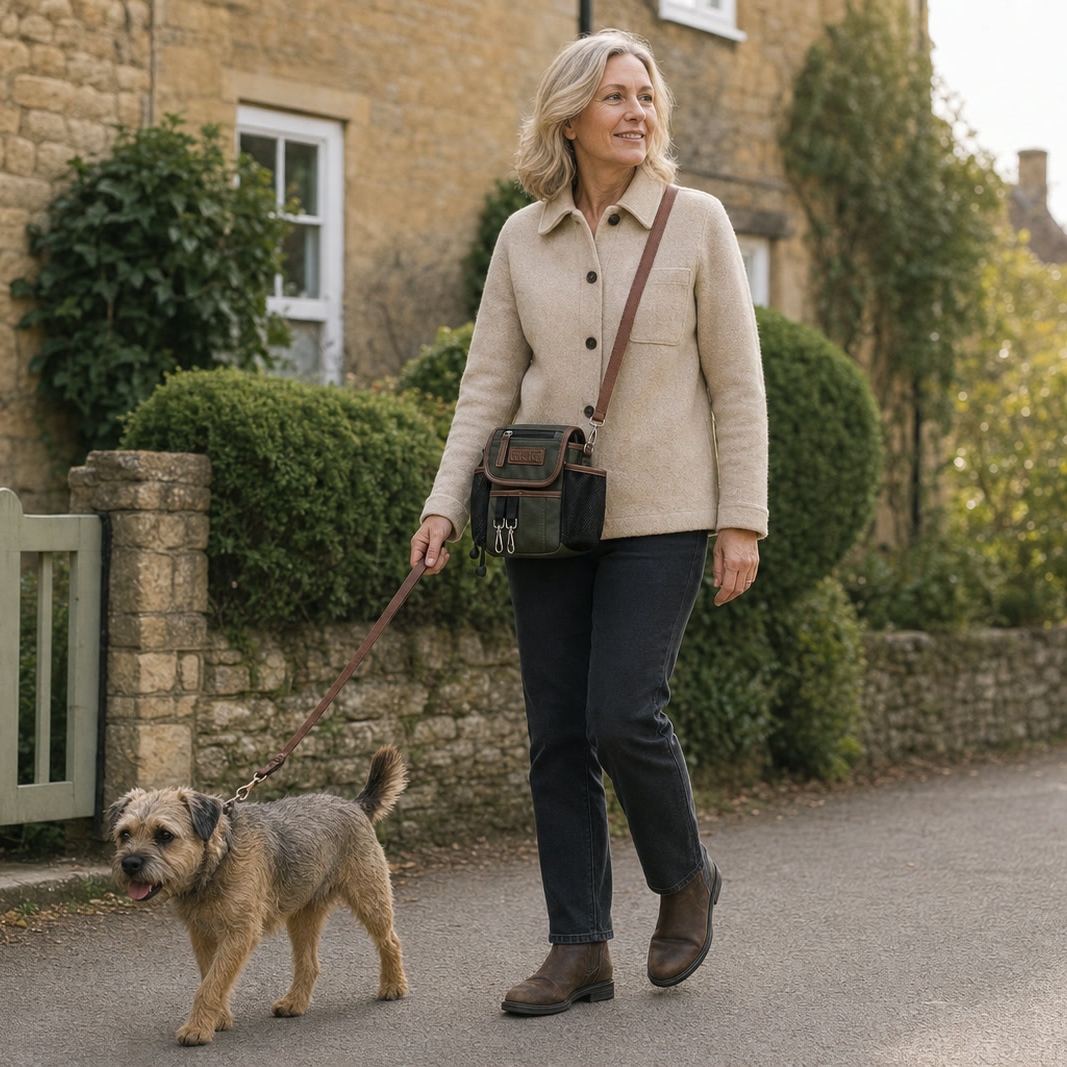

Rain usually starts just after you have clipped the lead on, filled your pockets and convinced yourself it will probably hold off. That is exactly when a proper dog walking bag for rainy weather stops feeling like a nice extra and starts feeling essential. Wet walks ask more of your kit. You need quick access, dry storage, easy-clean materials and enough organisation that you are not fishing around for poo bags with cold hands.
A good rainy-weather bag should make the whole routine smoother, not just carry more stuff. That means thinking beyond size alone. The best option is the one that keeps your walk moving when the lead is muddy, the treats need protecting and your phone definitely does not want to share a compartment with a damp tennis ball.
What makes a dog walking bag for rainy weather actually useful?
Rain changes the job your bag has to do. On a dry morning, almost any crossbody or backpack can muddle through. Once everything is wet, generic bags start to show their limits. Fabric holds moisture, open-top pockets become a problem and items tend to end up in one soggy jumble.
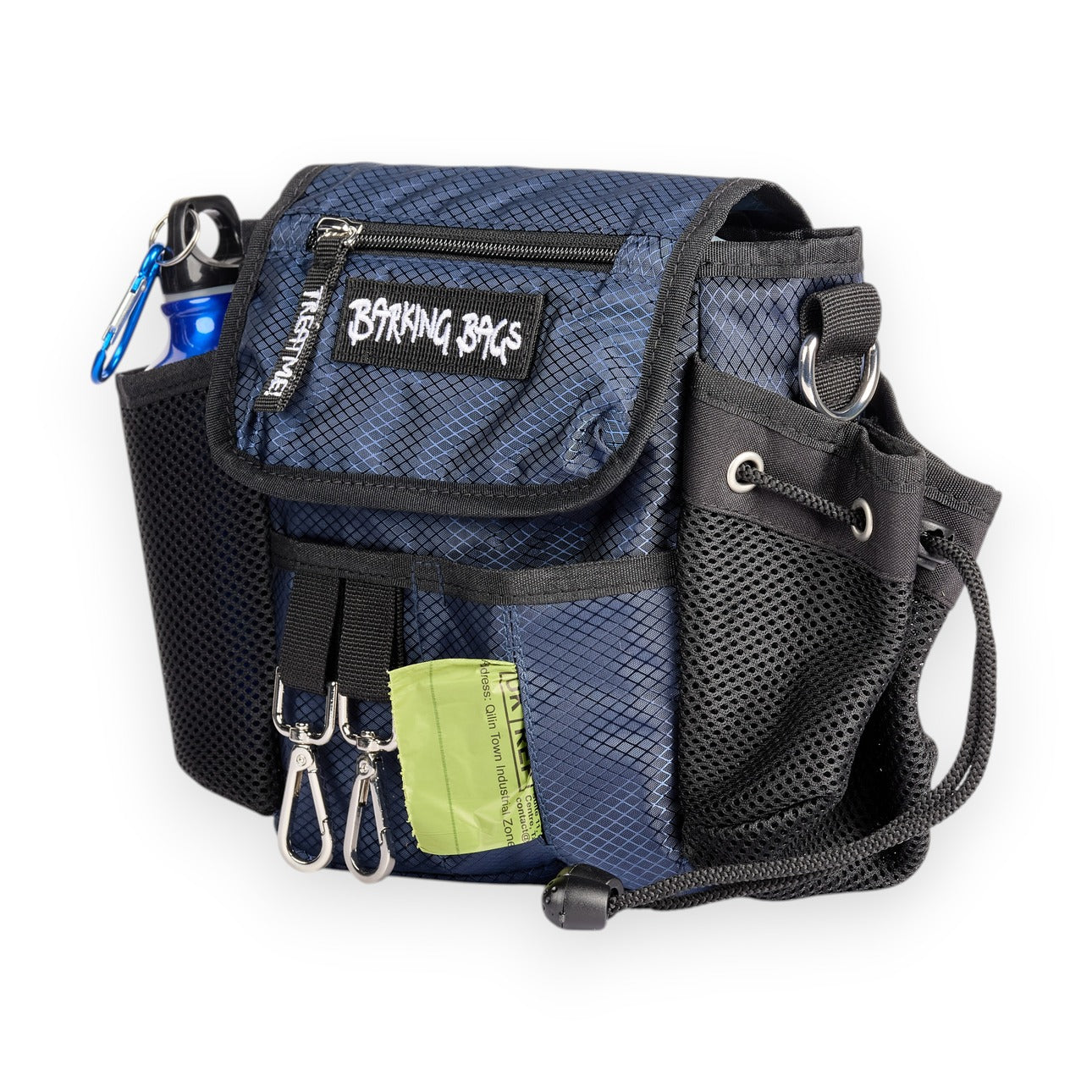
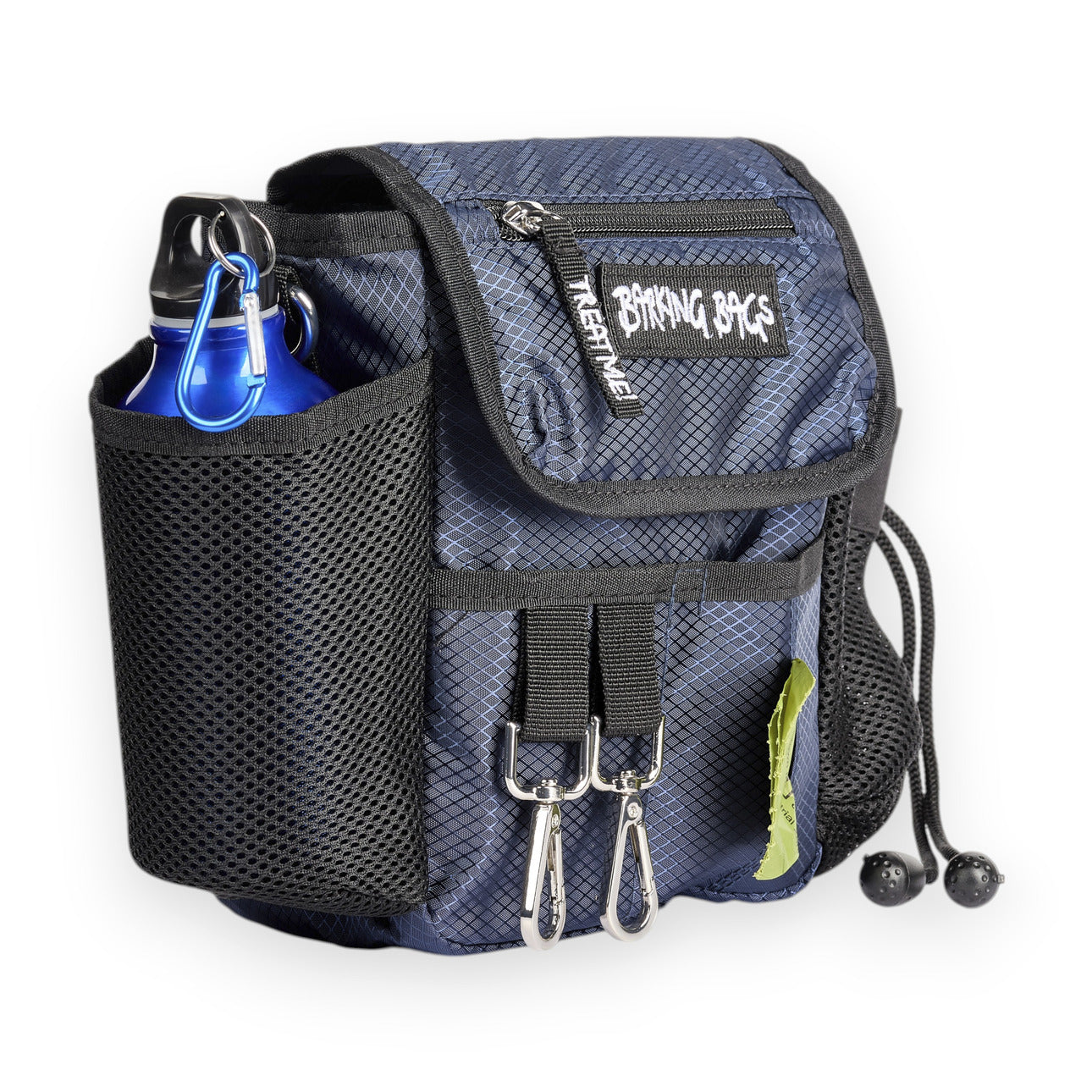
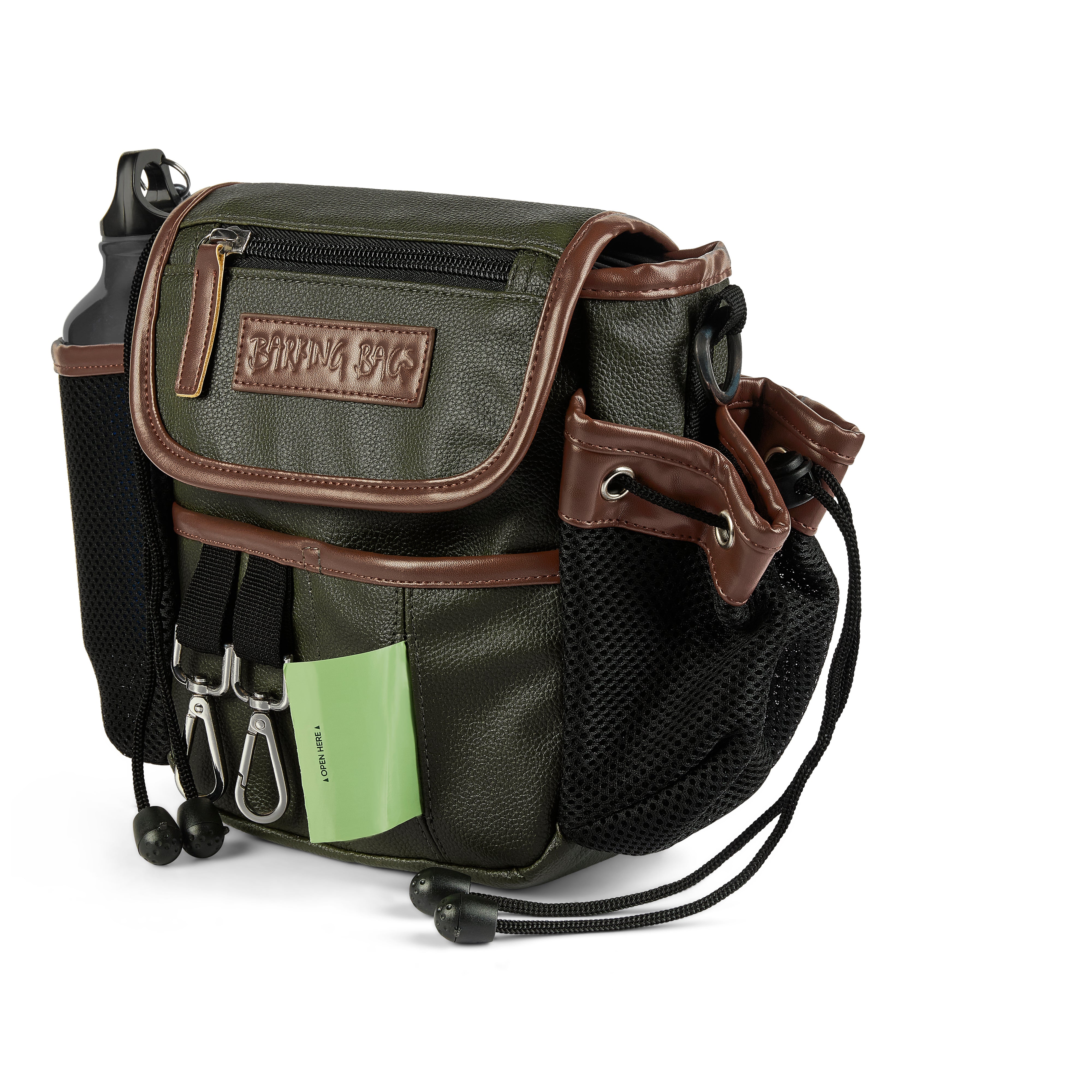
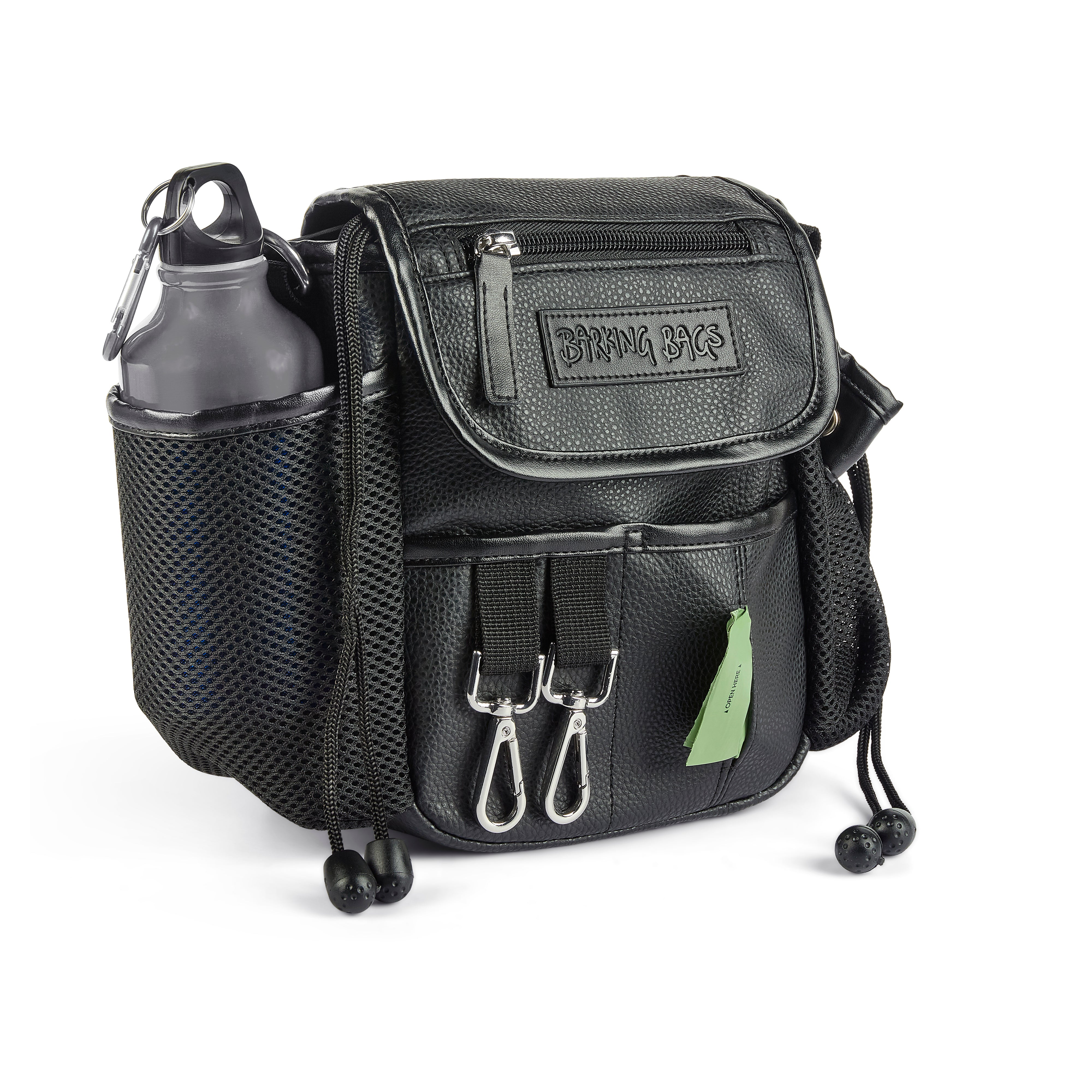
A purpose-built dog walking bag for rainy weather should first protect the things that matter most. Your phone, keys and cards need a more secure, sheltered spot than dog treats or a spare lead. Separate compartments help here, because wet dog-walking gear has a habit of spreading muck fast. If a used lead or a muddy ball has to go back in the bag, you do not want it touching everything else.
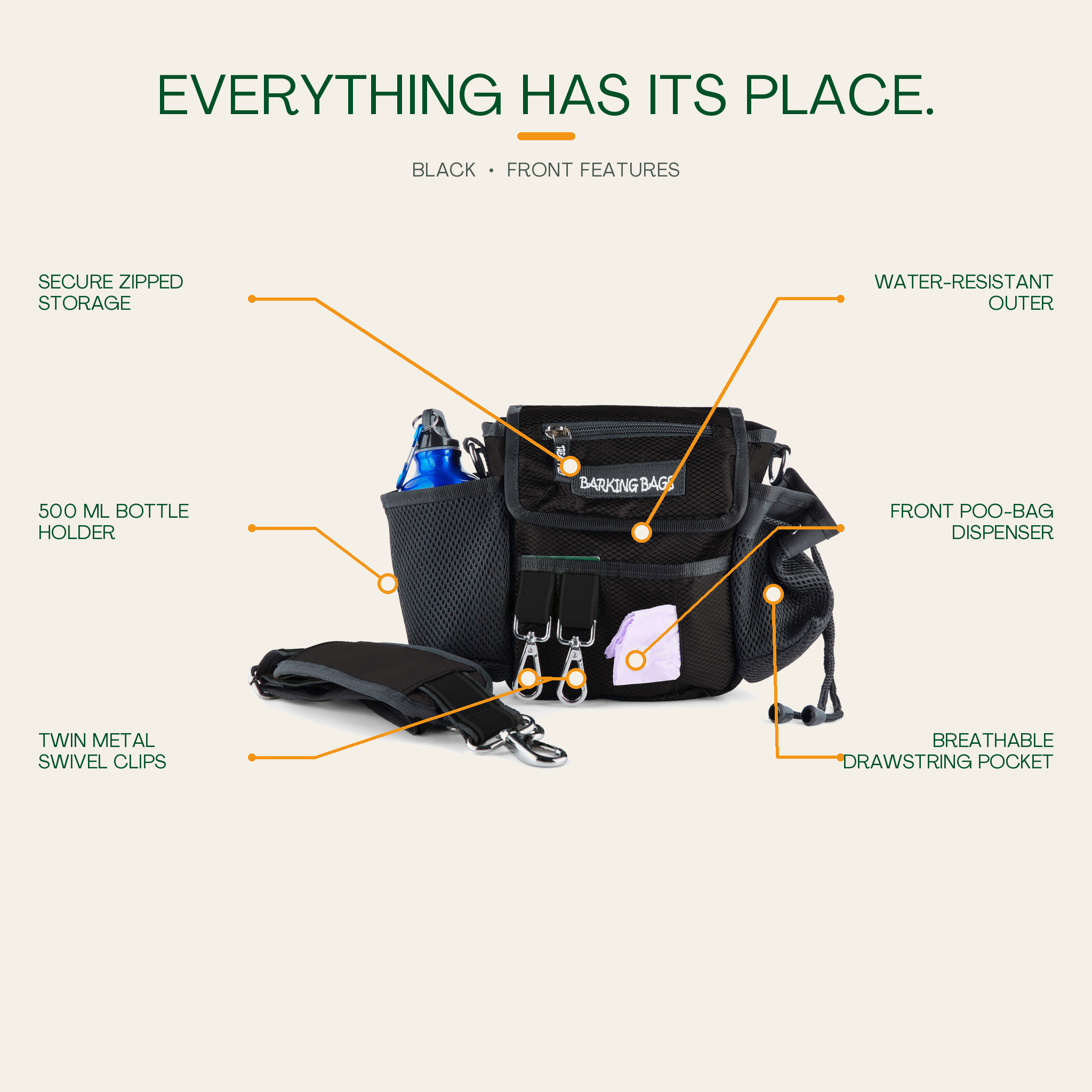
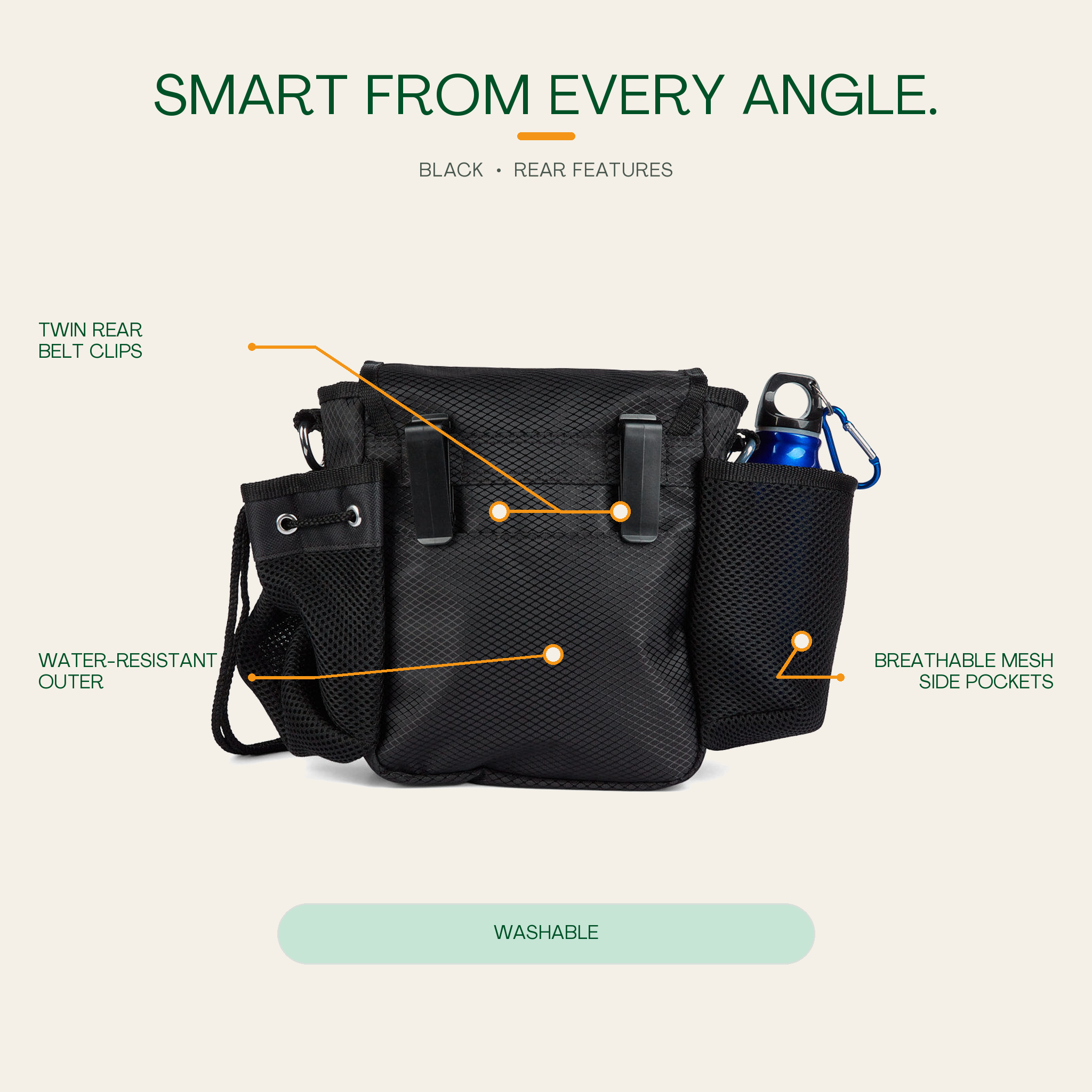
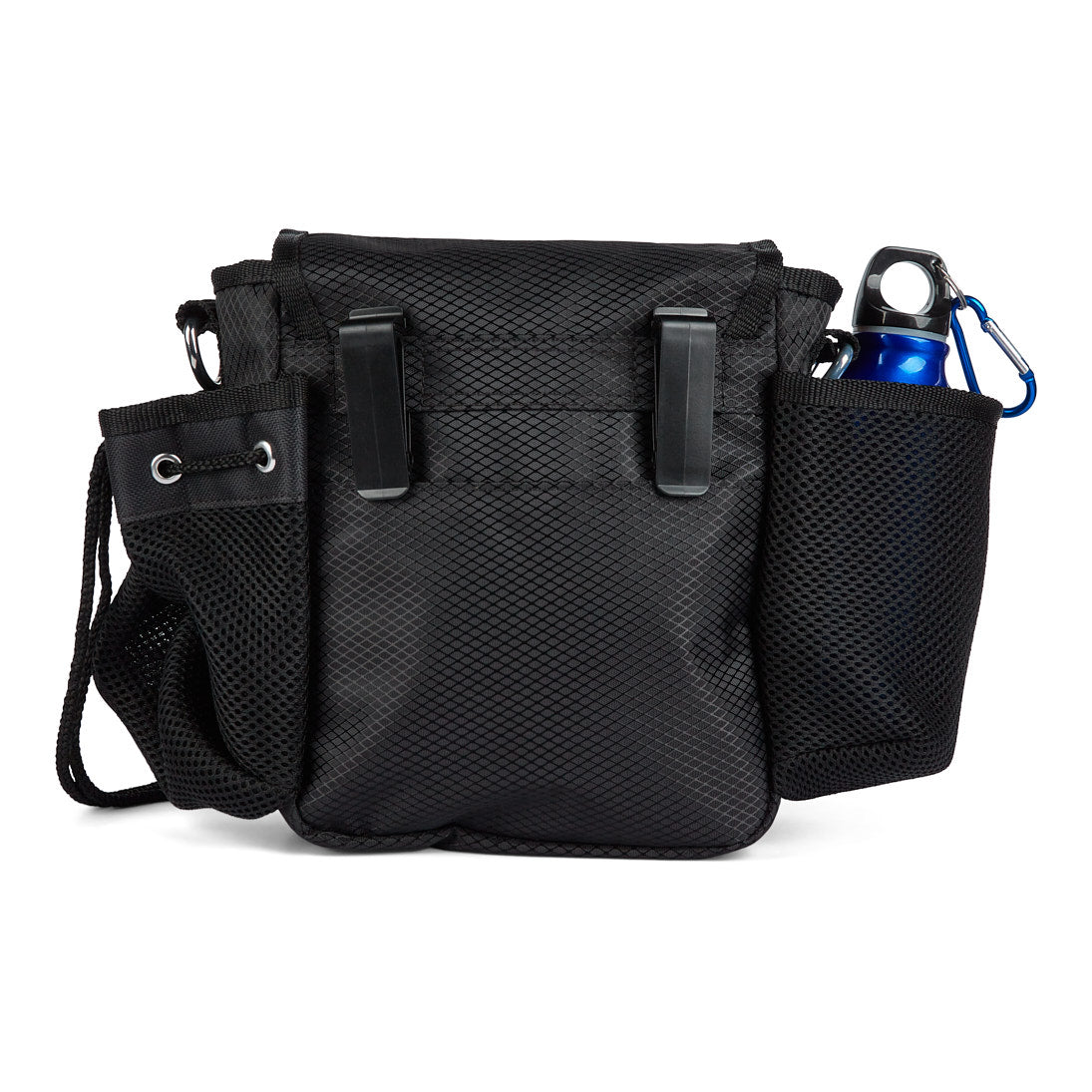
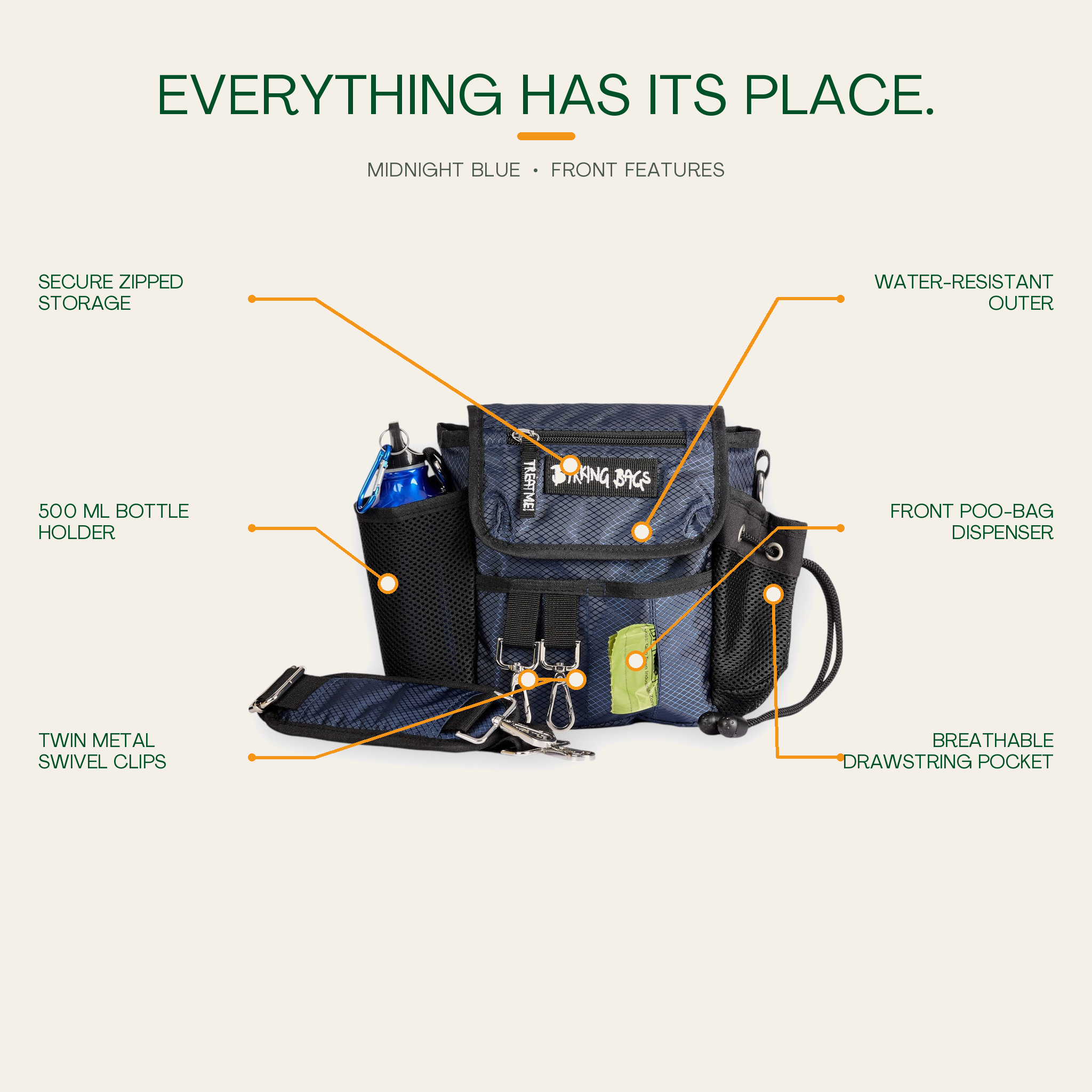
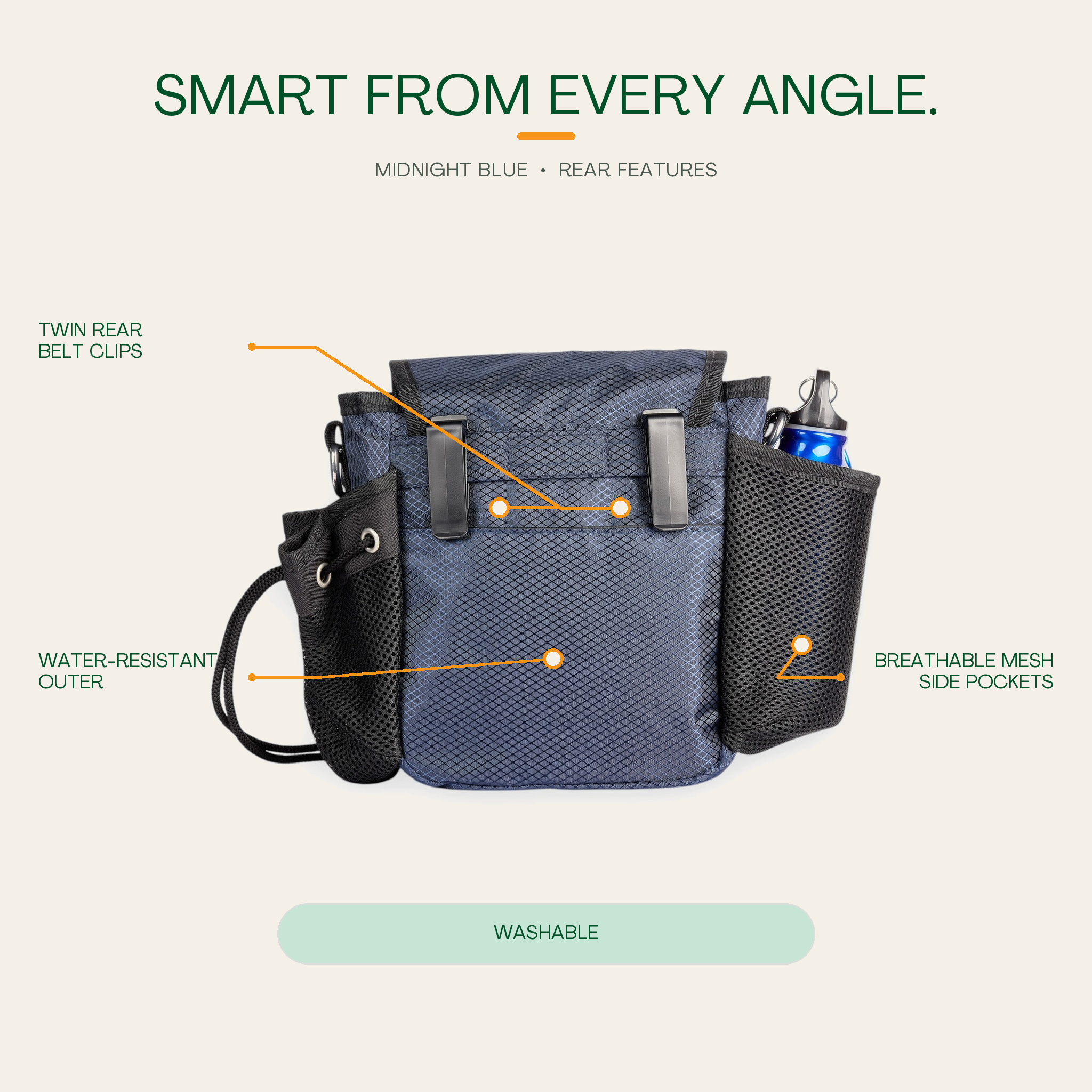
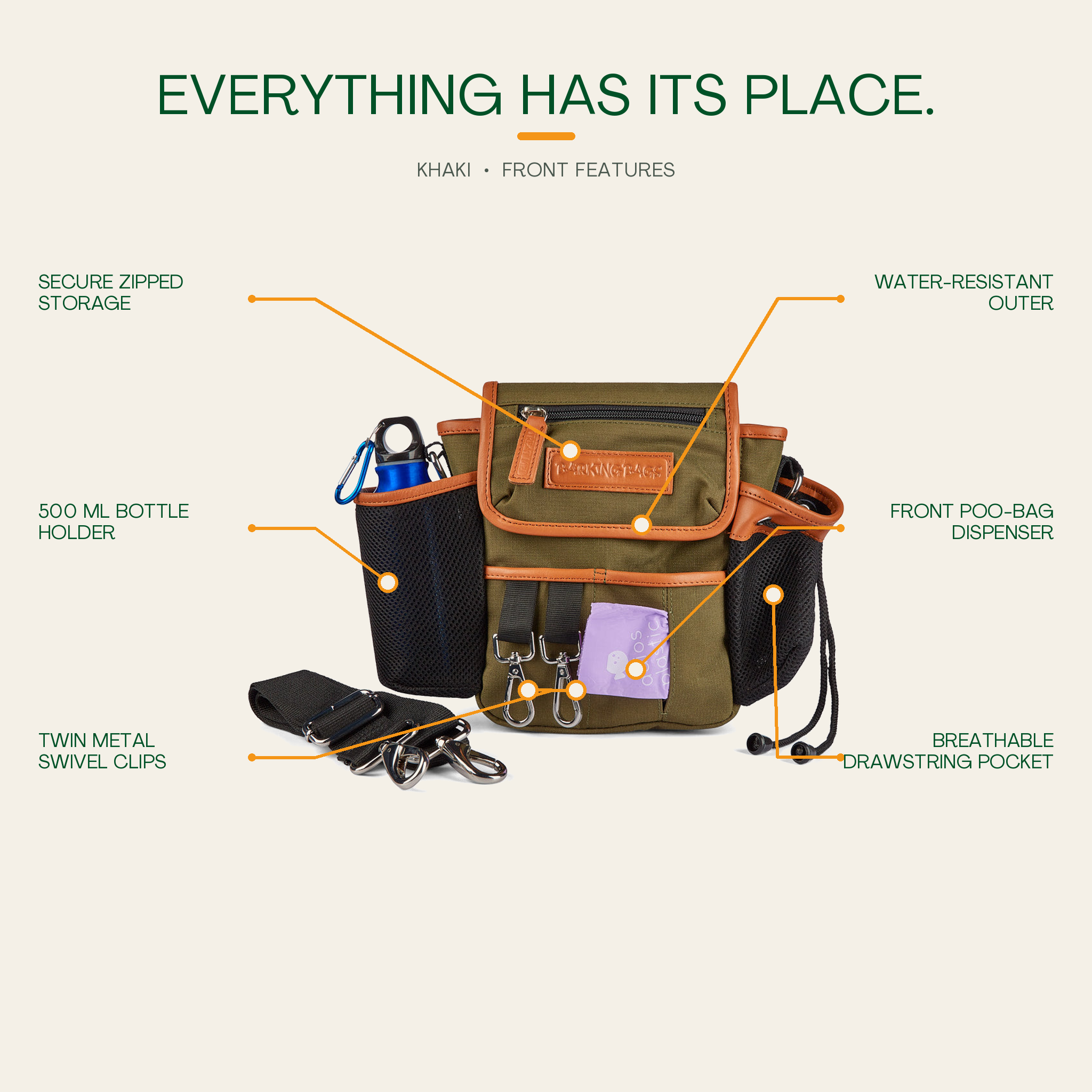
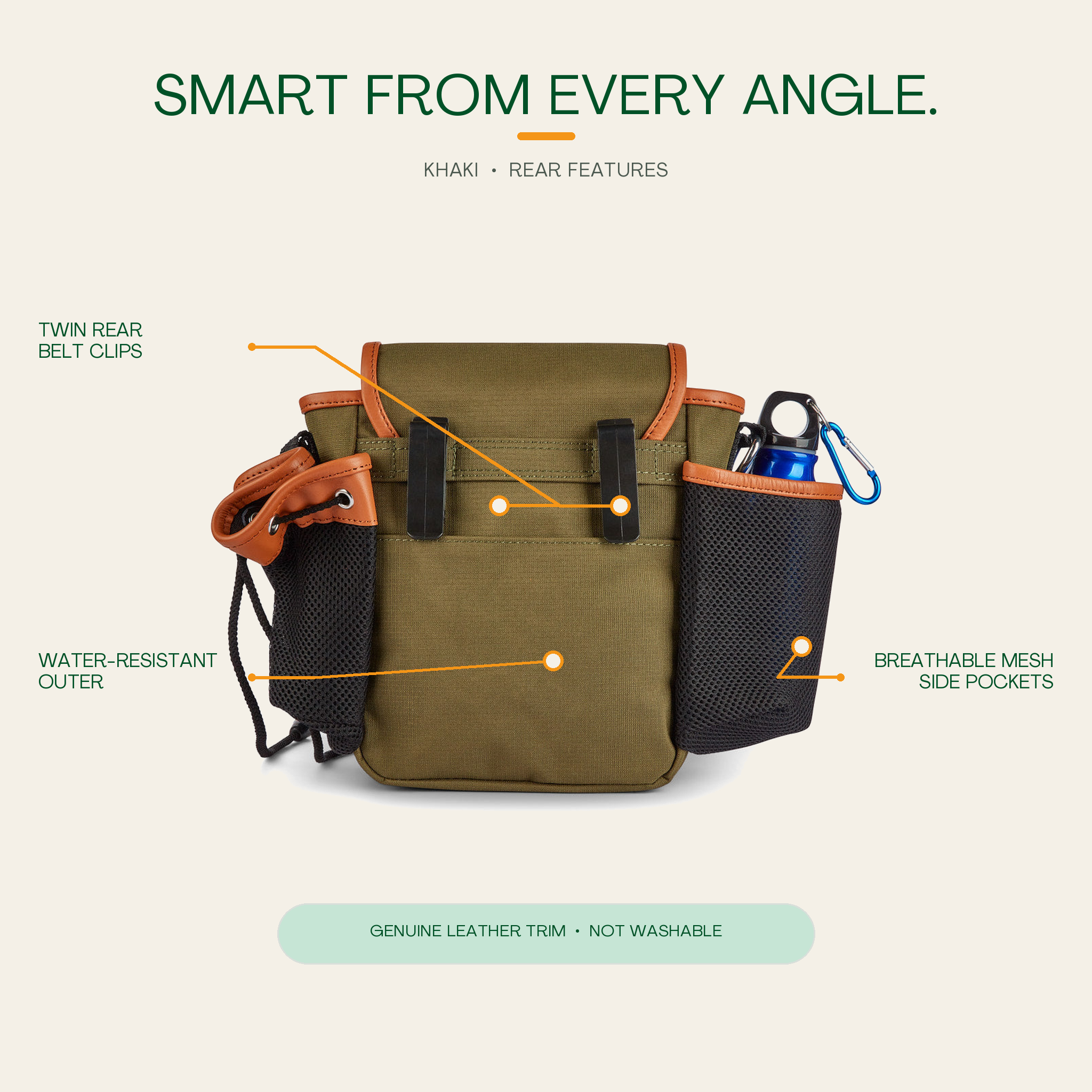
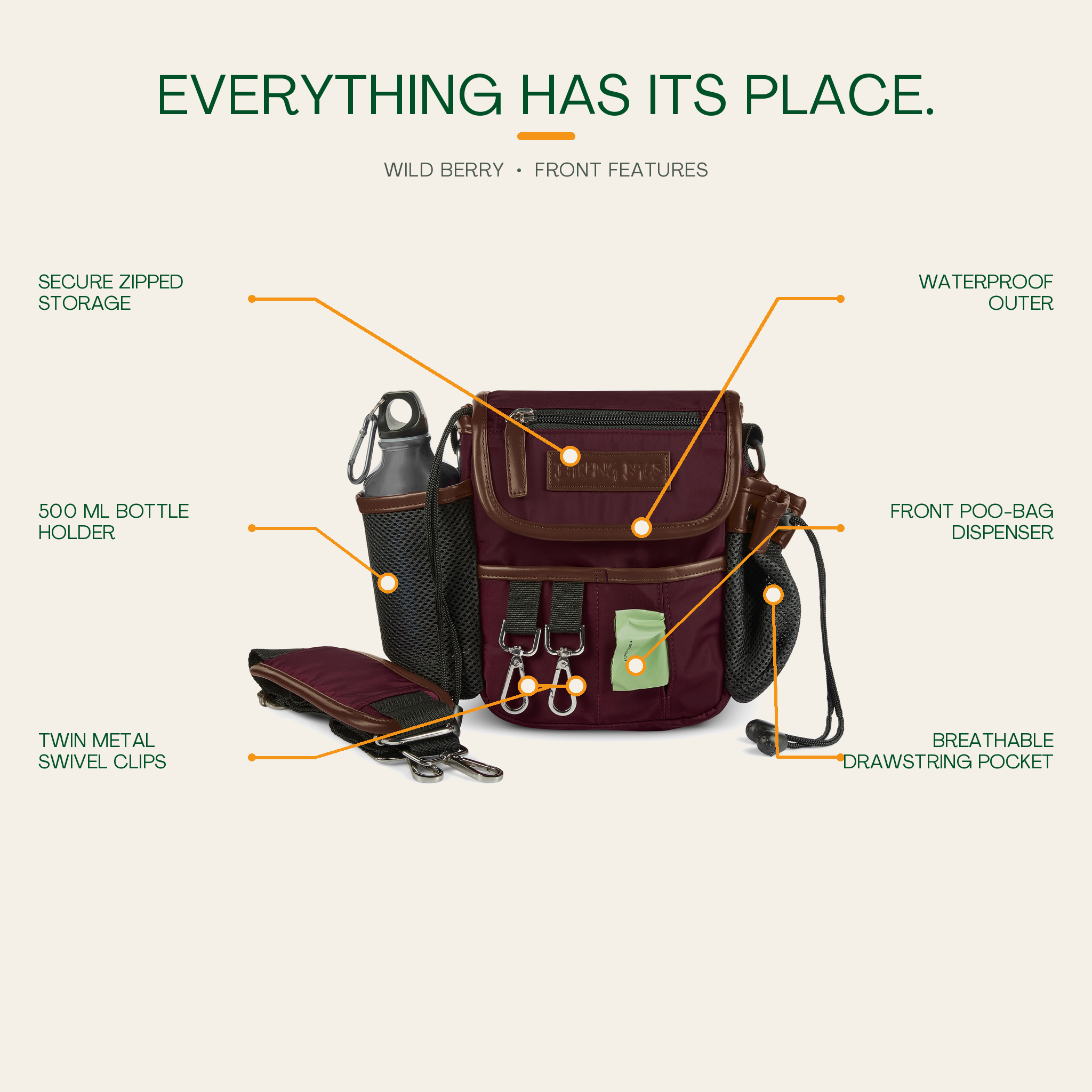
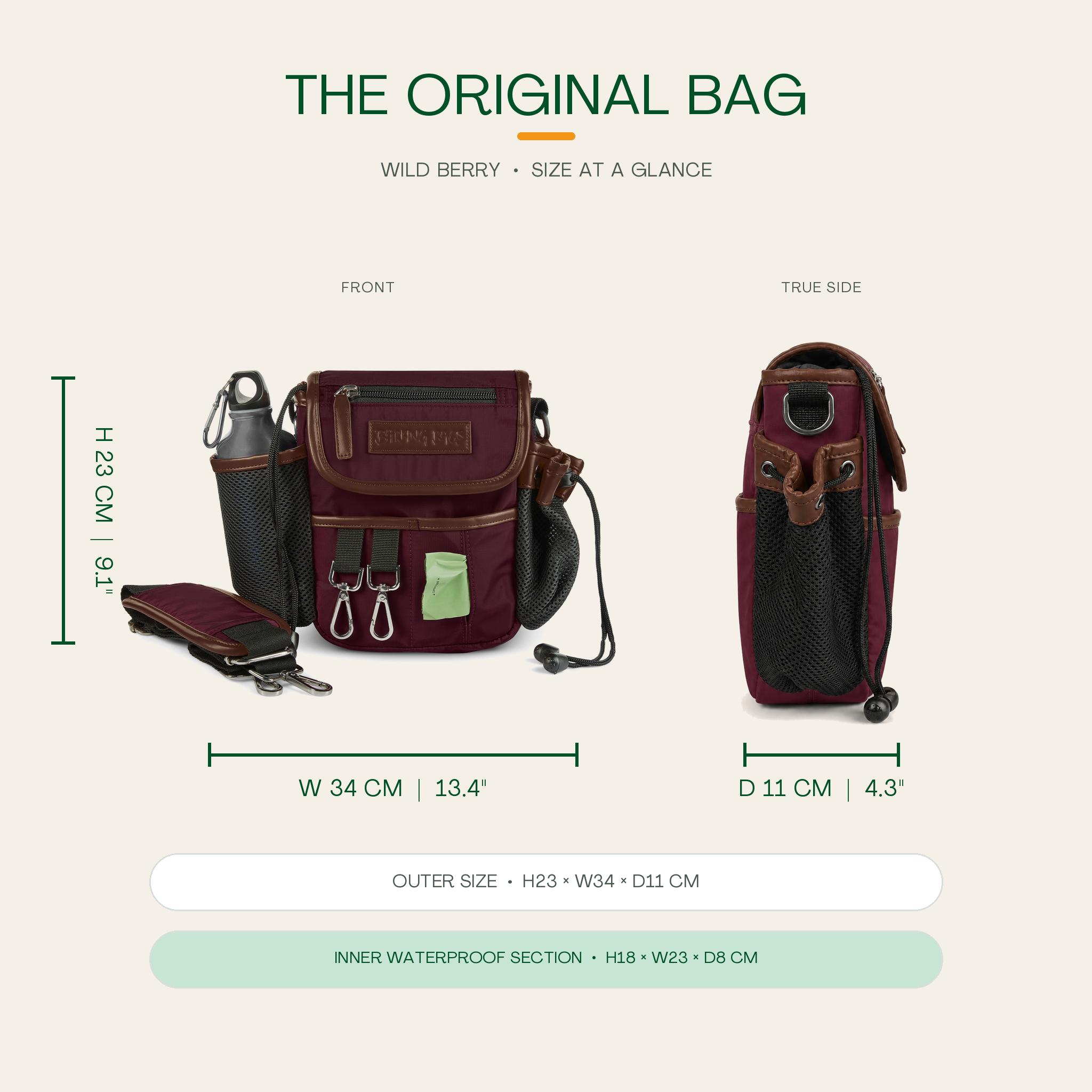
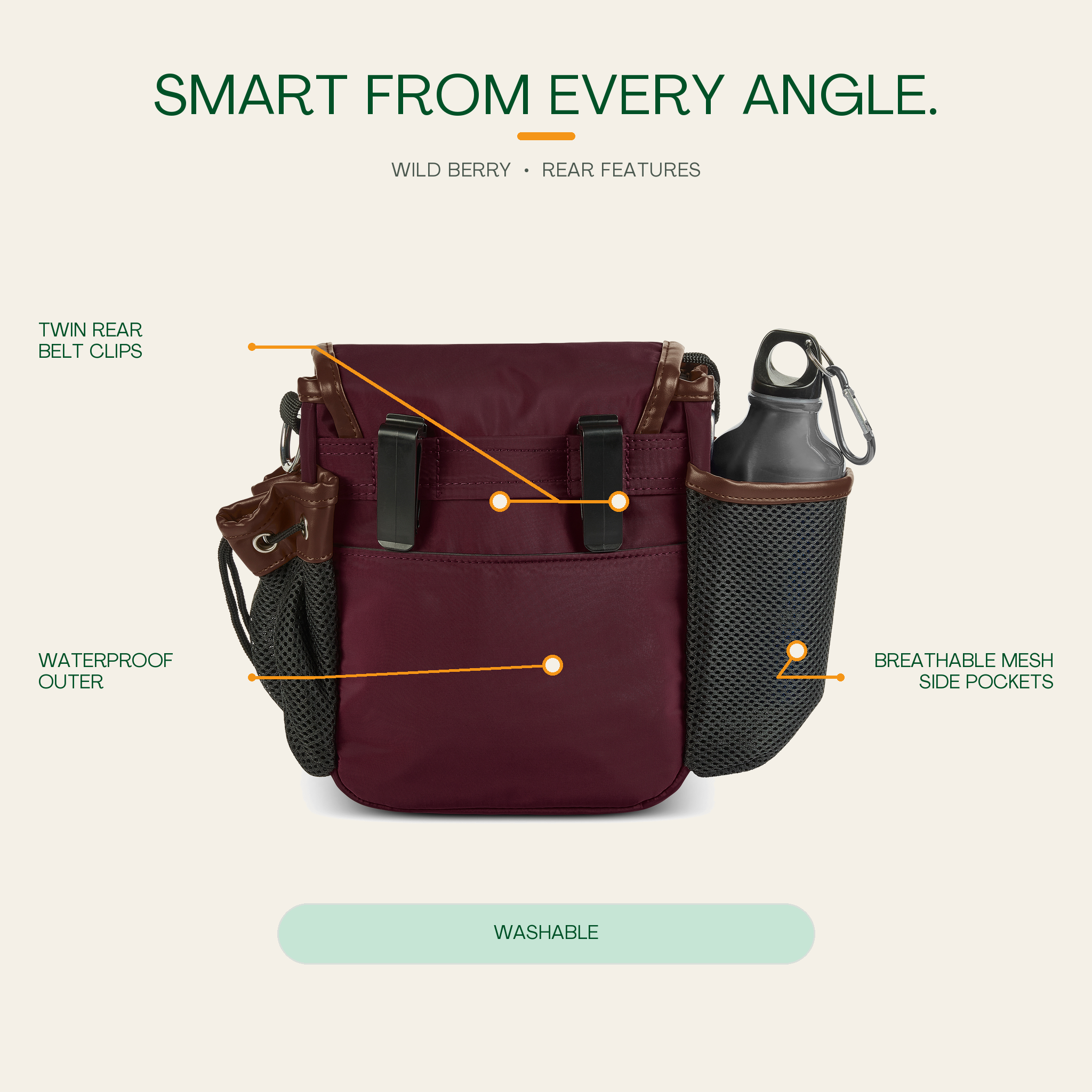
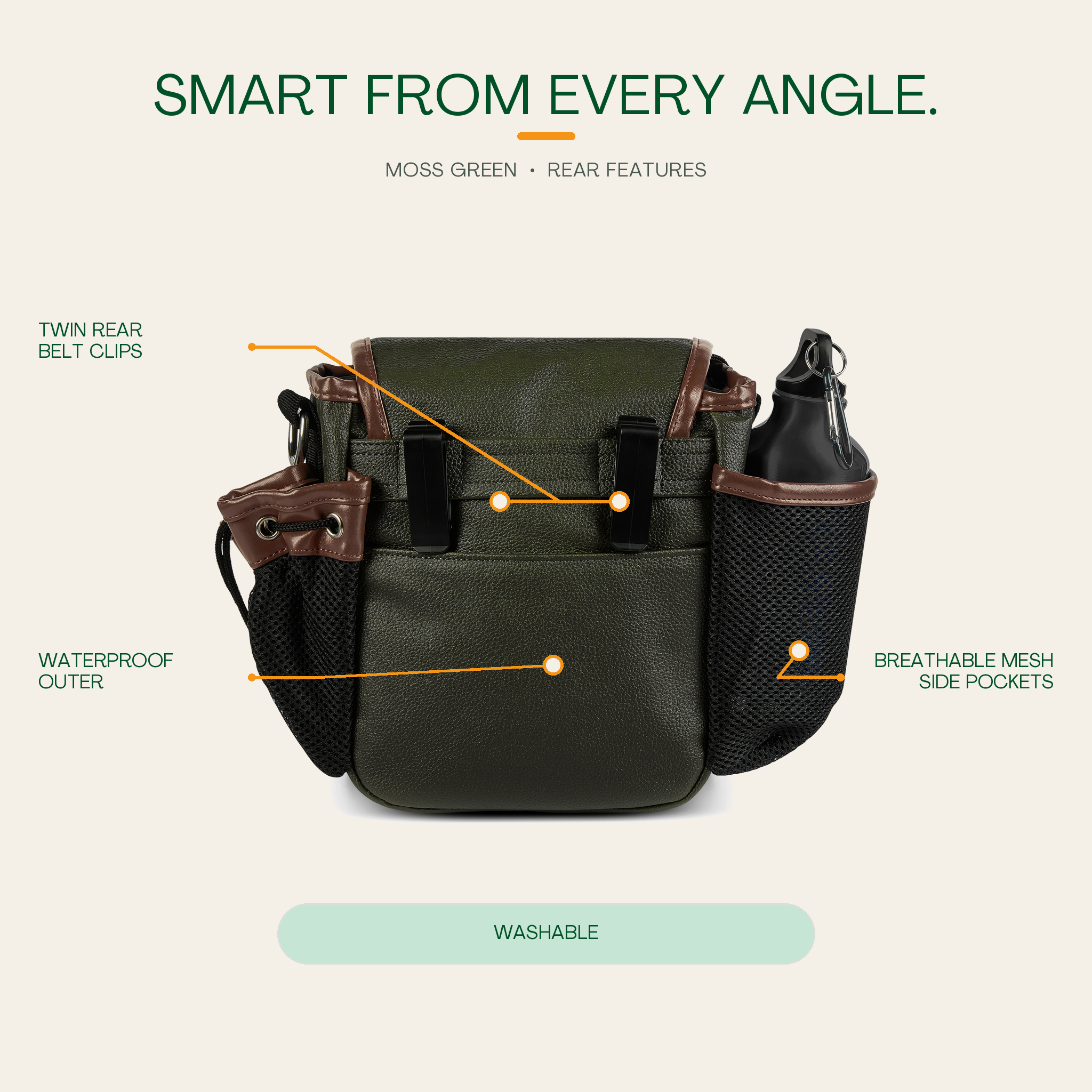
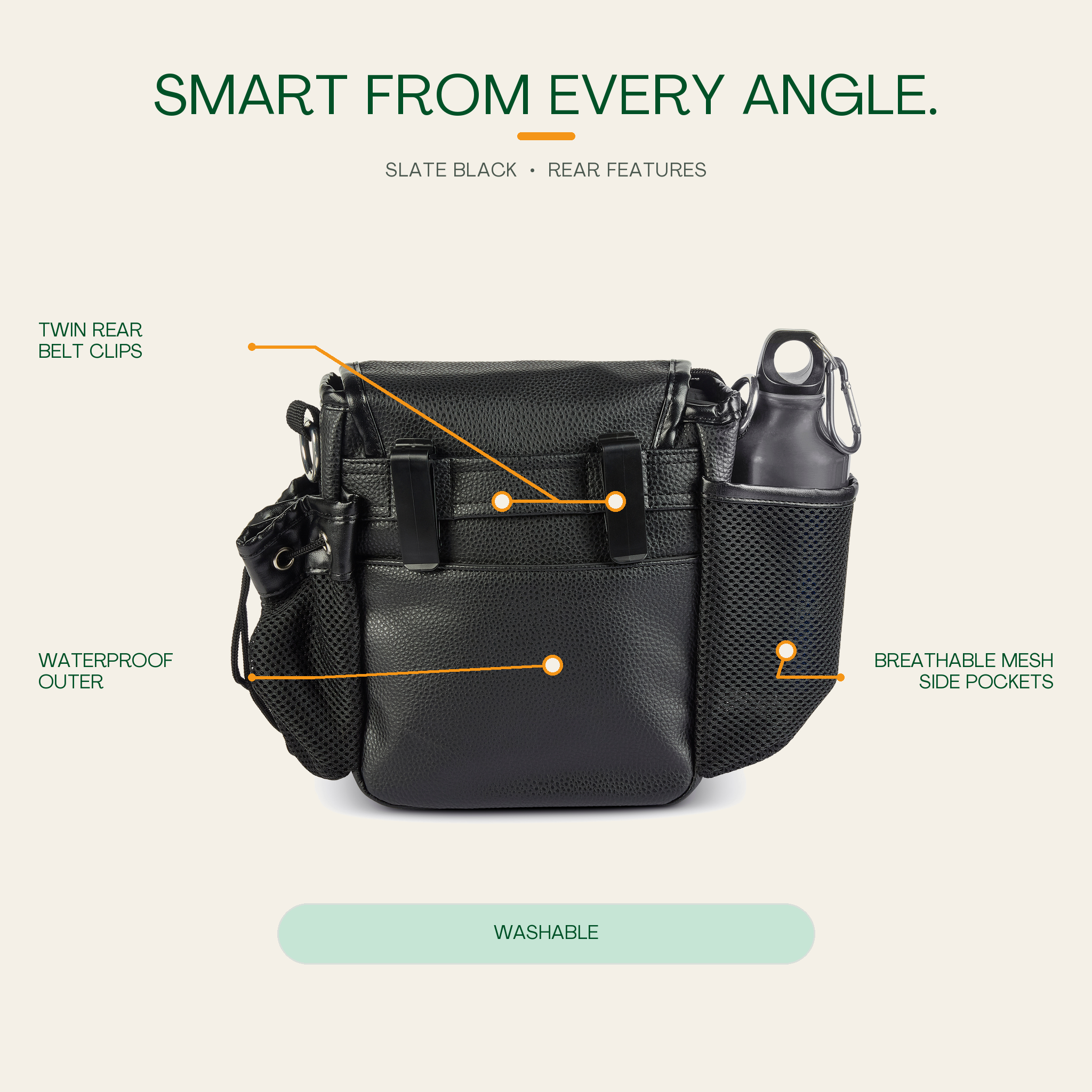
Material matters too. You do not need a bag that looks like hiking gear unless that suits your style, but you do want something that wipes down easily and dries quickly. A water-resistant outer is usually more useful for everyday British weather than a heavy, overly technical bag that feels bulky on regular walks. If the bag is awkward when it is not raining, you probably will not keep using it.
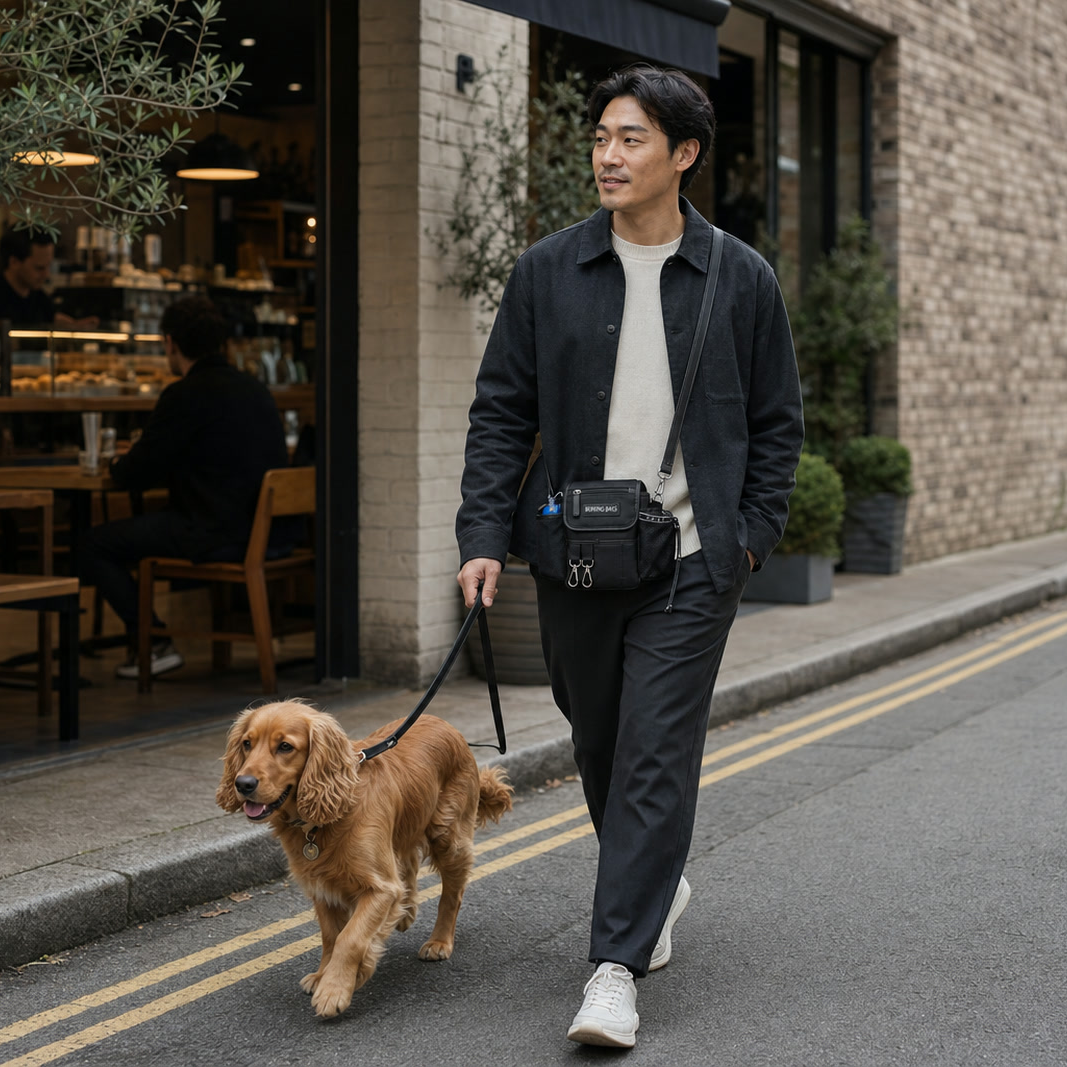
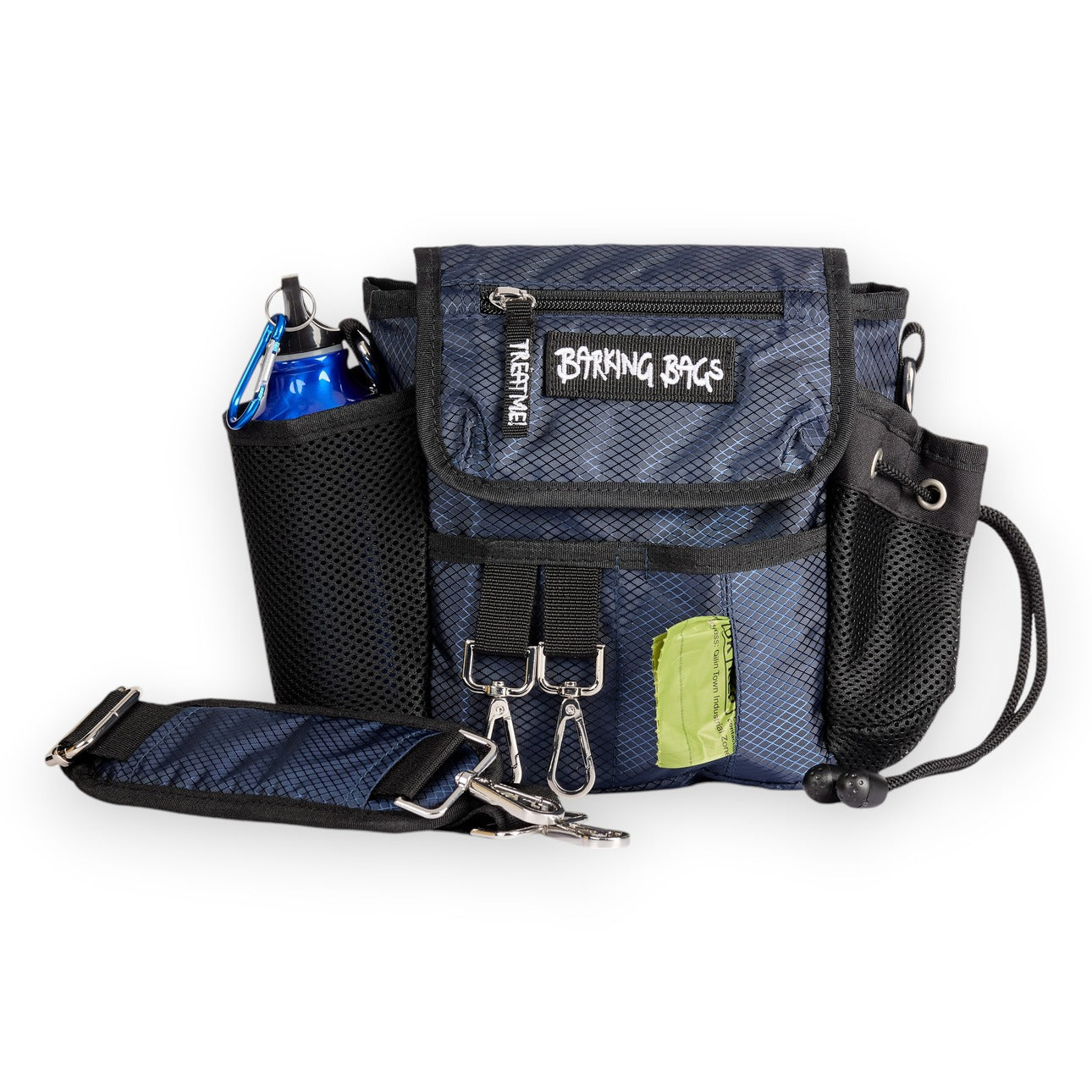
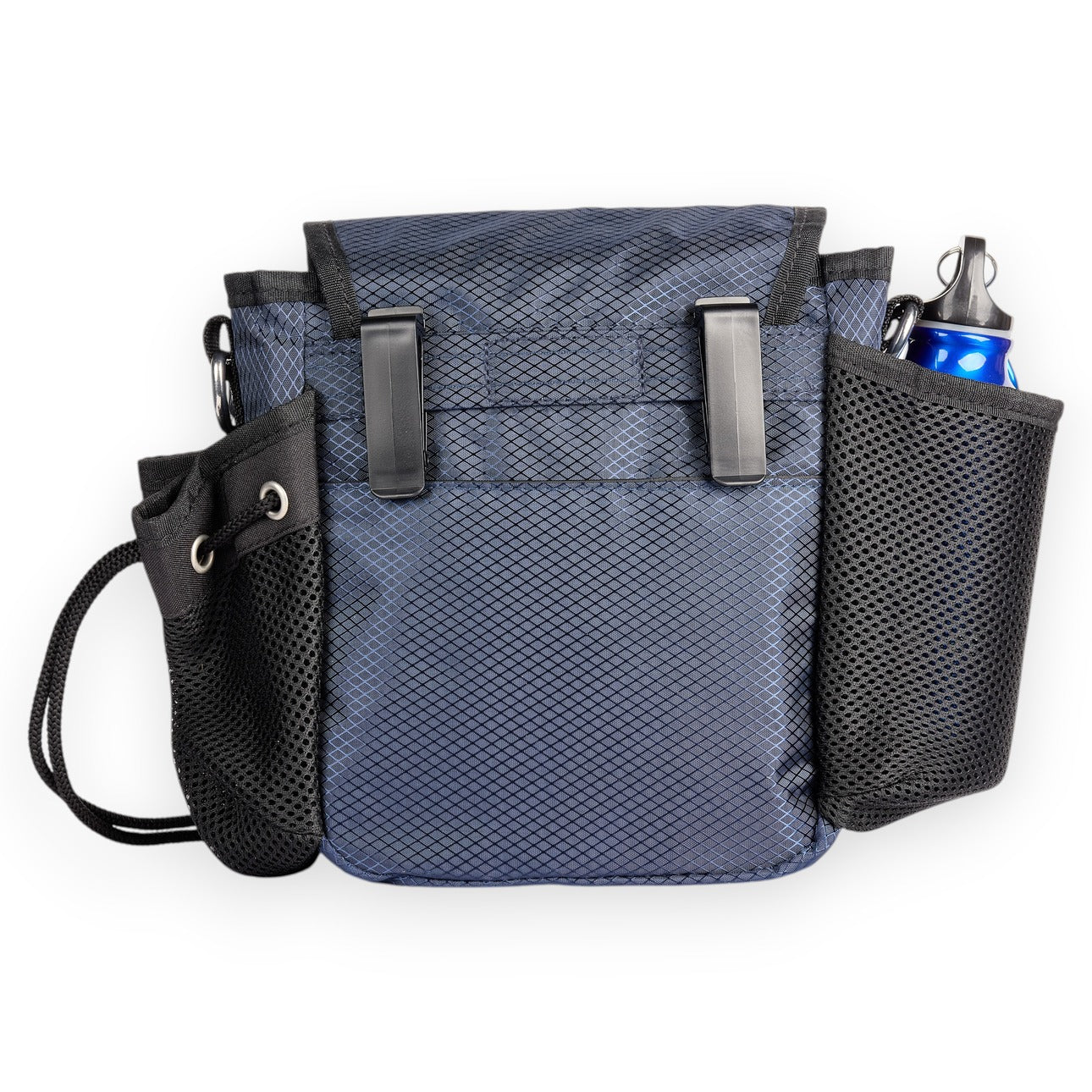
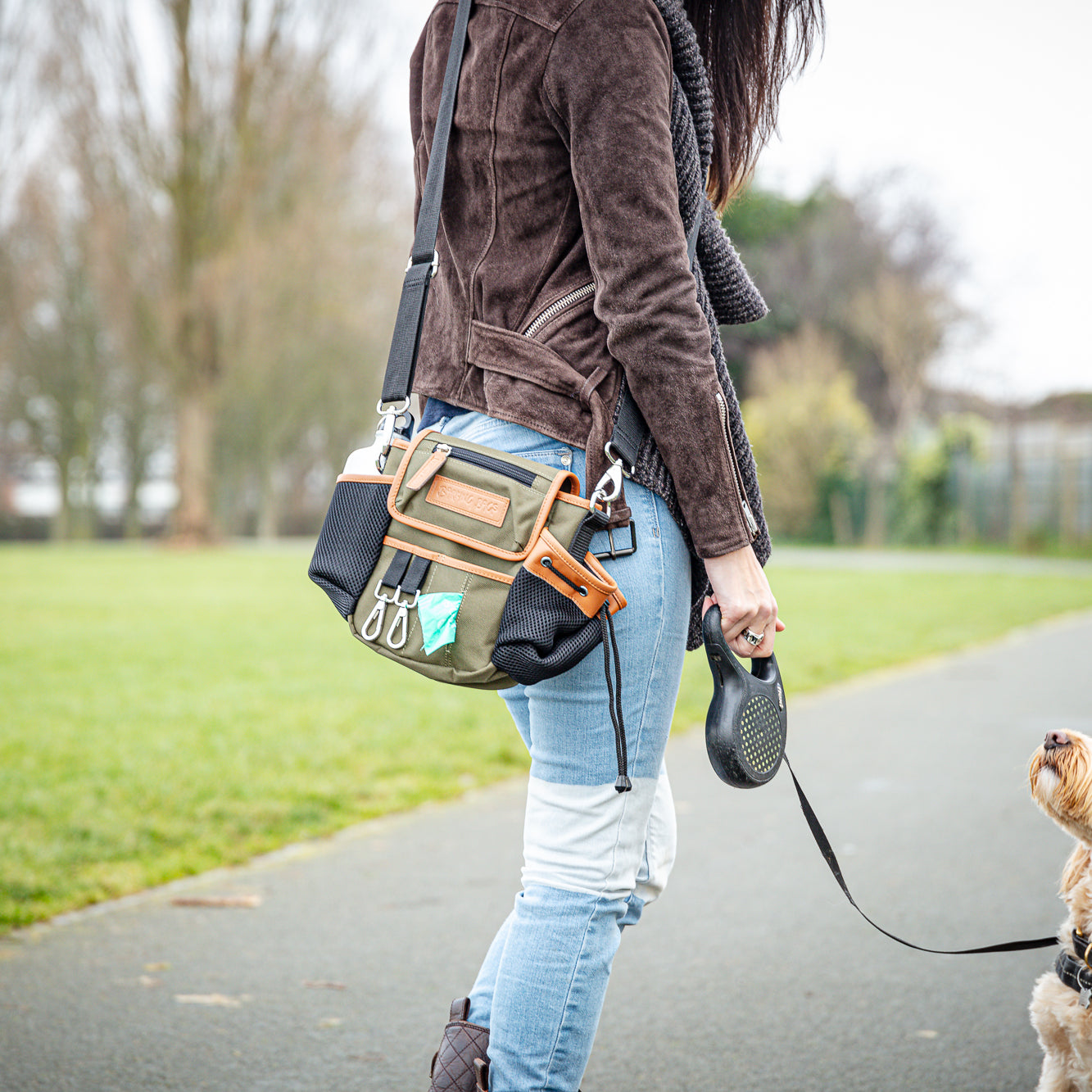
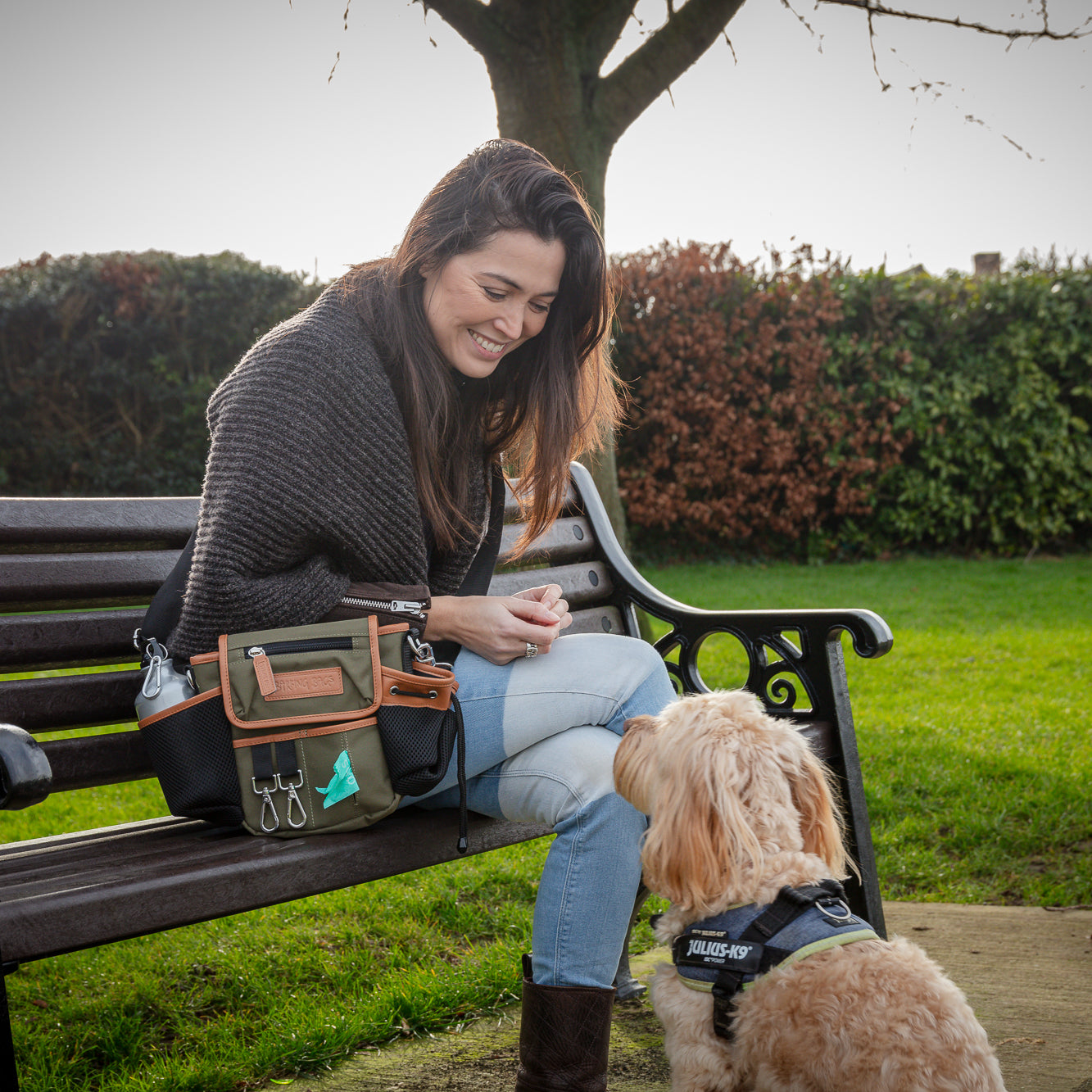
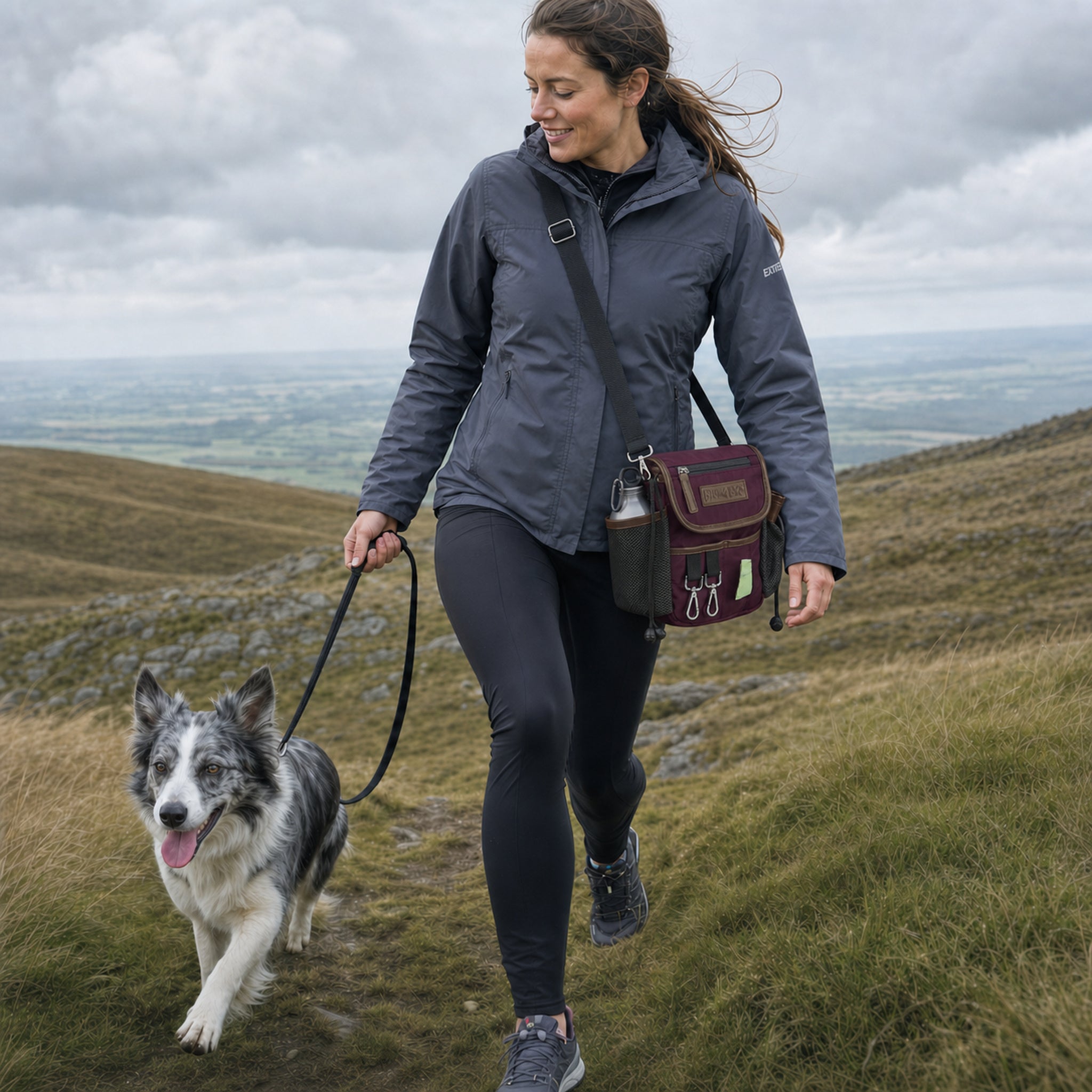
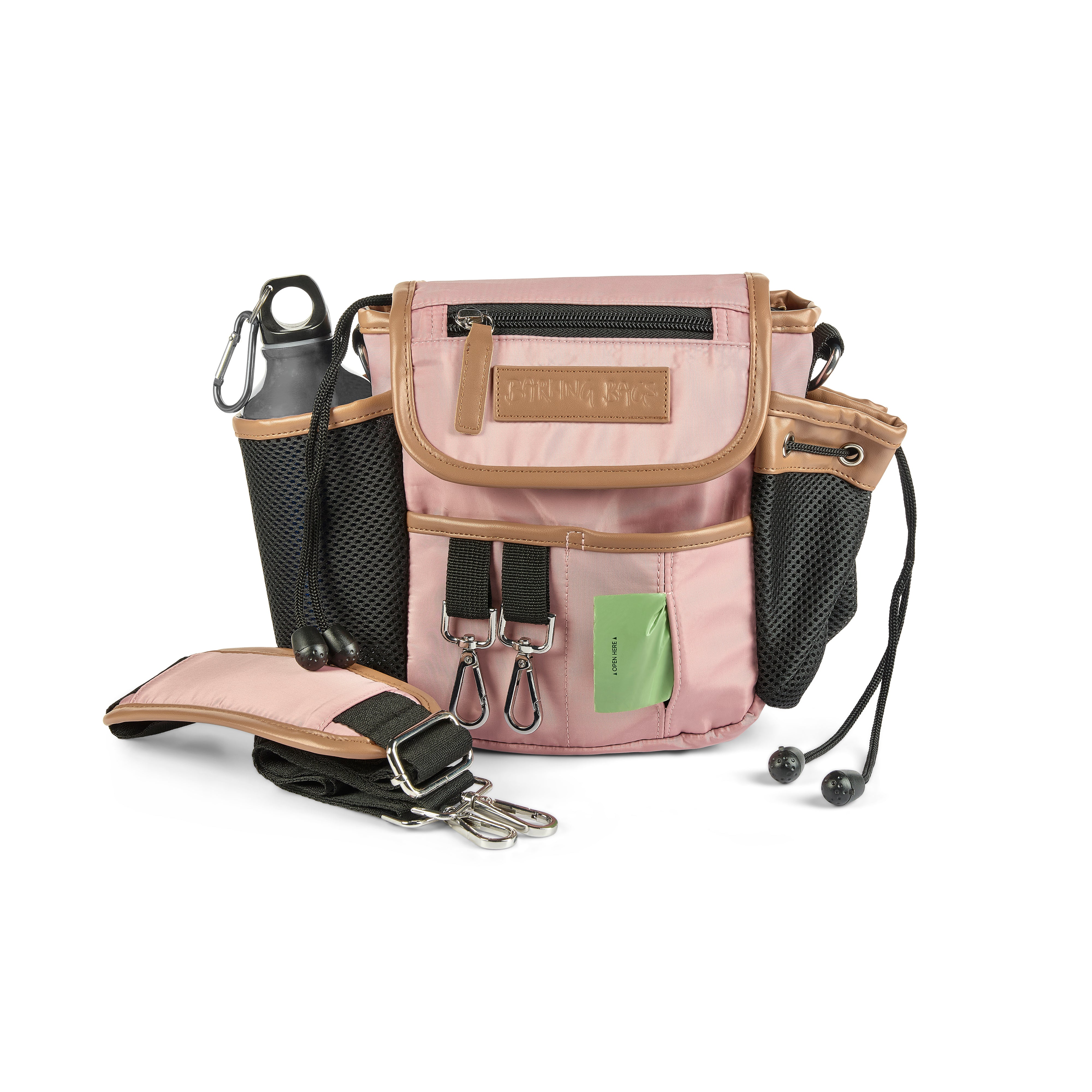
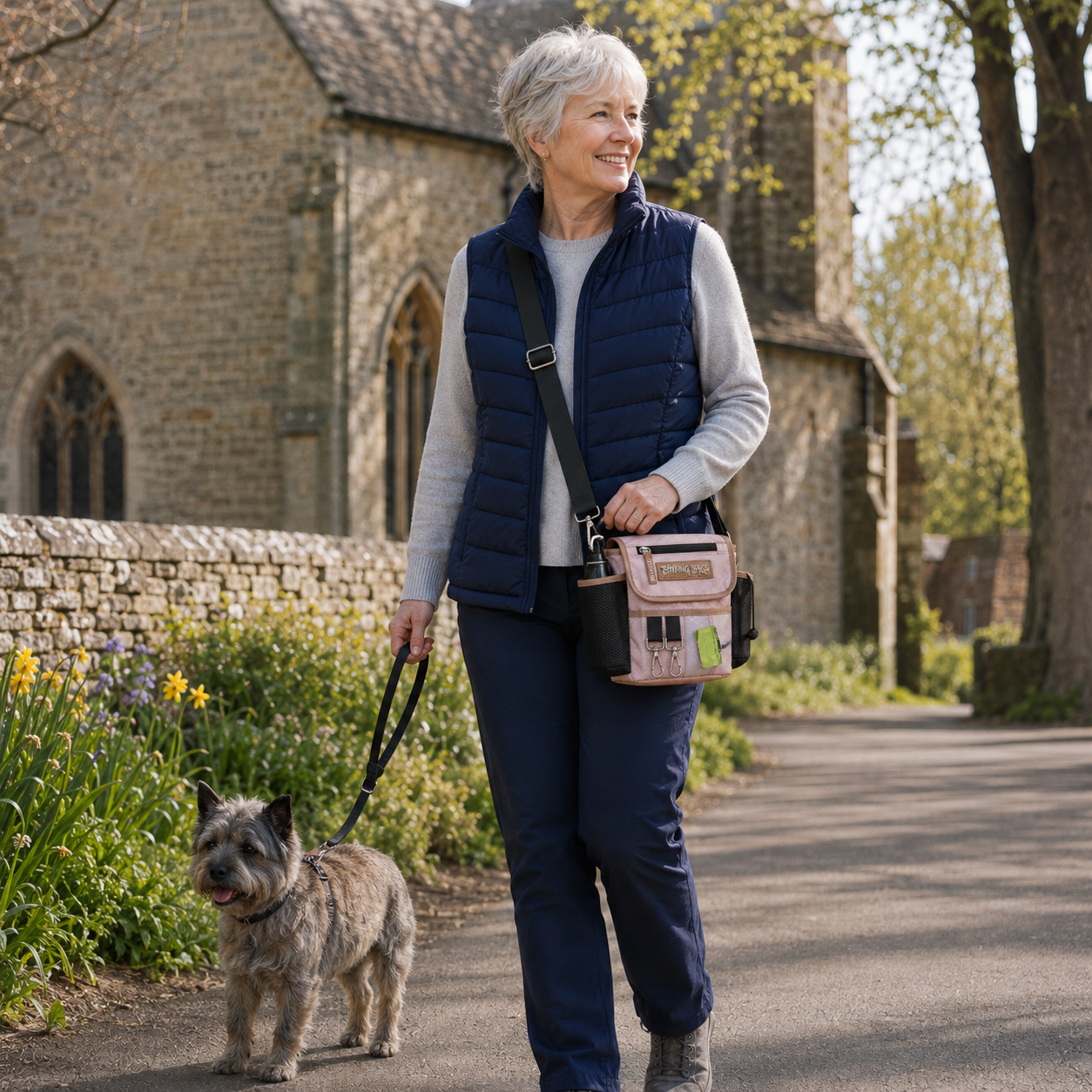
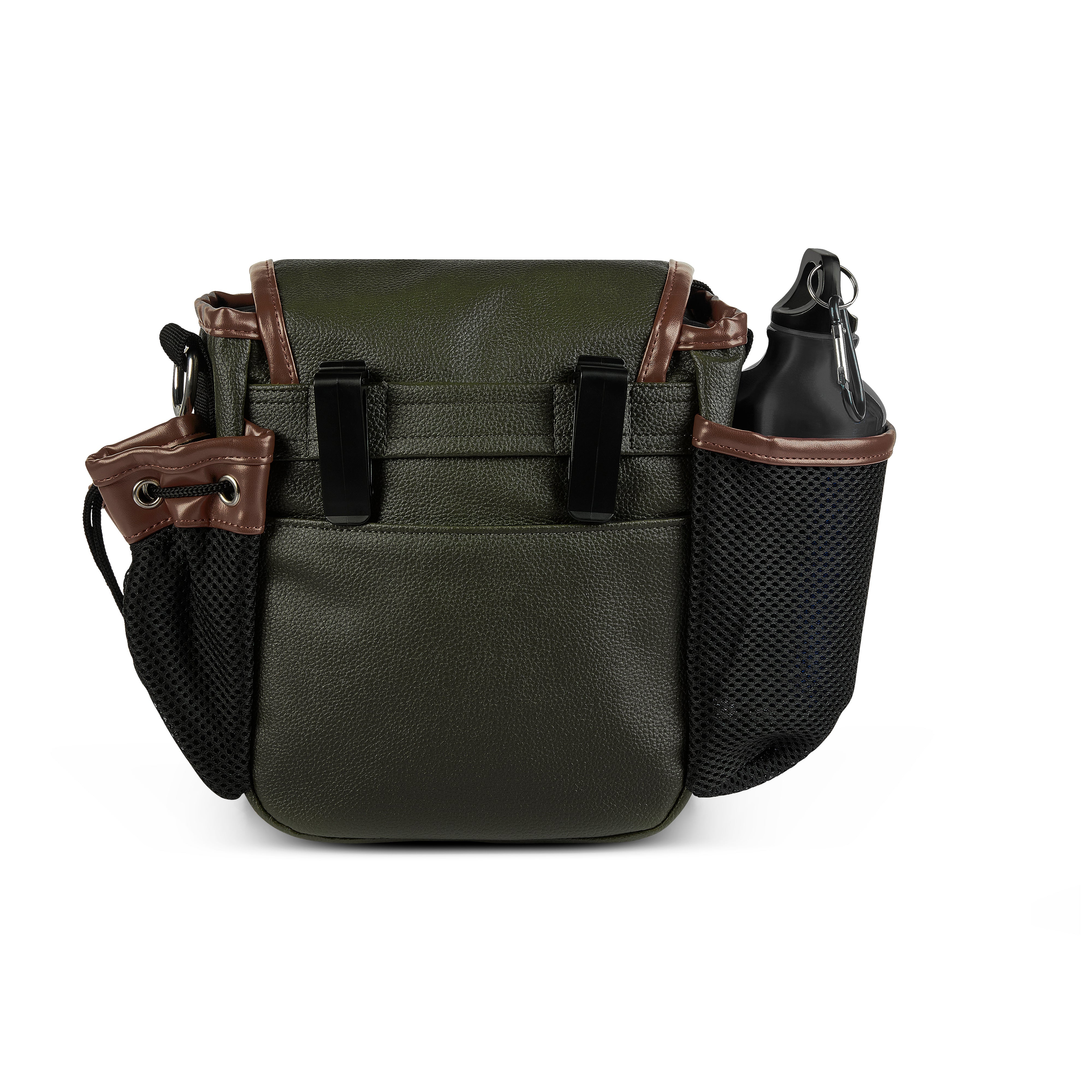
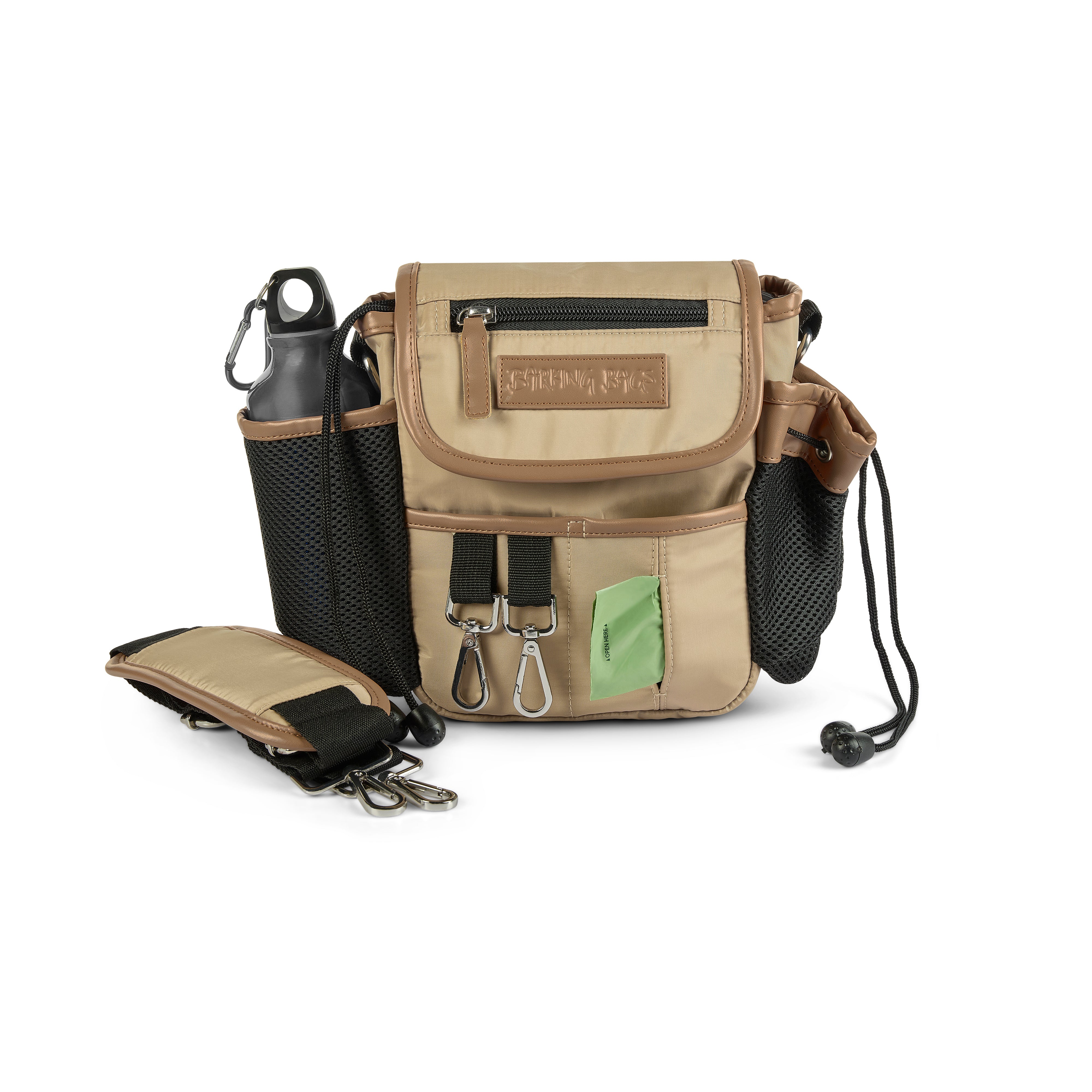
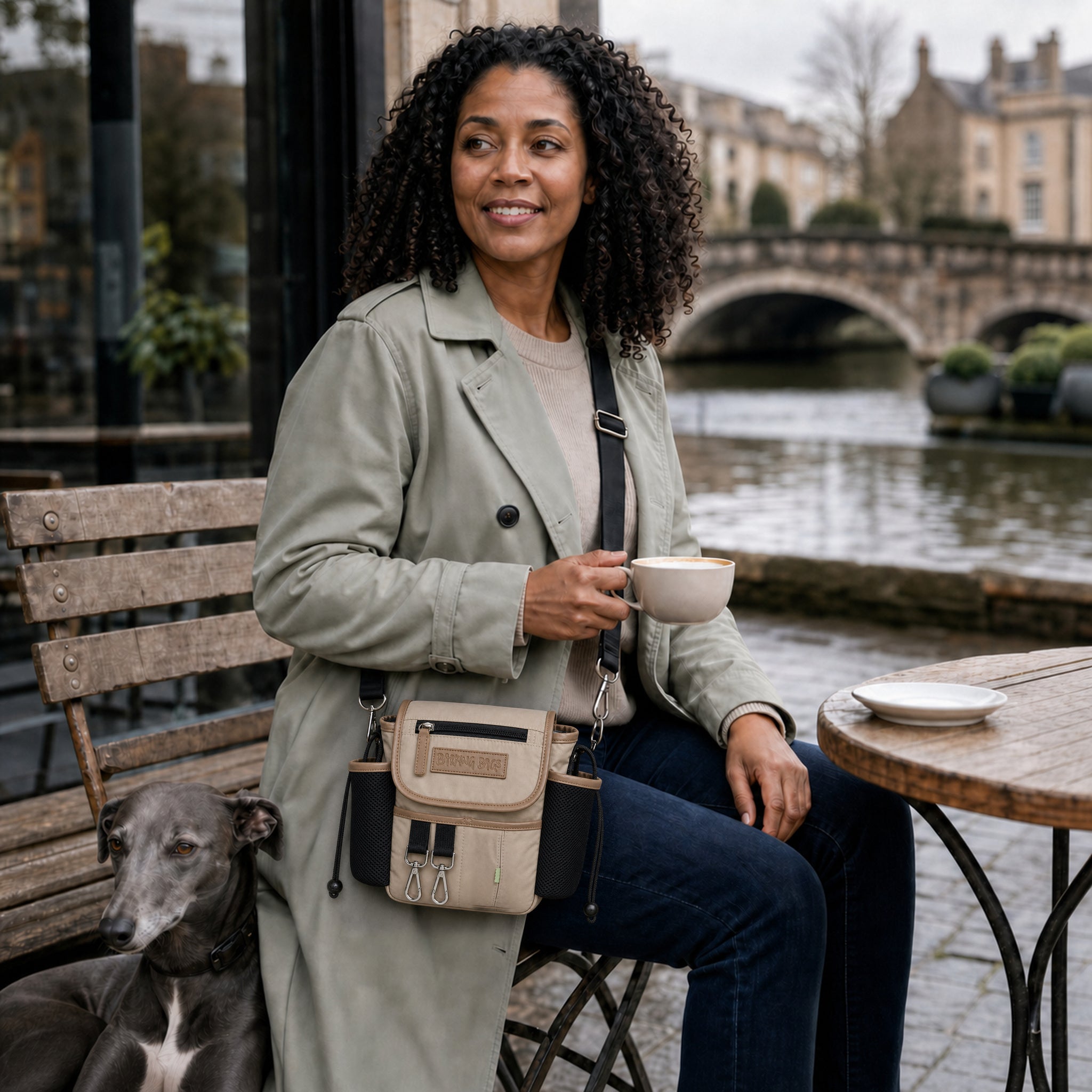
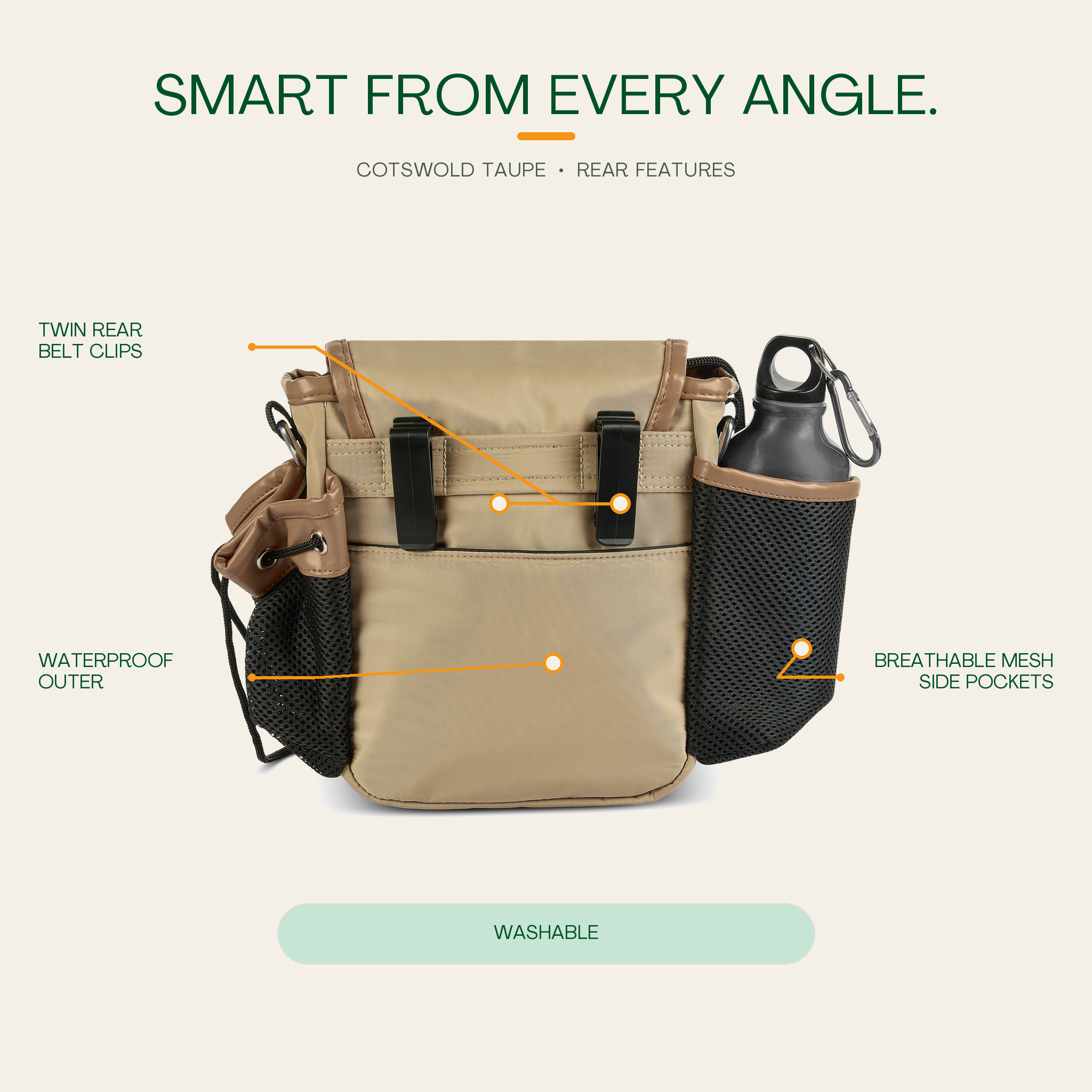
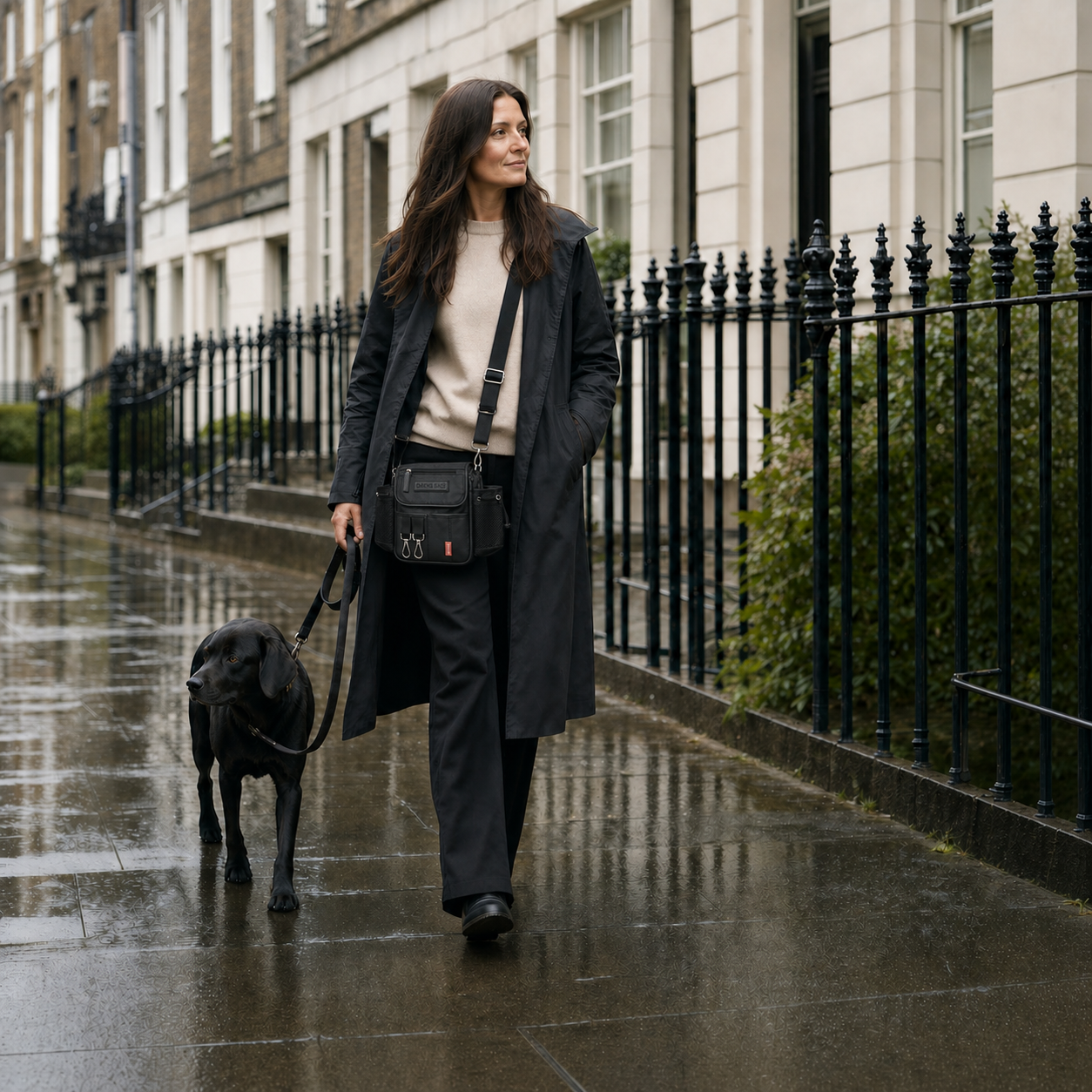
The strap is another detail people often overlook. In wet weather, comfort becomes more noticeable because coats are thicker, shoulders are slippery and walks can feel longer. An adjustable crossbody strap usually works well because it keeps your hands free and the bag close to your body. That makes it easier to reach for treats or waste bags without stopping every five minutes.
The features worth looking for
Water-resistant and easy-clean materials
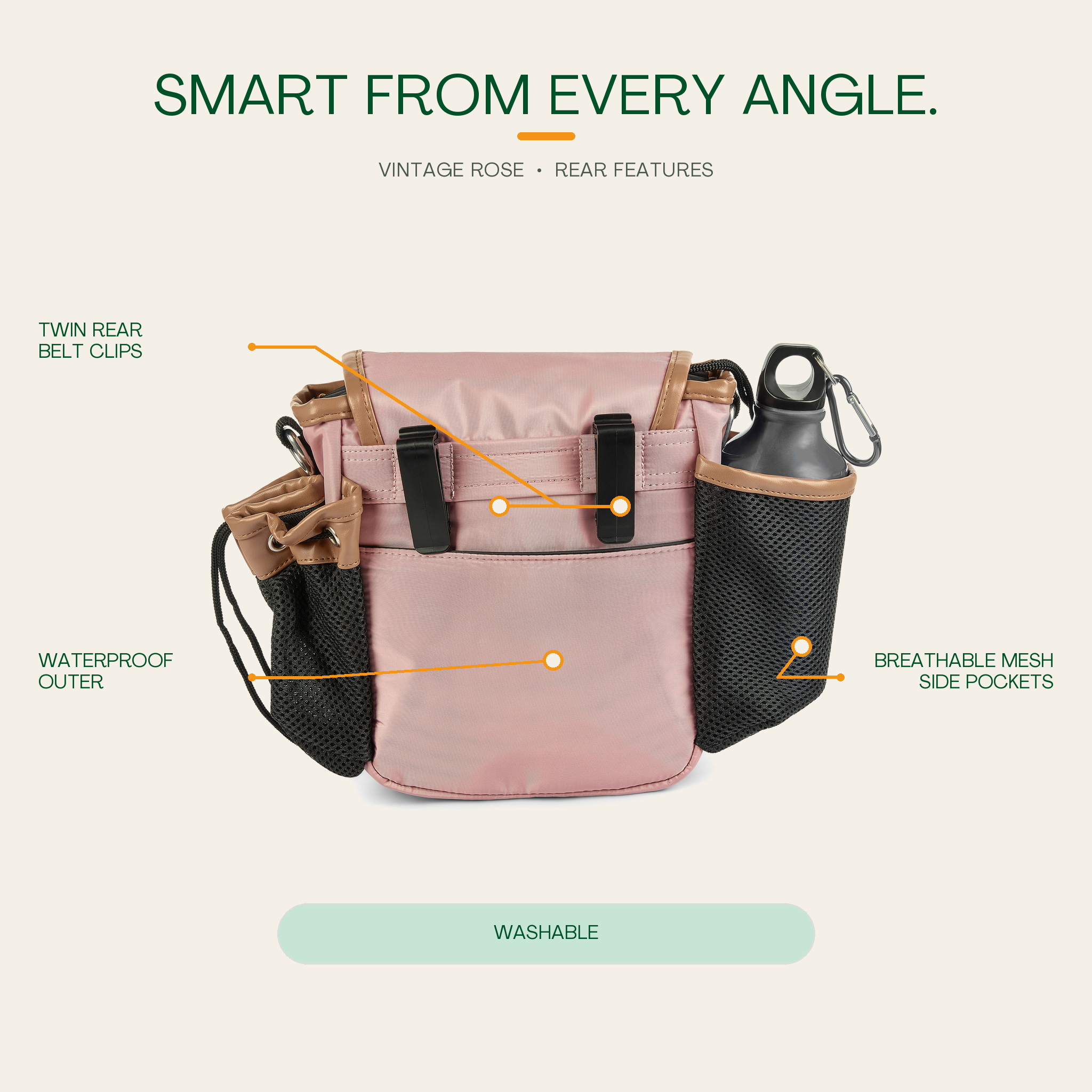
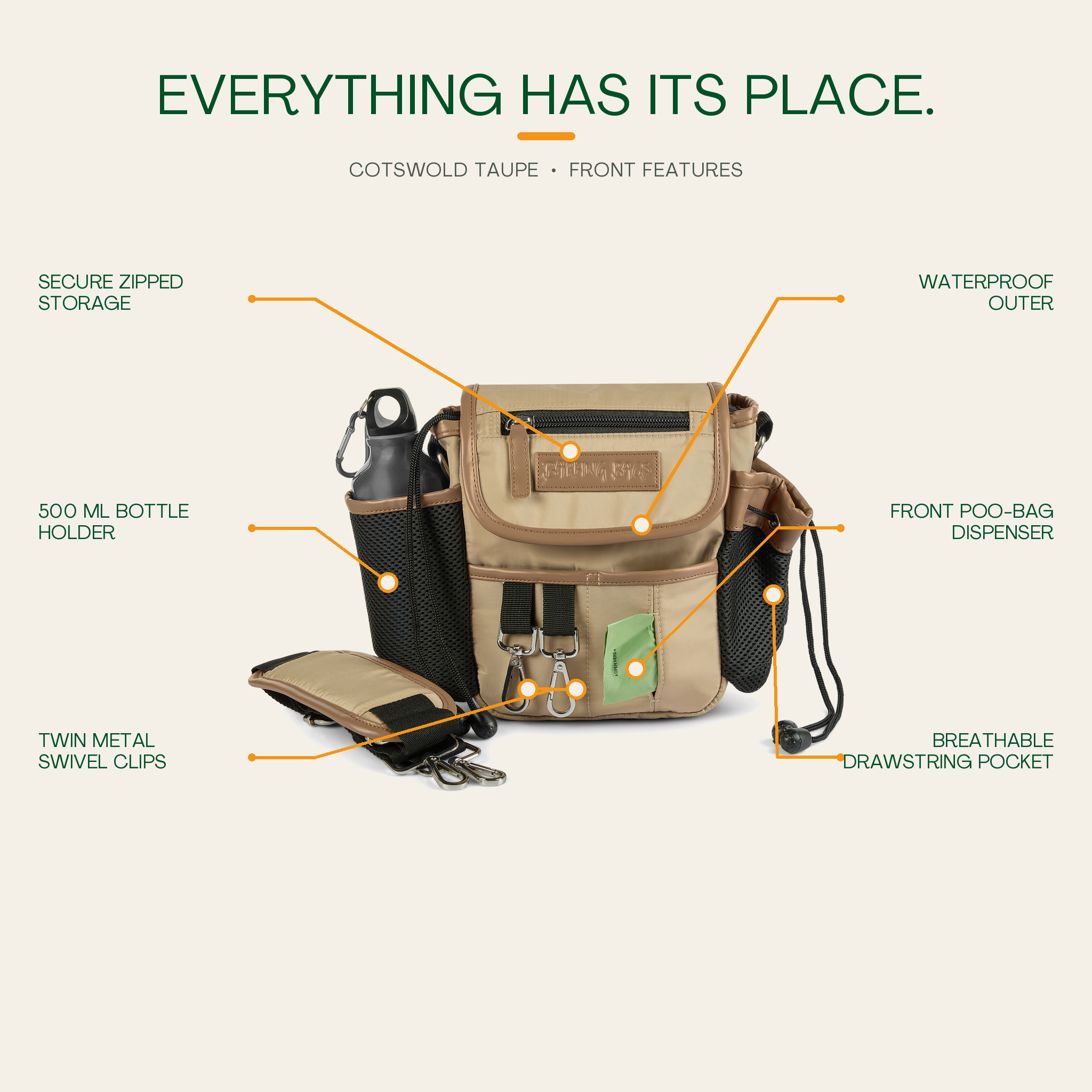
The first thing to check is how the outer fabric handles rain and mud. Water-resistant materials help rain bead off rather than soak in, and wipe-clean finishes make a big difference when your bag gets splashed. This is less about dramatic storm-proof claims and more about everyday practicality. Most UK dog walks involve drizzle, wet grass, muddy paths and damp benches rather than extreme weather.
A bag that can be wiped down at the front door is often more useful than one with lots of technical language attached to it. If the lining is easy to clean as well, even better. Treat crumbs, muddy paws and the odd leaky poo bag dispenser all happen.
Compartments that keep wet and dry items apart
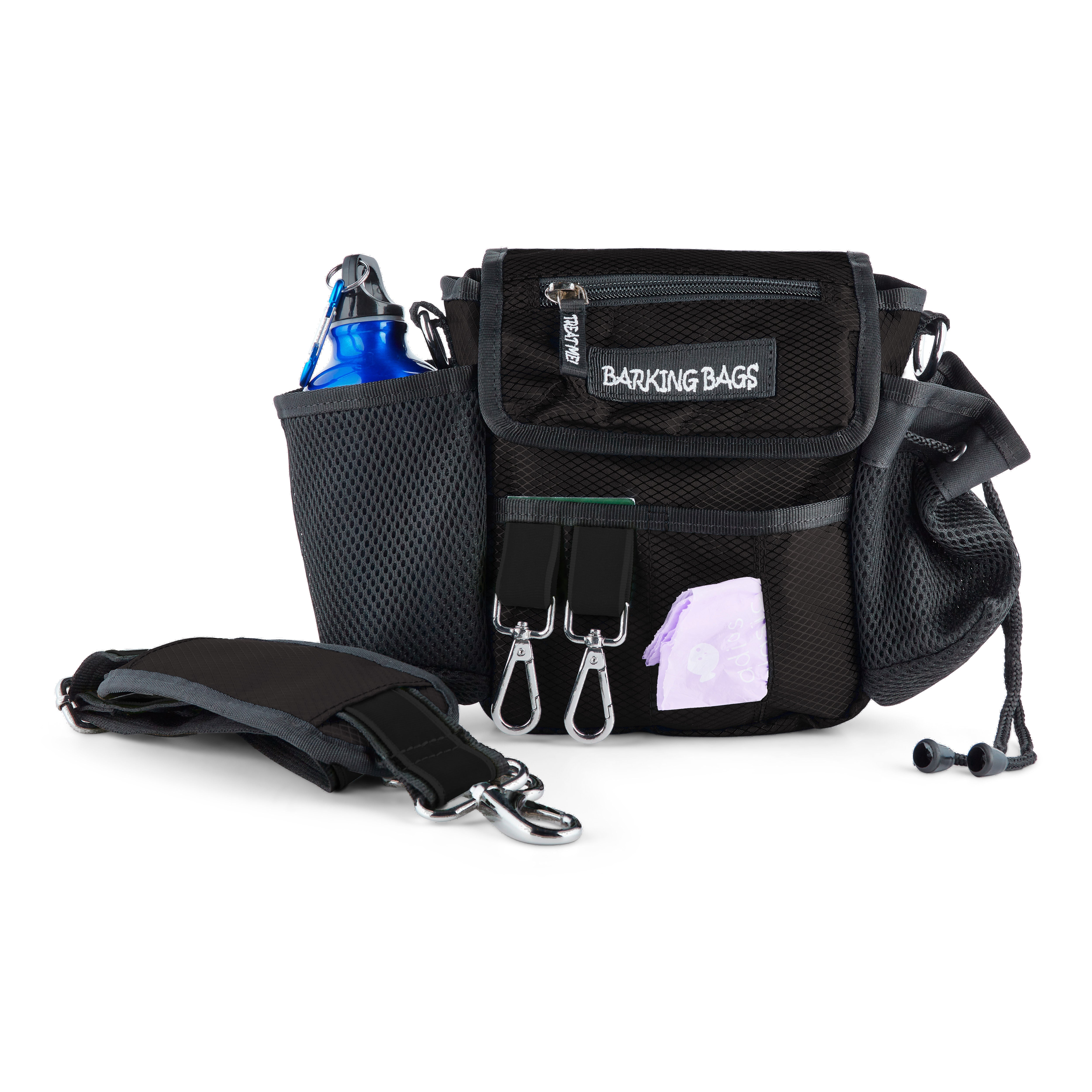
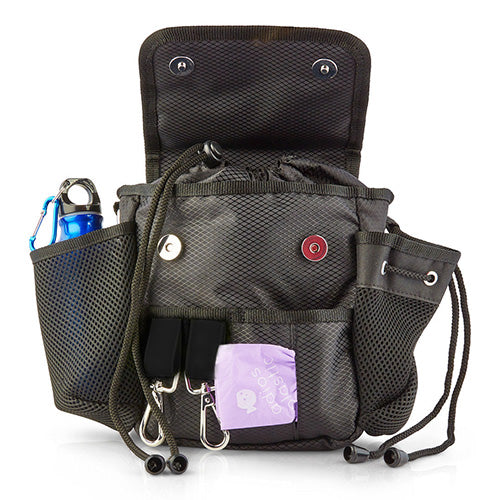
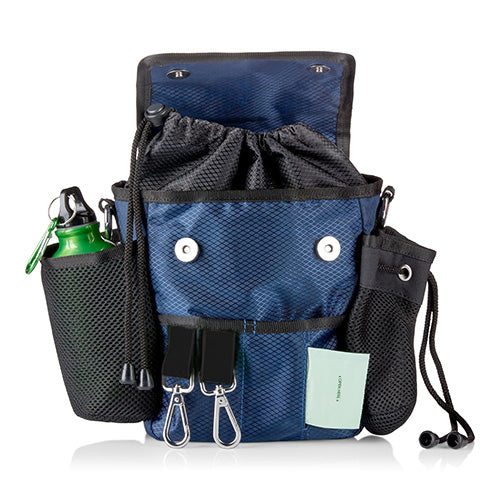
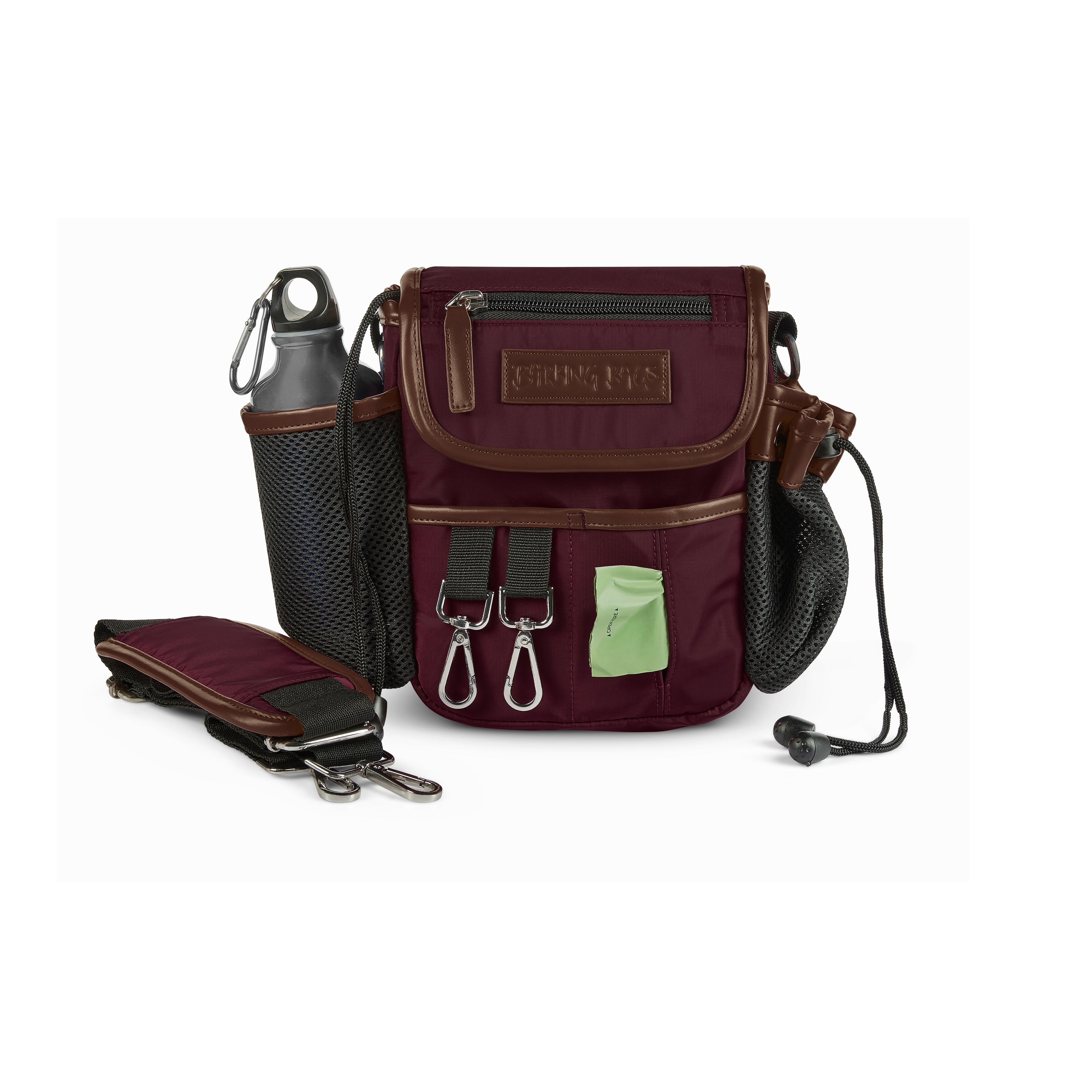
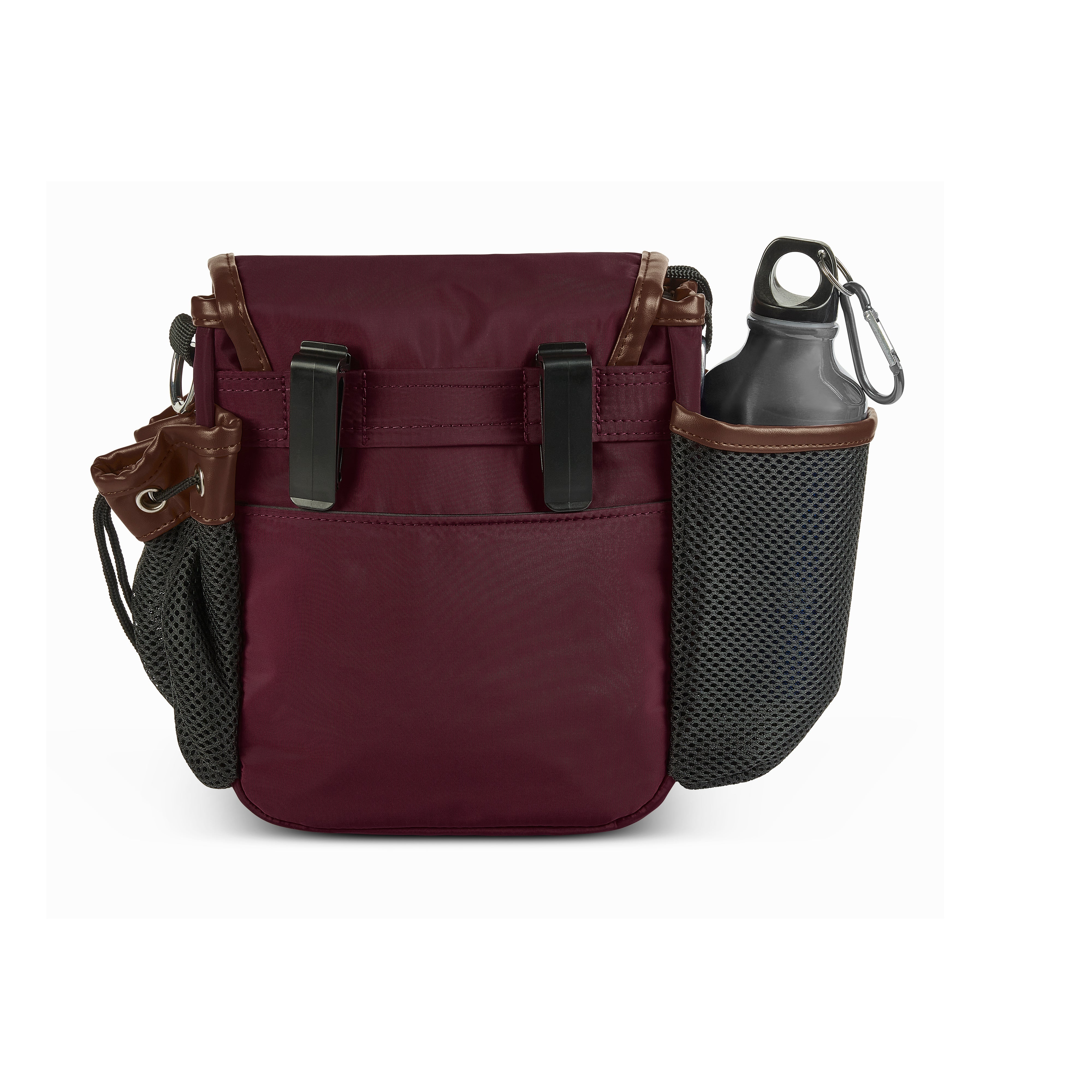
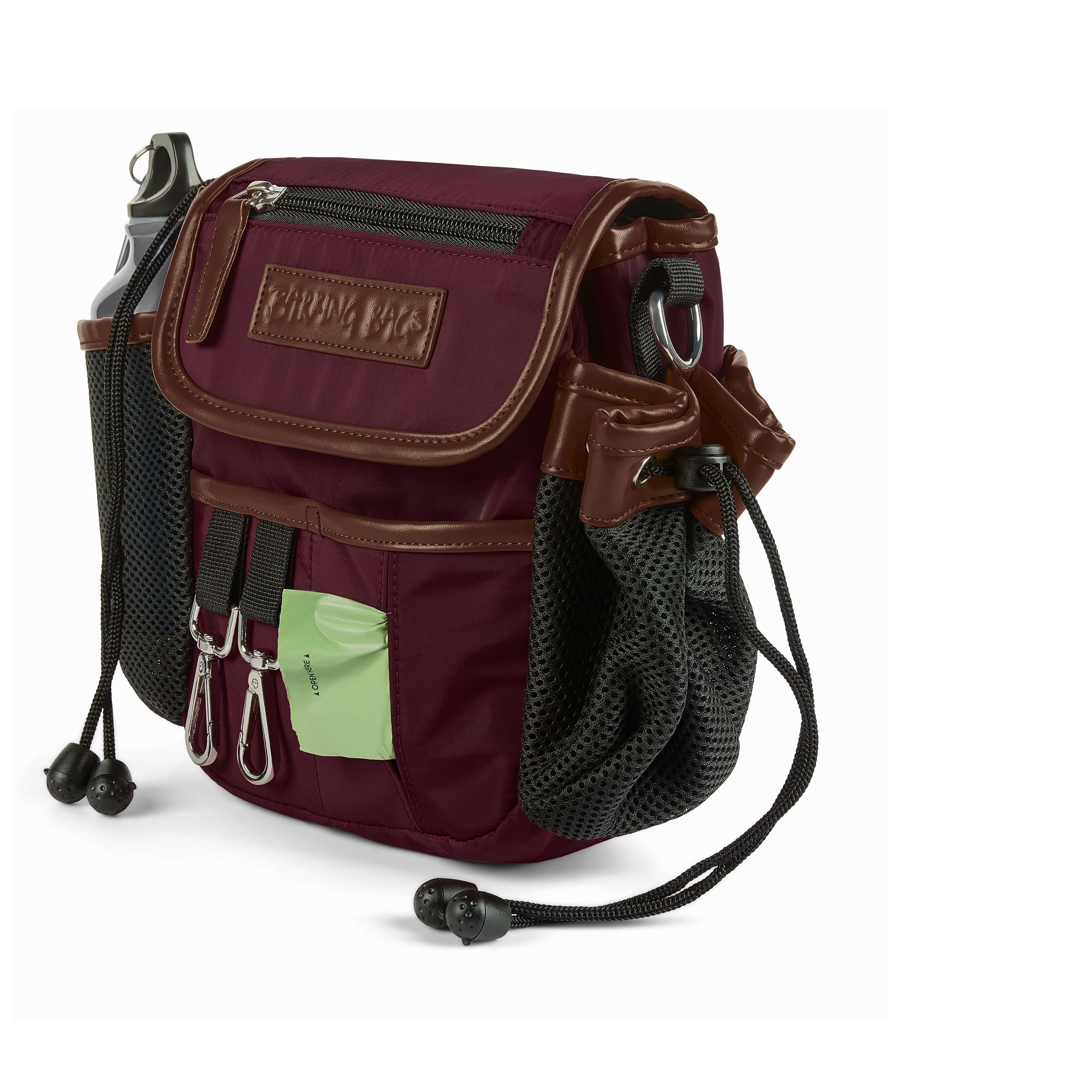
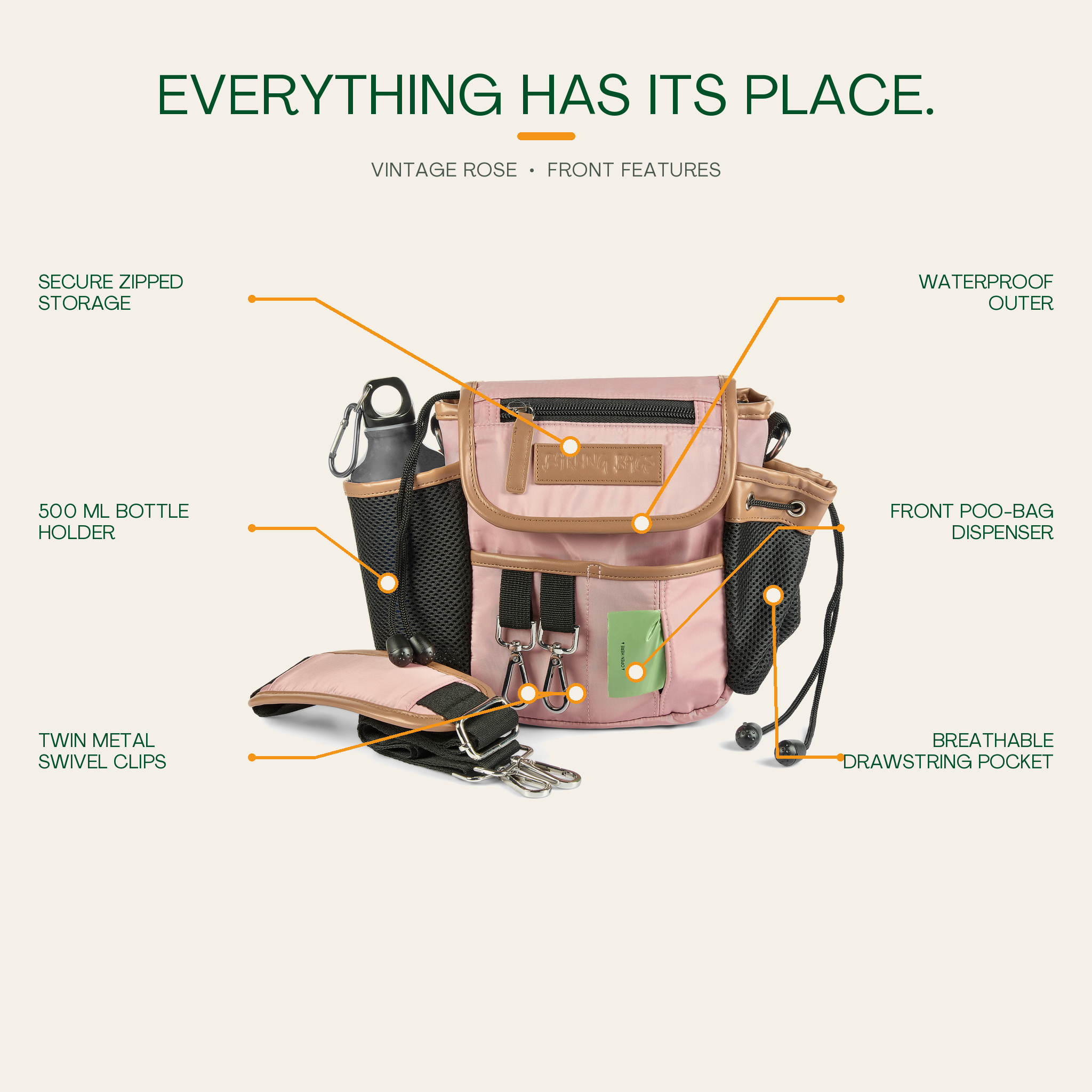
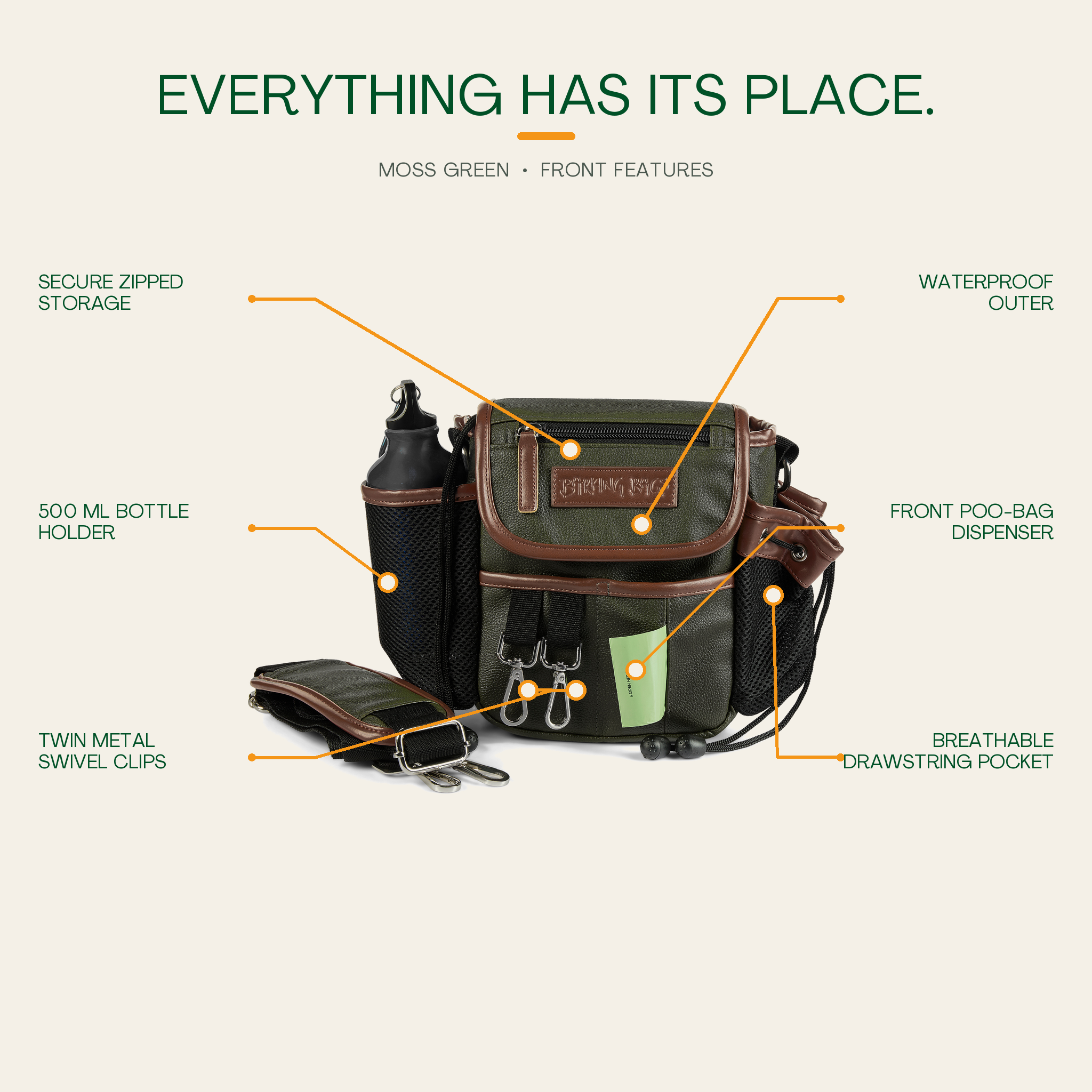
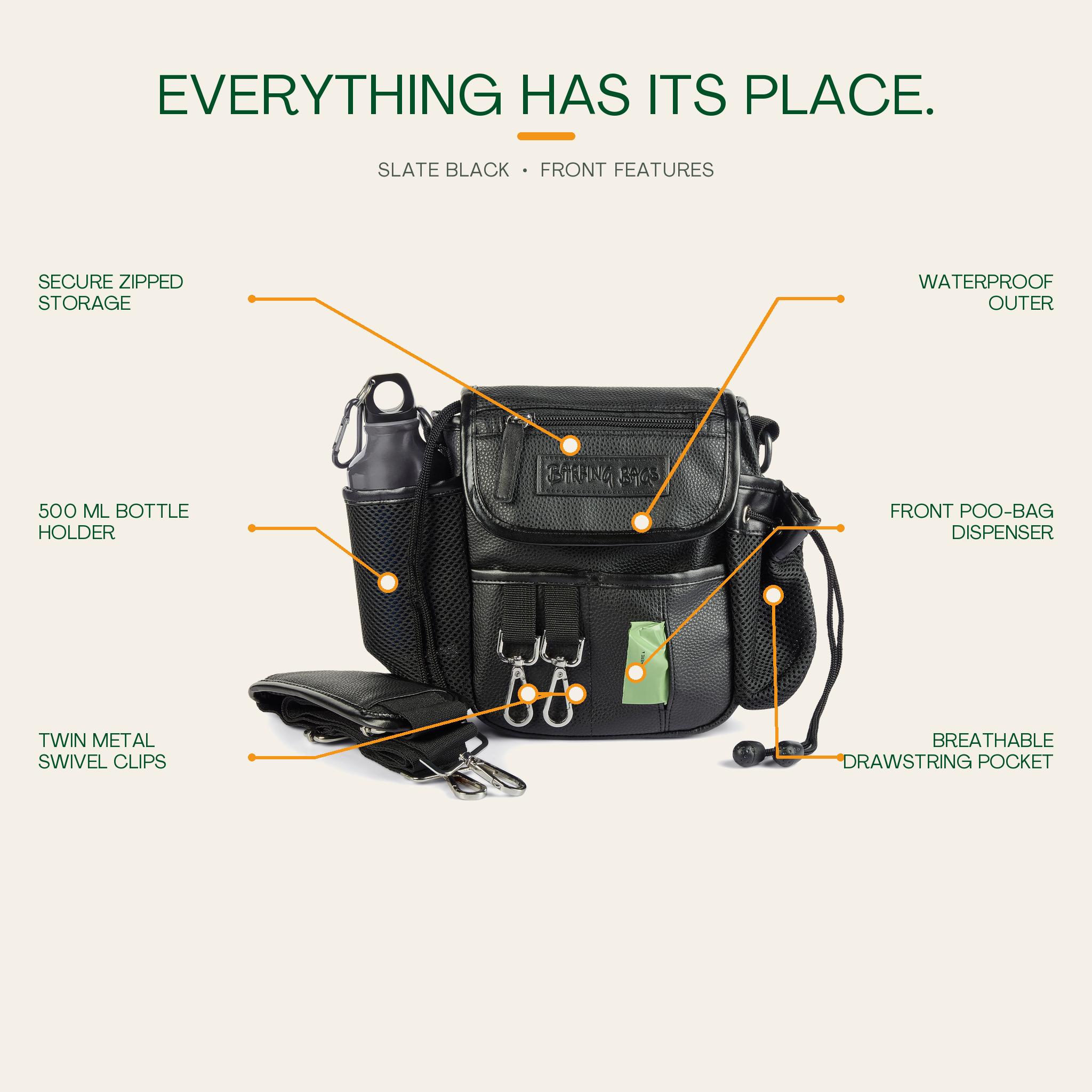
Good organisation is always helpful, but in the rain it becomes non-negotiable. Dedicated sections for your personal items, dog essentials and quick-grab bits save time and protect what needs protecting. A zipped inner pocket for your phone and keys is ideal, especially if you are caught in a downpour.
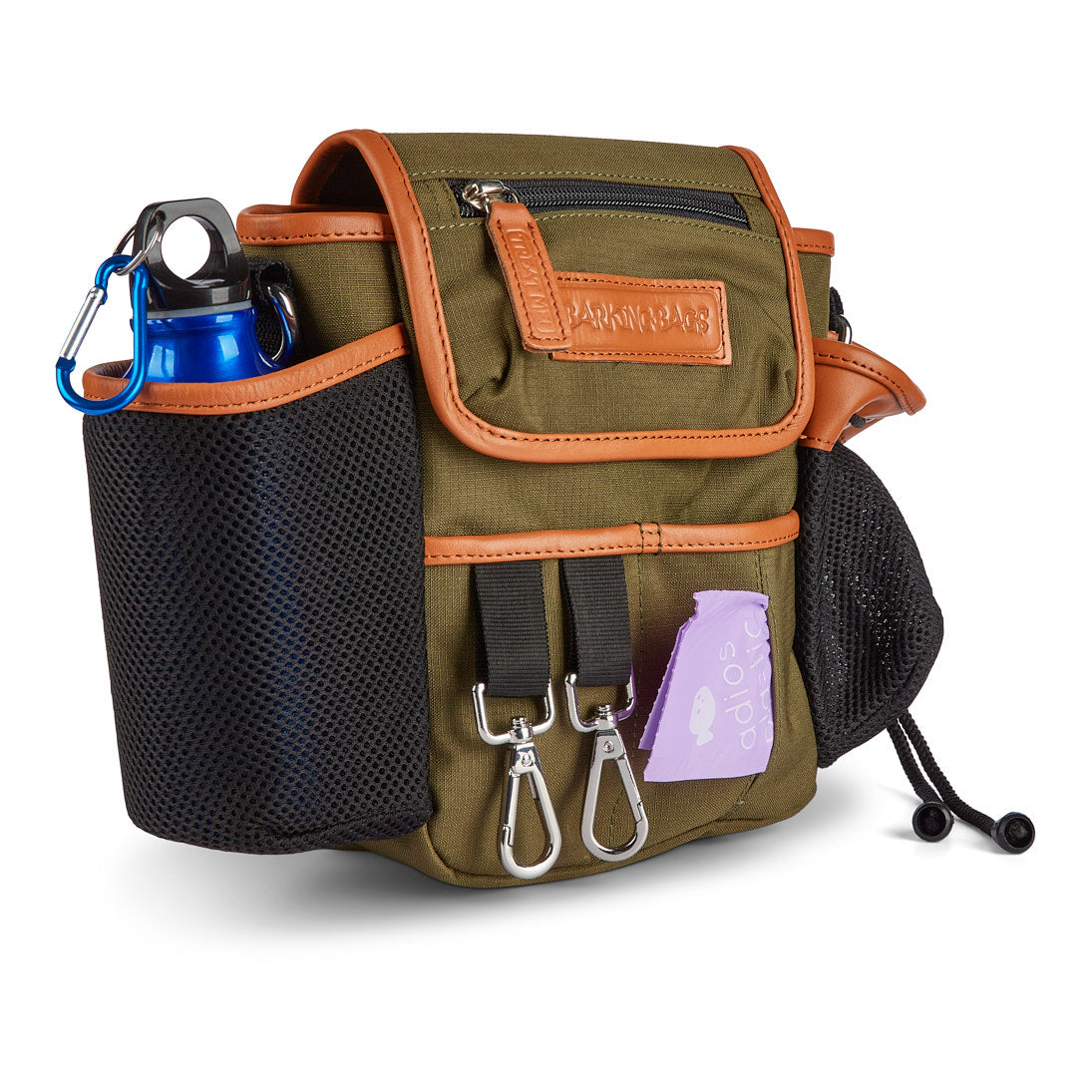
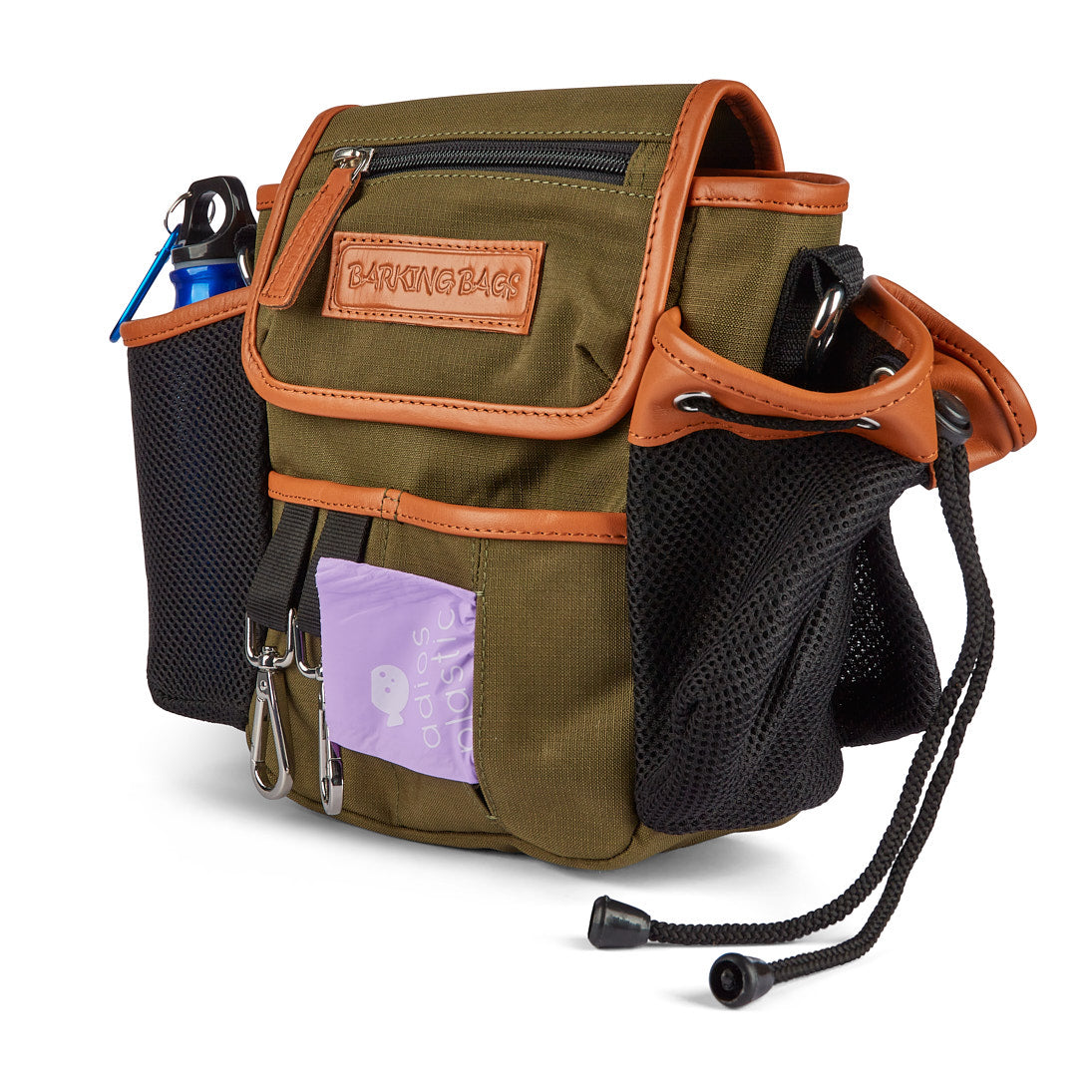
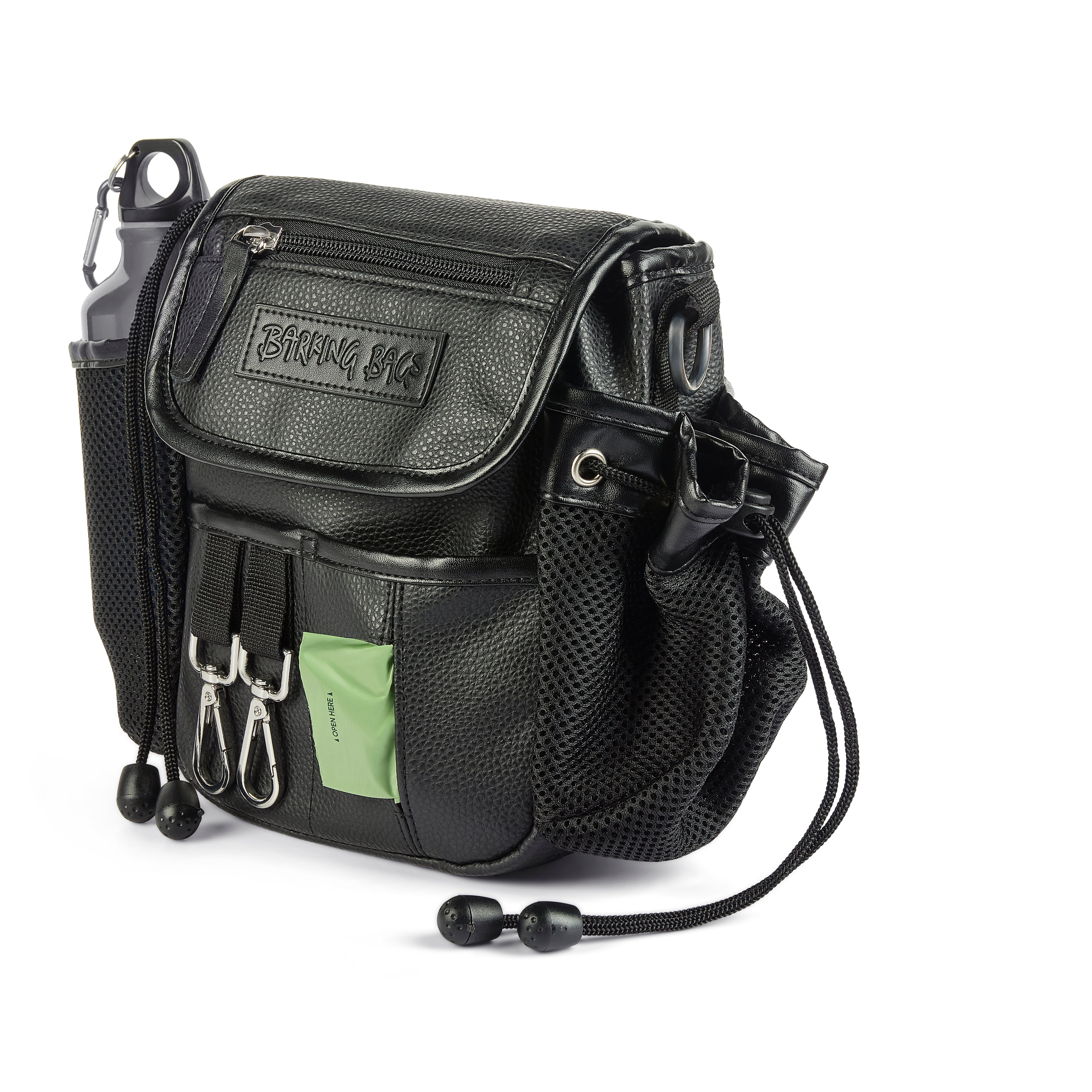
External access matters as well. A built-in poo bag dispenser or an easy-reach pocket can make wet walks less fiddly. If you have ever tried to unzip three compartments while holding an excited dog and an umbrella, you will know why.
Secure closures
Open totes have their place, but rainy dog walks are not it. Look for zips, flaps or secure fastenings that keep contents sheltered. The goal is not to create a bag so sealed that you cannot get into it quickly. It is to strike the balance between access and protection.
This is one of those areas where it depends on your routine. If you walk one calm dog around the block, a simple zip-top bag may be enough. If you manage multiple dogs, carry training gear or spend longer outside, more structured storage will likely feel worth it.
Space for the real essentials
Rain does not reduce what you need to carry. If anything, it adds to it. On top of treats, poo bags, keys and your phone, you may also want a small towel, a collapsible bowl, hand sanitiser or an extra lead. Some dog owners also carry a lightweight waterproof for themselves or paw wipes for the dog before getting back in the car.
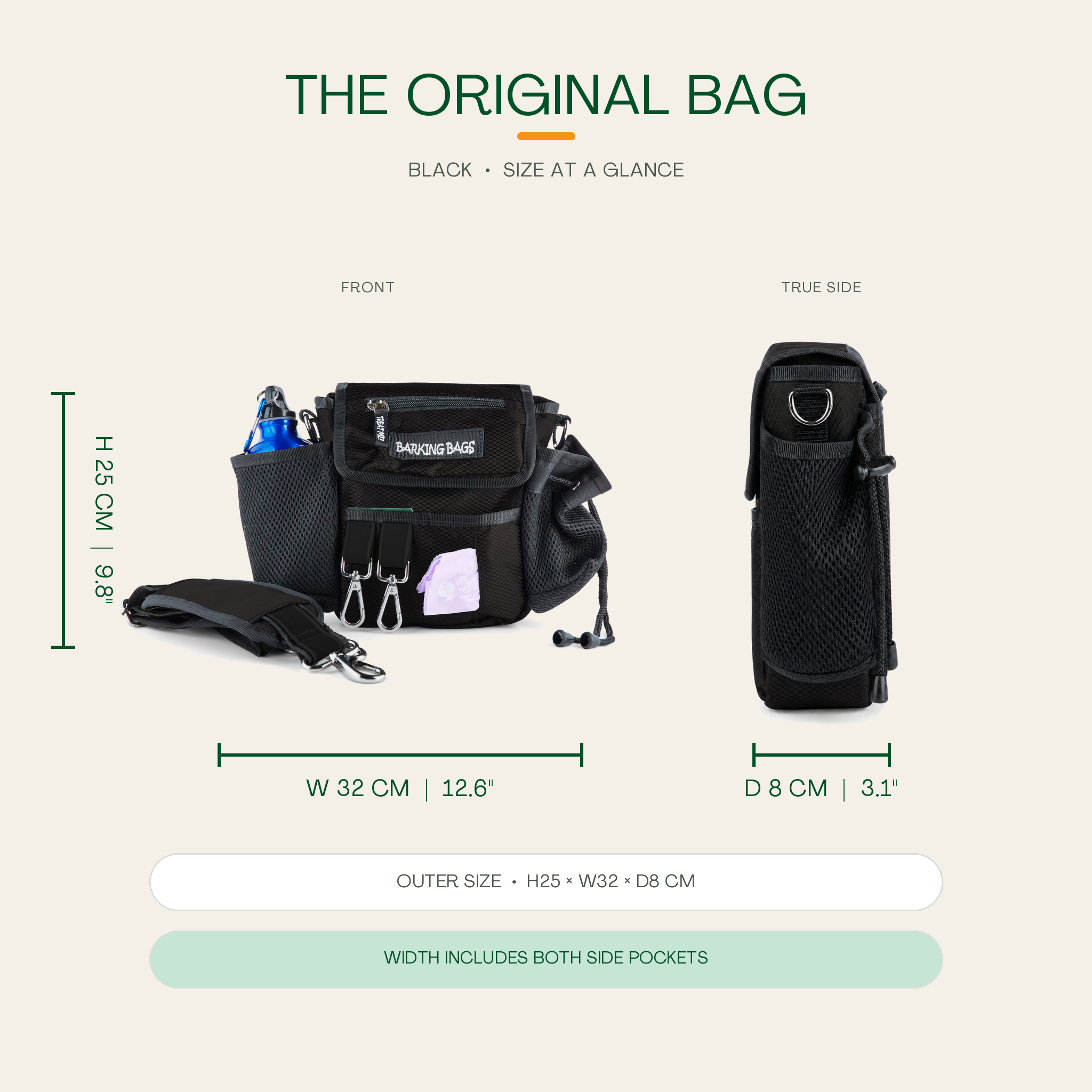
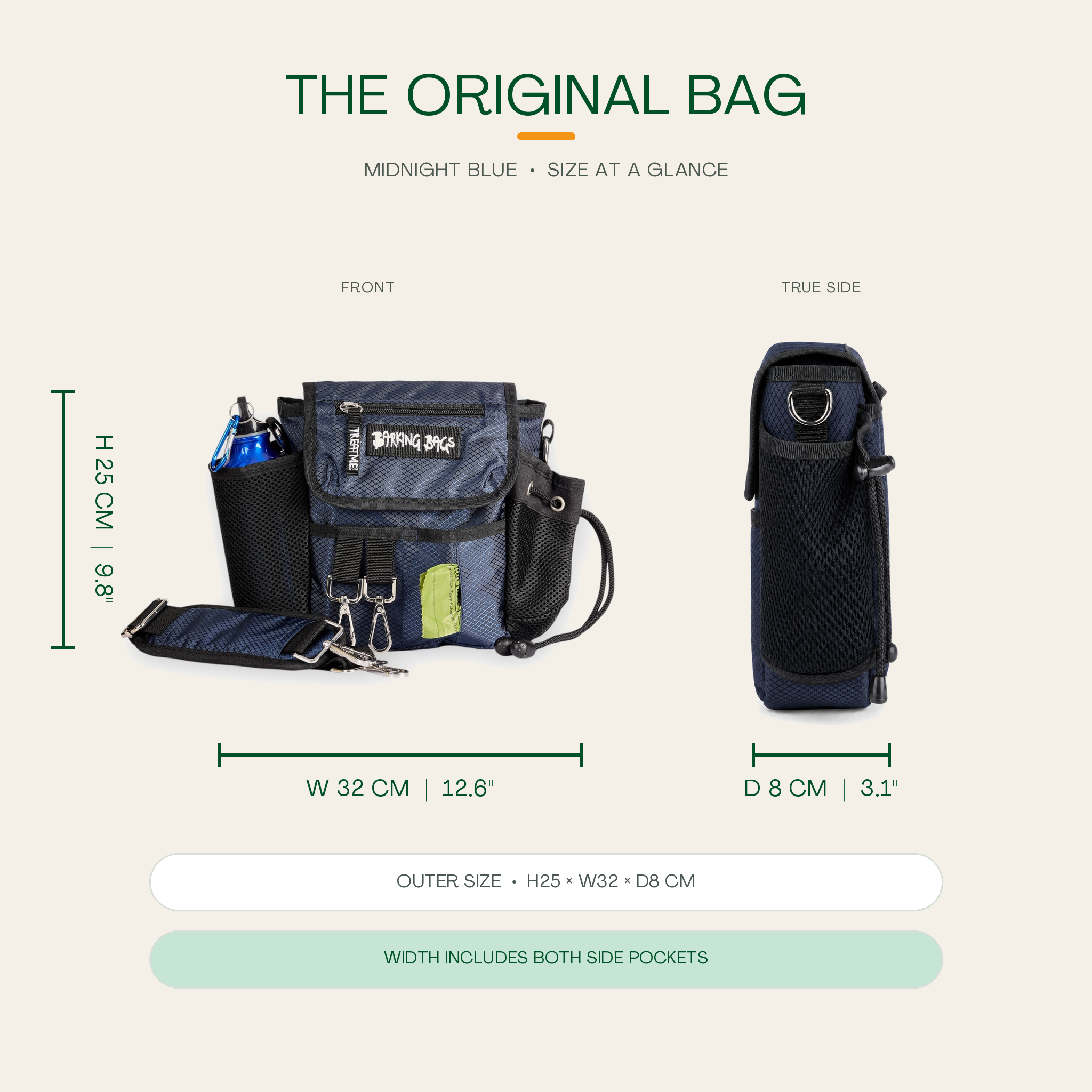
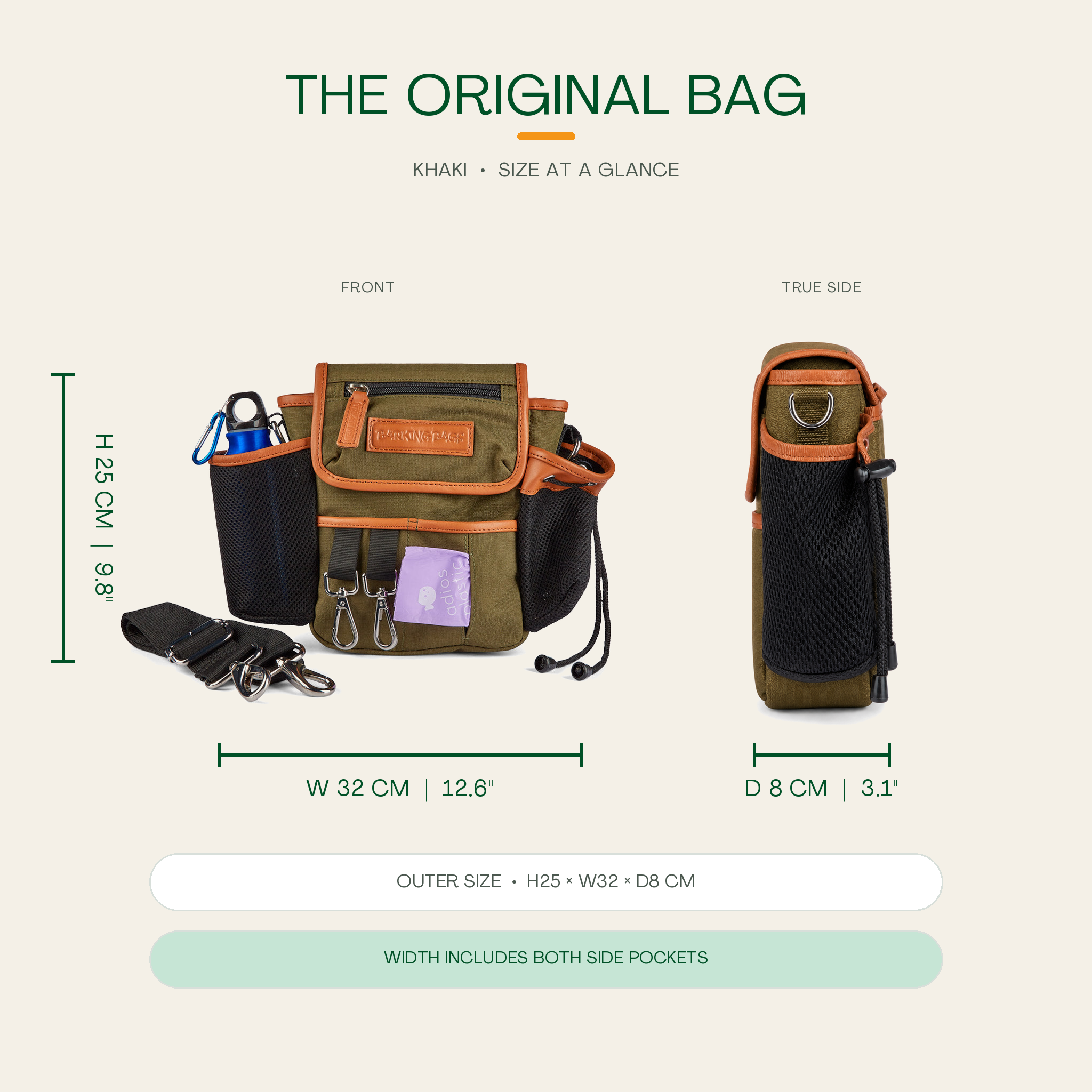
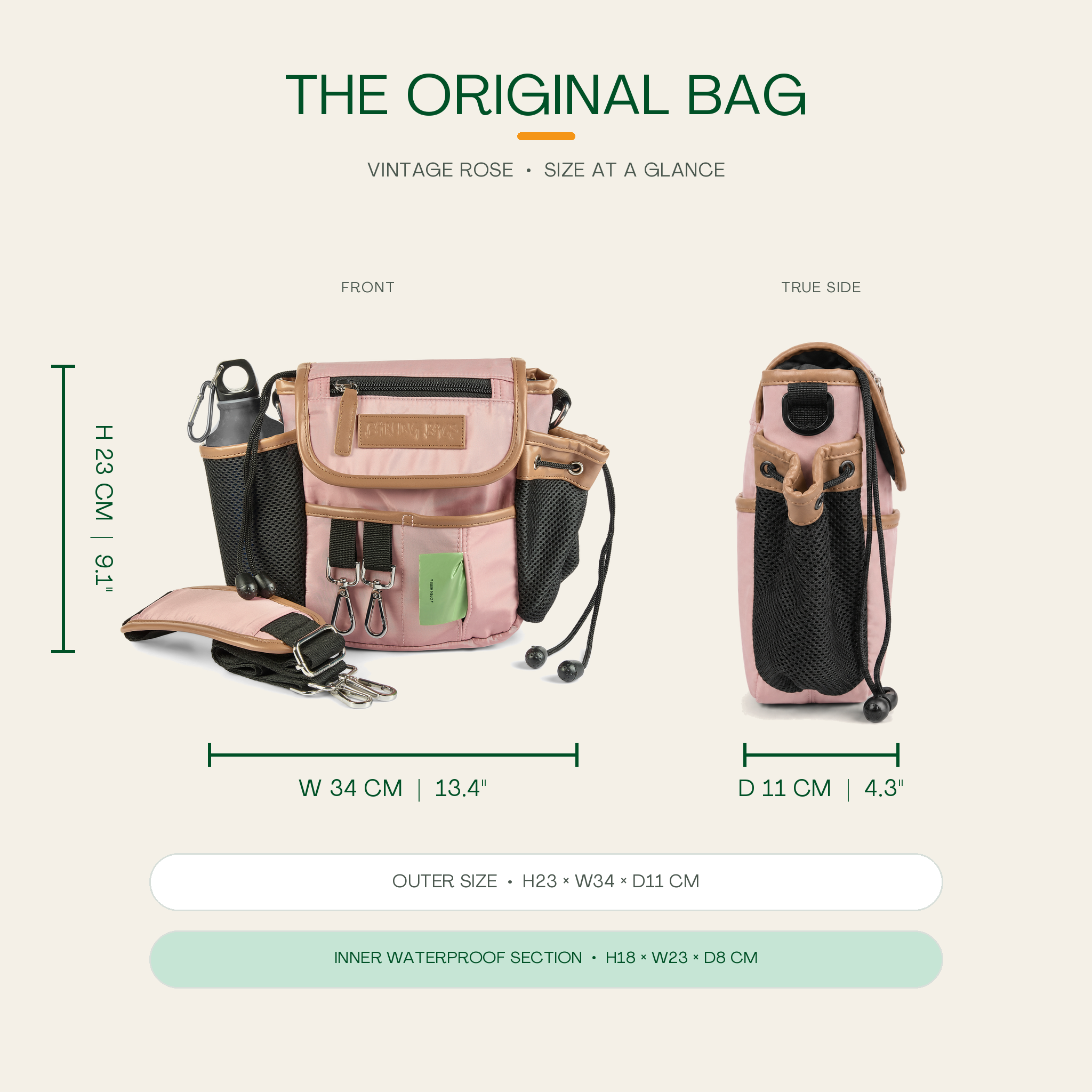
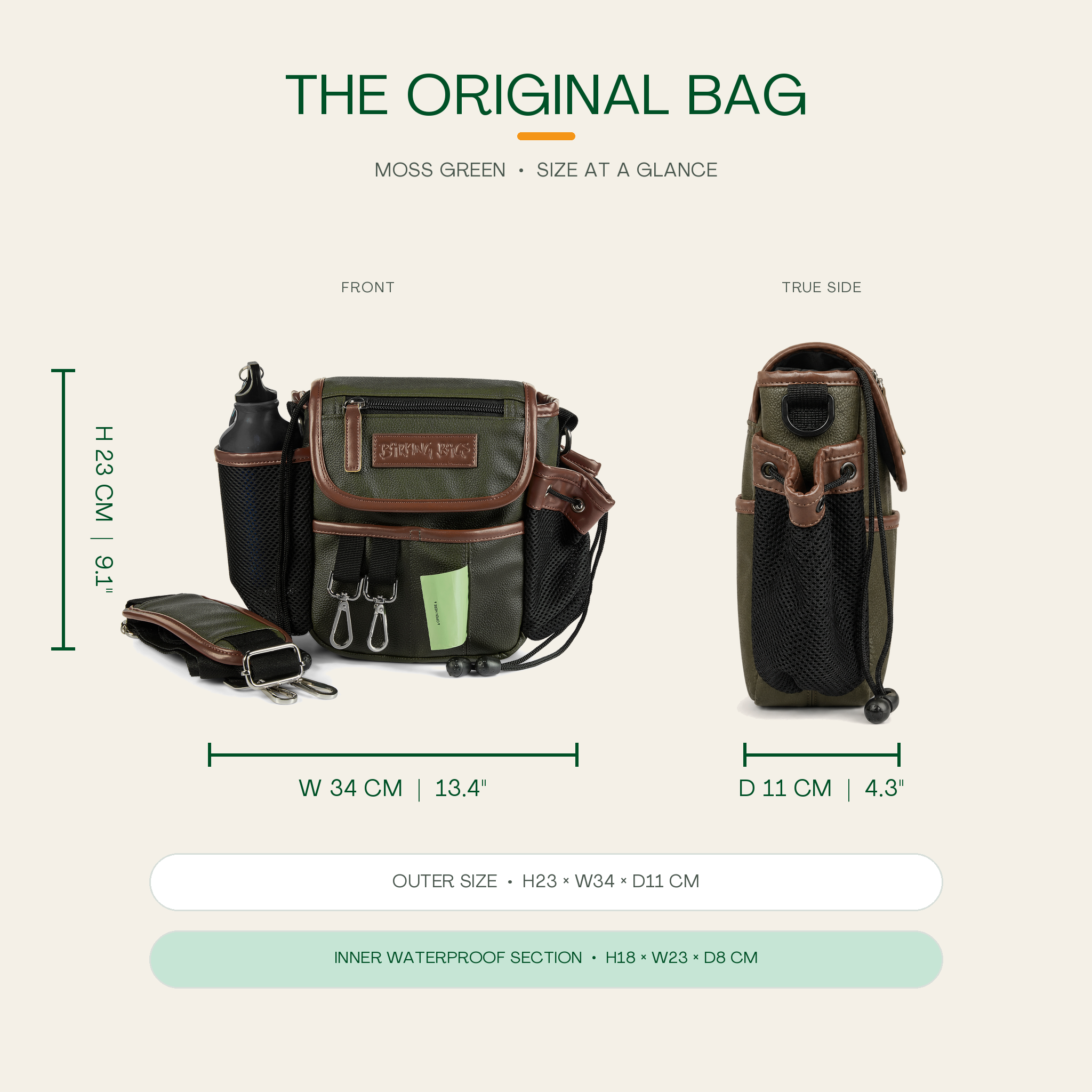
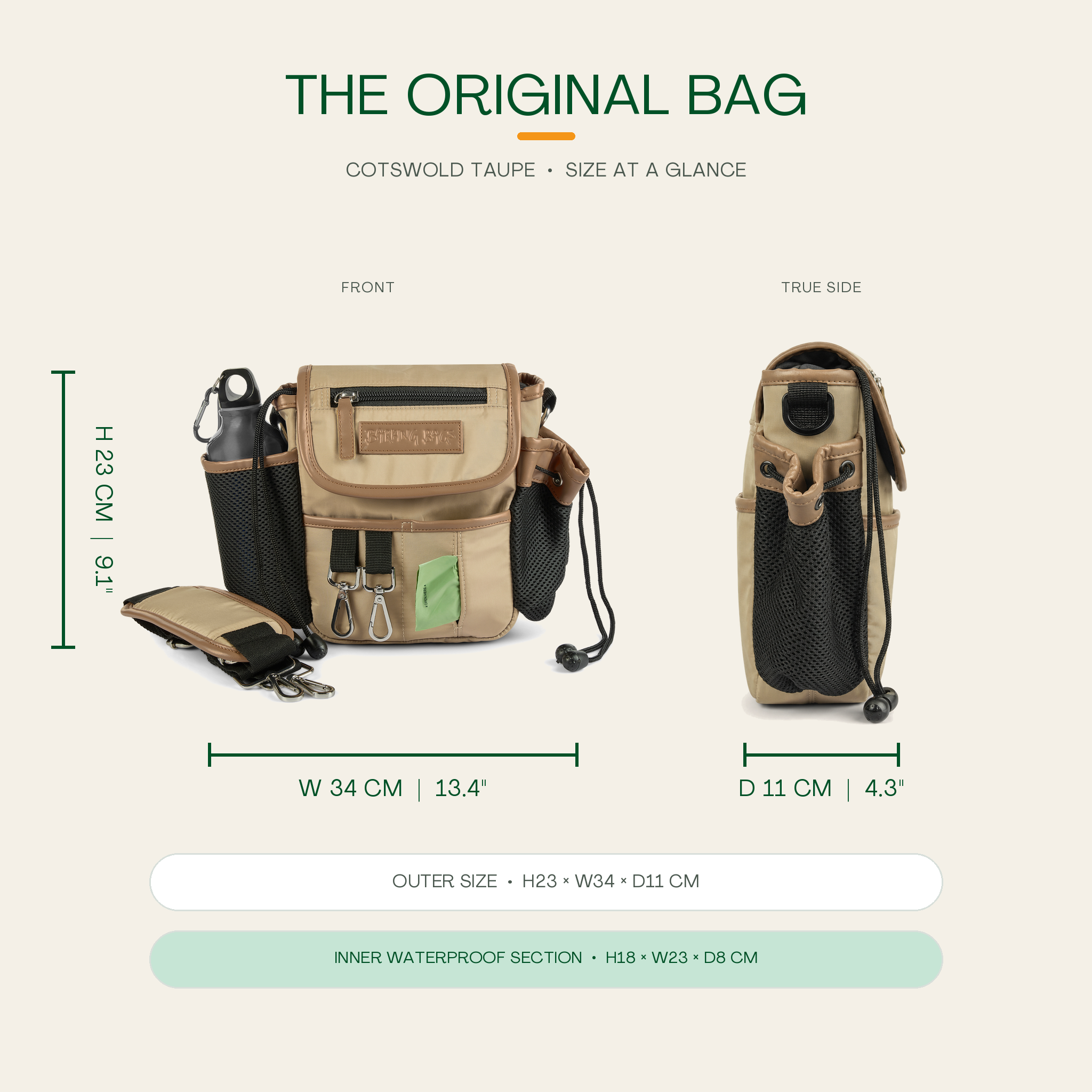
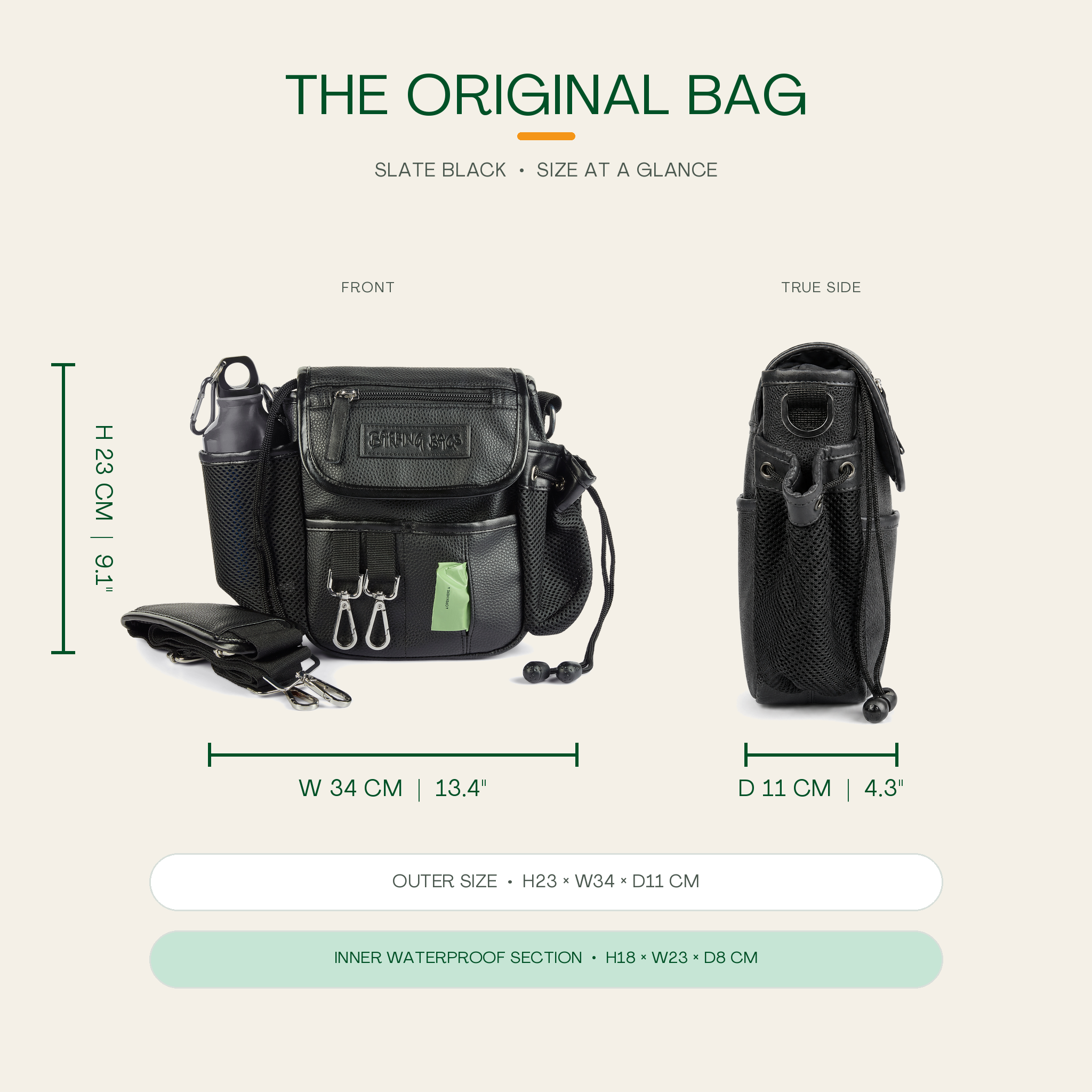
That does not mean bigger is always better. A bulky bag can swing about and become annoying on shorter walks. The best size is the one that carries your regular wet-weather routine without tempting you to overpack.
Why generic bags struggle in bad weather
A normal handbag or spare tote can carry dog-walking bits, but it rarely carries them well. Rain exposes all the small frustrations. There is nowhere obvious for treats, no dispenser for waste bags, and your personal items end up mixed in with dog gear. Add mud, and the whole thing starts to feel like a bad idea.
Backpacks solve some of the space issue, but they are not always the quickest option for regular dog walks. You have to stop, take them off or twist round awkwardly just to reach the basics. That is fine for a day hike, less ideal for everyday use when your dog has chosen the busiest pavement in the neighbourhood to need a poo immediately.
This is exactly why dedicated dog walking bags have become such a go-to for regular walkers, trainers and professionals. They are built around the real rhythm of a walk. Quick access, sensible compartments and hands-free wear are not extras. They are the point.
Choosing the right bag for your routine
For quick daily walks
If your usual route is twenty to thirty minutes, keep it compact. You need enough room for treats, waste bags, keys, your phone and perhaps a small towel. In this case, streamlined storage matters more than maximum capacity. A lightweight crossbody style is often the easiest choice because it feels effortless to grab on the way out.
For longer weekend walks
Longer walks usually mean more layers, more snacks, more dog gear and more chance of being caught in proper rain. Here, a larger bag with multiple compartments earns its place. You might want room for water, a ball, a portable bowl and spare accessories without sacrificing dry storage for your own valuables.
For training sessions or multiple dogs
This is where layout becomes everything. If you need treats on hand constantly, separate space for leads and enough room for your own essentials, the bag has to work hard without becoming chaotic. Professional walkers and trainers often need a bag that keeps tools accessible while still looking smart and feeling comfortable across repeated walks.
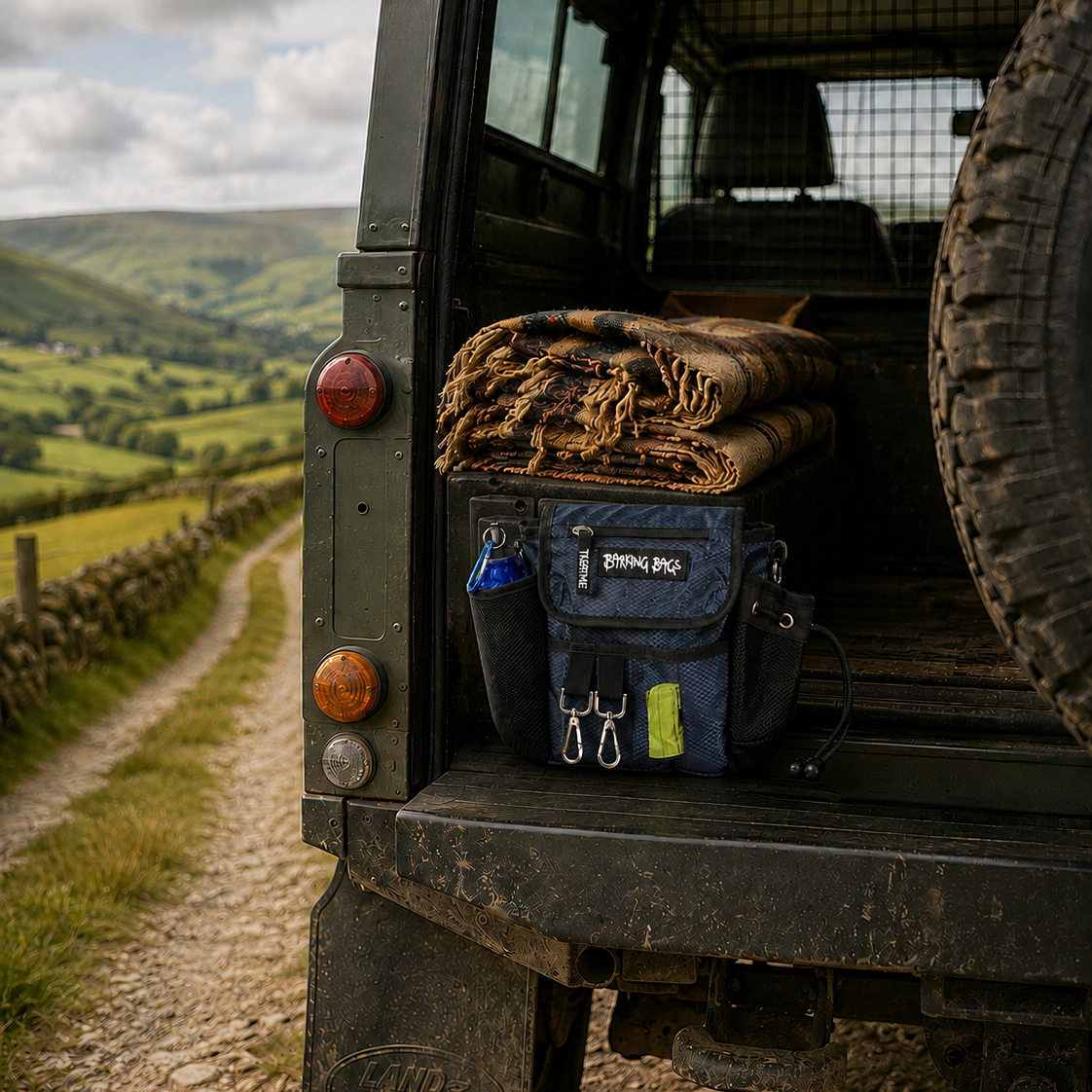
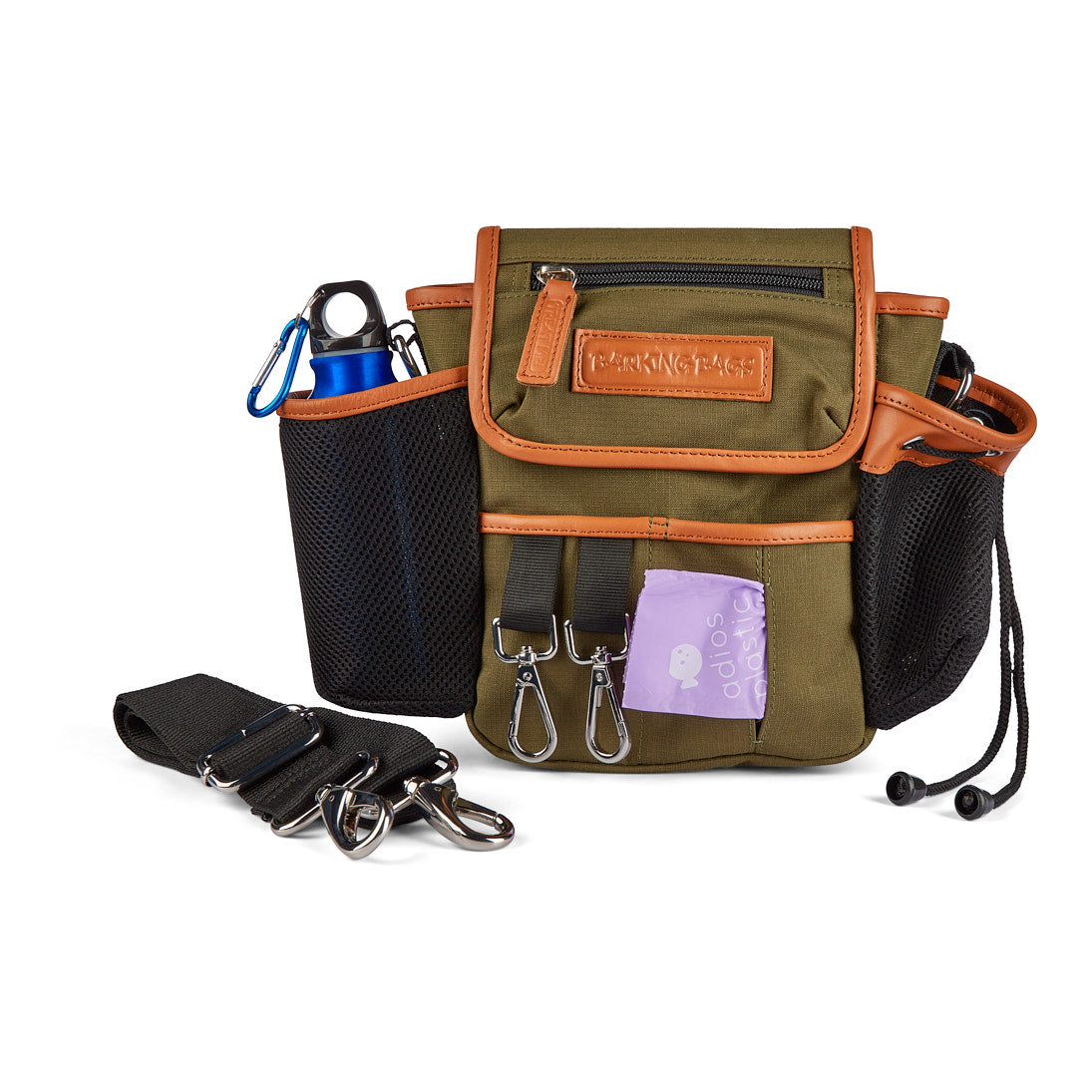
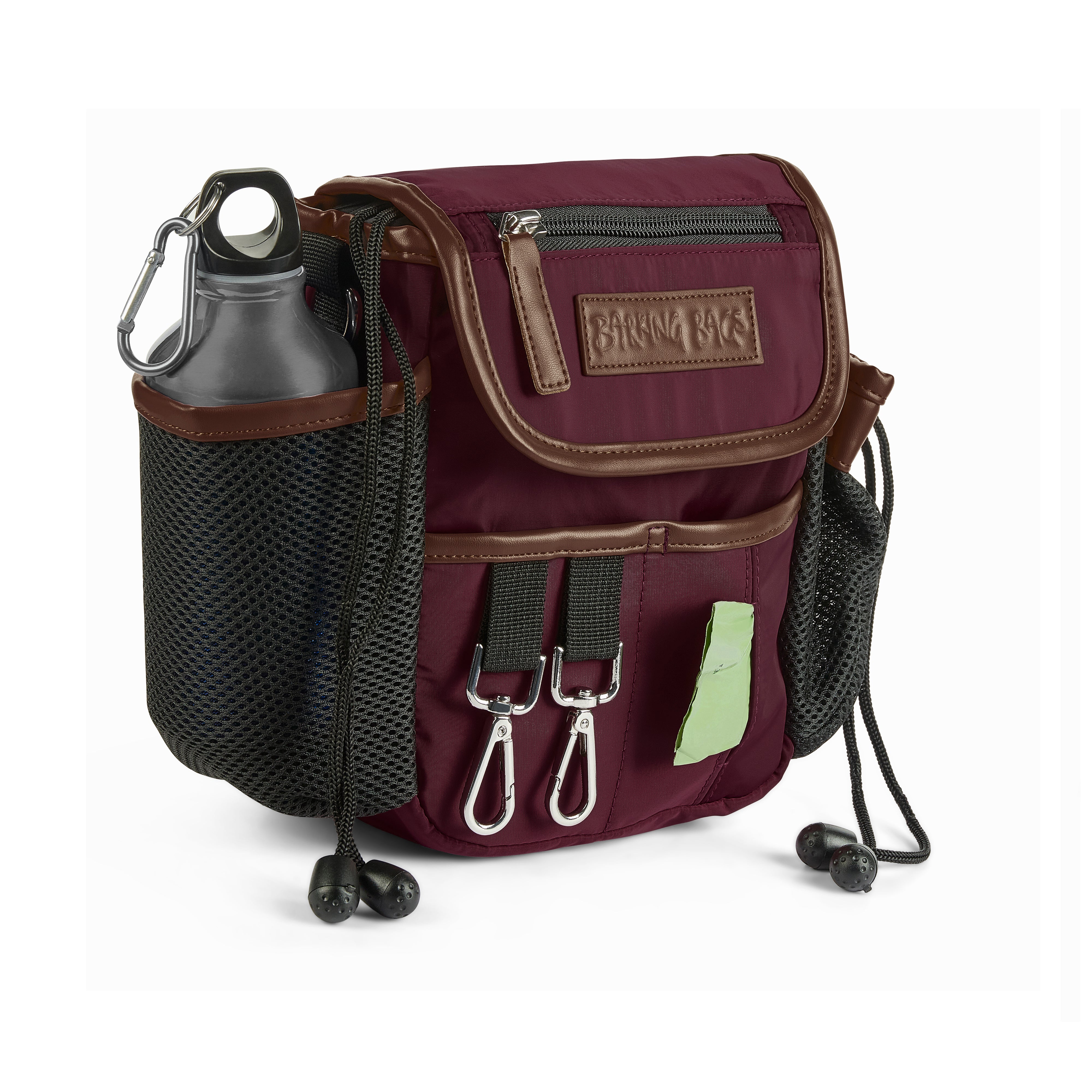
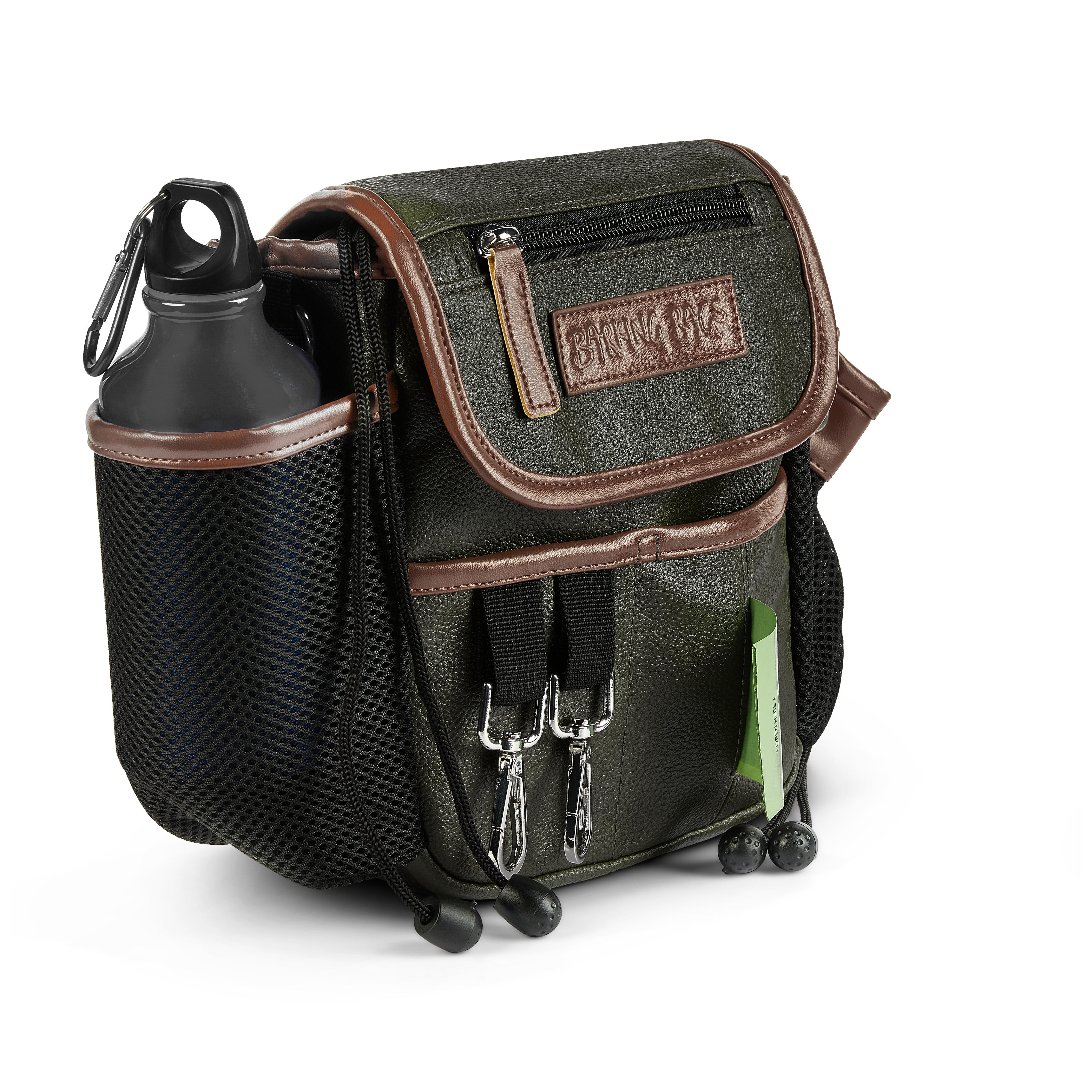
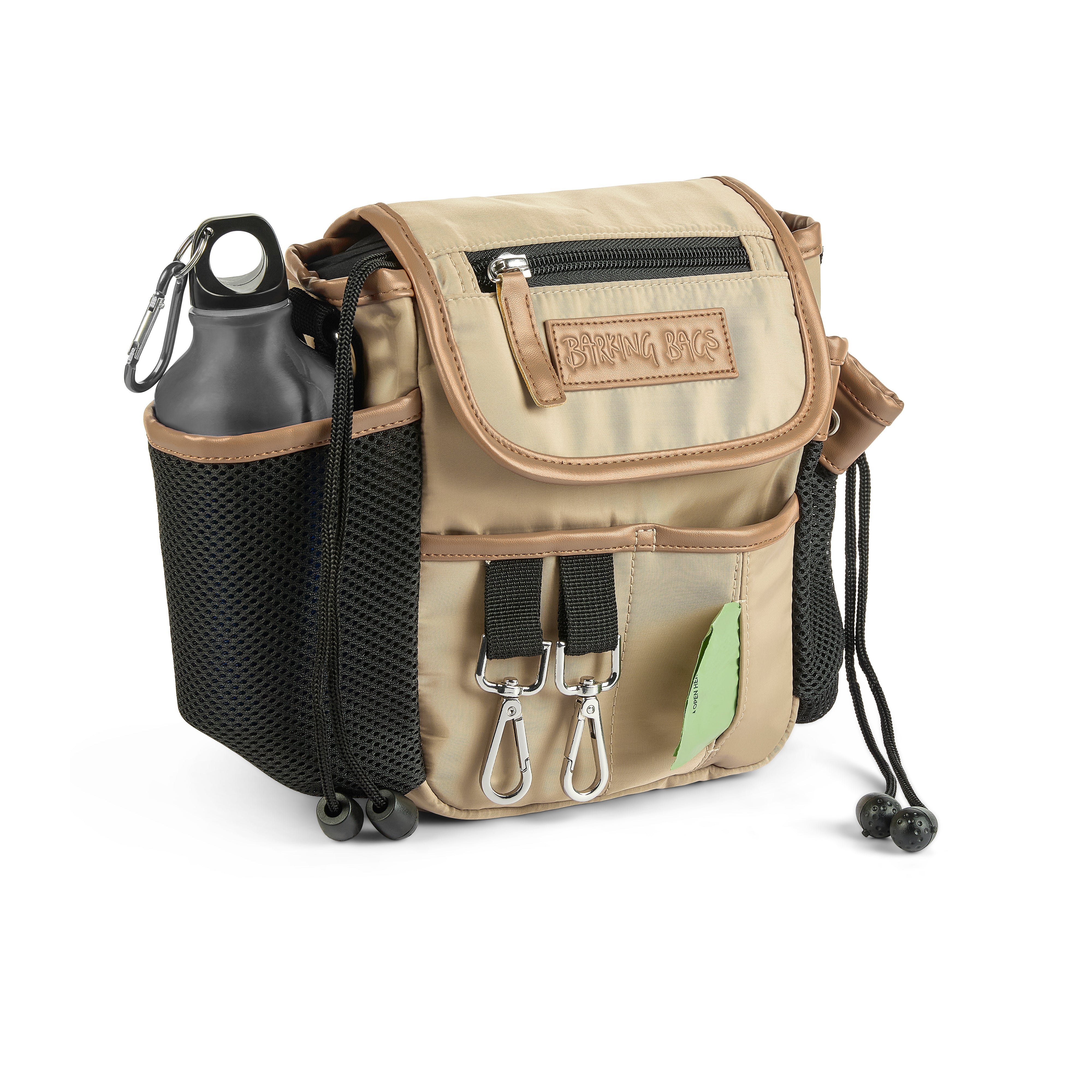
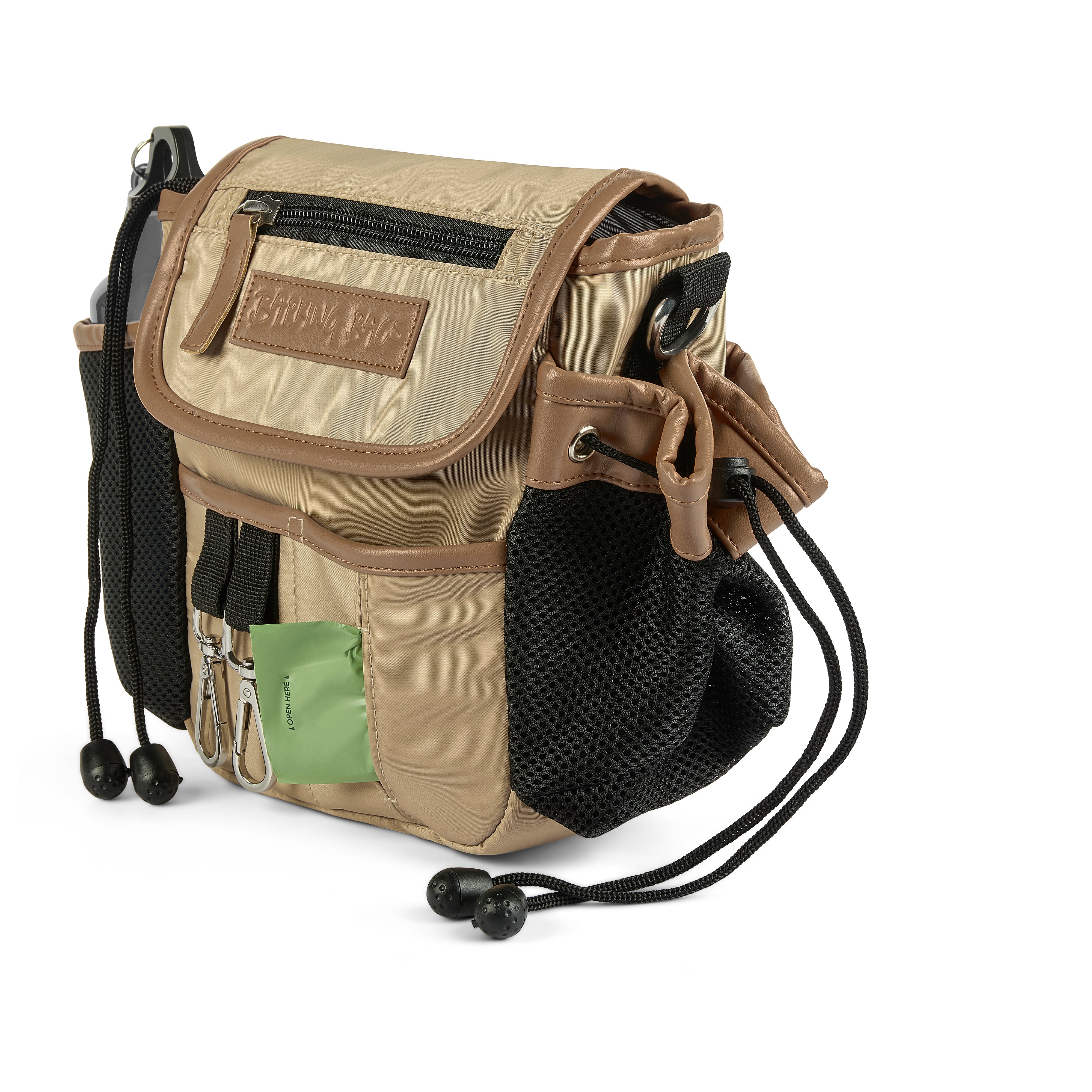
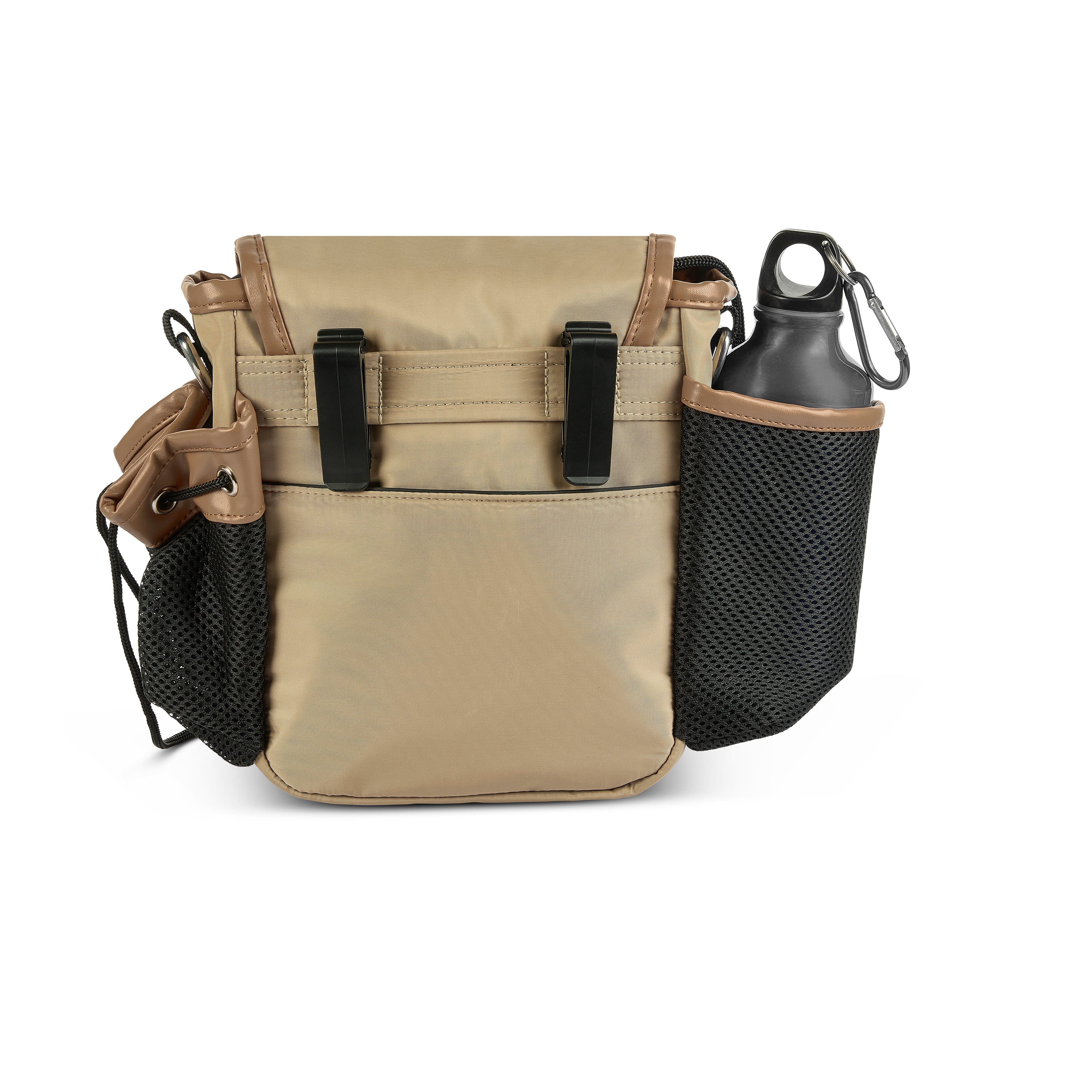
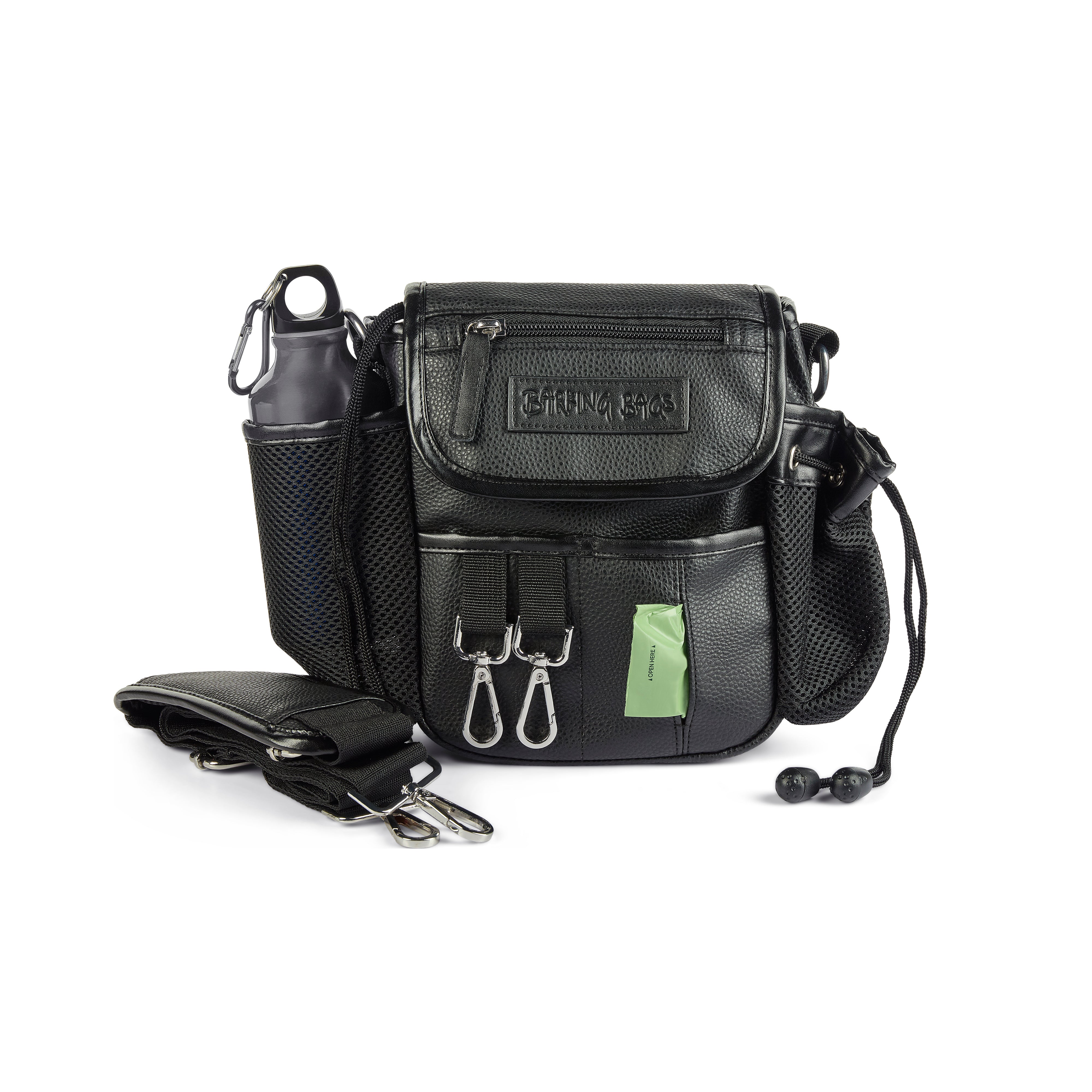
A well-designed option from a specialist brand such as Barking Bags makes sense here because it is created around that exact use case, rather than adapted from general fashion or travel accessories.
Style still matters, even in the rain
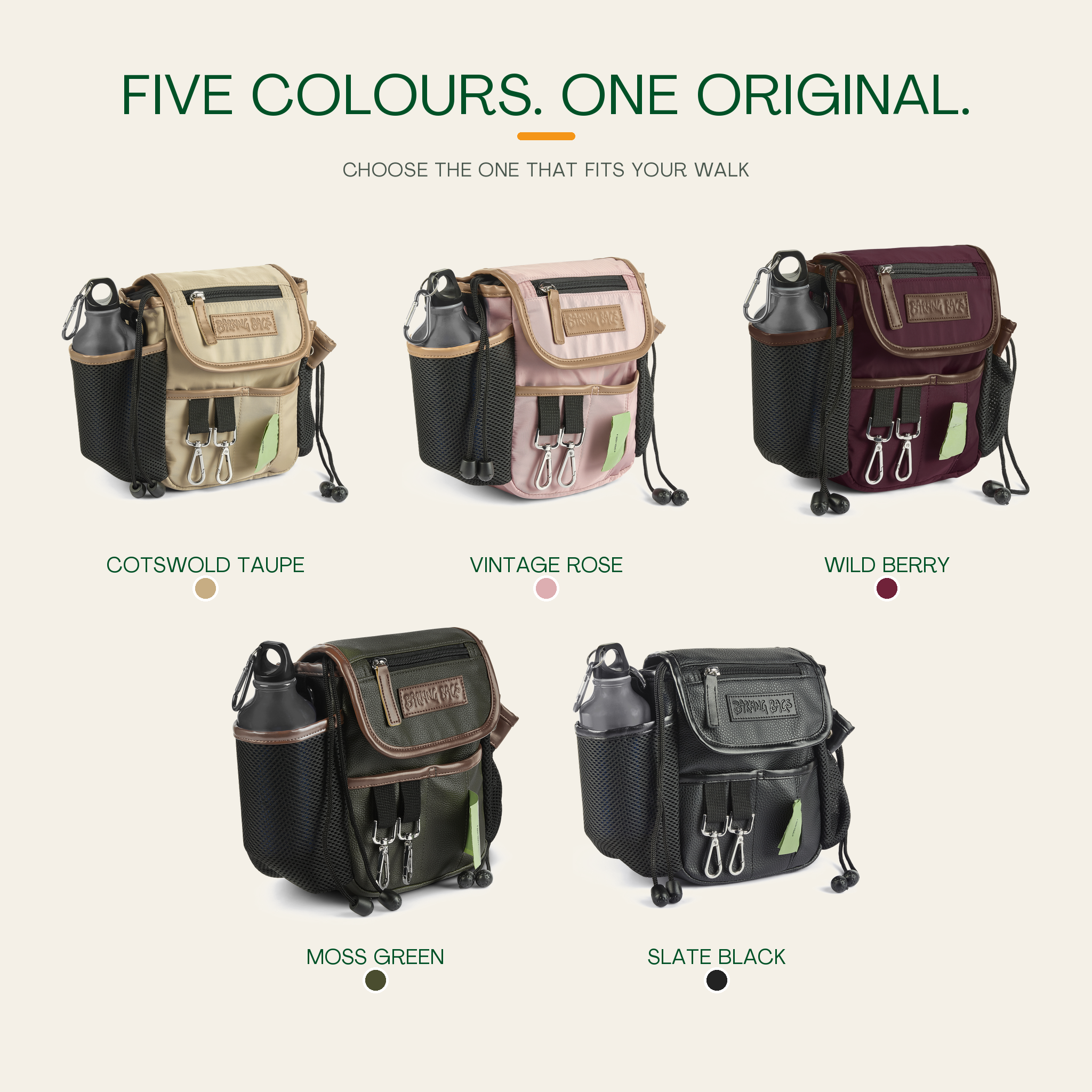
There is no rule that practical has to look dull. In fact, one reason many dog owners put off buying a dedicated bag is that they assume it will look overly sporty or purely functional. The better options avoid that. They bring together thoughtful storage and a clean, wearable look that fits into the rest of your day.
That matters more than it sounds. Many UK dog walks happen between errands, on the school run, before work or on the way to meet friends. A bag that feels put-together is more likely to become part of your routine. And when something earns a daily place, its practical features get used properly.
Small details that make wet walks easier
Sometimes the best rainy-weather features are the least flashy. A bag that stands up properly when you put it down. A lining that does not trap smells. Hardware that feels sturdy when your hands are cold. A shape that sits comfortably over a coat without sliding about.
These are the details that separate a bag you tolerate from one you genuinely enjoy using. They also tend to become more important over time. The first rainstorm might make you notice the outer fabric. By the tenth wet walk, you will care just as much about whether the zip glides smoothly and whether the bag still looks good after a wipe-down.
Is a rainy-weather dog walking bag worth it?
If you only head out in perfect weather, probably not. But that is not how most dog owners in Britain live. Dogs still need walking in drizzle, sideways rain and those grey mornings when the pavement never quite dries. A dedicated rainy-weather bag is worth it when it removes friction from something you do all the time.
The key is choosing one that matches your real routine rather than an ideal version of it. Think about what you carry, how long you are out, and what usually annoys you on wet walks. If your current setup means damp treats, muddy pockets and a frantic search for your keys at the door, the right bag is not a luxury. It is a very practical fix.
The best rainy dog-walking kit does not make bad weather disappear. It just makes the whole thing feel more manageable, a bit more organised and far less soggy.