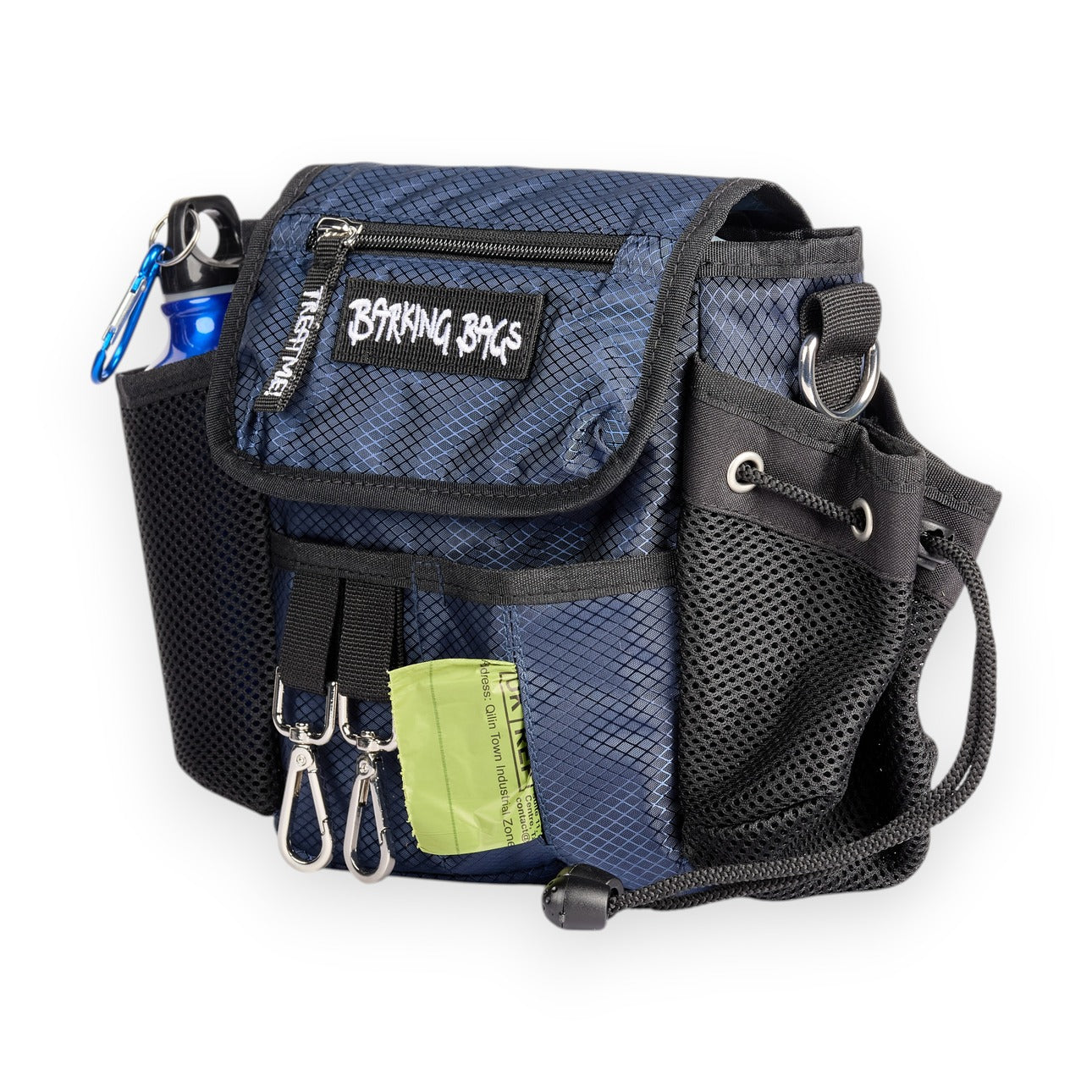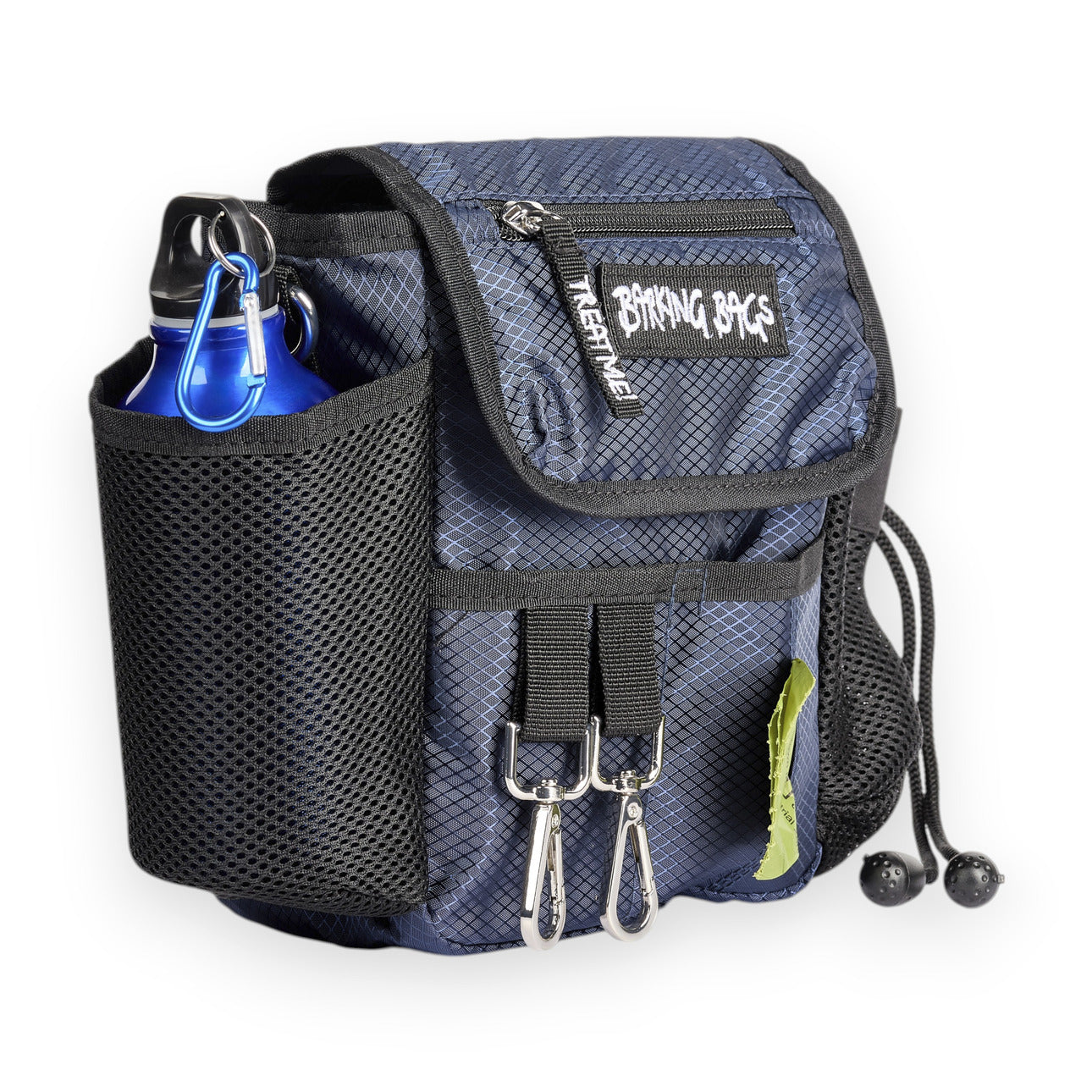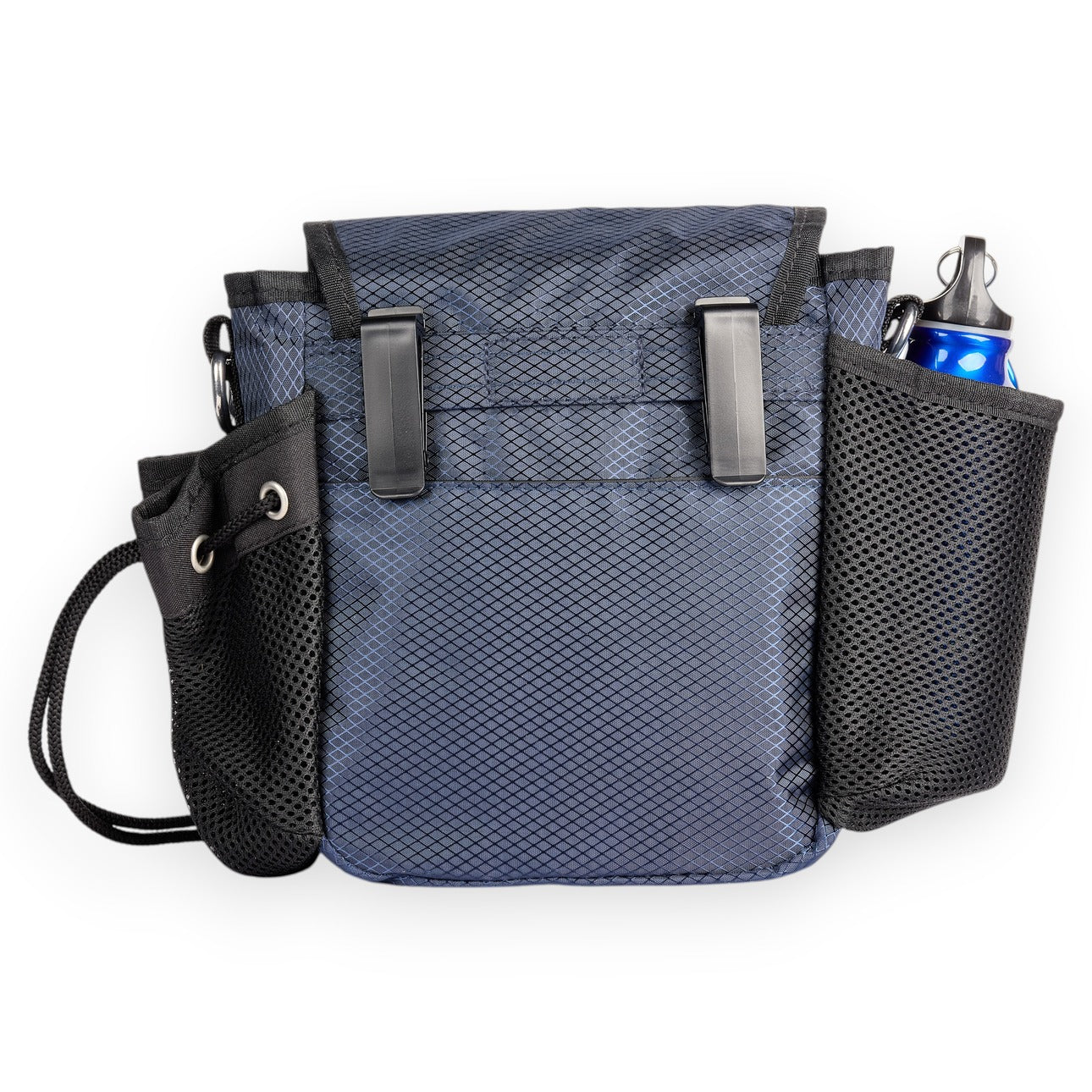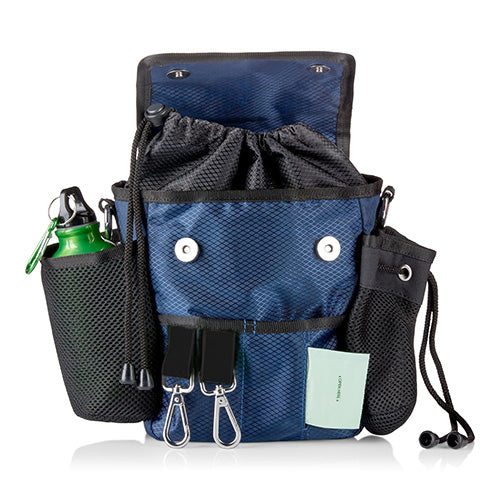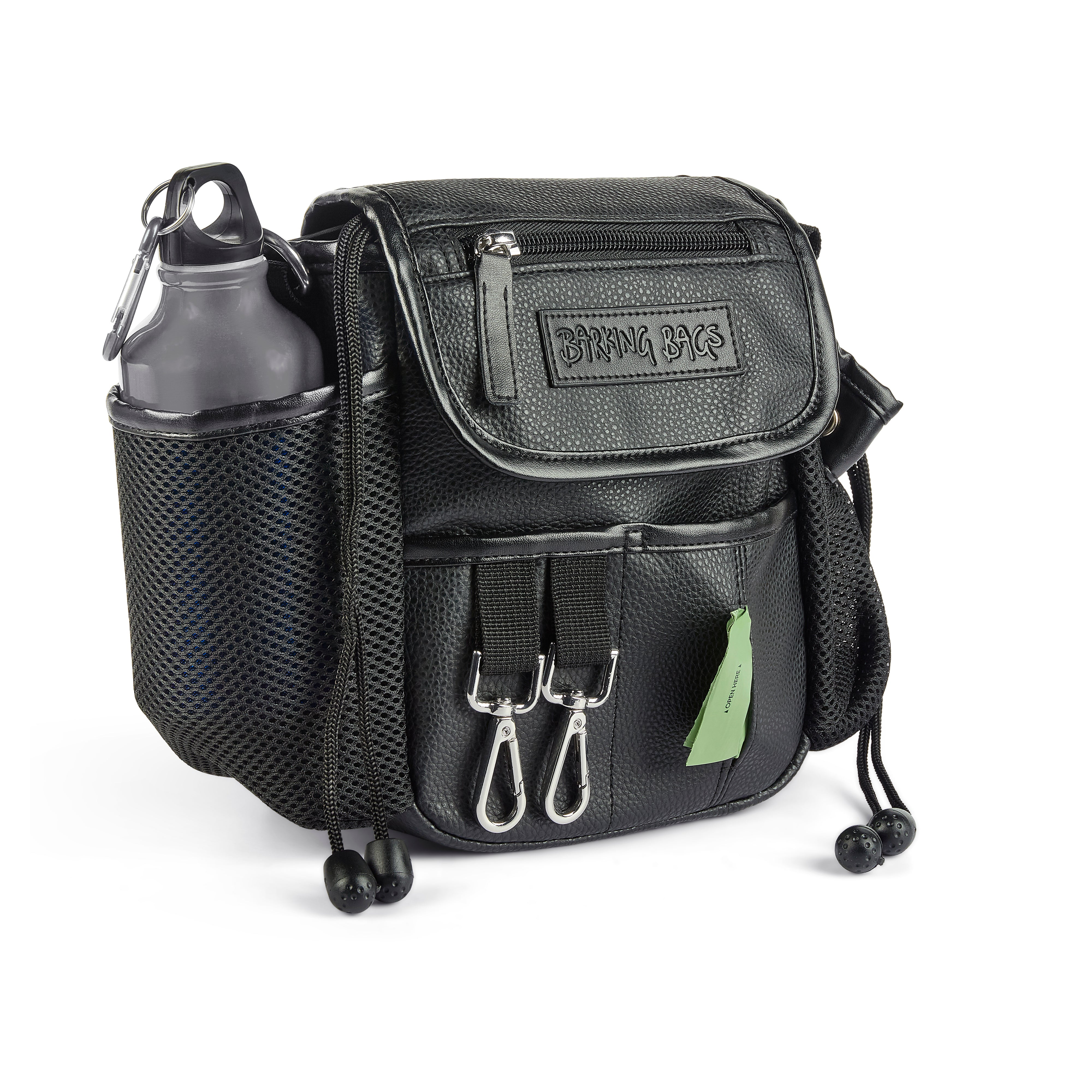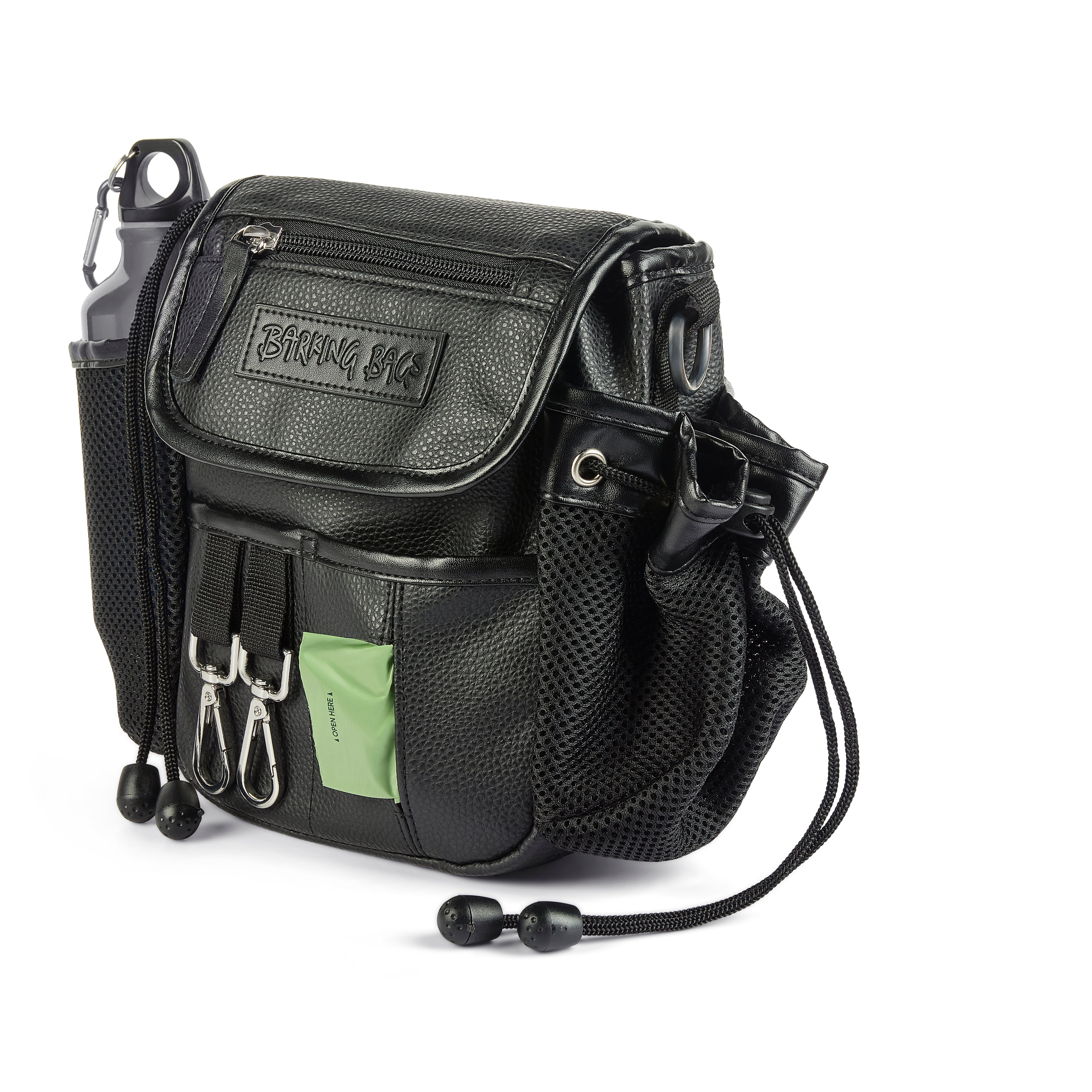

A treat bag that swings, digs in, or slips round to your back stops being helpful very quickly. If you are wondering how to wear treat bag comfortably, the answer usually comes down to three things - fit, position, and what you put inside it. Get those right, and your walks feel lighter, tidier, and much easier to manage.
For some dog owners, comfort means barely noticing the bag is there. For trainers and professional walkers, it means being able to reach treats quickly without twisting, tugging, or readjusting every few minutes. The best setup depends on how long you walk for, how active your dog is, and whether you are carrying just rewards or half your daily essentials too.
Start with the right wearing position
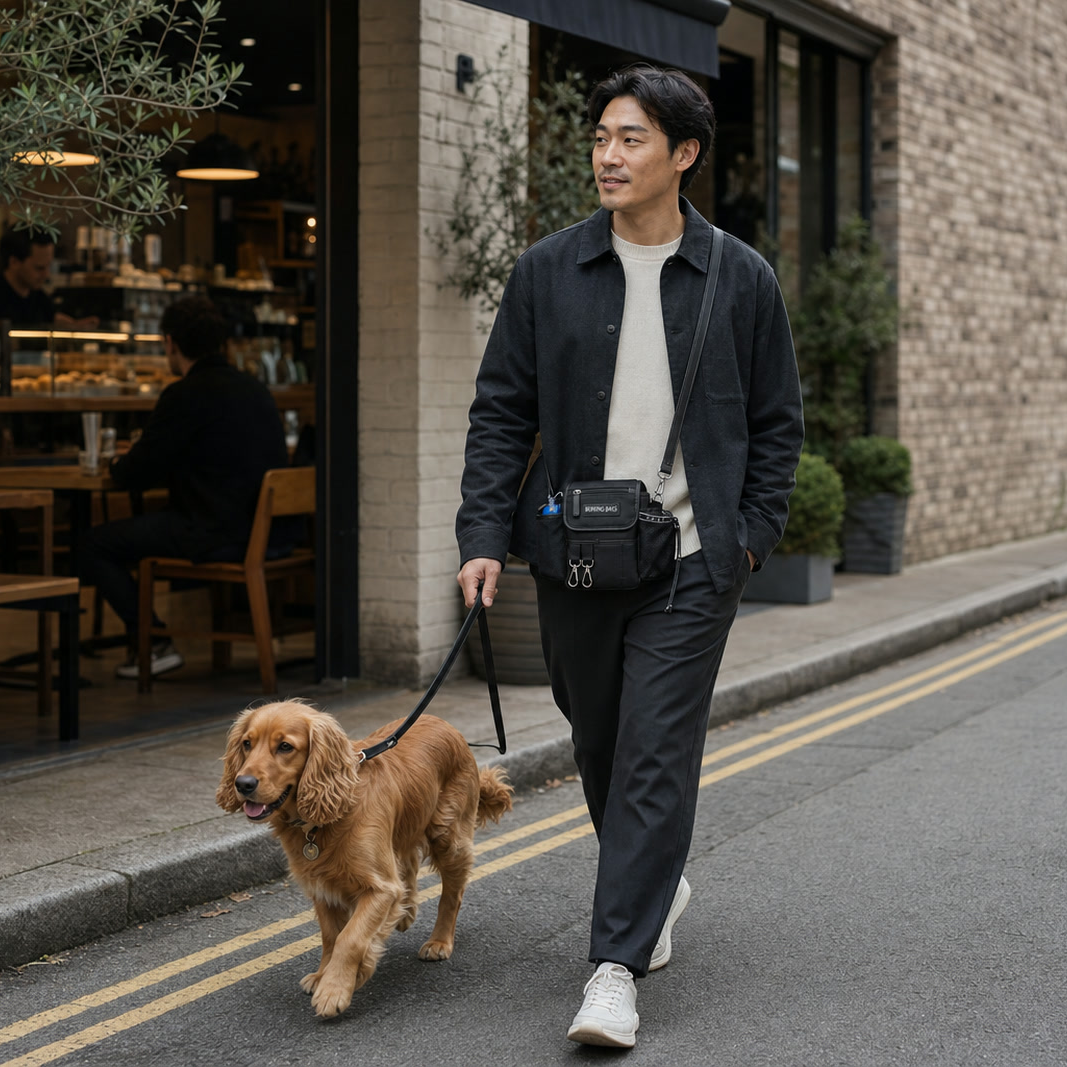
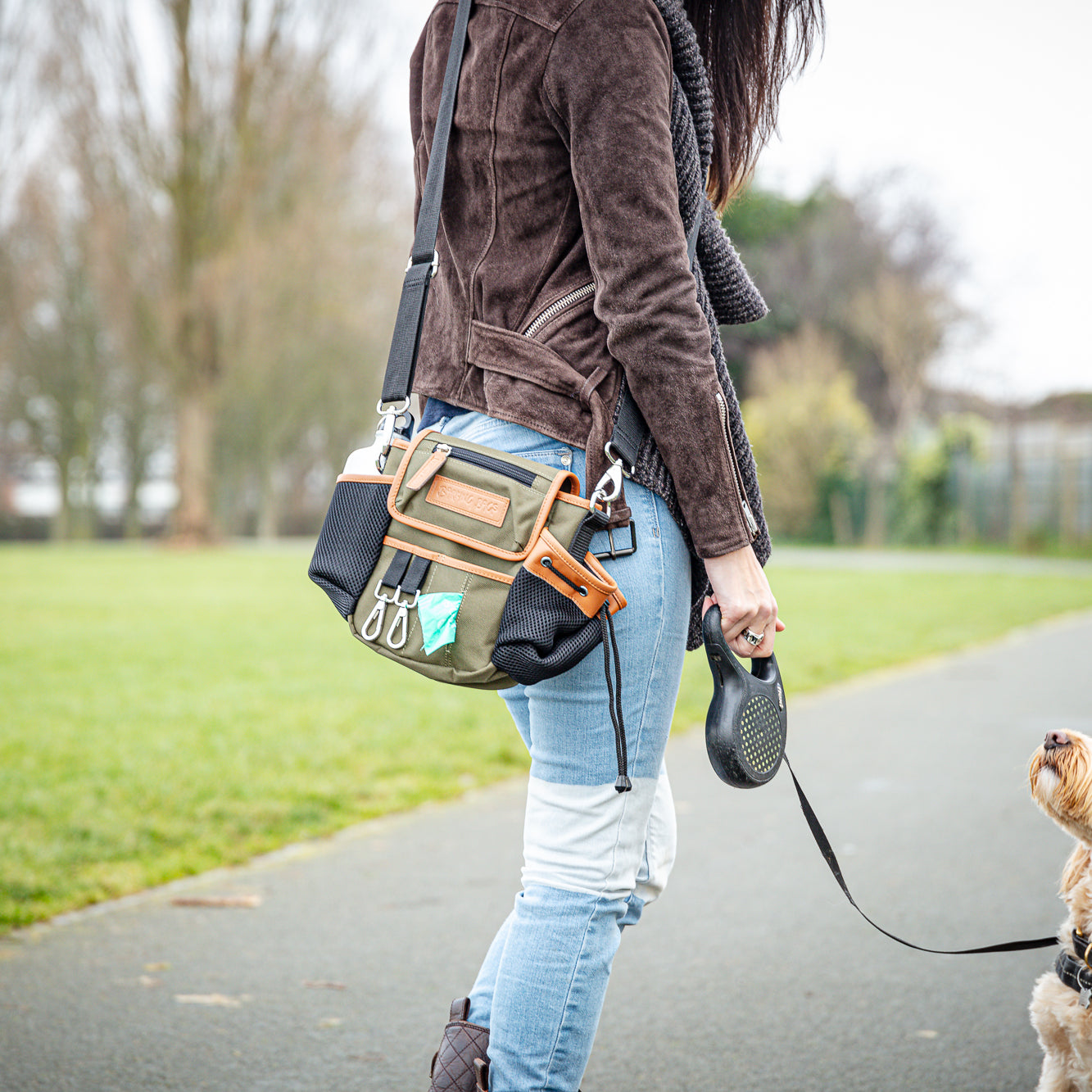
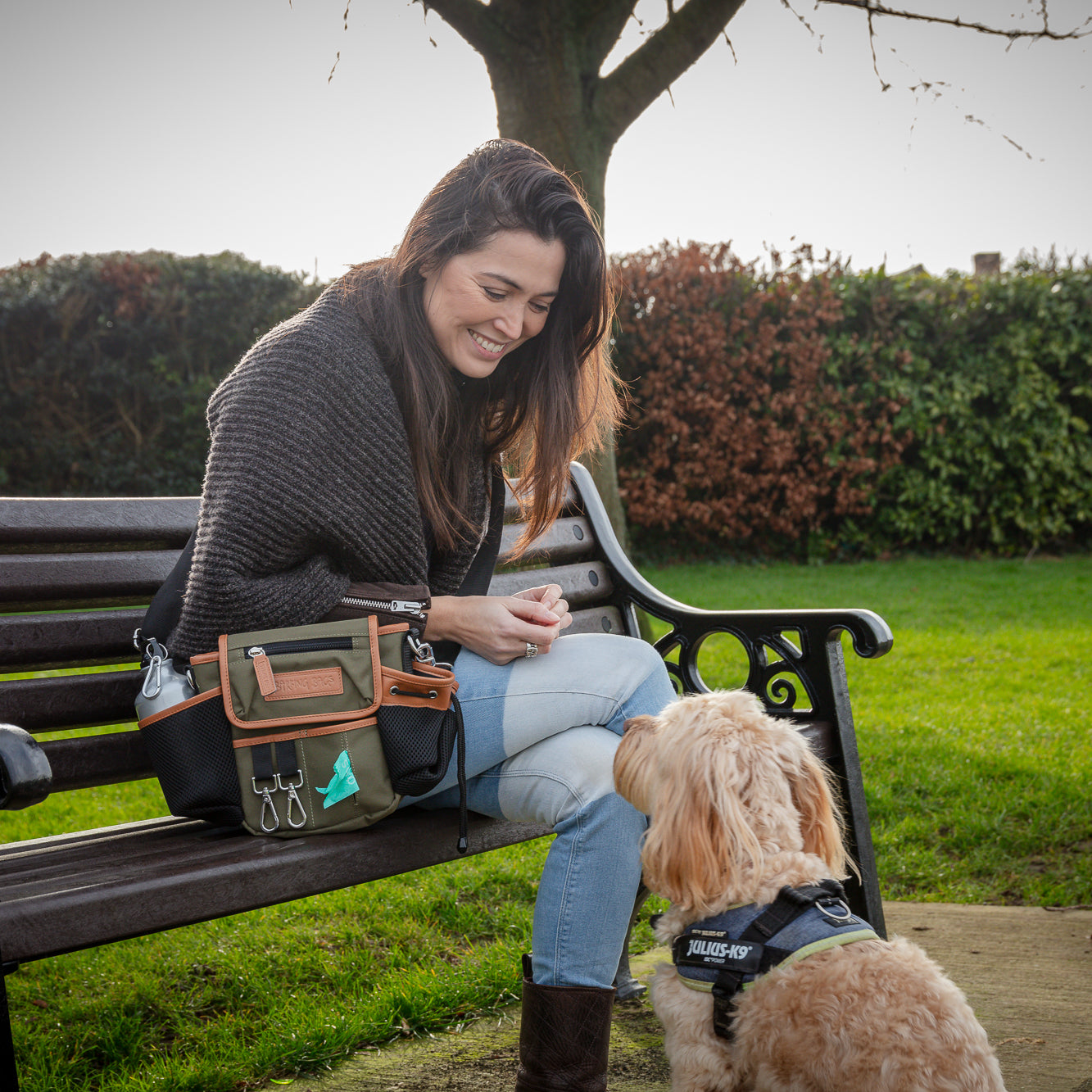
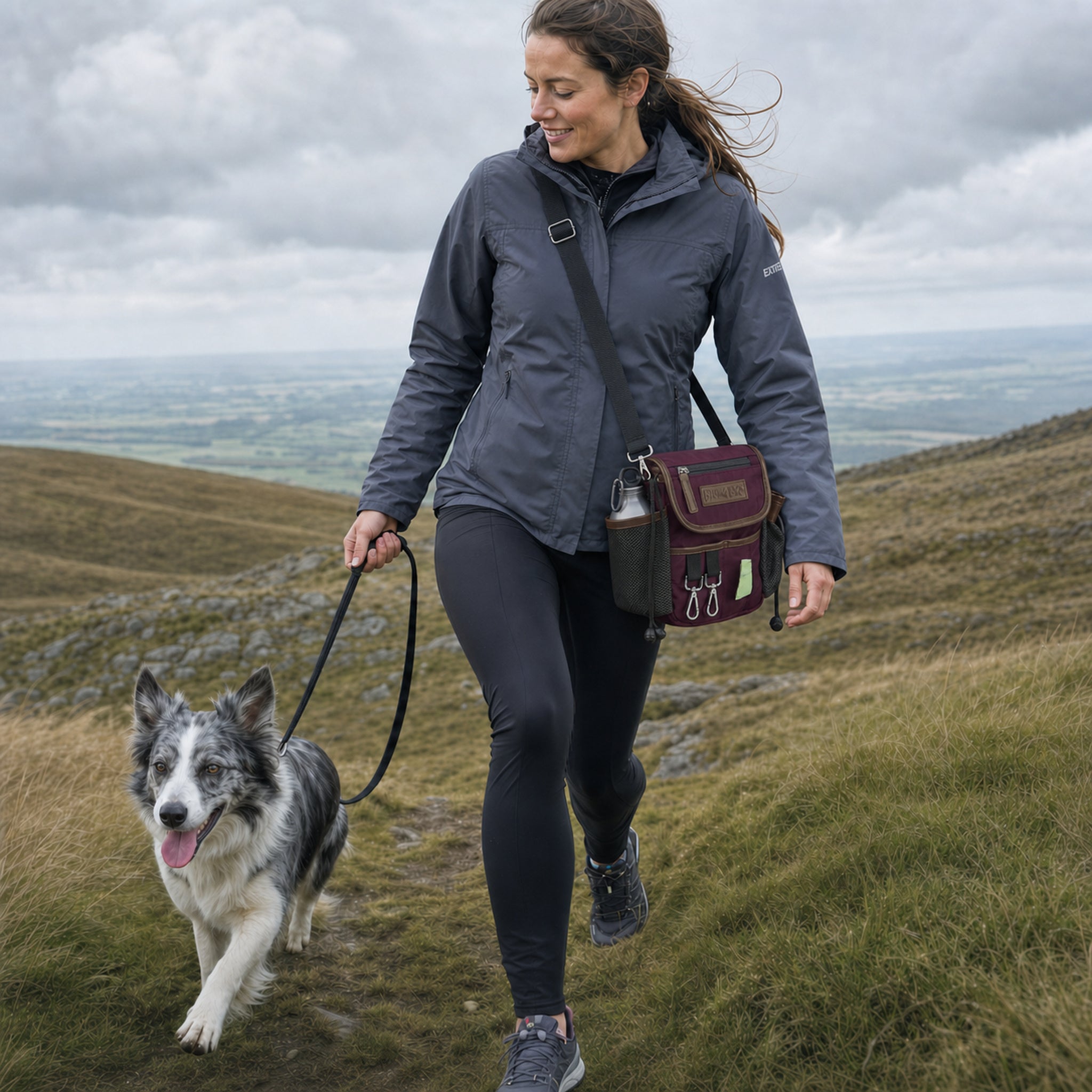
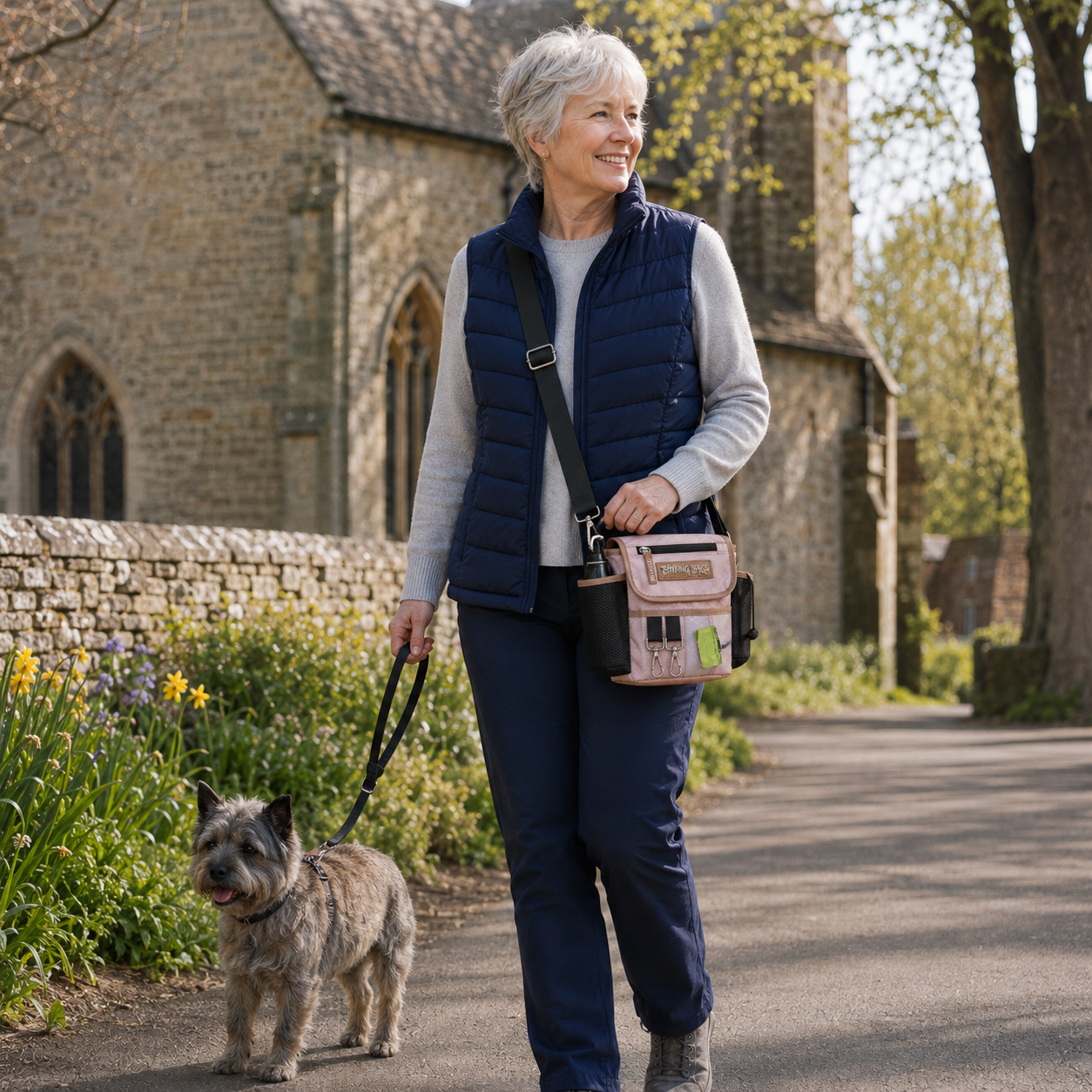
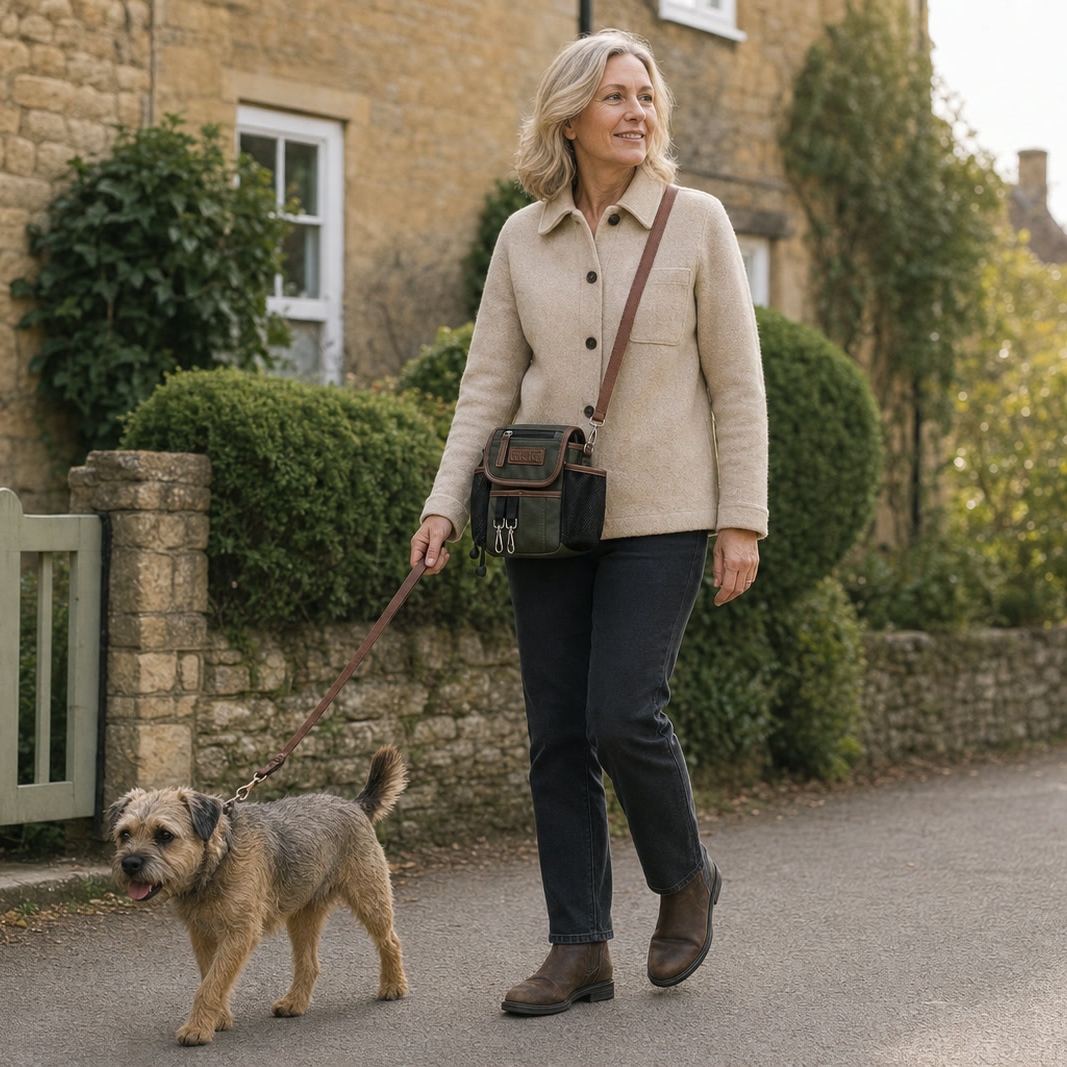
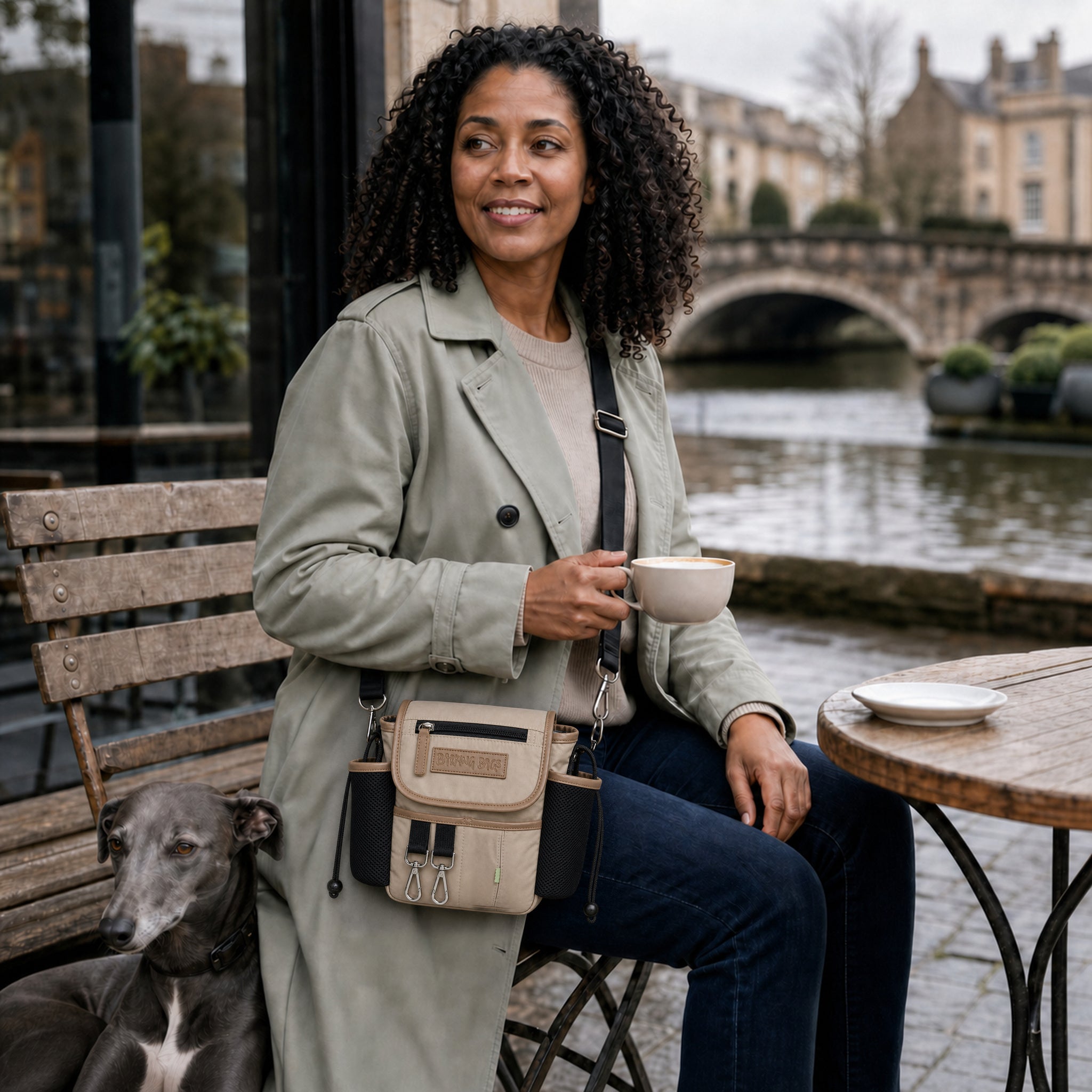
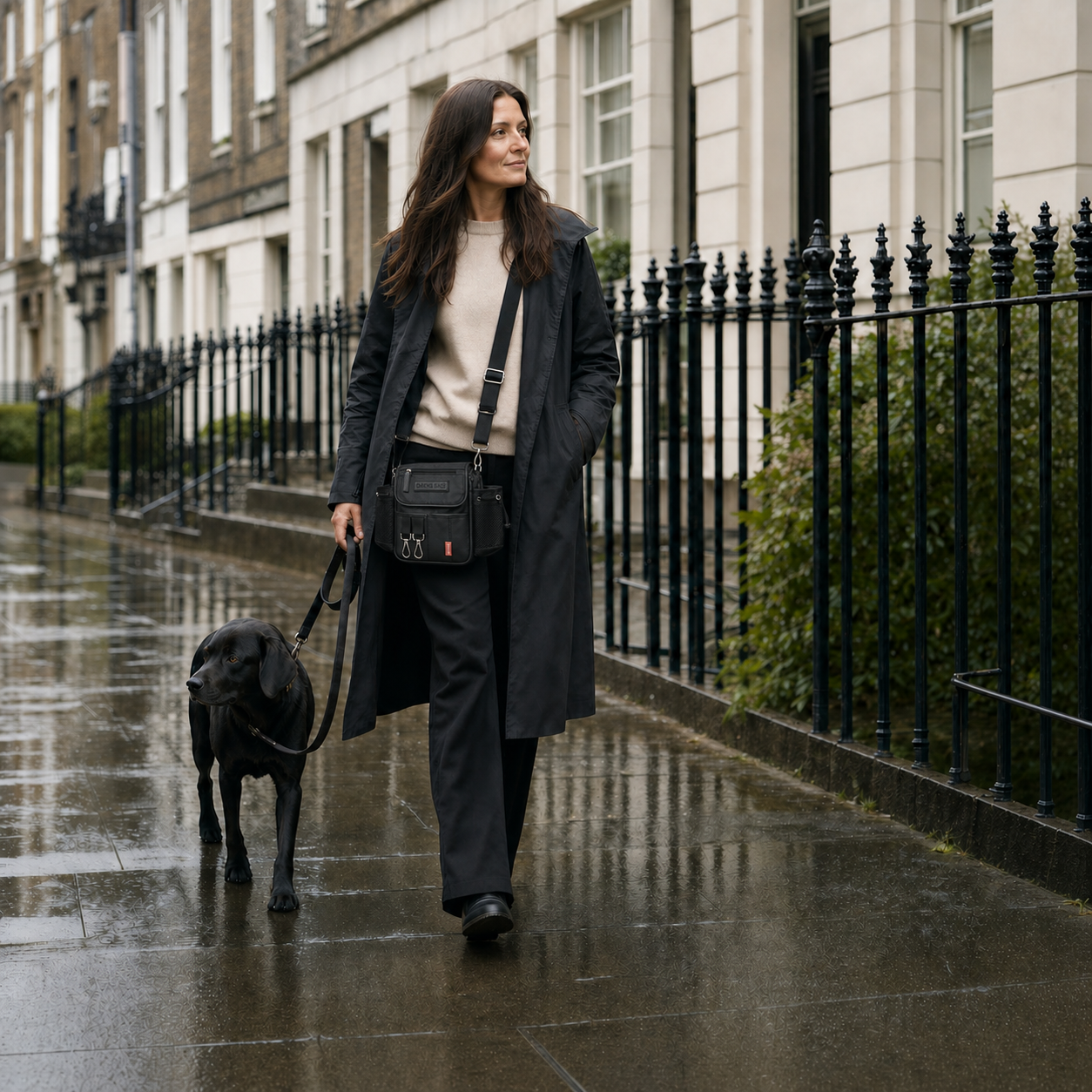
The most comfortable place for a treat bag is usually where your hand naturally falls. For many people, that is just off the front of the hip rather than directly on the side or behind the body. It gives you quick access to treats while keeping the bag clear of your stride.
If you wear it too far forward, the bag can bump against your thigh, especially if you walk briskly or your dog pulls. Too far back, and you end up reaching awkwardly every time you reward. A slight angle at the front-side of your waist tends to feel most natural because it supports quick movement without getting in the way.
This matters even more during training sessions. If timing is important, you do not want to fumble around near your back pocket area trying to find the opening. A bag positioned near the front of the hip helps you reward faster and keeps your posture more relaxed.
How to wear treat bag comfortably on different walks
There is no single best way to wear every treat bag because the most comfortable option changes with the walk.
For short daily walks
If you are heading out for a quick toilet break or a short neighbourhood stroll, a close-fitting bag worn snugly around the waist often works best. You want it secure enough not to bounce, but not so tight that it feels restrictive over a coat or jumper.
On shorter walks, people often tolerate a slightly fuller bag because they are not carrying it for long. Even so, it is still worth keeping only what you need inside. Extra weight changes how the bag sits and can make even a good fit feel irritating.
For longer walks and weekend outings
On longer routes, comfort becomes more about pressure and balance. A strap that feels fine for twenty minutes can start to rub after an hour, particularly if the bag sits in one spot and carries more than just treats.
If you are out for a proper walk with leads, poo bags, keys, your phone, and perhaps a few personal bits, spreading the load matters. A well-designed walking bag can be a better choice than forcing a small treat pouch to do everything. Treat bags are brilliant for quick access, but they are not always the most comfortable solution if overloaded.
For training sessions
If your dog is in active training, wear the bag where rewards can be reached with one clean movement. Usually, that means your dominant hand side, close to the front hip. The aim is consistency. If you are repeatedly moving your arm in the same easy path, you stay faster, calmer, and more precise.
This is one of those it depends situations. Some trainers prefer a central front position for very quick access, while others find that too bulky. If your dog jumps up towards the bag, shifting it slightly more to the side can help reduce that focus without making treats harder to reach.
Adjust the strap properly
A surprising amount of discomfort comes from straps that are simply the wrong length. Too loose, and the bag swings with every step. Too tight, and it presses into your waist or sits awkwardly over layers.
The right fit is secure but easy. You should be able to walk naturally, bend slightly, and reach the bag without feeling it pull. If you wear thicker coats in winter, check the fit again rather than leaving it at a summer setting. The strap length that works over a T-shirt may feel completely different over a padded jacket.
Material matters too. Softer straps tend to feel better for longer wear, but any strap can become annoying if the bag is unbalanced. If one side is heavier, the whole thing can twist and shift, which often gets blamed on the strap when the real issue is what is inside.
Pack less than you think you need
One of the easiest ways to improve comfort is to lighten the bag. It sounds obvious, but treat bags often end up holding much more than treats. Once you add a phone, keys, waste bags, and anything else from your pockets, the shape changes and the weight pulls differently.
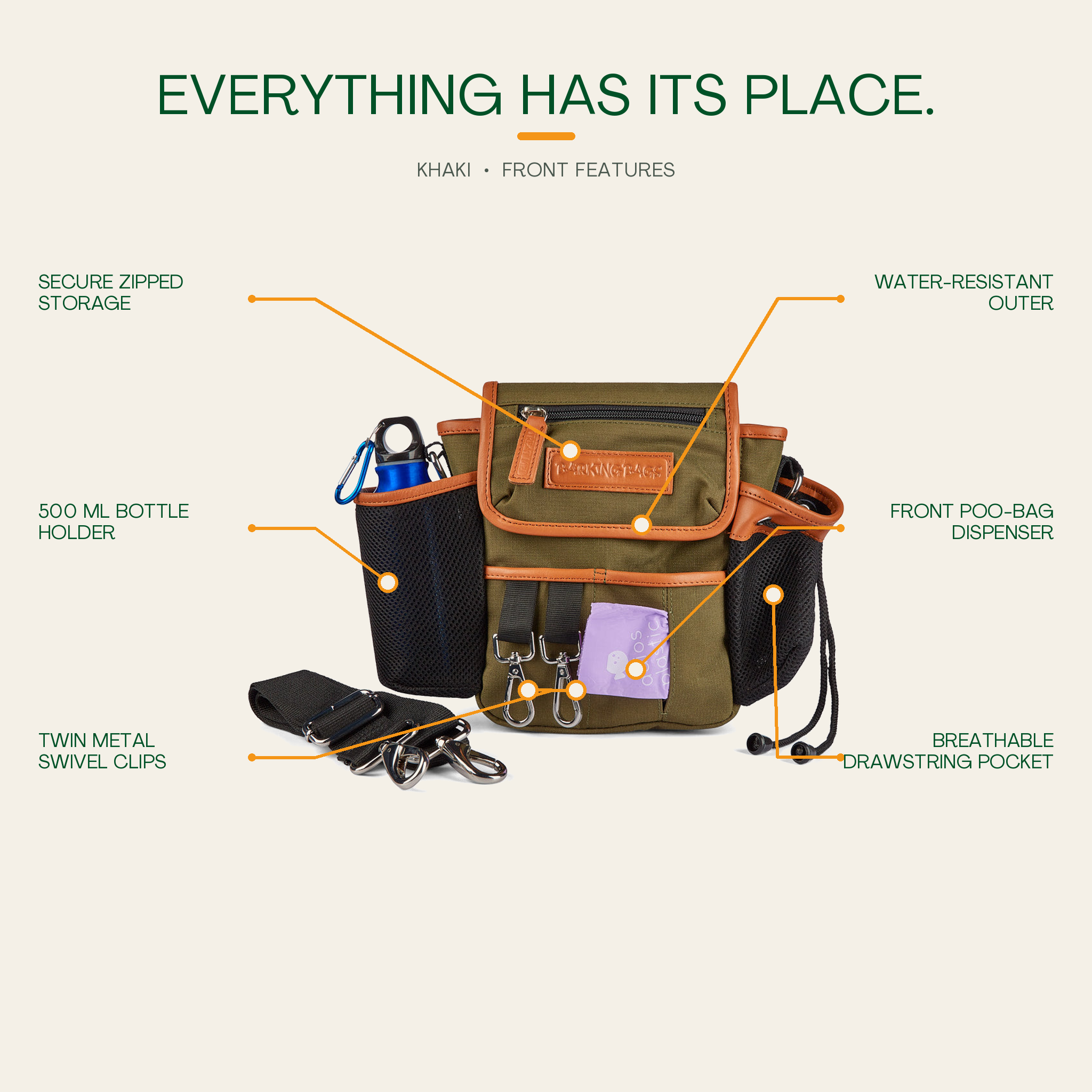
If the bag is designed for treats, use it mainly for treats and one or two essentials. If you need to carry more, a dedicated dog walking bag makes much more sense than trying to squeeze everything into a small pouch. That is where purpose-built design really earns its place - not just for storage, but for comfort on the move.
As a rule, keep the heaviest item closest to your body where possible. That reduces swing and makes the bag feel steadier. Softer treats also sit differently from bulky ones. If rewards are rattling around in a half-empty compartment, the movement can make the whole bag feel less secure.
Think about your clothing
Comfort is not only about the bag. It is also about what you wear underneath it.
A treat bag worn over a slippery waterproof can slide more than the same bag over a cotton top or fleece. Thick seams, oversized coat pockets, and longline jackets can also affect where the bag sits. If it keeps moving out of place, your outerwear may be part of the problem.
In colder months, try positioning the bag so it avoids zips, bulky pocket flaps, and the thickest part of your coat. In warmer weather, make sure the strap is not rubbing directly against bare skin if you are out for a long walk. A small adjustment can make a bigger difference than buying a different bag.
Watch how you move
If your bag feels uncomfortable, pay attention to what your body is doing when you walk the dog. A lot of people lean slightly to one side when holding the lead, especially with a strong or excitable dog. That uneven posture can make the bag feel heavier or more intrusive than it really is.
The same goes for repeated bending, jogging, or turning during training. If the bag keeps bouncing, the issue may not be the bag alone. A tighter fit, a better position, or a lighter load usually solves it.
For energetic dogs, stability matters more than anything else. A bag that is perfect for a calm lead walk may not feel as good during recall drills, fetch, or stop-start training in the park. Comfort is not static. It changes with your routine.
Choose access over size
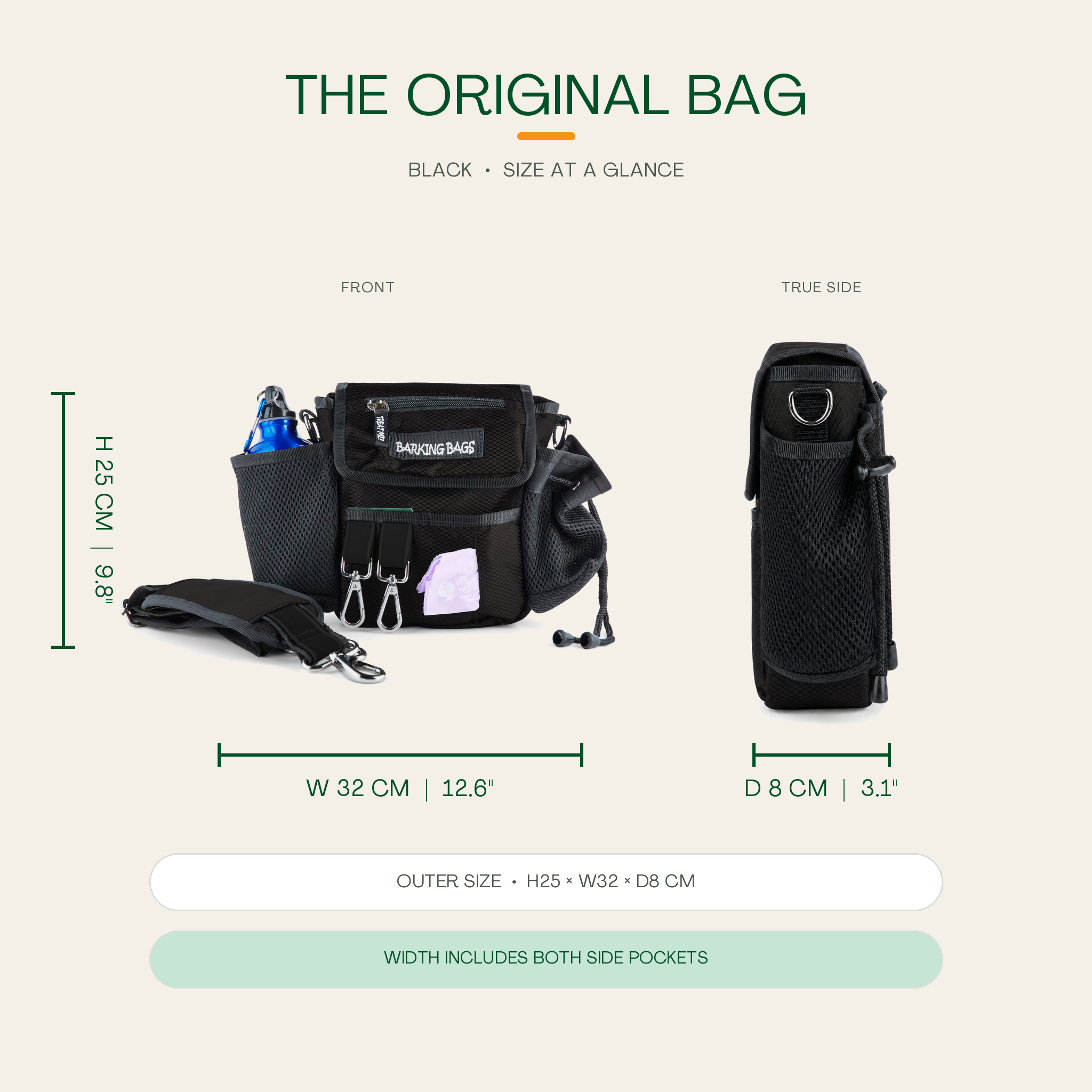
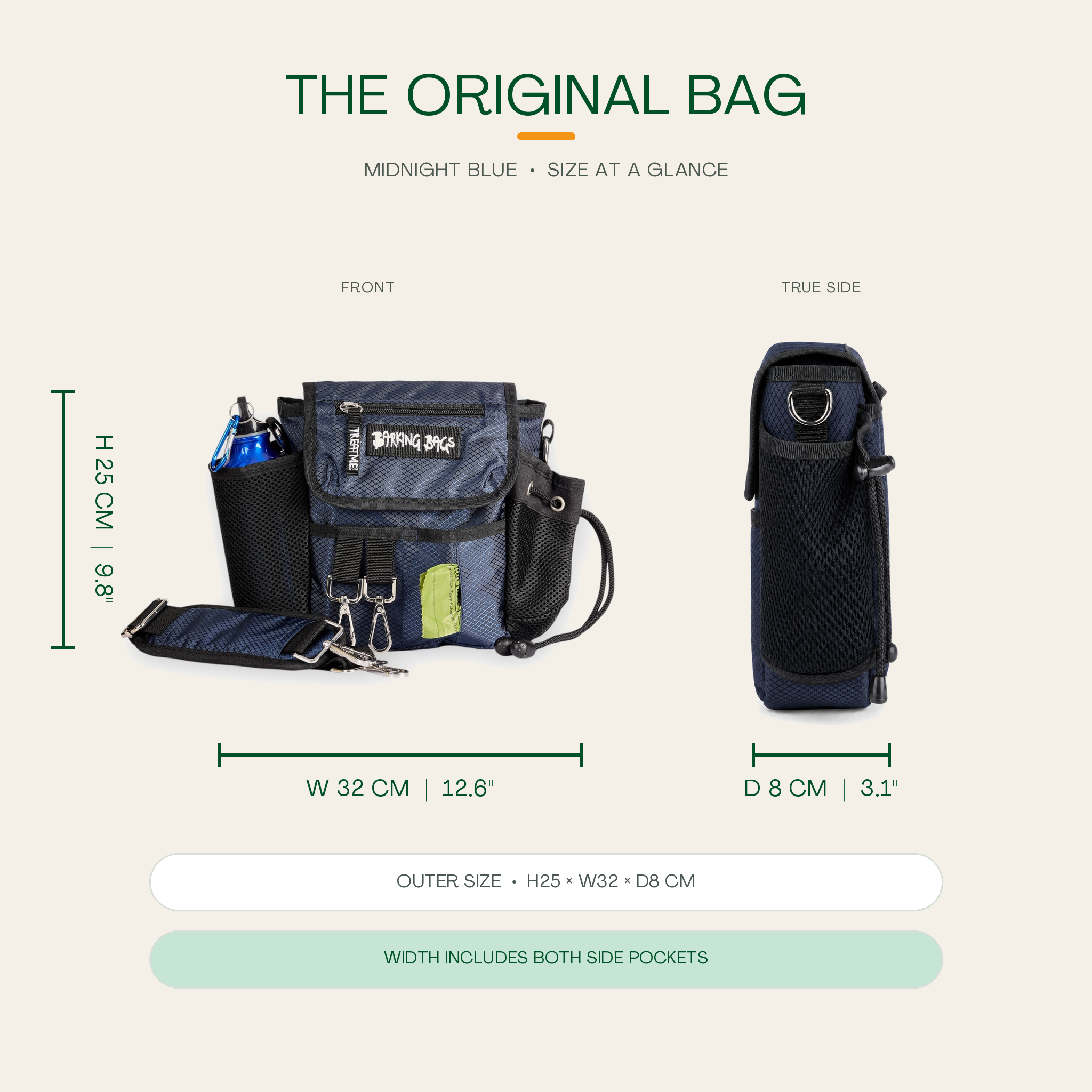
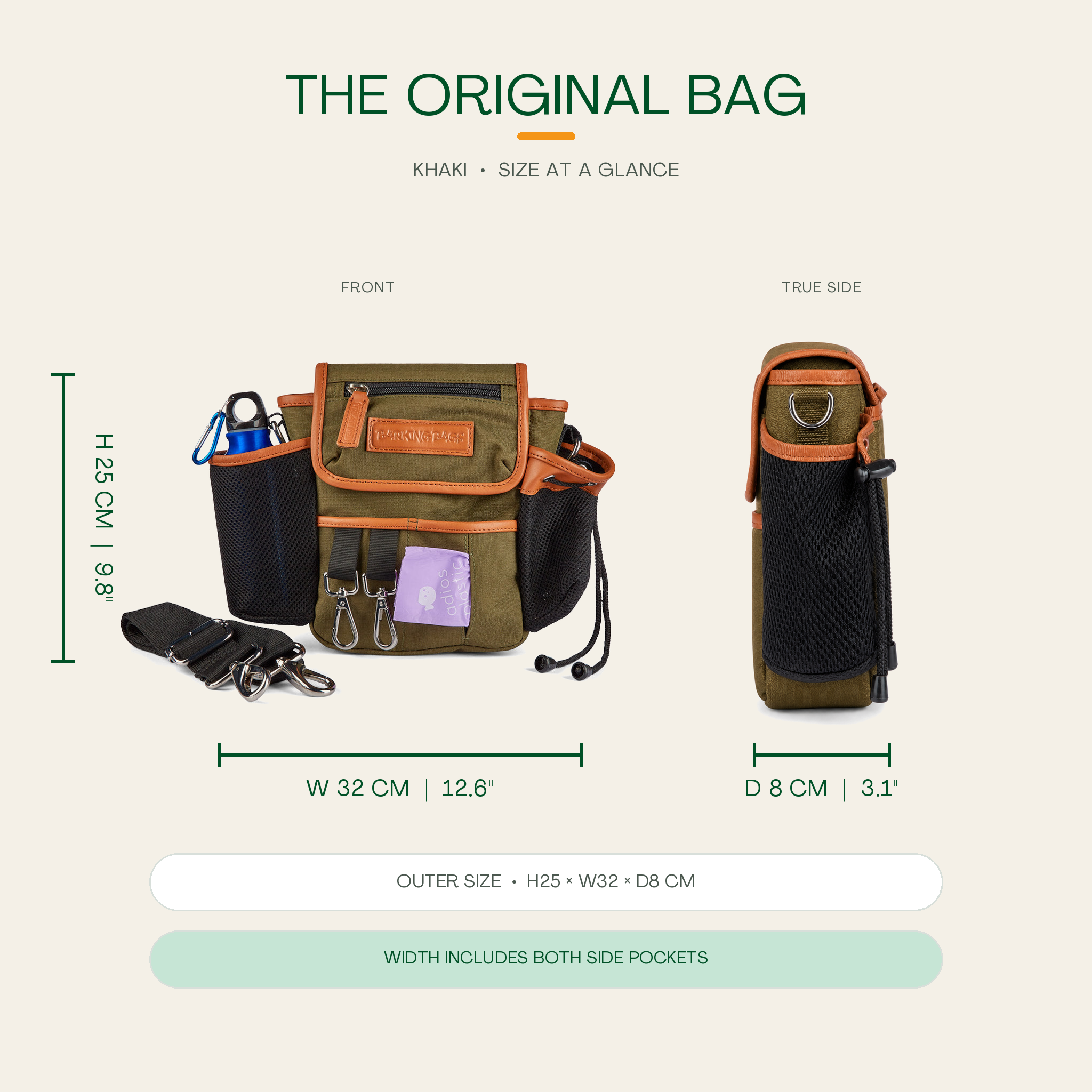
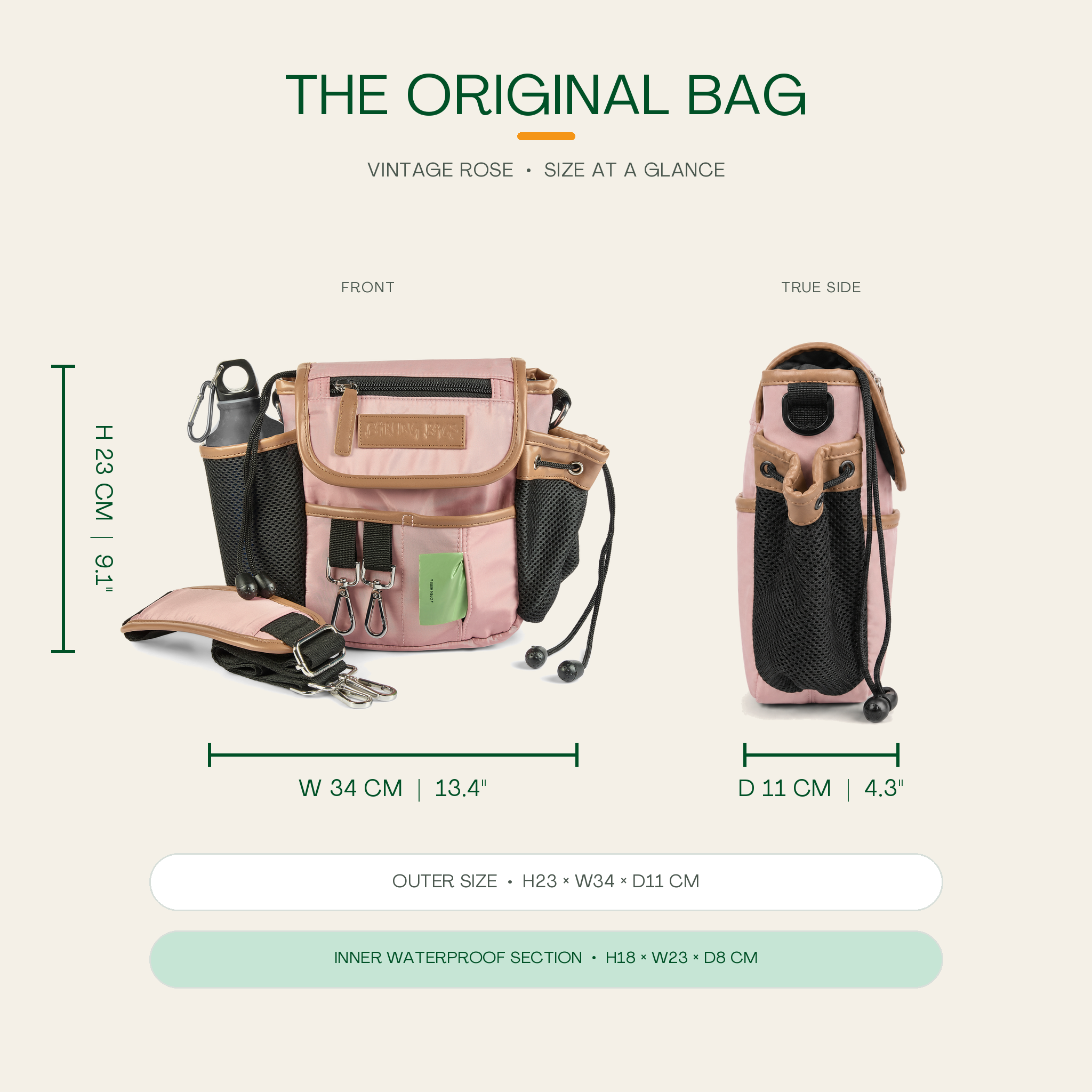
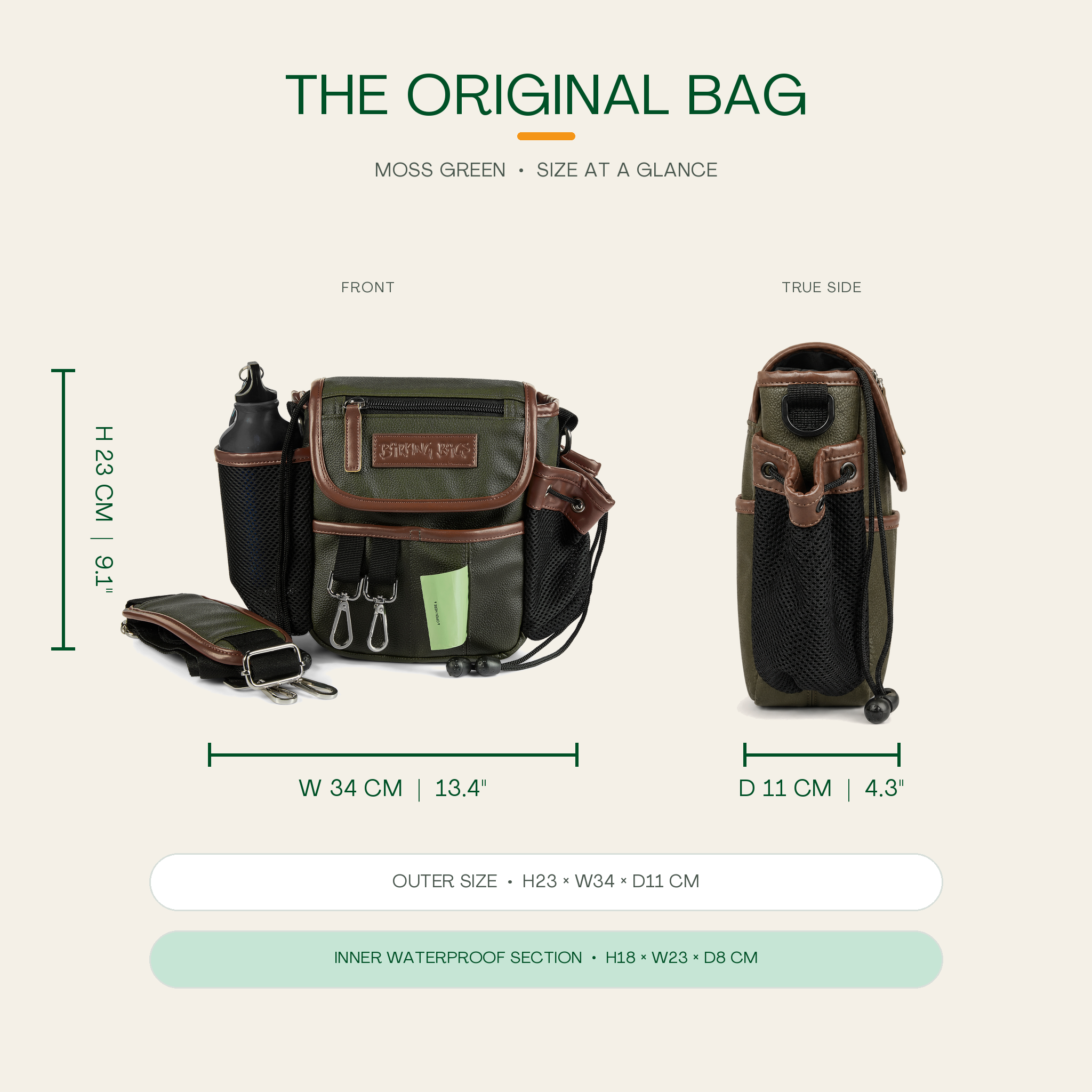
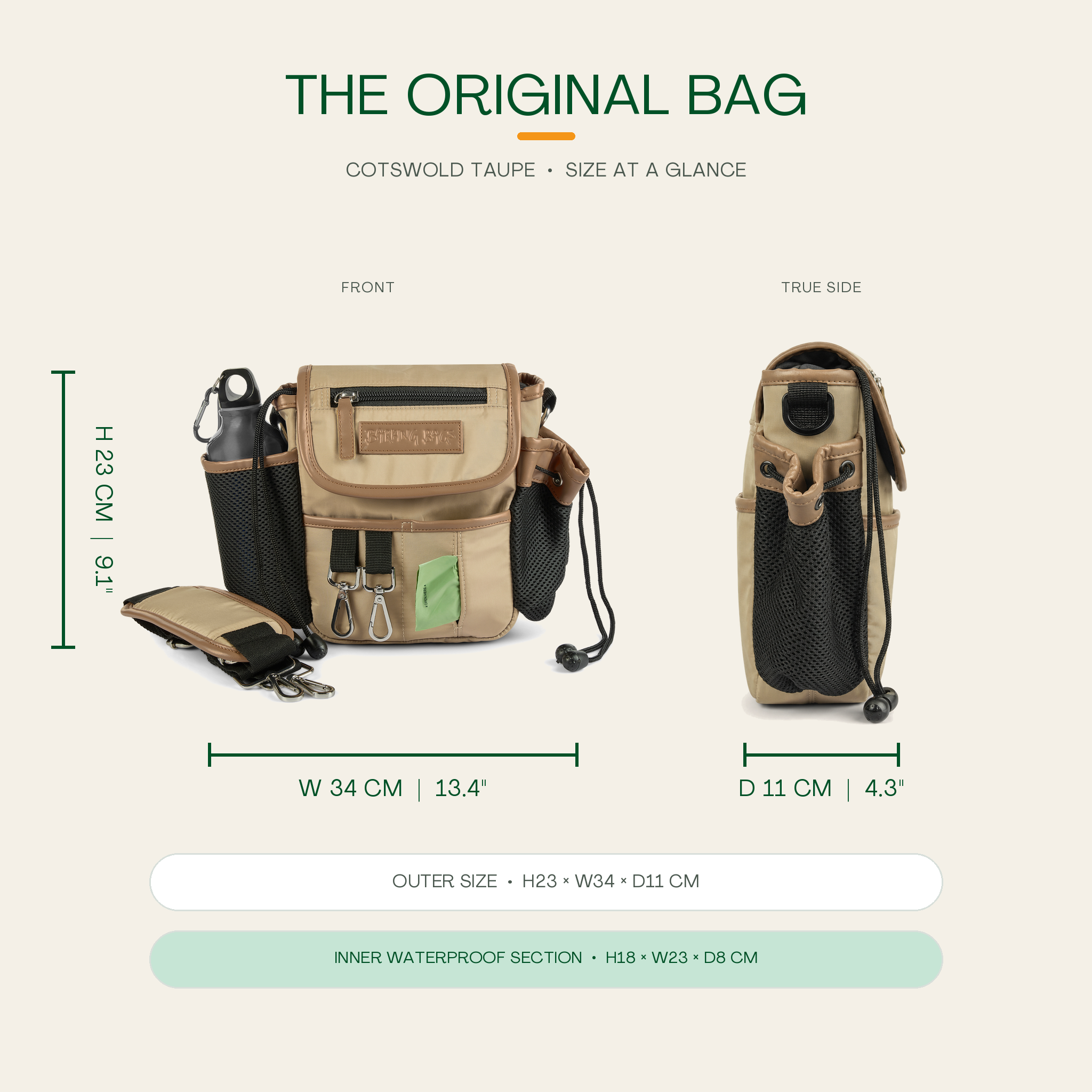
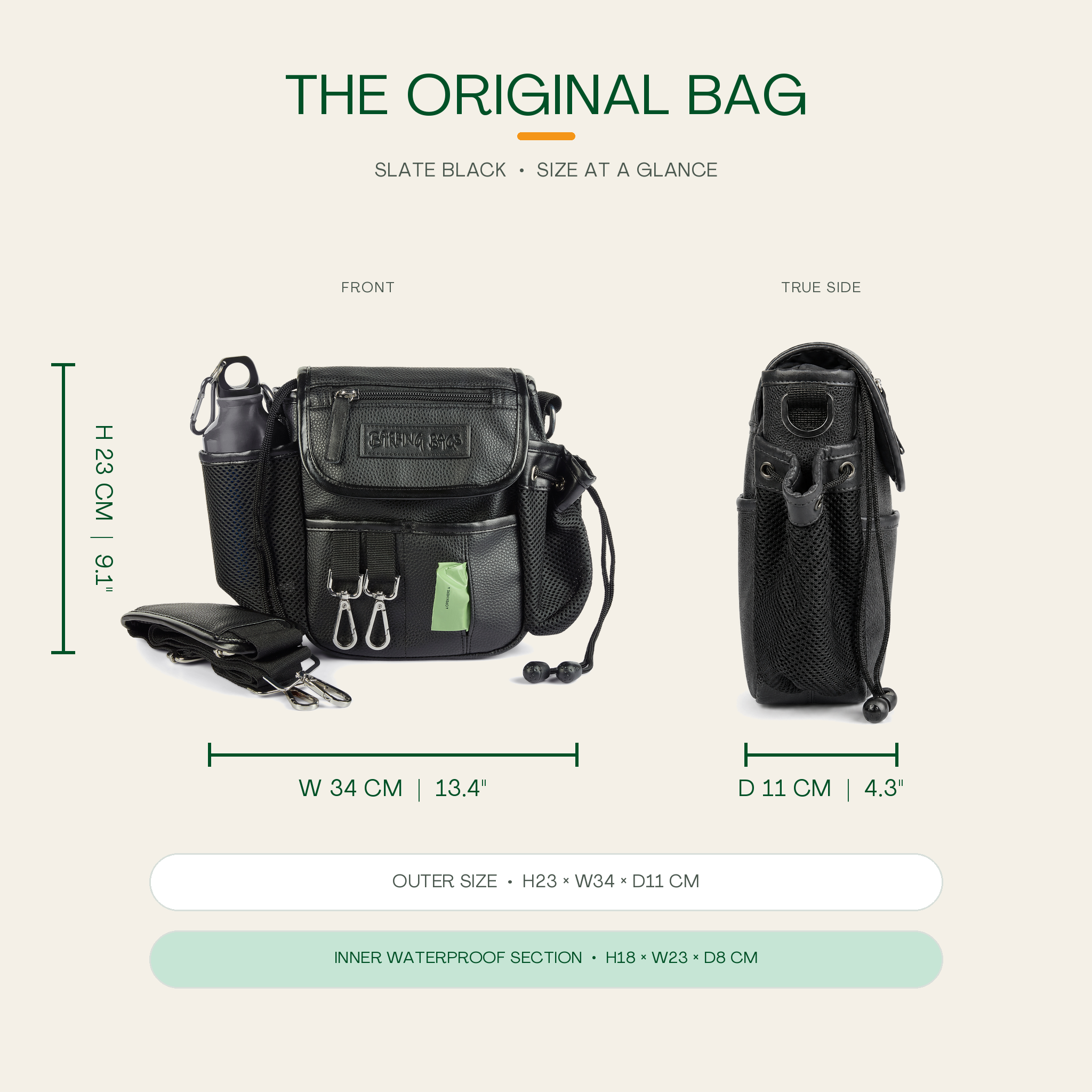
A bigger bag is not always a more comfortable one. In fact, oversized treat bags often become awkward because they encourage overpacking and sit more heavily against the body.
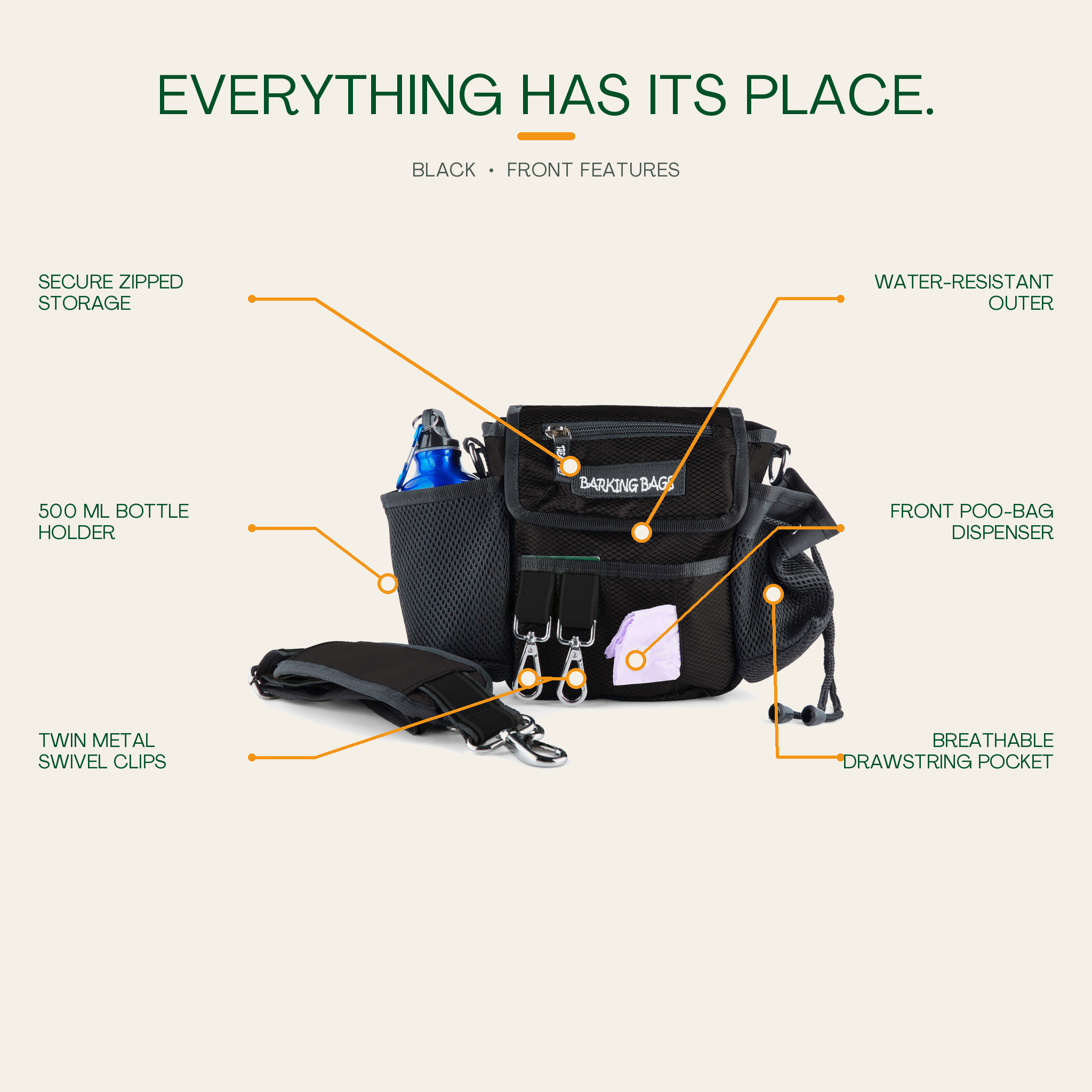
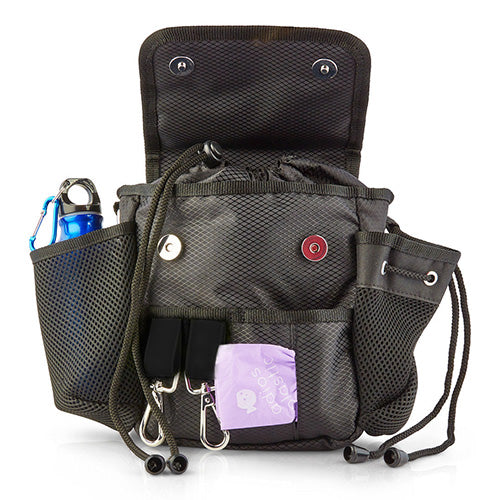
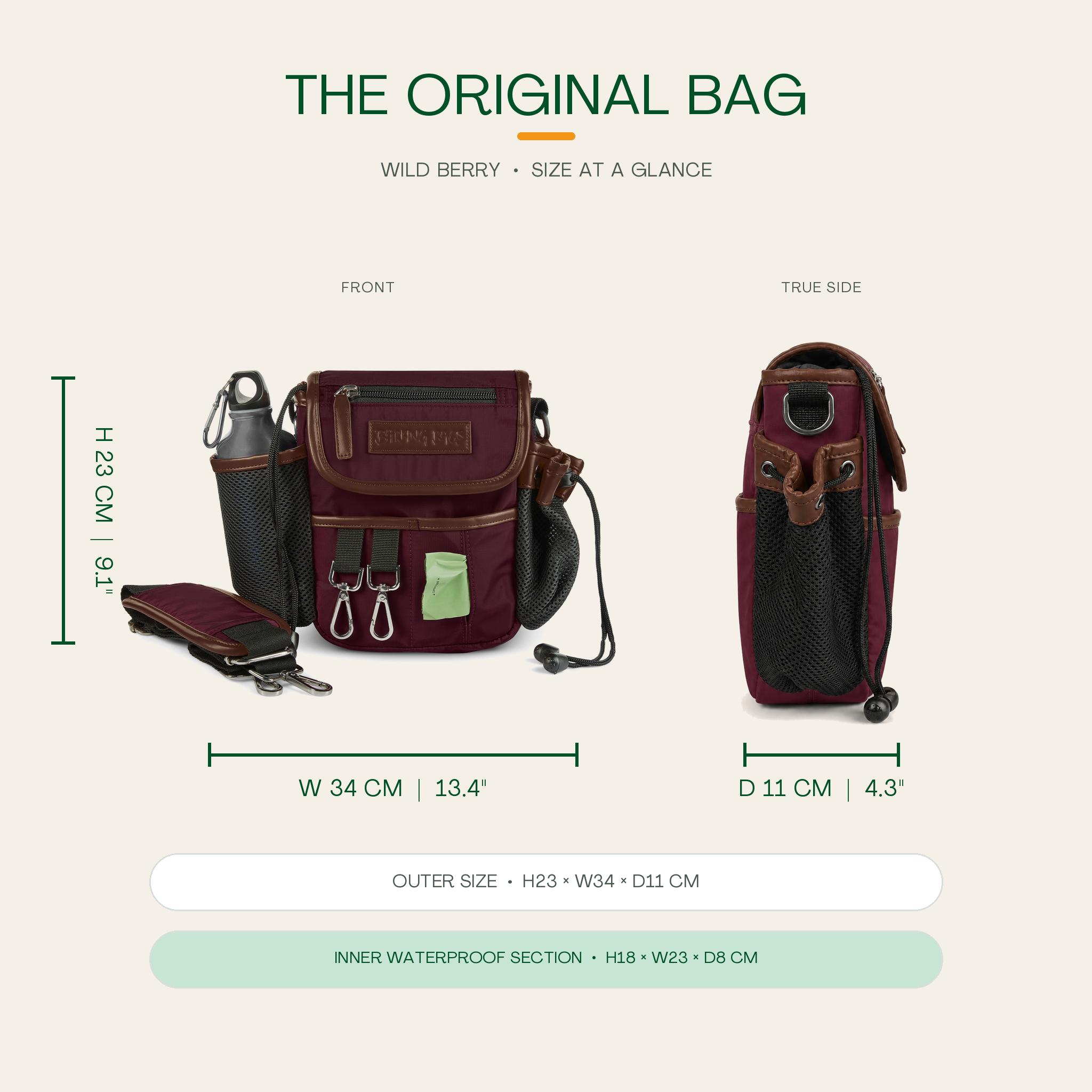
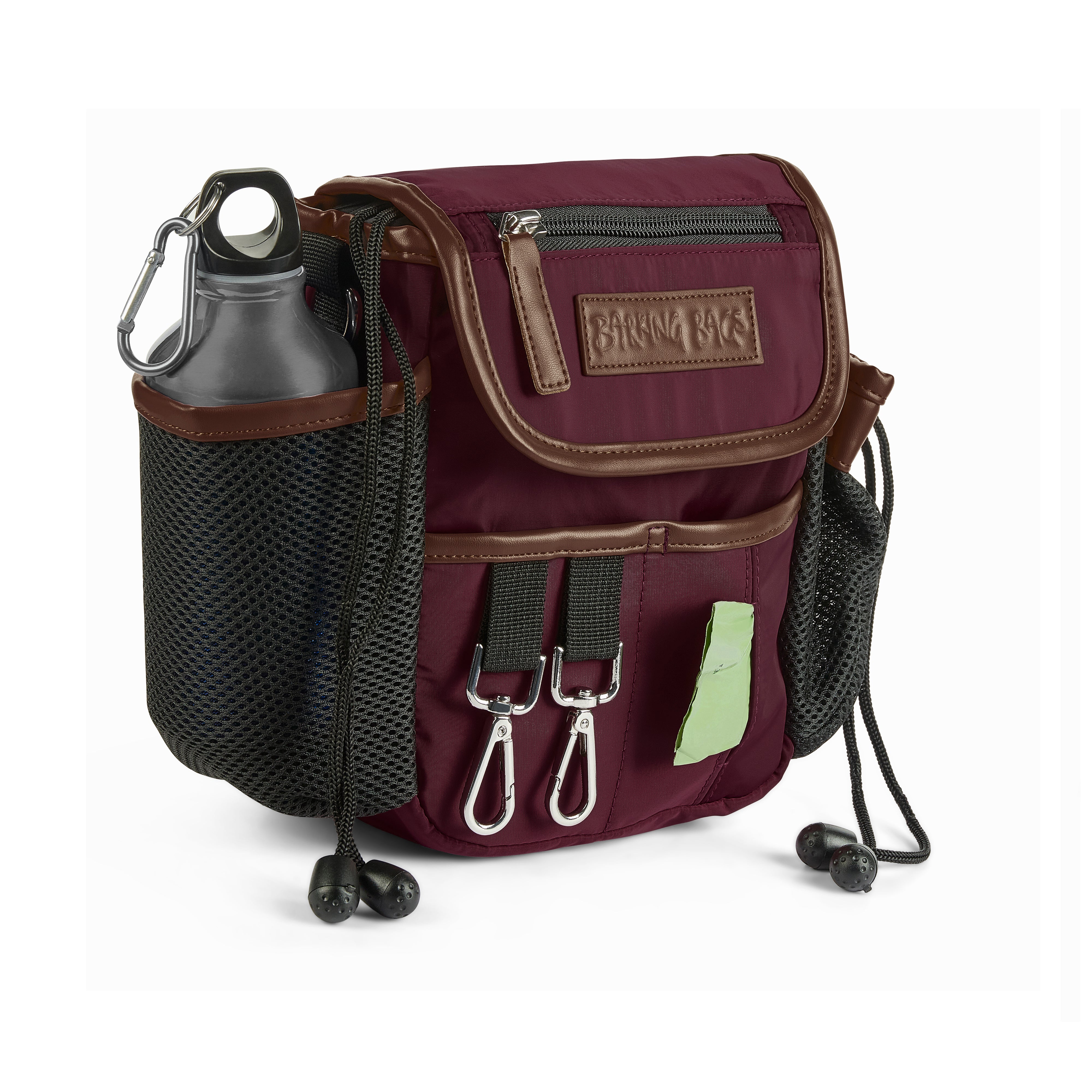
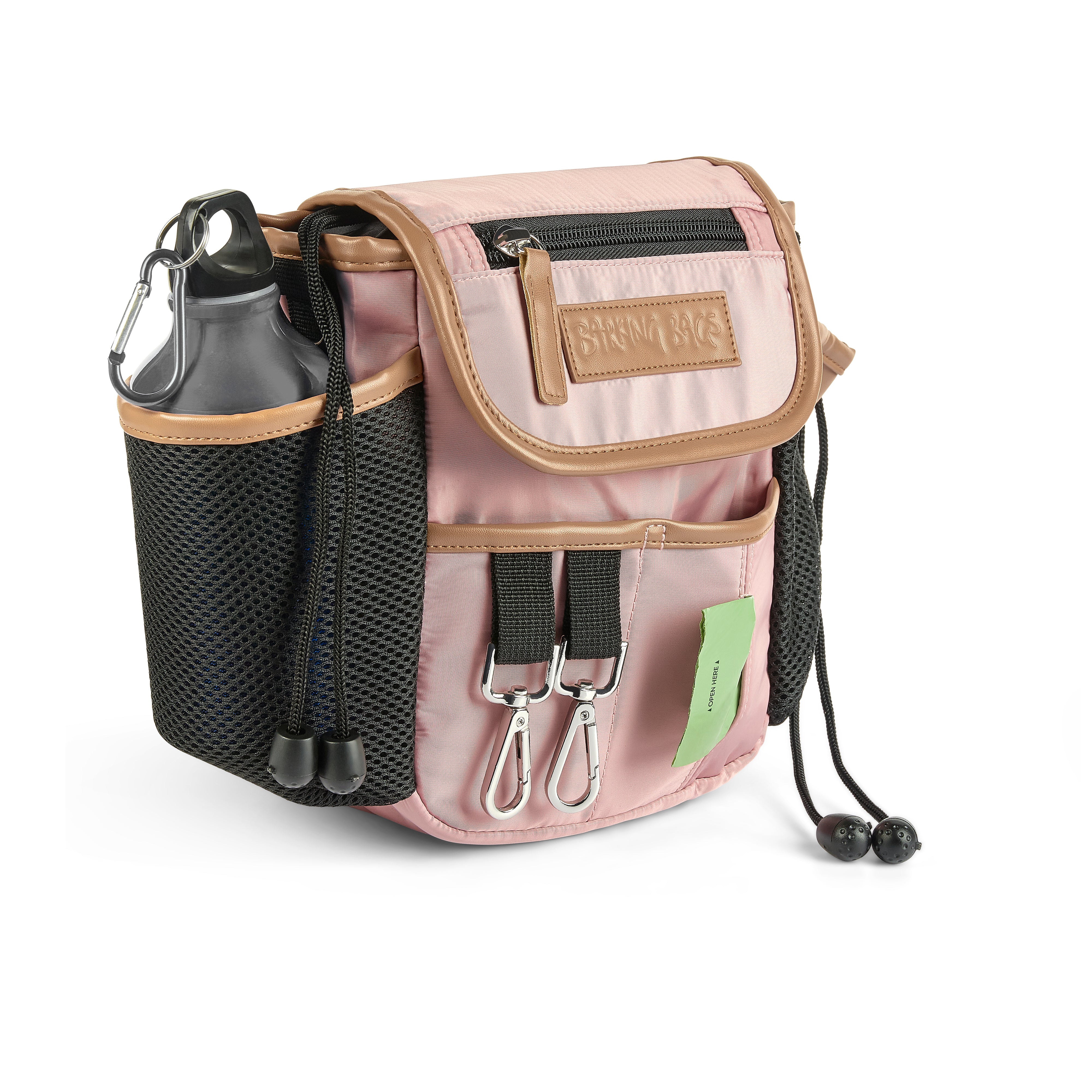
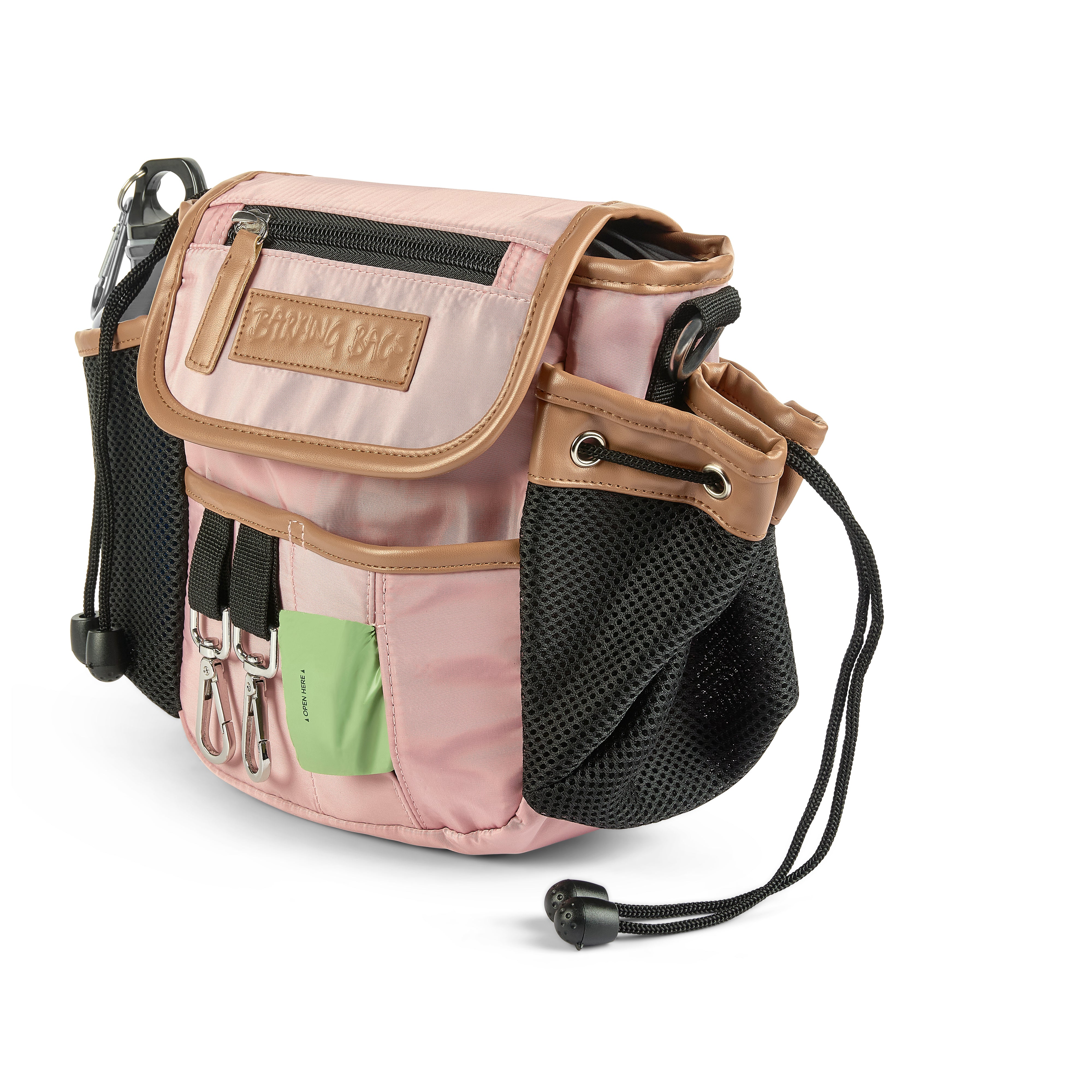
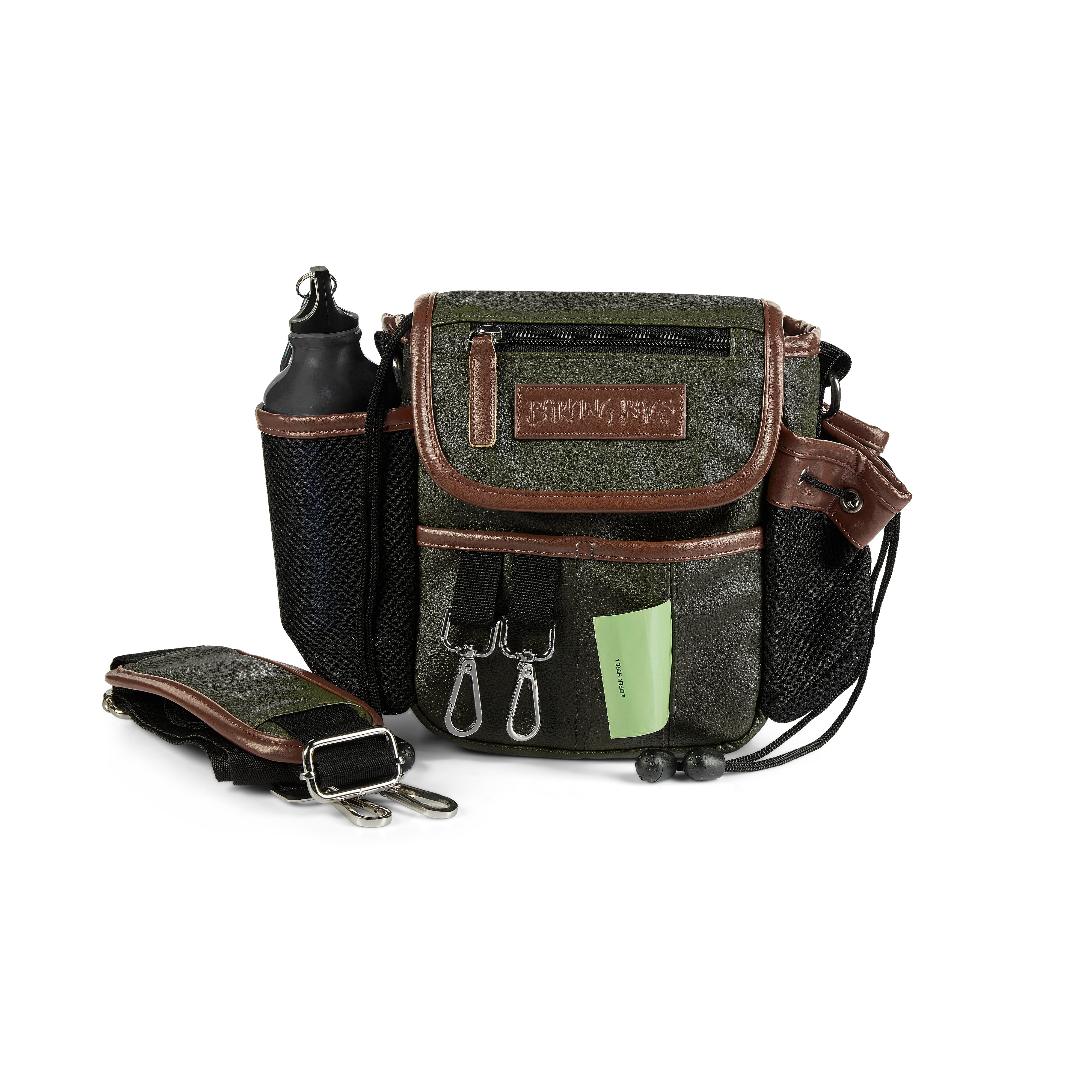
What usually feels best is a compact bag with easy access and enough structure to hold its shape. You should be able to reach in quickly without wrestling with the opening. If you have to look down every time, that adds friction to the walk and can interrupt training.
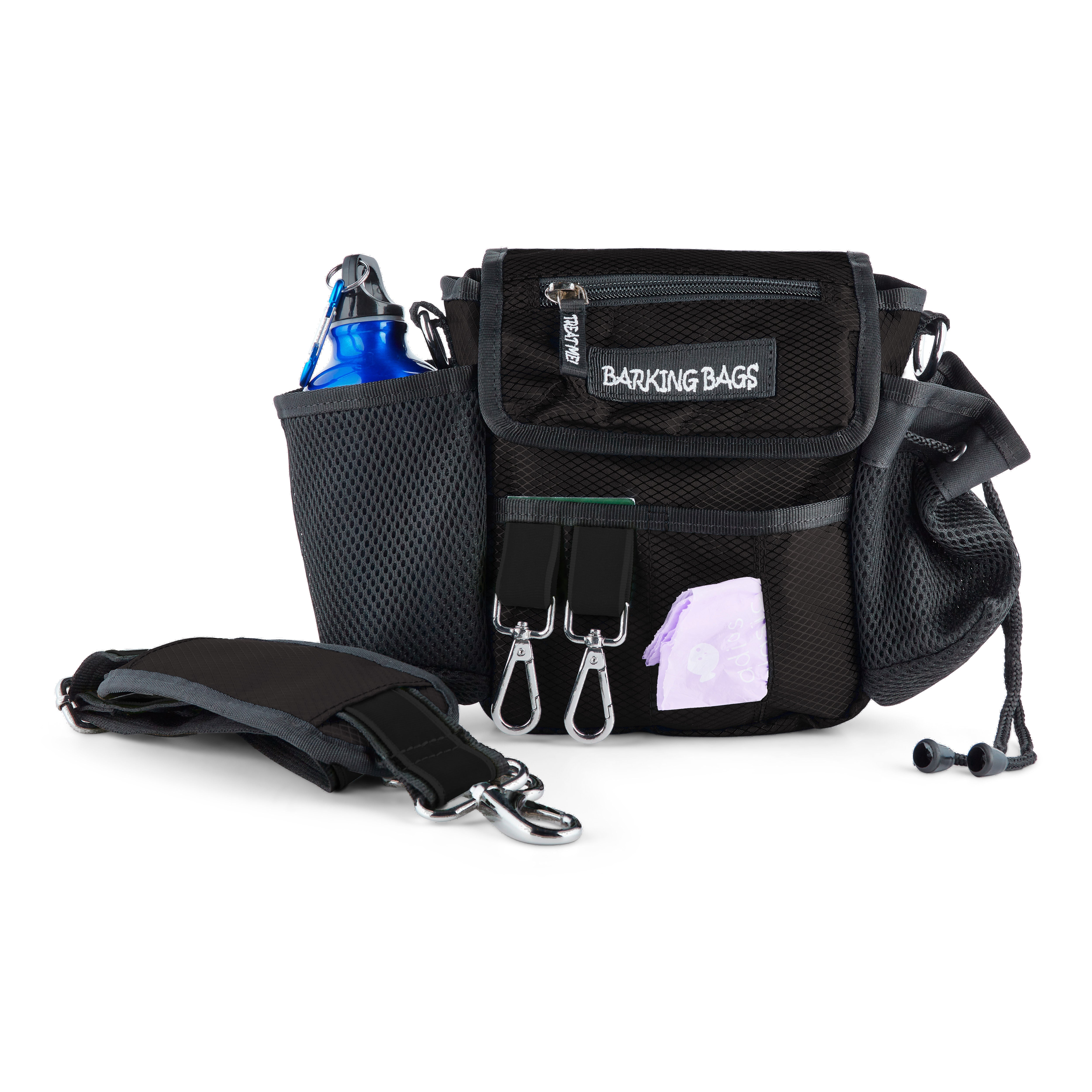
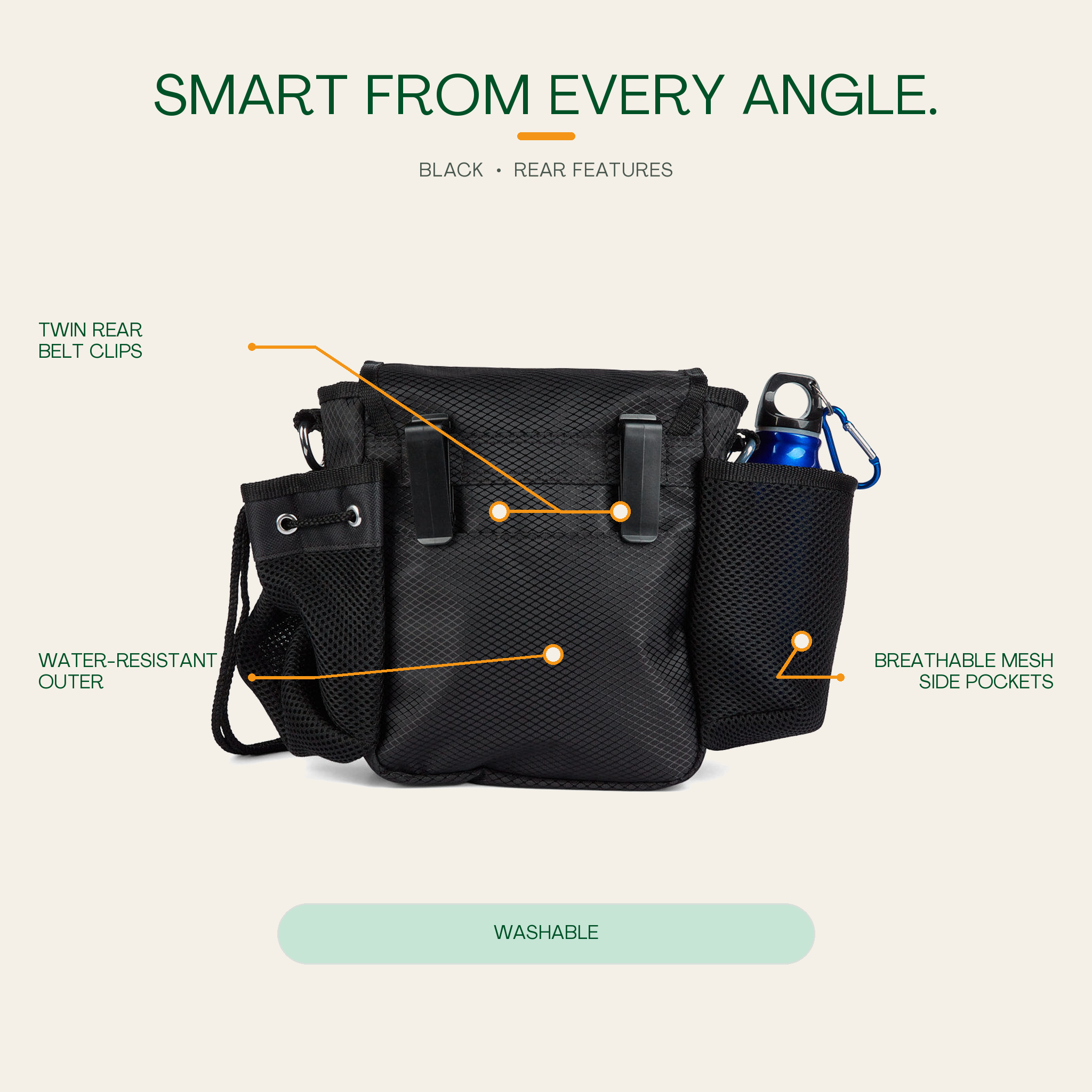
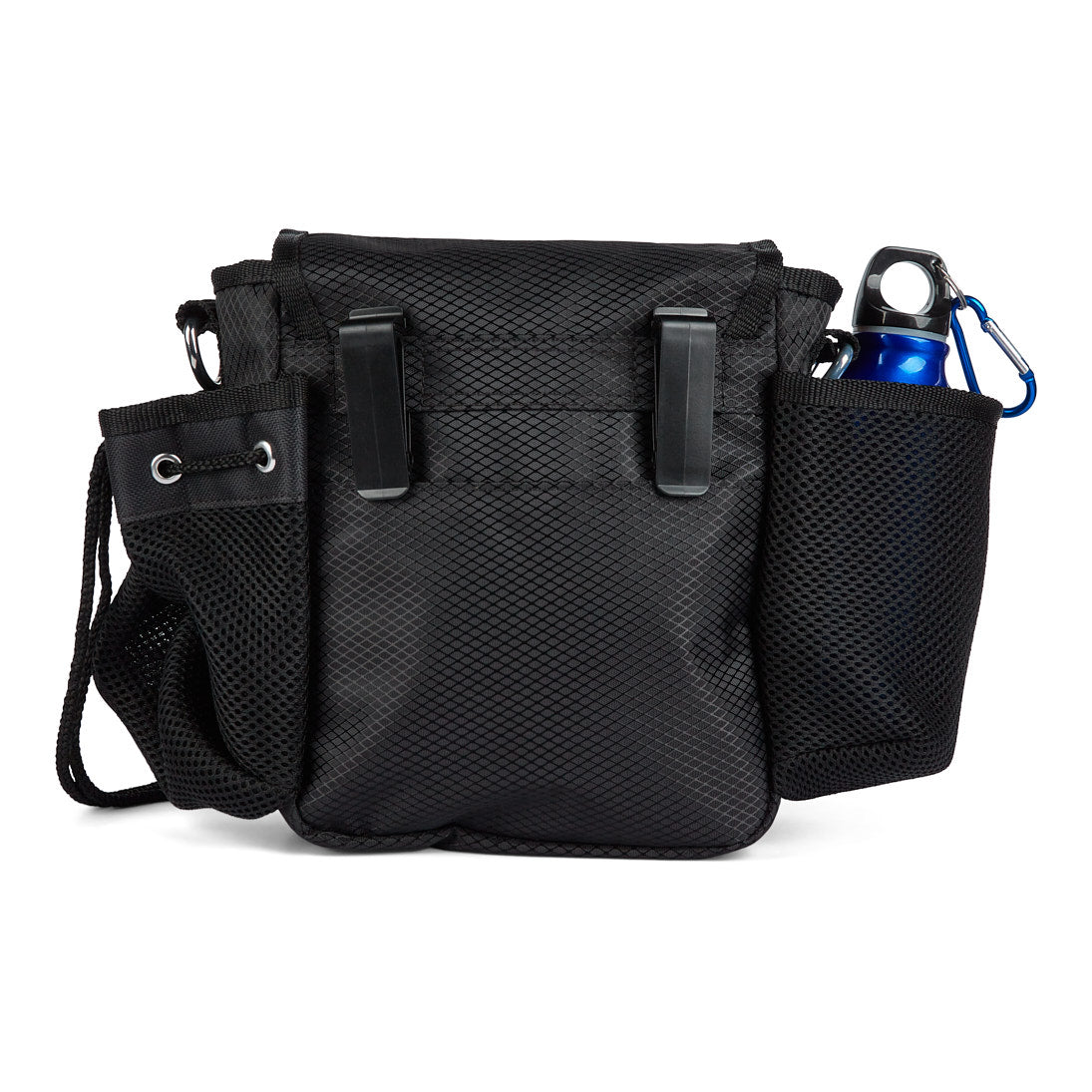
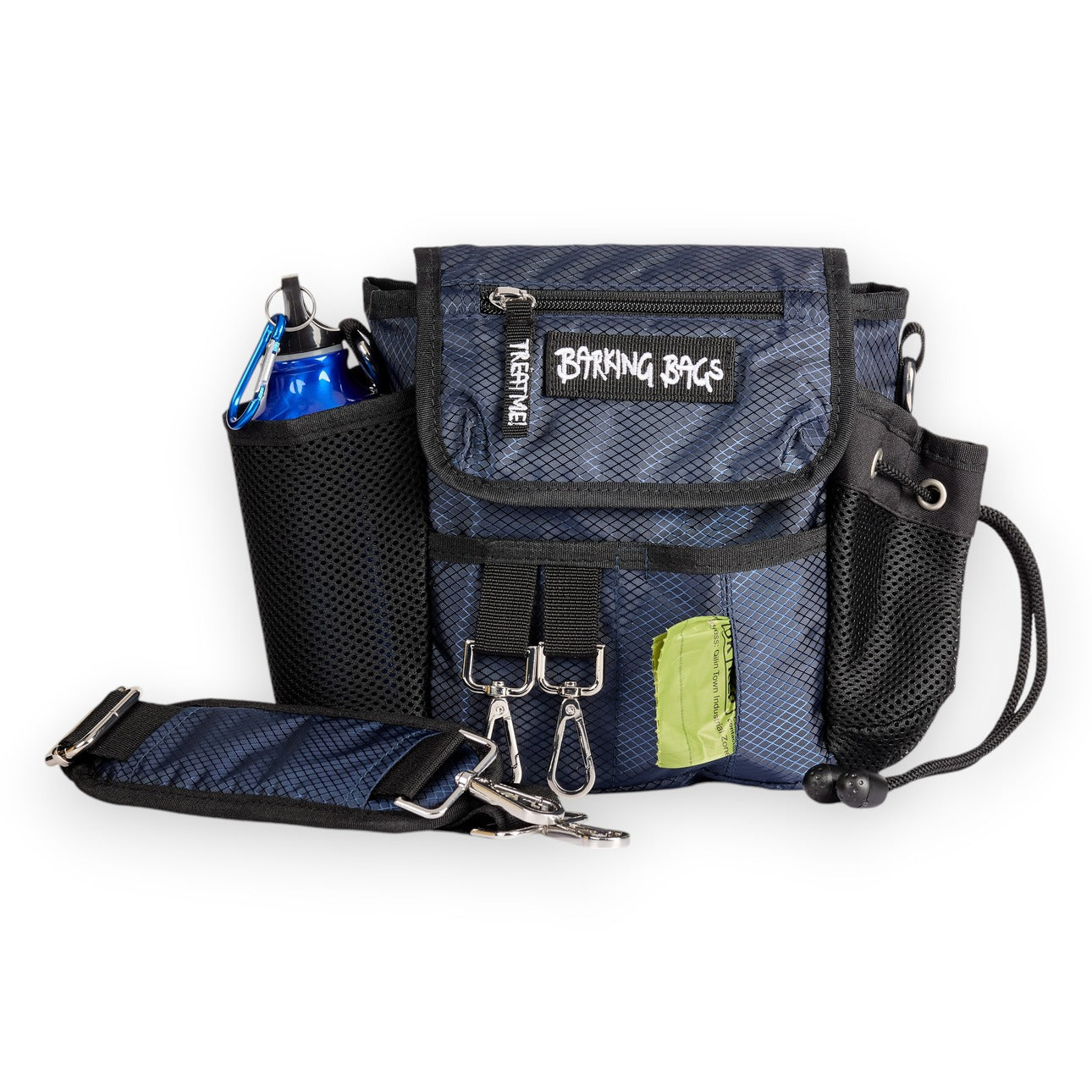
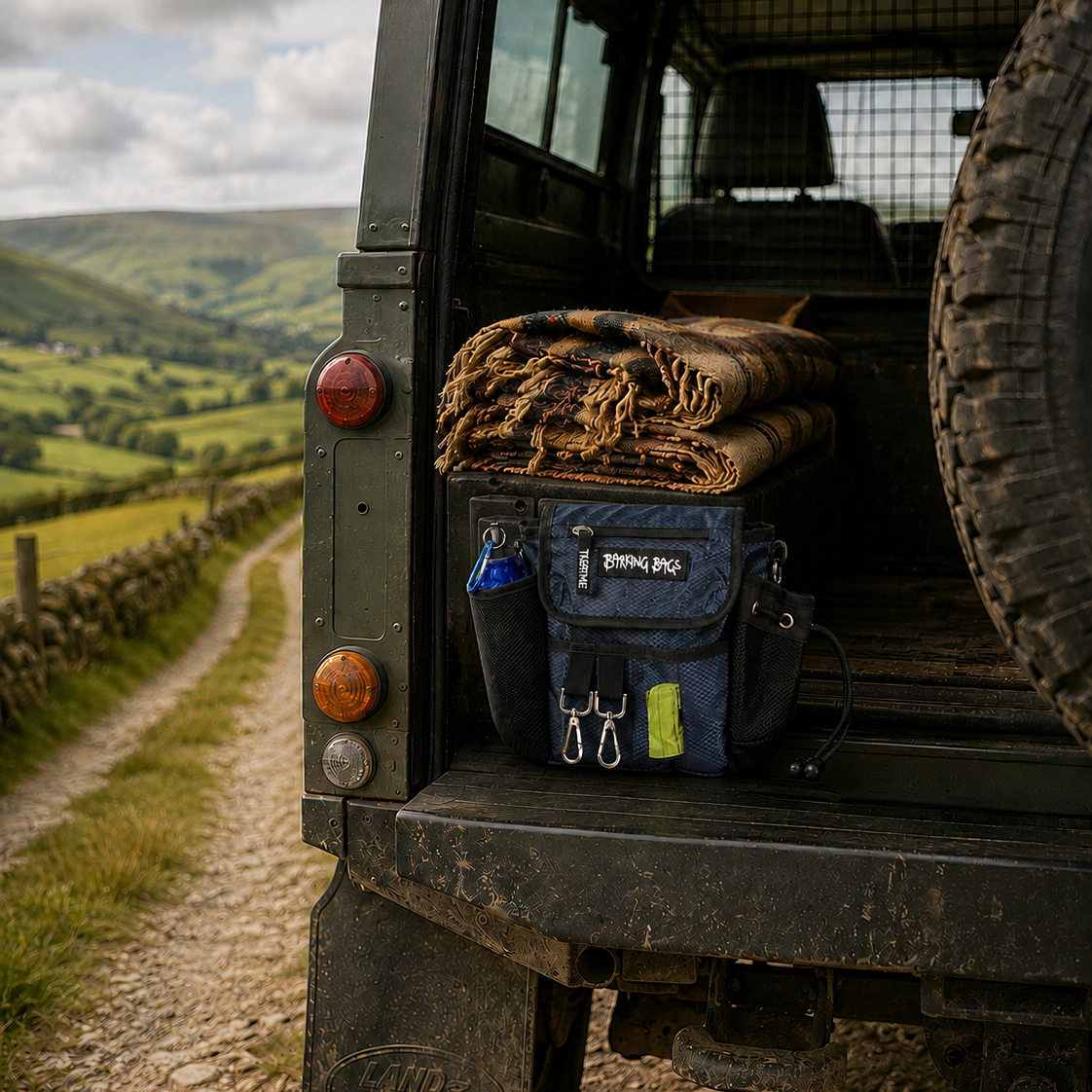
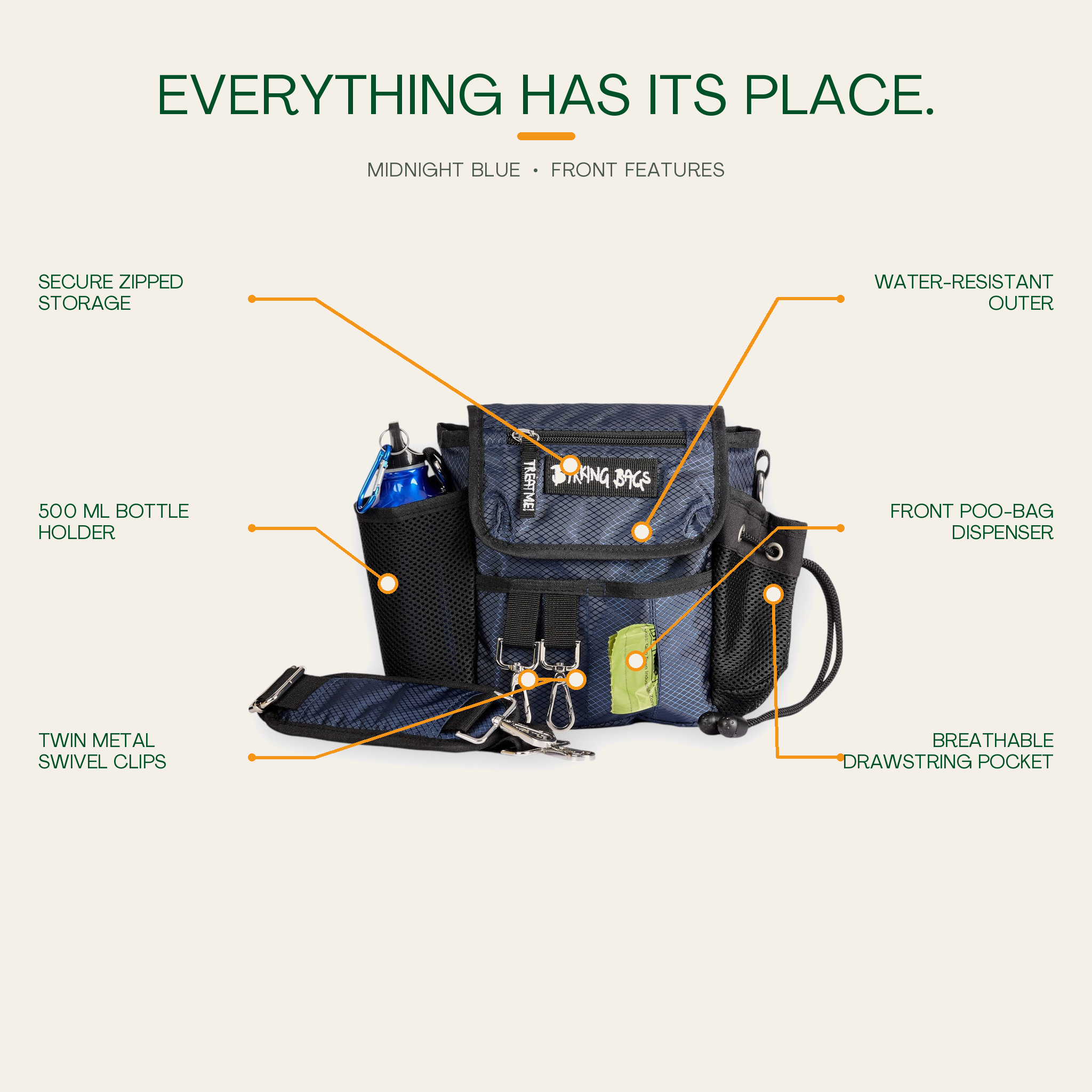
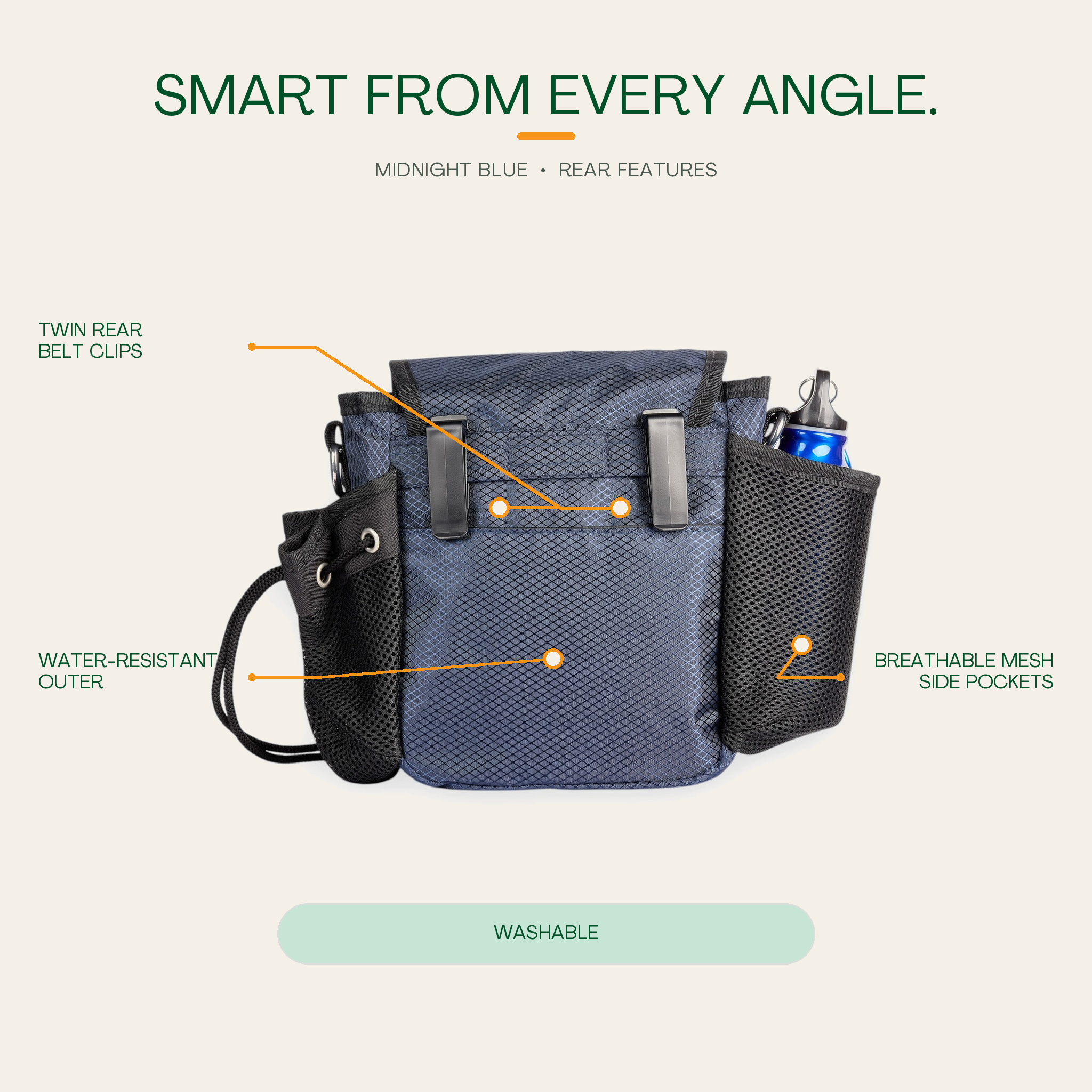
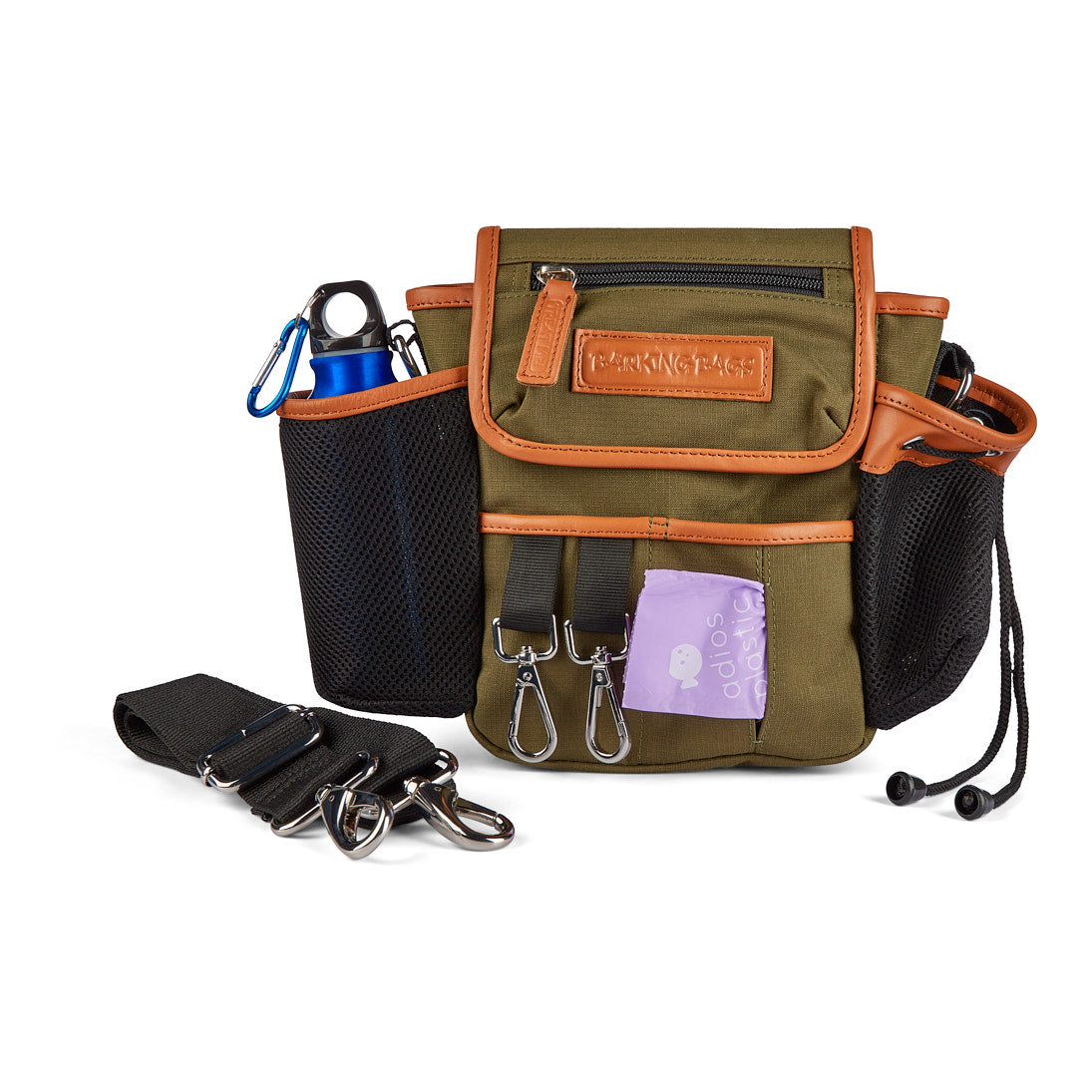
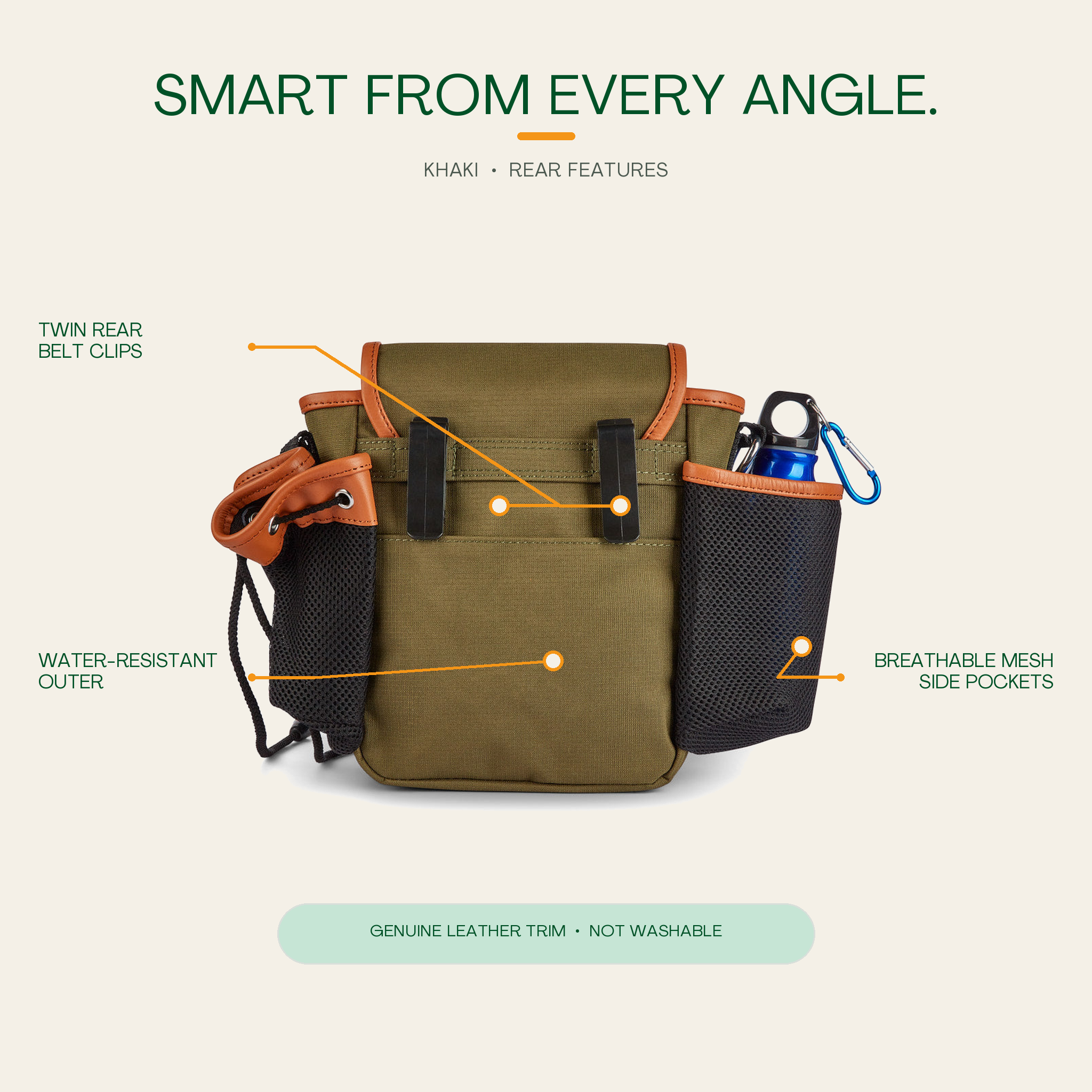
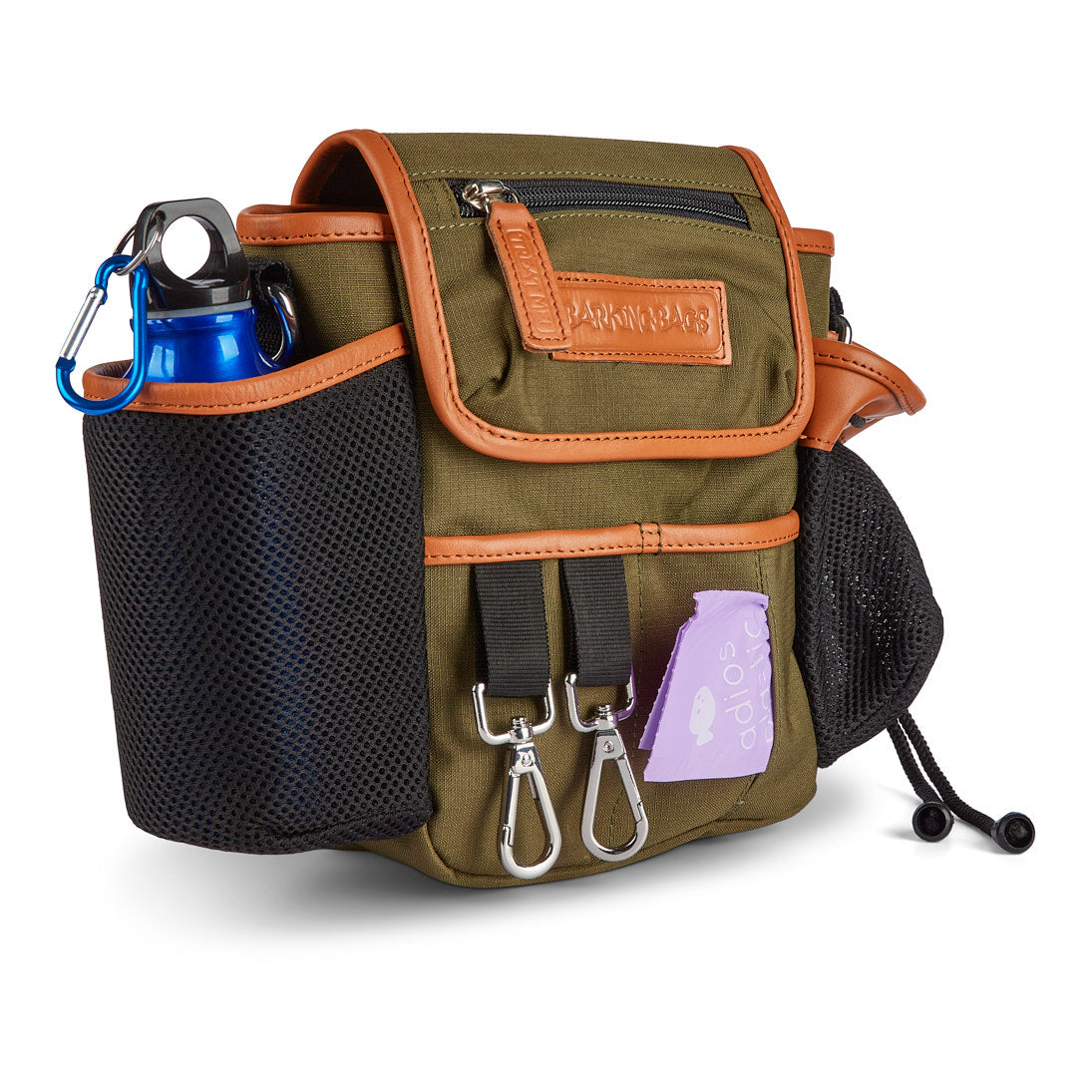
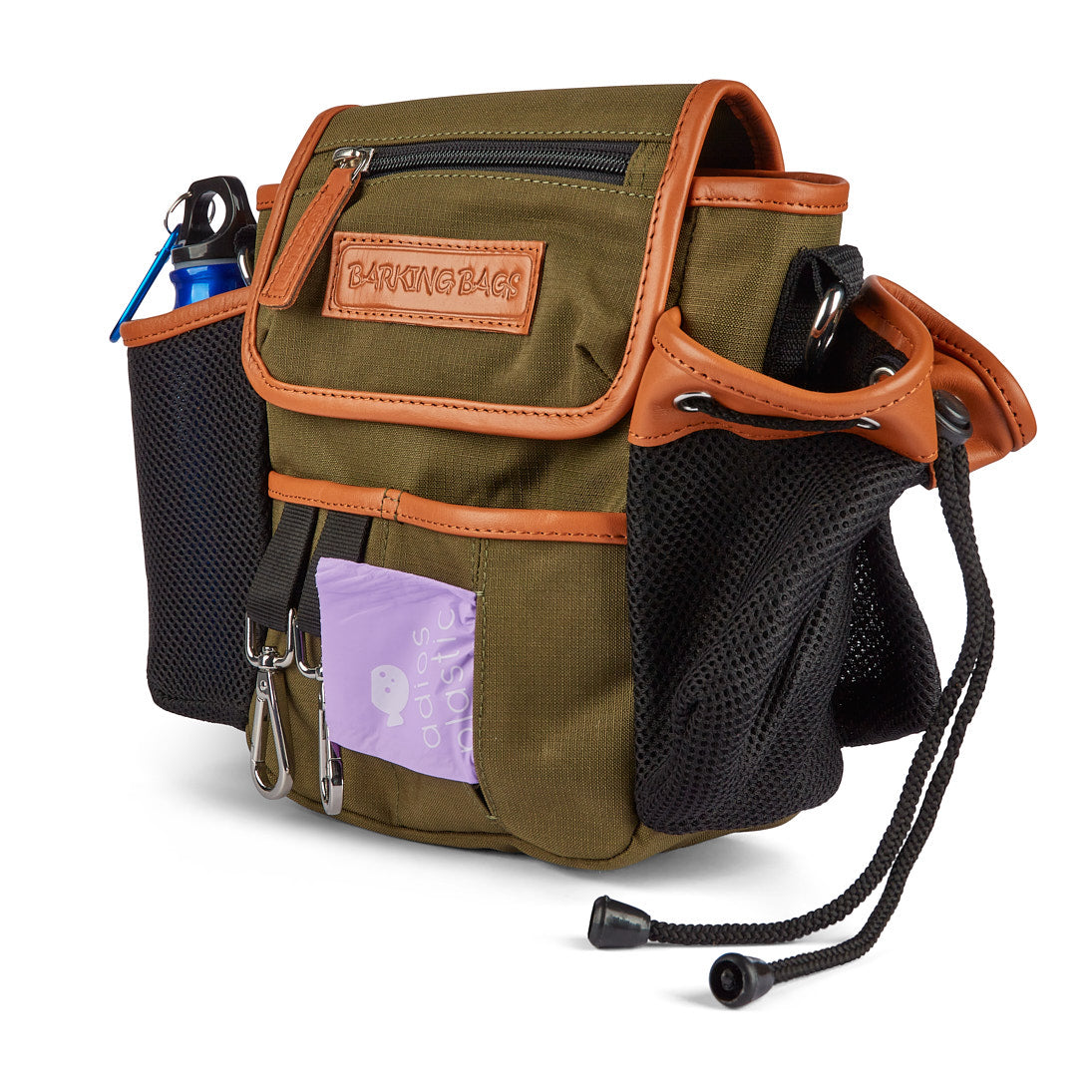
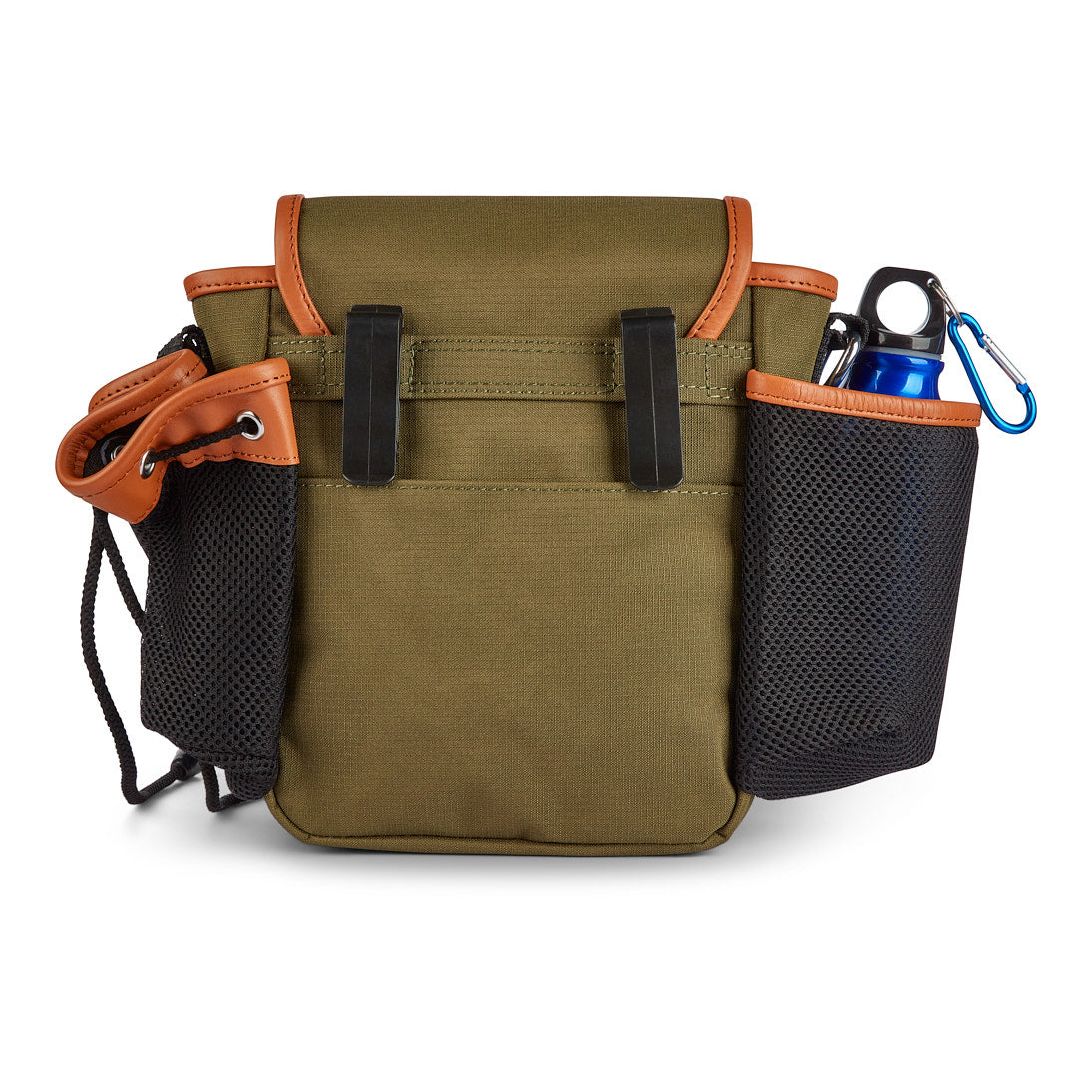
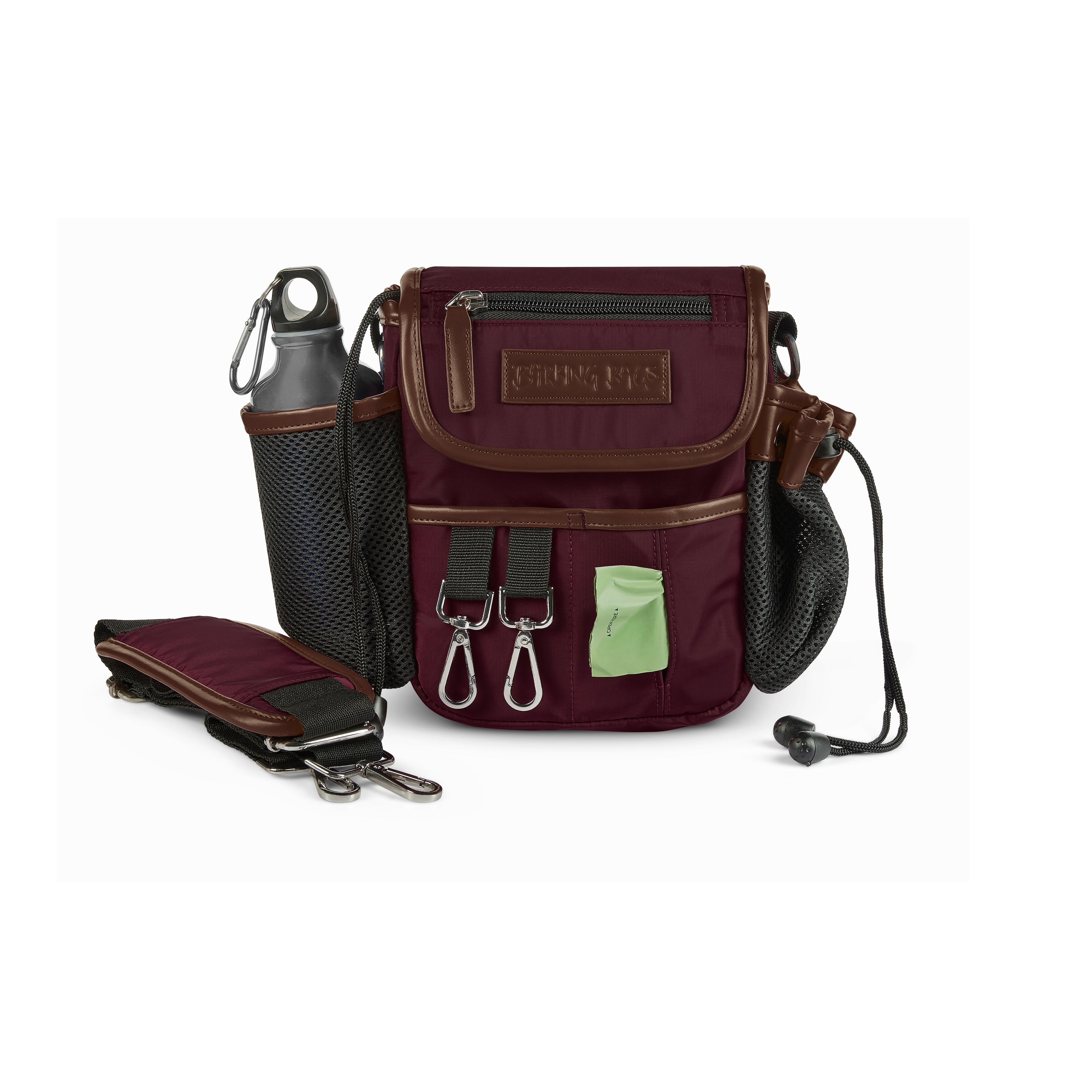
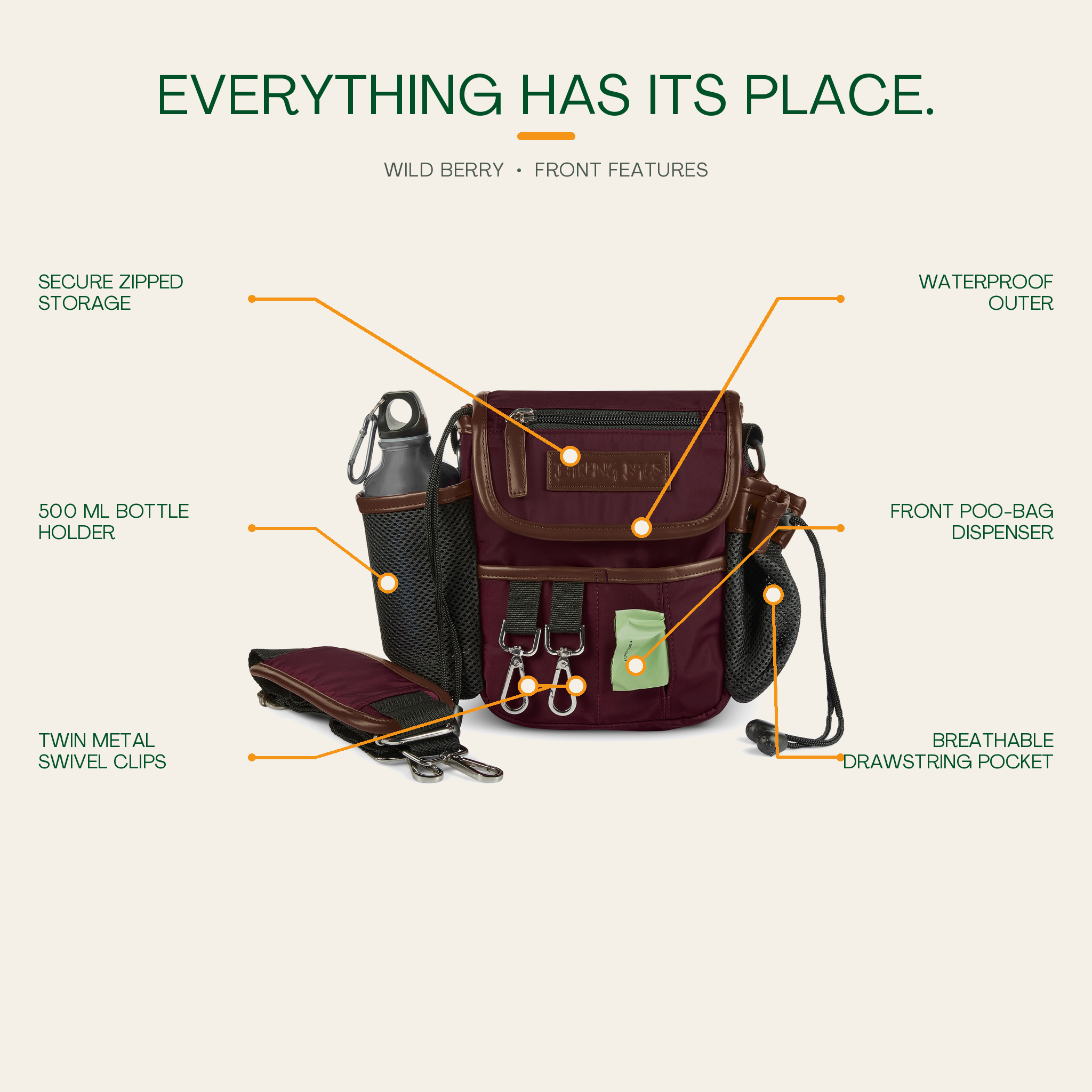
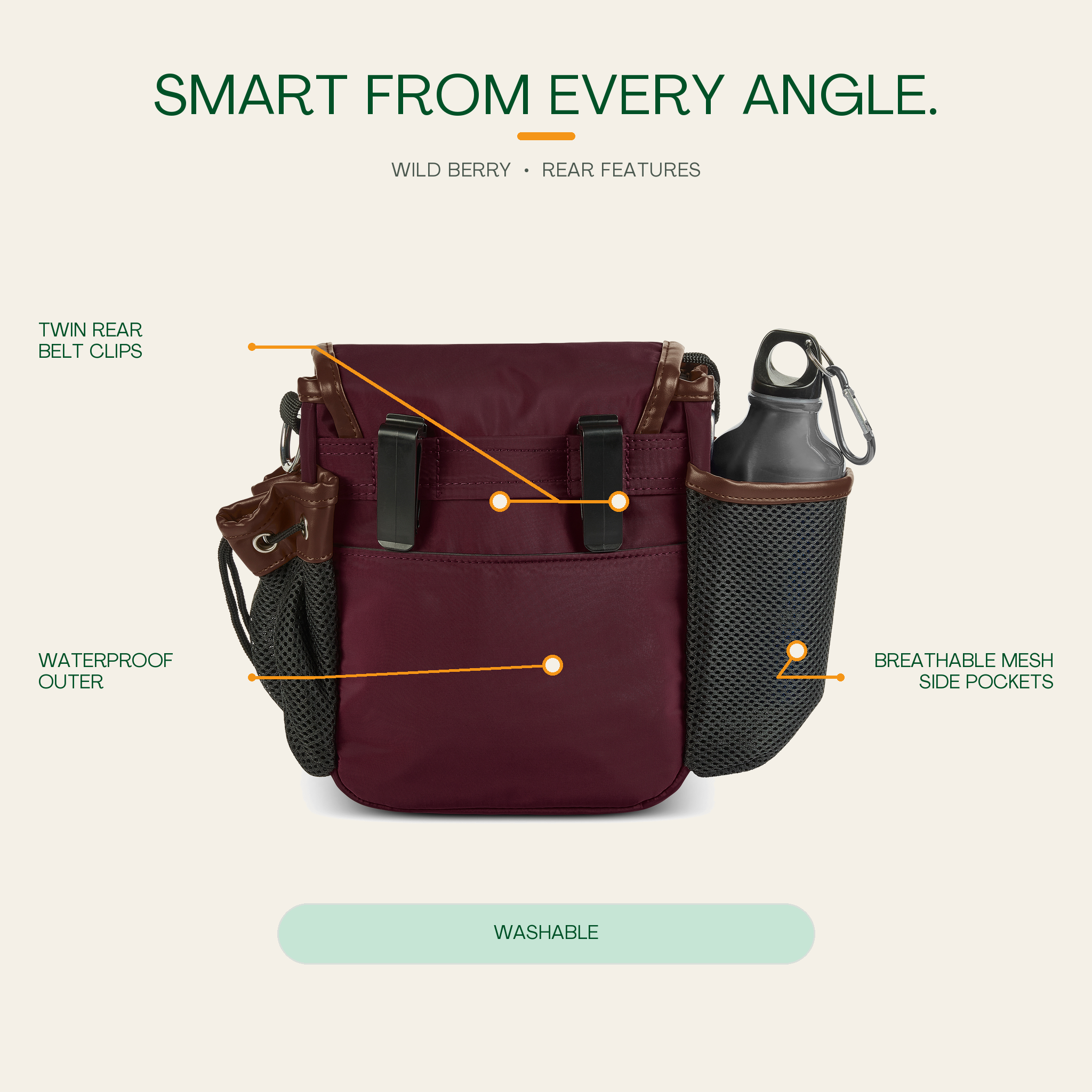
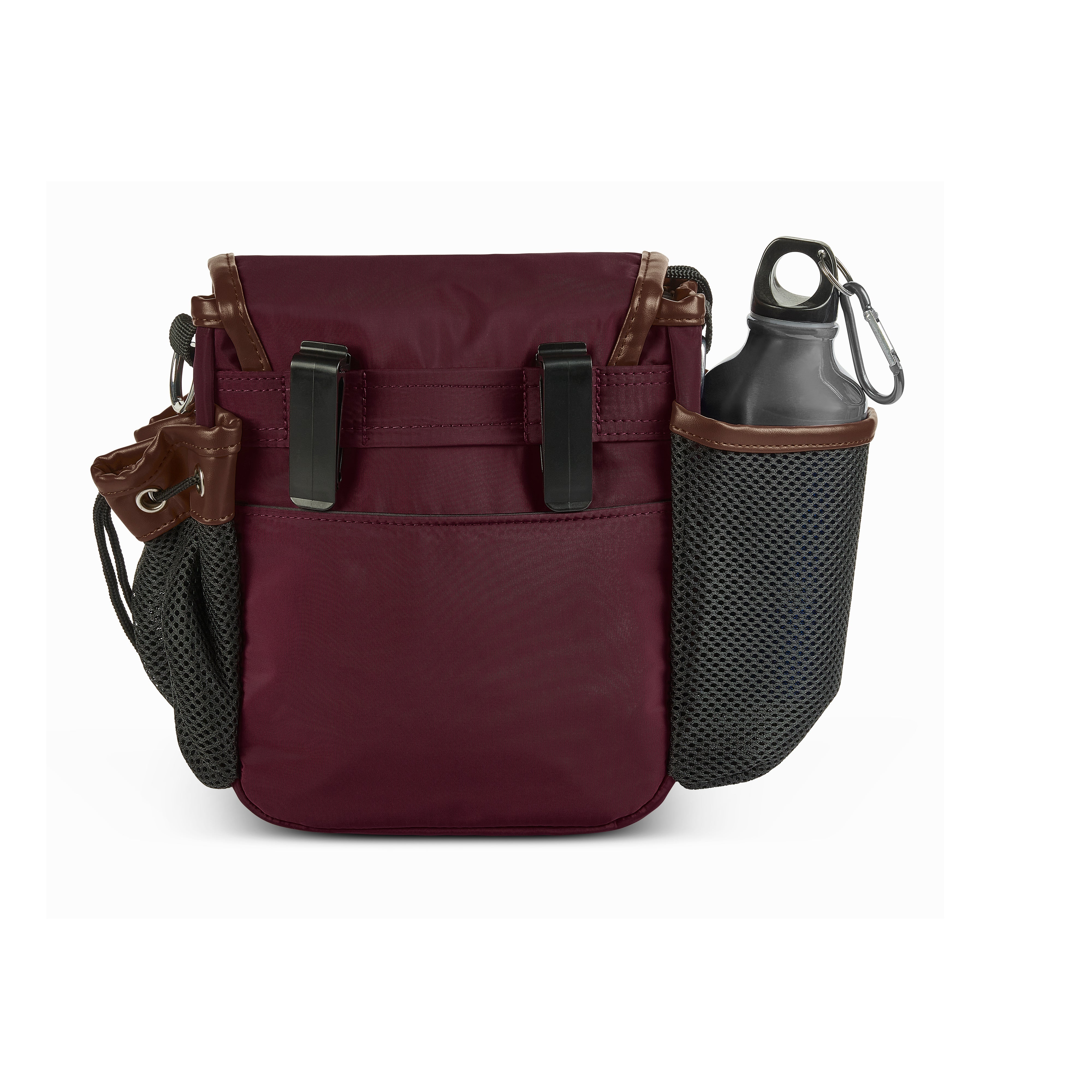
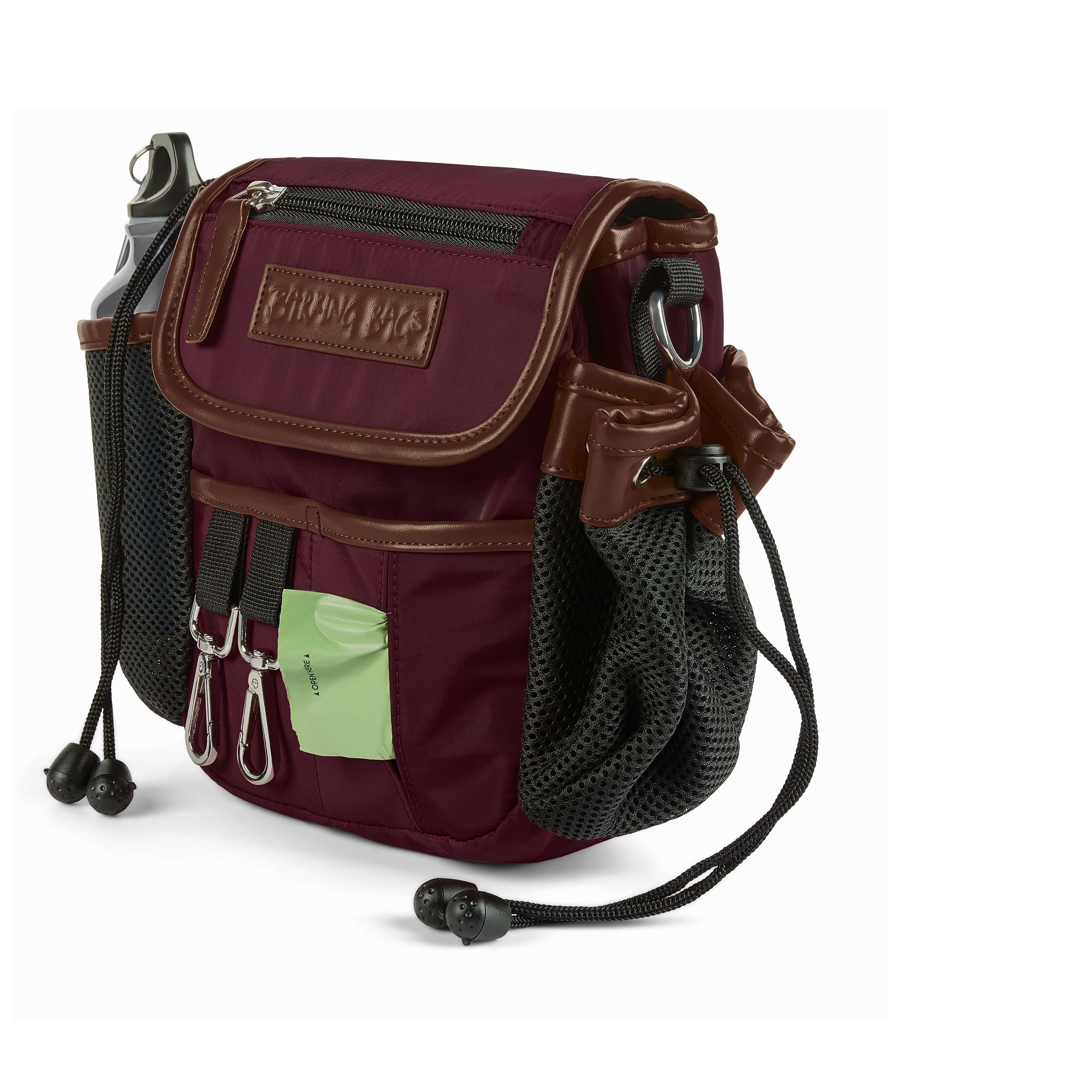
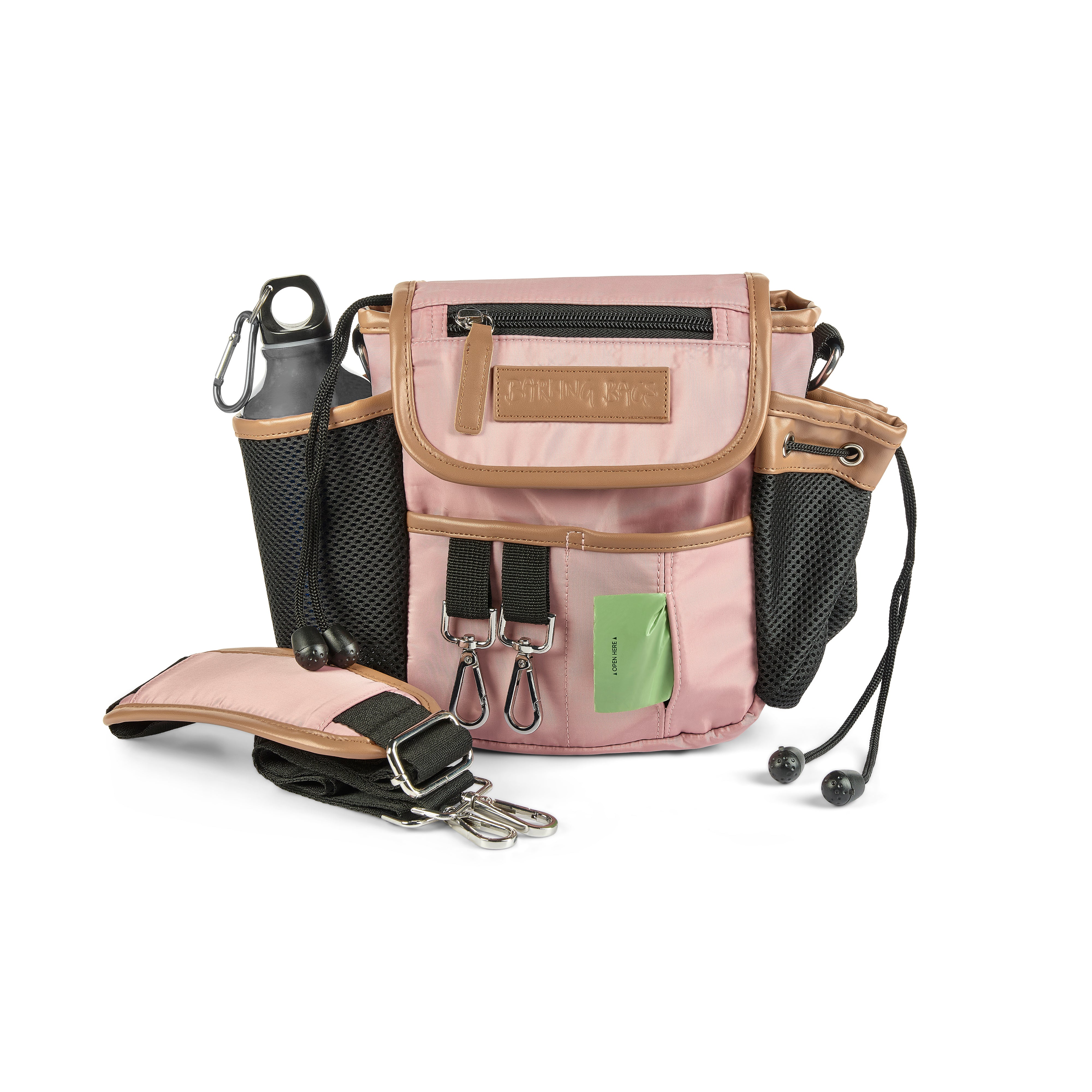
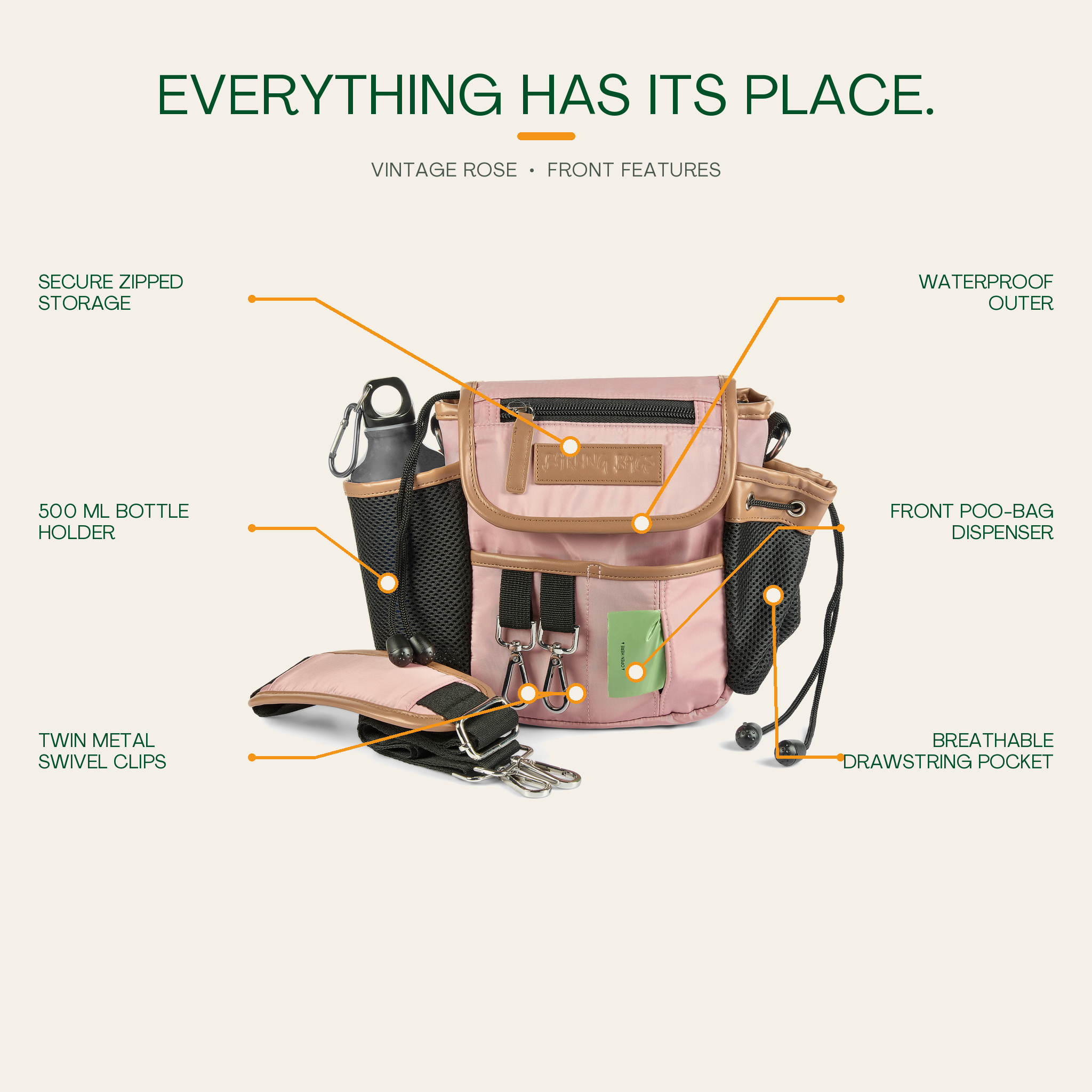
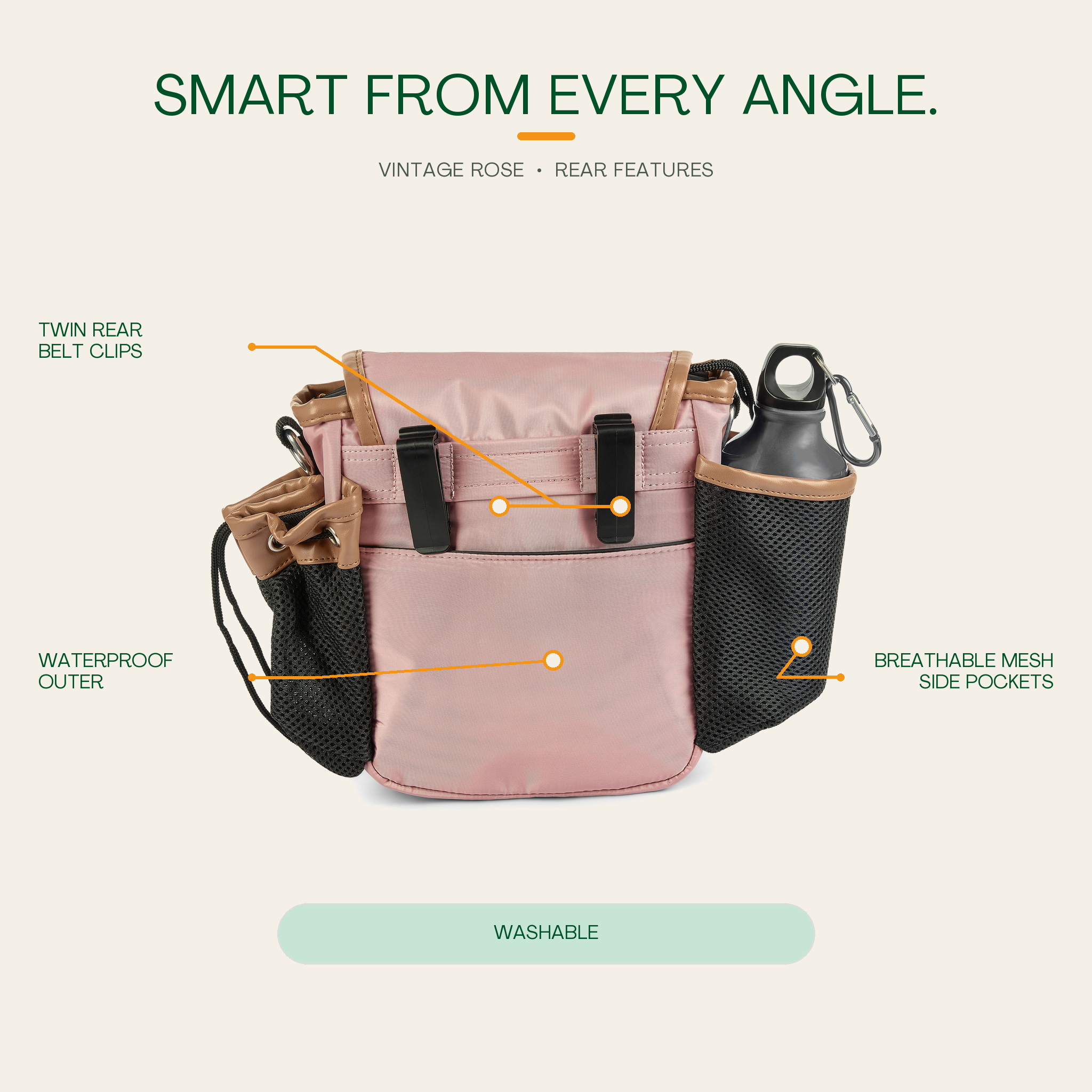
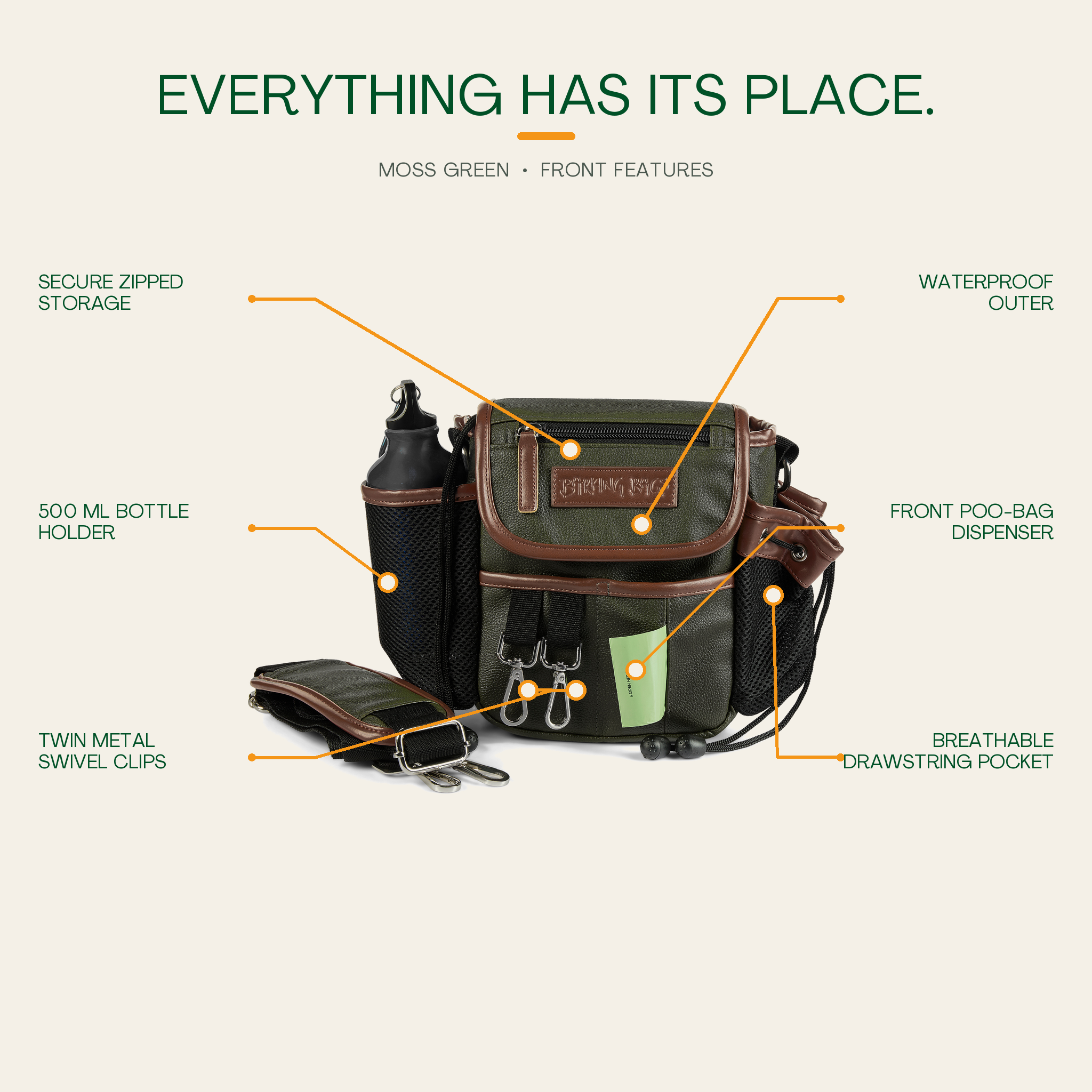
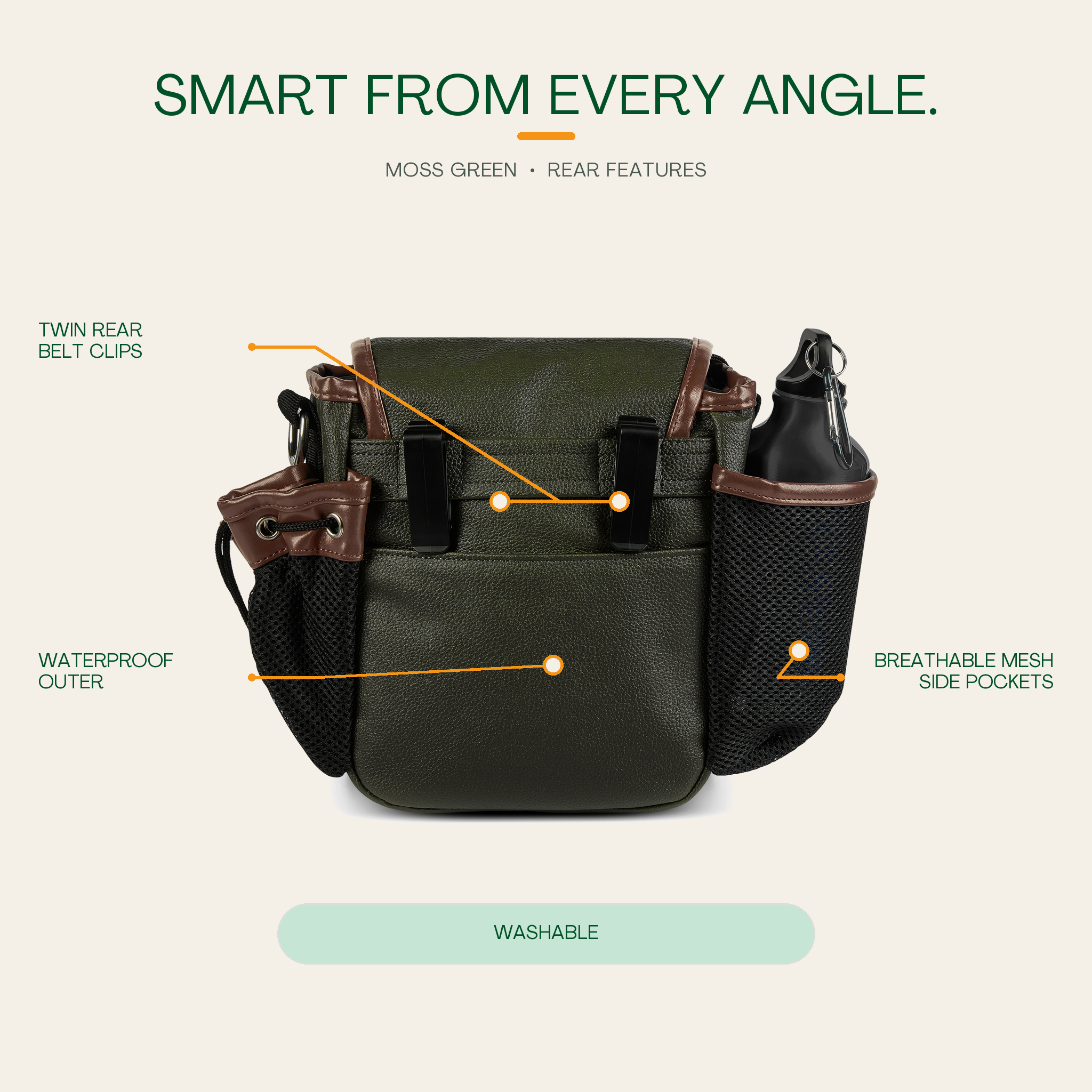
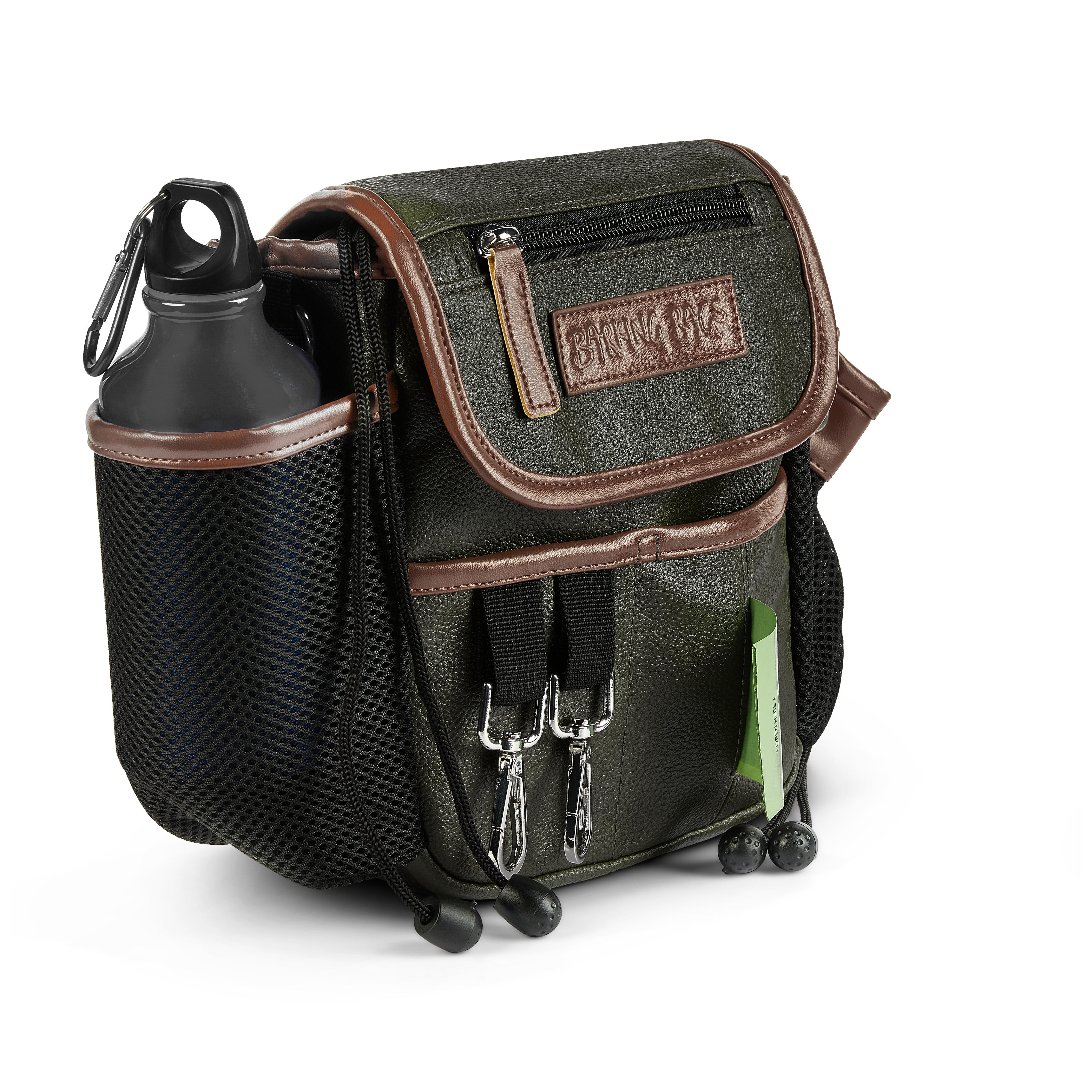
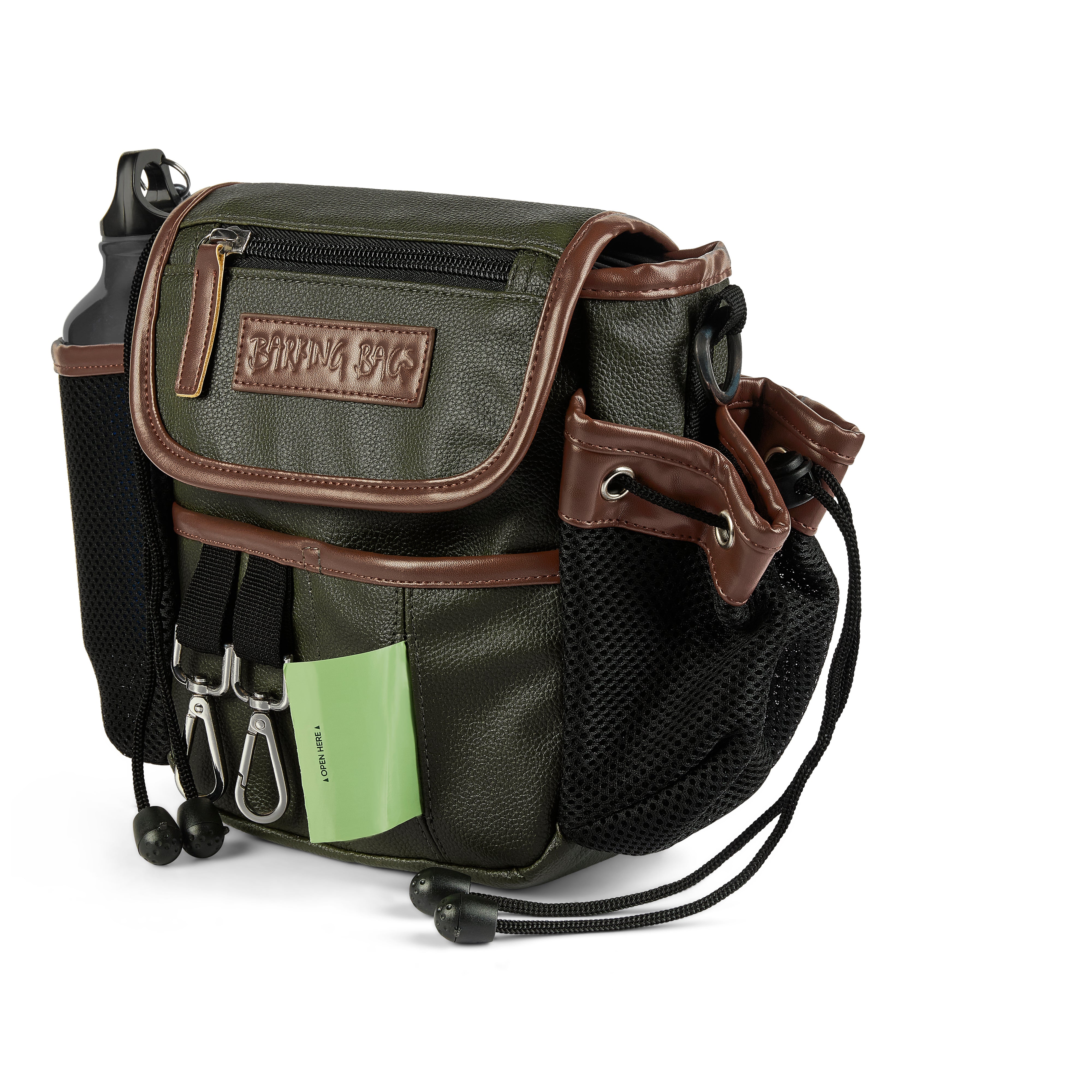
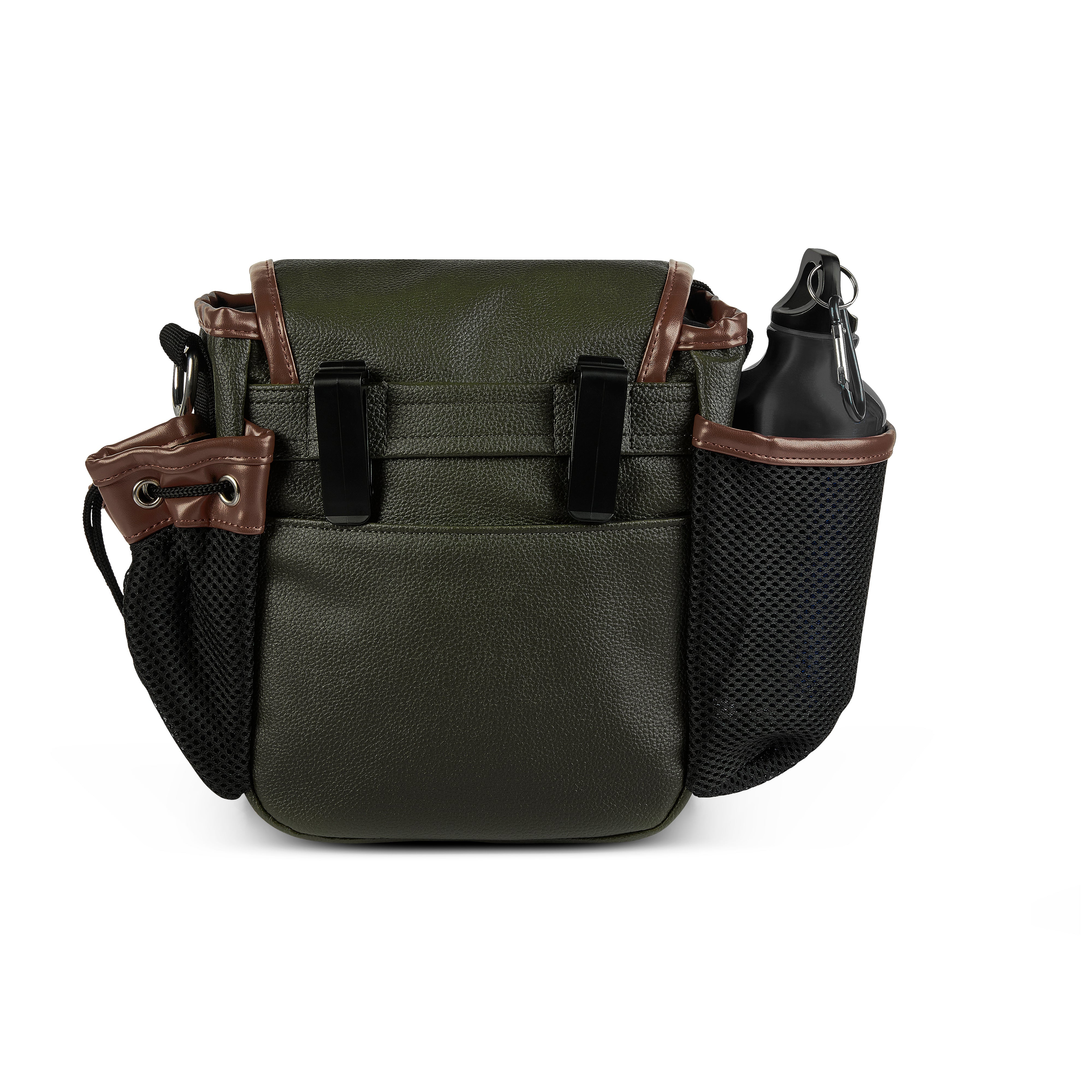
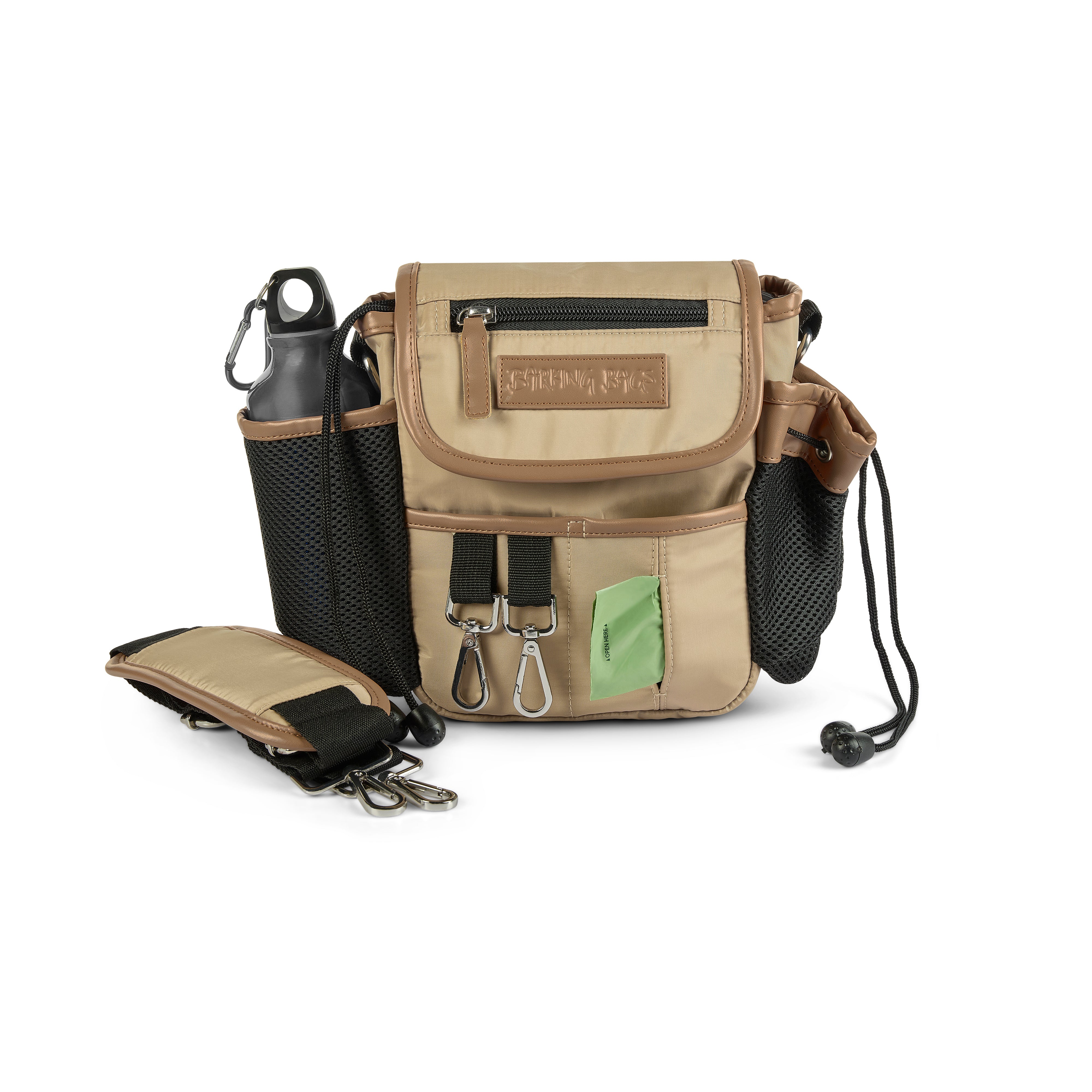
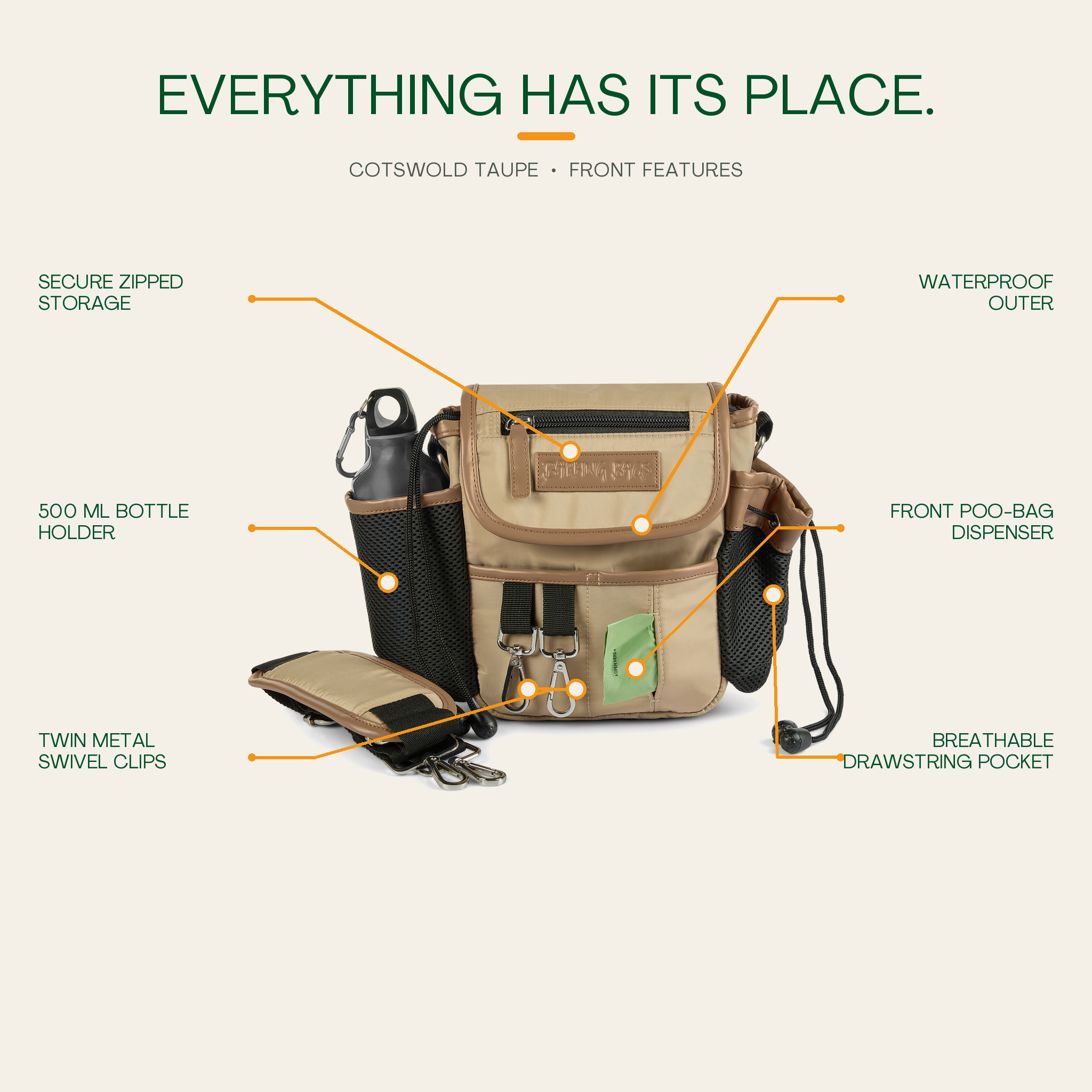
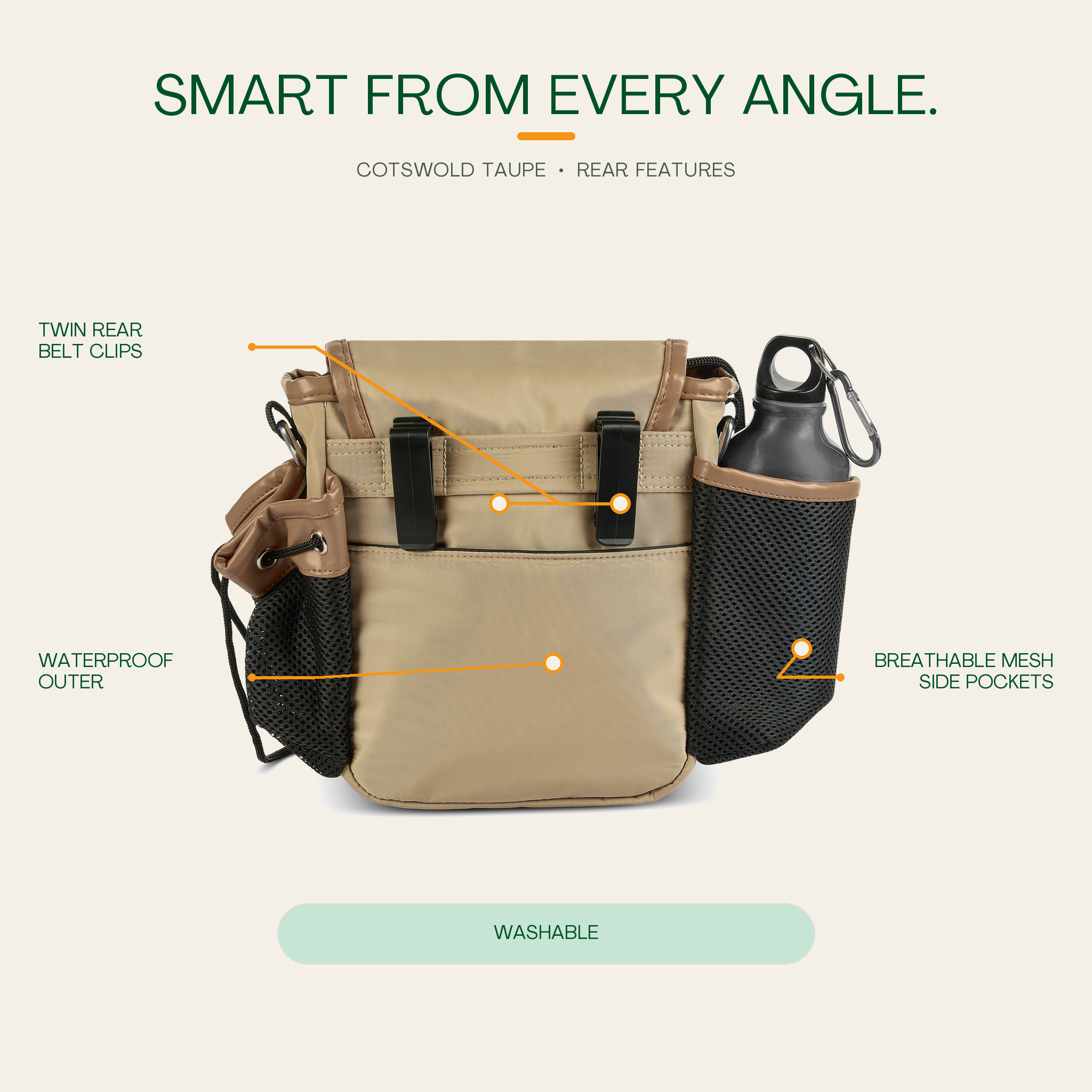
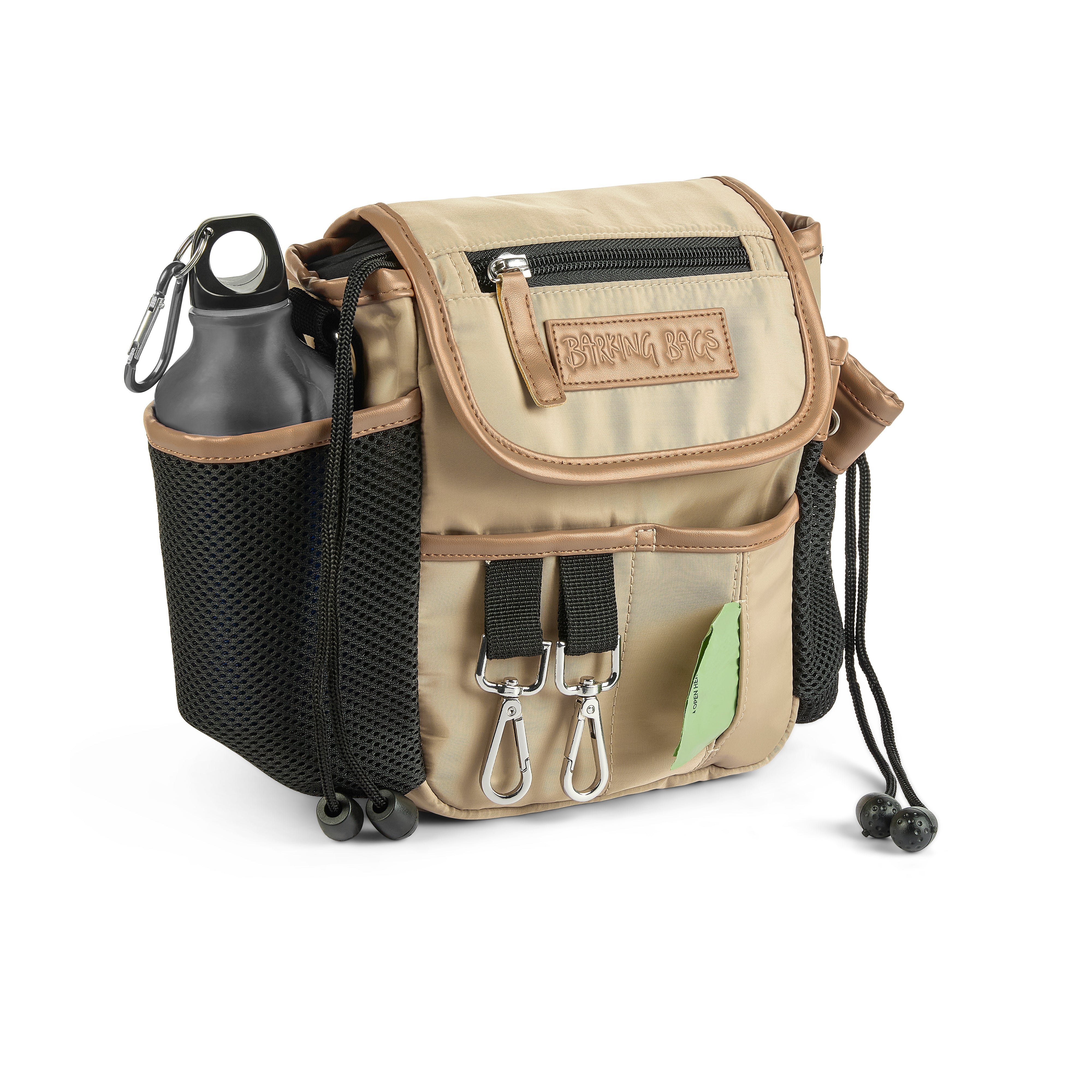
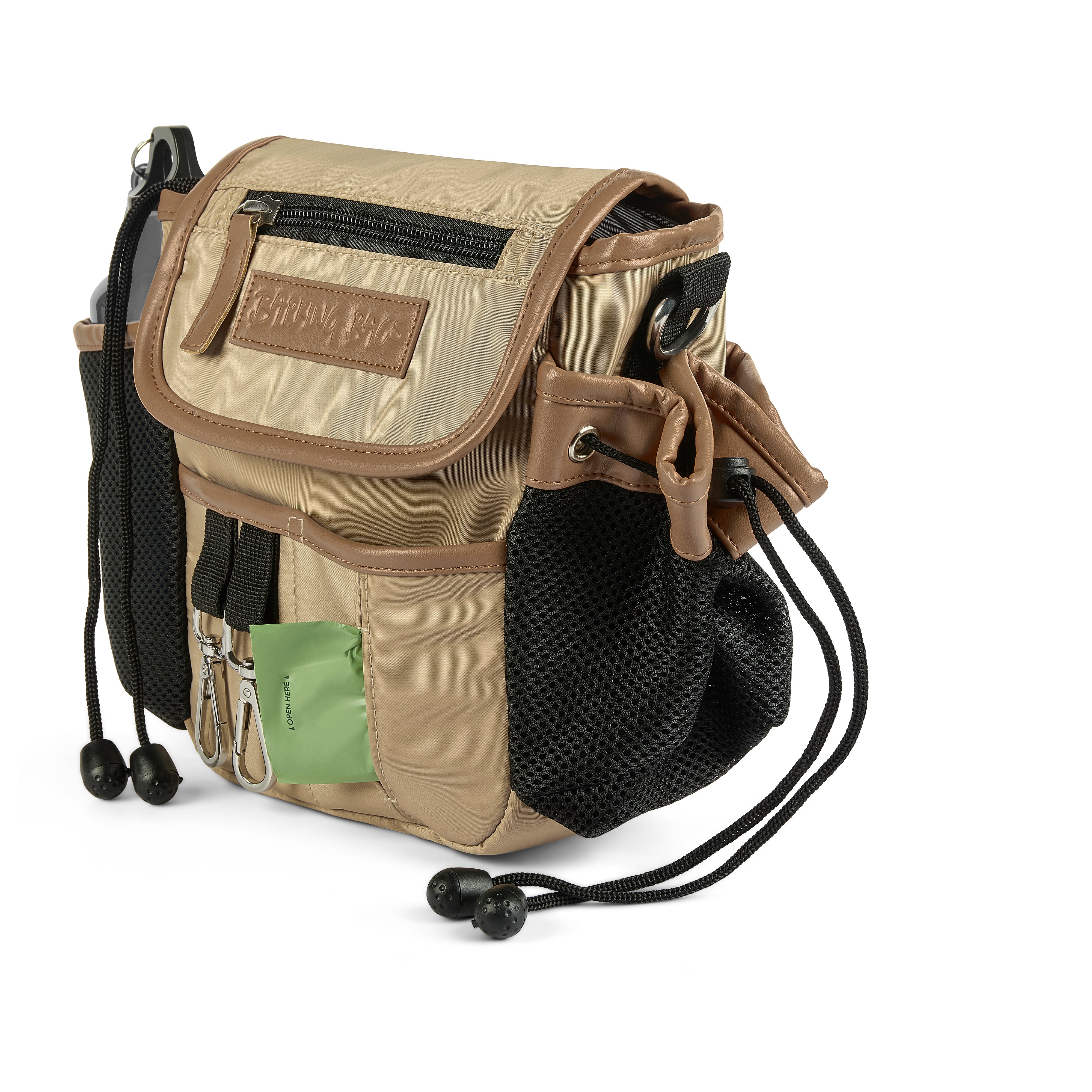
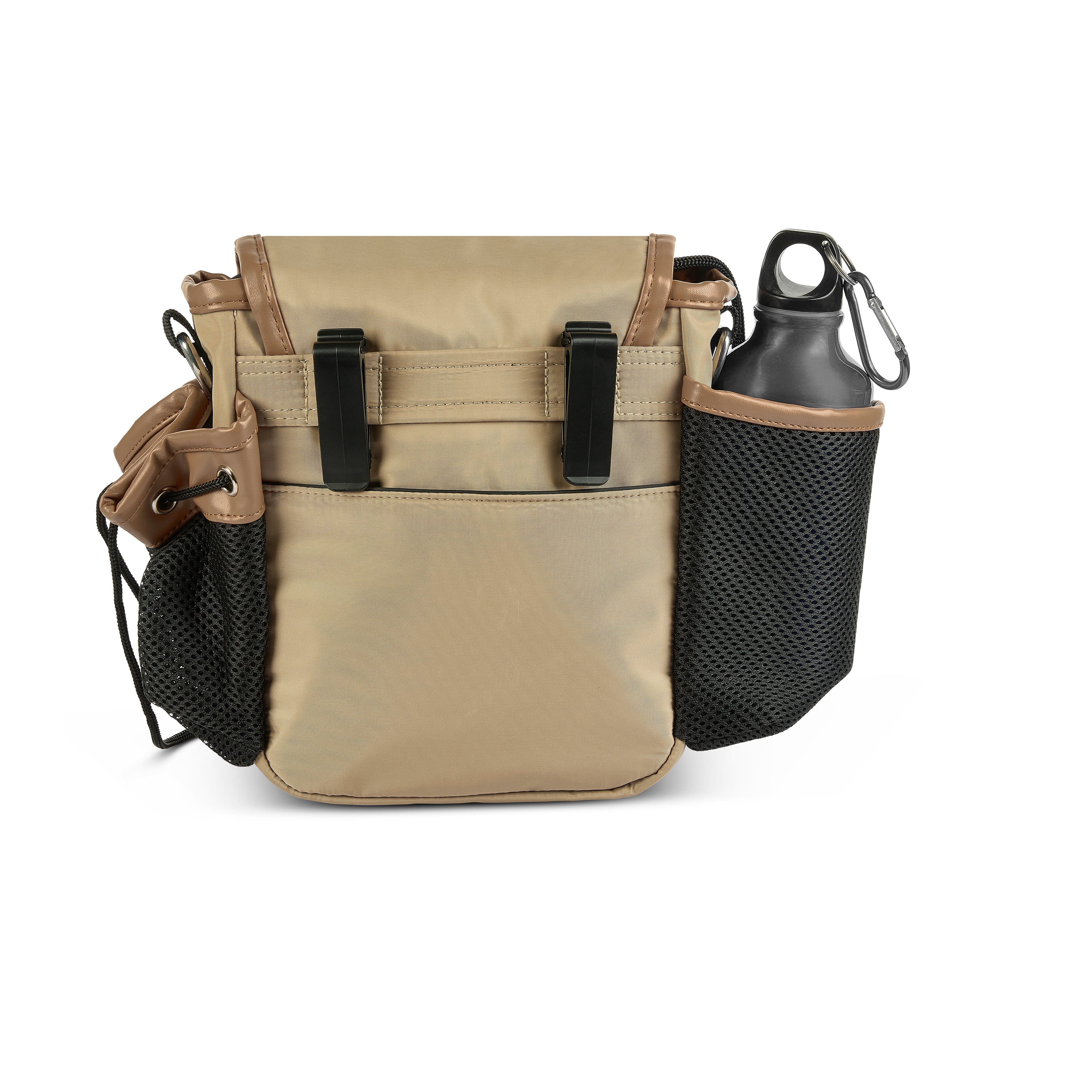
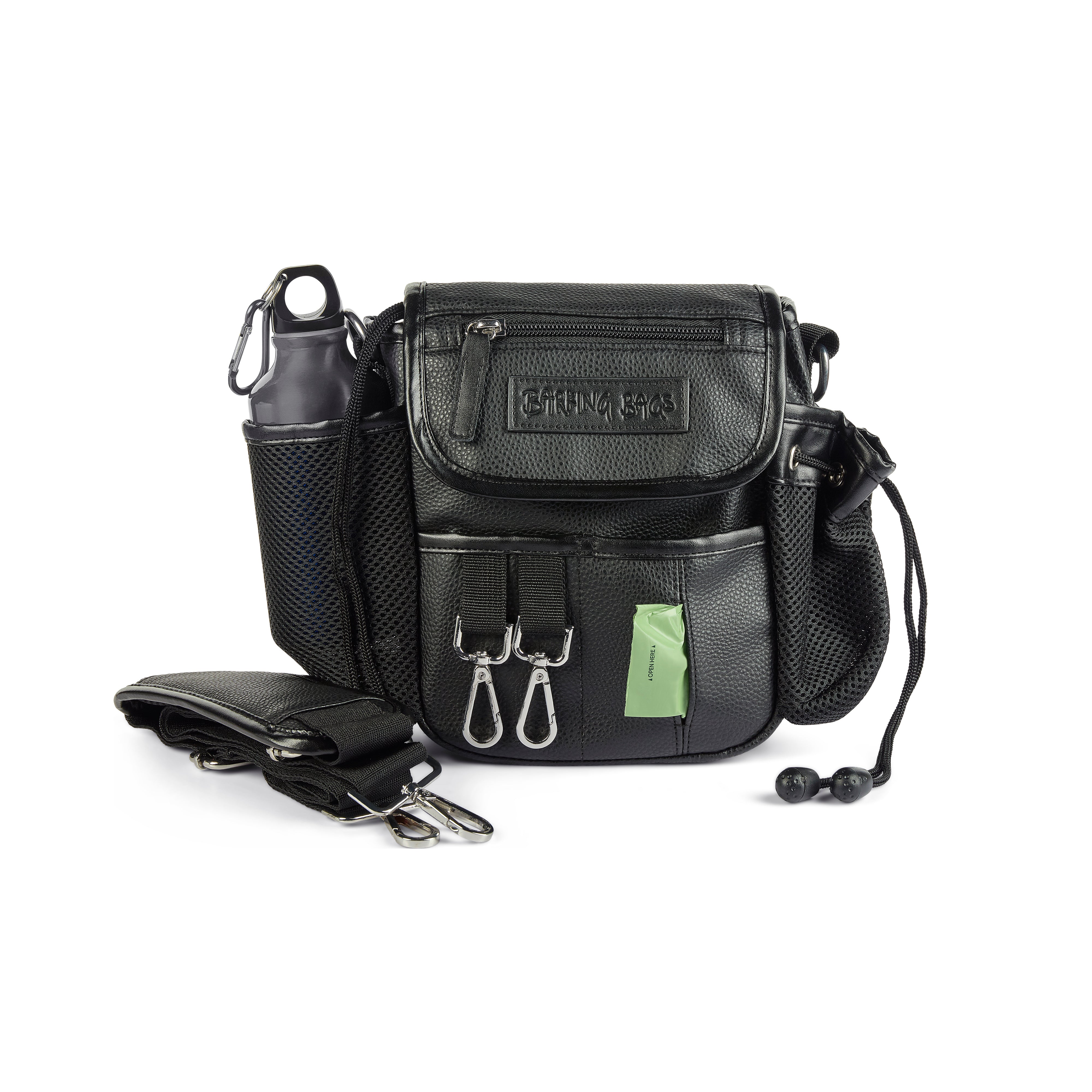
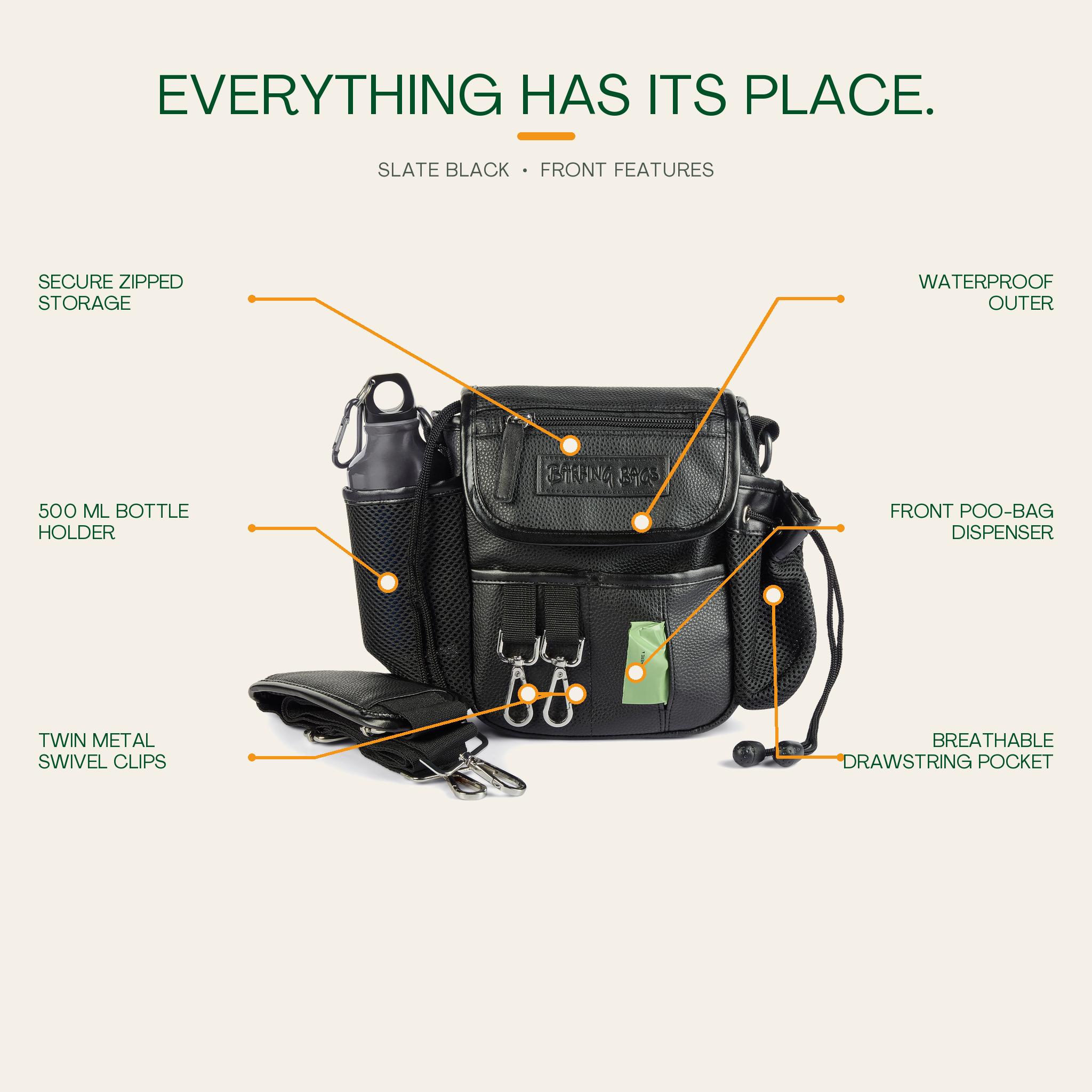
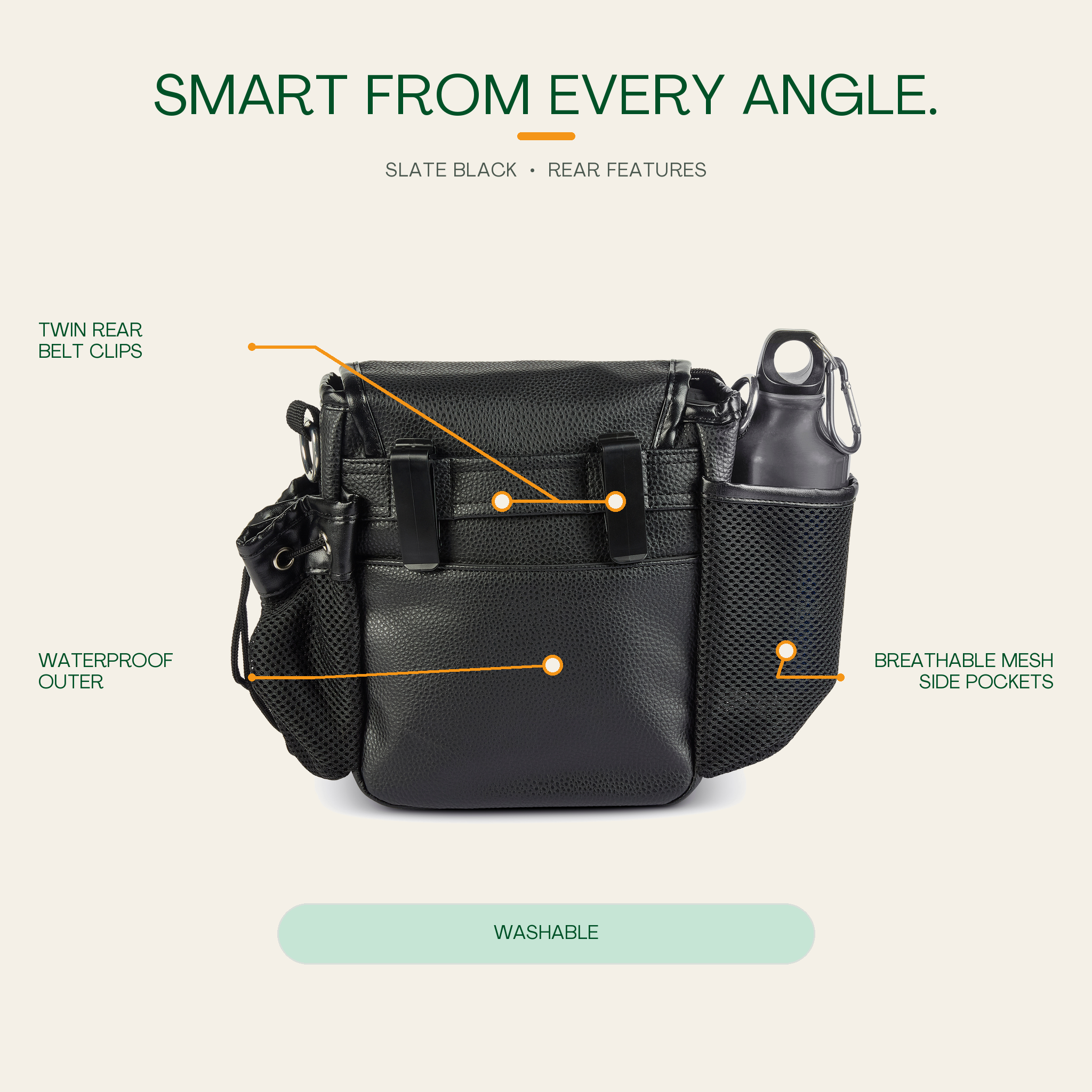
This is where specialist dog walking design makes a difference. A bag built around real walking habits tends to sit better, open more easily, and keep essentials where you expect them to be. Barking Bags is built around that exact idea - helping dog owners carry what they need without the usual pocket-juggling or handbag compromise.
Small fit changes make the biggest difference
If your current treat bag feels uncomfortable, you probably do not need to overhaul everything. Start by shifting it a few centimetres towards the front of your hip, tightening the strap slightly, and removing anything you do not need. Then test it on a normal walk, not just around the house.
Most comfort issues come from small mismatches rather than the bag being completely wrong. The position is off. The strap is too loose. The bag is overfilled. Once you correct those details, the whole experience tends to improve quite quickly.
A good treat bag should support the walk, not become part of the hassle. When it sits properly, feels balanced, and gives you easy access exactly when you need it, you stop thinking about the bag and get on with enjoying the dog walk.