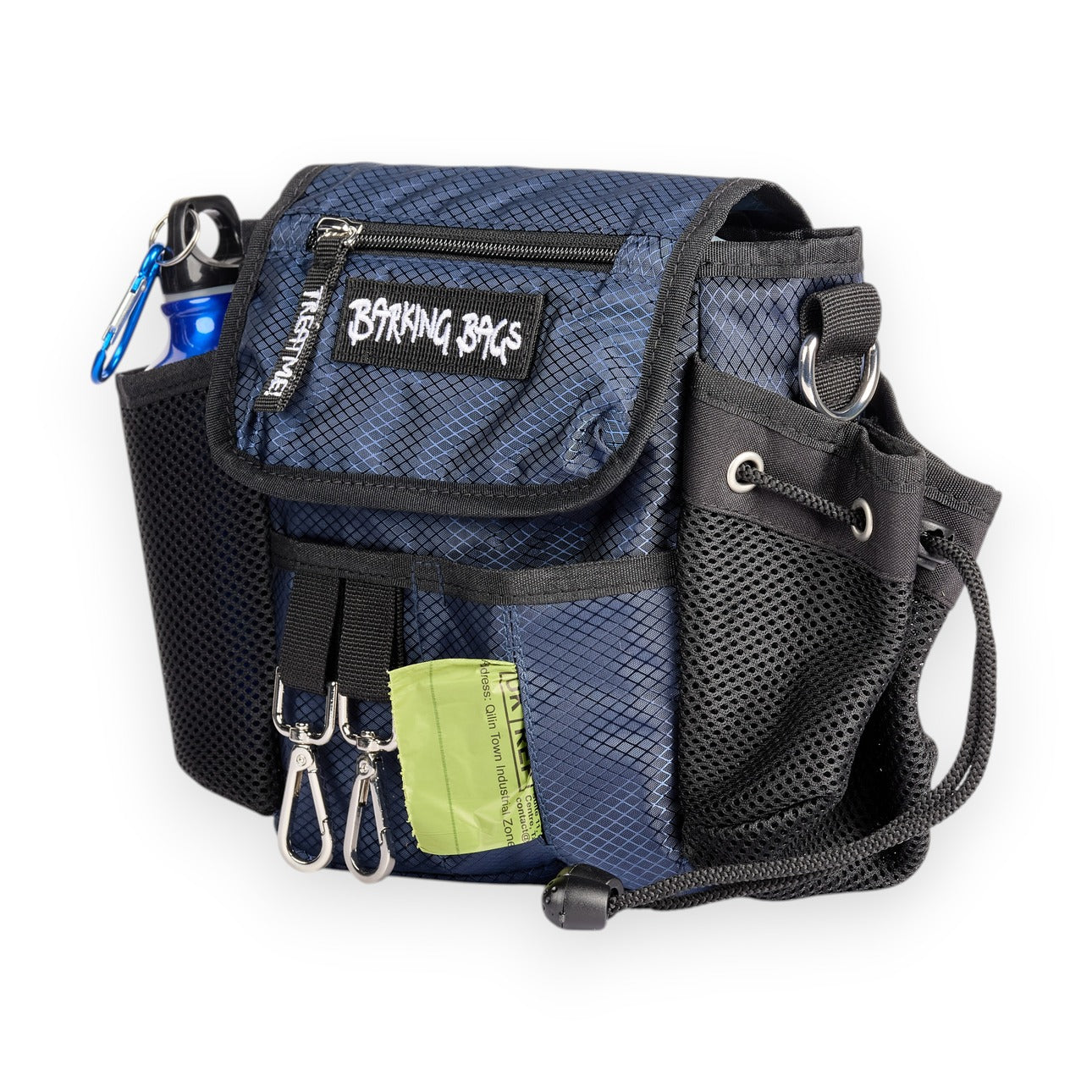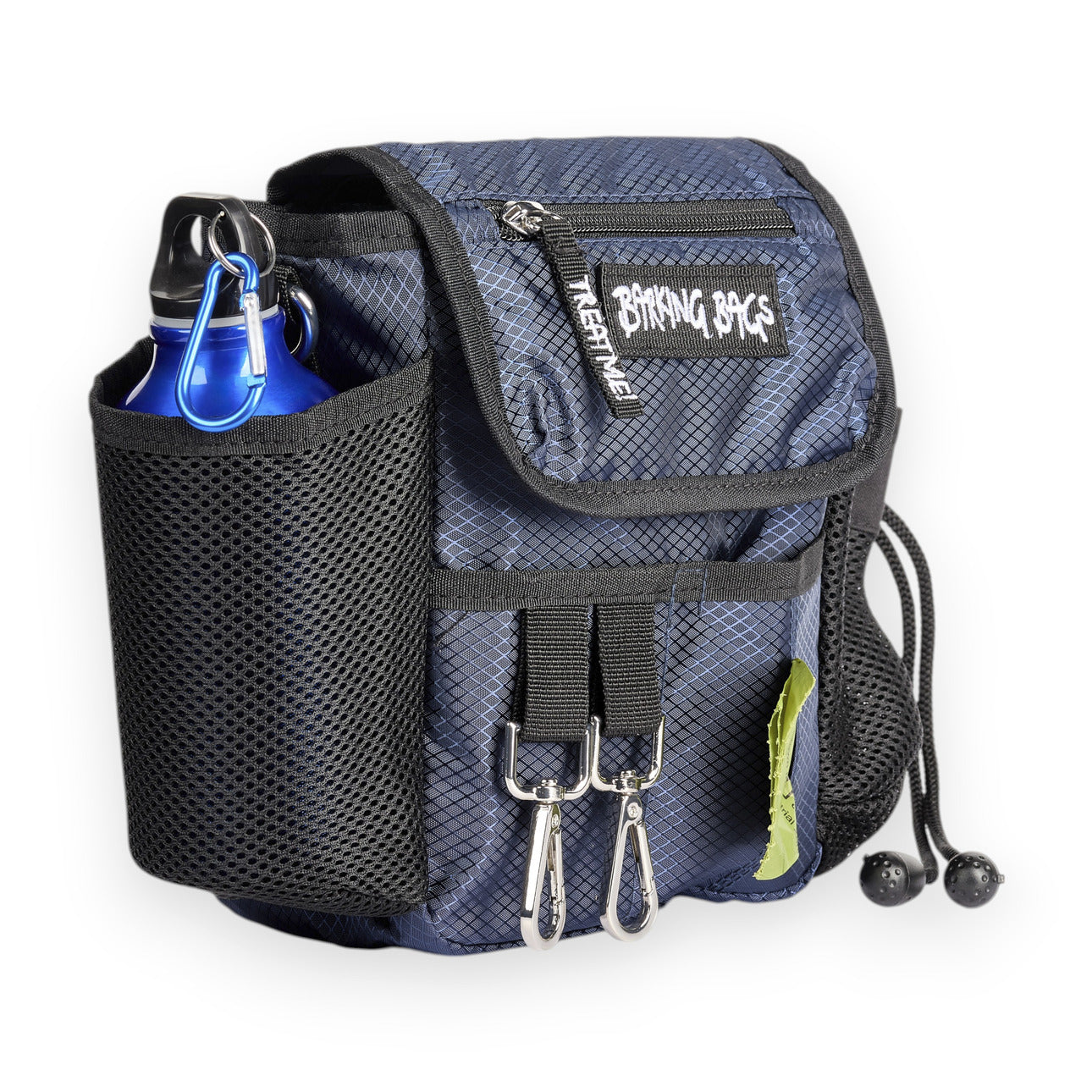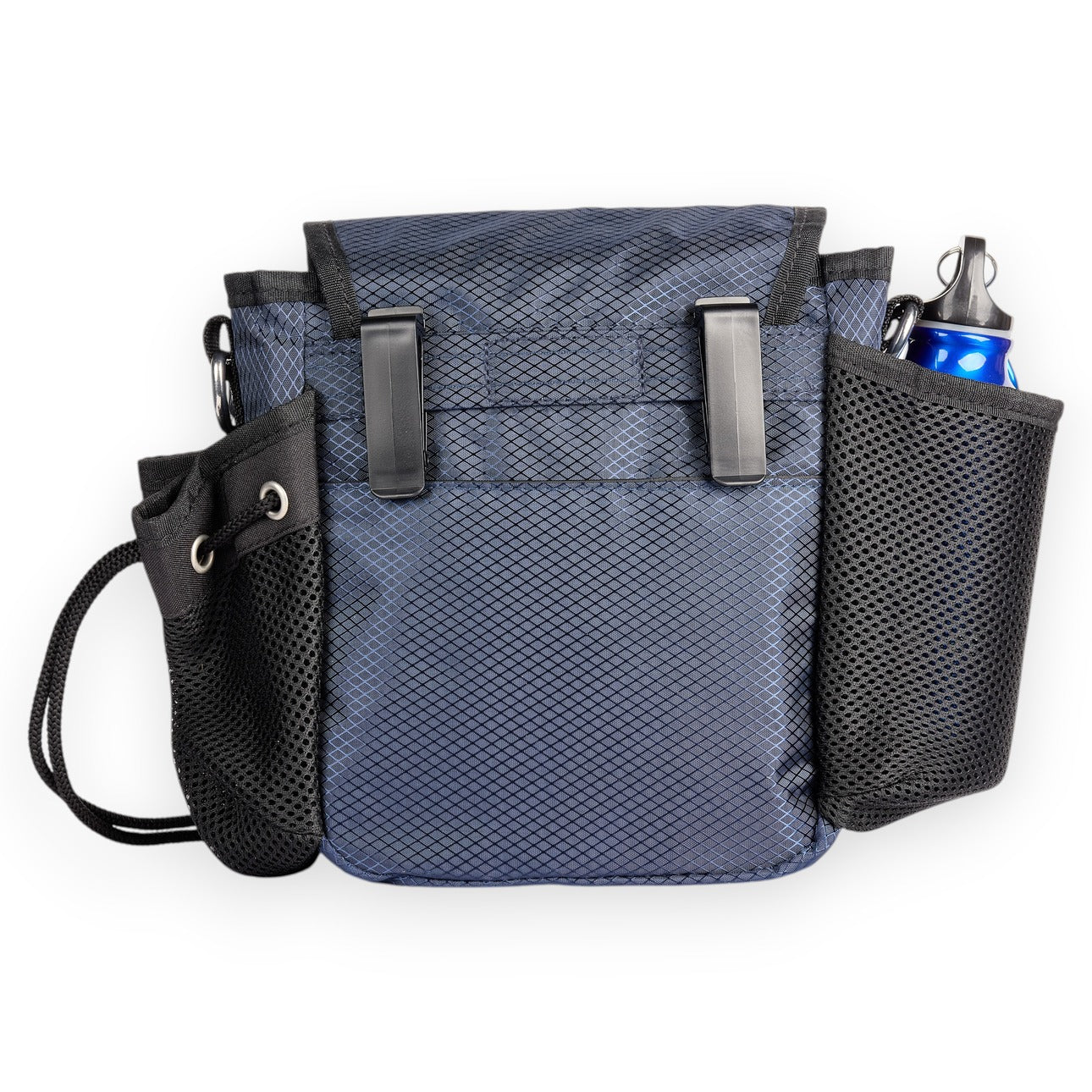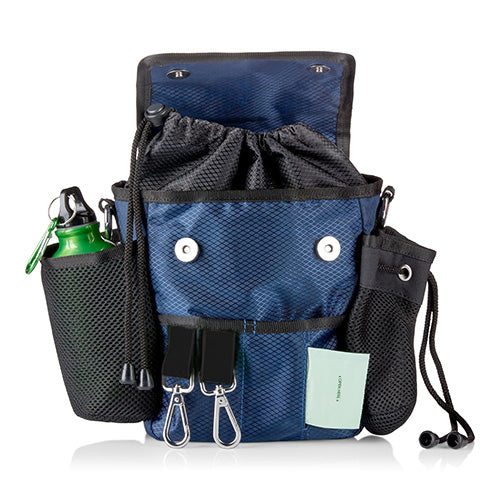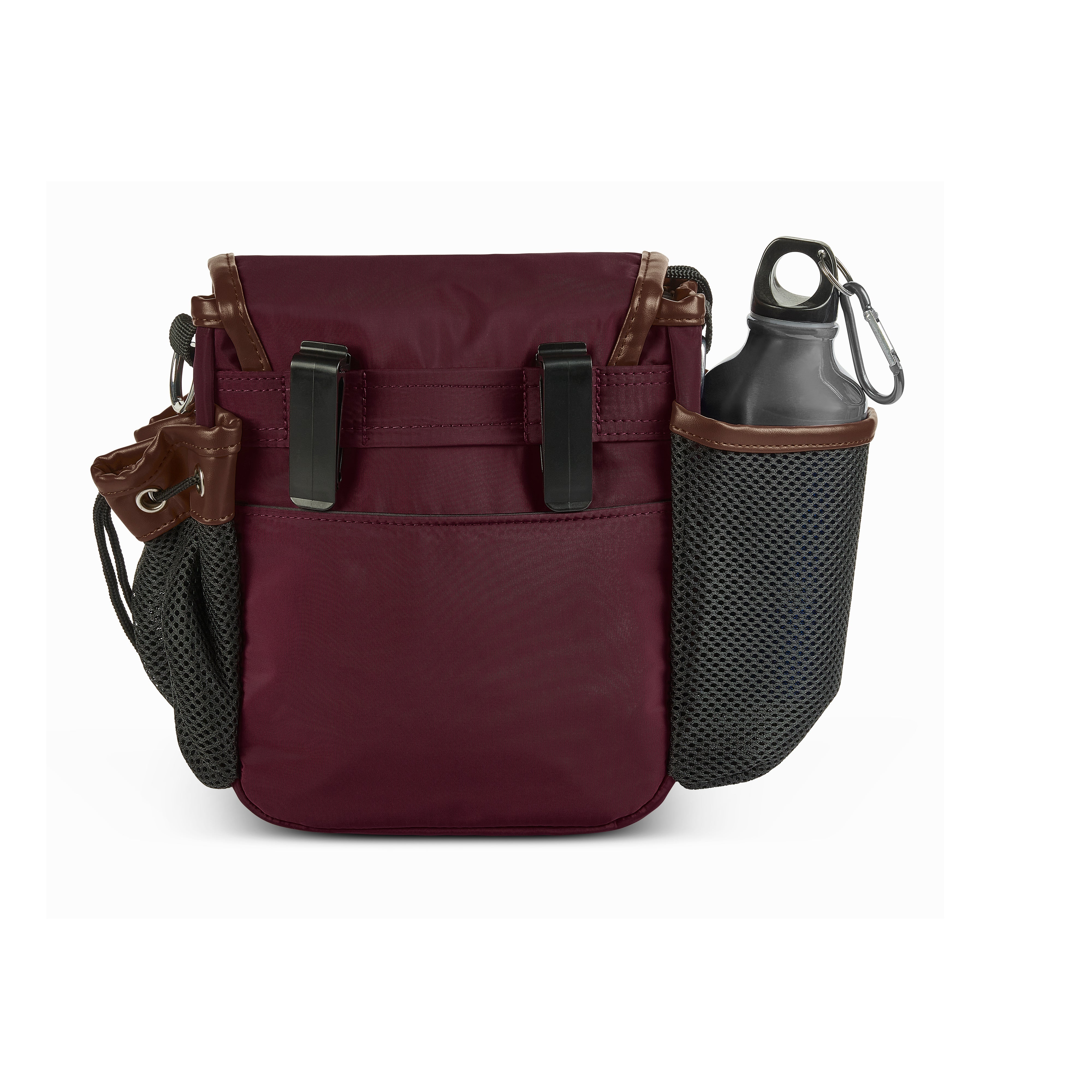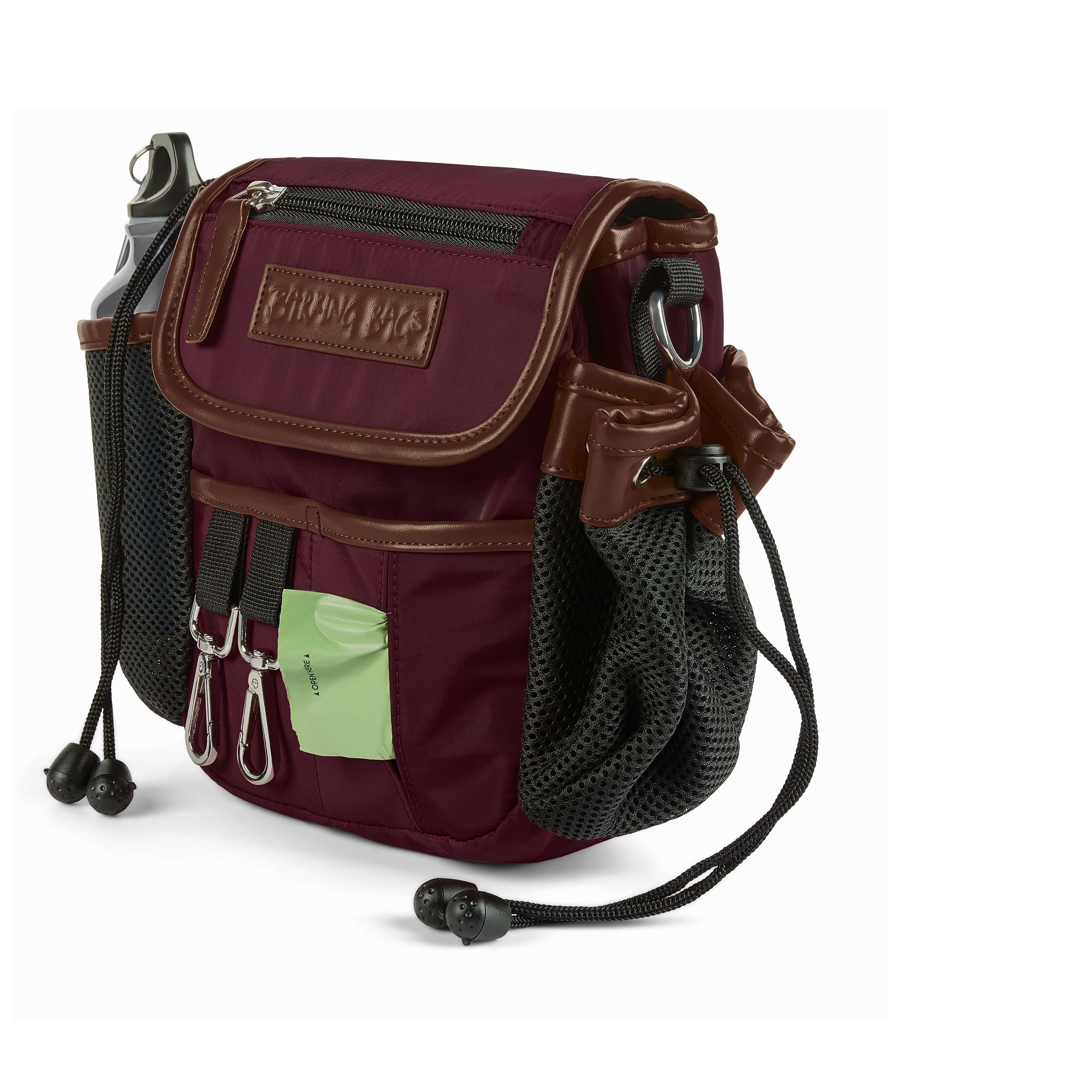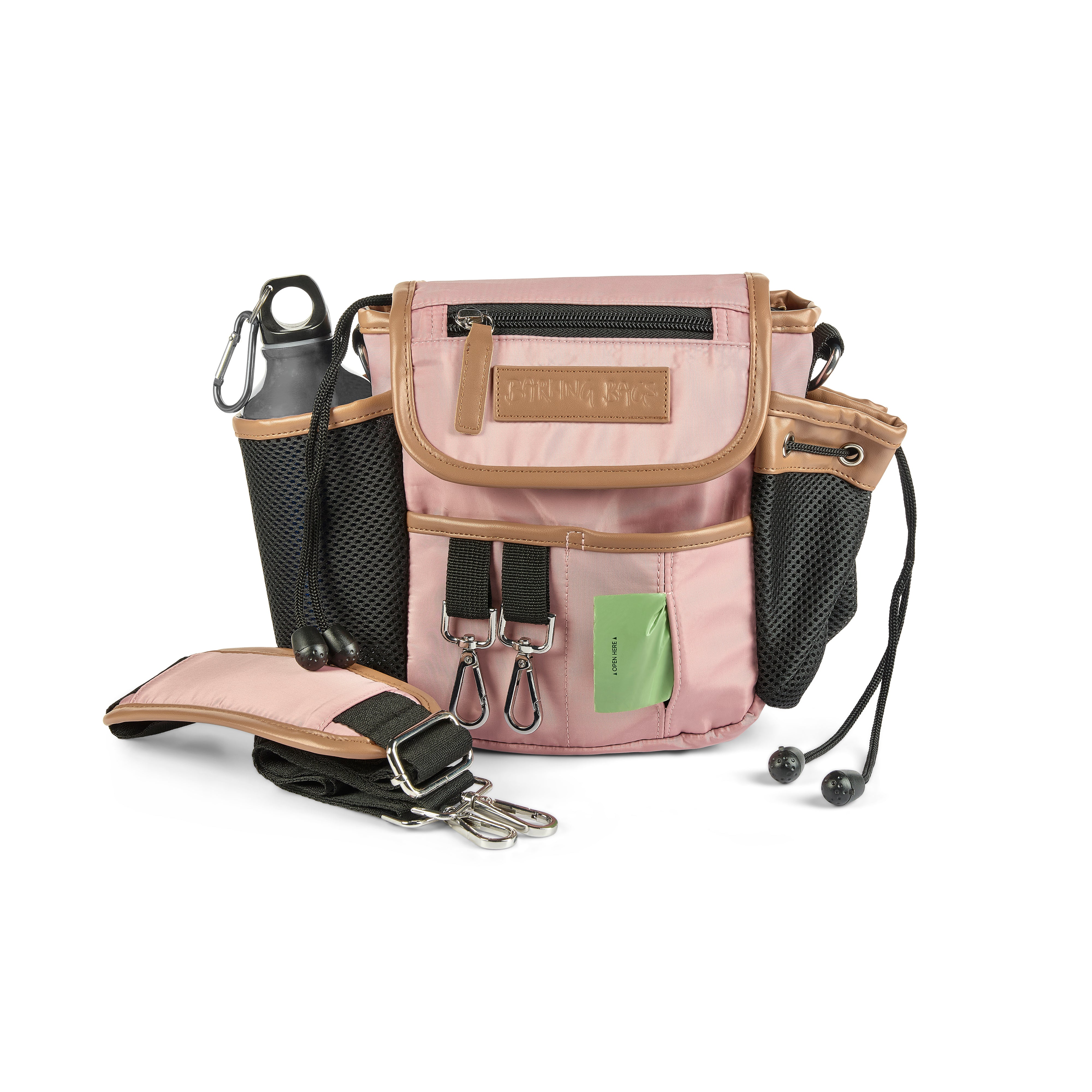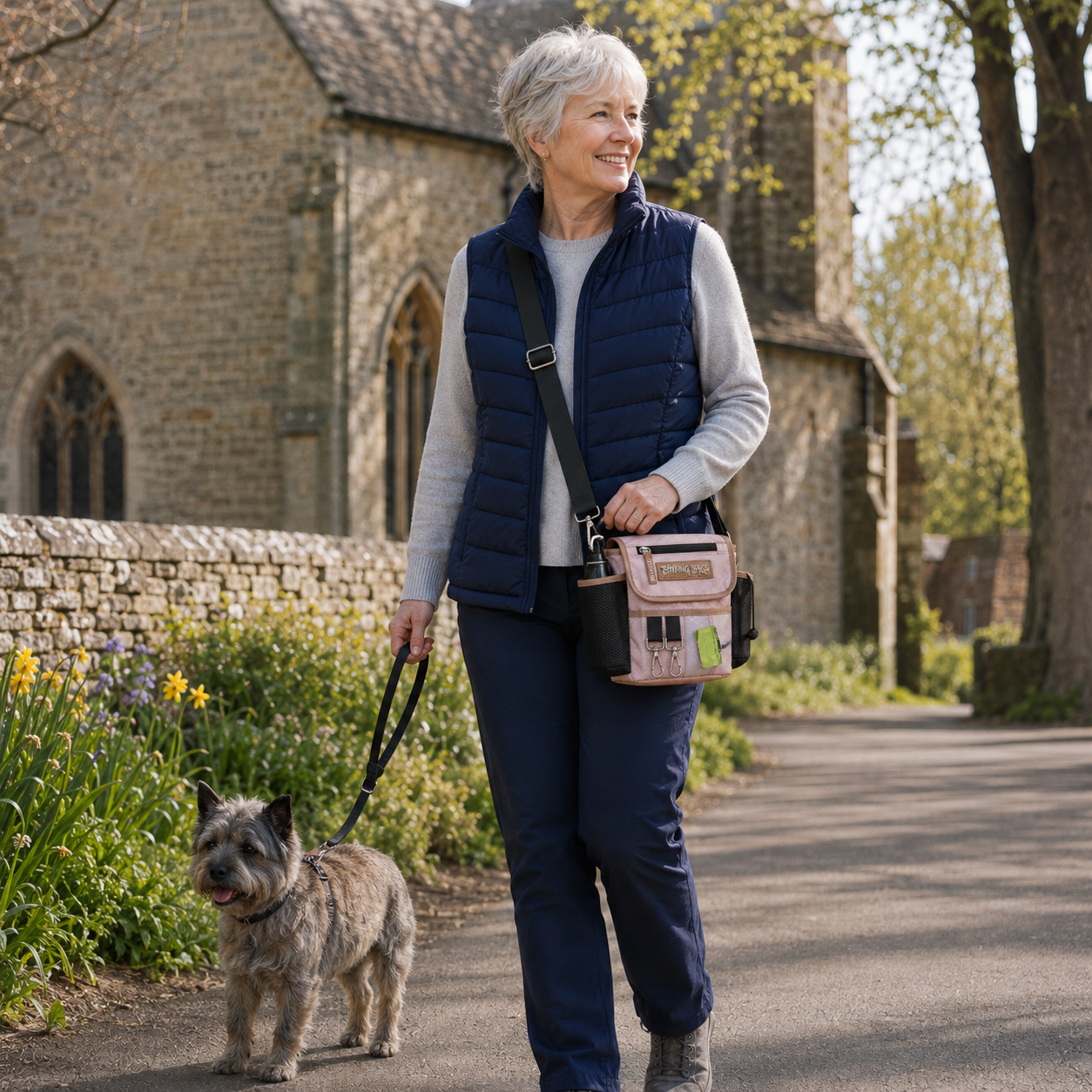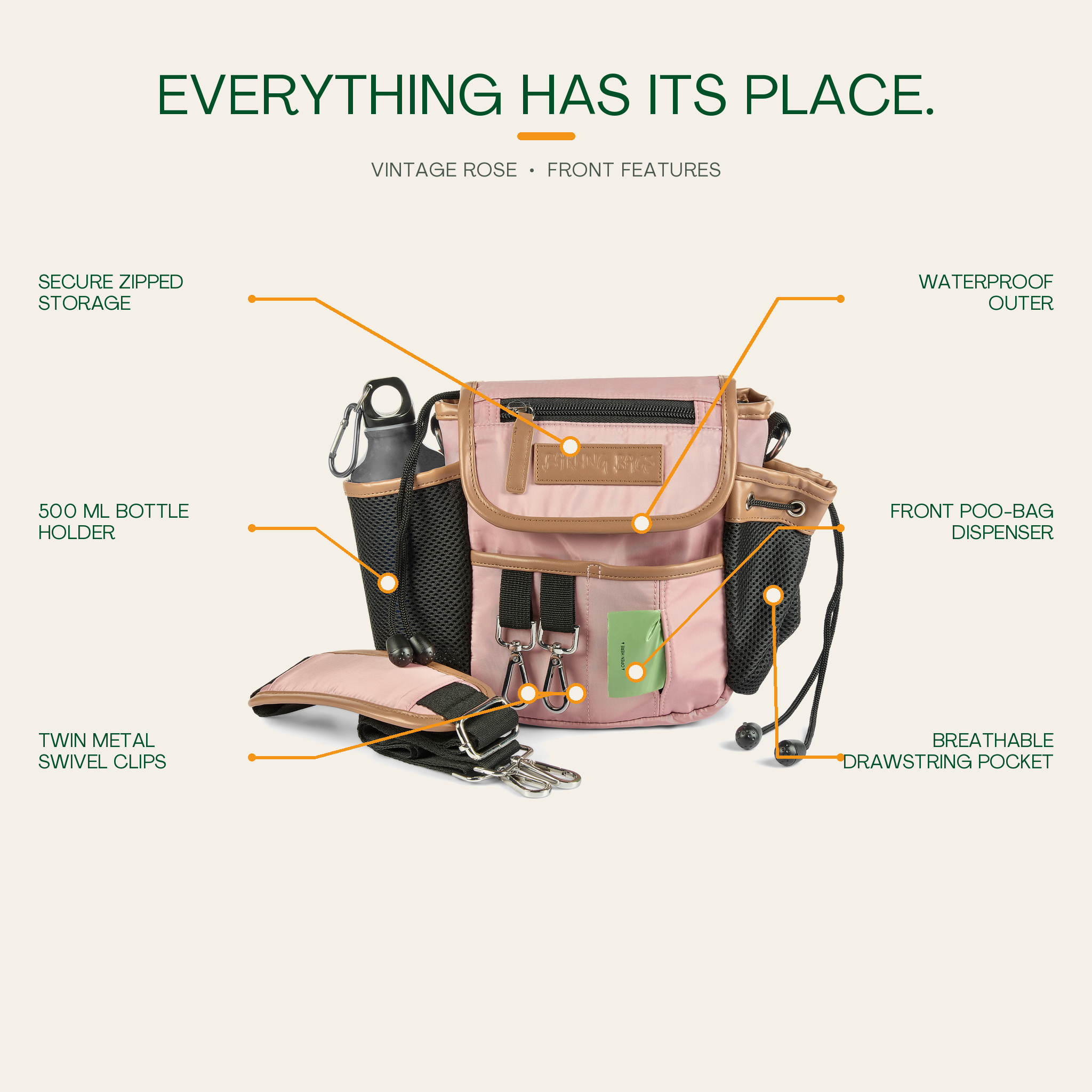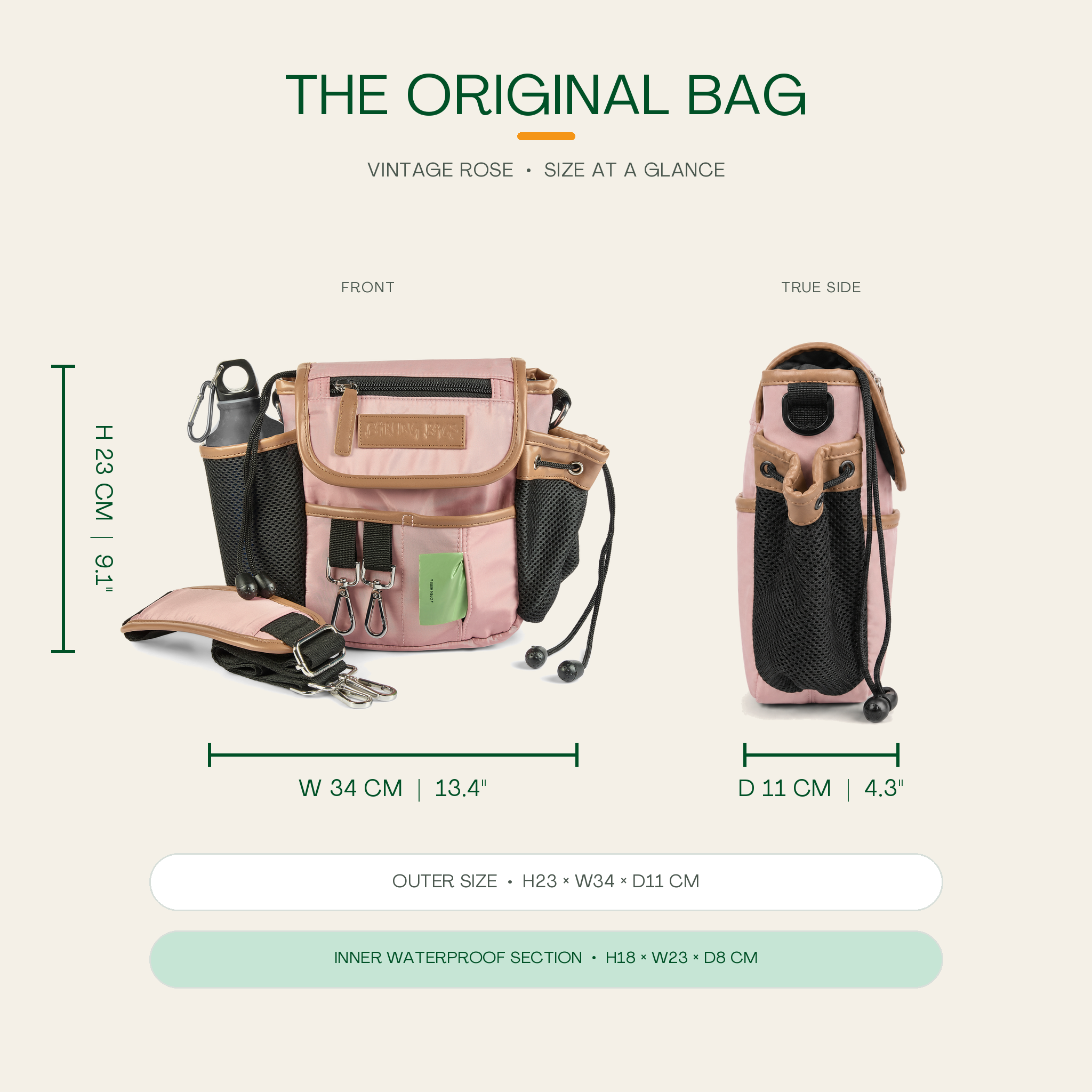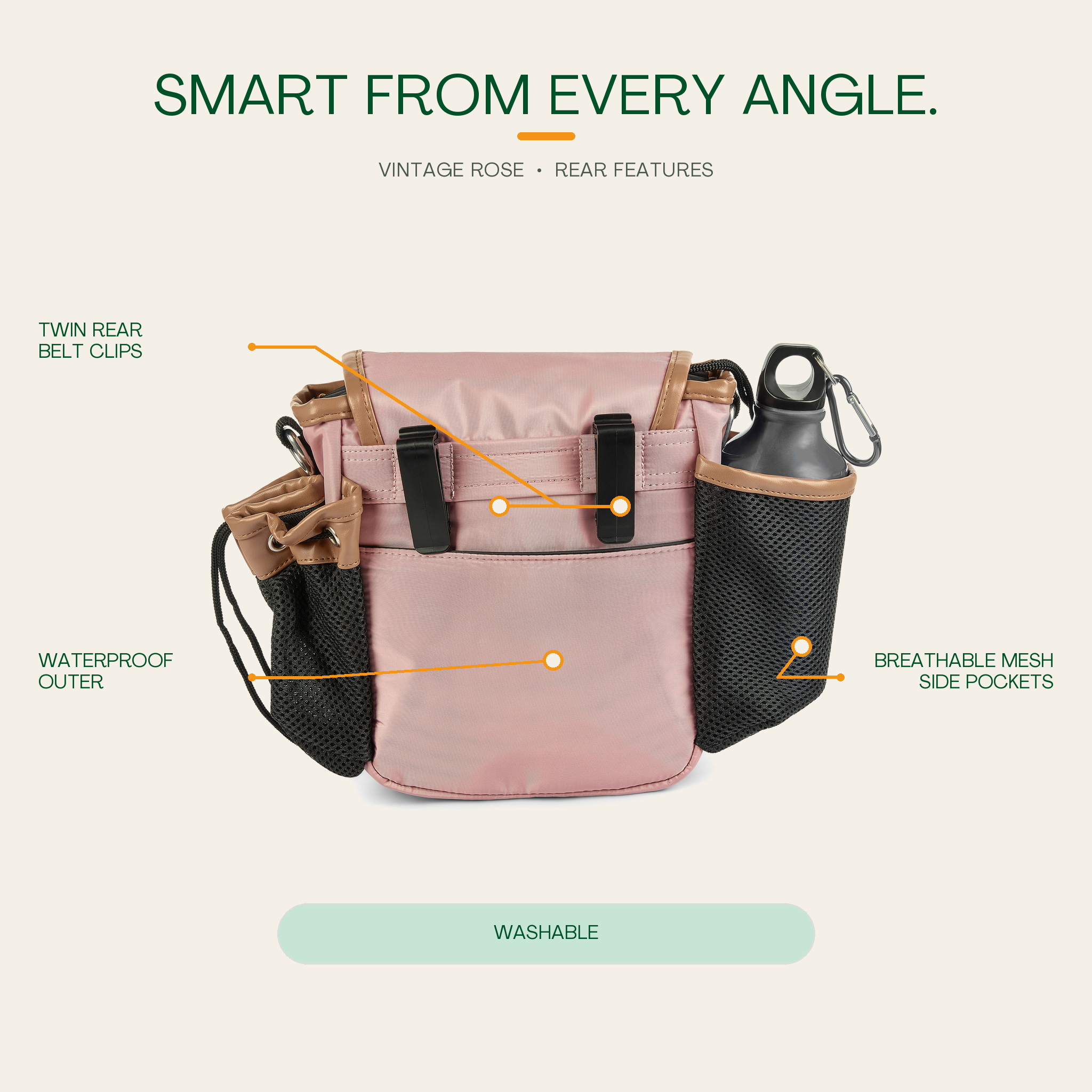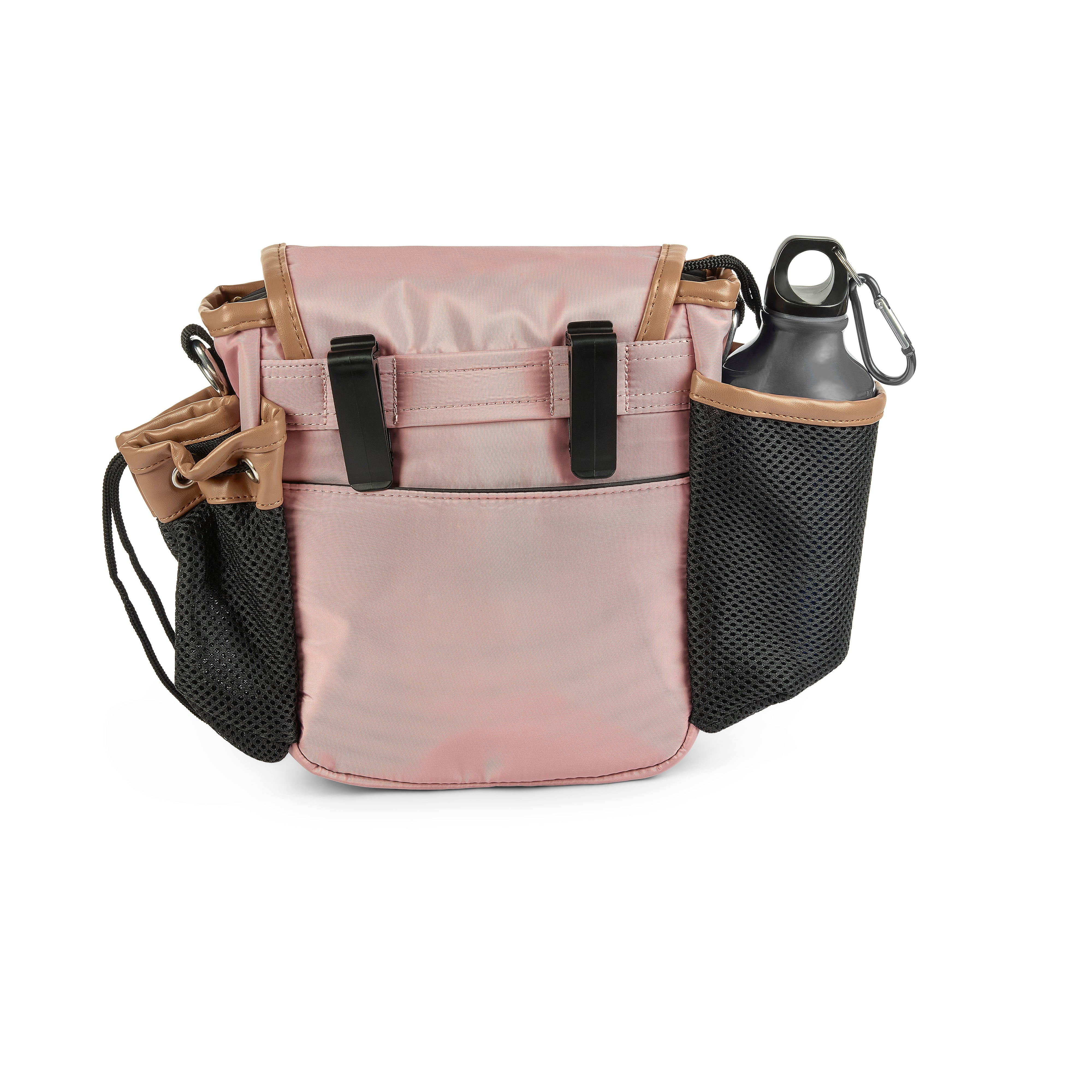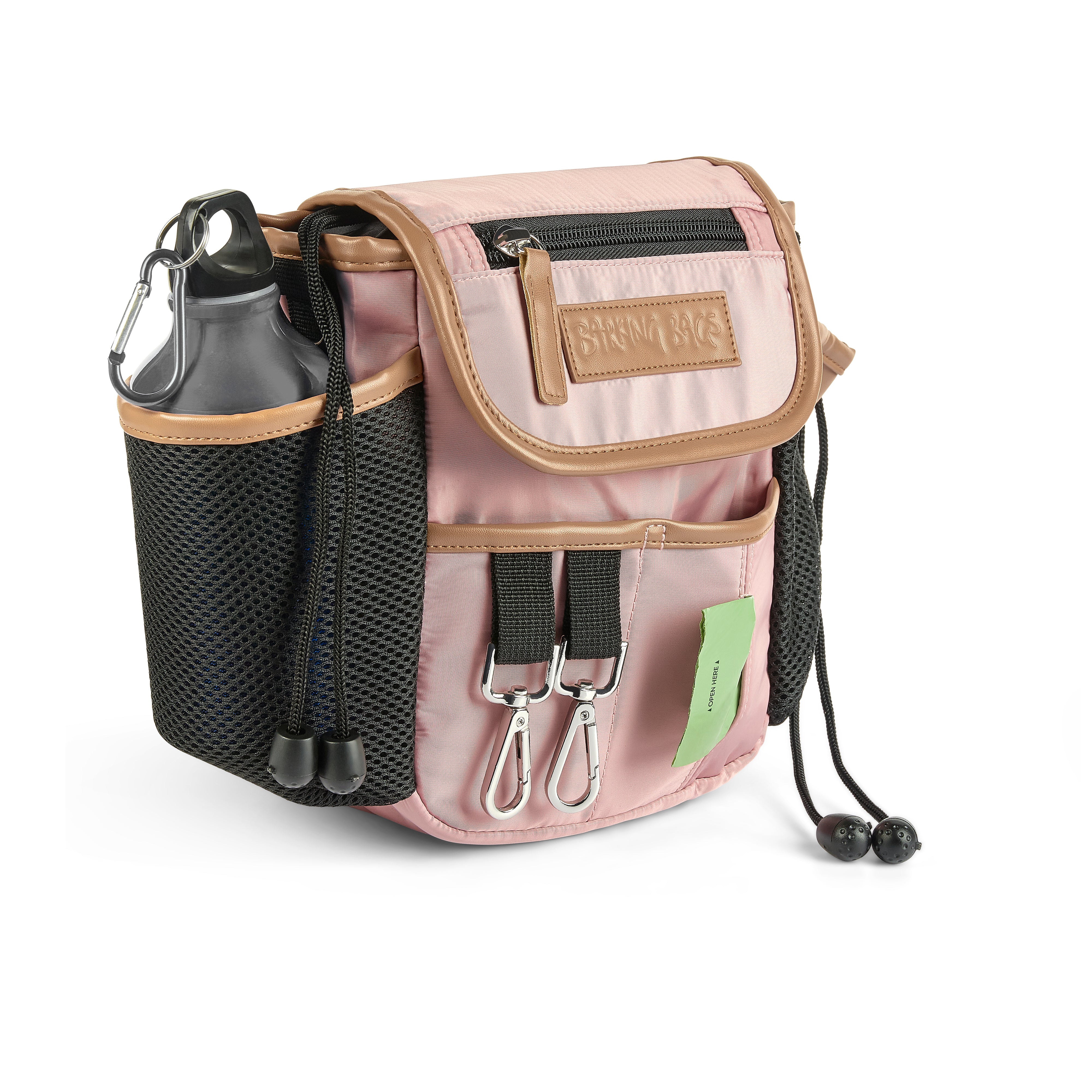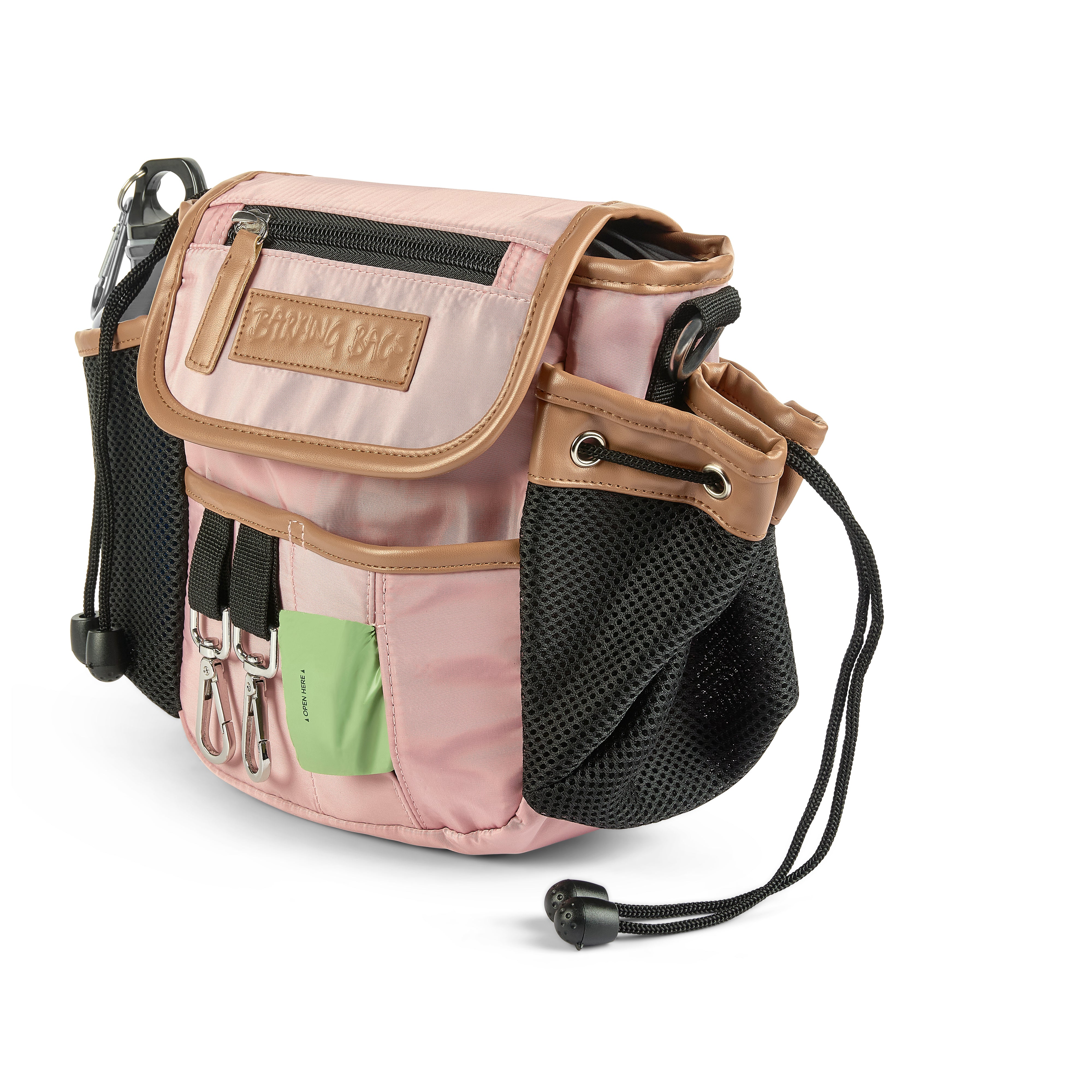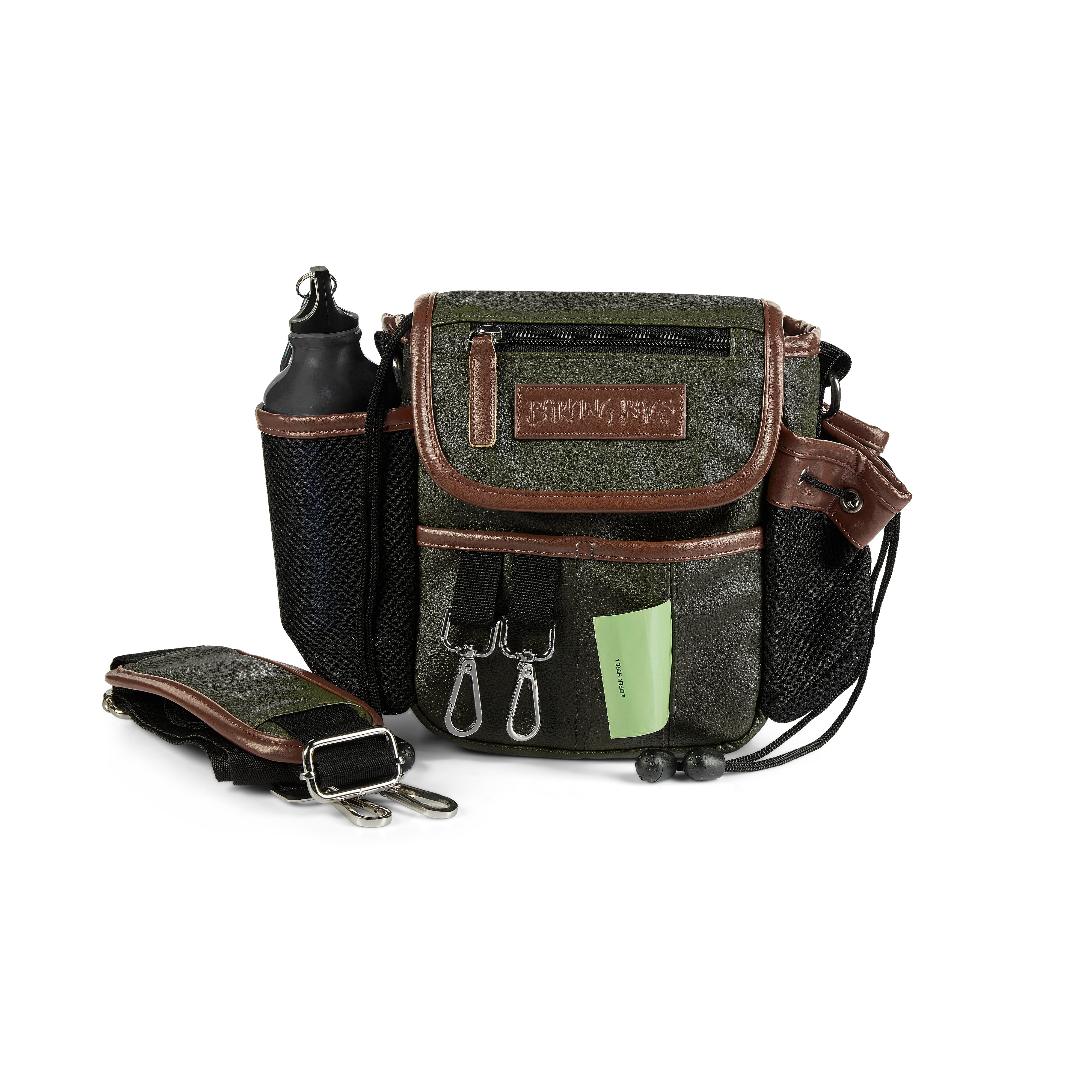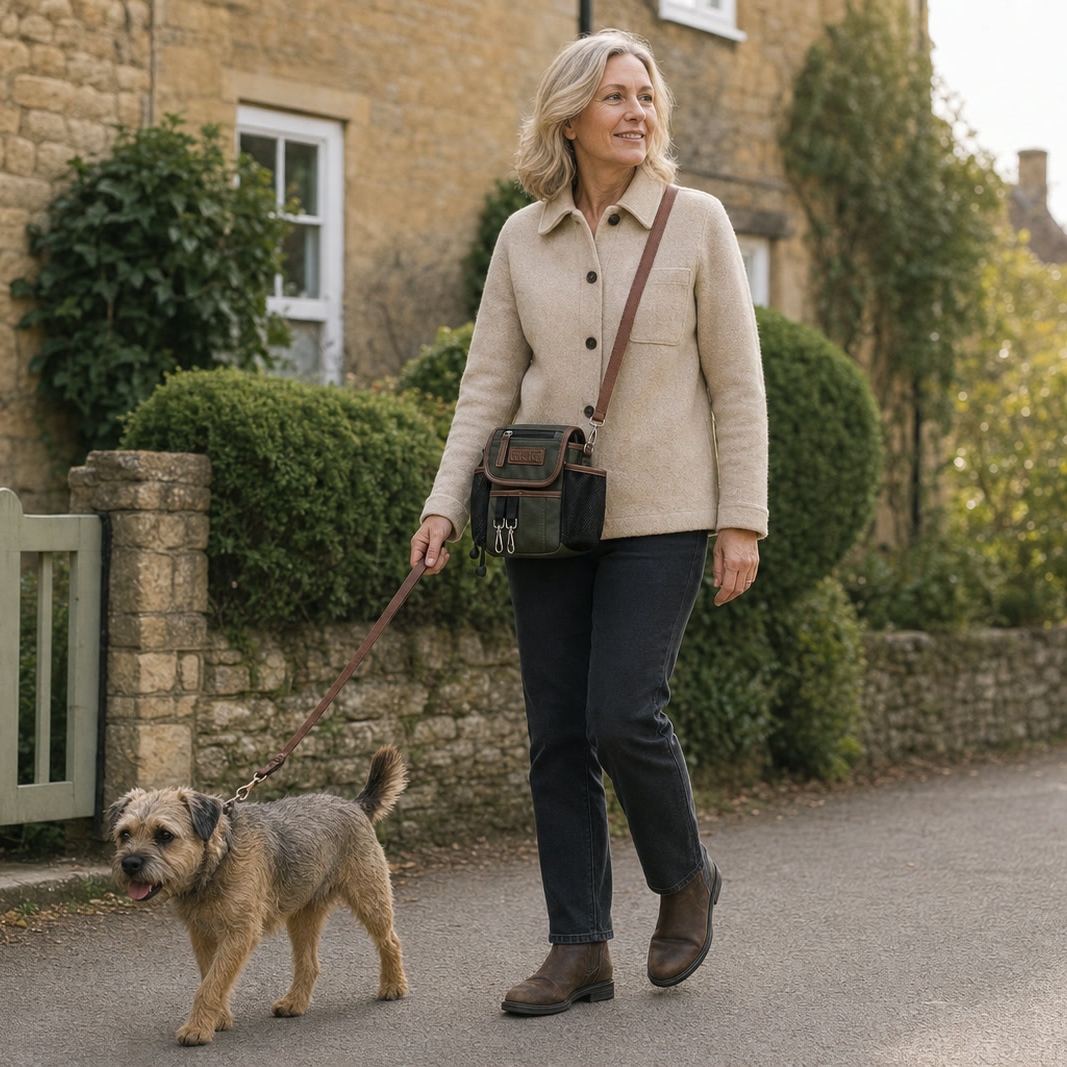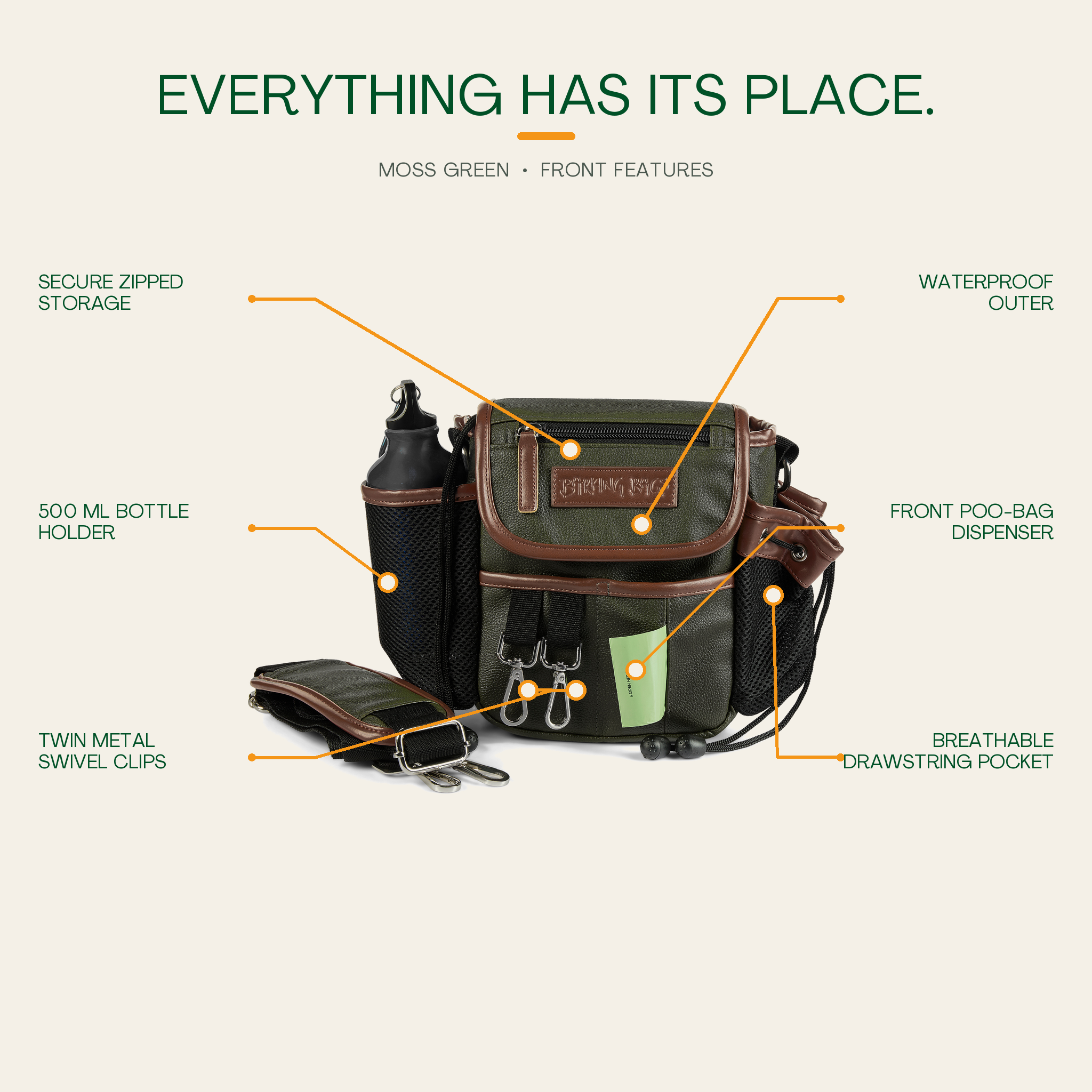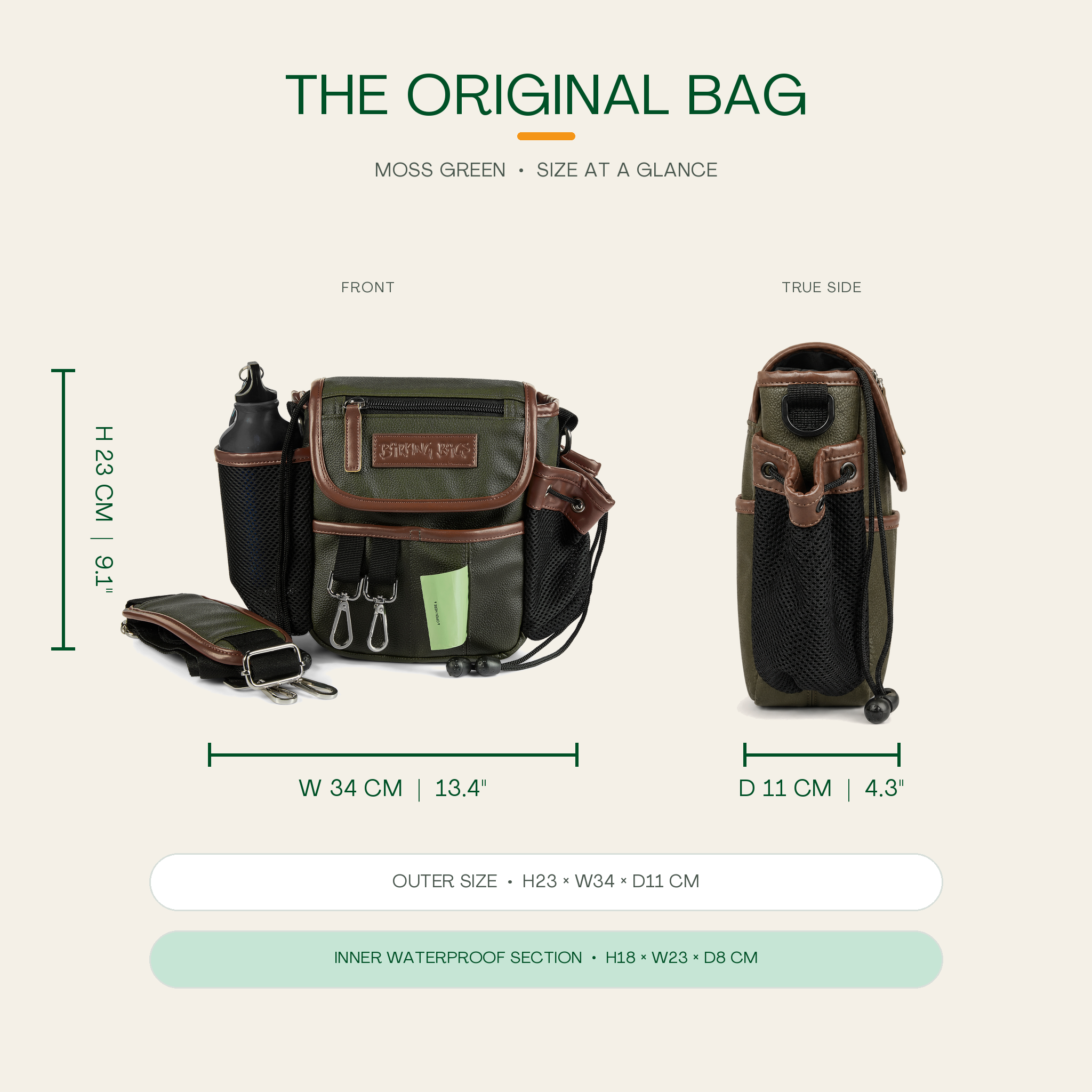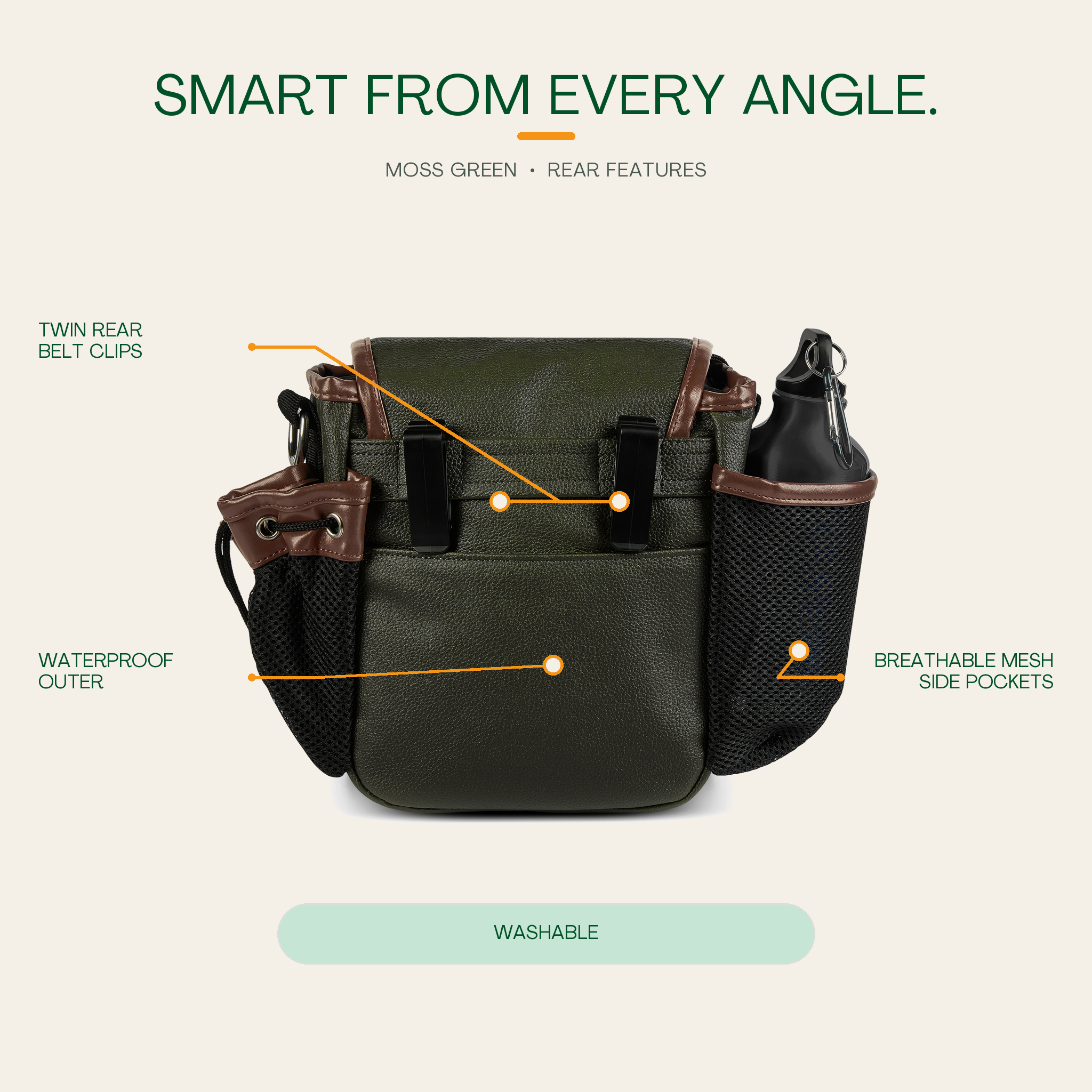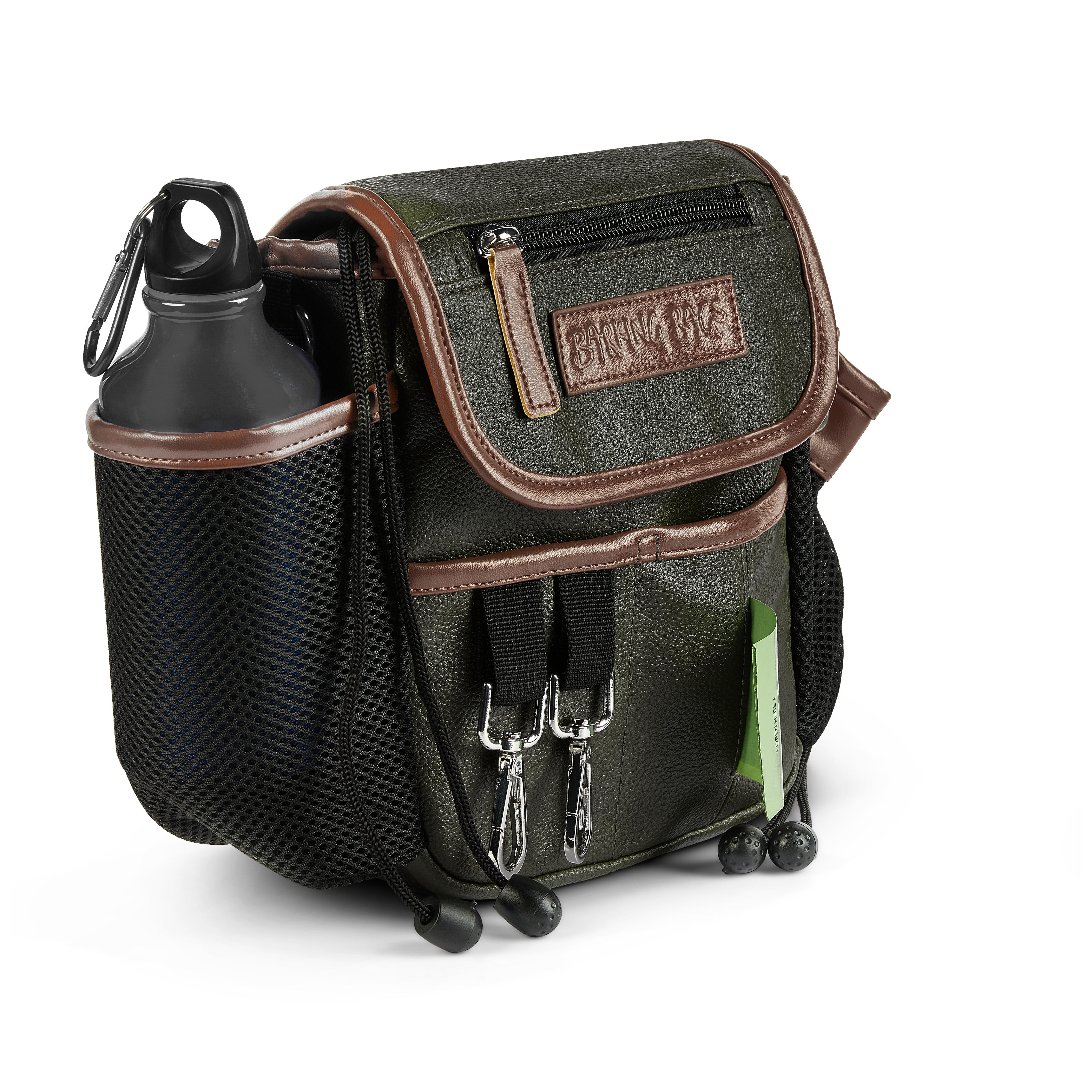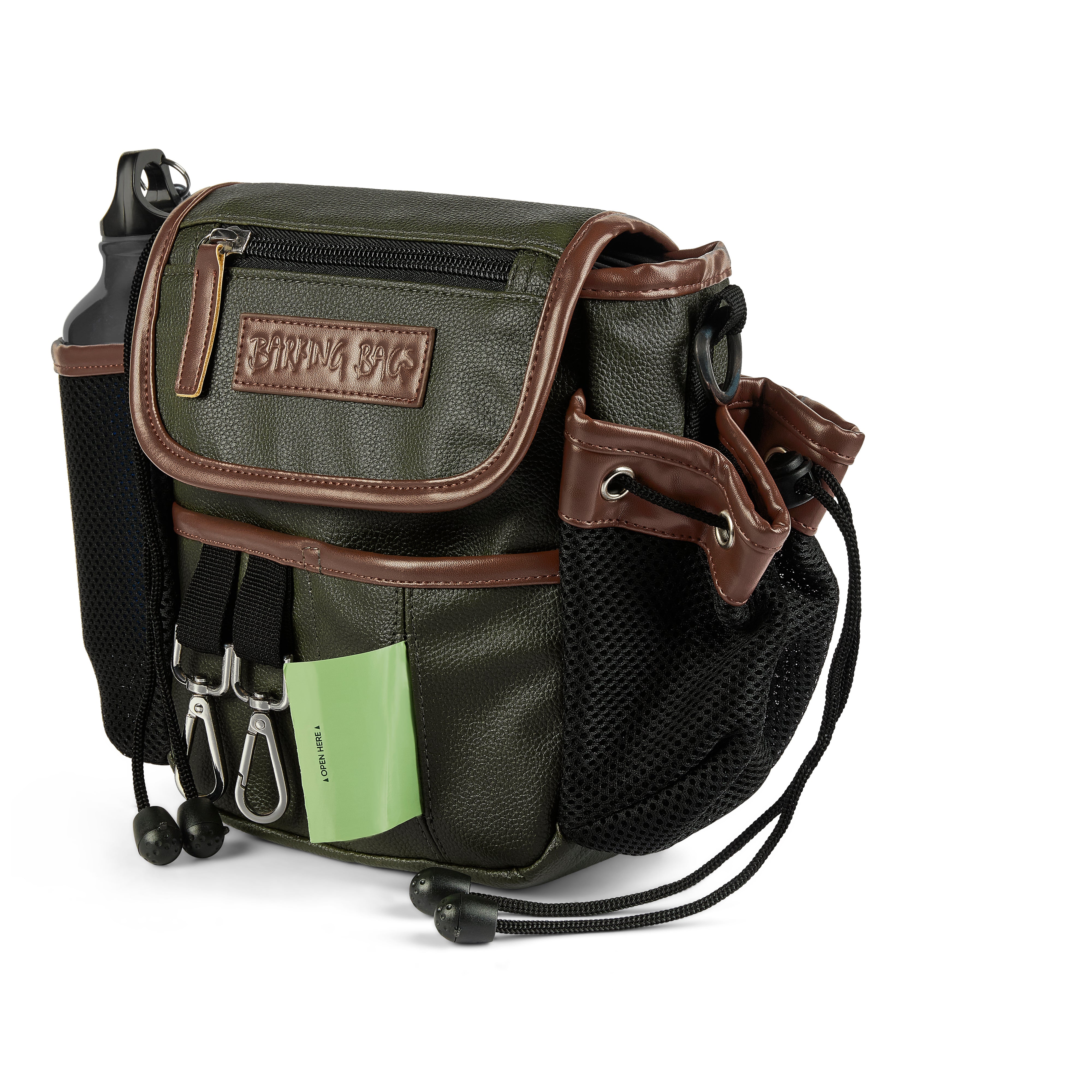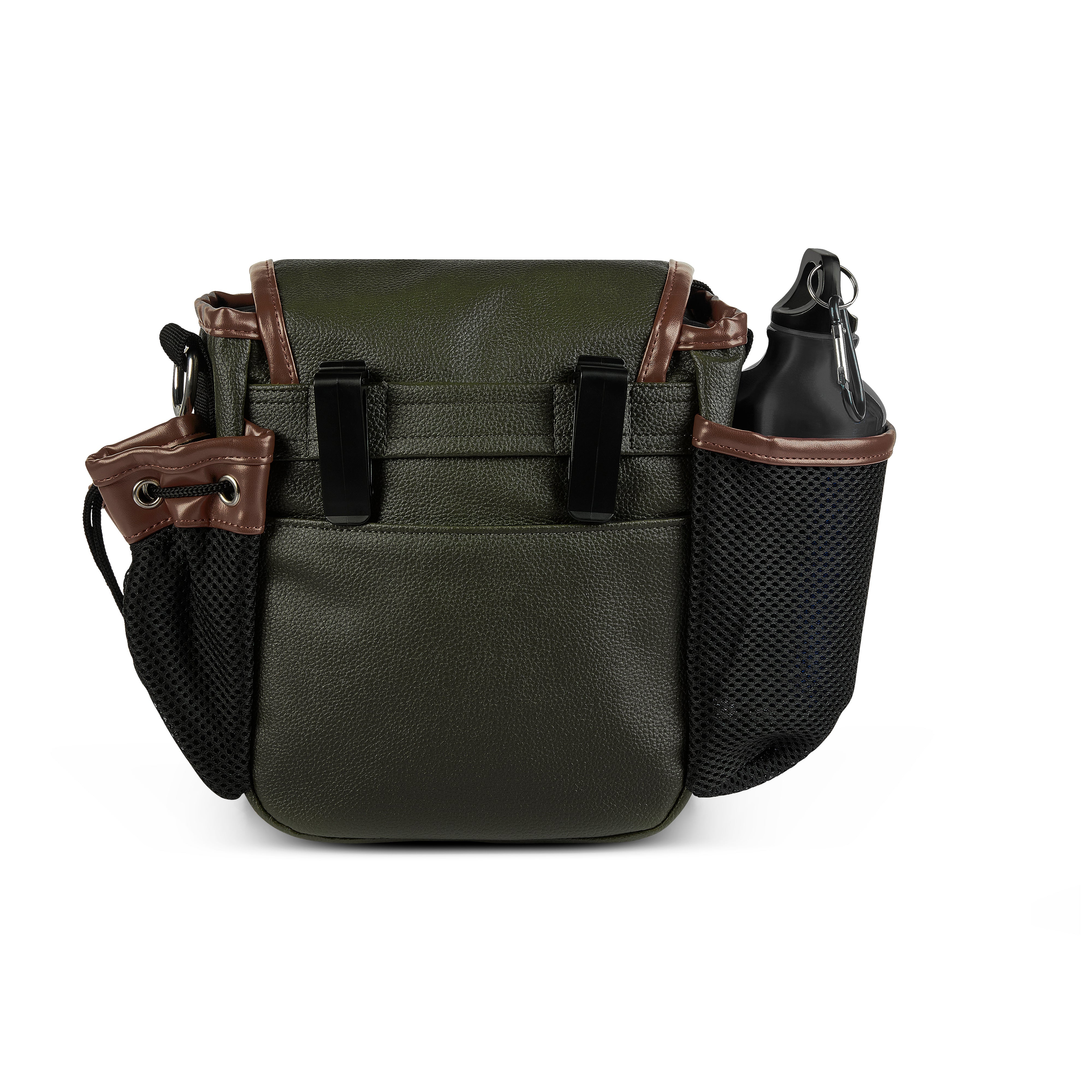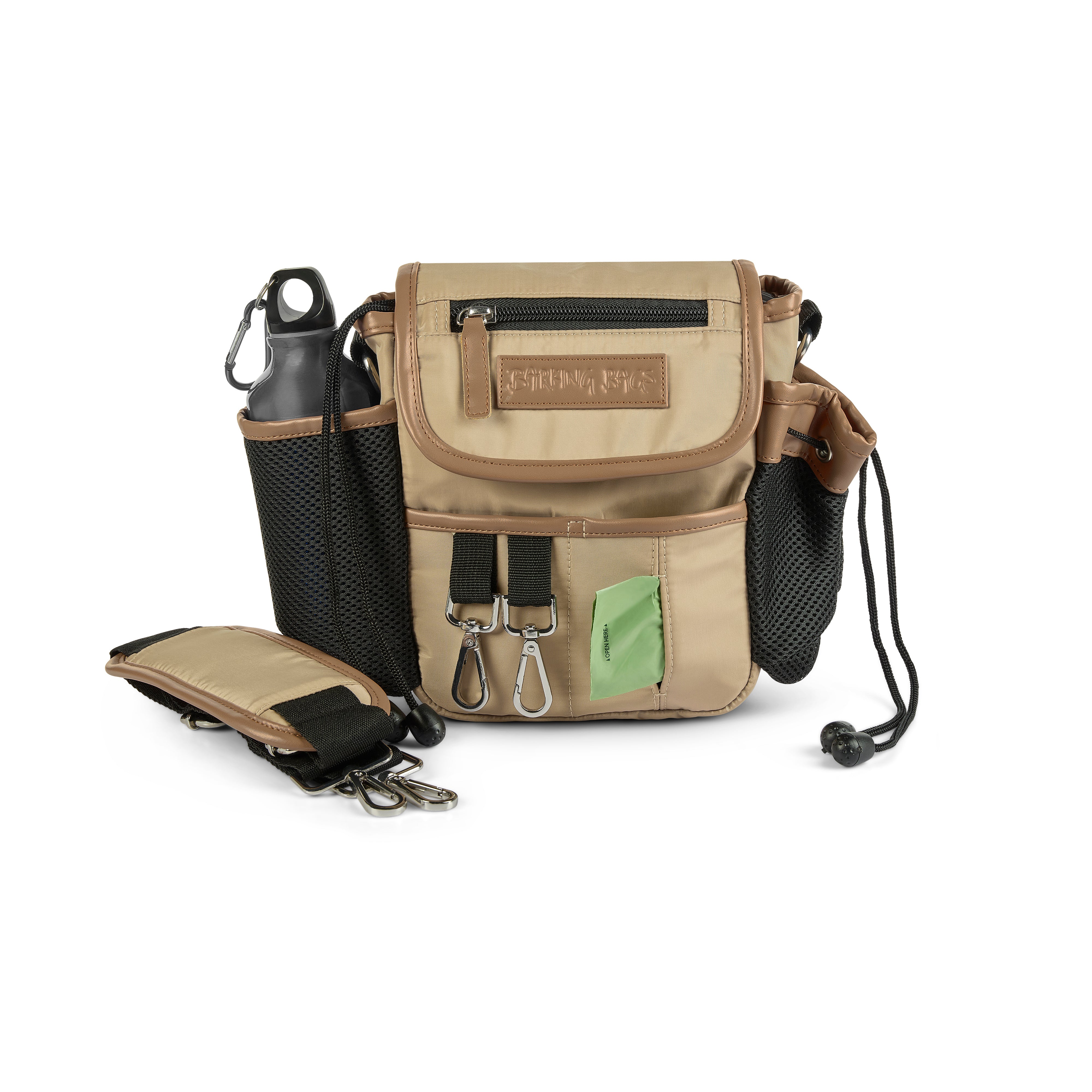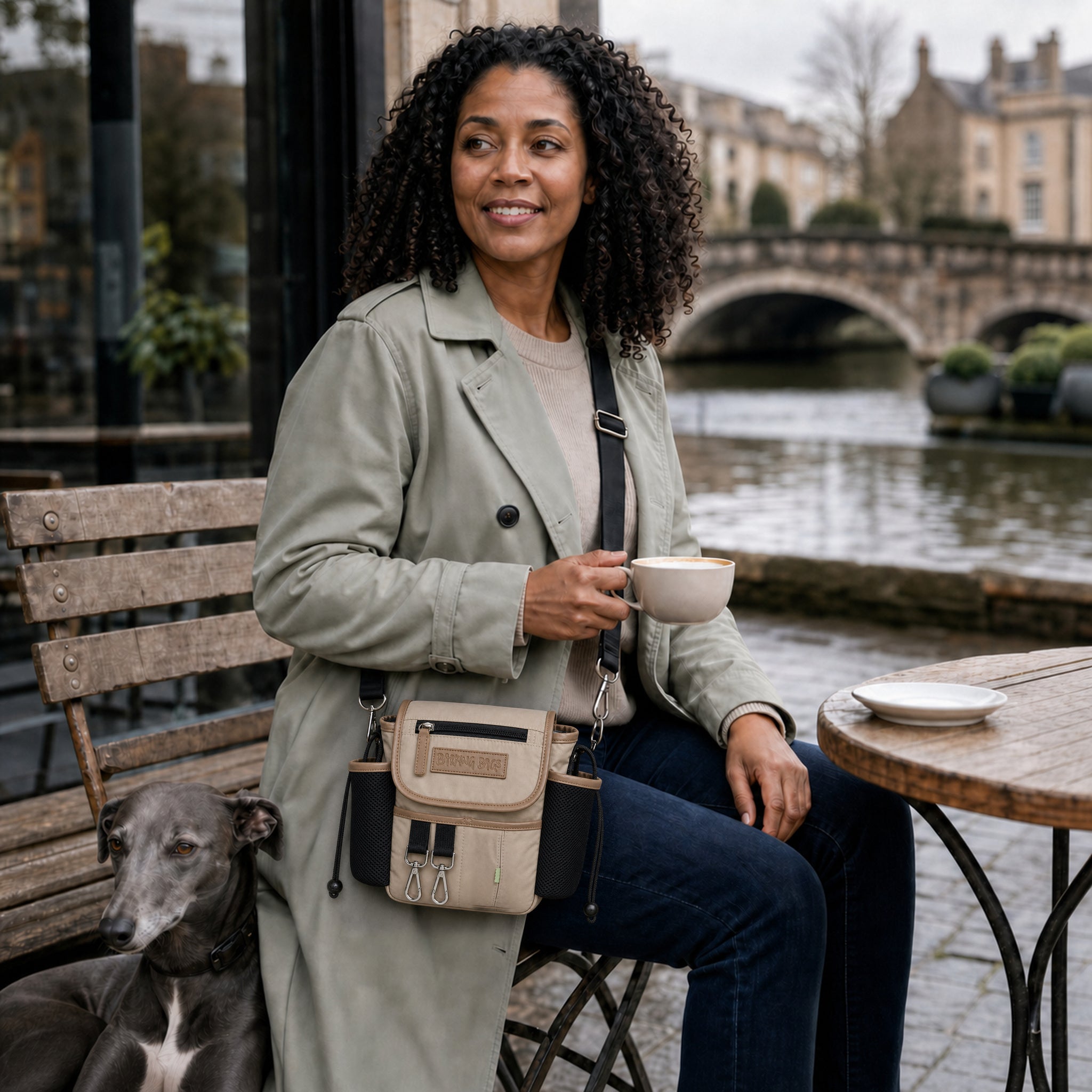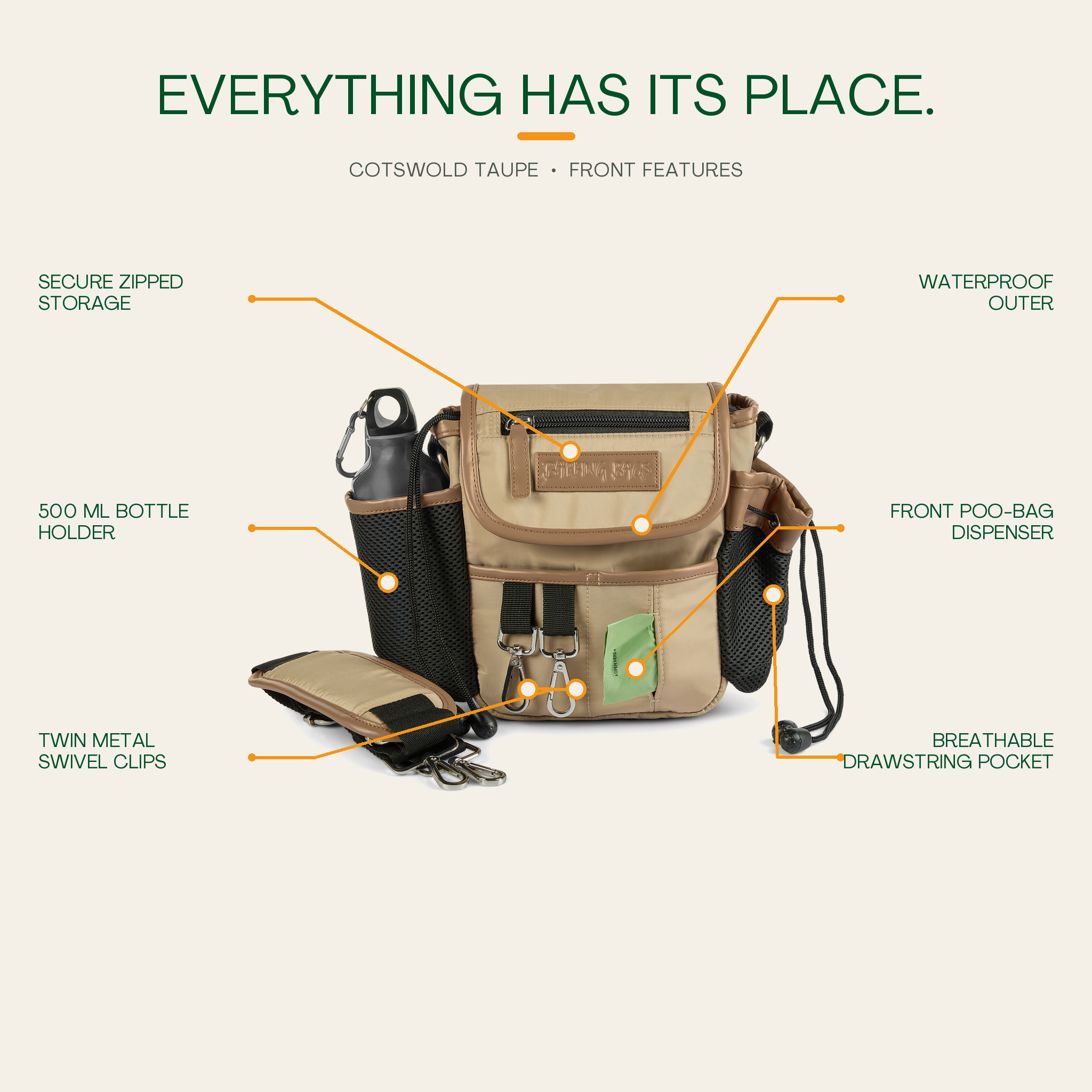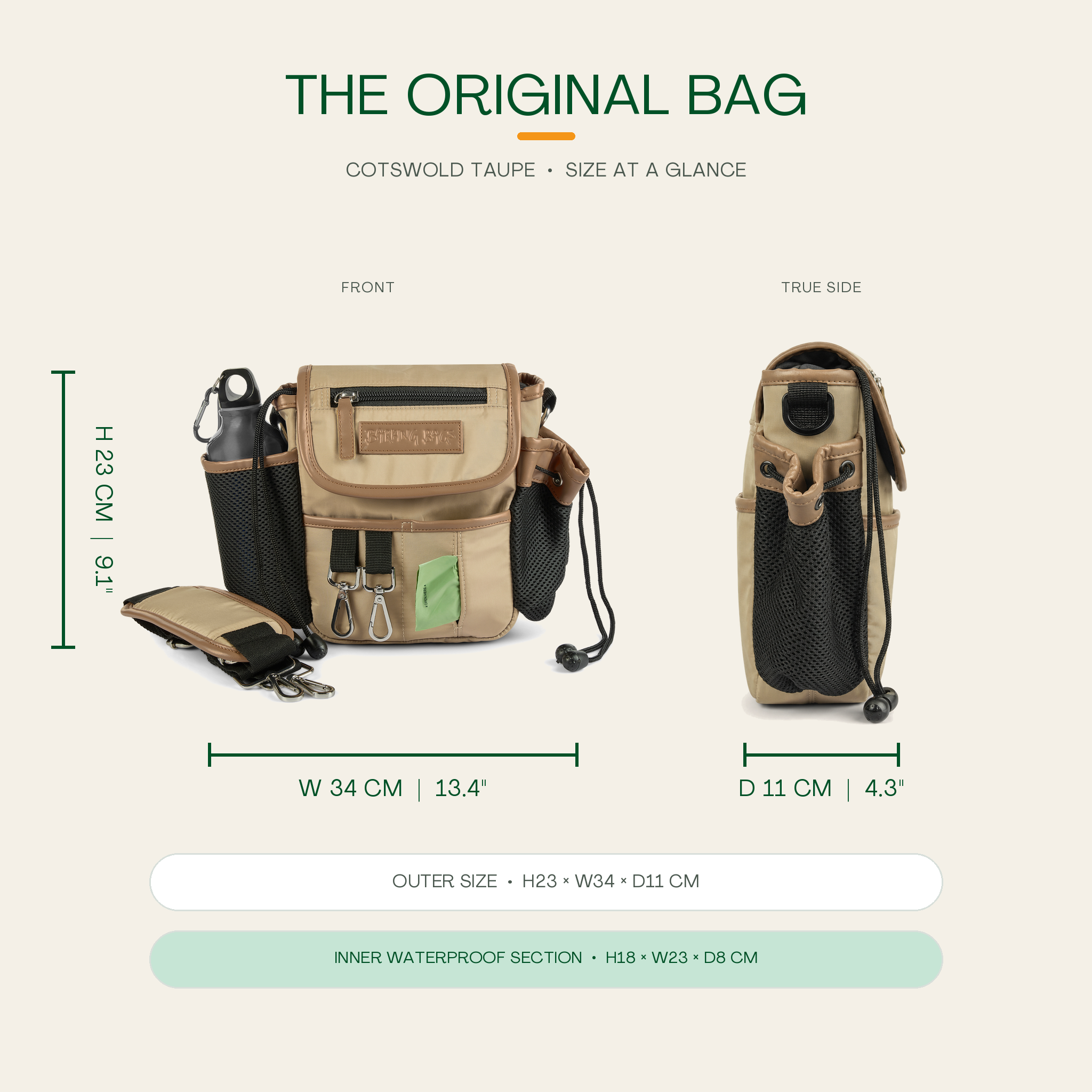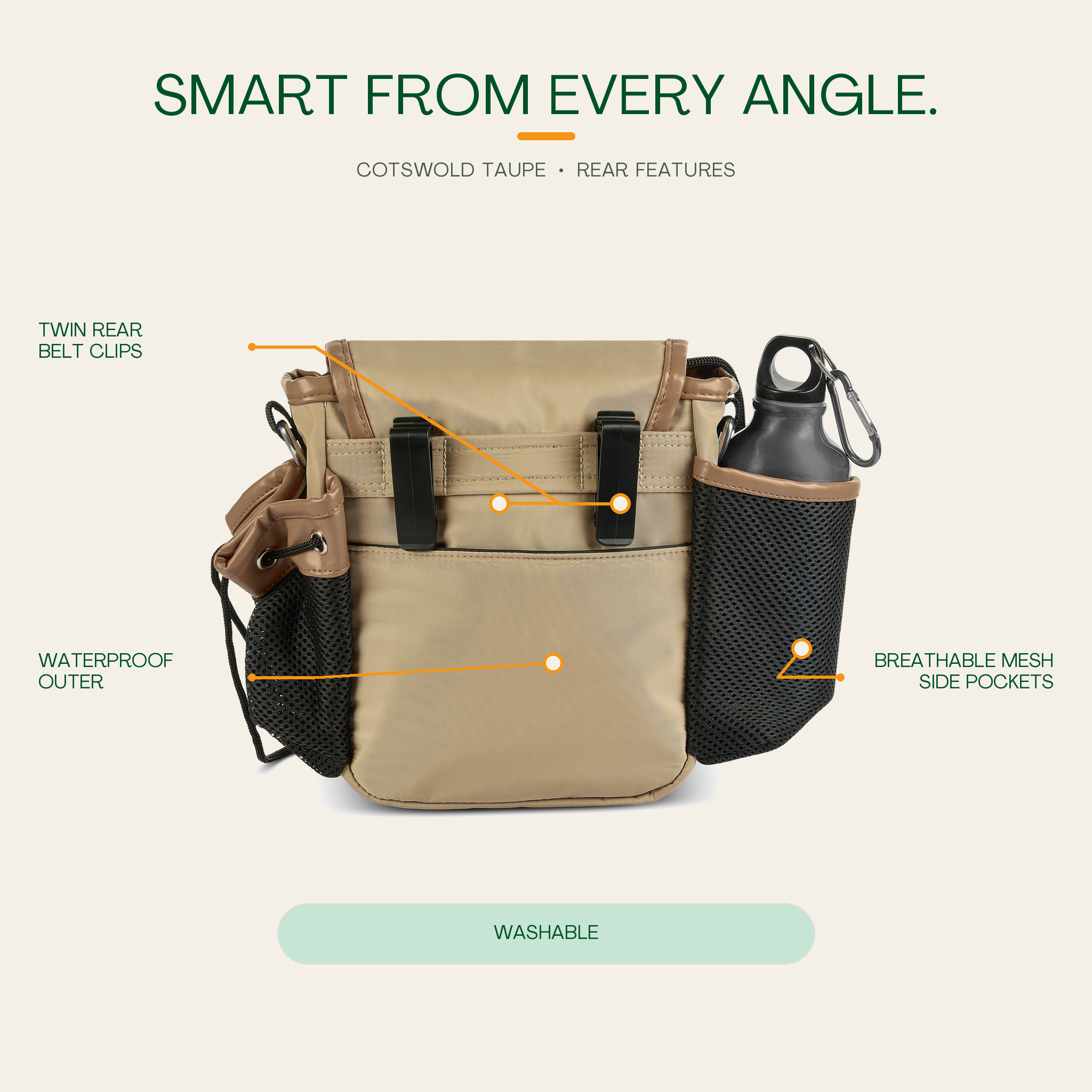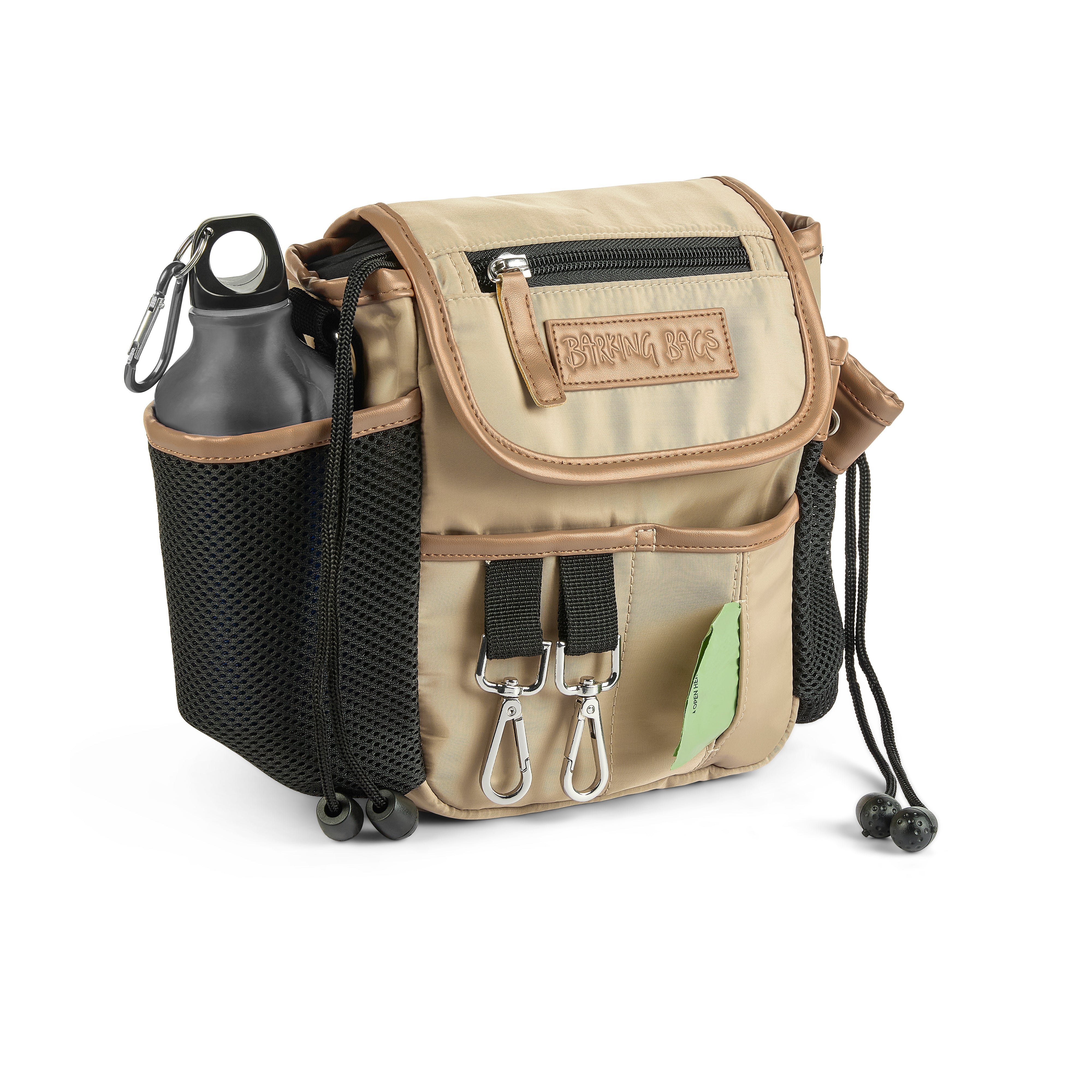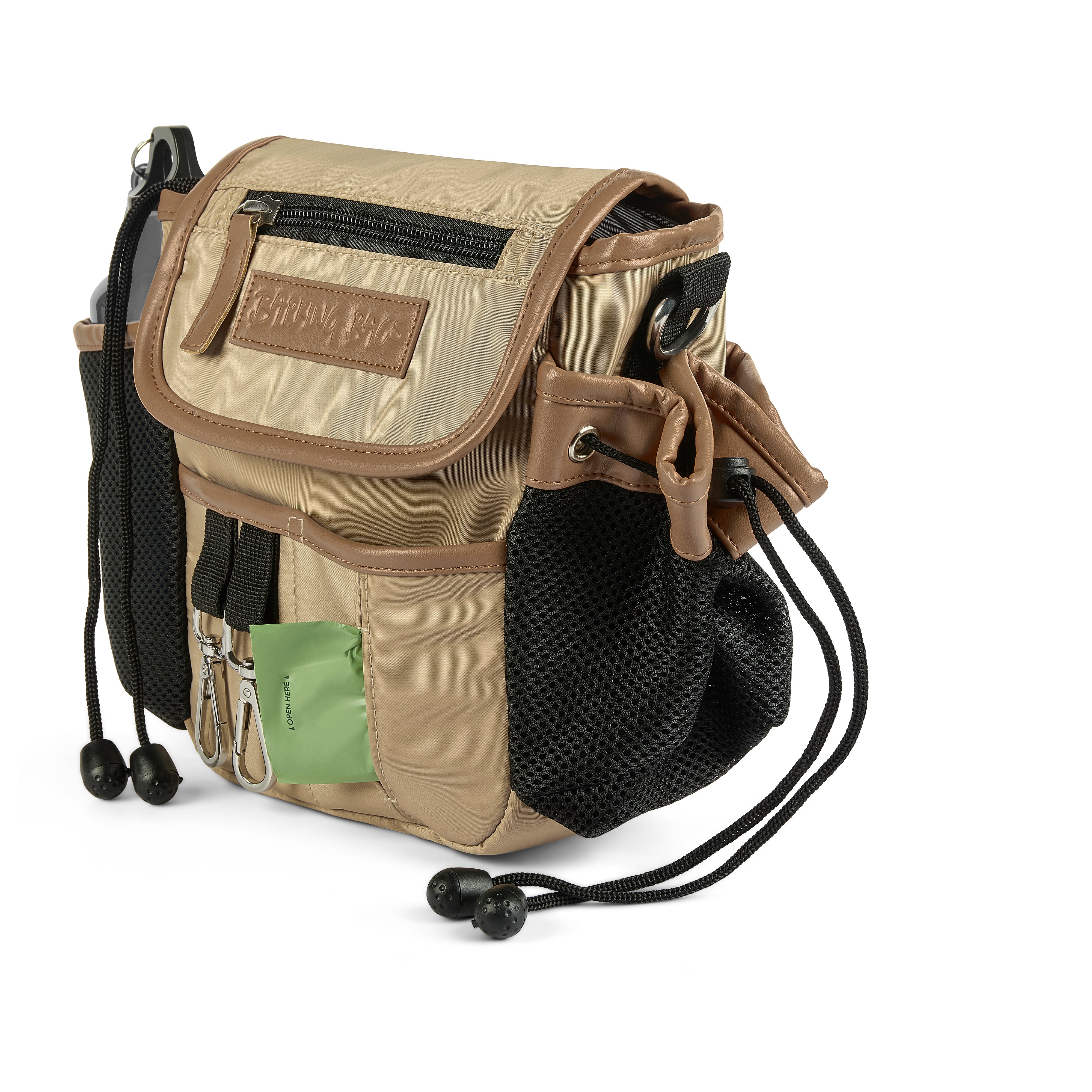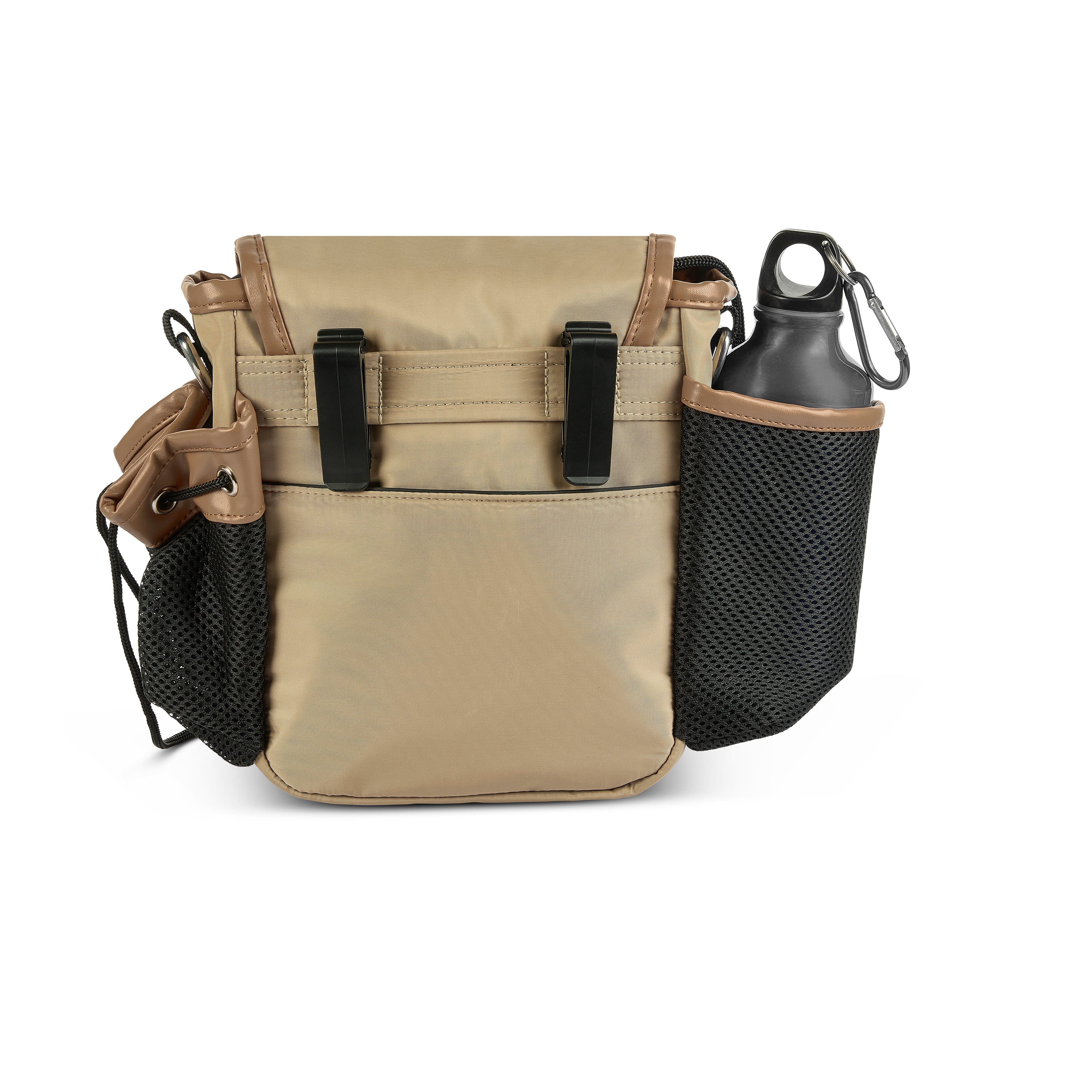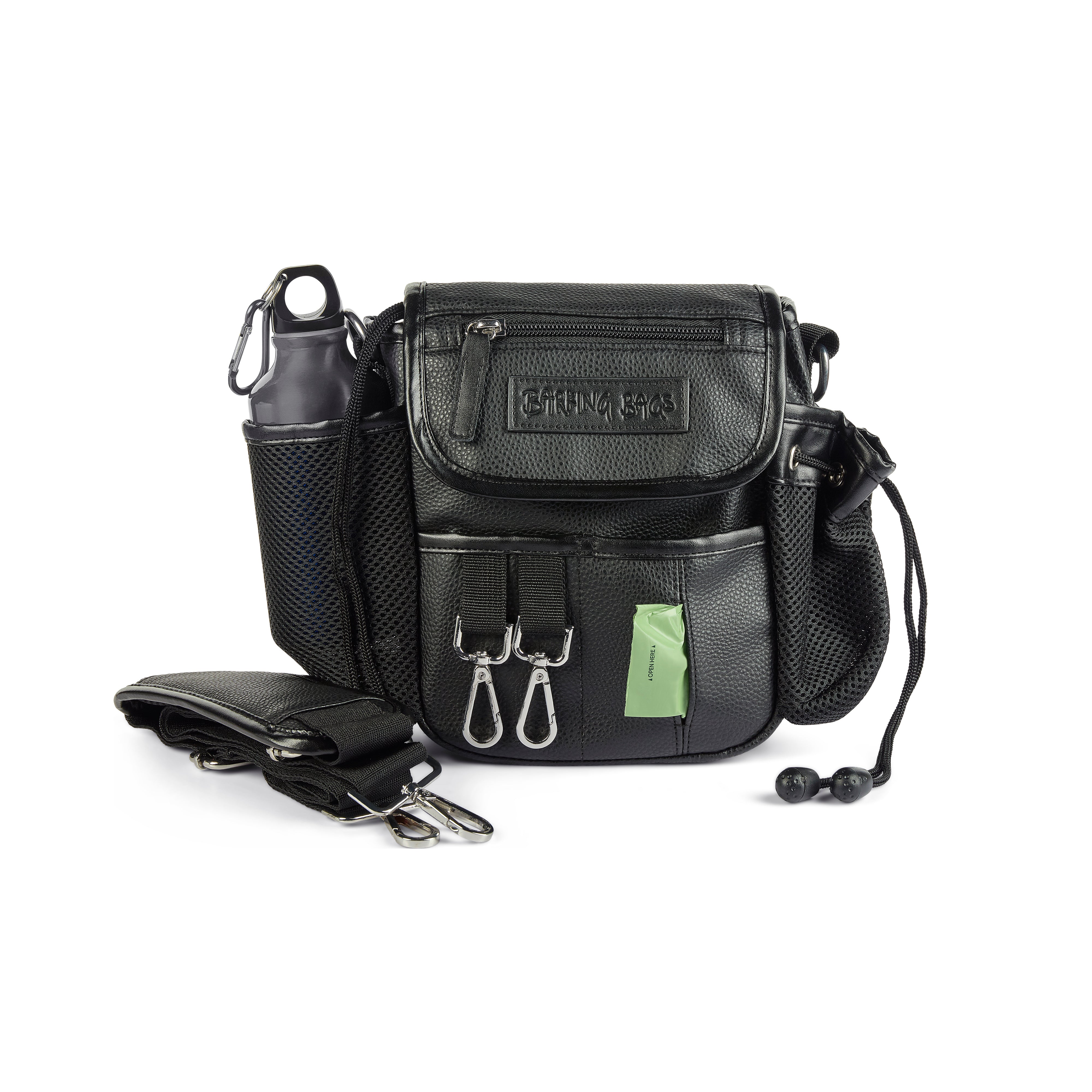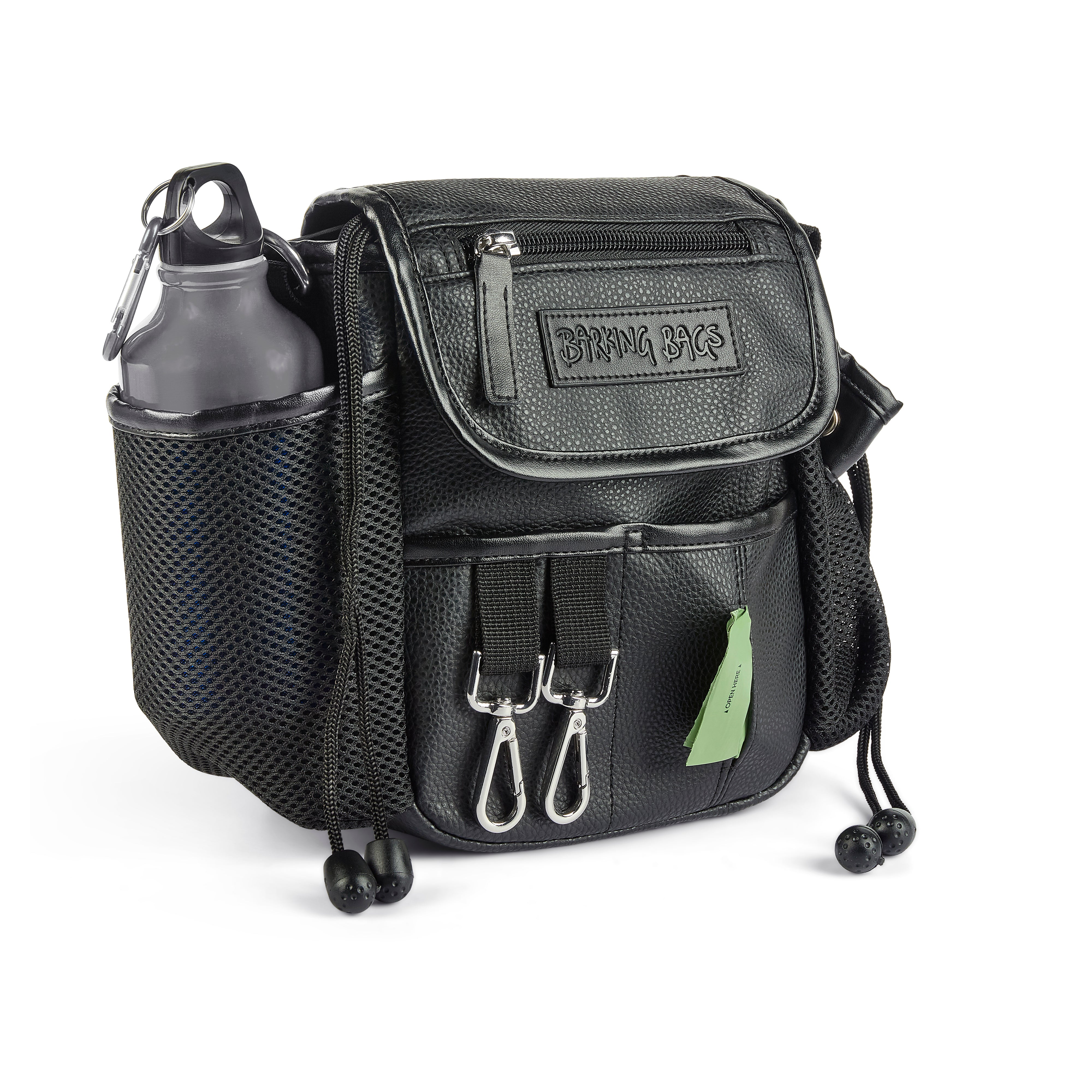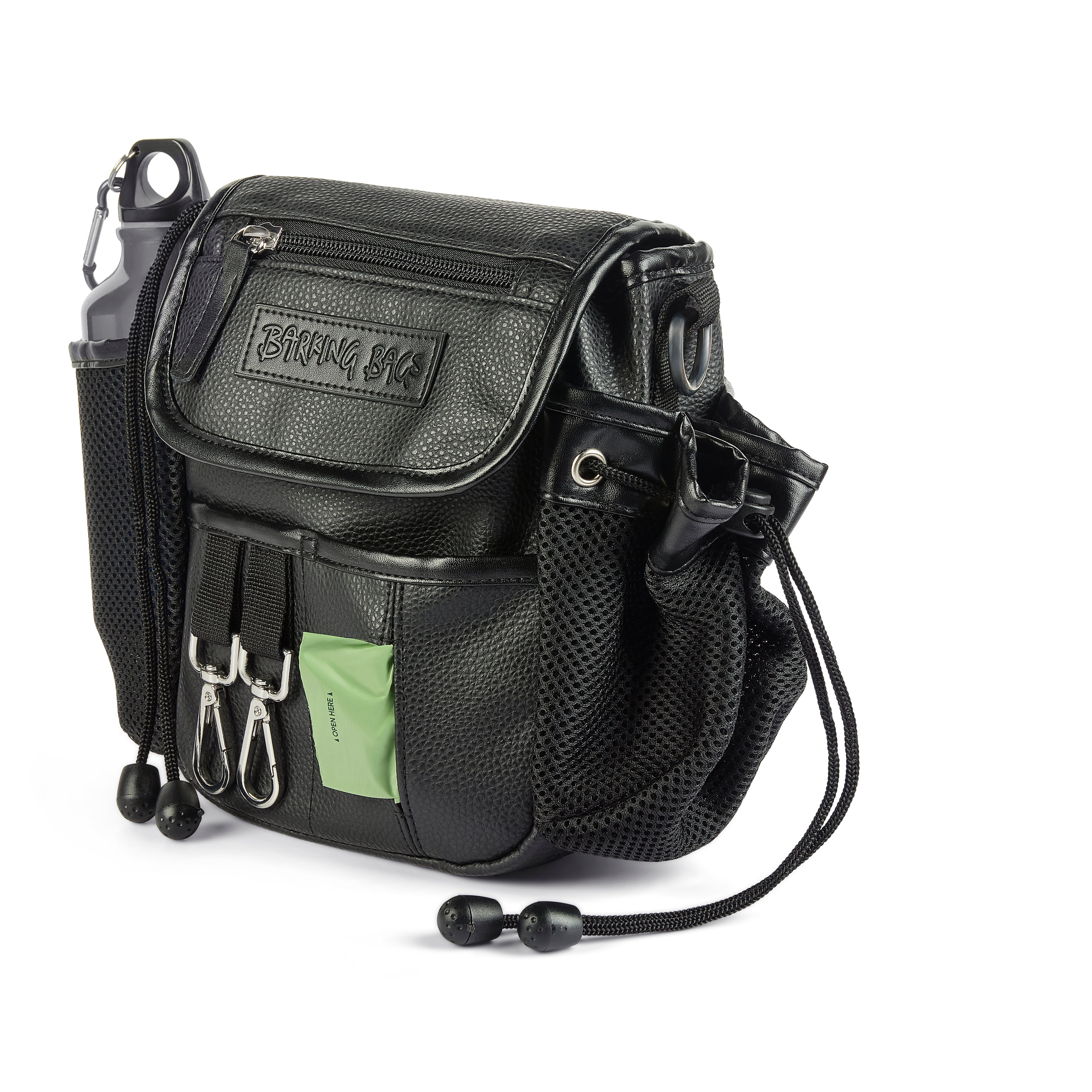

Mud on the base, crushed treats in the corners, a faint whiff of wet dog - if that sounds familiar, it’s probably time to stop wiping the outside and hoping for the best. Knowing how to clean dog walking bag essentials properly helps your bag last longer, smell fresher and stay ready for every walk, whether you’re heading round the block or out for a full day.
A dedicated dog walking bag works hard. It carries treats, poo bags, leads, toys, keys, your mobile phone and whatever else the day throws at you. That daily use is exactly why it needs a proper cleaning routine, not just the occasional shake upside down over the kitchen bin.
How to clean dog walking bag interiors without damaging them
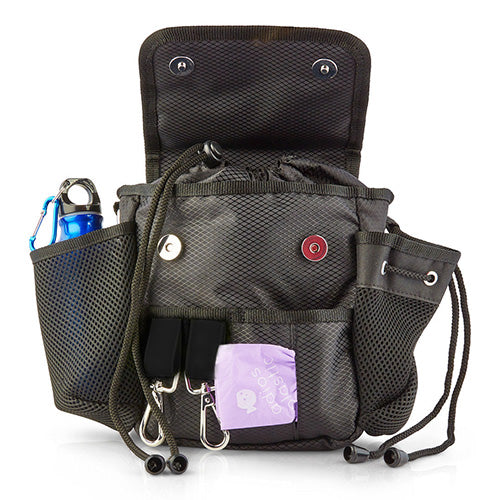
Start by emptying everything. That sounds obvious, but it’s worth doing thoroughly. Check every zipped section, slip pocket and treat compartment. Old biodegradable poo bags, broken biscuits, used tissues and muddy tennis balls have a way of hiding in places you forgot existed.
Once the bag is empty, turn it upside down and give it a firm shake outdoors. If there are crumbs, grit or dried mud trapped in seams, use a small handheld vacuum or a soft brush to lift them out. This step matters more than people think. If you skip it and go straight in with water, you’ll just turn debris into a messier paste.
Next, look at the care label or product instructions if you still have them. Not every dog walking bag should be treated the same way. Some fabrics can handle a gentle hand wash, while others are better with spot cleaning only. If your bag has structured panels, coated linings or metal hardware, being too heavy-handed can affect both shape and finish.
For most purpose-designed dog walking bags, a bowl of lukewarm water with a small amount of mild washing-up liquid or gentle detergent is enough. Dampen a soft cloth, wring it out well and wipe the inside in sections. Focus on the base, corners and treat areas first, as that’s where grease and residue usually build up.
If you’re cleaning a removable lining or treat pouch, take it out if possible and clean it separately. That makes it easier to deal with food residue properly and helps the main bag dry faster.
Dealing with treat dust, smells and sticky pockets
Treat compartments usually need the most attention. Even if you only use dry treats, they leave behind oils and crumbs over time. Soft training treats are even worse for this, especially in warmer weather.
If a pocket feels sticky, use a cloth with diluted mild soap and work gently over the area until the residue lifts. You may need to repeat this rather than scrubbing harder. Scrubbing can rough up the fabric or damage any water-resistant coating, which is the opposite of helpful.
For odours, it depends on what’s causing them. General stale smells often come from trapped moisture, old crumbs or forgotten used poo bags. A proper clean followed by full air drying usually sorts it. If the smell lingers, wipe the interior again with a very light solution of water and white vinegar, then follow with a clean damp cloth. You don’t want the bag smelling like a chippy either, so keep the vinegar minimal.
Bicarbonate of soda can help too, especially if the bag can’t be soaked. Sprinkle a little into the dry interior, leave it for a few hours and vacuum it out. It’s a simple fix for lingering odours, but only use it on a fully dry bag and make sure no powder is left behind in treat sections.
How to clean the outside of a dog walking bag
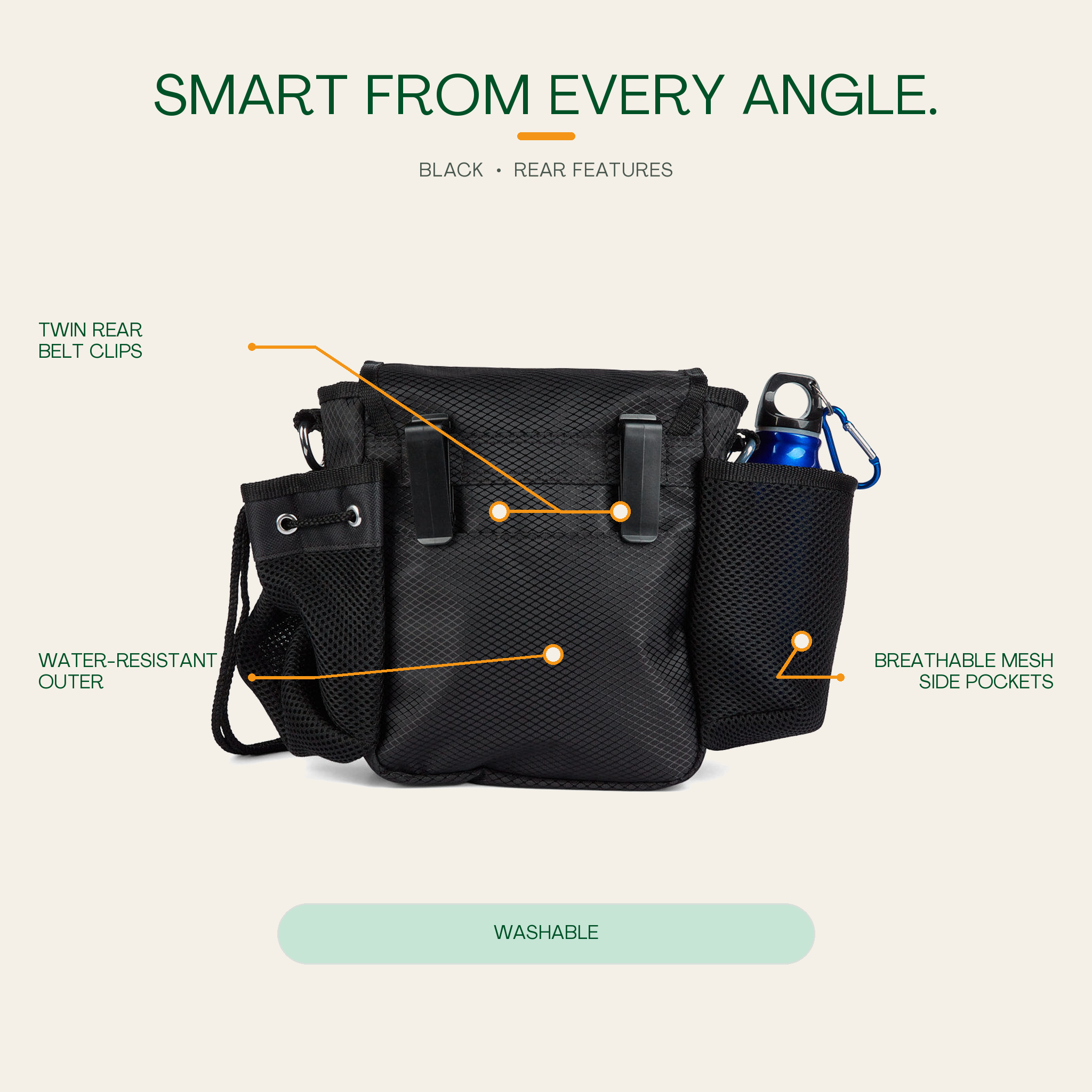
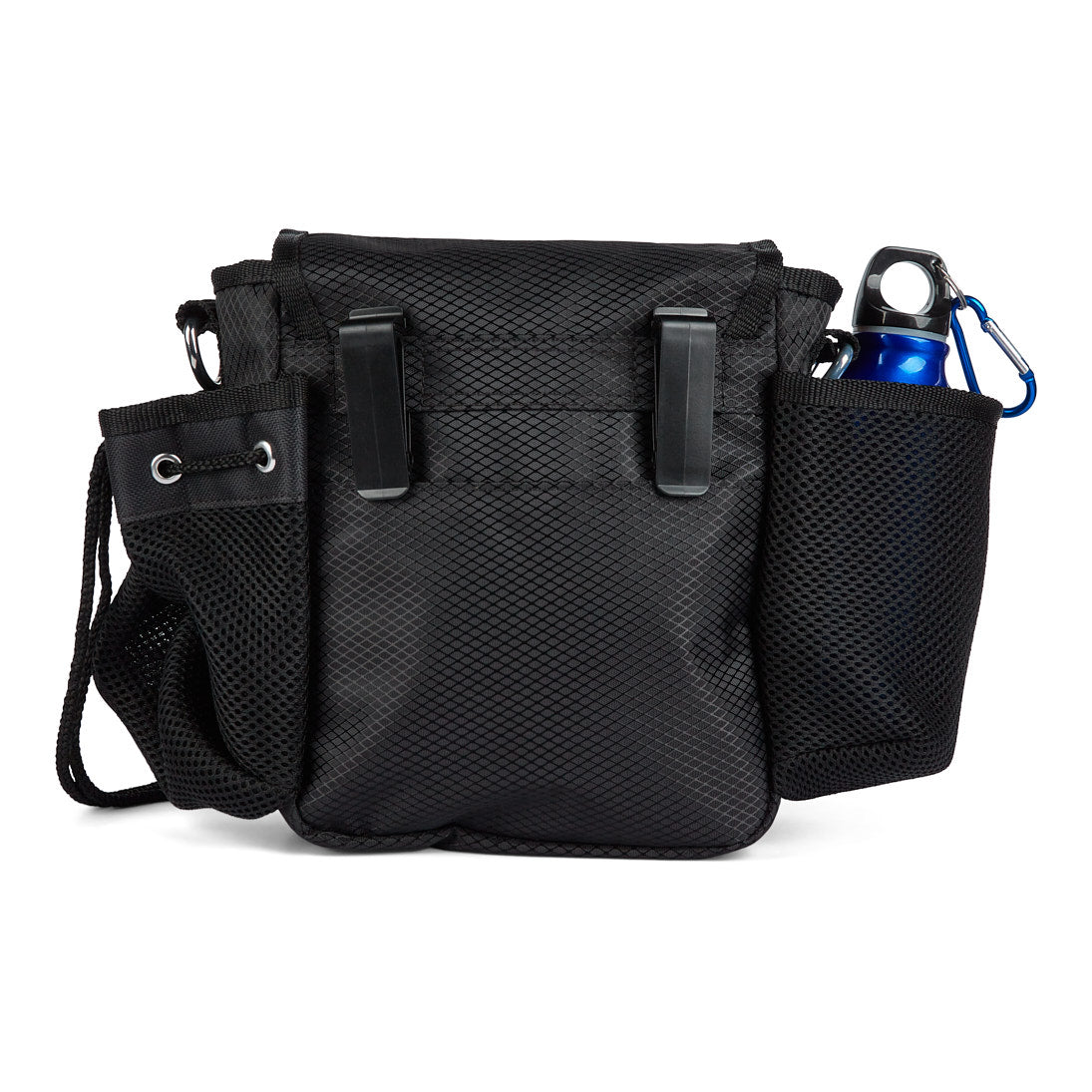
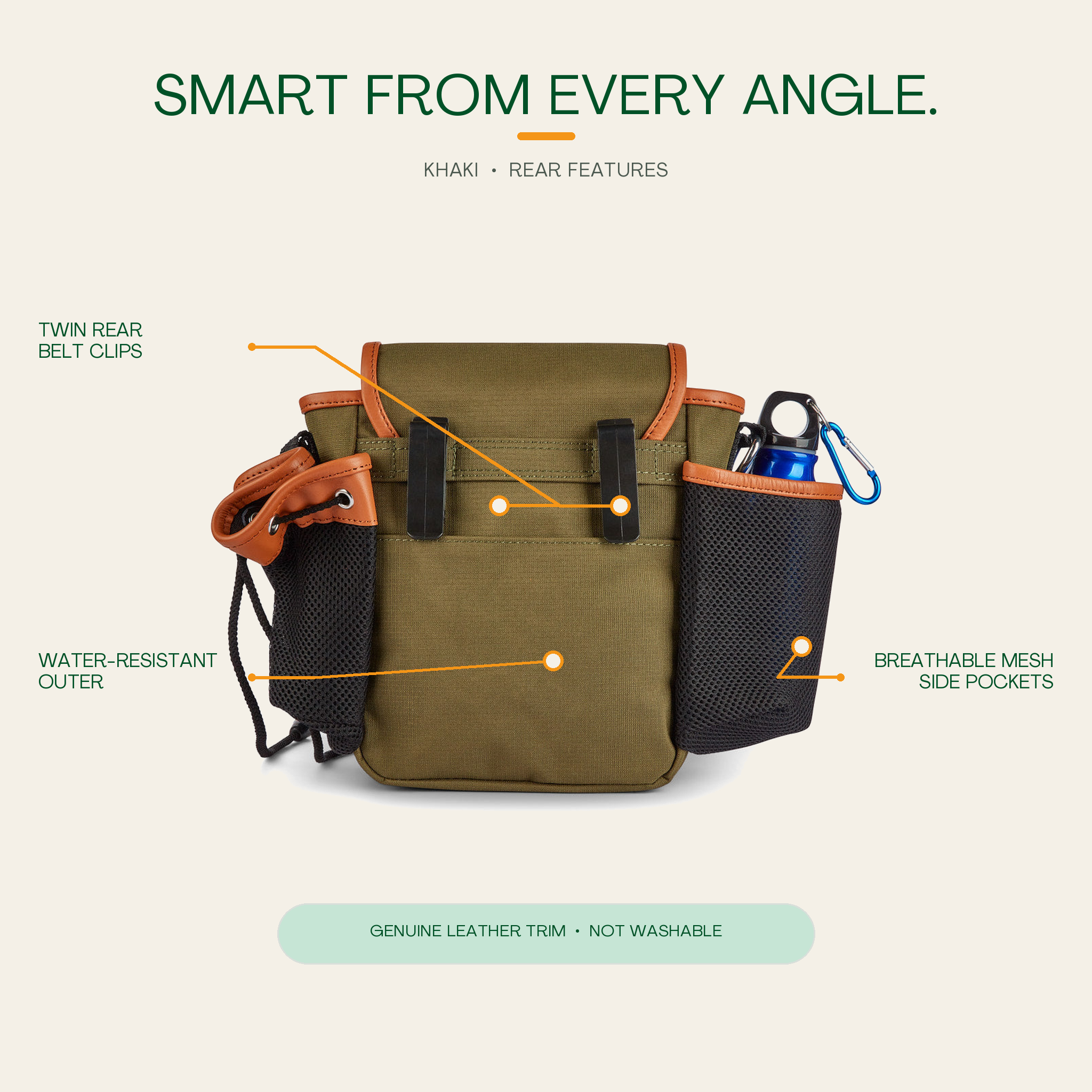
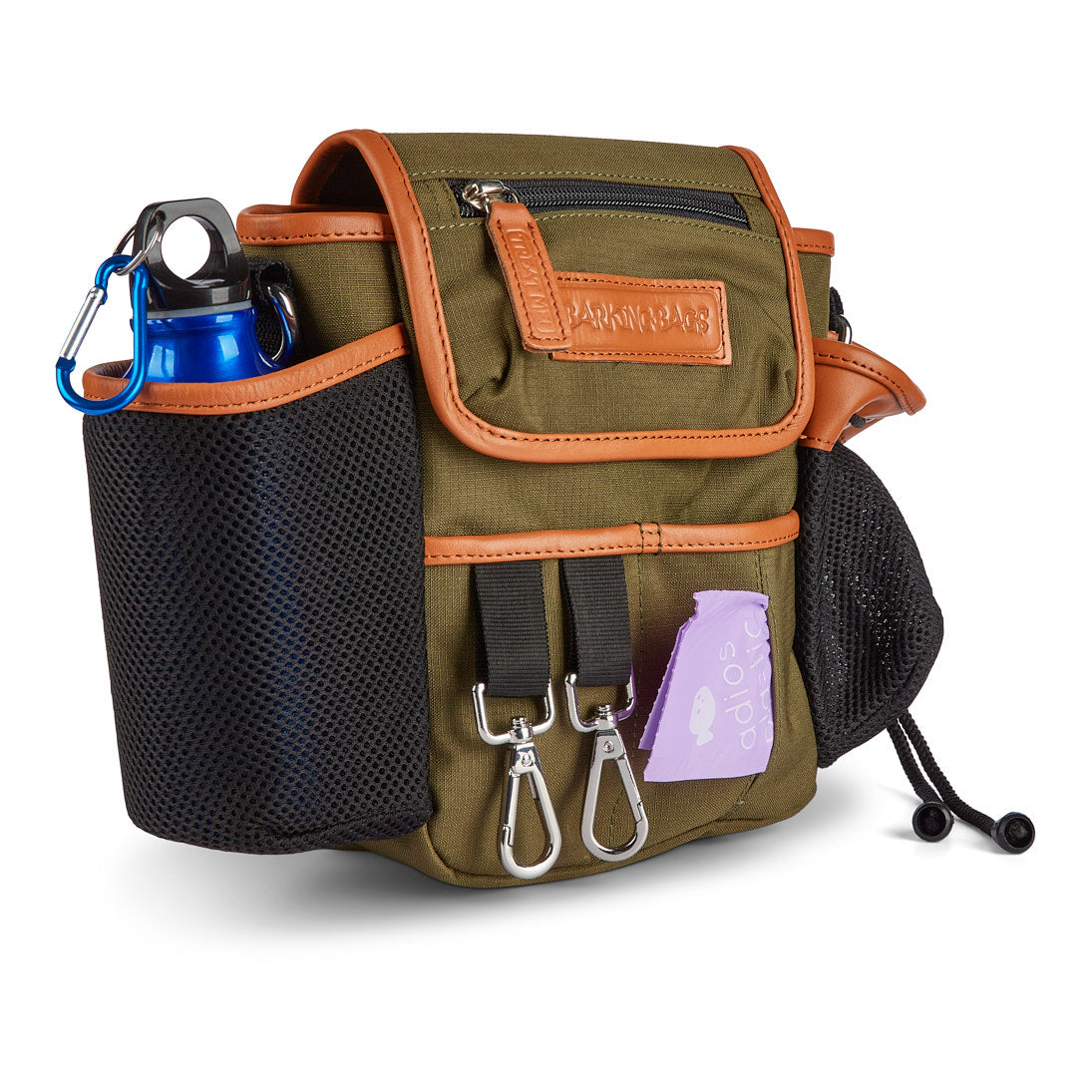
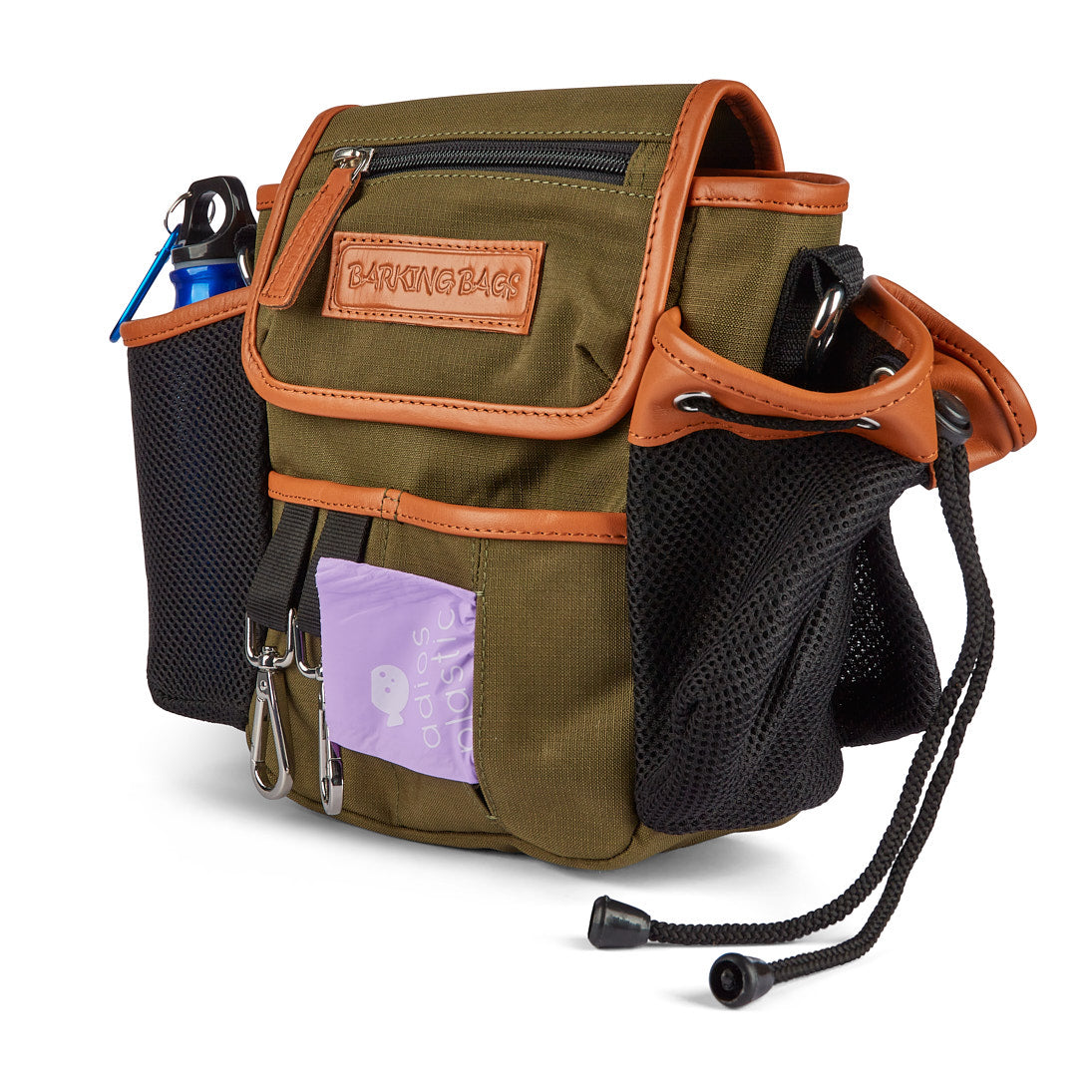
The outside tends to collect the most visible evidence of daily dog life - muddy splashes, grass marks, rain spots and whatever your dog brushed past on the way through the park. The safest approach is usually spot cleaning.
Use a soft cloth or sponge with lukewarm soapy water and wipe down the exterior gently. For textured fabrics, a soft-bristled brush can help loosen dried mud, but brush lightly. If the mud is thick, let it dry first and brush it off before adding water. Wet mud spreads quickly and creates more work.
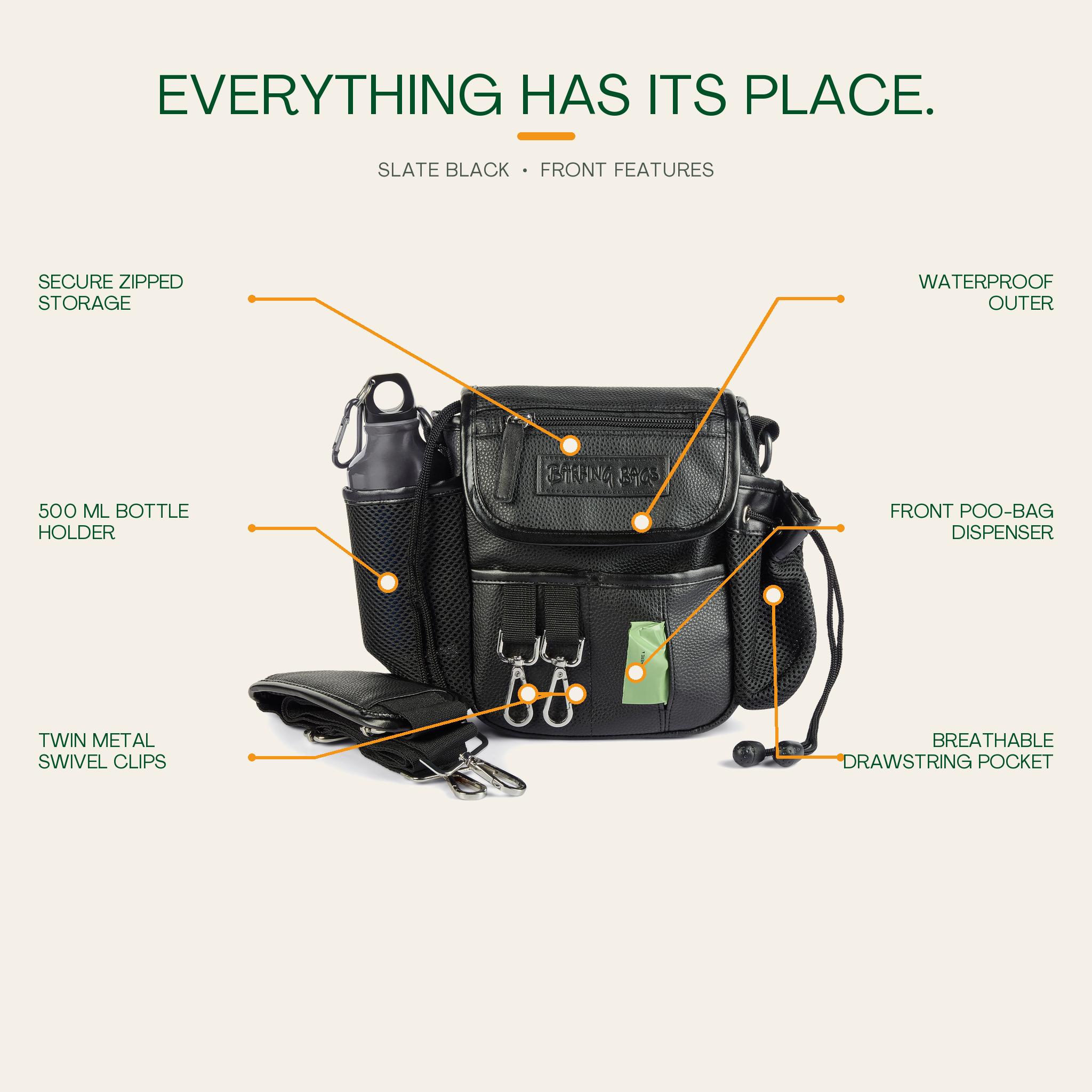
Pay extra attention to the bottom of the bag, strap edges and areas around fastenings. These spots pick up grime from benches, car boots and wet coats. If your bag has metal clips or zips, wipe them dry after cleaning so they stay in good condition.
For faux leather trims or coated details, less is more. Too much water can affect the finish, so use a barely damp cloth and dry immediately with a soft towel.
Can you put a dog walking bag in the washing machine?
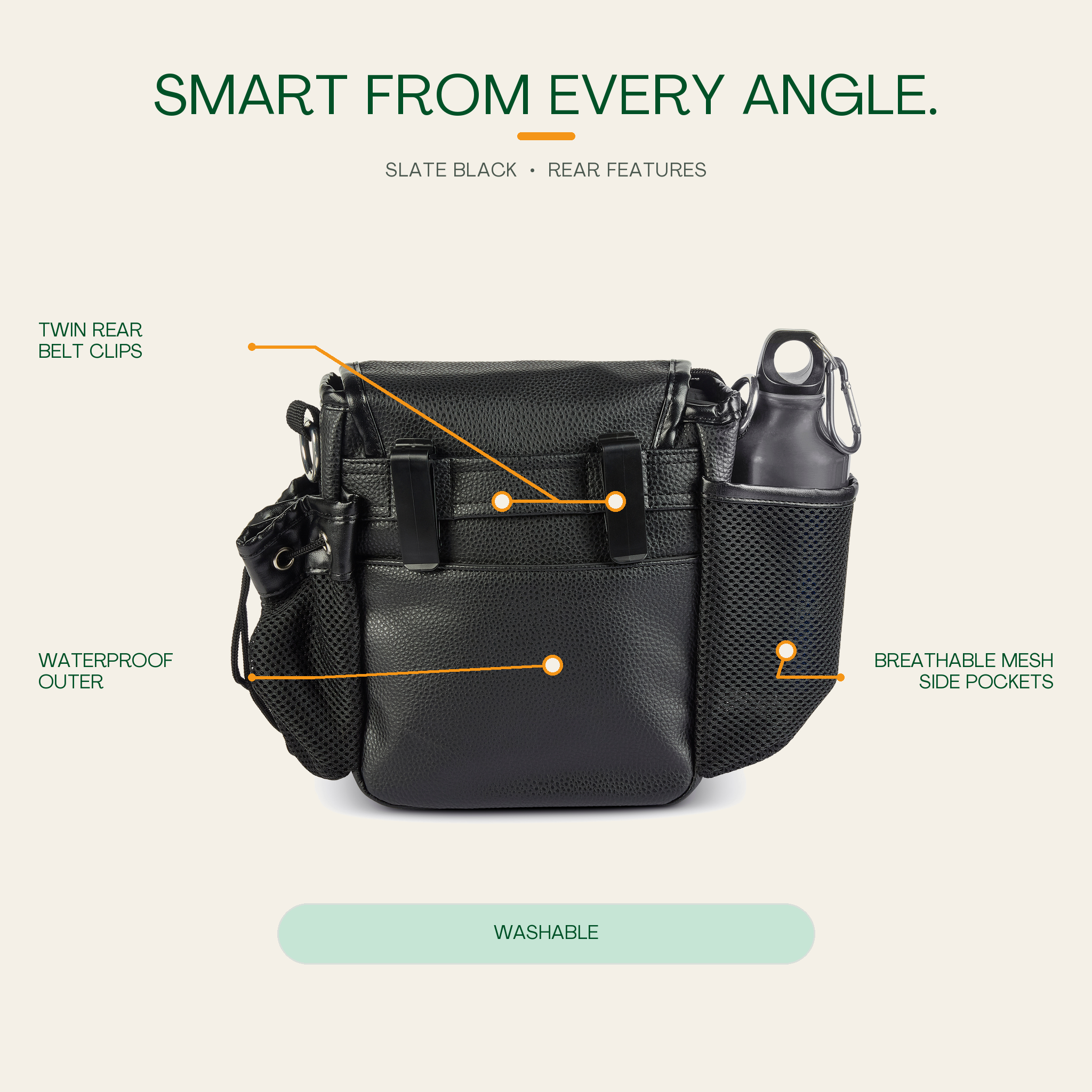
Sometimes yes, often no, and it really depends on the bag’s materials and construction. If your bag has shape, padding, coated compartments, strong zips or multiple hardware details, a machine wash can shorten its life. It may clean the dirt, but it can also warp the structure, dull the finish or weaken stitched areas.
If the manufacturer says machine washing is safe, use a cool, gentle cycle and place the bag inside a laundry bag or pillowcase for protection. Fasten all zips first. Even then, avoid frequent machine washing. It’s better as an occasional deep clean than a weekly habit.
If you’re unsure, hand washing is the safer option. It gives you more control, especially around specialist features that make a dog walking bag practical in the first place.
Drying it properly matters more than you think
A half-dry bag is the fastest route back to bad smells. After cleaning, blot away excess moisture with a clean towel and leave the bag open in a well-ventilated spot to air dry naturally. Open every compartment and unzip every pocket so air can circulate properly.
Avoid direct heat from radiators, tumble dryers or hairdryers. That can shrink some materials, affect coatings and make structured panels lose shape. Stuffing the bag loosely with dry paper or a small towel can help it hold its form while drying, especially if it has a more structured design.
Before you use it again, check the inside carefully. The corners and seams are usually the last places to dry, and they’re exactly where mildew starts if moisture gets trapped.
Small habits that keep your bag cleaner for longer
If you use your bag daily, a full clean every now and then is sensible, but a few quick habits make a big difference between washes. Empty used poo bags straight after the walk rather than leaving them in an outer pocket. Keep treats in a dedicated washable compartment or pouch where possible. If your dog is especially slobbery around treats or toys, wipe the relevant section out at the end of the day instead of waiting for build-up.
It also helps to do a two-minute weekly reset. Shake out debris, wipe obvious marks and check for anything lurking at the bottom. That small routine stops minor mess becoming a deep-clean job.
For professional dog walkers and trainers, cleaning frequency will naturally be higher. More dogs, more treats and more walks means more wear. In that case, think of cleaning as part of your kit maintenance, just like restocking poo bags or checking leads.
What to avoid when cleaning your bag
Harsh cleaners are the main one. Strong sprays, bleach and heavy-duty stain removers can damage fabric, irritate your dog if residue remains and leave overpowering smells. Mild products are usually enough.
It’s also best to avoid soaking the whole bag unless the care guidance specifically says it’s fine. Saturating every layer can make drying slow and awkward, particularly with padded straps or lined compartments.
And if you’re tempted to mask smells with perfume or fabric spray, skip it. Fragrance doesn’t fix the cause, and strong scents can be unpleasant for dogs with much more sensitive noses than ours.
When a bag needs more than a clean
Sometimes the issue isn’t dirt. If the lining is peeling, the zip is failing, or a treat compartment never quite loses its smell after repeated cleaning, the bag may simply be at the end of its hardest-working phase. That’s especially true if it’s been standing in for a proper dog walking system rather than being designed for one.
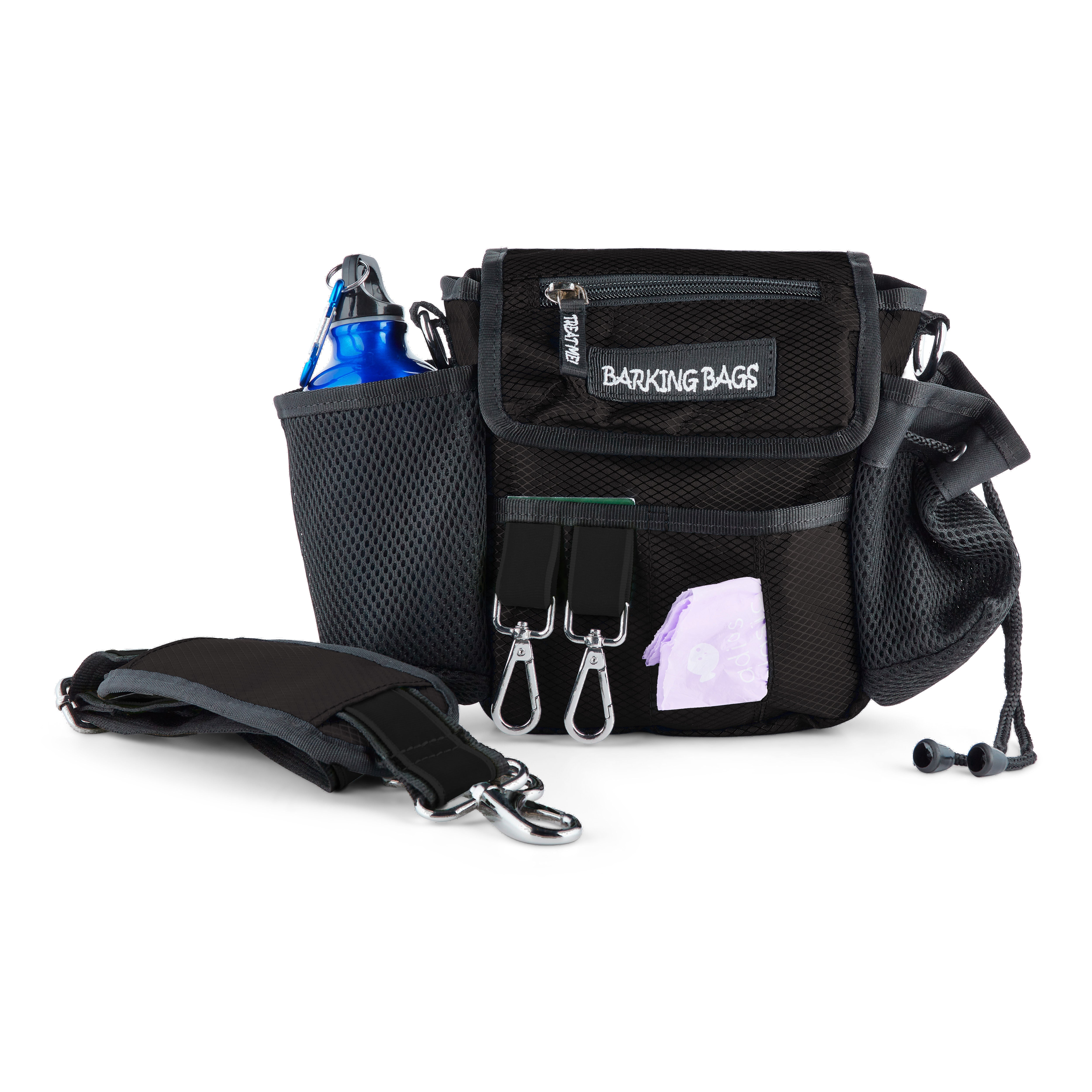
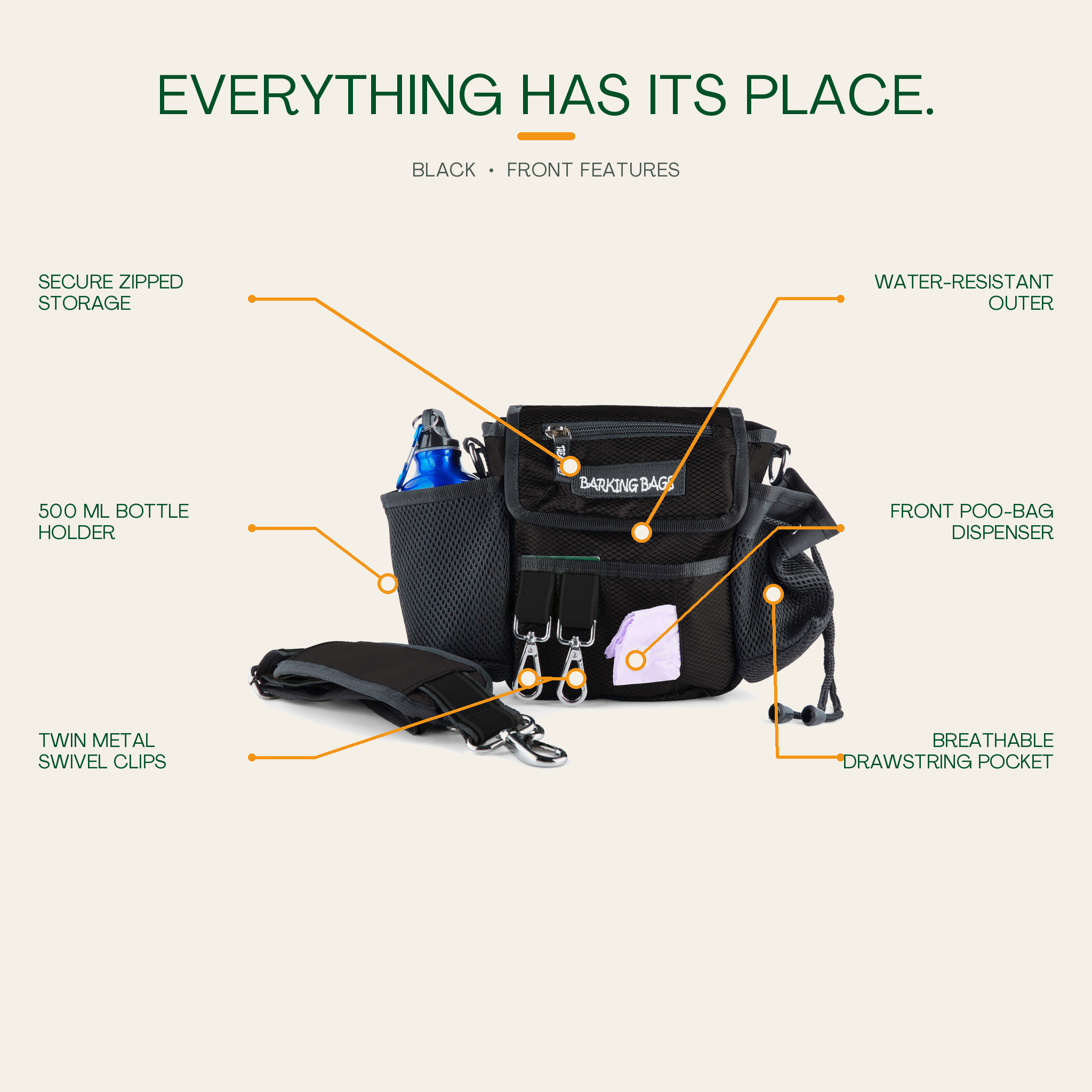
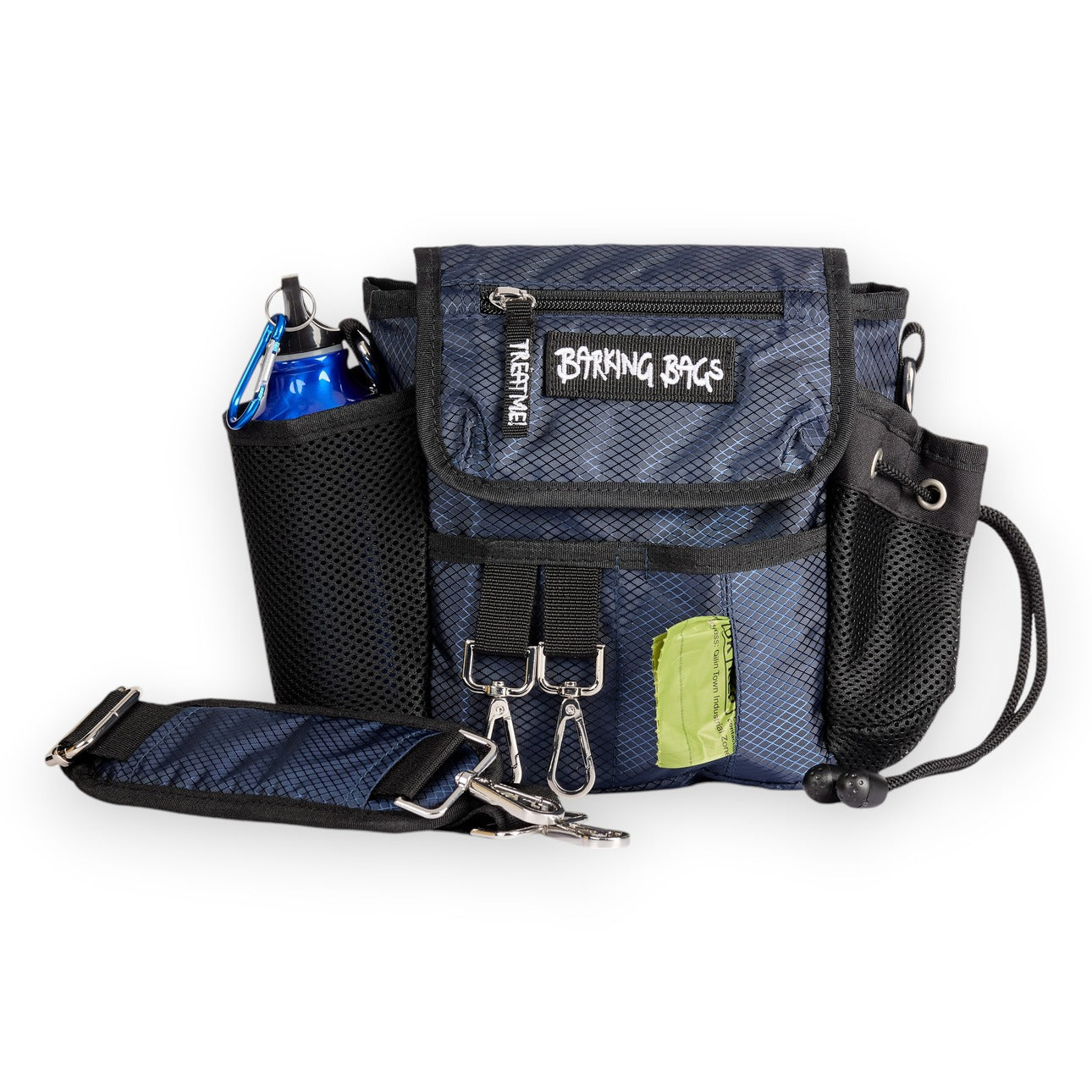
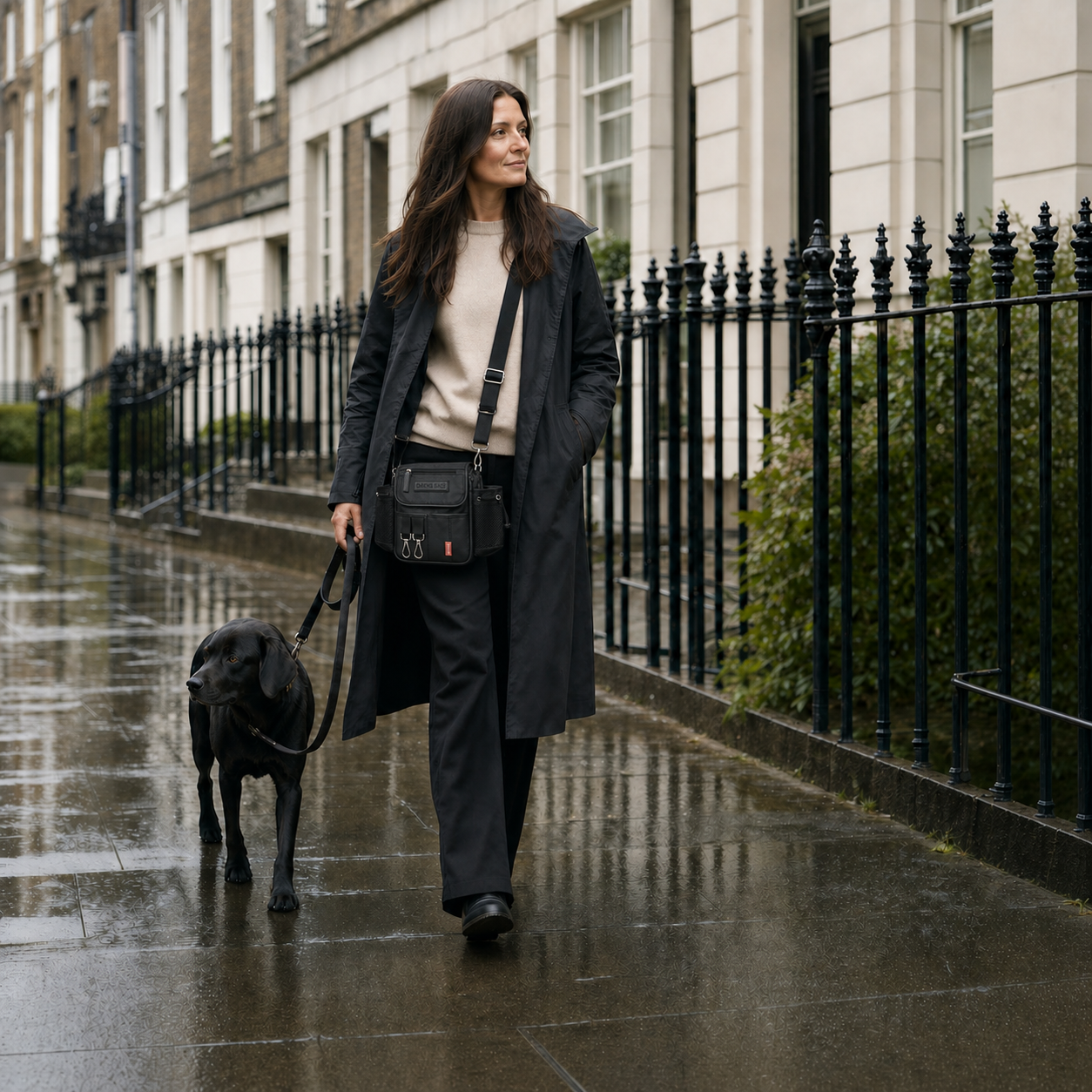
A well-made, purpose-built option should be easier to wipe down, easier to organise and better suited to the reality of muddy paws, rainy pavements and daily use. That practicality is the whole point. At Barking Bags, we’re very much in favour of products that look good, but they still need to cope with real walks, real weather and real dogs.
A clean bag doesn’t just look better. It makes every walk feel more organised, from finding treats quickly to knowing your mobile phone isn’t sitting next to a leaking snack pocket. Give it ten minutes, let it dry properly, and your next walk starts in much better shape than the last one ended.