
Your mobile phone is in one pocket, treats are in another, poo bags are knotted round the lead handle, and your dog has spotted a squirrel. That is usually the exact moment a normal walk starts feeling far less relaxed than it should. A good guide to hands free dog walking starts with one simple idea - if your kit is organised and your setup suits your dog, everyday walks become easier, safer and far more enjoyable.
Hands free dog walking appeals for obvious reasons. You can move more naturally, keep better balance, reward your dog quickly during training, and stop feeling like you need three extra hands just to get round the block. But there is a right way to do it. Not every dog, lead, route, or walker suits the same setup, and comfort matters just as much as control.
What hands free dog walking actually means
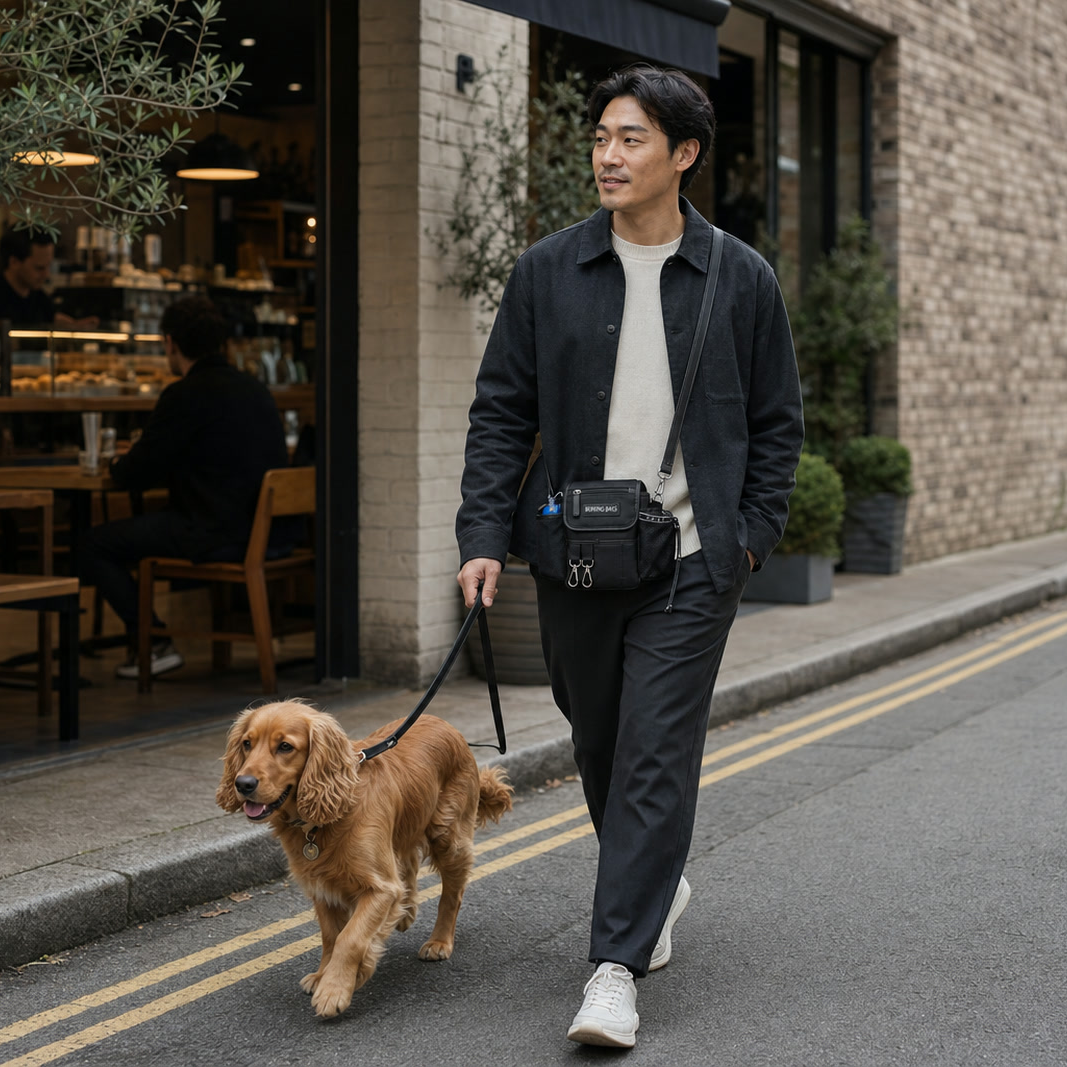
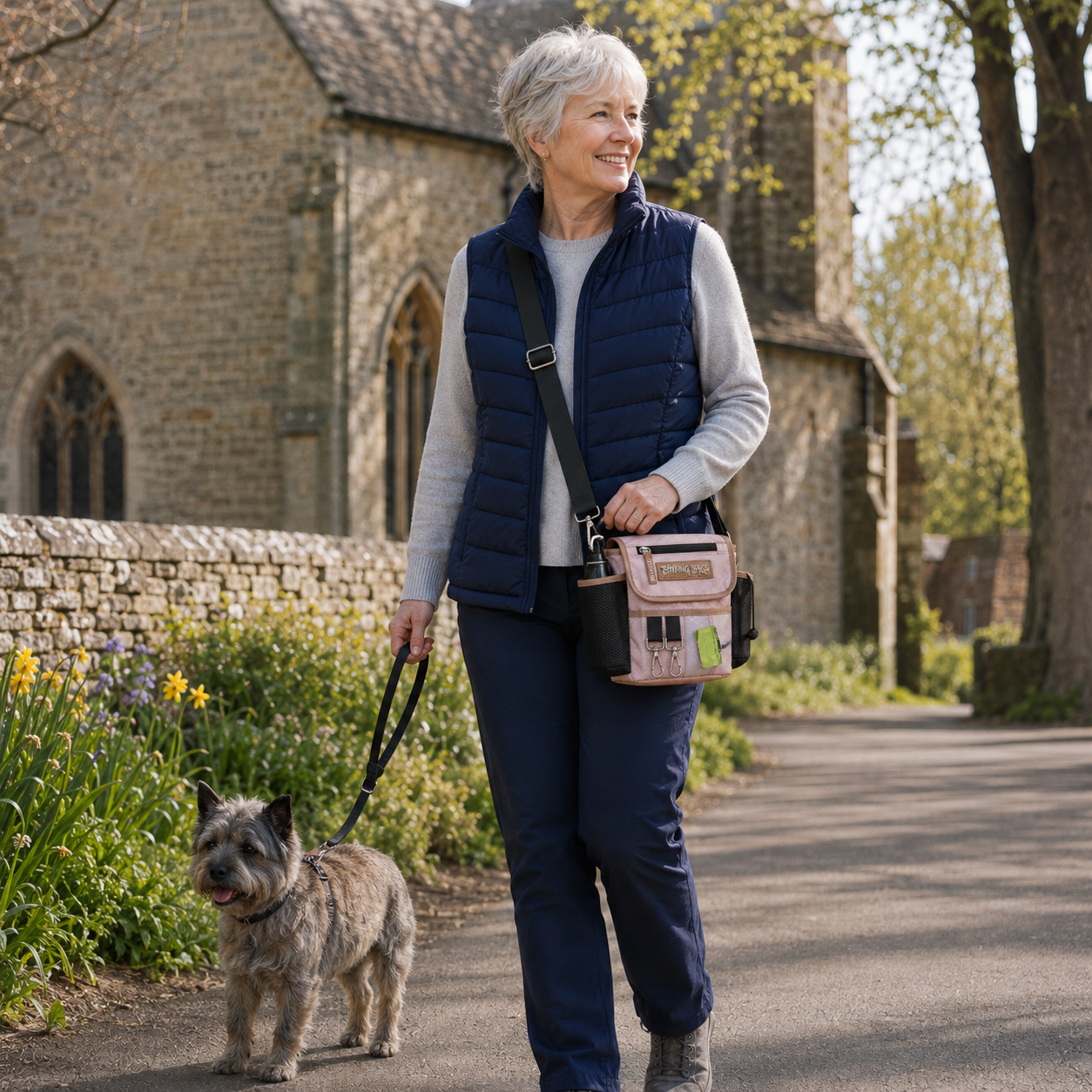
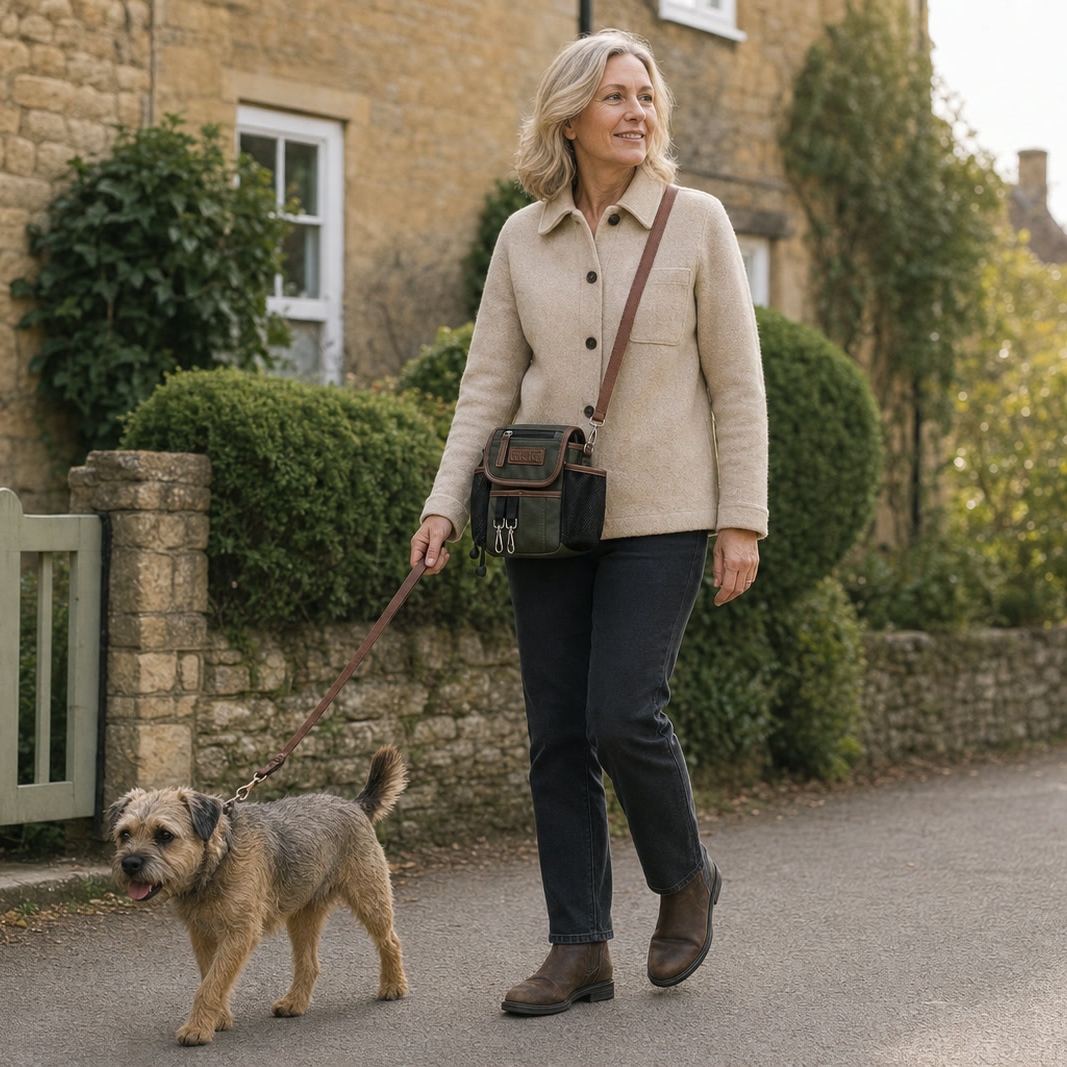
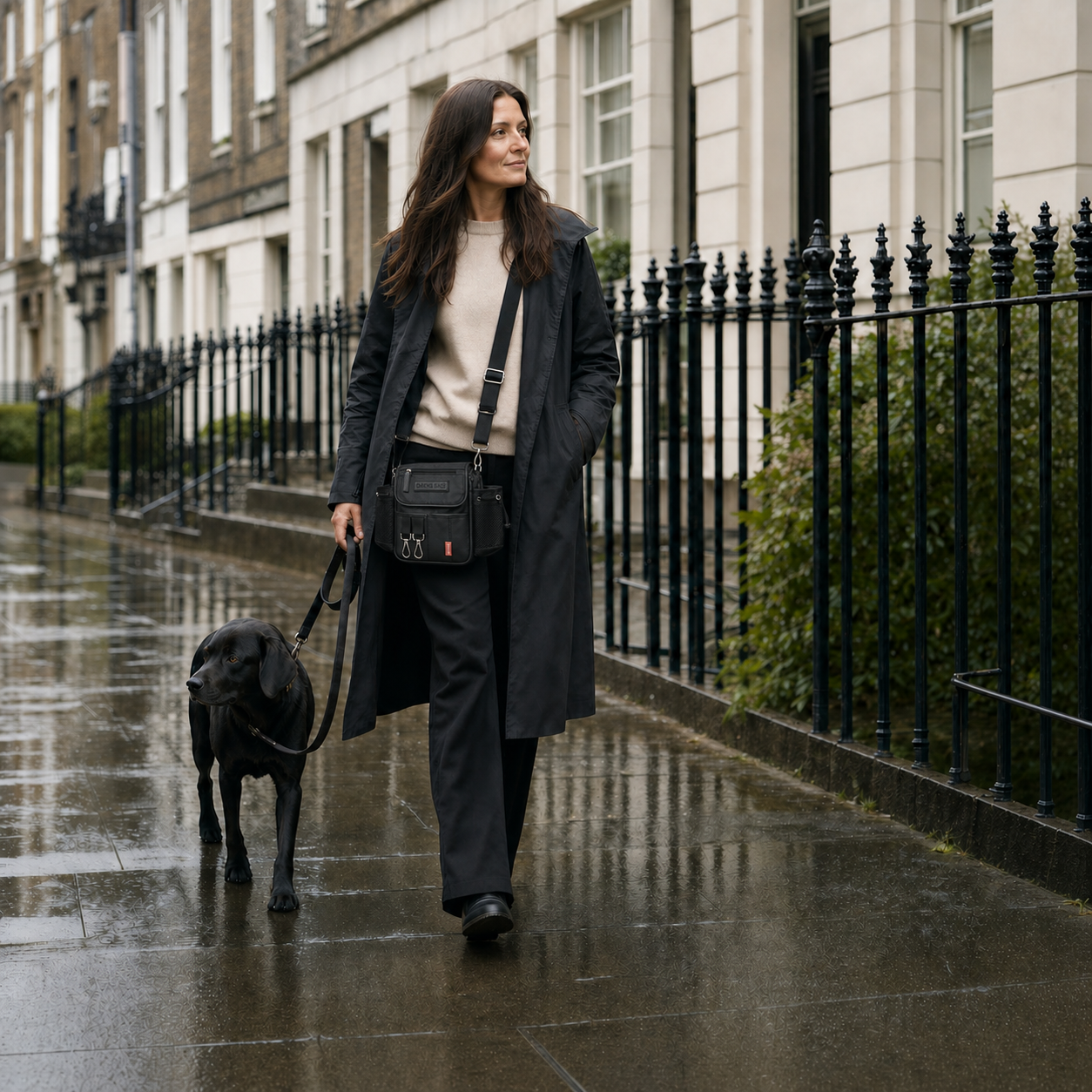
Hands free dog walking usually refers to using a waist belt or cross-body system that attaches your dog’s lead to your body rather than keeping the handle in your hand the whole time. Some people use it for steady daily walks, others for training, hiking, or jogging. In practice, it is less about being completely hands off and more about freeing up your hands when you need them.
That distinction matters. You still need to stay engaged with your dog, especially near roads, around livestock, or in busy parks. Think of it as a smarter carrying and control system, not a way to switch off.
Why so many owners switch to a hands free setup
The biggest benefit is comfort. When the lead is positioned properly through a waist belt, force is spread more evenly than when a dog pulls against your wrist or shoulder. That can make a noticeable difference on longer walks or when walking a dog that likes to surge forward.
It also helps with routine. If you are carrying treats, a clicker, a ball, waste bags, keys, and your mobile phone, having both hands available makes the whole walk feel more manageable. For training, it can be especially useful because rewards are easier to access quickly and calmly.
There is a style and practicality element too. Most dog owners have tried using coat pockets, tote bags, or an everyday handbag for walks, only to realise none of them are designed for soggy tennis balls or emergency poo bags. A purpose-built setup looks tidier because it works better.
Guide to hands free dog walking gear
The best setup depends on your dog’s size, walking style, and your usual route. If you have a calm dog who walks nicely on lead, your system can be fairly simple. If your dog is strong, reactive, still in training, or prone to sudden lunges, you need more support and more caution.
A hands free lead with a waist attachment is the main starting point. Look for adjustable length, secure clips, and enough strength for your dog’s size. Shock-absorbing sections can help reduce jolts, though they are not a miracle fix for pulling. They simply soften some of the impact.
A supportive waist belt matters more than many people expect. If it digs in, slips around, or feels flimsy, the whole experience becomes irritating very quickly. Wider belts often feel more stable, especially with medium or large dogs.
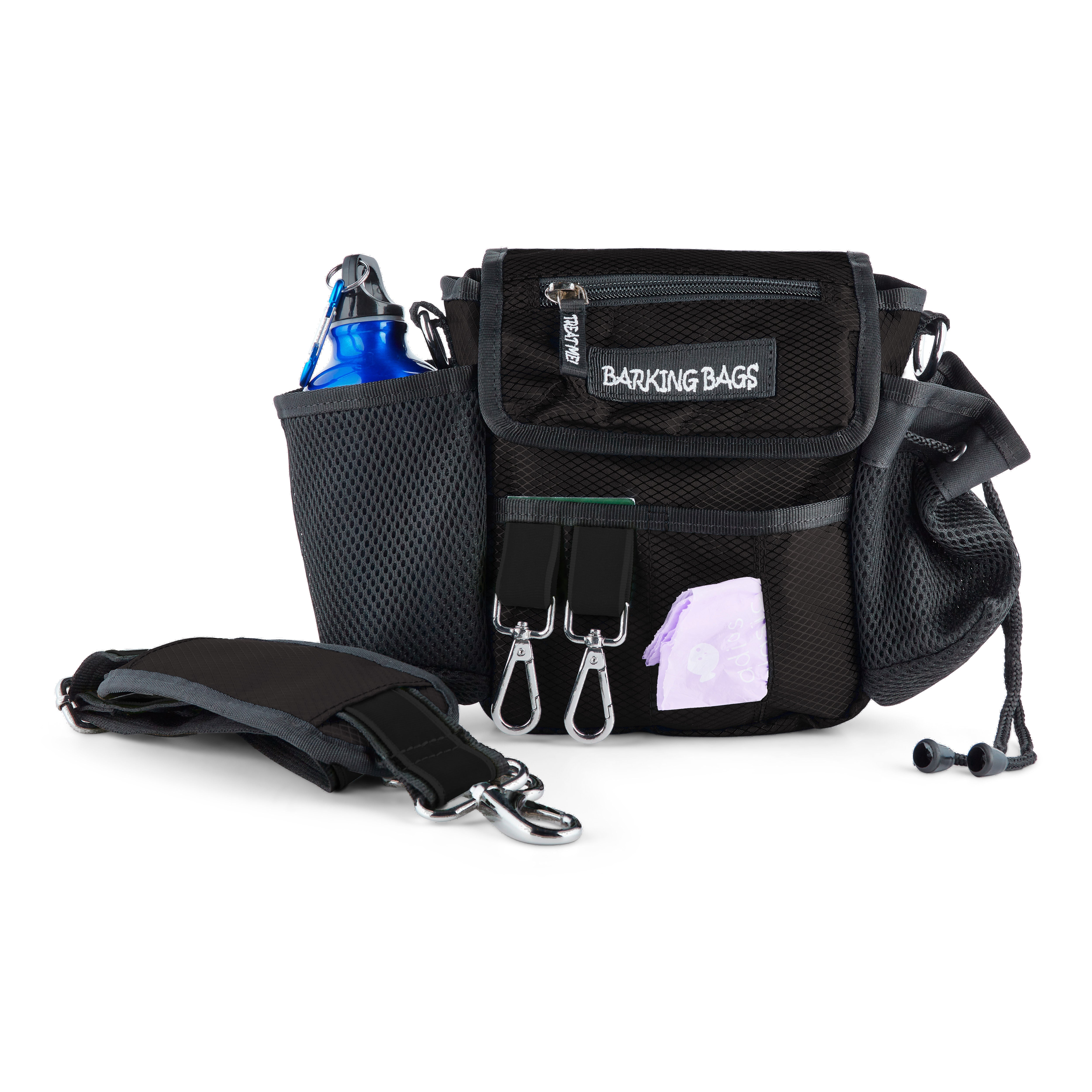
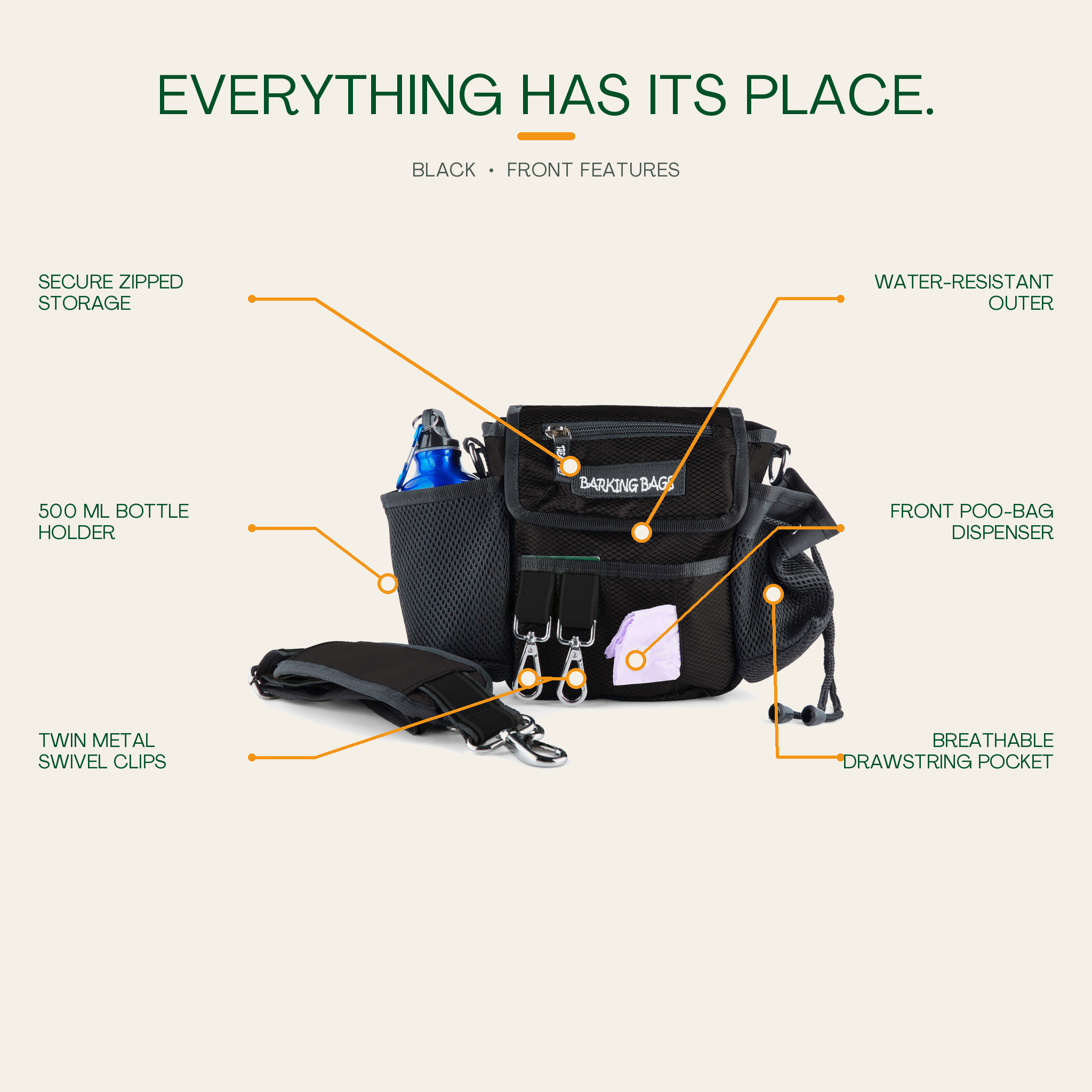
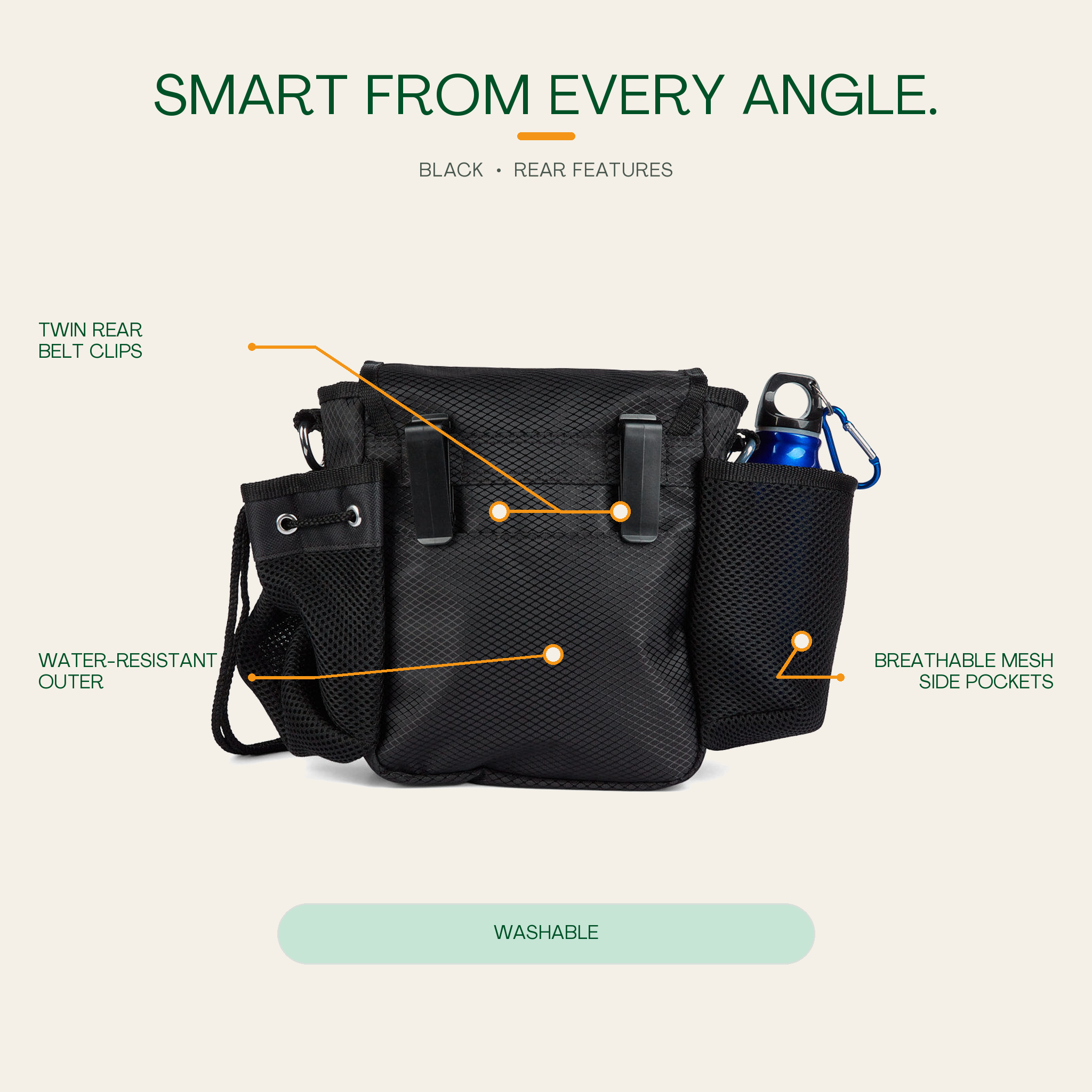
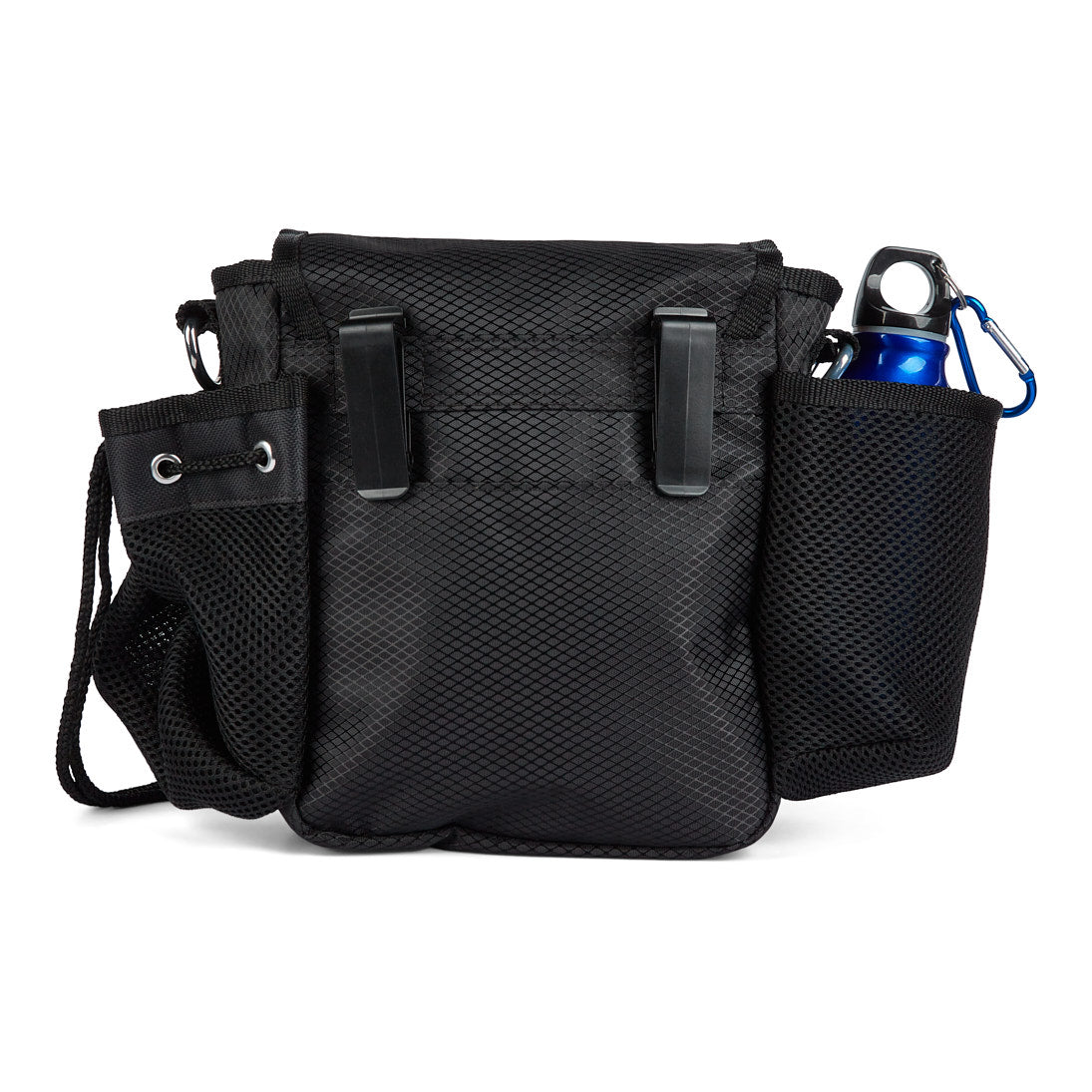
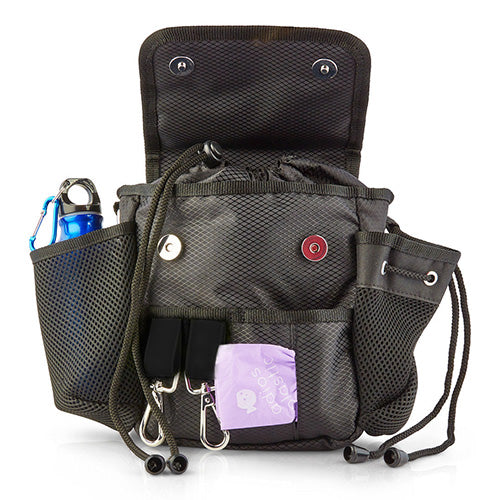
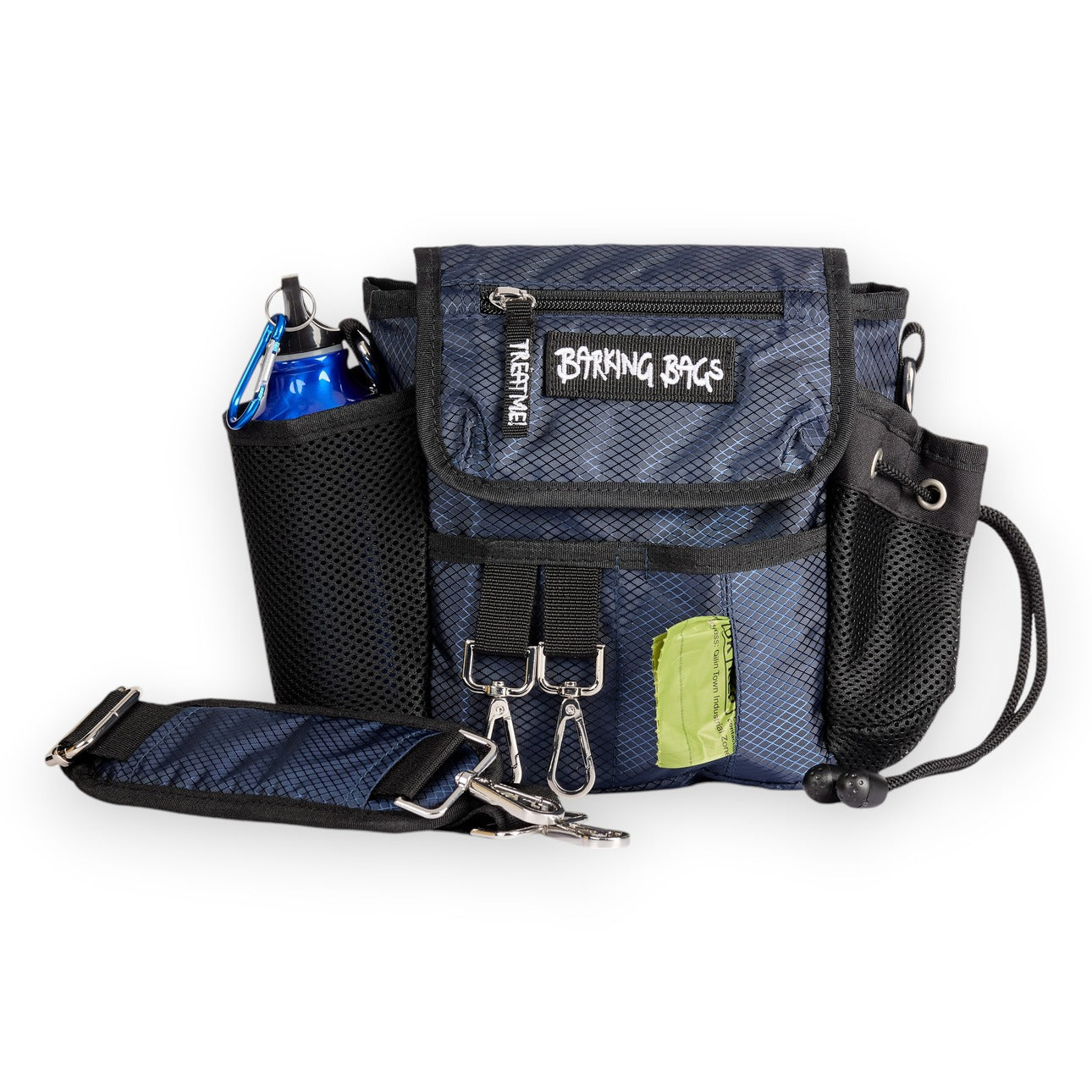
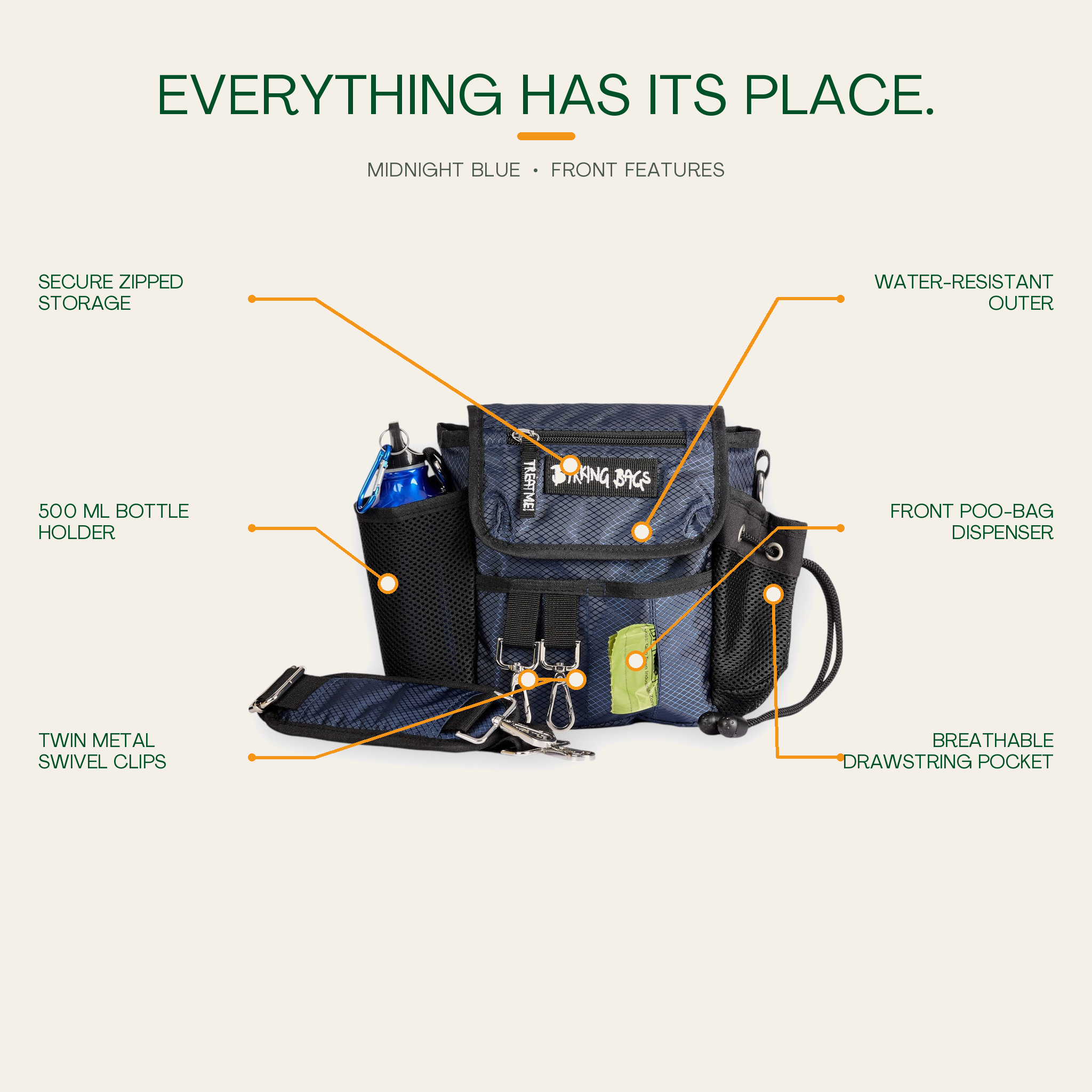
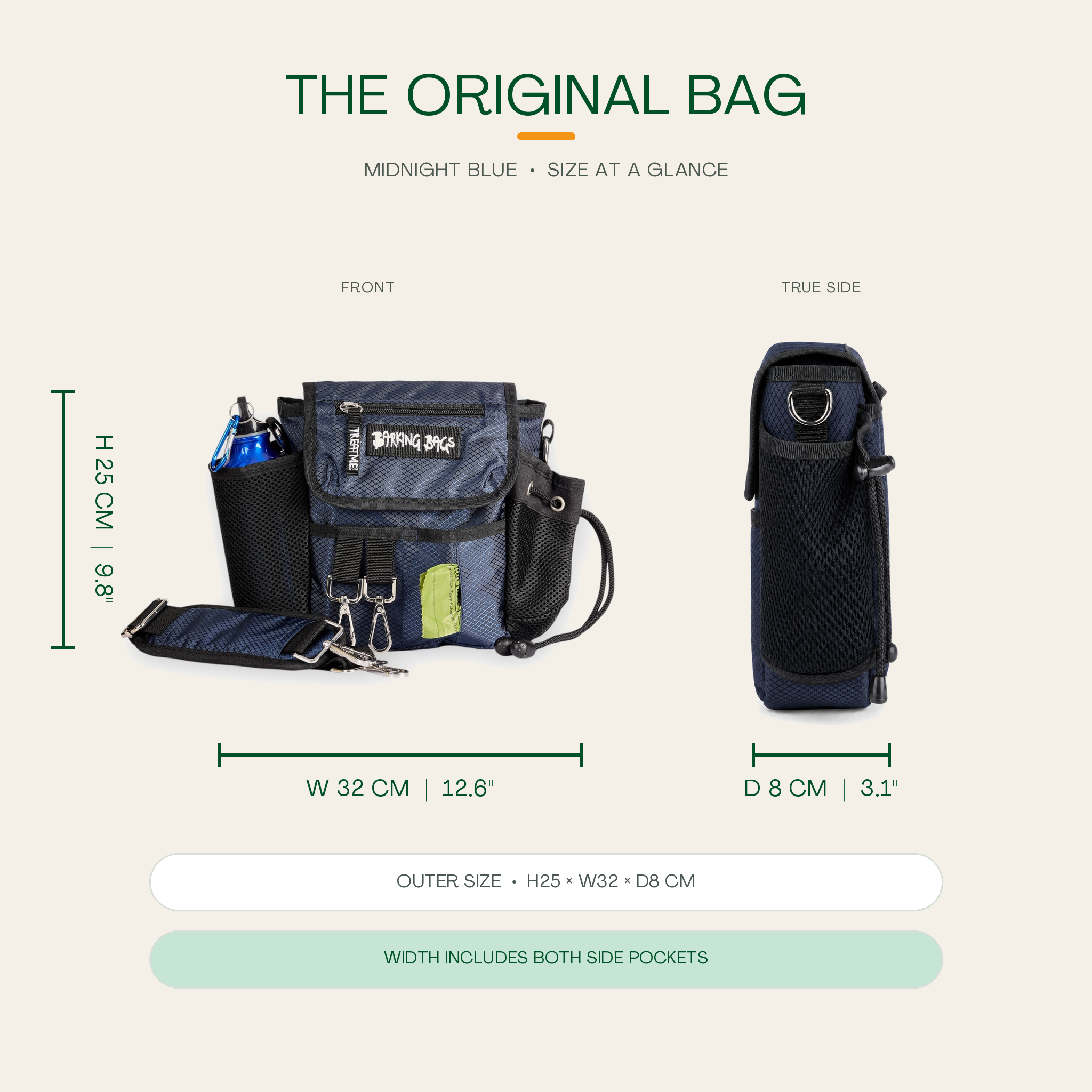
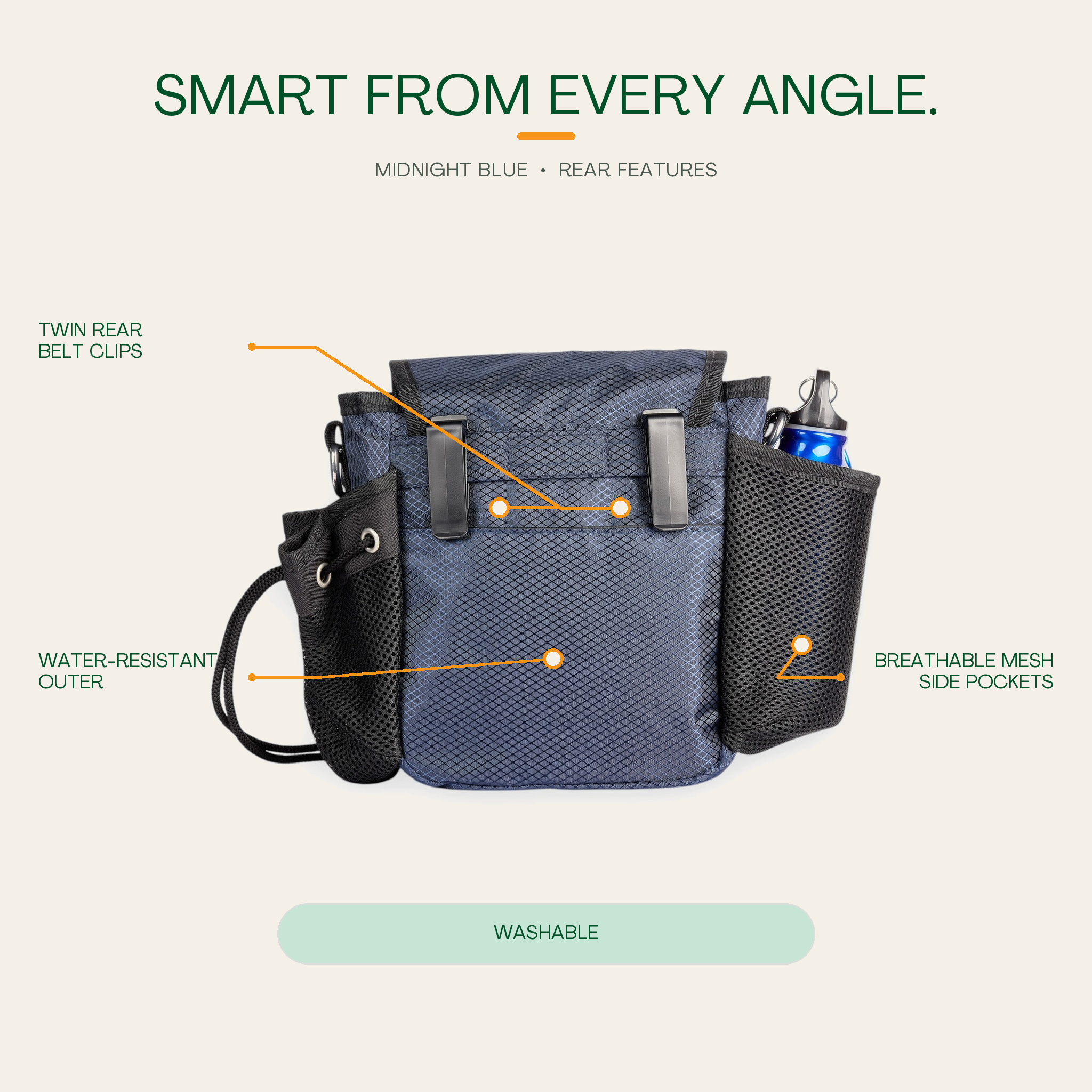
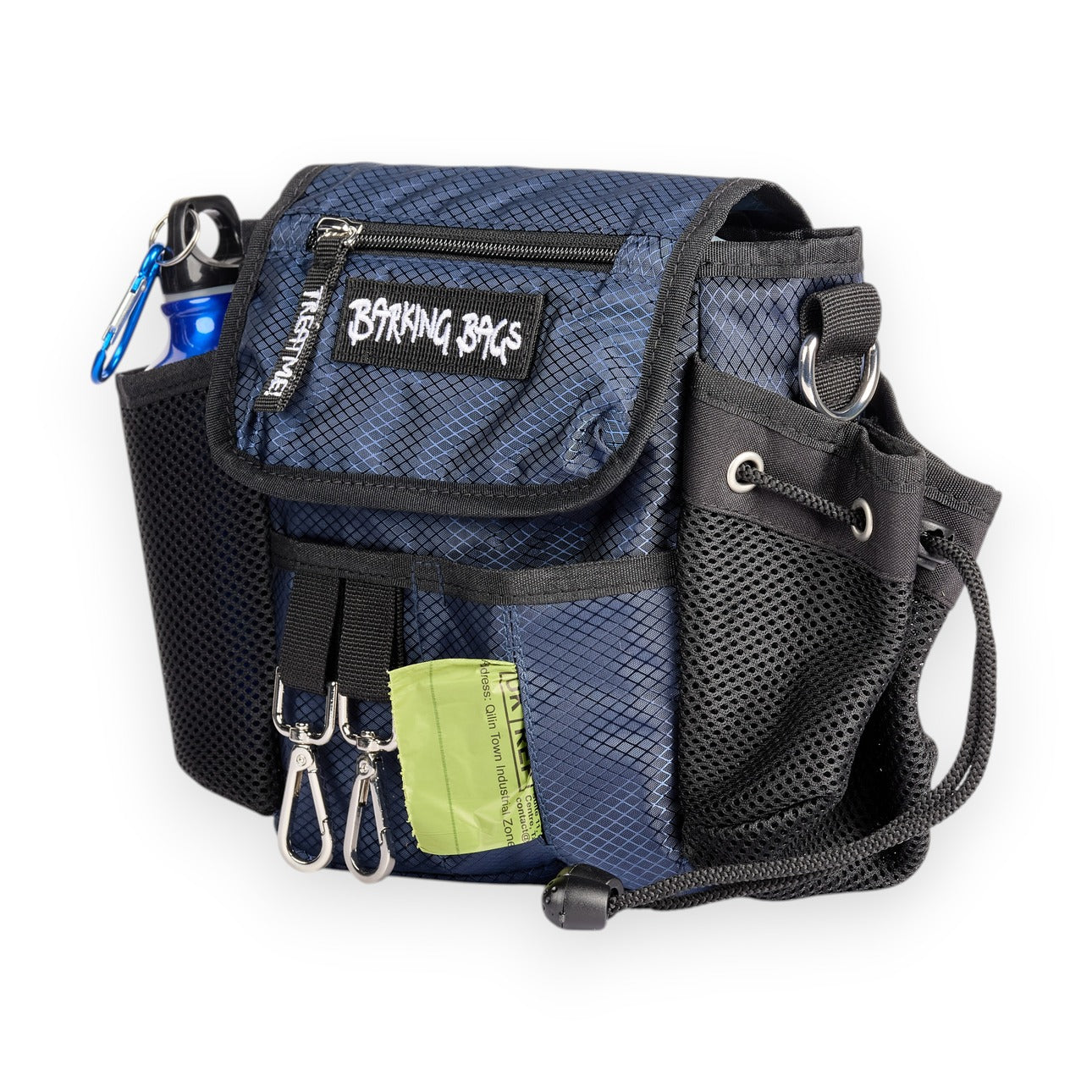
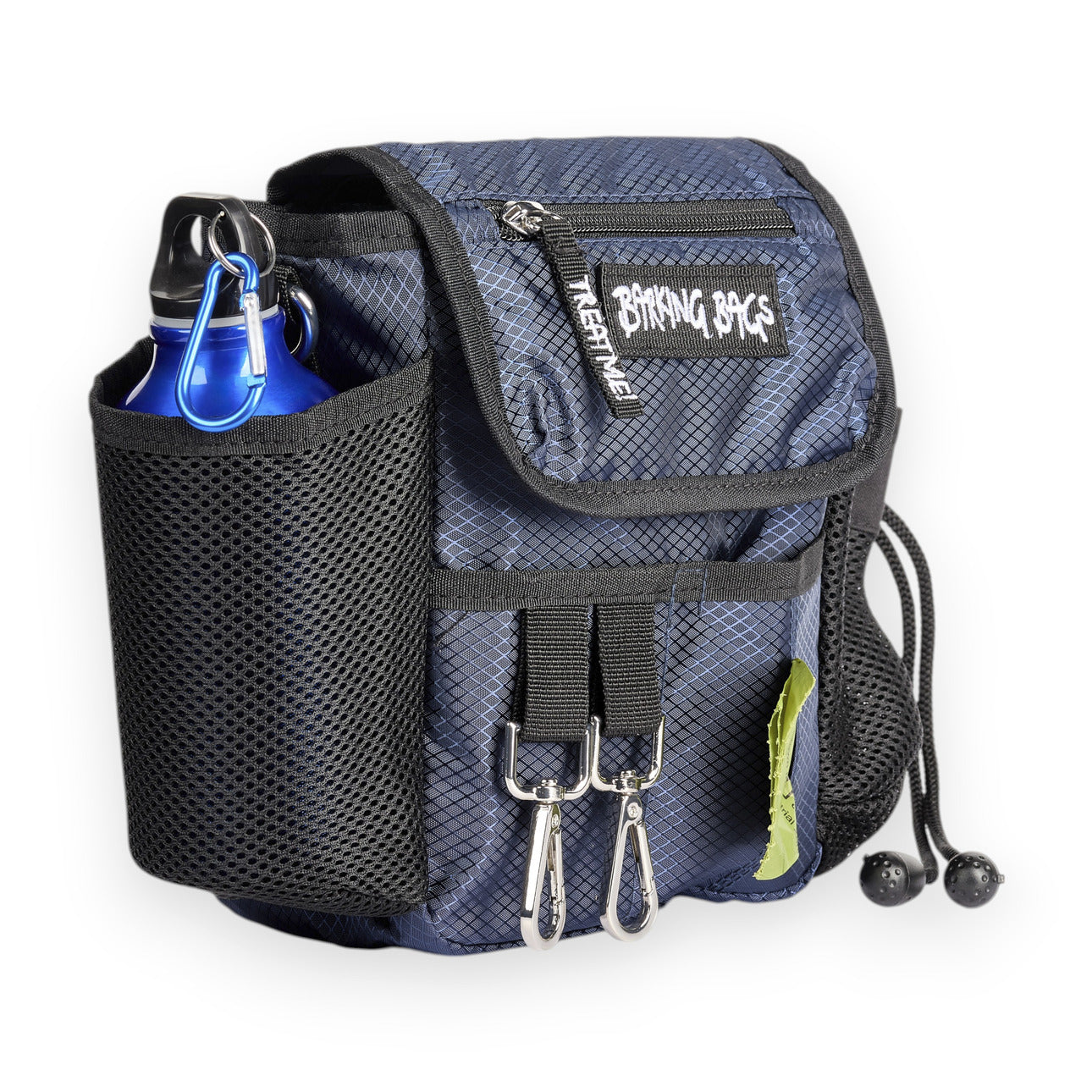
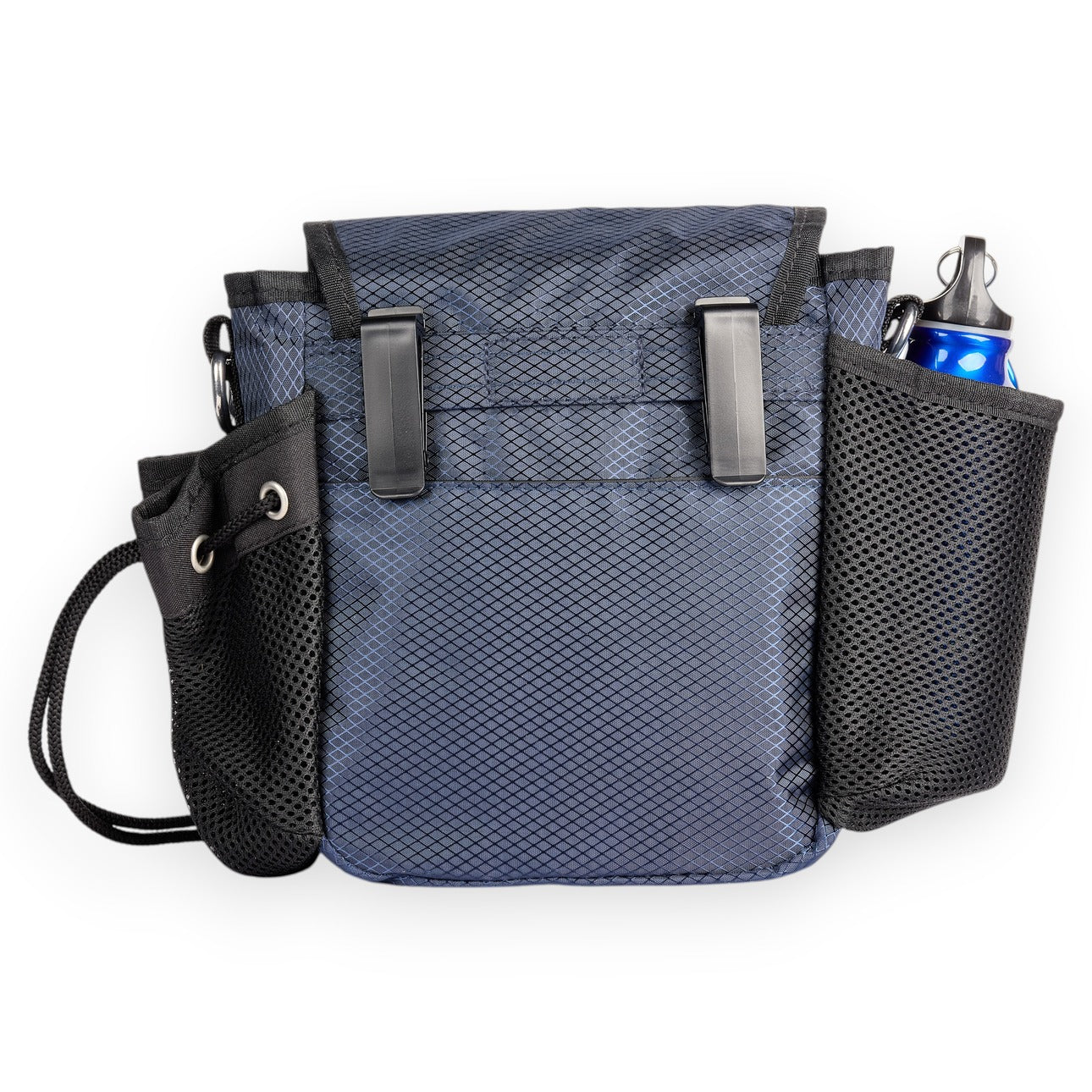
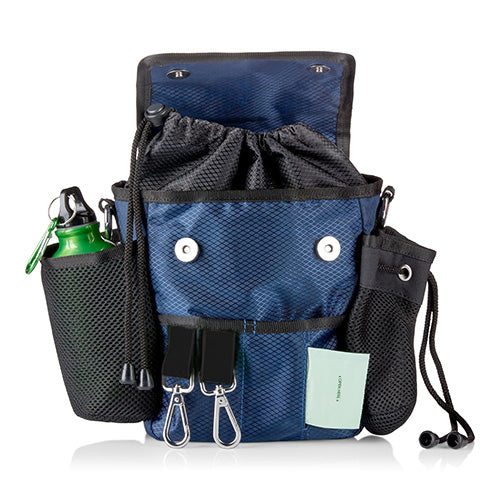
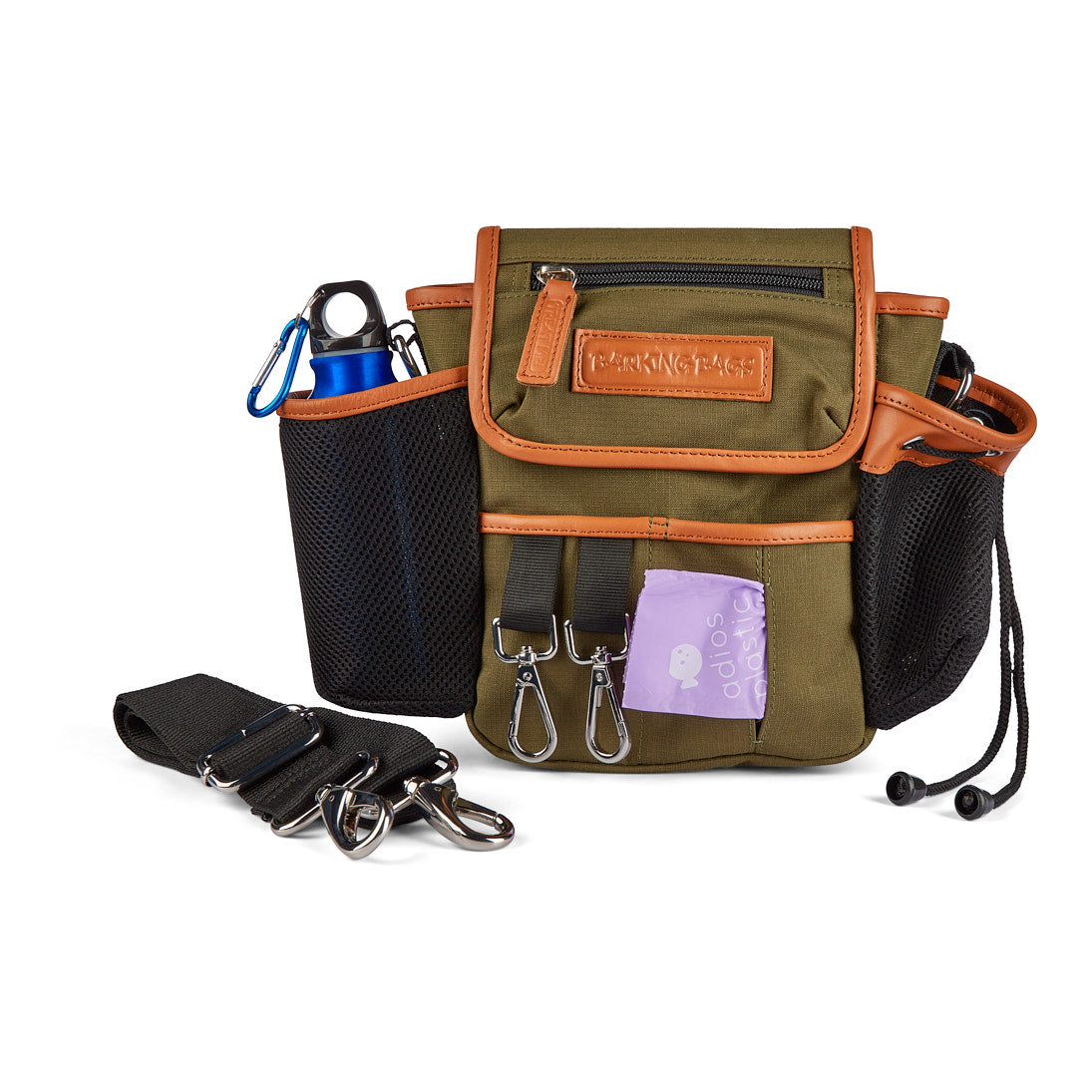
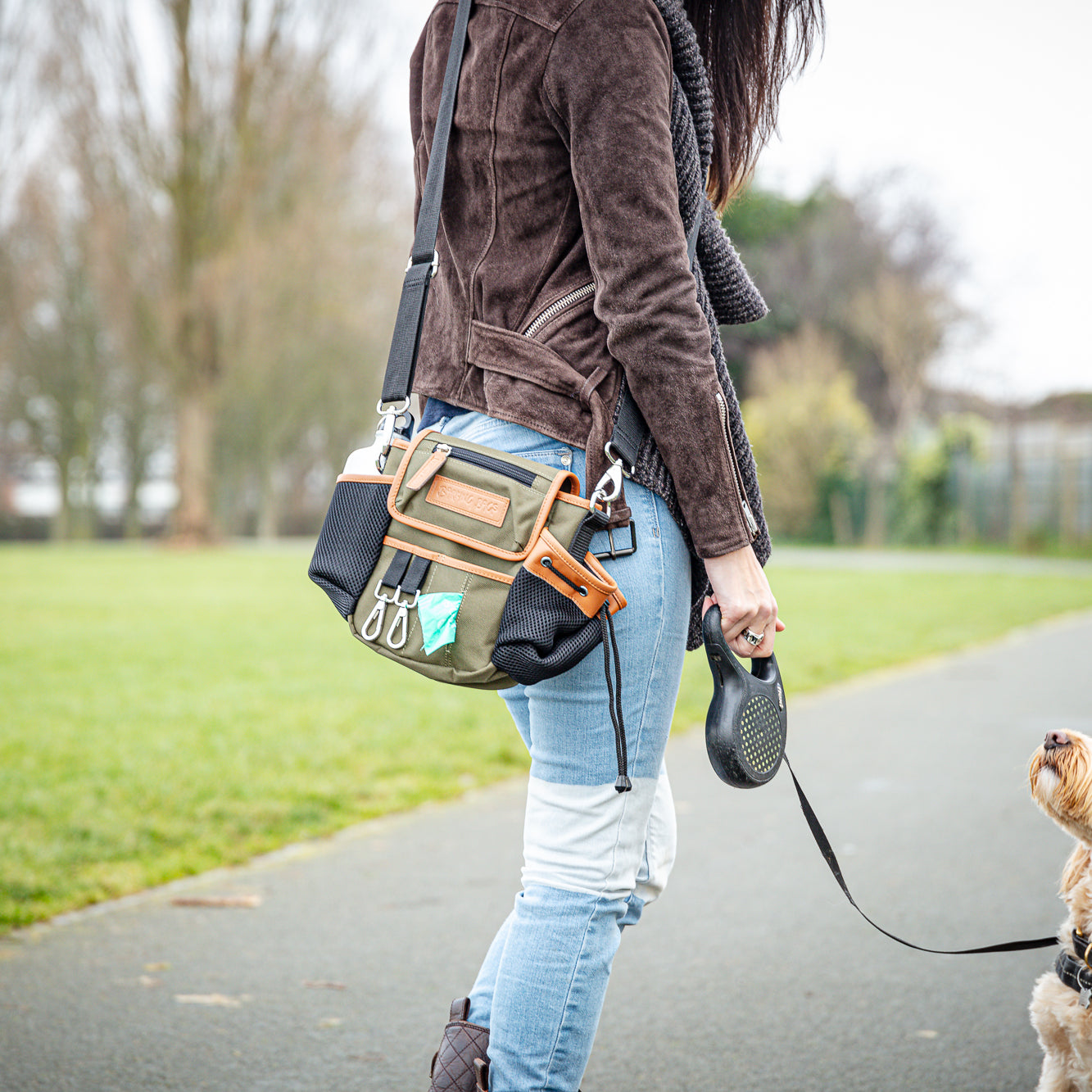
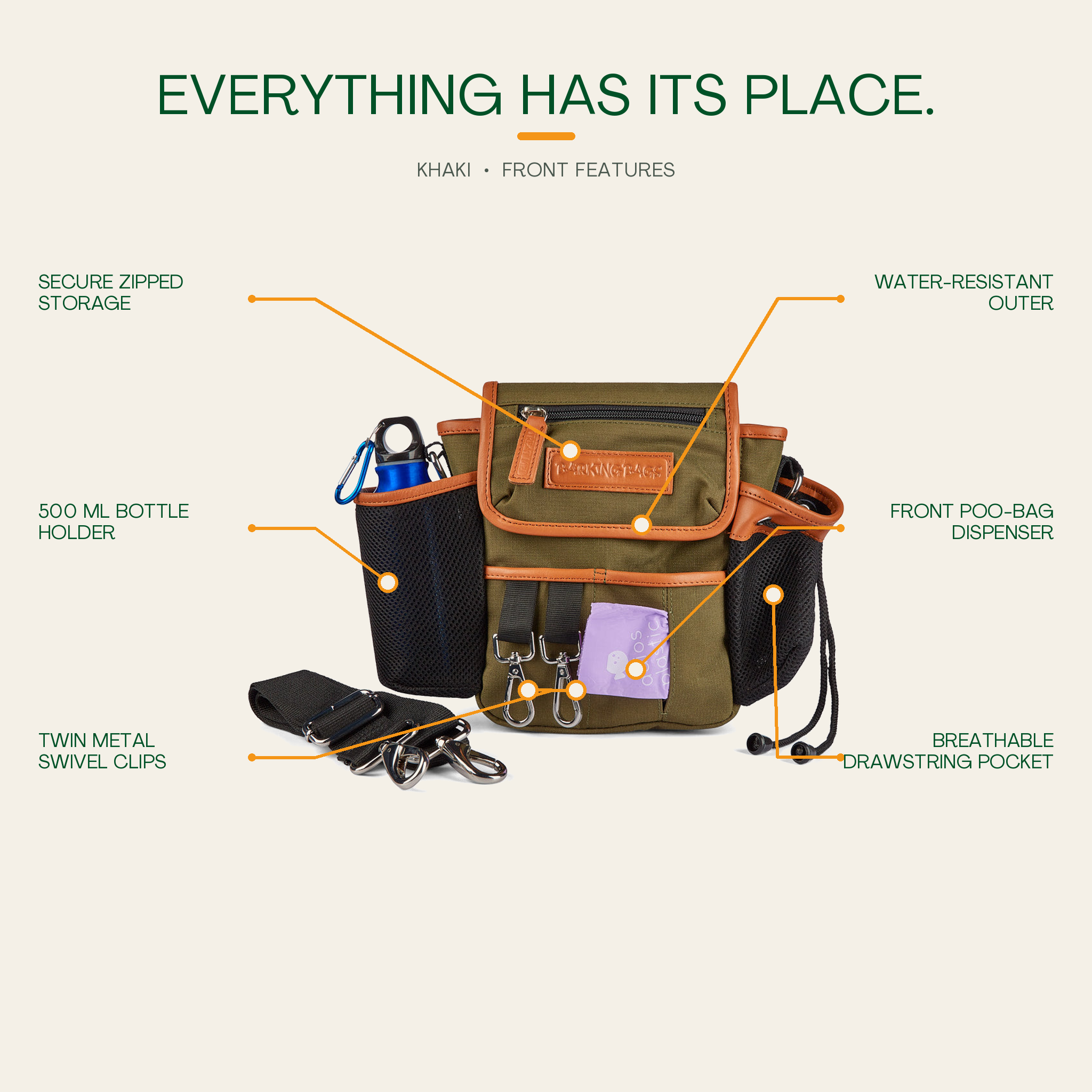
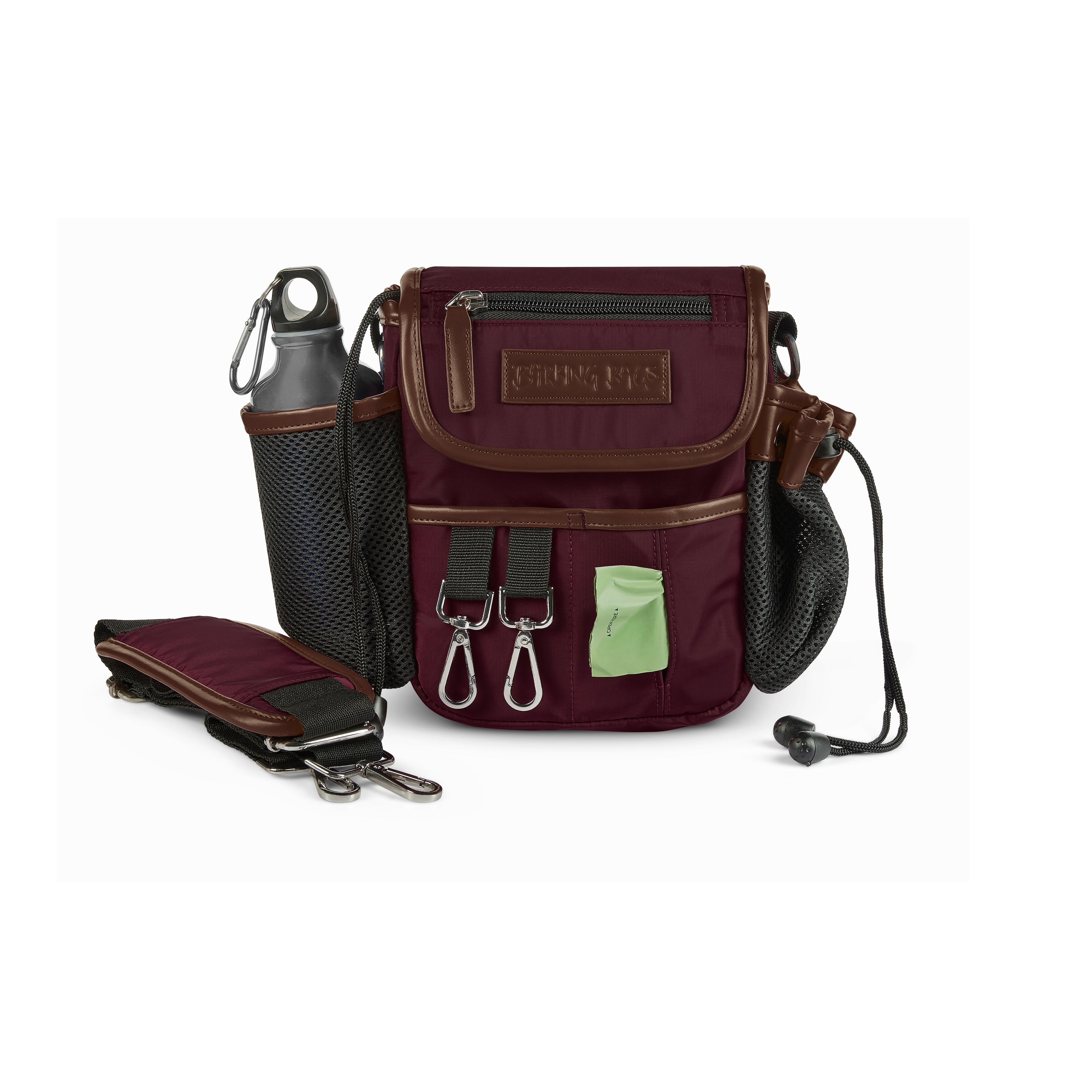
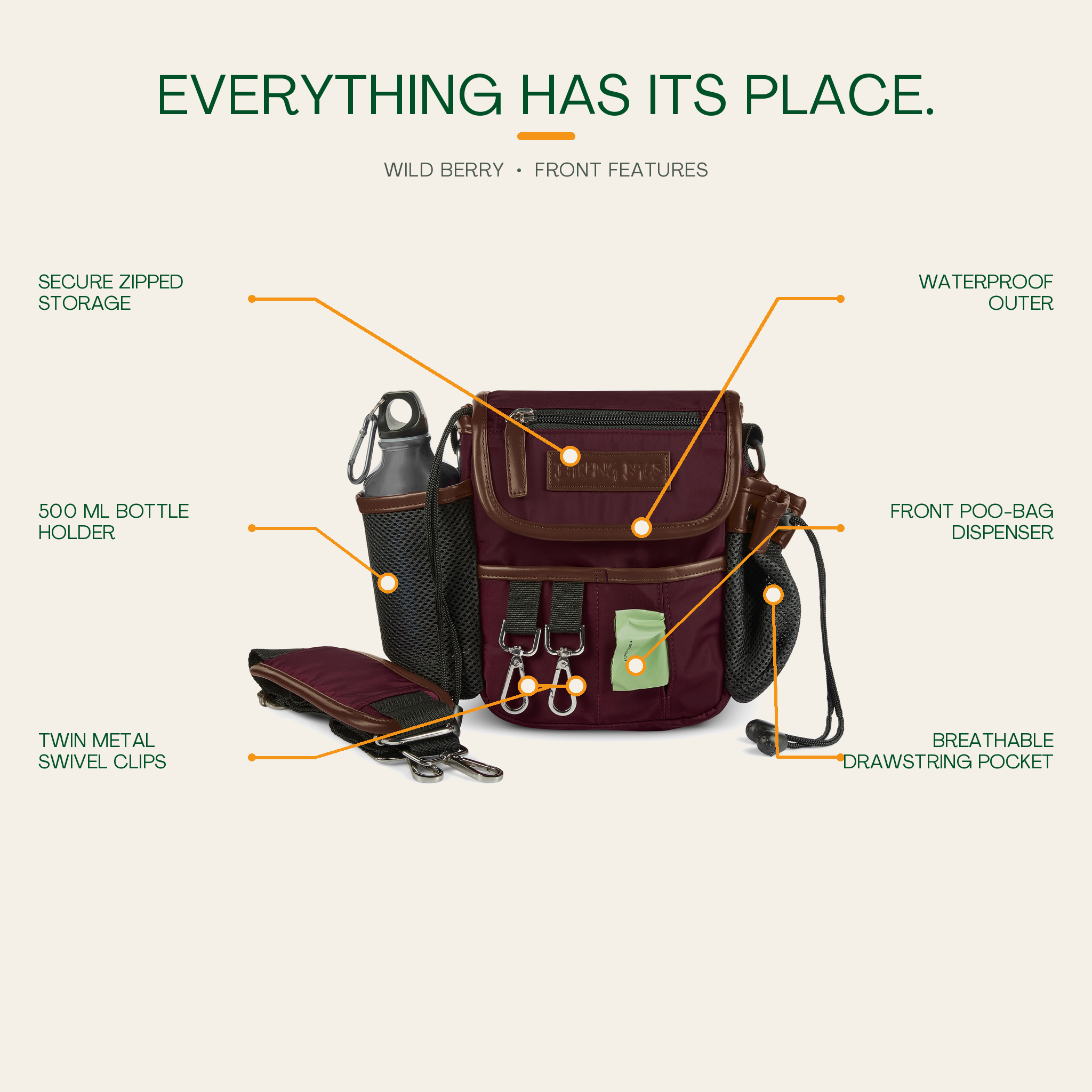
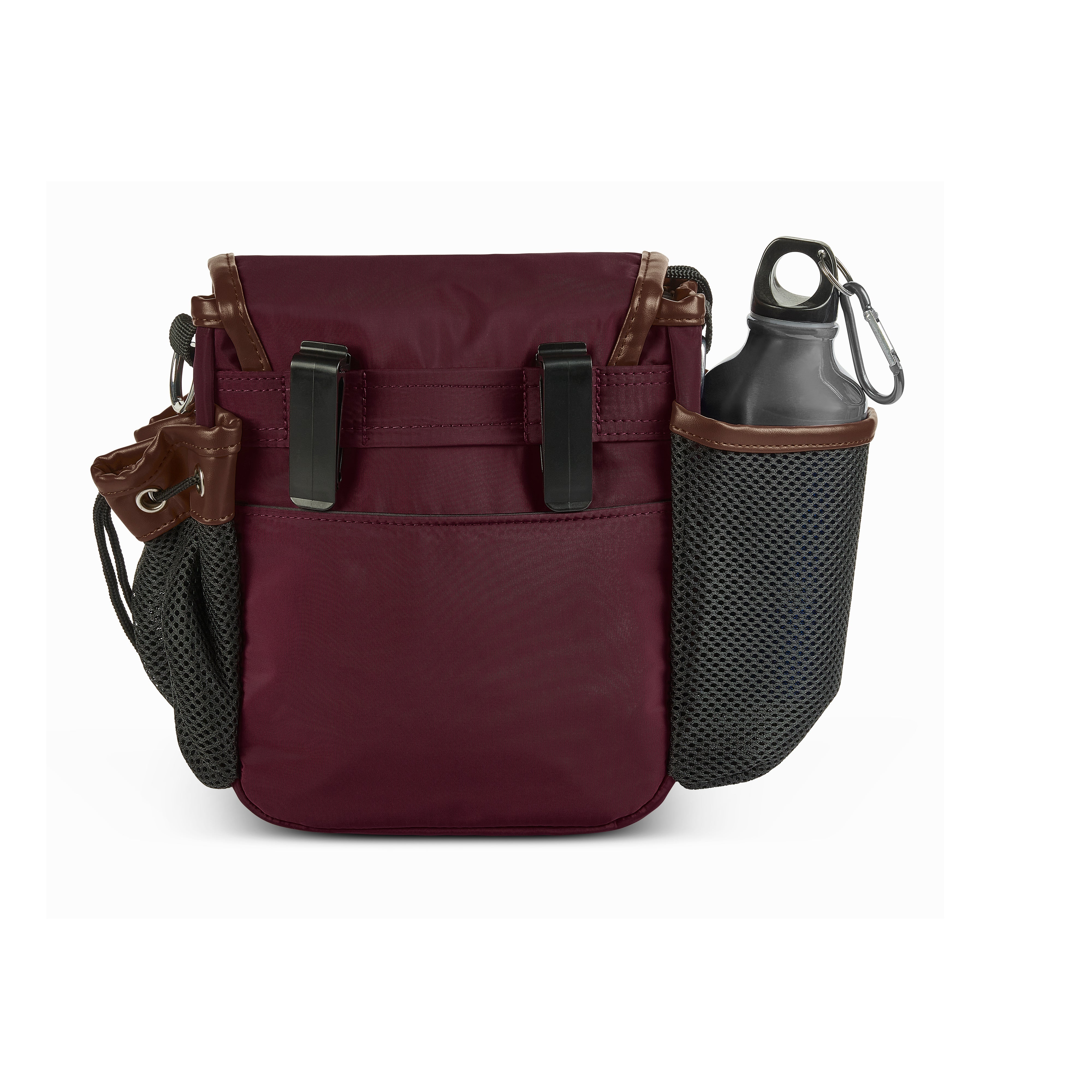
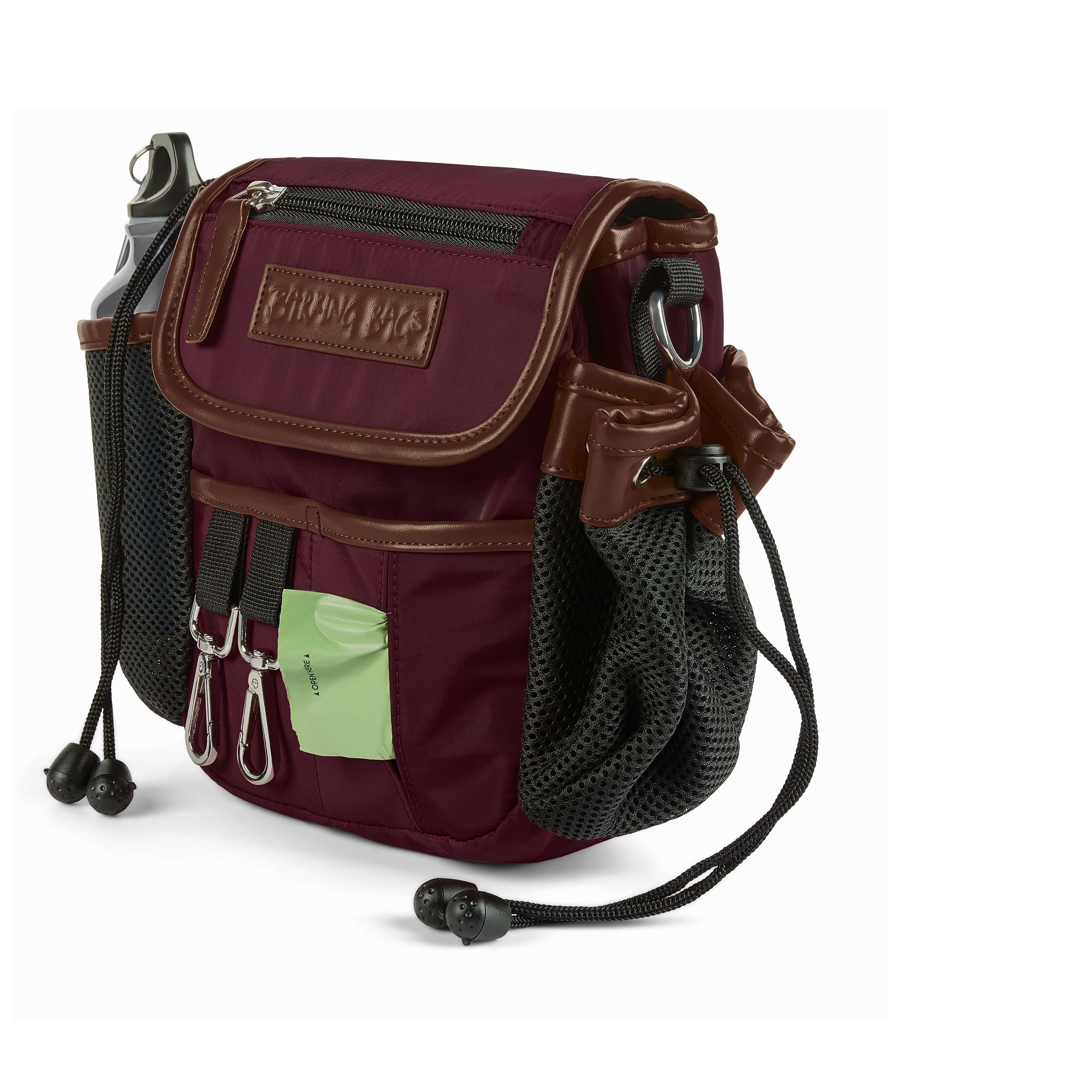
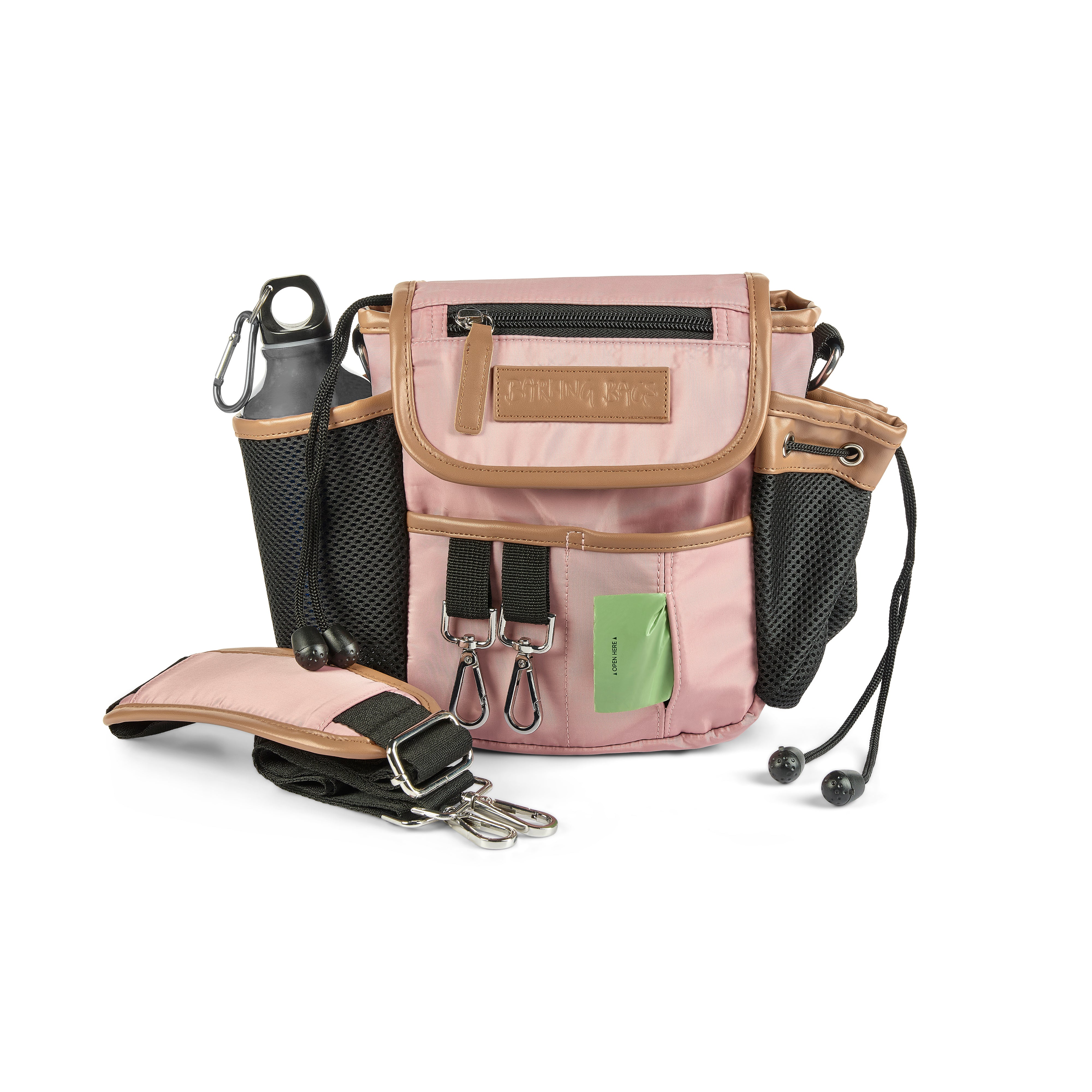
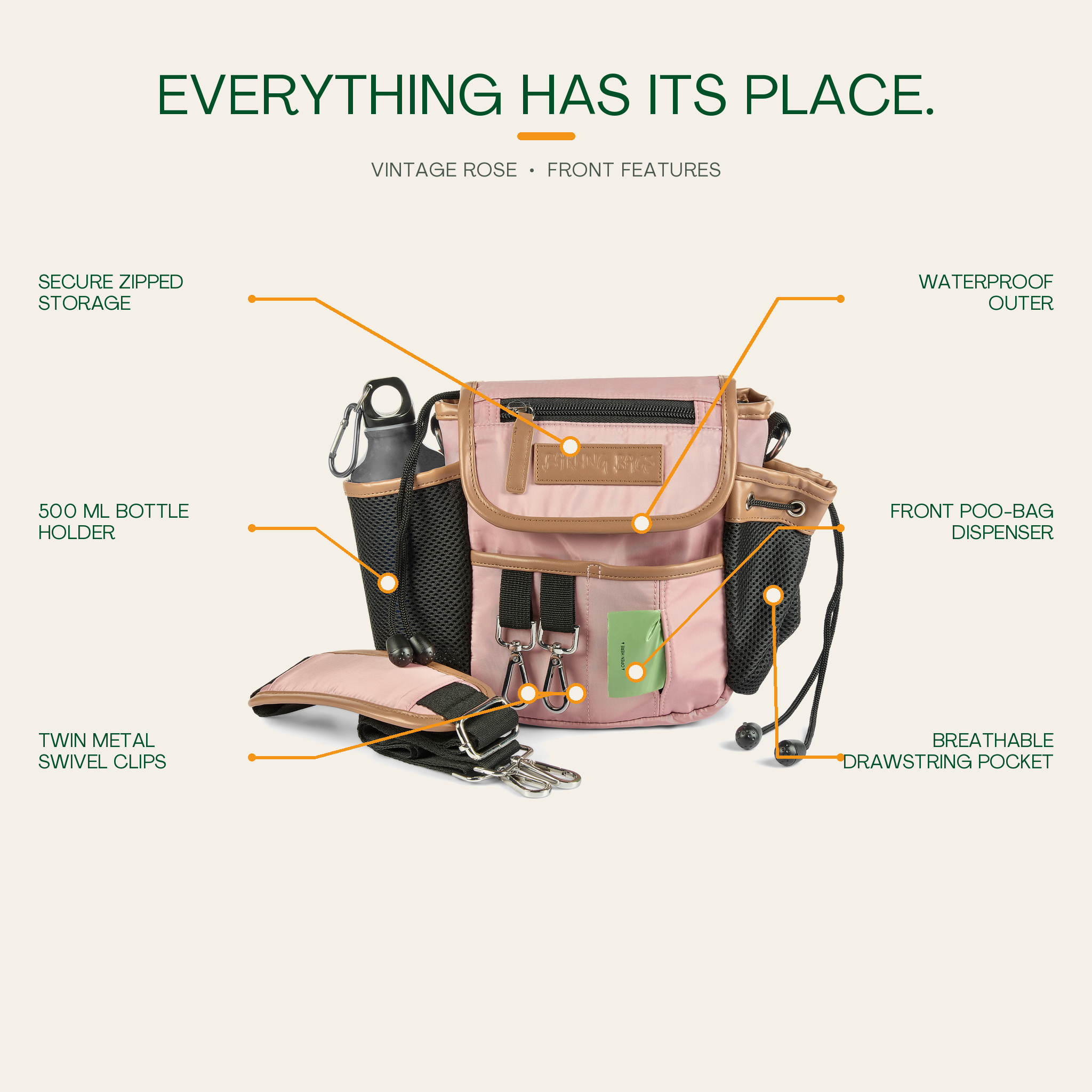
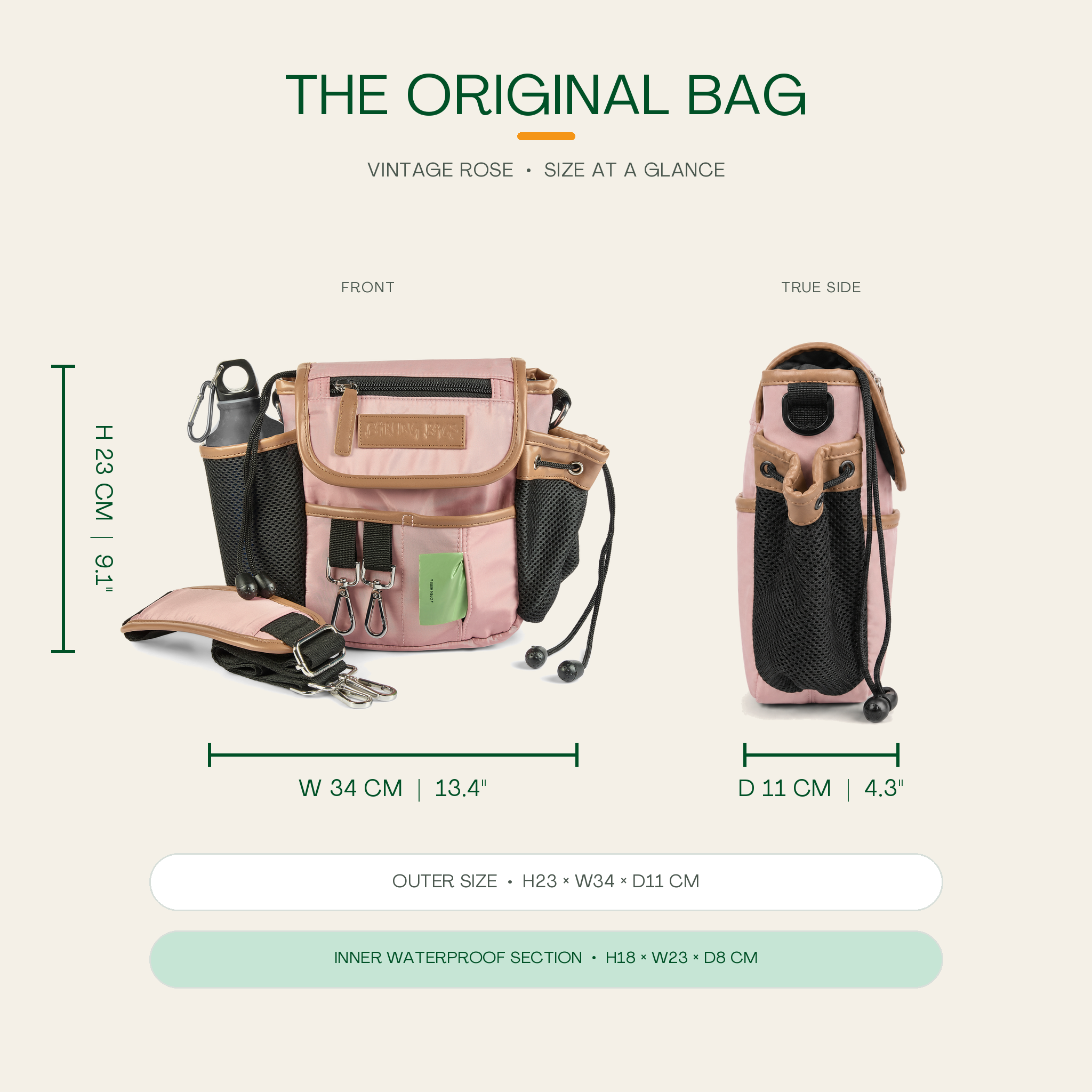
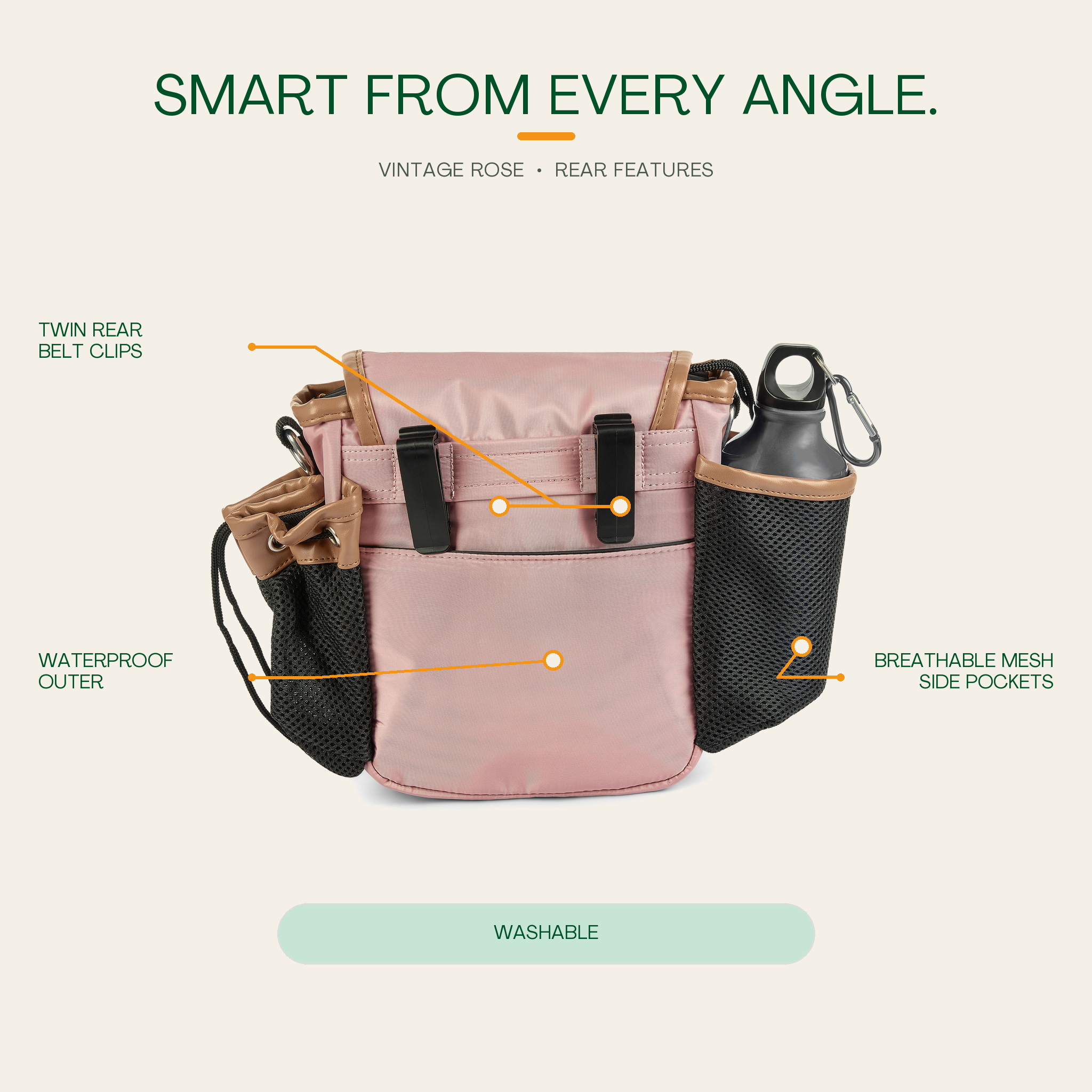
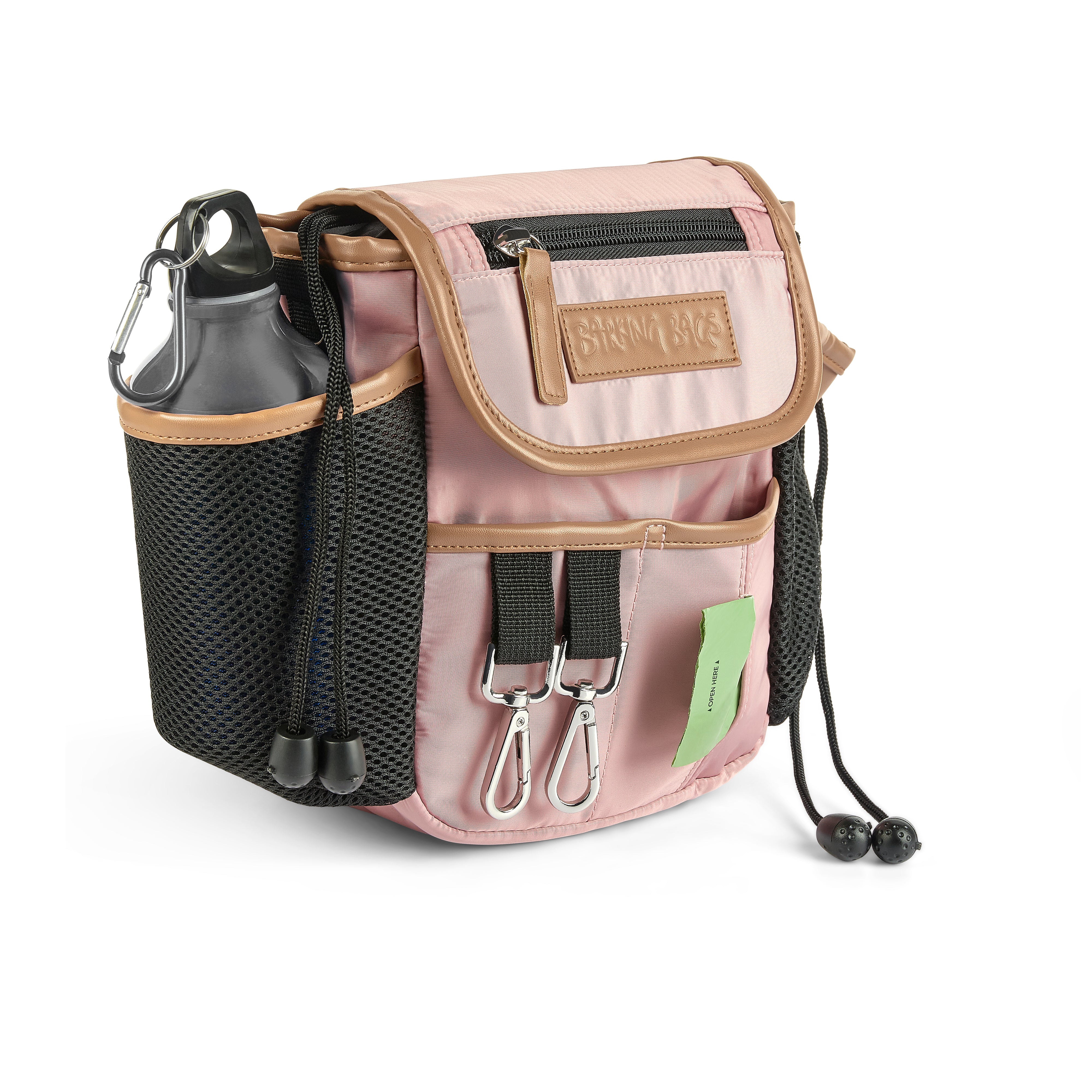
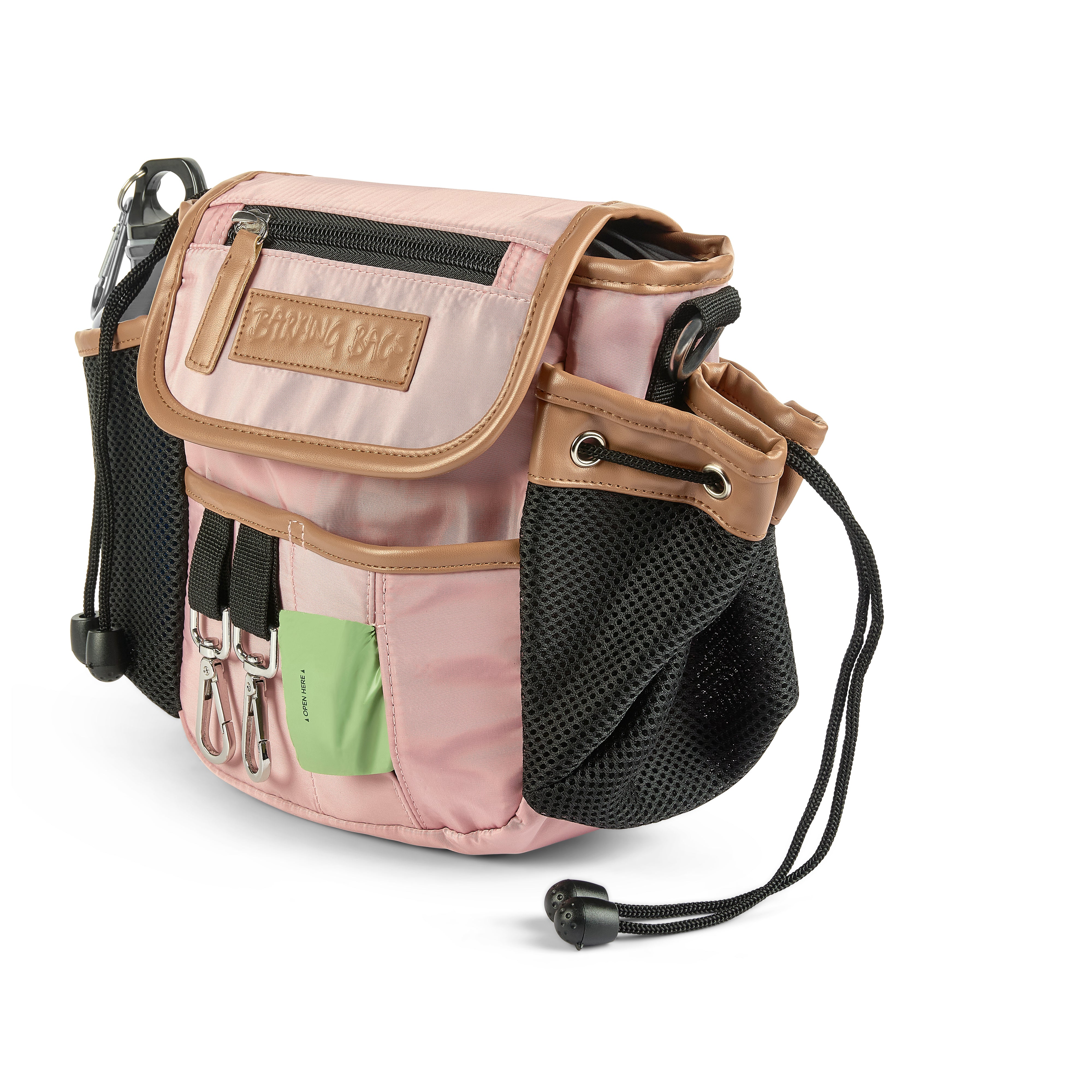
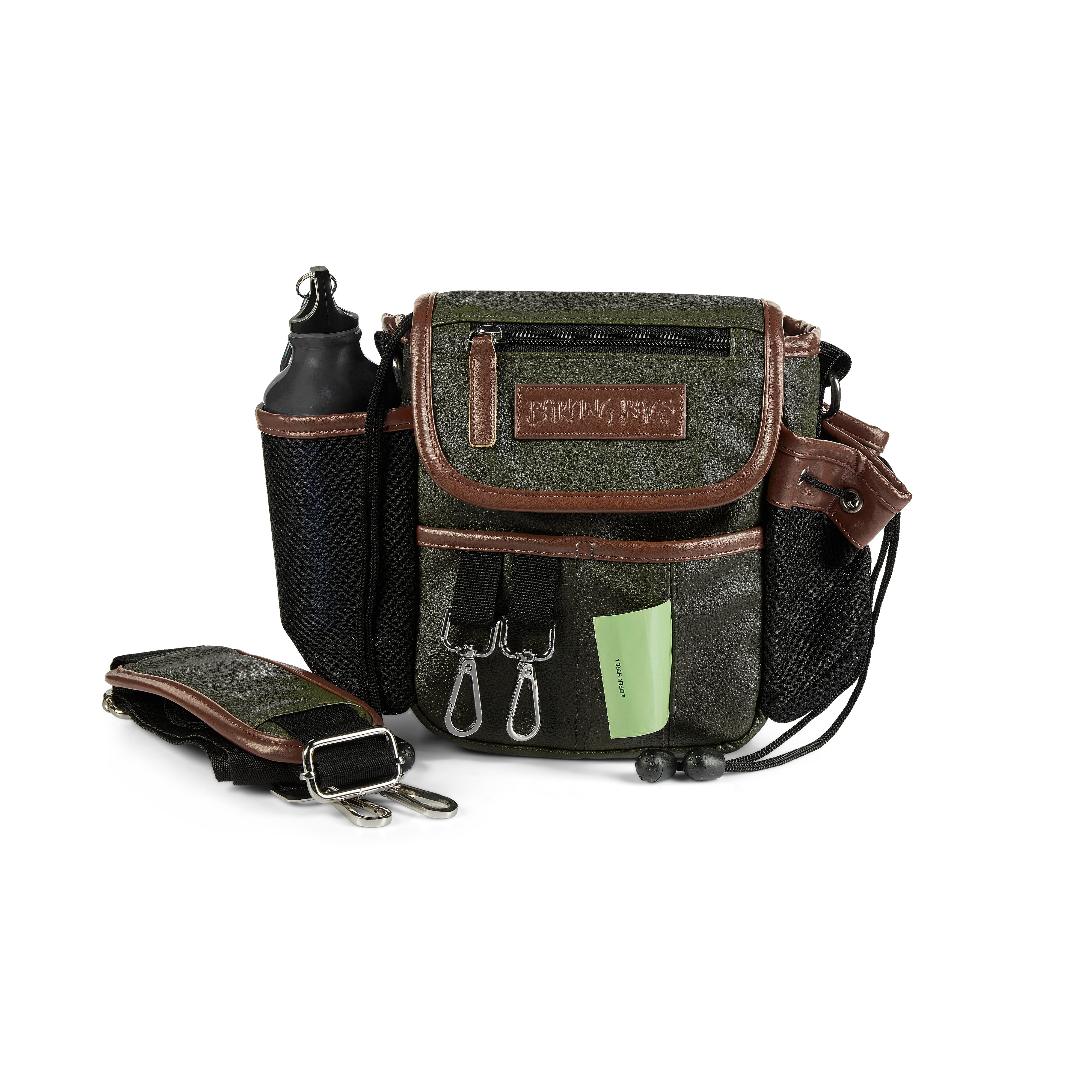
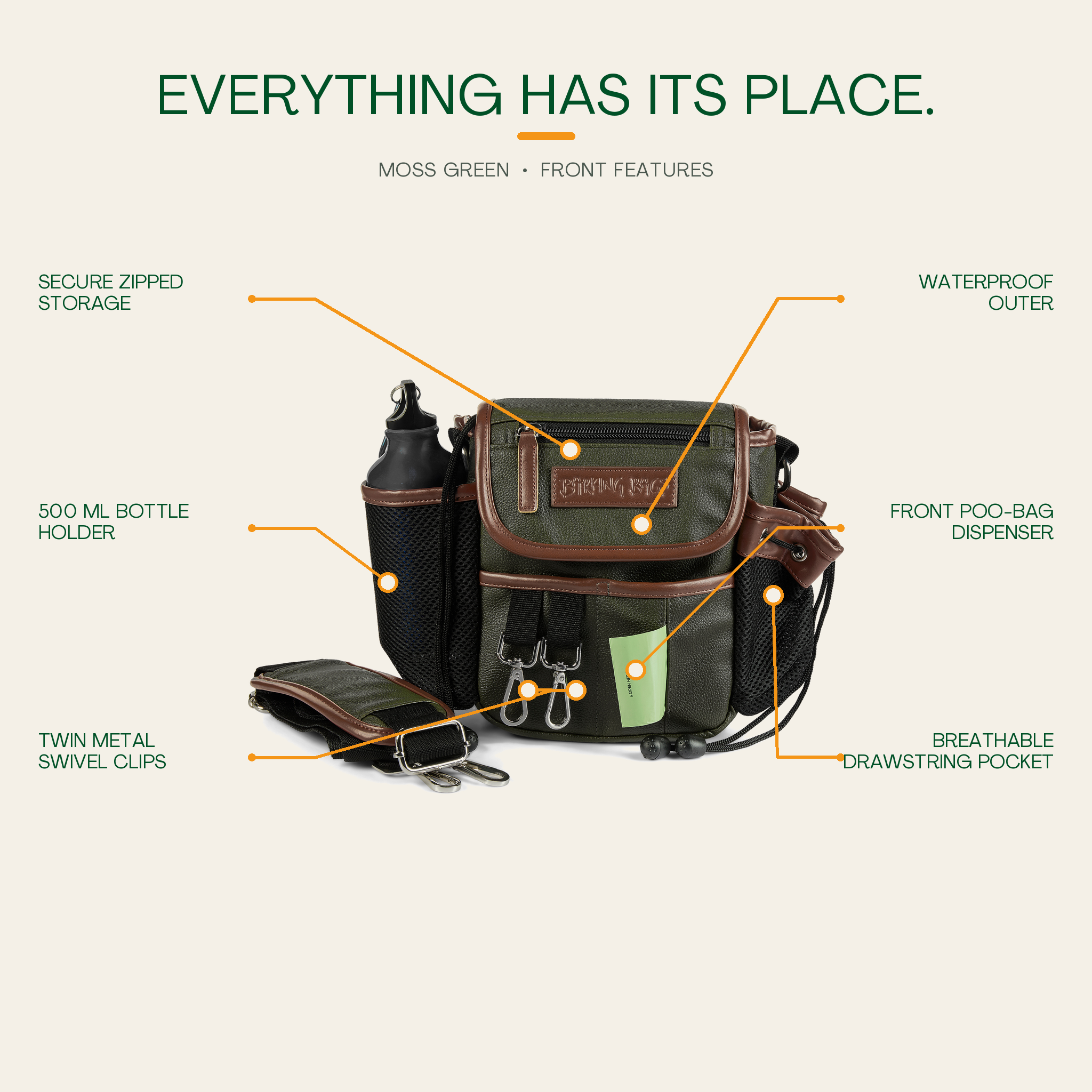
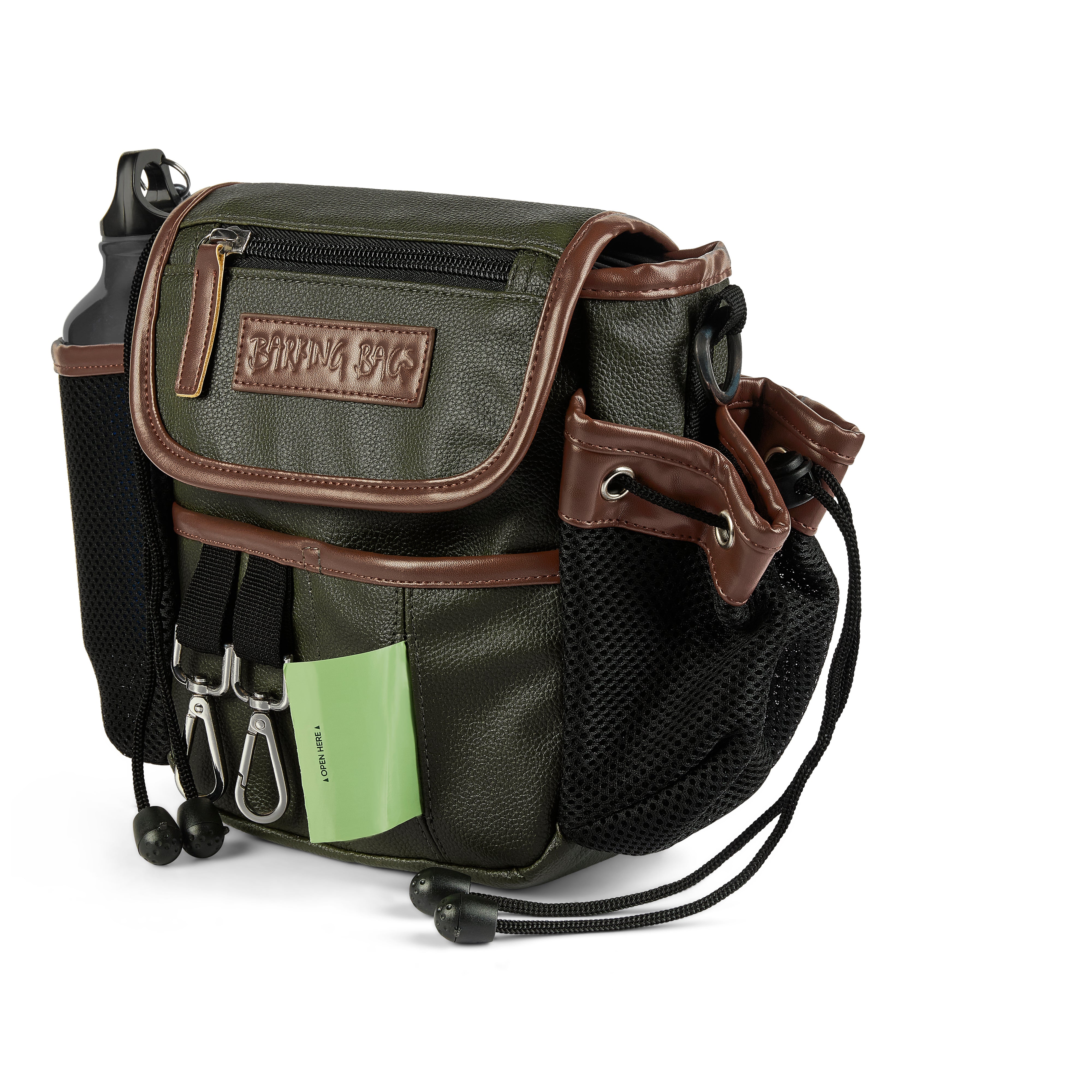
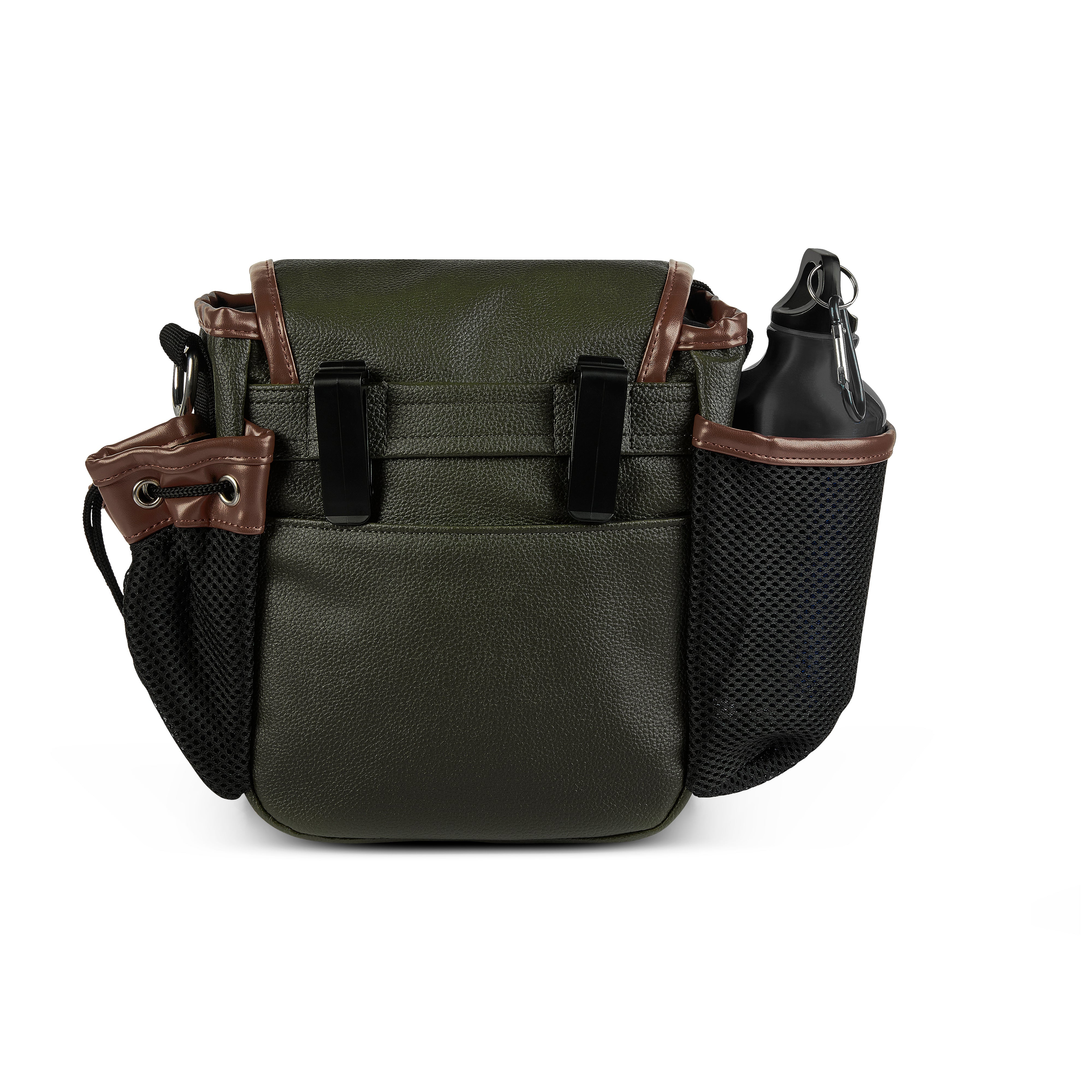
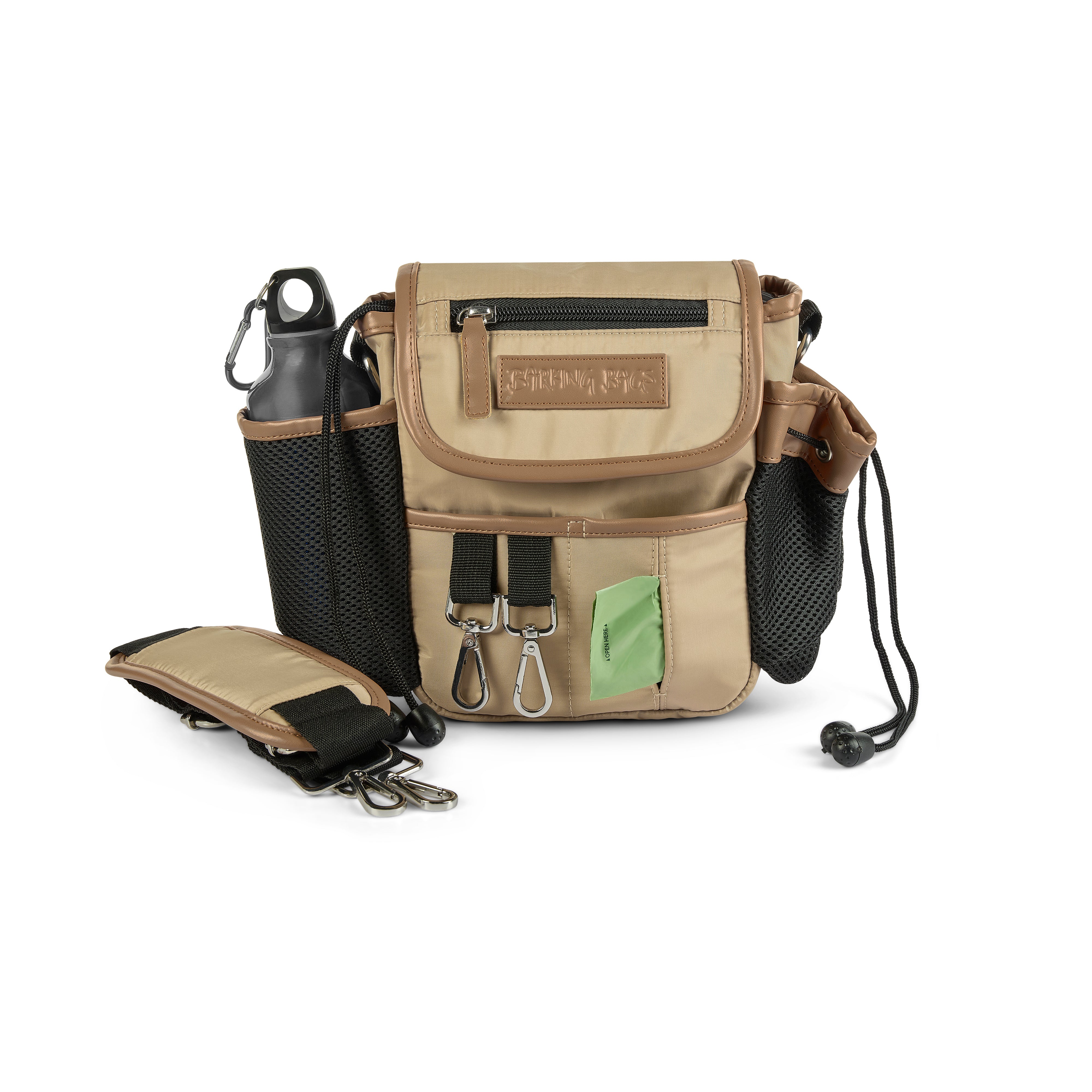
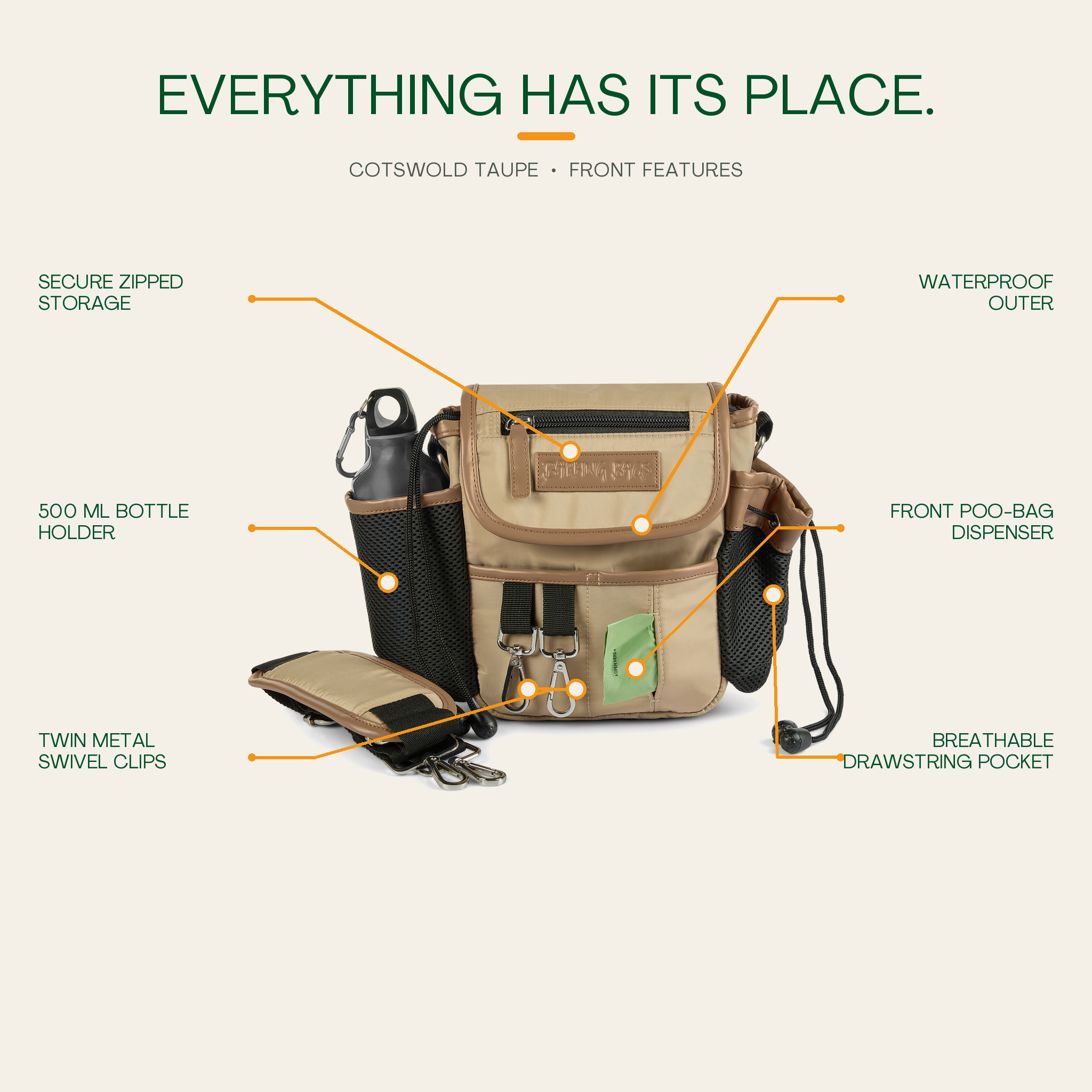
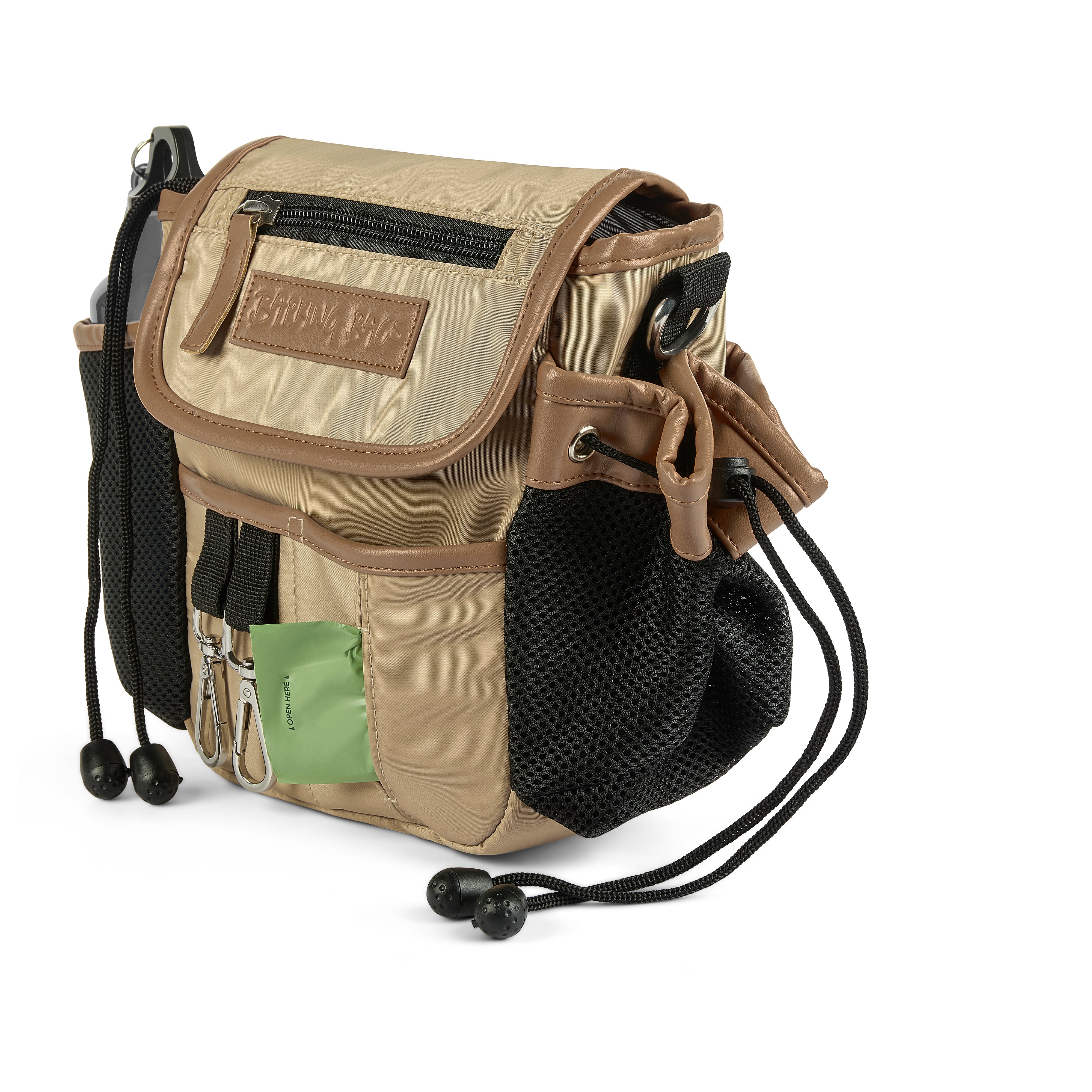
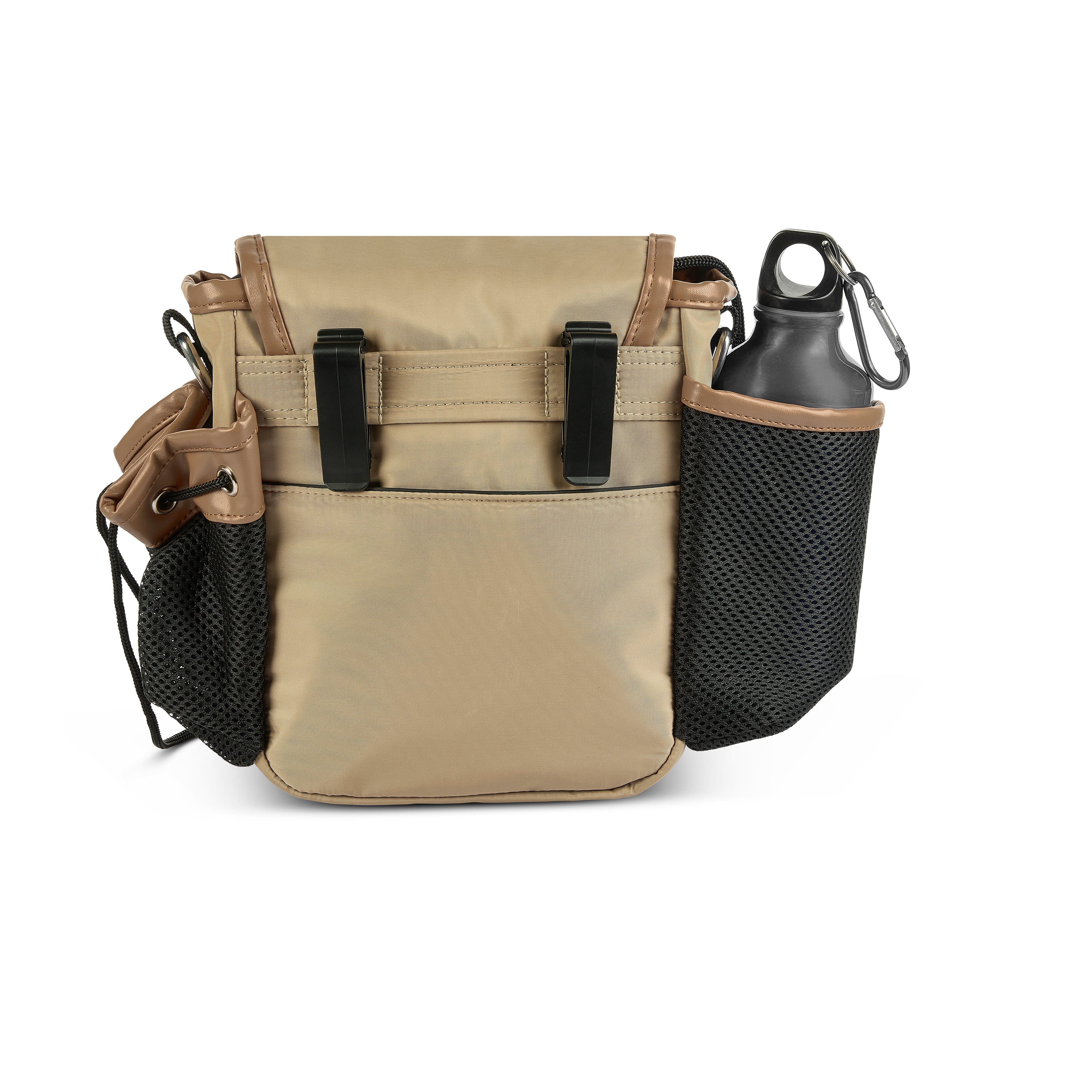
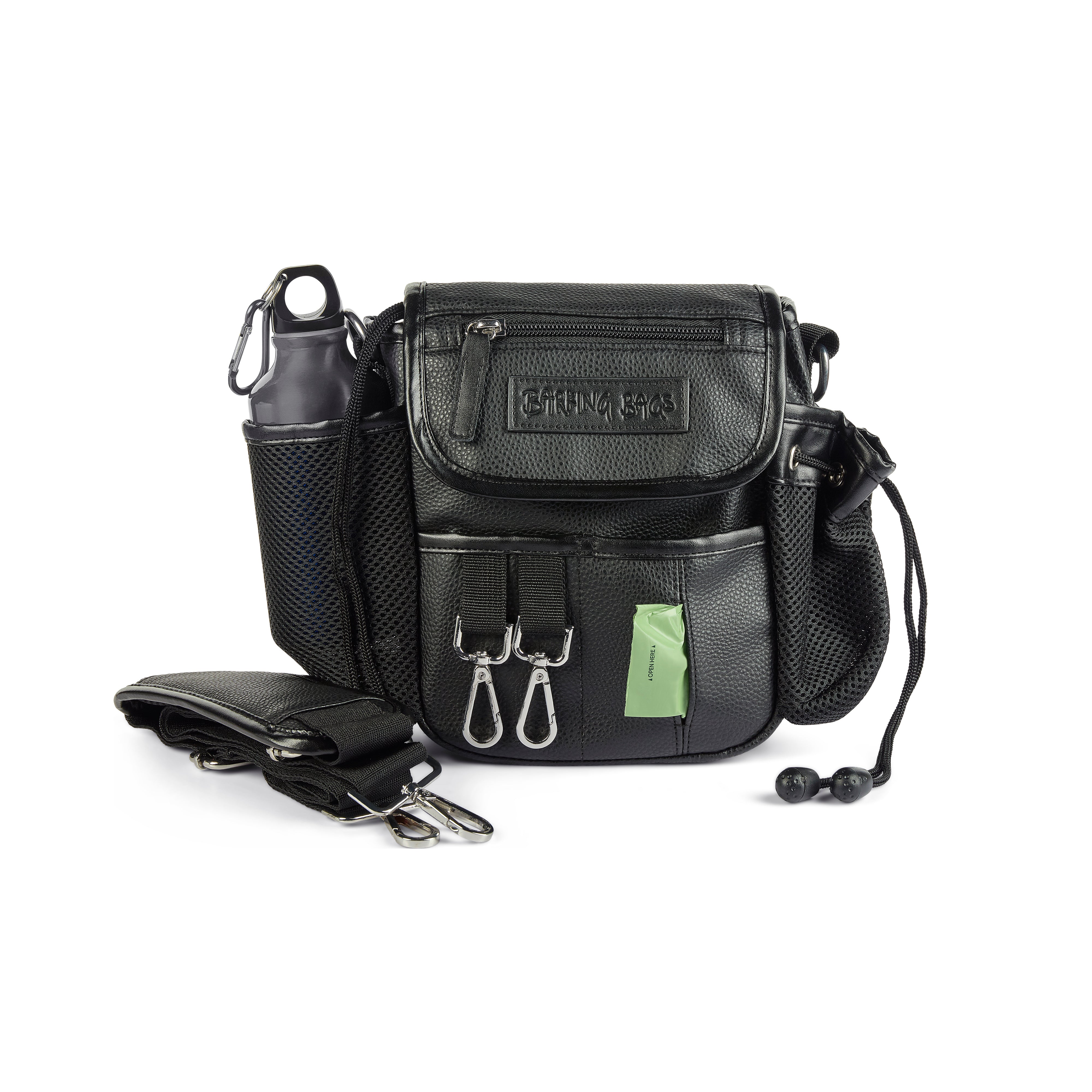
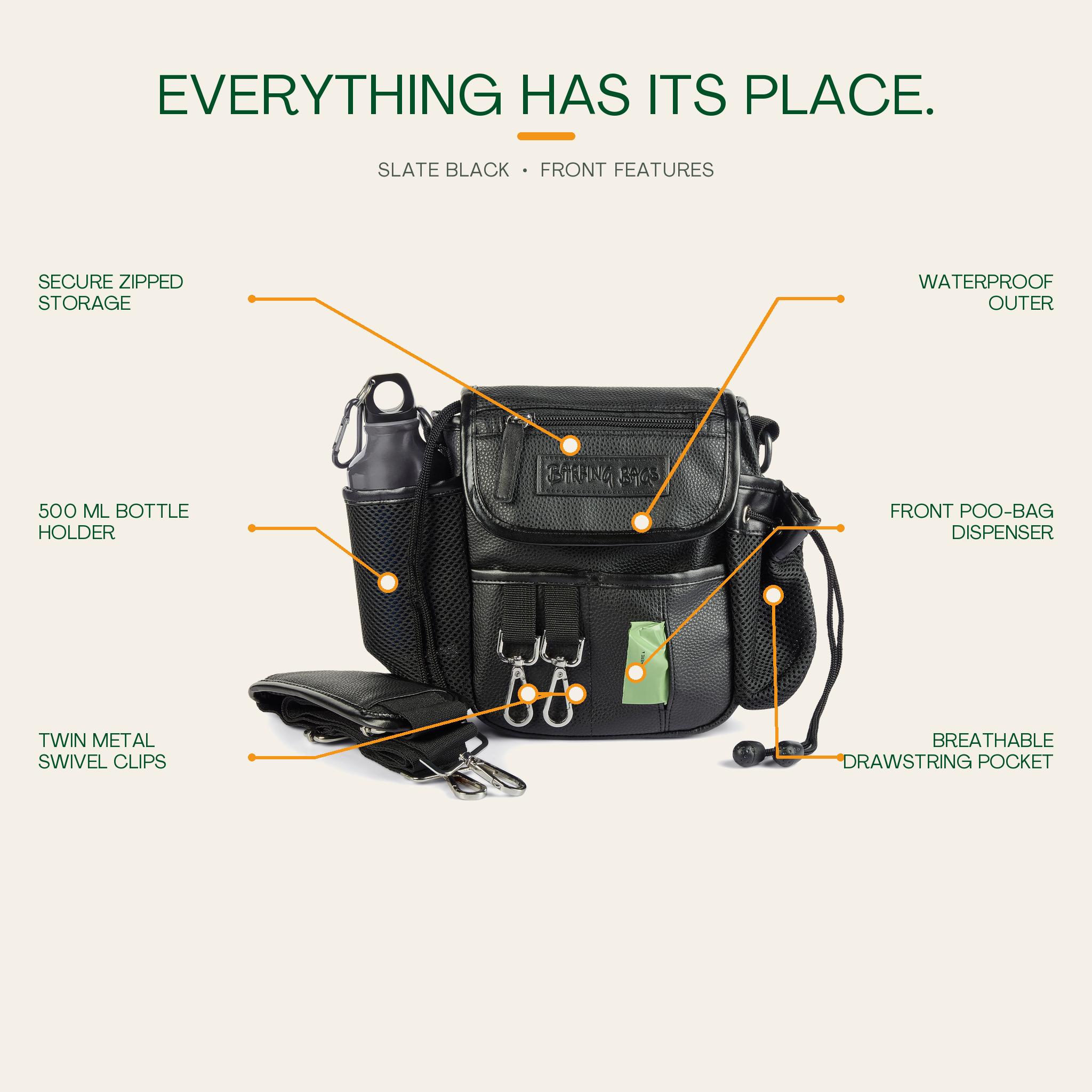
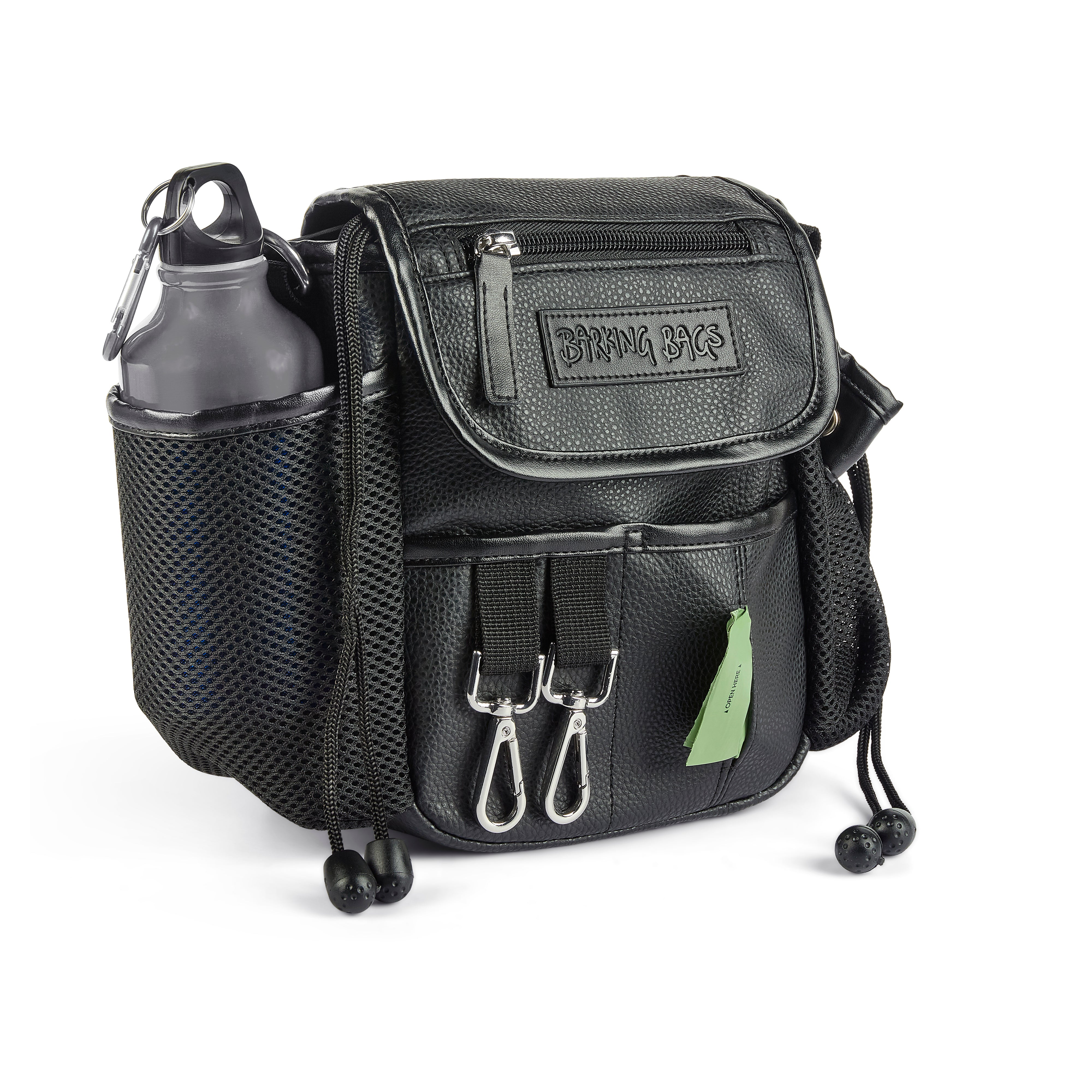
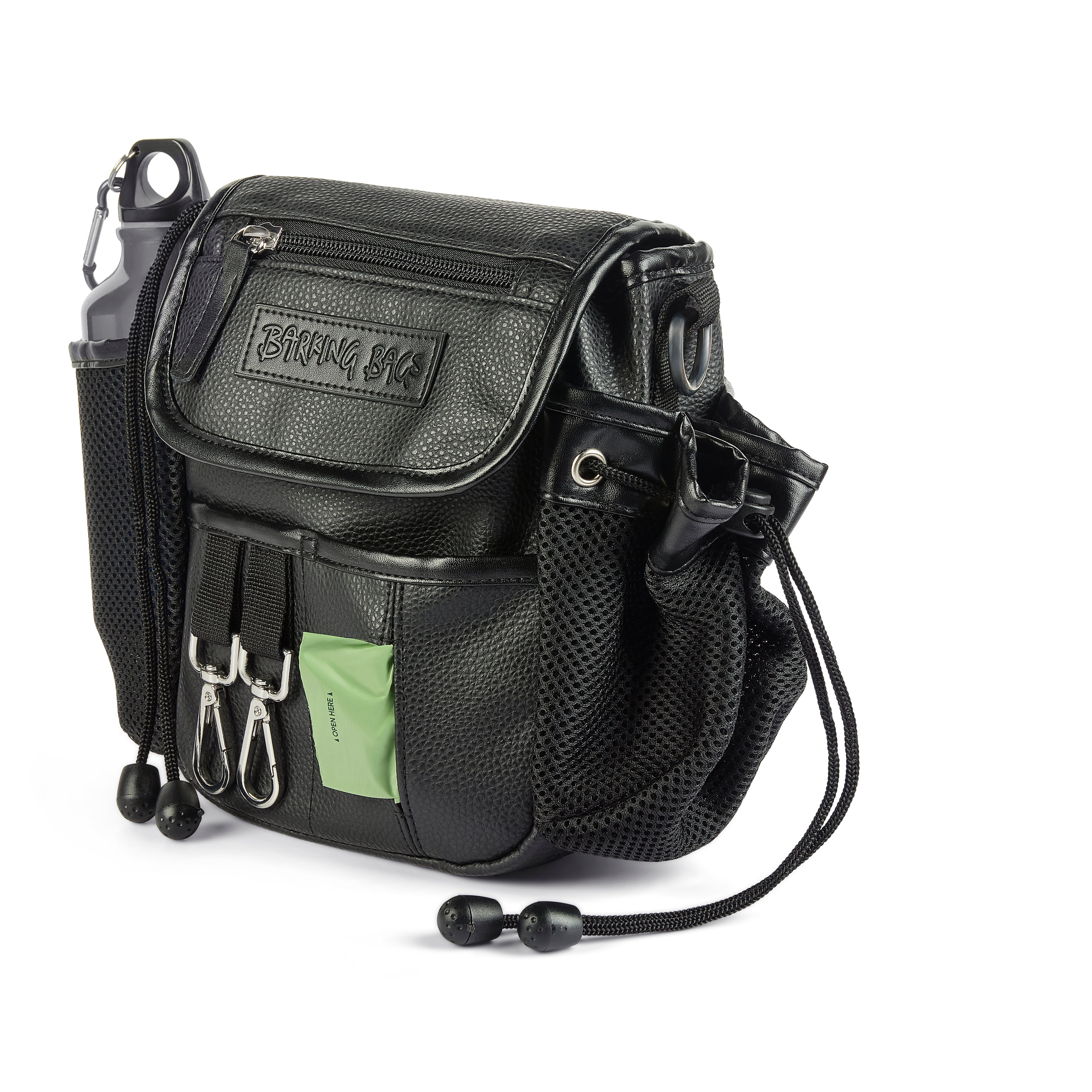
Storage is the other half of the equation. You may free your hands with the lead, but if you still have treats in one pocket and your mobile phone bouncing around in another, you have not fully solved the problem. A dedicated dog walking bag keeps essentials in one place and stops the usual walk-time scramble.
The safest way to start hands free dog walking
If you are new to this, test it somewhere quiet first. A calm local path or open green space is much better than trying it for the first time on a packed high street. Give yourself and your dog a chance to get used to the new feel.
Start with short walks. Pay attention to where the lead sits against your body and whether your dog responds differently when the tension comes from your waist rather than your hand. Some dogs adapt instantly. Others need a few outings before it feels normal.
Keep one hand close to the lead in new or unpredictable situations. That gives you extra control while you work out how your dog moves with the setup. Hands free should never mean less prepared.
If your dog pulls hard, do not assume a waist lead will fix the behaviour. It can actually feel harder if the pulling is constant and strong. In that case, training should come first, with the setup used as a support rather than a solution.
When hands free works brilliantly - and when it does not
For loose-lead walkers, hands free can be excellent. It is also very useful for dog owners doing reward-based training, because your hands are available for timing and handling treats. Professional walkers and trainers often like it for that reason.
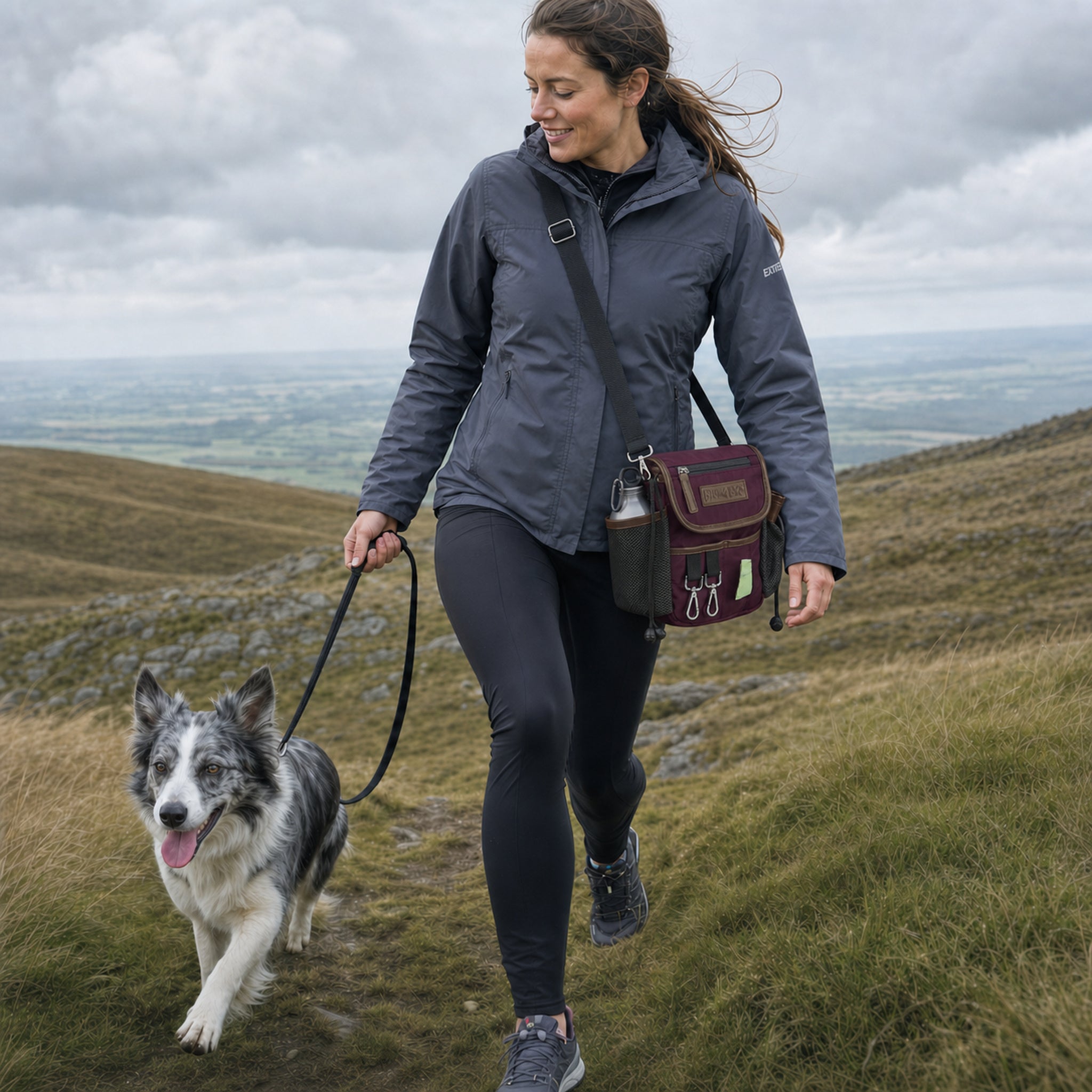
It can also suit longer countryside walks, where you want easy access to water, treats, and personal items without carrying everything awkwardly. If your route includes gates, muddy paths, and layers coming on and off, being organised makes a real difference.
Where it gets less straightforward is with dogs that lunge suddenly, react to other dogs, or have a very high prey drive. In those cases, a fixed waist attachment can transfer a lot of force into your core or lower back. Some experienced handlers still use hands free systems with these dogs, but only with very careful training and the right equipment. For many owners, a standard hand-held lead gives better immediate control in high-risk situations.
Jogging with your dog is another area where it depends. A hands free lead can feel brilliant with a dog that keeps a steady pace. With a stop-start sniffer, not so much.
How to organise your setup properly
A good walk flows better when everything has its place. That sounds obvious, but it is the difference between enjoying the walk and constantly checking whether you brought what you need.
Keep treats somewhere easy to reach with one hand. Waste bags should be in a dedicated dispenser or front pocket, not loose at the bottom of a bag. Your mobile phone and keys need a secure compartment, especially if you are bending, running, or clipping leads on and off.
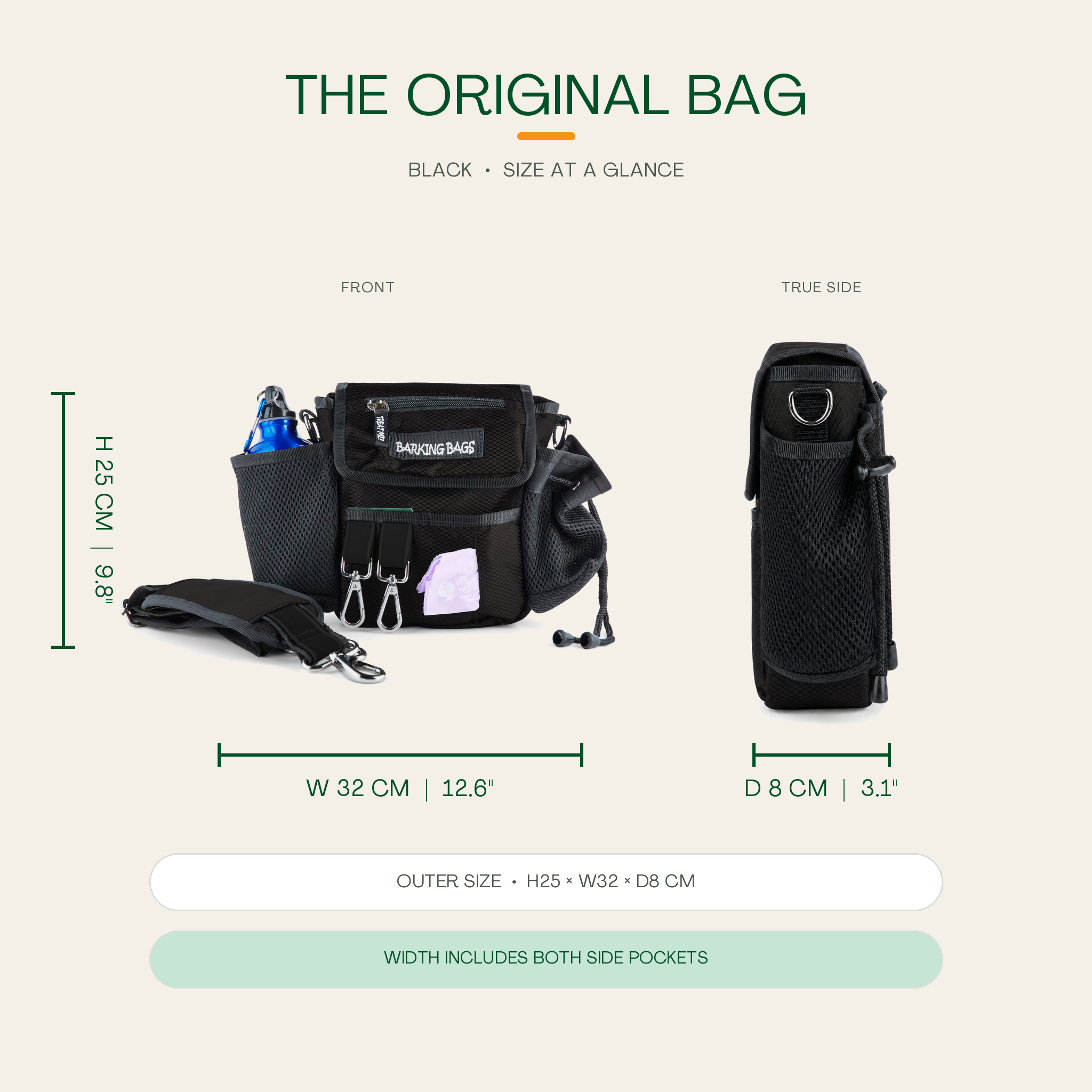
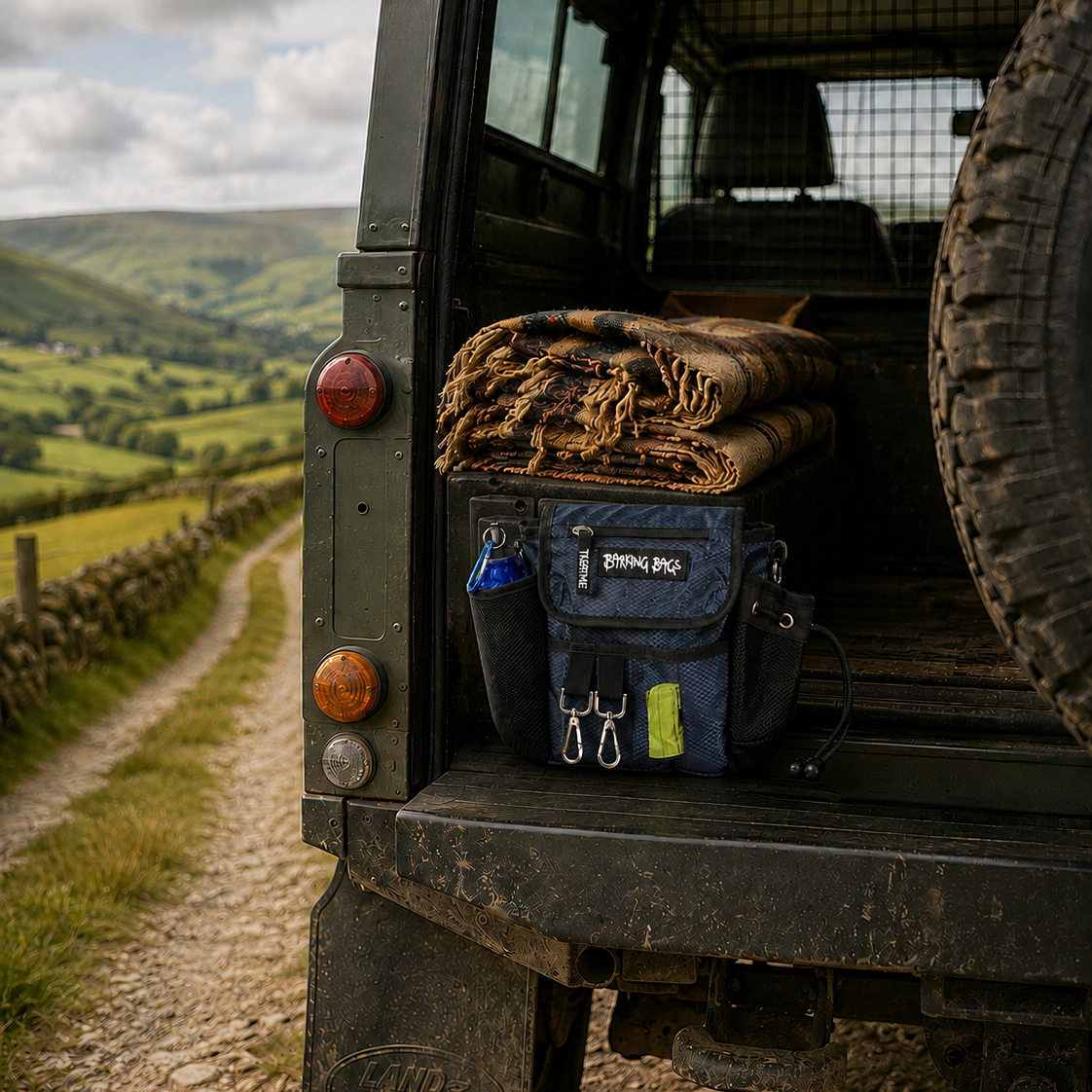
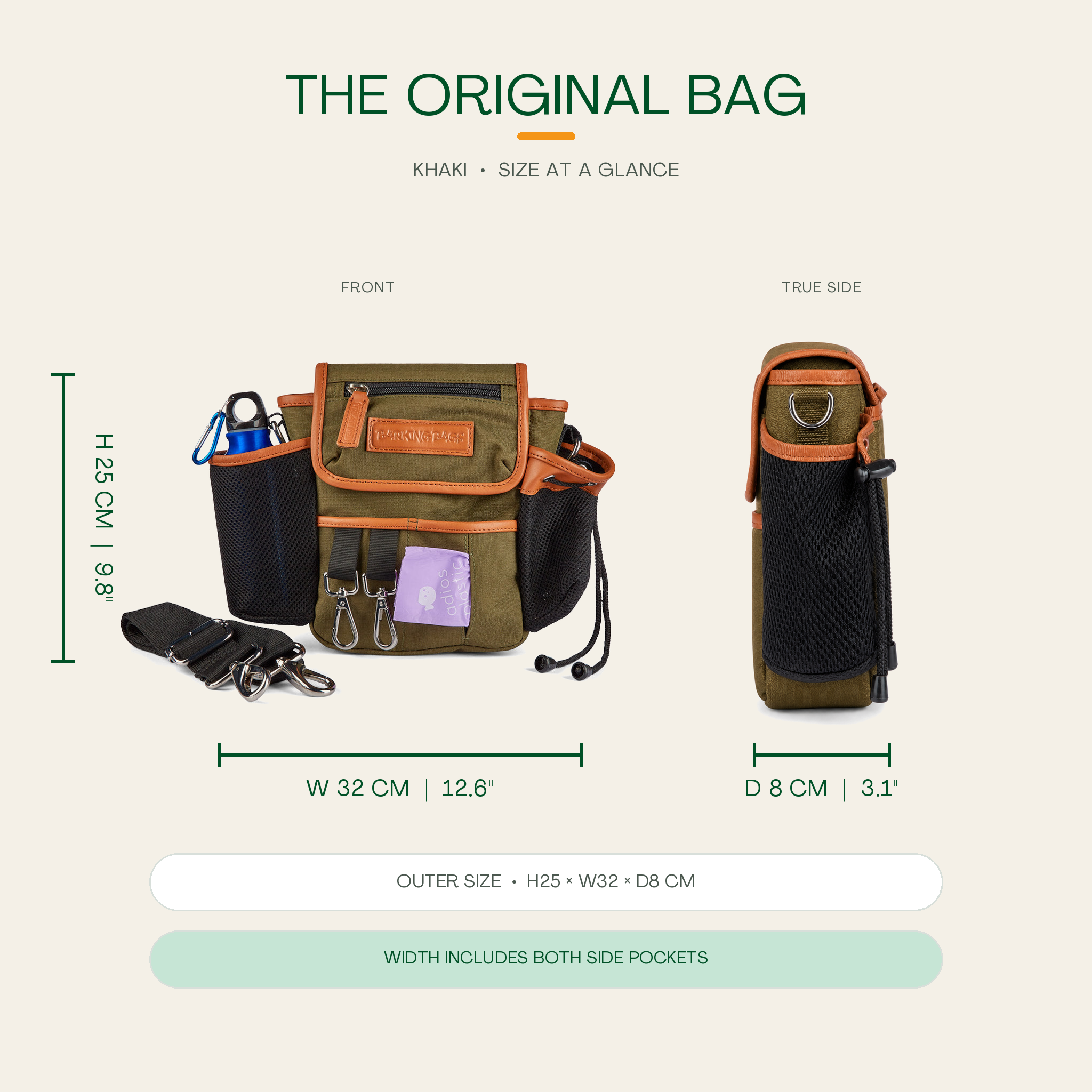
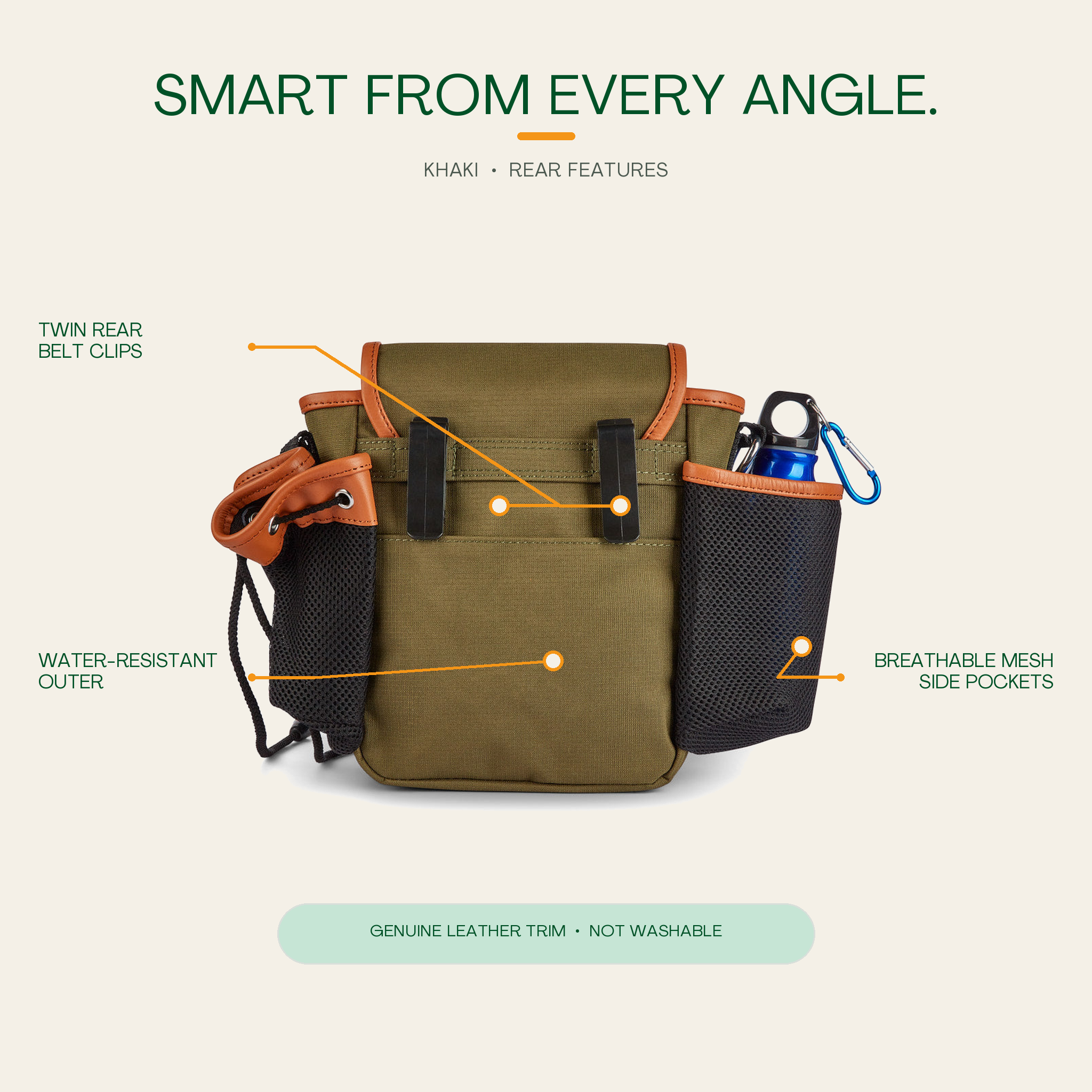
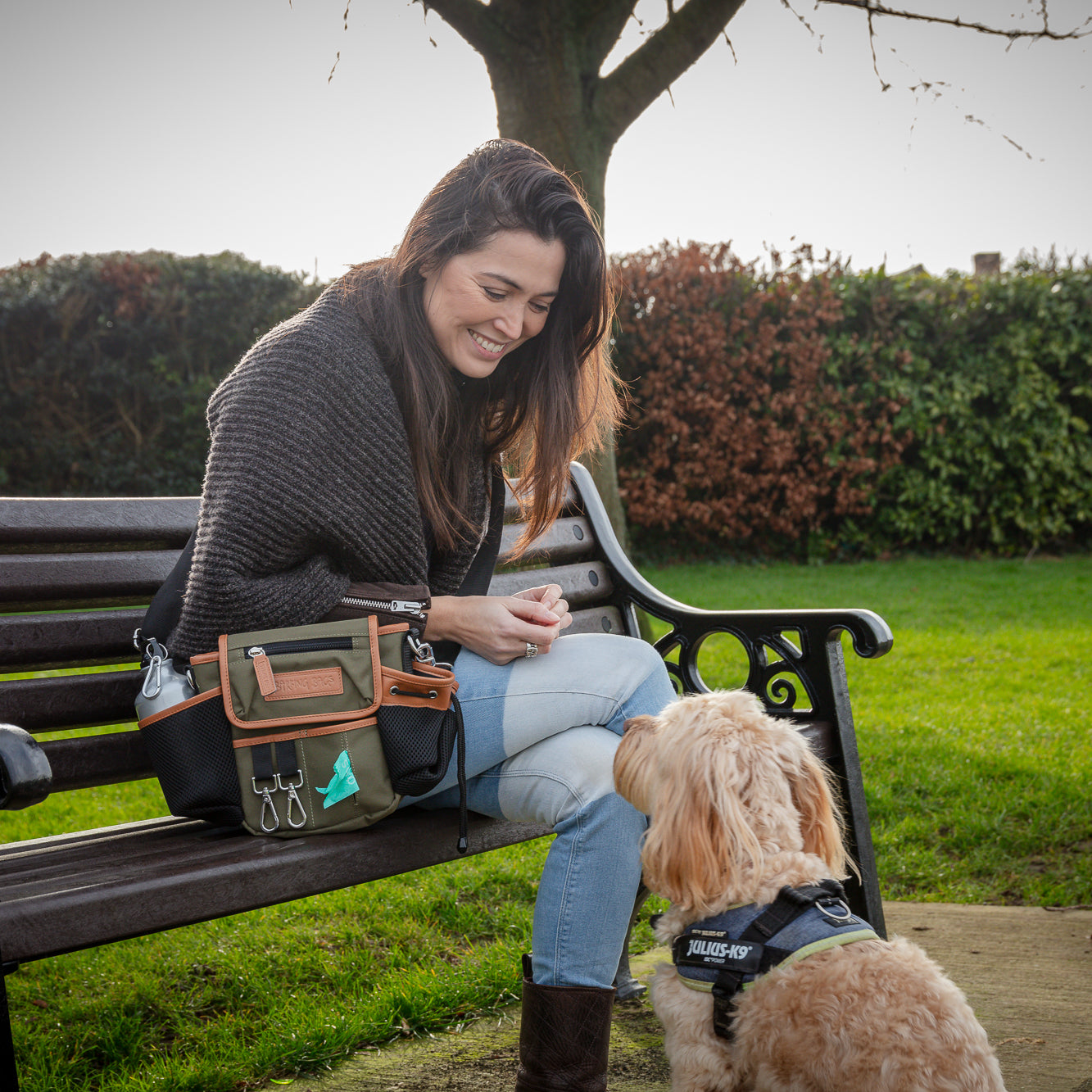
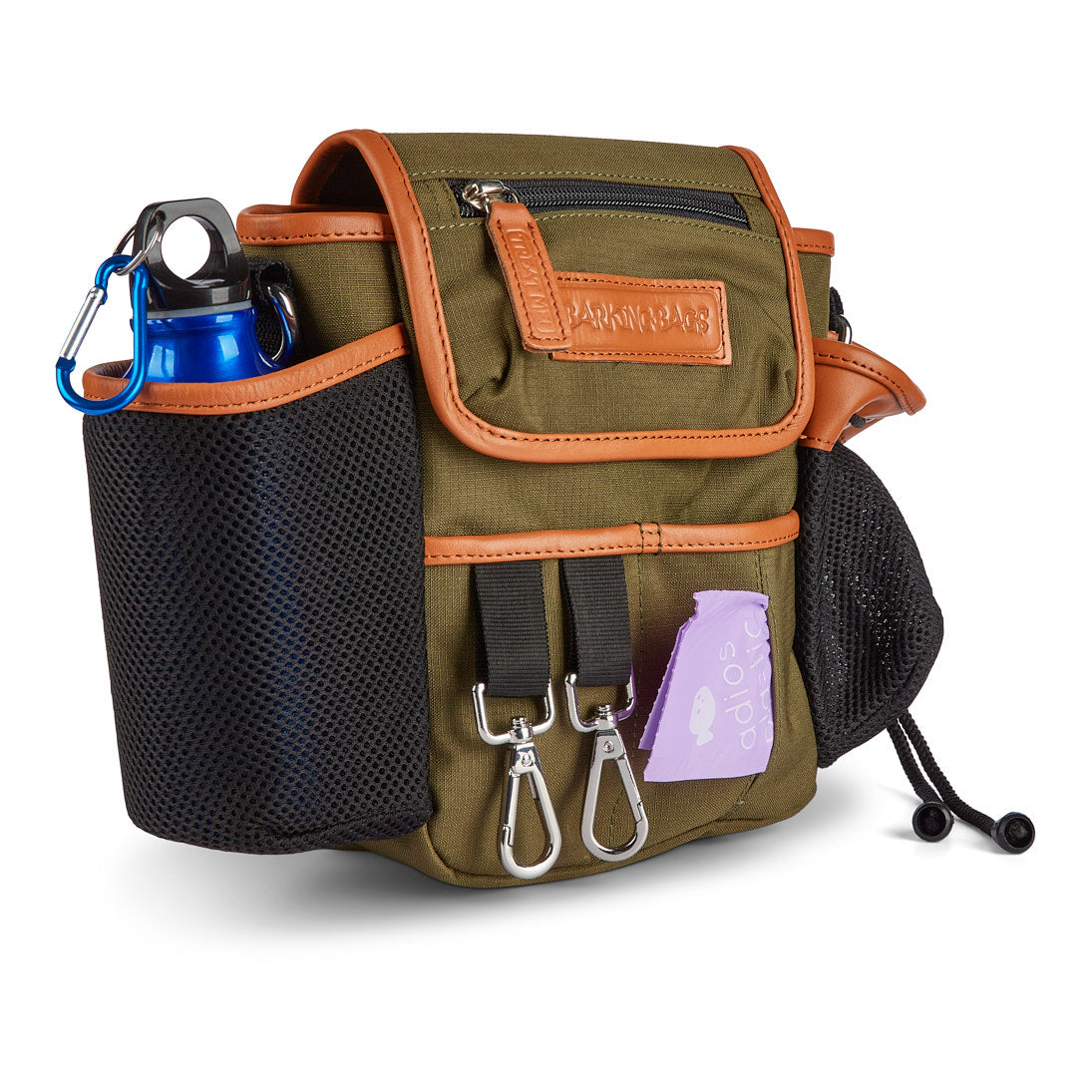
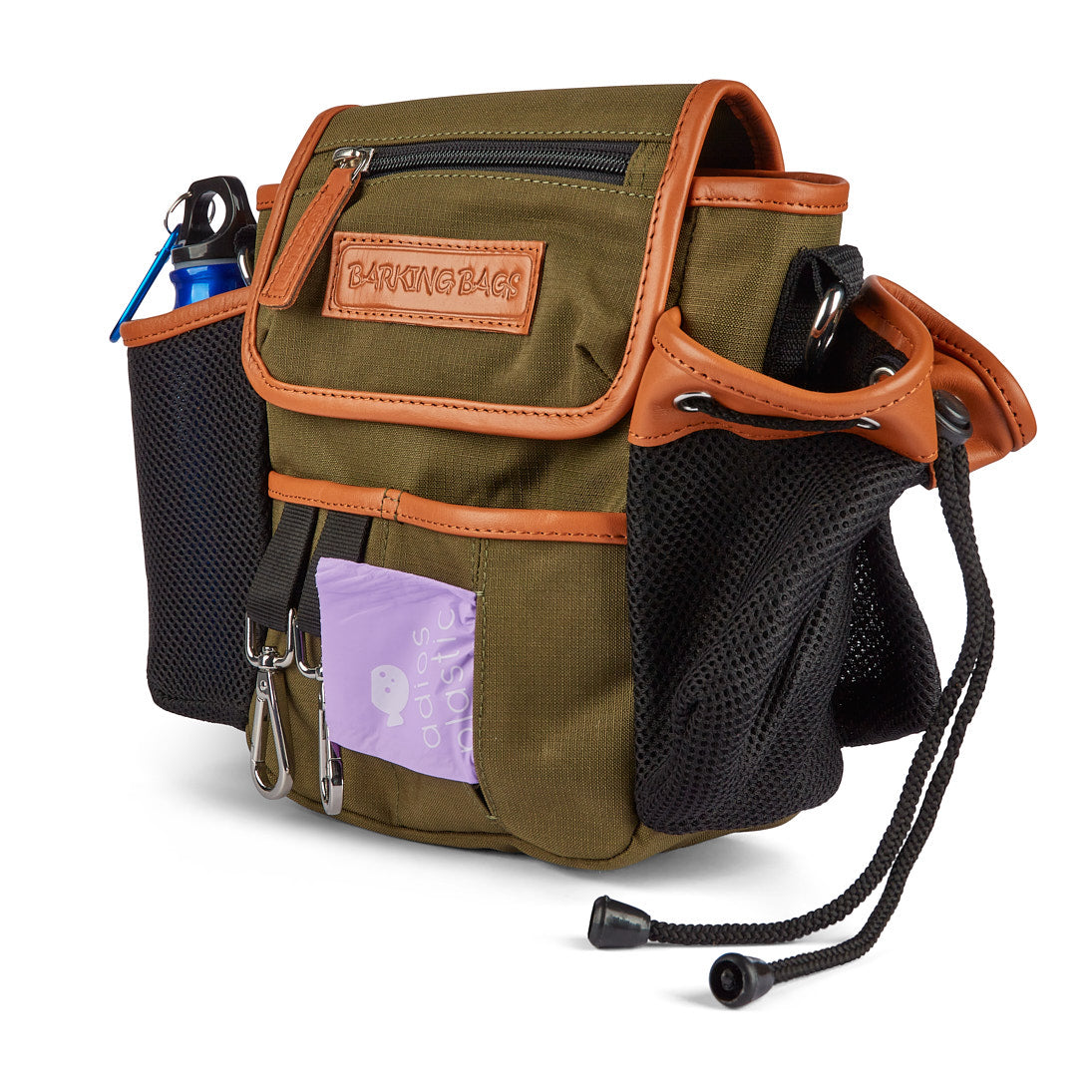
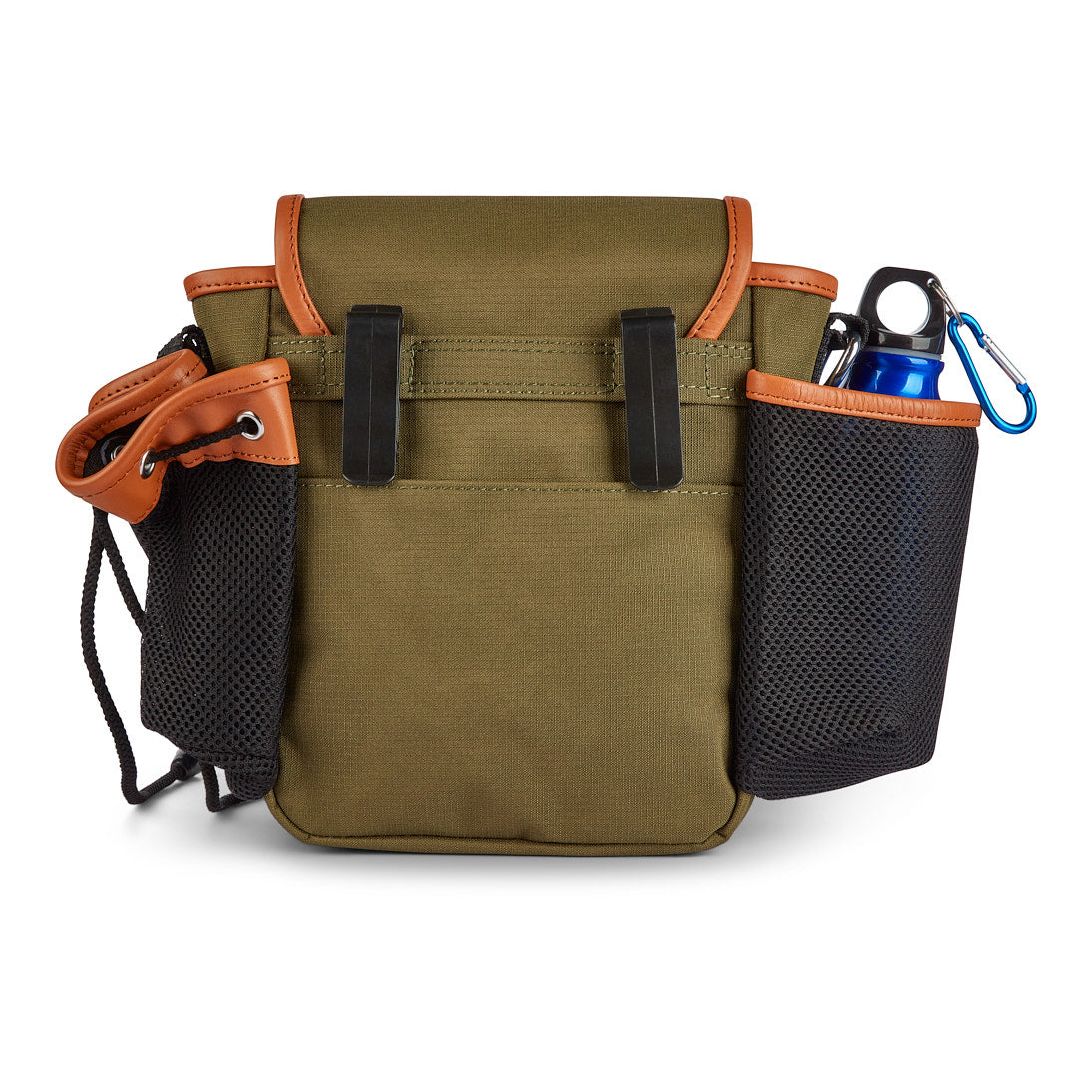
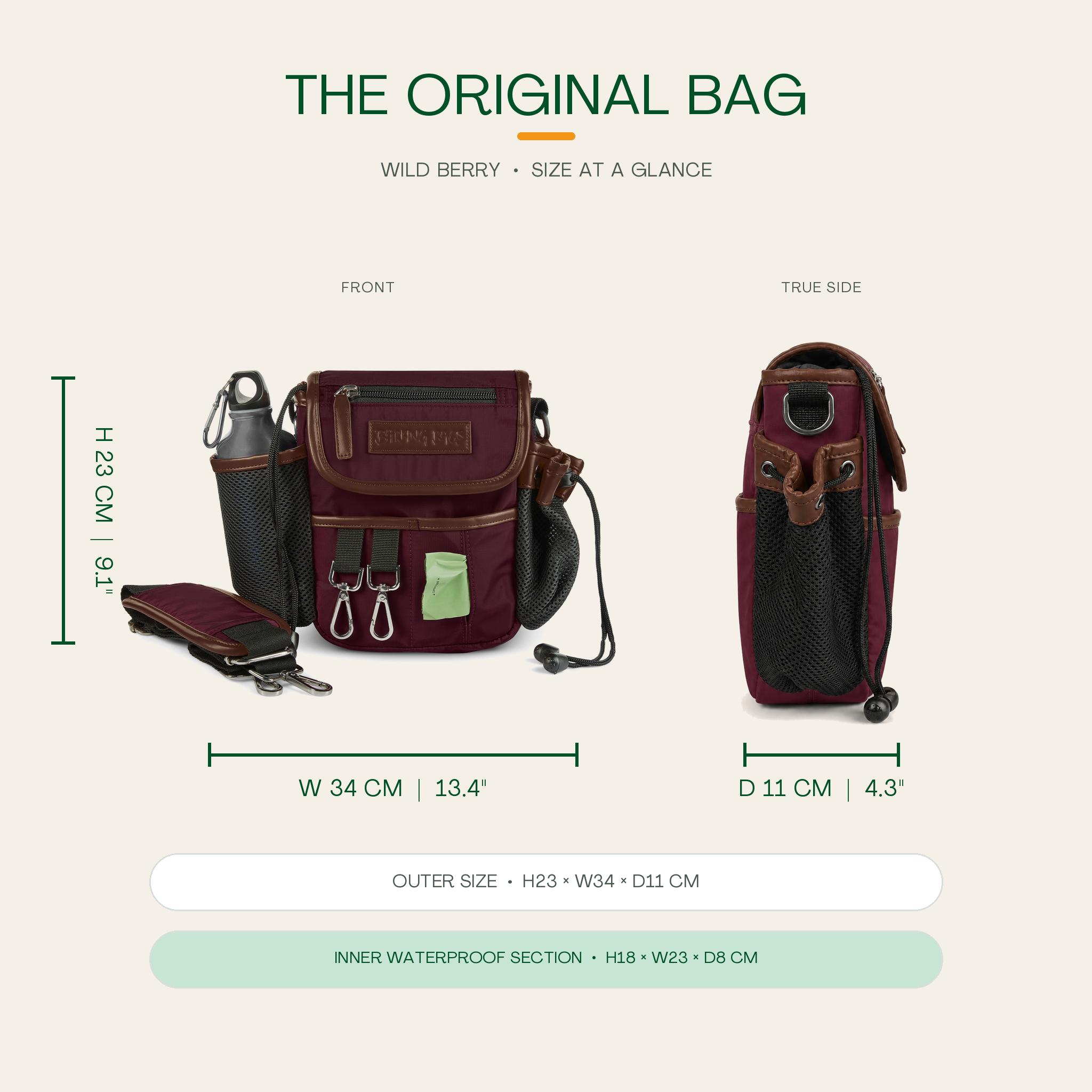
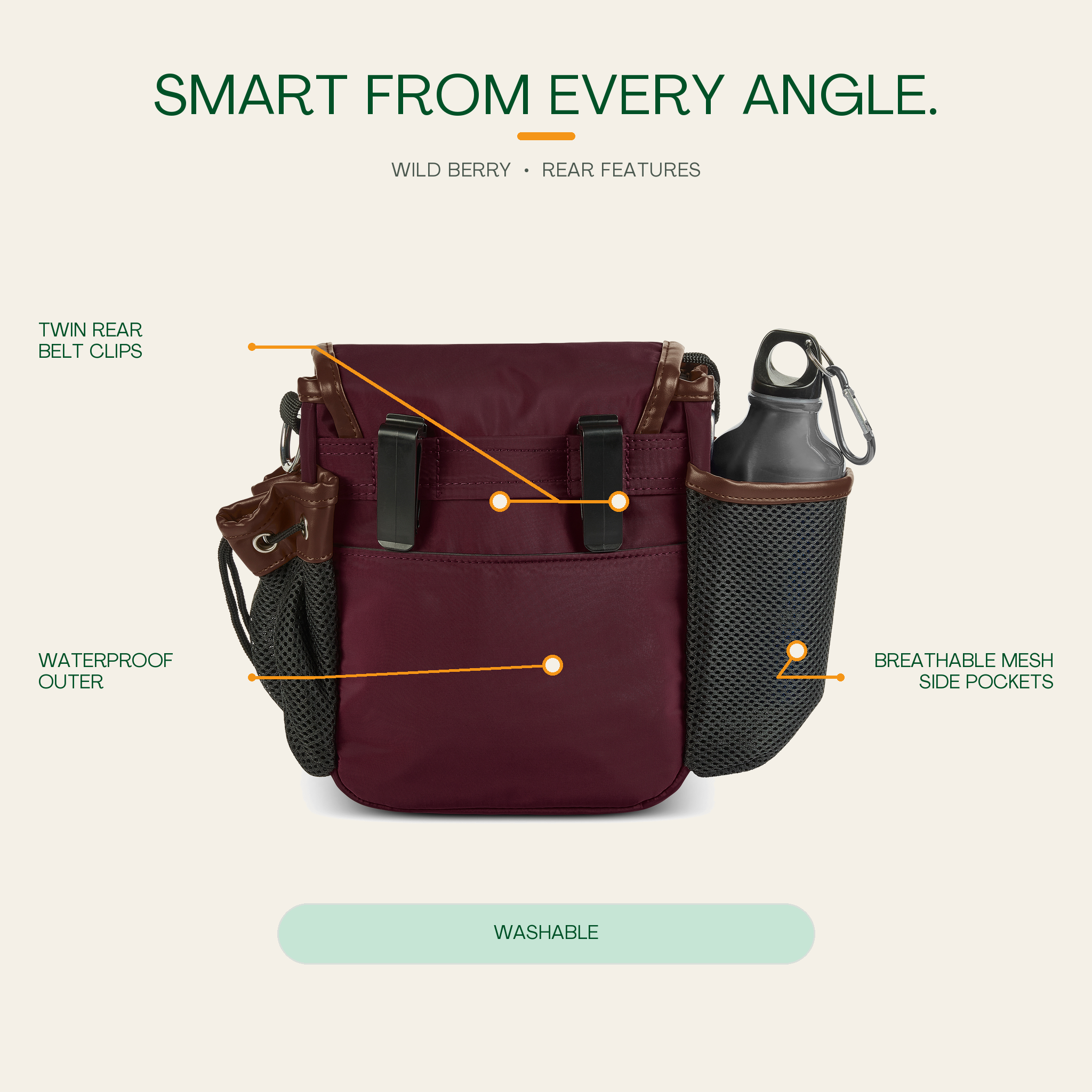
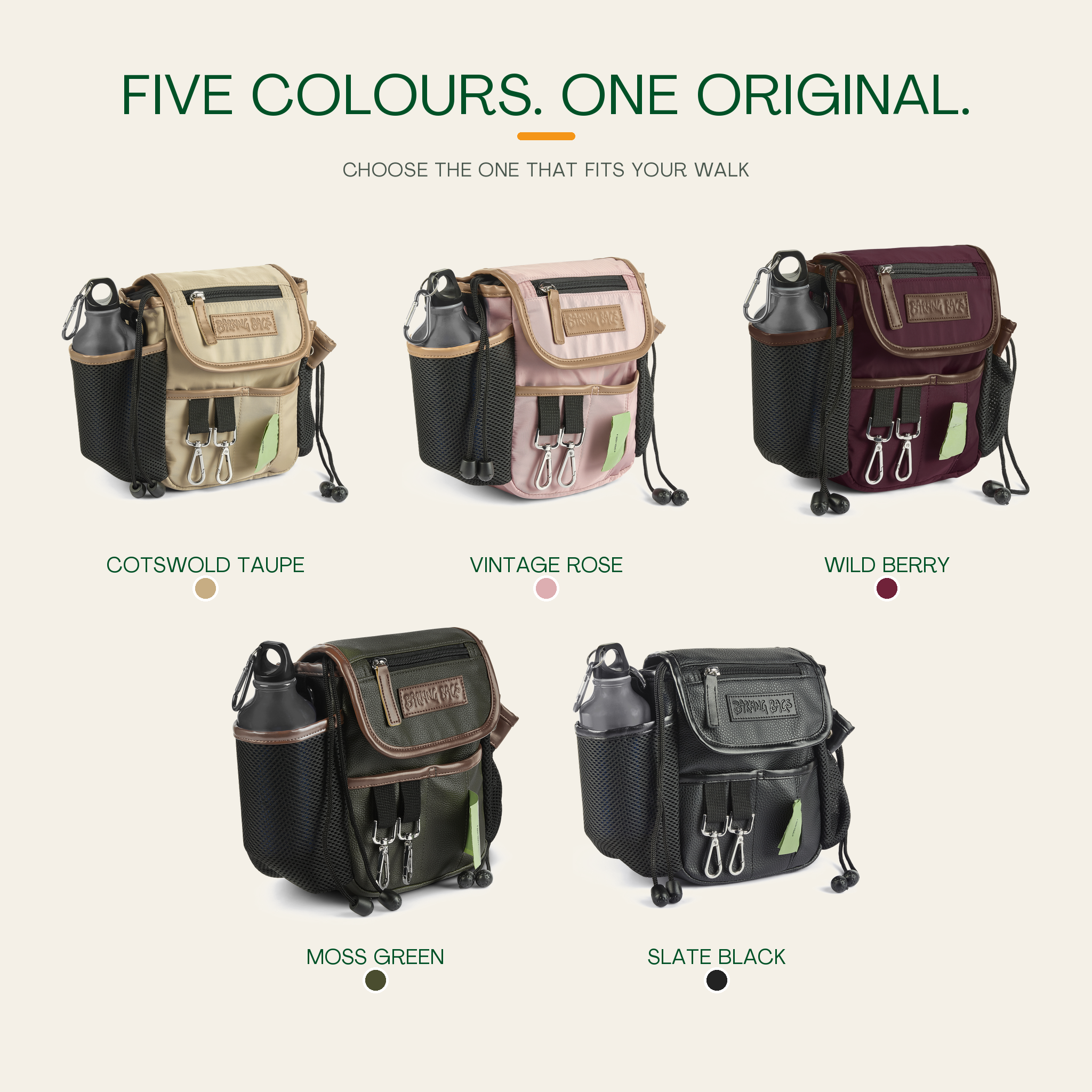
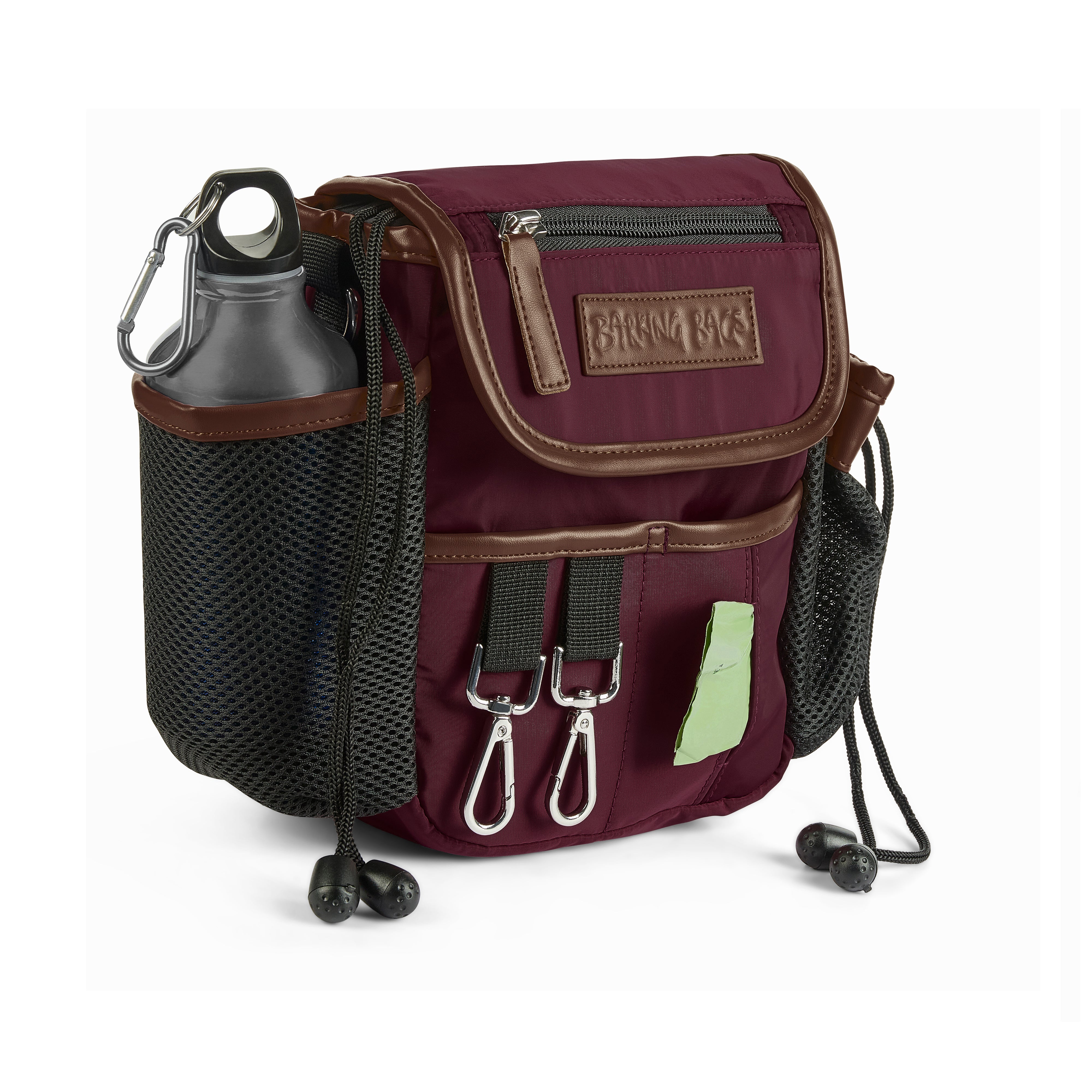
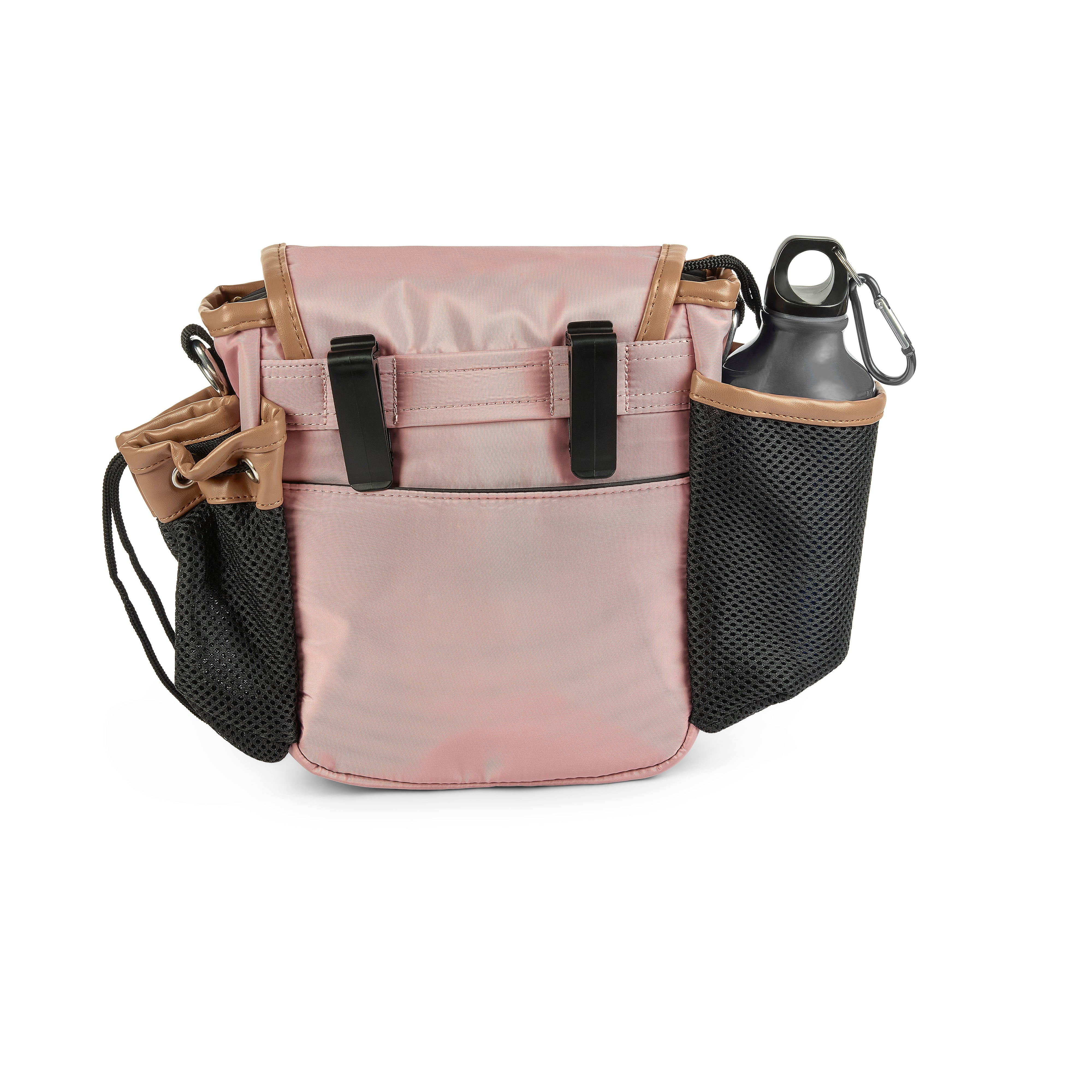
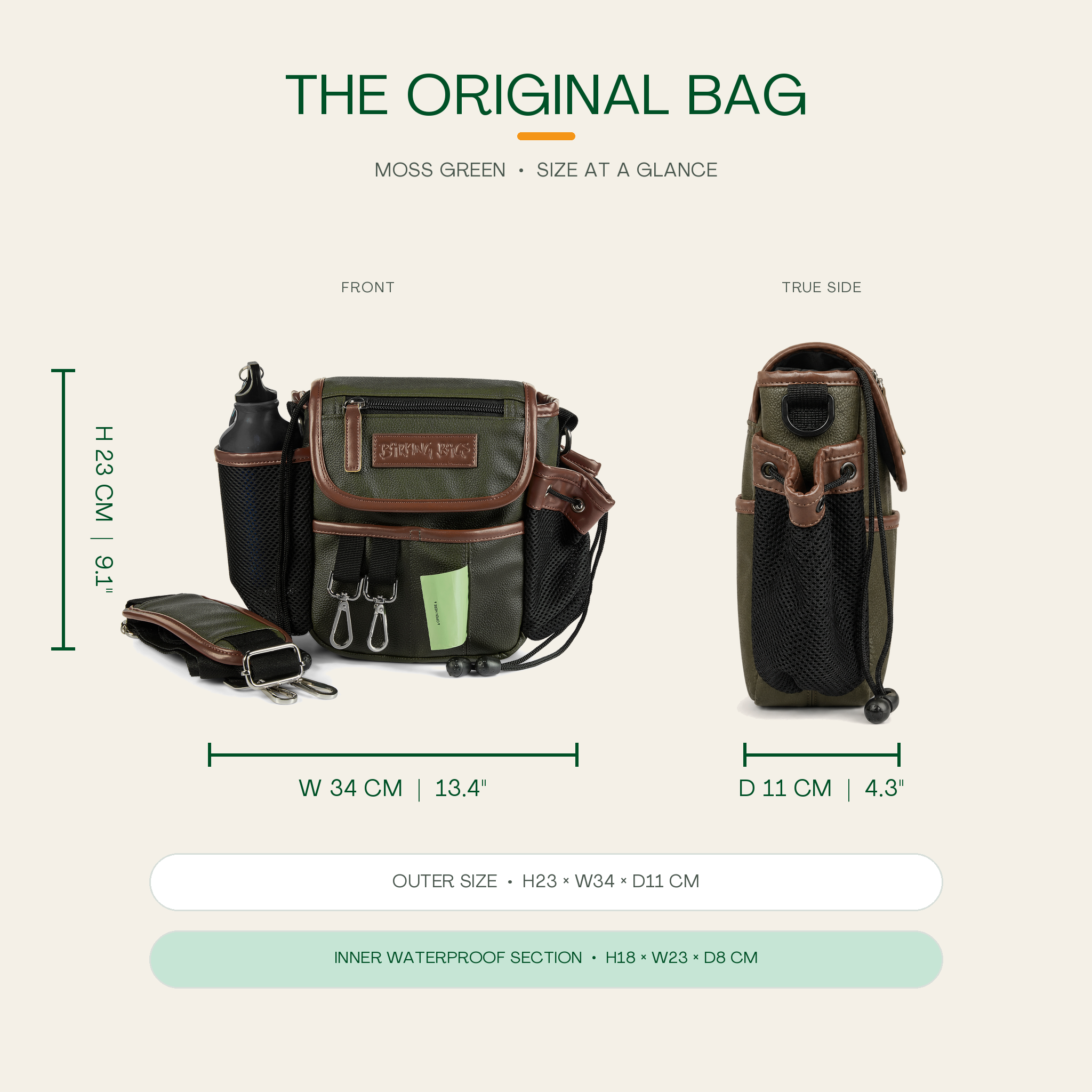
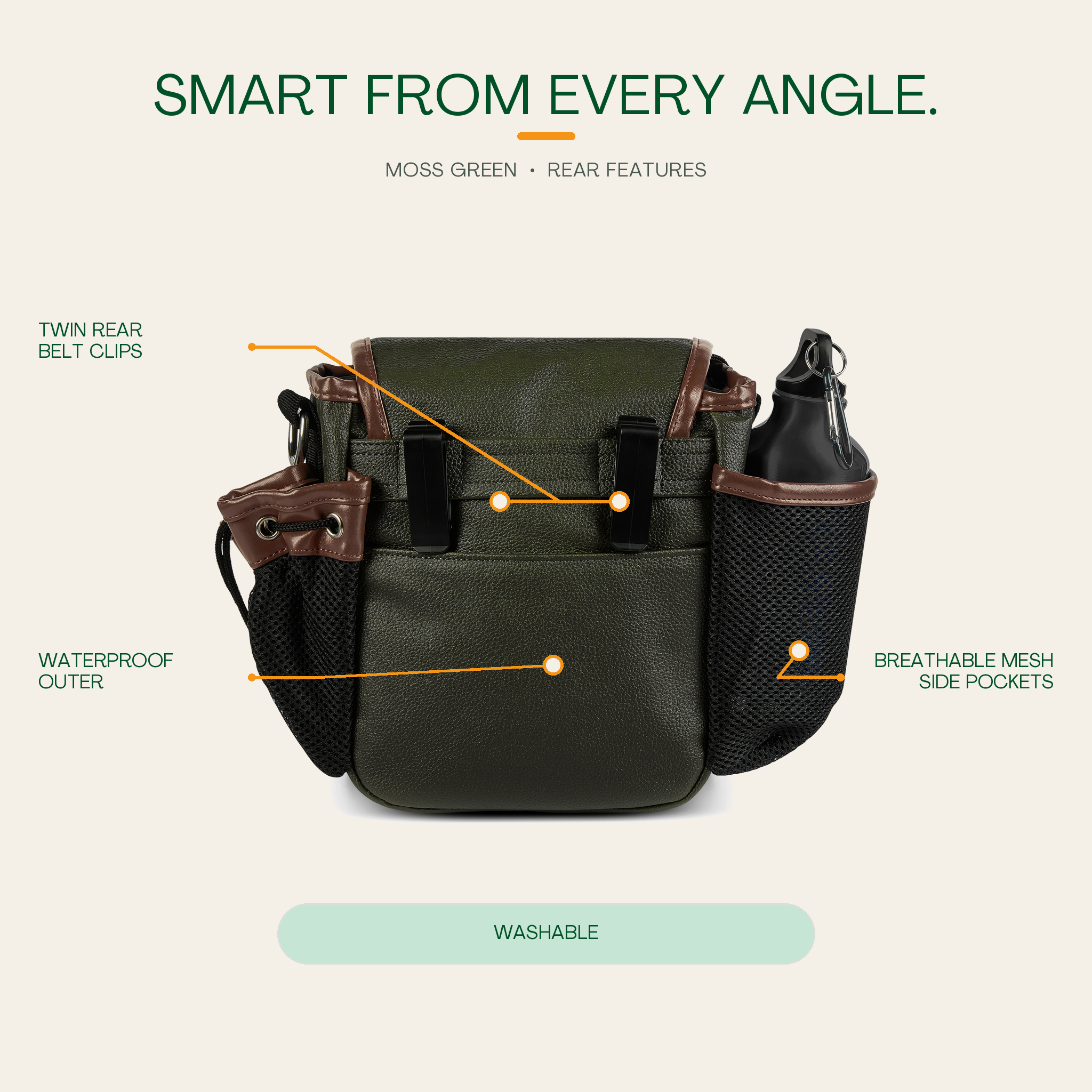
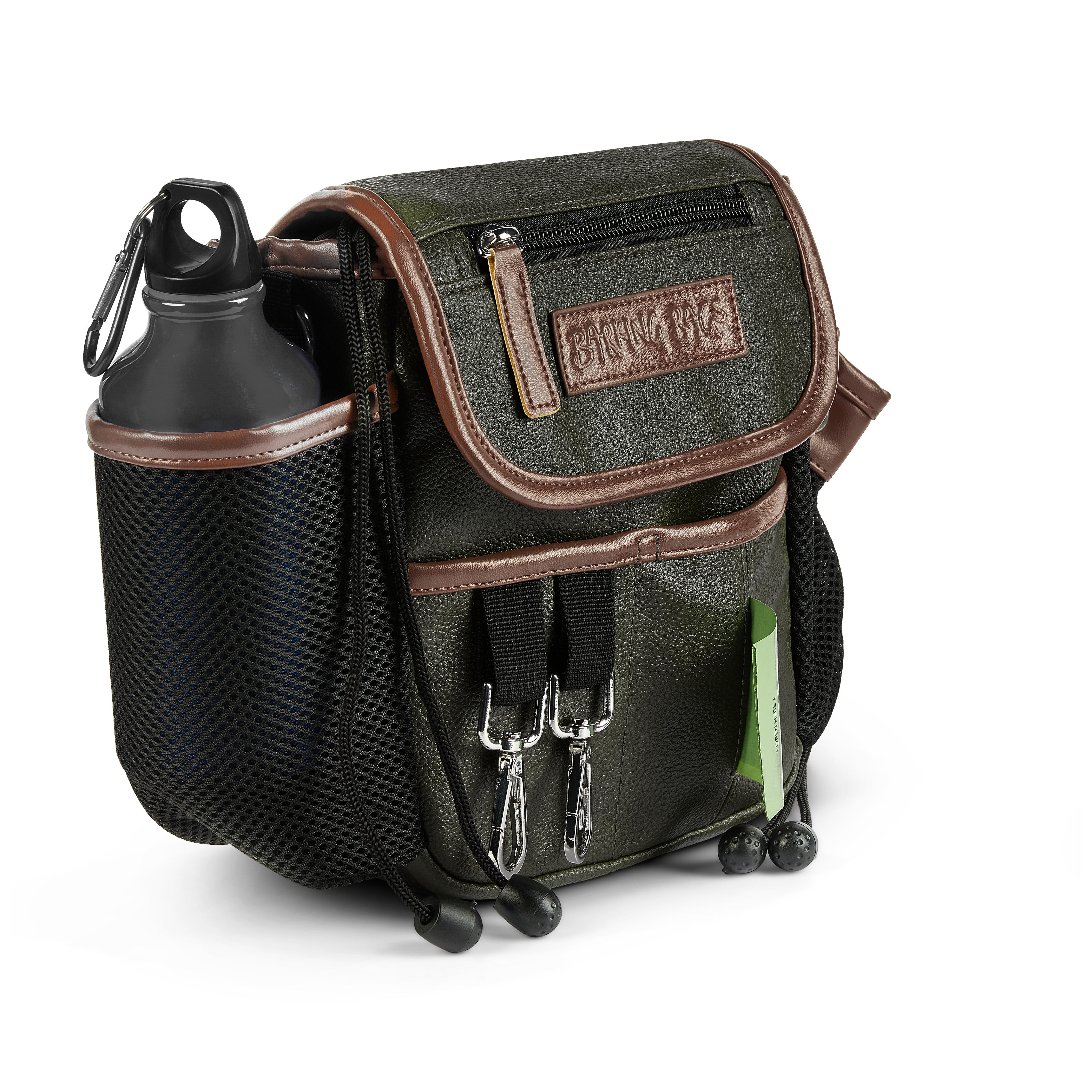
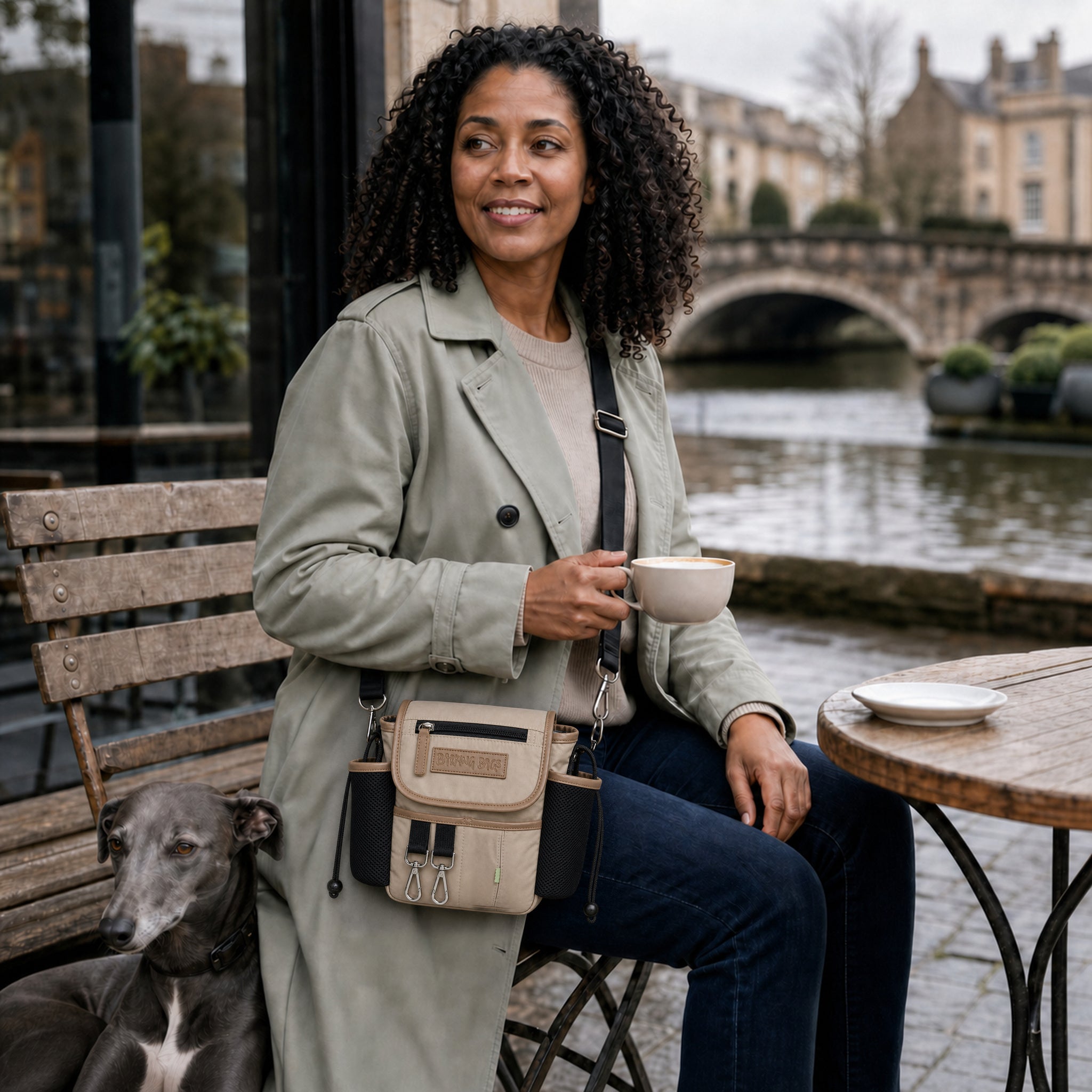
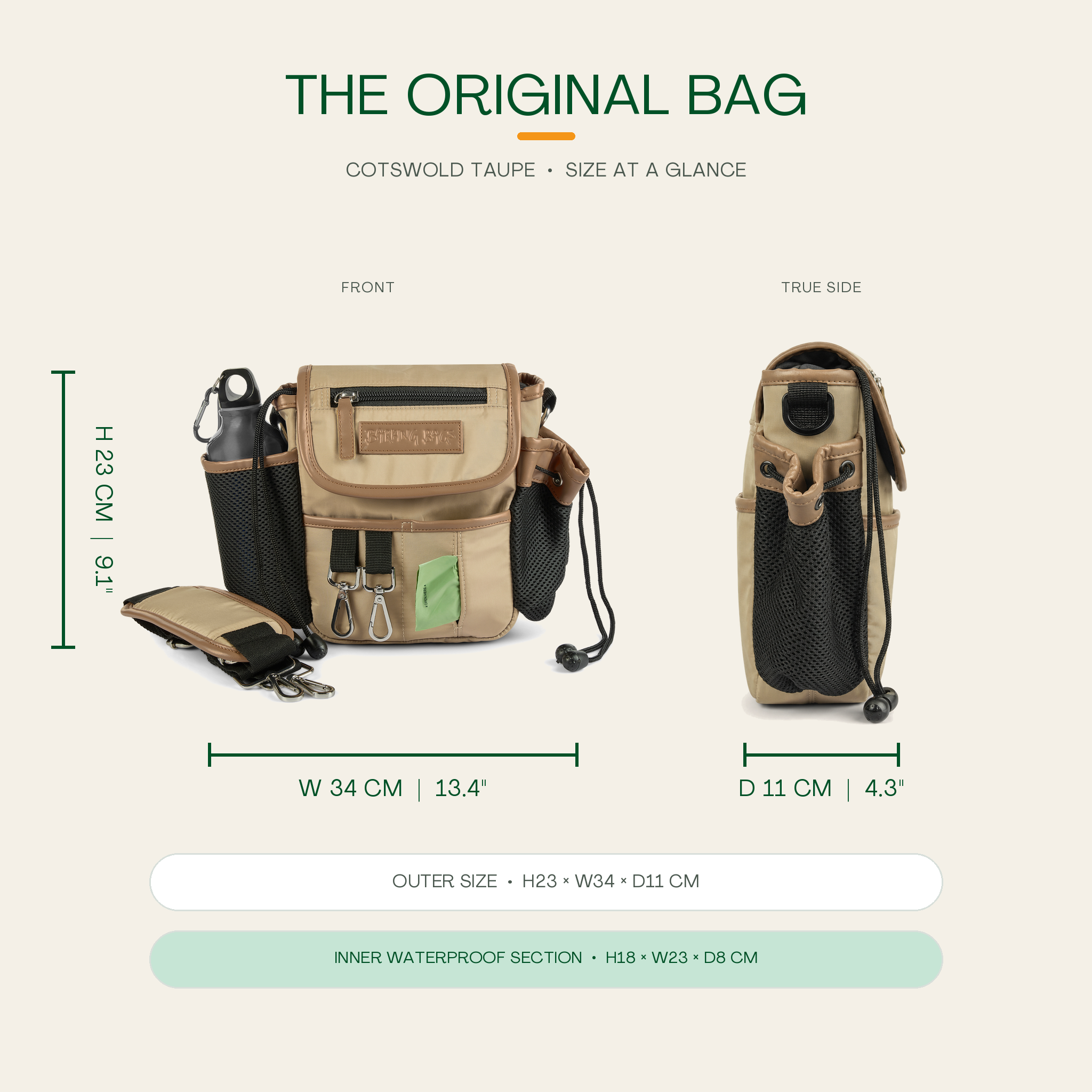
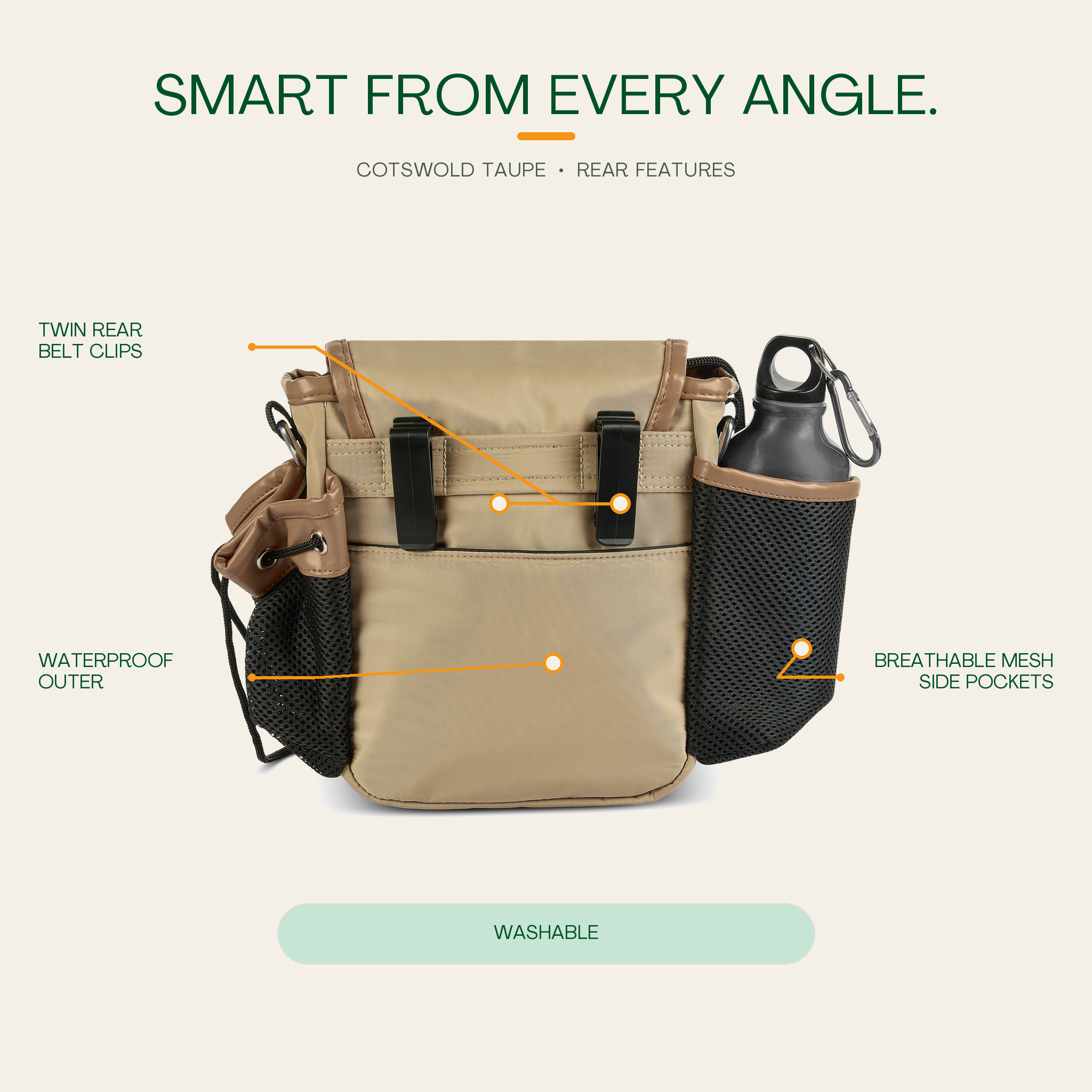
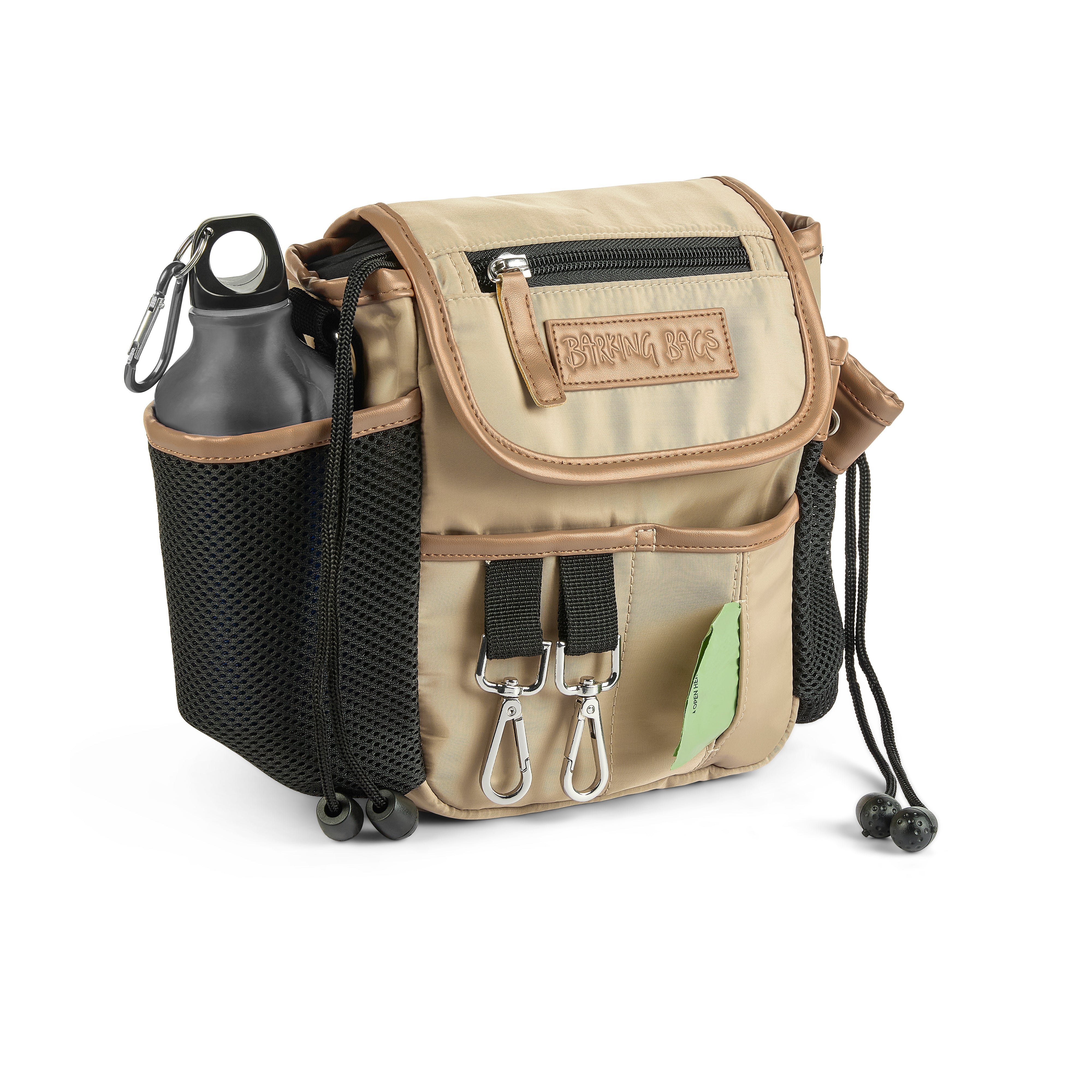
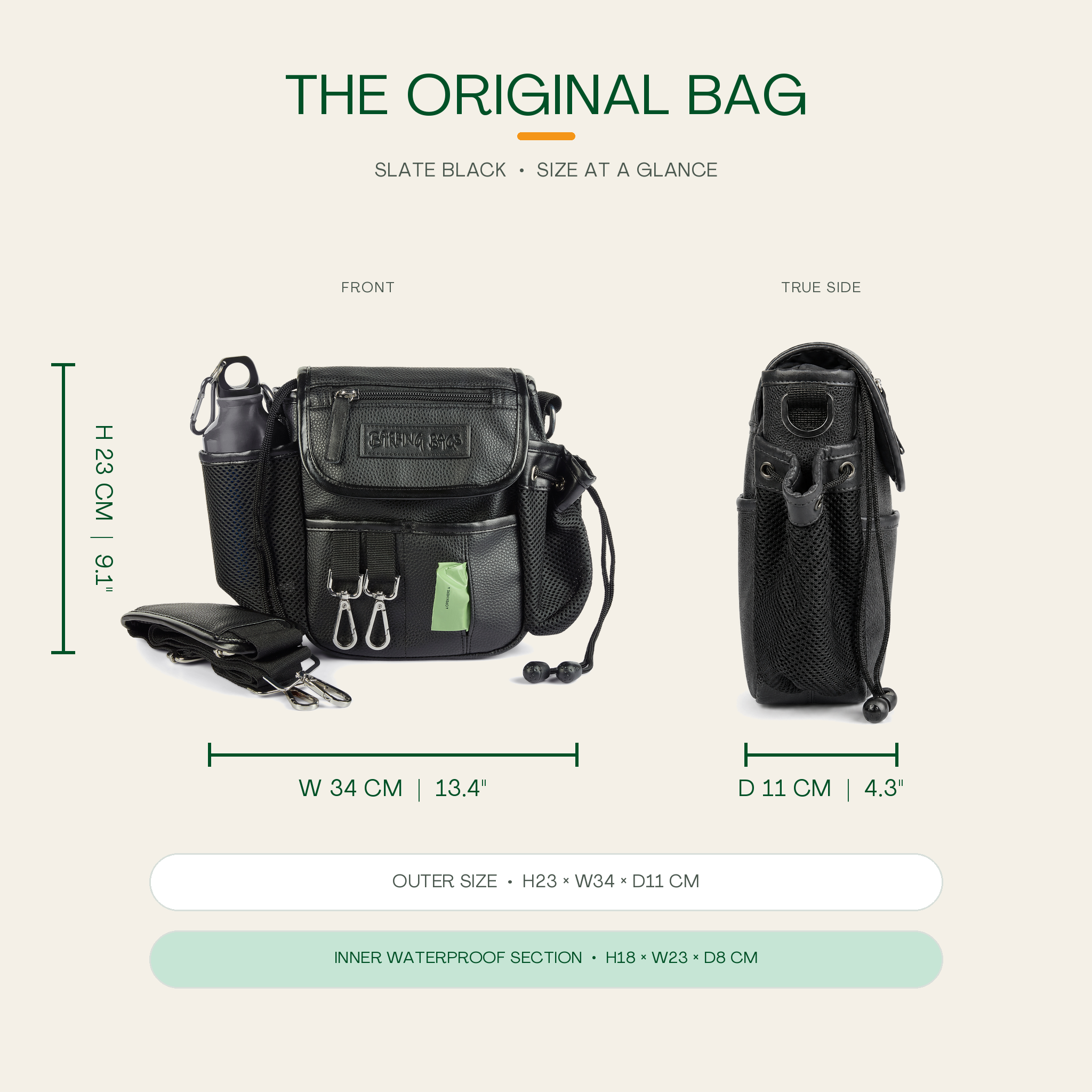
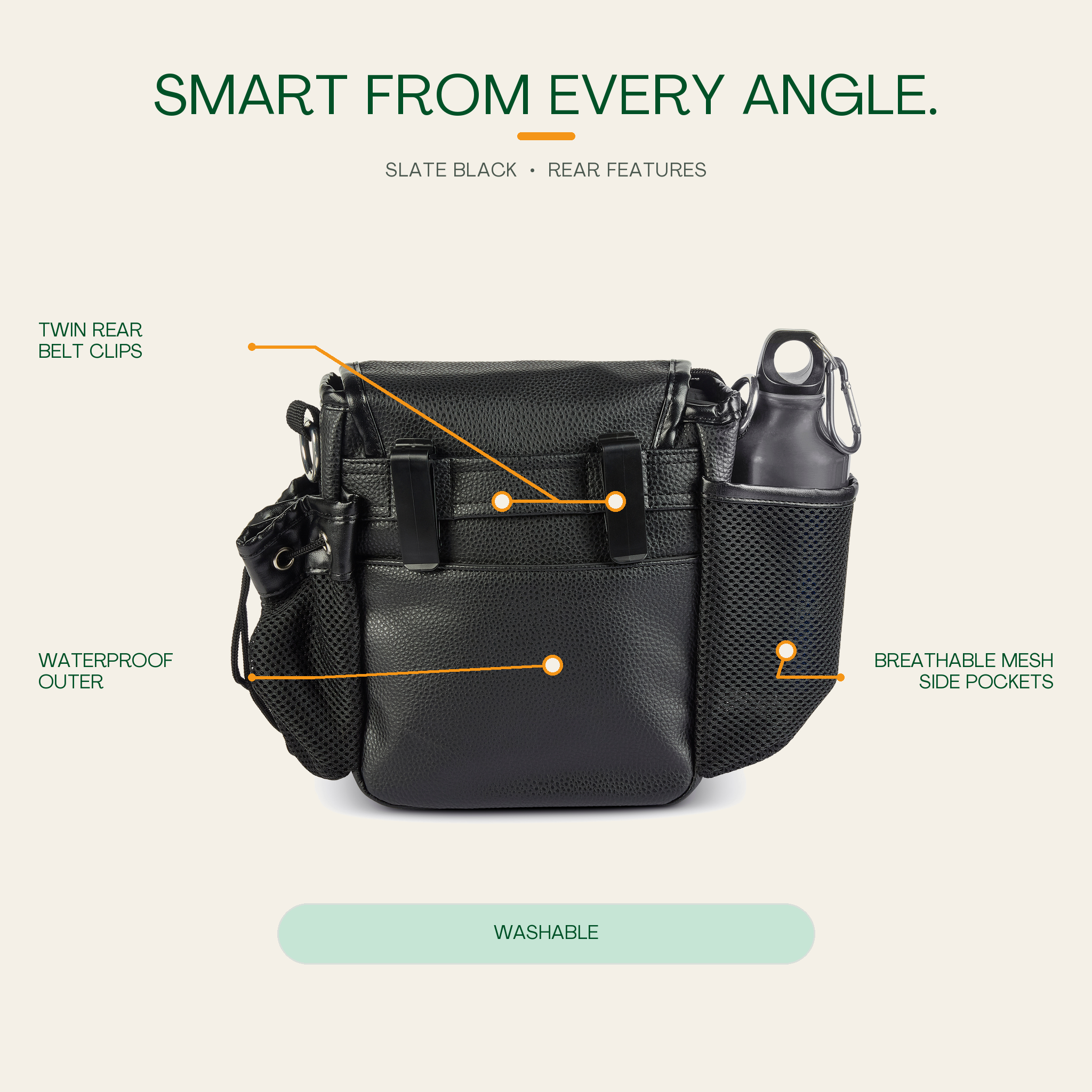
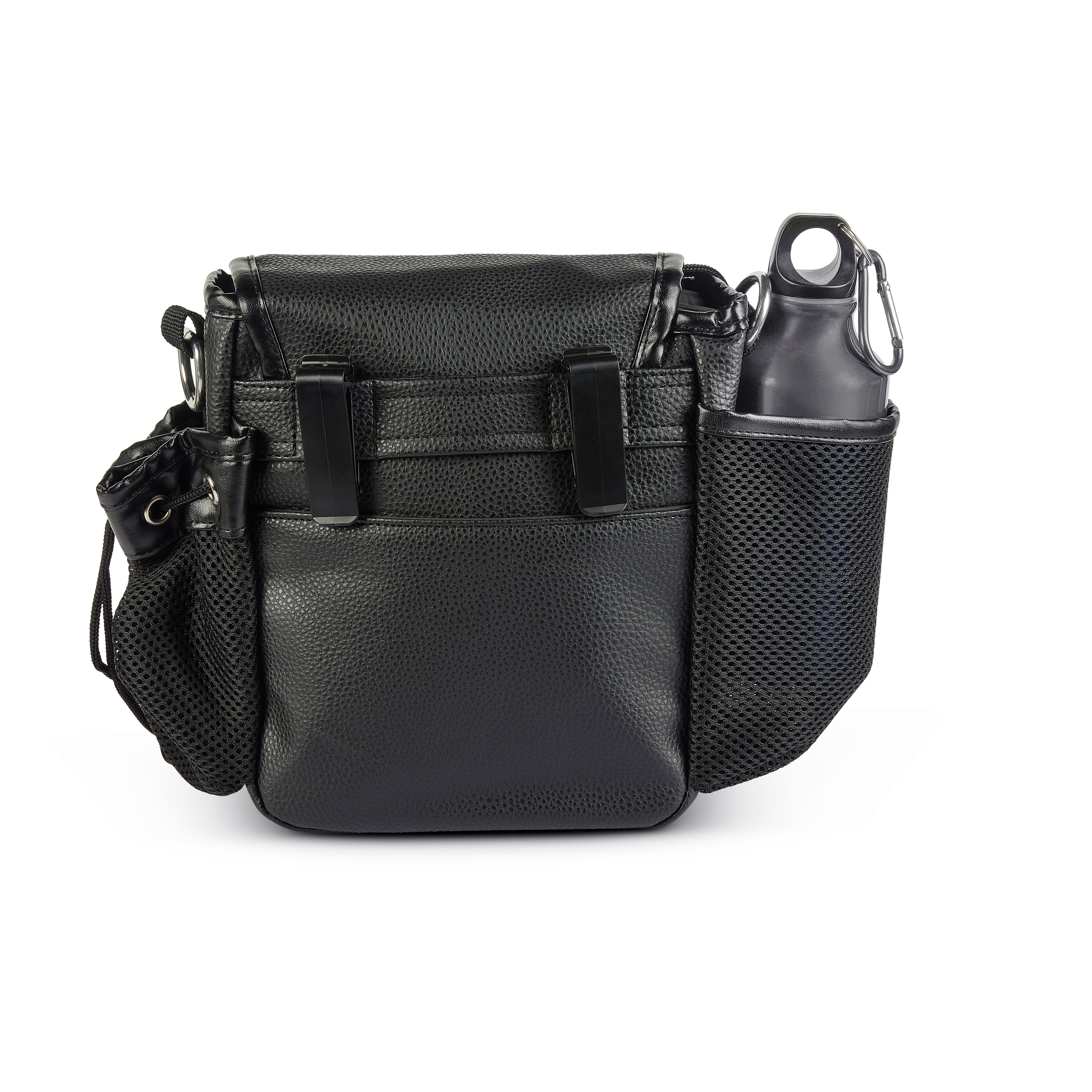
If you walk regularly, it helps to keep your dog walking kit together rather than rebuilding it before every outing. That is where a dedicated bag earns its place. Barking Bags has built its range around that exact everyday problem - creating a smarter way to carry dog walking essentials without compromising on style.
Small details that make a big difference
Clothing matters more than people think. A slippery waterproof coat can make some belts shift around, while bulkier winter layers can affect fit. Check your setup seasonally rather than assuming it will feel the same in January and July.
Lead length matters too. Too short, and both you and your dog can feel restricted. Too long, and you lose some control, especially in busier spaces. Adjustable options are usually the most practical because your route is not always the same.
It is also worth thinking about your own movement. If you naturally walk quickly, your dog may find a belt setup easy to match. If you stop often for training or sniff breaks, you may want a lead that can be quickly switched between hands free and hand-held use.
Common mistakes in a guide to hands free dog walking
The most common mistake is choosing equipment based on trend rather than suitability. A sleek-looking setup is great, but not if it twists, rubs, or makes your walks harder.
The second is expecting gear to solve training issues. If your dog pulls, reacts, or zig-zags constantly, no belt or lead will fix that on its own. The gear should support good handling, not replace it.
The third is forgetting storage. A hands free lead solves one part of the problem, but dog walking is still a carrying task. Treats, bags, mobile phone, keys, water, and the odd muddy ball all need a proper home.
Finding the setup that suits your routine
The best hands free setup is the one that fits real life. Not an idealised Sunday stroll in perfect weather, but your actual routine - before work, after dark, through the park, round the estate, in drizzle, with one hand on a coffee or opening the gate.
If your dog is calm and your walks are steady, a waist lead and a dedicated dog walking bag can make everything feel lighter and more organised. If your dog is strong or unpredictable, you may prefer a hybrid approach where you use hands free on quieter stretches and switch back to hand-held when needed.
That is really the heart of it. Hands free dog walking is not about doing less. It is about setting yourself up better, so you can stay comfortable, carry what you need, and focus more on the dog at the other end of the lead.