
You only need to reach for one soggy biscuit at the bottom of a coat pocket to realise that how to carry dog treats on walks matters more than it sounds. If treats are awkward to grab, they slow down training, make walks messier, and usually end up crushed between poo bags, keys and whatever else you shoved in there on the way out.
A better setup makes everyday walks feel easier straight away. Your dog gets quicker rewards, your hands stay freer, and you are not fishing around every time you want to mark good recall, loose lead walking or calm behaviour past another dog. The best option is not always the smallest one or the cheapest one. It depends on how often you walk, how much you carry, and whether treats are the only thing you need to keep close.
How to carry dog treats on walks without the usual mess
The simplest way to think about it is access first, storage second. Treats need to be quick to grab with one hand, easy to seal, and separate from your personal bits. That sounds obvious, but it is exactly where most improvised setups fall down.
Pockets are the classic example. They work for a five-minute toilet break or a short training session close to home, but they are rarely ideal for a proper walk. Crumbs build up, soft treats leave grease marks, and you end up choosing clothes based on whether they have the right pockets rather than whether you actually want to wear them. If you switch jackets often, you can also forget where you left the treats in the first place.
A dedicated treat pouch is a big step up. It keeps rewards contained, cleaner and easier to reach, especially if you are doing active training. For puppy owners, trainers and anyone working on recall, reactivity or lead manners, that speed matters. A delayed reward can be the difference between reinforcing the right moment and missing it completely.
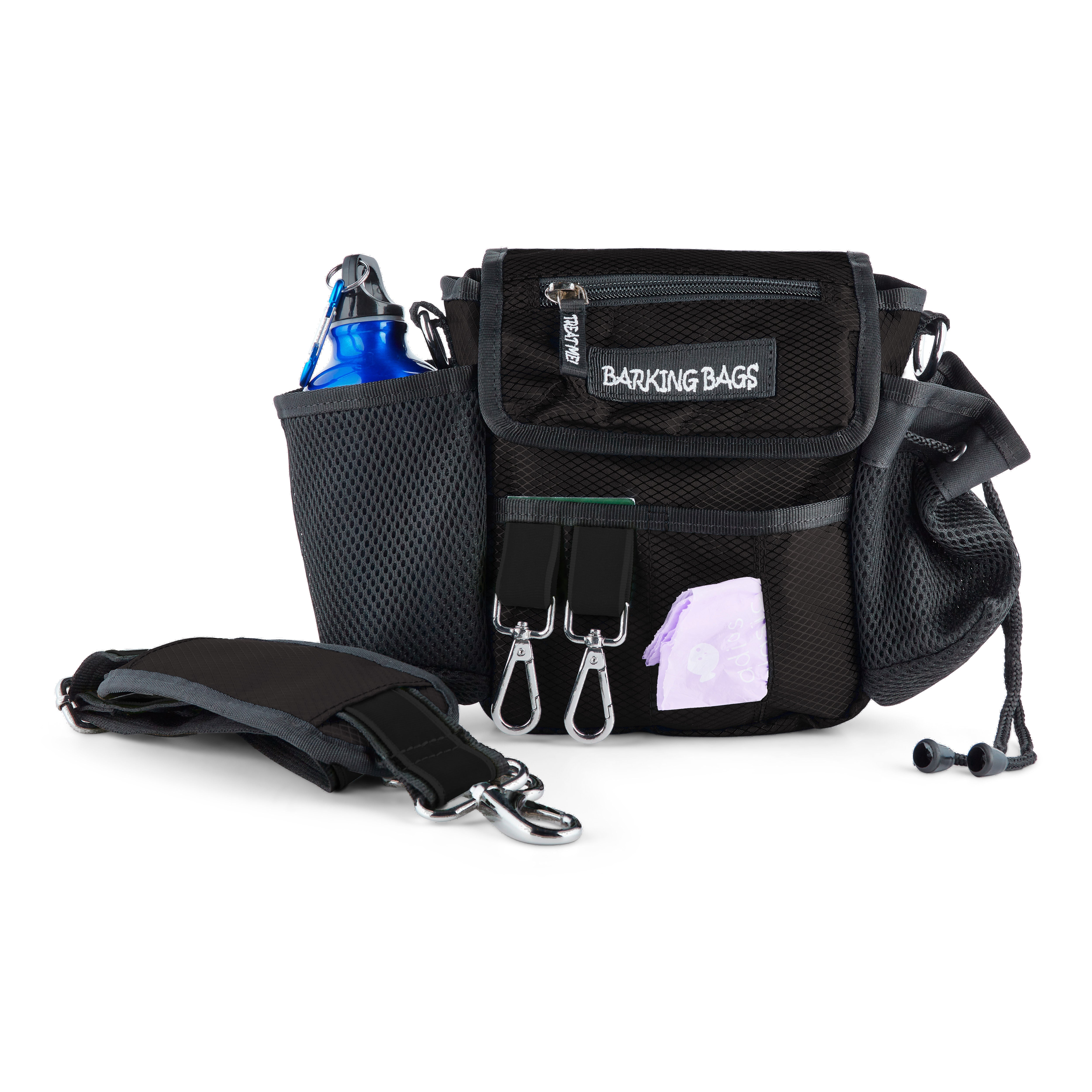
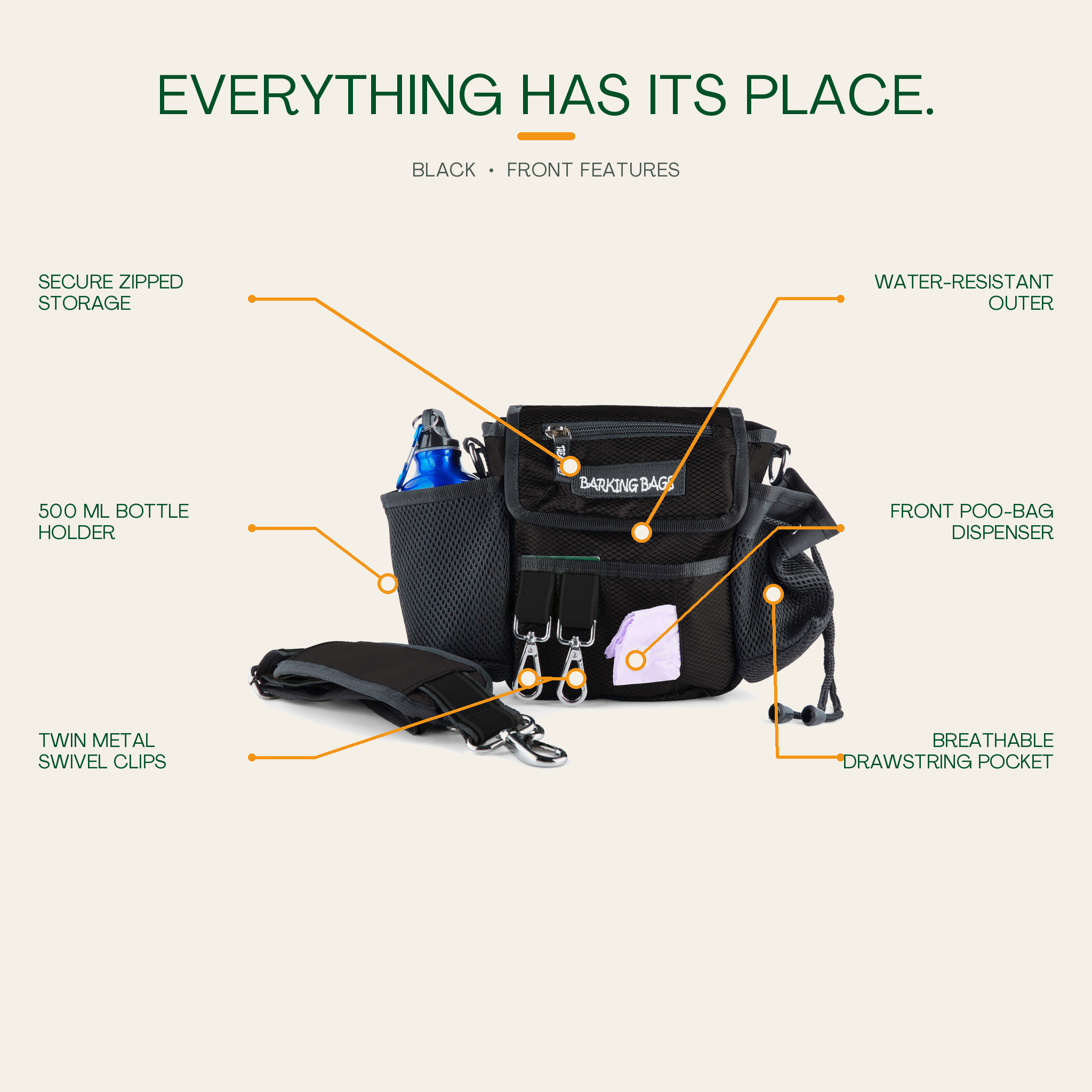
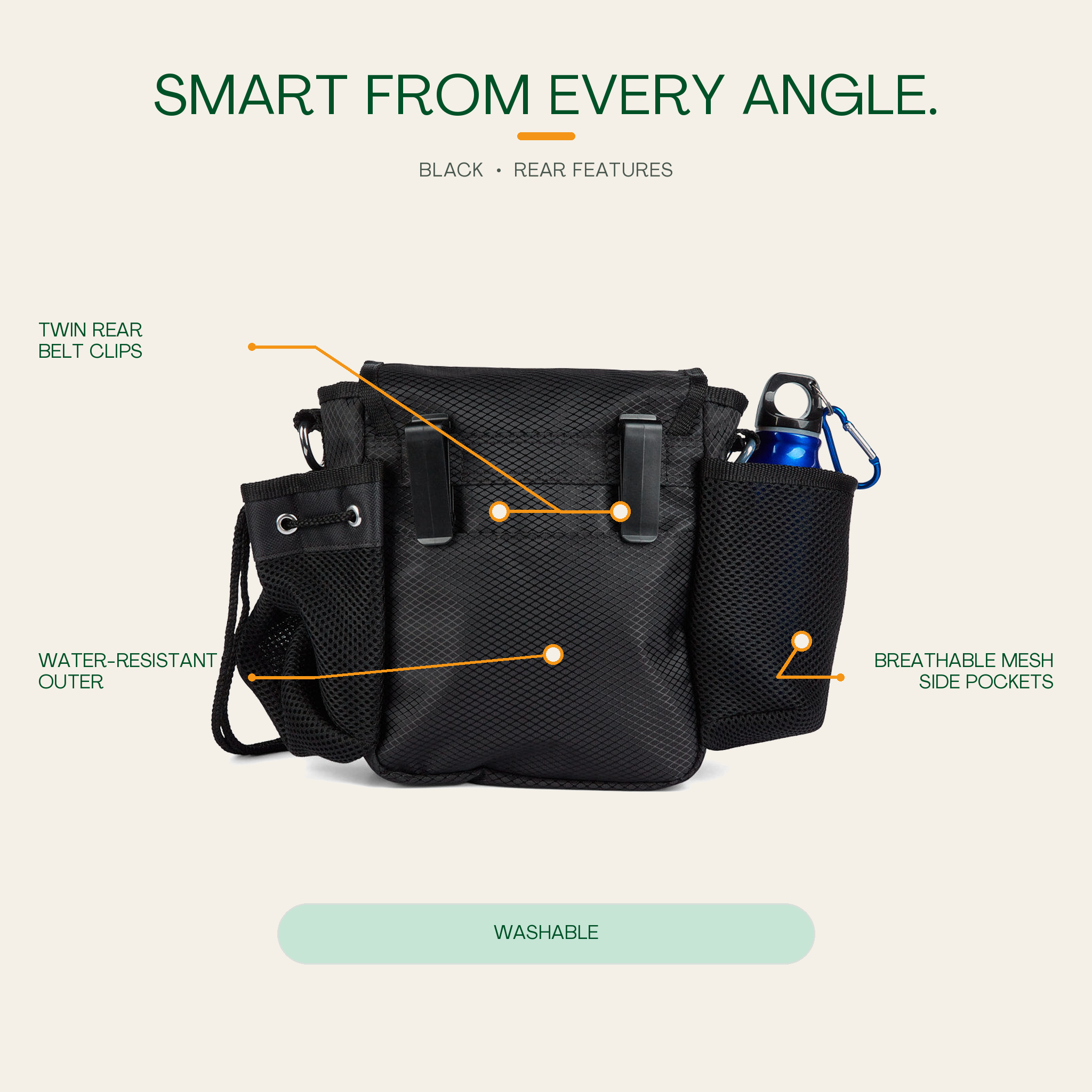
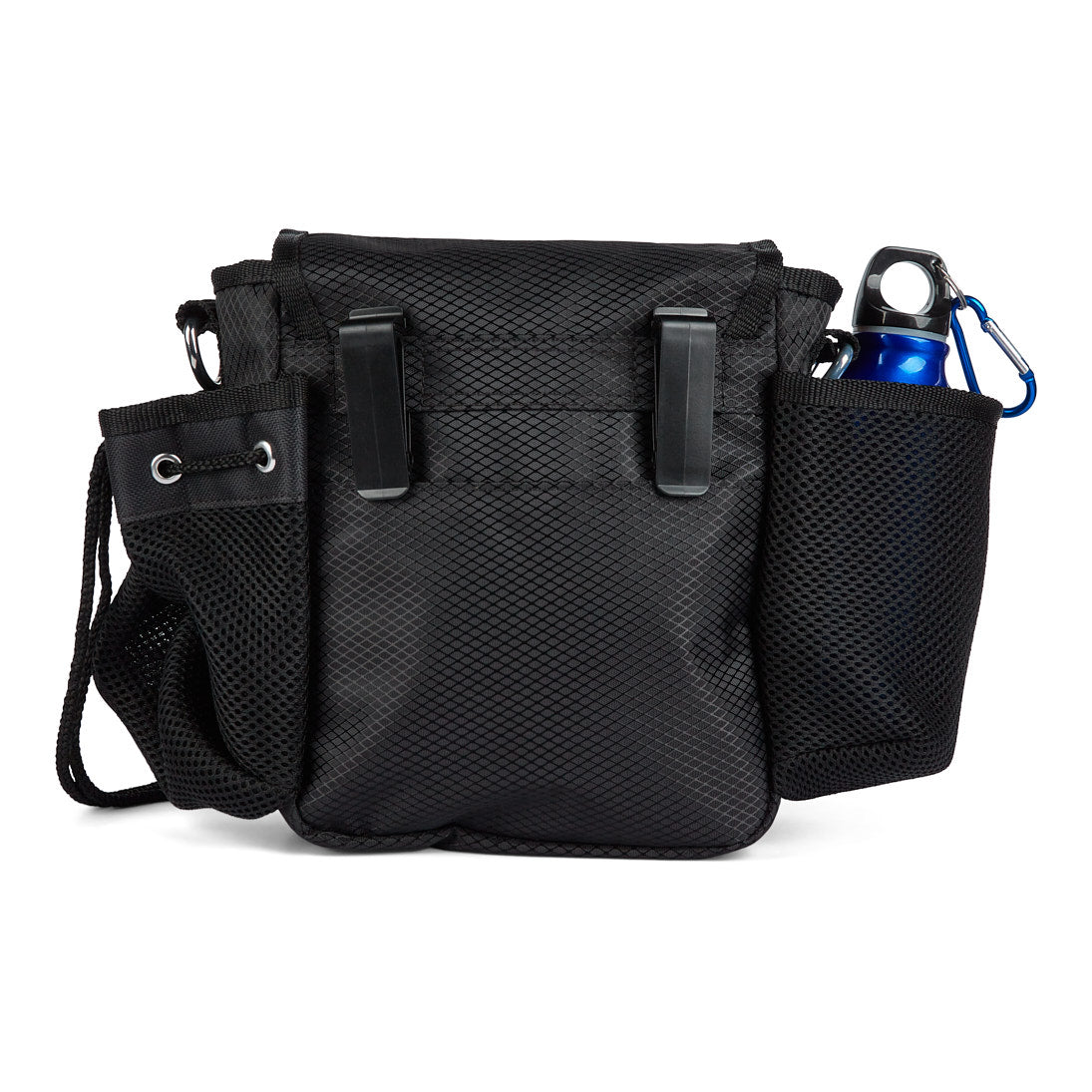
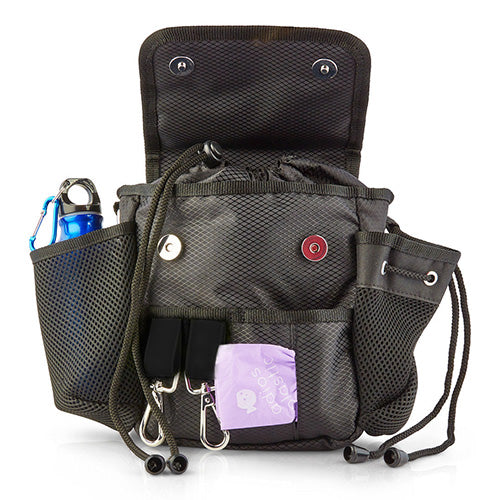
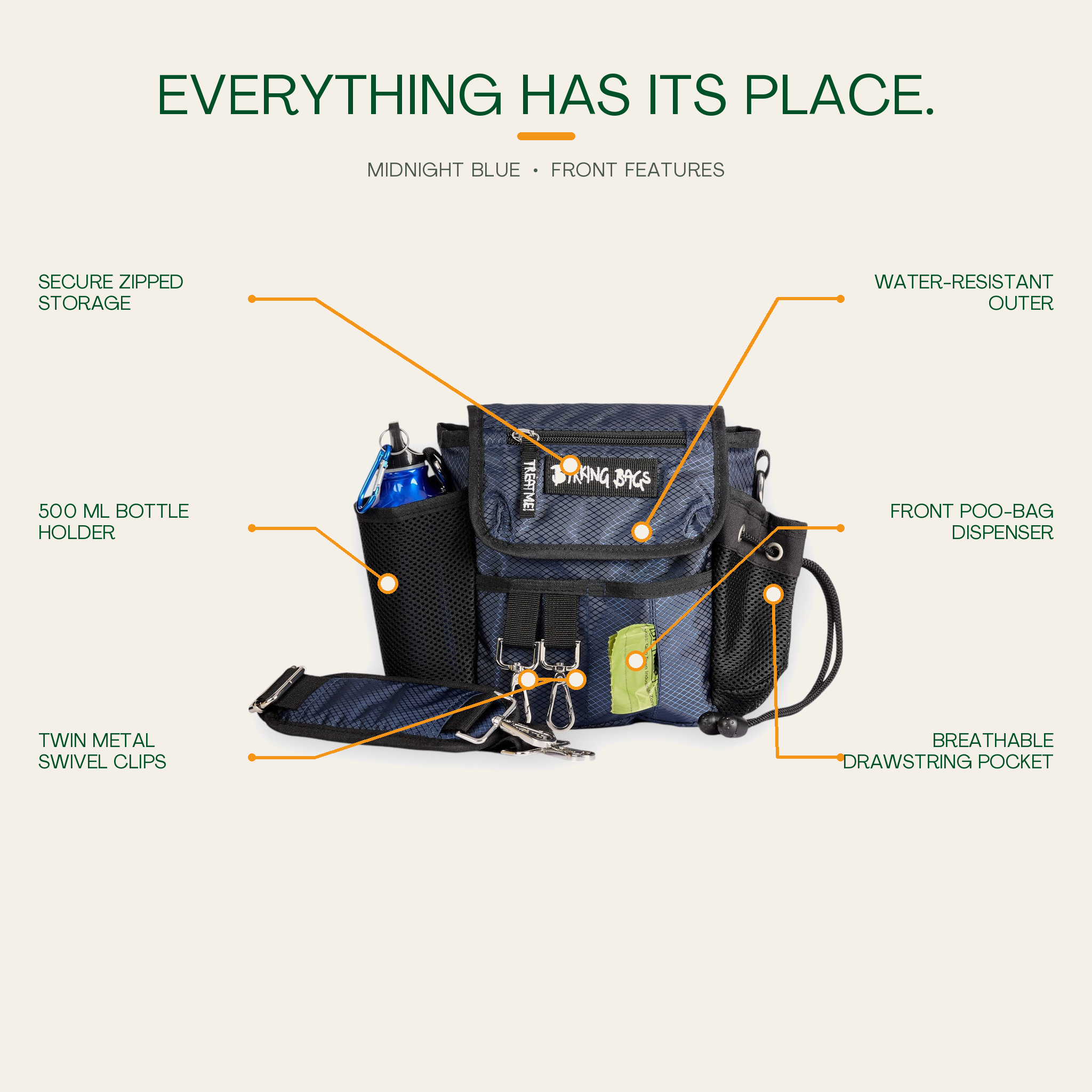
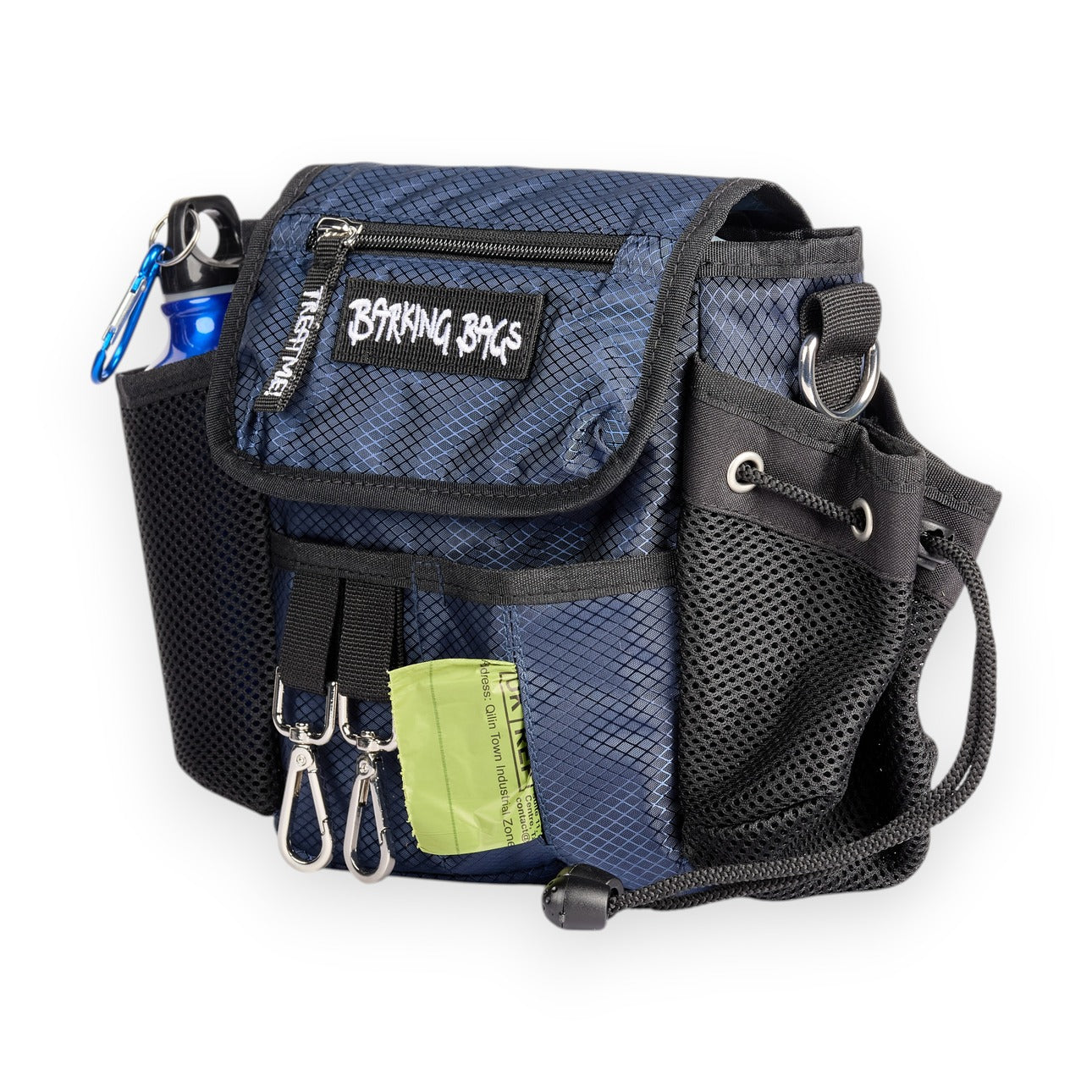
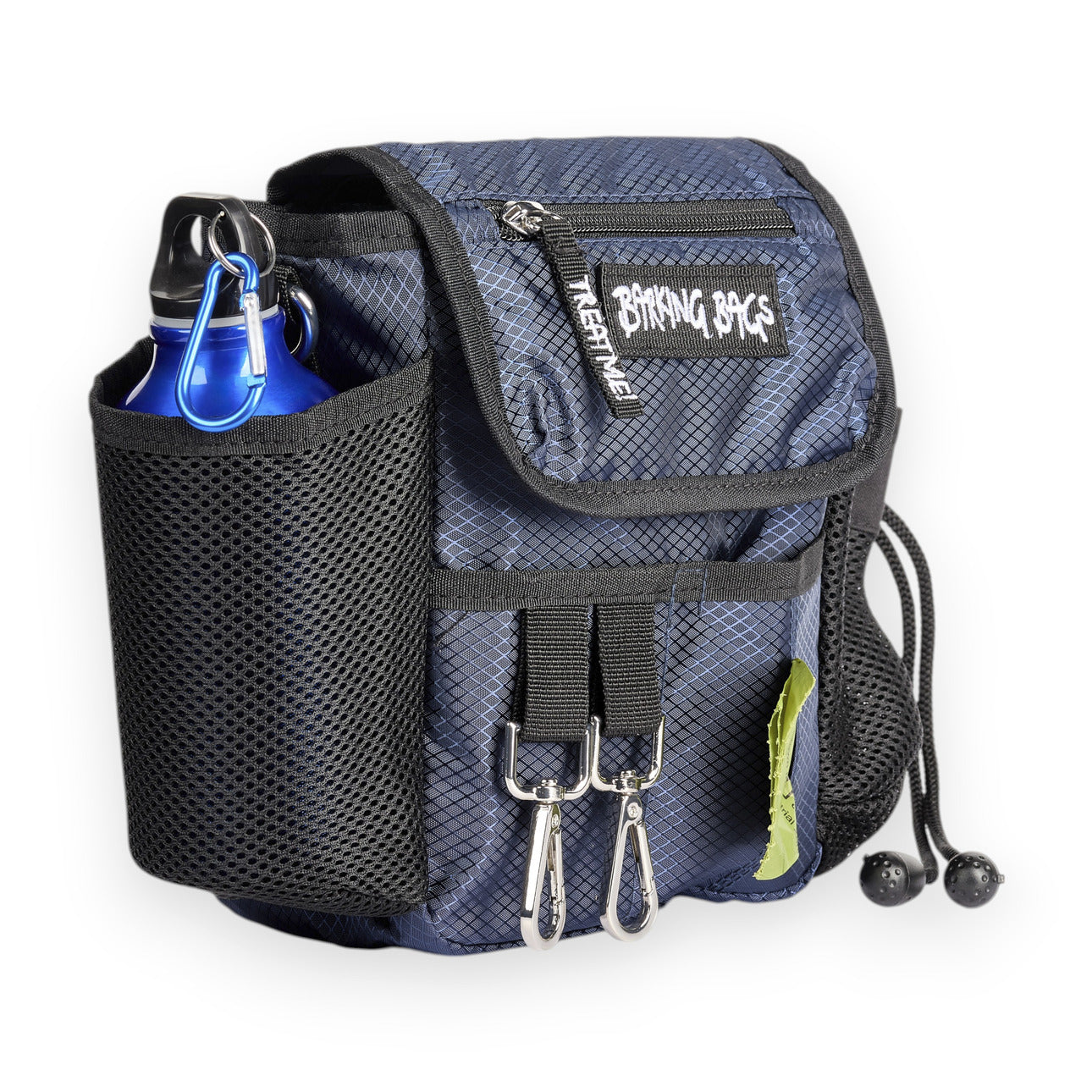
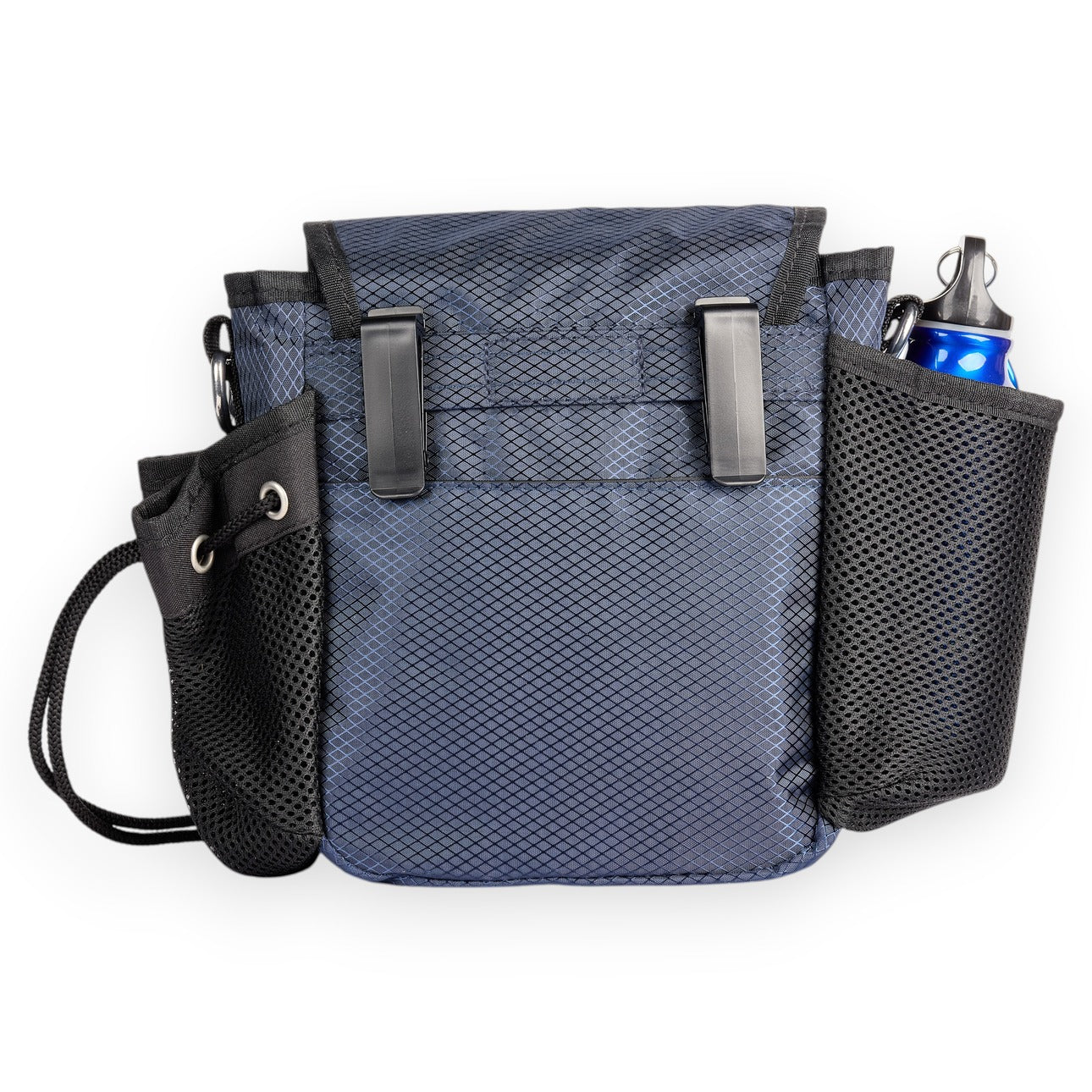
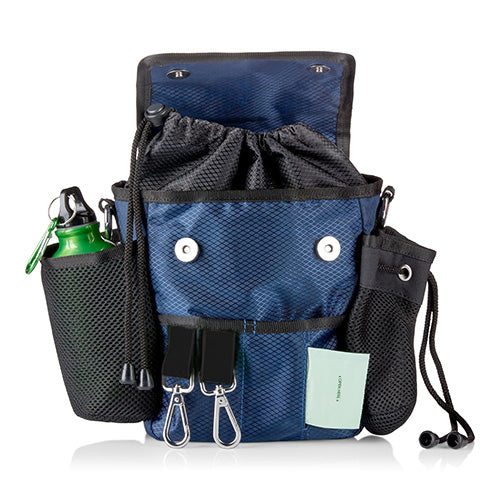
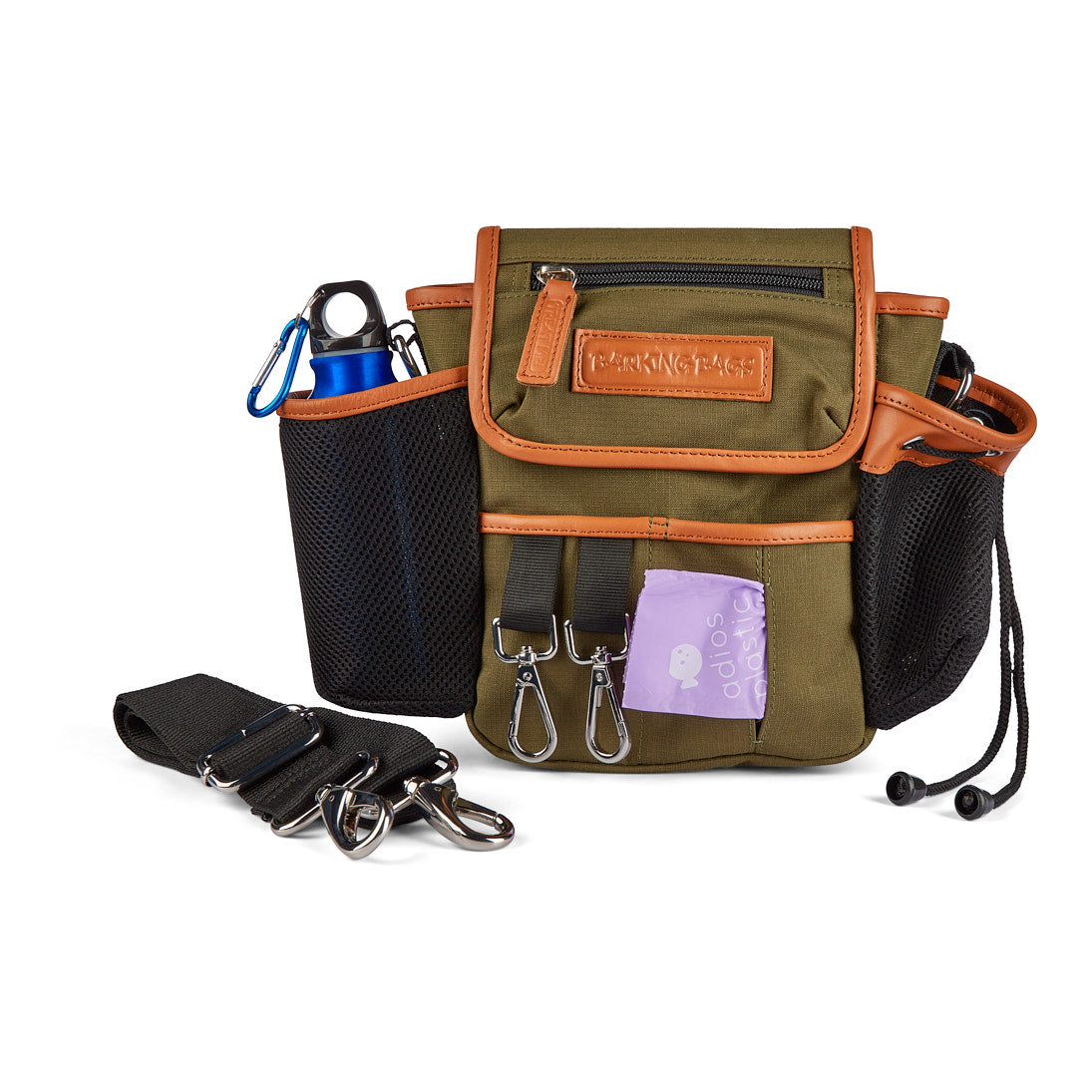
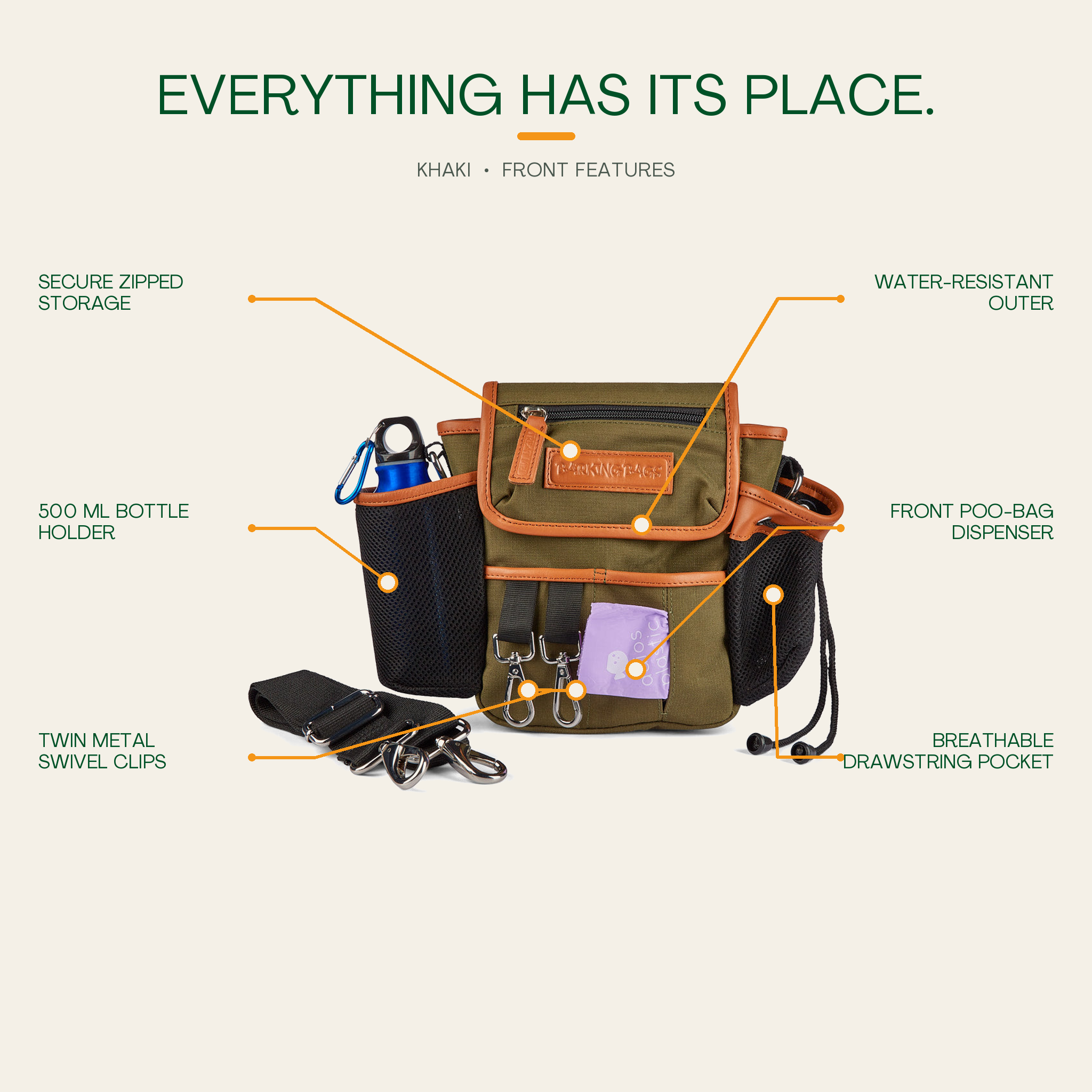
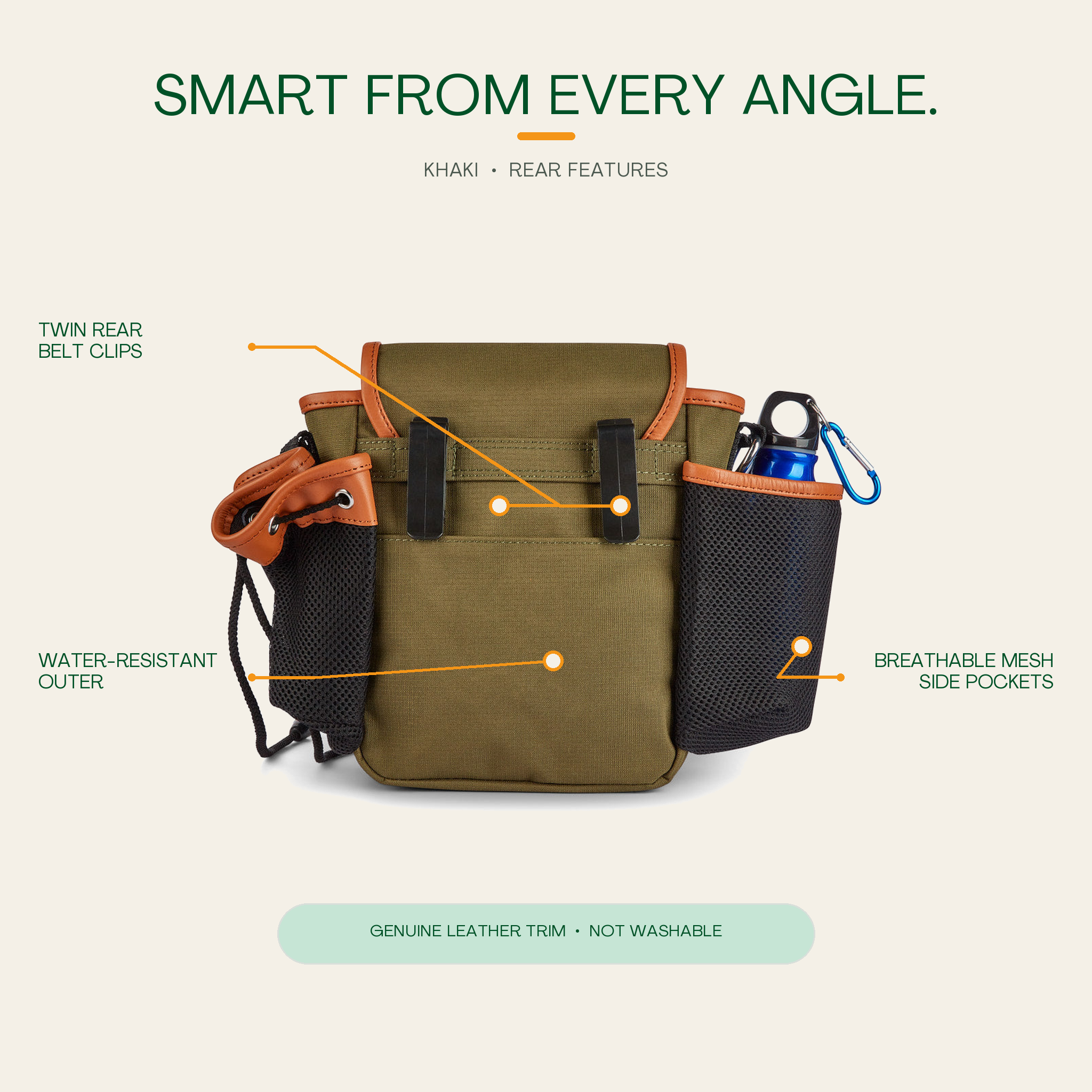
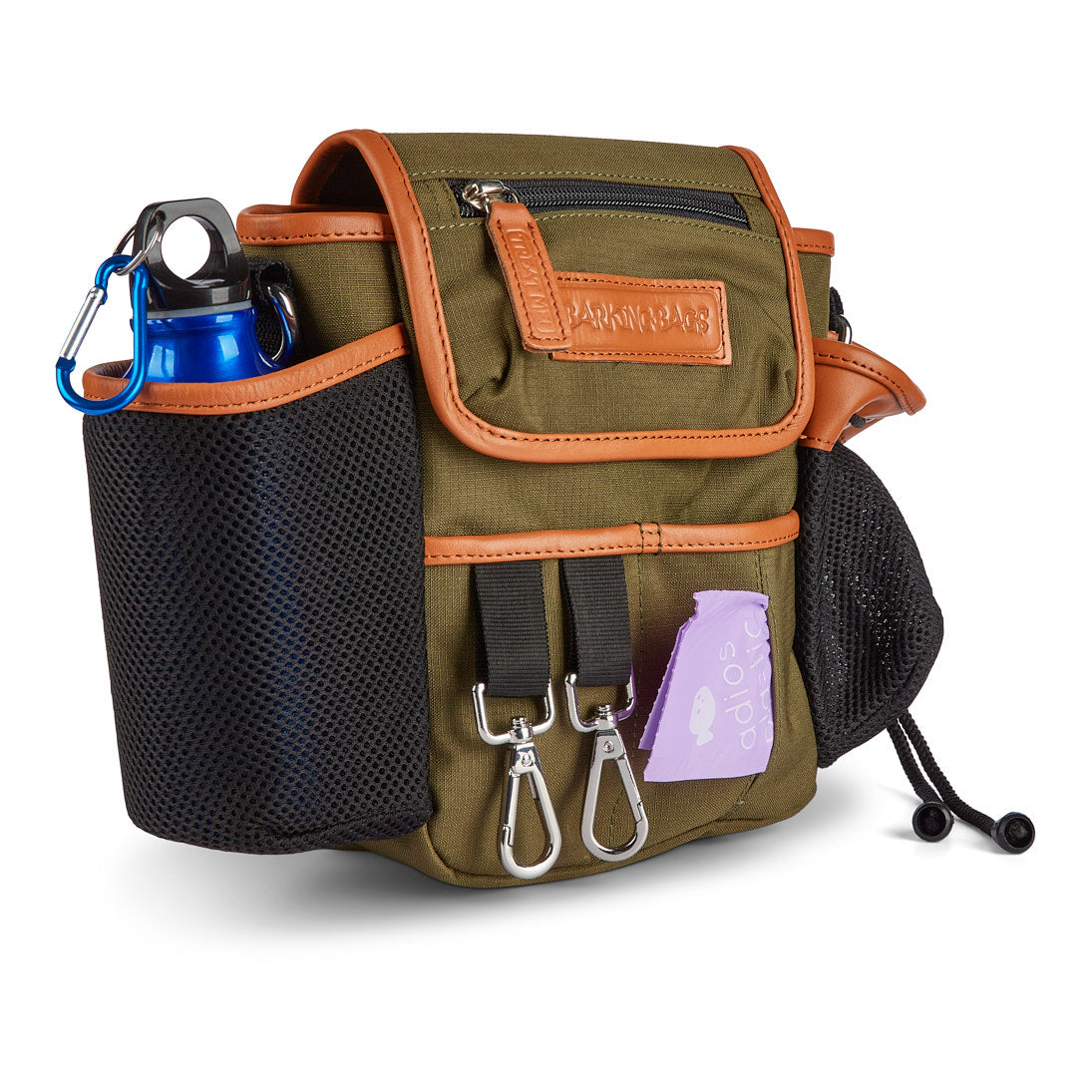
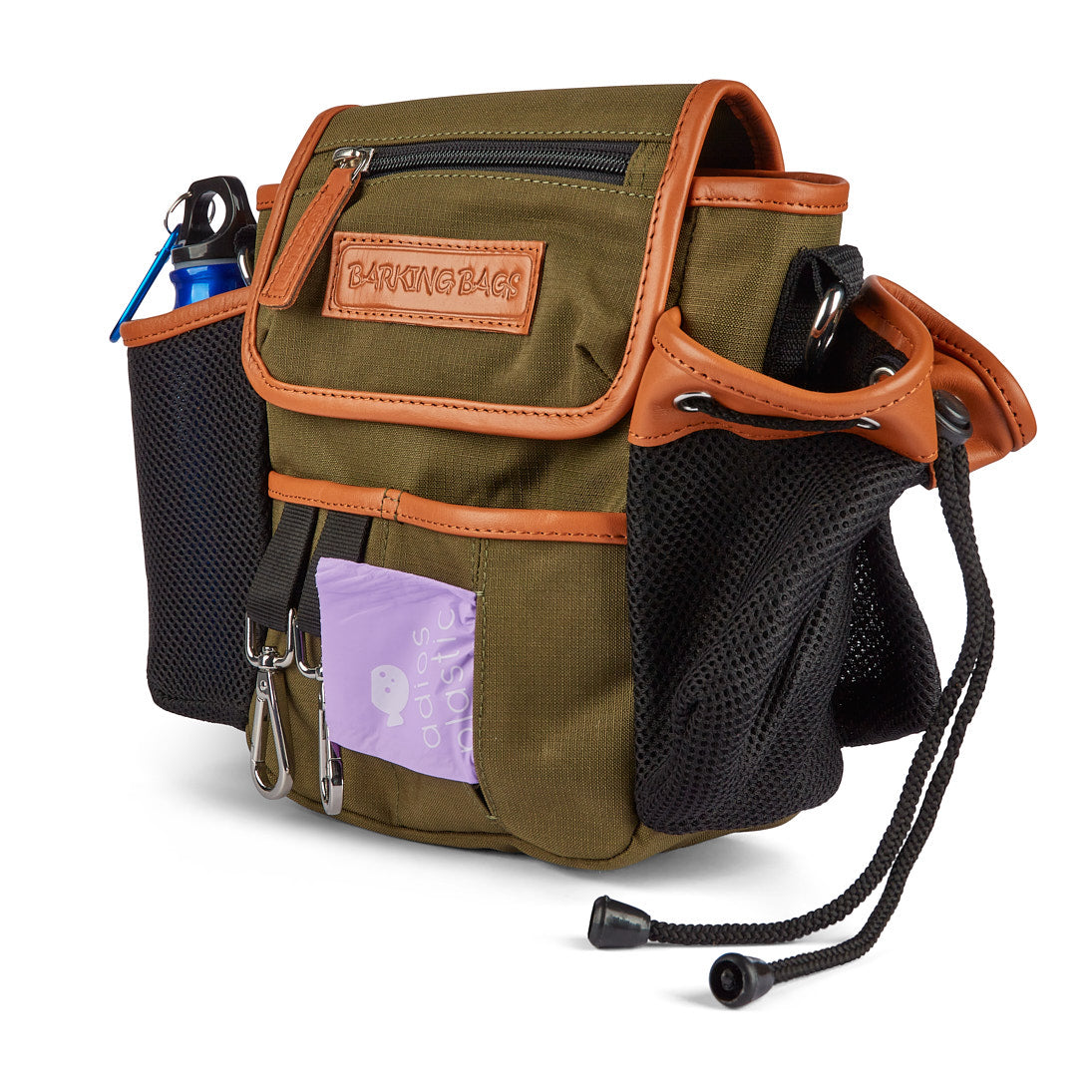
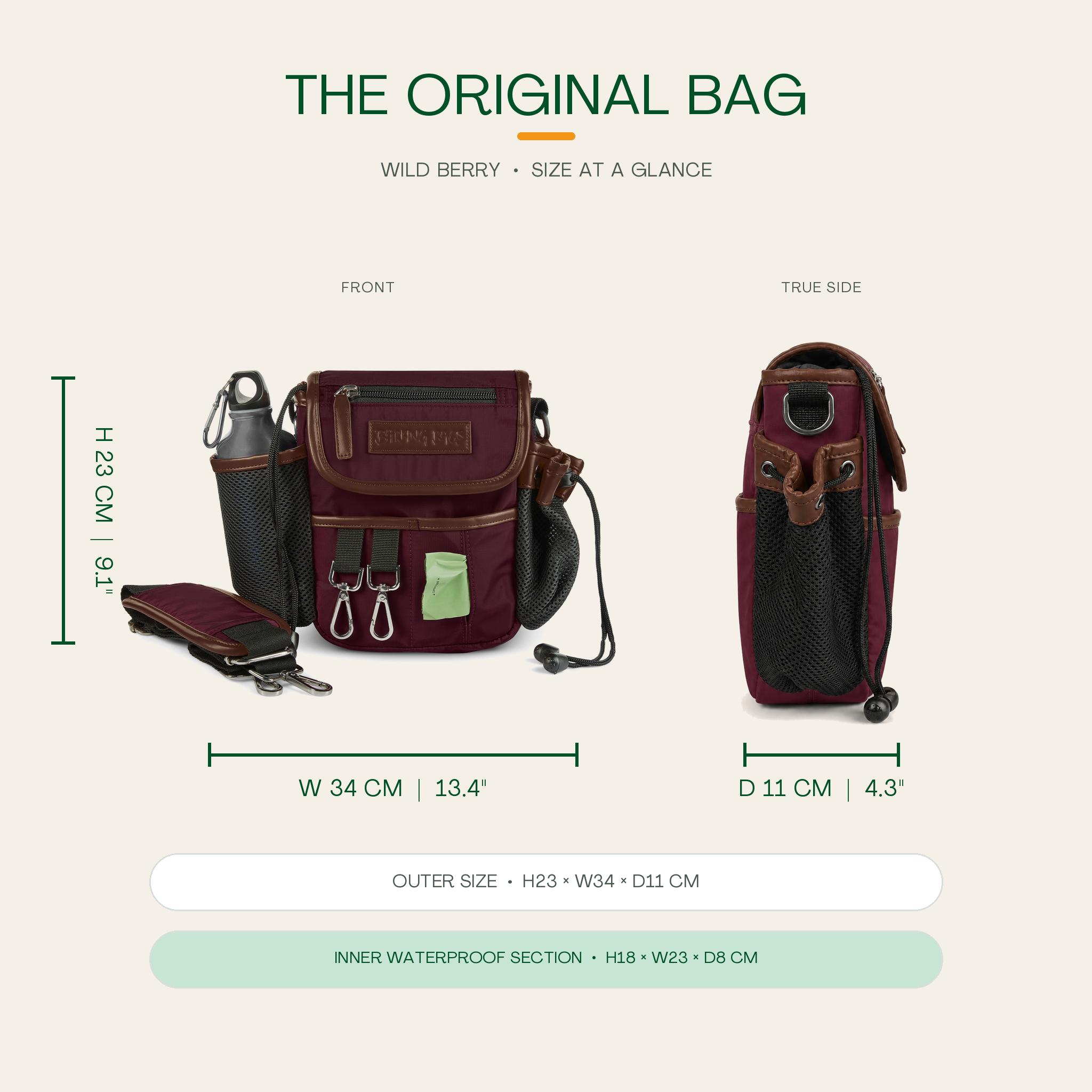
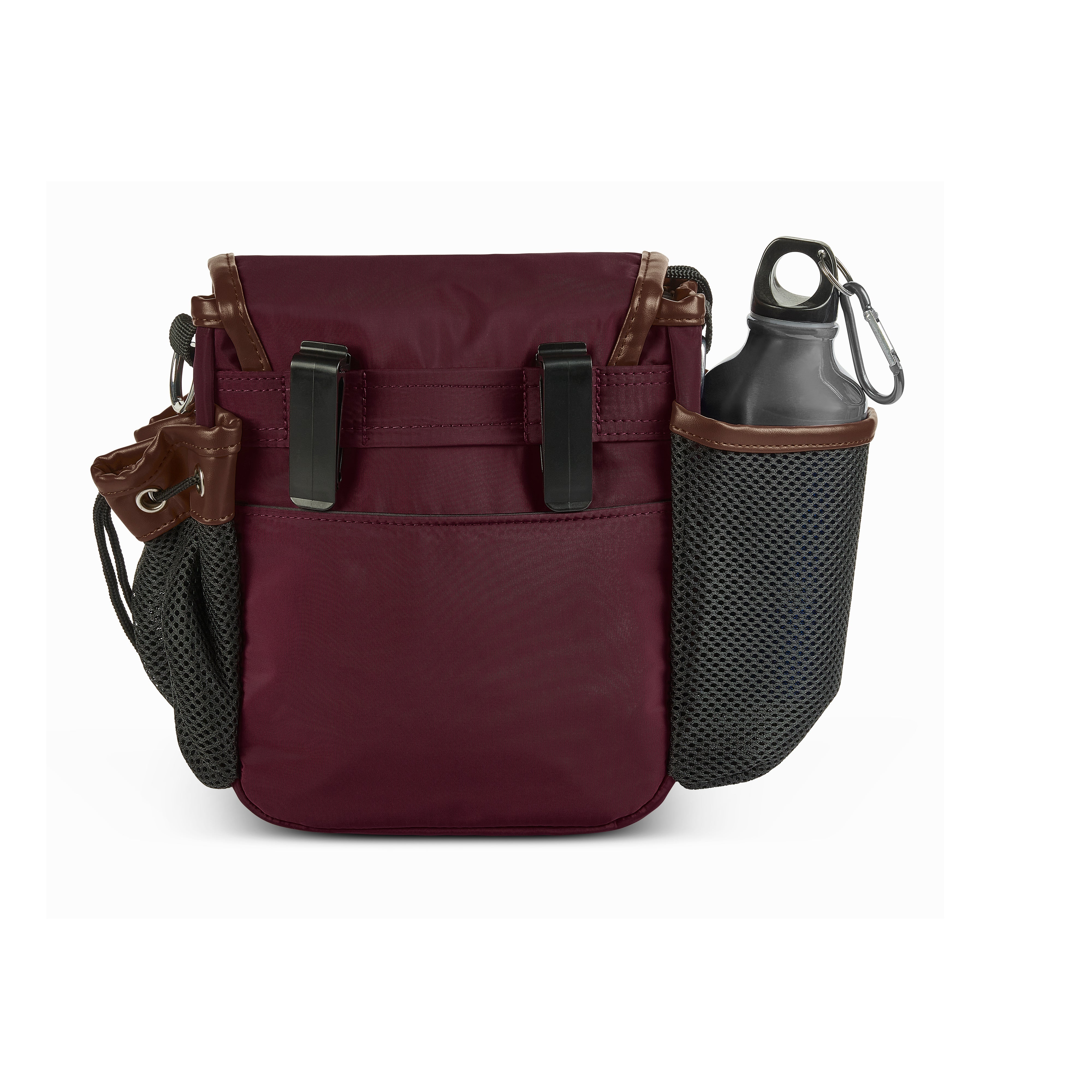
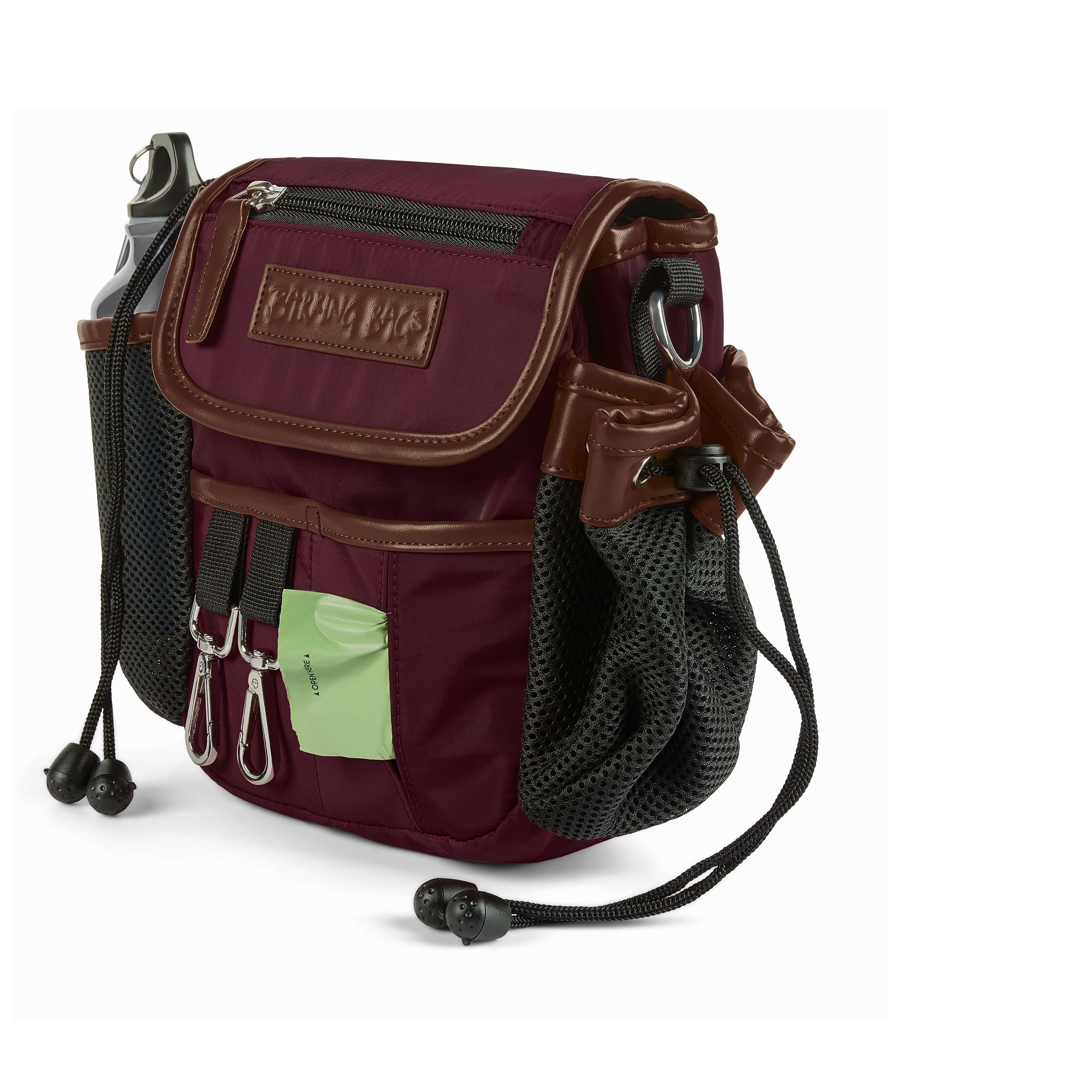
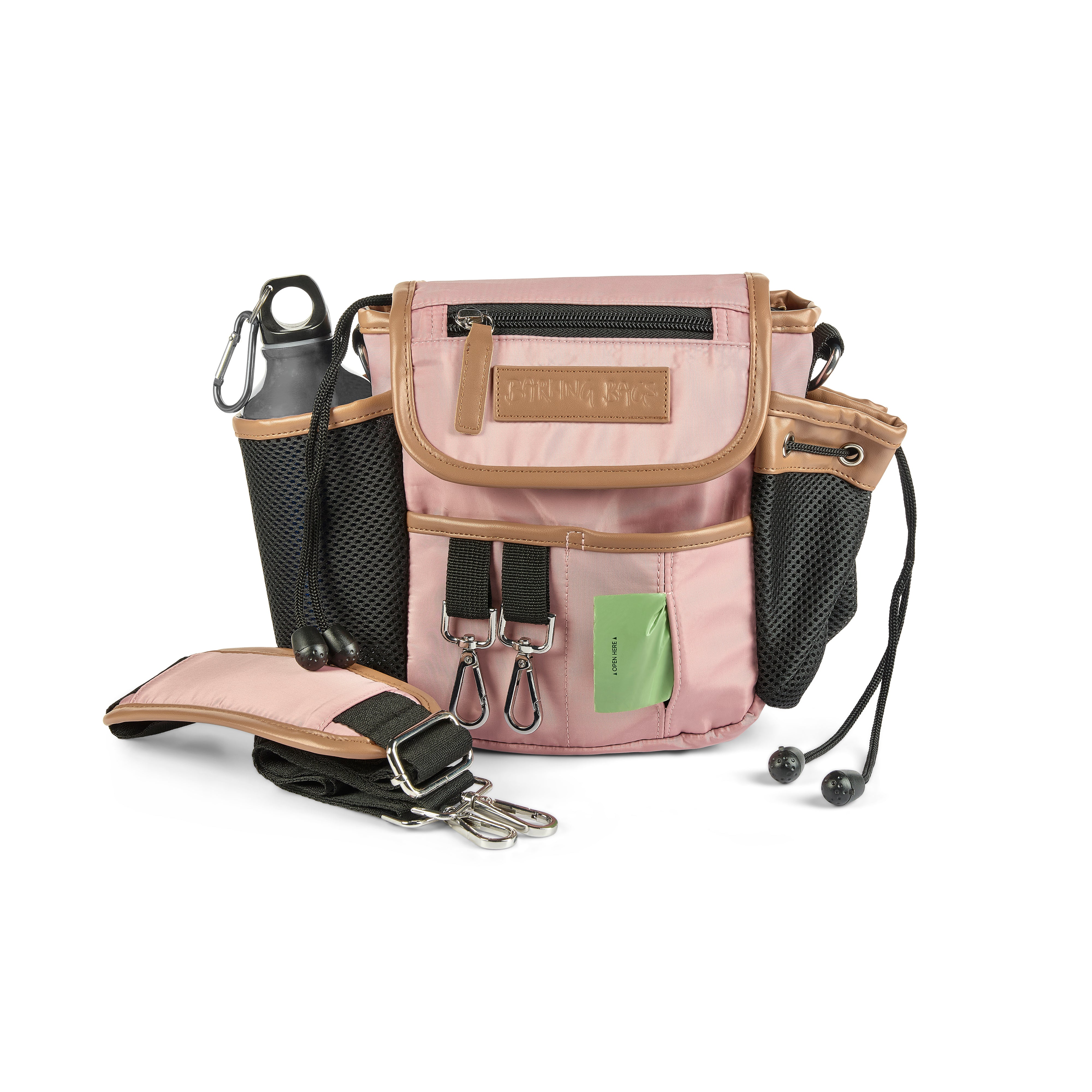
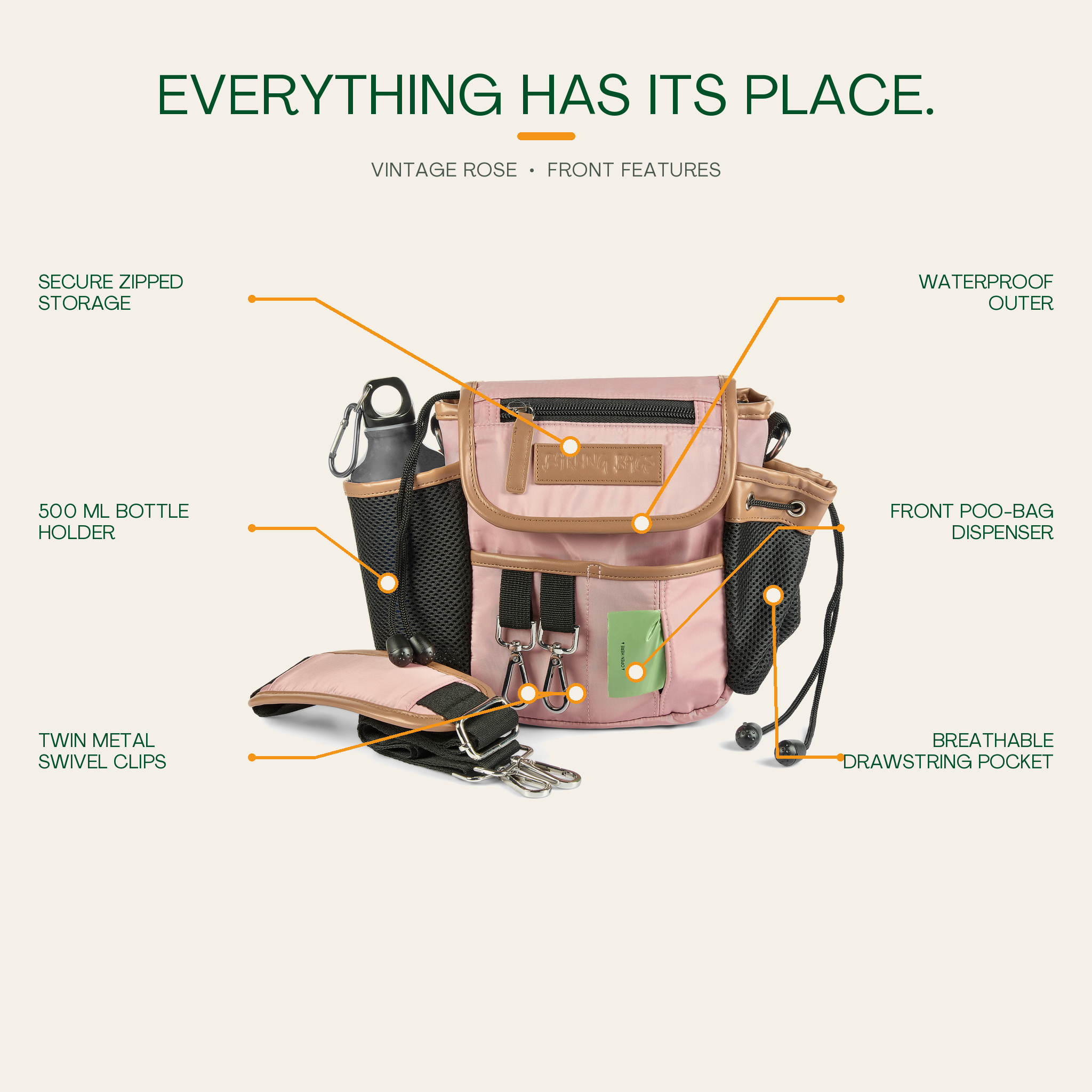
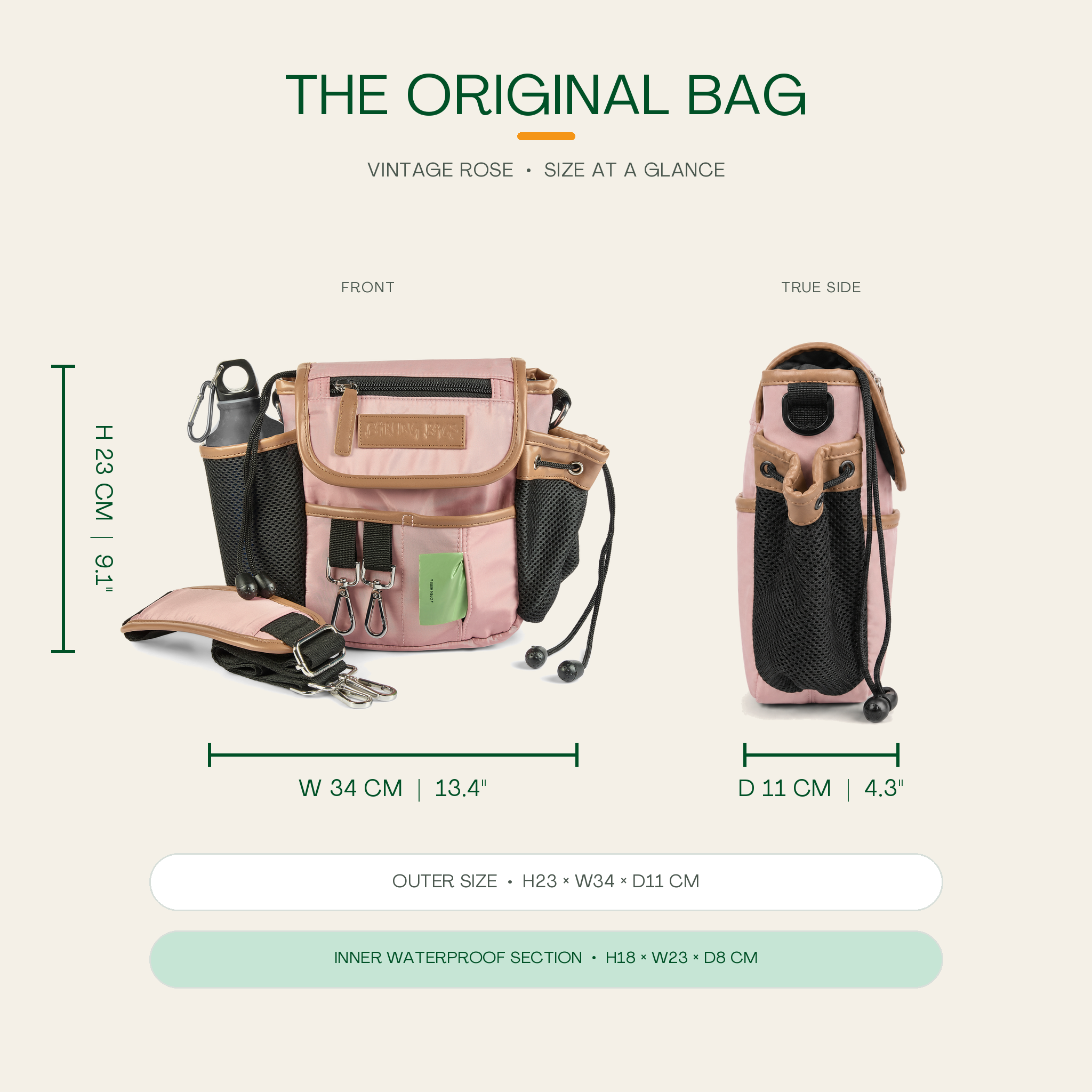
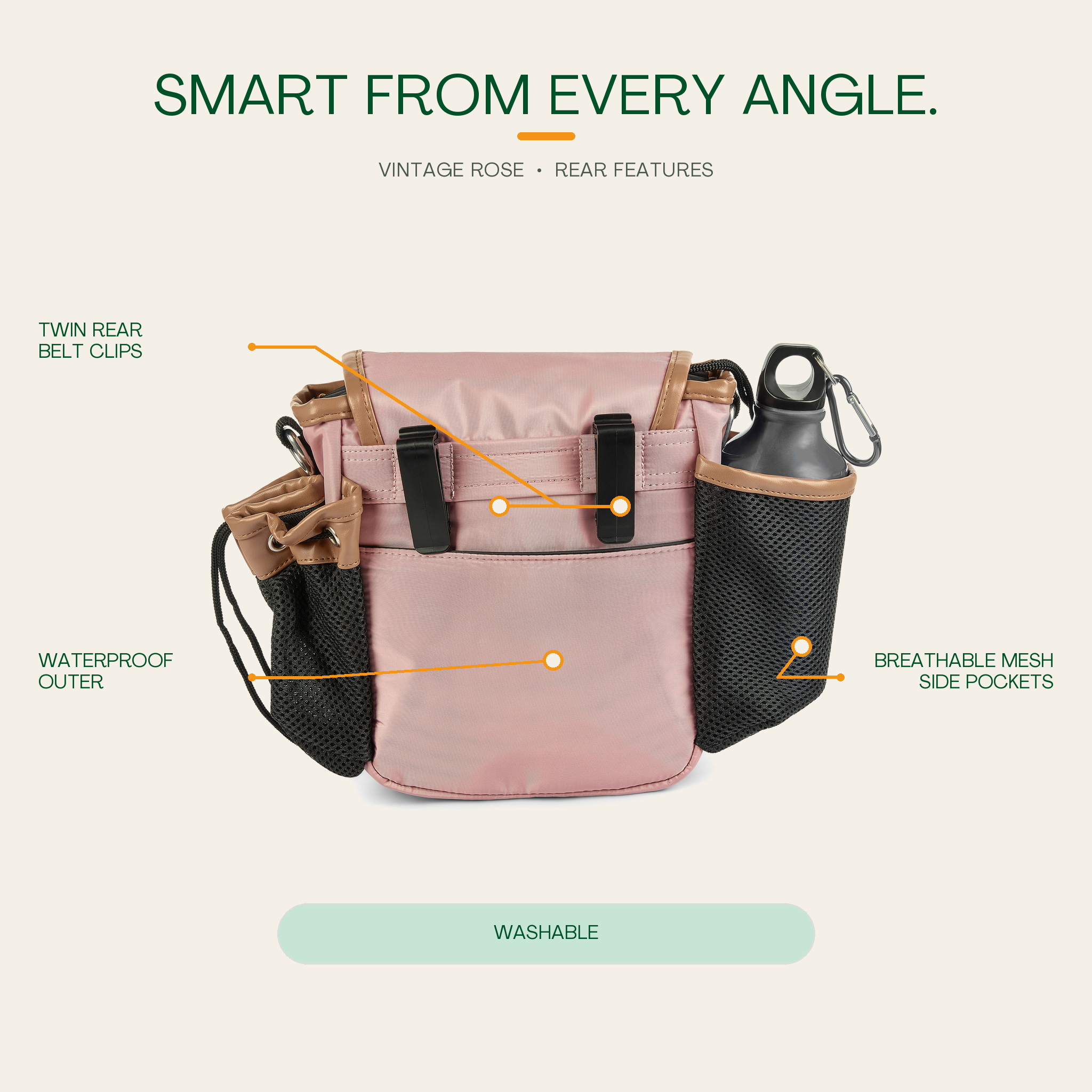
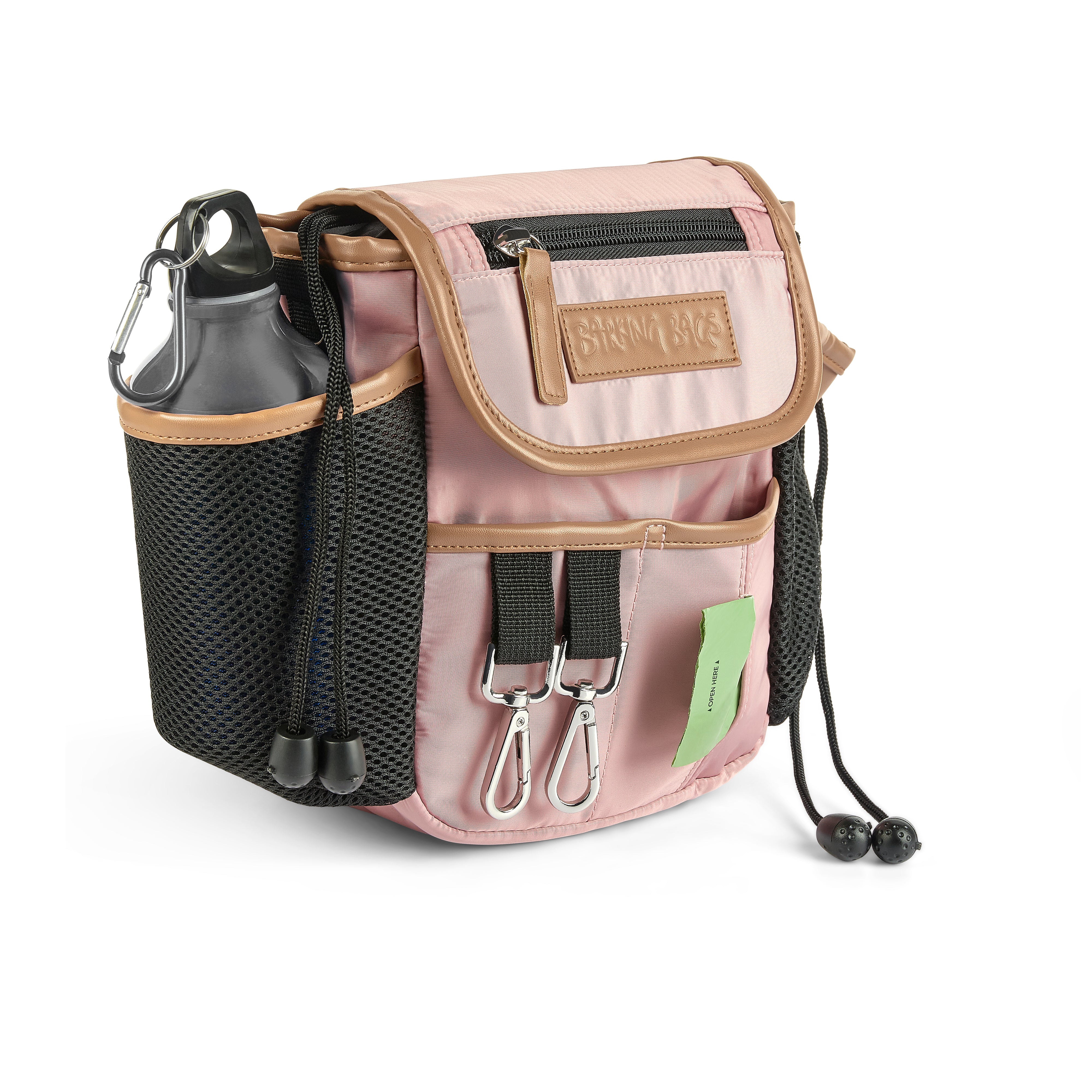
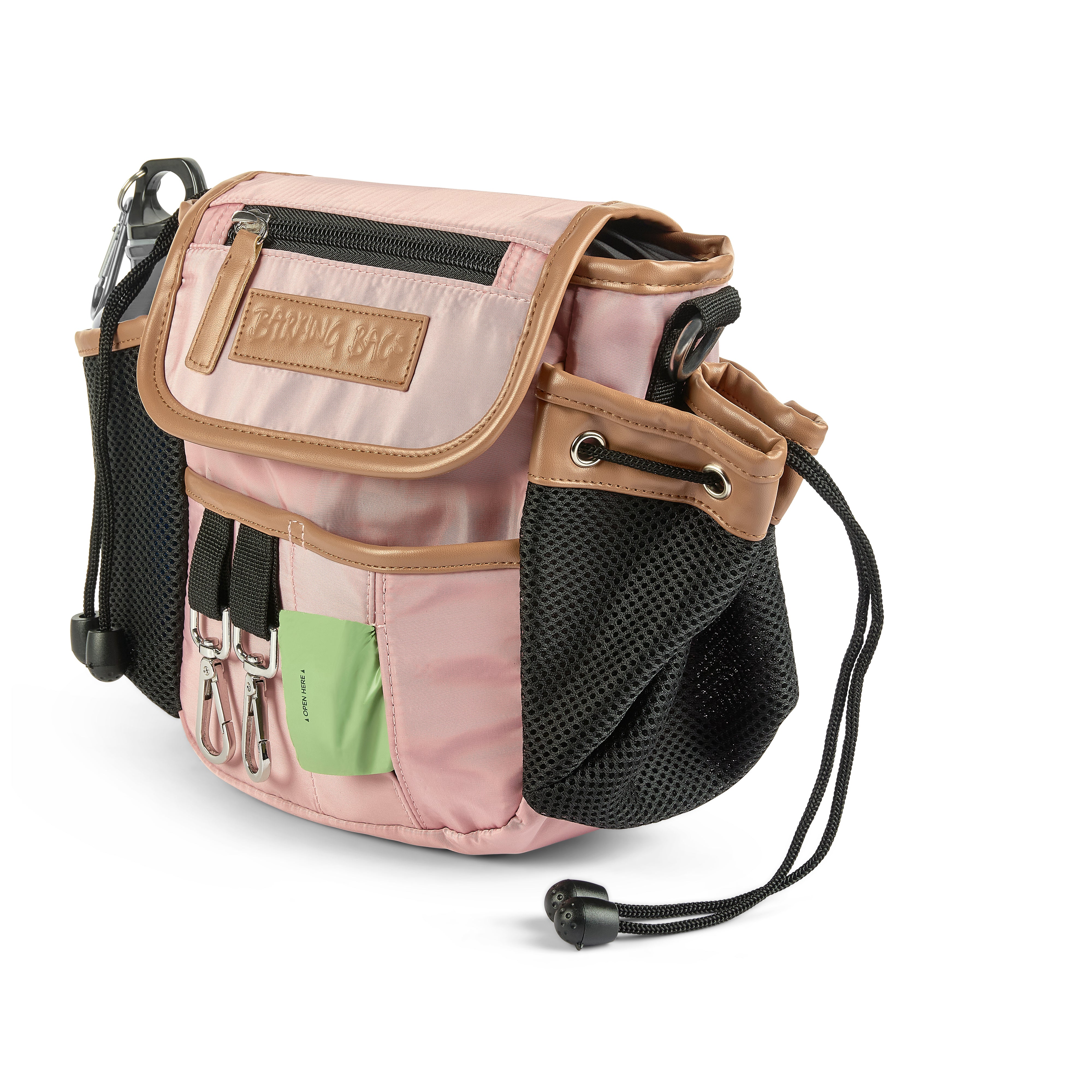
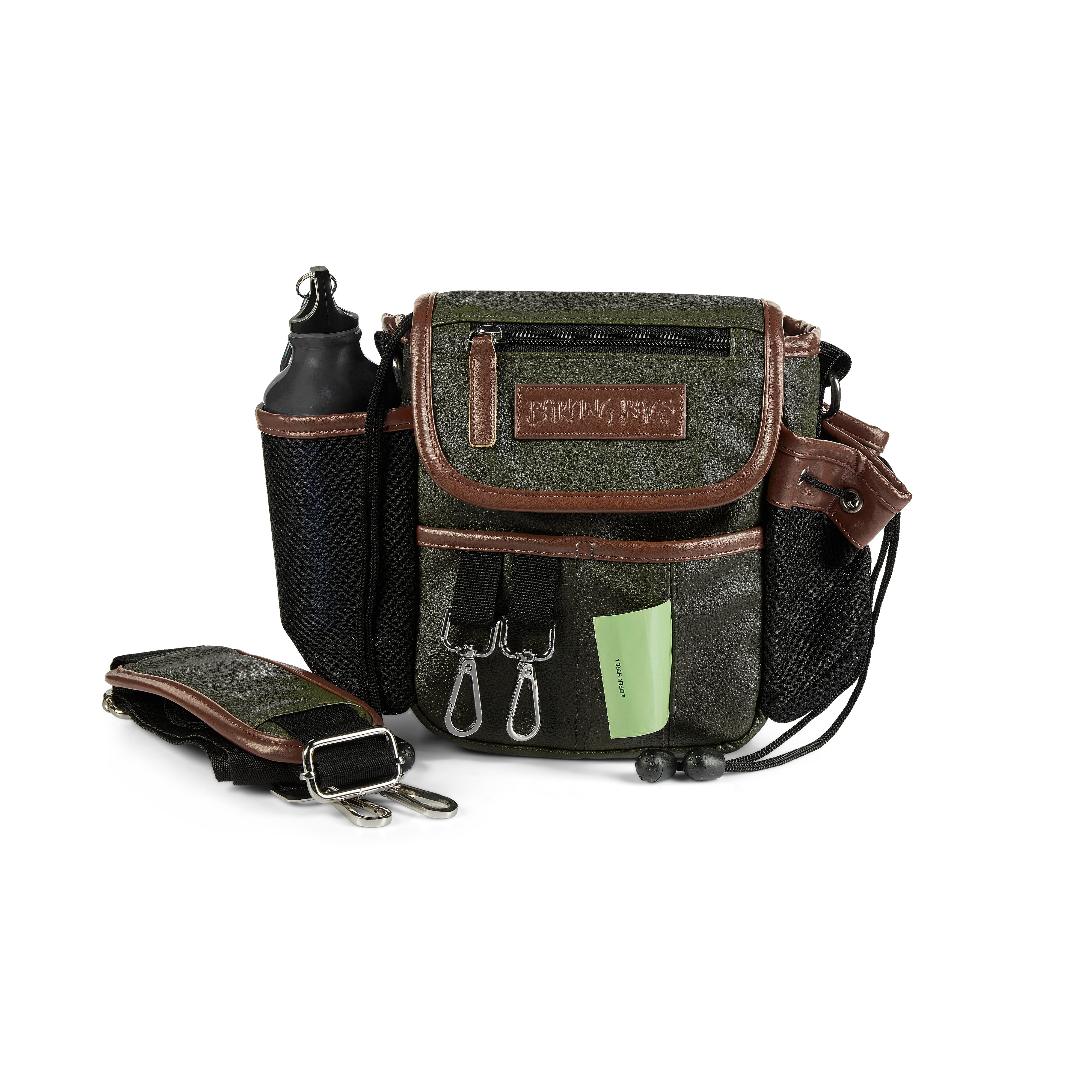
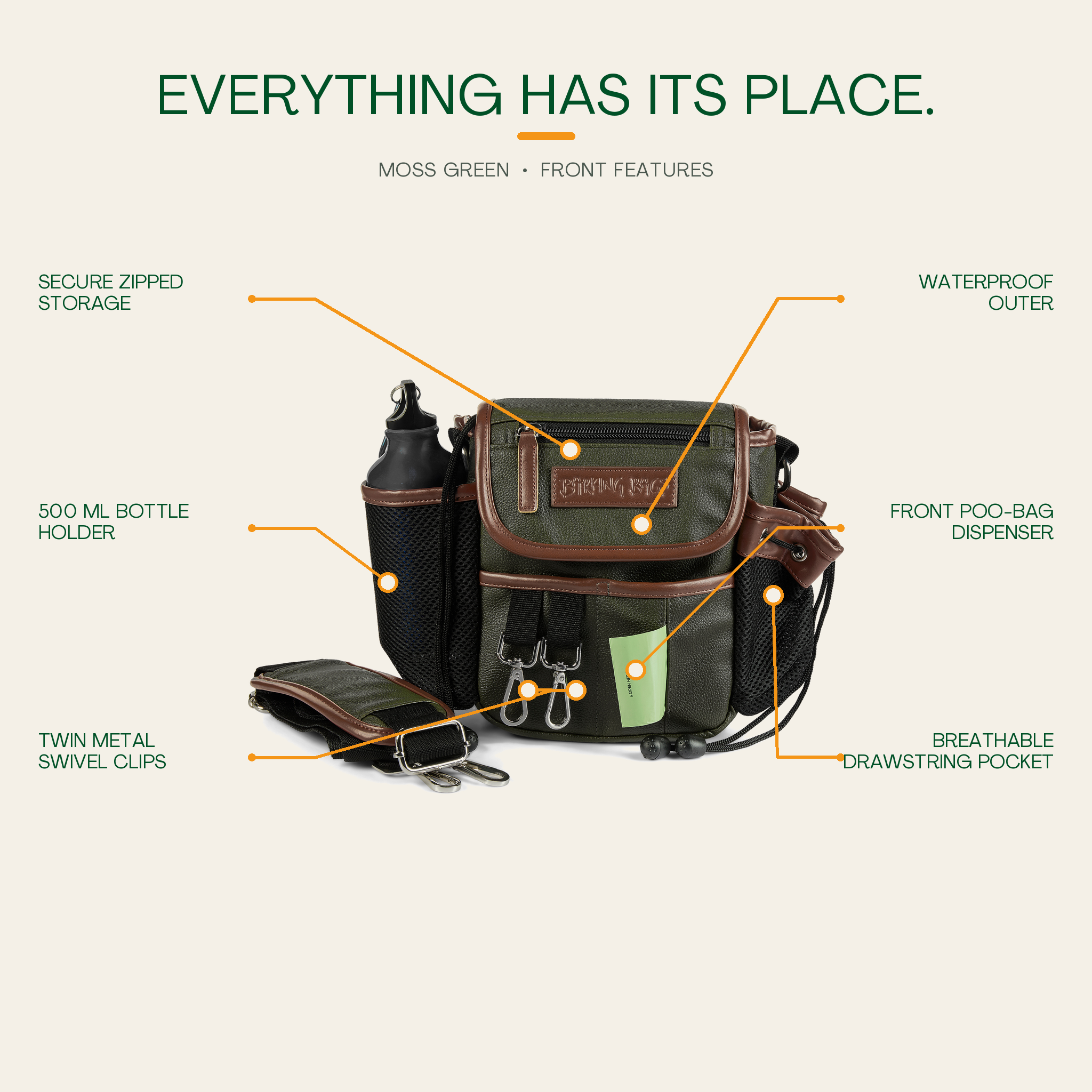
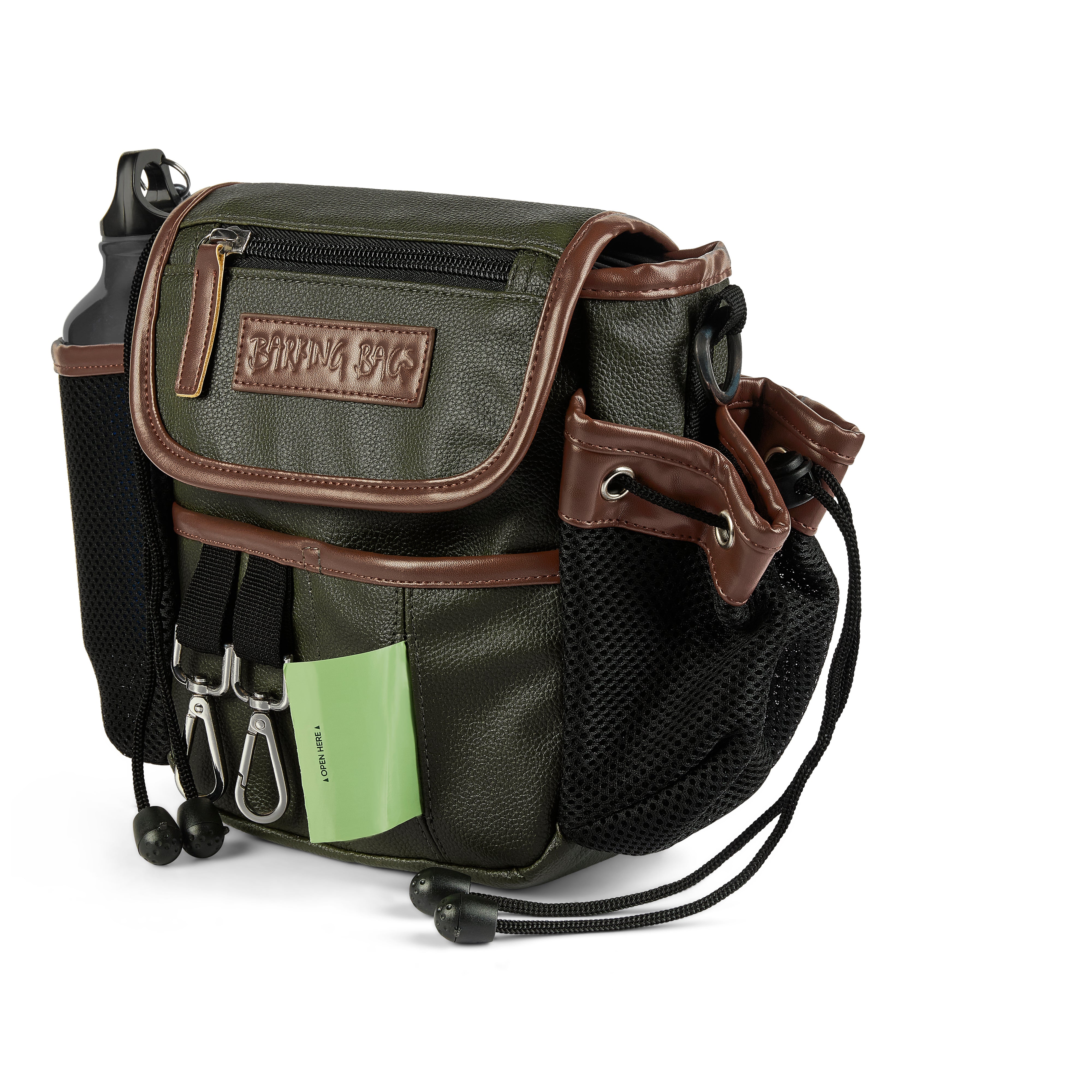
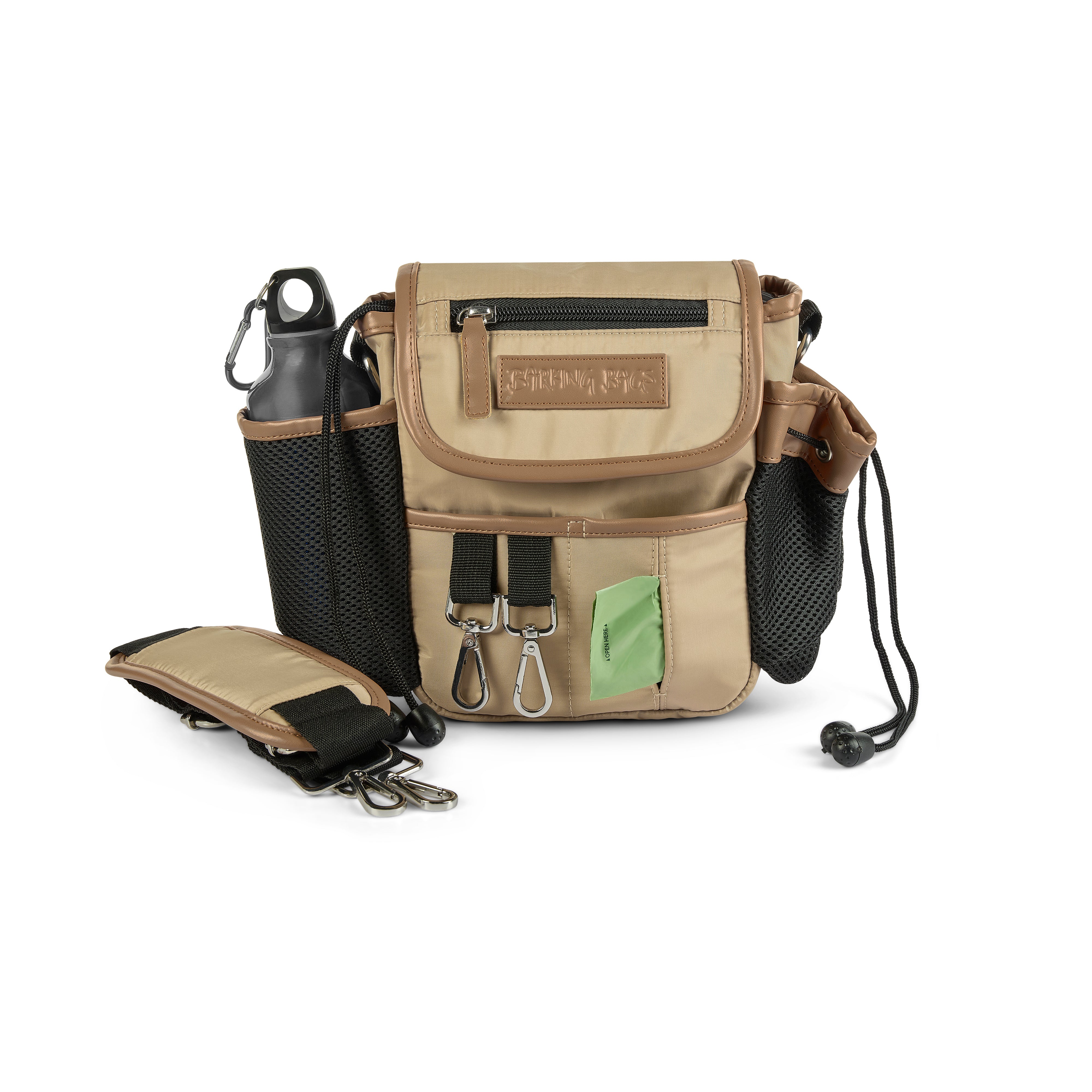
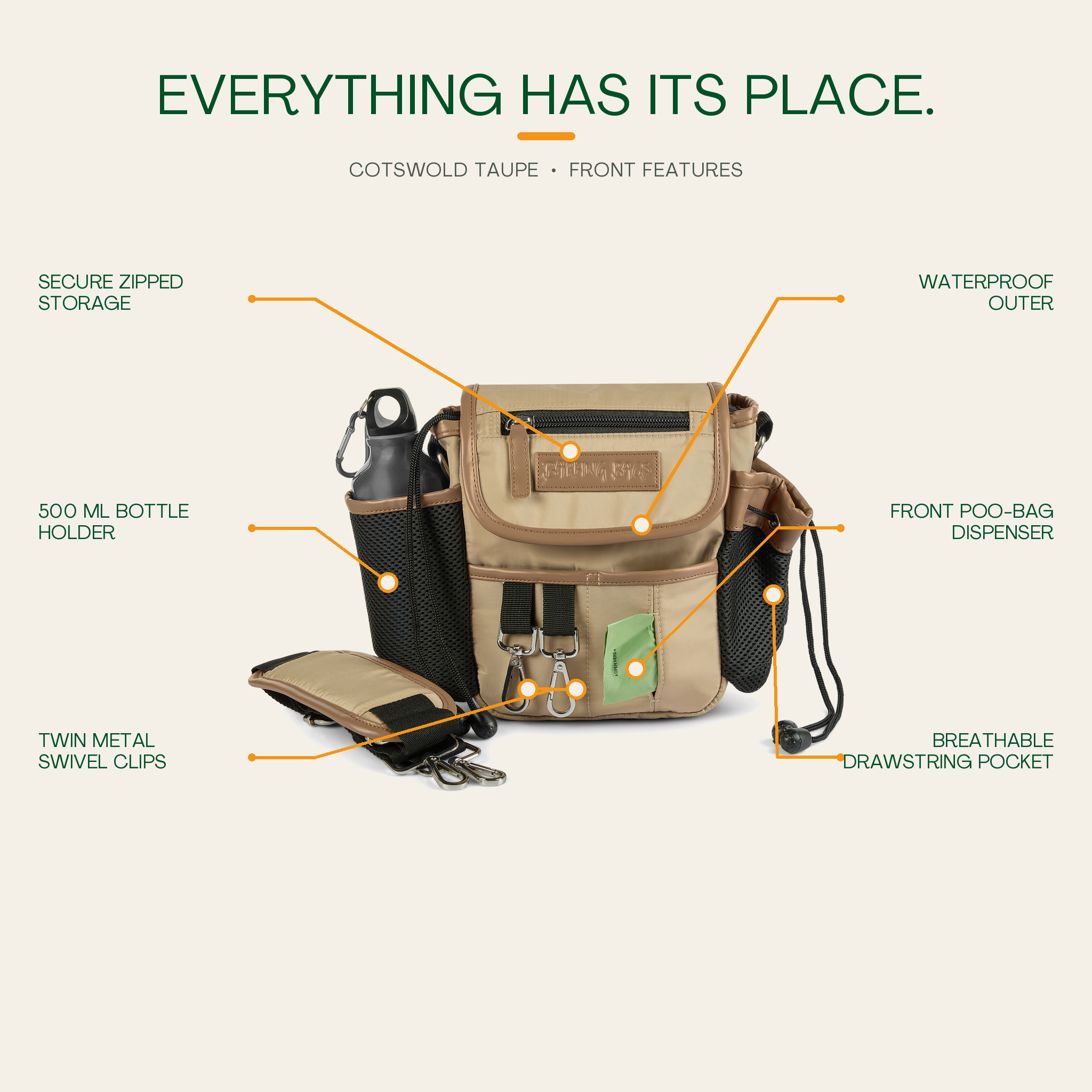
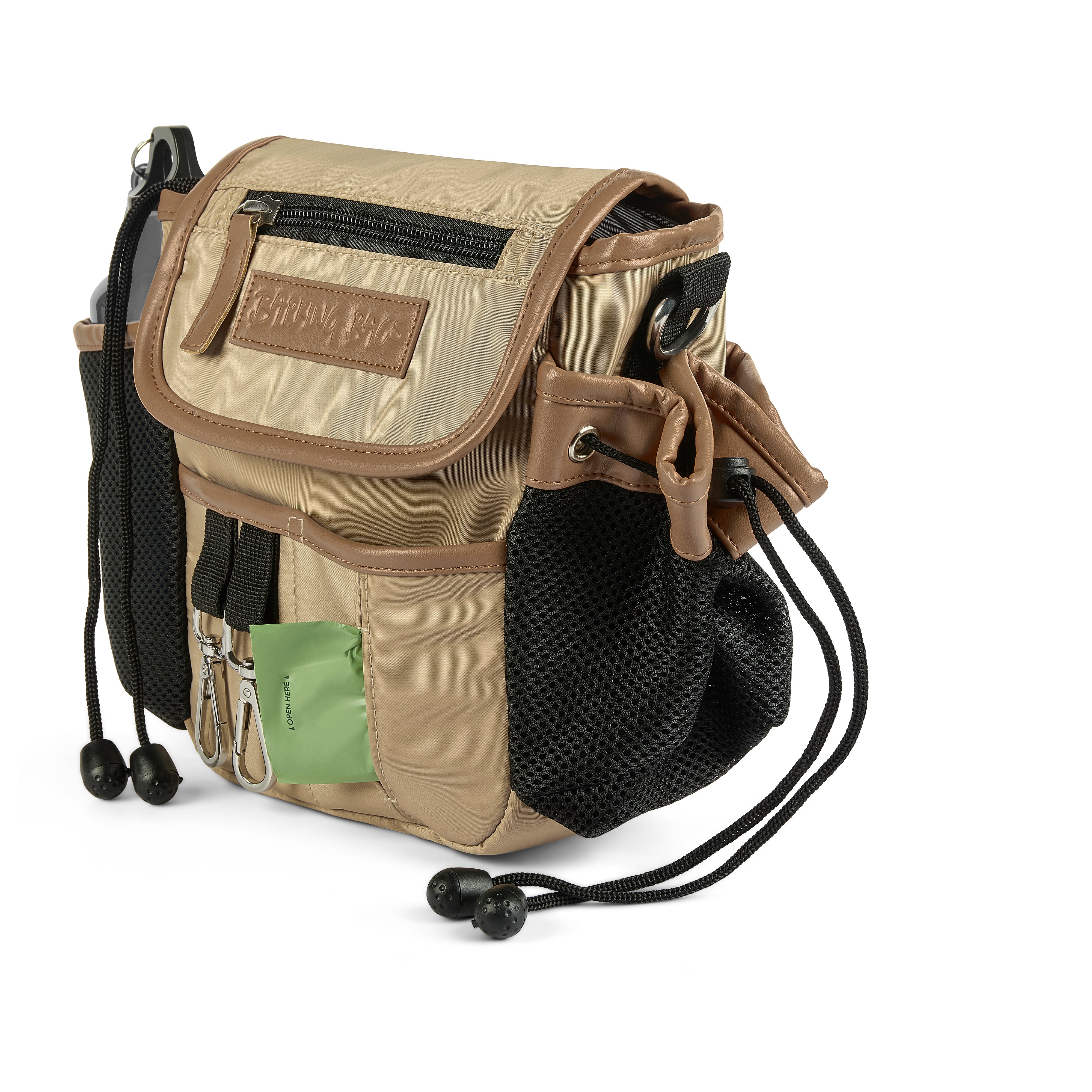
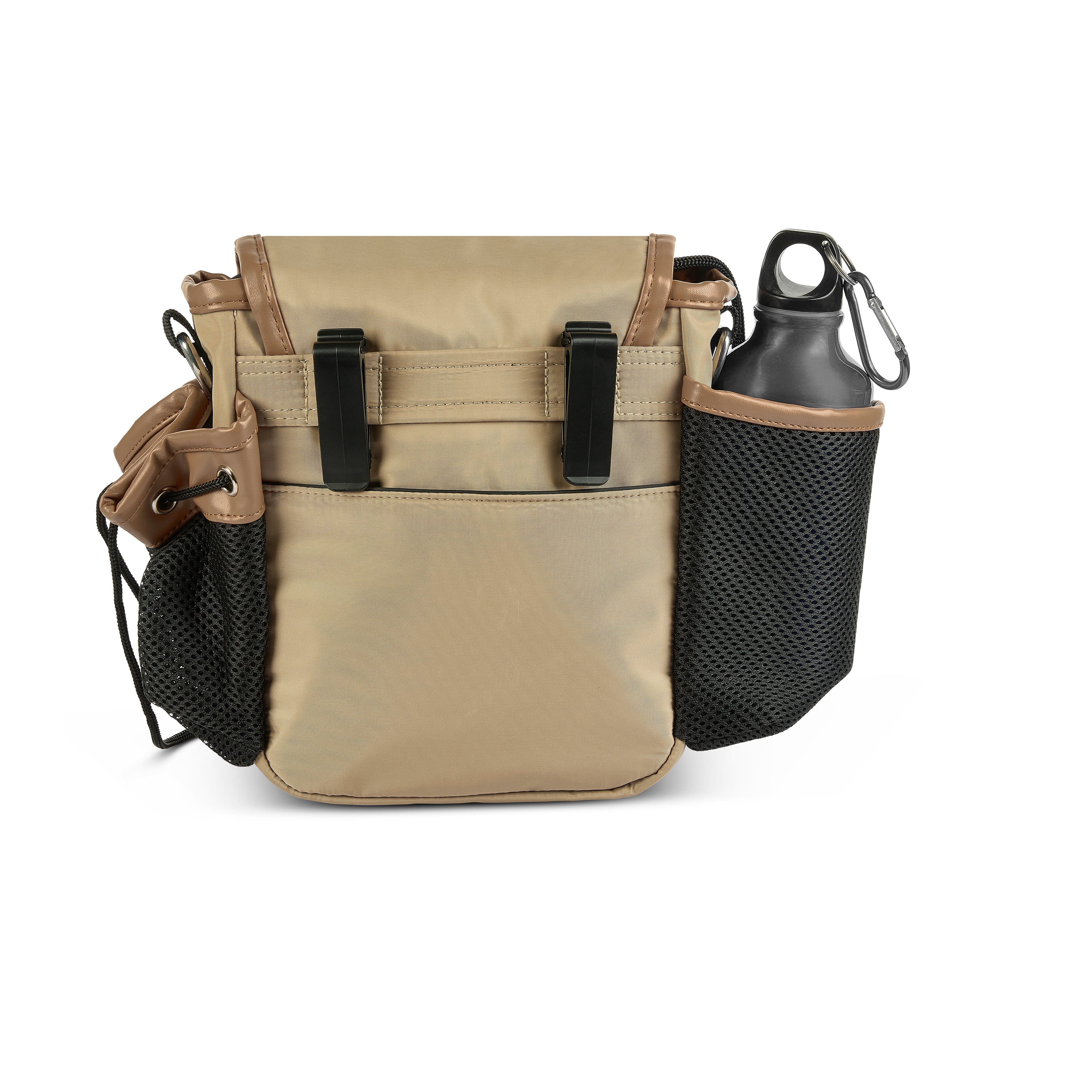
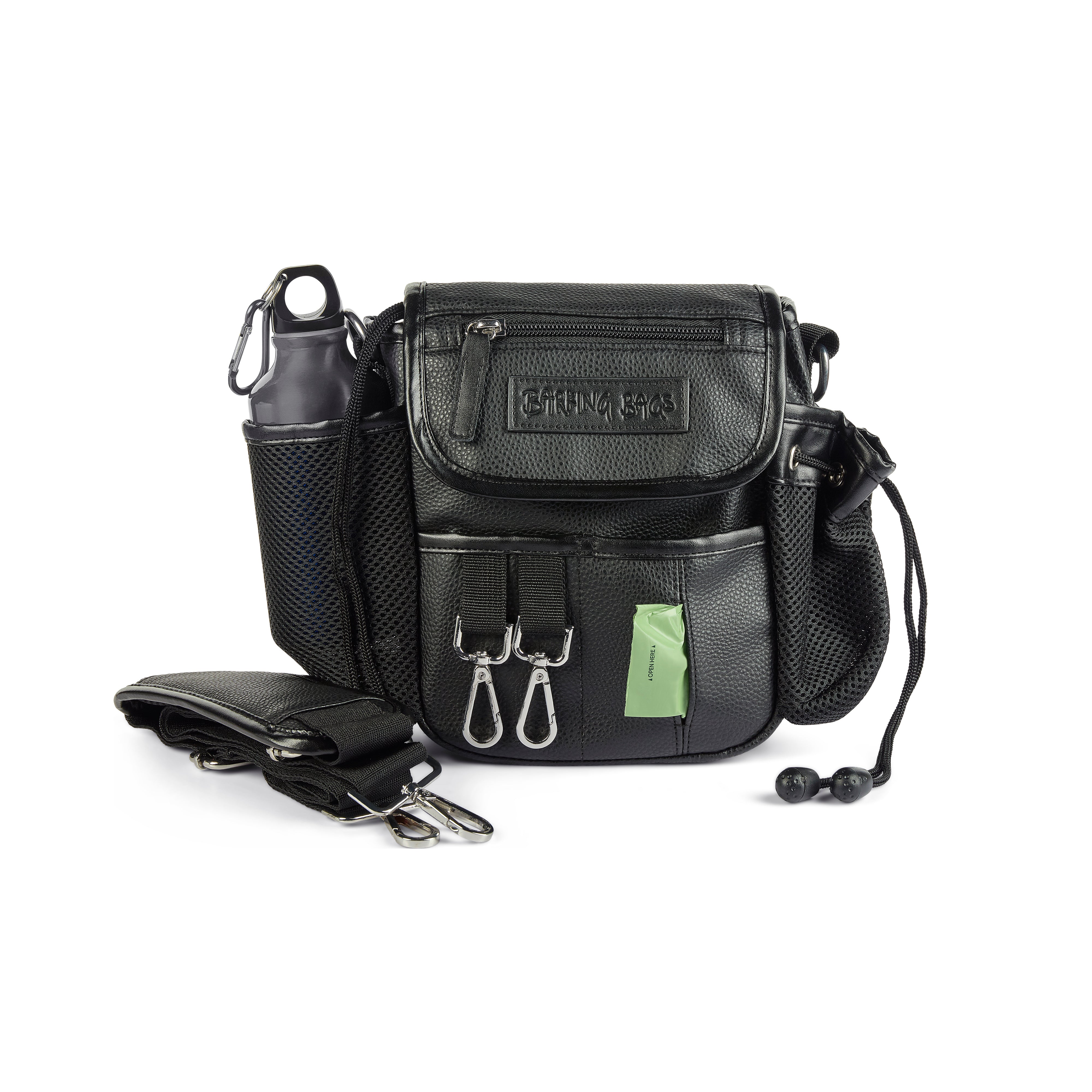
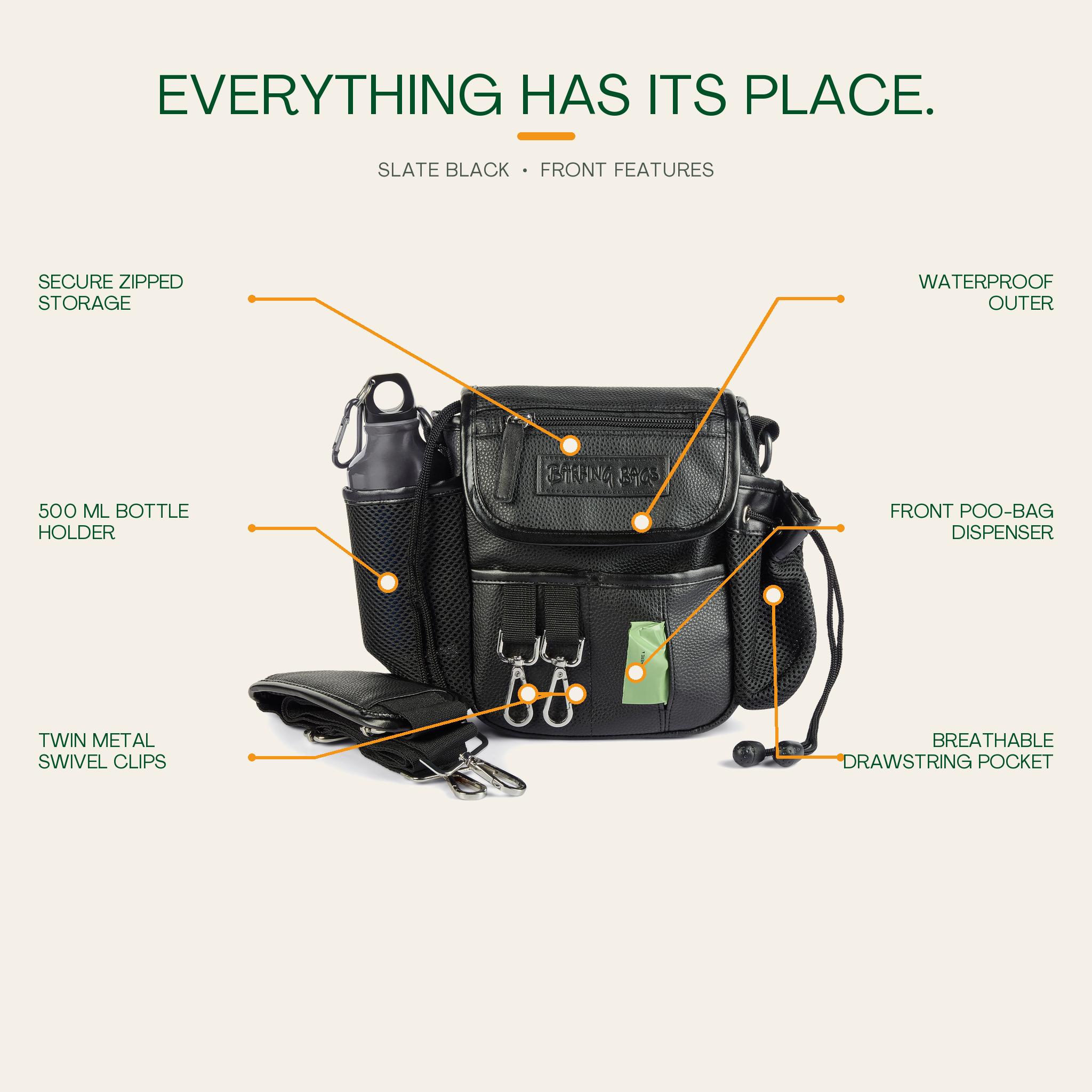
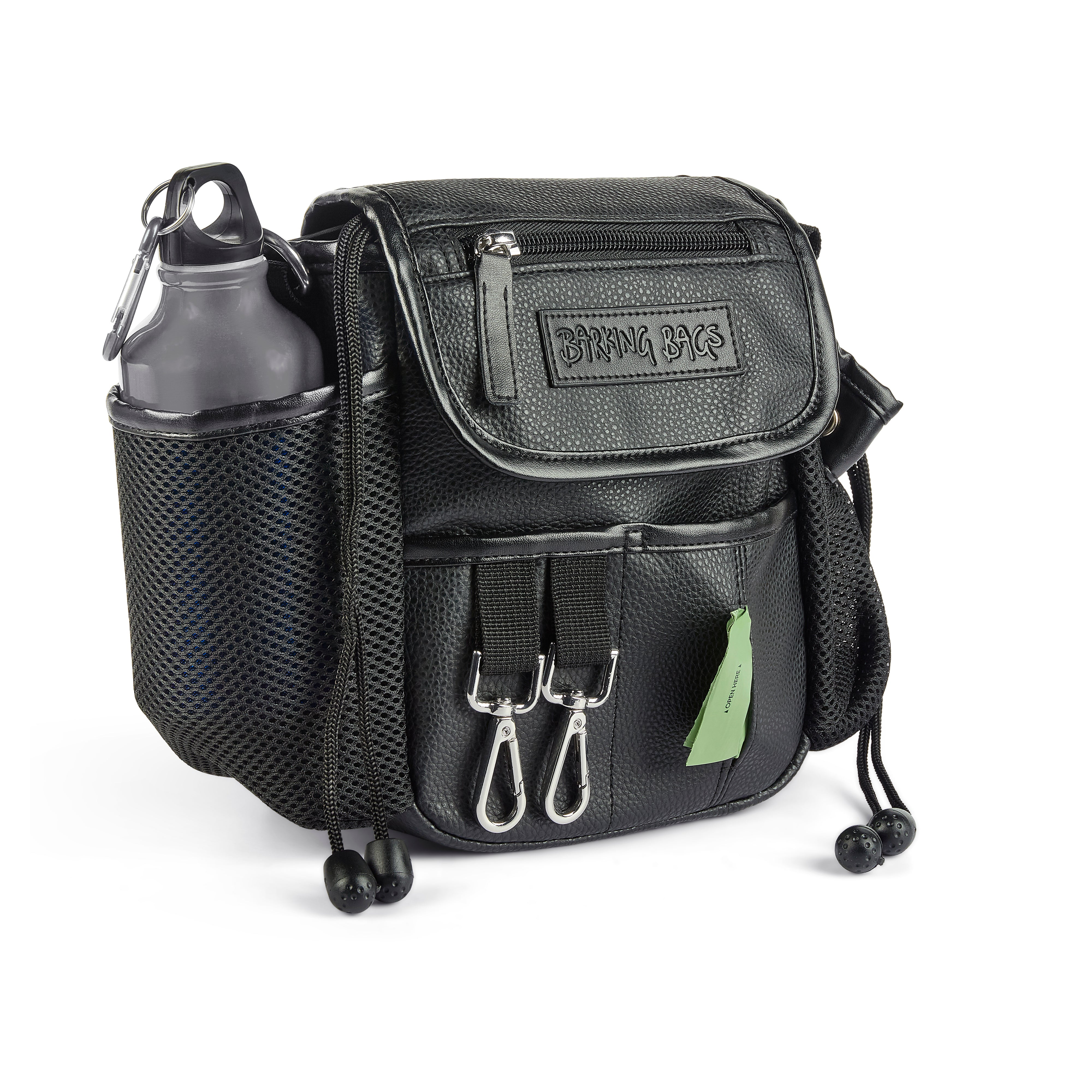
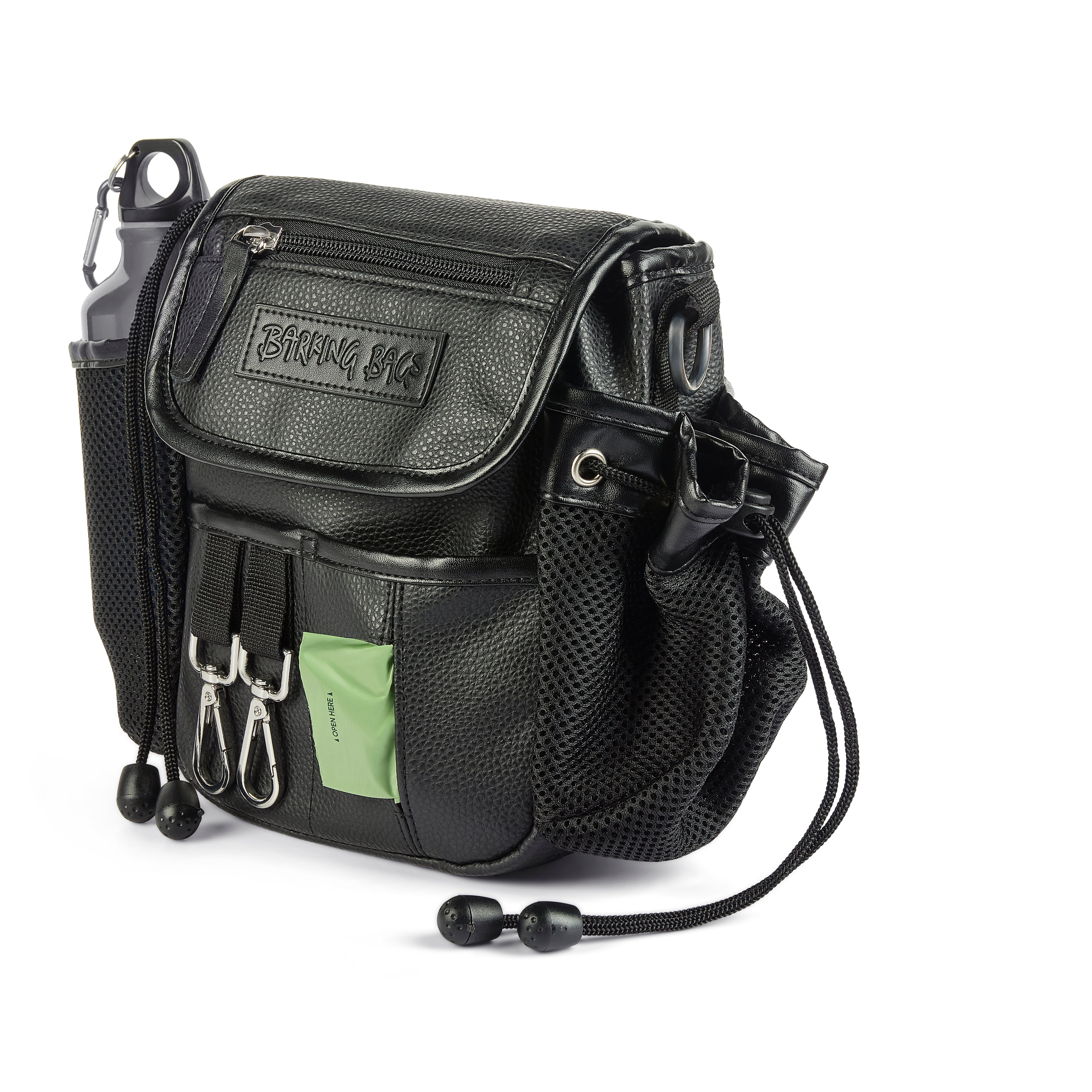
That said, a treat pouch on its own is not always enough. If you are also carrying waste bags, a mobile phone, keys, a ball, a spare lead or your own essentials, you can still end up clipped in from every angle. That is why many regular walkers prefer a purpose-designed dog walking bag with a dedicated treat compartment or room to add one. It gives you one organised system instead of several separate bits to manage.
The best ways to carry treats, depending on your walk
Short neighbourhood walks are usually the least complicated. If your dog is settled, you may only need a small amount of treats for check-ins, road crossings or a bit of reinforcement around distractions. In that case, a compact treat pouch or built-in treat pocket can be enough. The key is choosing something that opens easily and closes securely so treats do not spill when you bend down or pick up after your dog.
For training walks, speed and consistency matter more than minimalism. You want a setup that lets you reward instantly and often. Soft treats are common here because they are quick for dogs to eat, but they can also be messier, so washable linings and separate compartments make a real difference. If you are juggling lead handling and timing at the same time, avoid anything fiddly with stiff zips or awkward closures.
Longer walks need a bit more planning. Once you add water, perhaps a tennis ball, wipes, and your own essentials, treat storage becomes part of a wider carrying system. This is where a dedicated dog walking bag earns its place. Rather than stuffing treats into the nearest spare corner, you can keep everything organised and still get to rewards quickly when you need them.
Professional dog walkers and owners with multiple dogs usually need the most structured setup of all. More dogs means more interruptions, more lead management and more reasons to keep treats exactly where you expect them to be. In that situation, separate compartments are not about being neat for the sake of it. They save time, reduce stress and help you stay consistent during busy walks.
What to look for in a good treat-carrying setup
Easy one-handed access should be top of the list. If you have to stop walking, swap hands or wrestle with a closure every time you reward your dog, it will get irritating quickly. Magnetic closures, wide openings and well-placed pockets tend to work better than anything overly complicated.
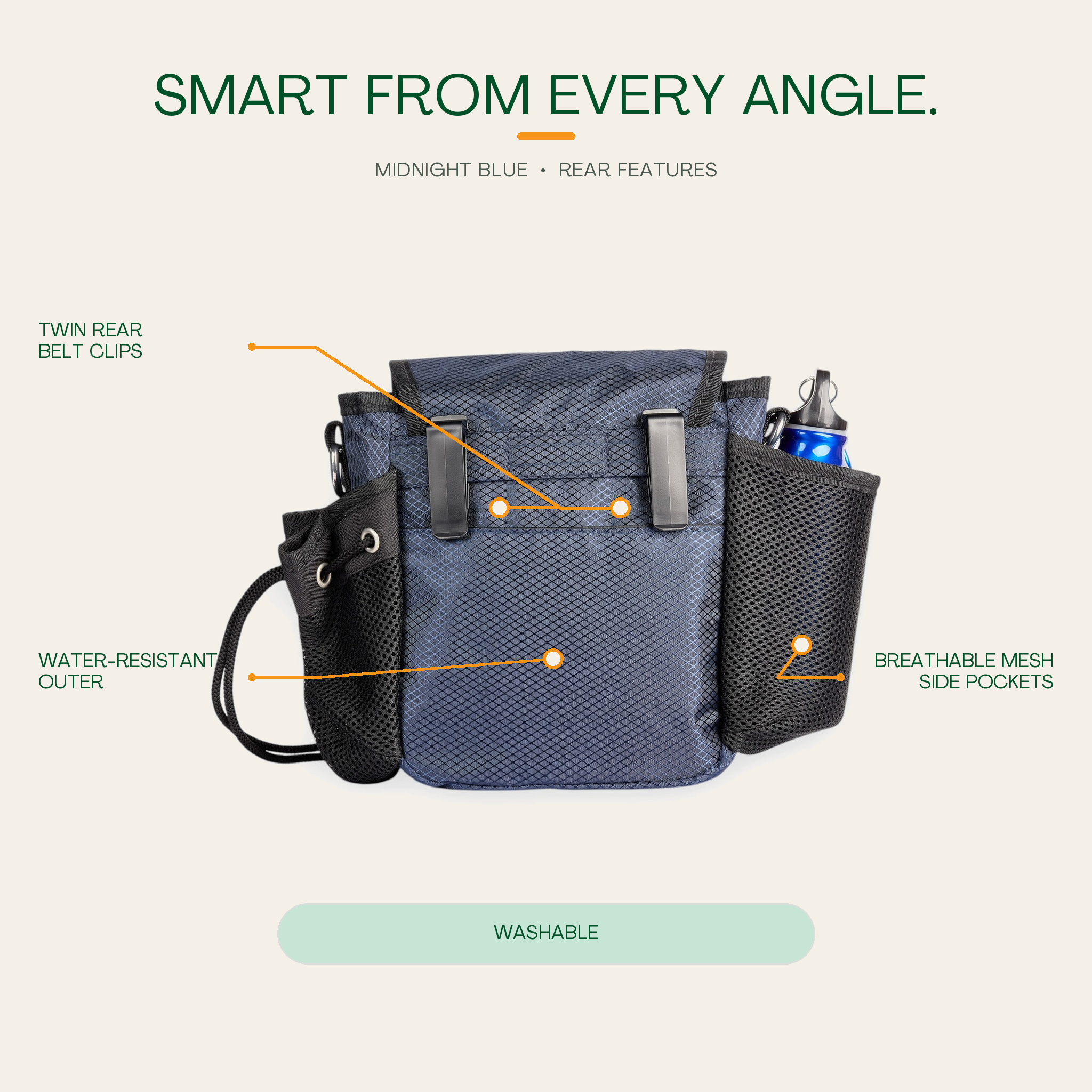
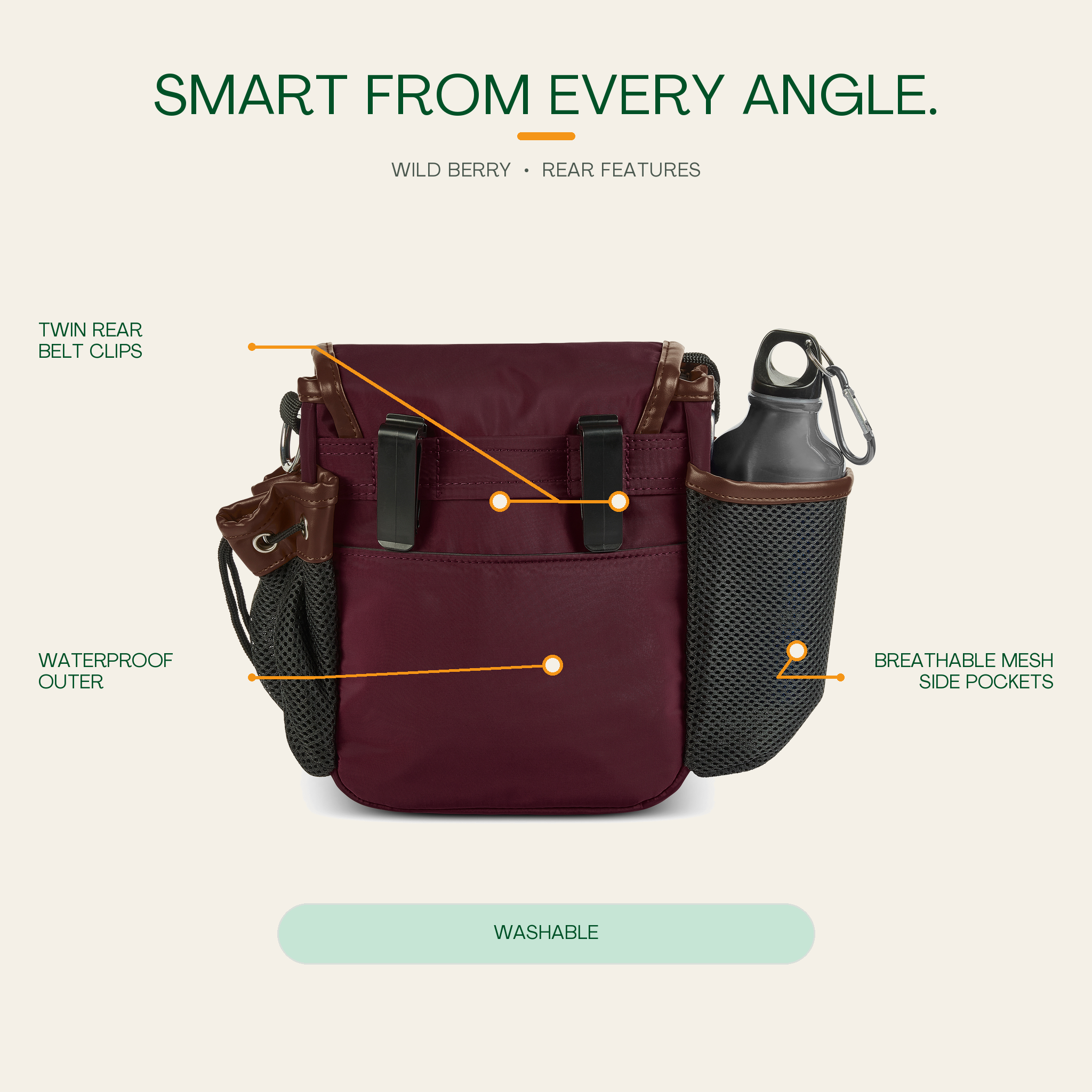
Material matters too. Dry biscuits are forgiving, but cheese cubes, sausage slices and training treats with a higher moisture content can leave residue. A wipe-clean or washable compartment is worth having, particularly if treats are part of your daily routine. Nobody wants yesterday's chicken smell hanging around in a handbag.
Security is the other half of the equation. A treat pouch that is too open may be quick to access, but it is no use if half the contents bounce out as you cross the park. Likewise, if the compartment seals too tightly, it defeats the point. The sweet spot is a design that stays closed while you move but opens quickly when you reach for it.
Comfort should not be overlooked. Dog walks are rarely just a straight line from A to B. You are bending, turning, crouching, clipping leads on and off, and sometimes getting dragged towards a squirrel. If your treat setup swings around, digs in, or sits awkwardly over a coat, you will notice.
Common ways people carry treats - and the trade-offs
Using your coat pocket is convenient, but it is the messiest option over time. It also gives treats no protection from rain, lint or whatever else is already in there. Fine in a pinch, less great as a habit.
A clip-on treat pouch is practical and popular for focused training. It keeps rewards close and separate, and many owners like that it can be moved between outfits. The trade-off is that you may still need another bag for everything else.
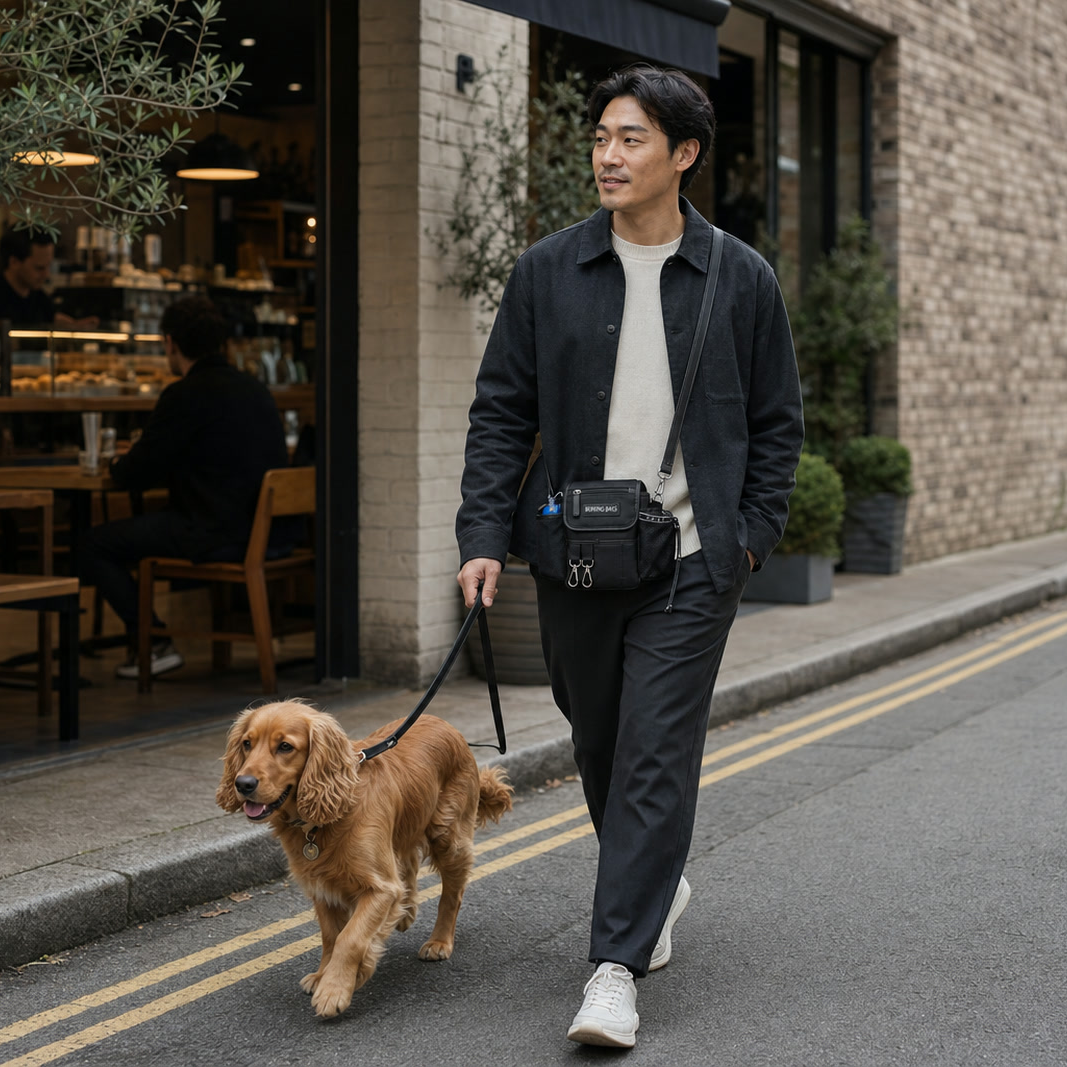
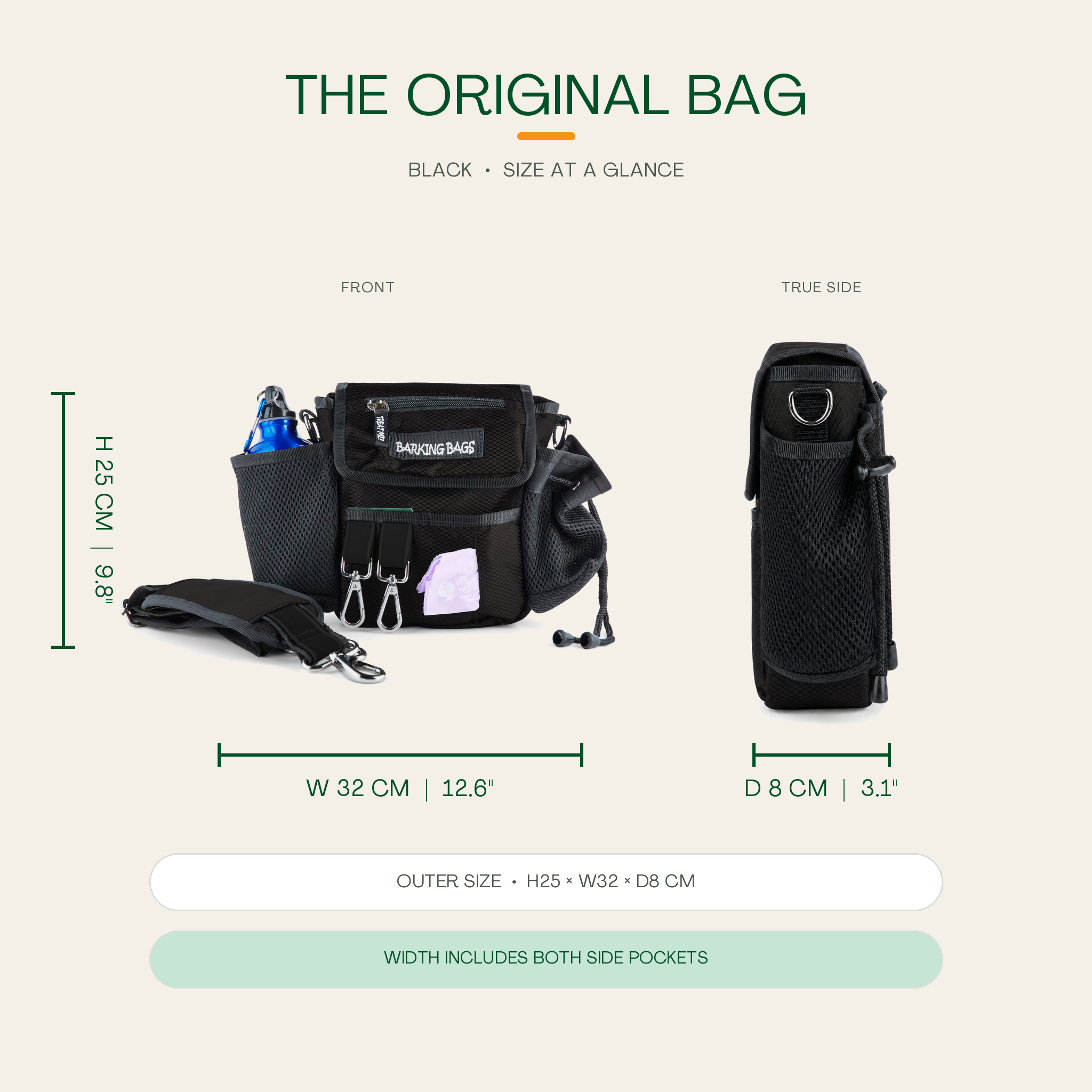
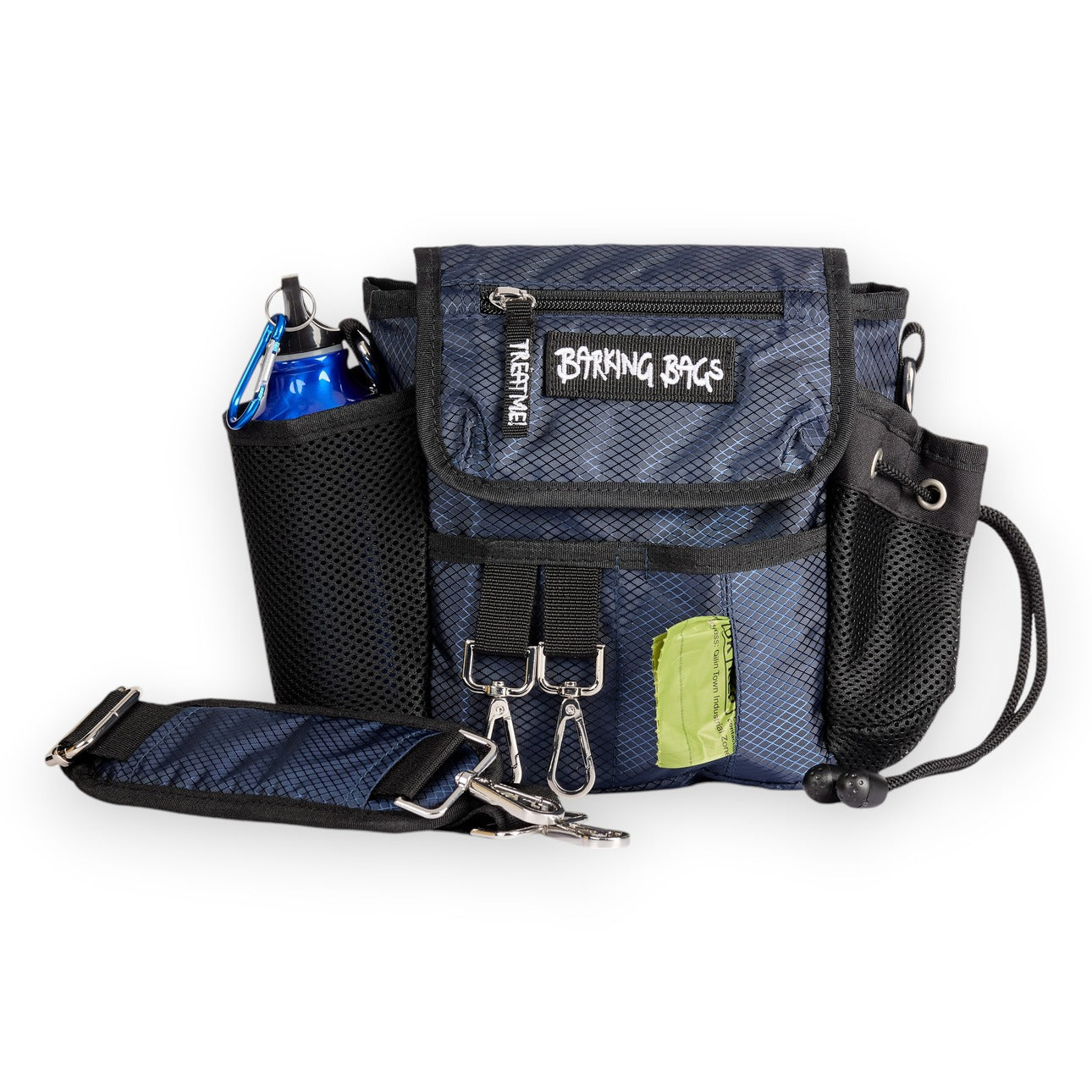
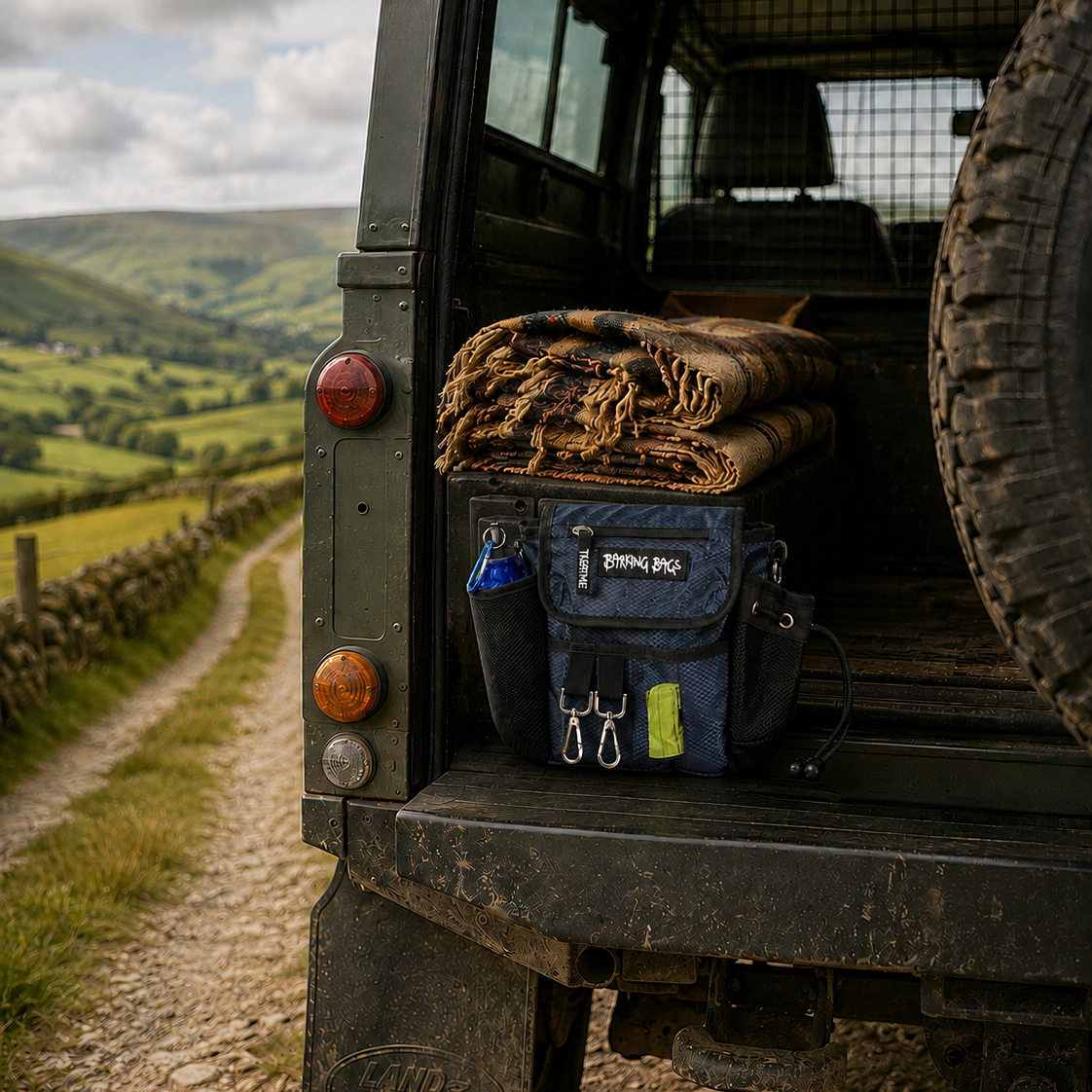
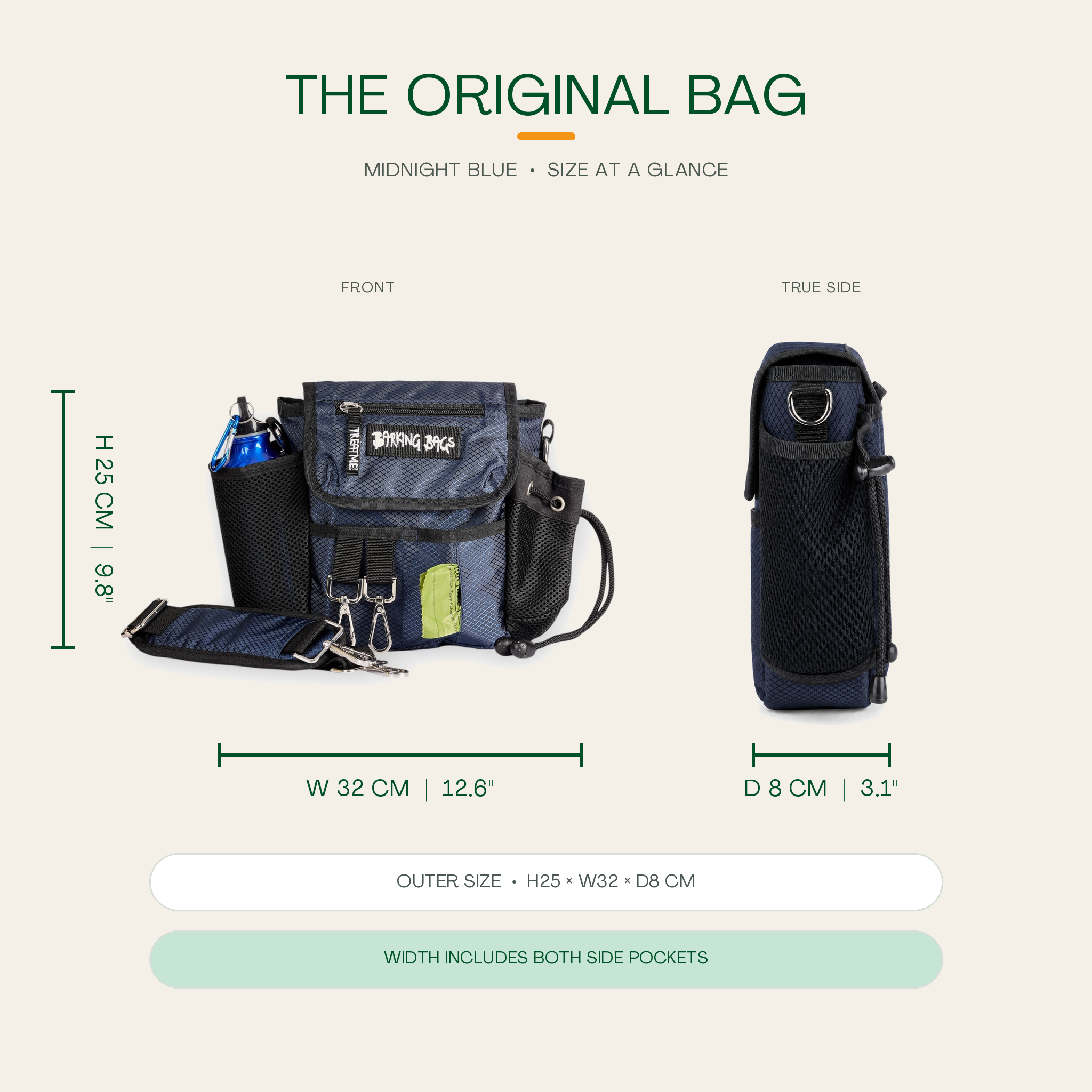
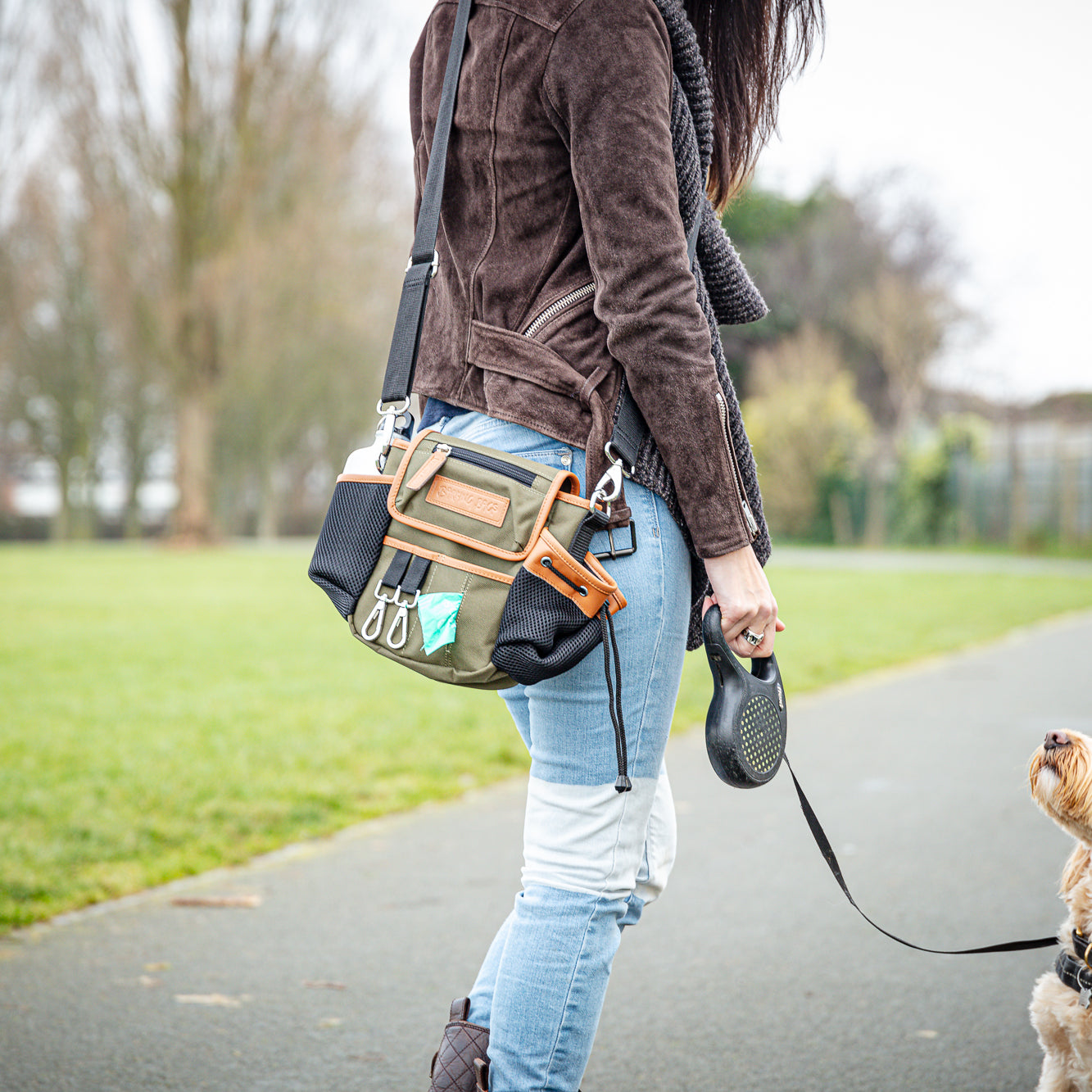
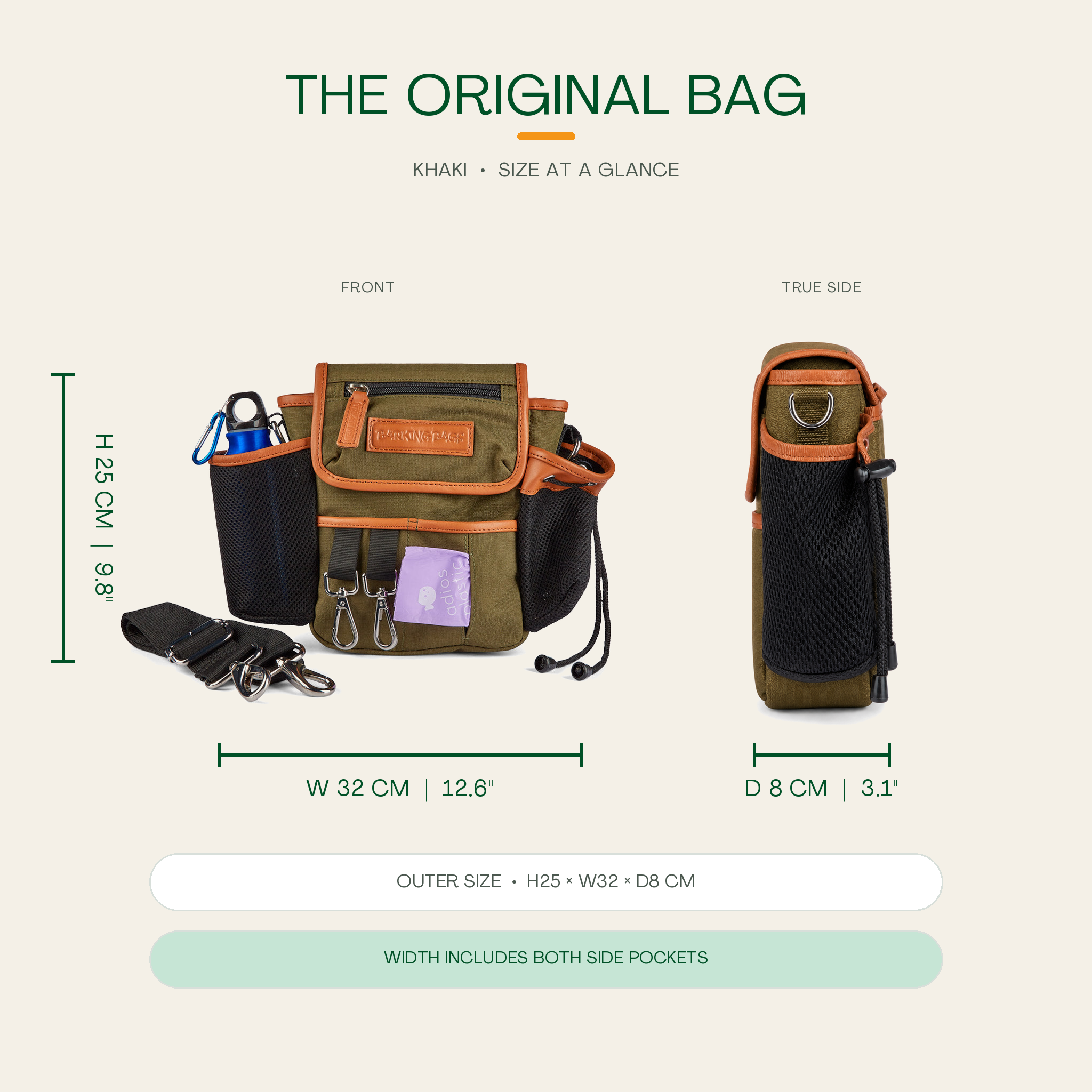
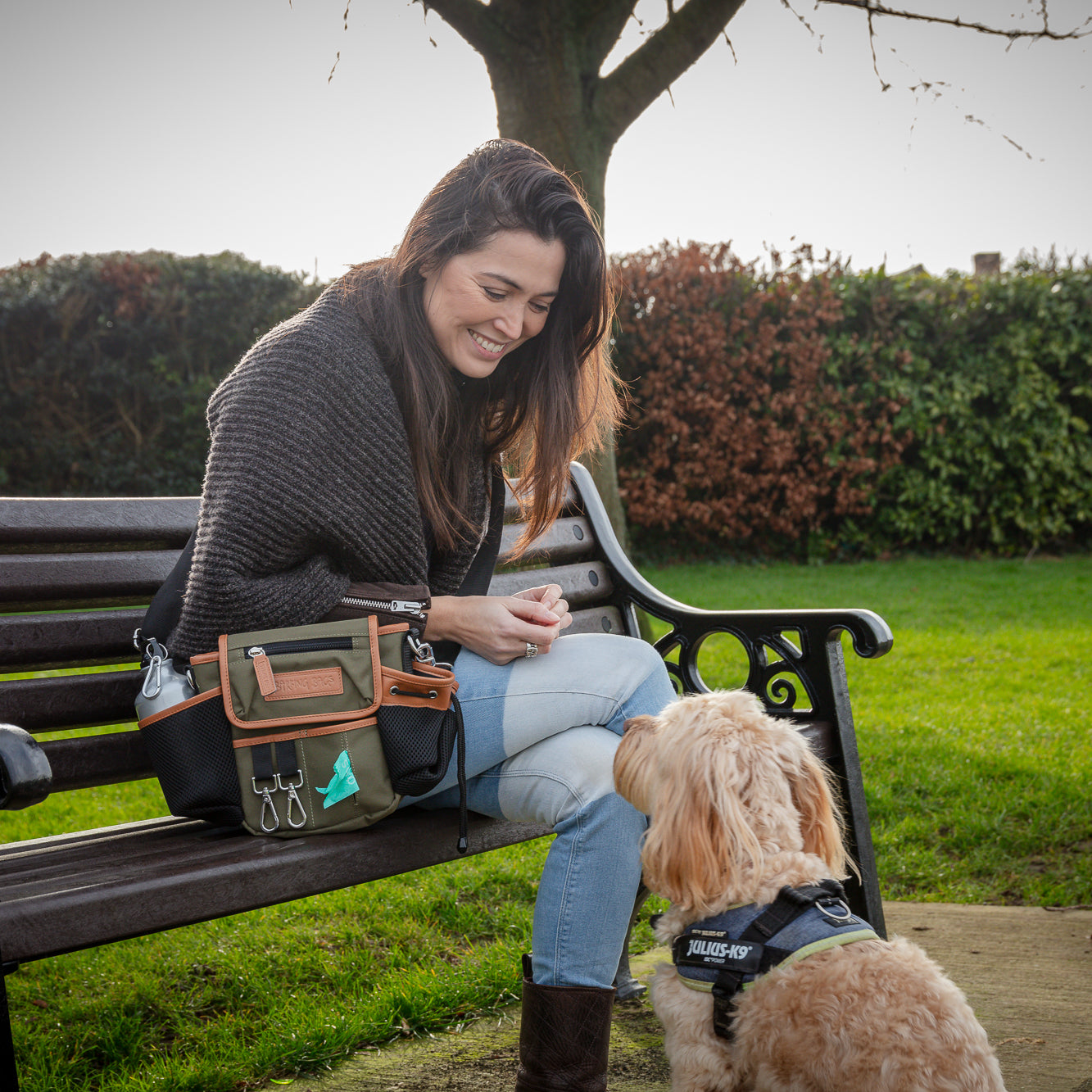
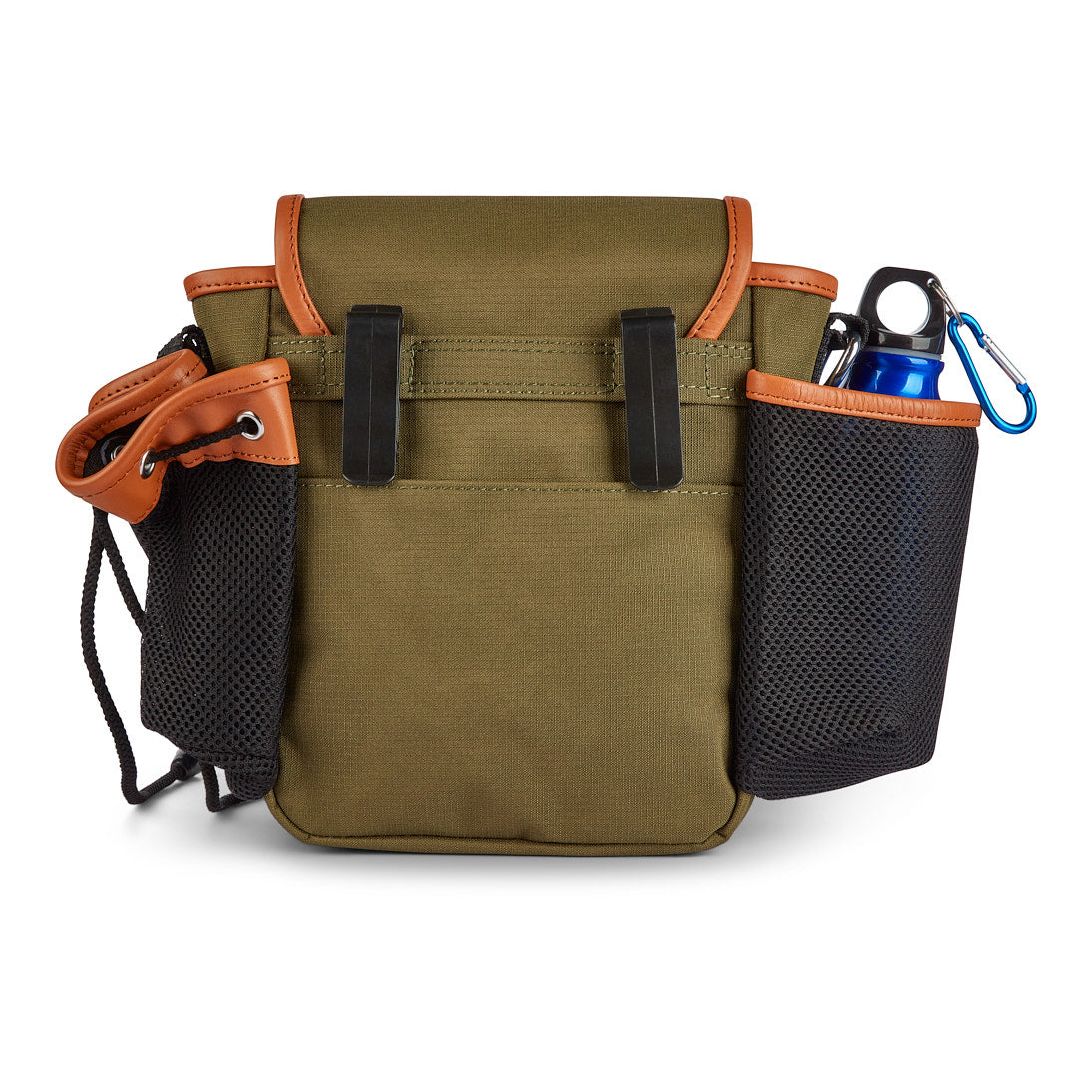
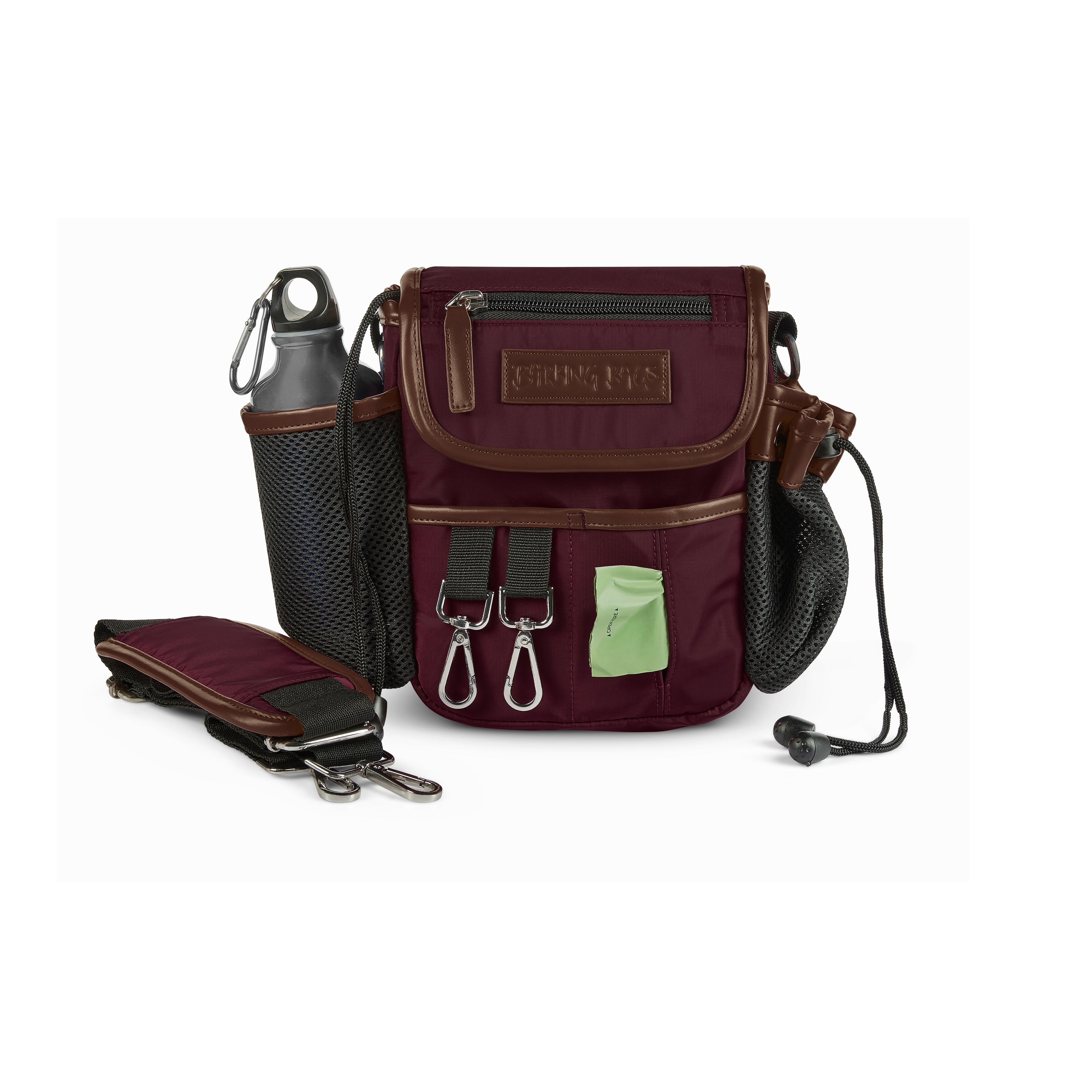
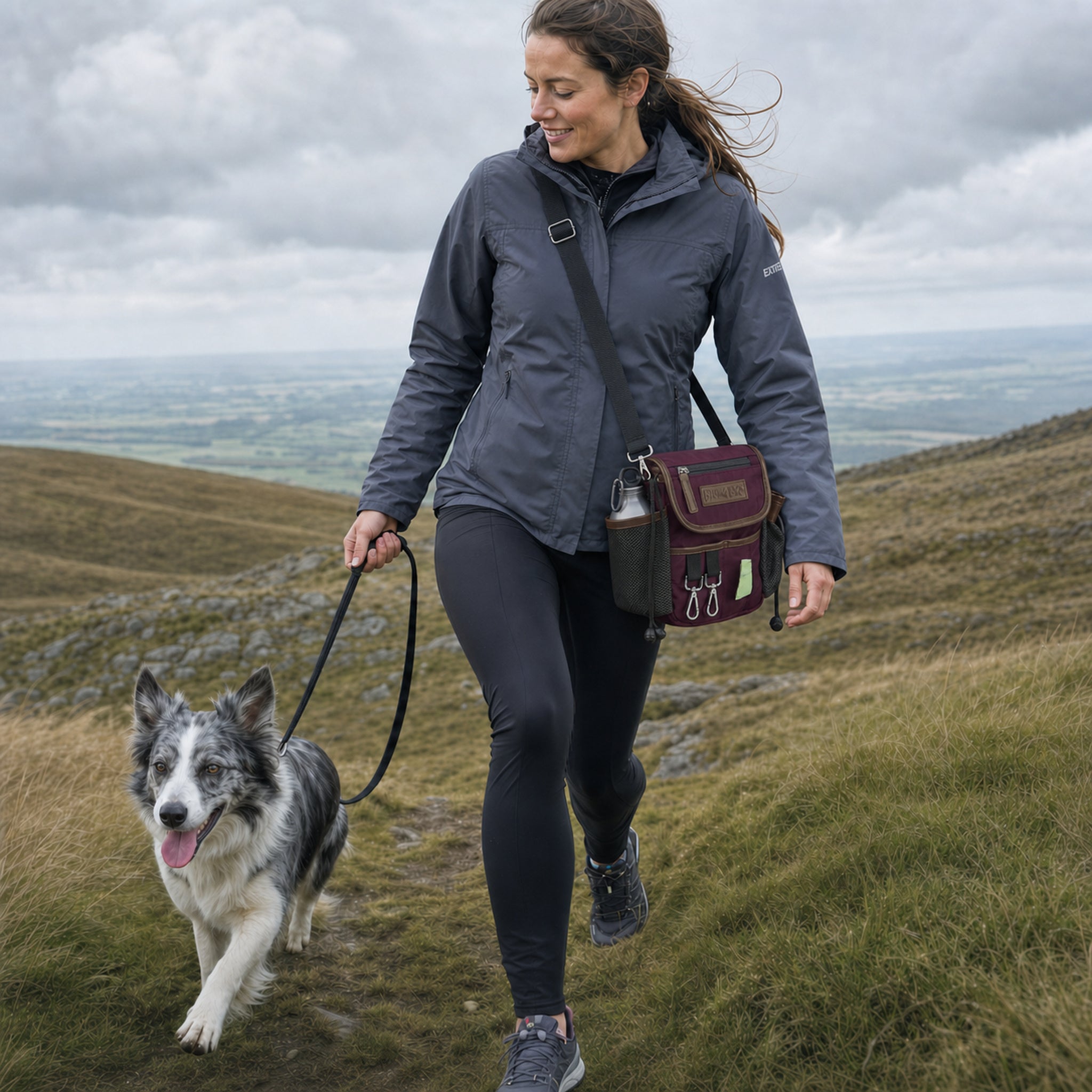
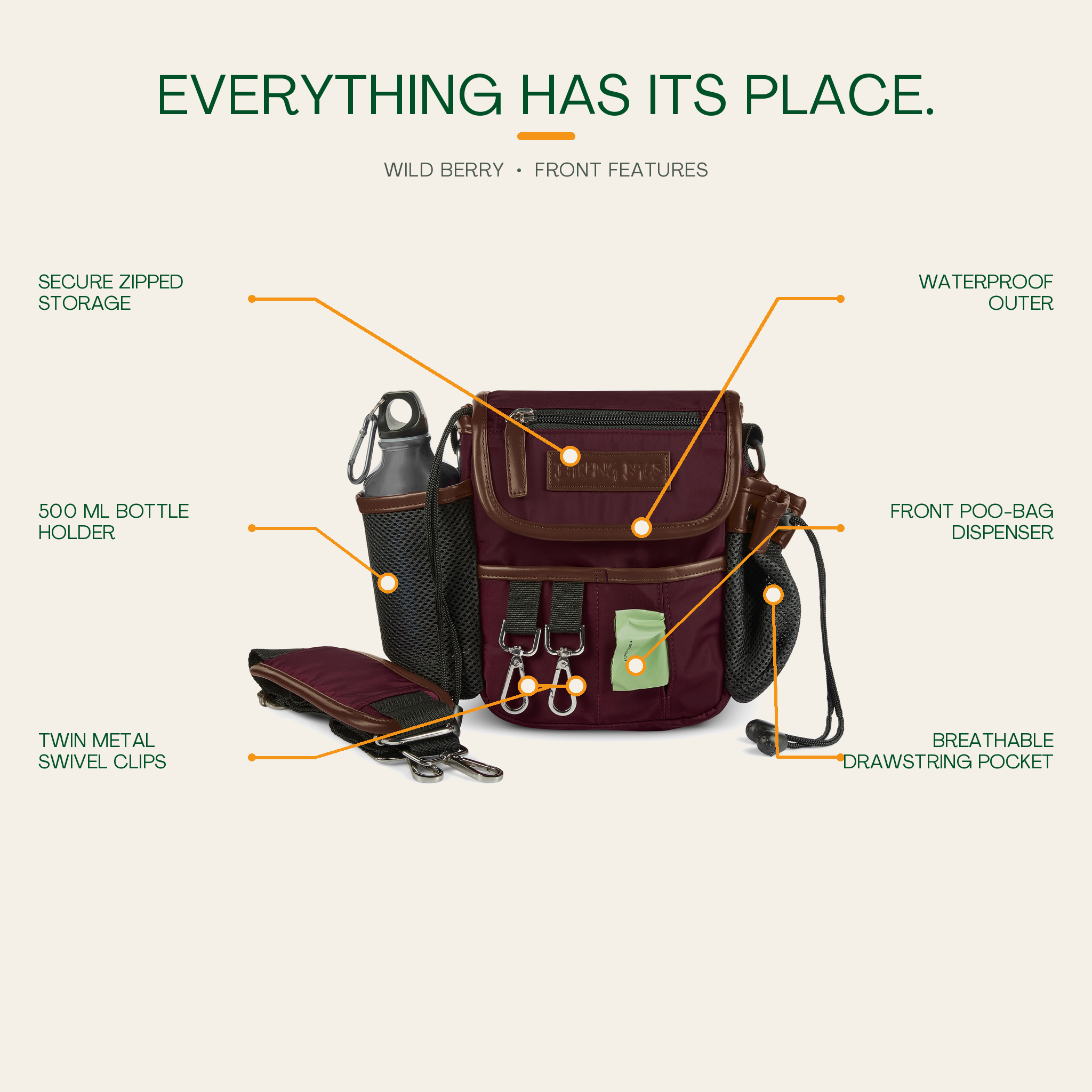
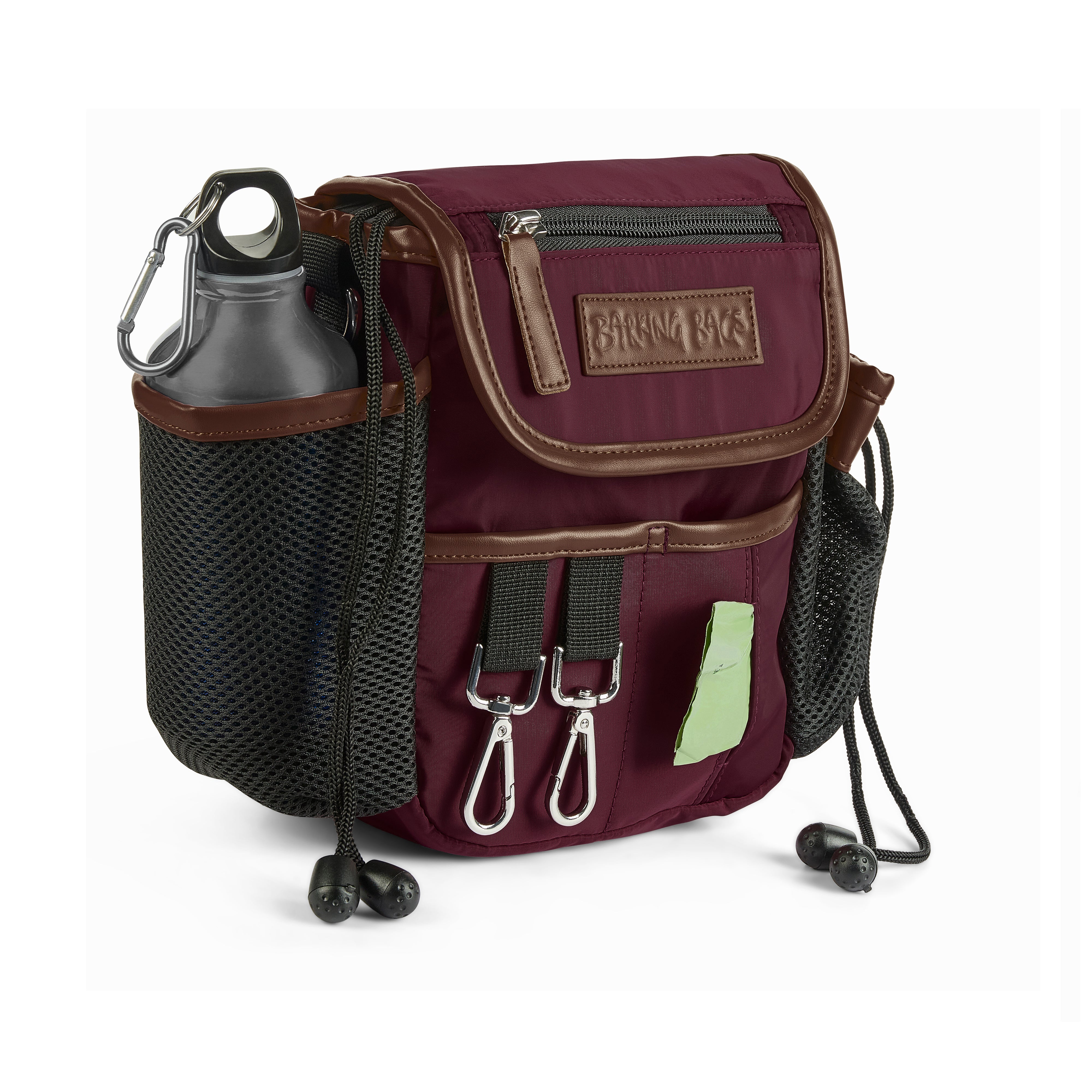
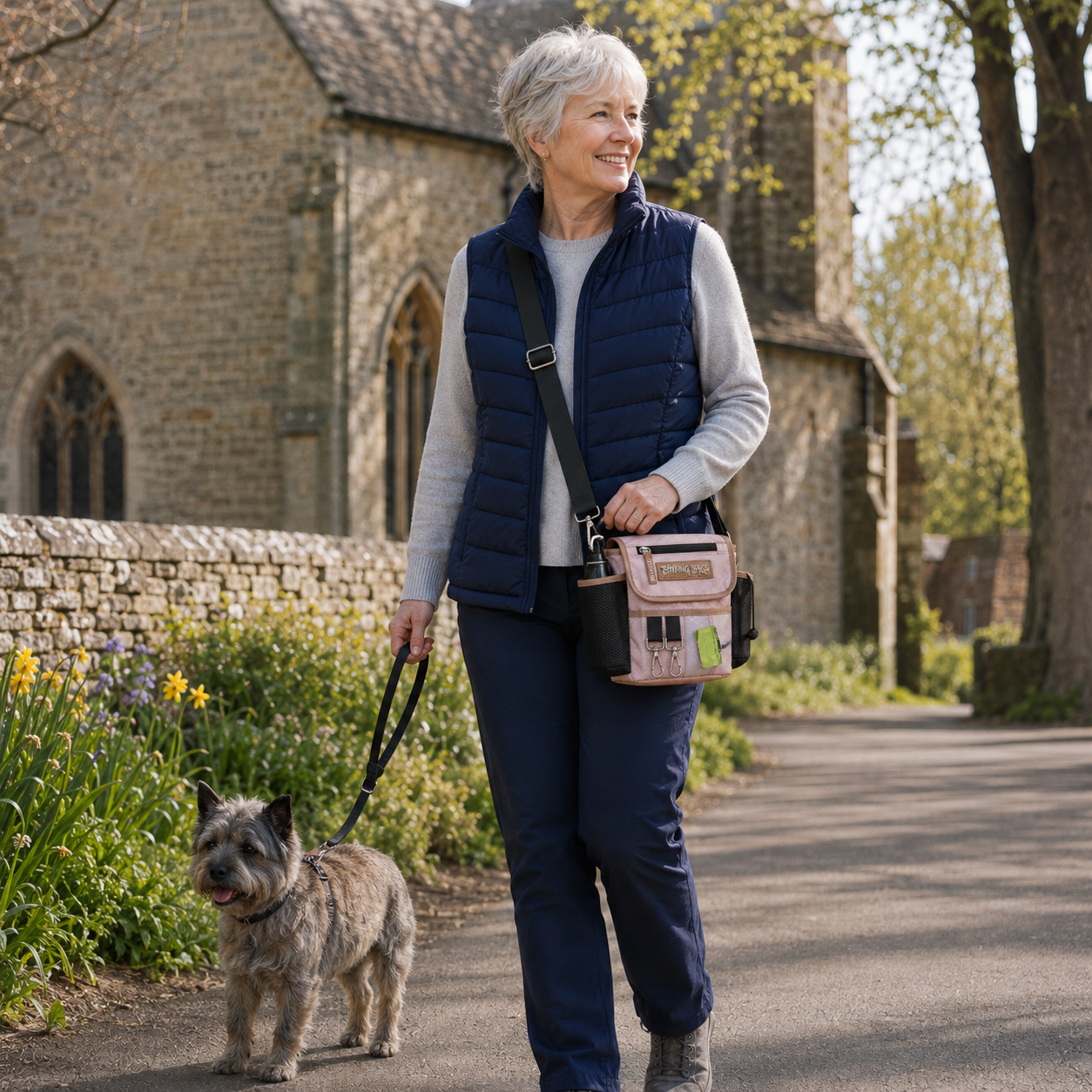
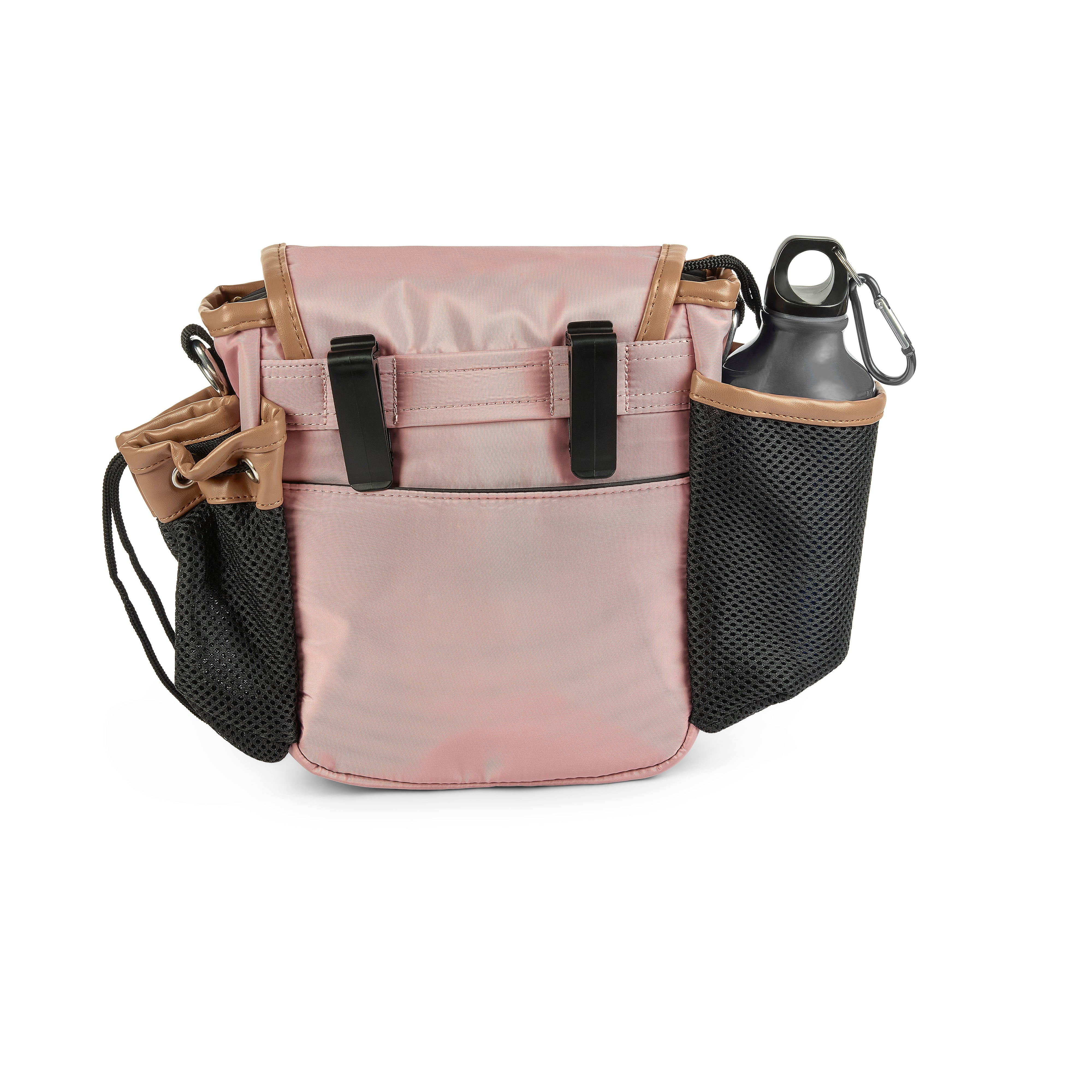
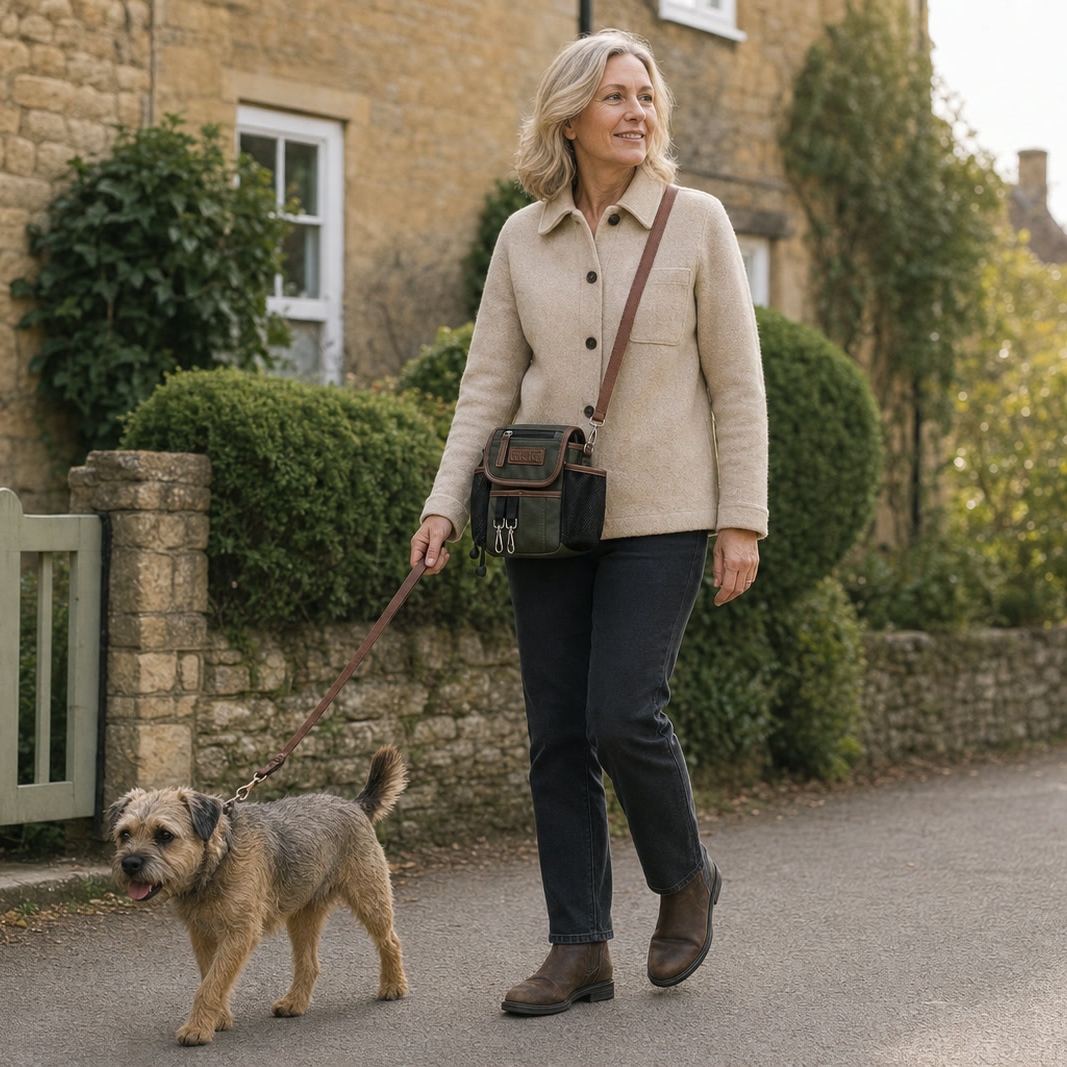
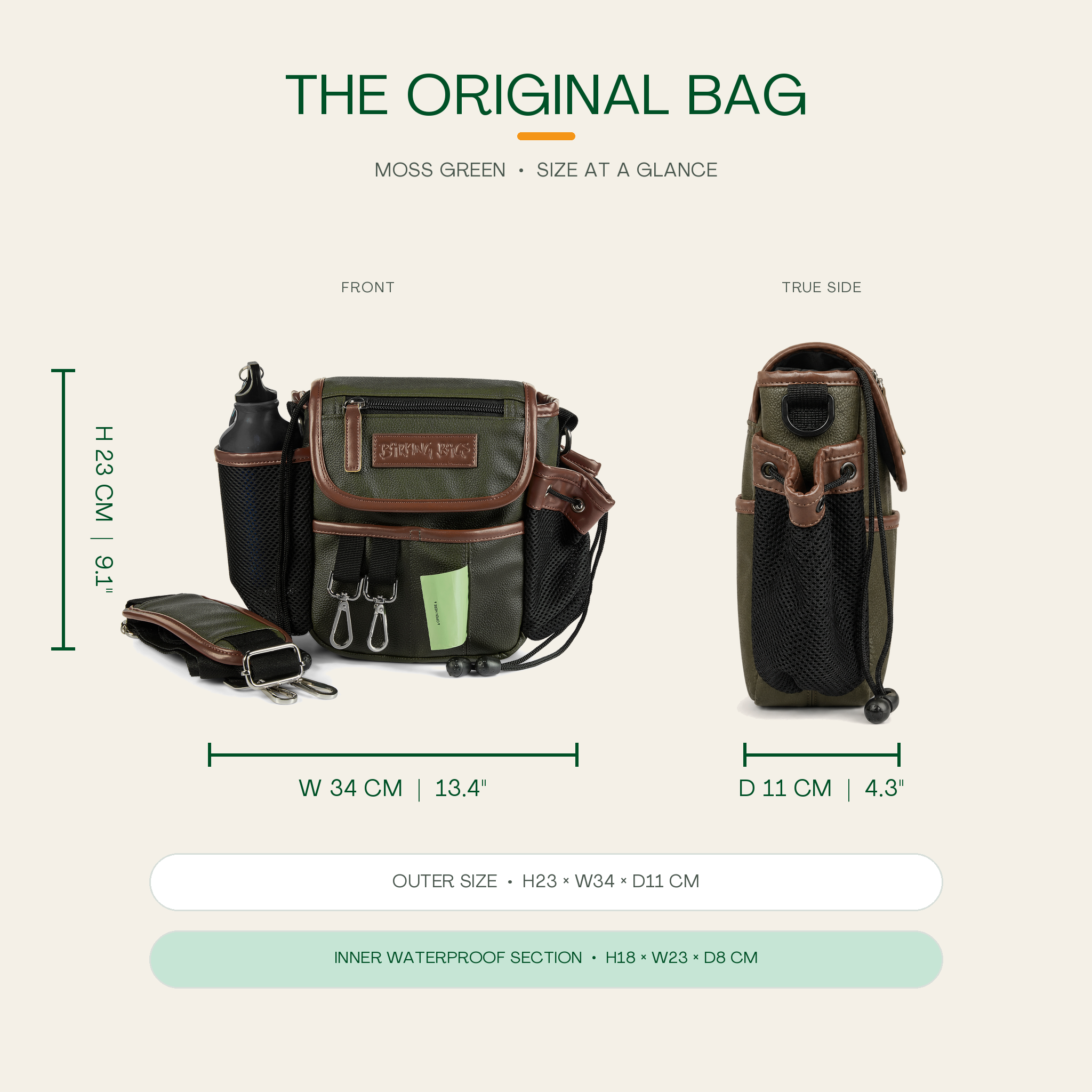
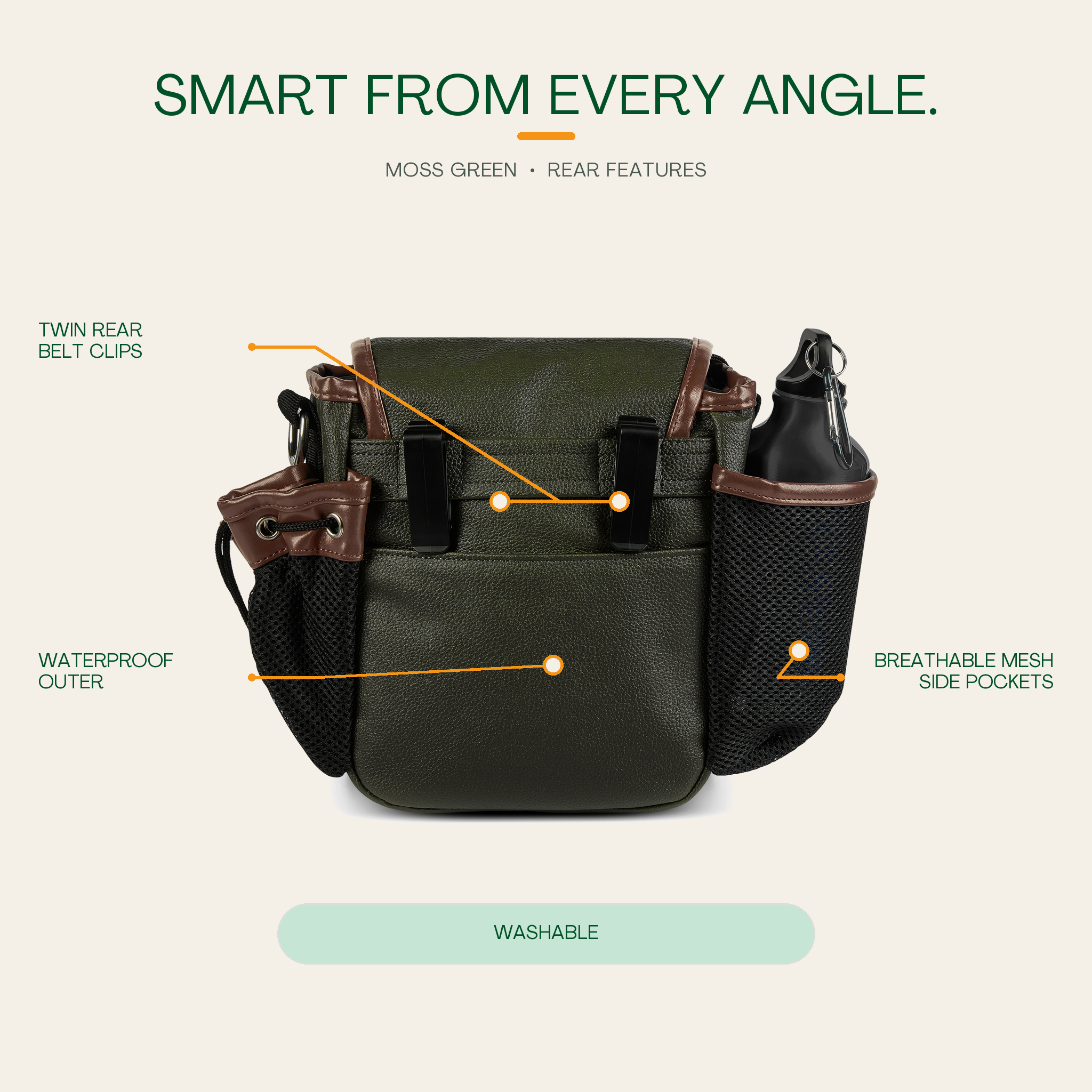
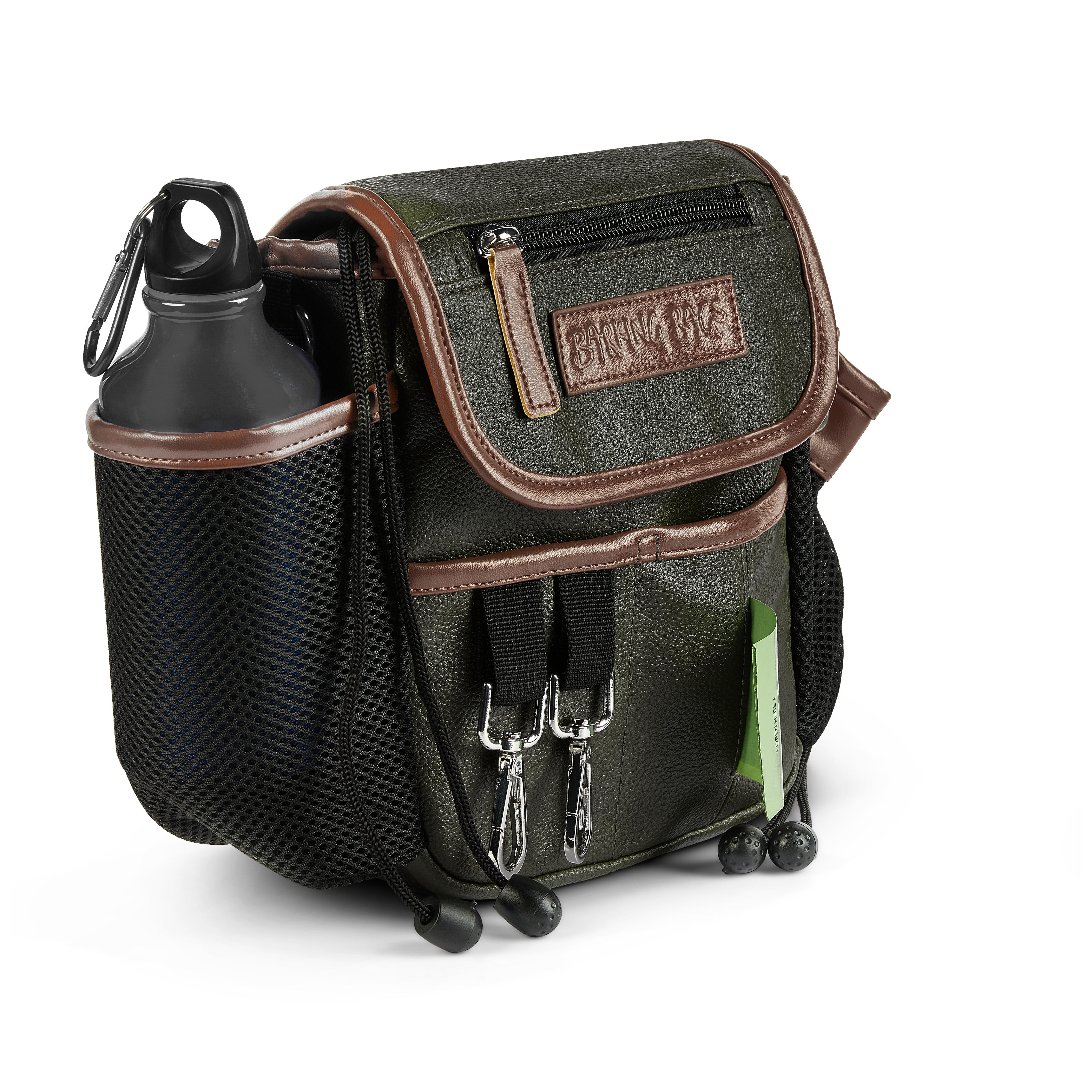
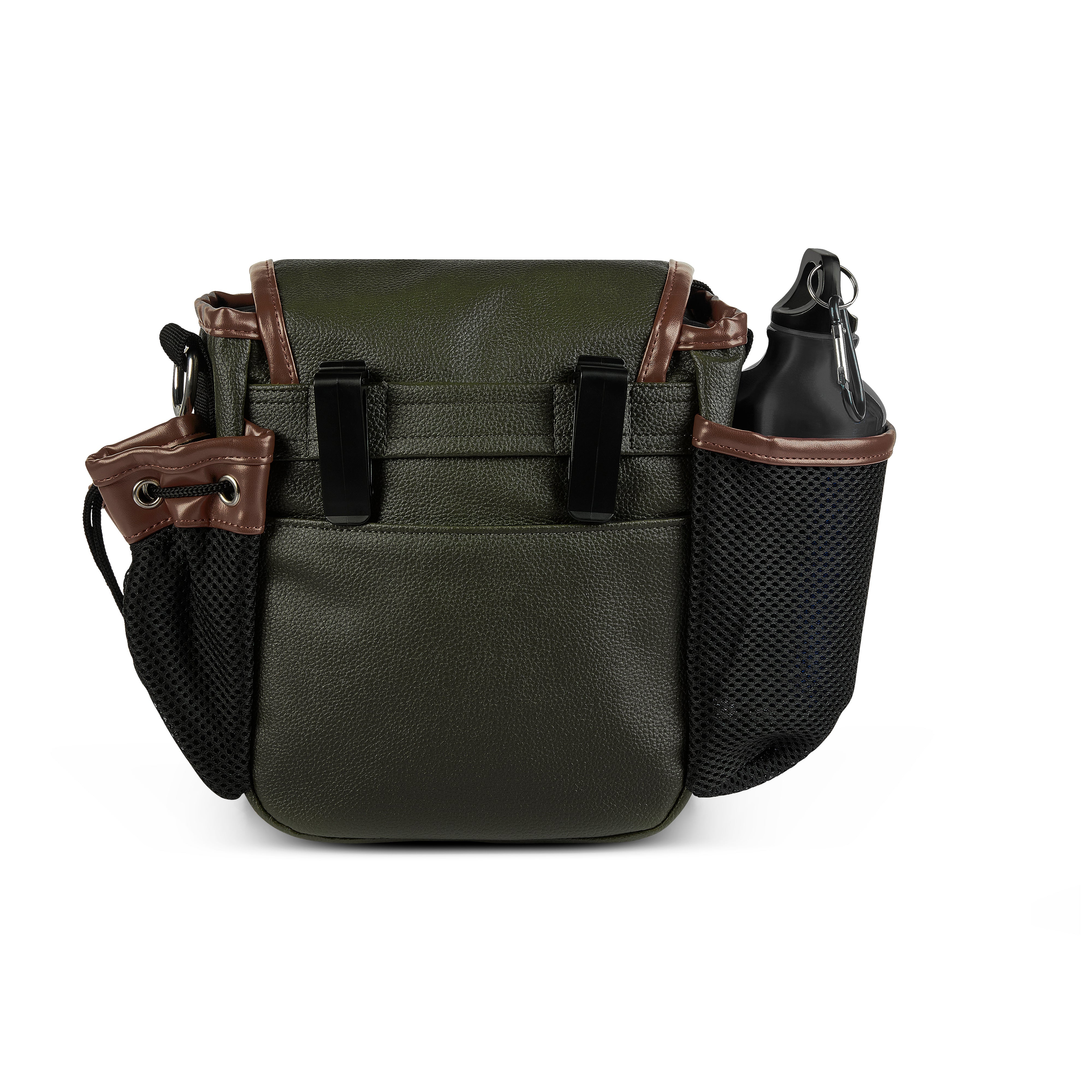
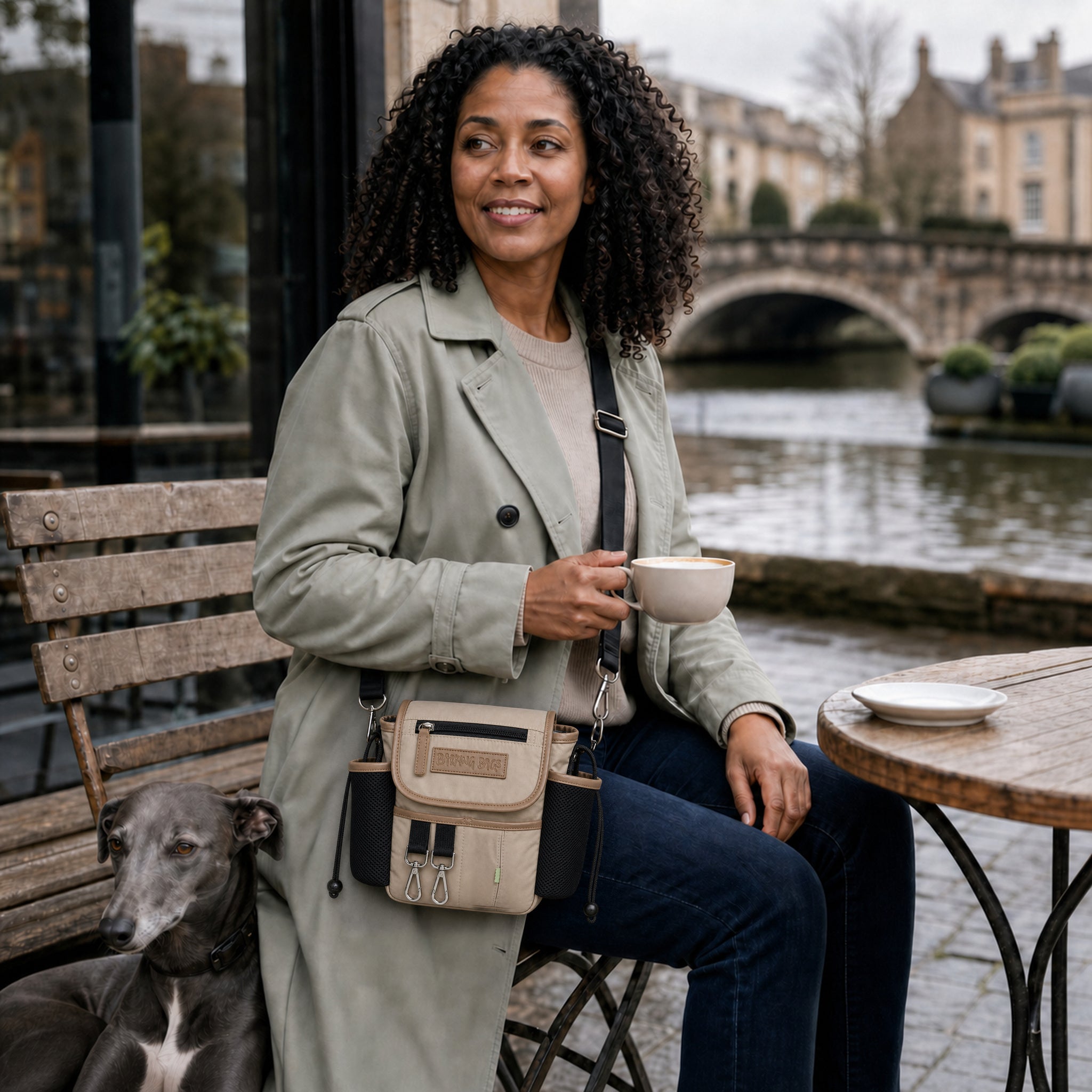
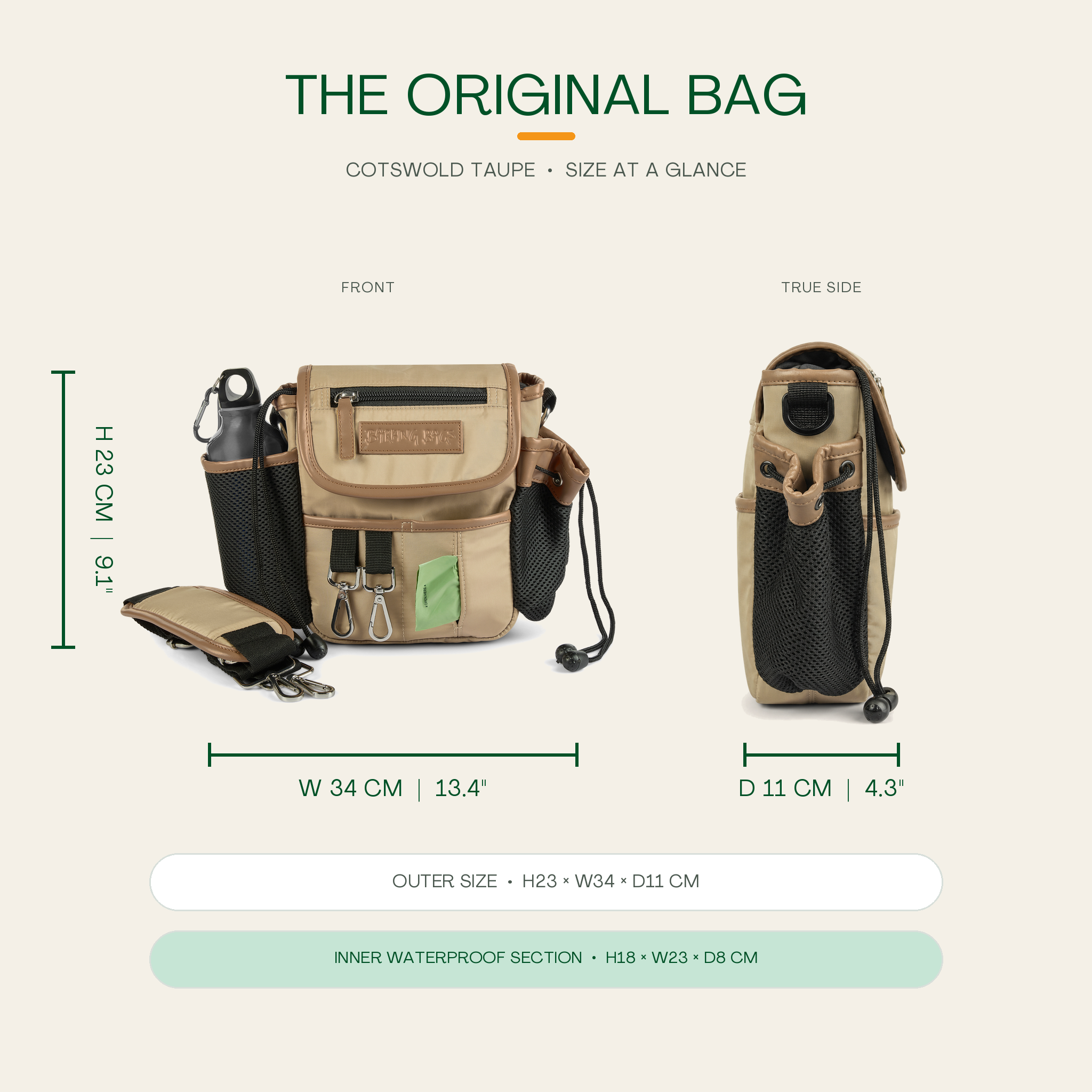
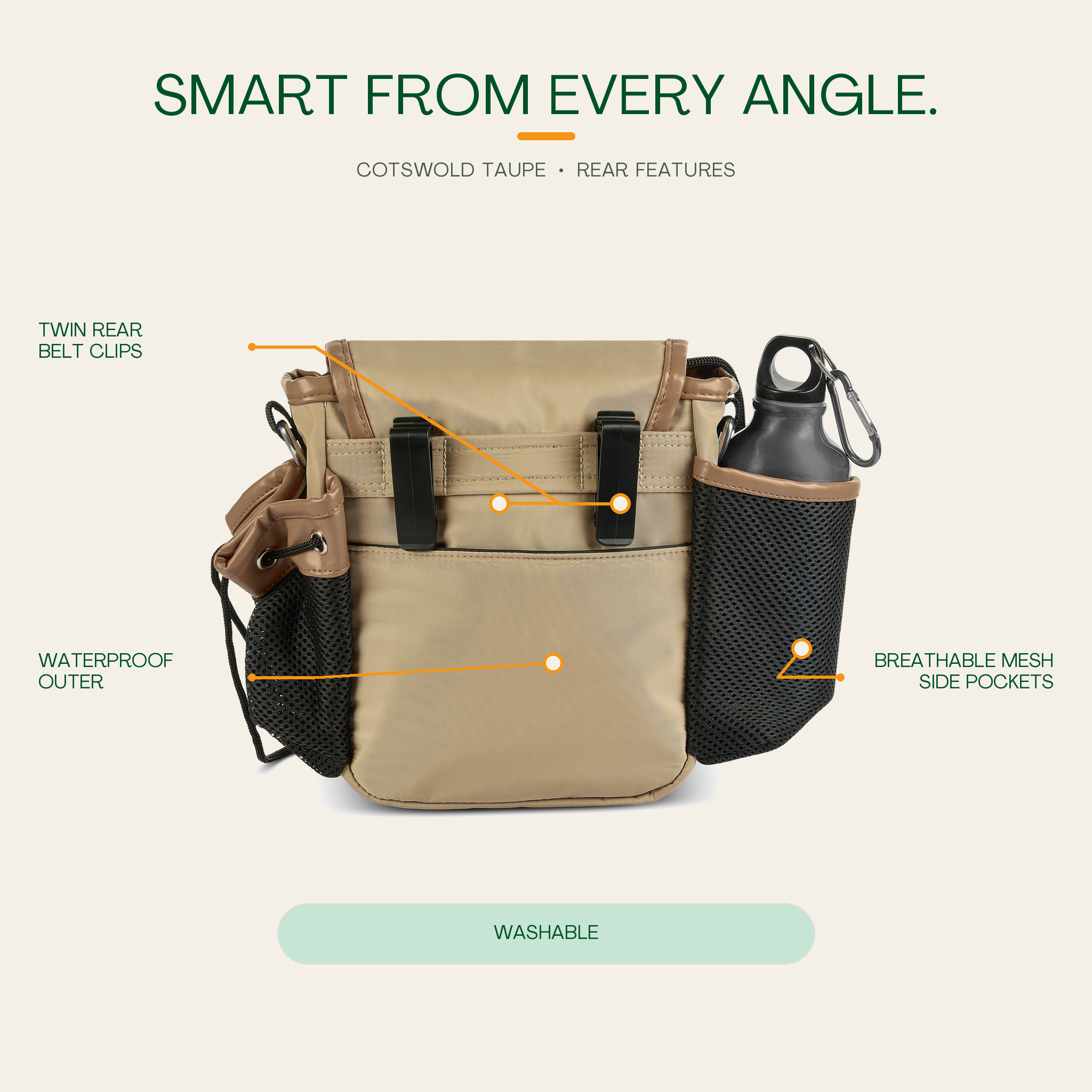
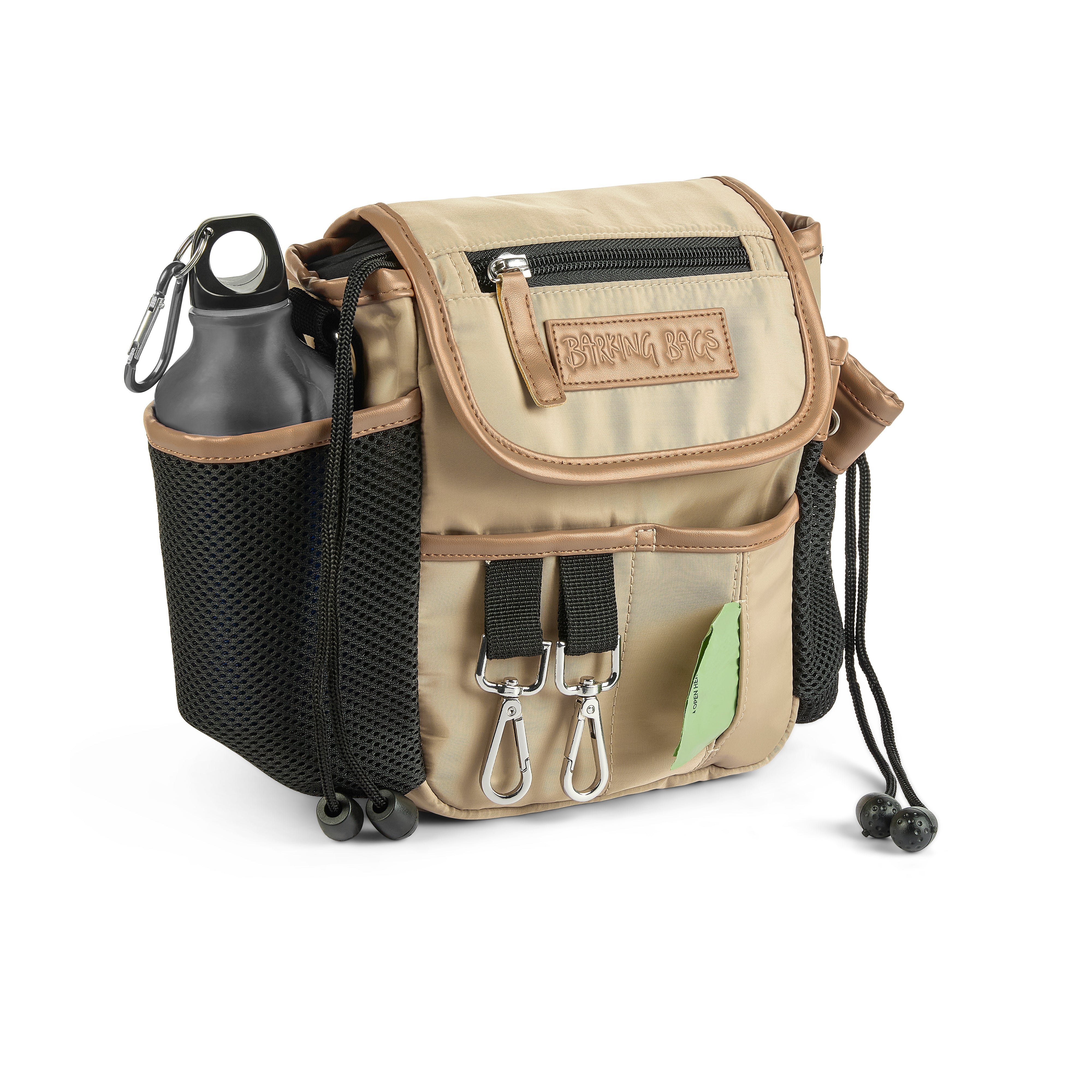
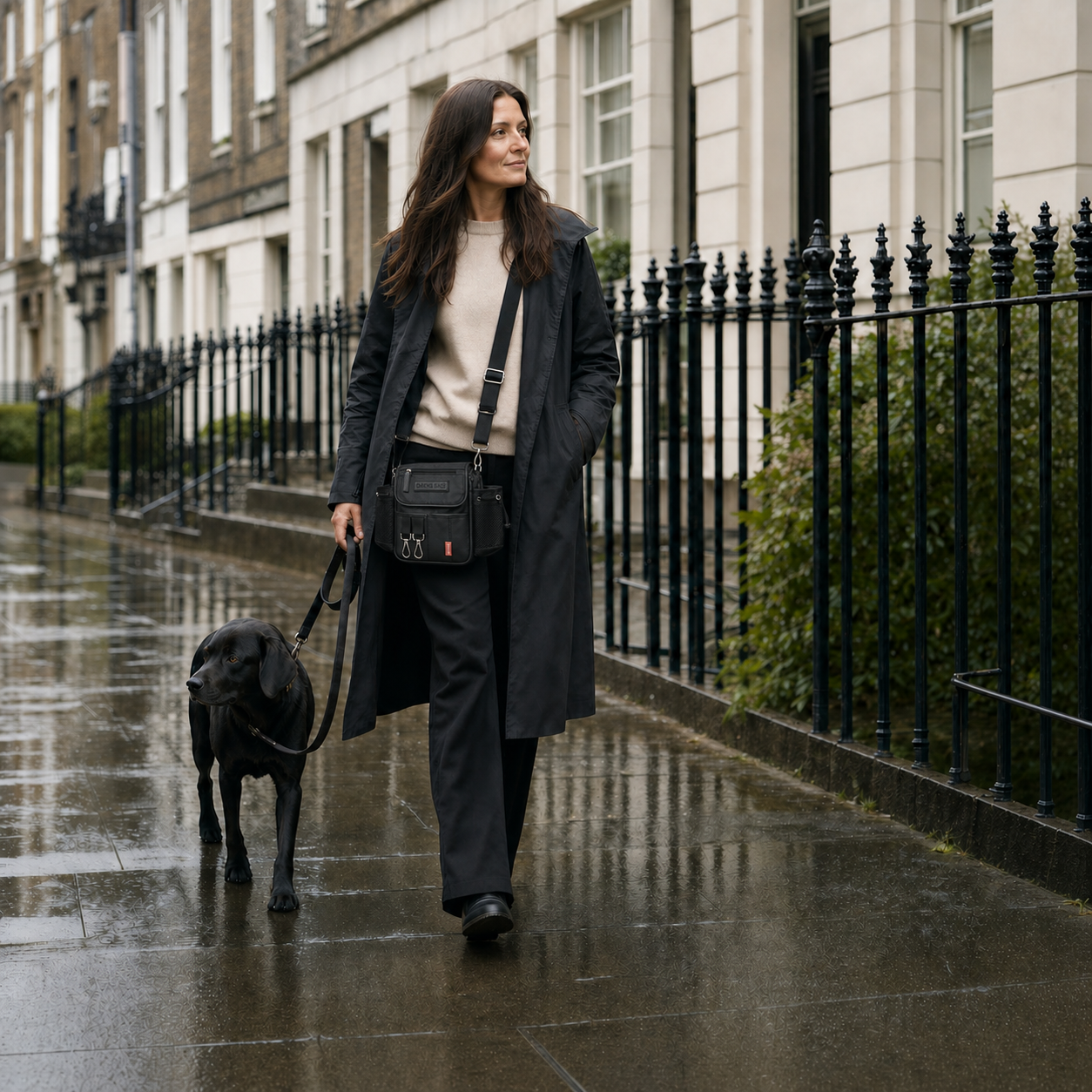
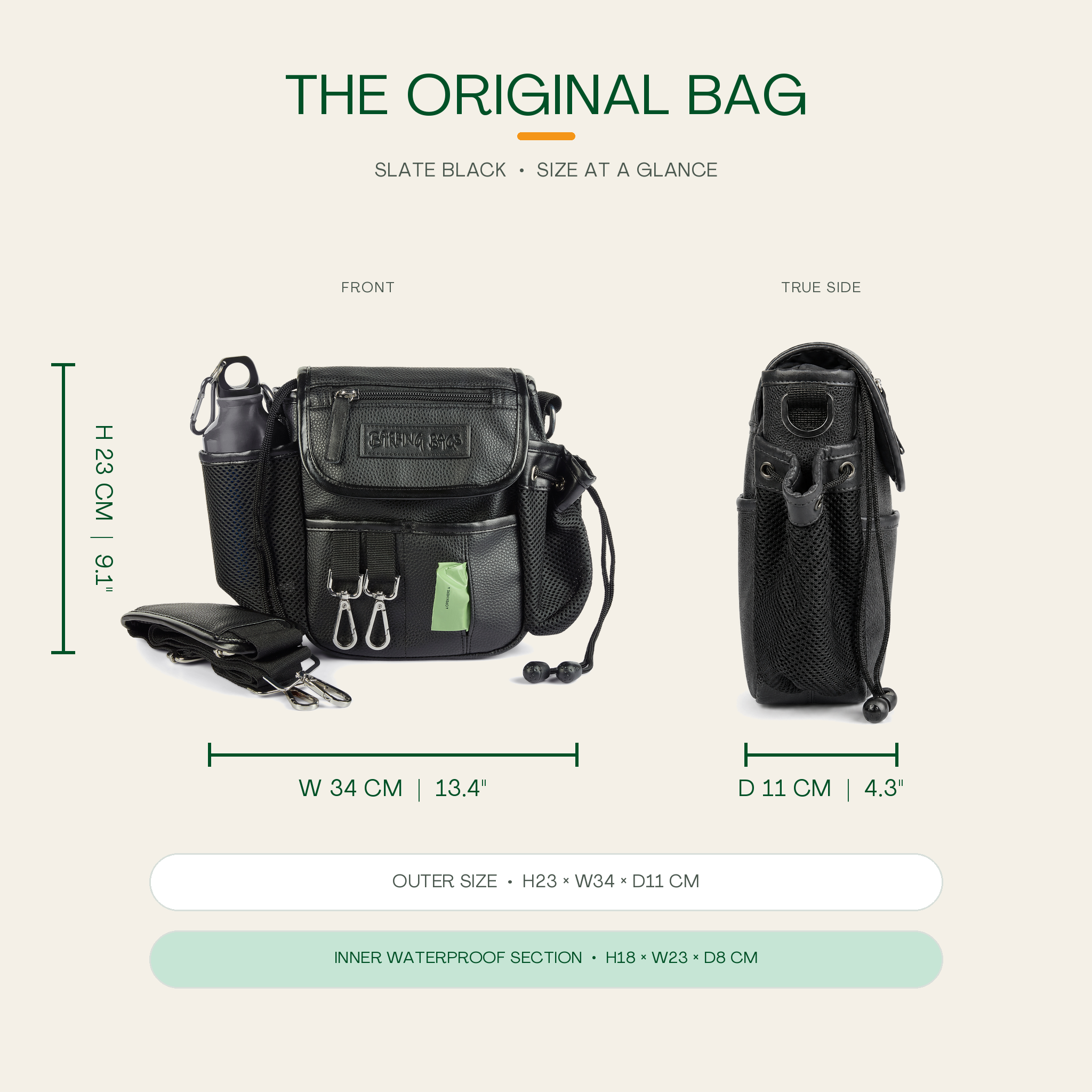
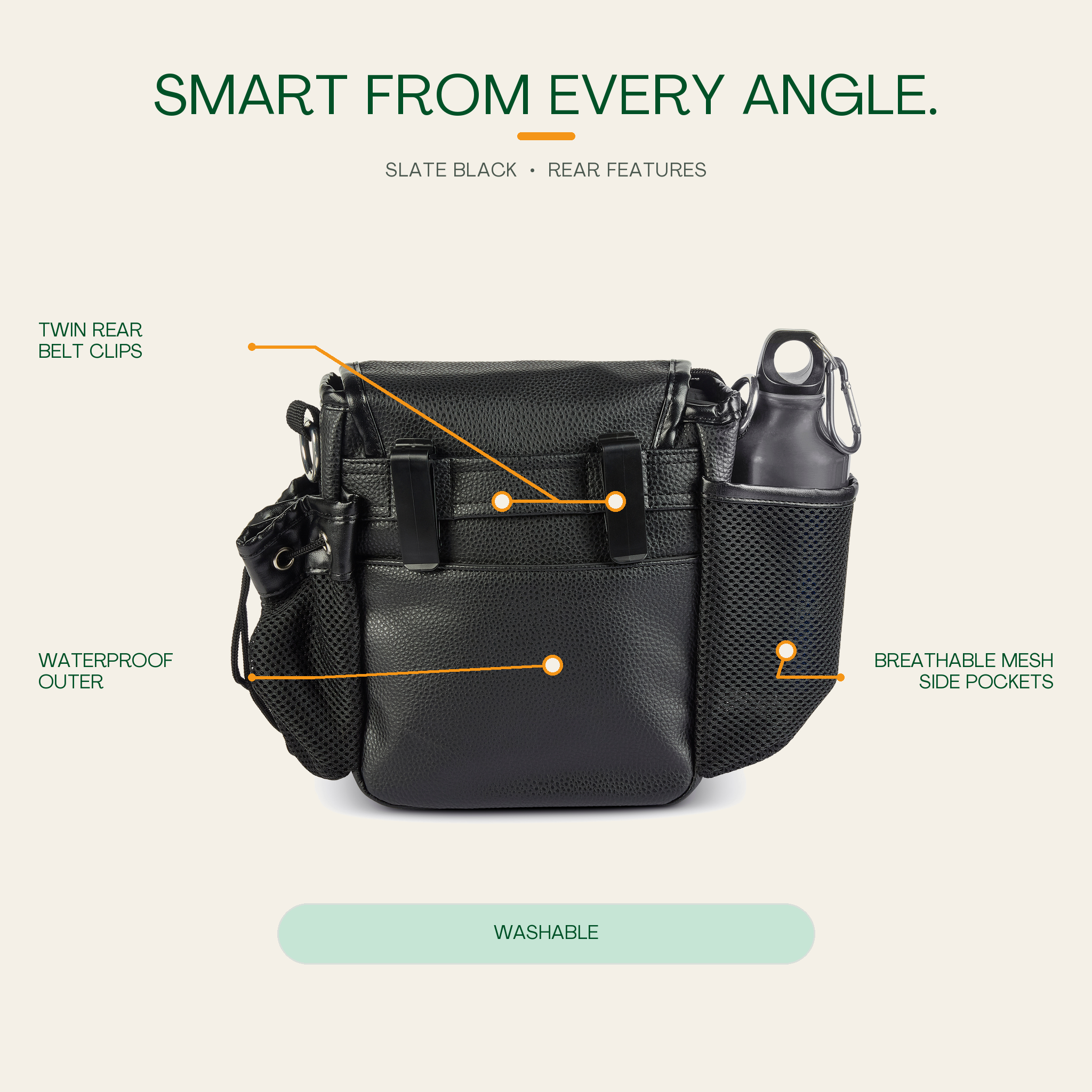
A crossbody dog walking bag with dedicated organisation is the most complete option for regular walkers. It keeps treats accessible while giving you room for waste bags, leads, your mobile phone and the rest of your essentials without compromising on style. That makes it especially useful if you want one grab-and-go setup rather than a mix of pockets and accessories.
Bumbags can work well too, particularly for hands-free walks, but not all are designed with dog walking in mind. Generic styles often lack the compartments or wipe-clean interiors that make treat carrying easier. They can still be a decent option, but they work best when they have genuinely practical storage rather than just enough room to squeeze things in.
Keeping treats fresh, clean and ready to use
It is not just about where treats go. It is also about what condition they are in by the time you need them. Dry treats are easier to carry for longer walks and warmer weather, while soft treats are often better for high-value rewards and training sessions. If you are using soft treats, smaller portions are usually smarter. They stay fresher, and you avoid carrying more than you need.
It also helps to refill little and often. Overloading a pouch can make access clumsy, especially if you are trying to grab one treat at a time. A half-full compartment is usually easier to use than one packed to the top.
Cleaning needs to be regular, not occasional. Crumbs and residue build up quickly, particularly if you mix treat types. A quick wipe after each walk and a more thorough clean every so often keeps things hygienic and far less grim.
Why the right setup improves training on walks
Fast rewards create clearer communication. When your dog checks in with you, ignores a distraction, or comes back promptly, timing matters. If your treat is buried under your keys or sealed inside a bag that takes two hands to open, you lose that moment.
That is one reason dedicated dog walking gear has become more popular with everyday owners as well as trainers. It is not about carrying more for the sake of it. It is about making the things you already need easier to use in real life. A thoughtful setup supports better habits because it removes friction from the walk.
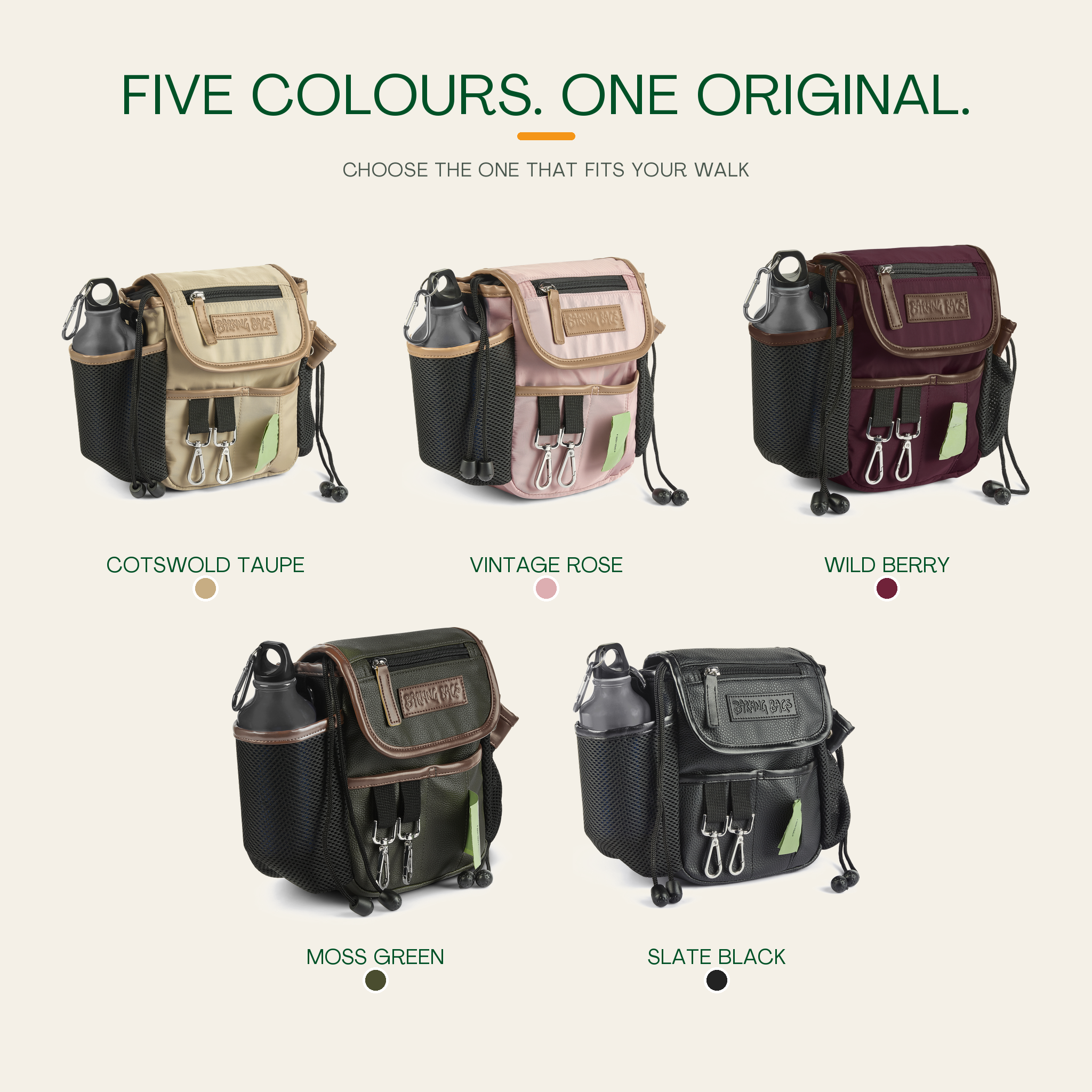
For many owners, that is exactly why purpose-built options stand out. Barking Bags has built its reputation around that daily reality - practical storage that works for dog walking, rather than asking dog walkers to make do with something designed for another job.
Choosing what works for you
If your walks are short and simple, a small pouch may be all you need. If you train regularly, walk for longer, or like having everything in one place, a dedicated dog walking bag will usually make more sense. There is no single right answer, just a better fit for your routine.
The easiest test is this: can you reach a treat quickly, keep it clean, and carry the rest of your essentials without stuffing every pocket you own? If not, your current setup is probably making walks harder than they need to be.
The best dog walking gear should feel almost invisible once you are out the door. You are not thinking about where the treats are, whether your mobile phone will fall out, or which pocket holds the poo bags. You are just walking your dog, rewarding the good bits at the right time, and getting on with it.