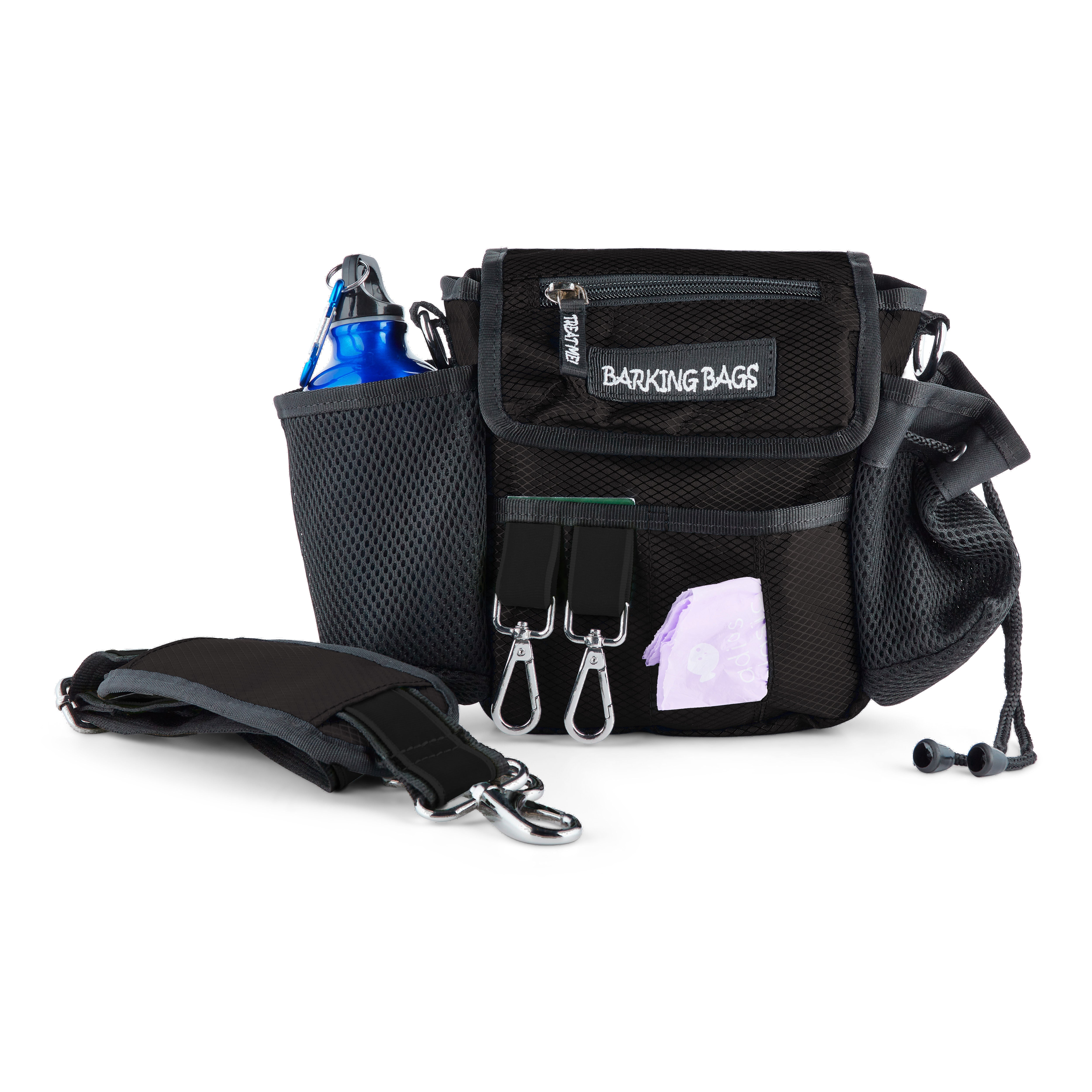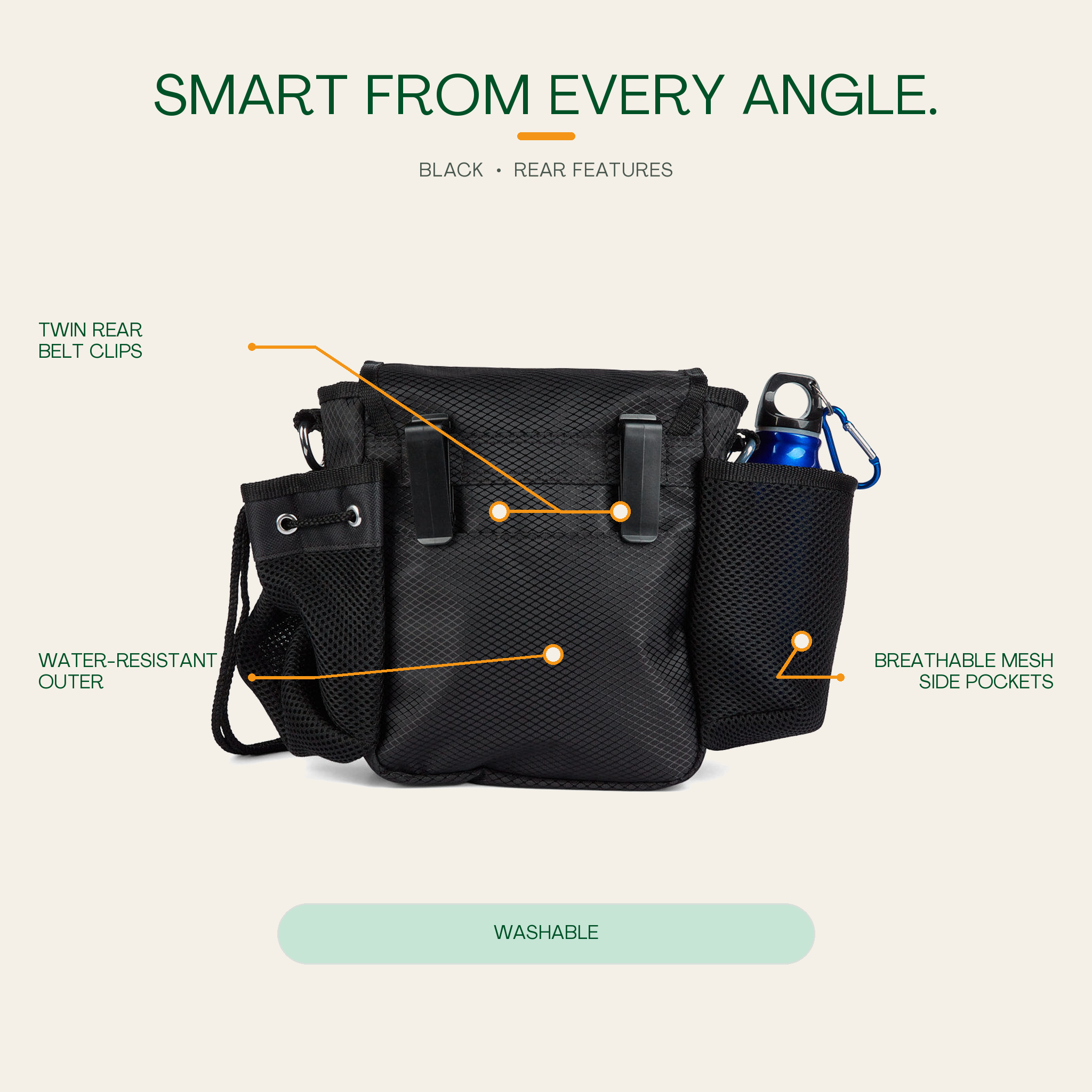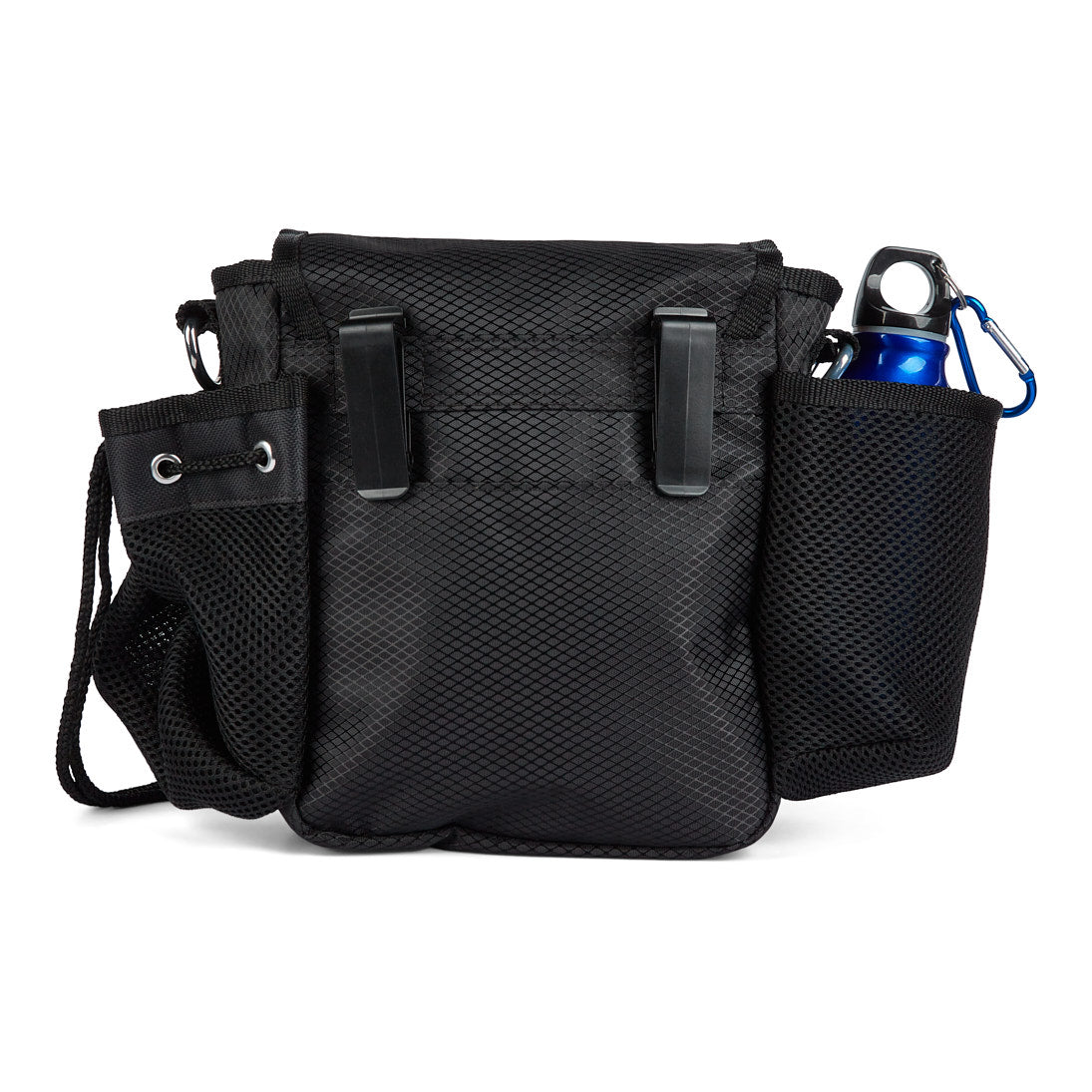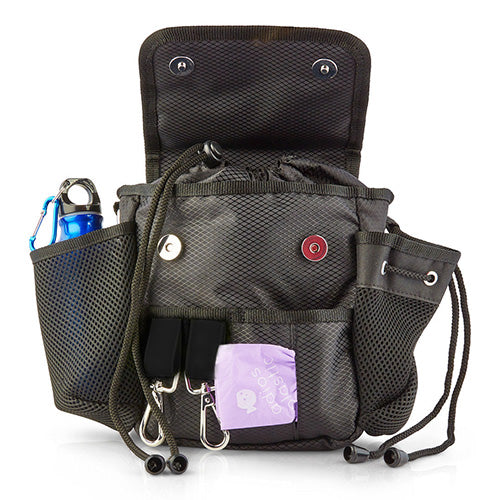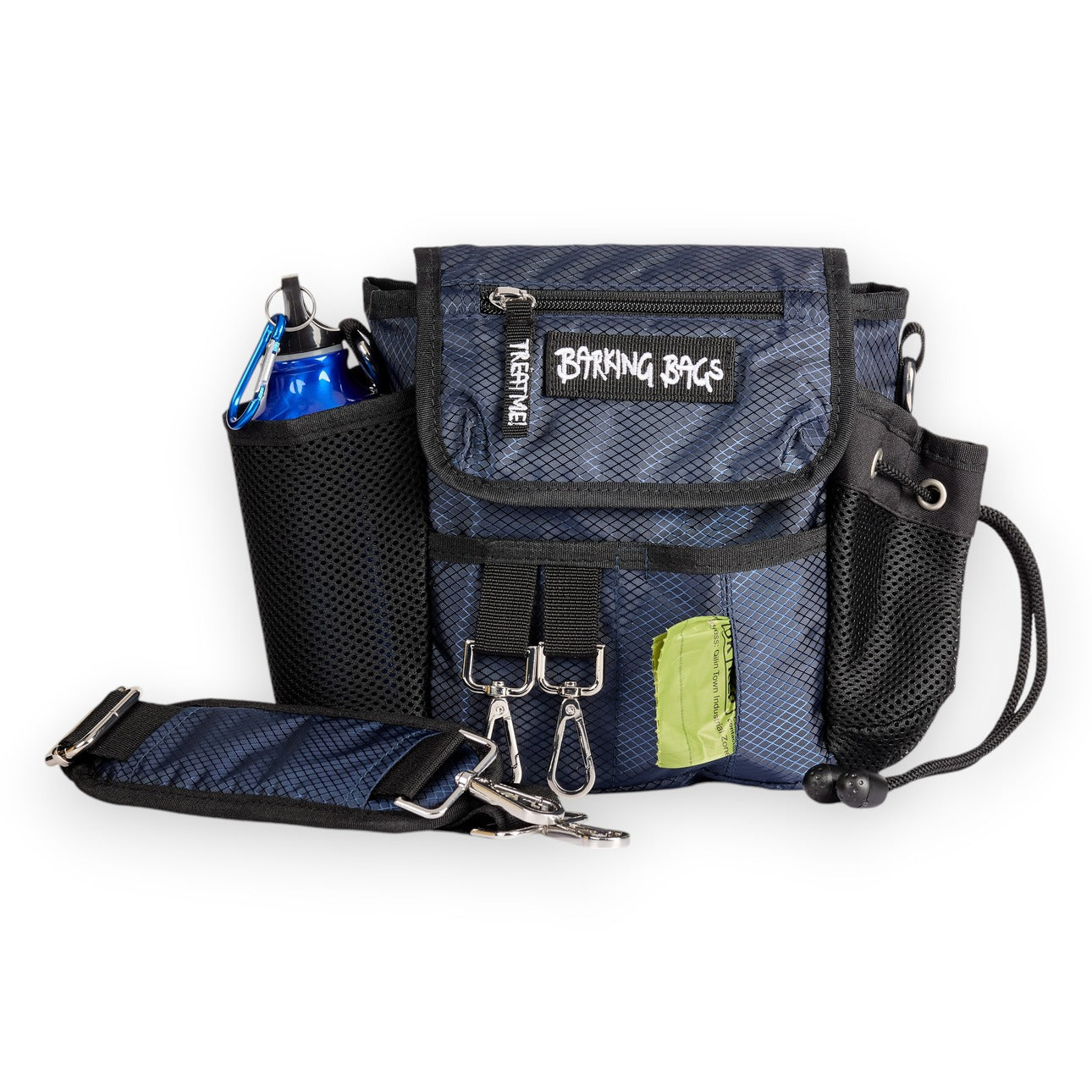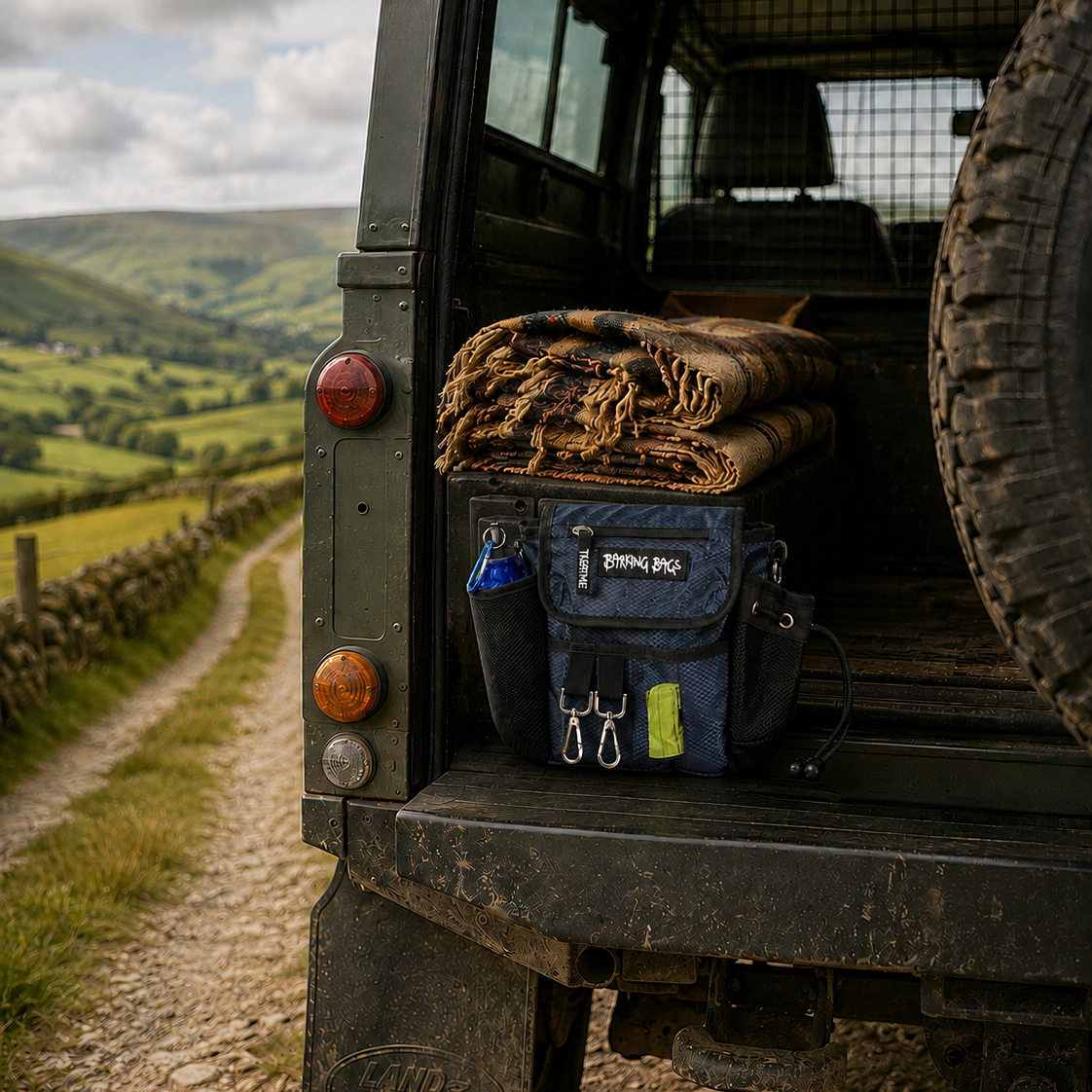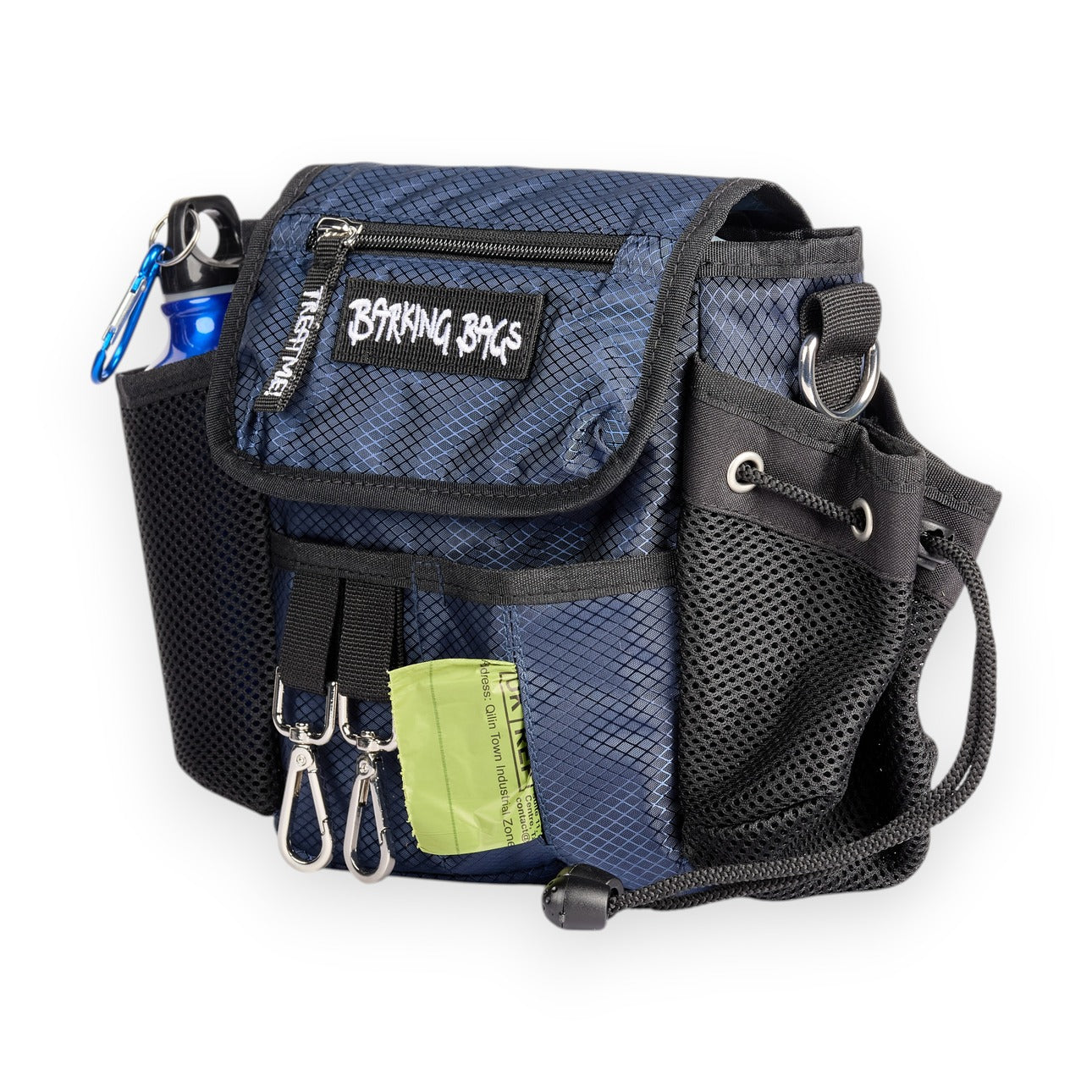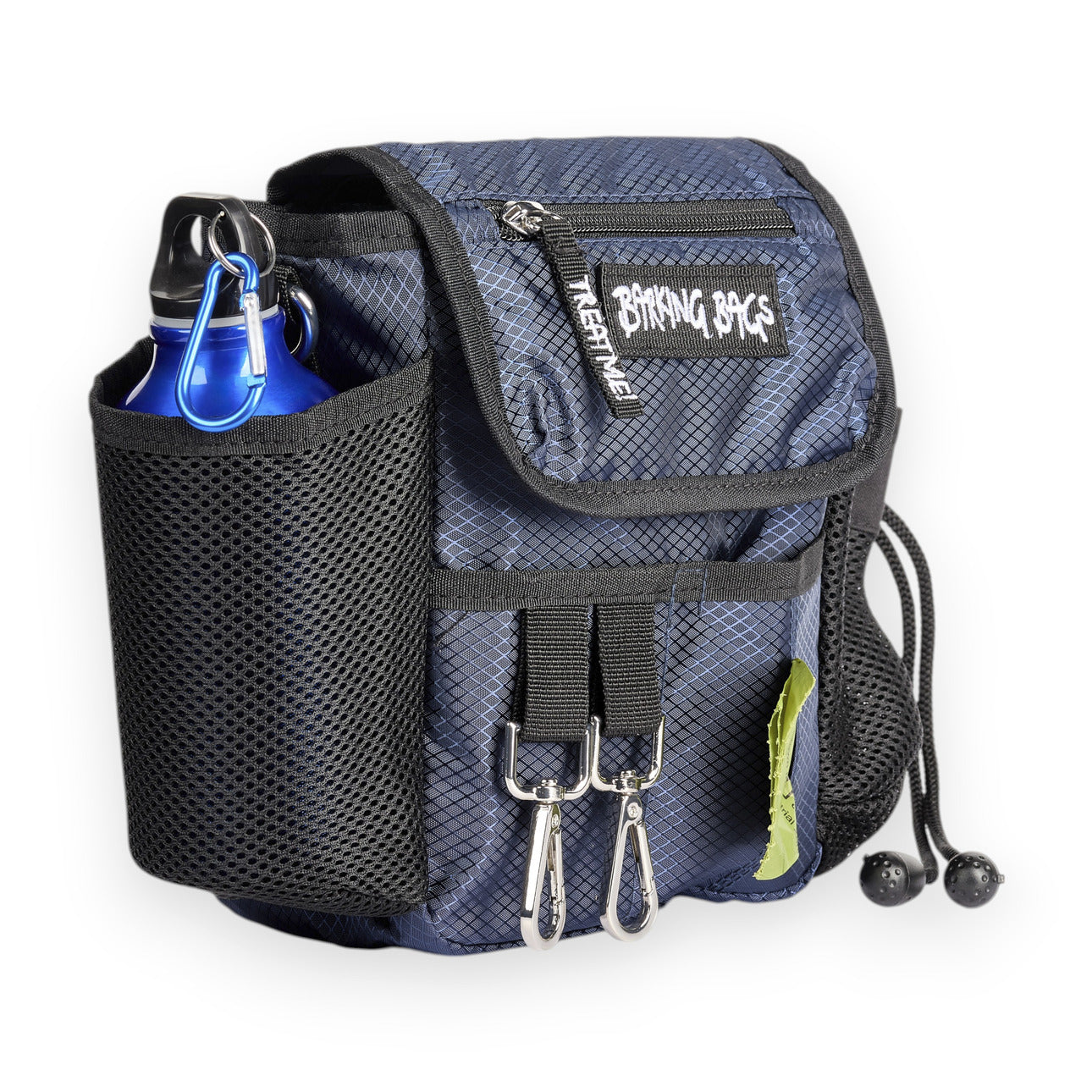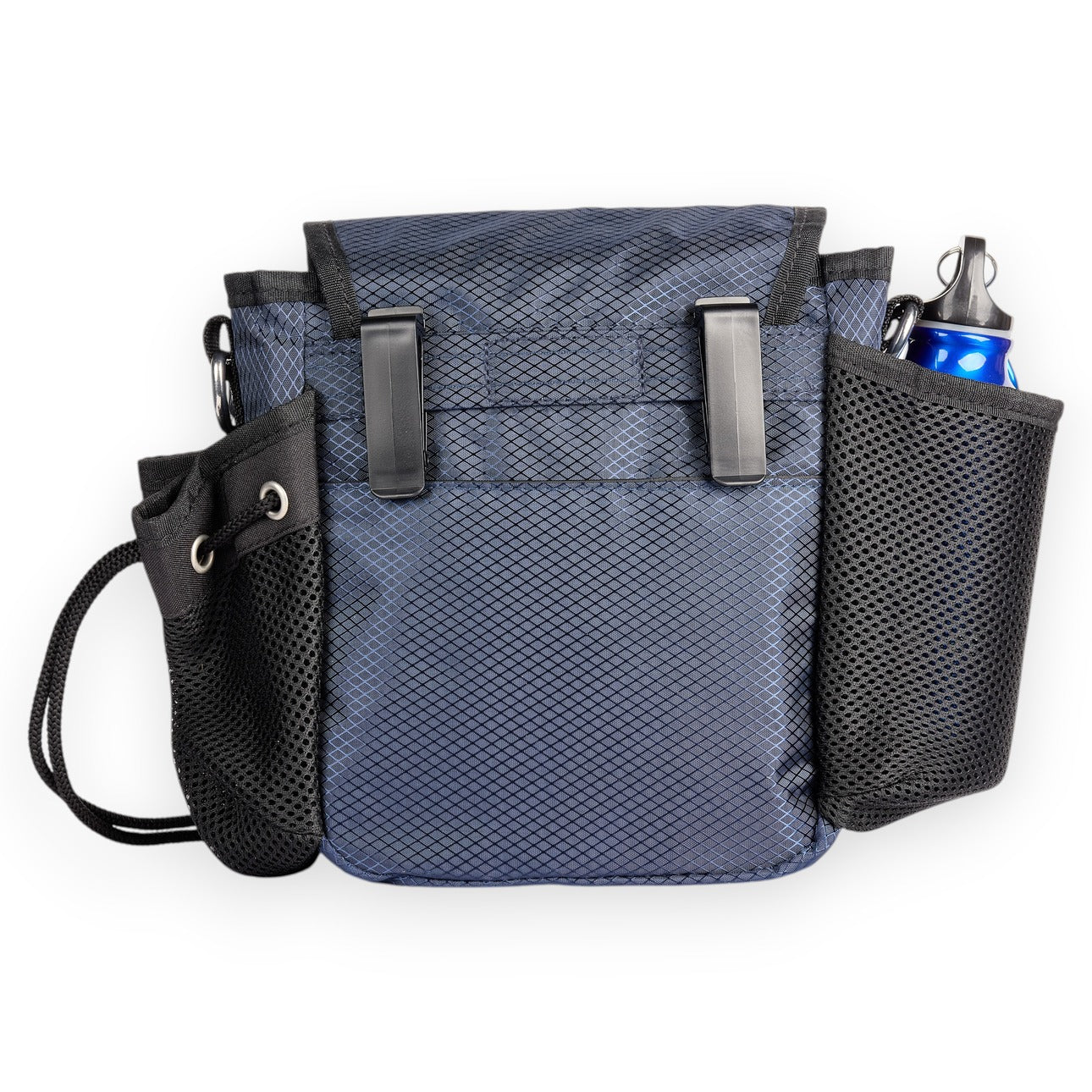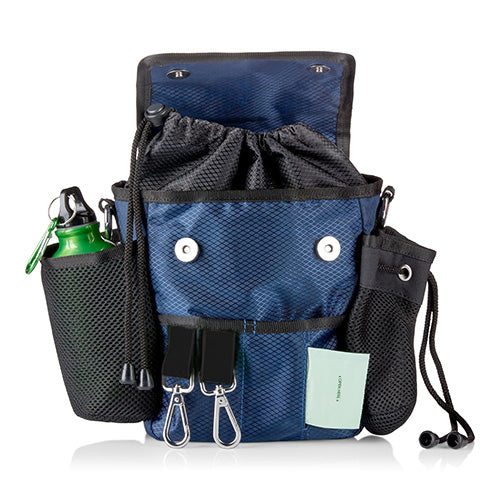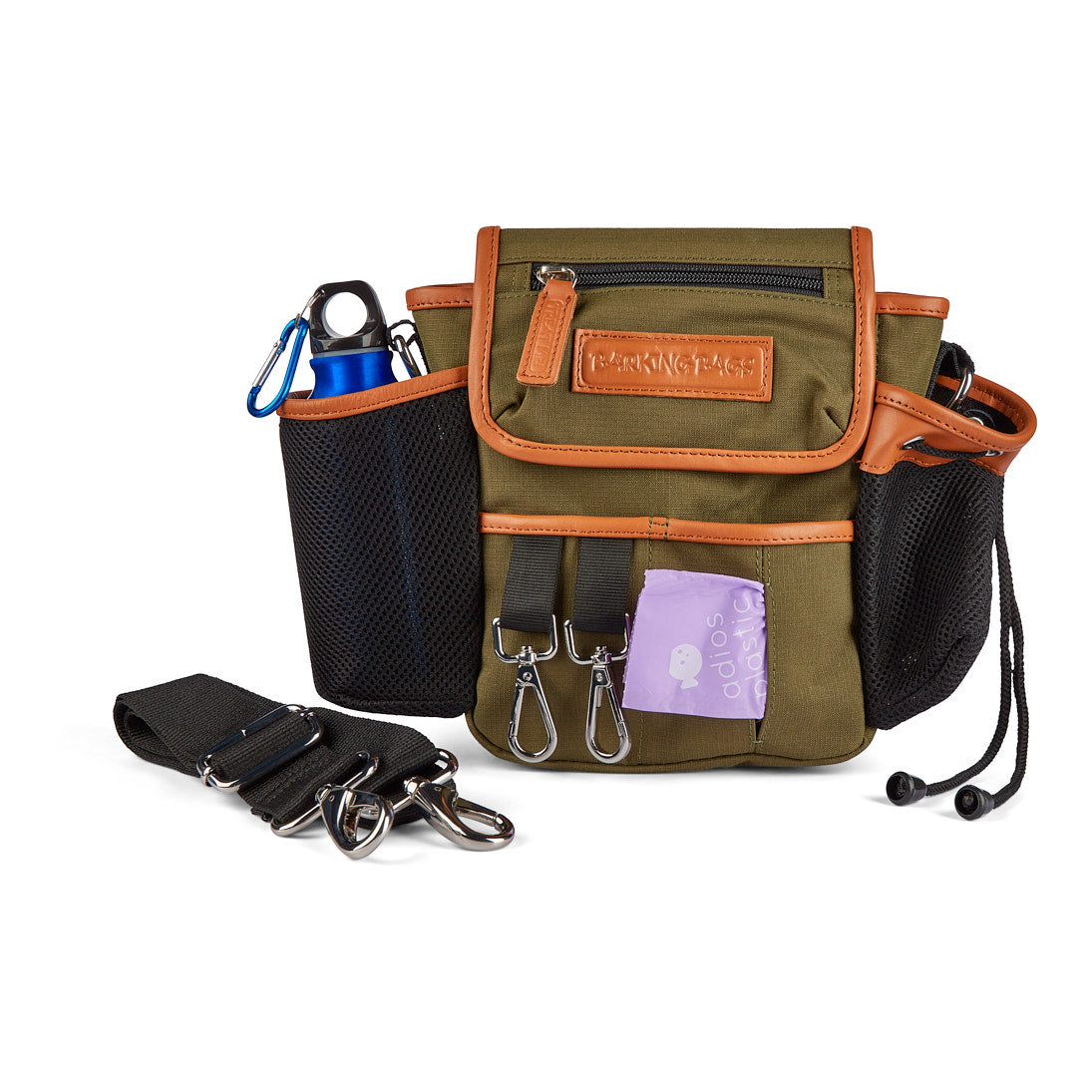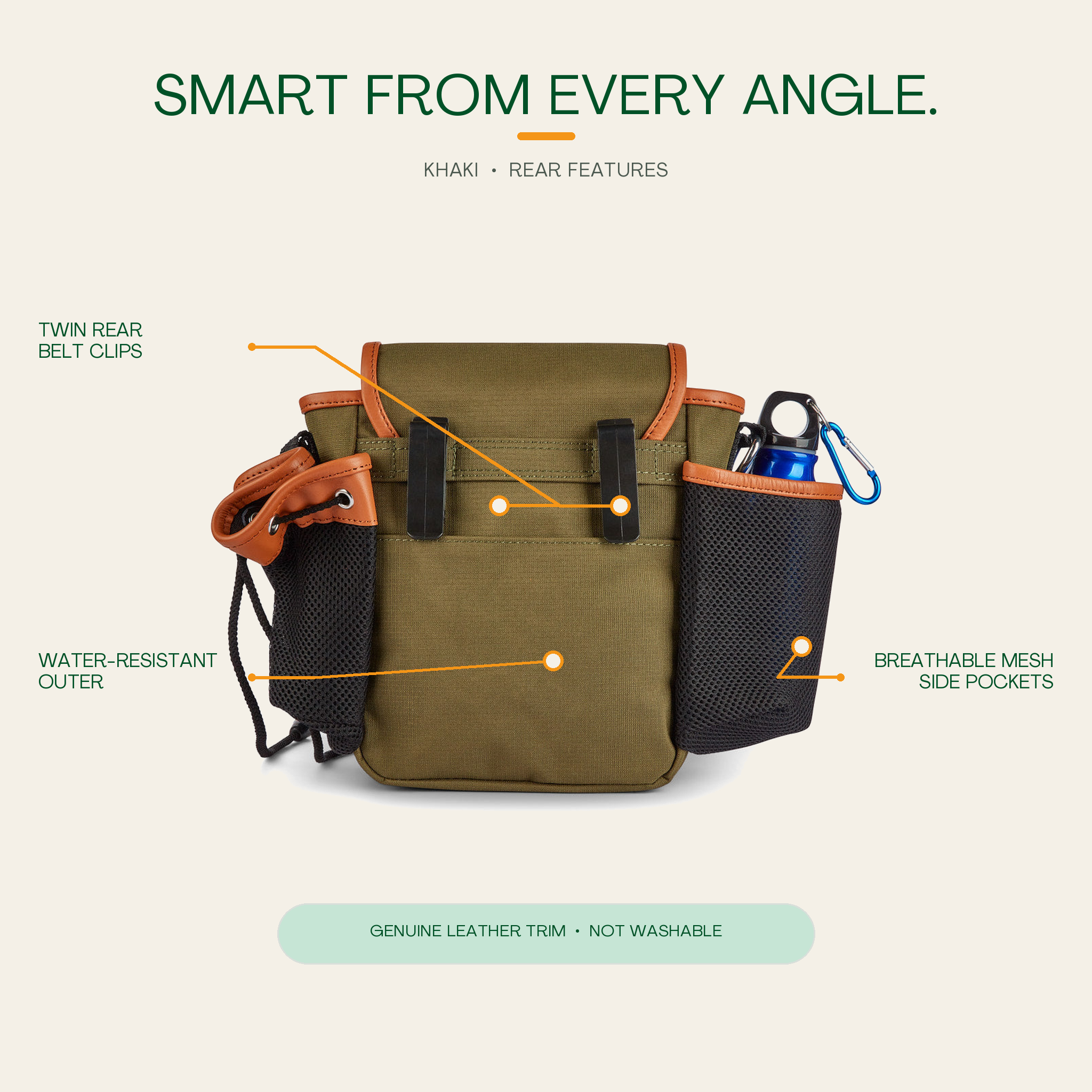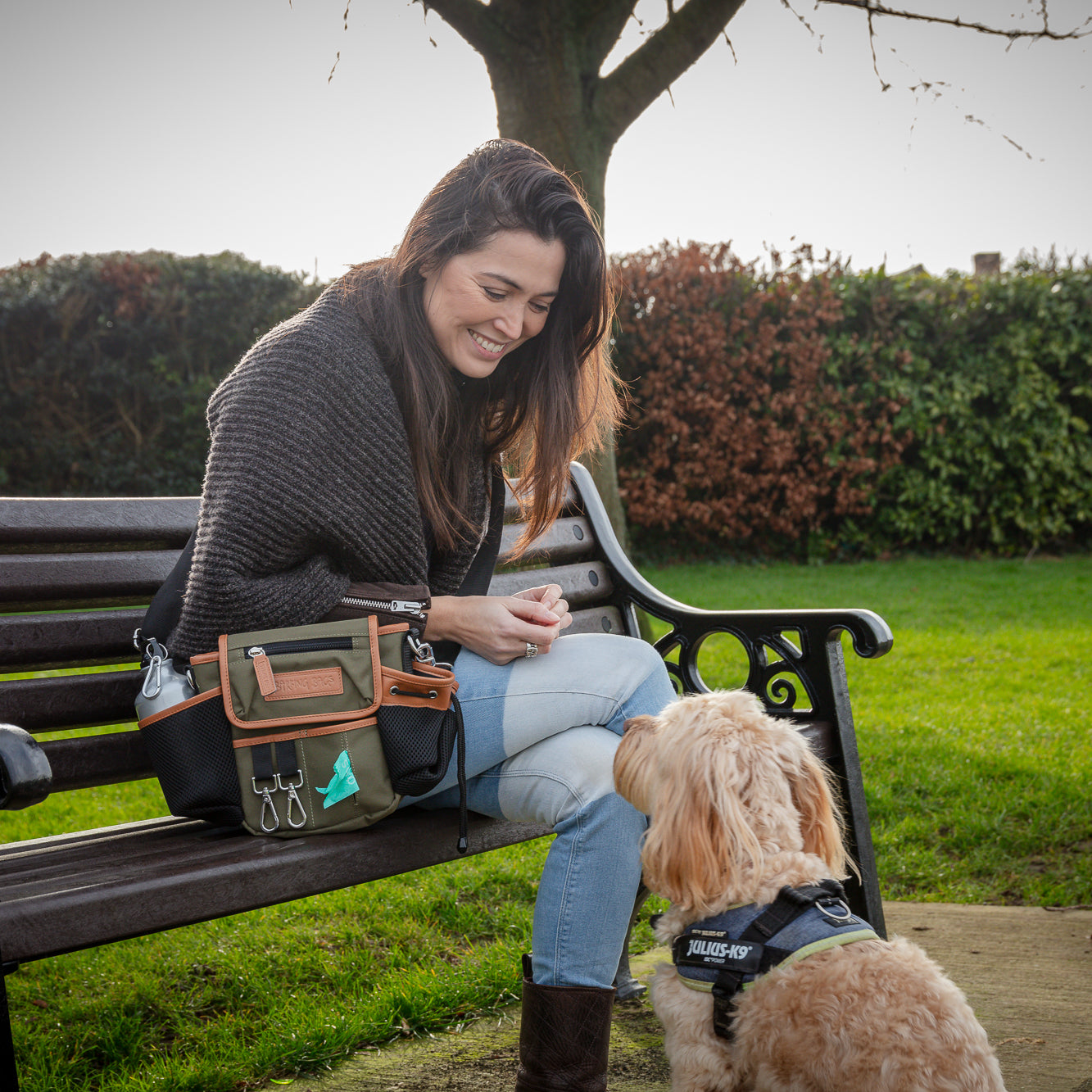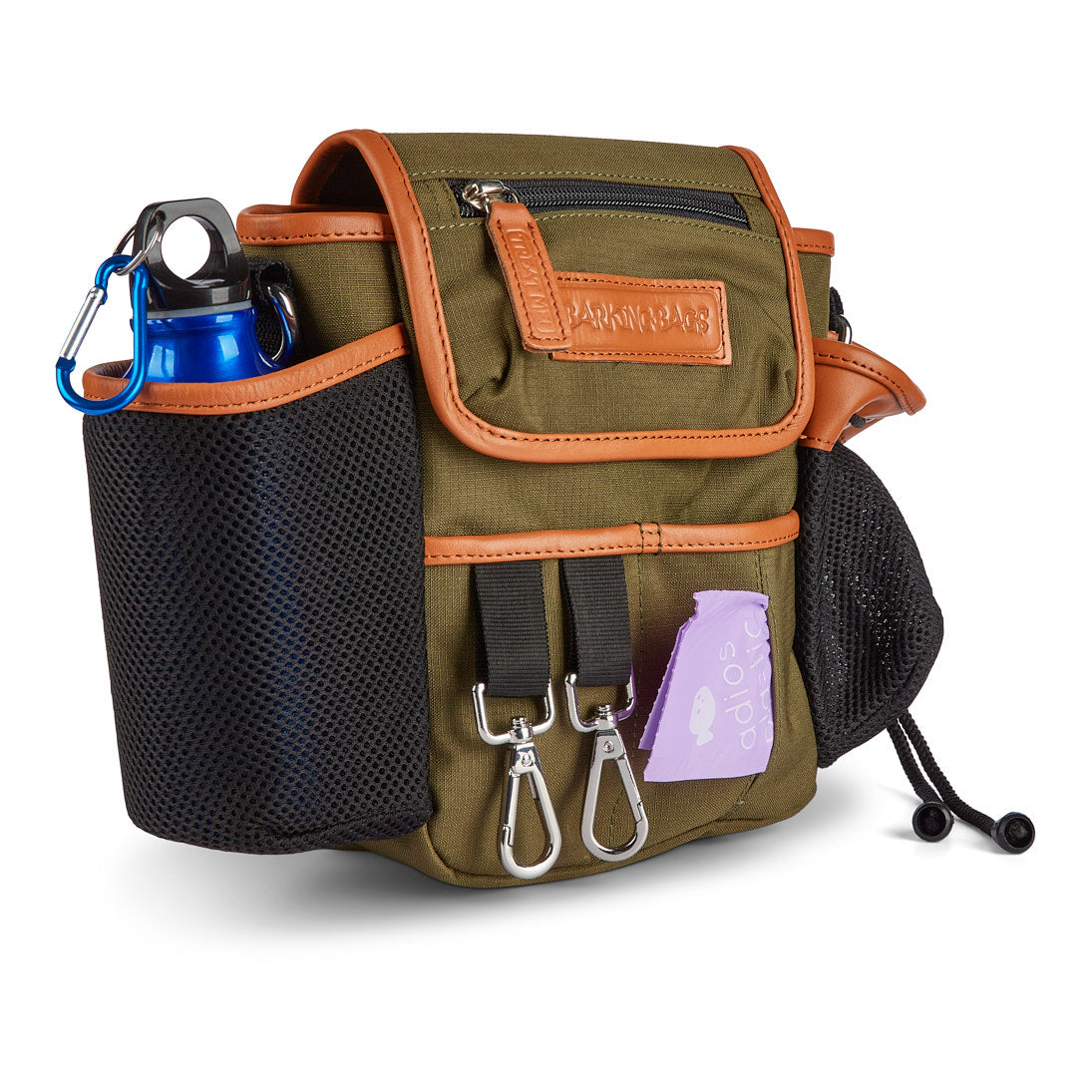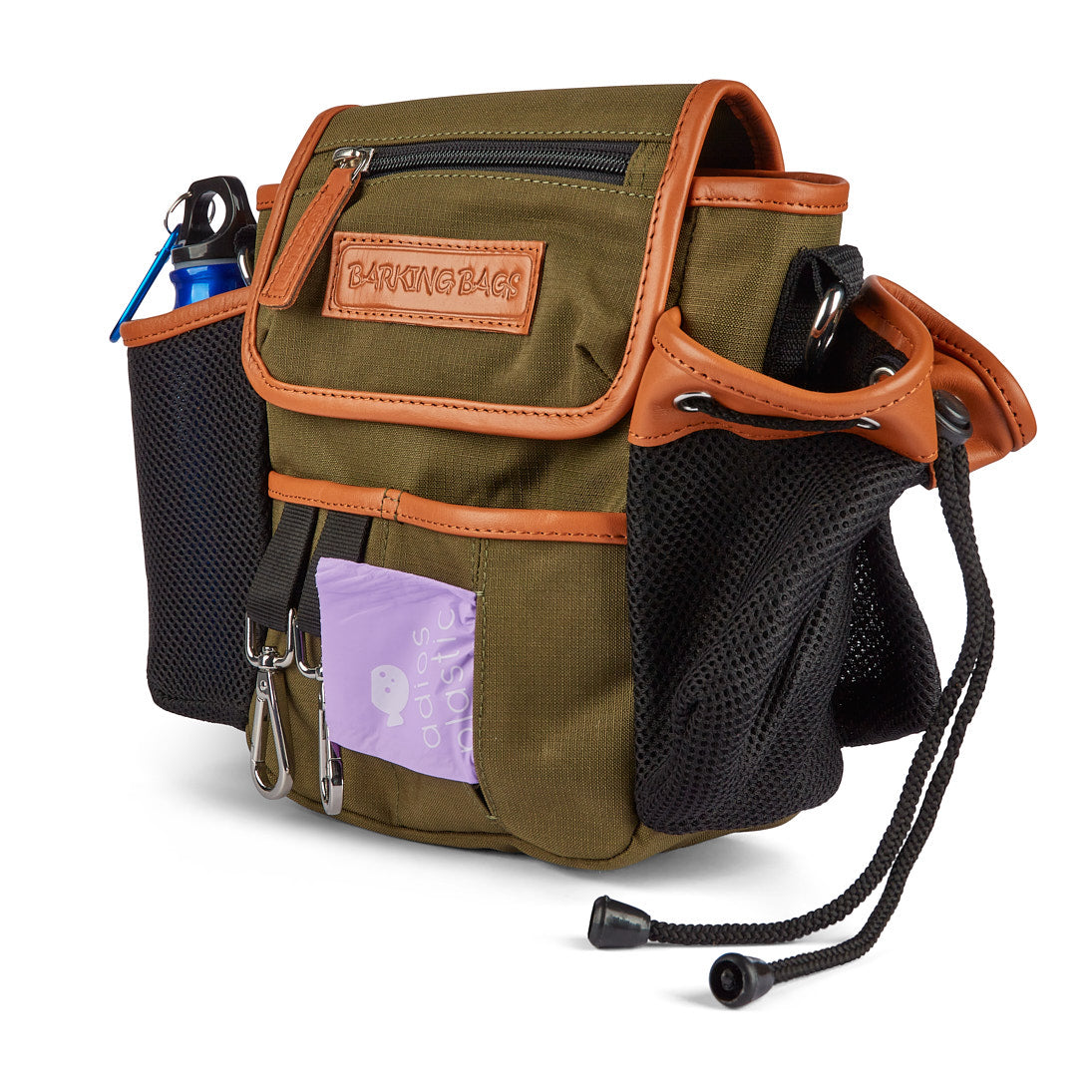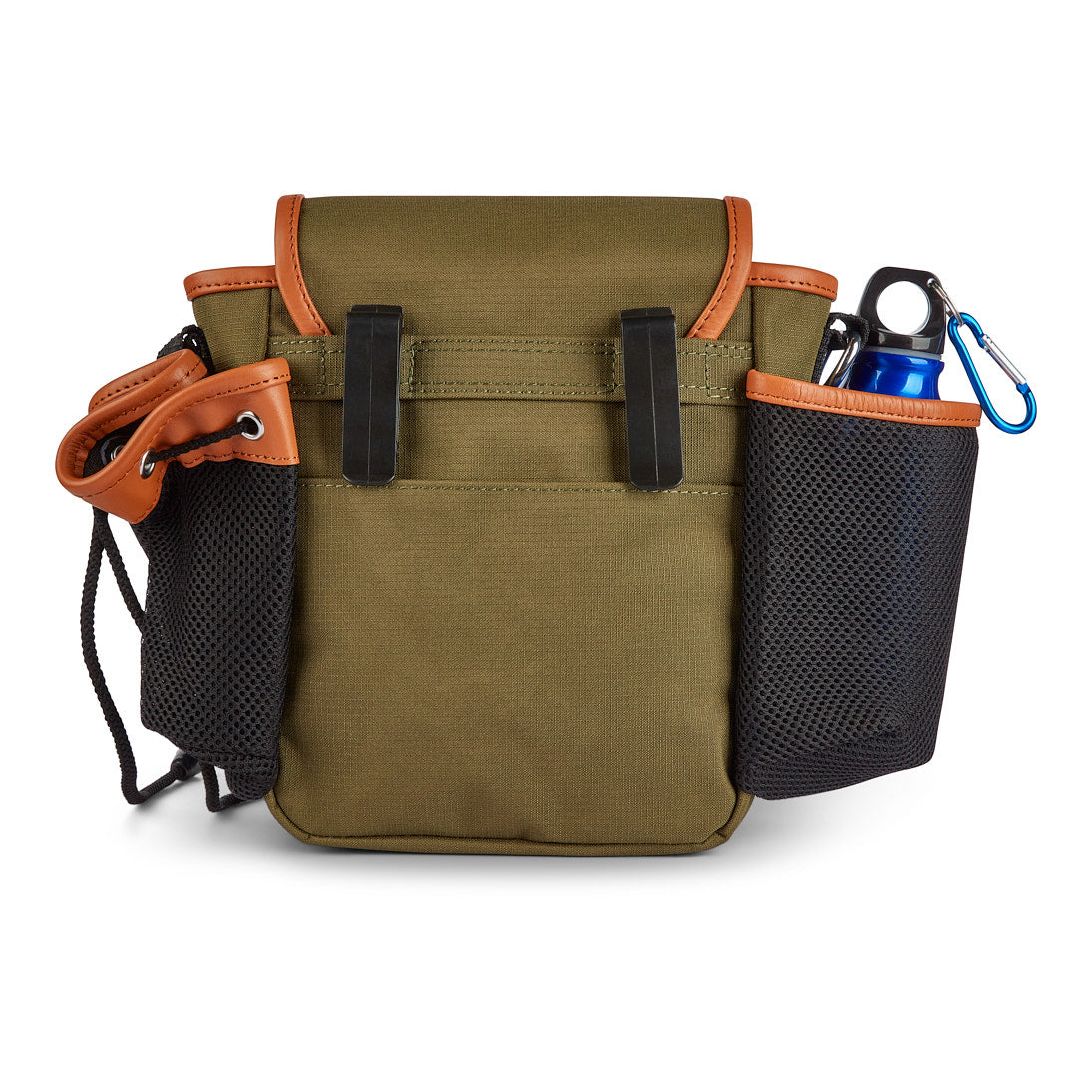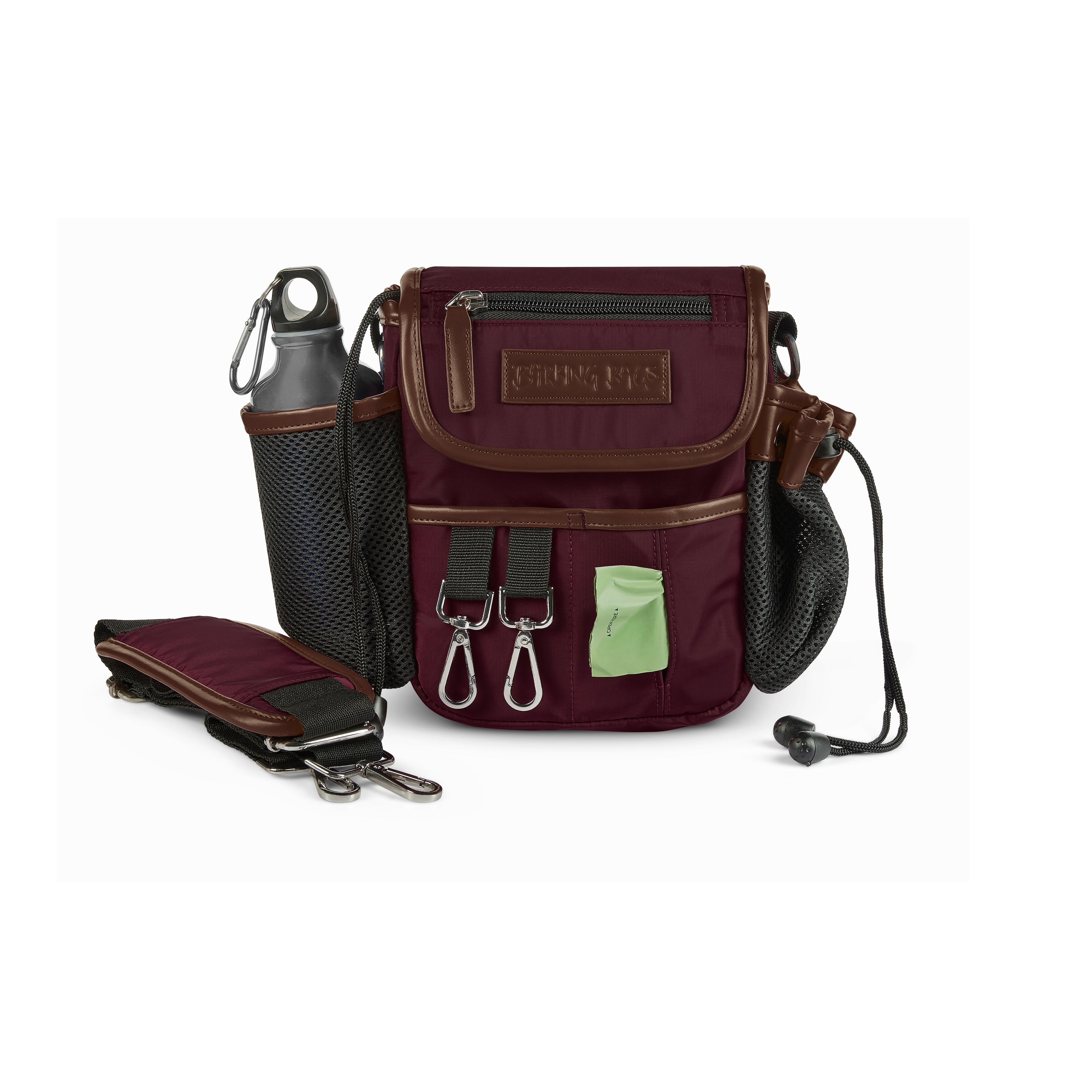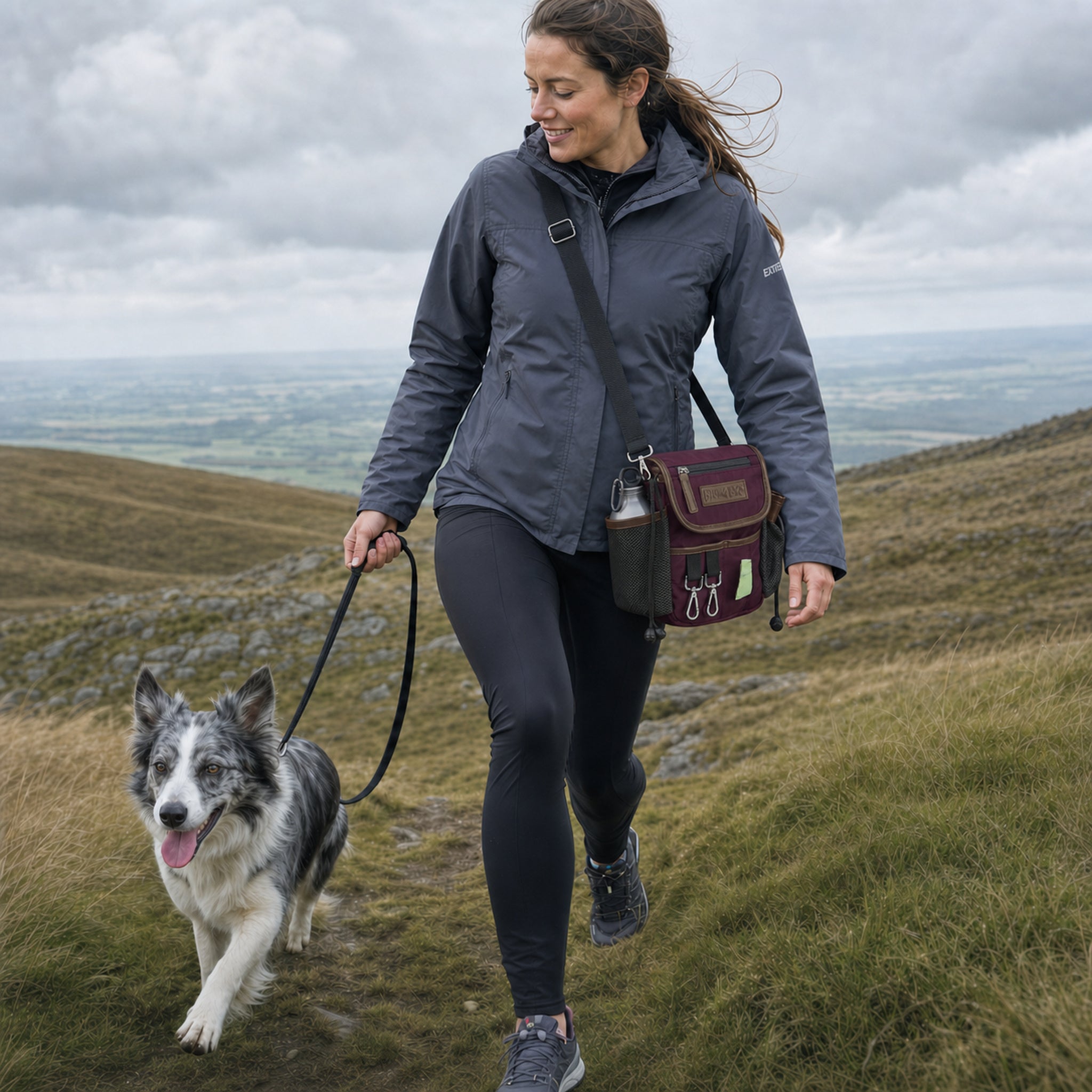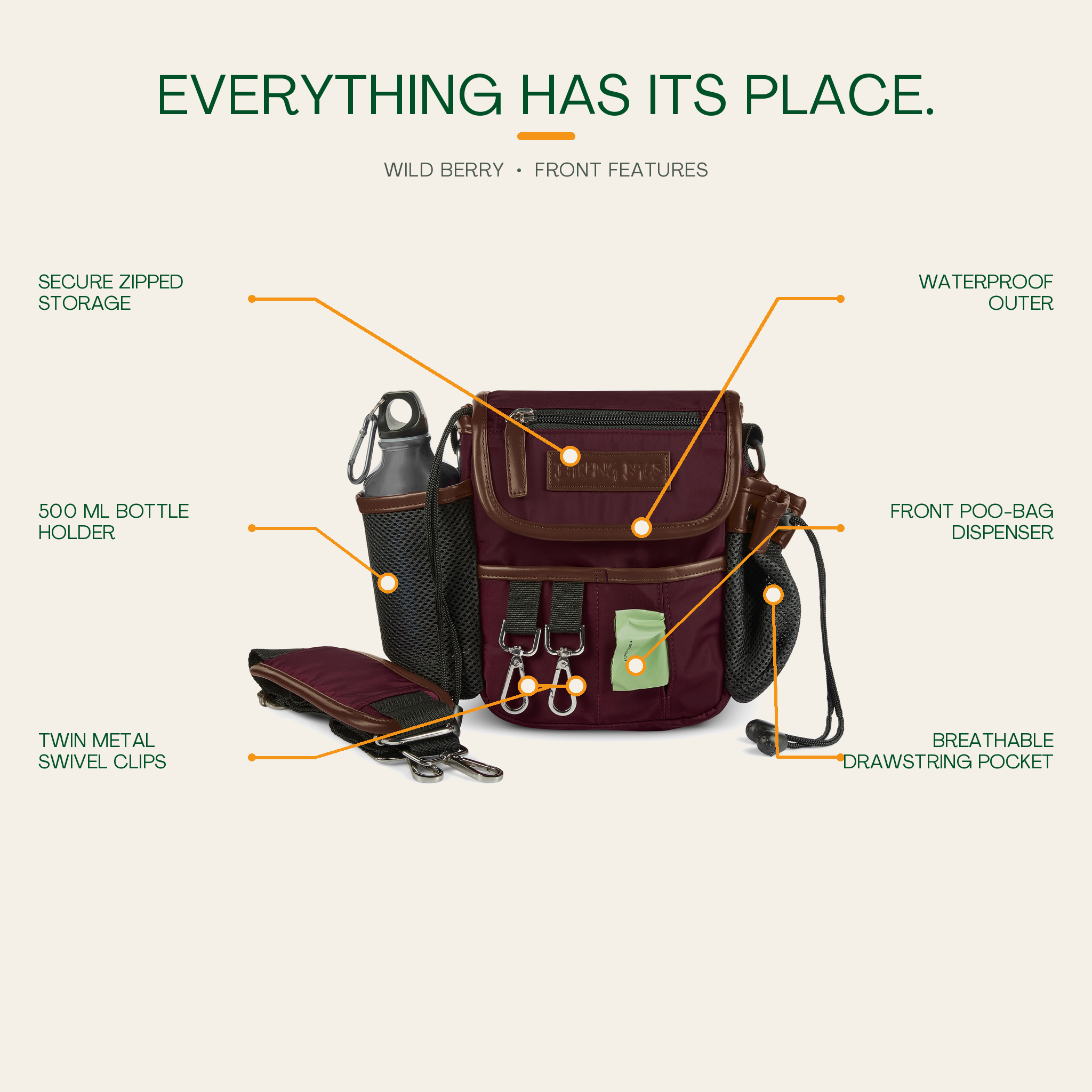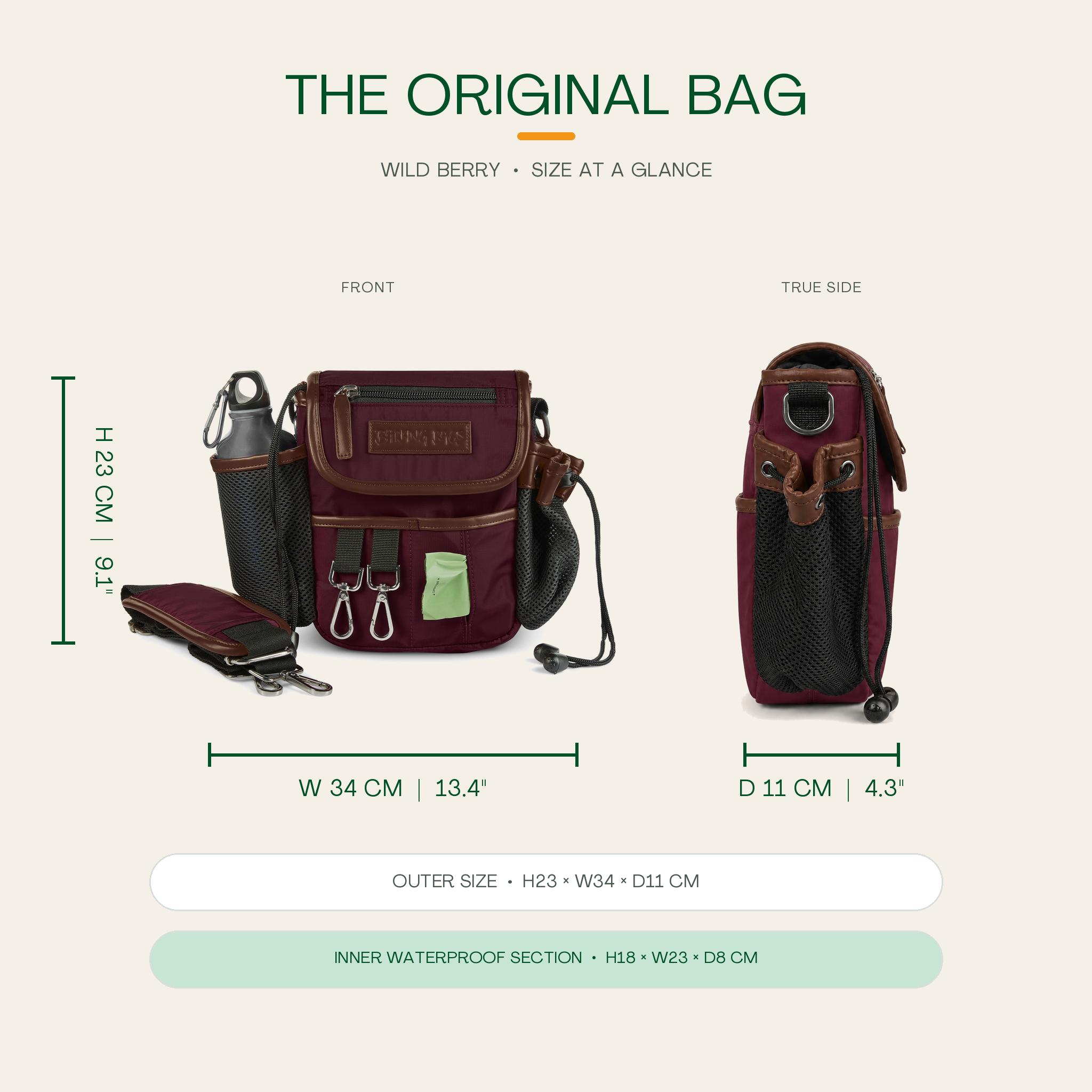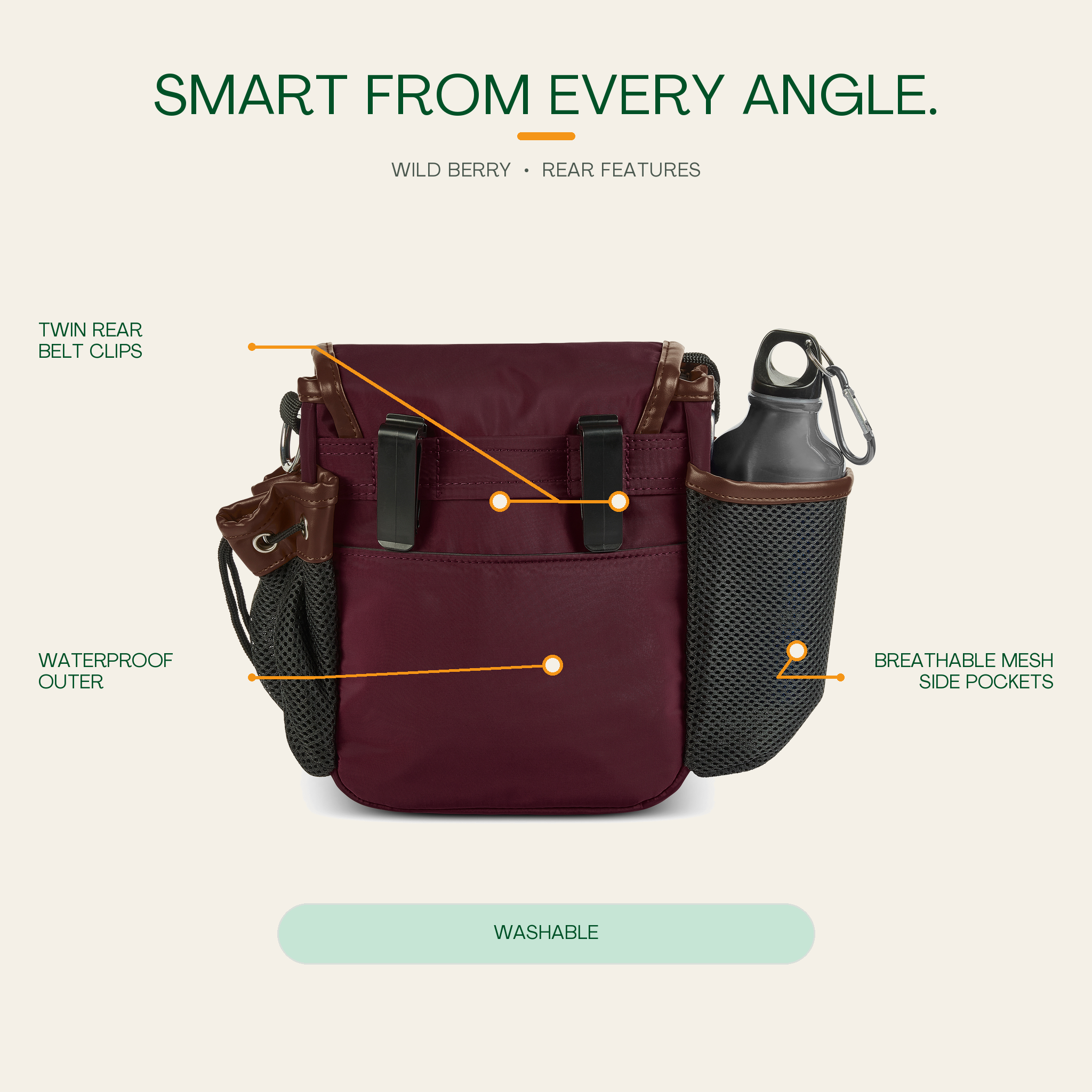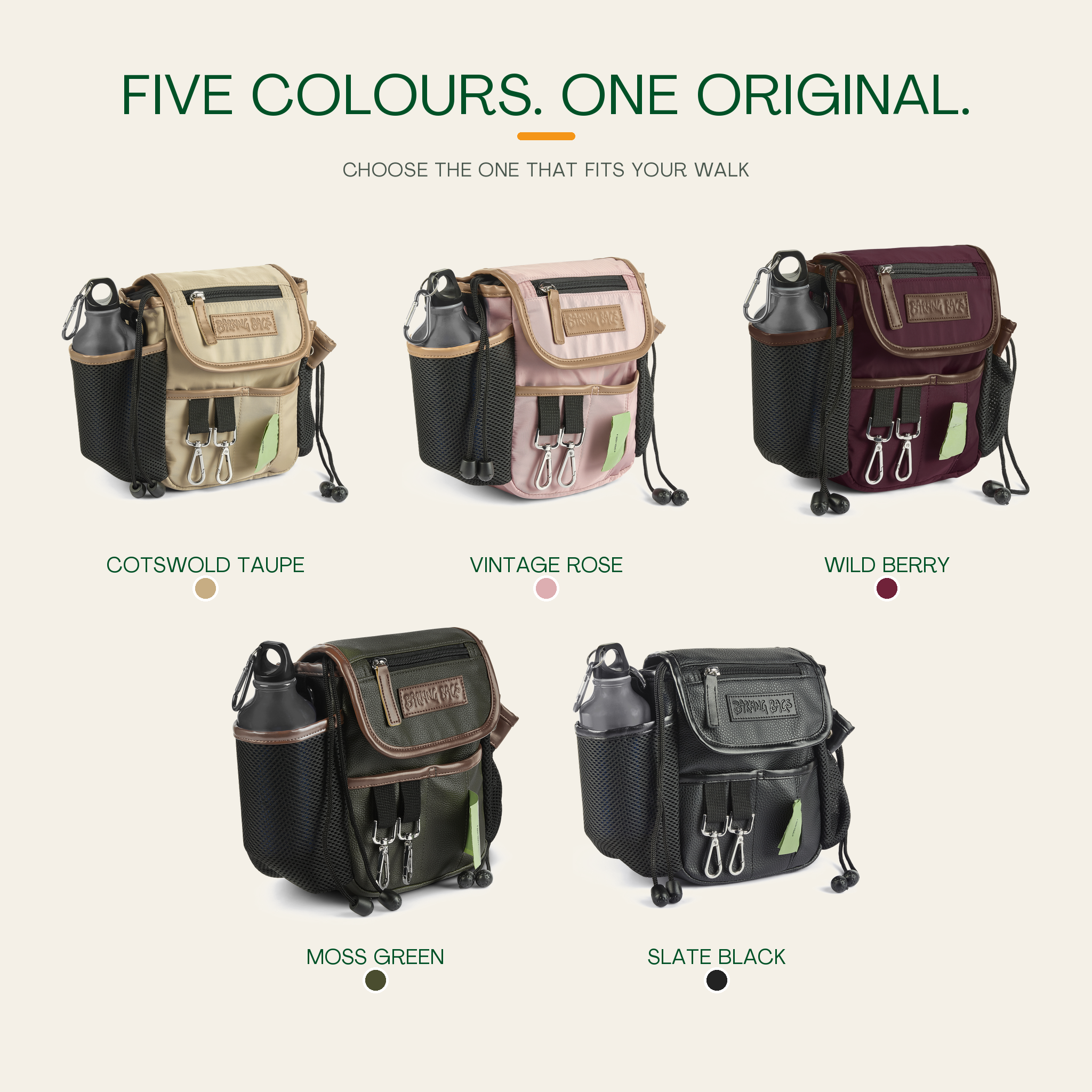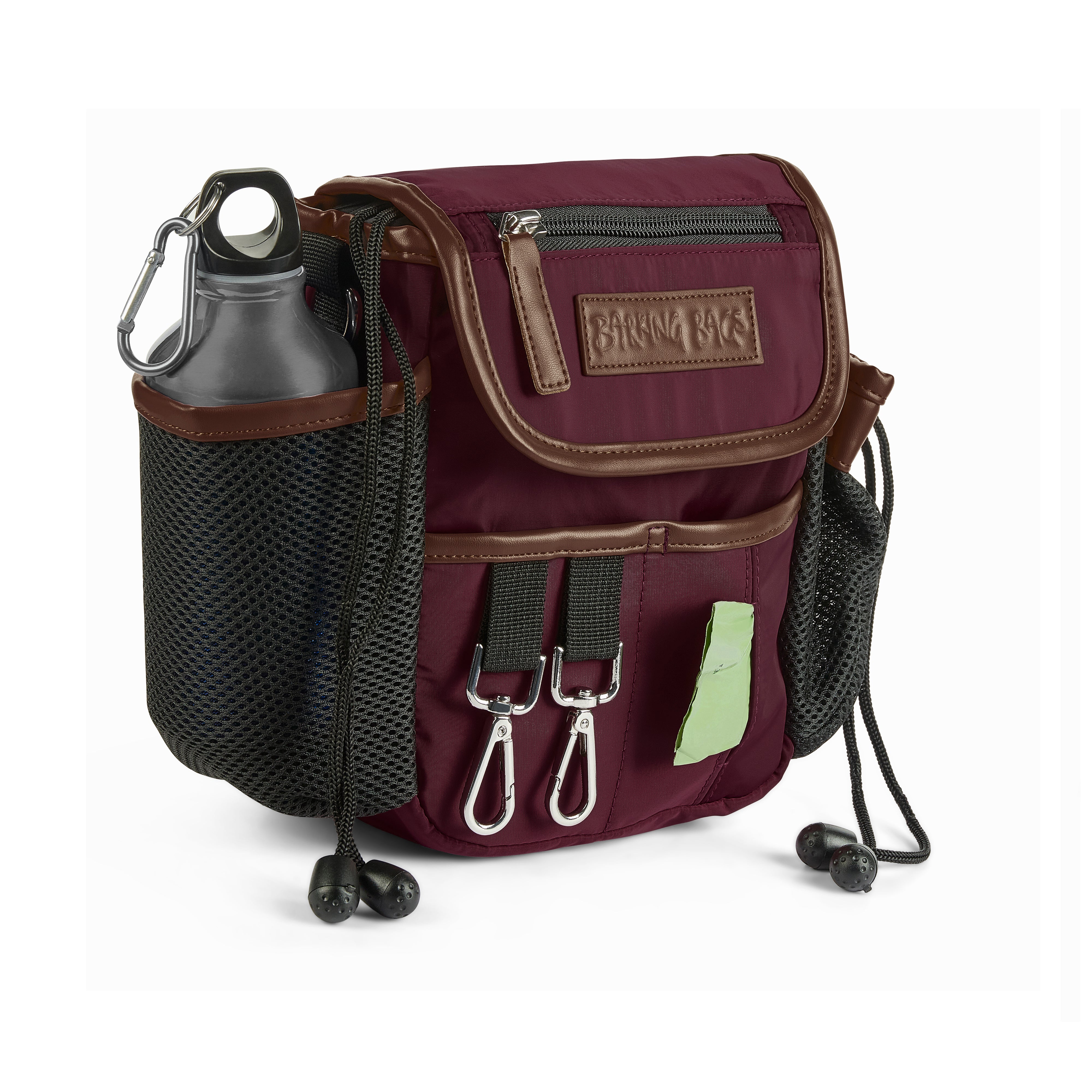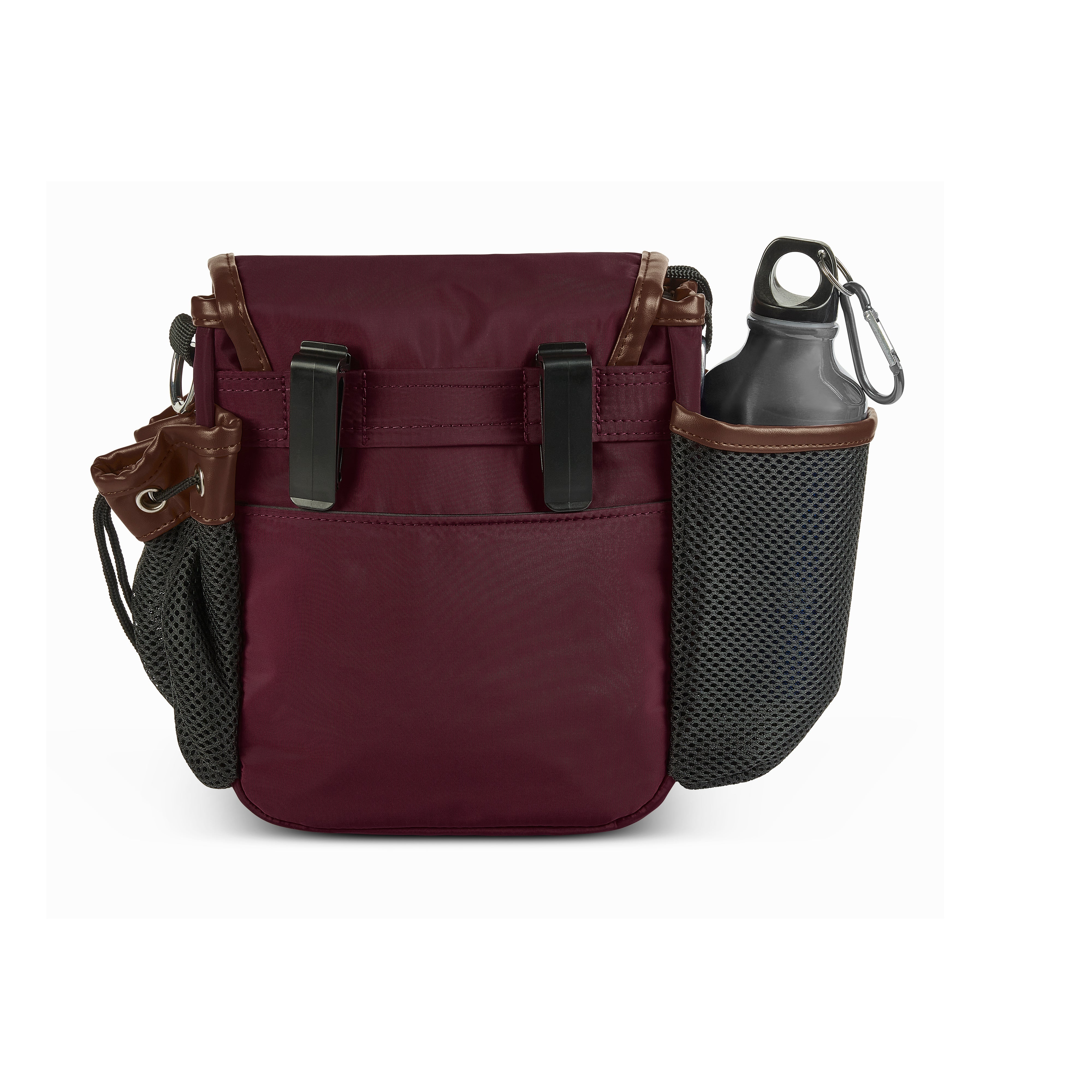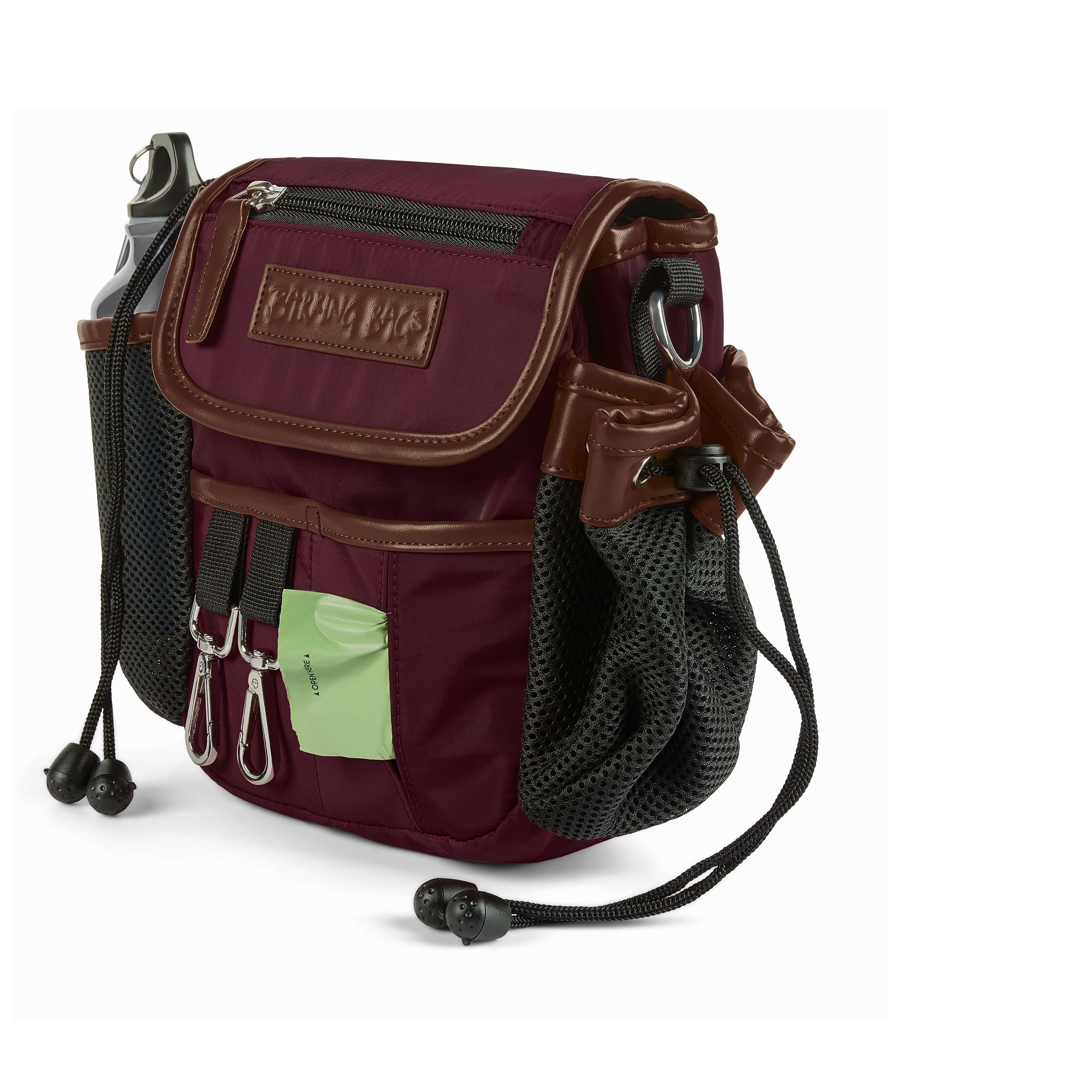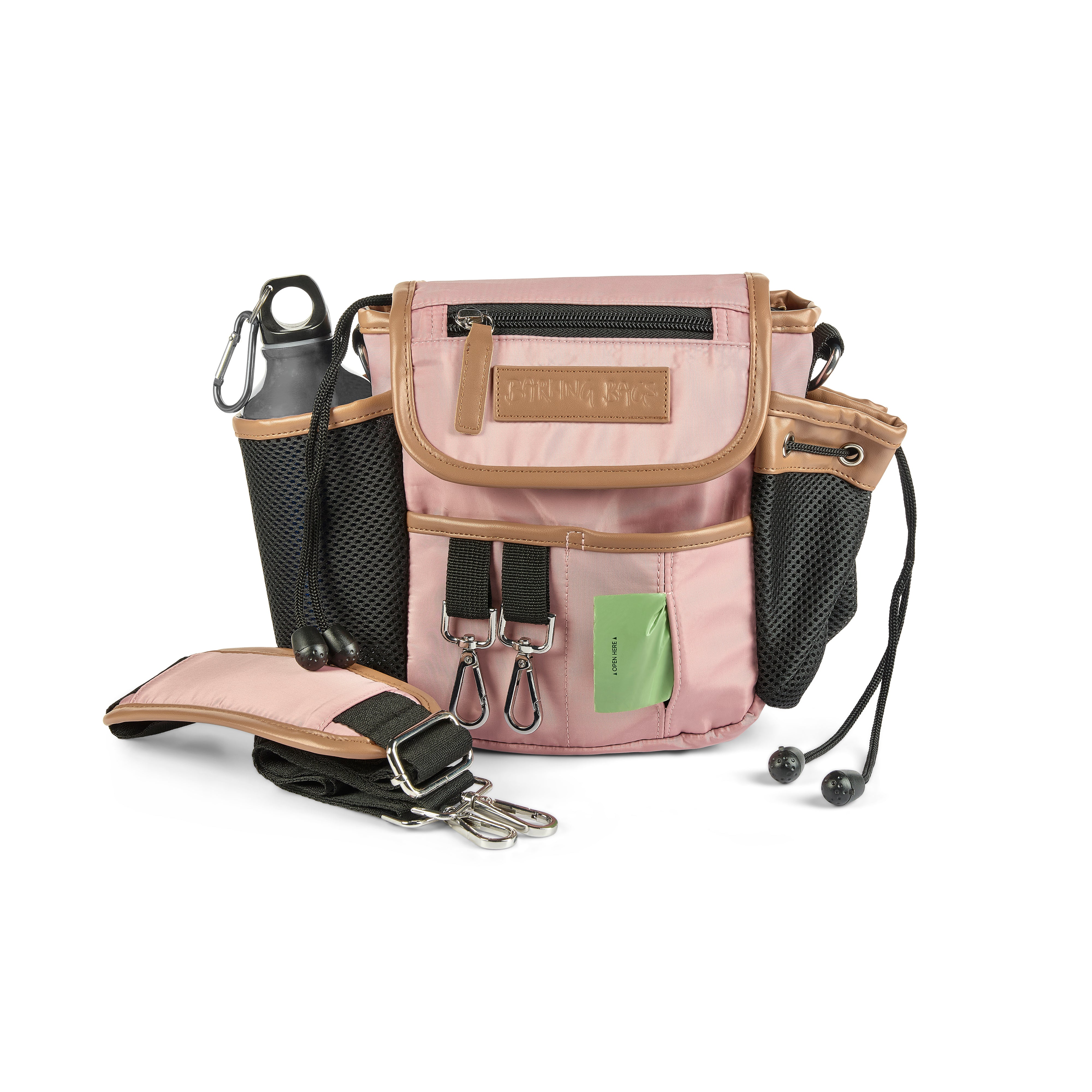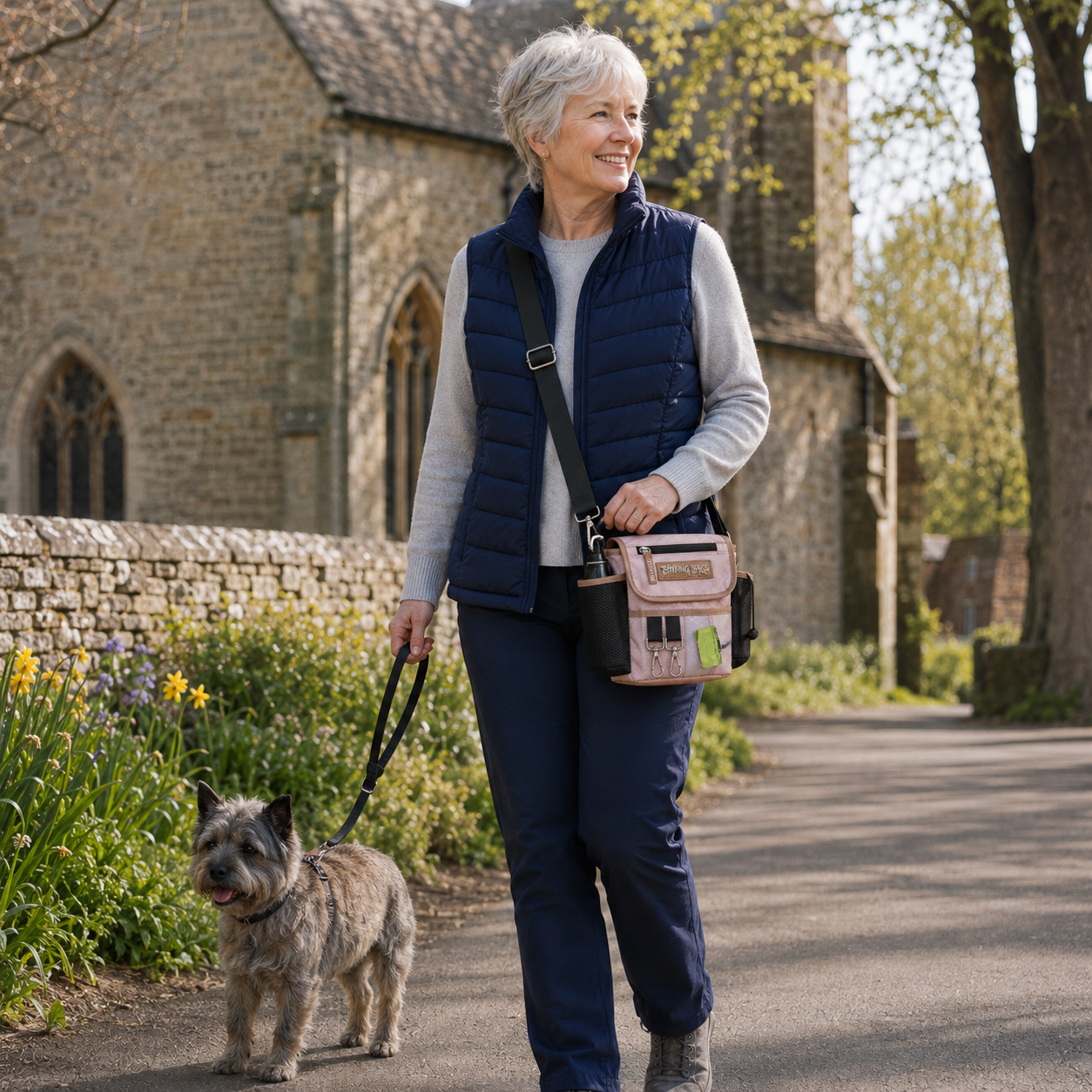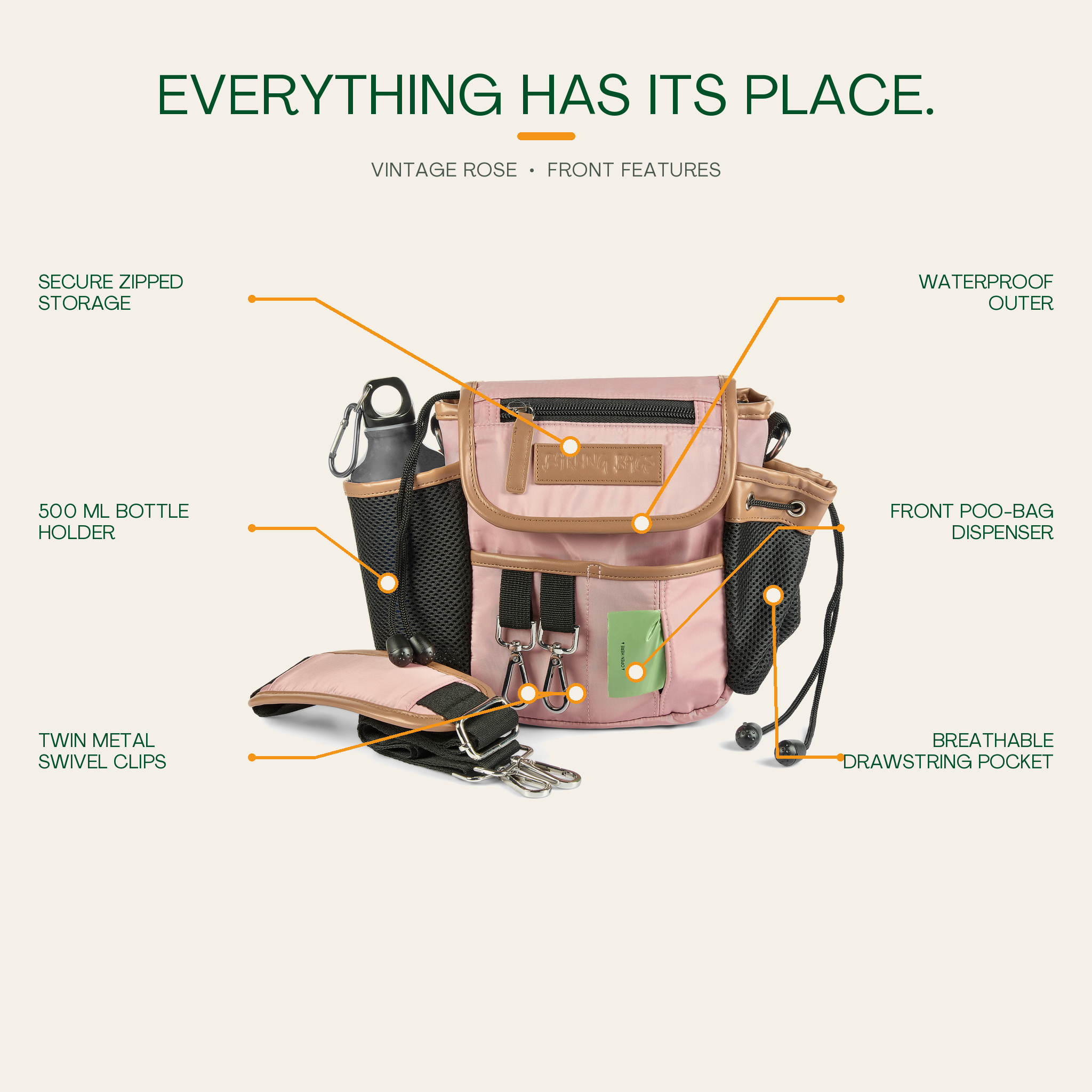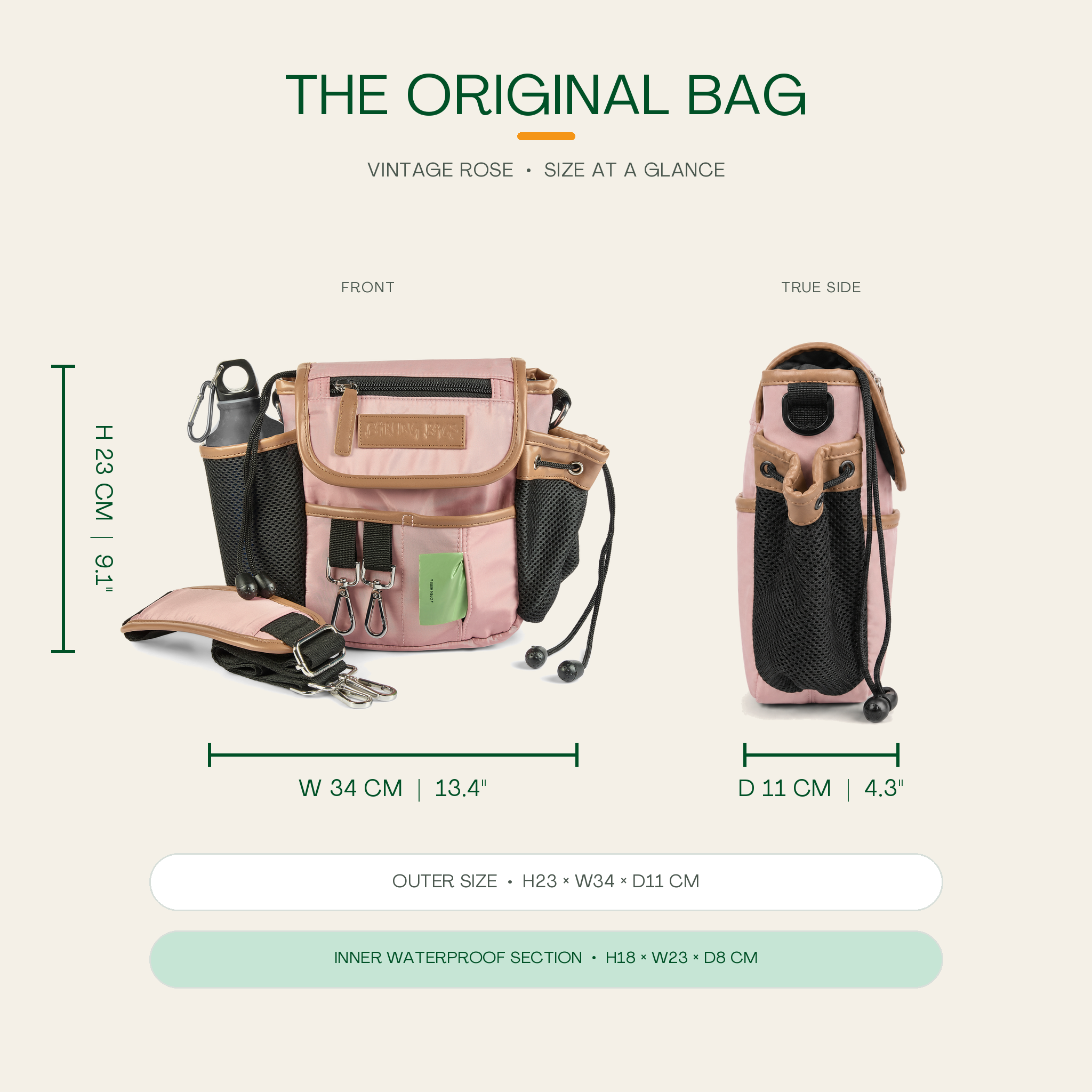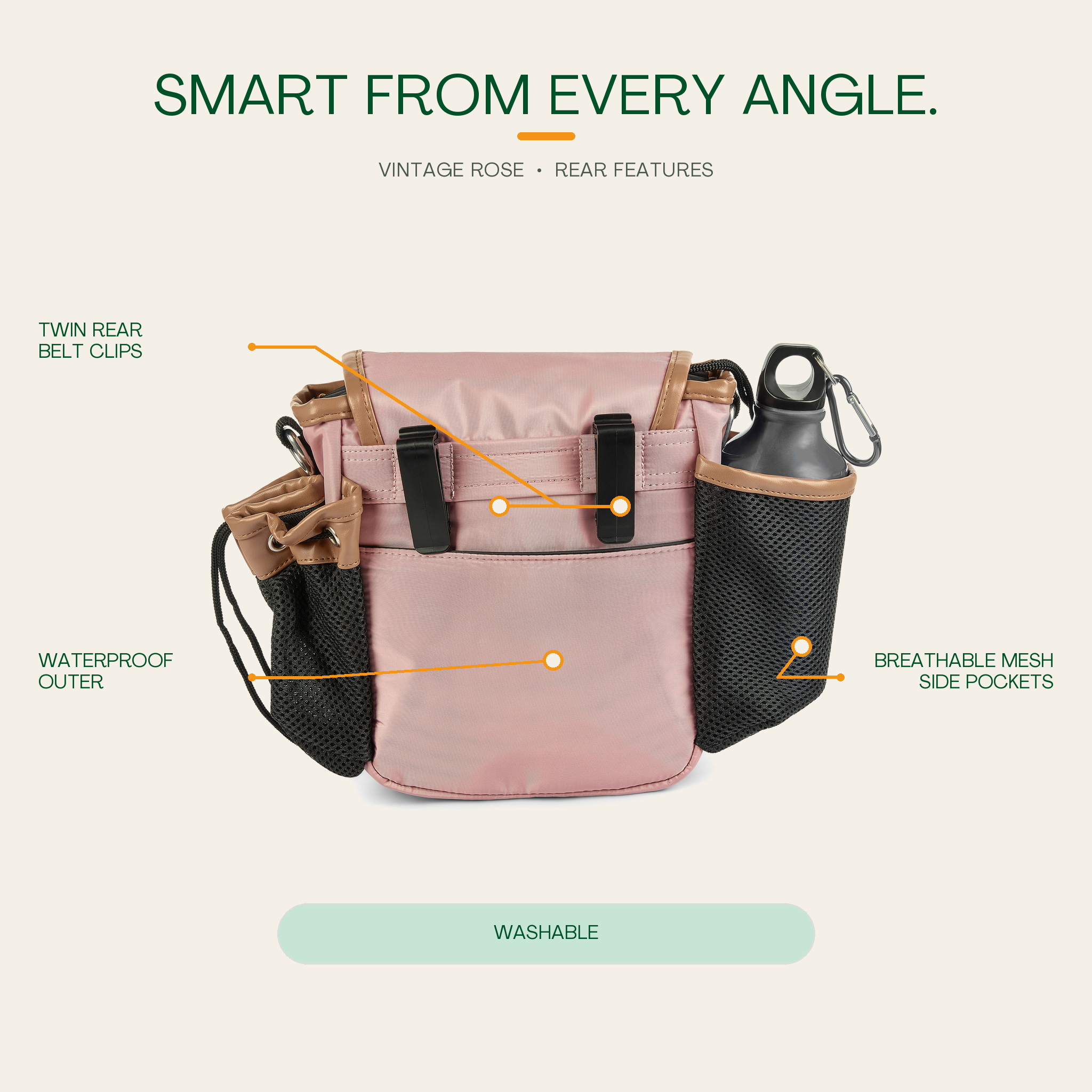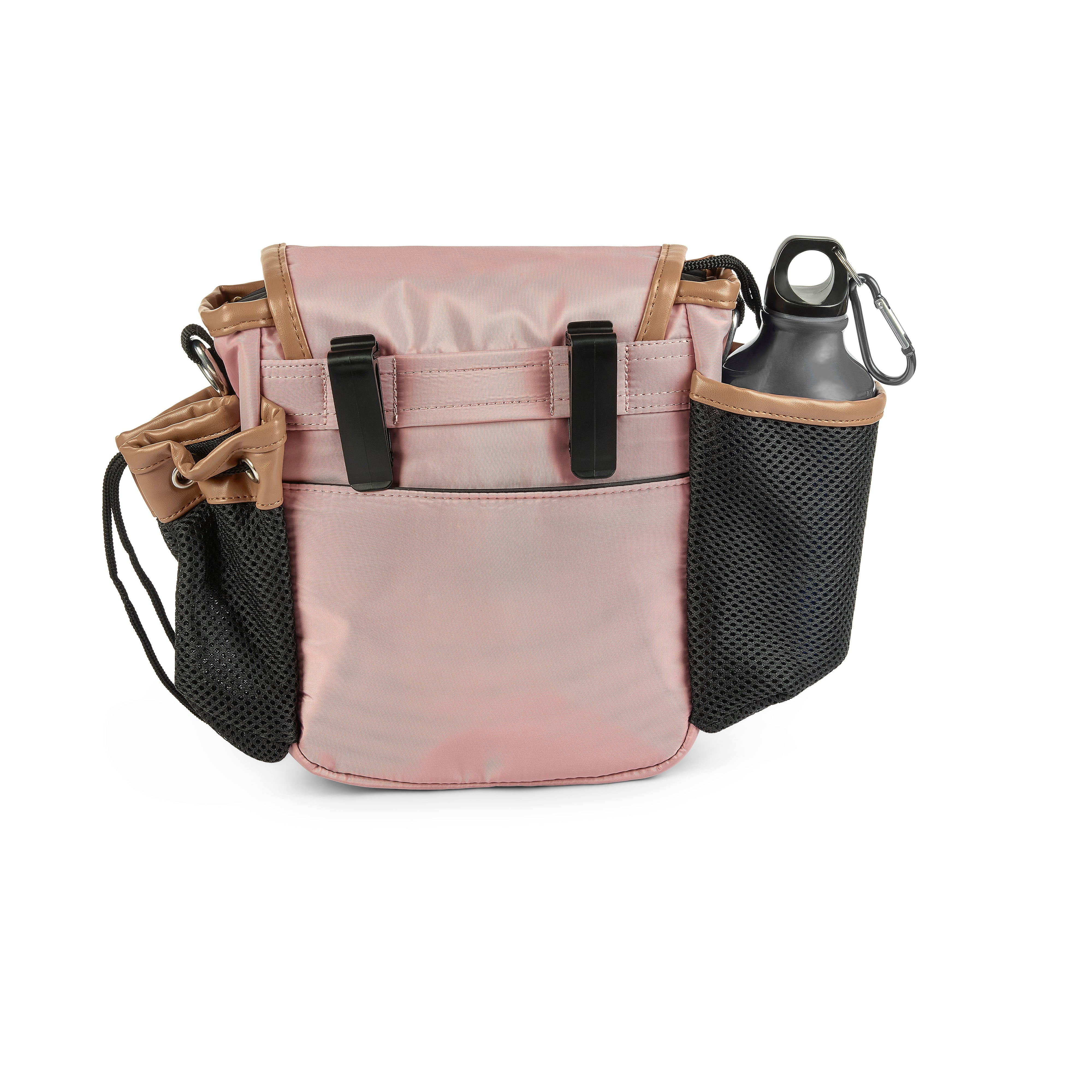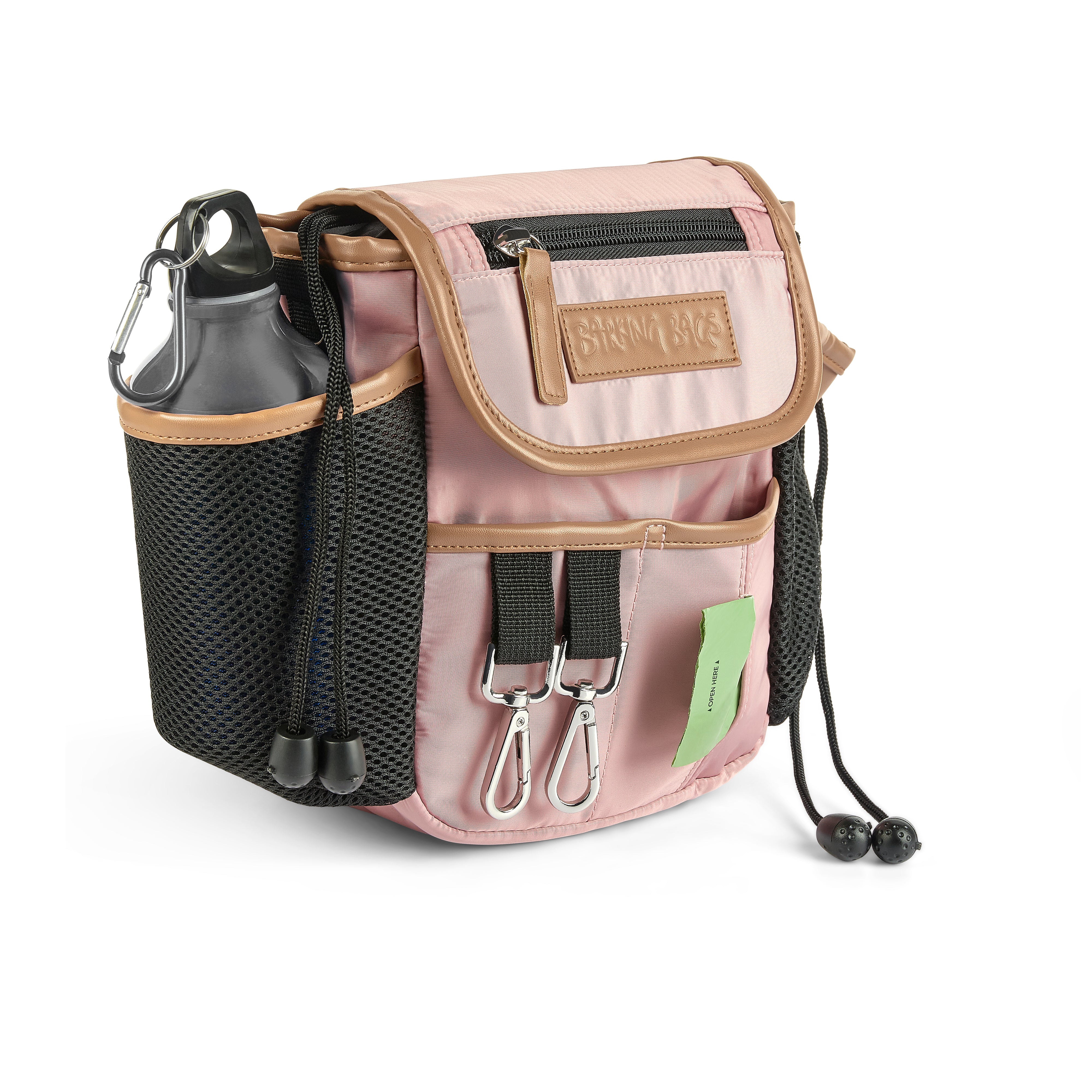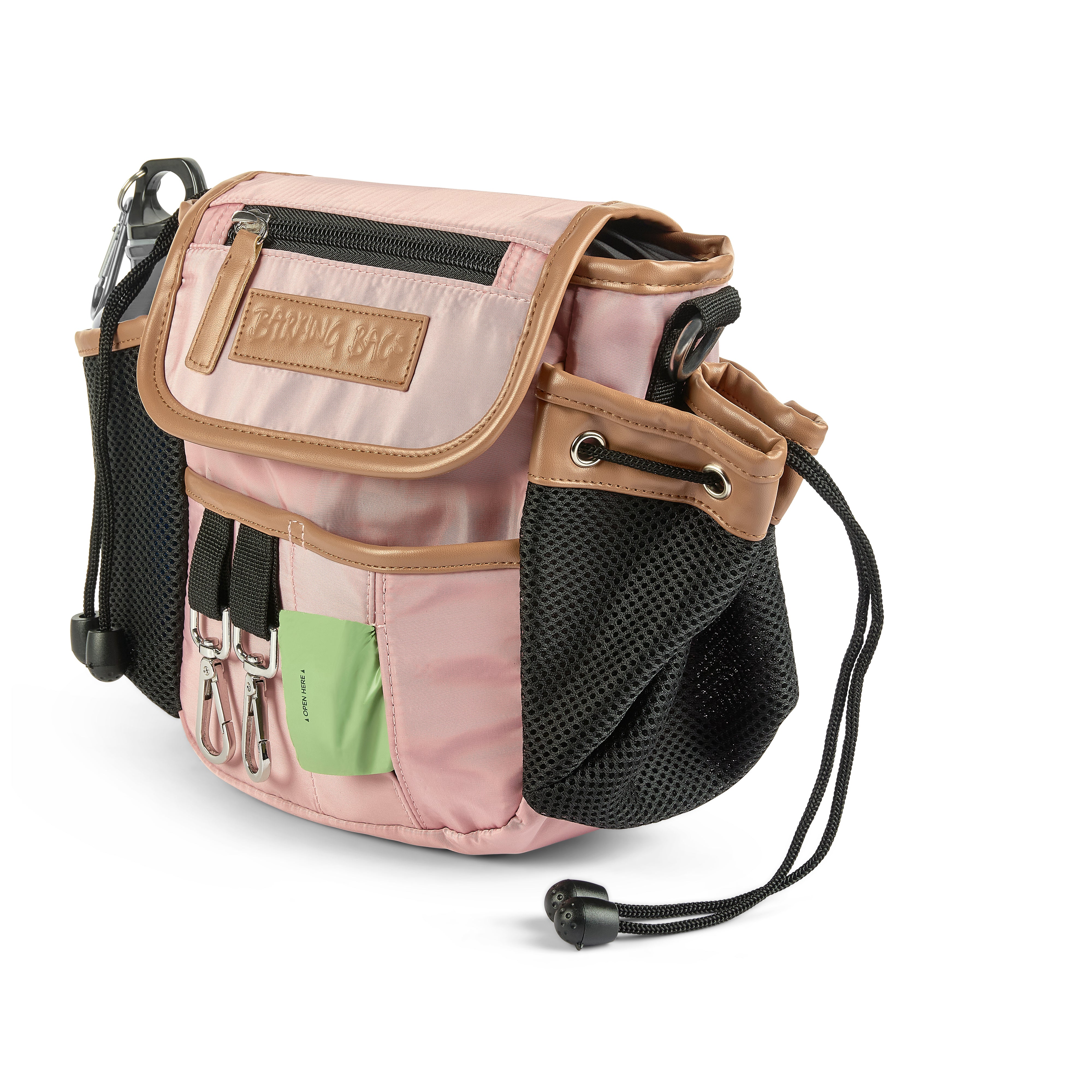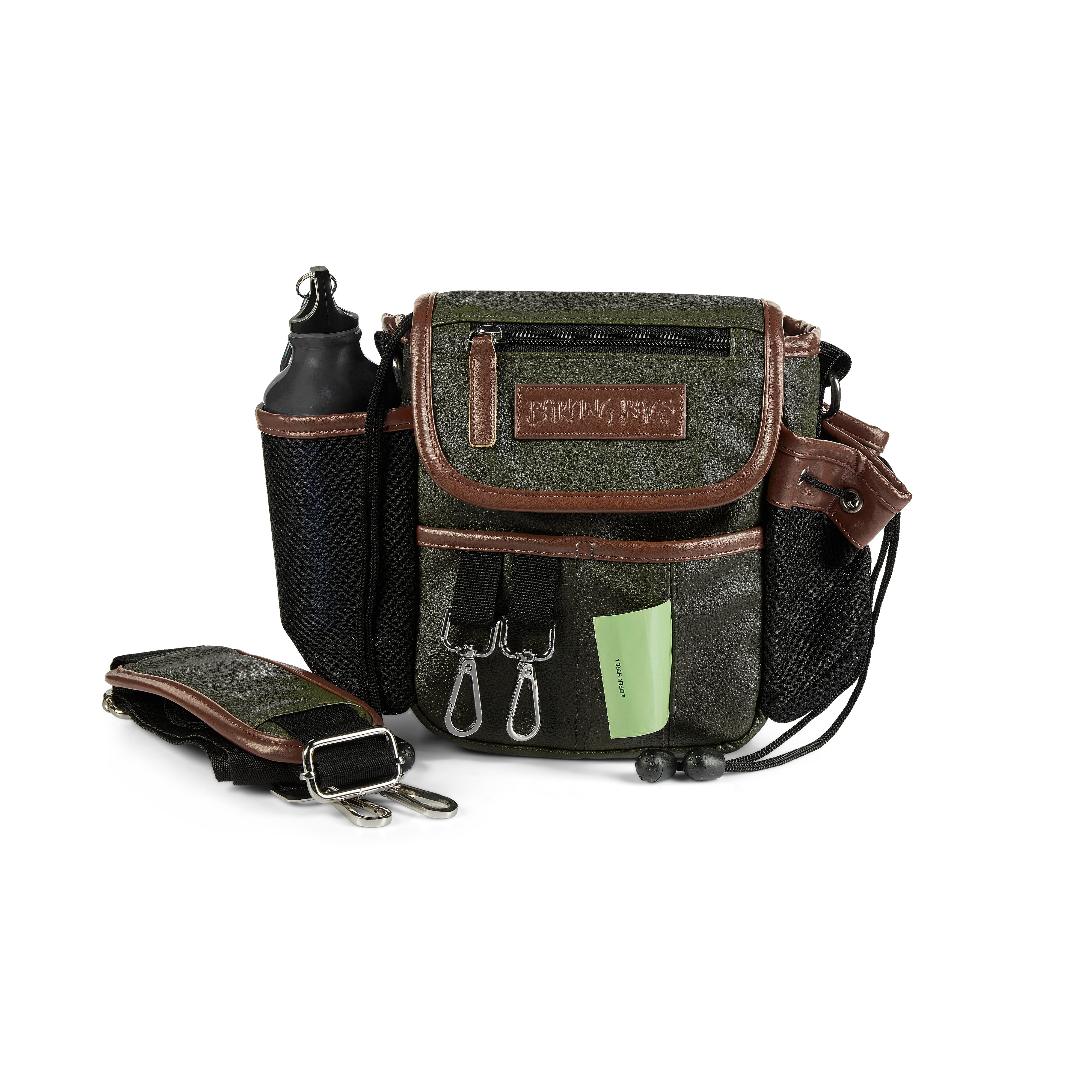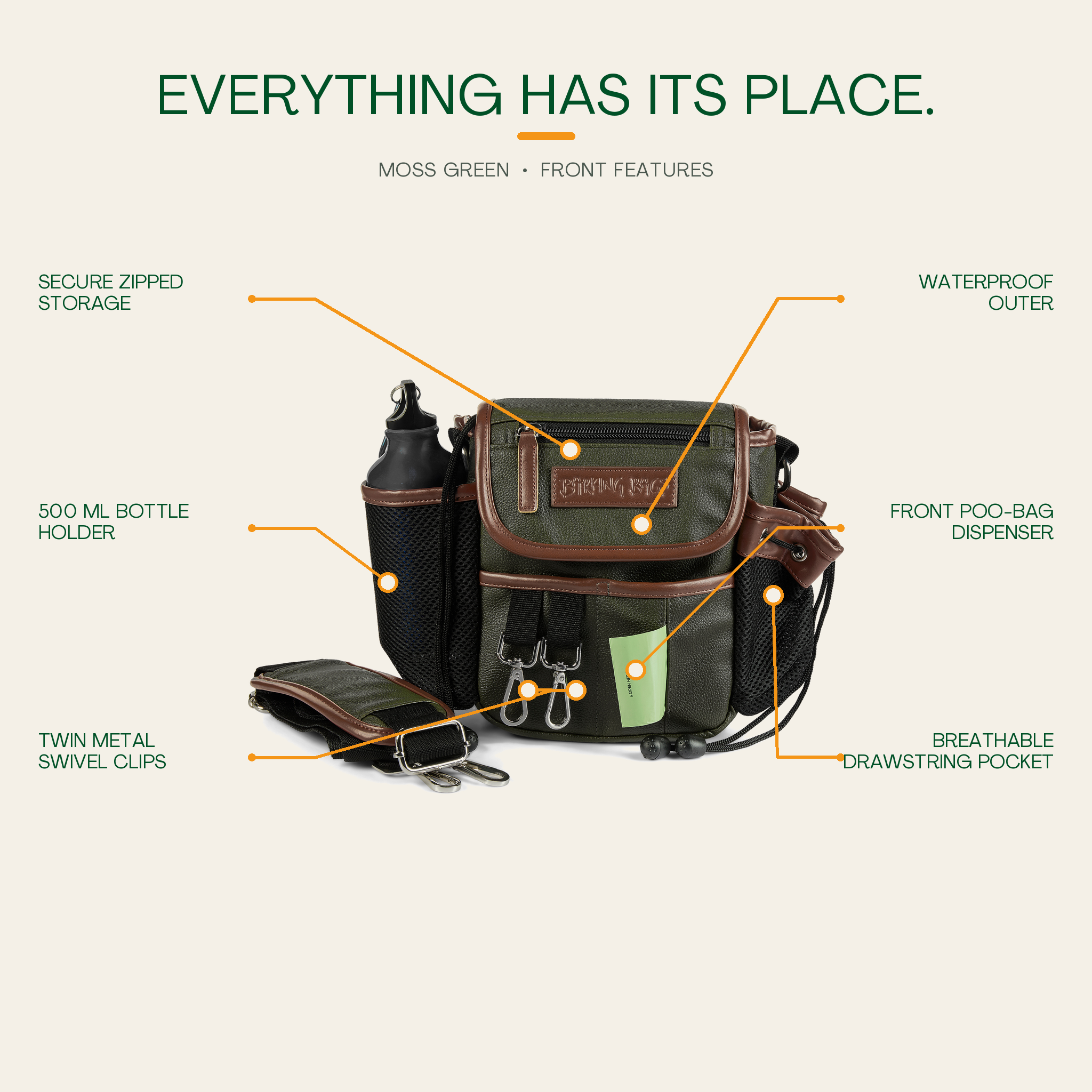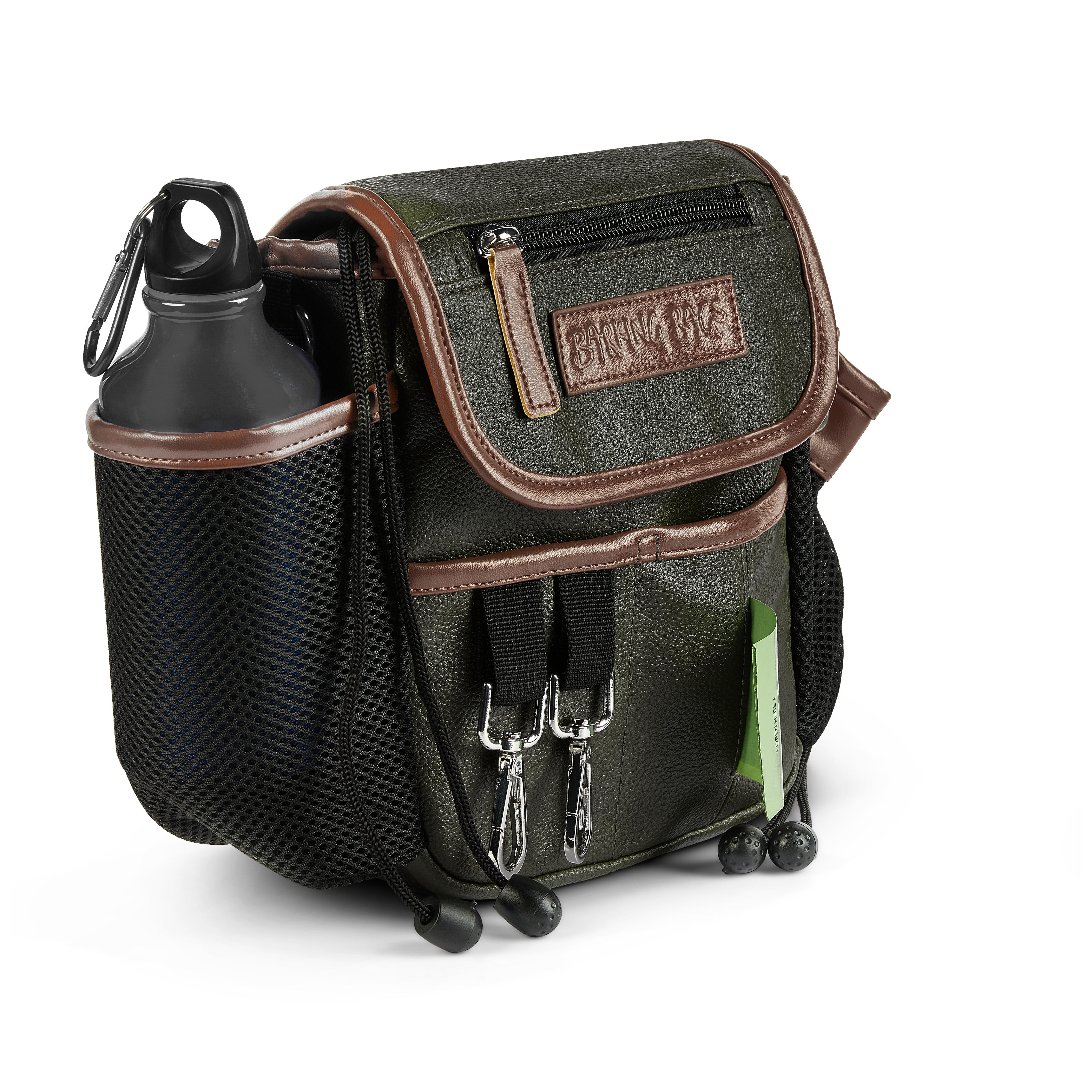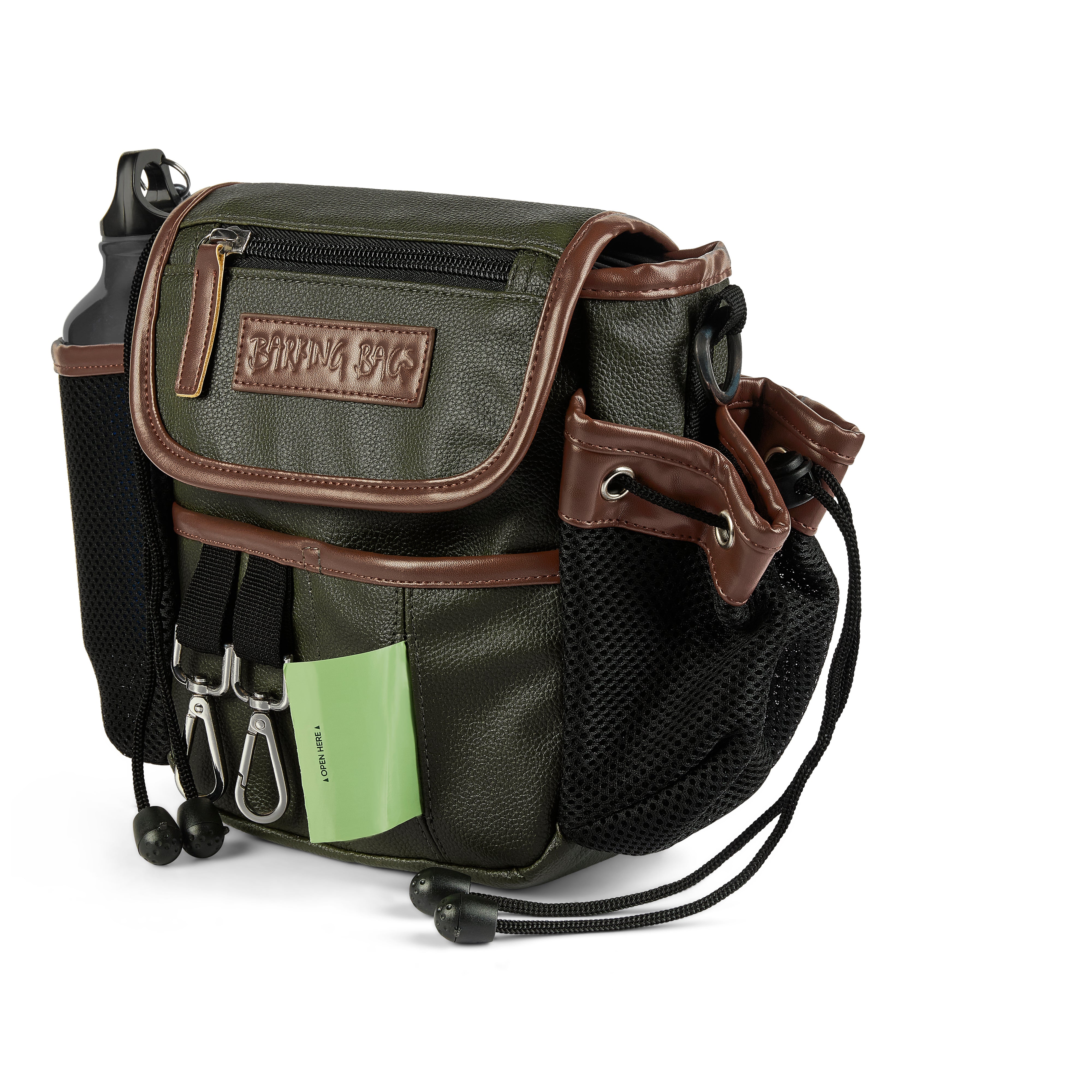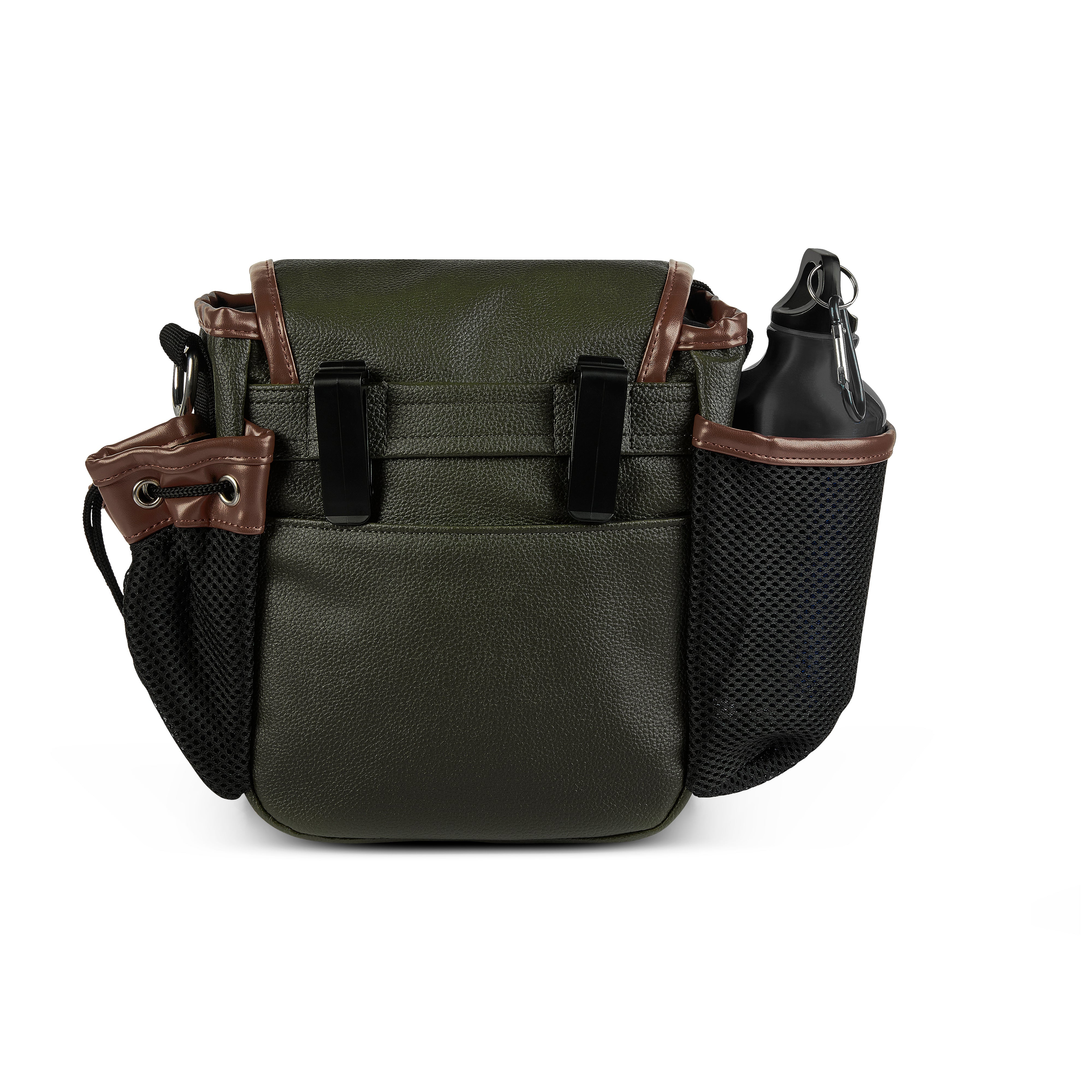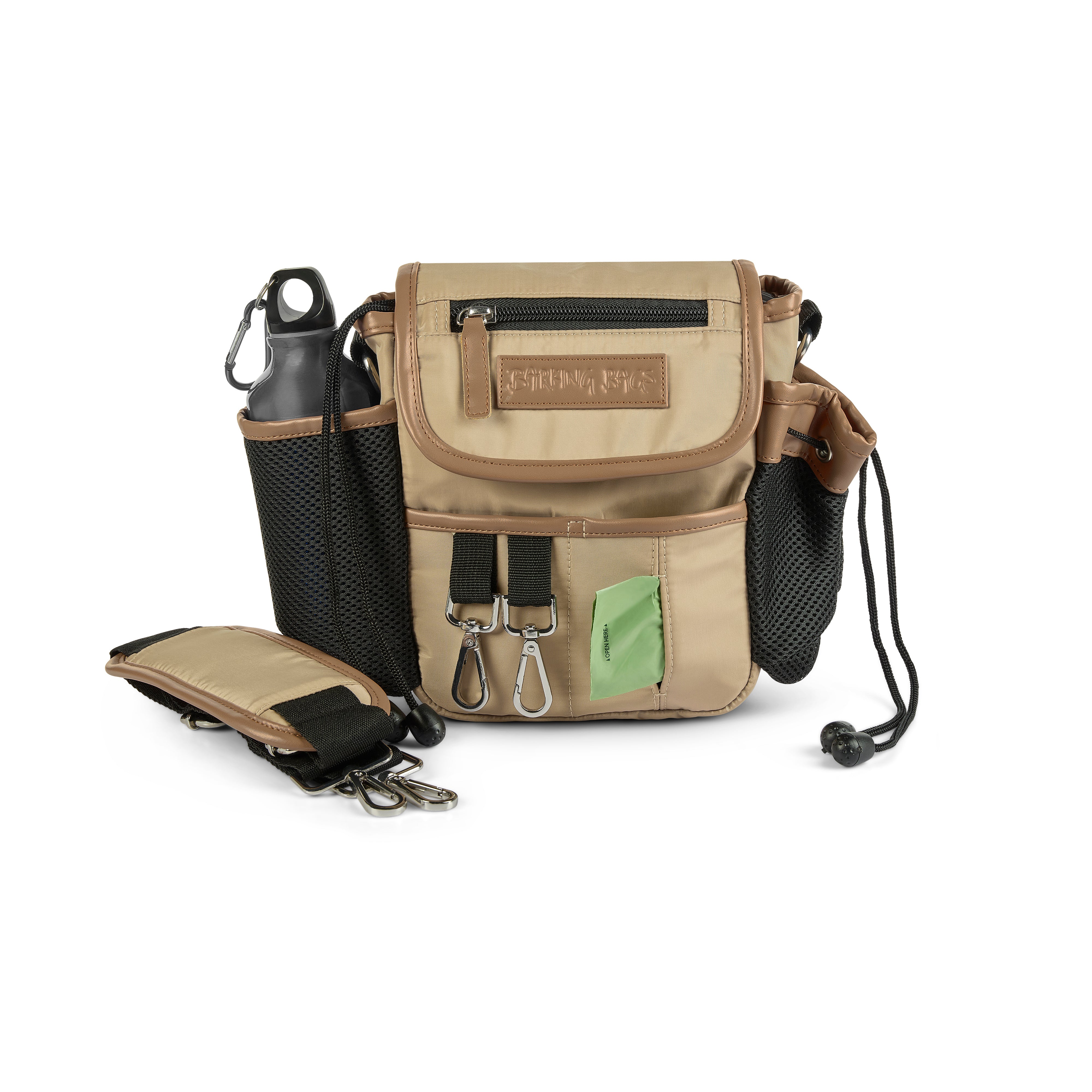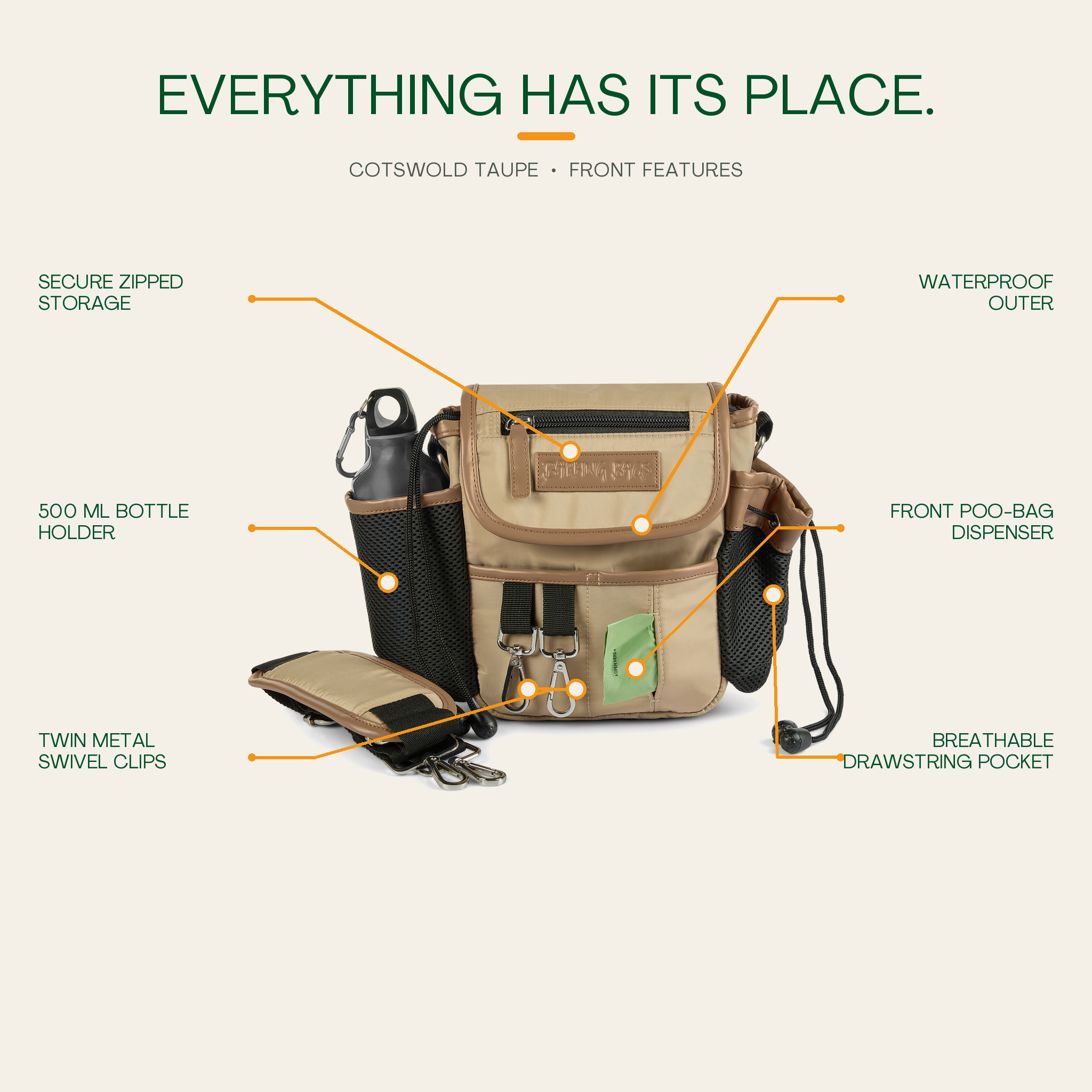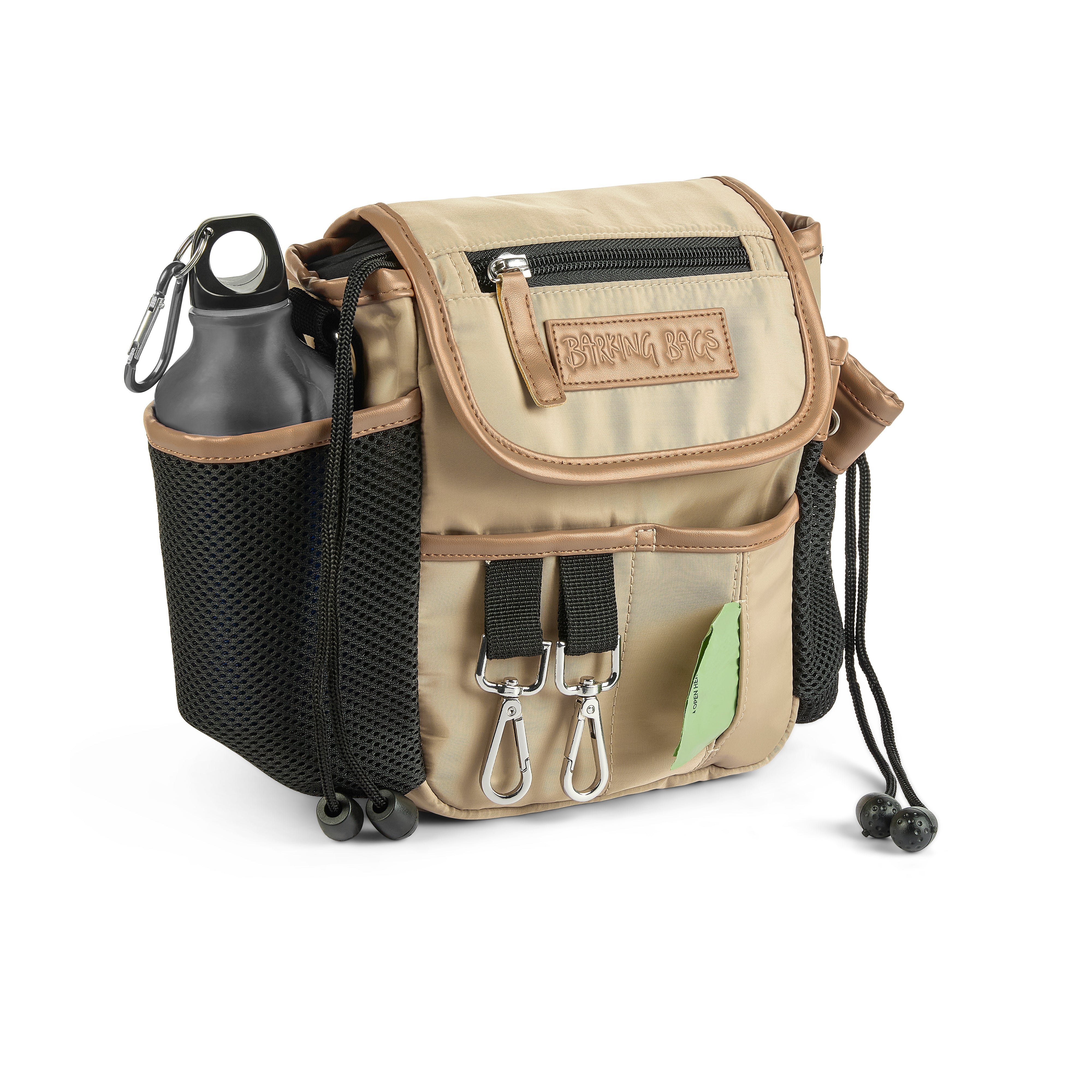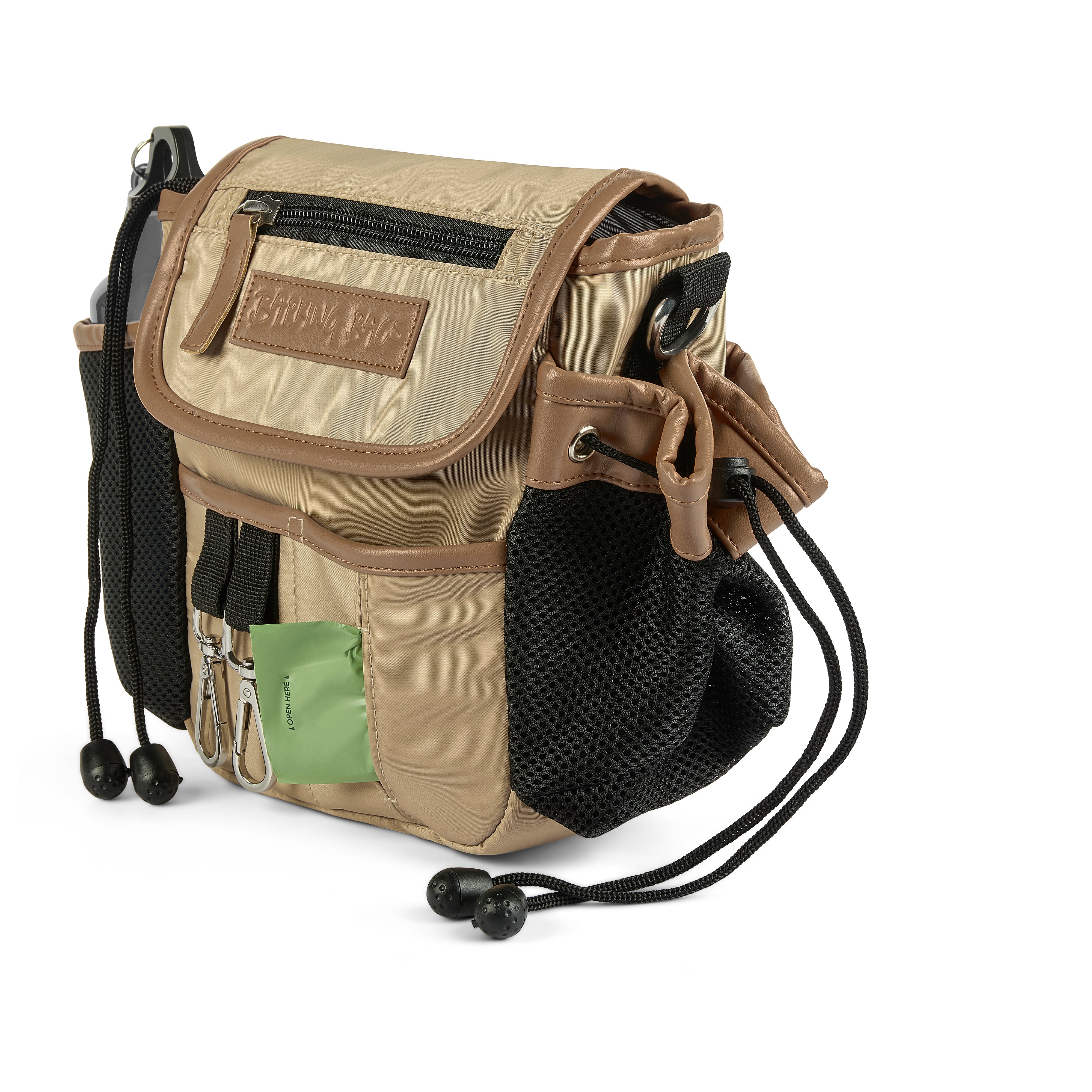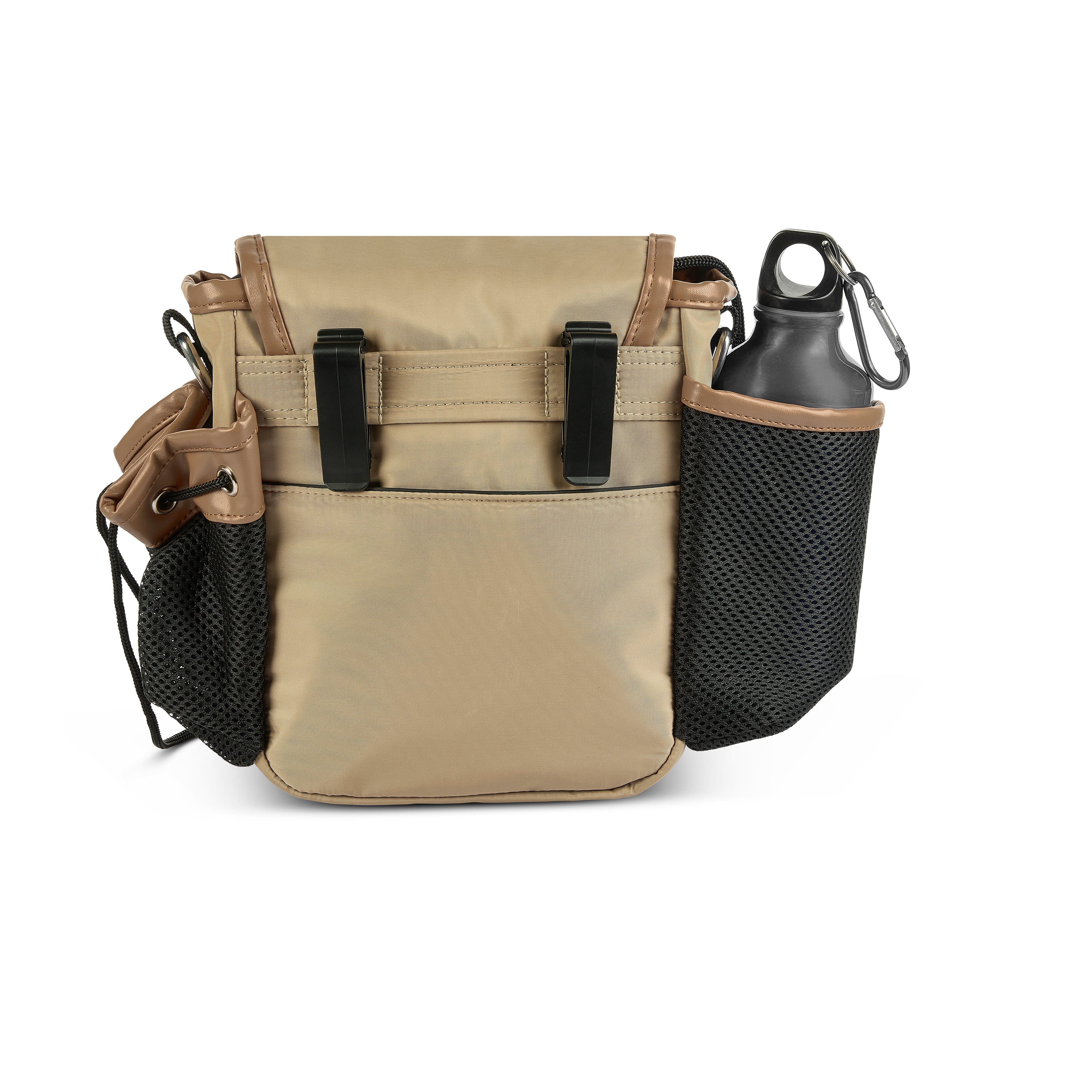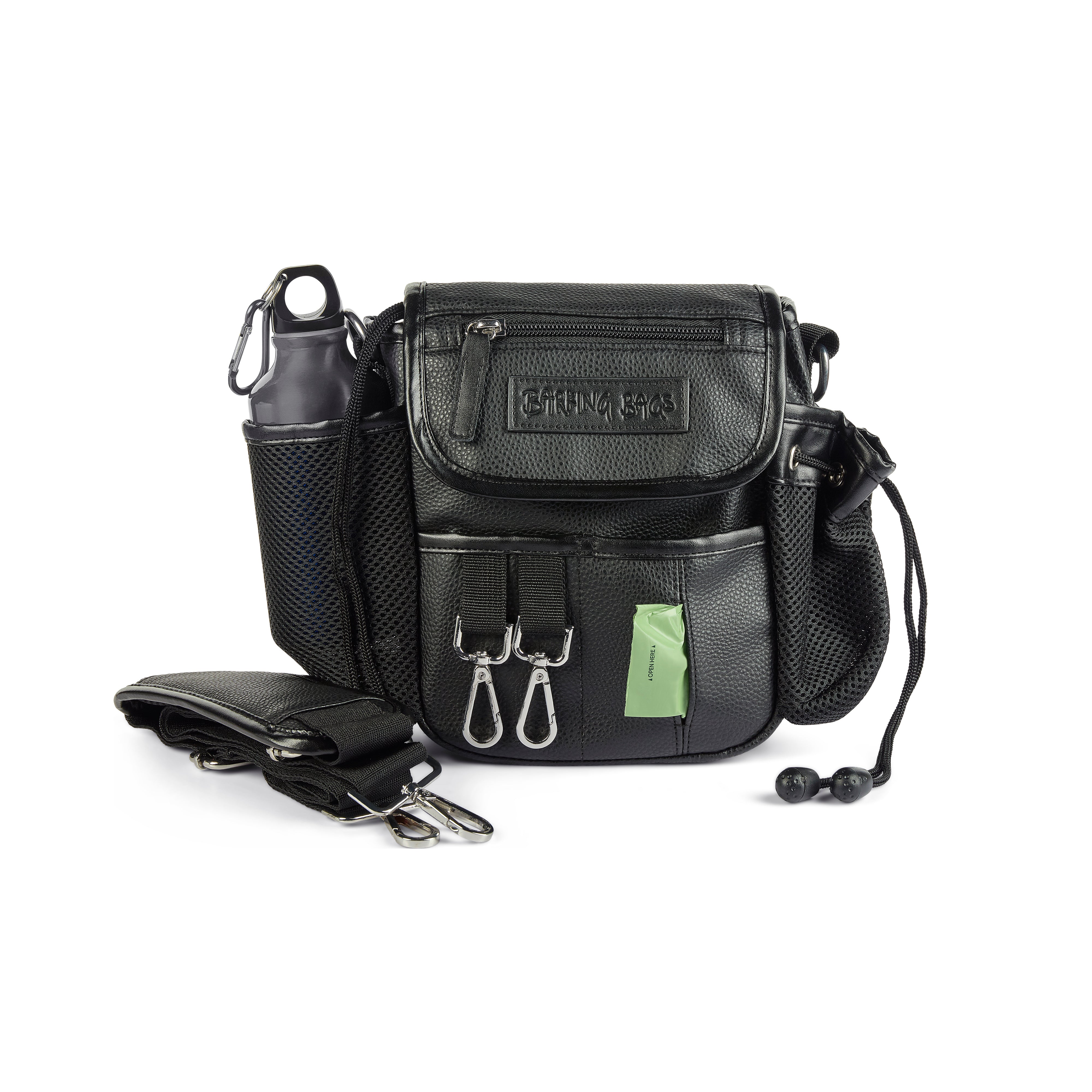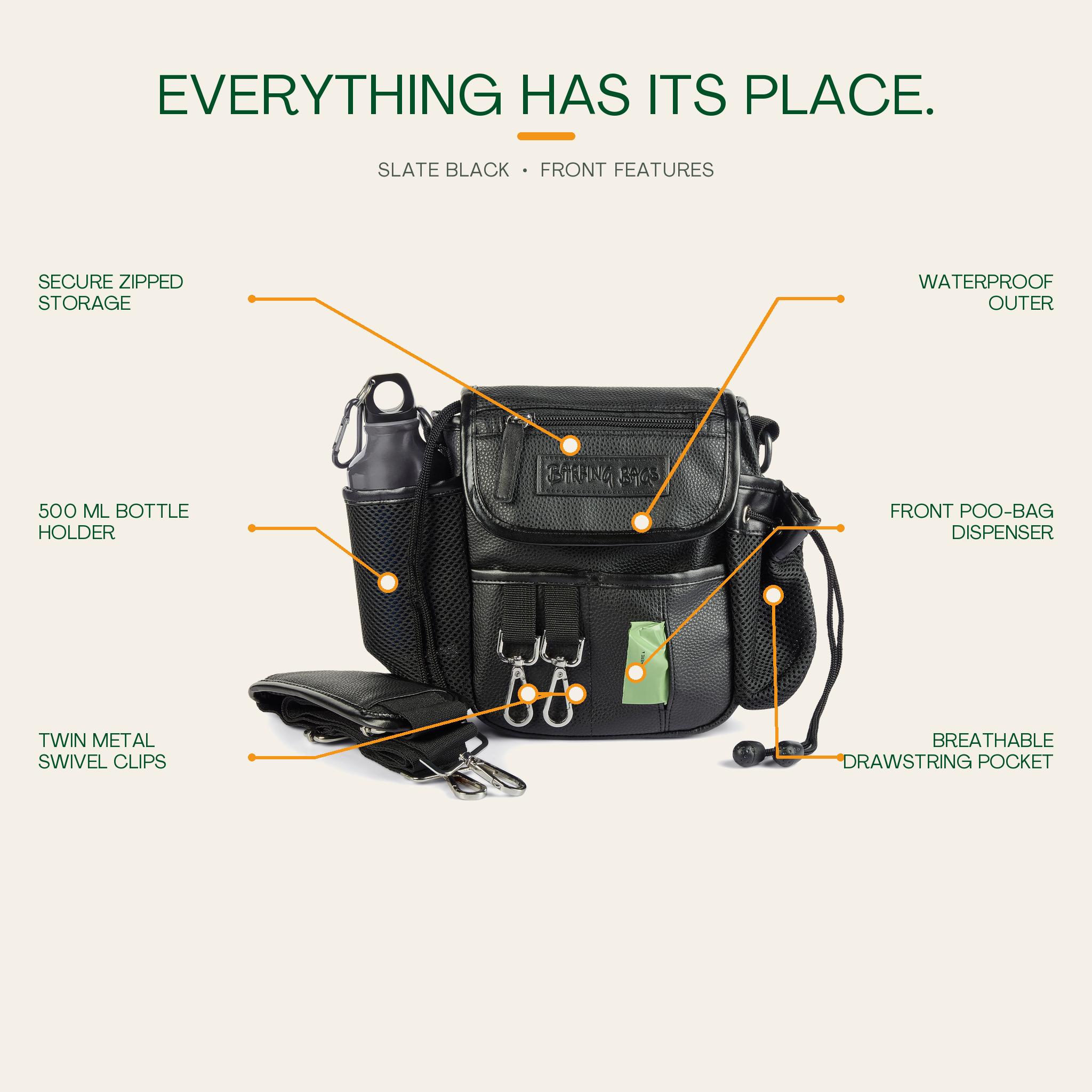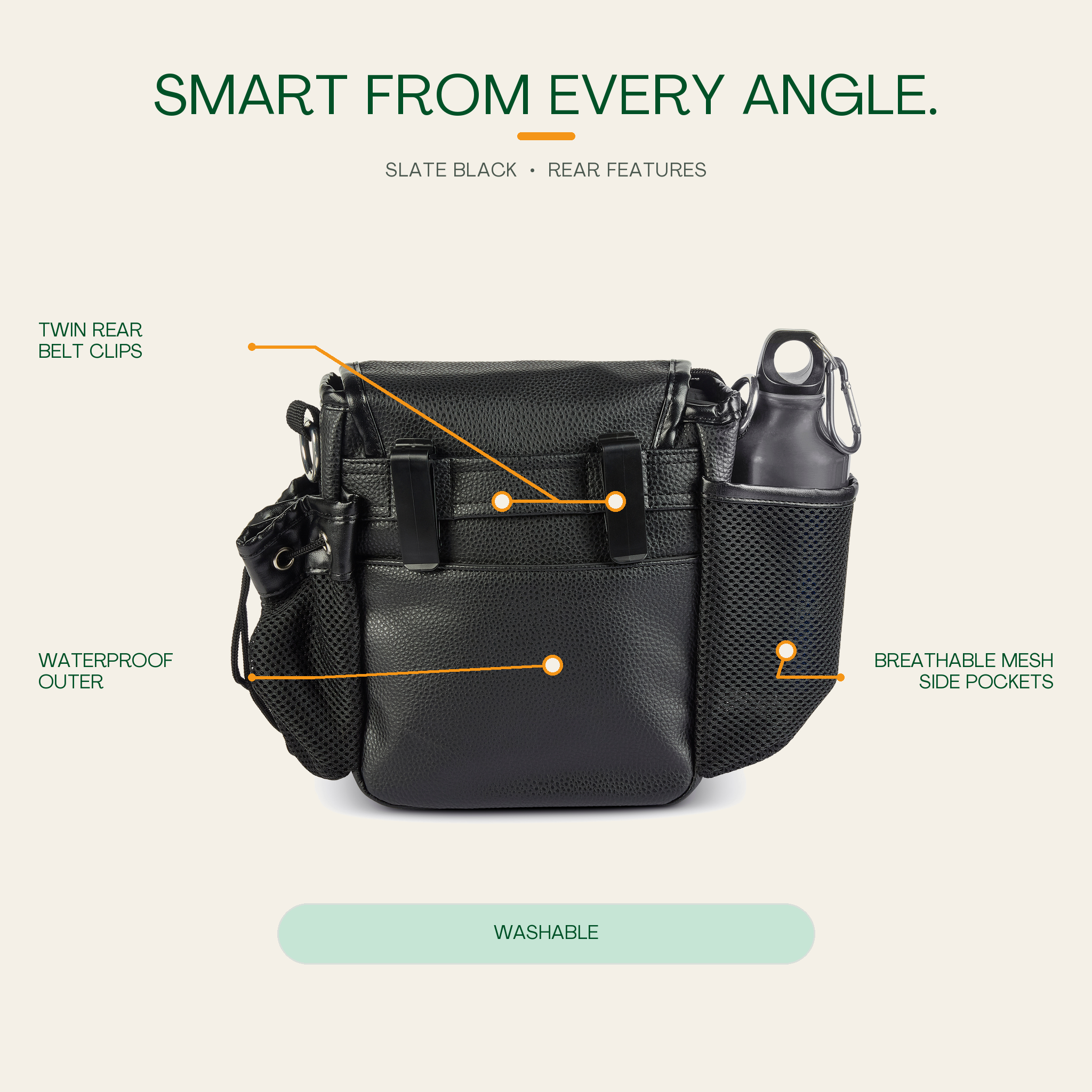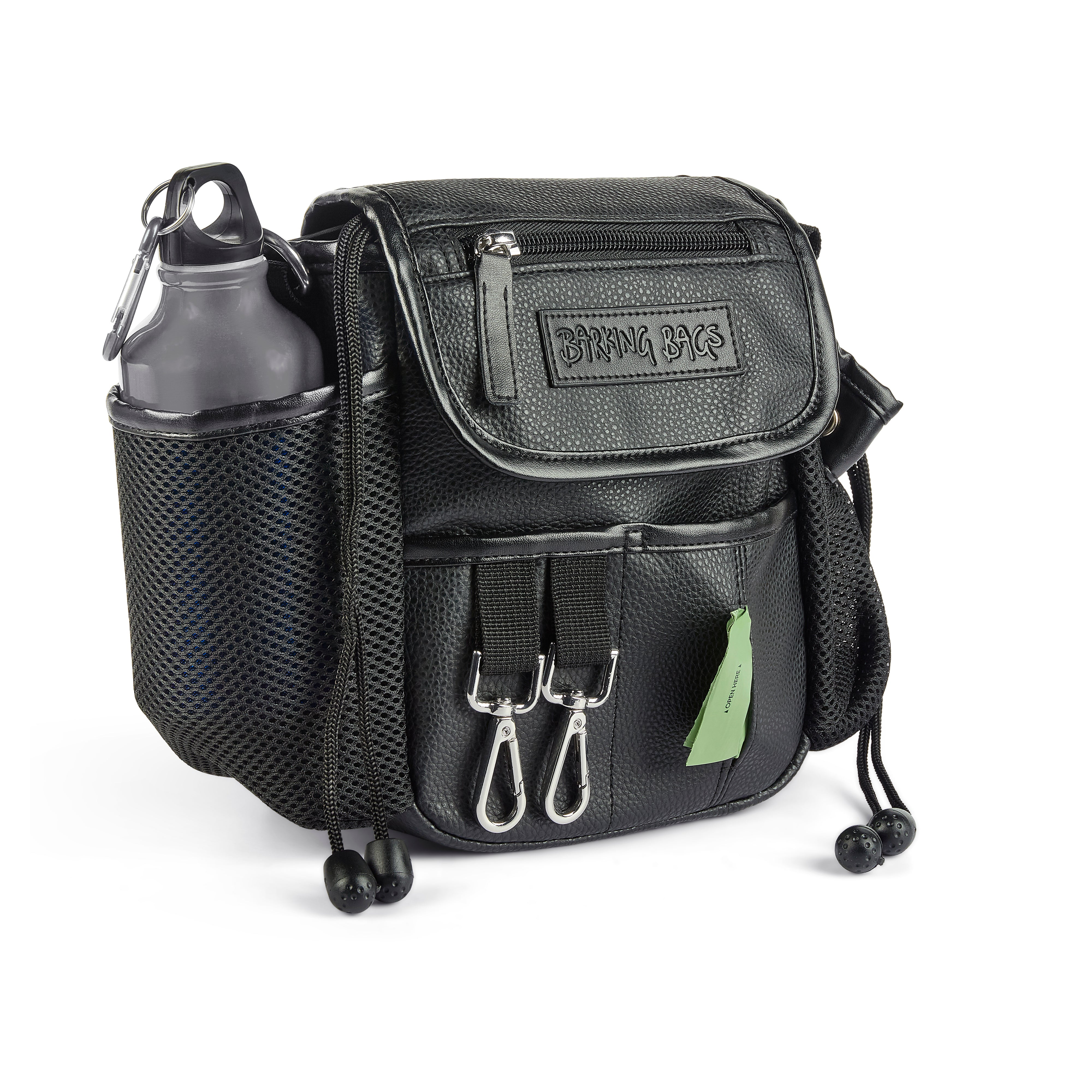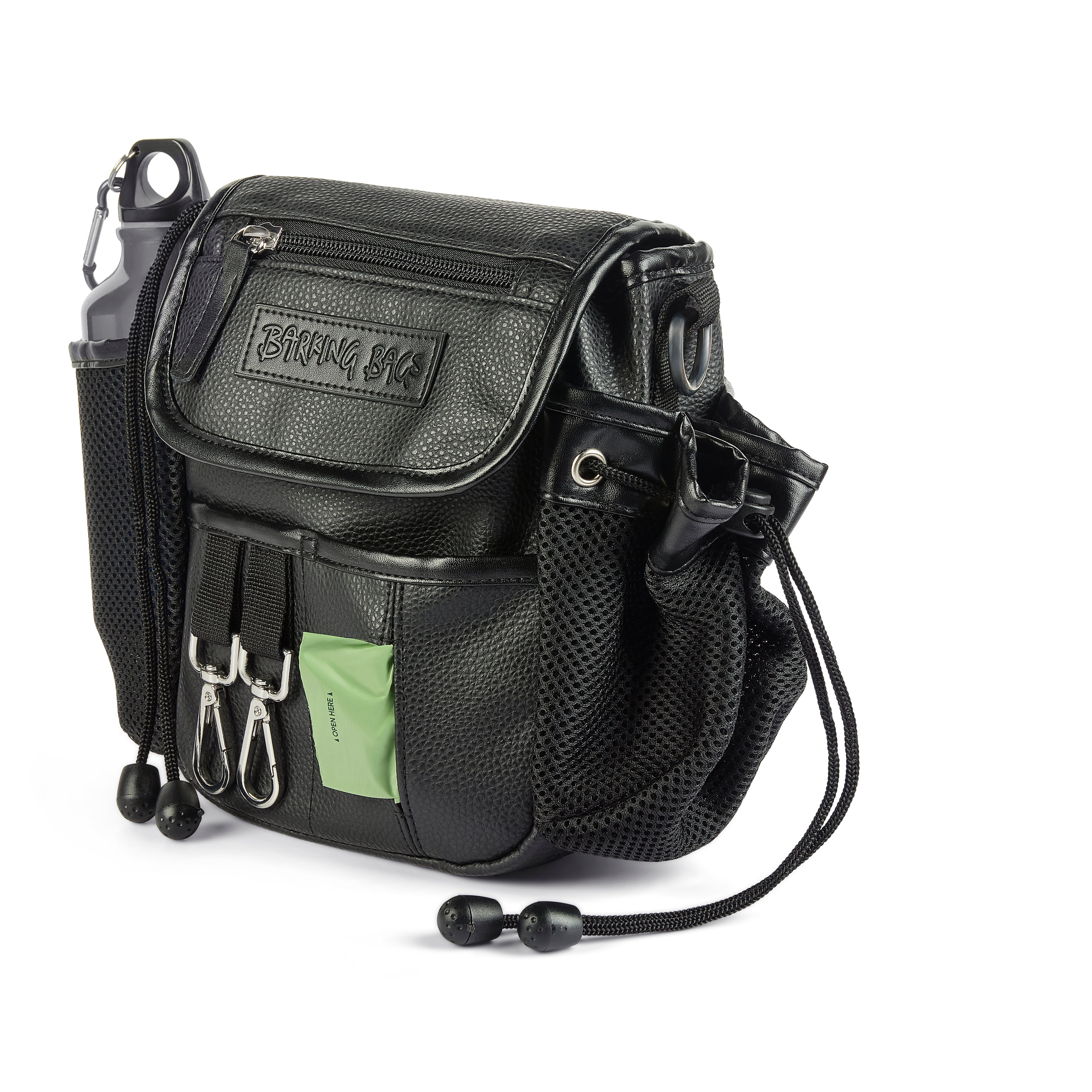

The moment you are balancing a lead in one hand, fishing for a poo bag with the other, and trying not to drop your mobile phone, you realise a normal handbag or coat pocket is not really up to the job. A dog walking bag with poo bag dispenser fixes that small but constant bit of chaos by giving every essential its place, right when you need it.
That matters more than it sounds. Dog walks happen in the rain, before work, after dark, during training sessions, on quick pavement loops and long weekend rambles. You are not carrying one item. You are carrying treats, keys, your mobile phone, maybe a ball, maybe wipes, and definitely waste bags. When those things are scattered across pockets or buried in the bottom of a crossbody bag, the walk becomes more fiddly than it needs to be.
Why a dog walking bag with poo bag dispenser makes sense
The best dog accessories do not add extra fuss. They remove it. That is exactly why a dog walking bag with poo bag dispenser works so well for regular walkers, trainers, and anyone who likes to be properly organised.
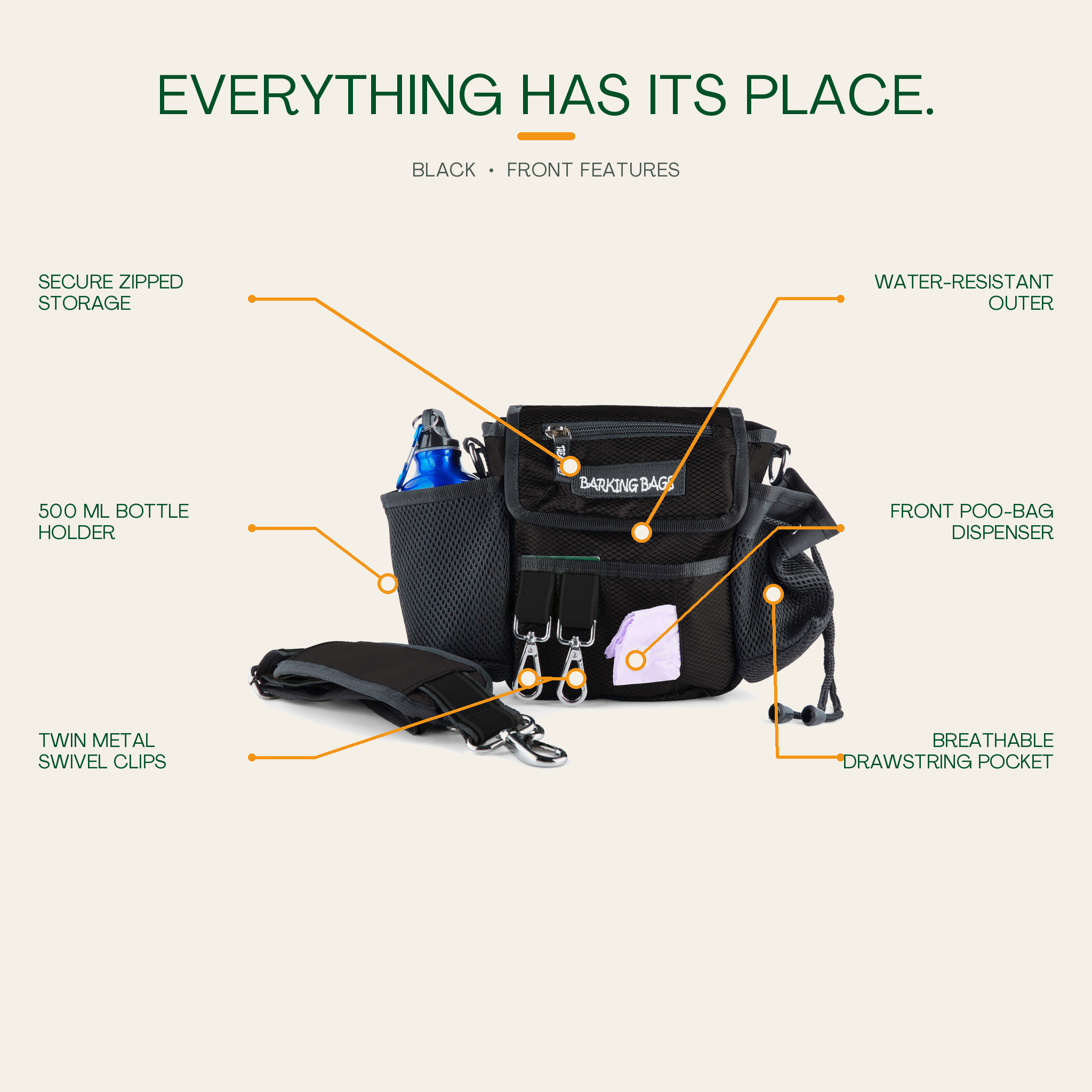
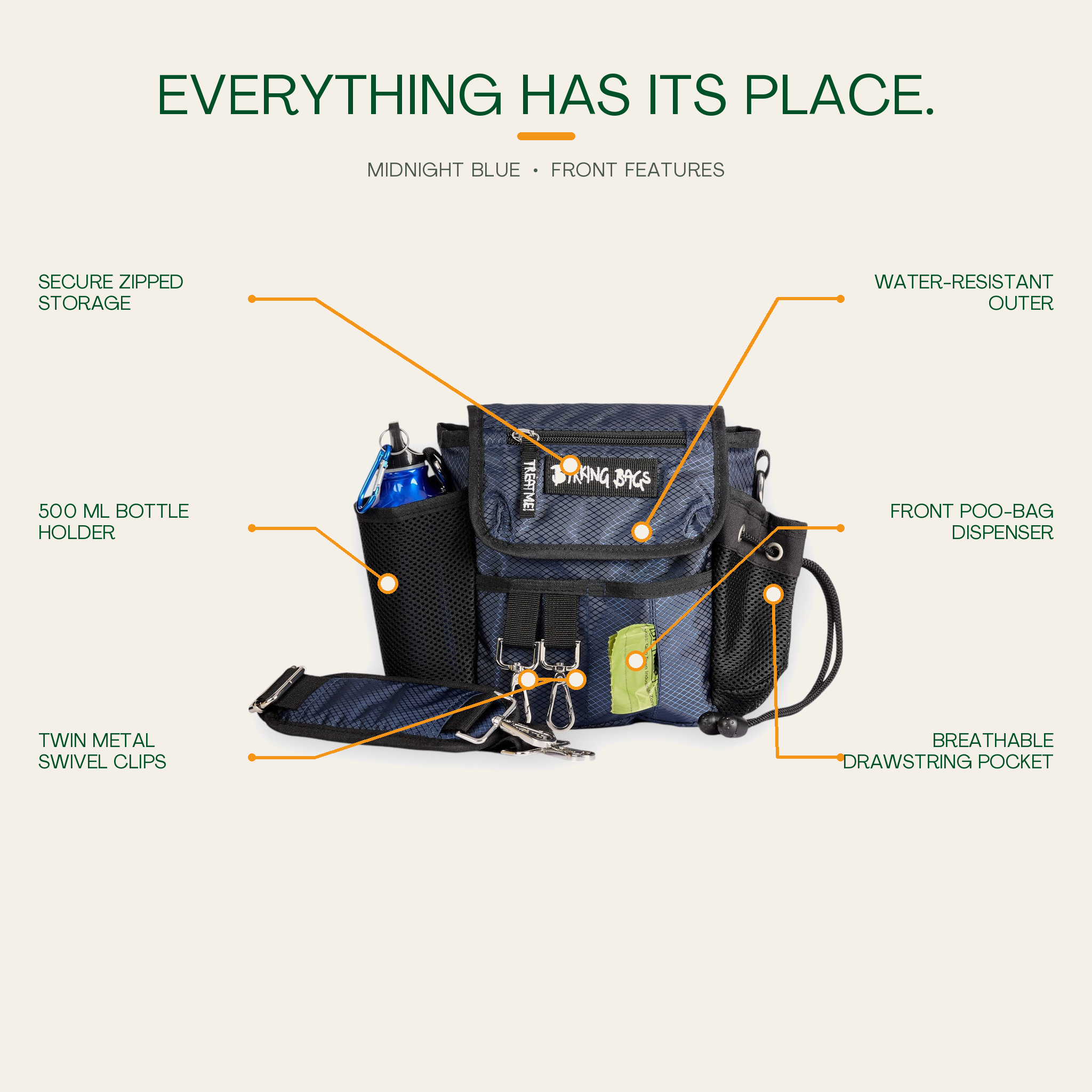
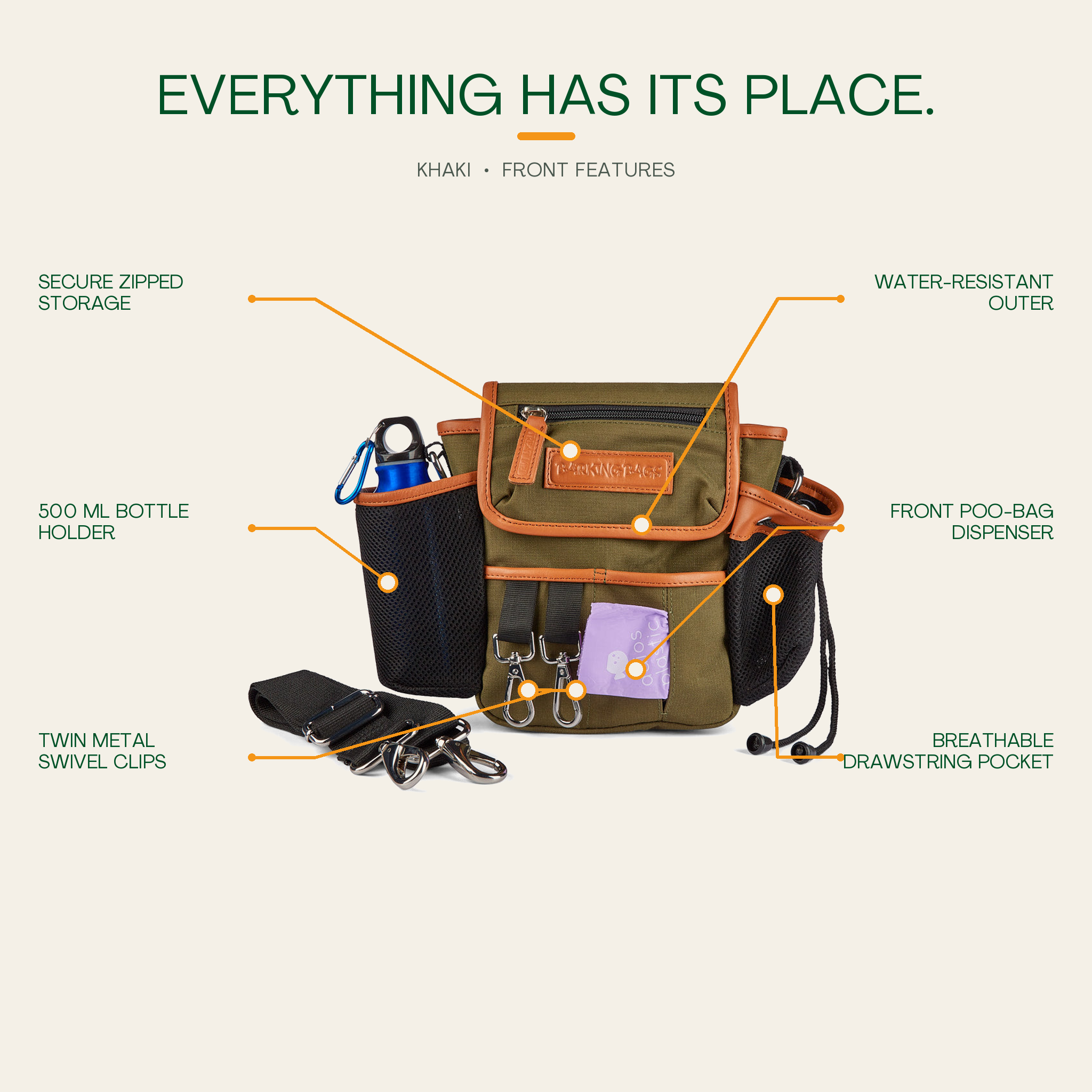
The dispenser itself solves a very obvious problem: speed. You do not want to unzip a main compartment and rummage around while your dog is circling a patch of grass. A built-in outlet means you can pull a bag quickly, one-handed if needed, and get on with it. It sounds like a small feature until you use it every day. Then it becomes one of those details you would not want to be without.
The bigger benefit, though, is structure. A purpose-built dog walking bag is designed around the actual rhythm of a walk. That means a spot for waste bags, a secure place for valuables, easy access for treats, and enough room for the extras that always seem to come along. It feels more considered than using whatever bag happens to be near the front door.
What to look for in a dog walking bag with poo bag dispenser
Not every bag with a dispenser is genuinely useful. Some are little more than a pouch with a hole in it. If you walk your dog most days, or manage more than one dog, the design details make a real difference.
Easy-access compartments matter
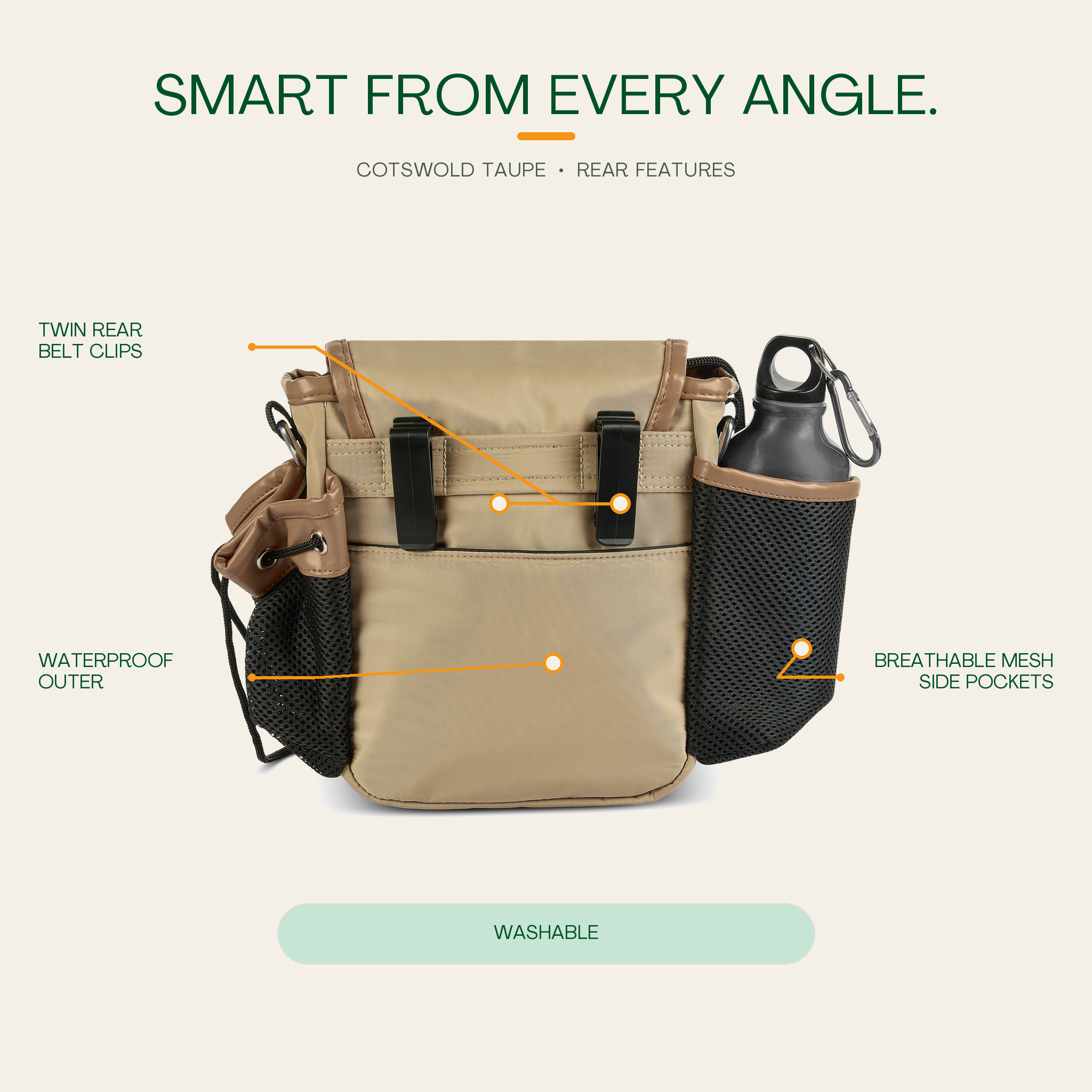
A good bag should help you separate essentials without overcomplicating things. You want to be able to reach for poo bags, treats, and your mobile phone without opening three different zips and shifting everything around. Distinct compartments are especially helpful if you mix dog kit with personal items, because nobody wants loose treats rolling around next to lip balm and bank cards.
There is a balance here. Too few compartments and the bag becomes a jumble. Too many and it starts to feel rigid or bulky. The sweet spot is simple organisation that makes the walk smoother, not slower.
The dispenser needs to be properly placed
The dispenser should be accessible and secure, not tucked into an awkward corner or placed where the roll falls out too easily. A badly designed dispenser can be more annoying than none at all. If the bags snag, tear, or disappear back into the opening, that convenience quickly disappears.
A well-positioned dispenser lets you pull a bag cleanly while still keeping the roll protected inside the bag. That is the difference between a feature that sounds good on a product page and one that actually works on a windy morning in the park.
Size should match your routine
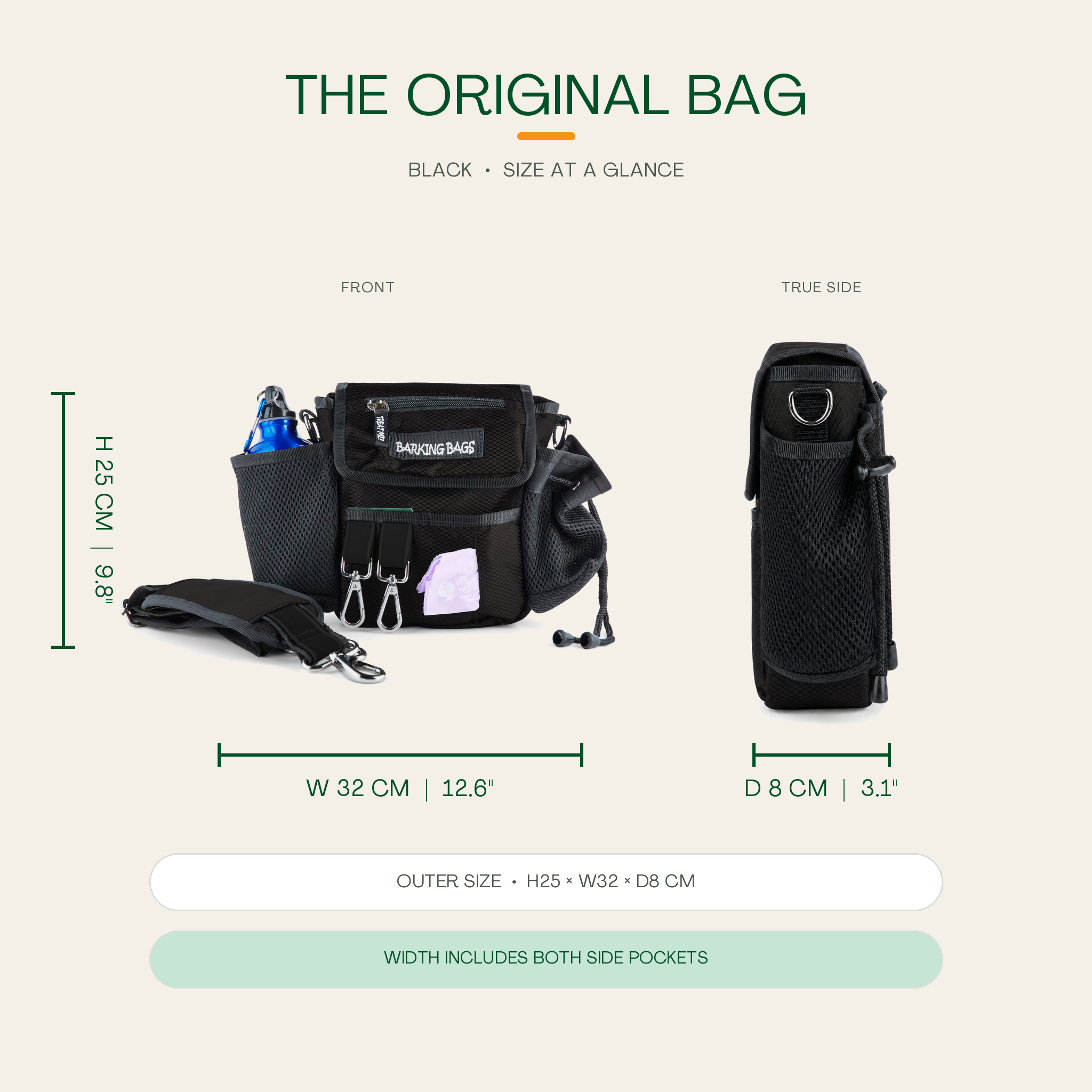
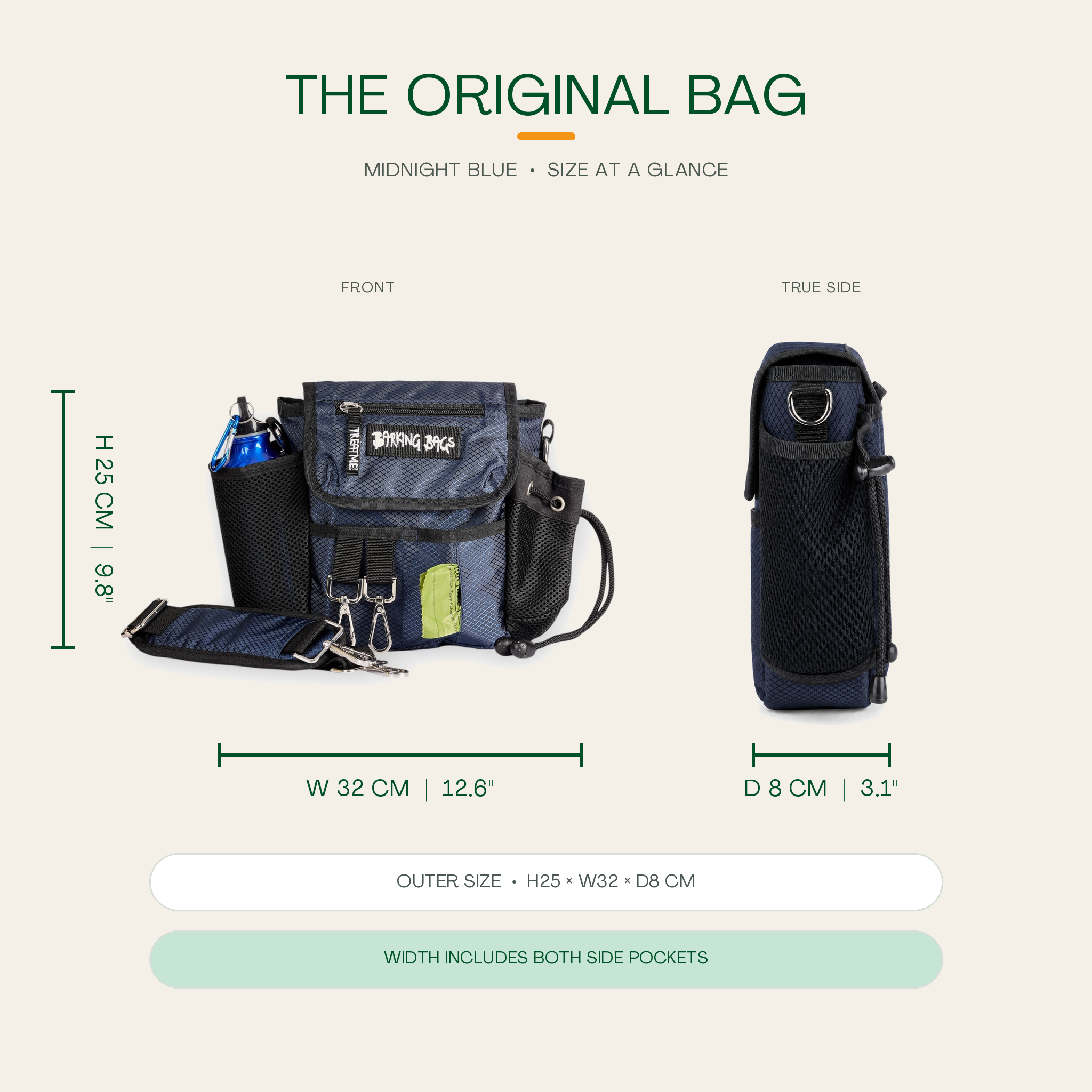
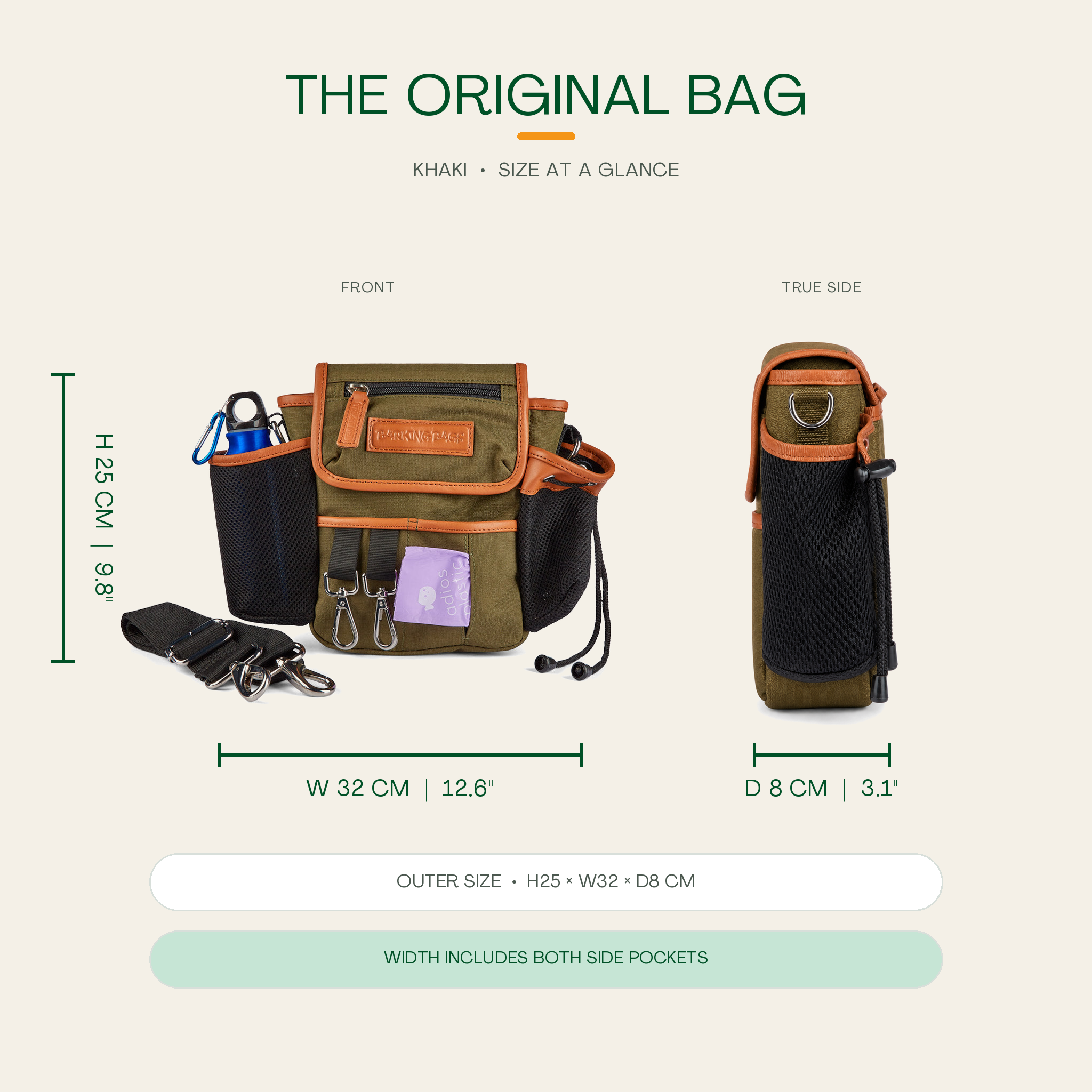
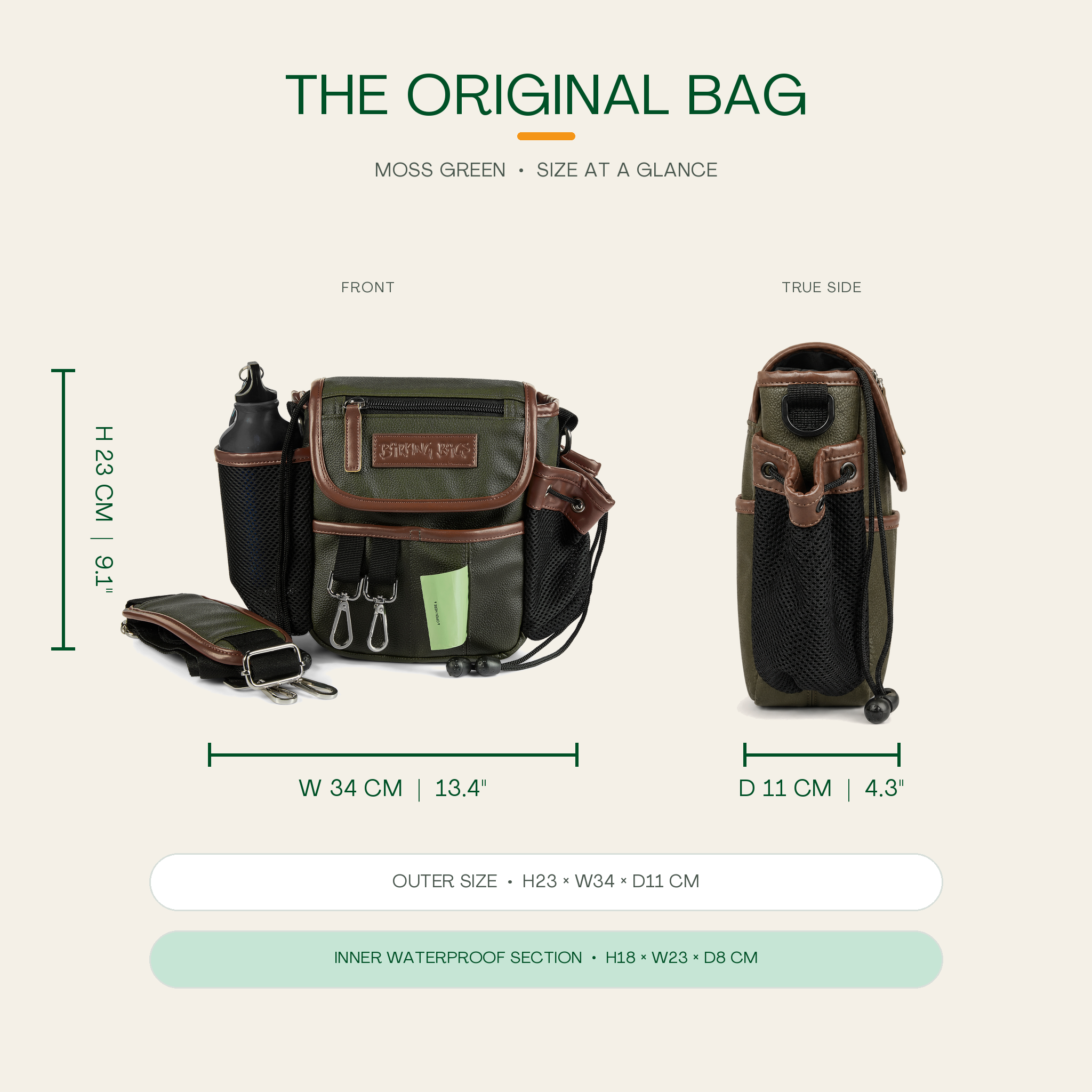
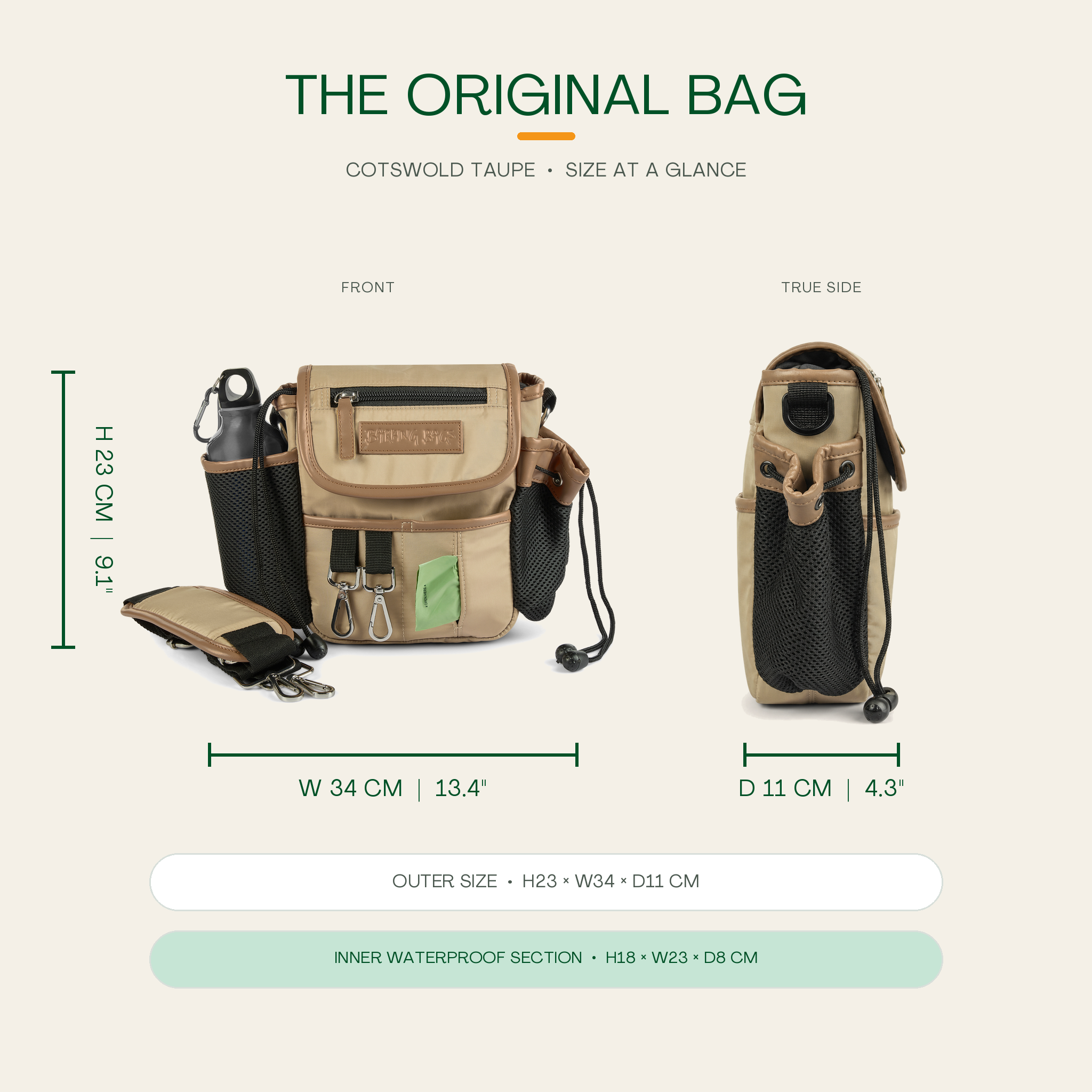
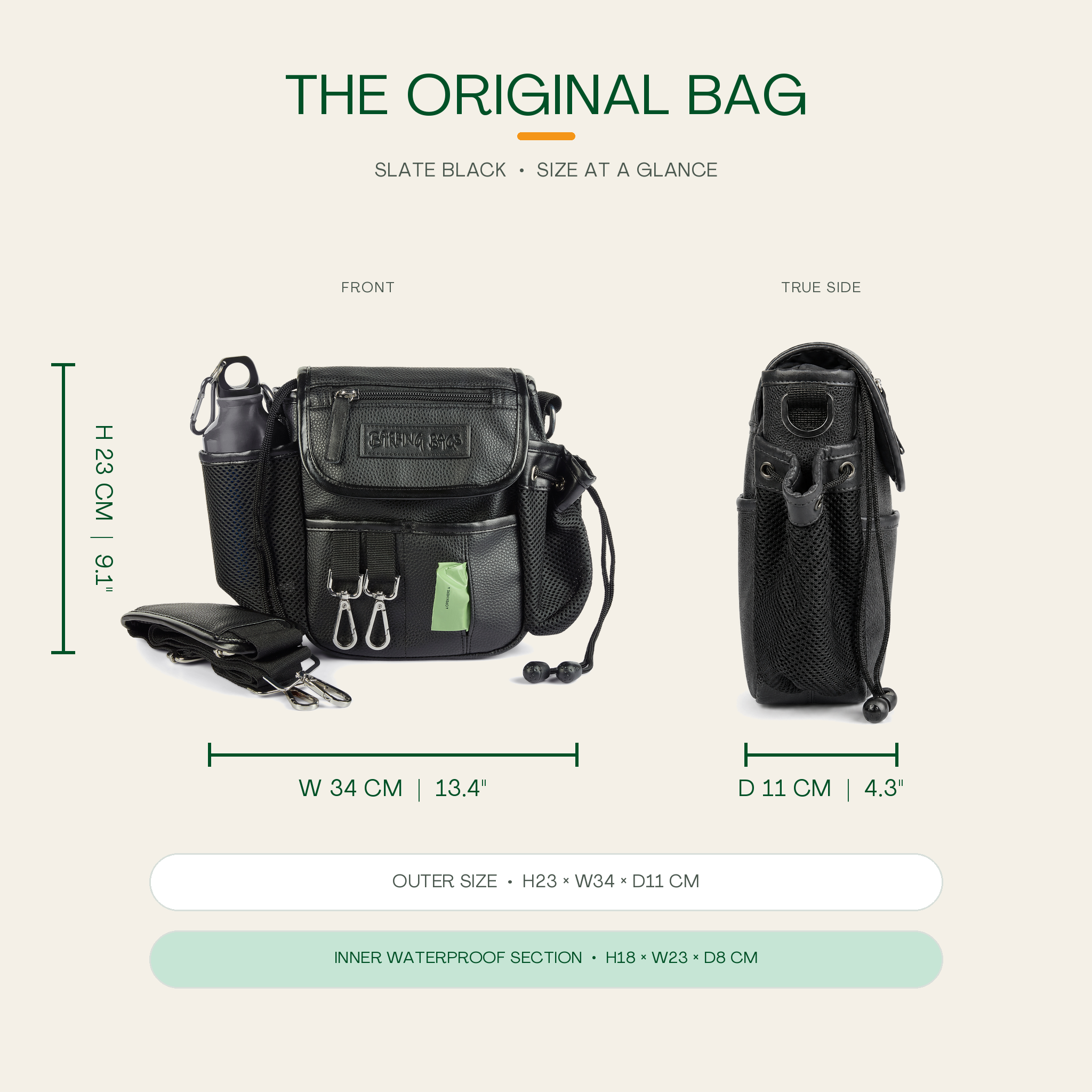
This is where it depends on how you walk. If you head out for 20-minute local walks, you may only need room for the basics. If you are out for an hour, working on recall, carrying water, or juggling more than one dog, you will want more capacity.
Bigger is not always better. An oversized bag can swing about, feel heavy, and tempt you to overpack. On the other hand, a tiny bag may look neat but leave you clipping extra items onto the strap or stuffing things into coat pockets anyway. The right size is the one that carries your normal walking kit comfortably without feeling cramped or cumbersome.
Comfort is part of the function
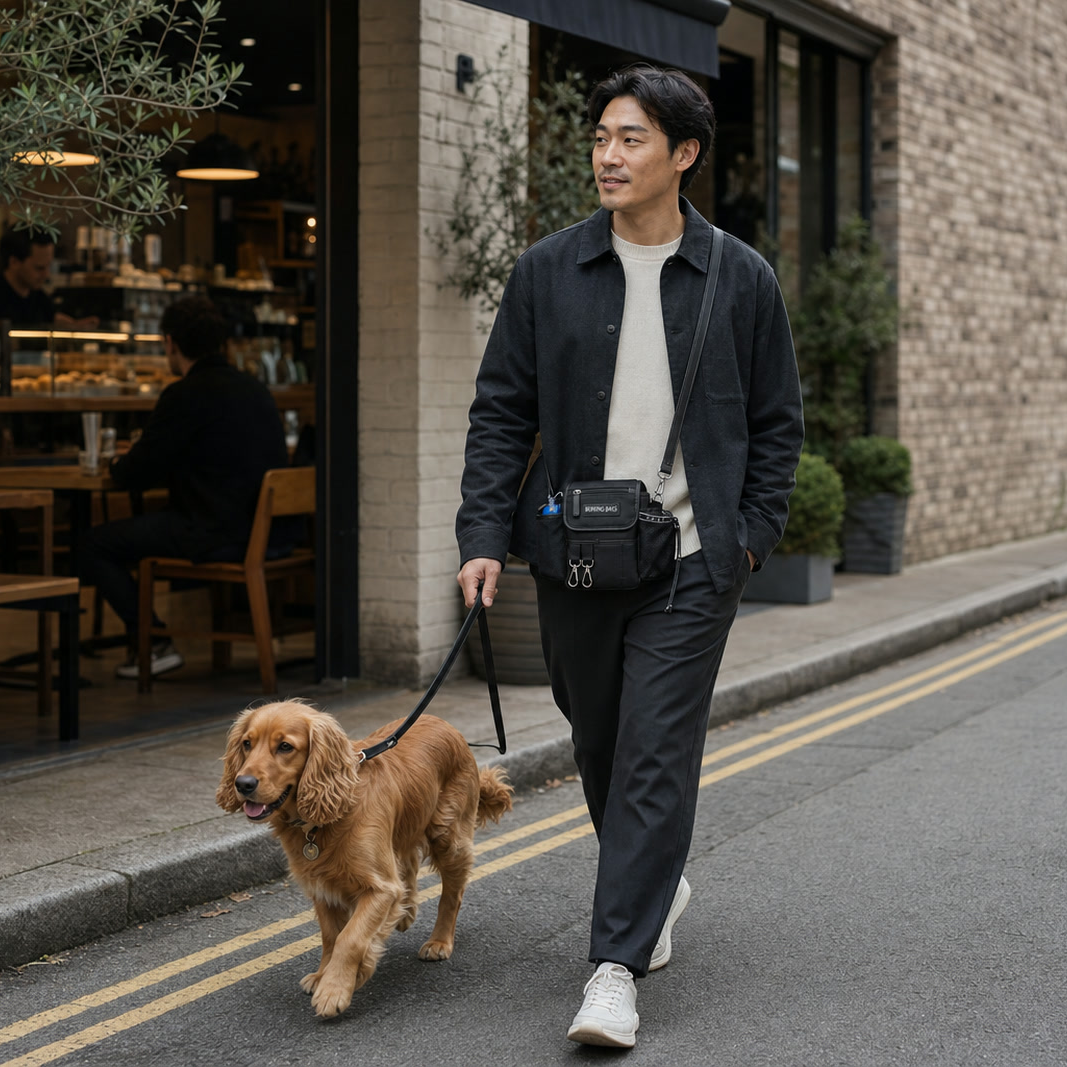
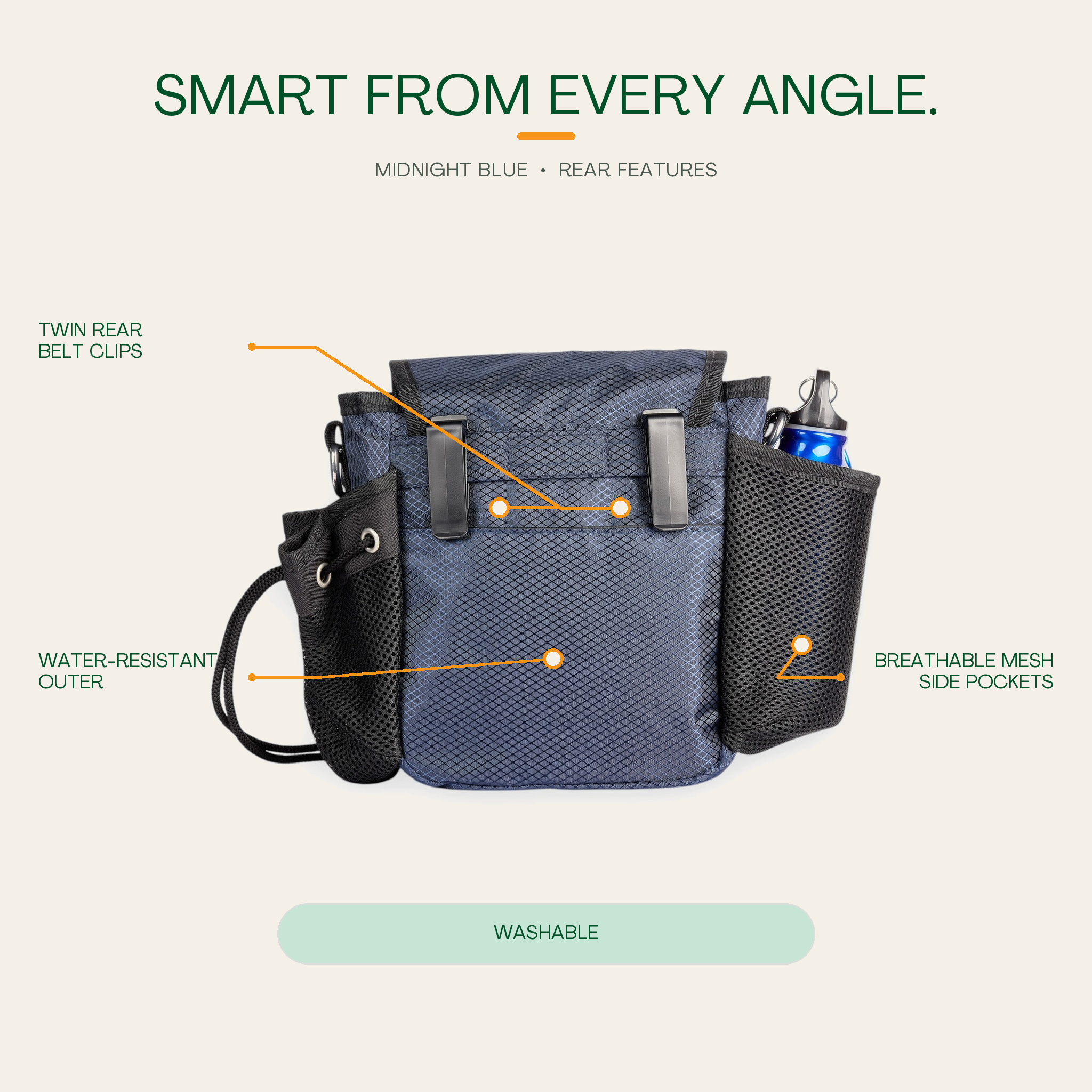
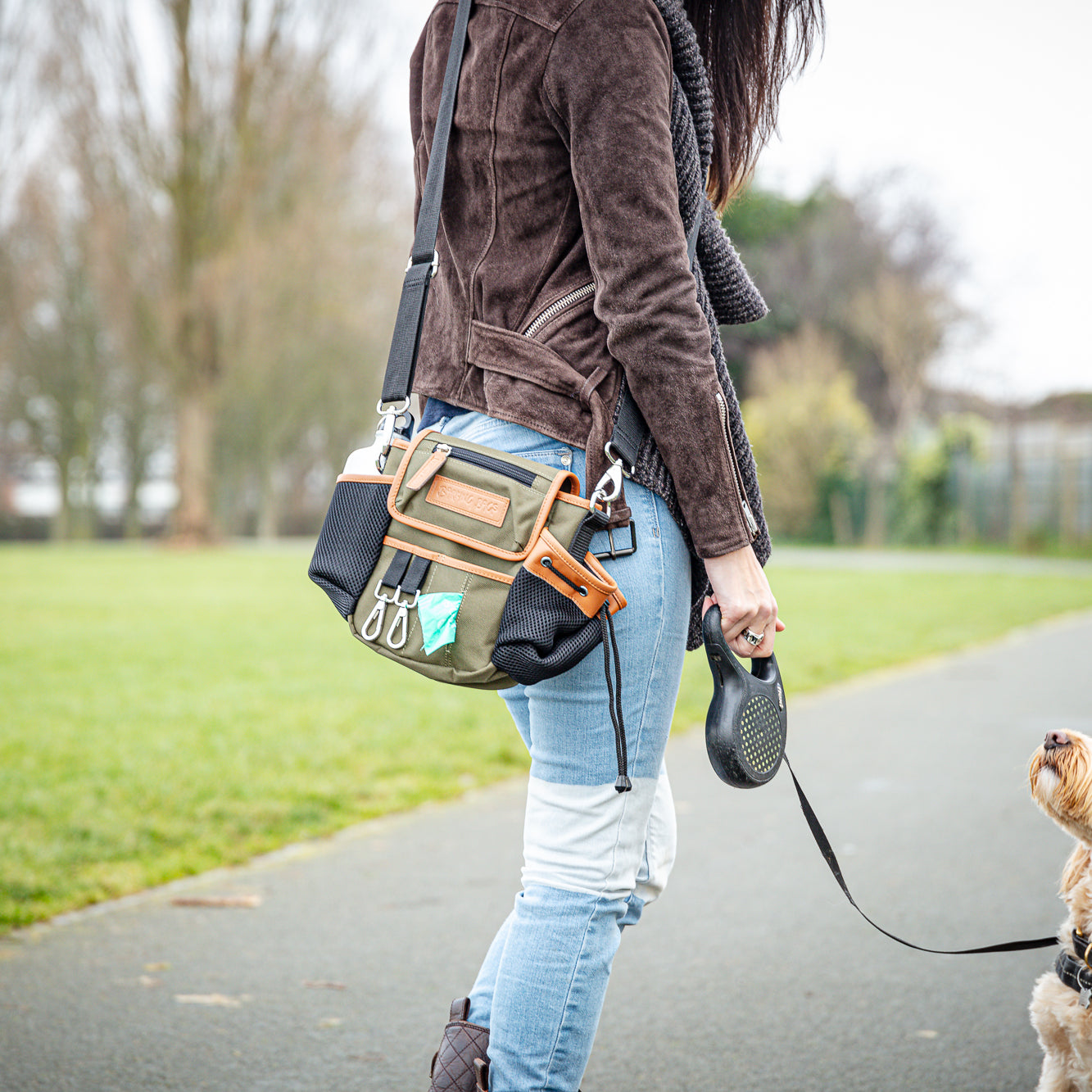
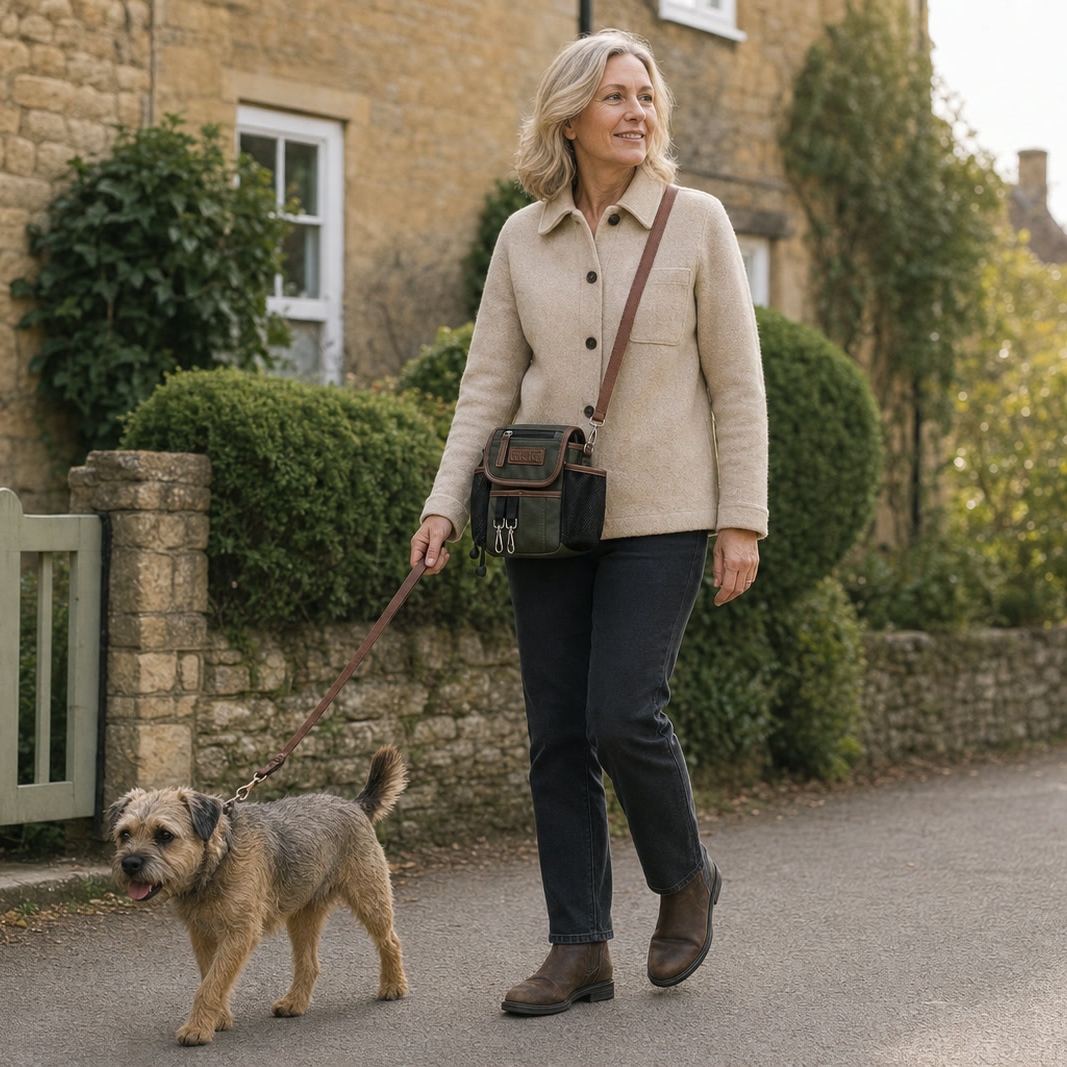
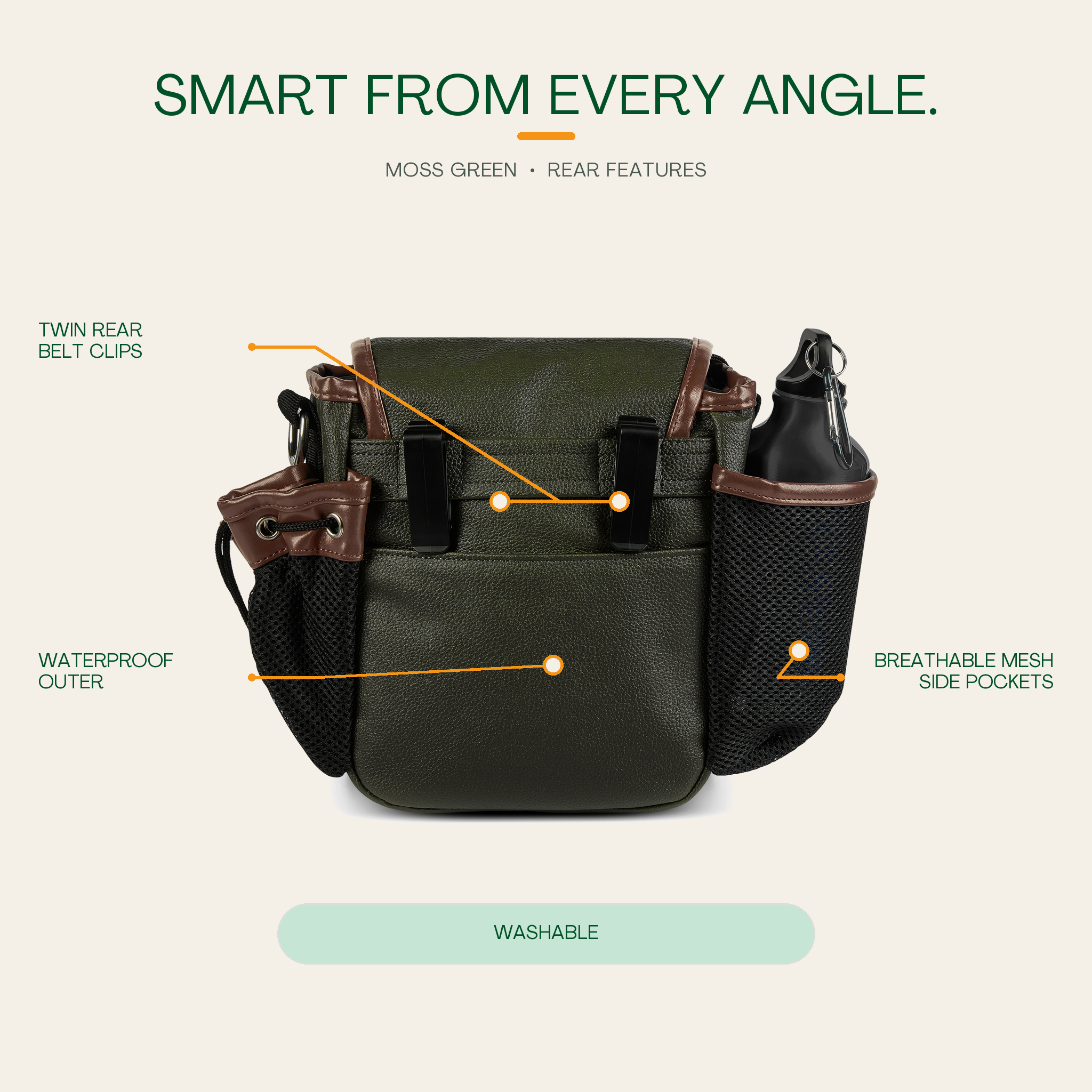
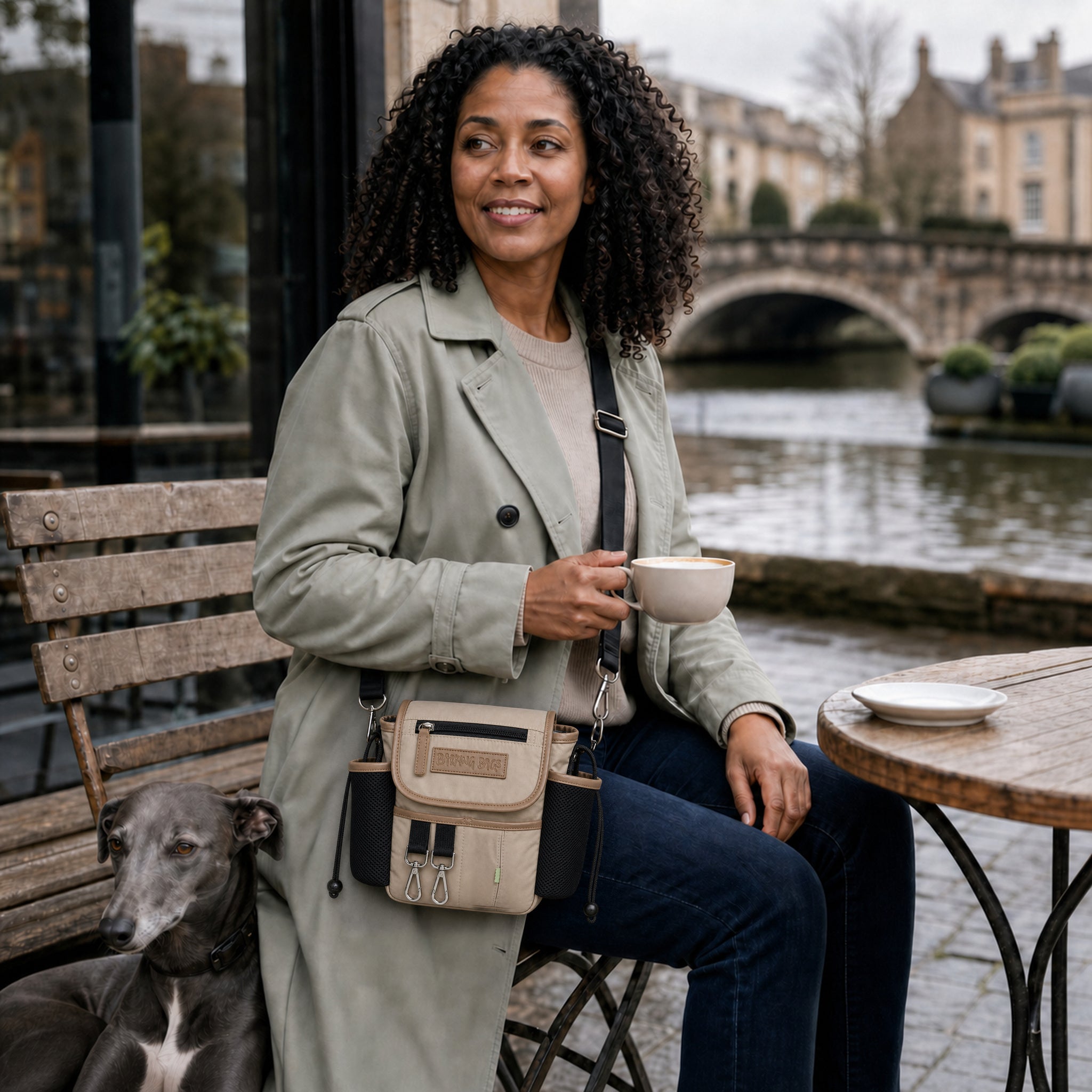
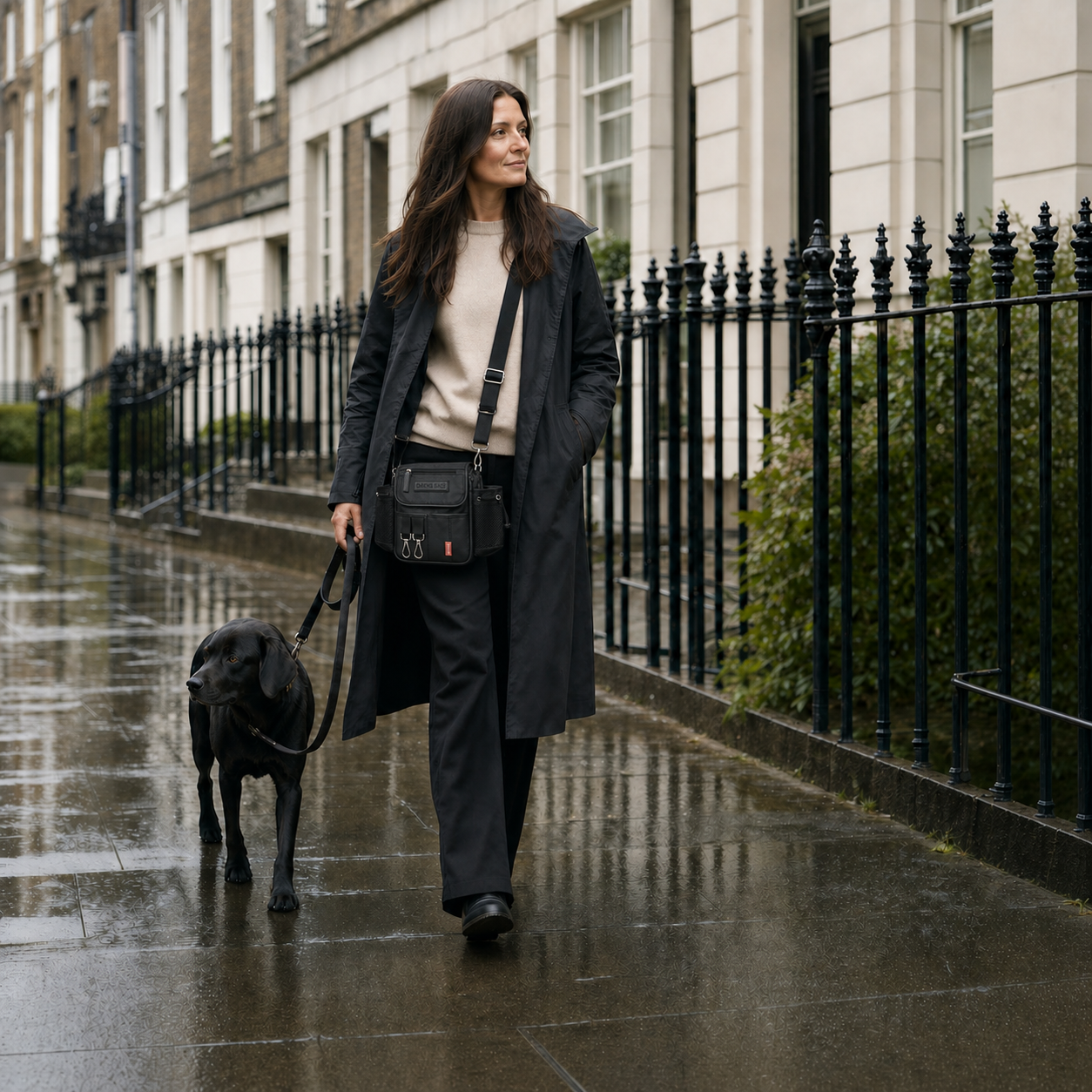
If you wear the bag daily, the strap, weight distribution, and shape all matter. Crossbody styles are popular for a reason. They leave your hands free, sit close to the body, and generally feel more secure while walking. That is useful whether you are managing a lively spaniel, practising loose lead walking, or simply picking up the pace.
A bag that looks stylish but digs into your shoulder, bounces too much, or twists every few minutes will soon be left at home. Practical design should still feel good to wear.
Why ordinary bags usually fall short
Most people start by improvising. They use an old tote, a small backpack, a belt bag, or the nearest handbag. It works, until it does not.
The problem with ordinary bags is not that they cannot carry dog walking gear. It is that they are not built around it. There is rarely a dedicated place for treats, no simple poo bag access, and often not enough thought given to quick one-handed use. You end up adding separate pouches, clipping things on, or using your pockets as overflow storage.
That patchwork approach can feel manageable at first, but it becomes frustrating over time. A dedicated walking bag gives you a system. Once you have a proper place for each item, leaving the house becomes quicker and the walk feels more relaxed.
Style still matters on a dog walk
Practical does not have to mean clunky. For many dog owners, the ideal bag is one that works brilliantly but still looks smart enough for the school run, the coffee stop, or the rest of the day. That is one reason dedicated dog walking bags have become more popular. People want function without carrying something that looks overly utilitarian.
A well-designed bag should blend into your day rather than announce itself as a piece of pet kit. Clean lines, wearable colours, and thoughtful details make a difference if you use it constantly. You are more likely to carry a bag that feels like part of your routine rather than a compromise you only tolerate because of the dispenser.
Who benefits most from this kind of bag
Almost any dog owner can appreciate better organisation, but some people will notice the difference straight away. Regular walkers who are out at least once or twice a day tend to get the most value because they use the features constantly. Dog trainers benefit from easy access to treats and tools. Professional walkers need something more dependable than a generic day bag. And owners of puppies often find that proper storage becomes essential very quickly.
Puppy walks are a perfect example. You are not just carrying waste bags. You may need treats for reward-based training, a toy for redirection, tissues, wipes, your mobile phone, and sometimes a spare lead attachment. A dedicated walking bag keeps those early outings more manageable when your attention is already split.
A small detail that changes the whole walk
The dispenser is often the headline feature, but the real value is what it represents: readiness. When your bag is set up properly, you stop thinking about what you forgot, where you put things, or whether you have enough hands. You simply clip on the lead and go.
That is why a purpose-built bag feels different from a makeshift option. It is designed around the way dog owners actually move through the day. Quick walks before meetings. Long strolls at the weekend. Training in the park. Wet-weather dashes around the block. The right bag supports all of it without making a fuss.
At Barking Bags, that is the point of good design - not to overcomplicate dog walking, but to make it feel easier, tidier and better organised every single time you head out.
If your current setup involves bulging pockets, tangled leads and a last-minute hunt for poo bags, a better bag is not a luxury. It is one of those practical upgrades that quietly improves the whole routine.